ANOTHER MUSICAL MUSING, 10 May 2025 –“Mothers’ Day Tunes From Those Sweet Old Days”

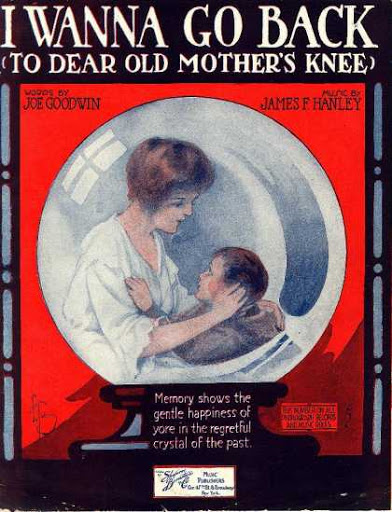
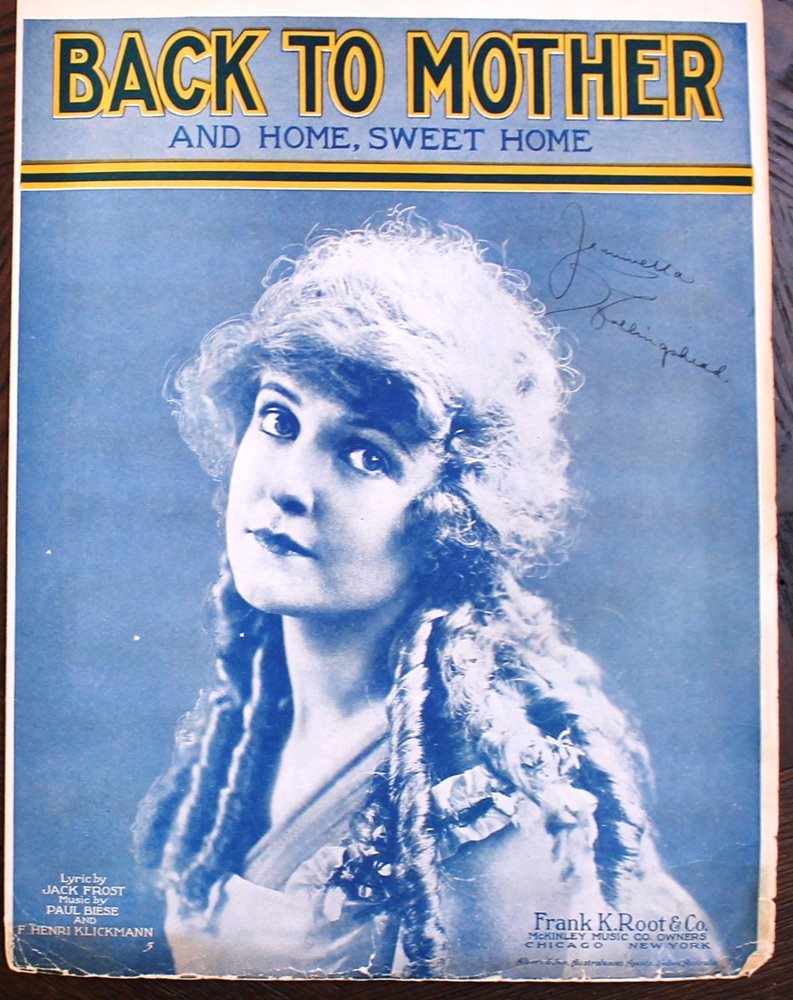
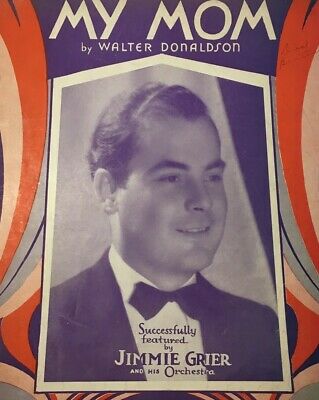
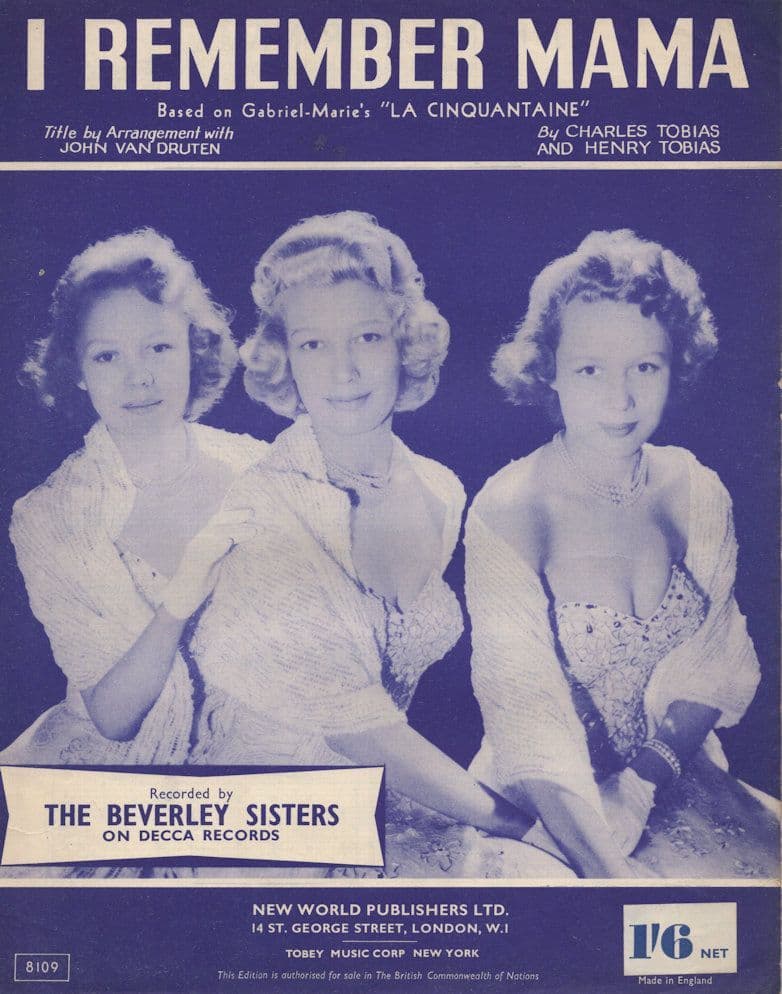
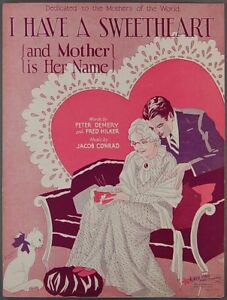
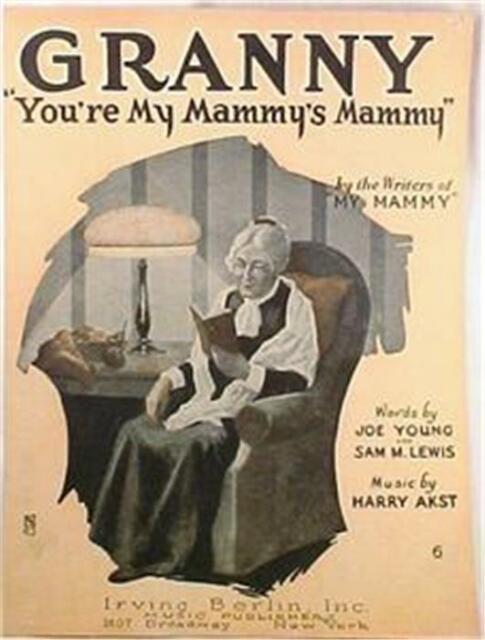
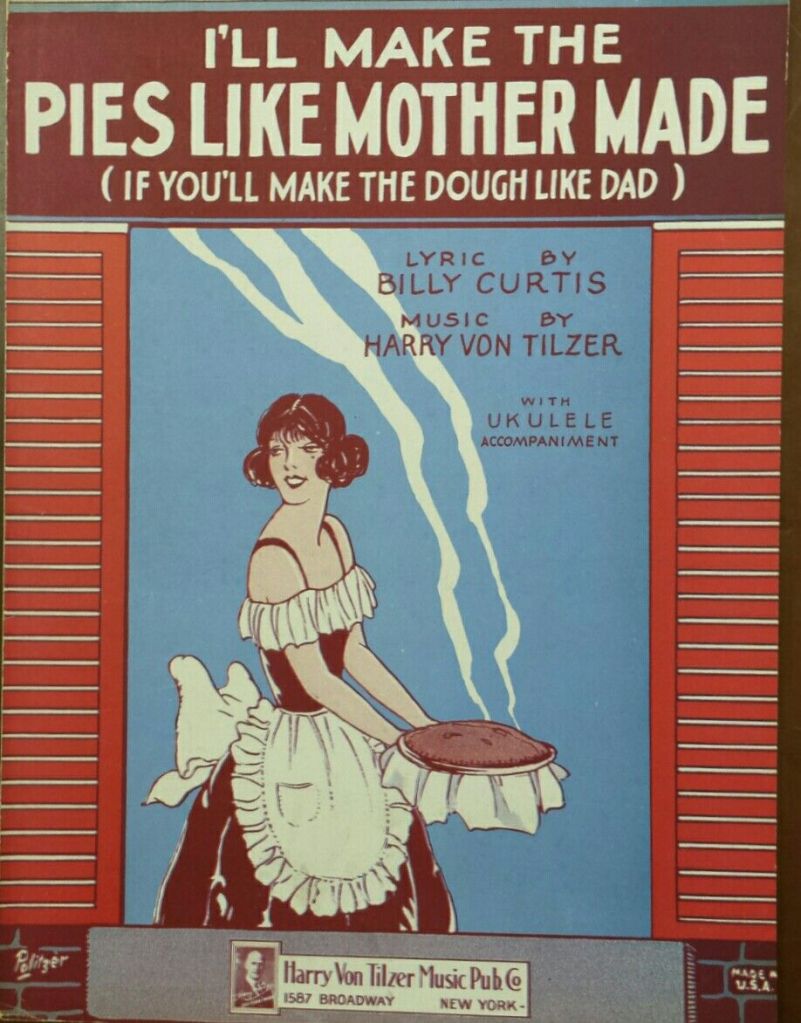
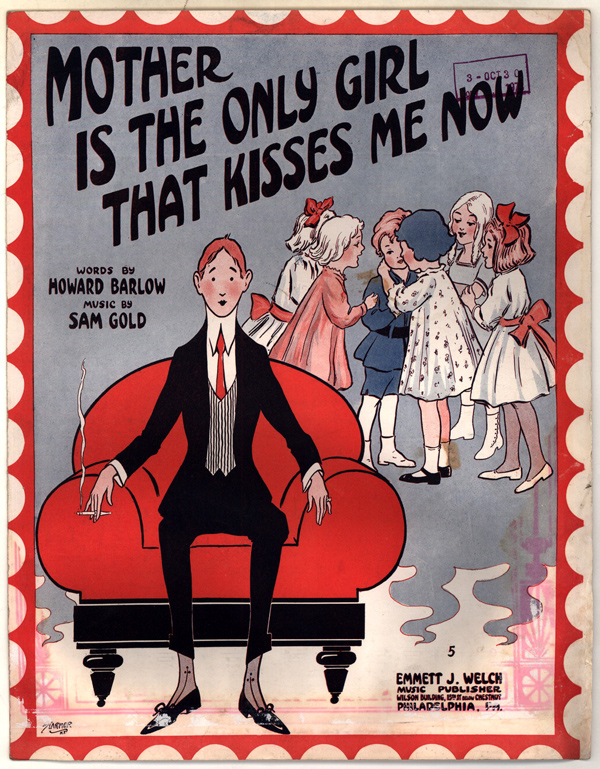
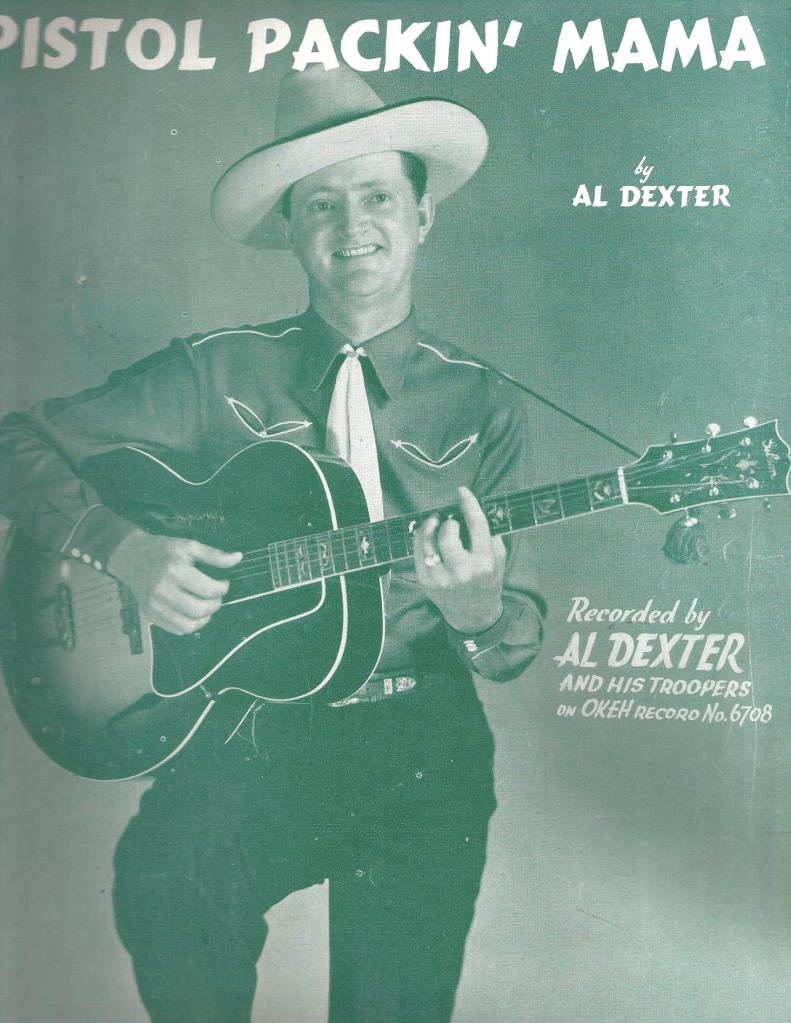
In these days of families spread all over the country and the world, a lot of mothers and their offspring will not be able to spend as much time together on Mothers’ Day as they would like. So, gentle readers, as a musical musing for the day I am drawn to the plethora of “Mom Songs” out there. These, just like all our mothers, are found in different styles and with different personalities.

Mothers’ Day is one of those holidays where those of you who are mothers, and all of us who have or have had mothers, can celebrate in person if we can, or in remembrance if we must. And, gentle readers, there are songs, songs, SONGS!

Let’s start with one about a young man gone astray who only wants to come home to the comfort of his mother.
Click or tap on the triangle in the next image for this tearjerker of a start, by the great Country singer Eddie Arnold.

And, of course, there are others of this ilk.
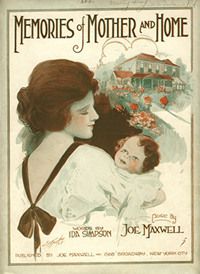
Anyway, the word “mother,” or some infantile singsong form of it, was probably the first intelligible word most of us spoke.  Needless to say, the world of popular song is replete with references to “mother” in all its many linguistic forms.
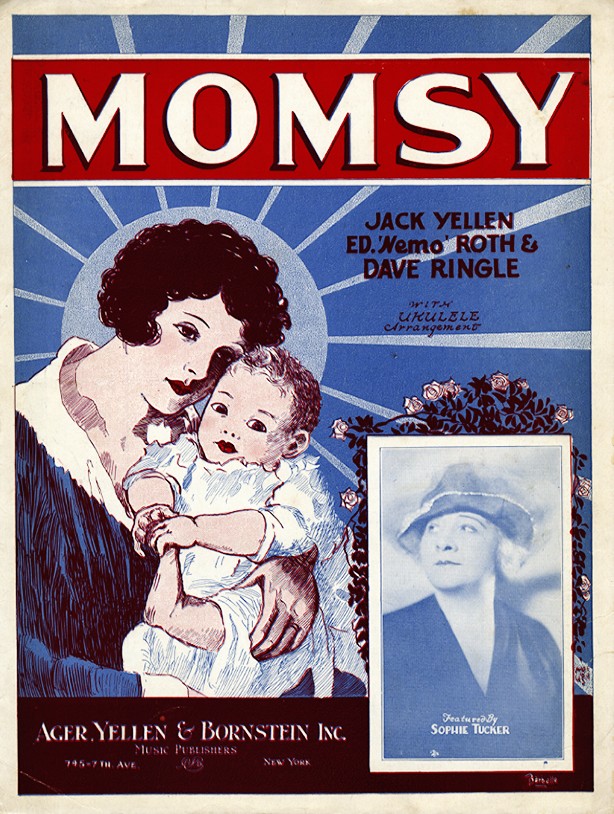
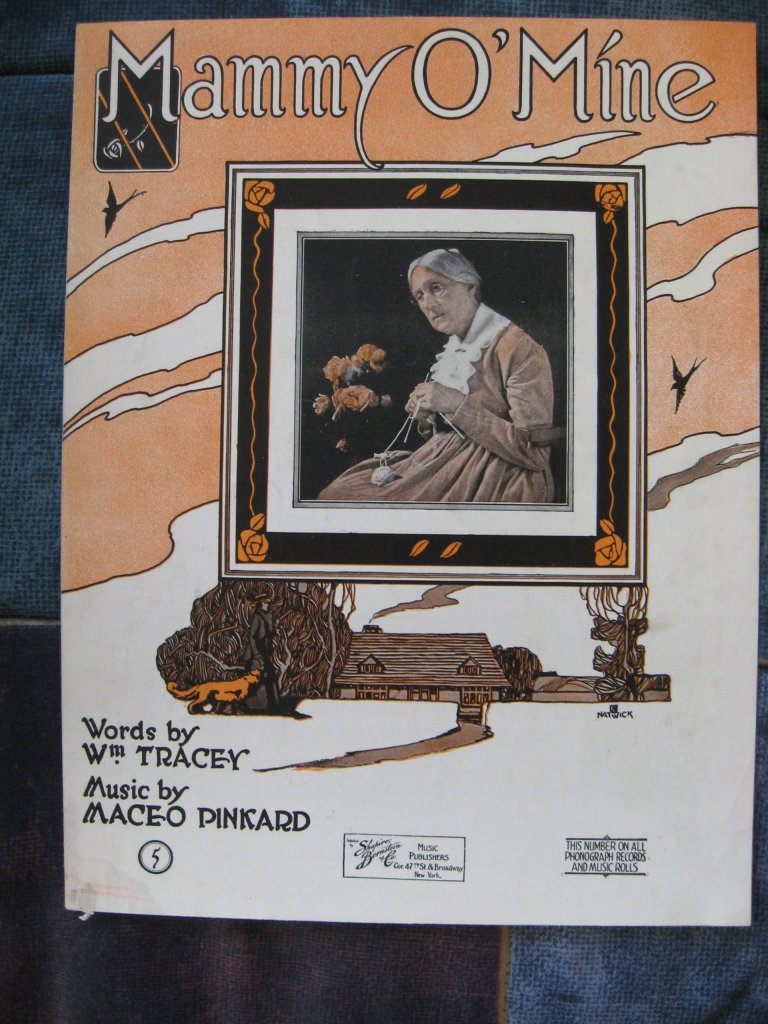
And, of course!
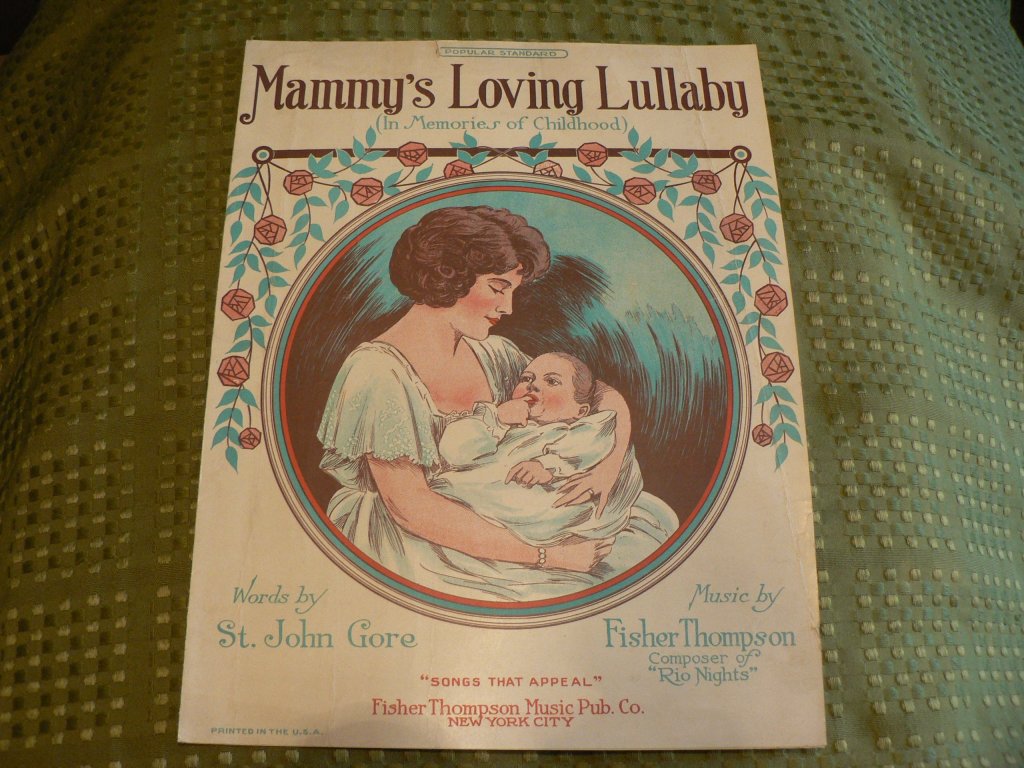
Now, gentle readers, for another musical treat here’s one I’m sure we all know. It’s the most repeated nostalgic “m-o-t-h-e-r” song ever!
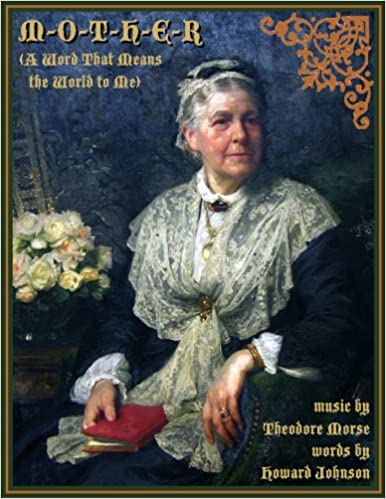
Click or tap on the triangle in the next image for a listen to this oldie from 1916. A bit scratchy, but there it is.

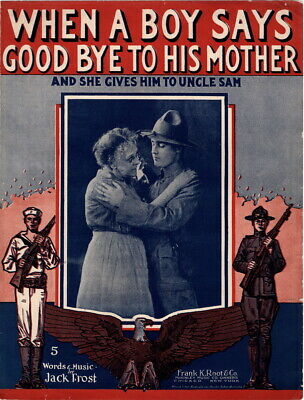
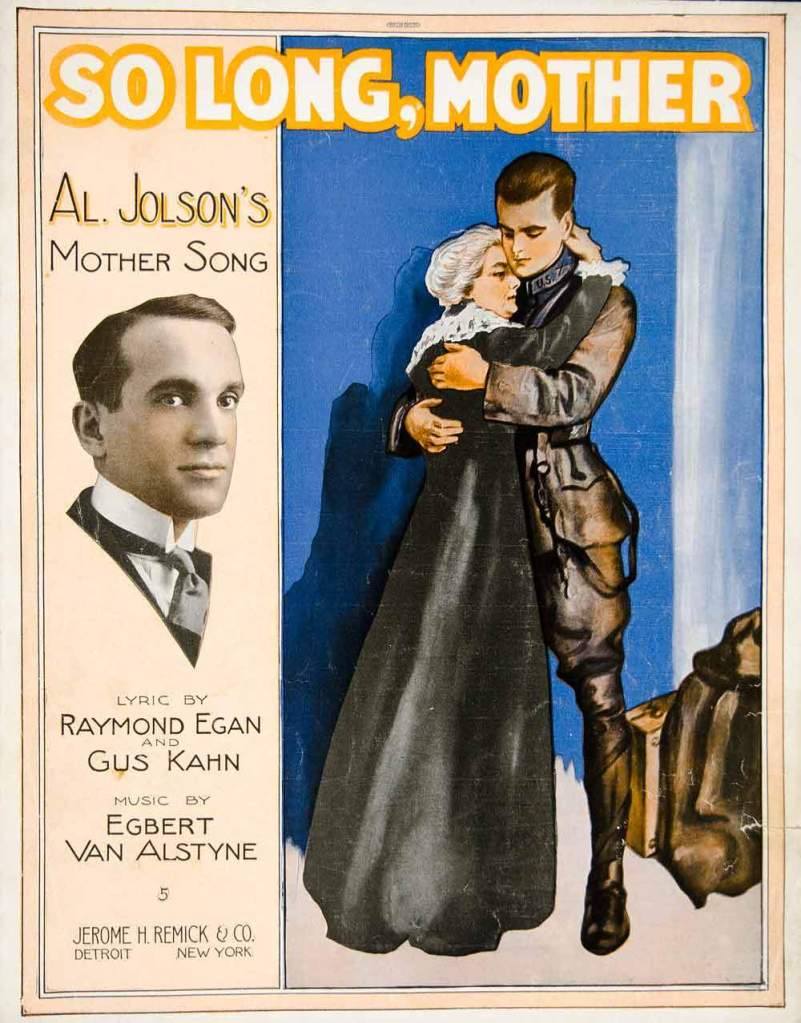
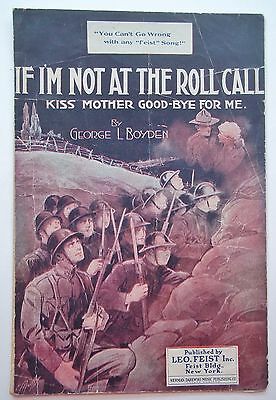
And, then, there were some pretty maudlin “mother” songs–particularly during the World War I years. These were, of course, always popular tearjerkers when played on folk’s parlor pianos or on the wartime vaudeville stage. 
Here’s a more modern, barbershop take take on this Jolson tune. Click or tap on the triangle in the next image to see and hear these sailors sing.

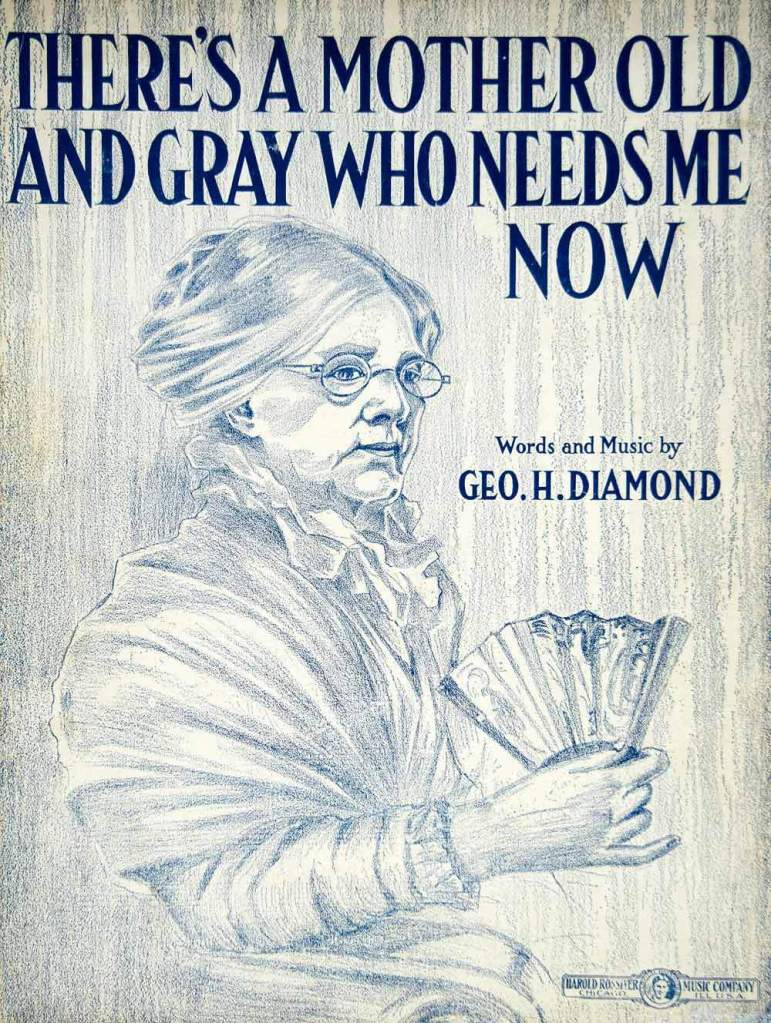
And then, there are all the “remember your greyhaired mother” songs, another category of “tearjerker.”
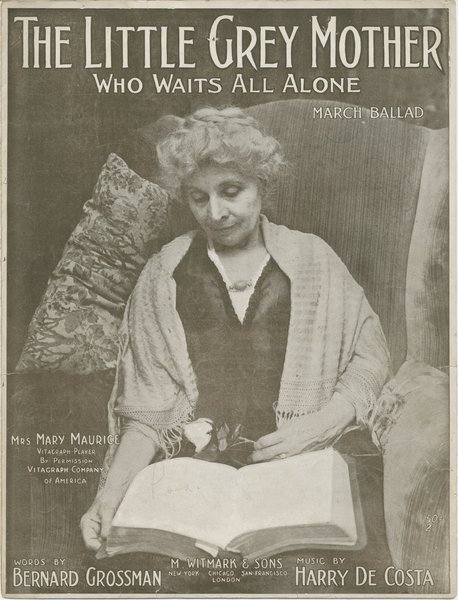
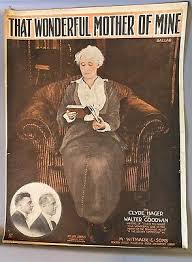
Here’s a great song–a jazz favorite still today– that alludes to a grey-haired Mother even though the words are not in the title.
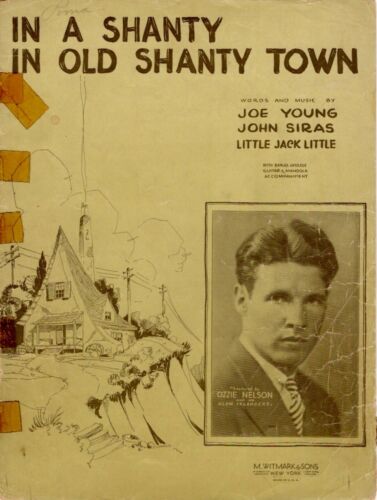
Tap or click on the triangle in the next image for jazzy interpretation of this old standby by The Ink Spots.

And, of course, there were many ethnic “Mama” tunes,
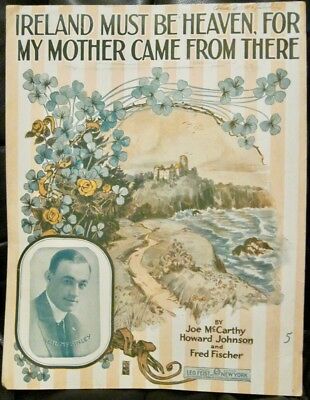
Click or tap on the triangle in the next image for a listen to this Irish chestnut.

And another!
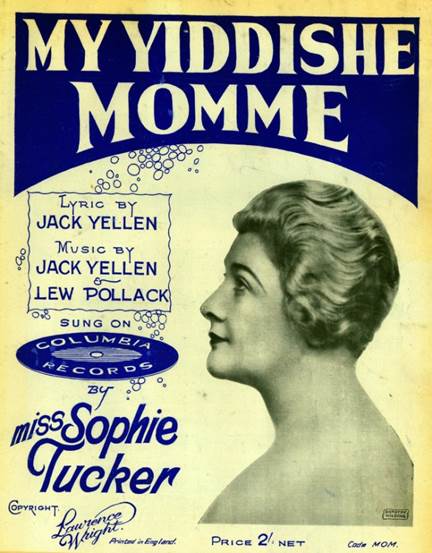
Click on the triangle in the next image to give a listen to the great Sophie belt this one out!

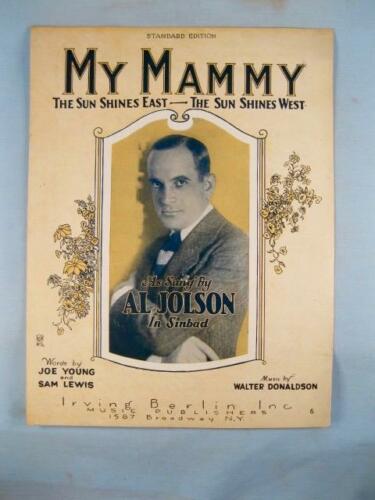
And, needless to say, many examples of what we might call “linguistic appropriation” today.
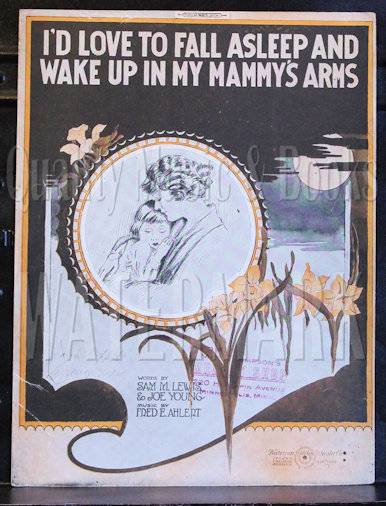
Click on the triangle in the next image to hear Al Jolson, America’s most popular entertainer in his day, belt out this most popular song of his. And, if you want to see him do this in his signature blackface makeup, just go to YouTube on your own and search.

Now, just to wipe the tears away, there were some comedy “Mother” songs.​

Click or tap on the triangle in the next image for a listen to this one from the 1950s, sung by a greyhair (not a mother) of today.

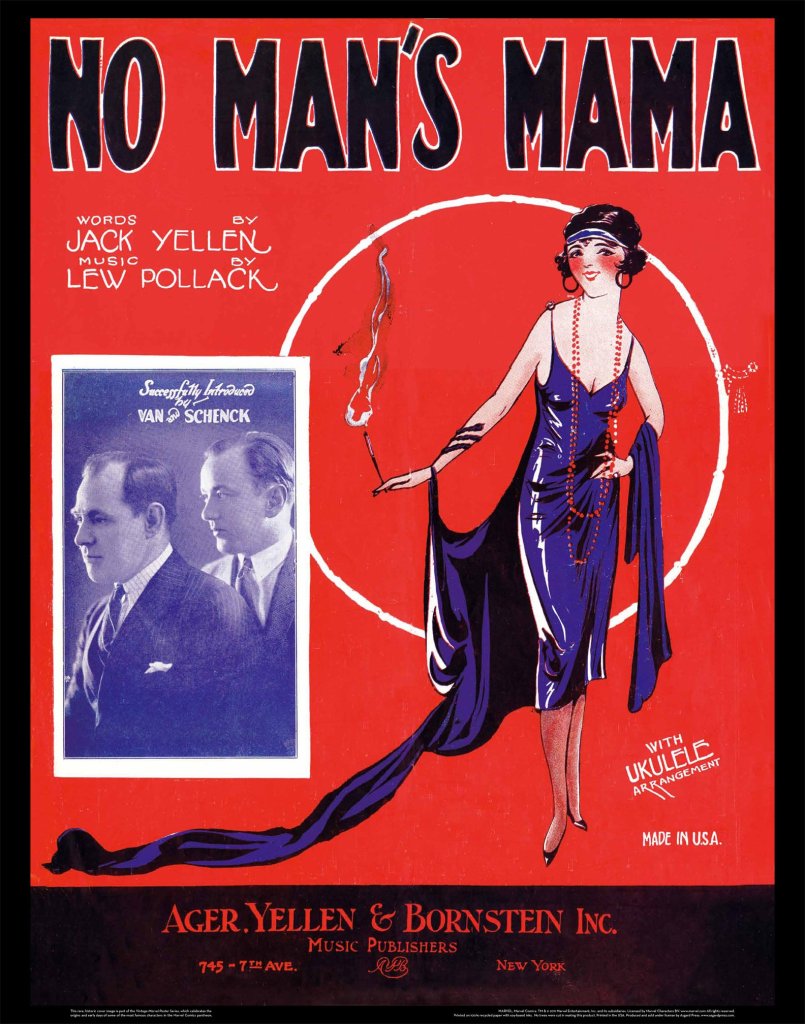
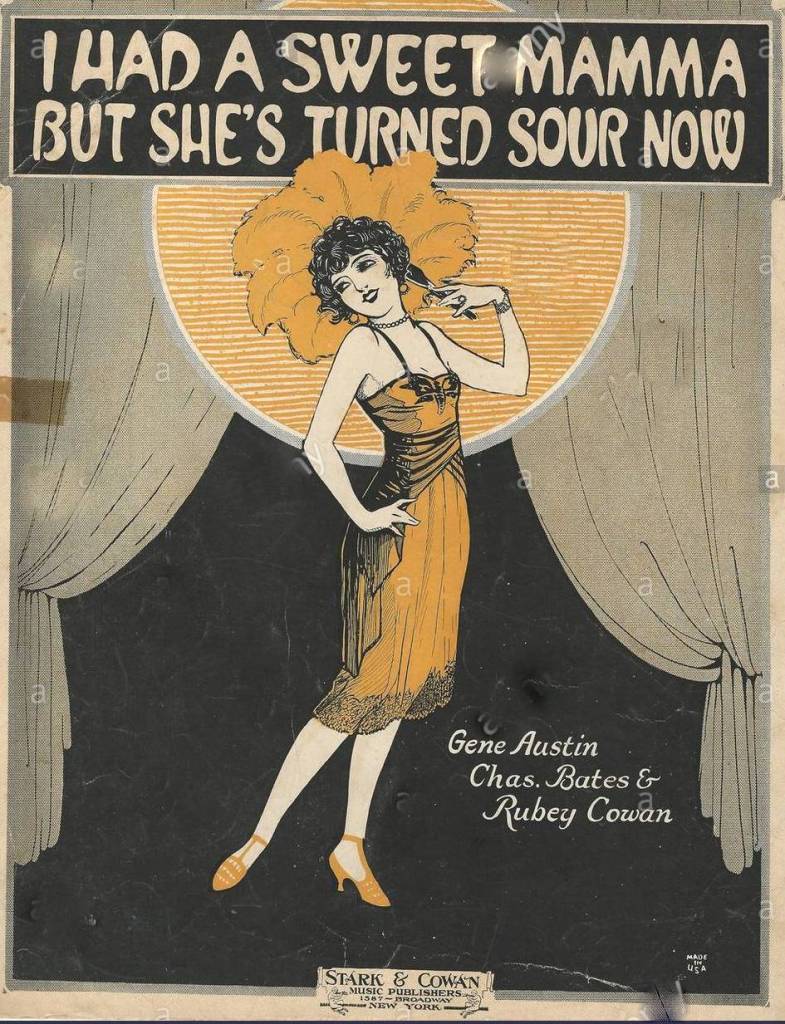
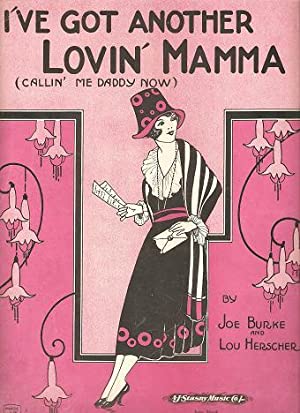
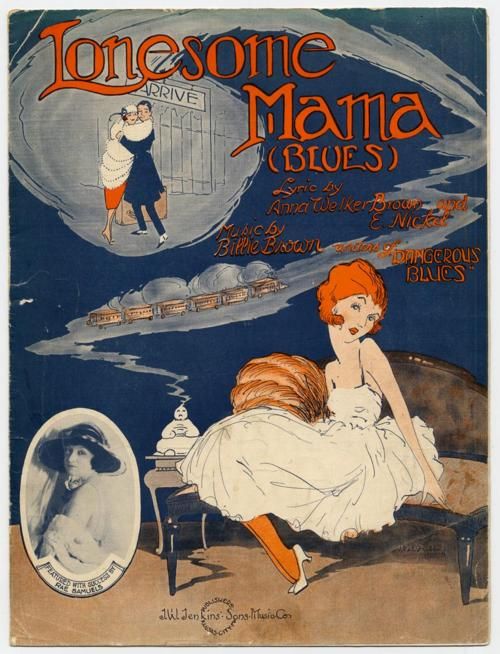
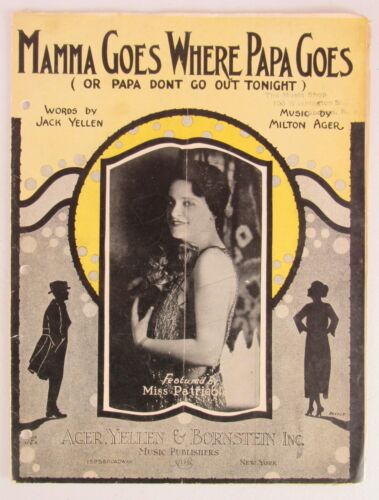
And, needless to say, the “slangification” of the word “Mama”–much like “Baby” and “Babe”–was a stalwart of the Jazz Age and gave new meanings to the words.
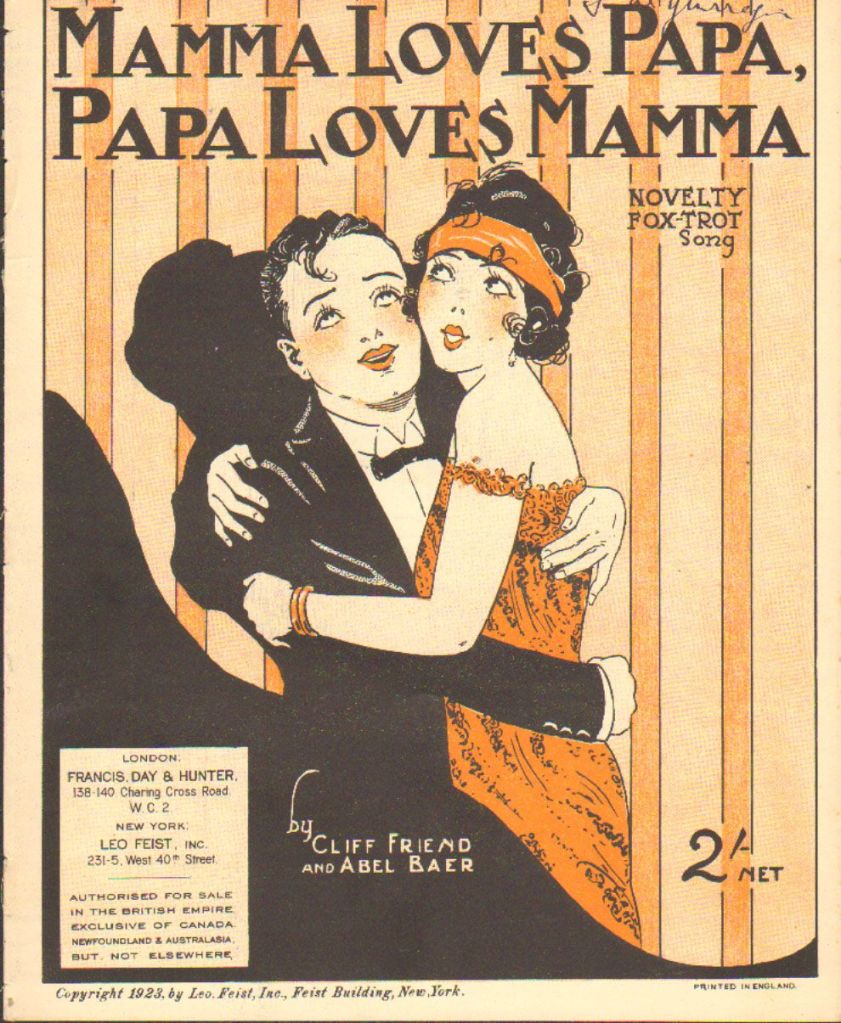
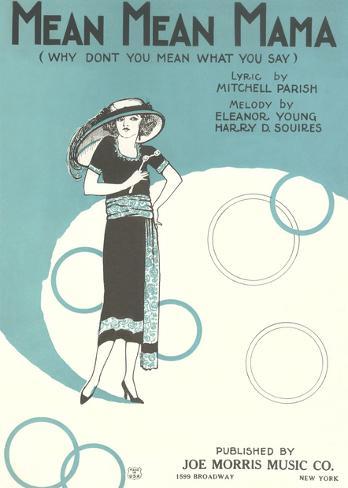
Instead of a scratchy, 1920s recording of this musical chestnut, here is a more up-to-date version played on one of my favorite non-ukulele instruments–a plectrum (four-string) banjo. Click on the next image for a real treat!

And then, here’s a red hot version of another “Mama” song of the period:

Click or tap on the next image to hear the great Sophie.

​Anyway, remember your mothers on this day and send them a message of what they are, or were, to you—whether or not it involves flowers.

Maybe just a Zoom, a Facebook, or even the old-fashioned letter or telephone!   
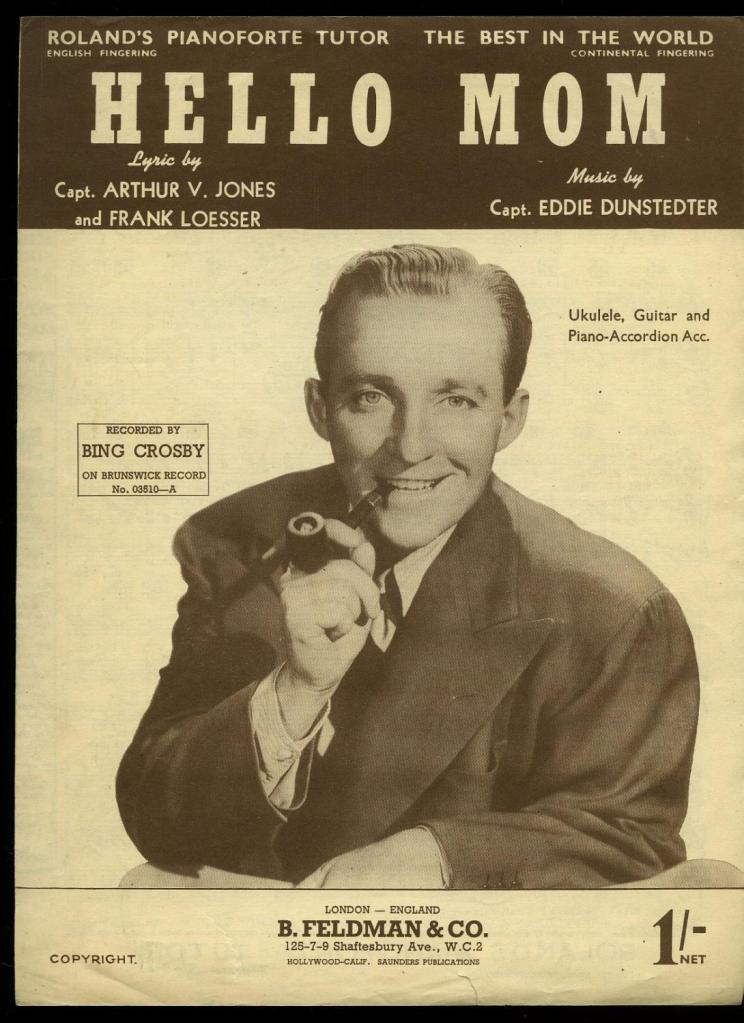
Click or tap on the triangle in the next image to hear this wartime favorite by Bing himself.

And, just for fun, click or tap on the triangle in the next image for a 21st Century musical Mother’s Day song. Smile!


Stay safe, stay healthy, stay in touch with Mom, stay as masked as you need to be . . .

and STAY TUNED!

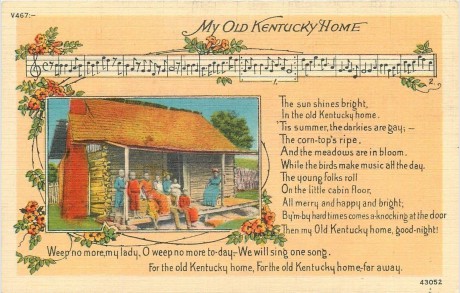
ANOTHER MUSICAL MUSING, 3 May 2025: “My Old Kentucky Home,” An Anti-Slavery Song Reimagined for Today.

Besides being “Pride Day” here in our happy valley, the first Saturday in May is the traditional “Derby Day” at Churchill Downs in Louisville, Kentucky.  That’s the day the city and the horse racing world goes crazy with the annual running of the Kentucky Derby, this year the 151st!

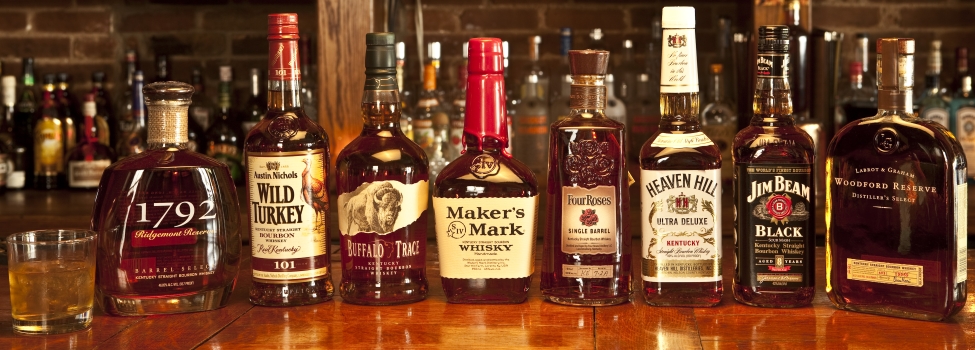
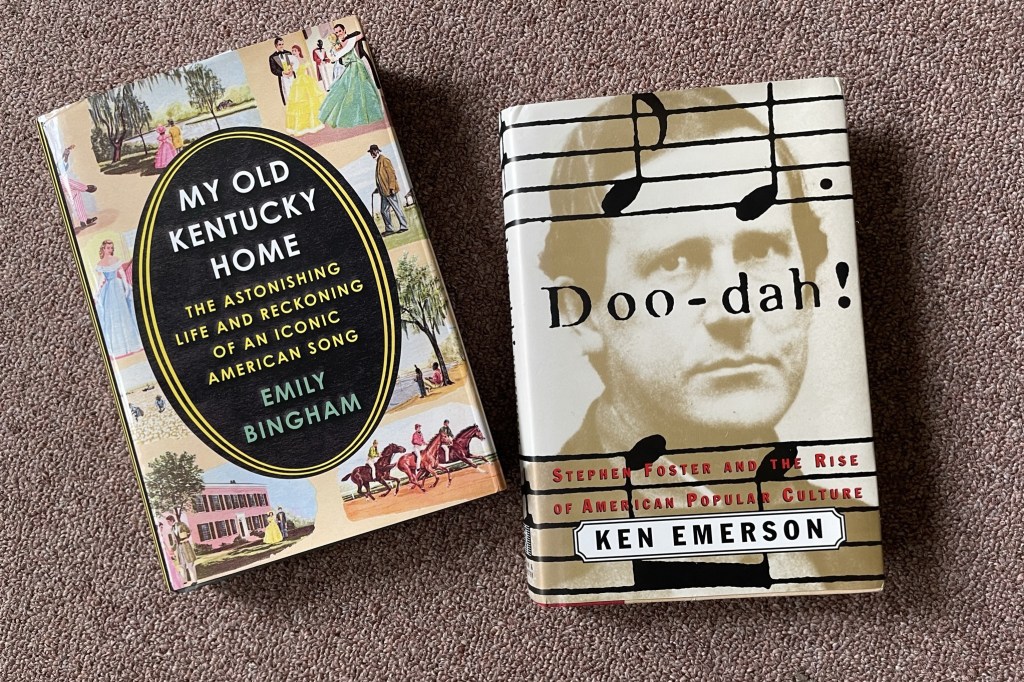
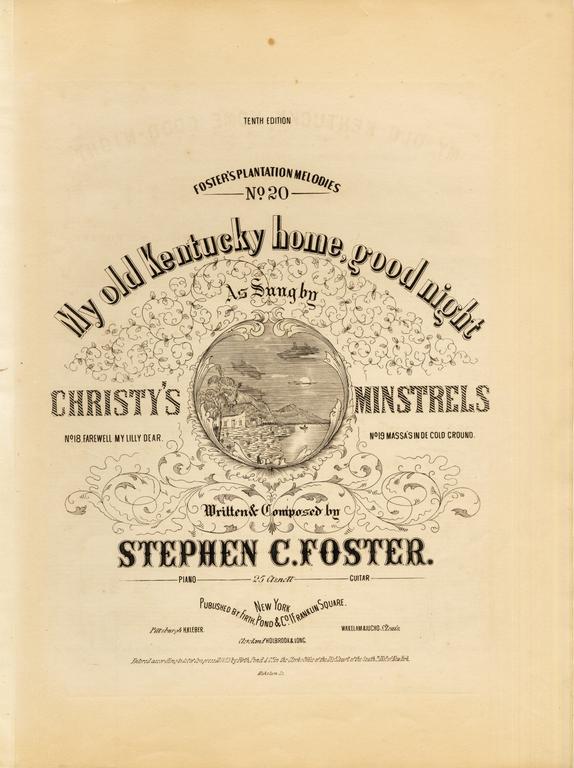
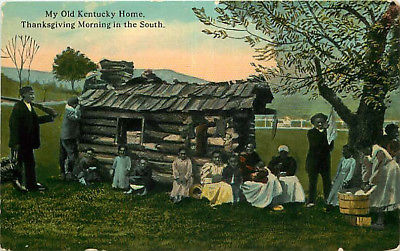
In keeping with the day, I find myself musing about one of America’s most familiar songs:  Stephen Foster’s “My Old Kentucky Home, Good Night”—a beautiful, sentimental, easy-to-sing song that has become a traditional highlight, along with big hats and bourbon, of the race day festivities at the Derby. 

I think it’s worth going “’round the track” on this theme, however, so let’s start with our song as it as has been reimagined for today. Click or tap on the triangle in the next image for a look and listen.

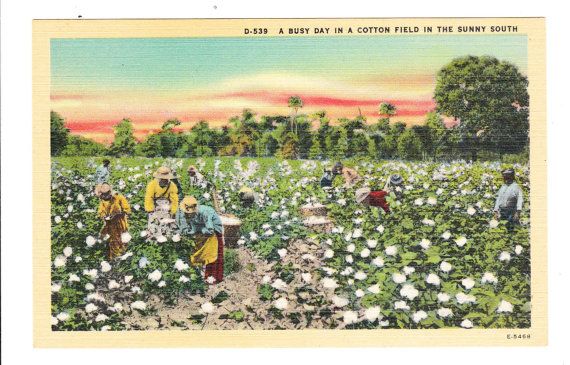
Probably few folks among those singing their hearts out in the stands at Churchill Downs—Black or White or Other—know of the song’s original lyrics and are aware of its deep anti-slavery message. So, let’s go back and take a look at Foster’s song as HE imagined it.

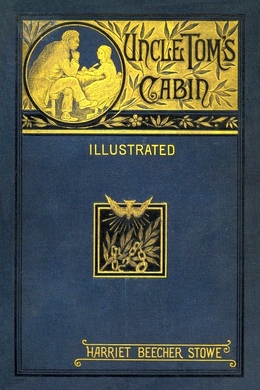
A reading of its history tells us that “My Old Kentucky Home, Good Night” was written in 1852, and that Foster was inspired by reading the book “Uncle Tom’s Cabin.” His thought was to put the message of the book into music and he initially named his song “Poor Old Uncle Tom, Good Night.”

The song as Foster wrote it wasn’t meant to tell a pretty story of a pretty place, nor did it lend itself to minstrelsy as so many of his other so-called “plantation melodies” did. 

Rather, it’s a musical lament that was embraced by the anti-slavery, pro-abolition movement of the times and its leaders, including Frederick Douglass.  It’s a song that many historians say made a difference in its day. 

There are three verses and a chorus in Foster’s original song.  The first verse speaks of an elderly slave’s looking back in time and recounting the loss of his former home and community, albeit in the slave quarter of a Kentucky plantation.  

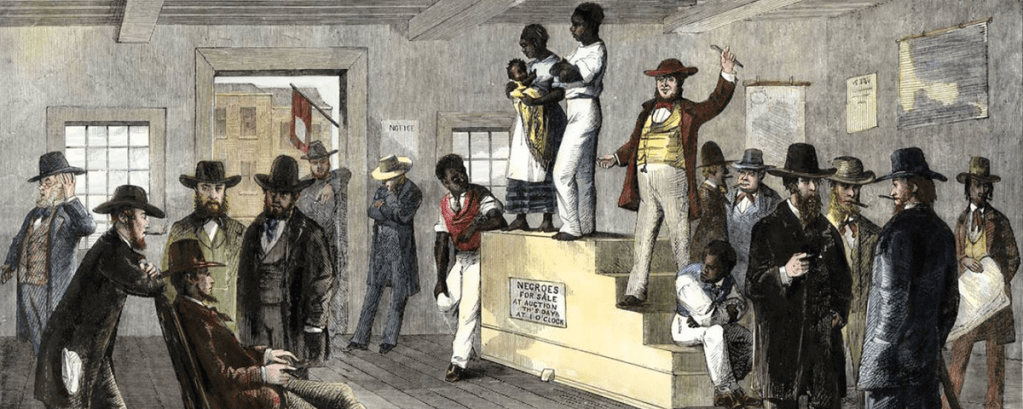
Then “hard times come knocking at the door” and our narrator tells that, to get enough cash to pay off his master’s heavy debts, he and his wife and children had been sold “down the river.” 

The chorus has our narrator pleading with his wife to “weep no more” for our old Kentucky home “far away,” while in the second verse, he remembers his former friends and family who “sing no more” by the “old cabin door.” 

He then tells of the heavy burdens of his harsh new life toiling in the sugarcane fields of the deep South, far away from their “old Kentucky home.”  In the last verse, he laments that “the head must bow and the back will have to bend,” wherever the slave is forced to go, and that he, himself, has only a “a few more days to tote the weary load.”  

Foster’s song was not meant to be a nostalgic homage to a contented and bucolic life in ante-bellum Kentucky.

Rather, it focused on the unfair and inhumane treatment of slaves.  It strived to bring awareness to its listeners of the unspeakable hardships that slaves and slave families were forced to endure as property rather than people.

Now let’s take a listen to our song as Foster intended it to be.  Needless to say, you didn’t hear it quite this way in today’s Derby version, rinsed of both original intent and the language of the day. Click or tap on the triangle in the next image to hear his message.

Think how, in its day and in its small way, a song about a STOLEN homeplace could became a tool to help end the scar of slavery in America.  And think how, today, our song lives on but reimagined into a celebration of a NOSTALGIC homeplace. It’s a beautiful song sung heartfully in the bright sunshine of a world-watching sporting event. But, it’s a song tinged with a dark, shape-defining shadow. When the light of history is shone upon it, we are helped to see into the past. And, hopefully, to learn from it.

Now, having done my musicological preaching for the day, Alison and I will still enjoy a mint julep, watch the beauty of horses running ‘round the furlongs on Derby Day, and muse about the beautiful blue grass and fast horses of Kentucky today . . .

. . . and the not so beautiful history of the old Kentucky of slavery days—”My Old Kentucky Home, Good Night,” a song from the past rinsed and reimagined for today.

So, let’s “weep no more” and pause to reflect with a traditional mint julep in hand, not the watery $20 souvenir glassful sold at the Kentucky Derby today. But, I digress.

Our recipe for the real thing: Over crushed ice in a silver julep cup, add a scant teaspoon of simple syrup flavored with crushed mint from your garden.  Top this with as much Kentucky bourbon (100 proof, if you have it) as the cup and you can handle, and garnish with a fresh mint sprig.  Sip through a thin straw.  Repeat as often as you like—for tradition and to reflect on what history can teach us.

And, yes, STAY TUNED!

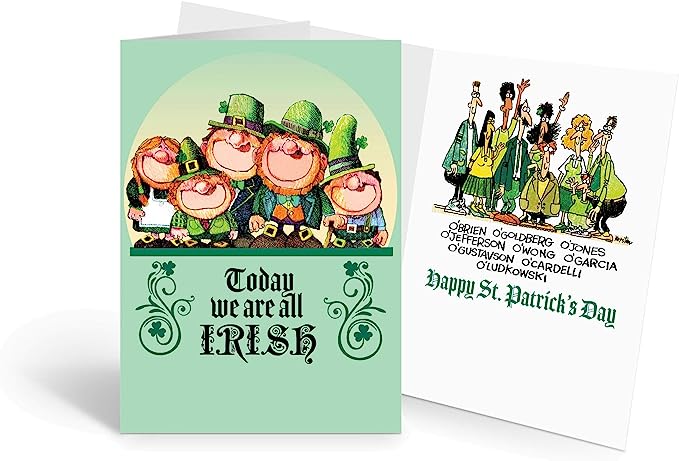
A MUSICAL MUSING, 17 March 2024–Saint Patrick’s Day, When Everyone is Irish (Sorta . . .)

This musical musing has been a favorite with friends and neighbors over the past several years. That’s why I pull it out of the file drawer, tweak it here and there, and send it out year after year. It’s fun for both for Alison and me even though our ancestral roots to Ireland are a tad more orange than green!

Anyway, musical tales of the “Emerald Isle” and St. Patrick’s Day are low hanging fruit for Alison and me who have, indeed, bent over backwards and actually kissed the Blarney Stone!  There are, however, way too many blossoms and branches on this tree for a simple musical musing.  Nonetheless, with a dram or two (or three) of Jameson “in the jar,” try I must and do I will.

Because of the plethora of Irish and Irish-related songs out there, I’m just going to continue with my rove of some of the more interesting that I have found. Just have a good listen and look, sure and with the blessing of the Good Saint! Move to the next tune if you tire, or come back after you’ve drawn a fresh pint. Just be prepared to do a jig or two!

A rowdy celebration of St. Patrick’s Day is a big deal in the US but only lately in Ireland itself.  It was always a religious holiday over there but seldom rowdier than a night of music and good “craic” (definition later) at the neighborhood public house or “pub.” 

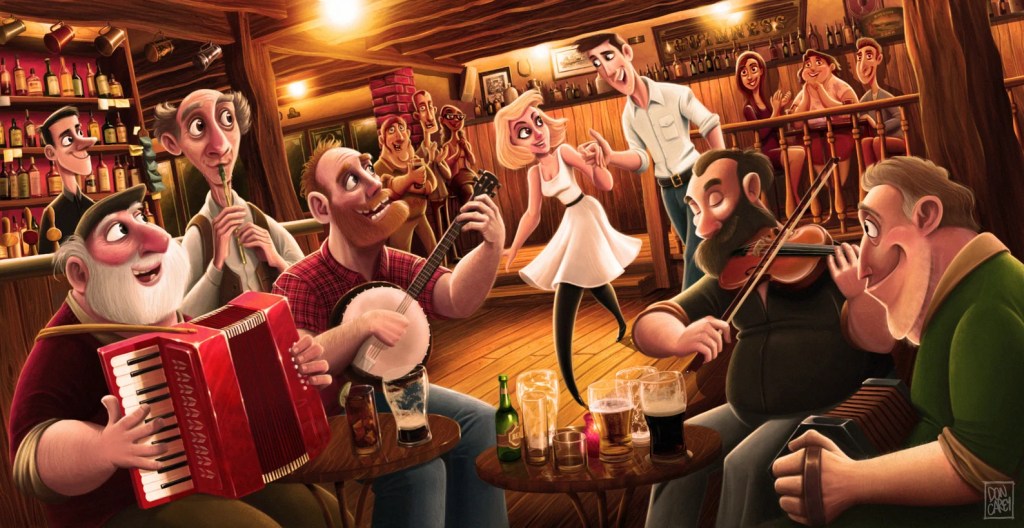
With pub bands, the four-string tenor banjo is traditional. It doesn’t quite sound like the bluegrass or old-time banjo playing styles we hear around here. It’s a bit more like mandolin picking. So, tap or click on the triangle in the next image to listen to the late, great Irish banjo player with the Dubliners, Barney McKenna.

Of course, there is a long, long tradition of Irish music going way back to the early days.  Irish–and similarly, Scottish, Welsh, and English–traditional music has been collected, studied, and played to this day. It’s known as Celtic music, pronounced “Keltic.” That’s for music; for basketball it’s “Seltic.”

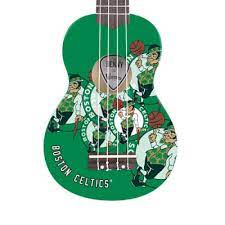
Leave it to say that the “Keltic” pronunciation (from the Greek “keltoi“) is preferred by those who study the Celtic culture, language, and history, to the point that if you call it anything else, they’ll be lookin’ down on you. But if you are attending a game in Boston, you’ll be rootin’ for the “Seltics” (from the old French “celtique“). Go figure.

Much of the early Celtic music we know followed the Ulster (Scots/Irish) migrations to the US and Canada in the 17th and 18th centuries.  This “first wave” migration of mostly Protestant “Orangemen” settled in the mountainous frontiers of America, such as Appalachia, and their music became the foundation on which today’s old-time, hillbilly, country/western, and bluegrass music was built.

As another linguistic aside, Scots/Irish followers of William of Orange, in the “Glorious Revolution” of 1688 were known as “Billy’s Boys” and were identified by their bright red neck scarves. Settled in America, over the years they became “hillbillies” and “red-necks.” Now you know!

The Wearing of the Green” is a traditional Irish ballad lamenting the repression of supporters of the “Rebellion of 1798” against British rule. It is based on an old Irish air, and many versions of the lyric exist proclaiming that “they are hanging men and women for the wearing o’ the green,” the color of the shamrock adopted by these supporters.

Click or tap on the triangle in the next image to listen to this early Irish song that is still sung today.

Later, during the potato famine–“starvin’ times”– of the mid- 19th century, these traditional dance tunes and nostalgic ballads from Ulster and the lower counties of Ireland were carried to towns and cities all over the world with the diaspora of mostly Catholic Irish immigrants. While the early migration brought traditional Celtic music to the American countryside and mountains, the later, “second wave” migration spawned newer, Irish/American music in the cities. 

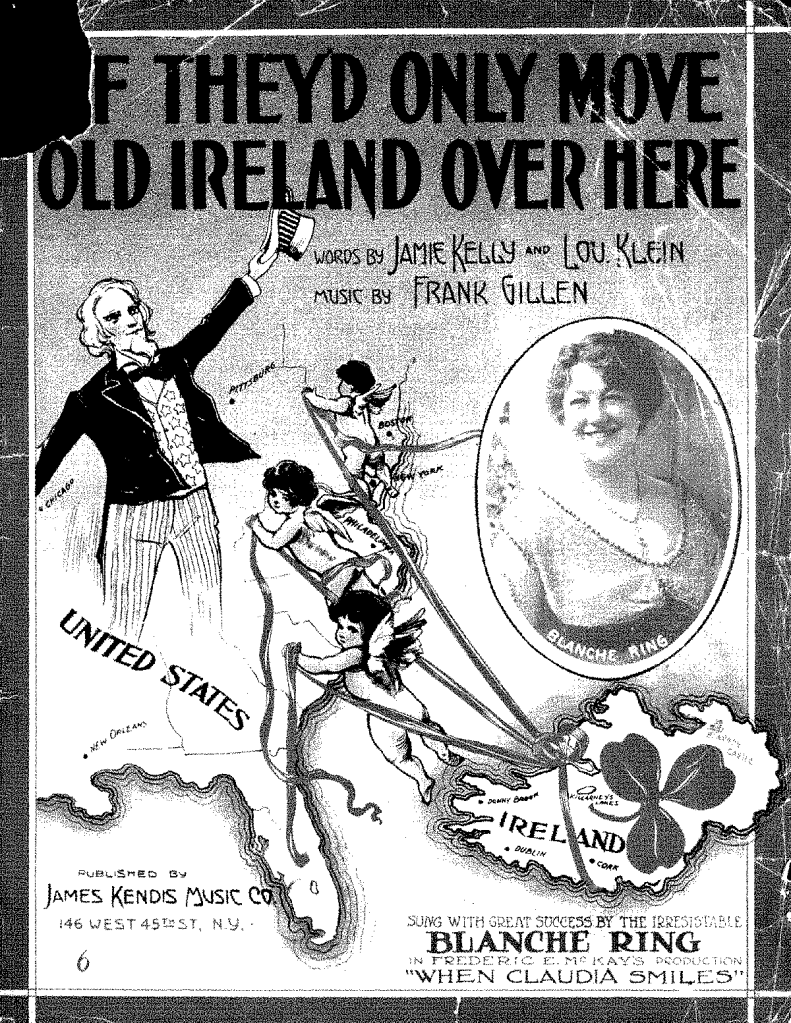
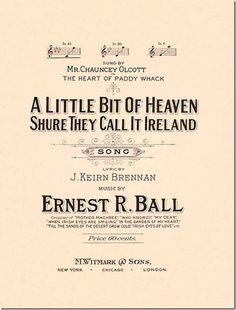
It was in American cities where musical nostalgia for the “Old Sod,” or “Emerald Isle,” rose and American/Irish songs were born. Here’s one from the early 1900s.

Click or tap on the triangle in the next image for a look and listen to this oldie.

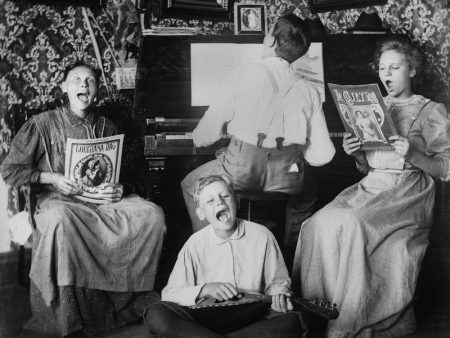
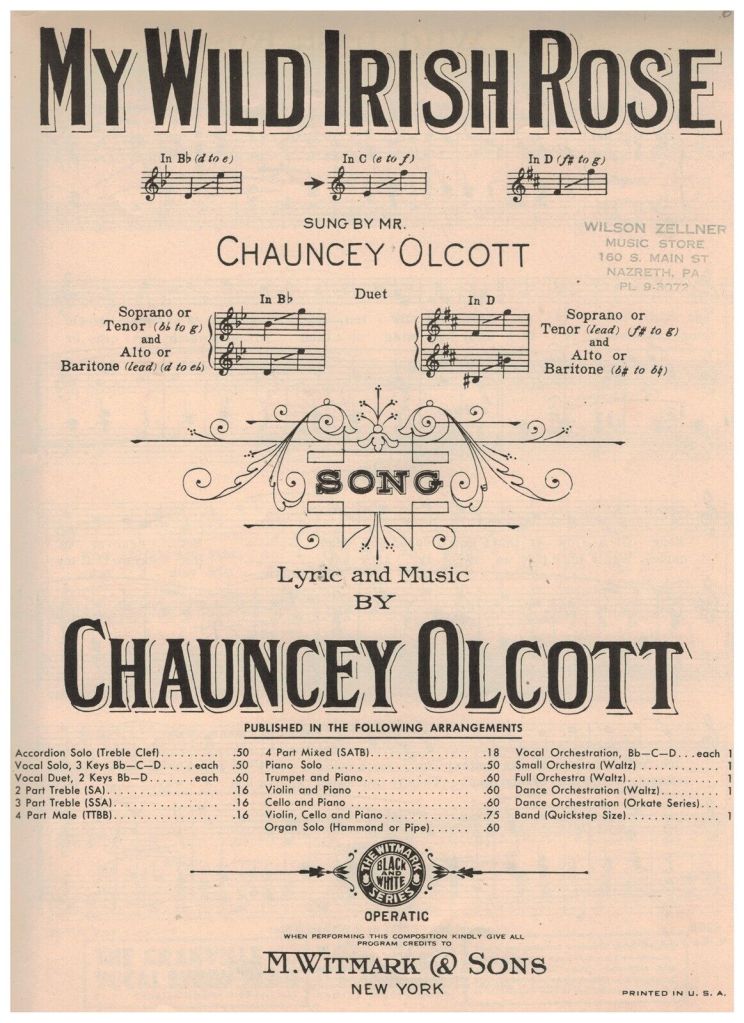
Needless to say, American sheet music publishers profited, particularly as Irish immigrants found their way into the workplace, settled themselves in towns and neighborhoods, and brought their music into their pubs and parlors.

How about this one from 1915.

Tap or click on the triangle in the following image for the song and the scenery.

Now here’s one originally published in 1901 that has become a favorite among barbershop singers to this day.

Click or tap on the triangle in the next image for a “one-man quartet” version of this oldie!

Needless to say, the “Irish theme” was quickly picked up by enterprising songwriters—most of them non-Irish, many Jewish—on New York’s Tin Pan Alley and performed on Vaudeville stages and parlor pianos throughout the country. Needless to say, The whimsical, often satirical, and too often pejorative portrayal of the Irish immigrant rose in popularity.

Alas, no YouTubes of these. Perhaps for the better!

There are a few dozen YouTubes of the next one, however. It’s been around since 1898!

Click or tap on the triangle in the next image for a look and listen.

After 1860, Irish Americans also wrote songs to reflect the discrimination they felt first in England and then as newcomers in America. The protest song “No Irish Need Apply” was inspired by this. It’s the pride of this latter migration, however, that gave us St. Patrick’s day as we know it in this country and the “wearin’ o’ the green” that is celebrated today.

Click or tap on the triangle in the next image for a more contemporary take on this old, old lament.

And, let’s not forget the great Irish tenors of the past—a unique contribution to popular vocal music.  Anyone remember Dennis Day on the Jack Benny radio show?  And that great English/American/Irish Song  . . .     

Tap or click on the triangle in the next image for a listen.

In Ireland, the fellowship, banter, and fun conversation over a pint or a few at the local pub is said to be “good craic!”  (Pronounced: crack.)  And, a pub is a favorite venue for song.  

Here, folks with pints in hand will shout/sing chorus after chorus as the house band runs through verse after verse.  Here is what is said to be the most popular tune of this tradition— “The Wild Rover.”

Tap or click on the the image below to join the crowd at the neighborhood pub!

To end on a bit o’ good craic, let’s not forget the other musical Irish saints, such as the good Saint Ukulelaigh, patron saint of we strummers. Now you know! (Sorry. Tis but the influence of the Blarney Stone.)

So, Avoid rowdy Saint Patrick’s Day crowds, stay as green and sober as you need be, . . .

. . . and dance away!

Now, be sure to enjoy whatever craic you may be given or give, wear a wee bit o’ the green (or orange), and . . . STAY O’TUNED!

ANOTHER (um,TIMELY) MUSICAL MUSING, 2 November 2025– Daylight Savings Time Begins on Sunday, Not Until 2 A.M. However!

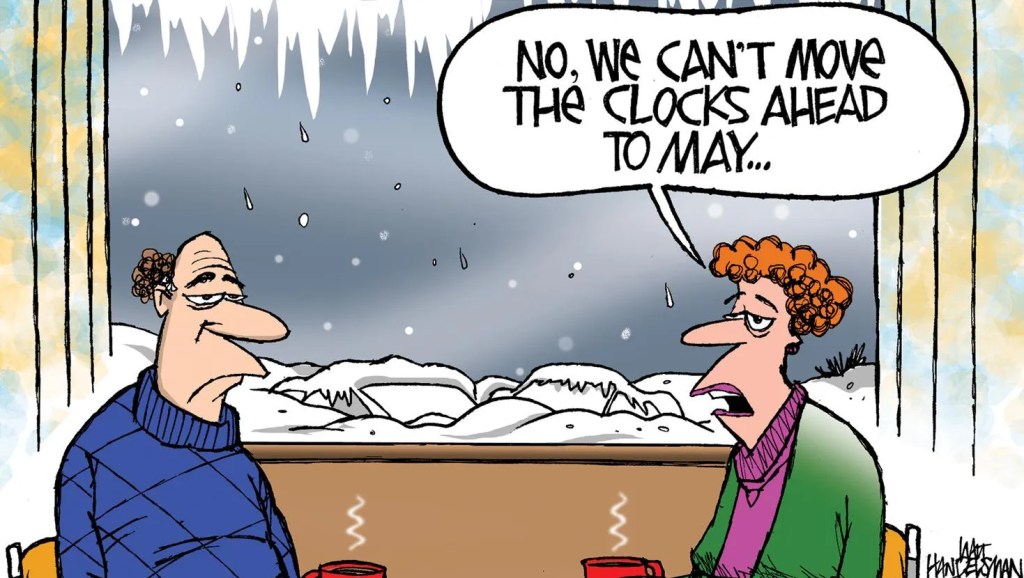
We’re all going to gain an hour of sleep this coming Sunday morning as we comply with the “times that will be a’changin.” However, gentle readers, reminisce, sadly, about that lost hour of sunshine we would have in the evening–perfect for cocktail hour on the porch at the “Huckleberry Inn” here in the Hamptons of western Massachusetts! Now maybe more time for breakfast!

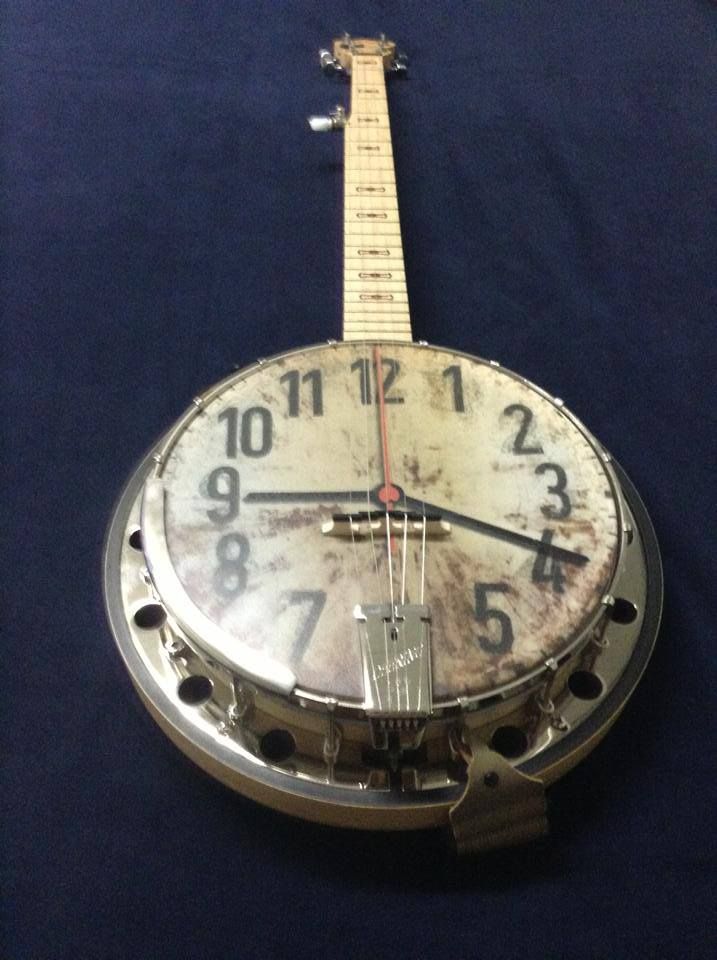
On to the early morning mission . . . To maintain appropriate silence, I won’t be whistling a tune or strumming a banjo when I tiptoe around the house to set all of our clocks backward at EXACTLY 2:00 A.M. this Sunday, as required by law.

I wouldn’t want to awaken Alison on a Sunday morning with a raucous tune, but here is one of a few that addresses the controversy some folks have with our recurring time-change responsibilities. Click or tap on the triangle in the next image for a seriously timely take on the issue–but let’s not turn up the volume during our 2 A.M. mission!

Alison believes that I could set all our clocks back BEFORE I go to bed. But, in this day and age, I would not want to be caught breaking the law.  Besides, it could be hazardous!  

There are cameras everywhere, you know!  And ICE—the Incremental Clock Enforcers! 

Anyway, by 3:00 A.M. or so, all of our clocks will be reset and we will—as I believe we Happy Valley folks must—be in compliance with the 2 A.M. mandate of the law. 

For all of us to quietly waltz back to bed after completing our Sunday morning mission, here is an appropriate tune. Click or tap on the triangle in the next image to dance along!

And, so to bed—with the banjo (reset, of course) and back in its place hanging on the wall.

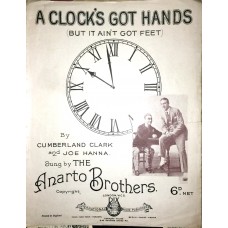
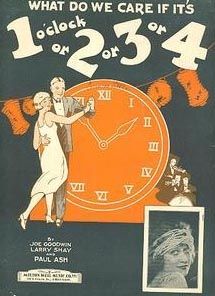
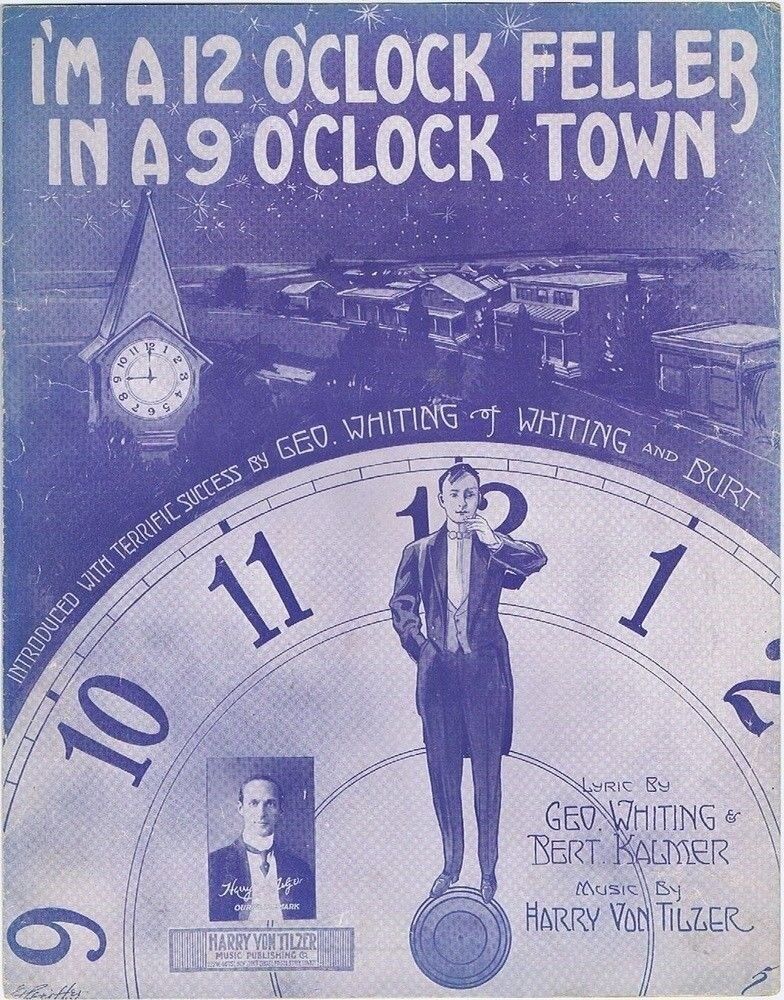
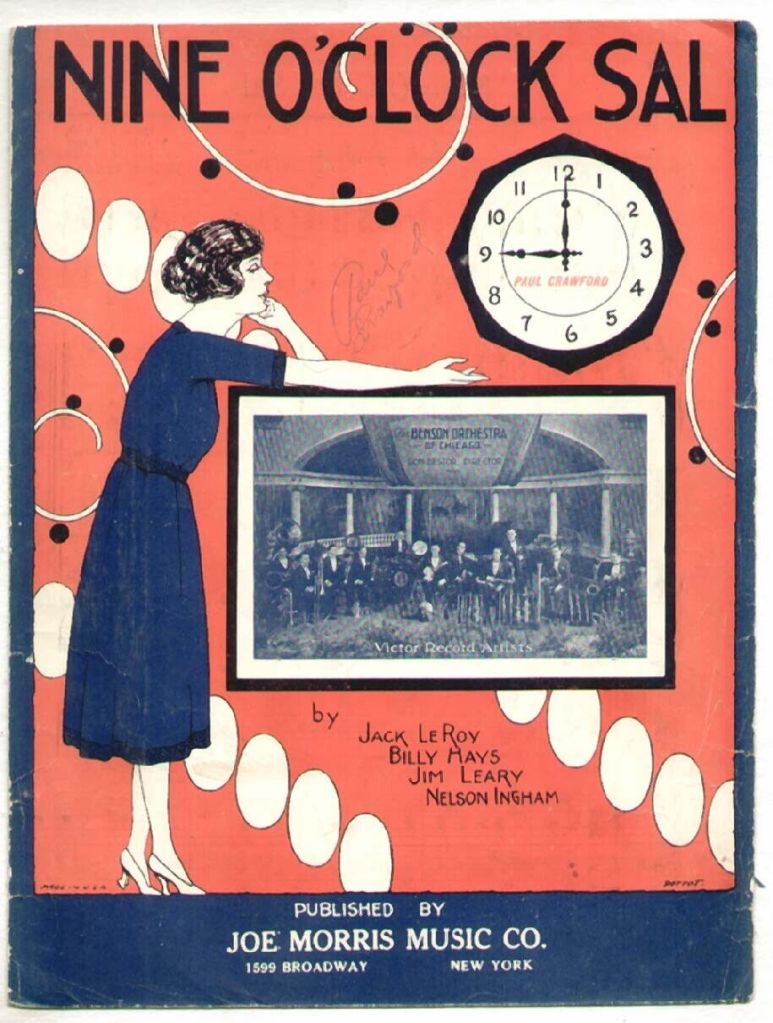
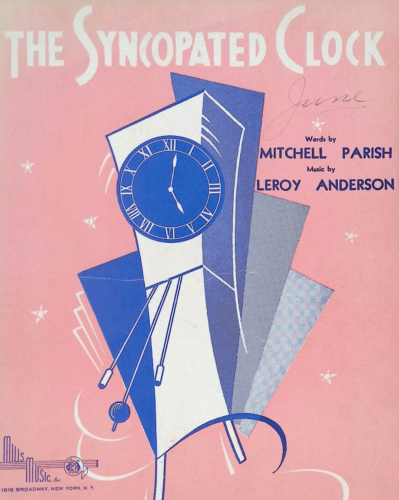
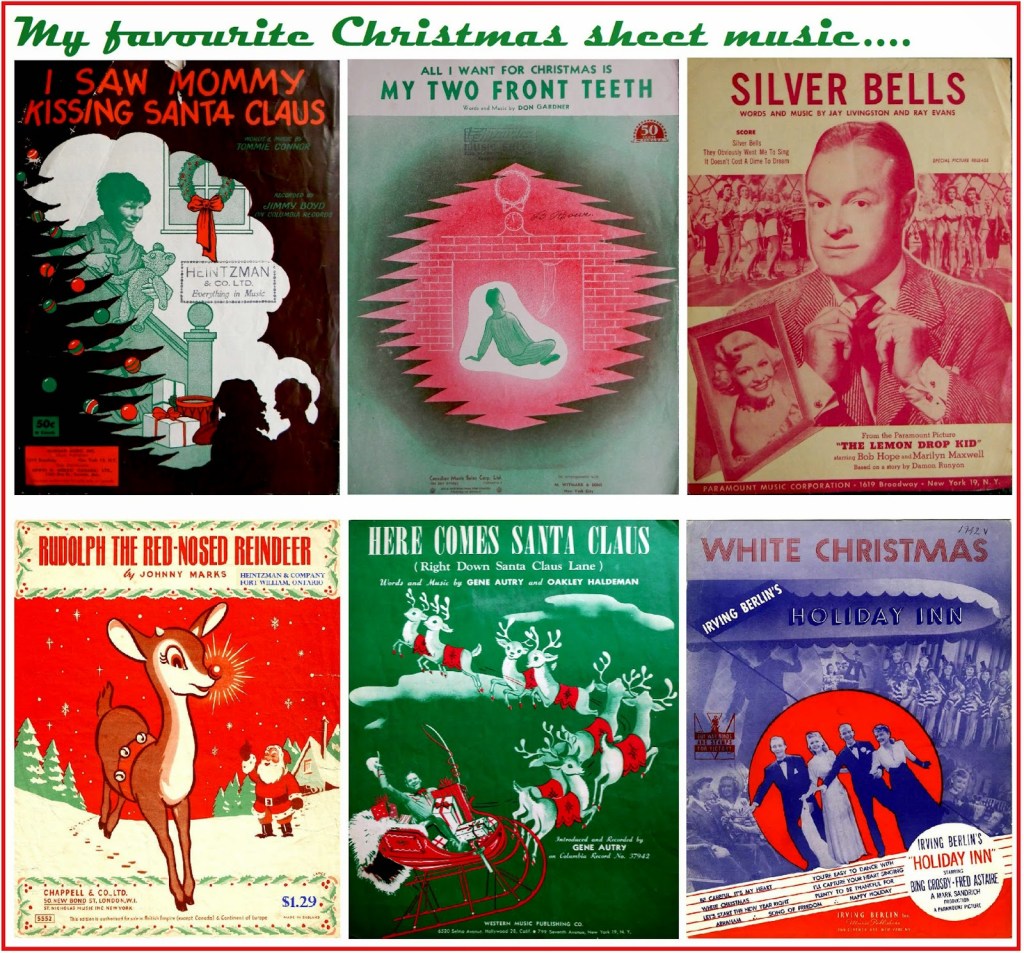
Moving ahead, here are a few vintage sheet music reminders of time and clocks and a few timely tunes.  

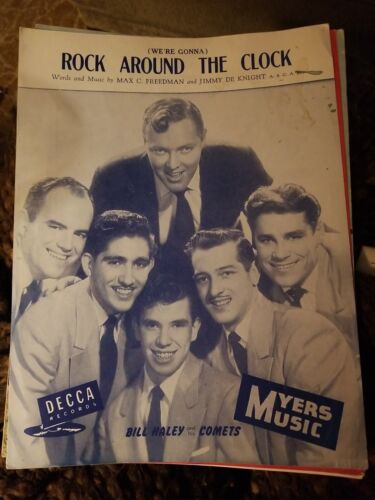
Or, how about this one from my high school pep band days?

Click or tap on the triangle in the next image and rock along!

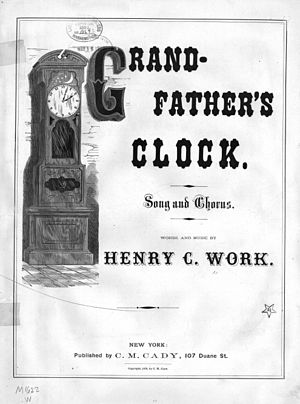
And, of course, here’s the grandfather of the genre!

Despite the name of this duo, this is a fun take on this old chestnut of a clock song from the 1840s. Click or tap on the triangle in the next image for a bit of musical fun by a duo that seems to have stood the test of time!

And, how about a different kind of “savings time?” 

Click or tap on the triangle in the next image for a 1931 version of this one.

Here’s a tune from 1945. Remember this one?

Click or tap on the triangles in the next two images for two really, really different versions of this timely tune.

So, on Sunday morning, remember—EXACTLY at 2 A.M. or you are breaking the law!  After all, we must do our bit for our soldiers and farmers—the whole reason we have daylight savings time in the first place.  Right? 

To wind things up, click or tap on the triangle in the next image to see how these folks are musically addressing the time change. Look and listen as they get ready for church, way too early–or too late– on a Sunday morning!

So, on Sunday morning, do your duty, don’t break the law, and

. . . STAY TUNED! But, . . .

AN ENCORE MUSICAL MUSING, For 14 February 2025: “A Valentine, But In a Minor Key”

Every mid-February over the past several years I’ve done a musical musing pertaining to Valentine’s Day.  Needless to say, there are tons of songs, sheet music covers, and YouTube recordings to give some sparkle to these. 

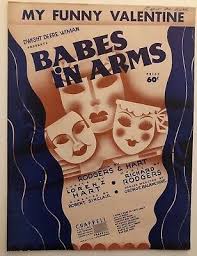
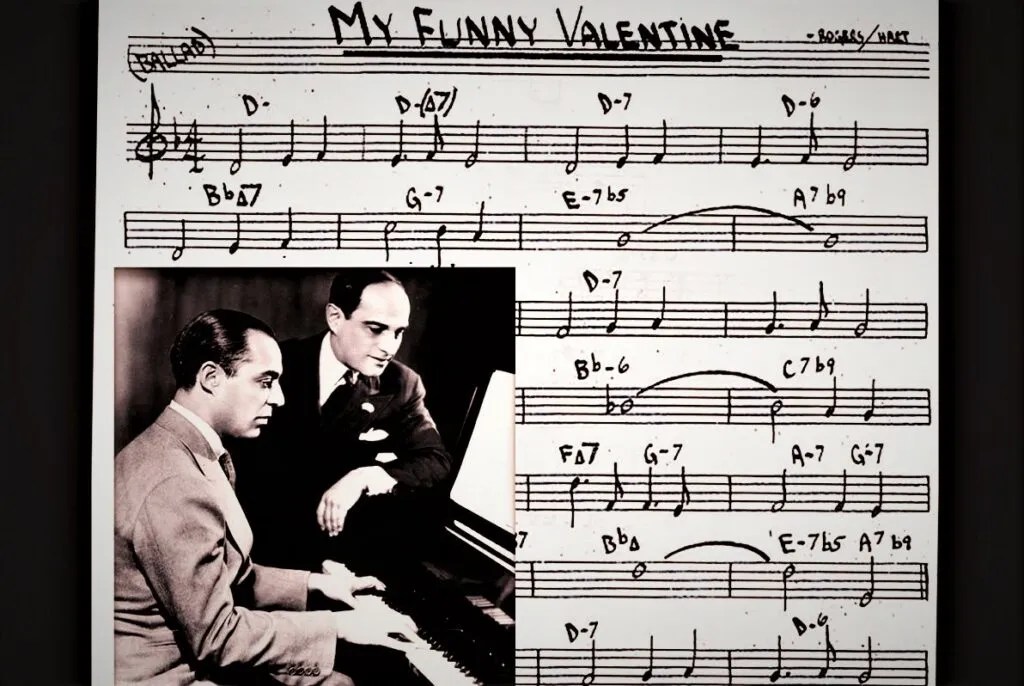
This year, however, I’ve decided to do things a tad differently and focus on just one song, probably one of the most familiar and most covered songs of the “heart-shaped” genre—“My Funny Valentine.”

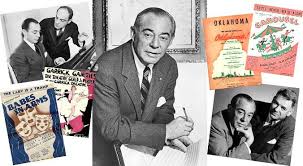
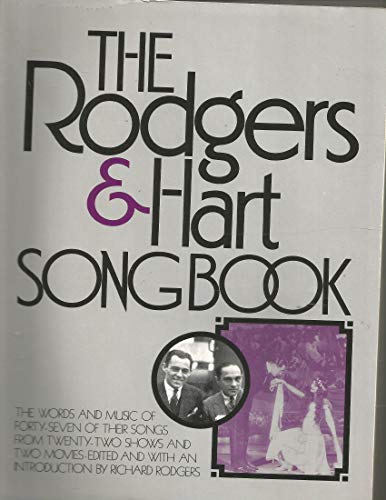
My Funny Valentine” is a show tune from the Richard Rogers and Lorenz Hart musical “Babes in Arms” . . .

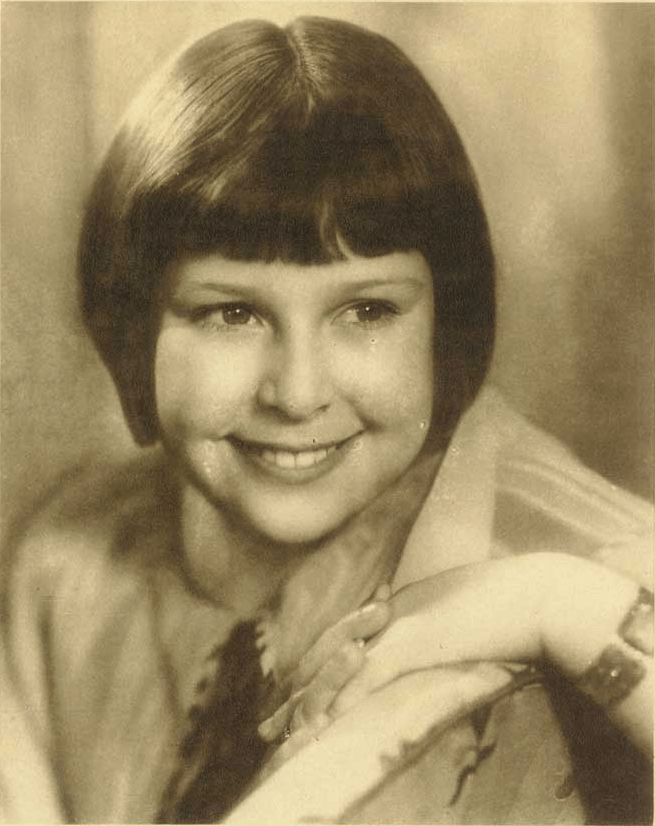
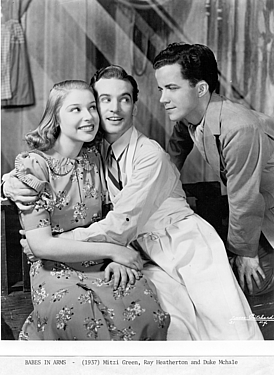
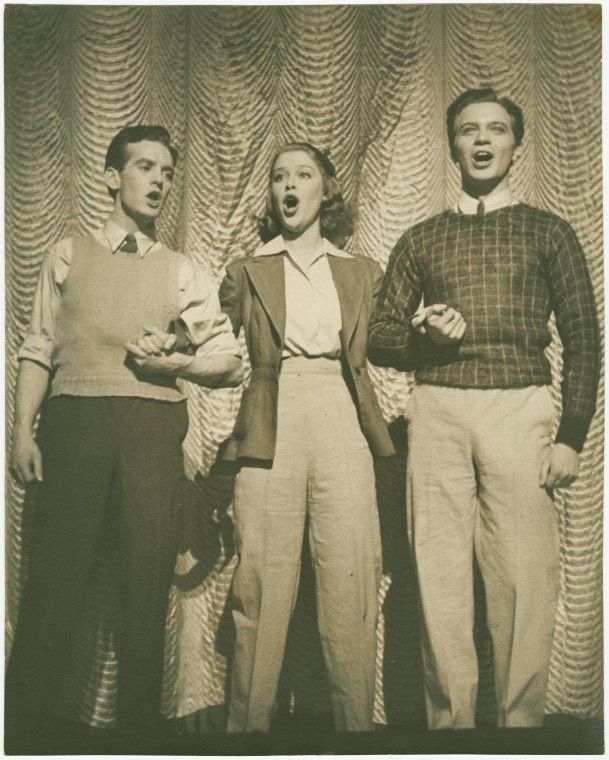
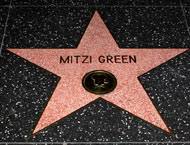
. . . in which it was introduced by popular teen-aged actress and singer Mitzi Green. 

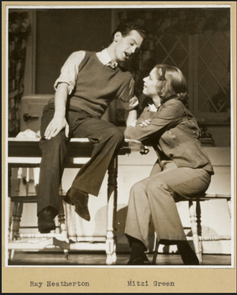
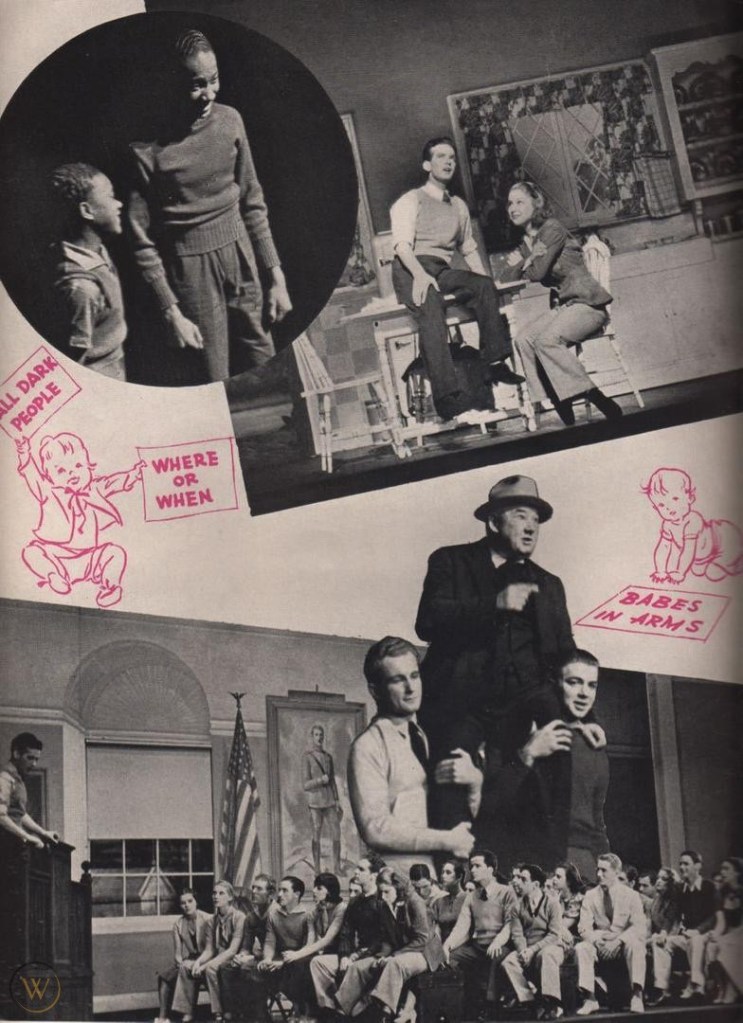
“Babes in Arms” opened at the Shubert Theater on Broadway in 1937 and ran for 289 performances.  In the original play, Mitzi Green’s character, “Billie” sings the song to her boyfriend “Val”—whose name matched the lyrics of the song.   

In the song, “Billie” describes “Val’s” characteristics in unflattering and derogatory terms.At one point she describes his looks as “laughable,” in keeping with the title.But she ultimately affirms that he makes her smile and (rom-com alert!) she doesn’t want him to change. 

Alas, gentle readers, there seems to be no YouTube of her performance in the role.  You can, however, click or tap on the triangle in the next image or link to see and hear a close-to-original version of our song, sung in the Mitzi Green style.

Mitzi went on to an on-again, off-again career that faded by the 1950s.  Some folks still remember, however. 

The song, My Funny Valentine,” lasted much, much longer and has become a jazz standard appearing in over 1300 albums performed by over 600 artists!  Not too shabby for a minor-key show tune from the Depression Era.

An additional reason that has given the song a long, long life in the musical world is that the lyrics are sufficiently gender-neutral to allow the song to be sung by or about either sex.Needless to say, a large proportion of the cover versions are by men describing a hypothetical woman.  What’s not to like?

Click or tap on the triangle in the next image or link for a guy’s version of our song.

And, of course, there are innumerable jazz versions. Click or tap on the triangle in the next image for one by Sarah Vaughan.

In addition to “My Funny Valentine,” several songs from the Broadway production of “Babes in Arms” have become jazz or pop standards—”Where or When,” “The Lady Is a Tramp,” “Johnny One Note,” and “I Wish I Were in Love Again.”  

Back to Broadway in 1937.

Basically, the plot of the musical centered on a group of precociously talented teen-age children of impoverished vaudevillians (their so-called “babes in arms”) banding together to oppose the closing of their small-town theater by stuffy local authorities.They did this by doing—what else?—“putting on a show!”

That was Broadway; then along came Hollywood. Sorry Mitzi; hello Judy!

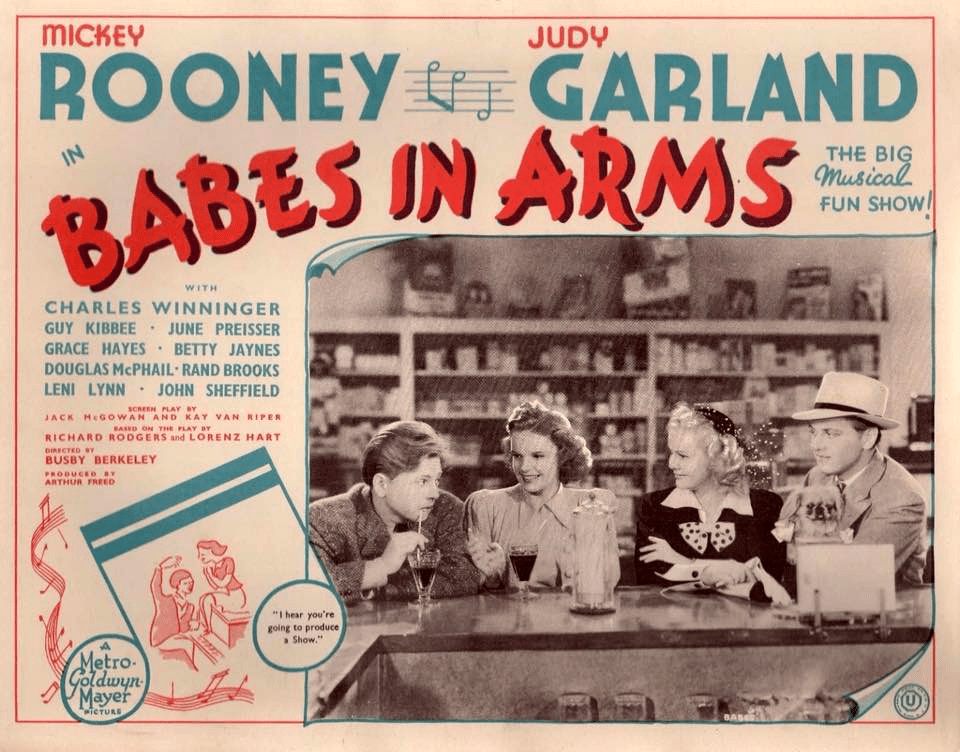
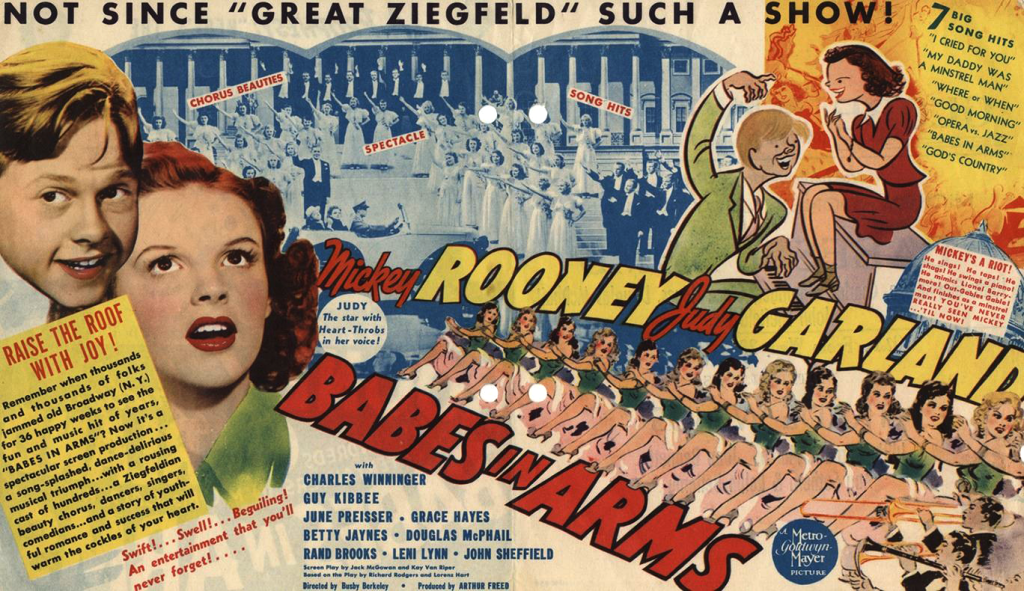
Delightful in its own right, the 1939 film version of “Babes in Arms” starred Judy Garland and Mickey Rooney and was directed by the inimitable choreographer Busby Berkeley. However, it was, as Hollywood was wont to do, massaged and rewritten. So, in the movie, the “babes” band together to prove to their theatrical and vaudevillian parents that they have real talent and could make it to Broadway on their own. Needless to say, they did this by “putting on a show!” So much for helping out the theater in their home town.

The movie script — as significantly revamped, restructured, and rewritten to accommodate Hollywood’s take on things — left out much of the mildly leftist political slant of the original musical. And — tragedy of tragedies — left out almost all of the Rogers and Hart songs from the Broadway musical, including “My Funny Valentine.”  Go figure.

Just for fun, however, click or tap on the triangle in the next image to hear bits of songs that survived from 1937 to 1939–with the full Hollywood treatment!

But, I digress . . .

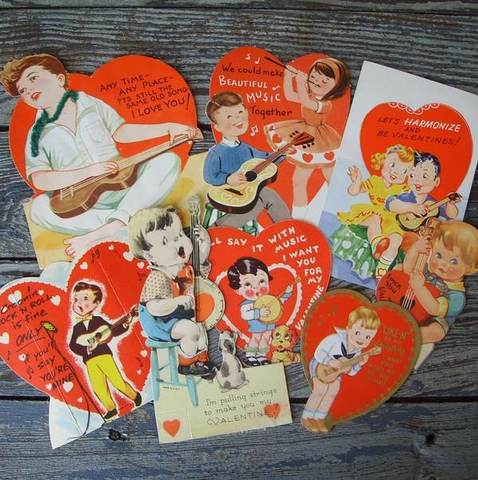
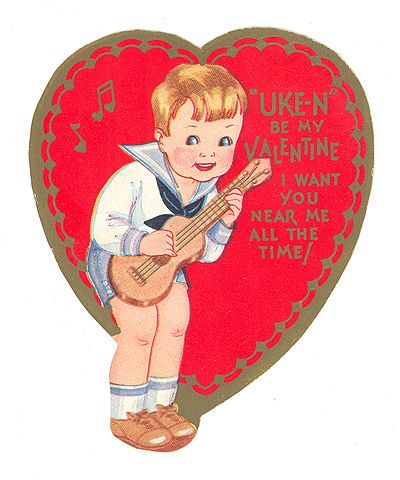
Now, as far as ukuleles are concerned, there are quite a few out there in ukulele land with a valentine or sweetheart theme–minor or major key. Here for fun is a vintage one from my collection.

Now, before we go and spend the better part of the day opening all of our valentines that we’ll be getting from our sweethearts, here is one of many, many YouTube versions of “My Funny Valentine.” Click or tap on the triangle in the next image for one showing off a rather rare member of the musical instrument family–an eleven-string “Harp Guitar.”

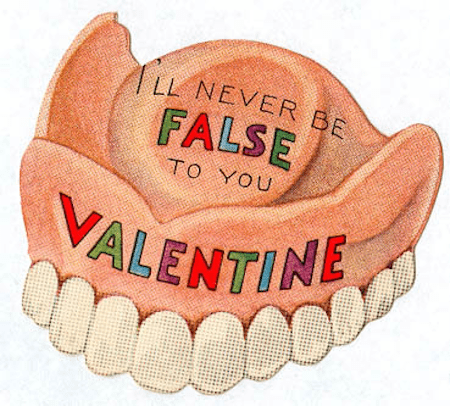
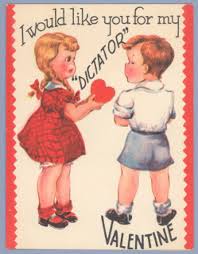
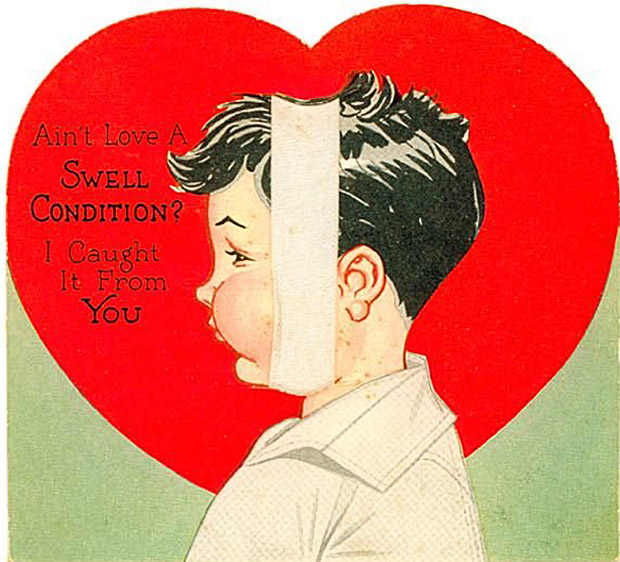
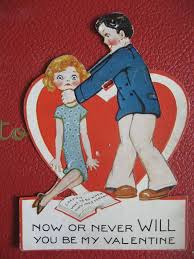
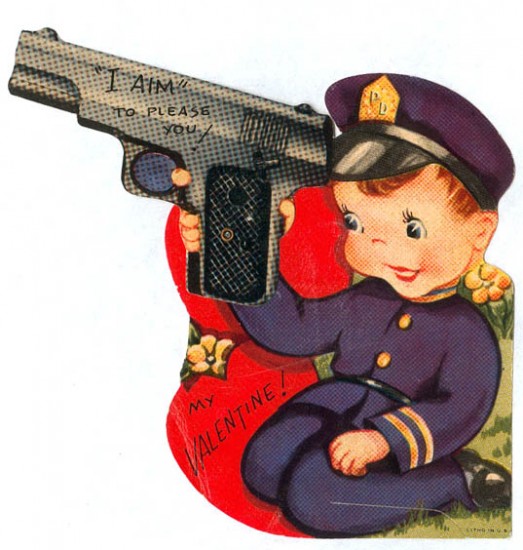
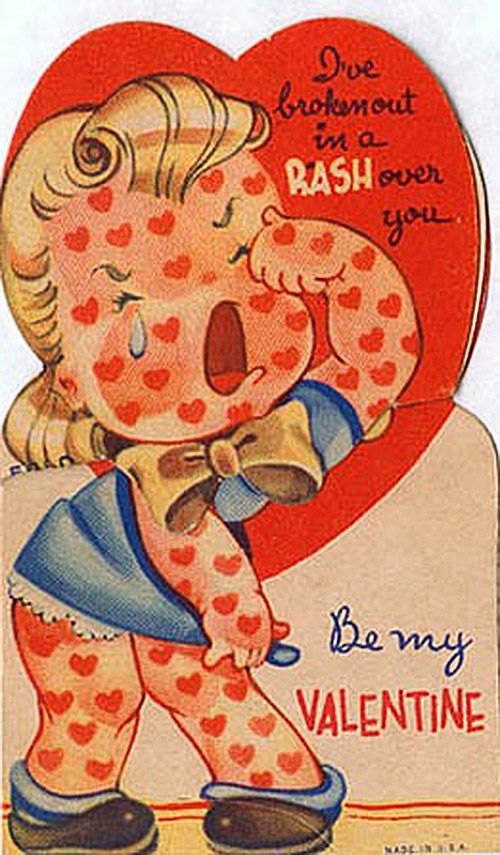
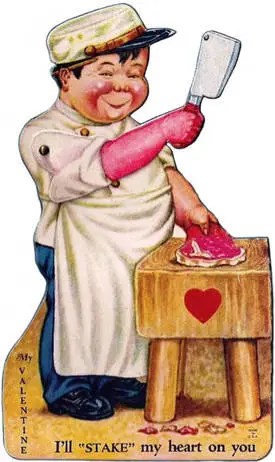
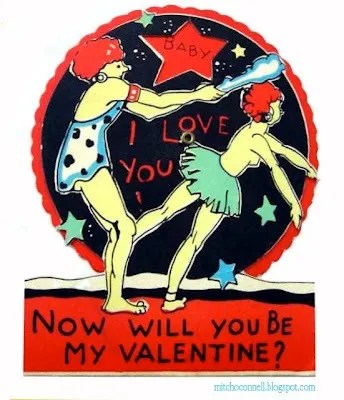
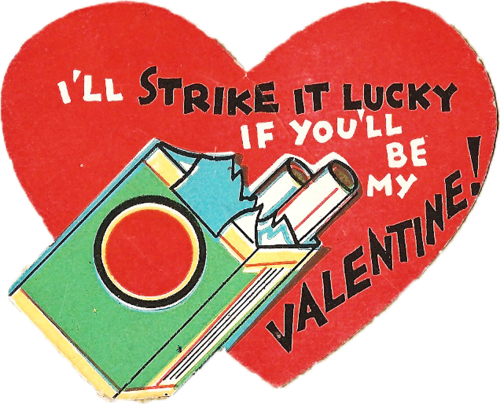
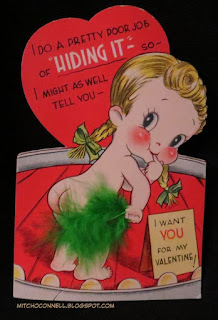
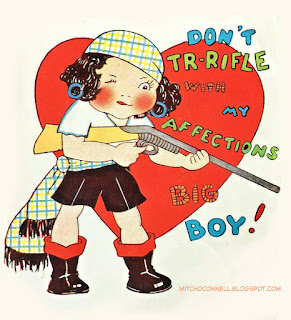
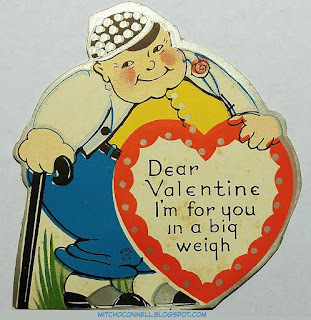
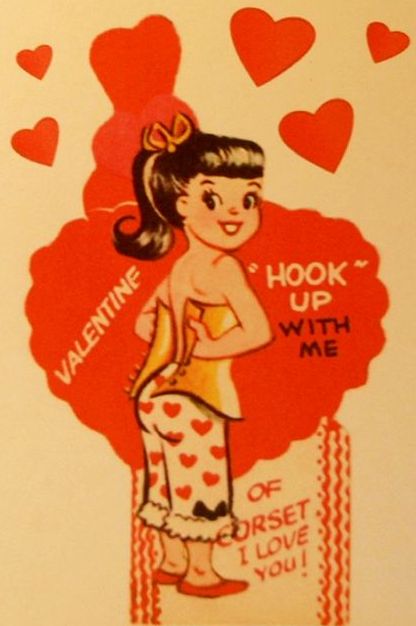
And of course, there are a lot of vintage cards that could easily fall into the “funny valentine” category. Sadly, there are way too many that, in my humble opinion, may be a tad to prurient for the eyes of many of you gentle readers. But just for fun let me focus on a few that fall into the more benign genre of “What Were They Thinking?

Whew!

So stay safe, look for your strumming valentine coming to serenade you.

And, without question, STAY FUNNY and STAY TUNED!

ANOTHER MUSICAL MUSING, 20 January 2025–Martin Luther King, Jr., Day

This is a posting that I wrote a few years ago and repost each year.  I have tweaked it a bit but, alas, it is still apropos. It will be particularly interesting as a day of contrasts. Think, gentle readers, of what we heard on the steps of the Lincoln Memorial in 1963 in contrast to what will see in the Capitol rotunda in 2025. One nation? We’ll see . . .

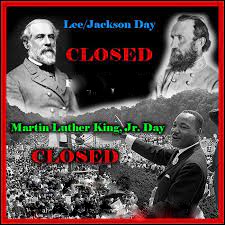
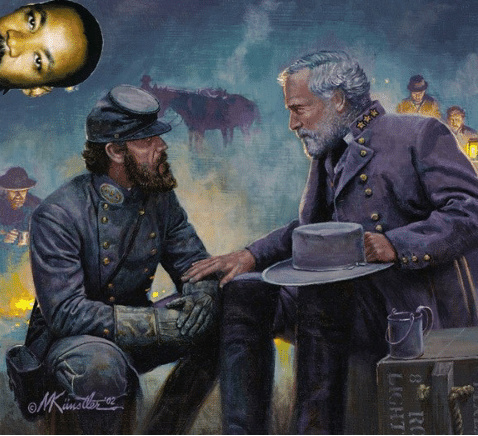
Before we moved to “the 413” back in ’05, Alison and I had lived for many years in northern Virginia.  Settled in the early 1600s, the so-called “Old Dominion” was, needless to say, strong on historical reminiscences and commemorations.  So, in 1983, when the date for the Martin Luther King, Jr., national holiday was set, it was conjoined with two other statewide celebrations that had been on the state’s docket for years.  Virginians called this calendric convenience “Lee-Jackson-King” day—a curious amalgam of Civil War and Civil Rights history—observed until the year 2000.

What would Robert E. Lee, “Stonewall” Jackson, and Martin Luther King, Jr., think about all that?  Go figure.  

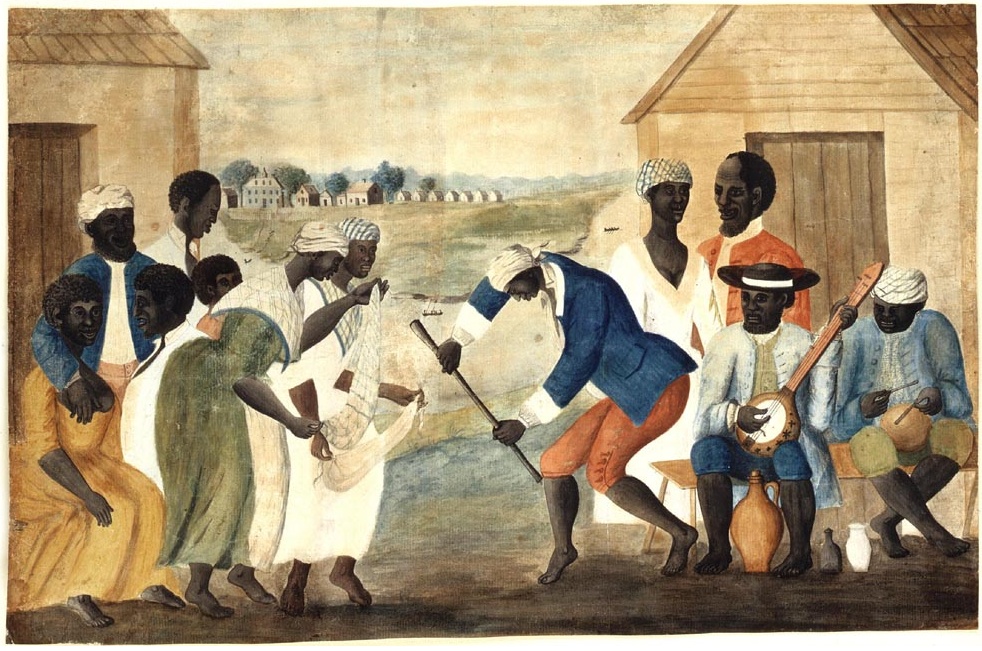
Anyway, what does this have to do with music, banjos, and ukuleles?  Well, for every photo or illustration I run across depicting African American men, women, or children playing a playing a banjo or a uke, too many are demeaning caricatures. And, way too many show whites in even more demeaning blackface makeup. I don’t need to illustrate these negatives in my musical musings when there are positives out there!

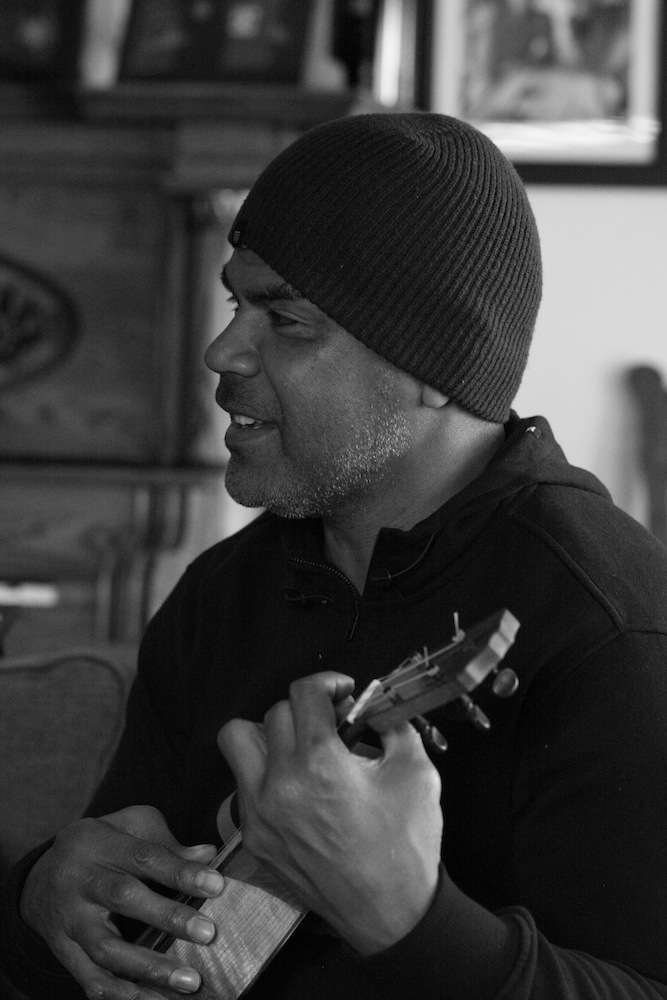
Those demeaning, but all too common, illustrations are testament to a history that should not be glossed over or, worse, forgotten. But, these are not part of this special double day we’ll be observing on Monday.   So, for this posting, here are some photos of good folks having a good time making music in the past and—more importantly—today.  And yes, they include ukuleles and a banjo or two!  

Mid-January brings us to one of the newest and most meaningful of all American remembrances—Martin Luther King, Jr., Day.  Hopefully this will not be pushed offstage this year and newspapers and television will find time to touch on the history of this man and the movement he led to bring civil rights issues to public attention, to congress, and to the law of the land.  

As meaningful as this is to us all, I’ll just stick with our theme and focus on a tiny facet of all this: music.

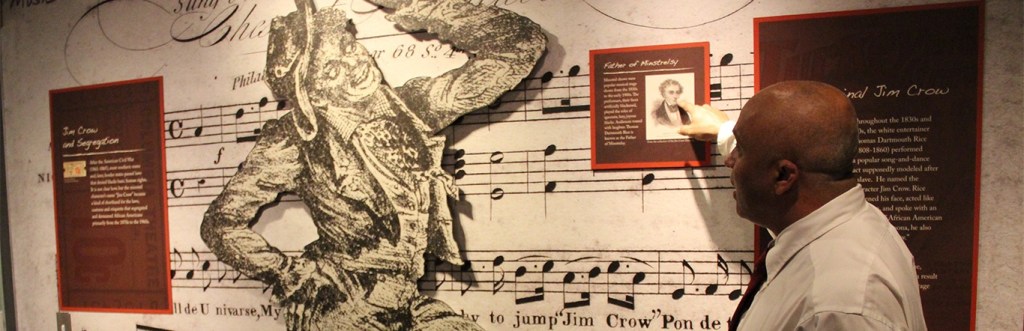
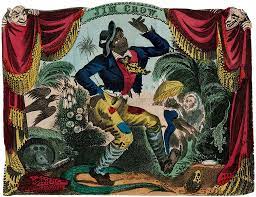
To begin...The phrase “Jim Crow,” with all its racial and civil rights connotations, had its origins in a song and dance routine from 1828 that was done in blackface makeup by a white minstrel performer, one  Thomas Dartmouth Rice.  

His song, “Jump Jim Crow,” is said to have been inspired by the singing and eccentric dancing of an African slave by that name.  In the cultural context of the early Nineteenth Century, Rice’s song—and its multiplicity of verses—became overwhelmingly popular as he performed all over the country as “Daddy Jim Crow”.

As a result of Rice’s fame and the popularity of his song, by the mid-Nineteenth Century the term “Jim Crow” had morphed from the merely comic into a pejorative meaning a Black, Negro, or African American.  

From this, laws and reguations enforcing racial segregation became known as “Jim Crow Laws.”  These were found if not endemic in towns, counties, and states throughout much of the country–North, South, East, and West.  

Rice’s song “Jump Jim Crow” was also a key initial step in a tradition of American popular music that was based on the imitation, if not outright mockery, of blacks. 

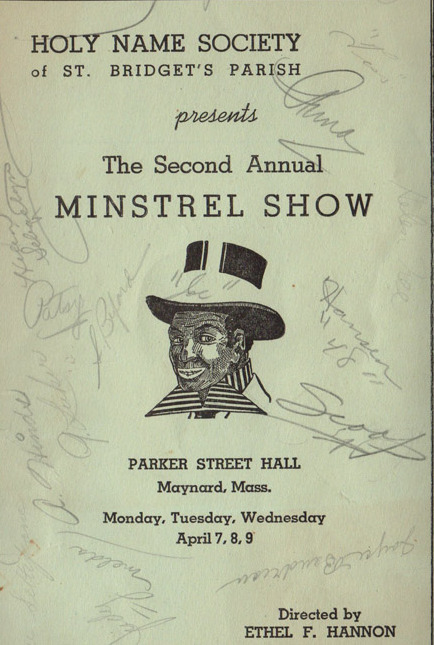
The first song sheet edition of this tune appeared in the early 1830s, and a couple of decades later this genre exploded in popularity with the rise of the blackface minstrel show, both in America and abroad.  

And, even in amateur theatricals.

A ukulele player who frequently appeared in blackface was Cliff Edwards, otherwise known as “Ukulele Ike.”You might remember him best as the voice of Jiminy Cricket in the Disney film “Pinocchio.”  

The Duncan Sisters were a popular duo and there were, of course, many other performers with or without ukuleles.   

In retrospect, some of what was popular in the context of yesteryear’s popular music is not just unpopular today.  Rather, it is unconscionable–way beyond merely politically incorrect. 

Admittedly, this is a touchy topic for a posting.  I much prefer levity, but we cannot move forward without looking back. The observation of Martin Luther King, Jr., Day on this Double Day gives us that opportunity.   It is from history that we learn, even if filtered through the theme of music and our favorite musical instruments.  

We cannot sweep history under the rug.  We cannot unplay those songs. But, here is one song we should play.

This is a song to play over and over again on this important day of remembrance of a great American, his life’s work, and the historical context of our still imperfect society.

Pete Seeger recorded this song back in the late 1940s. His version–the one we hear most often today–was based on an interpretation of an old gospel hymn he had heard in the 1930s sung by Black tobacco workers in the fields of the South and a variation he had learned dating back to 1901 as sung in both Black and White labor union meetings in the North. Tap or click on the triangle in the next image for his version:

And as a finale, tap or click on the next image to hear the Moorhouse College Glee Club in concert:

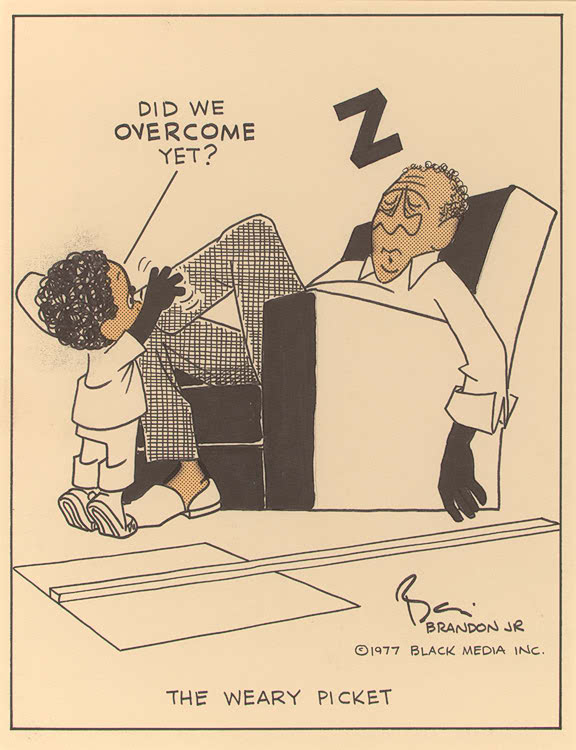
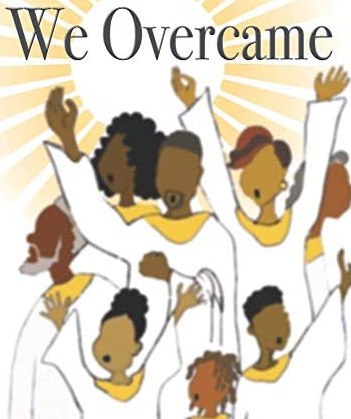
We have a lot to overcome in our society, particularly on this double day in history. But, with the humble tools we have, we shall. When will our song be “We Overcame?”

STAY TUNED!

ANOTHER MUSICAL MUSING–20 December 2024: “Some Old and Not So Old Santa Songs for Today”

It’s nearly Christmas already. So, let me continue to plant some of those Christmassy earworms into your heads. My (dubious?) gift to you!

Way, way back in the early 1940s I was more aware of Santa Claus than the Nativity around this time of year.  Hey!  I was only three or four years old, too young even for Sunday School.  Anyway, these days when I open up our big red storage box marked “Christmas Stuff,” I still reach for and unwrap “my Santa” first. 

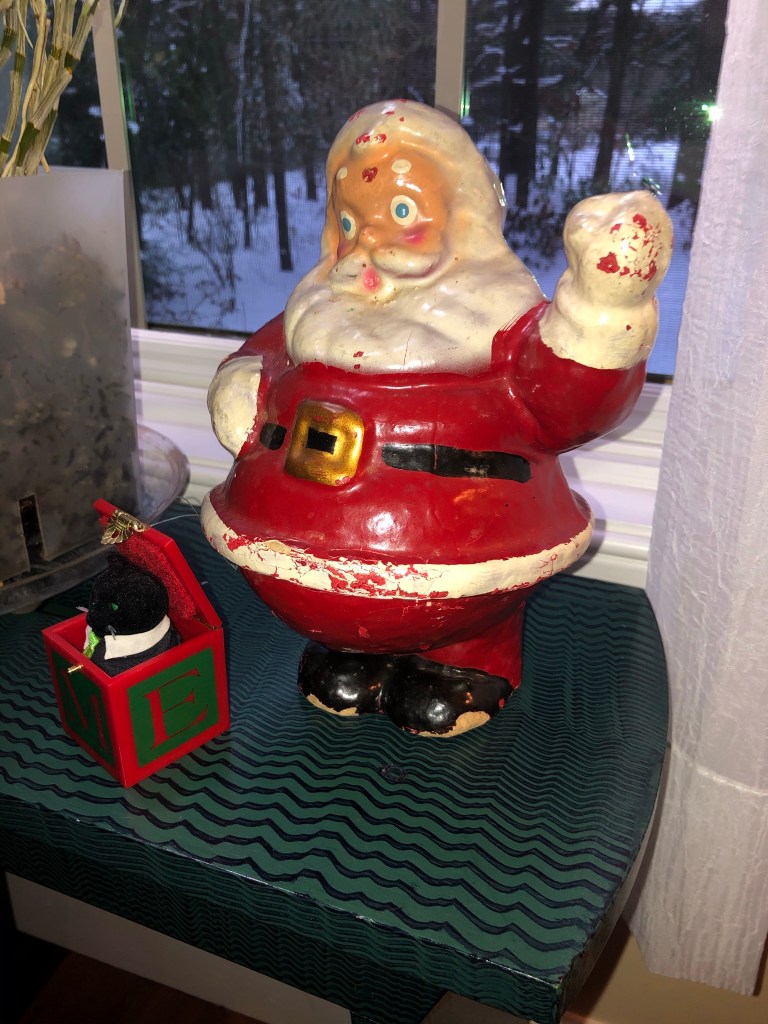
This is a papier mache figure of the rotund gent himself that my mother bought in our local dime store back in 1942.  It’s been in my family ever since and the first bit of holiday décor I set out each year.  Ah, tradition!

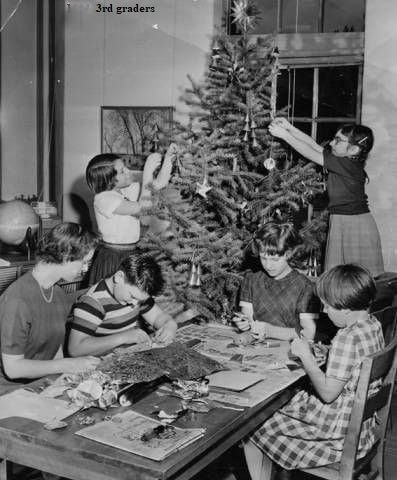
As to music from those early days, I remember in grade school (public not parochial) my class singing traditional holiday songs and carols around our classroom Christmas tree just before lunch hour.  Is that permitted these days?

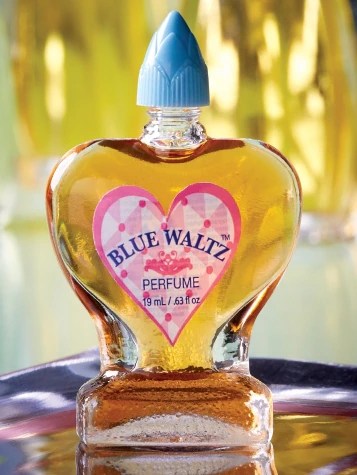
There was also the excitement of drawing names for our annual class gift exchange—a twenty-five cent limit! A Comet model airplane kit (ah!) for a boy . . .

or a dimestore bottle of Blue Waltz perfume (ugh!) for a girl.

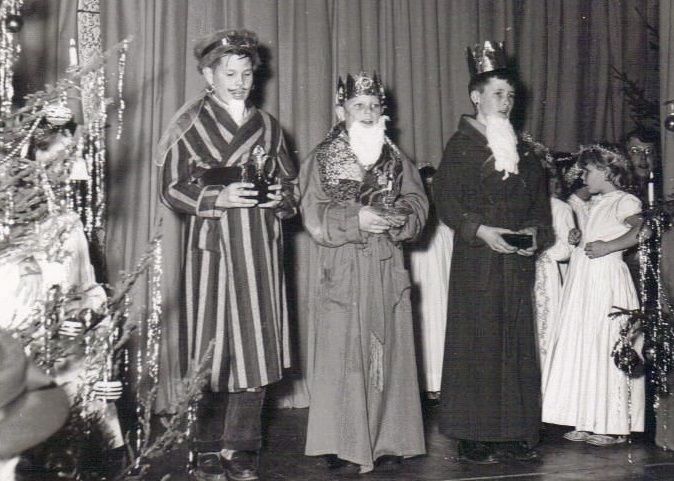
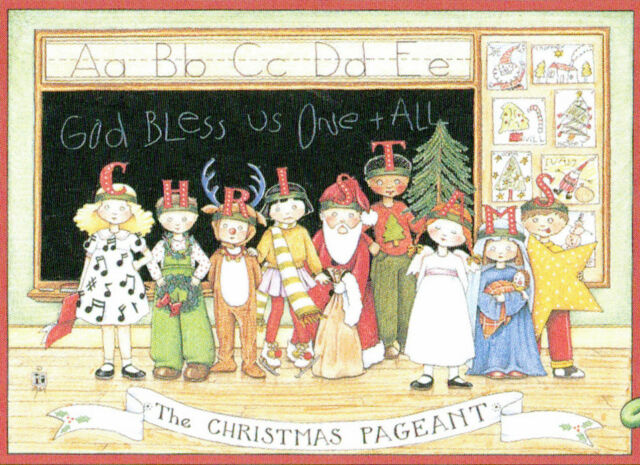
In Junior High we would have the annual Christmas pageant with boys in bathrobes with dish towels tied to their heads as “shepherds” and “kings” and girls in white dresses with shiny wings and halos. 

The best singer did the “angel solo” and it didn’t matter to anyone that she was Jewish.  For that matter, so was Jesus.  Those were the days.

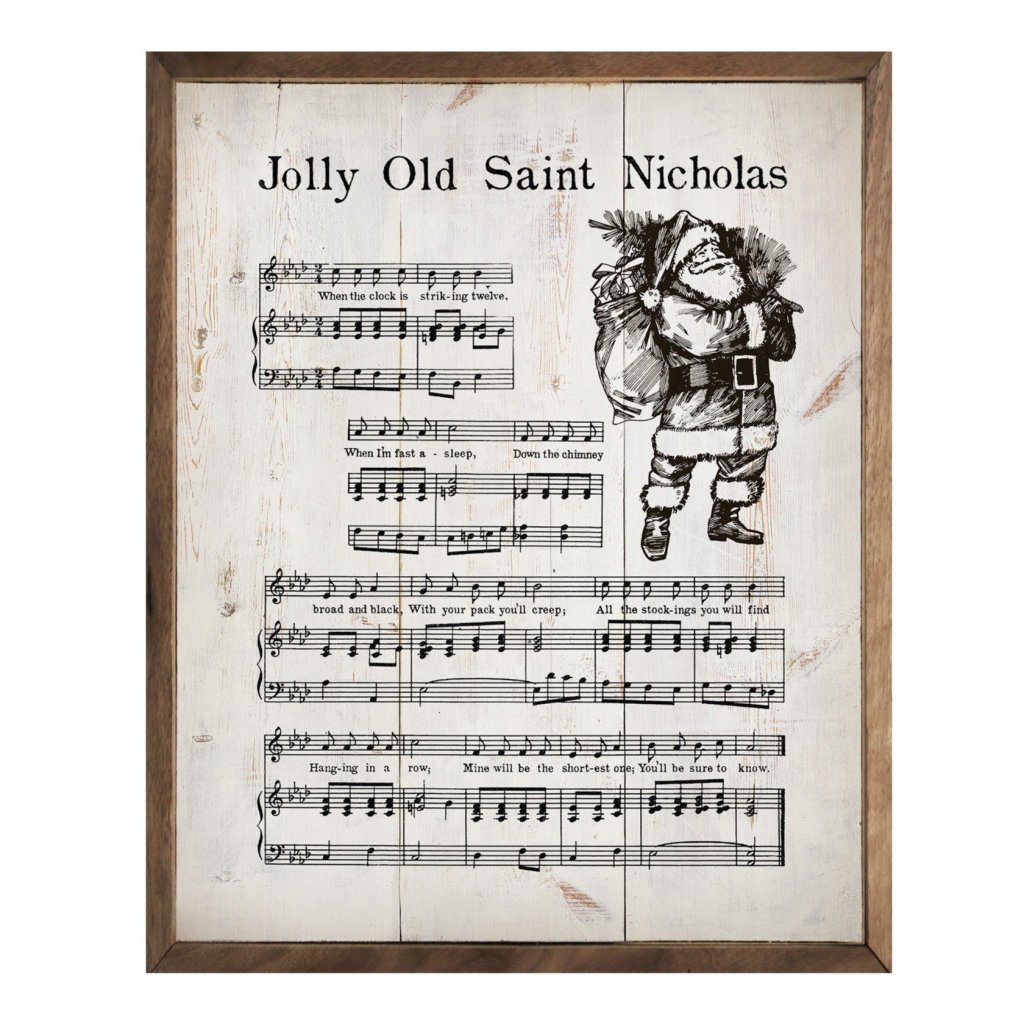
Anyway, some of my favorite songs were from the 1800s such as “Jolly Old Saint Nicholas” and “Up on the House Top.” Others were from the Tin Pan Alley days like “Santa Claus is Coming to Town.” All of these were “Santa” songs that appealed to we wee ones. And then there were those novelty songs from the 1950s plus one or two that touched on more grown-up themes.

Let’s start with the oldies.

There are differences of opinion about the origins of “Jolly Old Saint Nicholas.” Suffice it to say that it was first published as a poem in the 1860s and subsequently set to music.  It was first published as a song in 1874 in “School Chimes, A New School Music Book” intended for use in grade schools.

Tap or click on the triangle in the next image to give a listen to this jolly oldie with some great guitar picking by Chet Atkins.

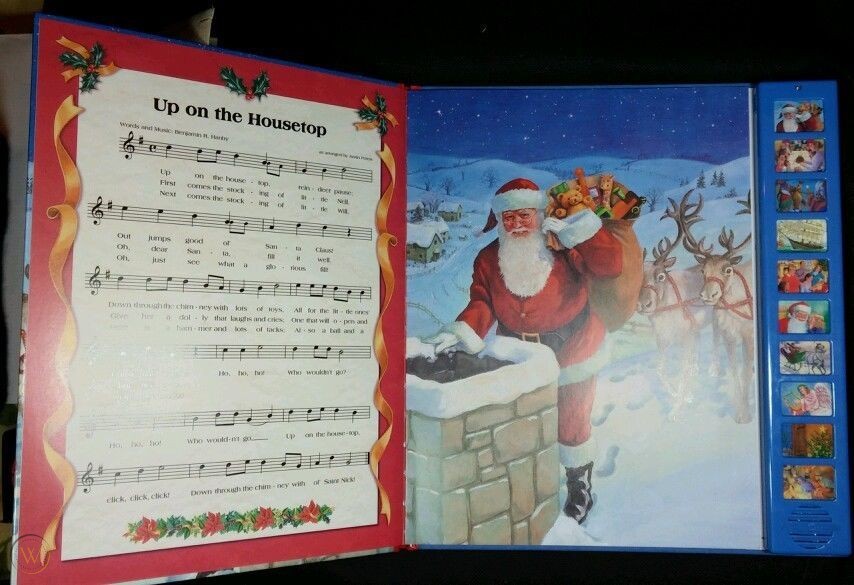
The song “Up on the House Top” has similar roots.  In fact, it is considered as the second oldest secular Christmas song after “Jingle Bells” and the first holiday song to feature Santa Claus!  Who knew? 

It was considered at the time a “follow-up” to the poem “A Visit From St. Nicholas,” better known as “The Night Before Christmas.” 

The song was first published in 1857 in the magazine “Our Song Birds.”   

These two songs show up on just about every popular Christmas singalong out there.  Here is a rendition with the original lyrics.  Tap or click on the triangle in the next image or link to hear this one with some nice old-time banjo accompaniment.

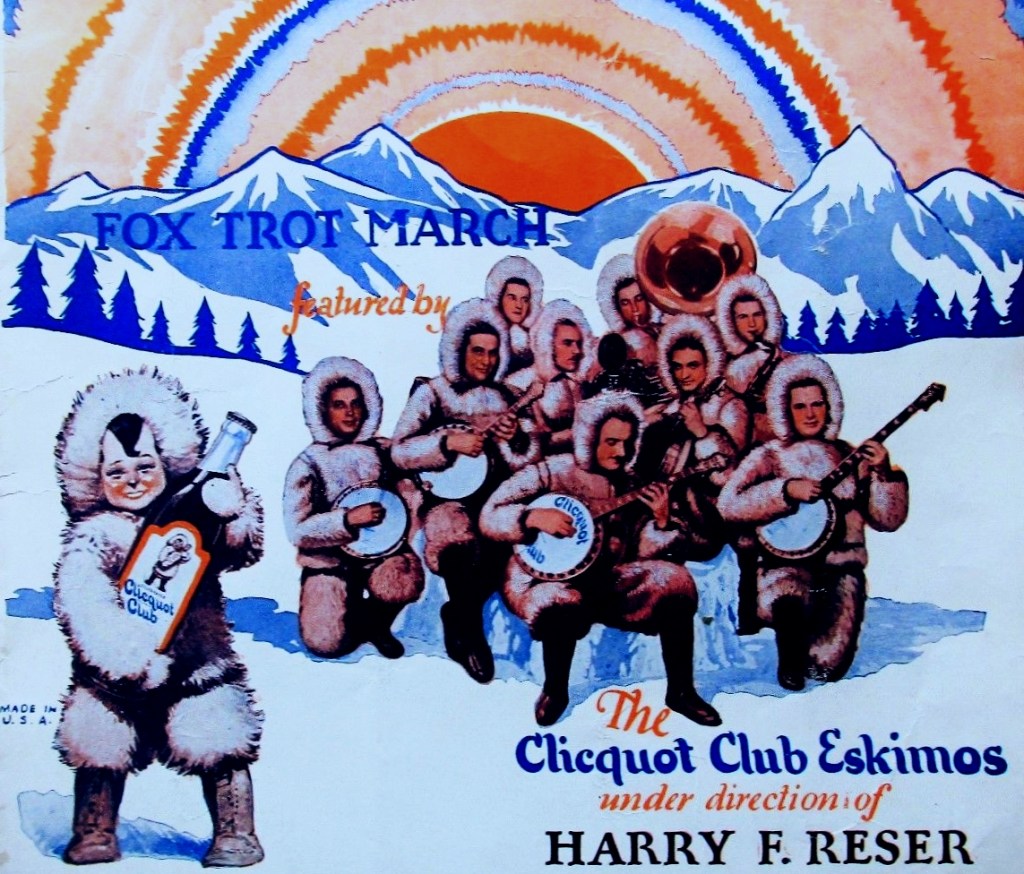
Moving on to something a bit more “modern,” “Santa Claus Is Comin’ to Town” was first recorded in 1934 by banjoist Harry Reser and his band. No Santa suit here but Reser did dress one of his bands in Eskimo costumes. Close enough! 

This song became an instant hit with more than 30,000 records sold within twenty-four hours, to say nothing of a half million copies of sheet music.  Not bad for a simple Santa ditty!

Tap or click on the triangle in the next image to hear Reser and his band with Eddie Cantor doing the vocals—some nice scenes of Christmas past also!

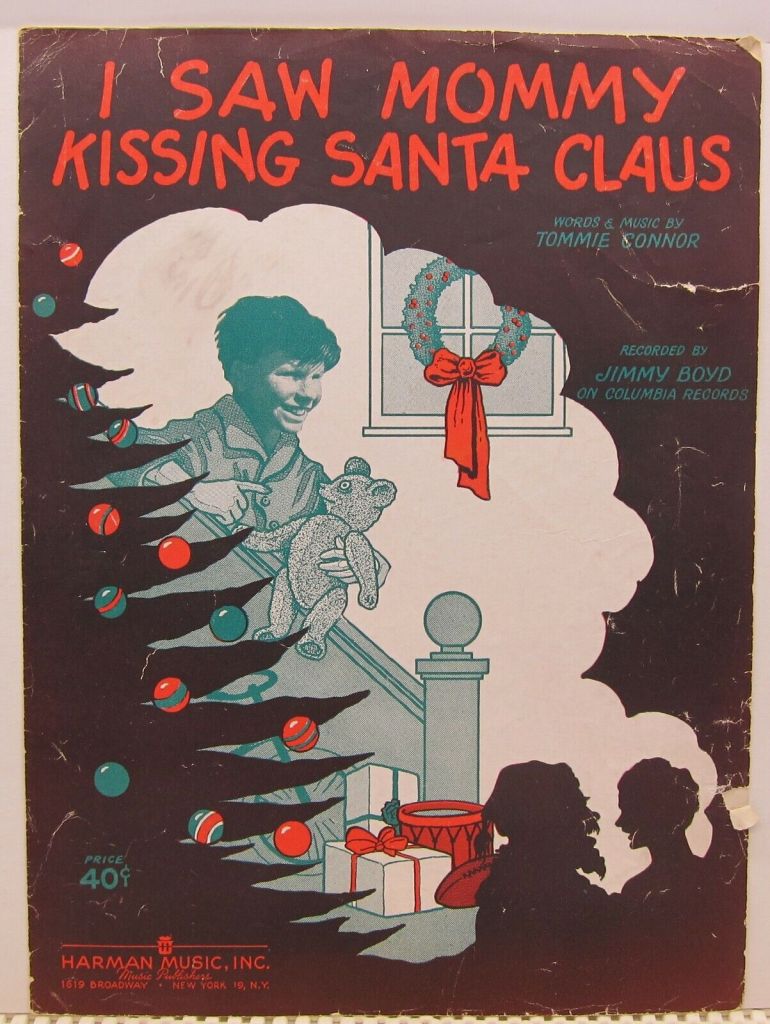
Let’s take a look at one more earworm “Santa song,” one published a bit later than the one’s we’ve taken a look at and one we didn’t sing around my grade school Christmas tree. No need to listen to this one. We all know how the story played out!

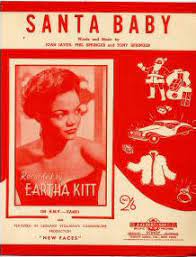
But, here’s another a tad too torchy for a schoolroom singalong!

Click or tap on the triangle in the next image to hear and see Eartha in action!

So, we have delved into the realm of Santa Songs from the G-rated to the, well, not quite X-rated. We’ve been hearing them all over and Over and OVER again for the past few weeks every time we go into a store or turn on the radio. Just remember, you got your Santa earworms here!

You’re welcome! 

We can still remember those simpler times when thoughts of Santa’s visit and visions of songs and sugar plums danced in our young, young heads. 

Yes, gentle readers, the spirit of Santa is still out there no matter what we call it or how we celebrate–the spirit of the season will be in our hearts.

So, stay safe, stay warm, stay festive, and STAY TUNED! Are those sleigh bells I’m hearing?
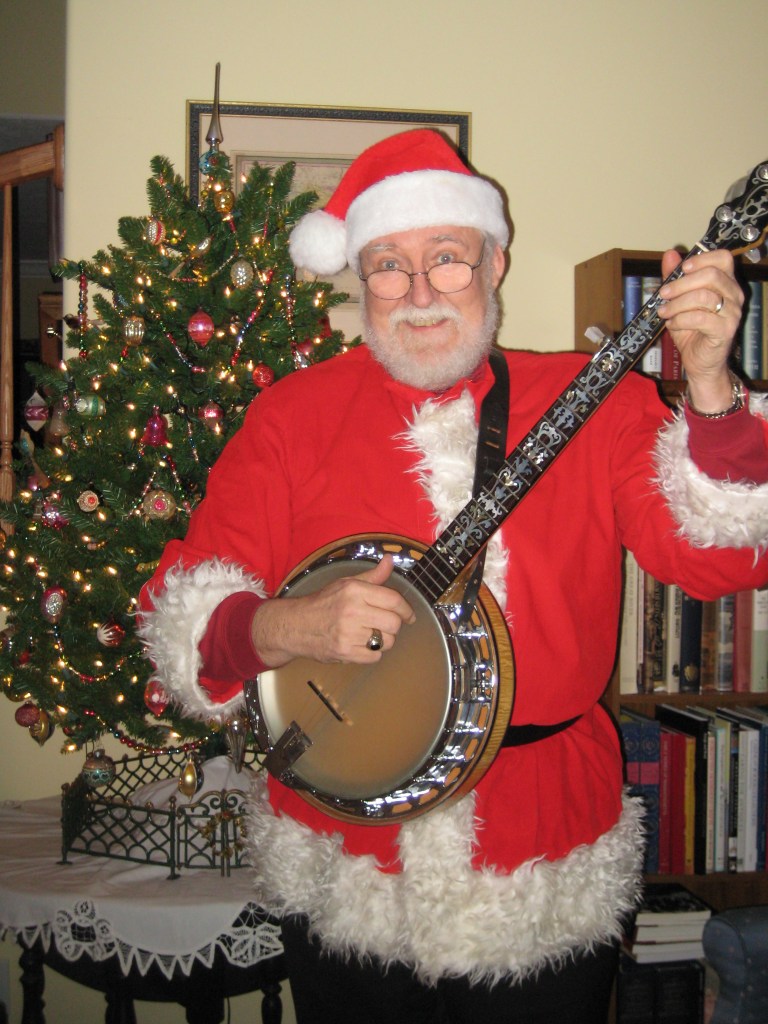
Note: I don’t usually add a personal photo to my “Musical Musings.” But, I’m compelled to close with a pic from a dozen or so years ago. 

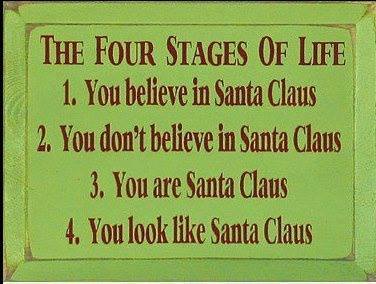
And, remember, some sort of Santa is within us no matter what our age!

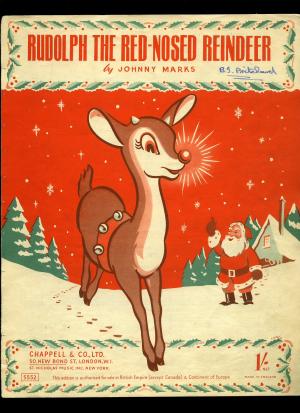
AN ENCORE (Earworm Alert!) CHRISTMAS MUSICAL MUSING, 13 December 2024–“RUDOLPH THE RED-NOSED REINDEER”

It isn’t often that I muse about a song that comes from a story written the same year I was born.  Yet, there is one that has become locked into our Christmas folklore, to say nothing of our eardrums! 

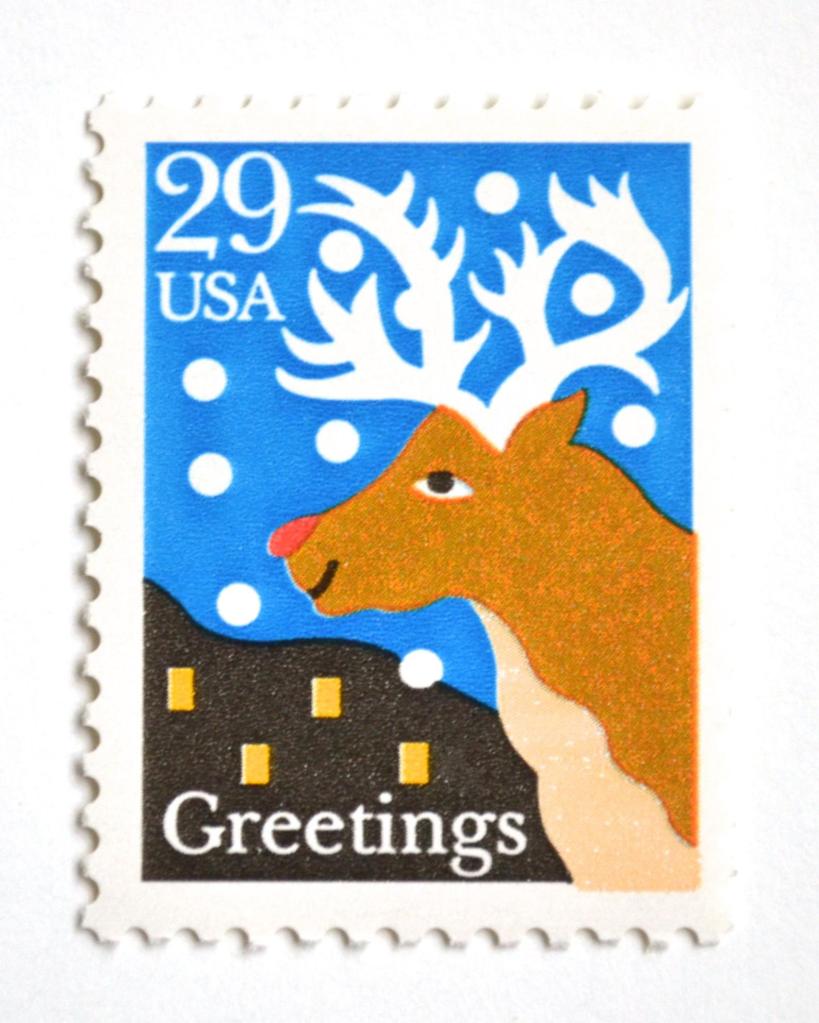
There is not a child today—or a Christmas display this day and age—that fails to include the newbie ninth of Santa’s reindeer, “Rudolph.” Needless to say, his eponymous song is played WAY too often in malls and stores this season. Nonetheless, the story and song does deserve a bit of recognition in our seasonal musicological sleigh ride.

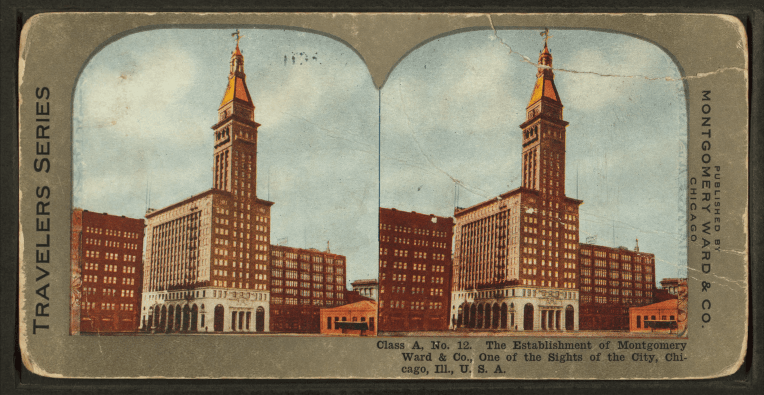
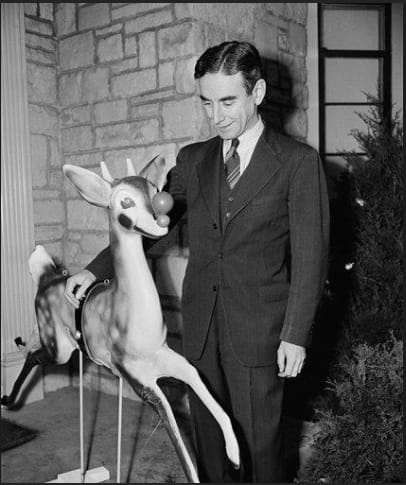
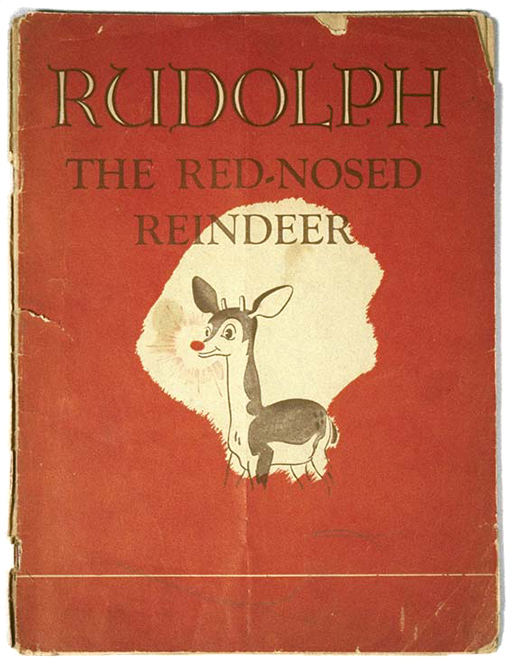
In the beginning, the character “Rudolph” was created by one Robert Lewis May (1905-1976), a copywriter for the now defunct, Chicago-based Montgomery Ward department store, in a booklet published in 1939.

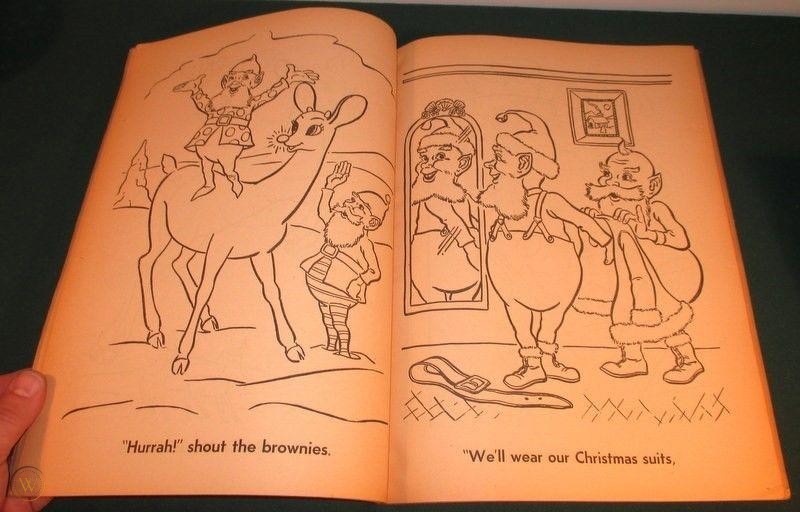
May created “Rudolph” for the retail and catalog giant that had been buying and giving away thousands of Christmas coloring books every year.  It was decided that by creating their own book they would save money, hence May’s assignment. A business decision! 

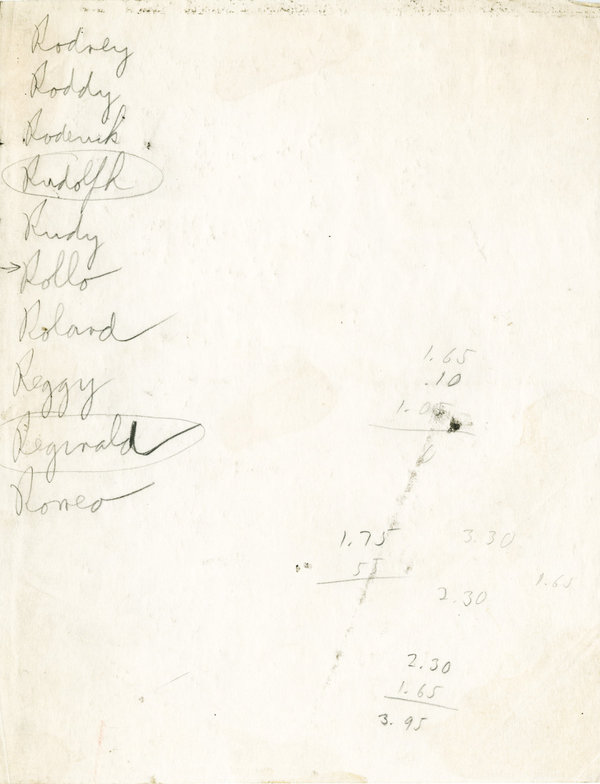
The story goes that May, himself Jewish, was staring out his Chicago office window pondering how best to craft a new, marketable Christmas story.  Meanwhile, a thick fog from Lake Michigan blocked his view.  Inspiration!  “Suddenly I had it!” he recalled. “A nose! A reindeer with a bright red nose that would shine through fog like a spotlight!”  May considered naming this ninth reindeer “Rollo” or “Reginald” or several other names before deciding upon the name “Rudolph.”

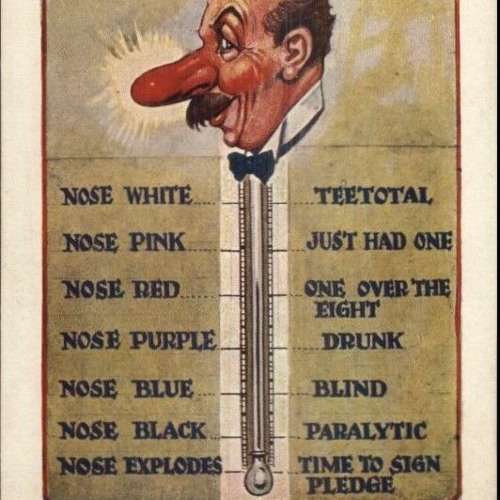
Alas, there was a stumbling block in that prudish day and age. May’s big bosses were concerned that most folks associated a “red nose” with chronic alcoholism and drunkards. So, his idea was rejected. Bah, humbug!

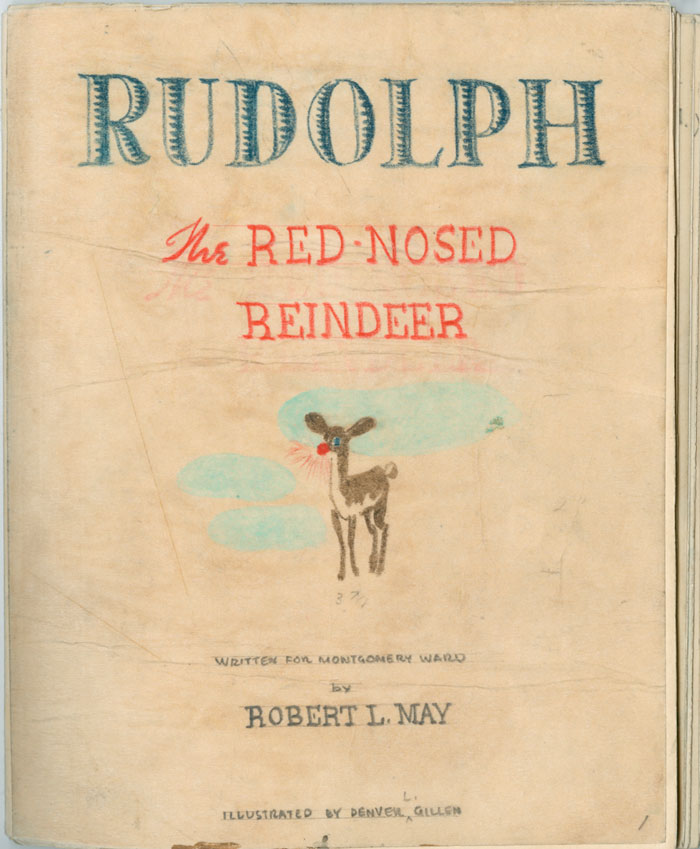
Determined that he was on to something good, however, May asked an illustrator buddy to draw a “cute reindeer” for him, one with a happily bright, red nose.  The decidedly PC sketch won over management and “Rudolph” began his trek “down in history!” 

Christmas coloring books featuring “Rudolph” were rushed to press and nearly two and a half million copies were distributed. But, the first publication acknowledging May as the creator of “Rudolph” waited until 1947.

I

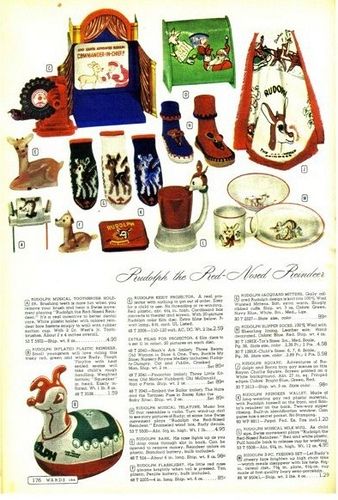
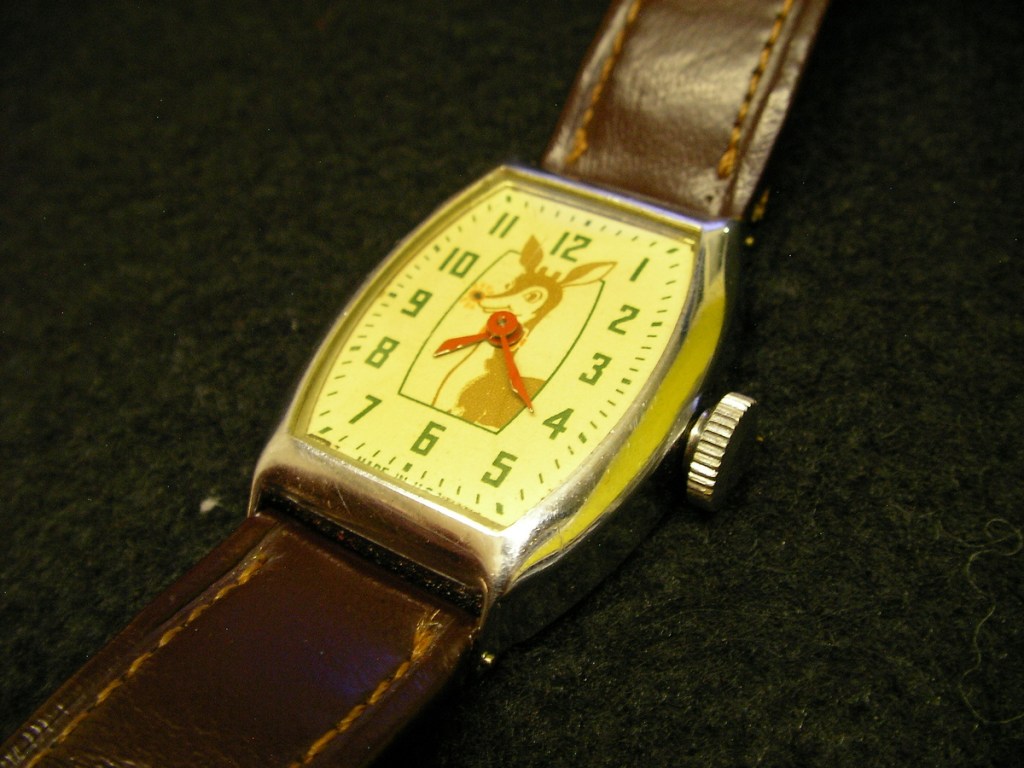
By that time “Rudolph” had become so popular with children around the country that the retailer made a fortune by advertising and selling a host of Rudolph toys and trinkets.  Every kid wanted something and the Ward’s mail order catalog was the place to find them.  

Anyway, for the two or three of my gentle readers who may not be familiar with the “Rudolph” story, let me quote a dry, academic summary:

Our tale is a poetic chronicle of a young reindeer who has an unusually luminous red nose. Mocked and excluded by his peers because of this distracting trait, “Rudolph” is called upon to prove himself one Christmas Eve when inclement weather at the North Pole results in poor visibility thus jeopardizing the yearly mission of Santa Claus. Potential tragedy! But, recognizing a glowing red nose as an instrument rather than an impediment, Santa commandeers Rudolph to lead his sleigh for the annual deliveries. “Rudolph” agrees and is finally lauded by his fellow reindeer for his heroism and accomplishment. Positive triumph!”

The story reads better as poetry and, for you English Lit majors, here is a link to a copy of the original illustrated manuscript—written they say in “anapestic tetrameter,” the same as Clement Clarke Moore’s 1837 “‘Twas the Night Before Christmas.”   The manuscript is a bit too long to include in this simple musing, but for you of a scholarly bent who would like to pursue it more fully, you can check out the following link (alas, not a YouTube) for an NPR presentation on this–delightful!

https://www.npr.org/2013/12/25/256579598/writing-rudolph-the-original-red-nosed-manuscript

Now, to our song! 

In 1949, a couple of years after May’s book was published, our story takes an interesting turn.  The song “Rudolph the Red-Nosed Reindeer” was written by May’s brother-in-law, who happened to be the New York songwriter Johnny Marks (1909-1985).  Although he too was Jewish, he specialized in Christmas songs and, along with “Rudolph . . .,” wrote songs like “Rockin’ Round the Christmas Tree,” “A Holly Jolly Christmas,” and “I Heard the Bells on Christmas Day.”  Alas, most of his non-holiday songs were pretty forgettable.  Not so jolly! 

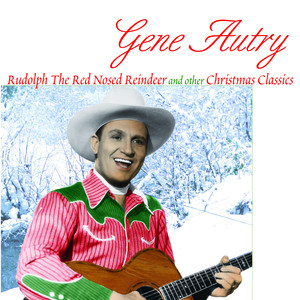
In another interesting turn, our song was recorded in 1949 by—of all people—the “Singing Cowboy” himself, Gene Autry!  It hit number one on the charts that Christmas. 

Autry’s recording sold 1.75 million copies its first Christmas season, eventually selling a total of 12.5 million. Cover versions included, sales exceed 150 million copies, second only to Bing Crosby’s “White Christmas,” a song by another Jewish songwriter, Irving Berlin.  Again, go figure! 

Click or tap on the triangle in the next image for a look and listen!

We won’t say anything here about the

WAY too many (in my humble opinion) movies and TV specials featuring “Rudolph” and the fact that Montgomery Ward and Gene Autry made a LOT of money from all this.  Sadly, not so much went to May and Marks.  They well deserve, however, to “go down in history!”

So, just to leave us with an earworm, here are a few interpretations—from the simple to the . . . Click or tap on the triangles in the next images for a bit of Christmas fun!

And, of course, a banjo-ukulee version!

To avoid your own red nose, stay away from too much eggnog, whiskey, wine, or beer this Christmas–especially when riding in that sleigh. And, as always, STAY TUNED!

AN ENCORE MUSICAL MUSING–7 December 2024 : A Child’s Memory of Pearl Harbor Day–A long, long time ago.

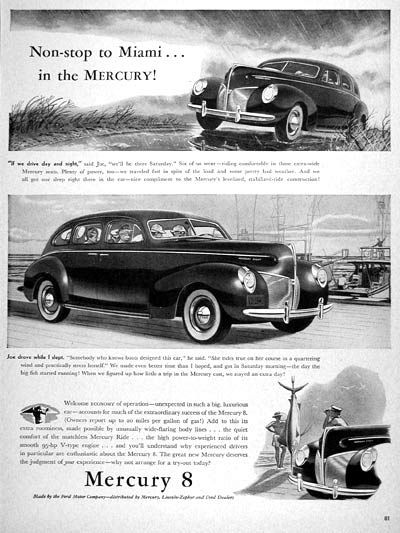
I was just about three years old lying down, probably dozing or daydreaming, in the backseat (no such thing as seatbelts!) of my parents 1940 Mercury. 

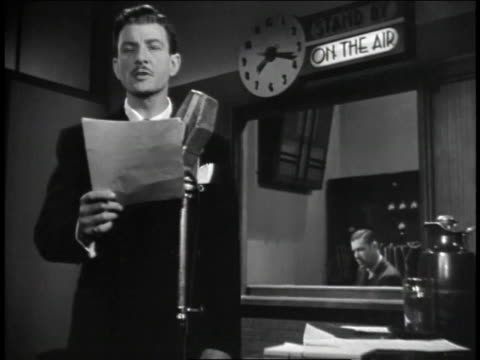
It was a Sunday morning in early December, and we were on the way to visit and have lunch with my grandparents in a nearby town.  We were listening to the car radio (AM of course), probably my father’s favorite swing music station, when the music stopped and words began.  LOUD!

In a few seconds, my father braked the car and quickly turned around in the first driveway we came to. We raced back home.  I was vaguely aware of a change and a bit disappointed—no chicken and noodles with Grannie and Grampa that day.   Back to my nap.

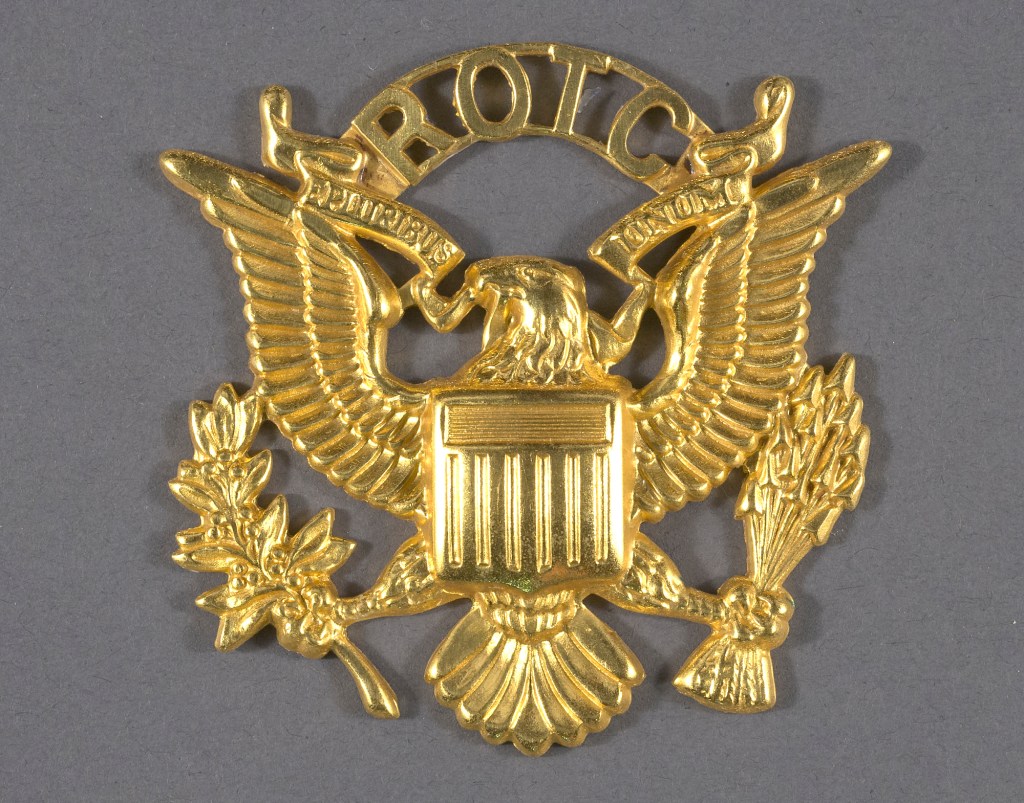
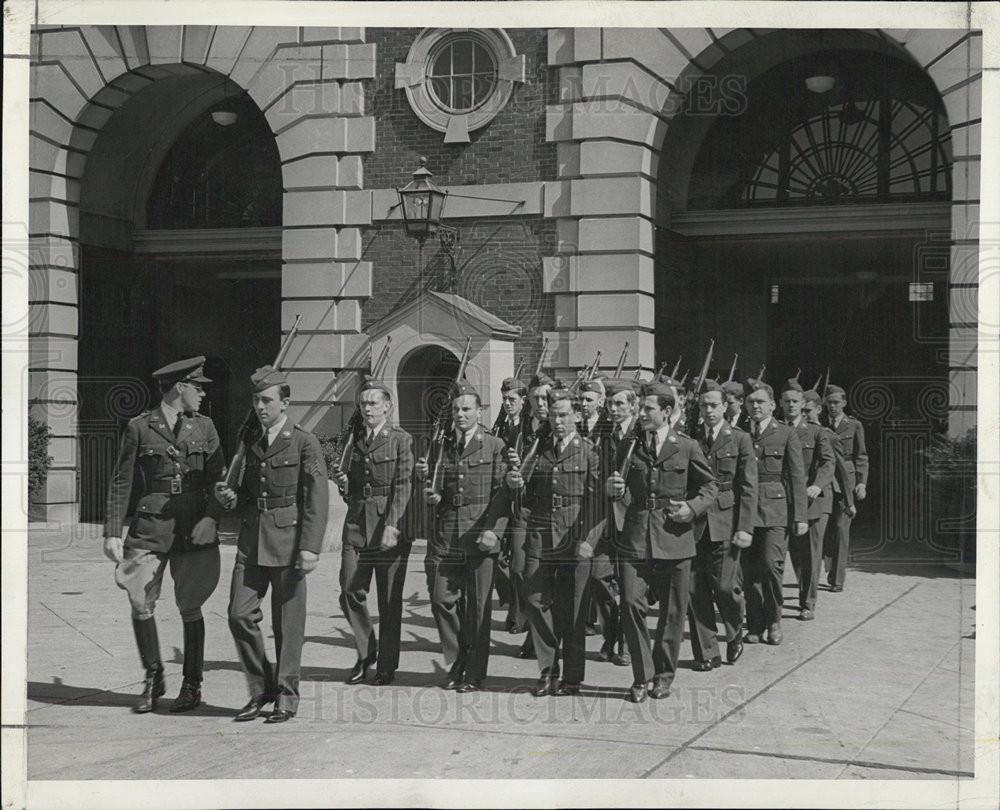
I was too young to fully understand the whats and whys of that day.  My mother simply told me that we had to turn around and that my father, an Army officer who was teaching in the ROTC program at the University of Illinois, had to go back to the school for “something special.” 

He, like all active service members on that day, had been ordered to “report to his unit”—immediately and in uniform. 

This is my pieced together, toddler’s memory of 7 December 1941—Pearl Harbor Day.

With that fuzzy but forever memory in my mind as we move through the anniversary of that day, some of the songs of those early days of World War II began to earworm their way into my thoughts. 

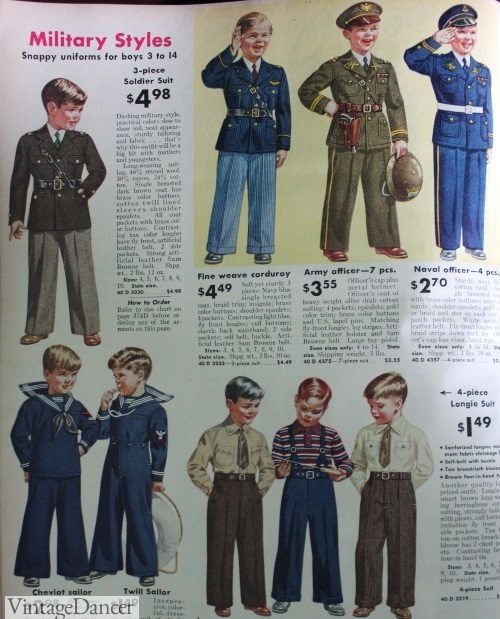
As a child, I understood nothing of war.  But whatever war is was everywhere in my world at the time.  Nearly every man that I and my family knew was in uniform or in some way, shape, or form and—with the women—”doing their bit.”

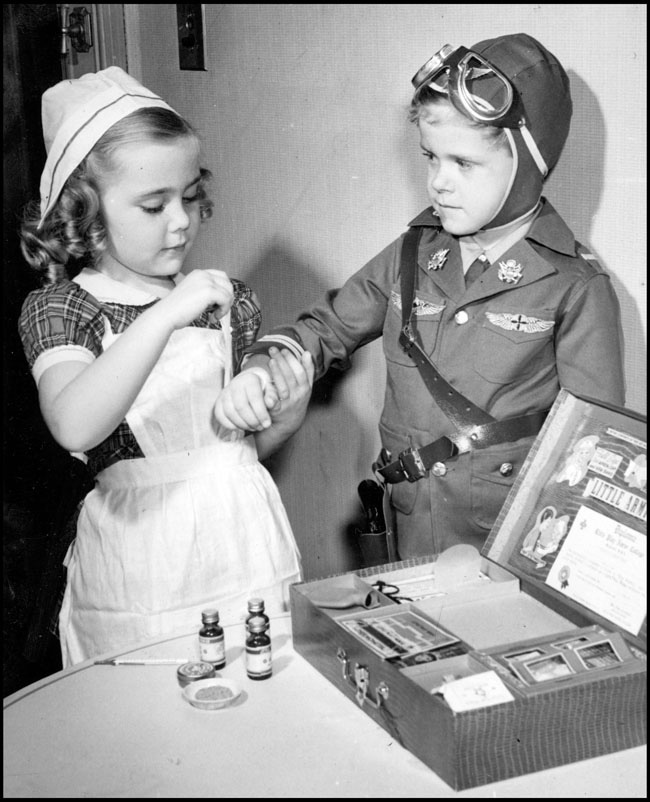
We children played soldier with every stick becoming a “gun,” every blanket a “pup tent,” and every sandbox a “foxhole.”


We kids knew all the popular “war songs” from the radio and, needless to say, many were written and recorded in those big-band days.  Here are some of the “earworms” I still hear today.

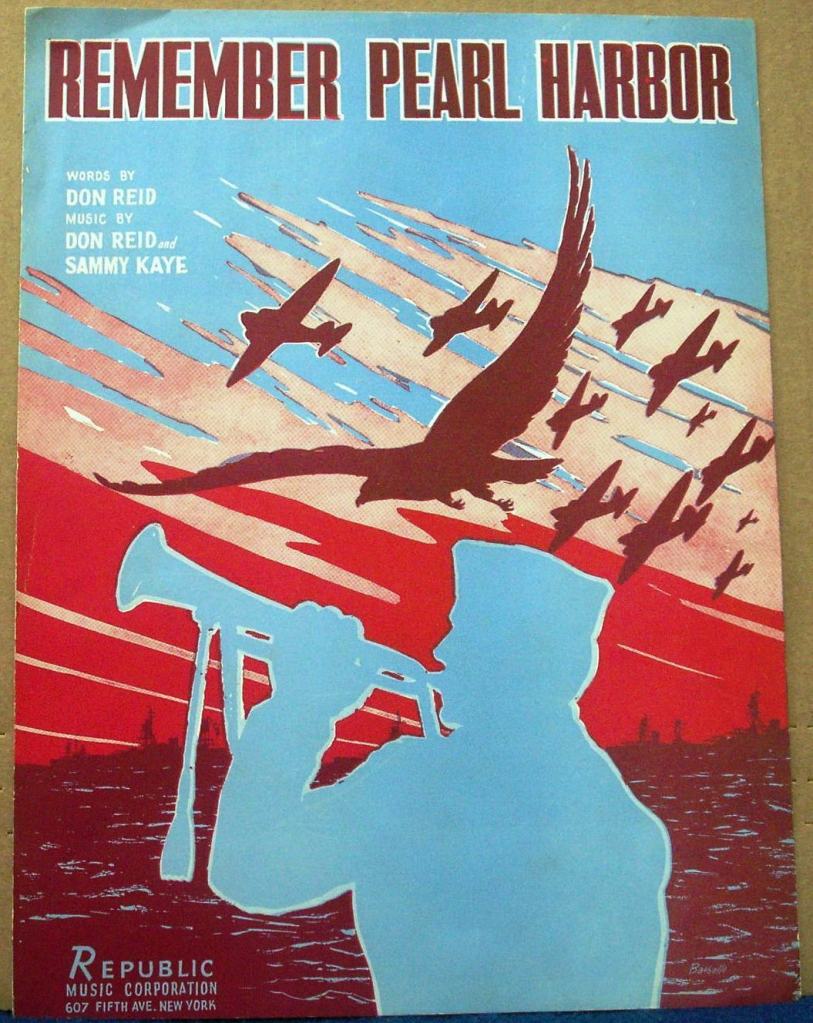
 This is the first real “rouser” of a song written in the aftermath of Pearl Harbor.  This simple, 1942 version was recorded by the popular country and western singer Carson Robison.  Click or tap on the triangle in the next image or link to listen to this early recording of “Remember Pearl Harbor.”

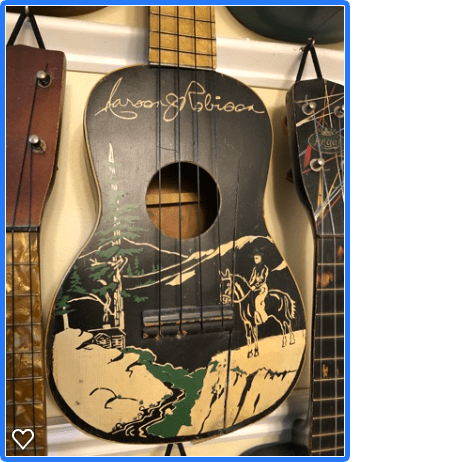
This song was recorded by many, but Robison’s is of special interest to we ukulele buffs.  Here’s a pic of his signature model in my collection. But I digress.

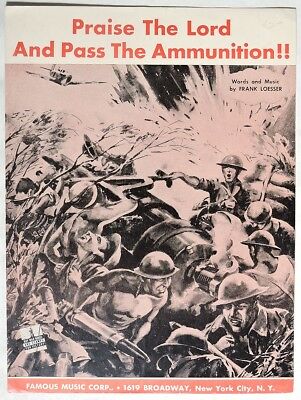
 A second song that every one of us kids knew was “Praise the Lord and Pass the Ammunition,” a song inspired by a US Navy “fighting chaplain.” Click or tap on the triangle in the next image or link to give a listen.

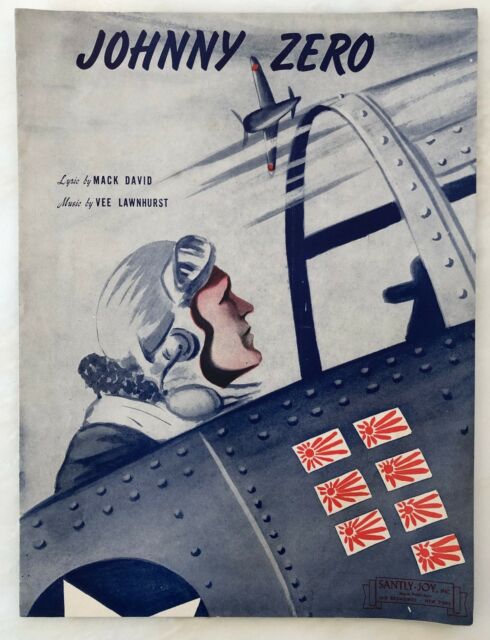
We kids also thrilled at the thought of airplanes and “fighting aces.”  Here’s a song we all knew and sang as we buzzed each other with our arms stretched out like wings–just like “Johnny Zero.” 

Click or tap on the triangle in the next image or link to listen a lively version of this one.

And, with the season fast upon us, another song from those early World War II days is “I’ll be Home for Christmas.” 

Even as children we understood that this melancholy song told the story of a soldier overseas, like many of our friends and family, who longed to be home at Christmas time—if only in his or her dreams.  Click or tap on the triangle in the next image for the 1943 Bing Crosby version of this one with some good photos.

On that note, gentle readers, I hope to have transferred a few of my childhood earworms to your ears as we head into the new year and remember past ones.

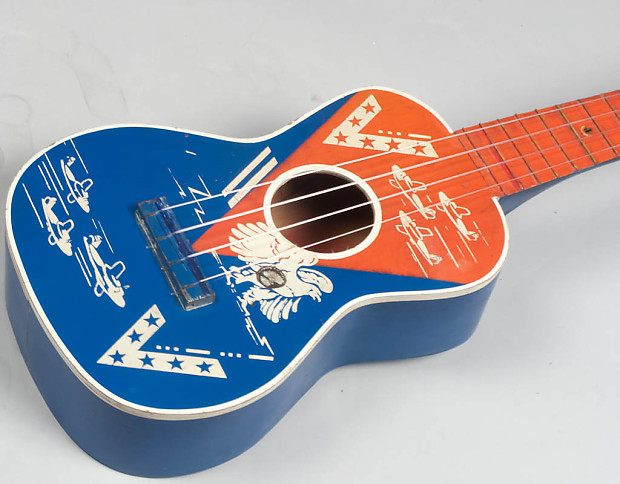
Oh yes, a favorite ukulele in my collection from those days! Notice the …—… that is the Morse Code for “V.” “V” for Victory! 

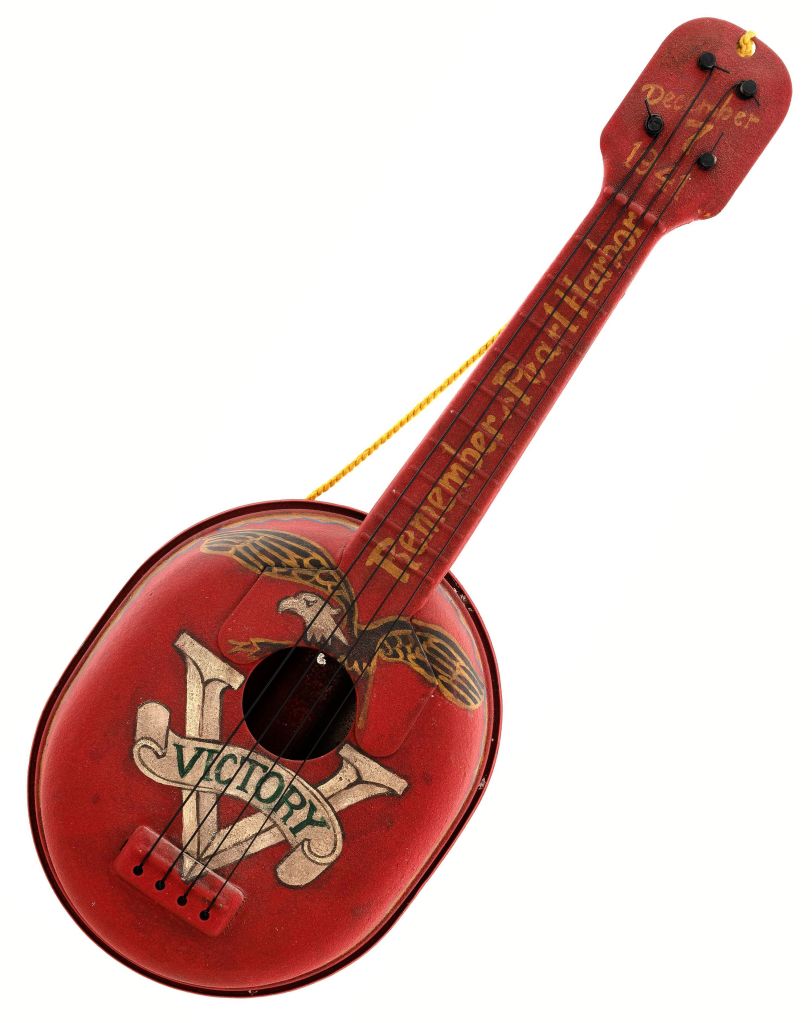
And here’s a copy I made based on a photograph of a really rare one, made from a genuine U.S. Army mess kit, no less.

So, remember and STAY TUNED!
ANOTHER MUSICAL MUSING, 24 November 2024: A Thanksgiving Tradition from our Happy Valley–“Over the River and Through the Wood”

As we head into a Thanksgiving Day celebration, I’d like to muse on holiday things both historical and musical. So, rather than draft a gently droll posting extolling the wonders of turkey bone soup or Wild Turkey whiskey cocktails, I am motivated to simply harvest and tweak a posting that a lot of my gentle readers have found interesting over the years. To be quite honest, I can’t think of a better way to think about Thanksgivings past (wonderful), present (blessed), and future (hopeful). So, here’s a bit about one of our most popular holiday songs, and one that has links to our “Happy Valley.” 

Let’s just call this the beginning of a new tradition. Now, where’s that bottle of Wild Turkey? But first, let’s move on to local lore . . .

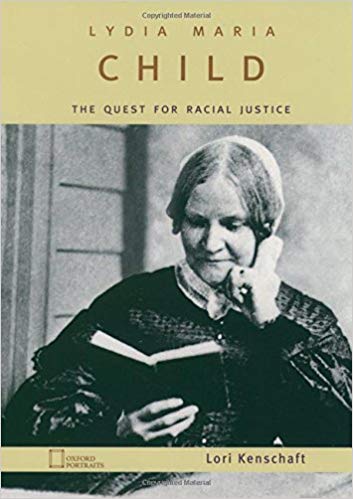
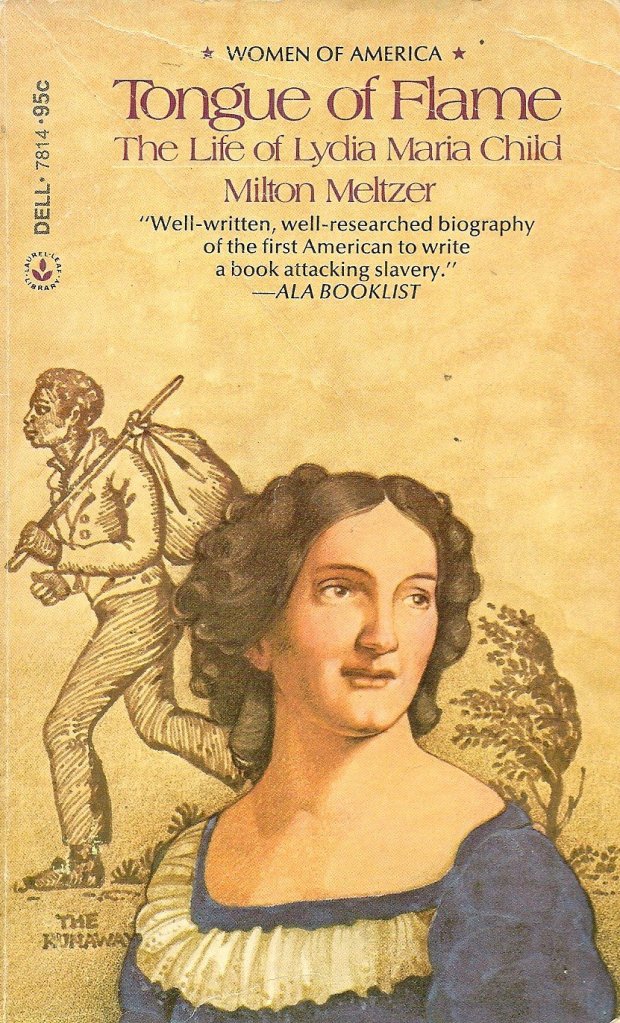
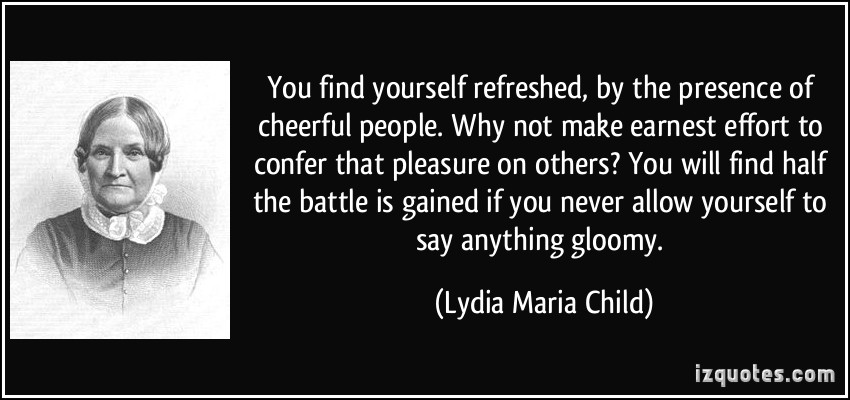
A poem by Lydia Maria Child–a resident of the Northampton, Massachusetts, neighborhood of Florence– was originally published in 1844 as “The New-England Boy’s Song about Thanksgiving Day” in a book of her poetry, “Flowers for Children.” 

 It celebrates the author’s childhood memories of visiting her grandfather’s house during the New England winter.  

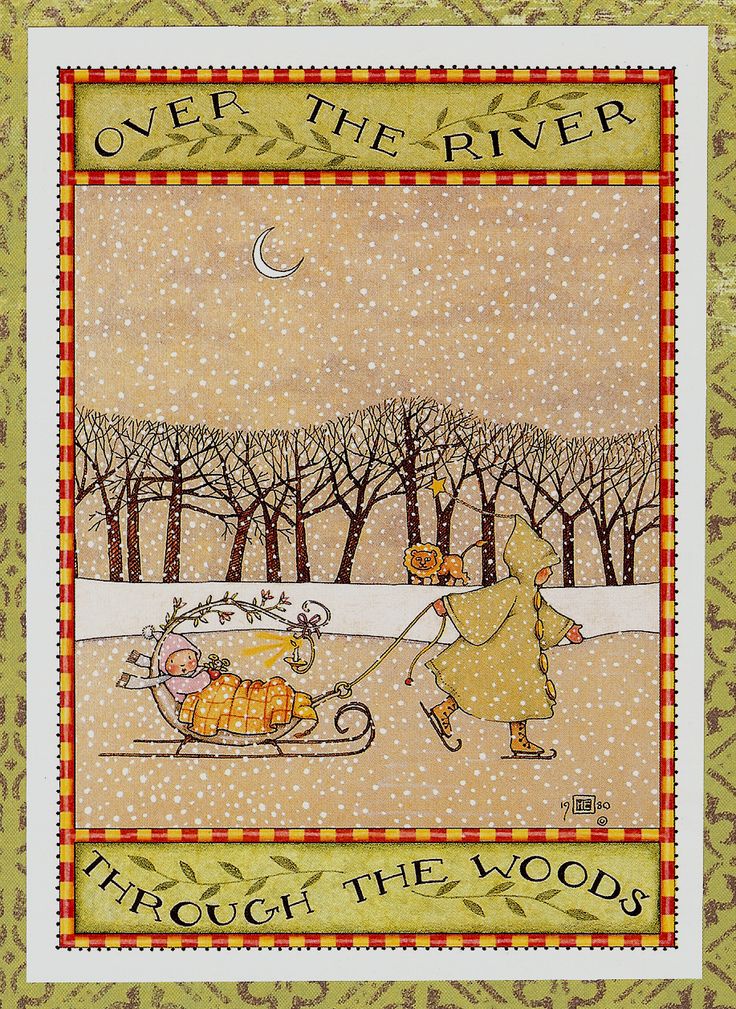
We best know it today as the song: “Over the River and Through the Woods.”  

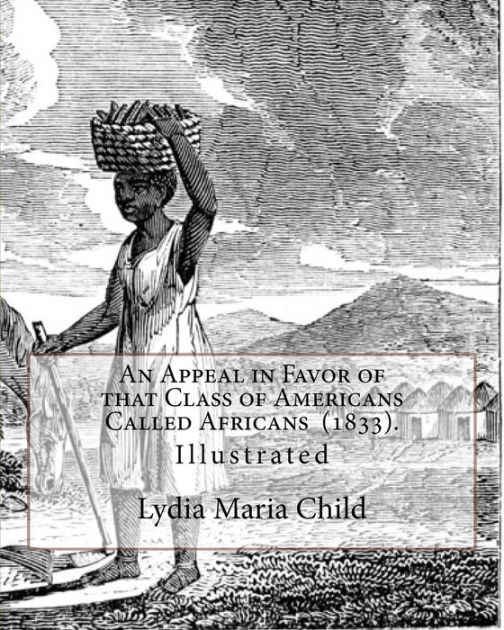
Child was a novelist, journalist, teacher, and poet who also wrote extensively about the need to eliminate slavery.   In 1833, she published her book “An Appeal in Favor of that Class of Americans Called Africans.

In the book she argued in favor of the immediate emancipation of American slaves without compensation to slaveholders. She is sometimes said to have been the first woman to have written a book in support of this policy. She “surveyed slavery from a variety of angles—historical, political, economic, legal, and moral” to show that “emancipation was practicable and that Africans were intellectually equal to Europeans.” The book was the first anti-slavery work printed in America in book form.

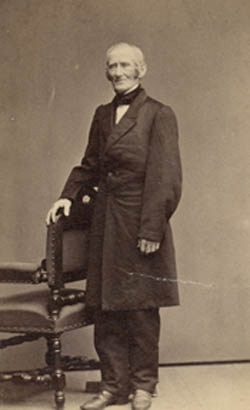
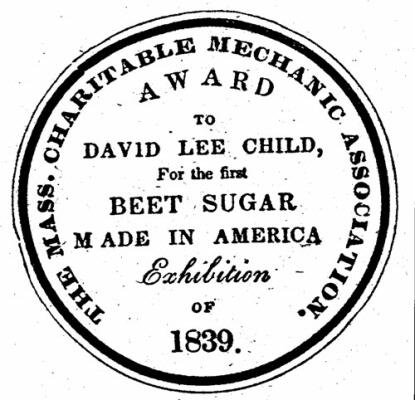
She and her husband, David Lee Child–a journalist and lawyer, were ardent abolitionists . . .

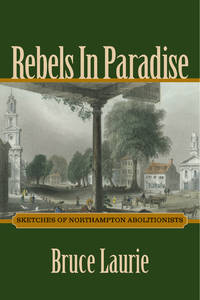
. . . and became part of the flourishing abolitionist community in Northampton when she wrote and published her poem which was later set to a tune by an unknown composer.

The Childs were part of a dedicated abolitionist community in the city and chose the more agriculturally oriented neighborhod of Florence to establish a sugar beet farm and industry that they hoped would supplant the slavery-dependent sugar cane industry of the South.

Alas, this was an economic failure and the Childs moved back to Lydia’s former home of Wayland, Massachusetts, where he died in 1874, she in 1880.

On to our song. . . In the early 19th century, New England was enduring the so-called “Little Ice Age,” a colder era with earlier winters. Sleigh rides throughout November were common excursions. 

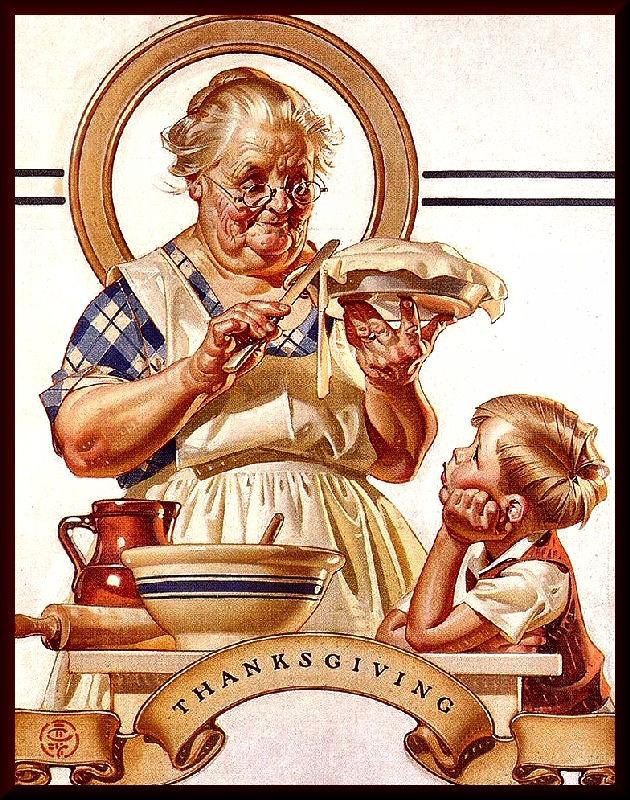
The original poem celebrated a visit to “grandFATHER’s” house, however, not “grandmother’s” so let’s remember this tidbit of local lore as we get together with our friends and family!    

Childs’s original poem was set to music and today, in a simplified form, has become a traditional Thanksgiving sing-a-long ritual that shows up in nearly every so-called Holiday Songbook—particularly those geared to children.  Today for some obscure reason it’s a “grandmothered” version . . .

. . . but it’s worthwhile to hear the original words with their more old-fashioned thoughts and phrases.  Ah, the sweet old days!

Tap or click on the triangle in the next image or link to learn much more about Childs and to listen the original poem as set to music.

As we muse upon the past, gentle readers, think ahead to many future holidays with friends and family and, perhaps, at grandmother’s AND/OR grandfather’s house!   Enjoy the song also, as a gift to those of us in our time from a woman who was ahead of her time.

Now, it never hurts to look at an updated take on a Thanksgiving theme just to prove that the tradition continues. Click or tap on the triangle in the next link or image for a family-oriented, old timey but new musical salute to Thanksgiving.

So, stay safe, stay well, and–above all–STAY TUNED! Oh yes, and enjoy a bit of both love and levity this holiday season with all the variety of family and friends in these “interesting times!”
And, alas . . .