
Reading today’s newspapers or watching today’s TV news, most of us note an aura of divisiveness and discomfort that pervades our country—Urban vs. Rural, City vs. Suburb, Haves vs. Haven’ts, Immigrant vs. Native, Old vs. Young, and, simply, Us vs. Them. Whew! Game on, heavy duty stuff!
Time to DUEL!
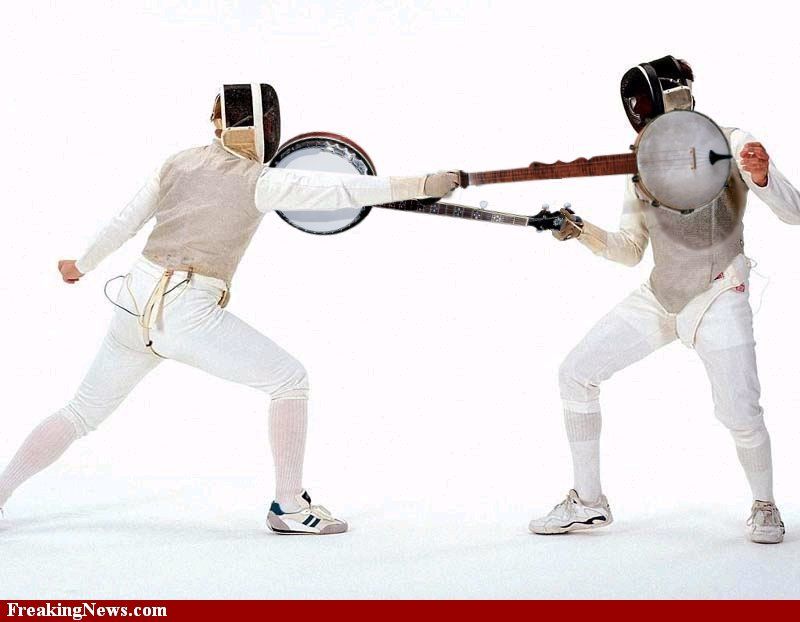
To start thing off, click or tap on the triangle in the next image to see and hear what is probably the most famous musical “duel” ever.
(Note: As a bit of musicological trivia, the little guy in the clip had never held a banjo before. His left hand and his “playing” were dubbed in by the late session player and arranger, Eric Weisberg, the first person to audition for the Julliard School with a banjo. The kid got the gig because of his face.)
Moving on . . . Once upon a time in America the country was similarly divided and those divisions warped it in ways unforeseen. There was, however, a prevailing presence–a saving grace, as it were–of music in the parlor, on the stage, on the radio, in the streets, and in the pubs and clubs of the day.
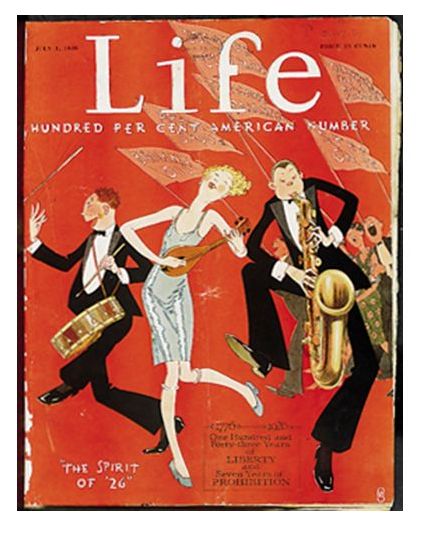
But, there’s way too musically much out there to muse upon, so I’m going to dwell on just one era of the American past. It’s one that is rich with musical lore–the once-upon-us, now-long-gone, divisive era of “PROHIBITION.”
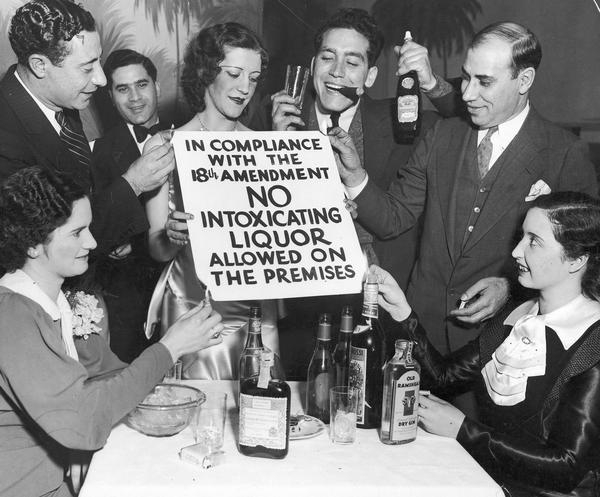
As a bit of background for those of you not as long in the tooth as I, Prohibition in the United States was a nationwide constitutional ban on the production, importation, transportation, and sale of alcoholic beverages. Interesting, though, it was not a ban on consumption. Go figure! It lasted from 1920 to 1933 and, in the dialect of the day, it was “No booze fer youse.”
(Note: I was born a few years after Prohibition ended but one of my grandfathers was a union bartender, the other carried a beer bucket with him into the coal mines every day–give’s me some cred here!)
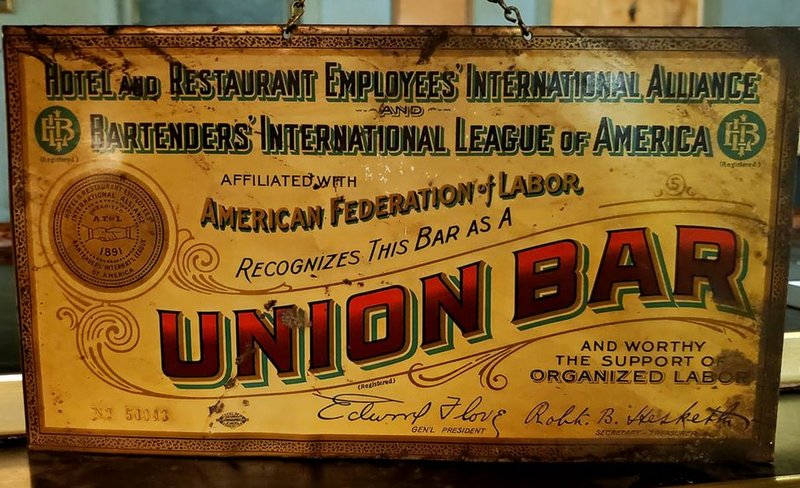
Needless to say the whole notion of Prohibition was divisive and the duelists’ wet or dry lines were marked in the sand.
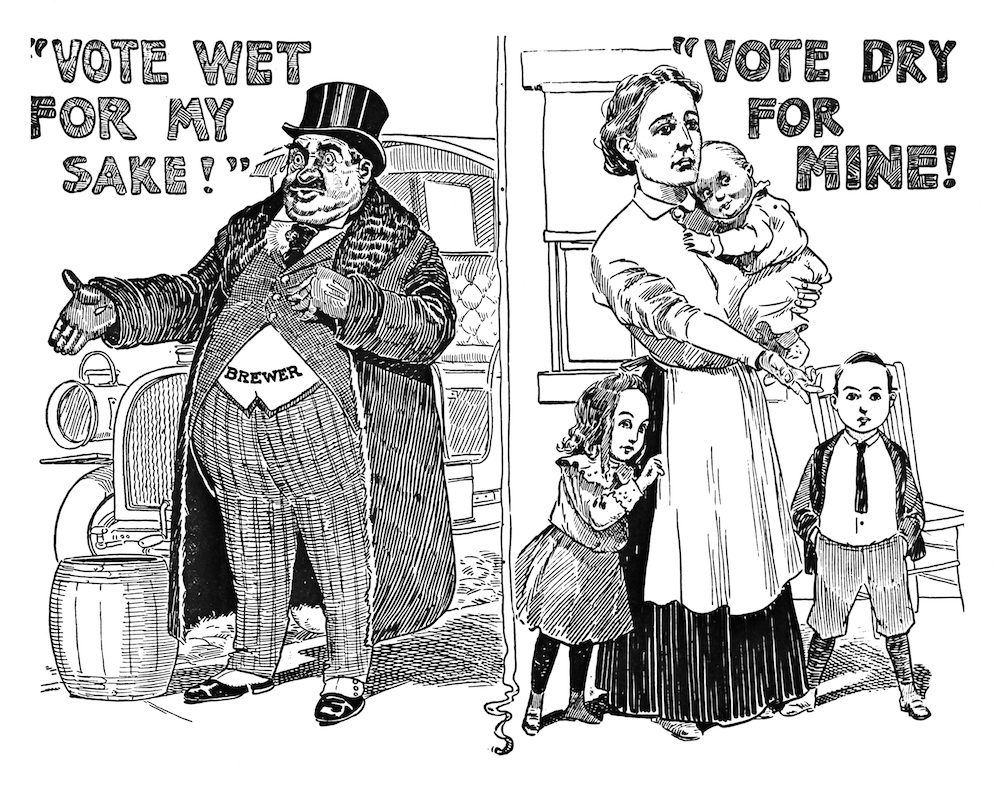
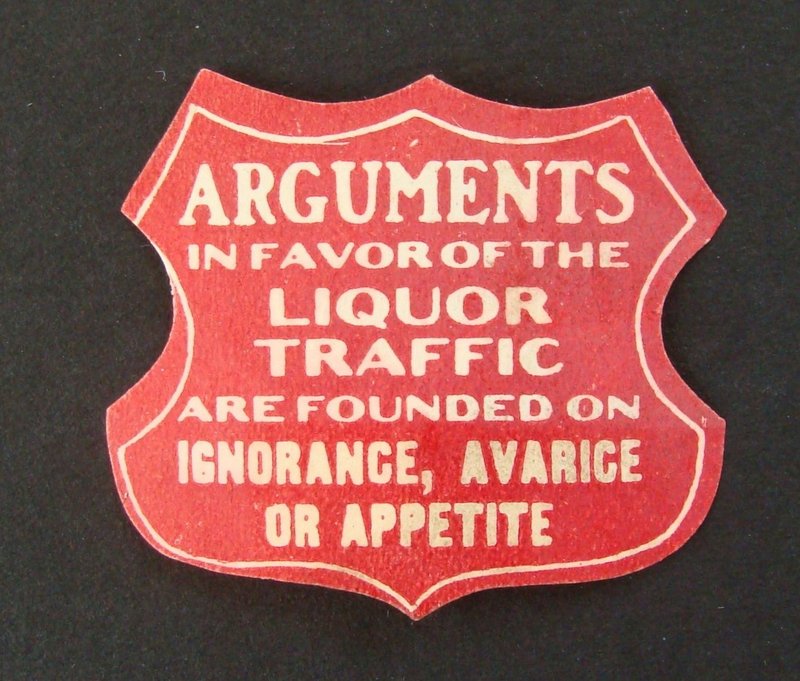
Well-meaning Prohibitionists of the time—so-called “Drys”—first attempted to end the trade in alcoholic beverages during the late 1800s. Those who espoused this “temperance” movement aimed to heal what they saw as an ill society beset by alcohol-related problems such as alcoholism, family neglect, paychecks “thrown away,” self-inflicted bodily harm, and saloon-based political corruption.
As would be expected, in both Britain and America a lot of the early popular music of the era reflected this.
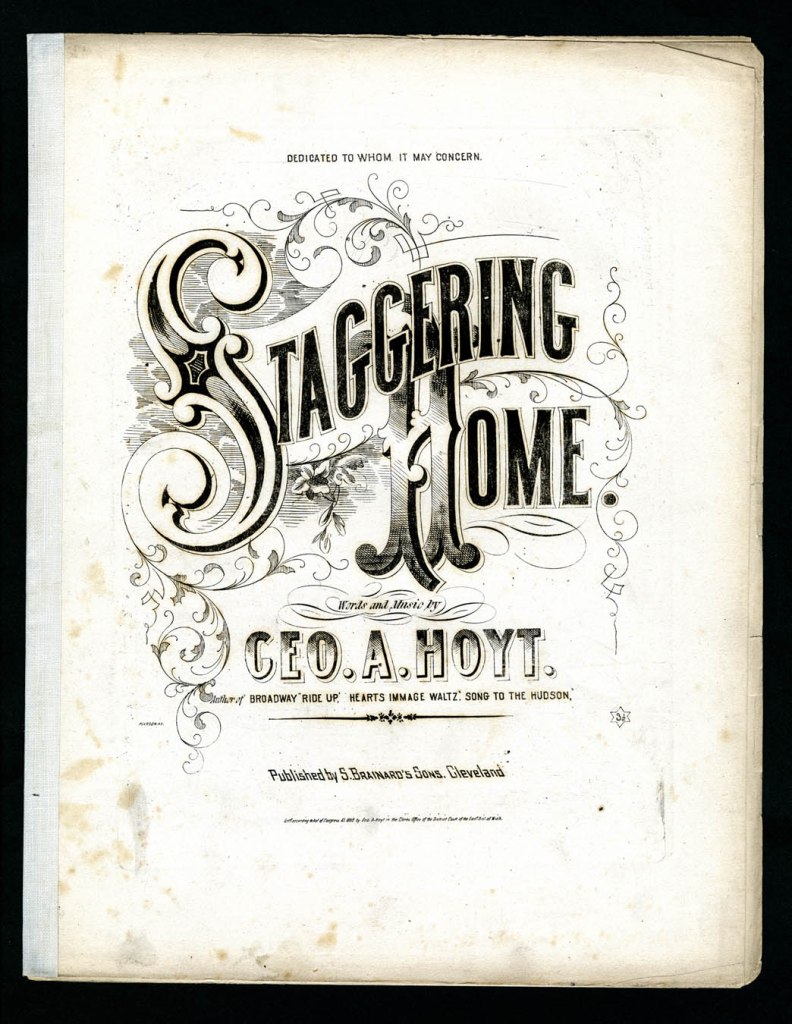
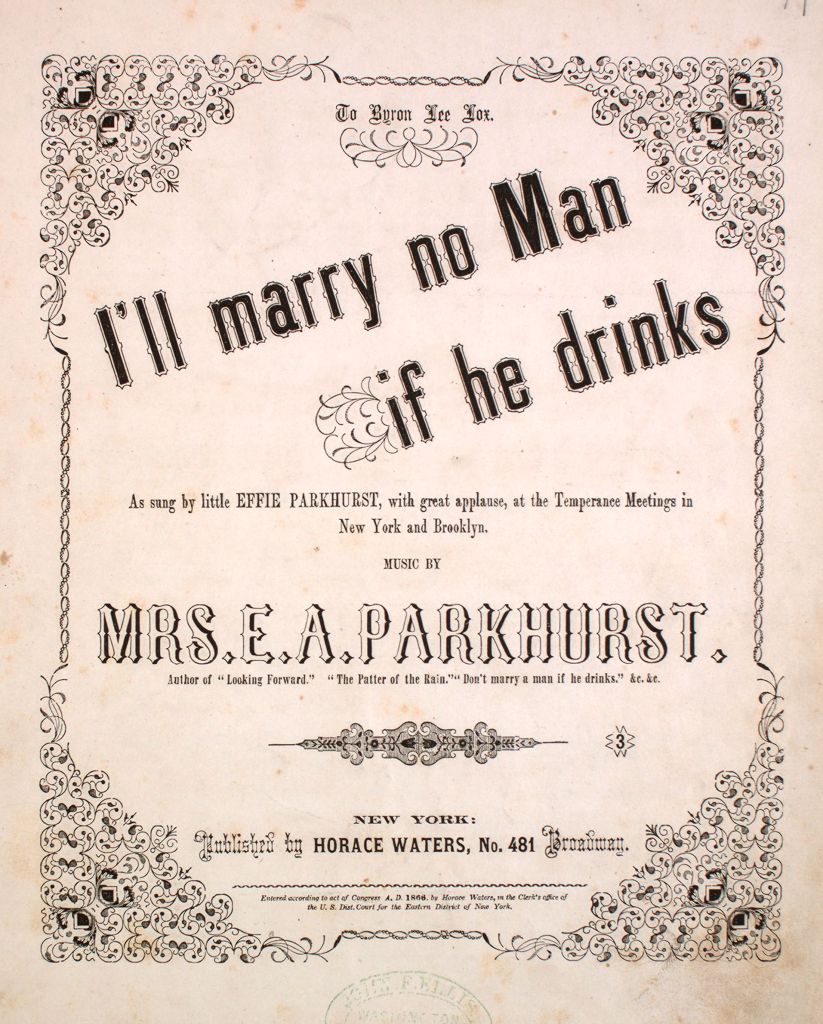
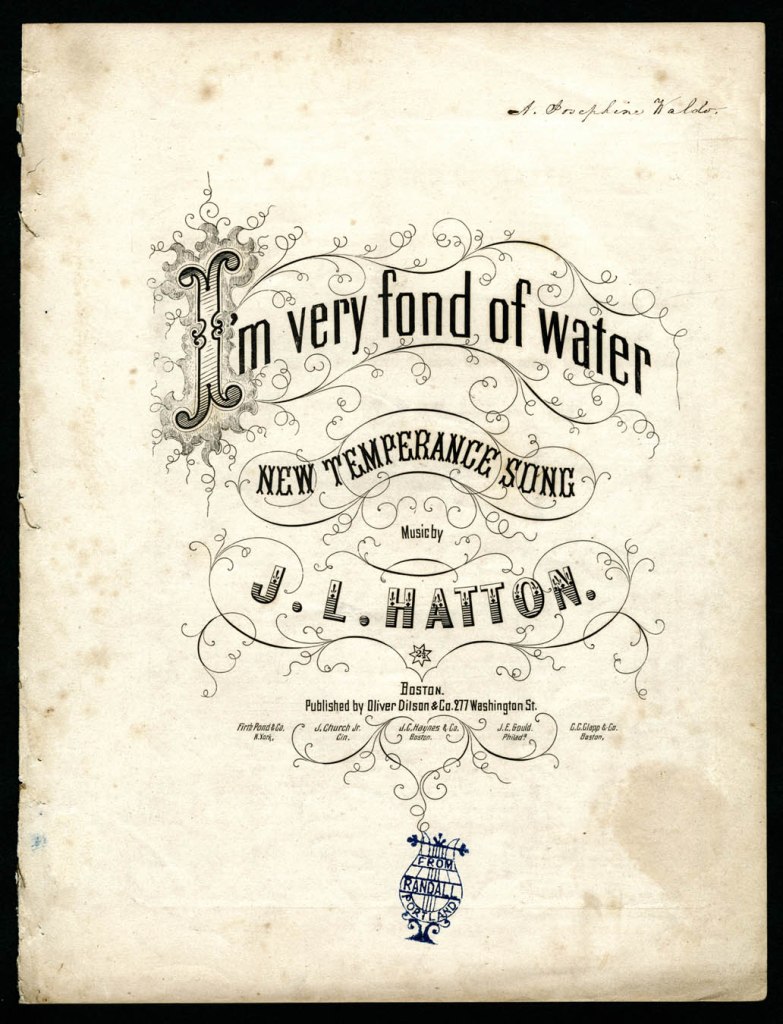
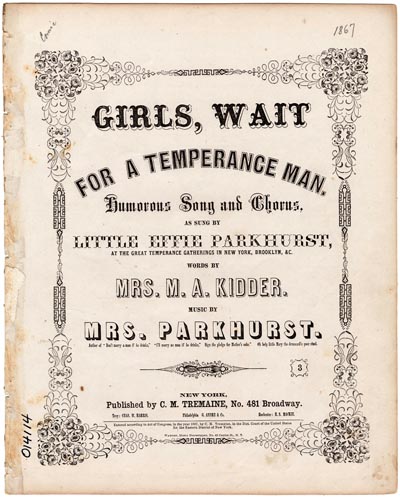
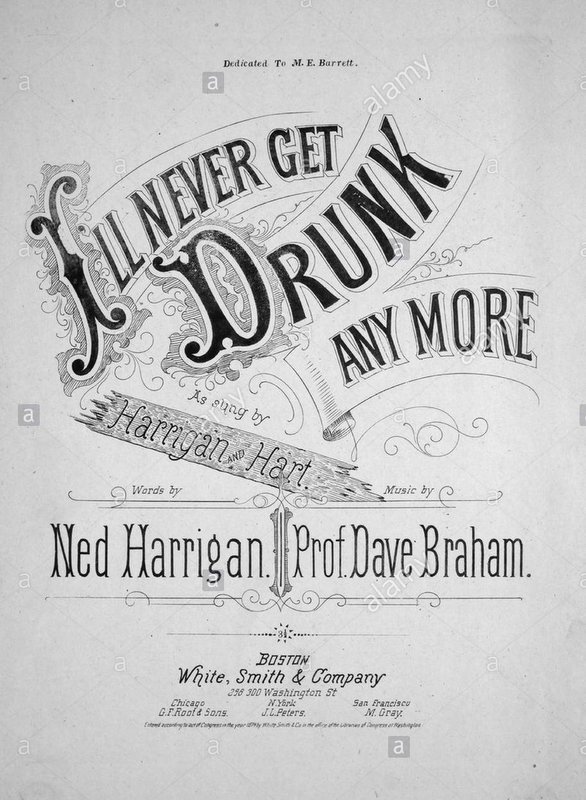
Here’s a version of this one from 1925. Click or tap on the Triangle in the next image to listen to this poignant tale of woe.
And then, a real topper from a child’s point of view.
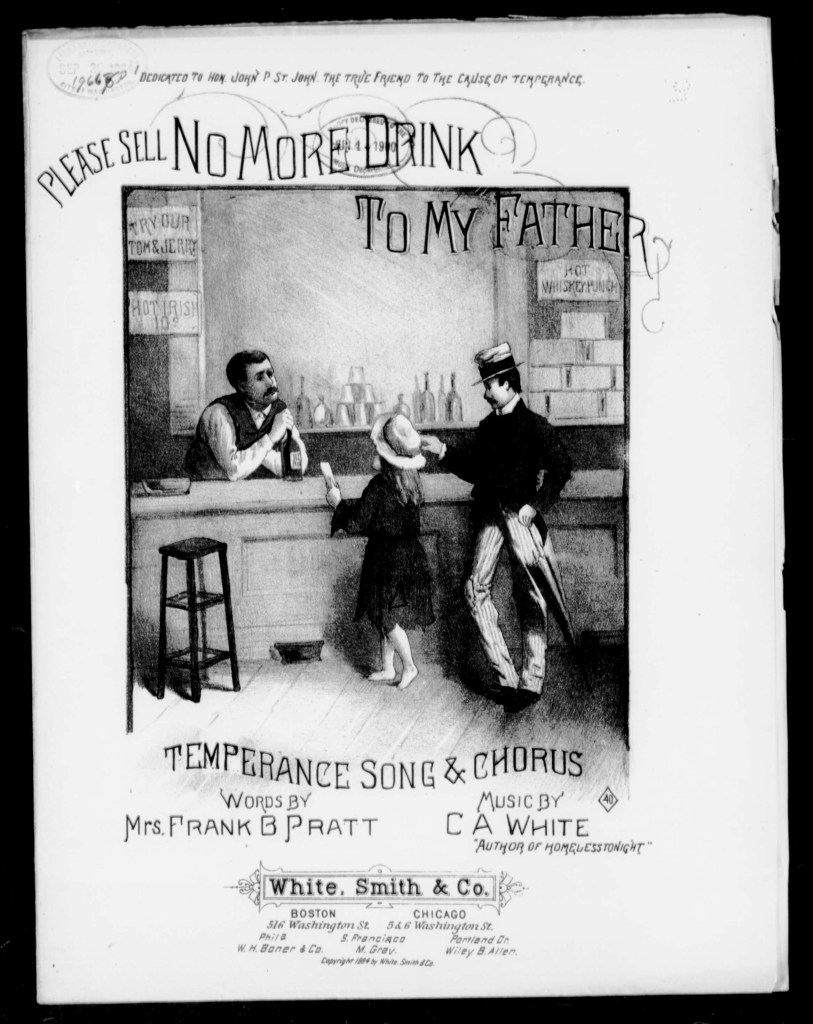
Click or tap on the next triangle in the next image to hear a British (no Prohibition over there, however) version.
The movement was taken up by social progressives and gained a noisy, active grassroots base through the Women’s Christian Temperance Union, the “WCTU.” To their credit, these women also played a major role in the Women’s Suffrage movement. But, that’s a musical tale for another time.
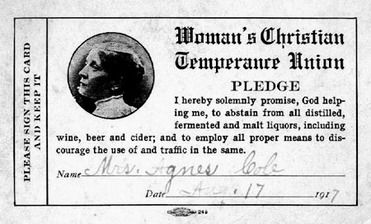
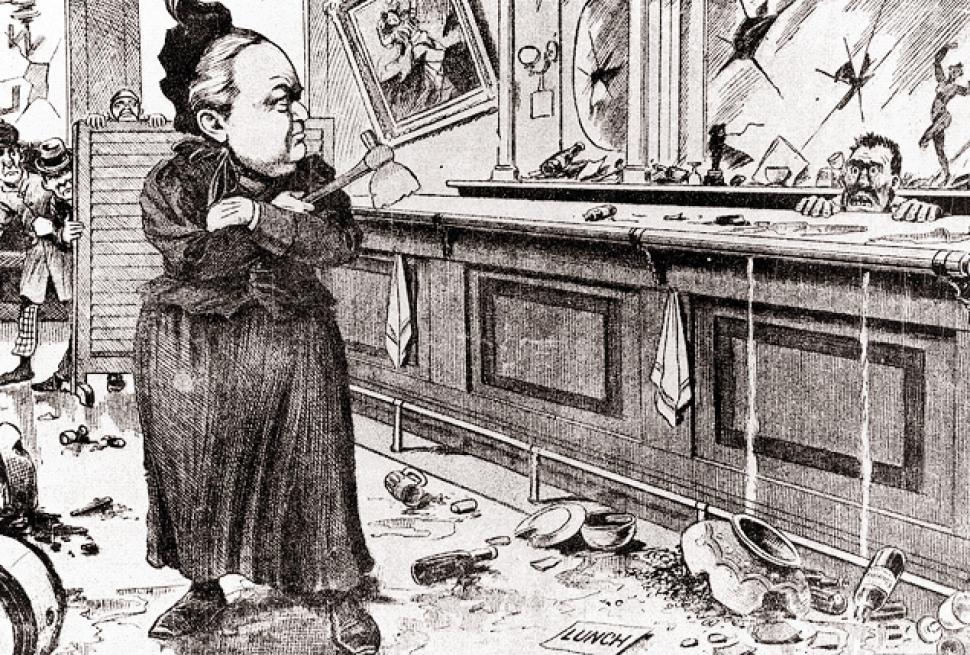
They, needless to say, had their share of music too.
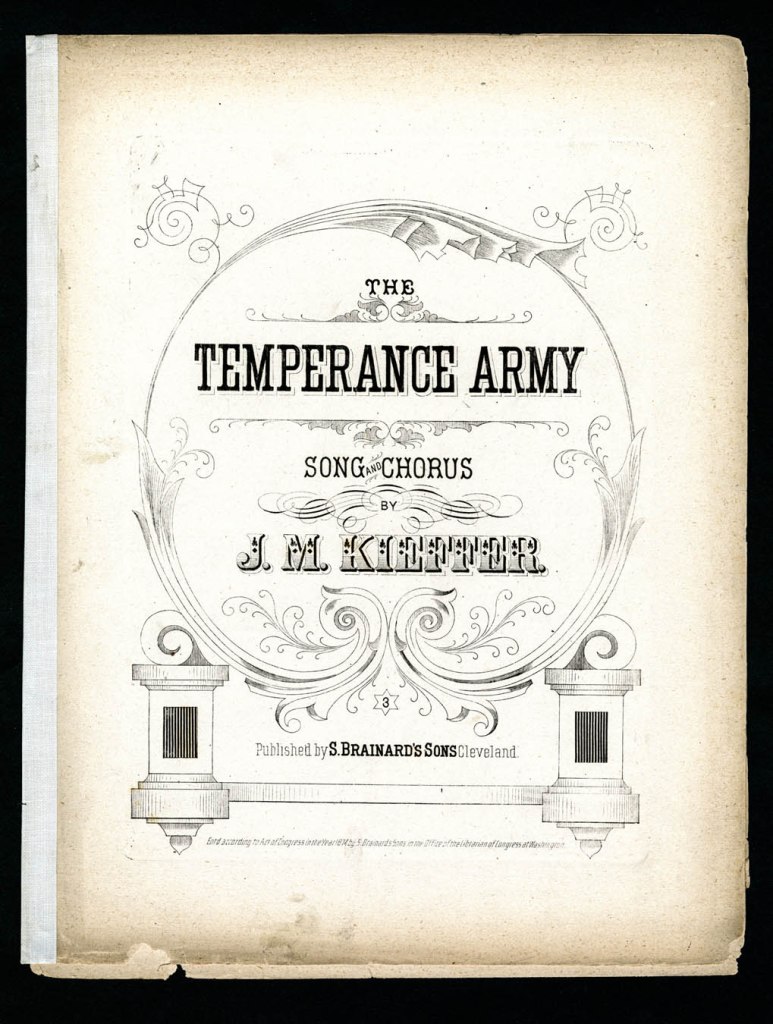
How about a medley of good old temperance songs! Click or tap on the triangle in the next image for a dry, dry treat.
As might be expected, opposition to the erstwhile efforts of the “Drys” mushroomed as “Wets” mobilized. These were supporters ranging from those Martini-sipping, cosmopolitan city dwellers to the Irish, German, Italian, and other not-so-posh ethnic communities whose life styles and livelihoods were grounded in alcohol production, distribution, and–of course– consumption.
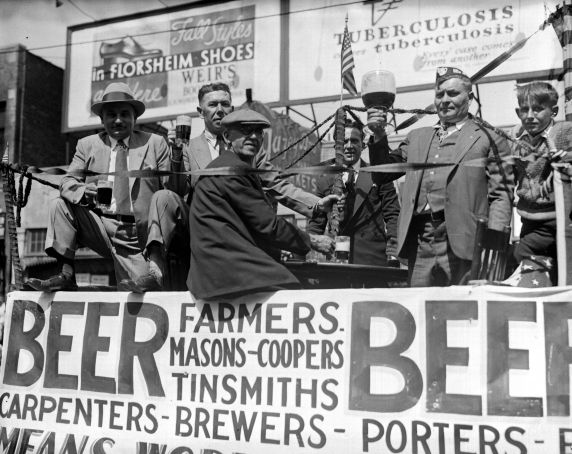
Songs of the day reflected this bleak (to many) situation.
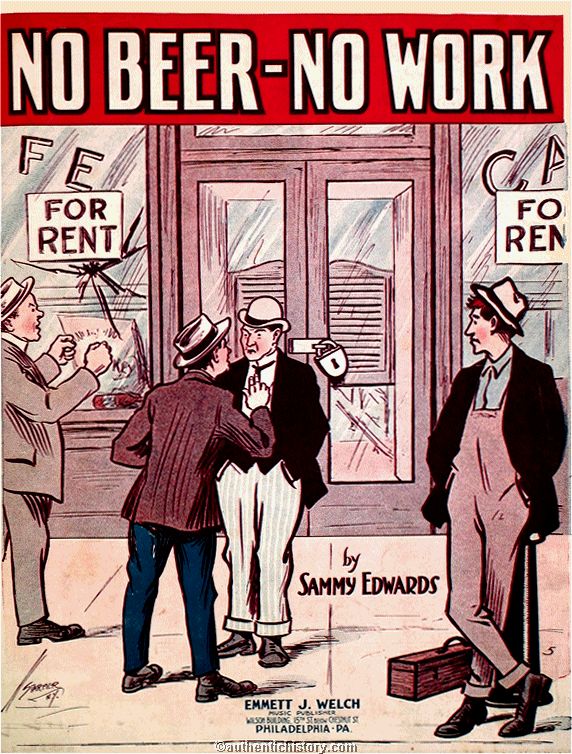
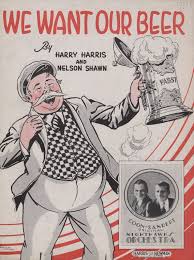
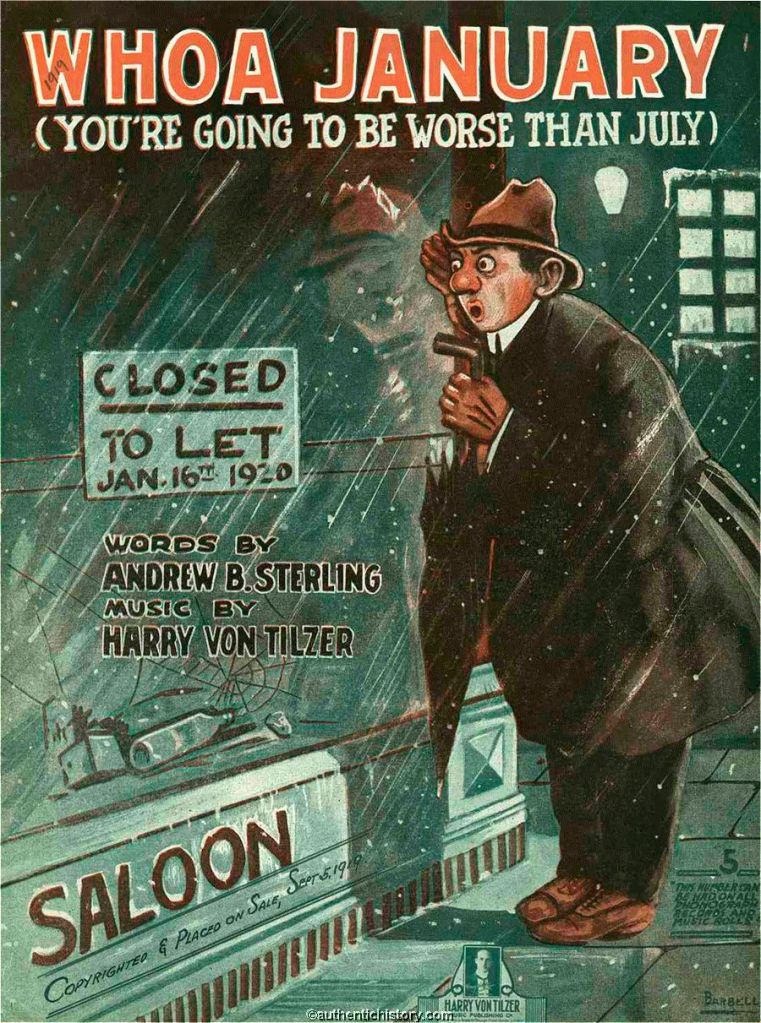
Click or tap on the triangle in the next image for a look at the words and music for this one.
Still, the brewing, wine making, and distilling industries were nailed shut by a succession of conservative state legislatures, and Prohibition became the law of the land. Alcohol consumption ended (Ha!) nationwide under the Eighteenth Amendment to the U.S. Constitution, ratified by 46 of 48 states—all but our next door neighbors Connecticut and Rhode Island!
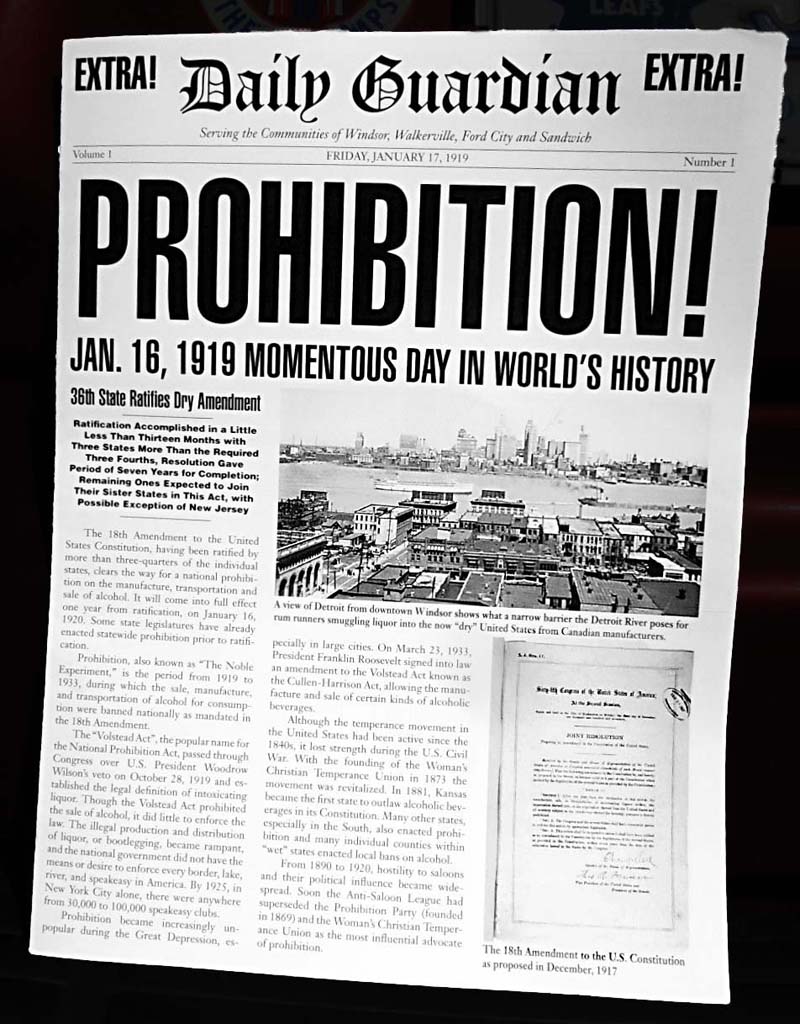
Enabling legislation, known as the Volstead Act, set down the rules for enforcing the federal ban
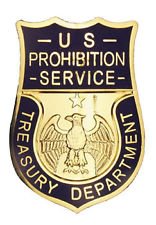
and defined the types of intoxicating or “adult” beverages that were prohibited—except of course for medicinal purposes, only by a doctor’s prescription.
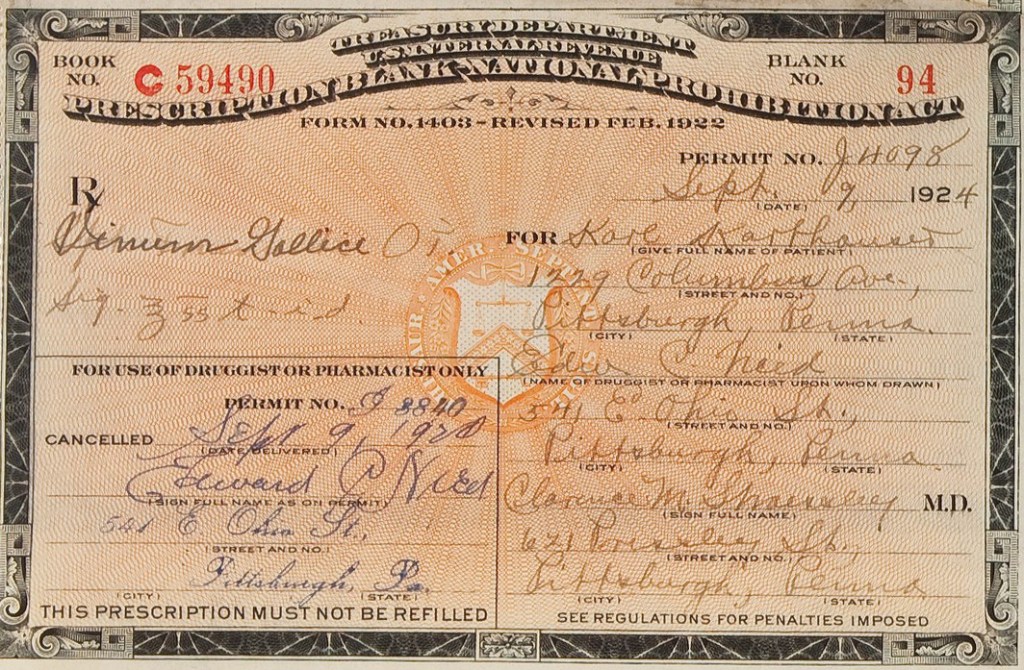
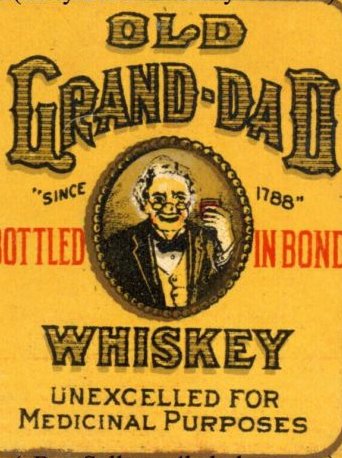
Of course, a song came out of this as folks flocked to their physicians with ailments only alleviated by, so they said, alcohol. And, many docs winked and complied. Alas, no YouTube but the cover says it all!
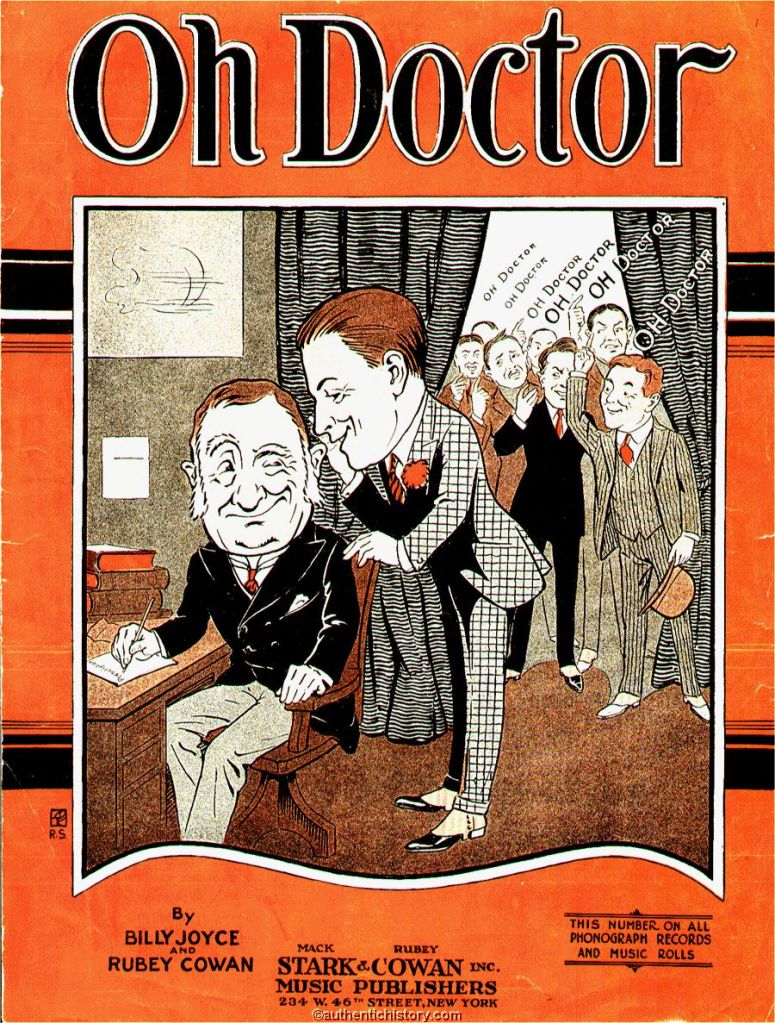
As hoarded supplies ran out, however, criminal gangs and syndicates quickly gained control of the illicit beer and liquor supply and distribution networks in many cities—“bootlegging,” and “speakeasies” were born and the 1920s began their roar.
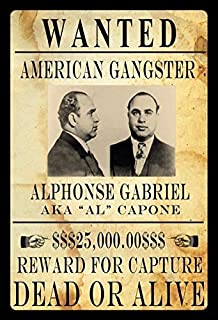
Rumrunners went into business.

Folks made their own “bathtub gin” with grain alcohol and who knows whatever flavorings. Speakeasy patrons loved it, or at least tolerated it–no matter what it tasted like. It was booze!
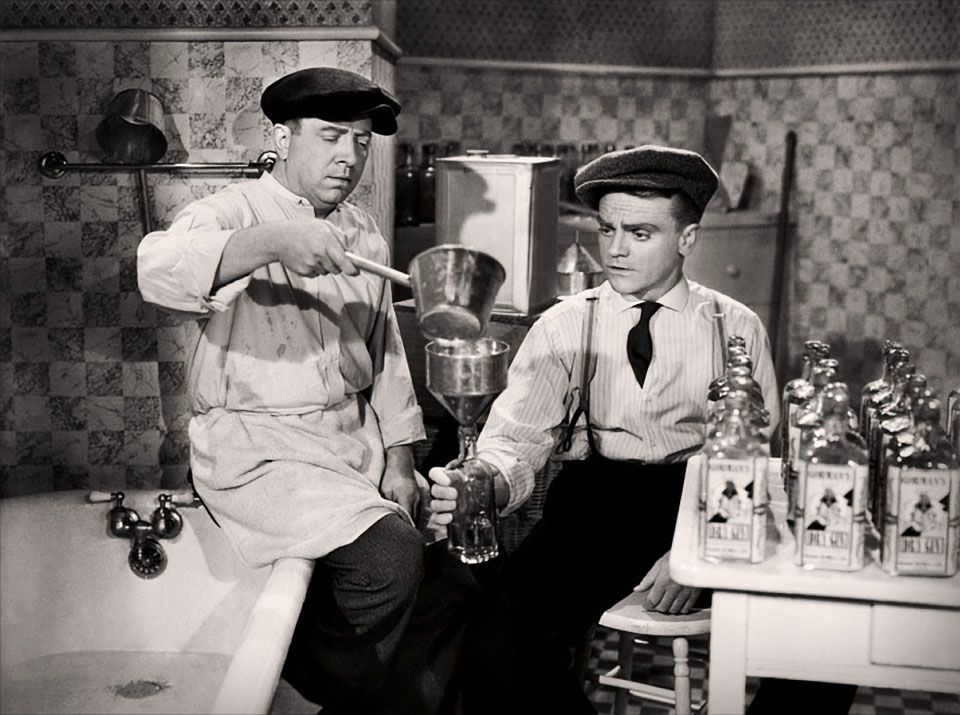
And, needless to say, folks were sad, Sad, SAD!
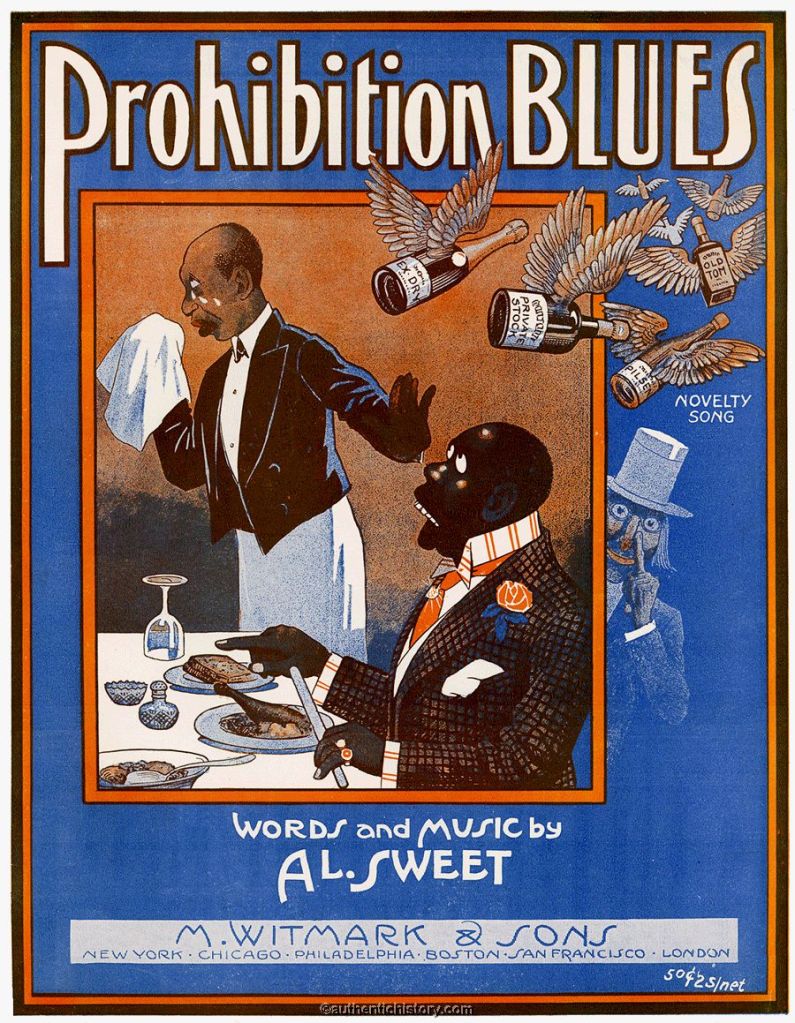
Here’s a country version of what has become a jazz standard. Tap or click on the next image for a Jimmie Roger’s style interpretation.
Here’s a song from the pulpit, no less.

This is a novelty tune that is a bit of a different take on Prohibition. Tap or click on the triangle in the next image to listen and learn. Amen!
Other tunes, and laments, followed.
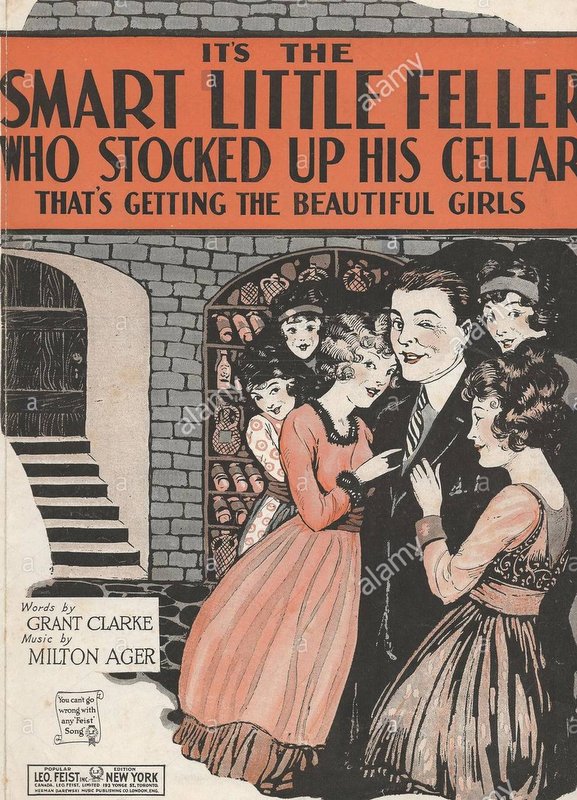
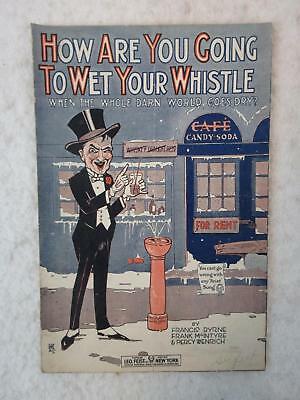
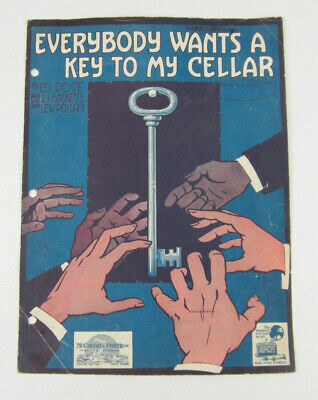
But, by the late 1920s, a new opposition to Prohibition had mobilized nationwide. Critics attacked the prohibition policy as causing crime, lowering local revenues, and imposing “rural” religious values on “urban” America.
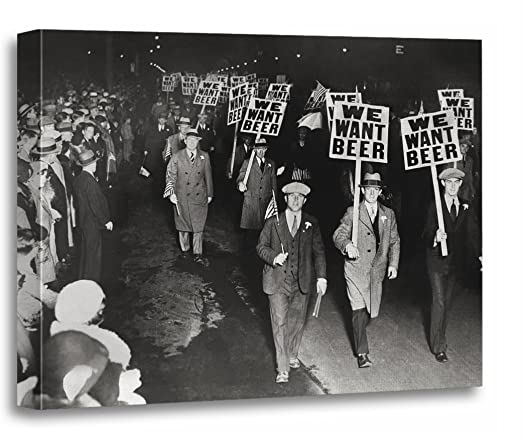
And so, gentle readers, Prohibition ended with the ratification of the Twenty-First Amendment which repealed the Eighteenth Amendment in 1933. To date, this is the only time in American history in which a constitutional amendment was passed for the purpose of repealing another.
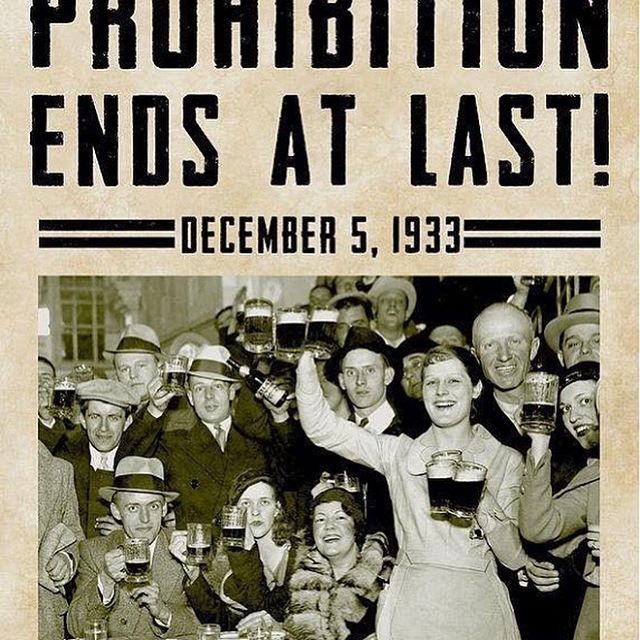
The Prohibition Era paralleled the jazz and ragtime ages of the “Roaring Twenties.” The music embraced by the flappers and their sheiks and their wide-open consumption of those illegal products of grape and grain.
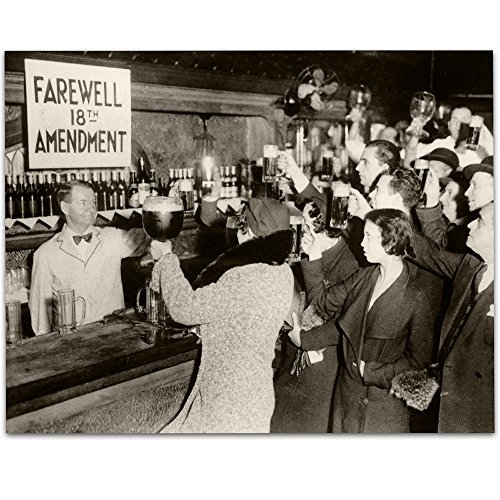
And, of course, there were a lot of thirsty folks who looked across borders to Canada or even New Jersey (they sold so-called “near-beer” there) for refreshment.
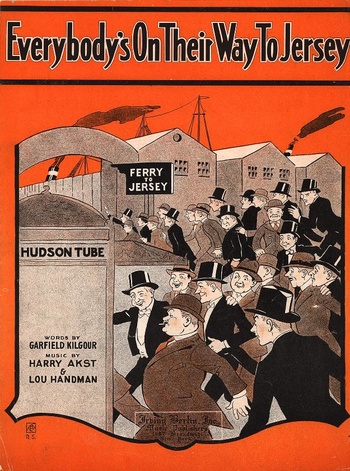
Here’s a lively foxtrot version of this one. Click or tap on the triangle in the next image to take a ride on this train.
Needless to say, the songwriters of Tin Pan Alley had a way of distilling (ahem) all of this into the music of the day.
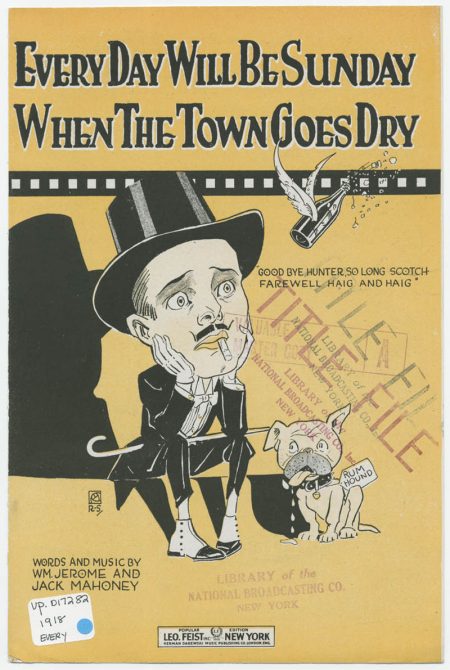
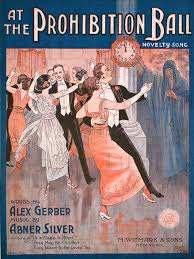
Here’s a contemporary take on this old chestnut. Click or tap on the triangle in the next image for a look and listen.

Here’s an up-to-date version of this ragtime tune. Click or tap to join in.
Most of these tunes fell into the comic or novelty category as folks around the country—and a lot of law enforcement types–winked at the law as they blew the foam off their beer or sipped their bootleg booze out of teacups.

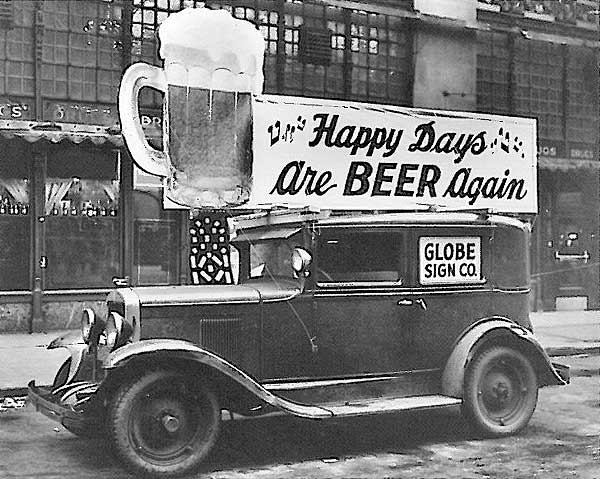
Needless to say, trouble was fermenting (ahem, again), but America survived as the country transitioned through Wilson, Harding, Coolidge, and Hoover on to Roosevelt—sad days then to happy days again!
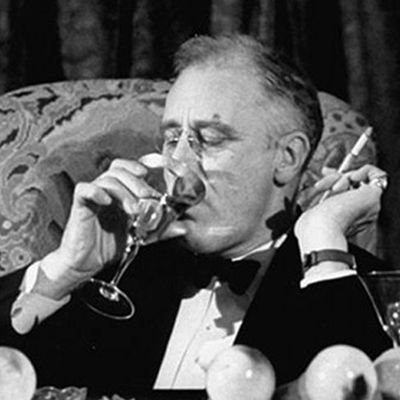
Well, I could go on and on with tunes from the Prohibition era as there seems to be a lot of them out there–way too many, probably. Anyway, here’s one to end on–a great pub version of this one!

Click or tap on the next image to help me down the road a bit!
But, I can’t leave without a nostalgic reminder of those divisive good old days, . . .
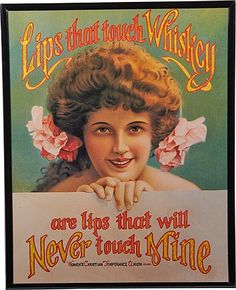
Oh yes. I think I’ll finish the day not with whiskey but with a Martini. Dry, not Wet.
STAY TUNED!

 NOHOBANJO OF NORTHAMPTON, AND NOW EASTHAMPTON, "MUSICAL MUSINGS"