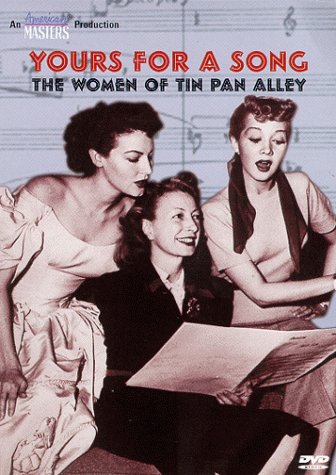
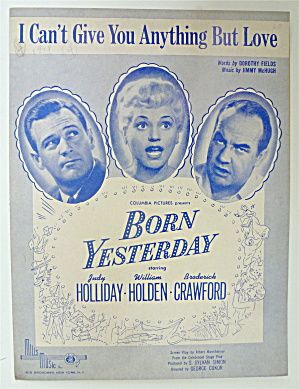
While many of our favorite songs from the Tin Pan Alley days were first recorded by female artists, few were written by female songwriters. So today, let’s take a look at a musical “two-fer”—“I Can’t Give You Anything But Love, Baby” and “On the Sunny Side of the Street.”
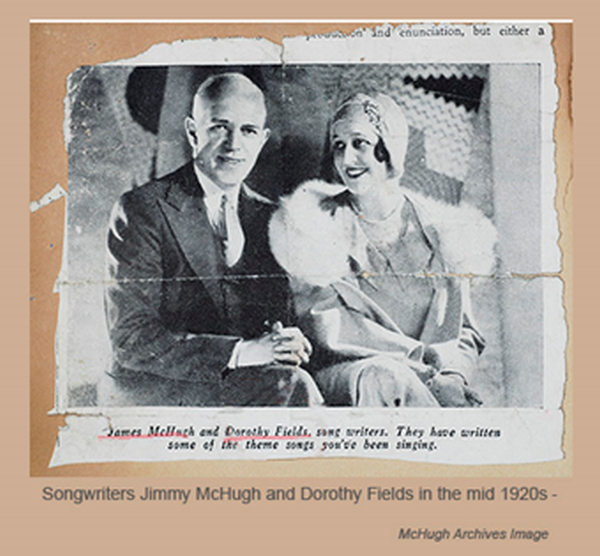
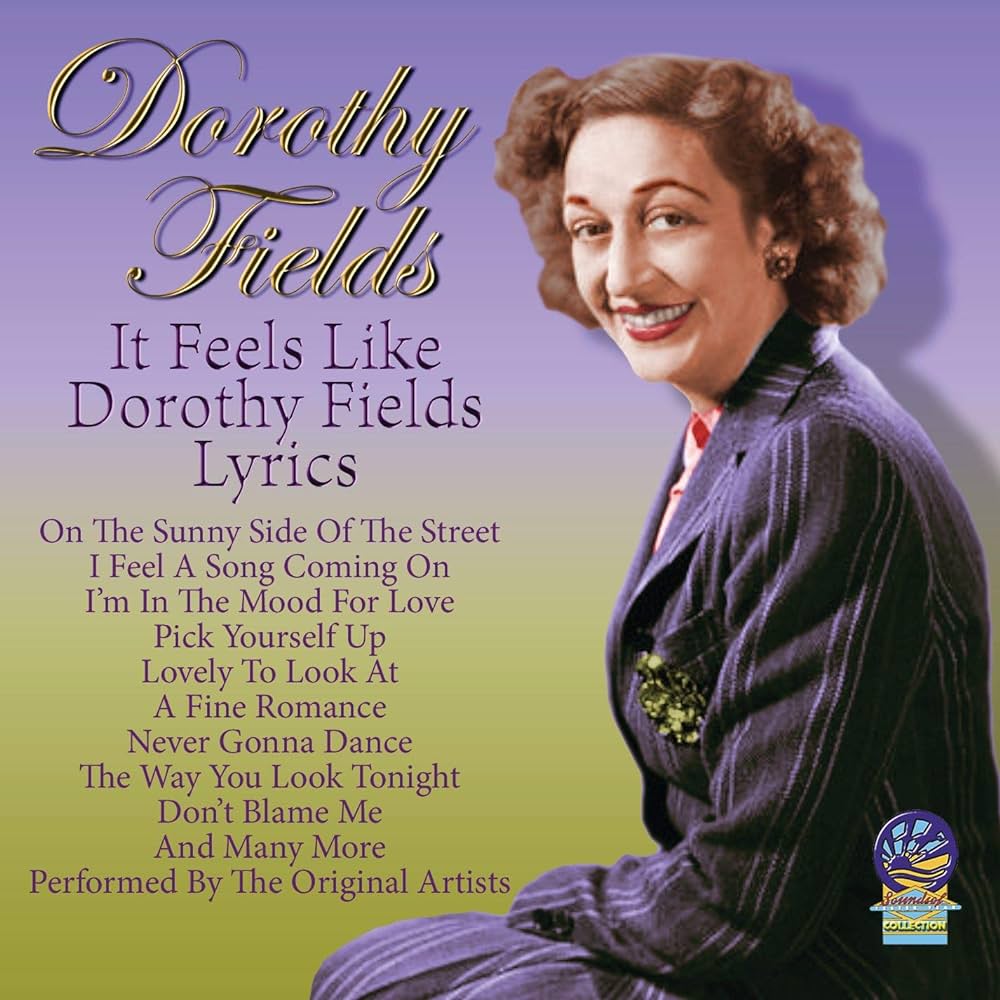
Both were the work of librettist Dorothy Fields (1904-1974) and composer Jimmy McHugh (1894-1969). Fields was probably the most widely respected songwriters–male or female– of her day.
On top of this, both songs helped pioneer the way for talented Black artists to thrive and become popular with both Black and White audiences on Broadway, movies, and throughout musical America—a key part of the Harlem Renaissance.
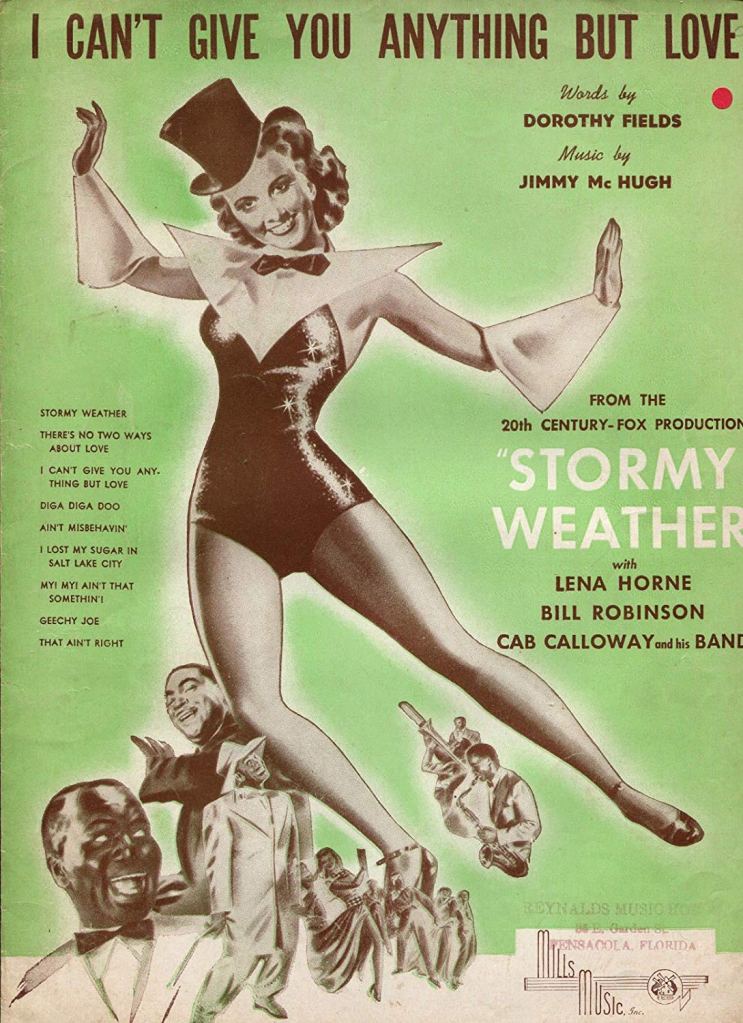
“I Can’t Give You Anything but Love, Baby” became an American jazz standard performed by just about every performer in the book, Black or White.
The song was introduced by singer/actress Adelaide Hall (shown here with a four-string tenor guitar, an instrument popular in the 1920s) . . .
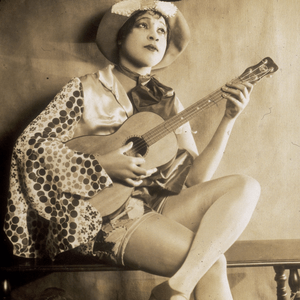
. . . at New York’s Les Ambassadeurs Club in 1928. She was featured later that year in producer Lew Leslie’s highly successful Broadway revue “Blackbirds of 1928.”

Fields and McHugh wrote the entire show—book and music—and It became the longest running, all-Black show on Broadway. Although White, Lew Leslie was the first major impresario to present African-American artists on the Broadway stage.
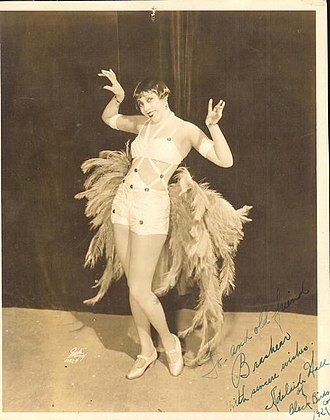
Click or tap on the triangle in the next image for a look and listen to our song by the original performer, Adelaide Hall.
The idea behind the song came during a stroll Fields and McHugh were taking one evening down Fifth Avenue when they saw a young couple window-shopping at Tiffany’s. It was obvious that they were without the resources to even think about buying any of the showcased jewelry.
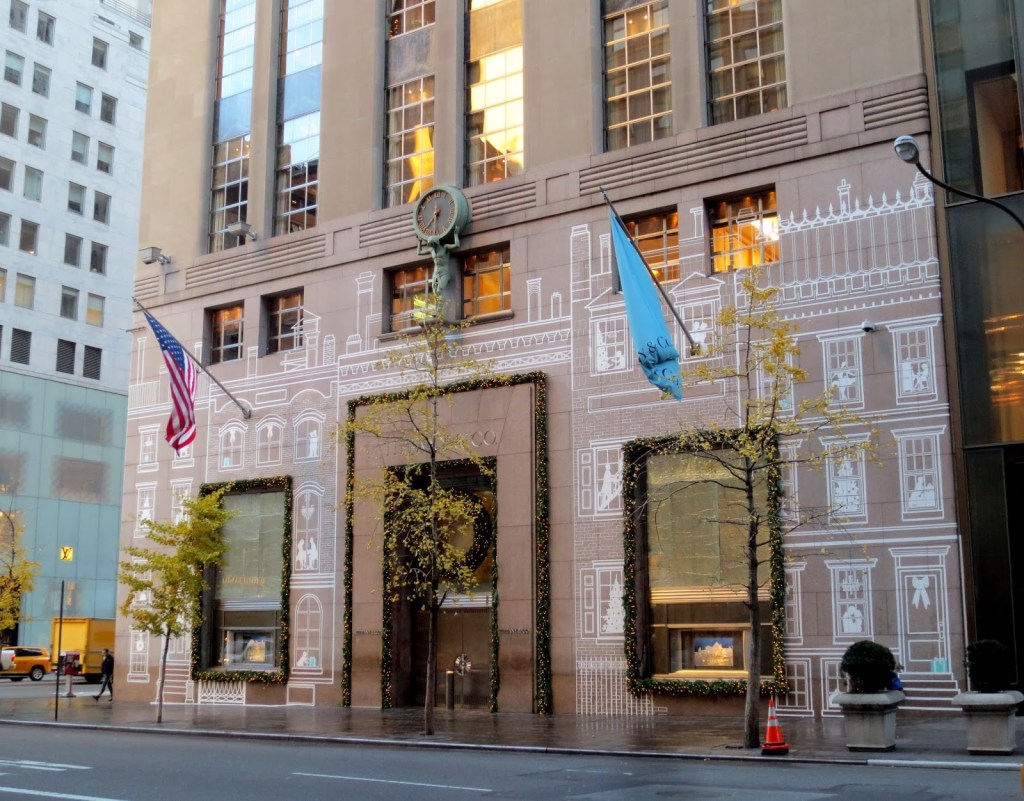
Fields overheard the man say “Gee, honey I’d like to get you a sparkler like that, but right now, I can’t give you nothin’ but love!” Hearing this, McHugh and Fields rushed into a nearby bar and, within an hour, they came up with their song. Click or tap on the triangle in the next image for an interpretation of our song by the one and only “Ella.”
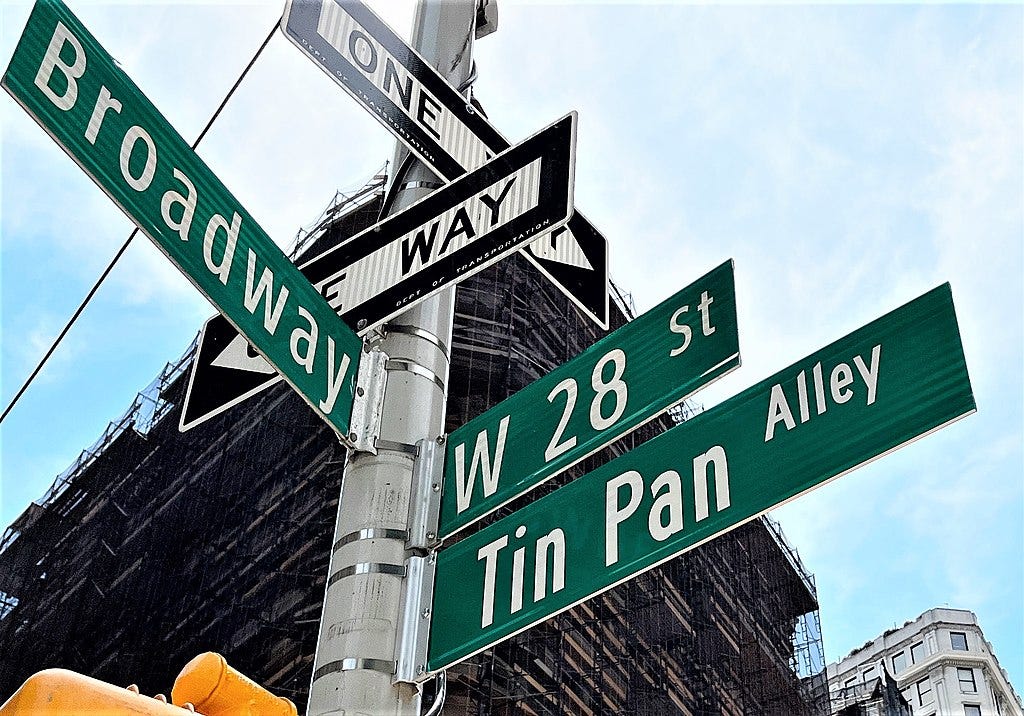
Moving on down the alley. . .
“On the Sunny Side of the Street” is another song written by the pair. In 1930, it was introduced in another all-Black Broadway musical by the same producer as “Blackbirds,” “Lew Leslie’s International Revue.”

Here we have two songs that came to us written by Whites and performed by Blacks—in shows mostly for an all White audience.

Click or tap on the triangle in the next image for a recording of our song by Billie Holiday.
Click or tap on the triangle in the next image for something a bit different–a singer from today with pictures from yesterday. How fashionable!
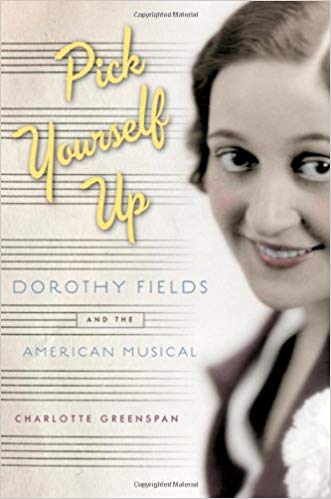
Fields wrote over 400 songs for Broadway and Hollywood and, over her long career, collaborated with top figures in the American musical theater, including Jerome Kern and Irving Berlin. Needless to say, she was one of the most prolific and successful songwriters of Tin Pan Alley.
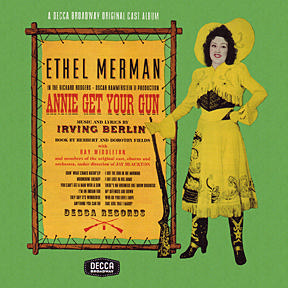
On Broadway, she collaborated on a dozen or so musicals including “Annie Get Your Gun,” “Redhead,” and “Seesaw.”
Her musical movie credits include “Roberta,” and “Swing Time.” As a pianist and lover of classical music, Fields was noted for being able to fit witty lyrics to a range of melodies by some of the greatest composers of the time.

There are quite a few interesting backstories from the distaff side of these two songs songs we’ve heard, played, and sung—tunes that also helped train the spotlight on Black performers in America.

American eyes and ears were opened and the musical world has never looked back.
And, of course, we have to wind up with a jazzy vintage-ukulele version that includes both verse and chorus! Click or tap on the triangle in the next image for a look and listen.
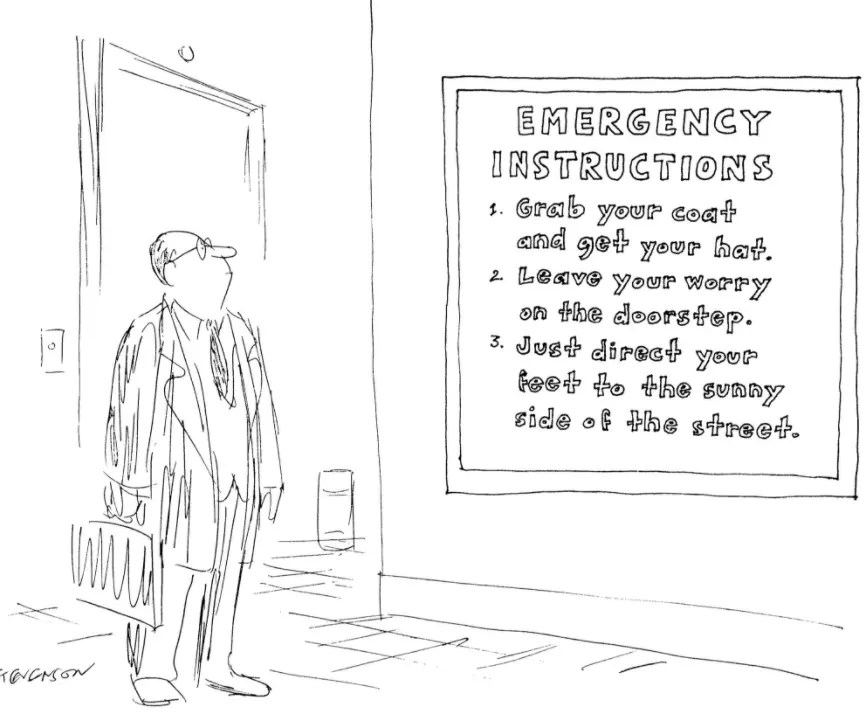
So, in the words of Dorothy Fields,
Stay safe, stay warm, follow those “instructions“ . . .
And, most important, STAY TUNED!

 NOHOBANJO OF NORTHAMPTON, AND NOW EASTHAMPTON, "MUSICAL MUSINGS"