This is a posting that I wrote a few years ago and repost each year. I have tweaked it a bit but, alas, it is still apropos. It will be particularly interesting as a day of contrasts. Think, gentle readers, of what we heard on the steps of the Lincoln Memorial in 1963 in contrast to what will see in the Capitol rotunda in 2025. One nation? We’ll see . . .
Before we moved to “the 413” back in ’05, Alison and I had lived for many years in northern Virginia. Settled in the early 1600s, the so-called “Old Dominion” was, needless to say, strong on historical reminiscences and commemorations. So, in 1983, when the date for the Martin Luther King, Jr., national holiday was set, it was conjoined with two other statewide celebrations that had been on the state’s docket for years. Virginians called this calendric convenience “Lee-Jackson-King” day—a curious amalgam of Civil War and Civil Rights history—observed until the year 2000.
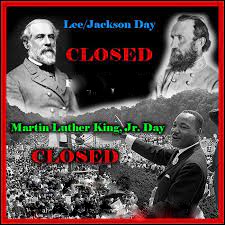
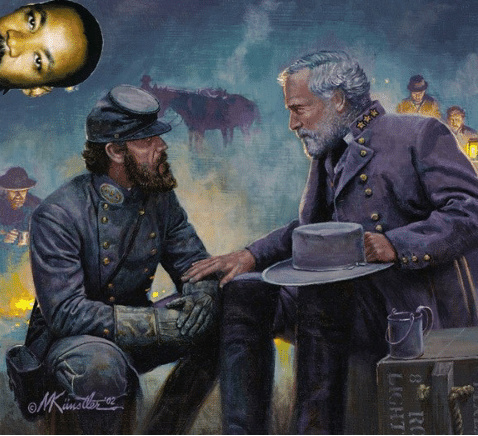
What would Robert E. Lee, “Stonewall” Jackson, and Martin Luther King, Jr., think about all that? Go figure.
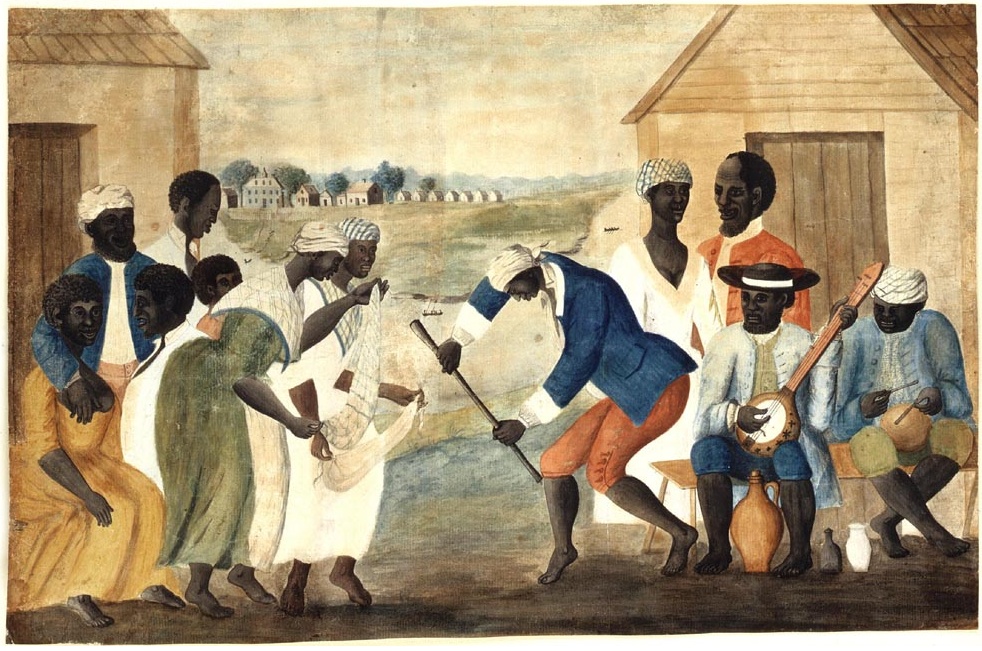
Anyway, what does this have to do with music, banjos, and ukuleles? Well, for every photo or illustration I run across depicting African American men, women, or children playing a playing a banjo or a uke, too many are demeaning caricatures. And, way too many show whites in even more demeaning blackface makeup. I don’t need to illustrate these negatives in my musical musings when there are positives out there!

Those demeaning, but all too common, illustrations are testament to a history that should not be glossed over or, worse, forgotten. But, these are not part of this special double day we’ll be observing on Monday. So, for this posting, here are some photos of good folks having a good time making music in the past and—more importantly—today. And yes, they include ukuleles and a banjo or two!


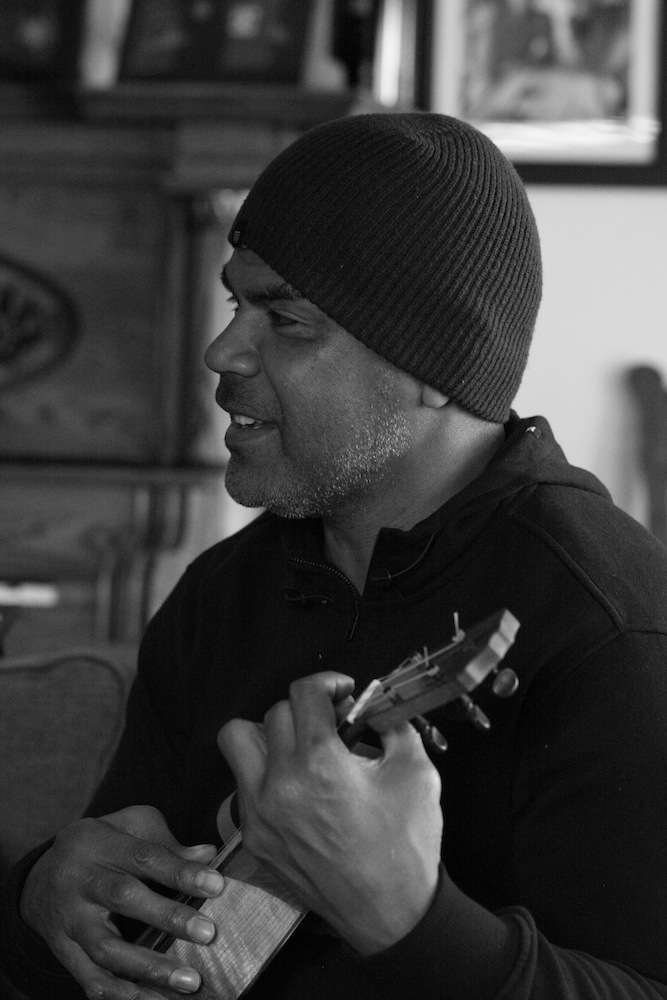

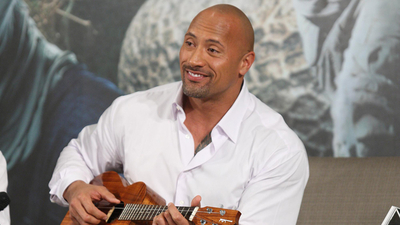
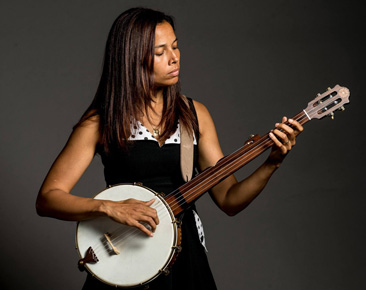

Mid-January brings us to one of the newest and most meaningful of all American remembrances—Martin Luther King, Jr., Day. Hopefully this will not be pushed offstage this year and newspapers and television will find time to touch on the history of this man and the movement he led to bring civil rights issues to public attention, to congress, and to the law of the land.
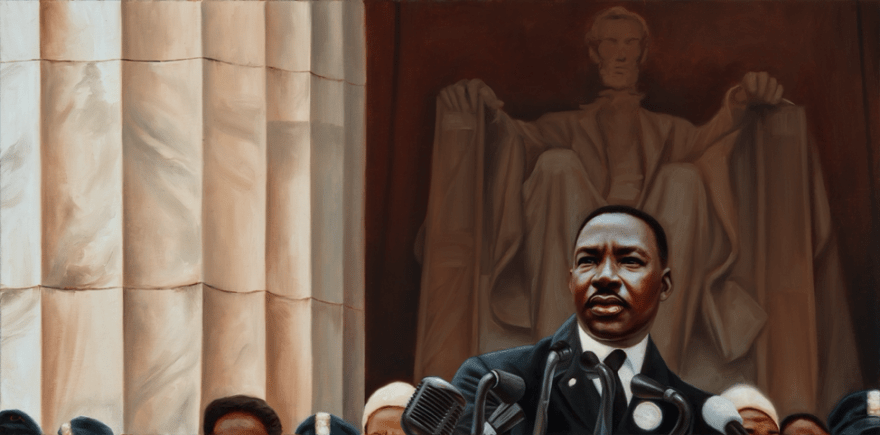
As meaningful as this is to us all, I’ll just stick with our theme and focus on a tiny facet of all this: music.
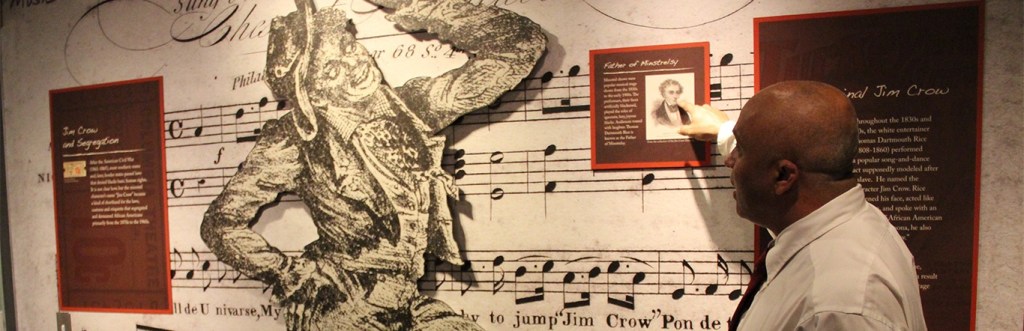
To begin. . . The phrase “Jim Crow,” with all its racial and civil rights connotations, had its origins in a song and dance routine from 1828 that was done in blackface makeup by a white minstrel performer, one Thomas Dartmouth Rice.

His song, “Jump Jim Crow,” is said to have been inspired by the singing and eccentric dancing of an African slave by that name. In the cultural context of the early Nineteenth Century, Rice’s song—and its multiplicity of verses—became overwhelmingly popular as he performed all over the country as “Daddy Jim Crow”.
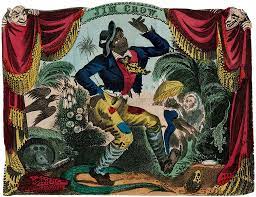
As a result of Rice’s fame and the popularity of his song, by the mid-Nineteenth Century the term “Jim Crow” had morphed from the merely comic into a pejorative meaning a Black, Negro, or African American.
From this, laws and reguations enforcing racial segregation became known as “Jim Crow Laws.” These were found if not endemic in towns, counties, and states throughout much of the country–North, South, East, and West.

Rice’s song “Jump Jim Crow” was also a key initial step in a tradition of American popular music that was based on the imitation, if not outright mockery, of blacks.

The first song sheet edition of this tune appeared in the early 1830s, and a couple of decades later this genre exploded in popularity with the rise of the blackface minstrel show, both in America and abroad.


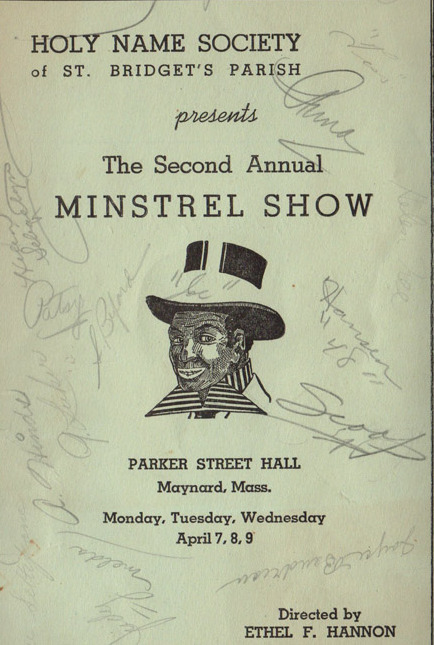
And, even in amateur theatricals.

A ukulele player who frequently appeared in blackface was Cliff Edwards, otherwise known as “Ukulele Ike.” You might remember him best as the voice of Jiminy Cricket in the Disney film “Pinocchio.”

The Duncan Sisters were a popular duo and there were, of course, many other performers with or without ukuleles.

In retrospect, some of what was popular in the context of yesteryear’s popular music is not just unpopular today. Rather, it is unconscionable–way beyond merely politically incorrect.
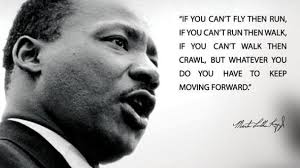
Admittedly, this is a touchy topic for a posting. I much prefer levity, but we cannot move forward without looking back. The observation of Martin Luther King, Jr., Day on this Double Day gives us that opportunity. It is from history that we learn, even if filtered through the theme of music and our favorite musical instruments.
We cannot sweep history under the rug. We cannot unplay those songs. But, here is one song we should play.

This is a song to play over and over again on this important day of remembrance of a great American, his life’s work, and the historical context of our still imperfect society.
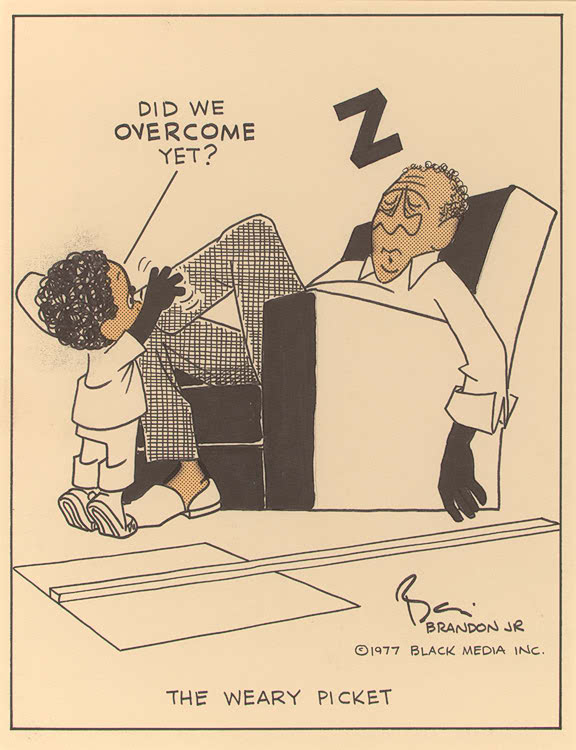
Pete Seeger recorded this song back in the late 1940s. His version–the one we hear most often today–was based on an interpretation of an old gospel hymn he had heard in the 1930s sung by Black tobacco workers in the fields of the South and a variation he had learned dating back to 1901 as sung in both Black and White labor union meetings in the North. Tap or click on the triangle in the next image for his version:
And as a finale, tap or click on the next image to hear the Moorhouse College Glee Club in concert:
We have a lot to overcome in our society, particularly on this double day in history. But, with the humble tools we have, we shall. When will our song be “We Overcame?”
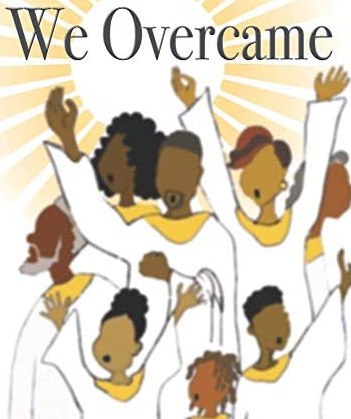
STAY TUNED!

 NOHOBANJO OF NORTHAMPTON, AND NOW EASTHAMPTON, "MUSICAL MUSINGS"