ANOTHER MUSICAL MUSING, 4 August 2023: “There’s Corn, and Then There’s “Corny”

When the beautiful Summer weather is upon us, Alison and I enjoy our short drives through our Happy Valley as we visit our favorite farm markets and farm stands.  We also enjoy driving through the countryside and checking out the growing field crops. We are always pleased to note the progress (despite our recent heavy rains!) from seedling, to blossoming, to ripening.

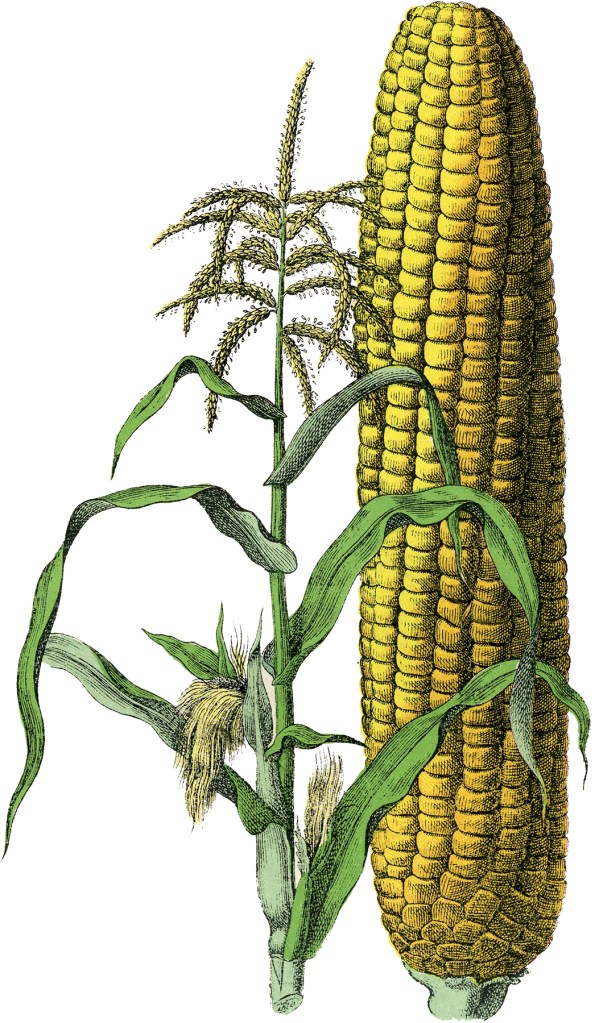
Having grown up in the flat, nearly topography-less state of Illinois, one of my favorite crops to watch is corn. I can state unequivocally that Massachusetts “corn” is nothing like Illinois “CORN.”  In Illinois, green cornstalks with their high yellow tassels can stretch up eight to ten feet in August with rows so dense you can’t see through.  That’s serious CORN. The landscape may be horizontal but the corn is vertical!

Now, gentle readers, you are probably asking yourselves just what does corn have to do with a musical musing?  Not a whole lot, I’m afraid, but bear with me as we meander down a few musical roads and paths—laid out like a T-square-and-triangle grid of serious, really serious CORNfields.

Alas, there’s only one ukulele in my collection that can claim any resemblance to corn but it does so in two ways.  First, its color; and second, it’s a bit “corny.”  Right? OK, moving on . . .

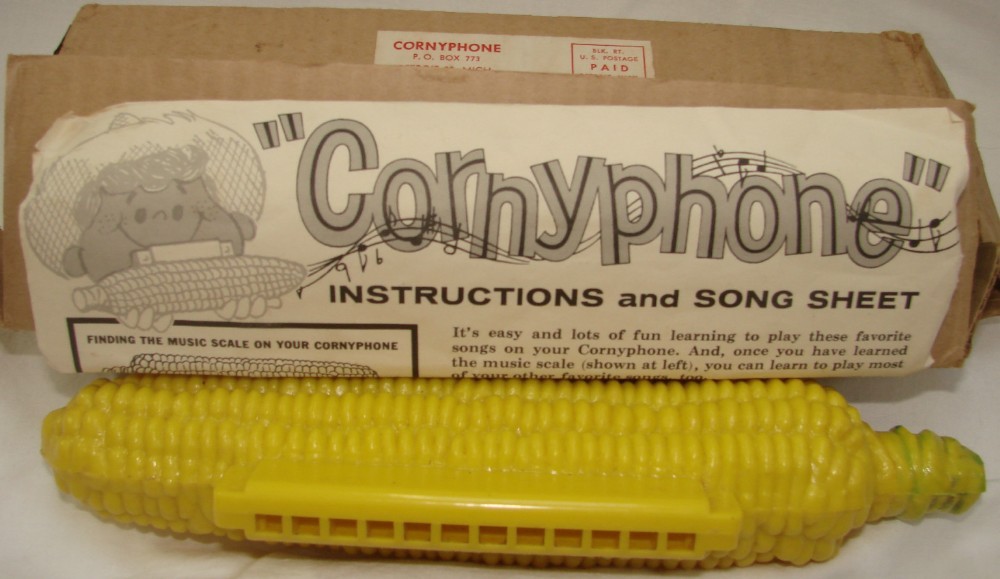
Further exploration on Google, however, led me to this more fittingly “corny instrument, not a uke however. Not yet in my collection; perhaps later. Much later.
Now, on to our agro-musical theme.

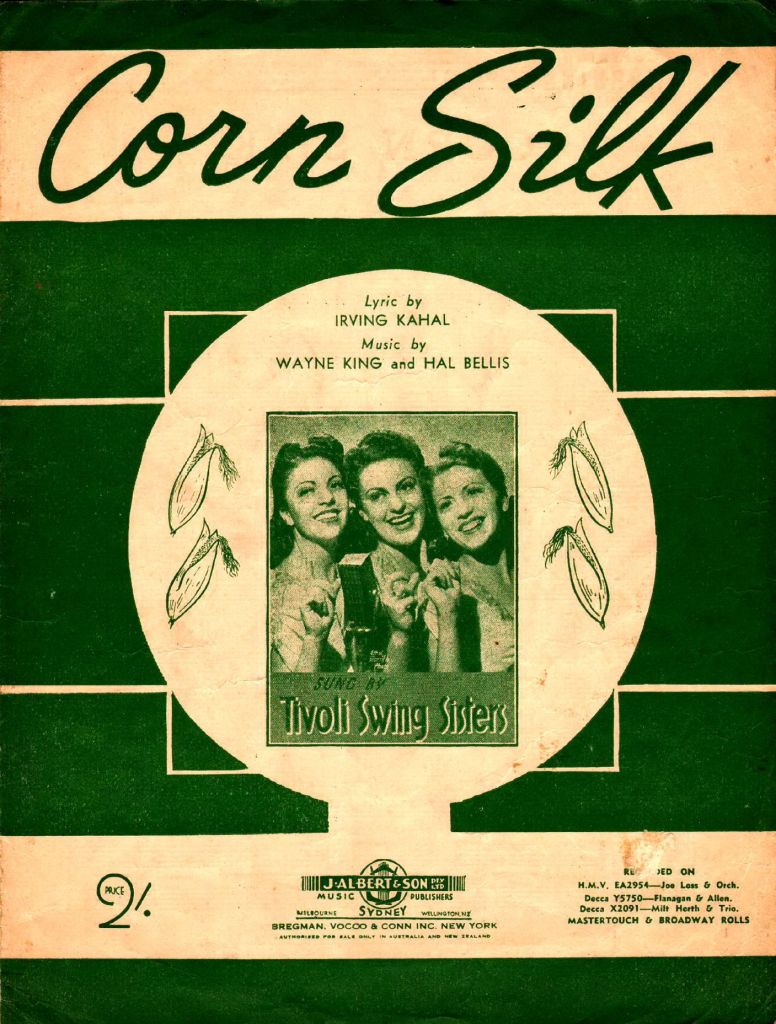
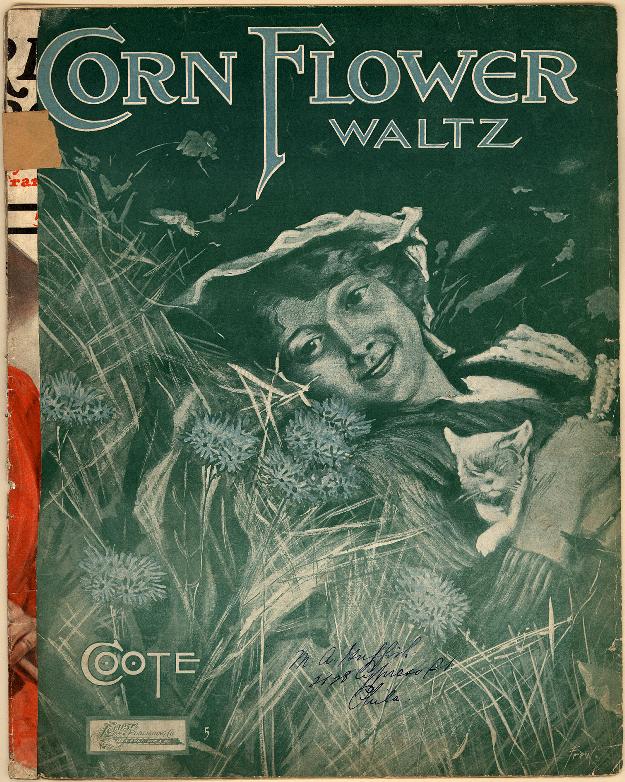
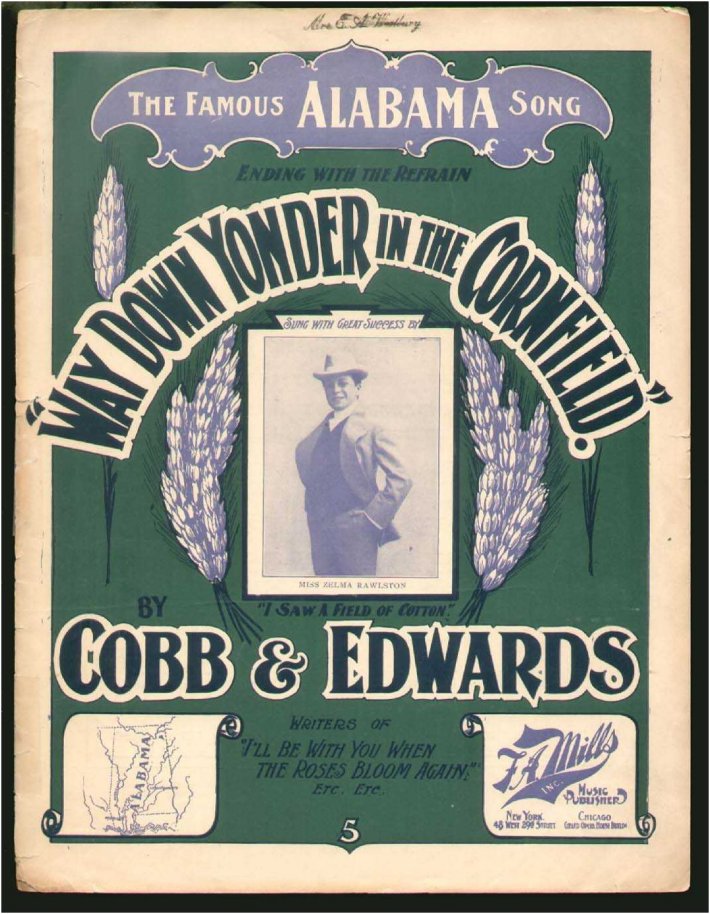
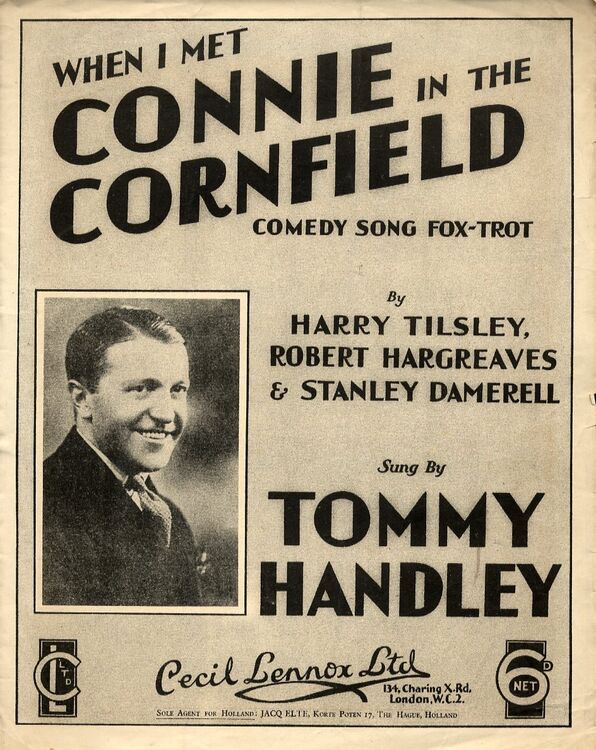
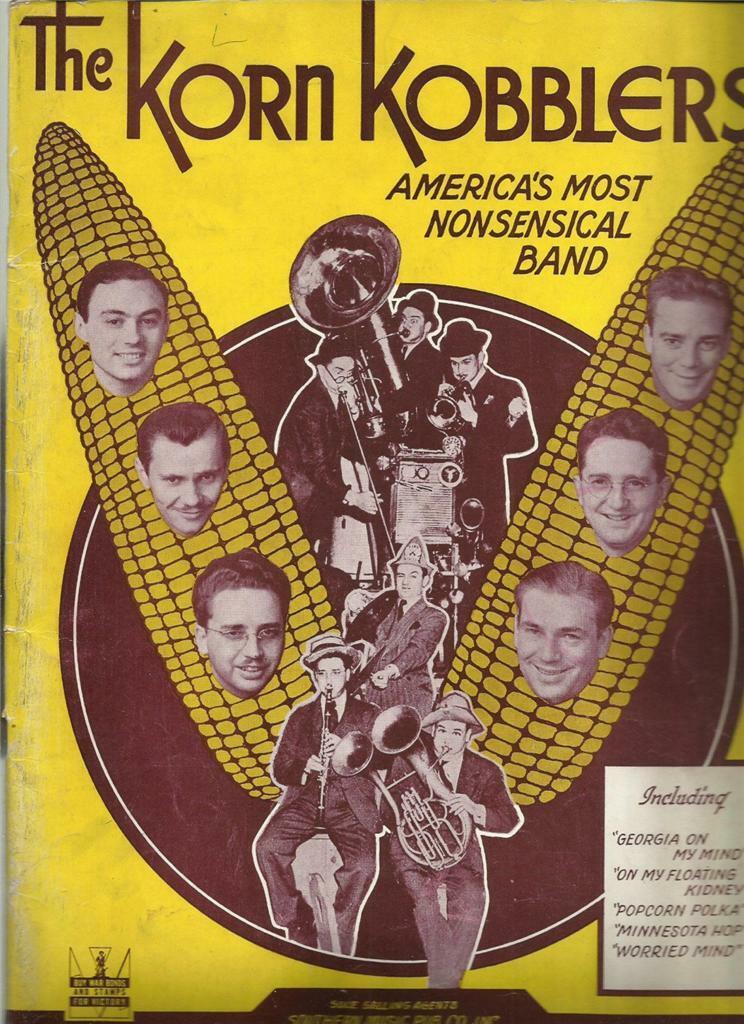
Taking a look at some of the early corn-related songs out there, the sheet music cover art is often meticulously and accurately drawn.  They honor the crop itself and the sunbonneted maidens who grew up amongst it.
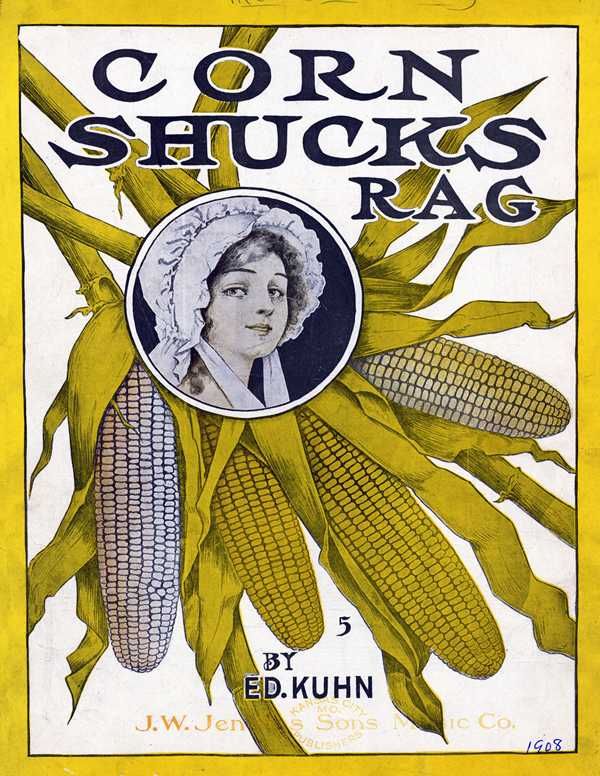
Click or tap on the triangle in the next image for a lively, more recent ragtime piano version of this golden oldie to get you into a “corny” mood.

Here are a few more bits of vintage sheet music cover art on our theme.
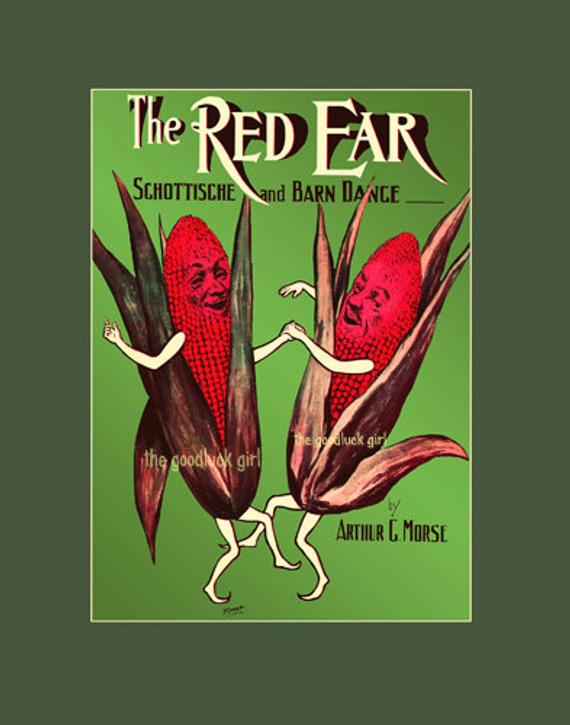
Now on to the fun stuff. Party time on the farm!
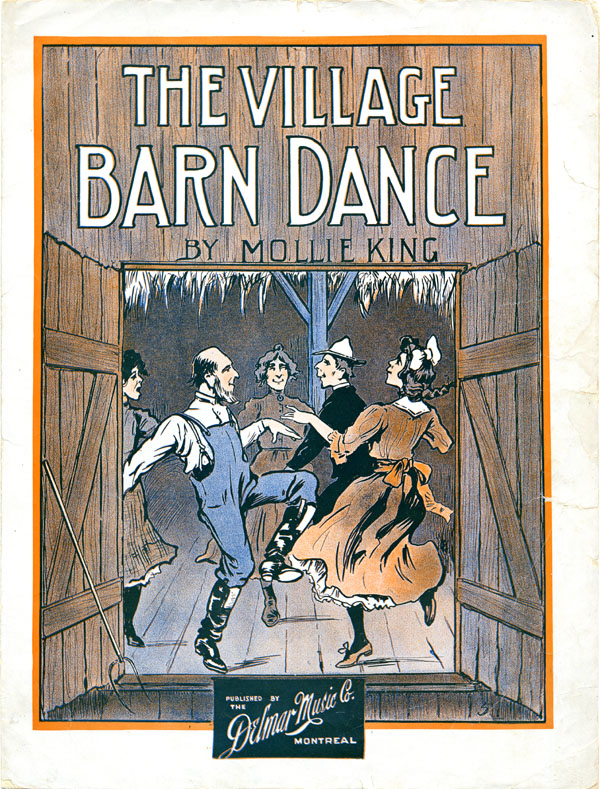
Clearing the floor for a good old-fashioned barn dance! As I recall the farm-country corn-shucking party protocol, finding a red ear in the batch gave a young man (or woman!) the honor of choosing their next dance partner. Anticipation and flirtation!

Now here’s something a tad musically different! It’s the old-time banjo tune “Shuckin’ the Corn.” Needless to say, this has become a standard in the five-string banjo and bluegrass world. Click or tap on the triangle in the next image for a look at a couple of “yunguns” and how they do it. Ah, youth!

Then there are those songwriters that recognized the well known fact that a cornfield was often a clandestine, country-style trysting spot for amorous young farmfolks.

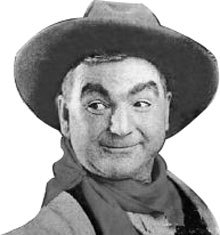
And, in keeping with our “corny” theme, who else can give a better rendition of this old, old chestnut of a trysting song than “Mr. Corny” himself. Tap or click on the triangle in the next image for an (ahem) earful.

And, of course, there are the “corny” songs that (ahem, again) distill a potent tune.
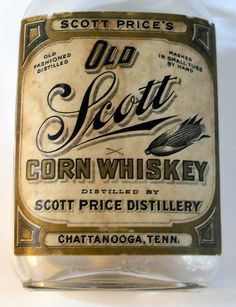
Now here’s a bit of so-called “jug-band” music on our topic by folks who have performed here in our happy valley many, many times. Click or tap on the triangle in the image for a look and listen to this old tune with some good action on “bones” and “fretless” banjo!

And, of course, there is also some humor out of our versatile crop.

And, from the 1920s, with ukulele chords included in the score!

Believe it or not, I actually found a Youtube of this “corny” tune. Tap or click on the next image for a nibble!

How about a Swing Era take on a favorite corn variety?
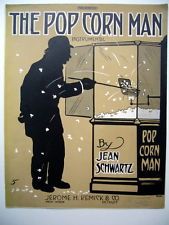
Click or tap on the triangle in the next image to swing along with Benny and Martha.

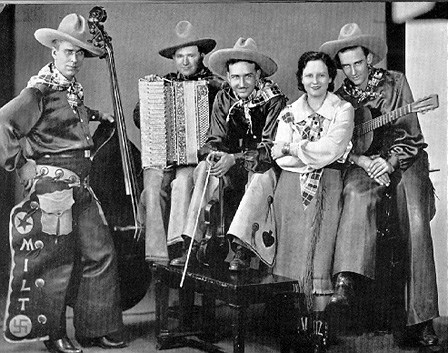
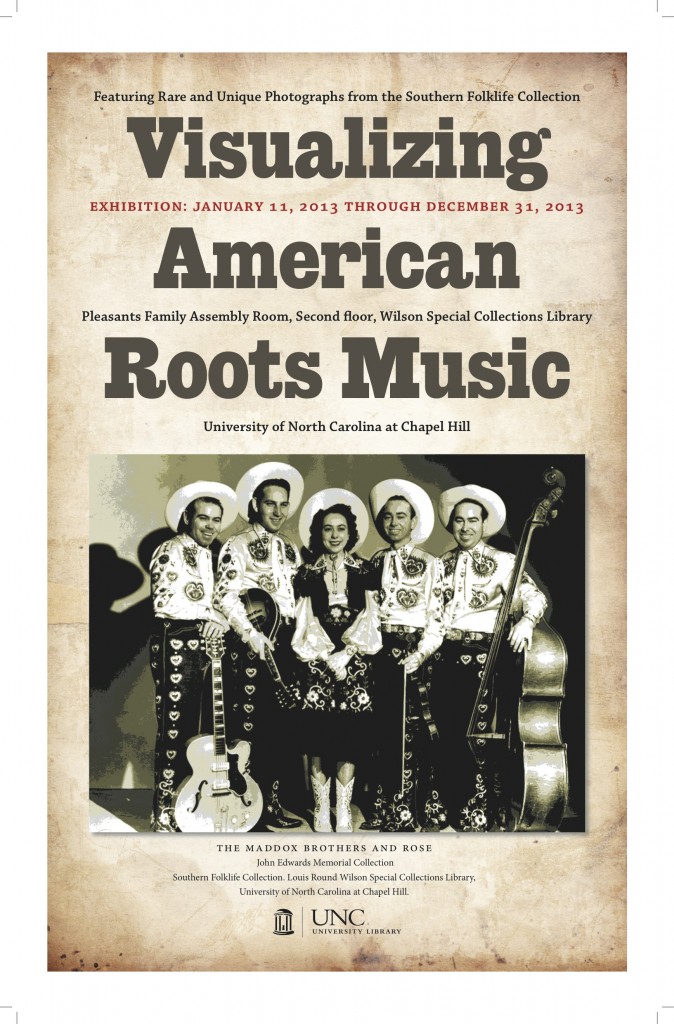
Moving on–as we must–to a more historical approach to this musing, we can take a look at the origins of so-called “Country Music” and see how corn and “corny” fit in.  Today, musicologists refer to the early days as “Roots Music” often featuring fiddle music as a lead for string bands playing in local barn dances and down-home venues. 

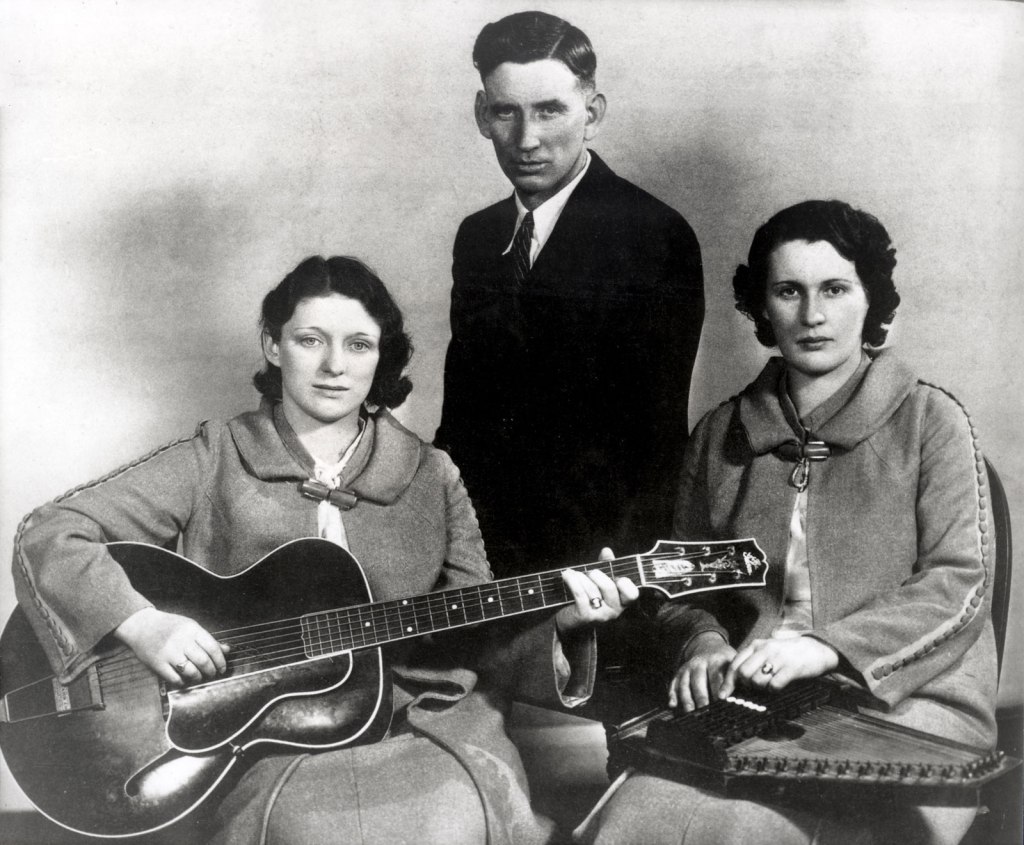
In the early 1920s, when folks came to perform on the first radio broadcasts to offer this style of music, performers would dress for the occasion in their “Sunday-go-to-Meetin’” clothes—suits, white shirts, neckties for men, simple dresses for women.  Here’s the “Carter Family” all dressed up for the radio!
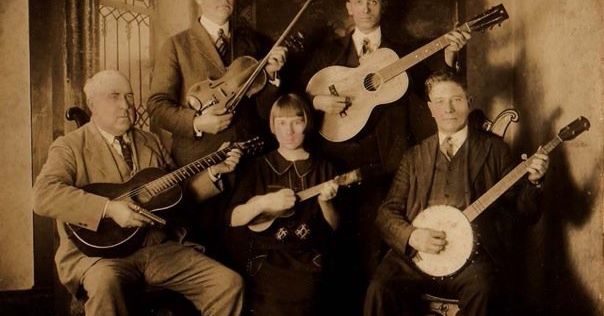
Here’s another group performing on the radio dressed in their “Sunday Best.”
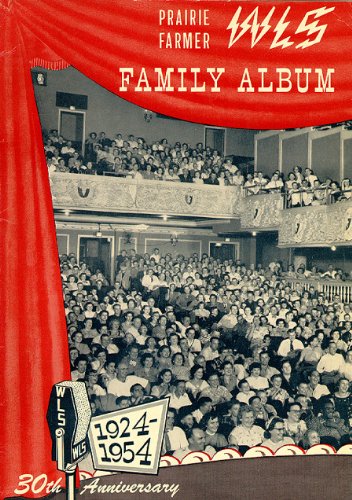
When in the mid-1920s, those radio broadcasts became broadcast nationally and attracted a huge urban audience, studios began staging their programming before live audiences. Visuals became much more important in matching the “country sound” with the mythological “country look.”
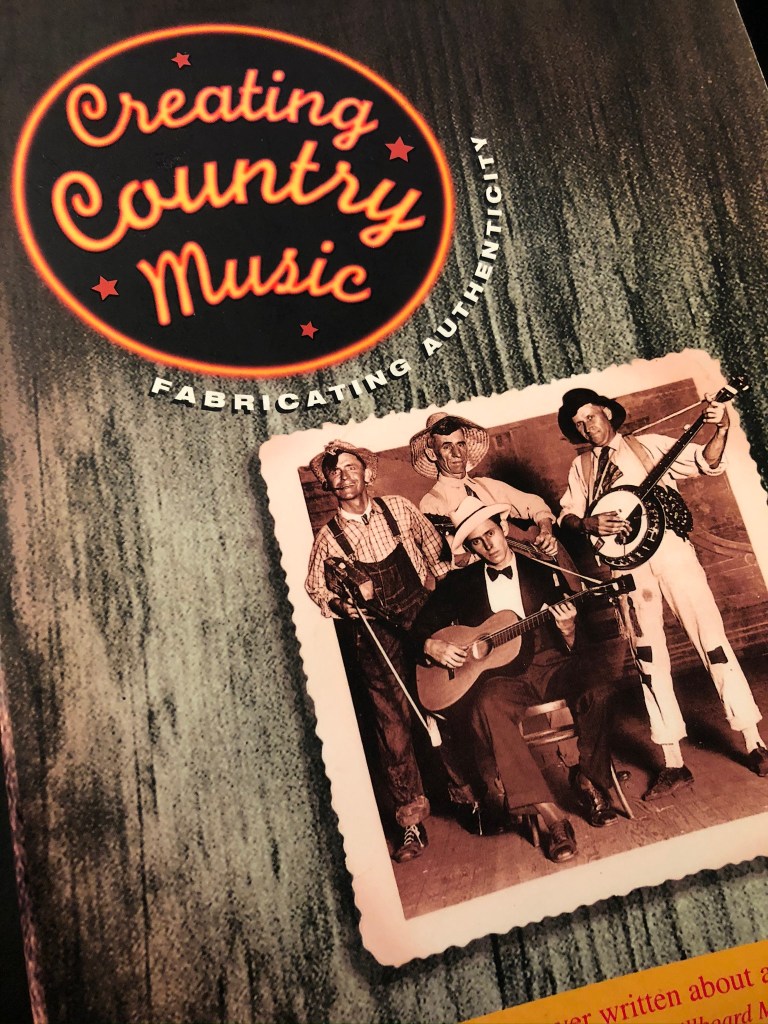
Now here is where the “corny” part comes in.  Here’s a dignified looking, old-time string band from those early years led by a local physician and harmonica player who performed on the radio with some other local businessman buddies. This group became one of the most popular features on the early days of Nashville’s “Grand Ole Opry.” Click or tap on the triangle in the next image for a listen.

For the studio radio audience, the good doctor was asked to rechristen his group from the “Dr. Bates Band” to the “Possum Hunters.” Here’s the same band in their newly donned, corny “hayseed” garb expected by the live studio audience. Same music, however.

This next group changed their outfits and their name from “The Bently Brothers” to the “Dixie Clodhoppers,” again for the live radio audience. Somehow they kept the neckties and silk socks, however. “Corny?” For sure!

And the list goes on and on . . .
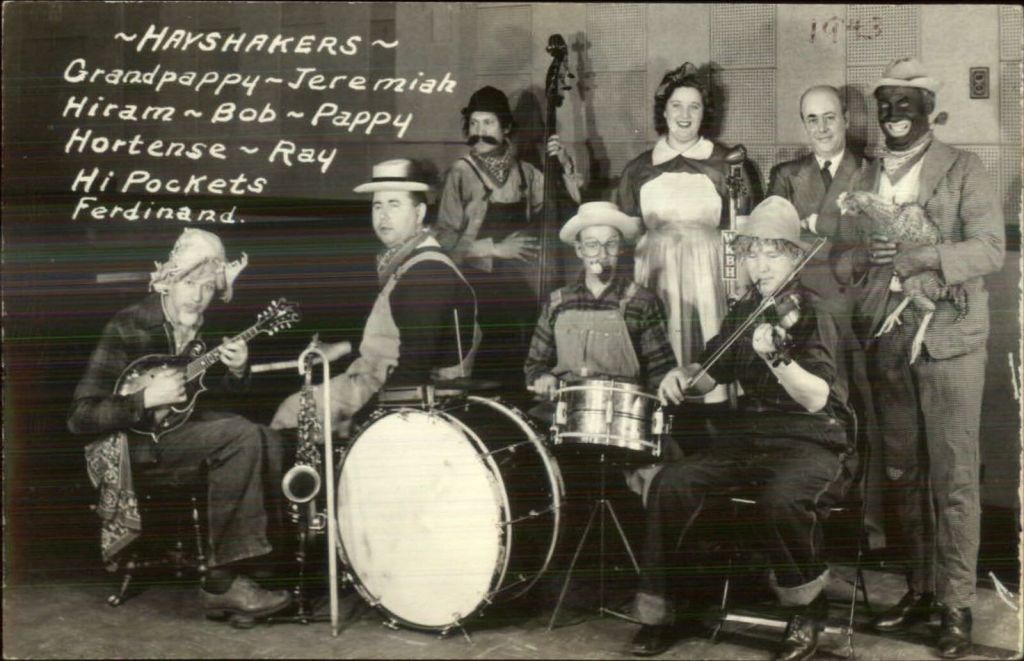
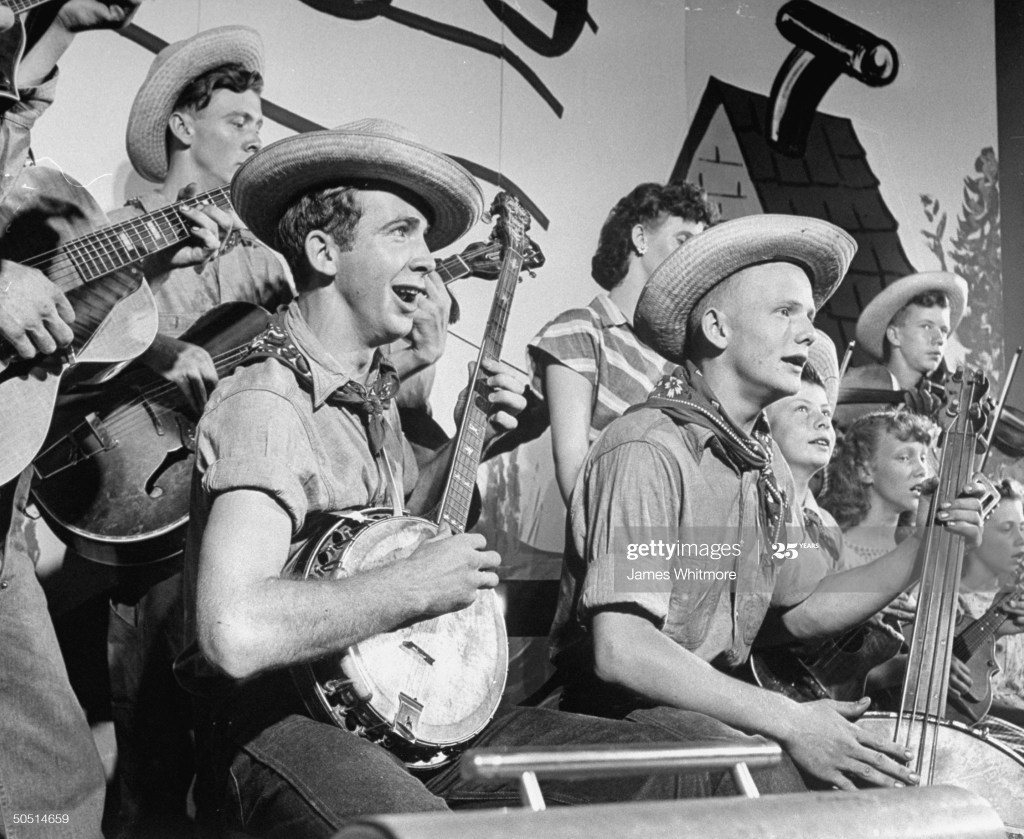
Because live studio audiences wanted what they felt to be a “real country experience,” broadcasters, sponsors, and–quite soon—performers were drawn to (or pushed into) the “hayseed,” “hillbilly,” or even “cowpoke” look. “Corny?” Yeah. 
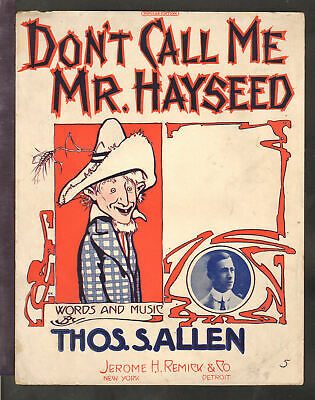
Bib overalls, straw hats, gingham dresses, and button shoes or bare feet were embraced and the “corny” became the standard costume. 
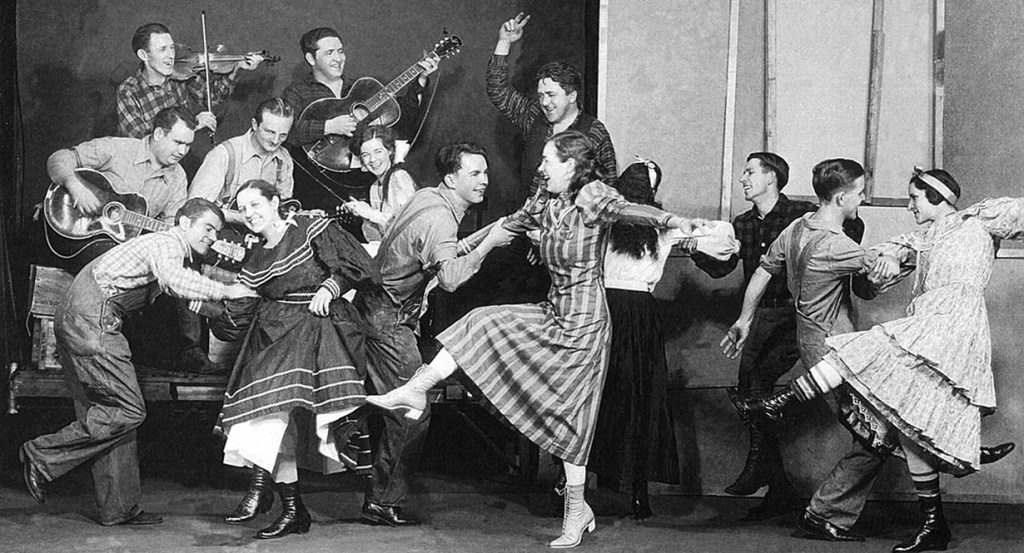
Yet, the music usually stayed the same while dress-up clothes changed into costumes as “authenticity was fabricated.”  Show Biz!
Now, enough of that musical history stuff!. Back to Illinois CORN!

I went to the University of Illinois which, I can proudly say, is the only college in the country with a venerable, over 150-year old cornfield as a hallowed landscape feature in the heart of its campus–The Morrow Plots.

These plots have been used for continuous soil and plant-rotation testing for all those years. Nothing “corny” about that! 

In fact, it’s the only cornfield in the country designated by an act of Congress as a National Historic Landmark. And, all new university buildings must be designed so as “to NOT cast a shadow on the cornfield.” In fact, the new, multi-million dollar addition to the university library (right in the photo) was built UNDERGROUND to honor this rule!  

Needless to say, a song was born! Click or tap on the triangle in the next image for a listen to this campus anthem! Consider it a way of “shuckin” the corn.

So, visit those farm stands, keep enjoying our Happy Valley’s “butter and sugar” corn, recognize the importance all the other varieties of corn, and STAY TUNED!

Note: You have to have been raised or lived in the so-called Illinois “Corn Belt” to fully appreciate this week’s musing. My apologies, and condolences, to those who weren’t and had to grow up with, well, corn--and, alas, I will concede, TOPOGRAPHY.


ANOTHER MUSICAL MUSING, 28 July 2023–Reflections on Political Songs of the Past, But Not of Today

I am not a clairvoyant but during these daily bombardments of non-stop news and opinion bombardments I have become convinced of at least one salient fact. To wit: that many of us with more than just a few rings on our trunks are all struggling to push most of those things from our minds–save for weather, baseball, and what’s next on Netflix. I assume also that more than a few of you have noticed the clouds hovering around us. No, not the nasty, #$%& smoke from Canada but the nasty, #$%& smoke and mirrors of political shenanigans that are fast afoot! Alas, gentle readers, we are driven to STAY TUNED!
Nonetheless, I muse on .

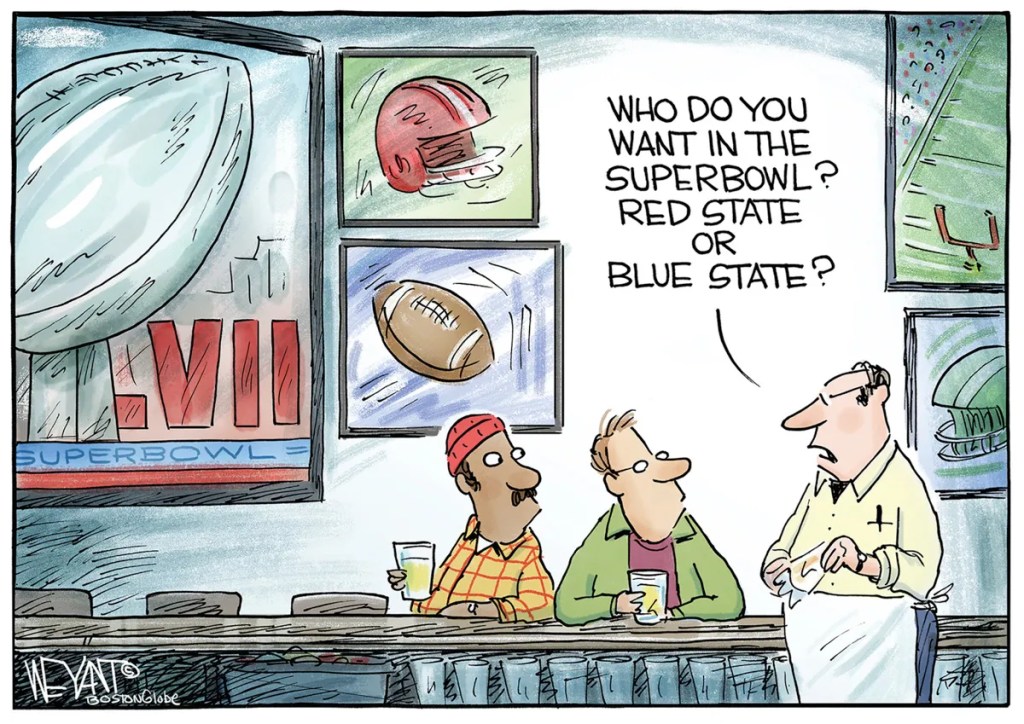
Now, of course, this little blog is not the place to opine on the varying shades of reddish or blueish colors of the swirling political clouds.  Suffice it say that I know we will all be gobsmacked with a full range of punditry and polemic again, again, and still AGAIN between now and the election day that is not even THIS year but NEXT!

So, as is my wont to do, let me avoid those clouds by drifting back to childhood memories particularly of MY first president, Franklin Delano Roosevelt—”FDR.”

Franklin D. Roosevelt: Lot of Thirty Prints, Sheet Music, Post ...

Now FDR was not a ukulele or banjo player and I doubt that he paid much attention to those little instruments. But, it has been noted that he did play the piano (a bit) and sang soprano (?) in his school choir. 

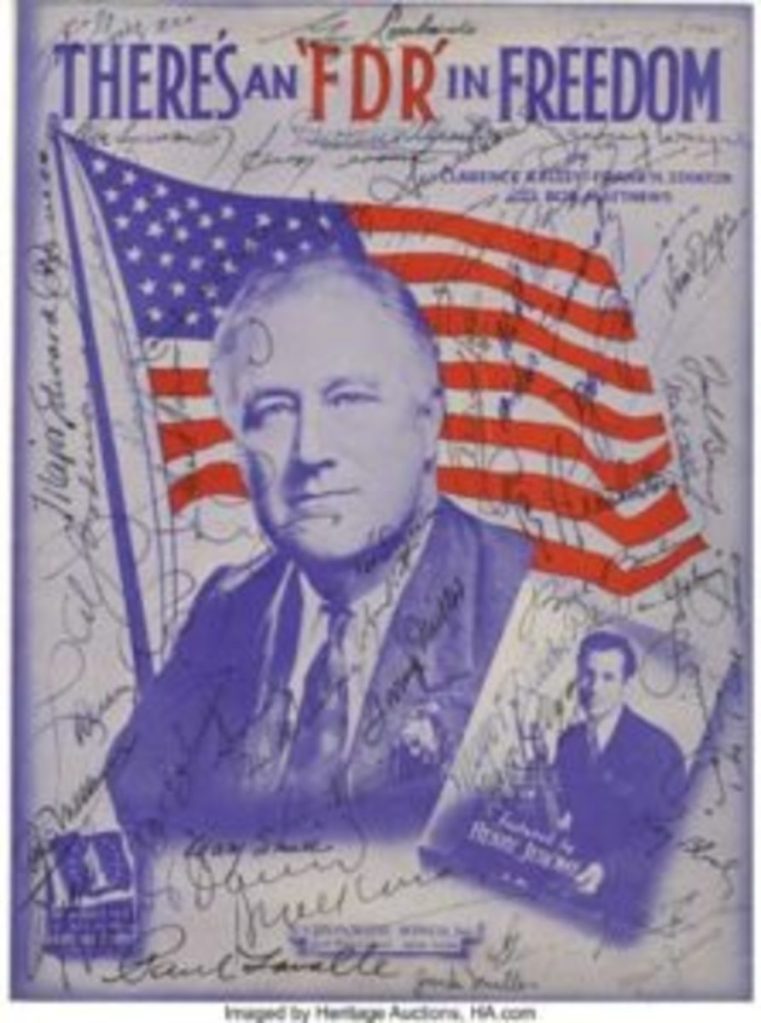
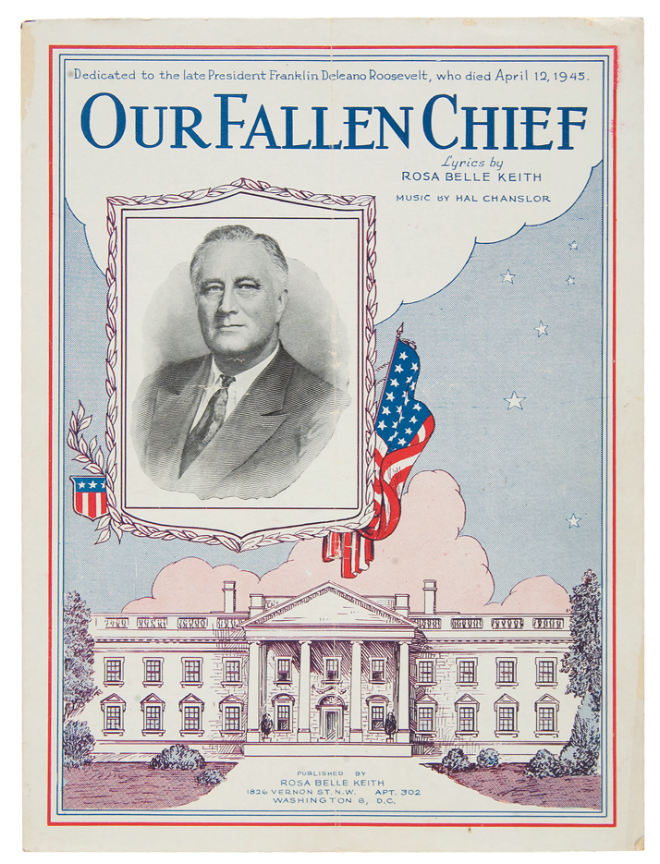
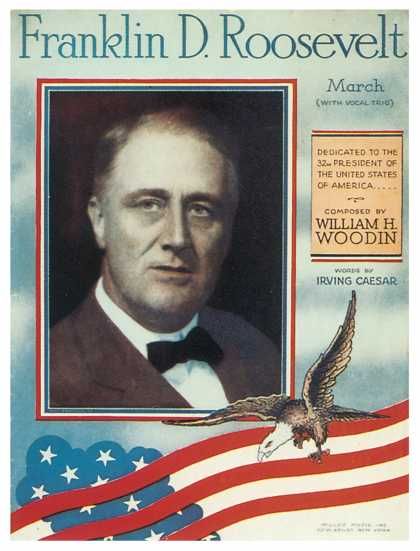
And, lucky for us, there is a plethora of sheet music extolling his time in office from his first presidential campaign in 1931 through the Great Depression, the end of Prohibition, and World War II to his death in 1945.  While he was reviled by some and revered by many (what else is new in politics?) it was the latter who seemed to write the songs that a few (a very few, alas) of we so-called “eldies” might recall. 

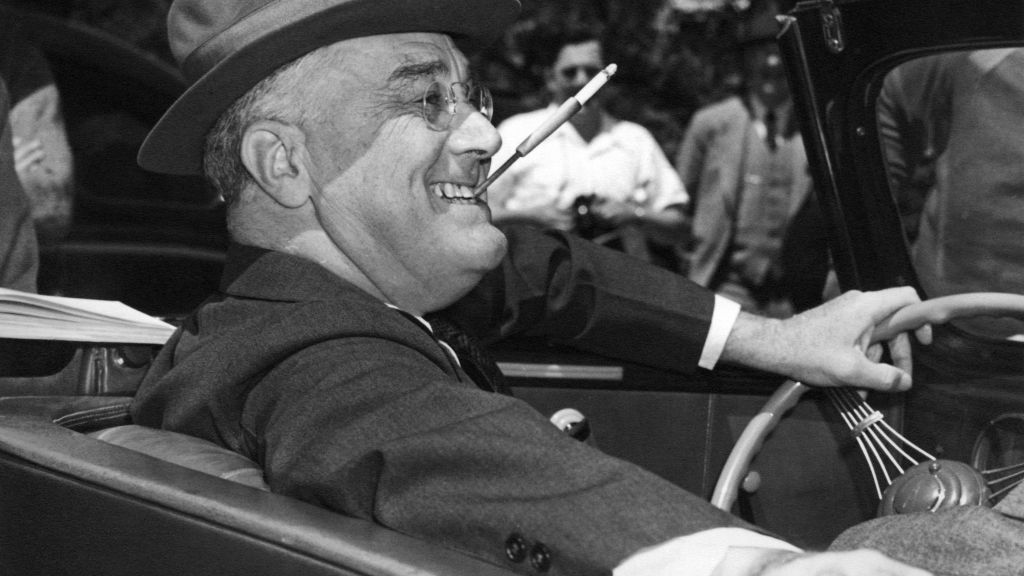
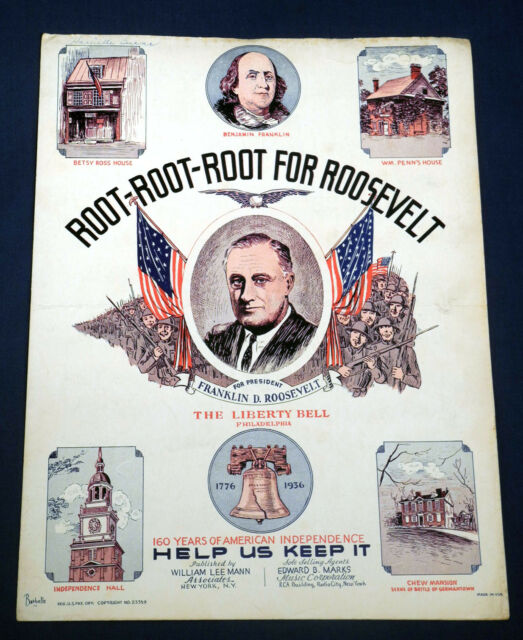
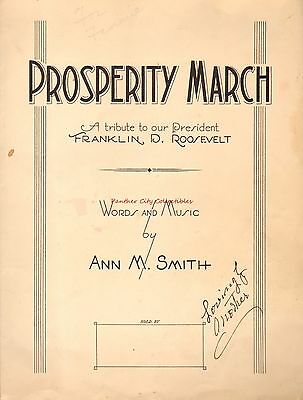
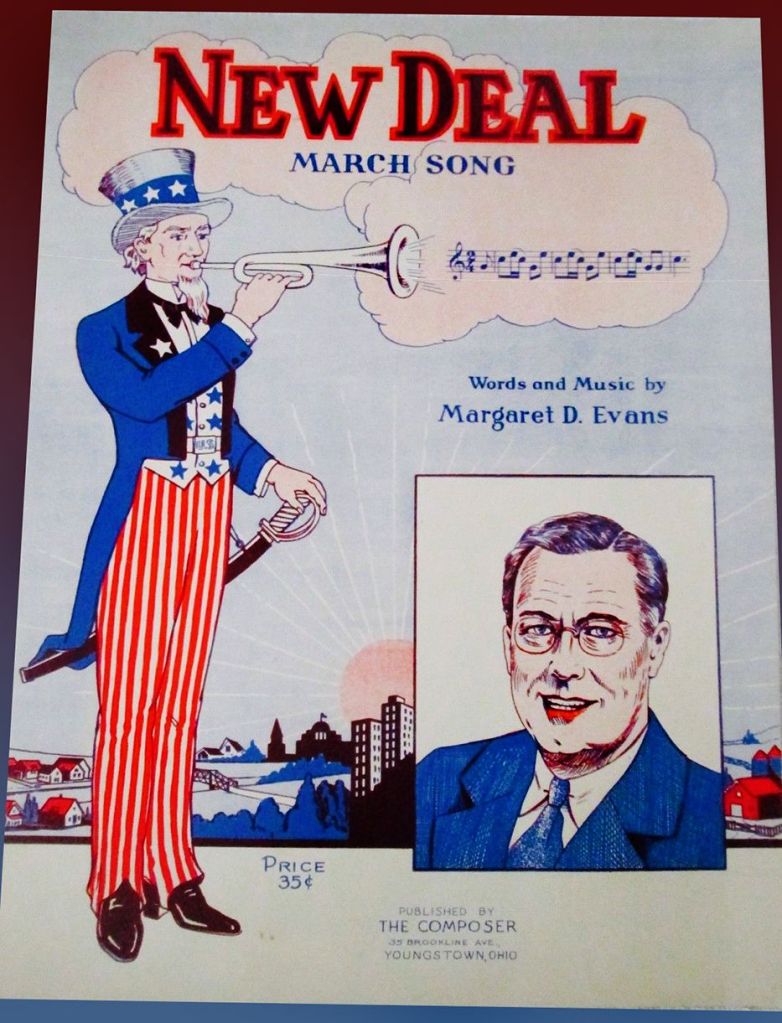
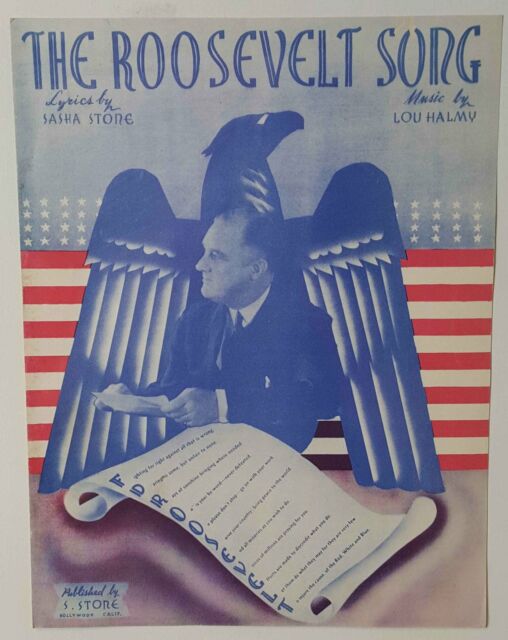
While FDR did, at least in the above photo, show an interest in old-time string bands, here are just a few songs–really quite forgettable musically but nonetheless extant–from FDR’s four (!) successful presidential campaigns. The first:

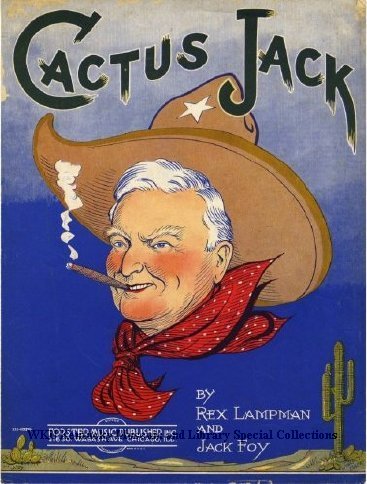
FDR’s vice-presidential running mate, James Nance Garner–known affectionally as “Cactus Jack”– had a much more colorful musical link! Alas, I can’t find a recording of this musical treat (?), but the sheet music cover is great!

A Western balance to the Eastern Roosevelt, politically speaking.

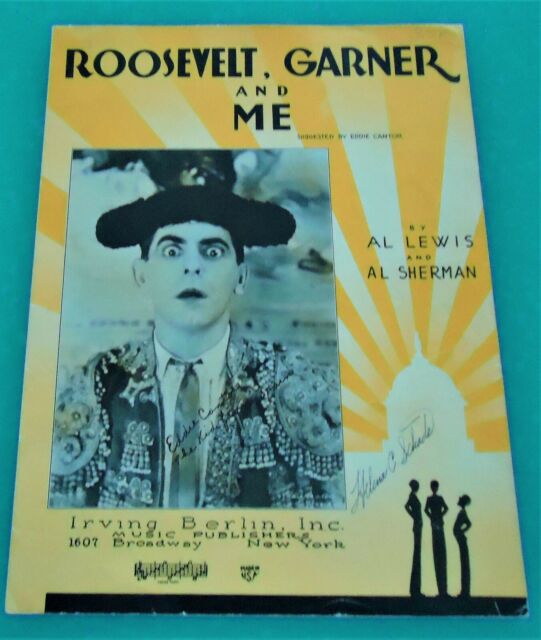
Here is one song for the two of them.

Not memorable but, nontheless, available to us today through the magic of YouTube. Tap or click on the triangle in the next image for a quick listen.

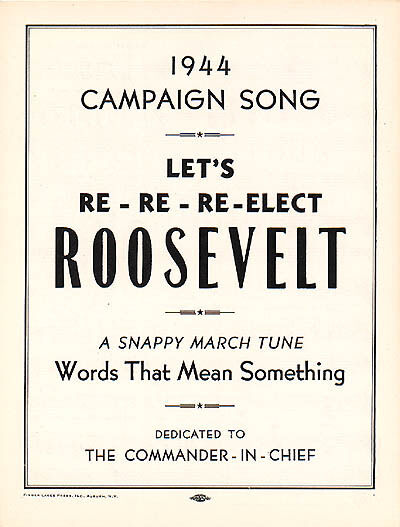
There were, of course, more dignified songs written for FDR’s subsequent campaigns but, again alas, not particularly noteworthy musically speaking. And, for some reason the “R-R-R” trope was the thing. Go figure.

THREE PIECES OF FDR SHEET MUSIC. Includes: "Veto ... Political ...

Tap or click on the next triangle in the next image for a listen to this enthusiastic jingle of a song.

And still another . . .

At least with this one, another one that someone has bothered to remember and record. Tap or click on the triangle in the next image for a quick listen.

Just imagine if the Gershwins had written a campaign song for Roosevelt! Click or tap on the triangle in the next image for a three-syllable “surname song” from 1938 that would have worked.

Then there were the songs that simply honored the president during his terms in office.

How about the end of Prohibition? It ended on FDR’s watch.

Finally, a tribute song that someone recorded!

Click or tap on the triangle in the next image for a song that thanks the president for his so-called “Fireside Chats” by which he periodically radioed his voice (and persona) into the homes of anxious Americans. He reassured them that they really had the freedom to not fear the terrors and travails of the day–imagine a president doing that!

Needless to say, there were many, many more accomplishments during FDR’s terms in office–way too many to trace musically in this brief posting. Perhaps more anon.

Roosevelt was, of course, president during the lead-up and fighting of World War II.

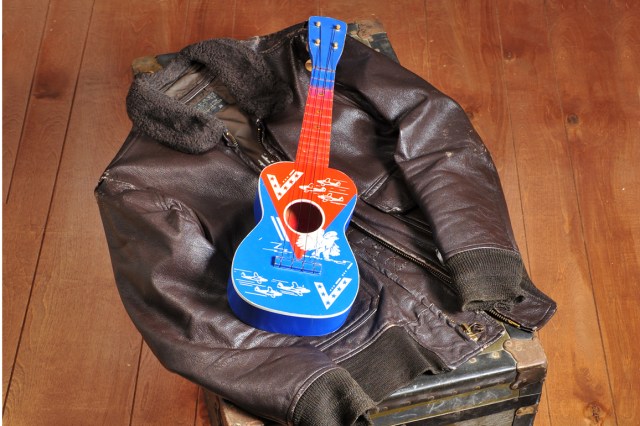
And this is where ukuleles come in! Here is one of the favorites from my collection, a so-called “Victory” uke that was made and sold early in the war years.

Note the “V for Victory” design in Morse code–dit, dit, dit, dah!

He was also honored in death as Word War II was ending–a sad and anxious time for a lot of Americans . . .

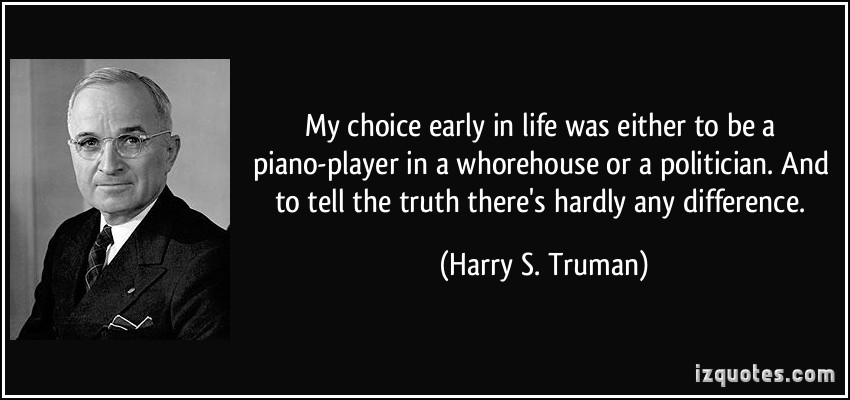
. . . who had never thought that much about the possibility of that piano-playing haberdasher from Missouri, Harry Truman, becoming “Commander in Chief!”

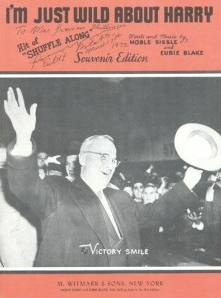
At least when Truman ran a campaign on his own he had a lively theme song, purloined and adapted from the 1921 Harlem musical review “Shuffle Along.”

But, I digress; now, back to FDR. He served not without error, as history points out, but with honor for his time.

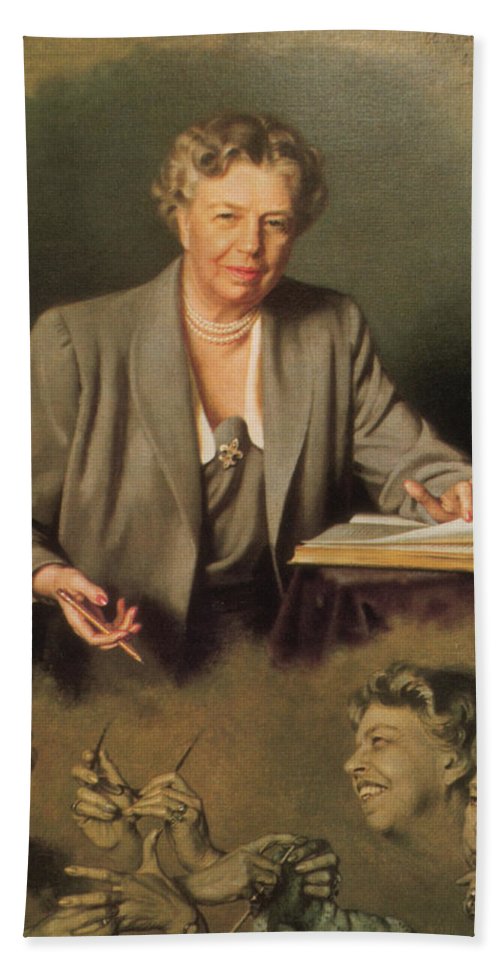
And, we can’t leave without a musical homage to the then first lady, Eleanor Roosevelt, who was an unelected but renowned statesperson in her own right.

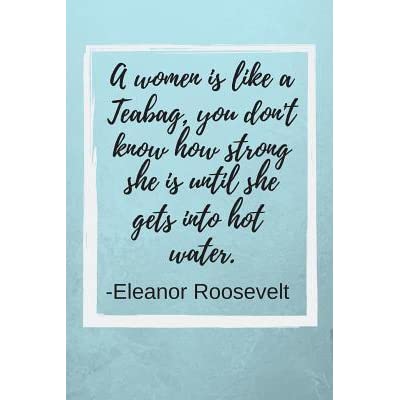
Someone should write a song on this theme of hers. Now is your chance!

However, I was able to find a YouTube of another “Eleanor Roosevelt tune.” Click or tap on the triangle in the next image for a look and listen.

Now here is the windup to this posting.

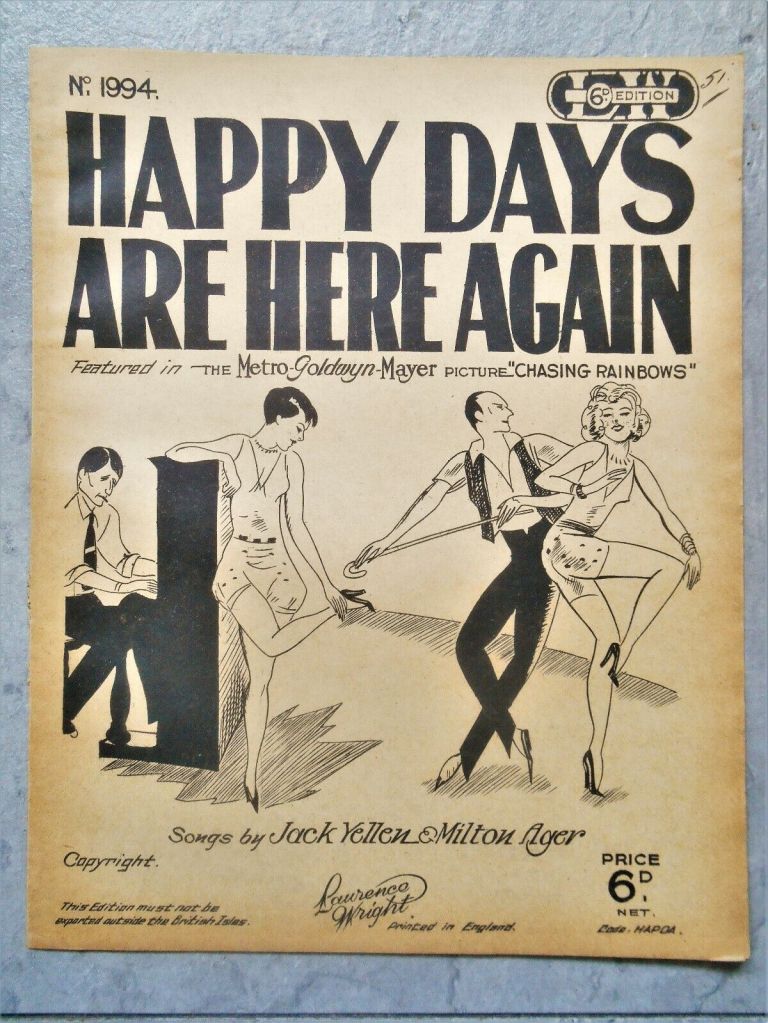
While not originally an “FDR tune,” “Happy Days are Here Again” is the song most of us associate with my first president.  This tune (actually a “saloon standard” associated with the end of Prohibition) was written by our old Tin Pan Alley pals Milton Ager and Jack Yellen and published in 1929. 

The story is that the score for the song was among the house band’s “cheat sheets” reached for by the conductor when he was asked to play a “lively” song during the windup of the Democratic Convention of 1931. It has ever after been associated with FDR and with the Democratic Party.  Tap or click on the triangle in the next image to see and hear!

Tap or click on the triangle in the next image to hear a good old country song about good old FDR being re-elected!

Alas, singable songs and colorful sheet music associated with our latest run of presidents can’t match those of the past.  But, we learn to live with what we have and hope for the best even if today’s politics don’t deliver the prose of long ago. 

So, stay sequestered, stay safe, stay as masked as necessary and STAY TUNED! 

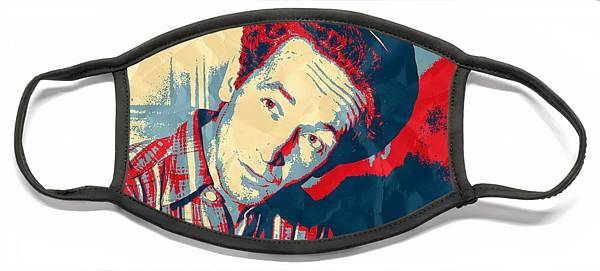
I think that he is smiling under that mask!

I think I might start wearing this one!

ANOTHER MUSICAL MUSING: 21 July 2023– A Song of the Steamy South From a Movie About the Snowy North. Go Figure (Skate)!

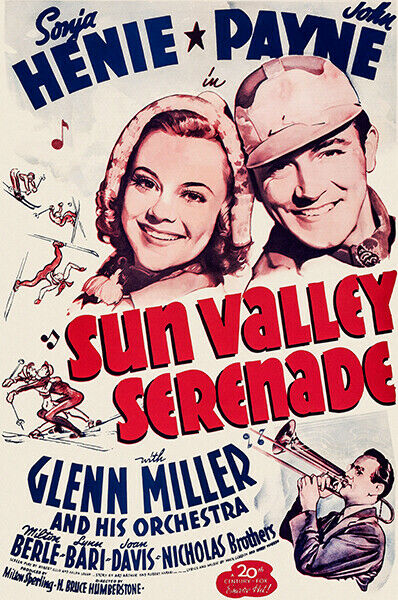
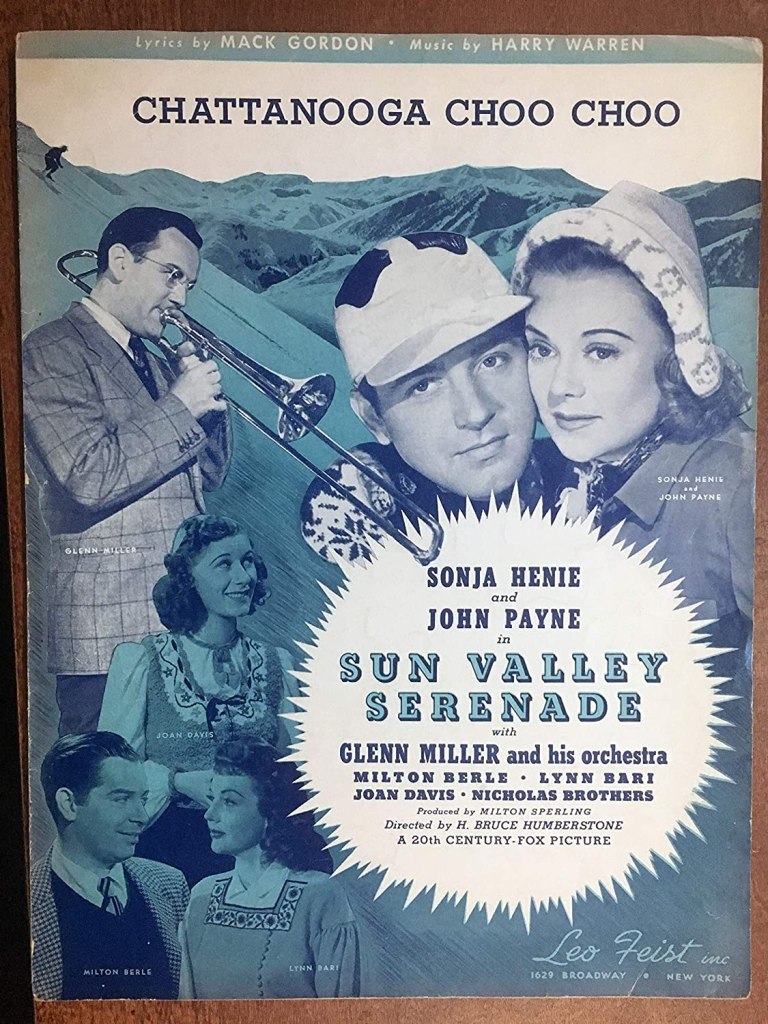
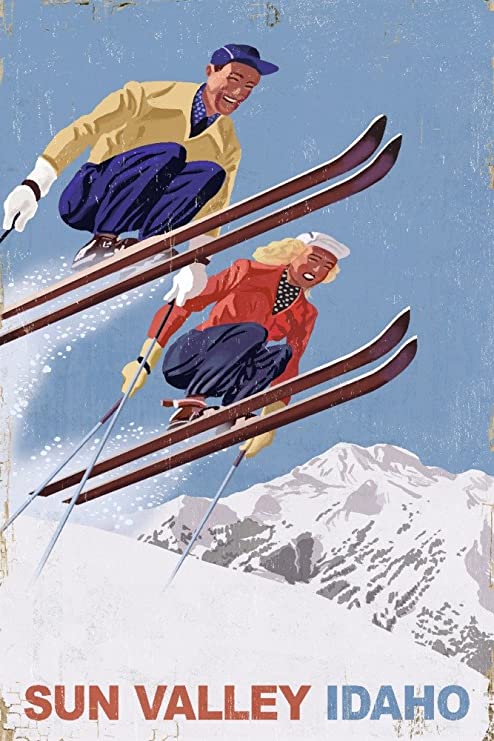
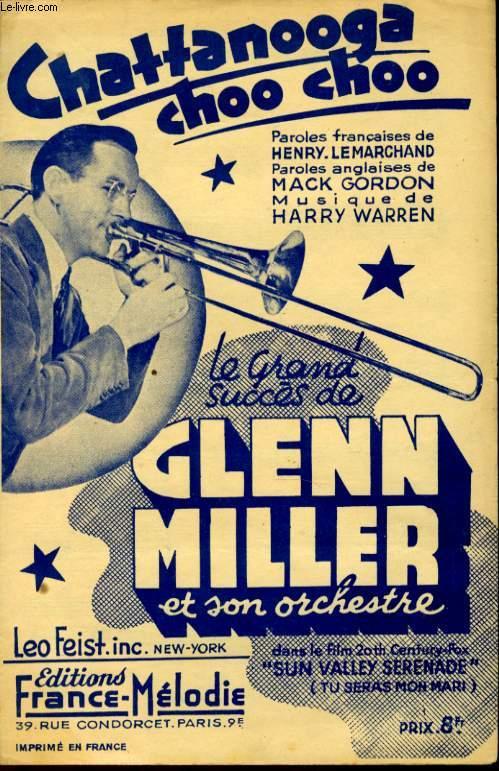
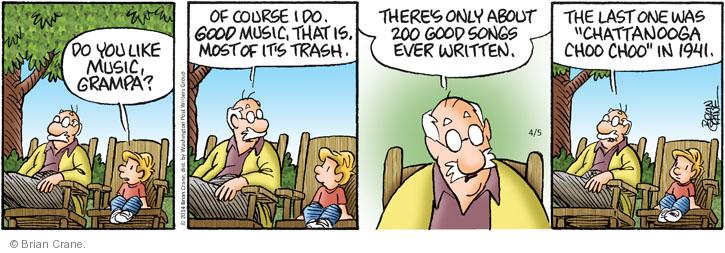
The heat wave we and the rest of the country have been going through in the past few weeks makes me long for winter, snow (quickly plowed here in New England!), and fresh cool air. So, gentle readers, bear with me because for this week’s musical musing I’m dredging up one of the most forgettable movies of the early 1940s, but one that gave us one of the most unforgettable songs of the era.  The movie was that “rom/sno/com called “Sun Valley Serenade.”

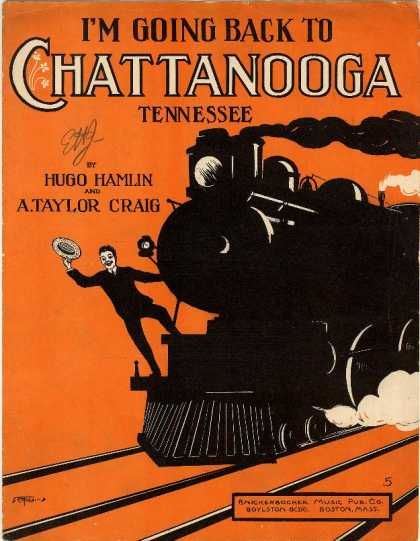
The song is “Chattanooga Choo Choo,” . . .

. . . not the much earlier Hamlin/Craig song . . .

. . . or even Irving Berlin’s still earlier ragtime song “Down in Chattanooga.”  

The movie was more or less about skiing and a refugee girl chasing a big band boy. And, of course, being both an expert skater and skier, she catches him!

Not surprisingly for the Hollywood of those days, the movie doesn’t have a thing to do with the city of Chattanooga and relatively little to do with trains—certainly not one from New York City heading south to Tennessee by way of Idaho. Maybe there is one, though. Made by Lionel. 

But the film did feature the Glenn Miller orchestra and their lively rendition of our song. Many consider it to be one of his best on film.

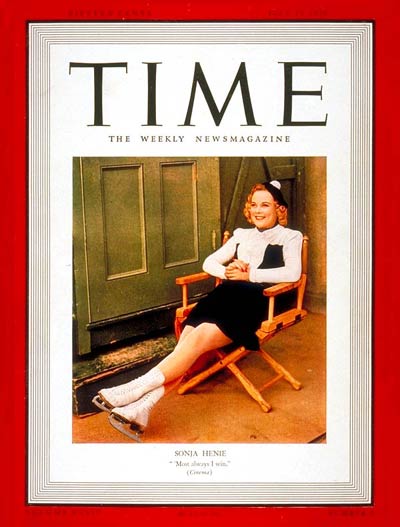
Oh yes, the movie also gave us some great ice-skating choreography starring that three-time Olympic and ten-time World Champion figure skater, the Norwegian “Ice Pixie” –and one of Hollywood’s highest paid stars at the time—Sonja Heine.

The song opens up with the band, sounding like a train rolling out of the station, complete with the trumpets and trombones imitating a train whistle, before the instrumental portion.  

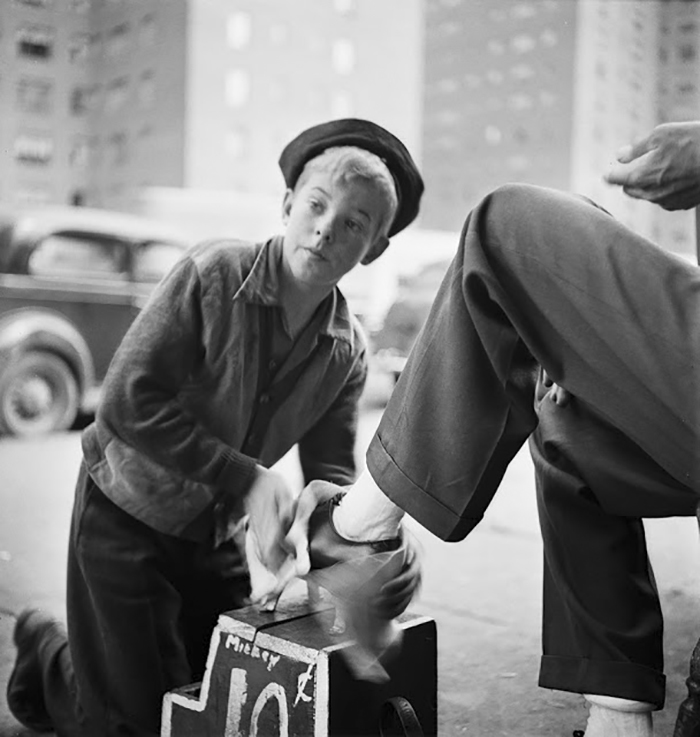
The main song opens with a dialog between our singer—a passenger—and a shoeshine boy:

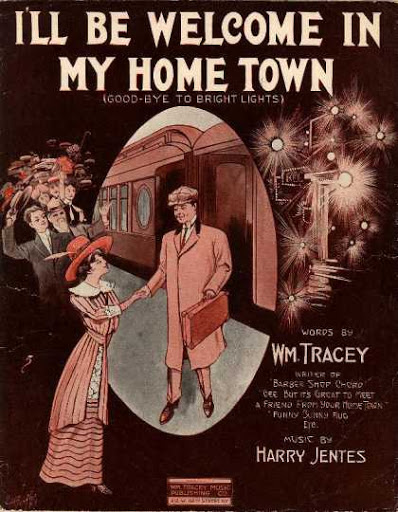
Our singer then describes the train’s route, originating from New York through Baltimore with “dinner in the diner” in North Carolina . . .

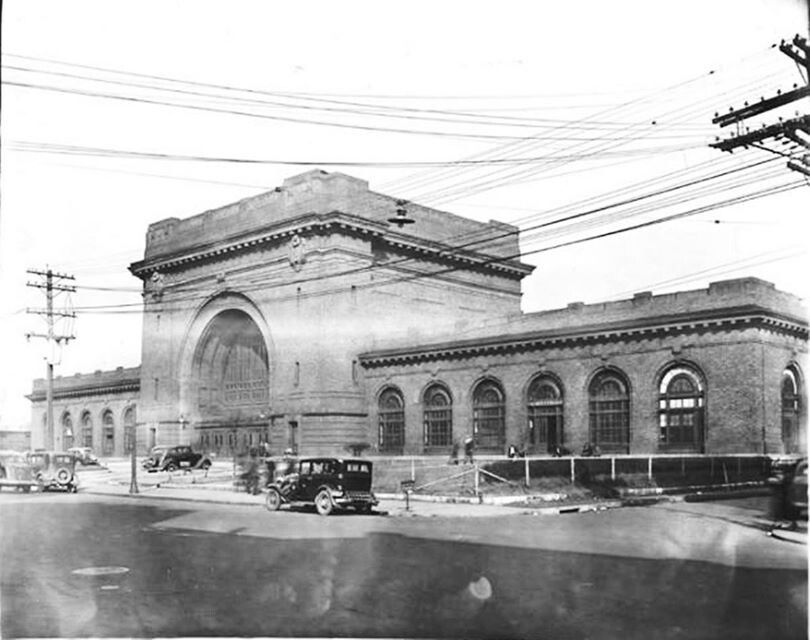
. . . before reaching the Chattanooga Railroad Terminal. 

There, a woman he knew from an earlier time in his life will be waiting for him.  WHOO WHOO! 

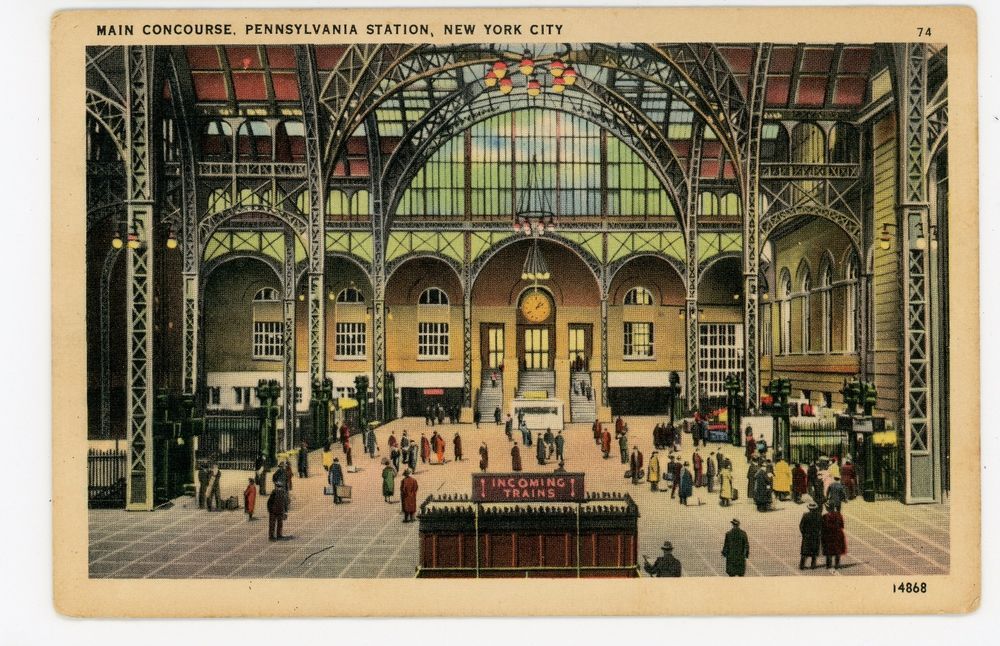
The song is amusingly imaginative as no train ever went directly from New York to Chattanooga, and Pennsylvania Station had only twenty-four tracks at that time.  Ah, musical Hollywood! But today’s residents of Chattanooga don’t seem to care that much about historical accuracy, not when they have a good thing chugging along!

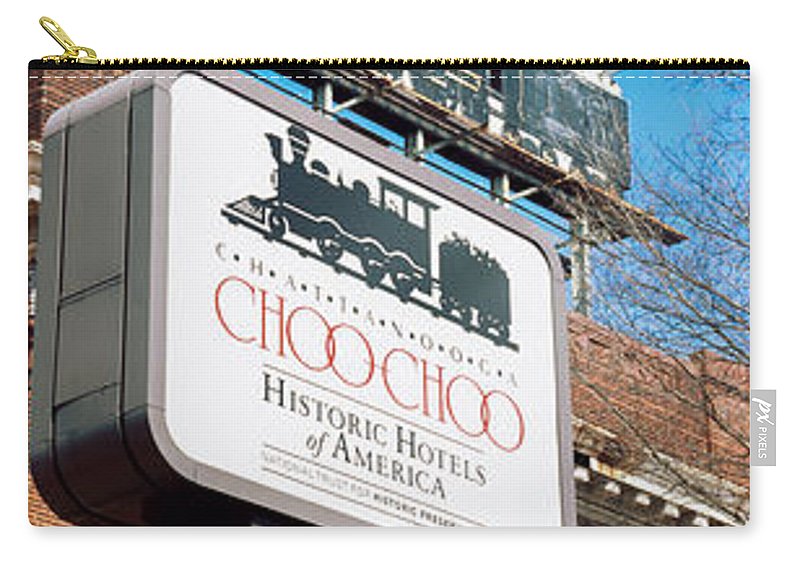
Oh yes, the Chattanooga (Choo Choo) Station is now a hotel. How time goes by when you’re having fun, and have a song in your heart!

Moving on, I usually avoid relatively long YouTube segments in these musings, but this one is special—it has it all!  Not only does it have an extended production version of our song but it also includes the whistling and singing of band members, the voice of Tex Beneke, and the trombone glissando of Glenn Miller himself. To many folks, including those around the world, “Choo Choo” is considered THE quintessential Glenn Miller song.

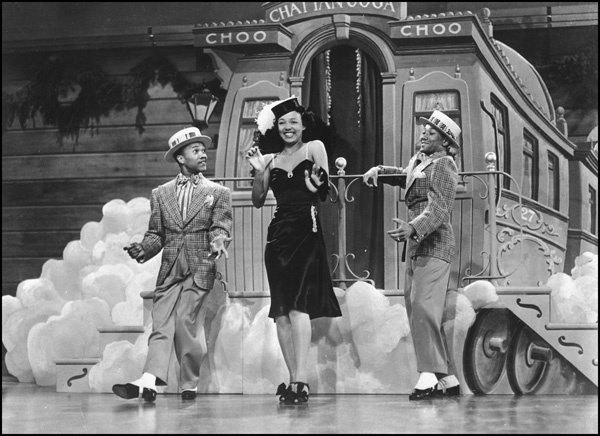
To me, an added highlight toward the end of the clip is the singing and dancing segment with Dorothy Dandridge, in one of her first film appearances, and the acrobatic Nicholas Brothers. 

Our song was on the top of the charts back in 1941 and was the first certified Gold Record ever.  It was even nominated that year for an Oscar! So, go to the lobby for some popcorn, sit back, and enjoy the show!

Click or tap on the triangle in the next image for a look and listen.

You can skip this next YouTube since it doesn’t have a thing to do with our “Choo Choo” song. It is, however, one of the greatest ice-skating choreography scenes on film. It stars, of course, Sonja herself.  Click or tap on the triangle in the next image if you have the time for a chilly Sun Valley treat! Time for some more popcorn, too!

 “Choo Choo” has become such a singable, playable swing/jazz standard that it has found its way into the repertoire of a lot of amateur groups around the country and around the world.  Tap or click on the next image or link to hear some of what the British lovingly call “Eldies” doing their ukulele thing.  Don’t we white-hairs (Q -Tips!) have fun!

I don’t know the next time any of us will be taking a trip on a train anywhere, much less to Chattanooga. But, until that happy day, stay well, stay safe, stay as masked as you need be, . . .

. . . and STAY TUNED!

Oh, yes. Earworm Alert!

And, our favorite “Eldie” has another point . . .

ANOTHER MUSICAL MUSING: 14 July 2023–Musical Memories and Romance in the Air, “Aeroplanes” in Song

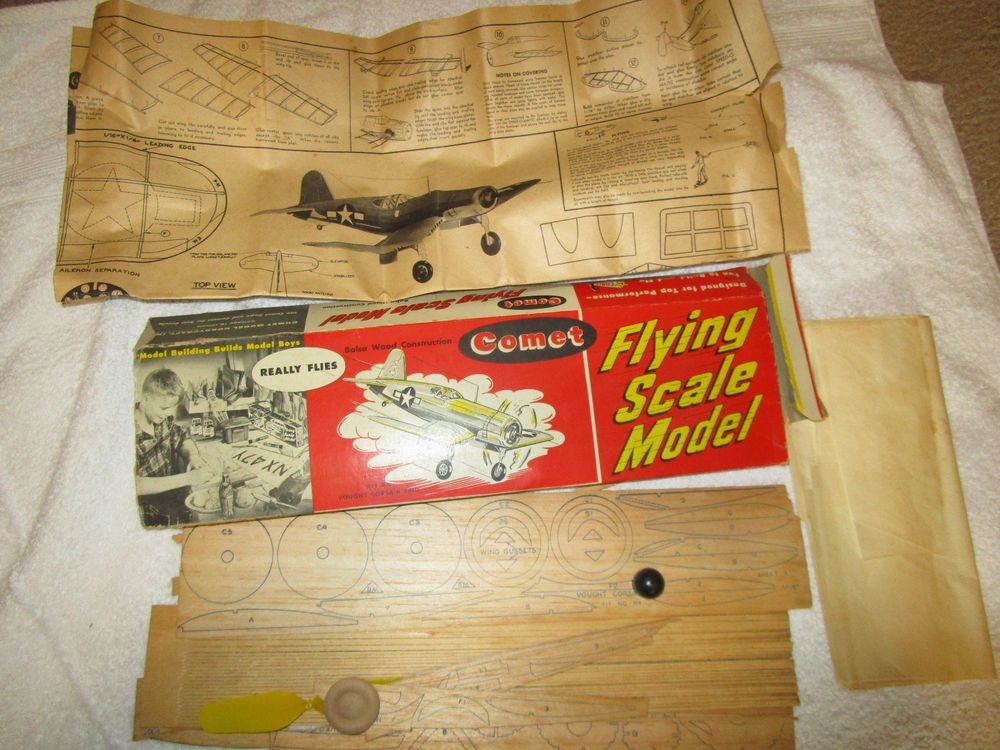
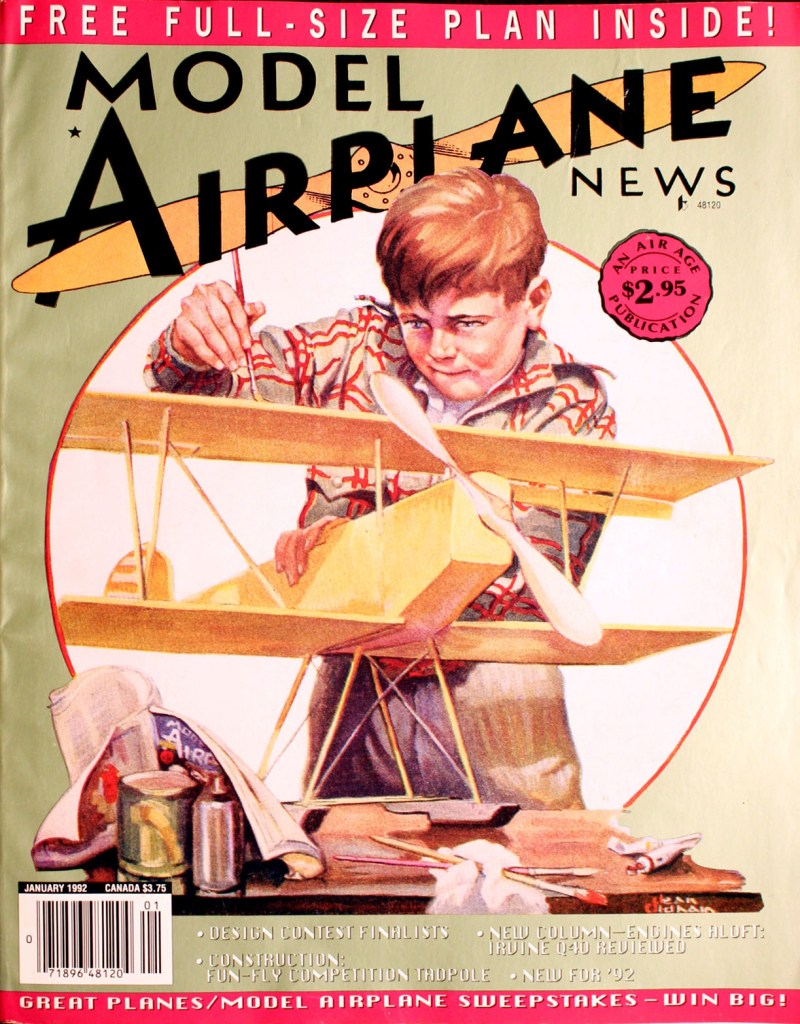
I started building model airplanes when I was in the third grade. Those good old Comet brand kits–balsa, sticks, tissue–for ten cents, twenty-five cents, fifty cents, or (OMG!) a dollar as wingspans increased.

Despite messes around my bedroom worktable, cut fingers from my father’s old razor blades, and clothing ruined with glue drips, the final products—hanging from a ceiling string or trashed in a backyard crash—were all memorable parts of my growing up. Building things, reading plans–maybe that’s why I became an architect!   

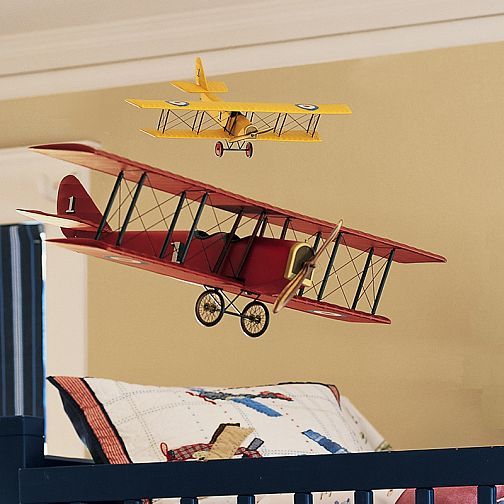
My favorite models were what I called “double wingers” and I still wax nostalgic when I see, on rare occasions, a biplane buzzing overhead. 

Open cockpit, spinning propeller, one wing above and another below—those were REAL airplanes! Or, as they were called in the early days, “aeroplanes.” 

So much for youthful reminiscences! Now, back down to the ground with our musical musing of the week!

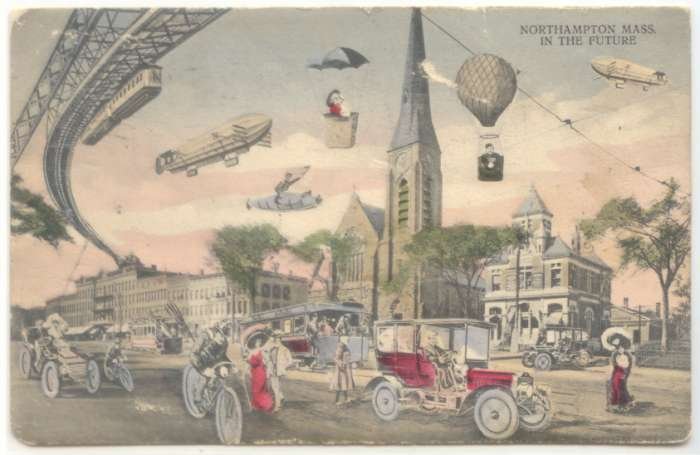
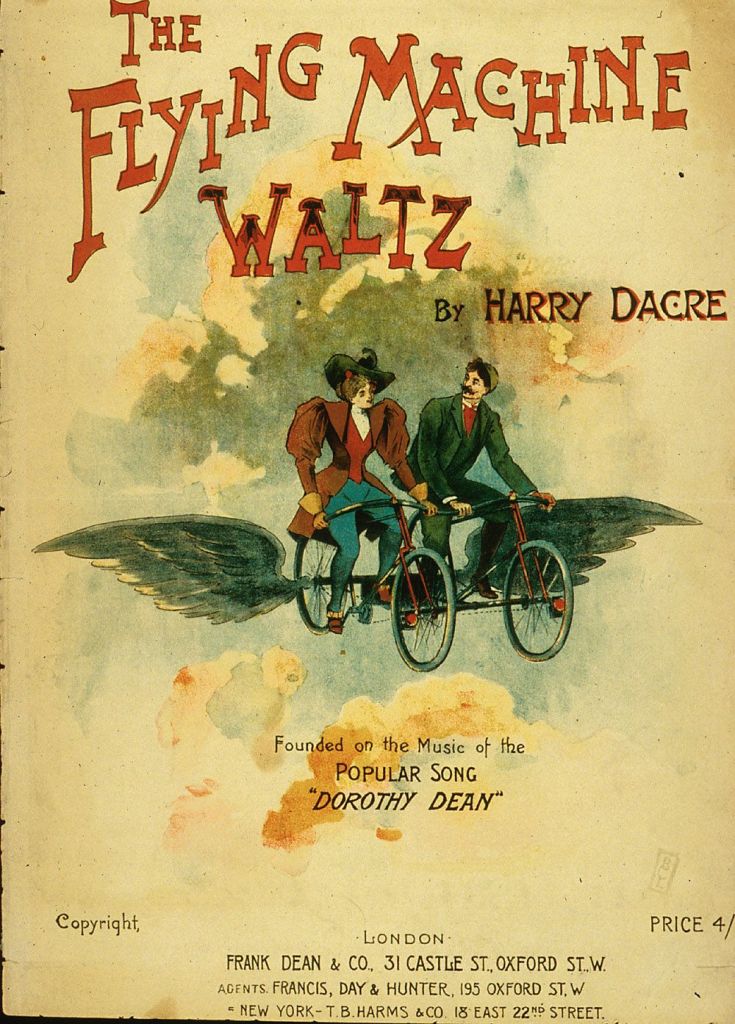
Airplanes, aeroplanes, airships, aviation, and aviators—aviatrixes too—have featured in imagination even here in our Happy Valley of Western Massachusetts.

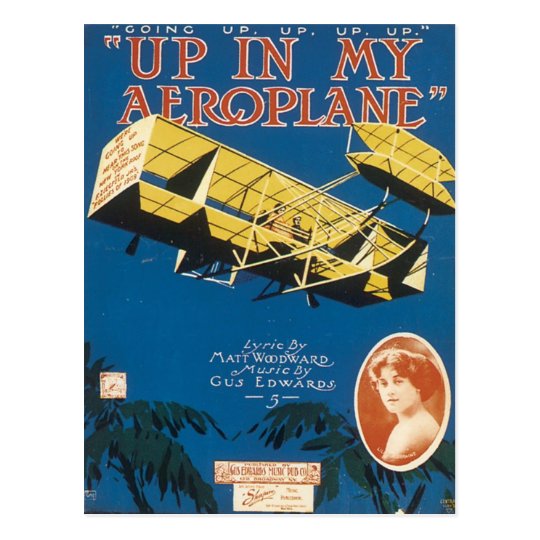
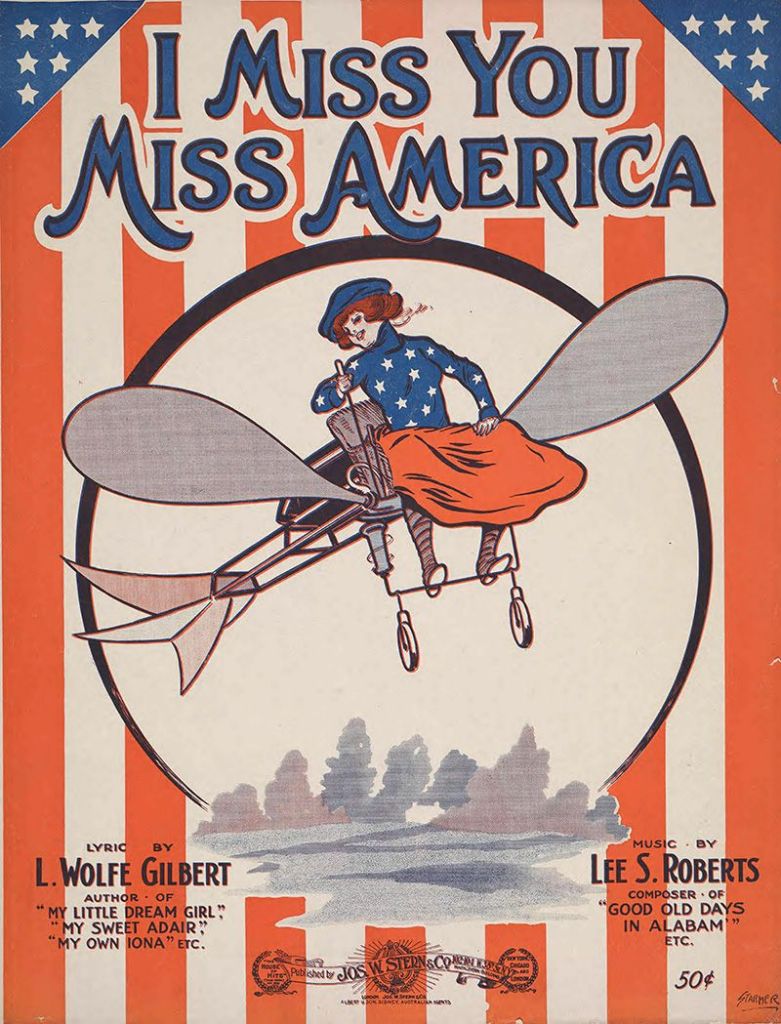
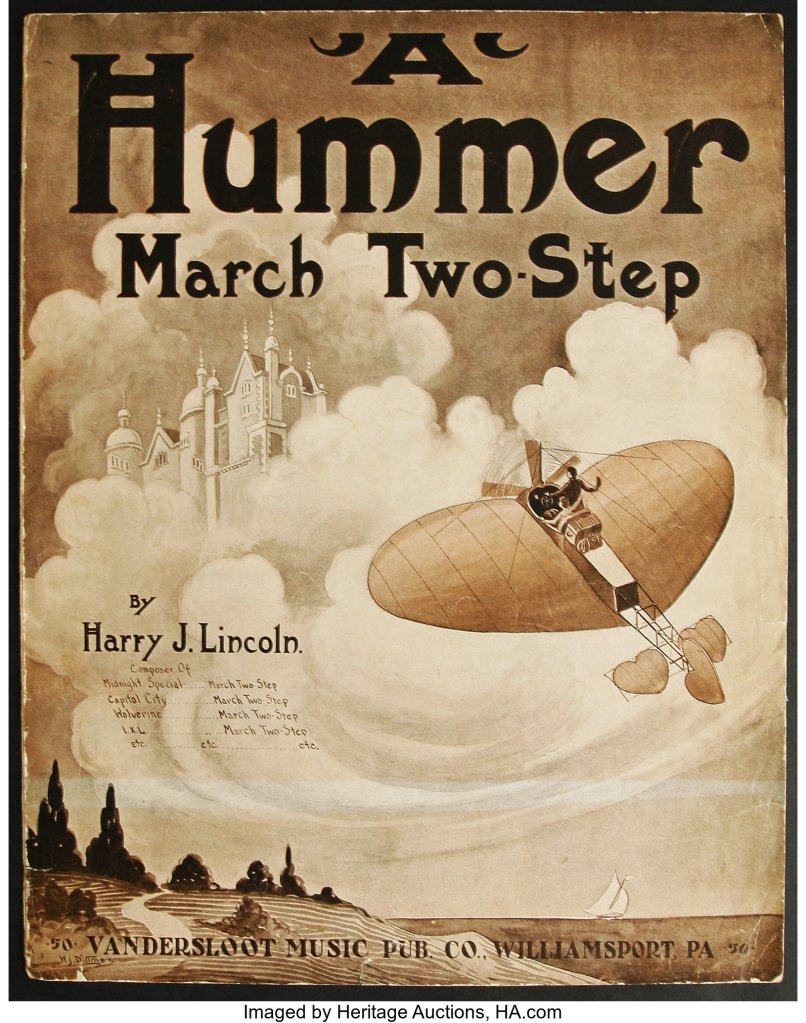
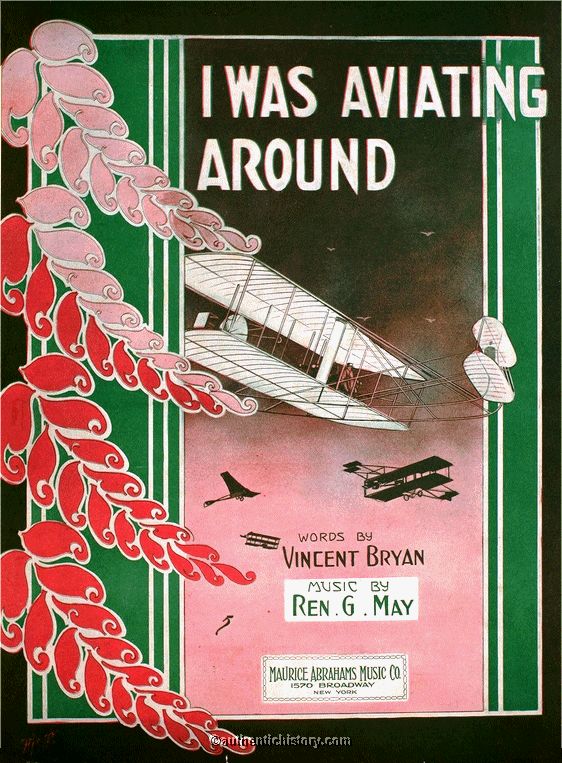
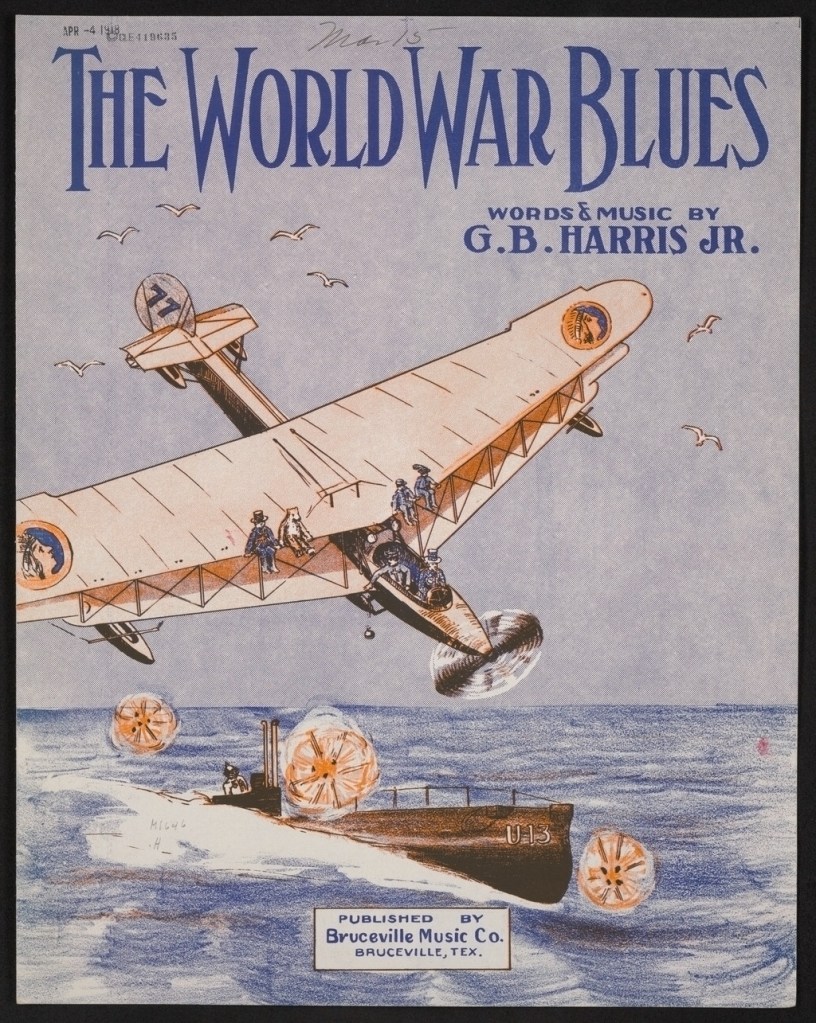
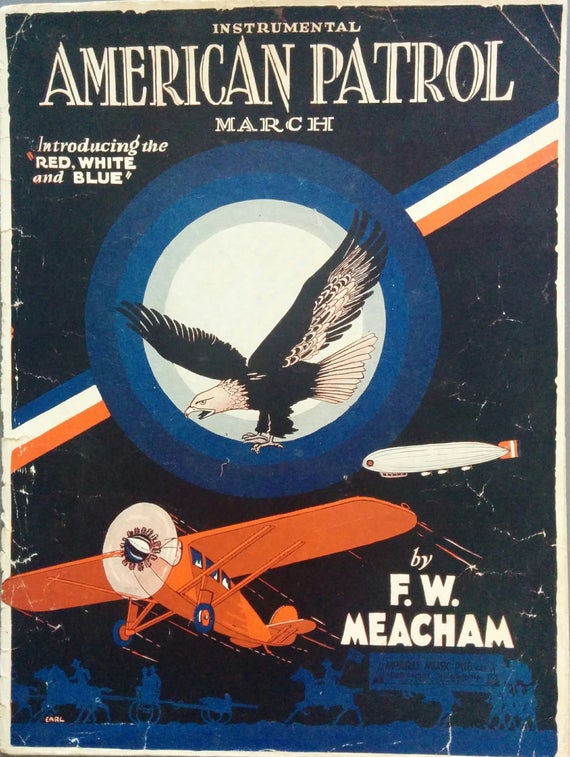
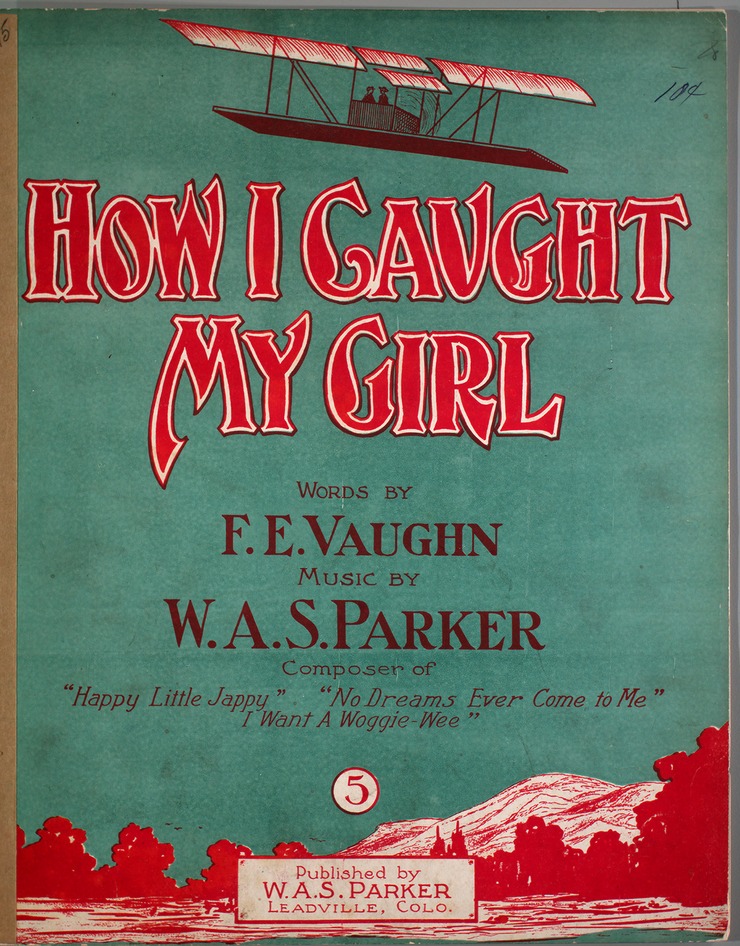
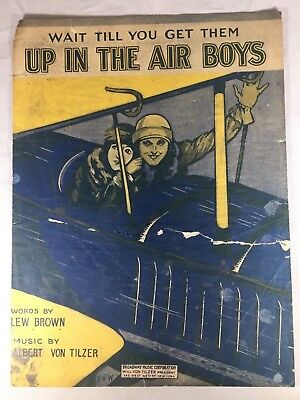
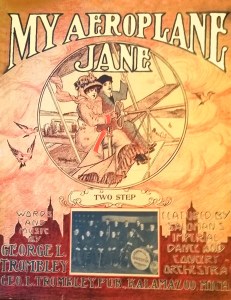
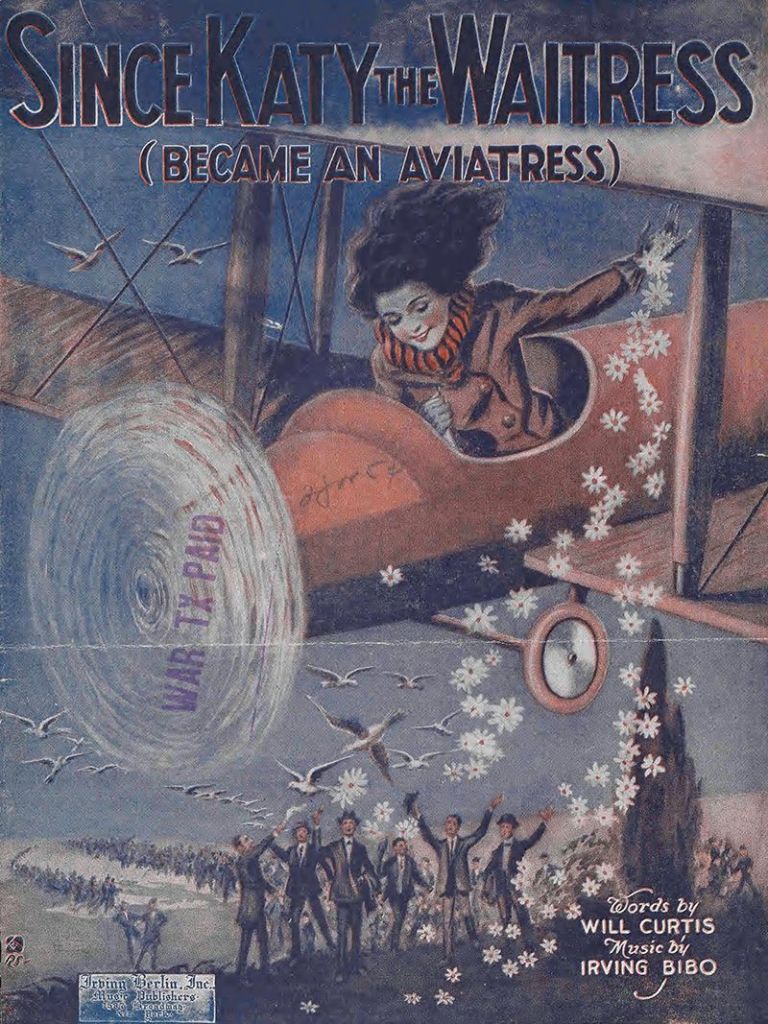
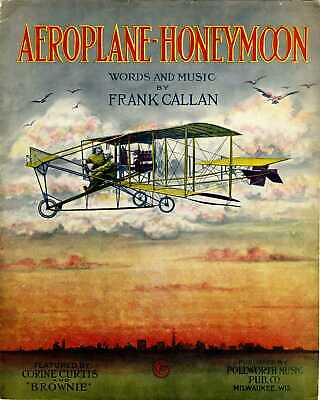
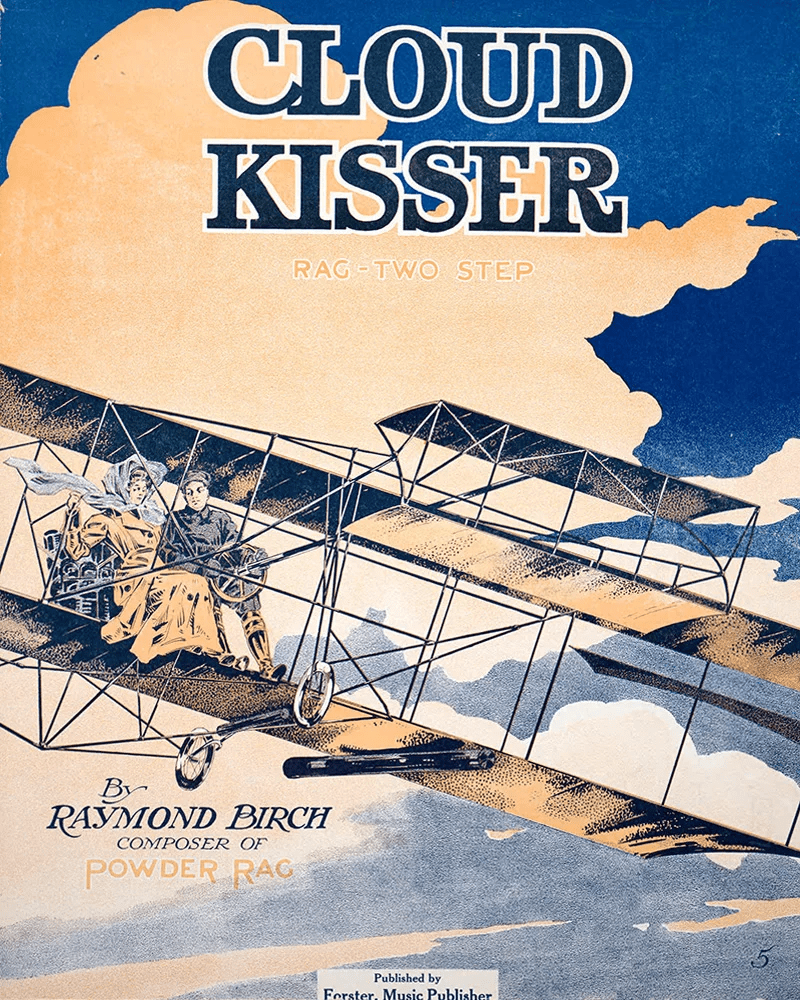
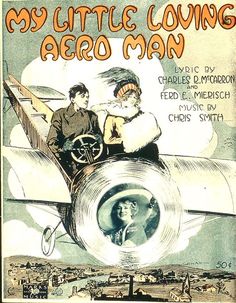
They have also appeared as well in popular music since the early 1900s and fanciful depictions of aircraft have appeared on sheet music covers since then. 

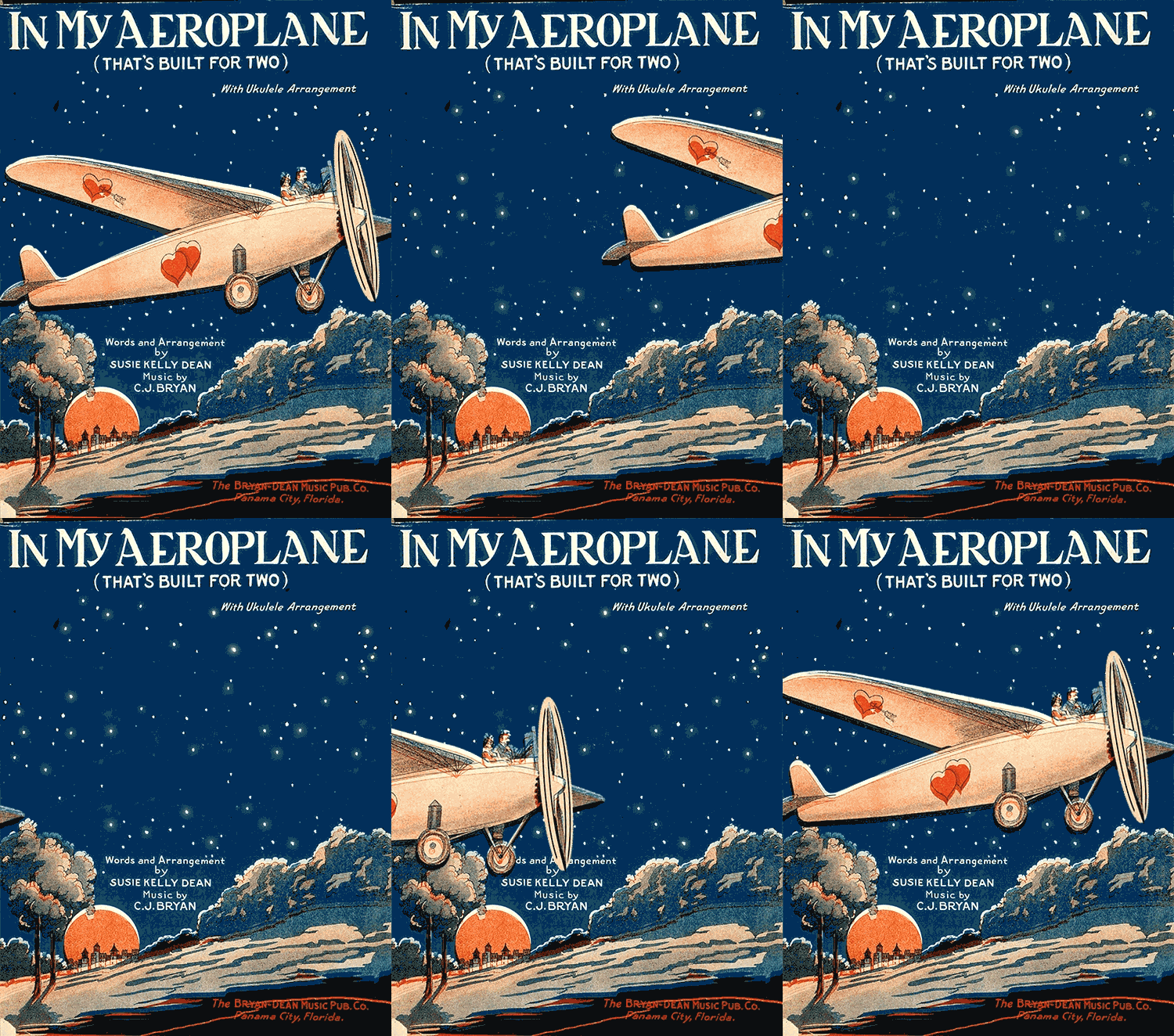
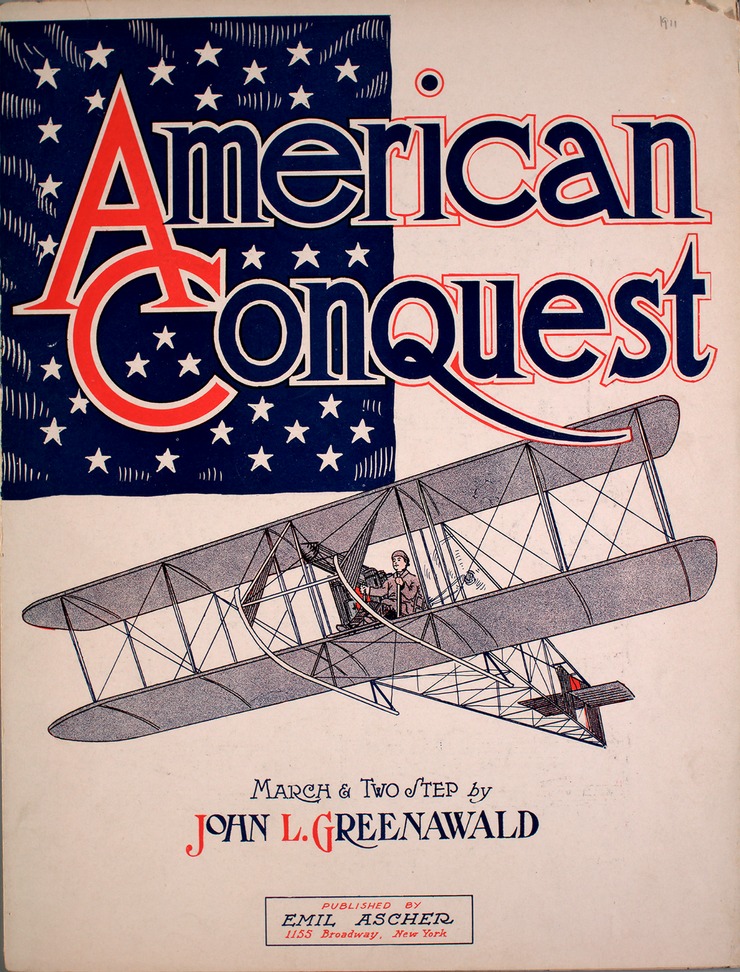
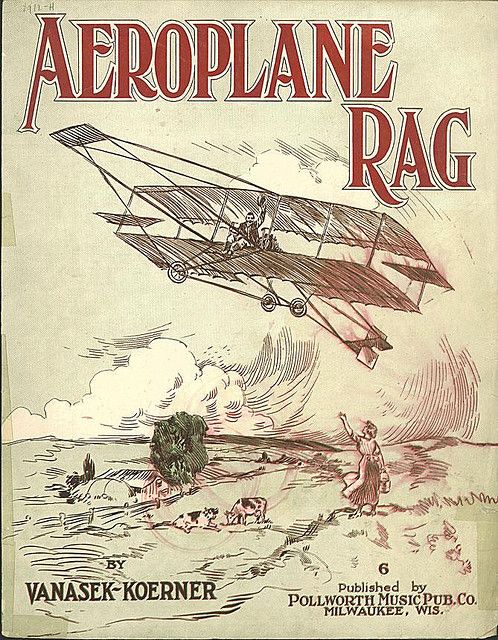
Needless to say, the romance of flight captured the attention (if not the technical understanding) of Tin Pan Alley. The result was a great number of “aeroplane tunes,” using the spelling of the day. And, to a certain extent, some of the early aeroplanes on the sheet music covers were rendered fairly accurately.

Let’s get into the “aeroplane mood” by listening to a ragtime piano version of this tune from the early 1900s. Tap or click on the triangle in the next image or link to hear this one.

Here’s another oldie, this time with some lyrics.

Click or tap on the triangle in the next image for a listen to this scratchy tune from well over a hundred years ago.

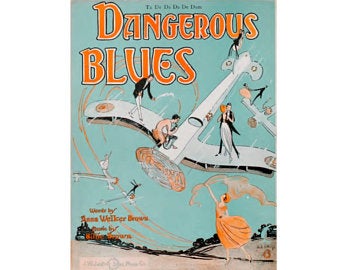
Other aeroplane cover drawings were decidedly inaccurate! Imagination took flight, so to speak.

Some of these did have lyrics, of a sort.

Here’s a jazz band version of this blues tune with folks cavorting high in the air on a rather wobbly surface. Click or tap on the next image/link to dance along with this one–sans contorted wings, of course!

And, some aeroplane covers were imaginatively weird!

The adventure of flying and traveling by air–“fixed wing” or “lighter-than-air”–was a popular musical theme.

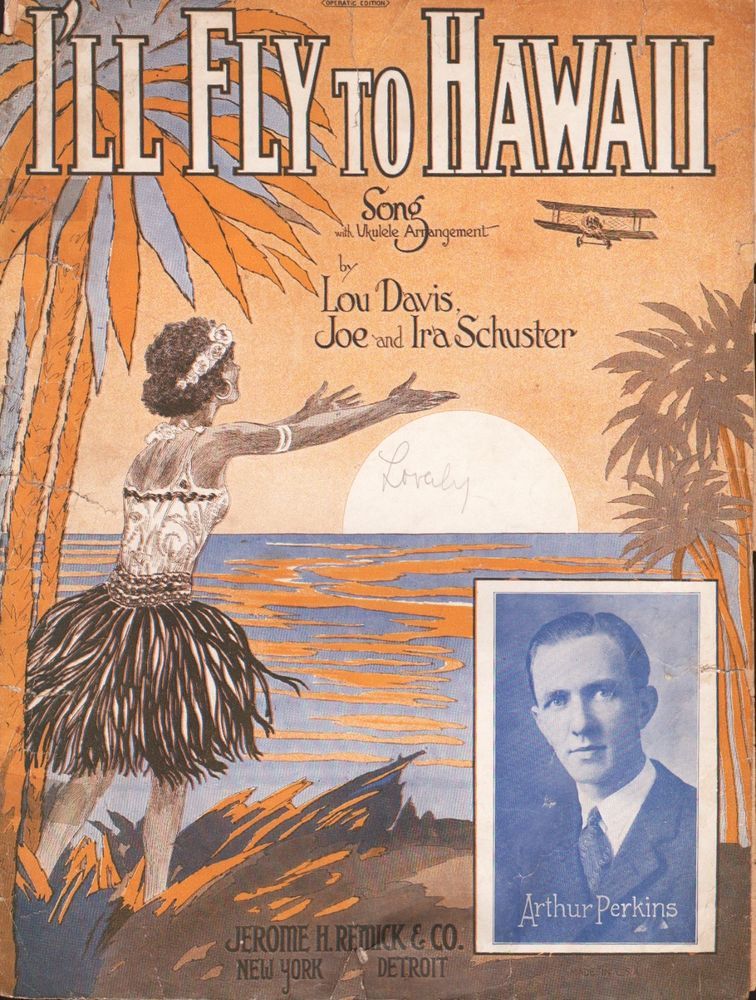
Here’s another hapa haoli take on air travel to that exotic destination–Hawaii! Click or tap on the next image or link to join the adventure!

How about the musical movies?

Click or tap on the triangle in the next image for a scholarly discussion of an aeroplane as a stage!

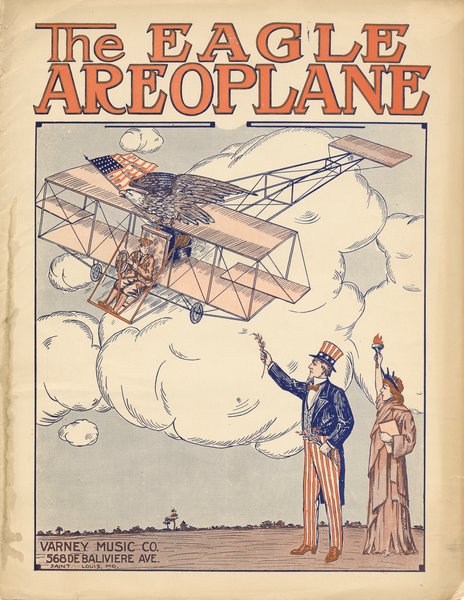
There was also a plethora of patriotic aviation-themed songs, particularly during the World War I era.

How about a ukulele version of this patriotic tune? Tap or click on the next image or link to hear and see some really nice fingerpicking of this oldie!

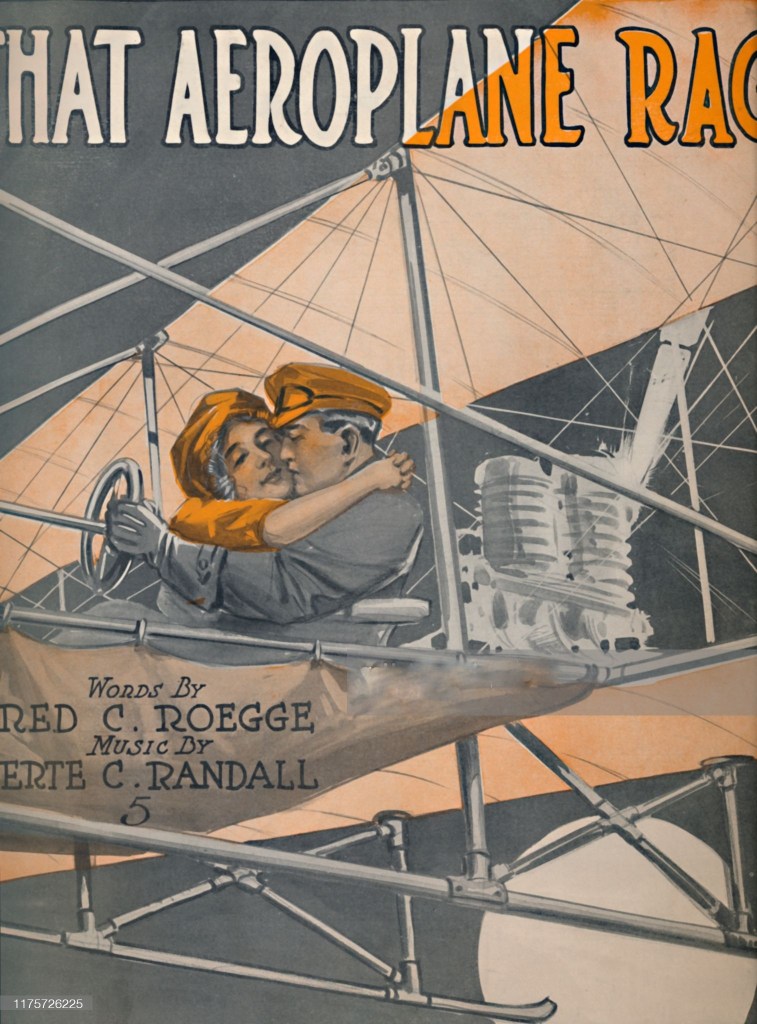
And, of course, there was romance high up in the sky! What, no autopilot?

I just couldn’t pass up one more ragtime piano take, and on an aeroplane tune too! Click or tap on the triangle in the next image or link to follow the music on this oldie.

Click or tap on the triangle in the next image/link for a listen to this one. This time with lyrics.

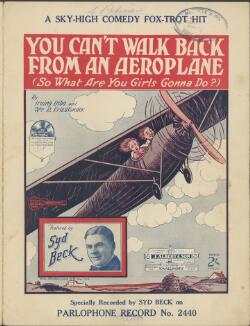
Now here’s a novelty song from the 1920s that warns a young lady that she might have difficulty thwarting the advances of an ardent suitor while in an aeroplane. Click or tap on the triangle in the next image or link to listen to the warning!

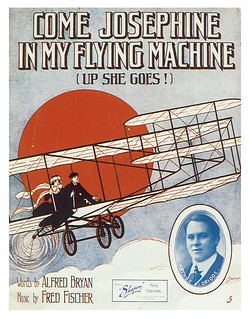
And, of course, this is probably the one aeroplane song that most of us have heard a few hundred times over the years.

Click or tap on the triangle in the next image or link to hear the original 1910 recording of this flying chestnut! The period graphics are a real treat.

Above all, aeroplane and aviation songs—like the automobile songs that soon outnumbered them—are part of our musical history.  Enjoy looking back.  But, don’t look down!   

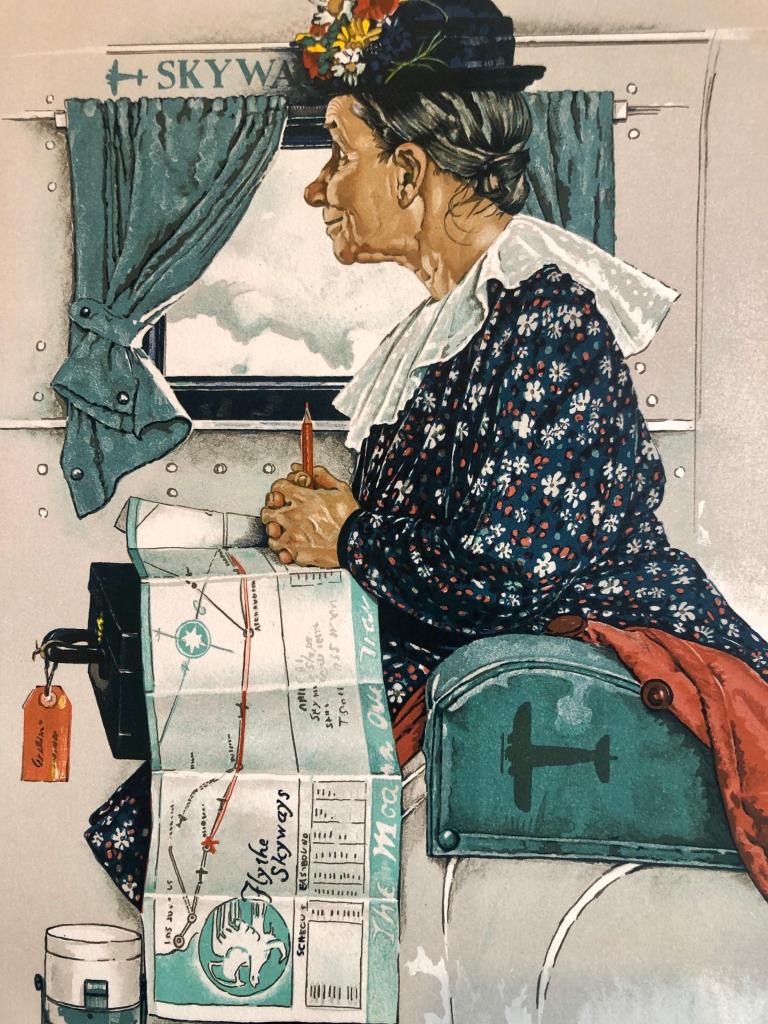
So, do you remember the good old pre-TSA days when flying was both easy and glamorous? Those were the good old days when we could easily hop into a waiting aeroplane (more likely a plain old airplane) and do our traveling and visiting in comfort and style!

Remember when flying was like this?

Ah, well. Plan an aeroplane trip anyway . . . and STAY TUNED!

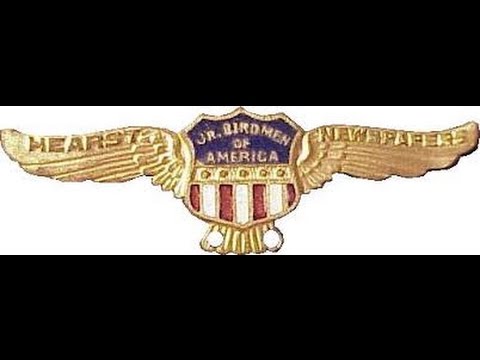
By the way, how many of you remember this one? Click or tap on the triangle in the next image to reminisce. Don’t forget your goggles!

Do you still have your tin membership badge?

ANOTHER MUAICAL MUSING: 7 July 2023–Longingly Looking Up To Canada

Over the past couple of months we have been breathing a lot of smoky air from our burning neighbor to the north. Alas, we’re back to those pesky facemasks!

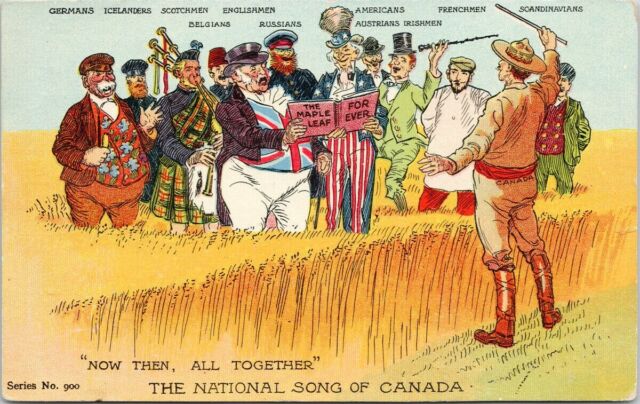
Ah, the sad loss of so many maple leaves and pine needles! Still I am reminded that over the past four or five years a lot of frustrated folks have contemplated “escaping” from the good old USA to what they believe to be safer, saner, or at least more comfortable havens in other lands.  One of the top choices has, of course, always been our neighbor to the north, Canada.  Maybe with the forest fires that notion will be snuffed out a bit but, why not direct a musical muse in that direction?  Besides, who doesn’t like Mounties!

Or poutine!

Canada has long been an attractive refuge from the varieties and vagaries of US politics and policies. For example, there were the Loyalists of the American Revolution and the war and draft objectors of the Vietnam era.  And the Prohibition era in the USA was another factor driving thirsty folks to head up north.

Click or tap on the triangle in the next image to join the exodus!

Moving on . . . Canada has long been known for its variety of music from the country/cowboy songs of the Rocky Mountain West to the Celtic and Acadian music of the maritime east. 

It has also been strongly influenced both by its neighbor to the south—us!—and its motherlands to the east—the British Isles and France and the rest of Europe. 

Needless to say, the music of Canada is way, way too vast—like the country itself—to be explored by my simple form of musing. But, soldier on I must! 

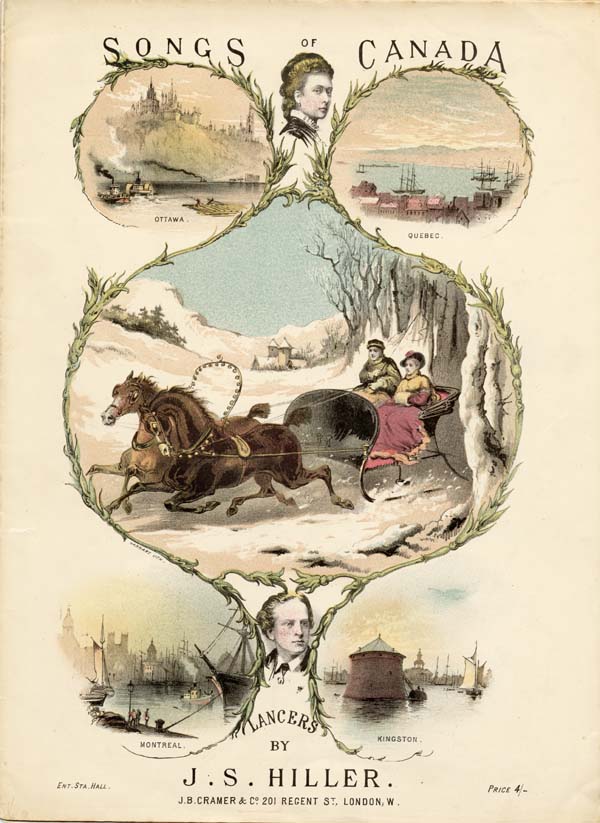
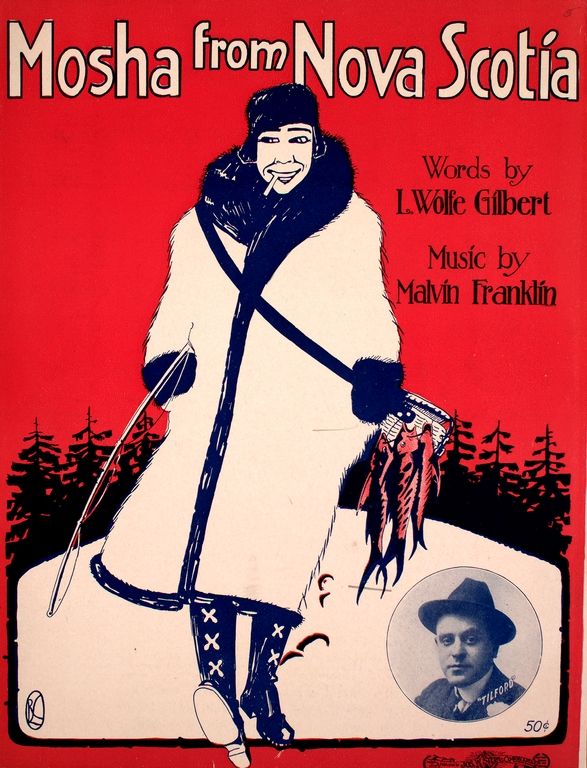
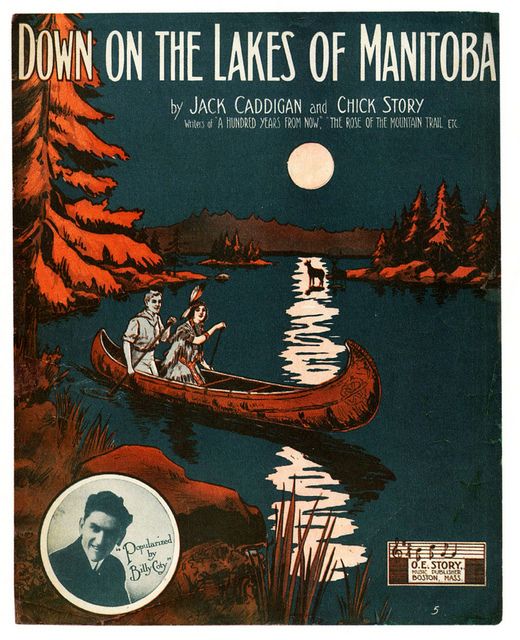
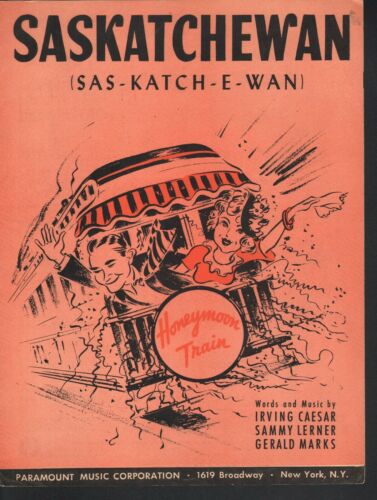
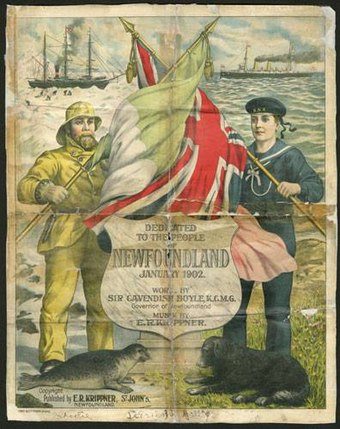
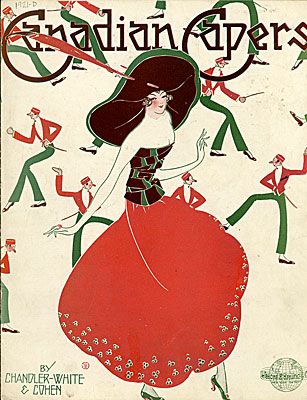
Just a quick tour of some musical place names . . .

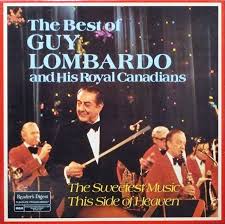
One can see that the music of Canada is not just Guy Lombardo and his Royal Canadians,

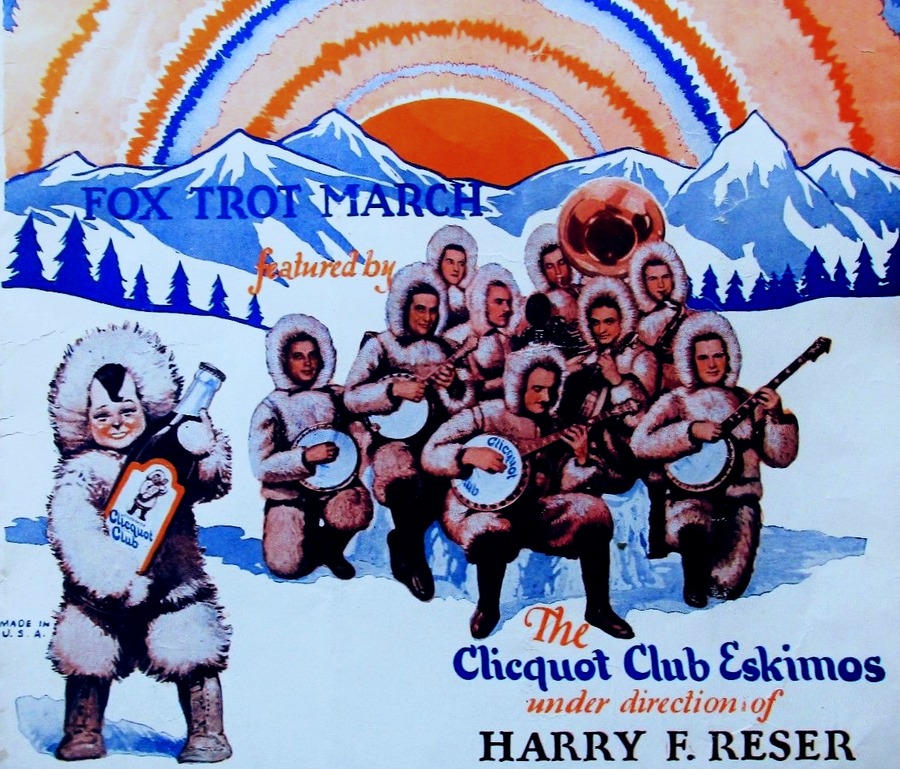
nor Harry Reser and his Cliquot Club Eskimos.

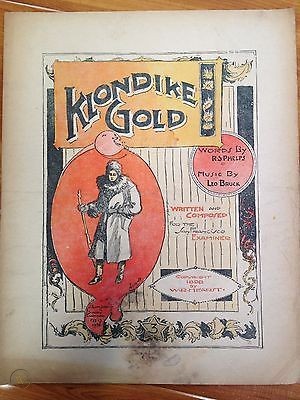
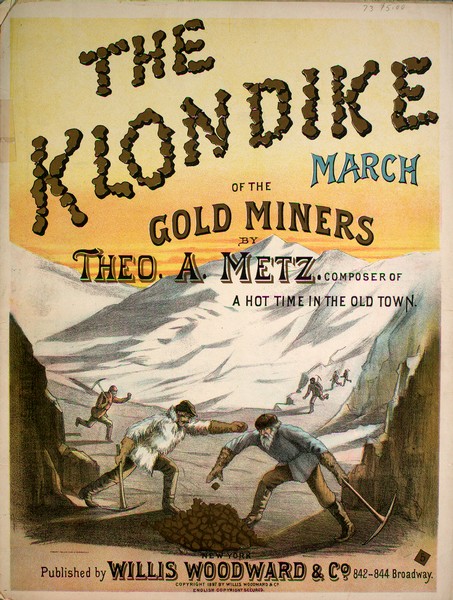
But I will limit myself, gentle readers, and touch on just one theme that has long been a fascination to me—the ragtime era rush to the frozen gold fields of the Klondike and the Yukon. Brrrrrrrr! A good musical journey for this steamy July here in New England.

But first, a lively ragtime tune to get us warmed up during this peek at freezing weather.

Here’s a showy version of this song by that great pianist from just a bit south of the Canadian border (Wisconsin, no less). Click or tap on the triangle in the next image or link for a look and listen.

Just as in the USA, Canadians in the late 19th and early 20th centuries had a fascination with the “piano in the parlor” and the popular tunes of those early years clearly were “ragtime.” We could also call it “gold rush” music!

The late, late 19th century brought thousands of seekers (if not finders) of gold to the wilds of Northwest Canada and Alaska.  And, needless to say, songwriters on both sides of the border recognized these “sourdoughs” and their travails.

Tap or click on the triangle in the next image or link to hear this ragtime nugget!

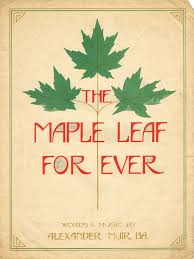
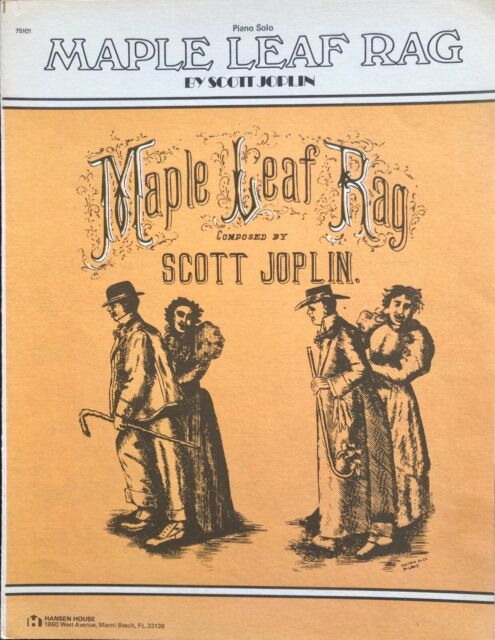
Care to try “The Maple Leaf Rag,” on the banjo anyone? Scott Joplin was, of course, not Canadian but this ragtime tune certainly has some Canadian cred! Tap or click on the triangle in the next image or link to hear this on a vintage four-string plectrum banjo. A ragtime treat as good as poutine!

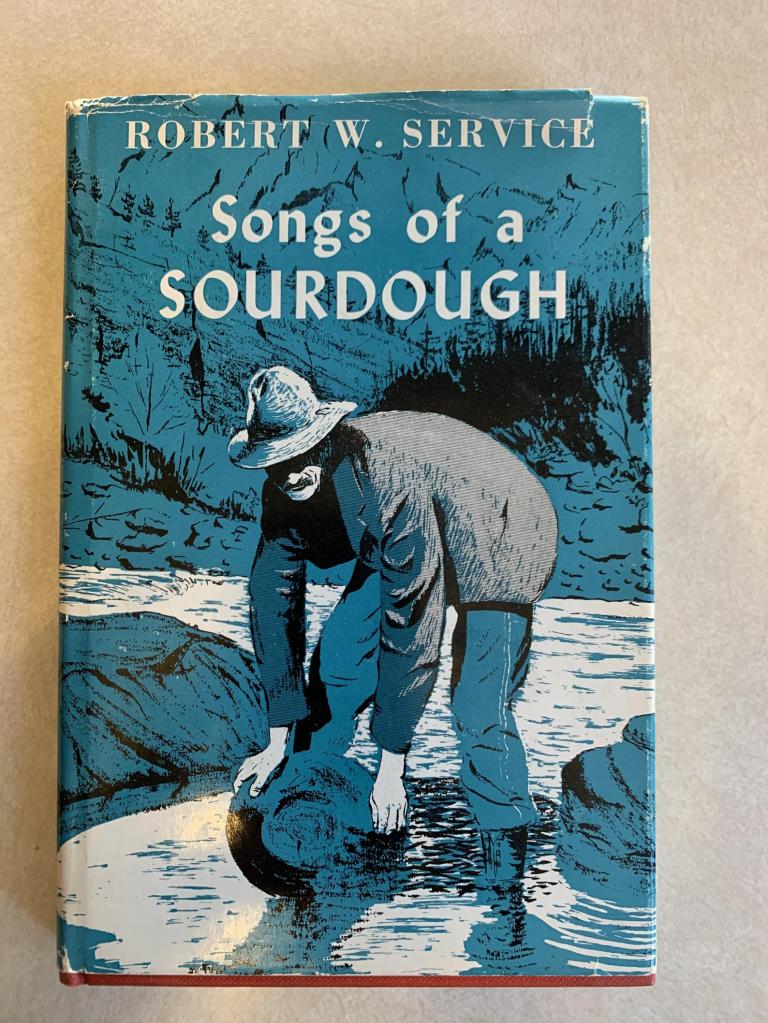
But, the greatest “song” writer of the gold rush days didn’t actually compose songs as we think of them but poetry; or, as he insisted it be called, “verse.” 

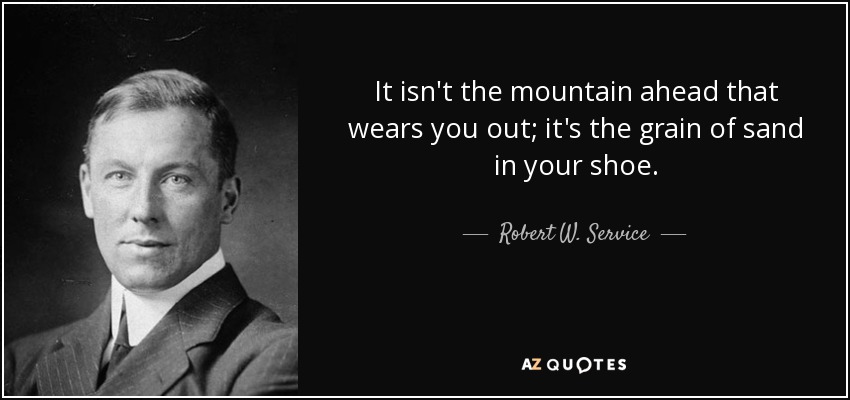
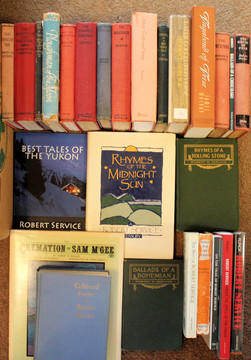
Born in England of Scottish descent, Robert W. Service (1874-1958) was a bank clerk by trade, but spent long periods travelling in Western America and Canada, often in some poverty. When his bank sent him to the Yukon, he was inspired by tales of the Gold Rush and began to dabble in writing verse based on what he saw and learned.

Despite having no actual experience of gold mining, he showed remarkable authenticity in his use of vivid “miner’s” language and he enjoyed immediate and huge popularity. Regarded by many as “the Kipling of Canada,” he wrote dozens of the most popular, most published, and most recited “story songs” of his day. 

Click or tap on the triangle in the next image or link for what is probably his best-known “song,” and one that touches on the theme of ragtime music.  Sorry no musical accompaniment with this one, but it’s worth the time to both read and hear his verse.  

Now for another look, this time with some really nice guitar and old-time banjo, here is a more modern take on the times and tragedies of the Gold Rush days.  Tap or click on the triangle in the next image or link to give a listen and look to this one.

So, what we have when we think of Canada is folk music, music hall music, vaudeville music, popular music, and—yes—parade music! Tap or click on the triangle in the next image to see the sharp contrast of discipline and demeanor between American and Canadian soldiers in this scene from that chestnut of a World War II movie made in 1968 “The Devil’s Brigade. 

And, of course, we have to wind up this rambling musing with a version of–what else?–“Oh Canada.” Click or tap on the next image or link for a look and listen to Canada’s National Anthem.

So, stay safe, stay as cool or warm as need be,

stay sequestered, stay masked with all that maple leaf smoke still in the air . . .

And let’s stay in our own countries–as long as we can and want!

Or not! It’s OK to entertain the though as long as you STAY TUNED!

ANOTHER MUSICAL MUSING, 30 June 2023: “Popeye to Pulchritude–The Musical Art of the Tattoo”

Those of us who have come from well back in the relatively sedate 20th century sometimes find ourselves a bit bewildered if not befuddled in our journey deep into the 21st.  In my rambling exploration of musical lore and history I have often bumped into things that, to my eyes, may once have been seen as either salty or unsavory yet today are deemed as saucy or sophisticated.  We know, of course, that the rise and fall of the popularity of the ukulele parallels this path. But, there is another cultural and artistic phenomenon appropriate (to me, at least) for this week’s musing—not Popeye but “TATTOOS.” 

Tattoo” as the word for symbolic or decorative marking on the skin came into the English language in the 18th century from the Polynesian cultures of the Pacific Islands. Captain Cook’s journals are the first to record the word. This “art on a human canvas” has been explored by scientists, anthropologists, and even a few art historians from that time to today. Needless to say, it’s an acquired–or, shall we say, applied–taste.

I have not yet succumbed to this form of physical adornment myself.  But, needless to say, I have many friends and family—albeit decidedly much younger (most friends and all family) and more au courant (many friends and most family) than myself—who are well decorated.  Some discretely, others not so much.  And, as a caveat, no friends or family sources were harmed or used for illustrations in this posting. Or so I am led to believe . . .

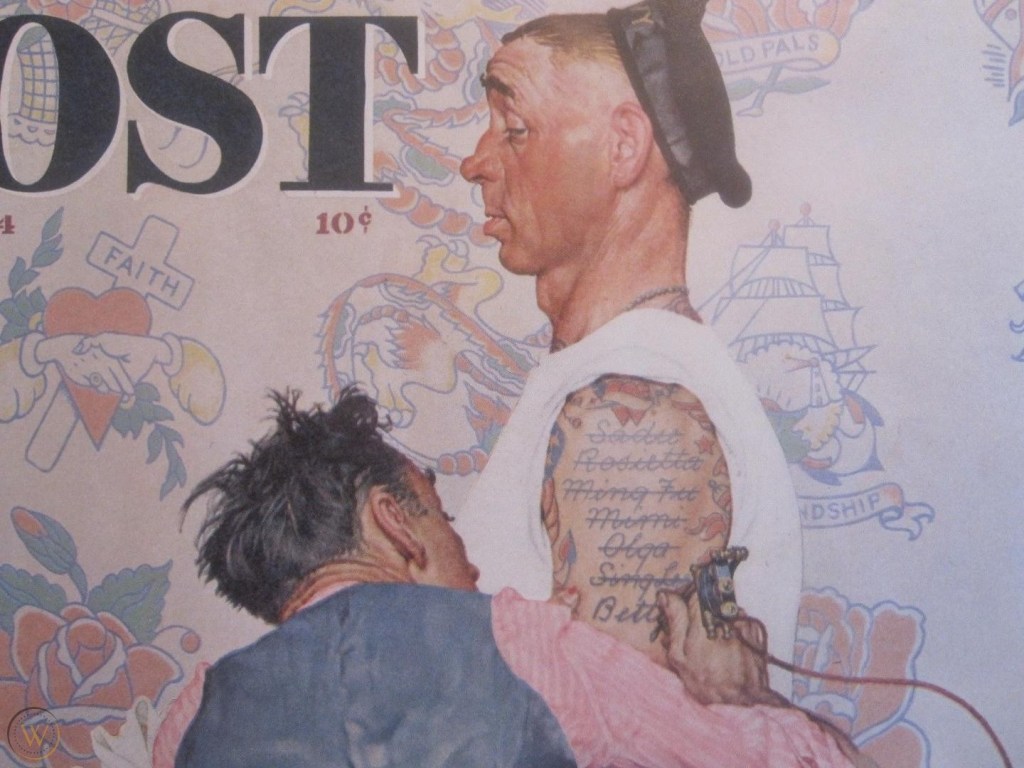
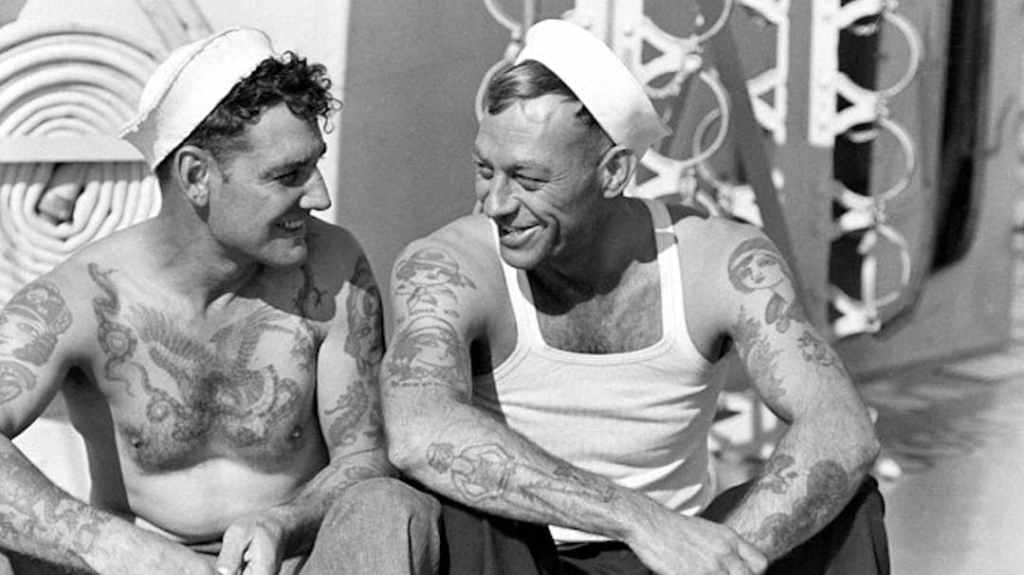
Tattoos have long been acquired as so-called “skin art” by sailors and seamen wandering ashore in exotic foreign ports or bored aboard a ship far asea.

Designs have ranged from the romantic to the ribald, from the homey to the homely, and—to many—from the tasteful to the tasteless, albeit sometimes necessary because of, um . . ., changing circumstances. 

Moving on, the ukulele theme for tattoos has, as would be expected, gained in popularity over the years in all its forms and fashions. However, gentle readers, I shall muse herein only on the more tasteful (?).  Enjoy a peek!

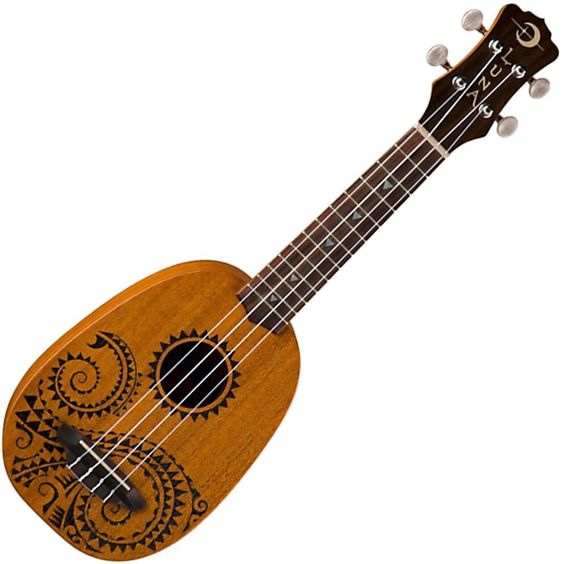
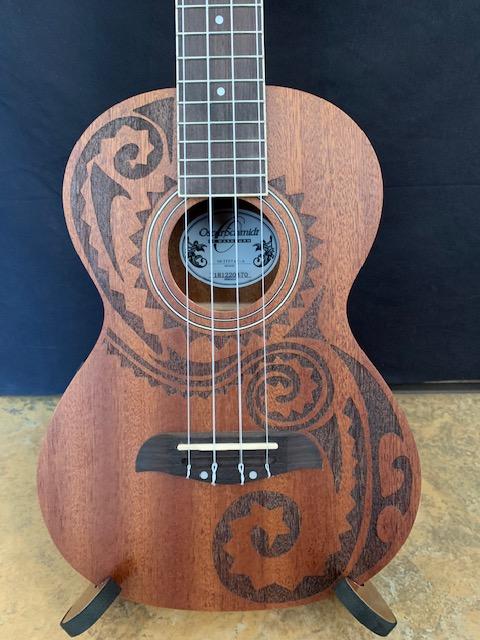
Moving on . . . Since the subjects of my musings revolve around banjos, ukuleles, and related musical themes, I find it fascinating to see tattoos used as decorative motifs on some of our favorite little instruments. 

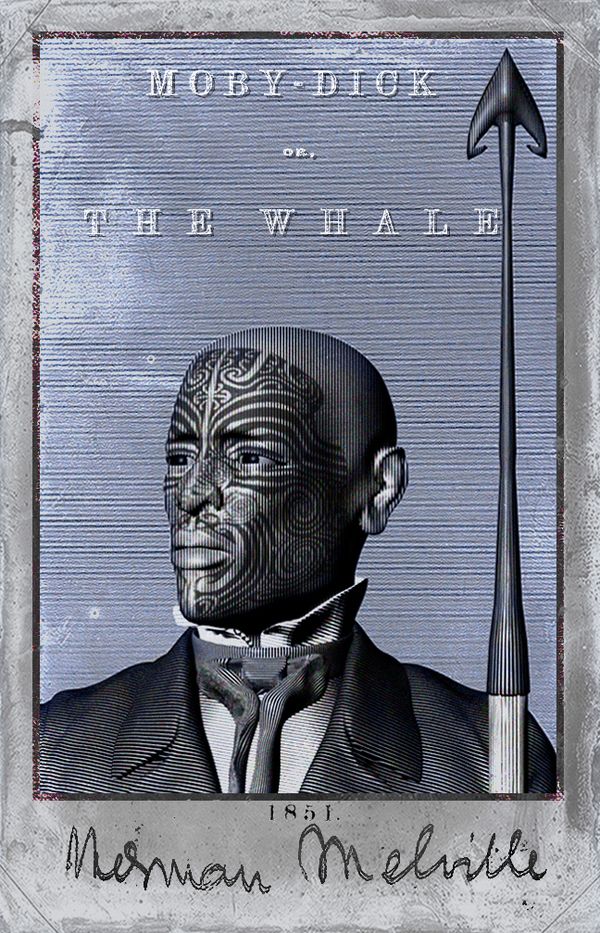
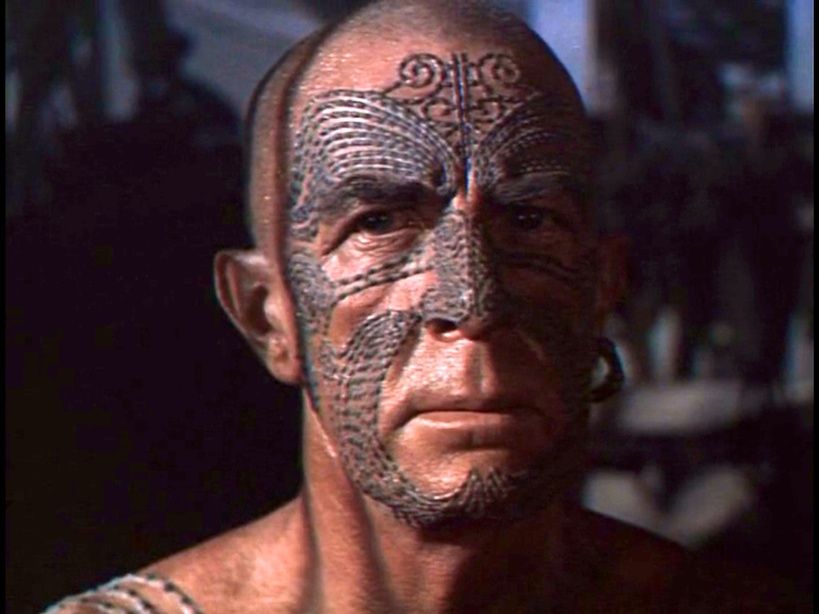
There are some handsome examples out there based on those historical forms of tattoo design that come, mainly, from the aboriginal South Pacific and the Antipodes–or from the movie version of “Moby Dick.”

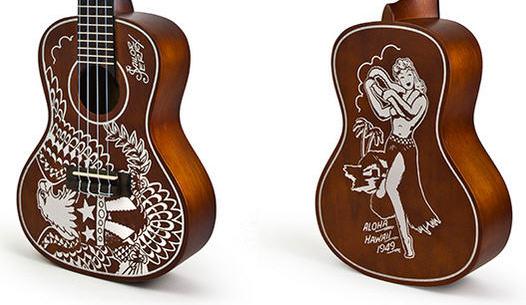
And then there are a few others based on more, shall we say, traditional nautical themes, particularly for those with a penchant for the popular “Sailor Jerry” rum.

The phenomenon of tattoo art was not limited to the chests, arms, and whatever of sailors and other burly, macho types. 

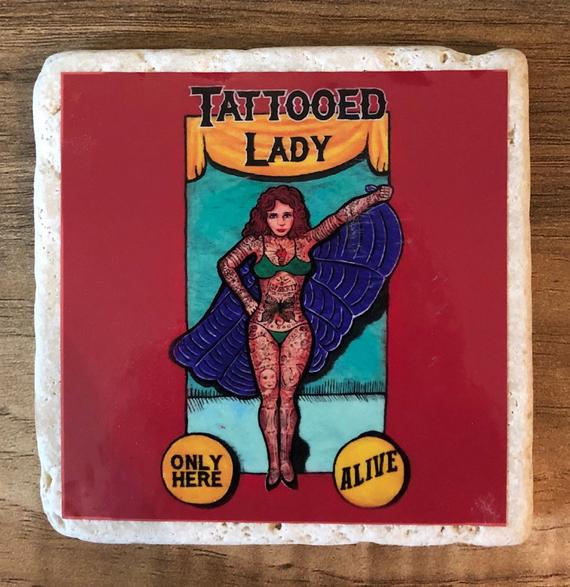
It was also a cosmetic phenomenon embraced by ladies—certain ladies. 

And this brings us this week to our songs.

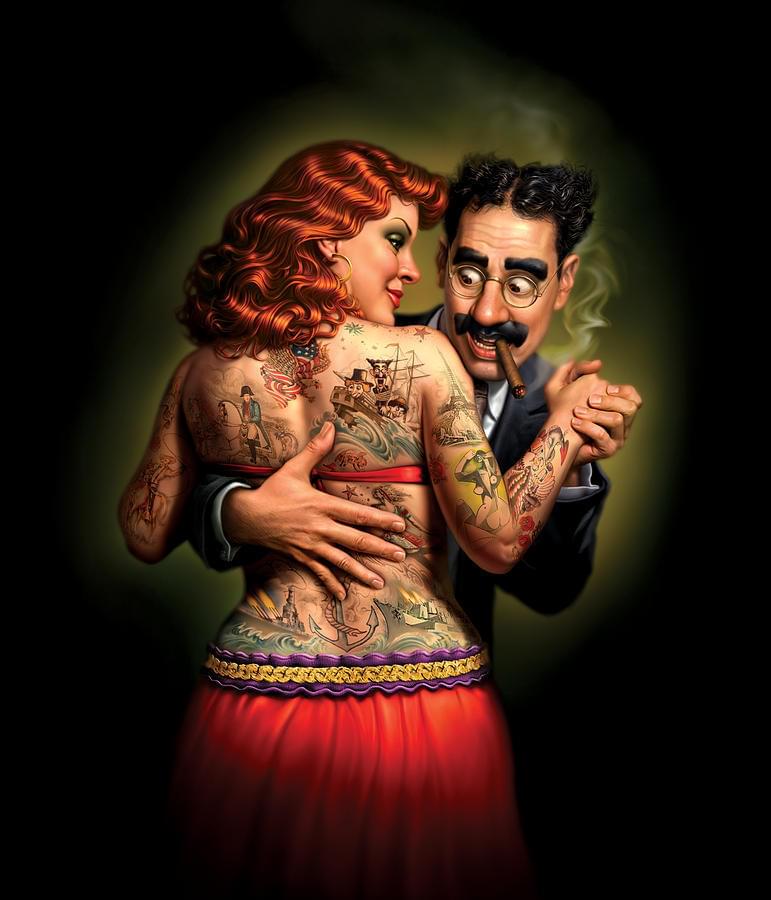
By far, the most known and performed song of this genre is “Lydia, The Tattooed Lady,” a 1939 song written by Yip Harburg and Harold Arlen–the same team that wrote all of the music for “The Wizard of Oz” and a few thousand (it seems) other Tin Pan Alley tunes.  It first appeared in the Marx Brothers’ movie “At the Circus” and became one of Groucho Marx’s signature songs.

The complex lyrics—with clever rhymes such as “Lydia/encyclopedia” and “Amazon/pajamas on”—were inspired by the songs of Gilbert and Sullivan and made many references to contemporary events such as the 1939 New York World’s Fair.  Click or tap on the next image for a view of the movie version of Groucho’s song and antics.

With such richly decorated inspiration to be found on nearly every vaudeville stage or carnival side-show, . . .

. . . there were quite a few other “Tattooed Lady” songs out there.  It’s too good a musical subject not to explore (ogle ?) more intently. Tap or click on the next image for an early “folkie” take on our scholarly subject of the week.

And, here’s a peek-a-boo of a “hillbilly” take on this theme–with a geographical touch in a parody of another well known tune. Tap or click on the triangle in the next image for a listen. Sorry. No GIS for this one!

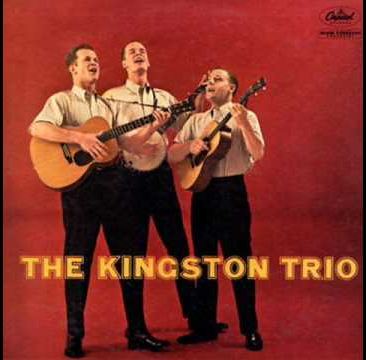
Now the version of this musical genre of which I am most familiar was the Kingston Trio’s song “The Tattooed Lady” recorded way back in my impressionable college days–the late ’50s-early ’60s. 

They sang this one in a broadly faked “Cockney” accent thus leading many to believe it to be a British music hall song.  Actually, the lyrics (in many variations both benign and obscene) originated as an Appalachian fiddle and dance tune that the trio “harvested” and reworked.  The melody is the well-known and bawdy “Ta-Ra-Ra-Boom-De-Ay” which has been around dance halls seemingly forever. 

As an aside for you stringed instrument techies, the late Nick Reynolds–an original member of the trio–played a four string tenor guitar tuned DGBE just like a baritone uke. In this pic he has a capo at the fifth fret bringing it up to GCEA–standard ukulele tuning! Today, his Martin tenor guitar is in the musical instrument collection of the Smithsonian. Remember: “More than four strings is just showing off!”

Give a tap or click on the triangle in the next image to hear this tune sung by this Hawaiian bred, California nurtured group who, in their own way, helped kickstart the mid-century popular (if not musicologically pure) Folk Song phenomenon in America.

Now, really moving on . . . There are those–not we sophisticated strummers, of course!–who think that ukuleles as well as bodily tattoos are, at best, an acquired taste. Here, then, is a more appreciated (again, by some) musical form of a“tattoo” heard if not worn around the world—the so-called “military tattoo.”   

This musical signal of sorts was sounded by drum or bugle to recall soldiers to their quarters in the evening.    The term comes from the early 17th-century Dutch phrase “doe den tap toe”, roughly translated as “turn off the tap.”  

It was the signal sounded by the garrison bugler to instruct nearby innkeepers to stop serving beer and for soldiers to return to their barracks. It’s totally unrelated to the island origins of an ink tattoo but, why not a skirl instead of a strum?

So, Let’s end this musing with this–one of the more spectacular military musical rituals in the world.   Get those tattooed ladies out of your mind, set your ukulele aside, pour yourself a wee dram of single-malt, crank up the volume, and click or tap on the triangle in the next image for a treat—whisky and music!

Turn the volume back down, return to garrison, stay as socially distanced as you deem comfortable, stay safe from regrettable ink, and STAY TUNED!

Oh yes, if you do have a tattoo please be discrete. There are impressionable young viewers out there!

ANOTHER MUSICAL MUSING, 23 June 2023–A Southern State of Mind

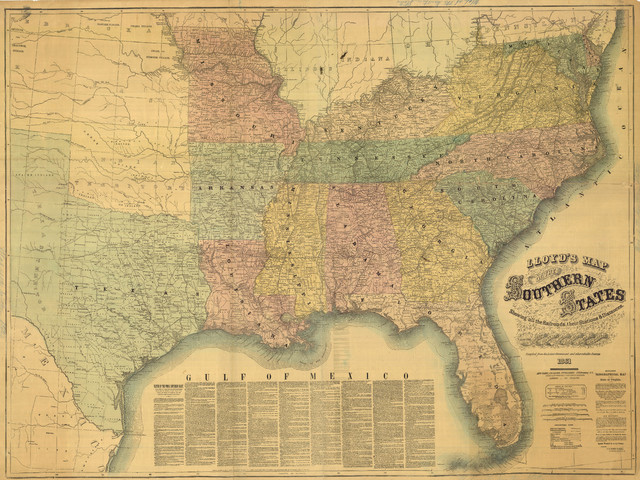
Over the past several years of my musical musings, I often thought about taking a swing through the USA to see what the various states have to offer in the way of songs. I’m sure that would quite a few would pique my benignly eccentric taste in music.  So, thinking about these hot and humid Summer here in New England (Yes, we do get a few!), I started to think about some of the states of the “Old South” as a place to take on some stream.

Needless to say, there is a plethora of songs that have emerged from that part of the country. Some, of course, originated there; most, however, were conceived by our friends in Tin Pan Alley who never got farther south than the tip of Manhattan. Go figure!

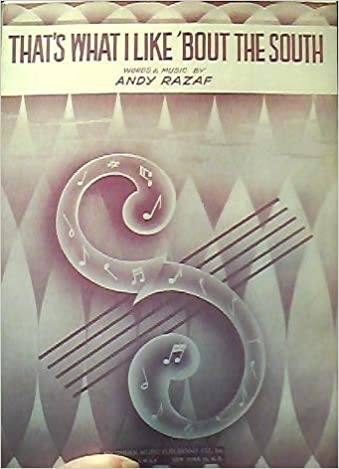
On the other hand, this song was written back in 1937 by the Black poet and composer Andriamanantena Paul Razafinkarefo, originally from the South, known simply on Tin Pan Alley as Andy Razaf. No slouch of a songwriter, he collaborated with Fats Waller and brought us standards including “Honeysuckle Rose” and “Ain’t Misbehavin‘.”

That’s What I Like About the South,” condsidered a novelty number by many, made the vaudeville and club scene of the day. It then became the signature song for the radio comedian and band leader Phil Harris who recorded this back in 1947. Remember him on the Jack Benny radio show? Born in Indiana but raised in Tennessee, he does have some cred as a southerner. Click or tap on the triangle in the next image for a laugh and listen.

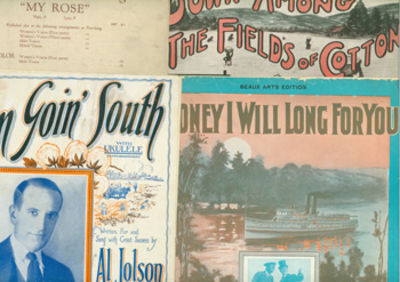
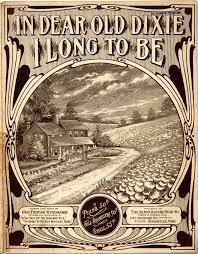
Anyway, doing a song search through the southern states brings up dozens if not hundreds of songs. These range from reminiscences of the sweet old days of yore . . .

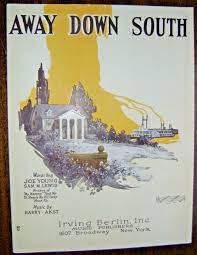
. . . to remembrances of sweethearts (or liaisons) past, present, and future. 

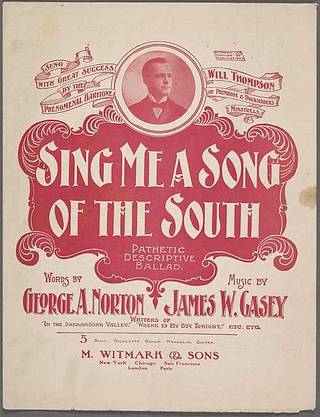
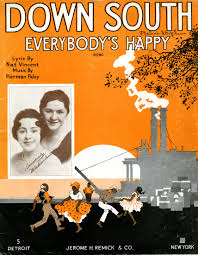
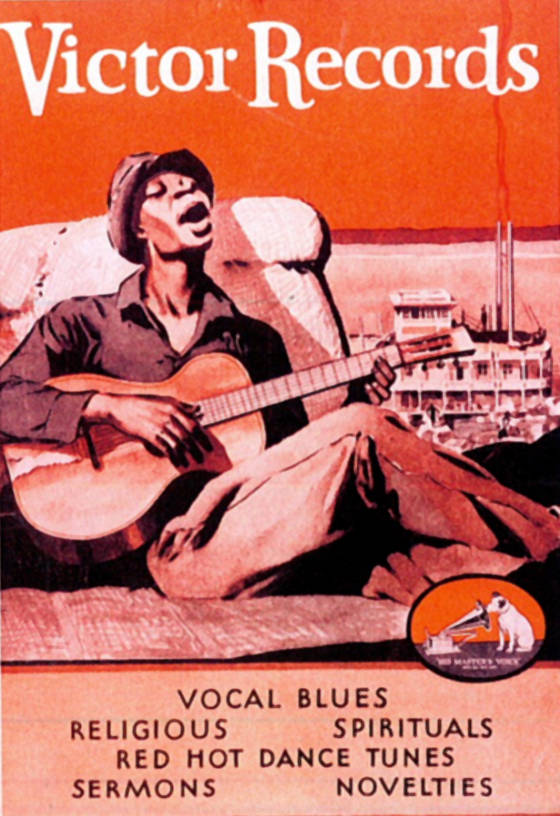
But, gentle readers, we do have a bit of a problem here.  Sadly, much of the “southern sheet music” of those days incorporated a lot of inferences and illustrations that today can only be politely described as “politically incorrect.” Some are actually “politically cringeworthy” and won’t find a place in my simple musings. Just a taste of the more benign, however . . .

Alas, such were the songs that many of the sheet music or record buying–and parlor piano playing–folks in those days found entertaining. 

Those were the days of racial, ethnic, religious, and cultural stereotypes readily accepted by too many and seen as hurtful by too few. In those days, folks laughed at them; in these days we learn from them—hopefully.

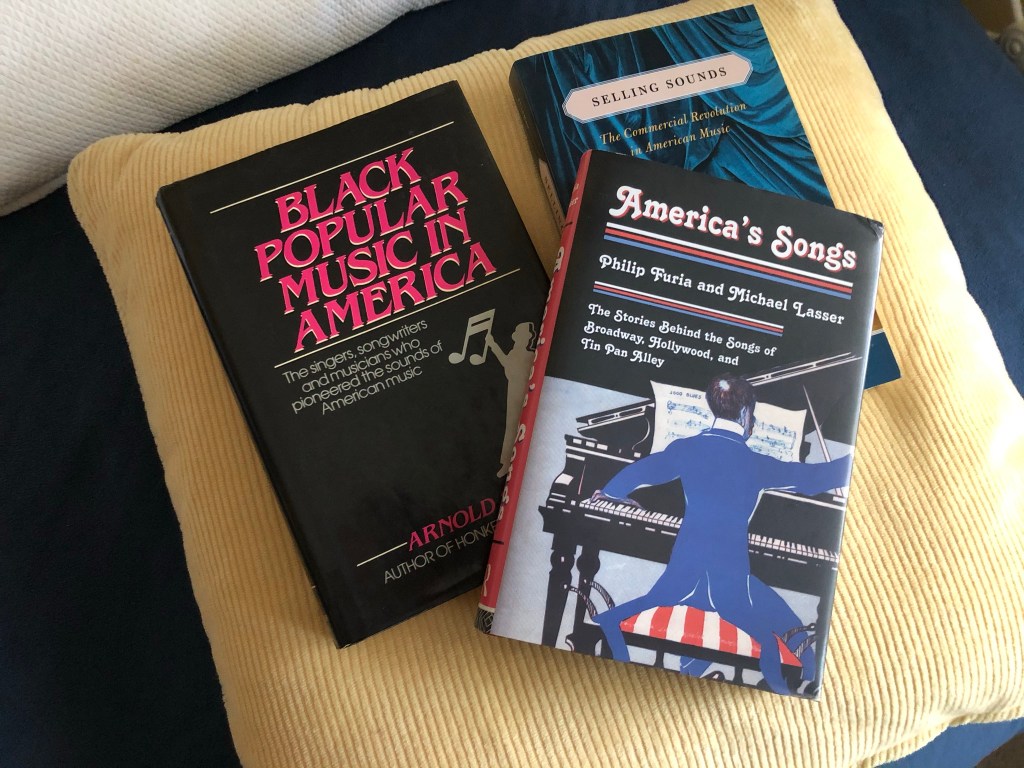
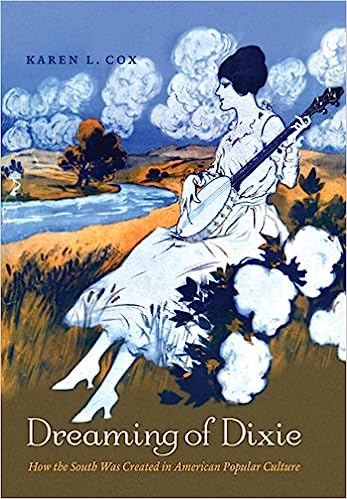
Many scholars of both history and music have written well researched and profusely illustrated articles and books on the subject.  All you have to do is Google, or head to the library to study this at your leisure.  Here’s a good book to start with.

Suffice it to say, we’re not going way, way over to the unsunny side of the street in these little weekly musings of mine.  After all, it’s 2023, not 1923 or, for that matter, 1863!

Moving on . . .

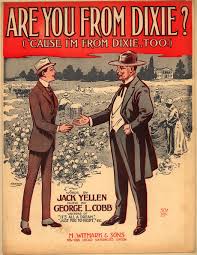
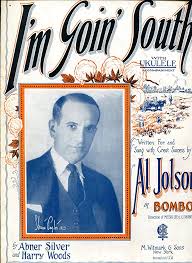
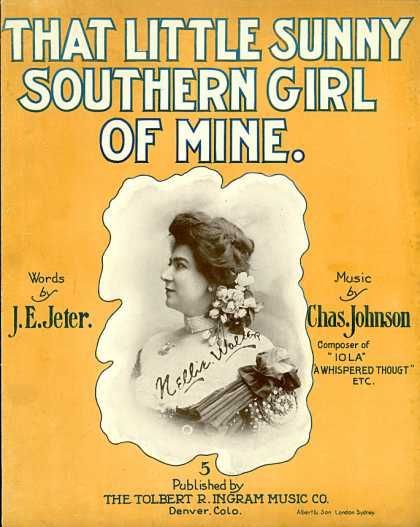
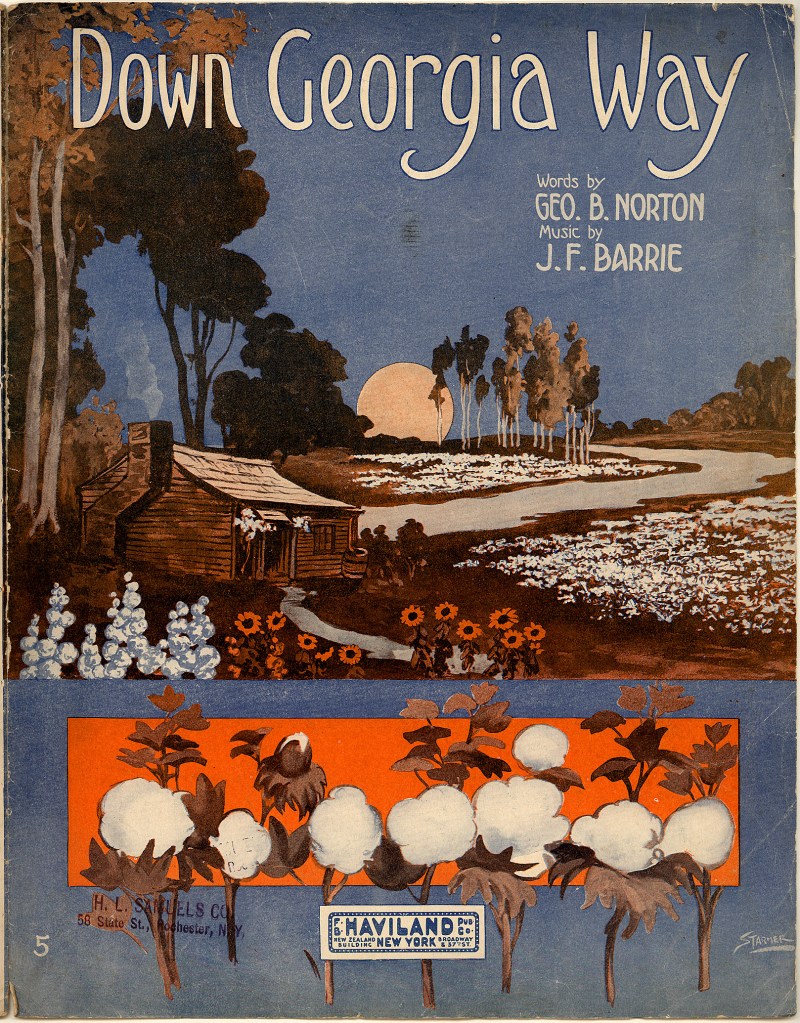
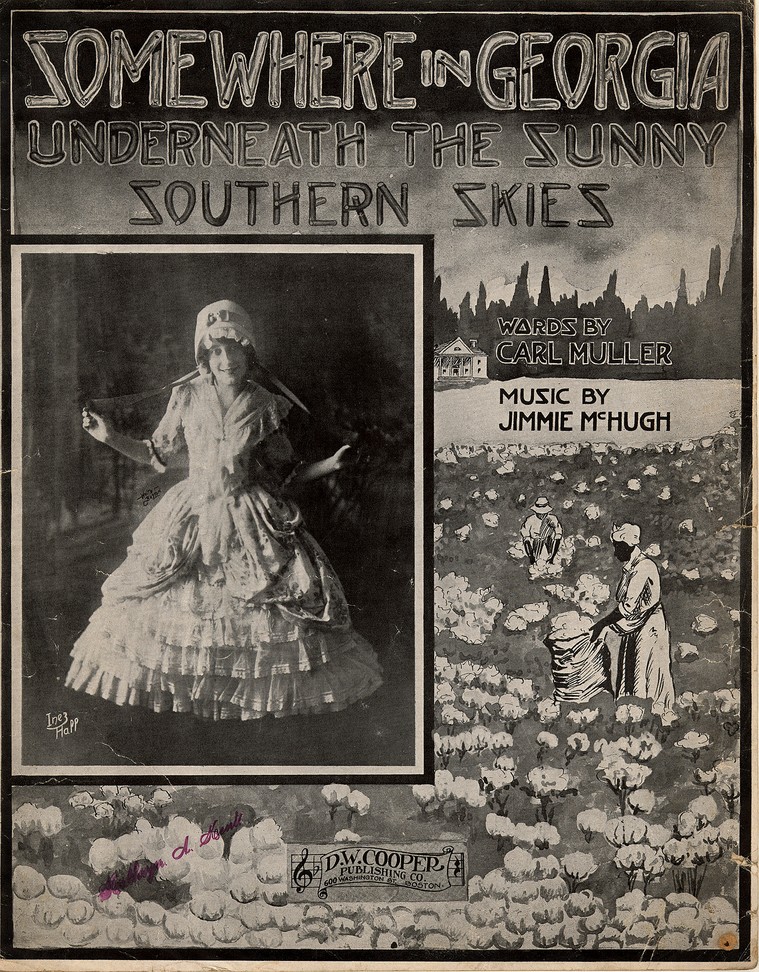
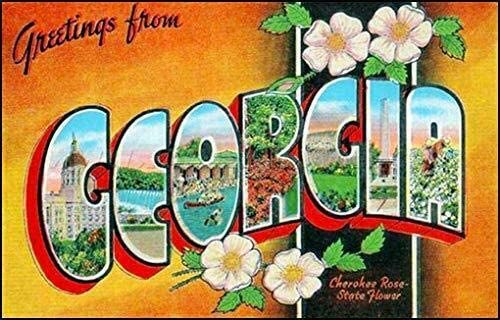
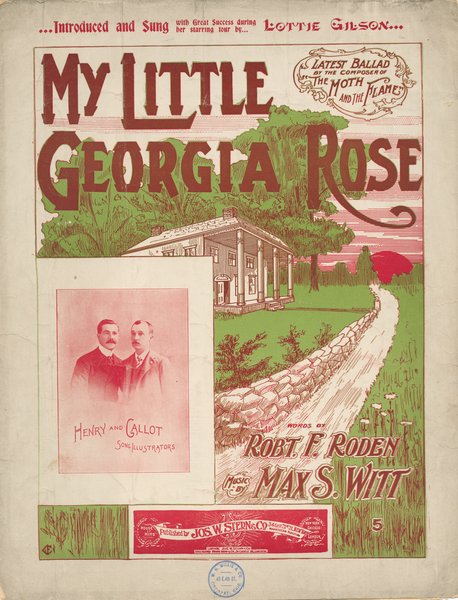
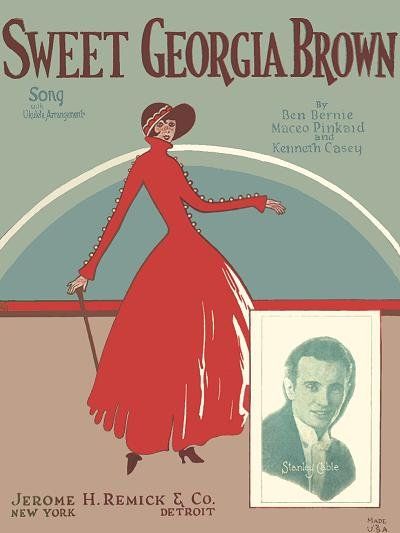
As a politically in-the-news state, particularly for the next year or so, I thought we might start our little tour of the South with a peek at Georgia.  Why not?

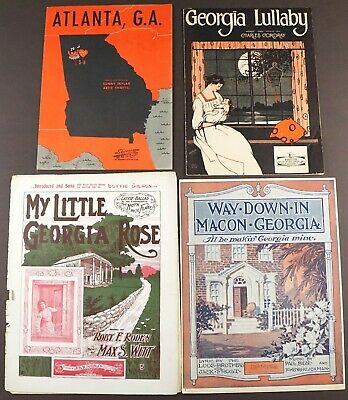
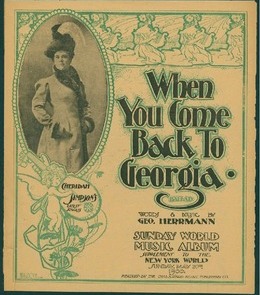
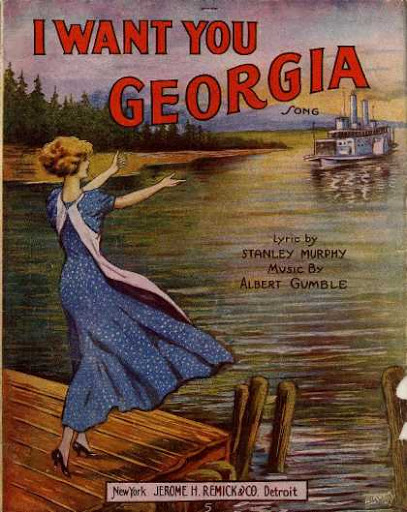
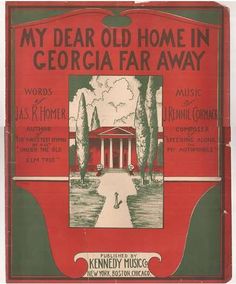
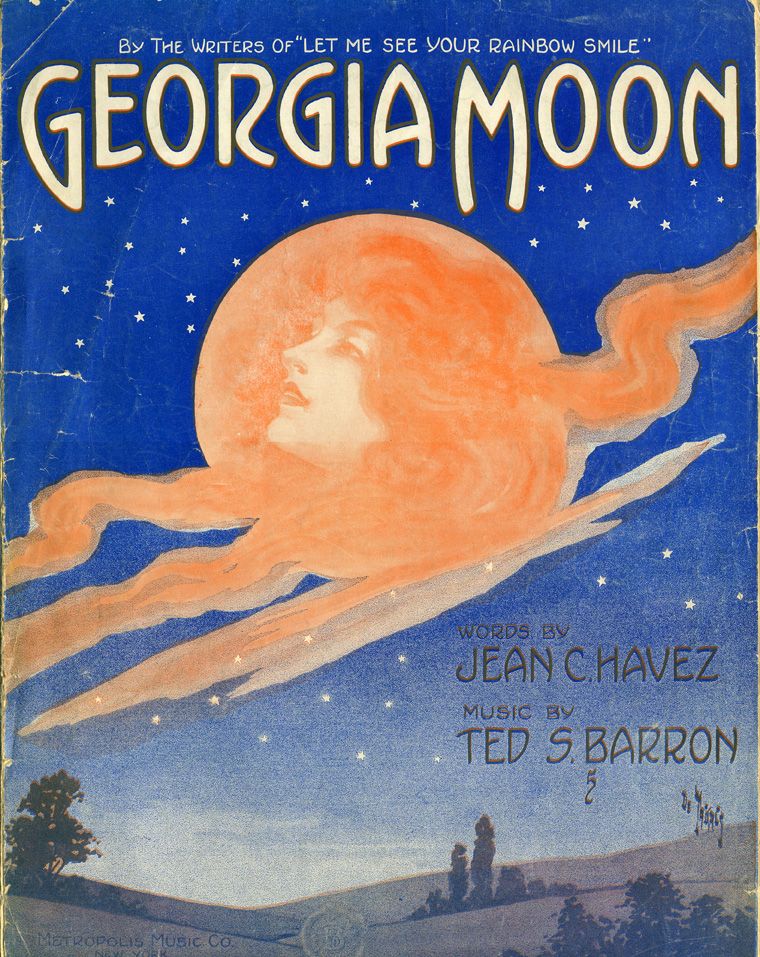
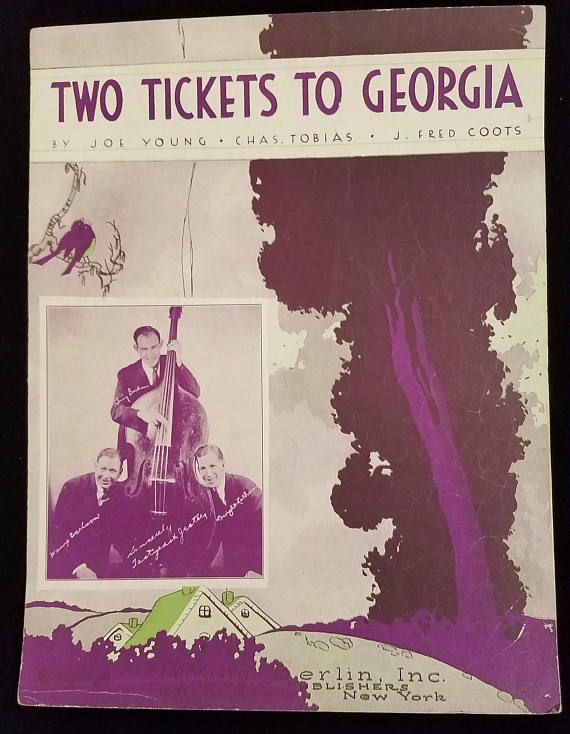
Probably the biggest category of early songs with “Georgia” in the title tell about folks who left the state—for whatever reason—and feel the urge to head back “home.”  And then there are folks nostalgic about those pretty girls named “Georgia.” Perhaps a bit of both!

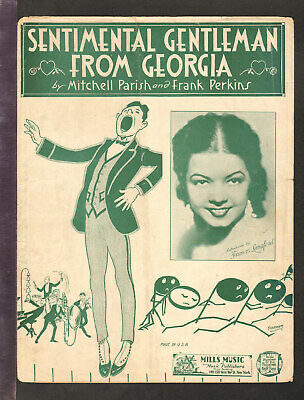
Songwriters also had a bit of a josh with the state. Here’s a song that’s kind of fun.

Click or tap on the next image or link for a listen to this early recording by the popular singing Boswell Sisters from 1932:

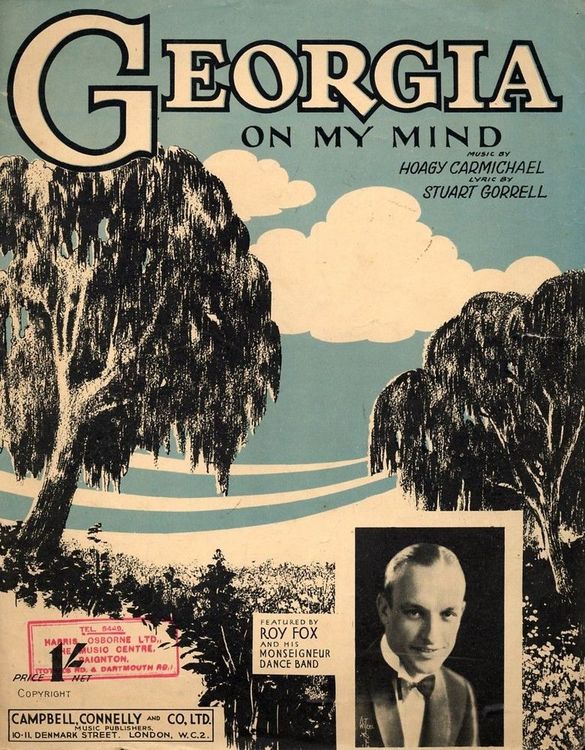
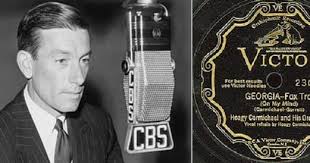
Now let’s take a look and listen to probably the greatest of all “Georgia songs, the one appropriately titled: “Georgia On My Mind.”  

This is a song written by Hoagy Carmichael and Stuart Gorrell (both from Indiana!) and first recorded in 1930. 

Click or tap on the triangle in the next image or link to hear the 1930 recording by Carmichael with Bix Beiderbecke on trumpet.

Here’s another take on our tune from the 1930s, this time from the distaff side. Click or tap on the triangle in the next image or link to hear a rendition of our song by Billie Holiday.

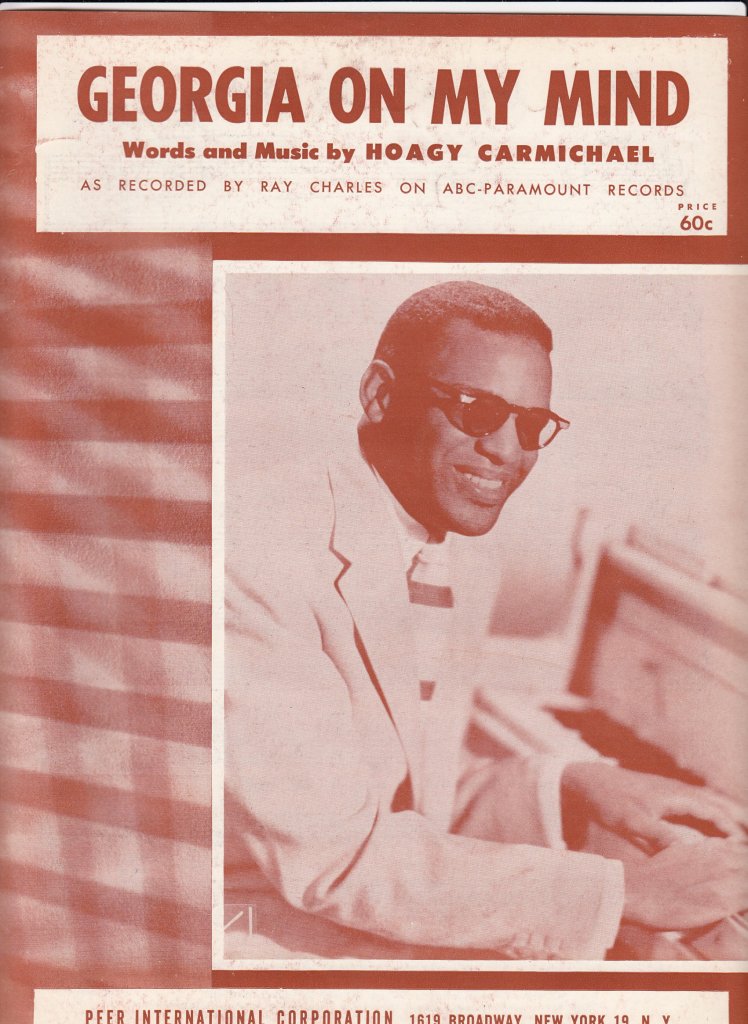
Needless to say, this song has found a home in Georgia and the 1960 Ray Charles (born in Georgia!) version has been designated as the official state song.

For a fun mix of performers of our song, here is Ray Charles and Willie Nelson making rather free with Carmichael’s original melody. Click or tap on the triangle in the next image or link for a vocal.

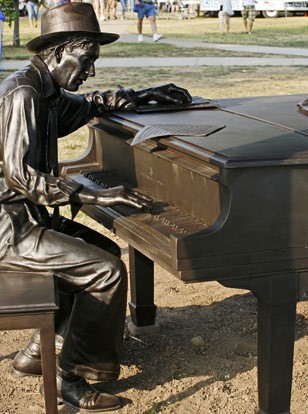
Most of the recent recordings of “Georgia on My Mind” tend to leave out the intro verse. Here it is for those of you would like a bit more lyrical context, and, perhaps, to join Hoagy at his bronze piano.

Melodies bring memories
That linger in my heart
Make me think of Georgia
Why did we ever part?
Some sweet day when blossoms fall
And all the world’s a song
I’ll go back to Georgia
‘Cause that’s where I belong.” Georgia, Georgia . . .

So, as we move along through the next politically disconcerting year or so, it won’t hurt to keep Georgia on our minds, musically at least!

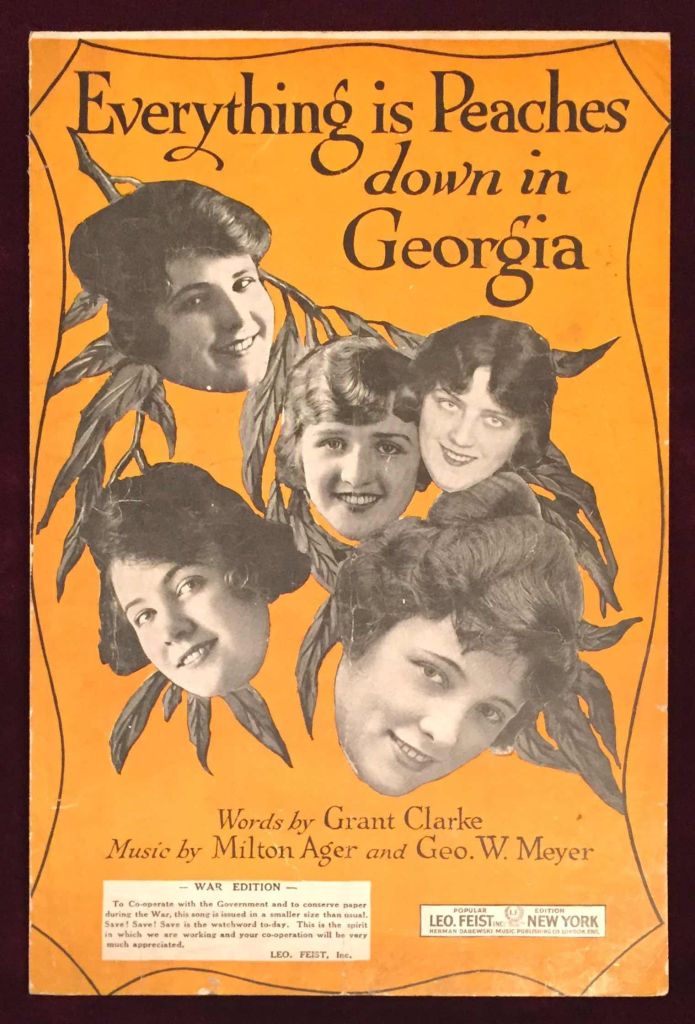
Oh, why not one more?

Click or tap on the next image or link for this peachy song about the Peach State, with tenor banjos if not ukuleles:

Stay safe, stay glued to the news, stay as masked as you need to be, . . .

. . . and STAY TUNED!

Even Georgia is not the way it was and, in the words of another song, “The Times They Are A’Changin.”


ANOTHER MUSICAL MUSING, 2 June 2023–THREE SONGS BY AN AMERICAN ICON– Borrowed And Bettered, You Betcha! 

A few weeks ago I did a musical musing on a song stolen and, ultimately, paid for by that most popular and respected singer, Johnny Cash. (Ca$h?)   I have come across quite a few more situations like this in my wanderings through musical history. But, in most instances, it’s just a case of an old and venerable melody put to a new use—the musical equivalent of revamping a historic building as part of the architectural preservation and adaptive use project, so to speak. 

Needless to say, this has been a common source of “new” songs ever since one musician listened to the work of another, liked what he or she heard, and repeated it or enhanced it or simply purloined it.  Ah, following musical traditions! Isn’t that what folk music is all about?

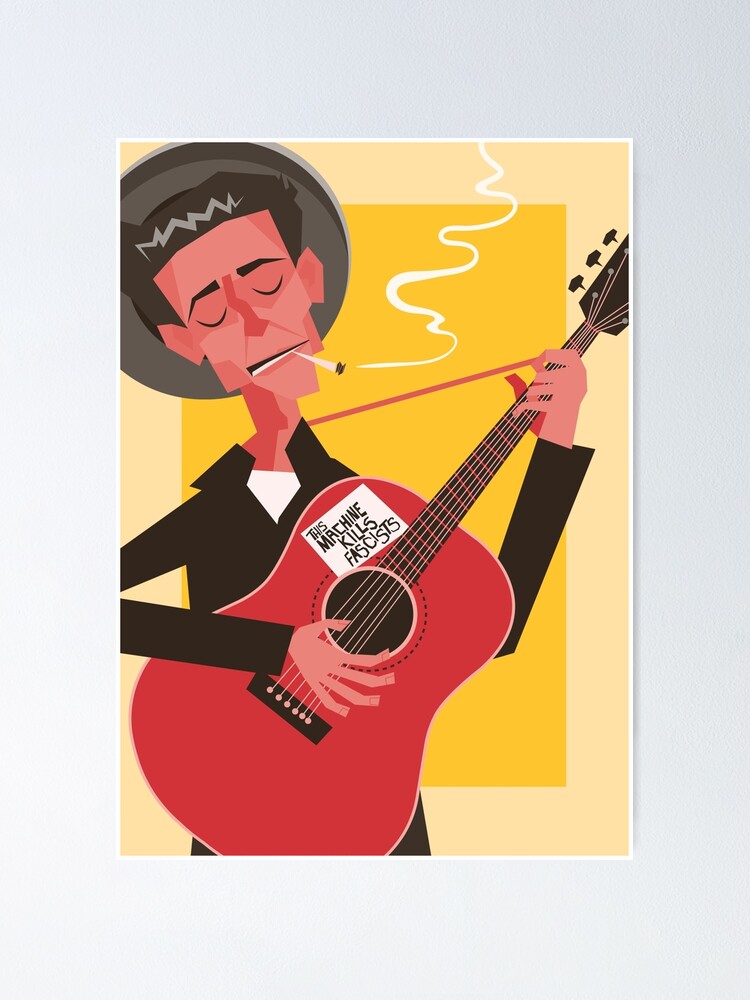
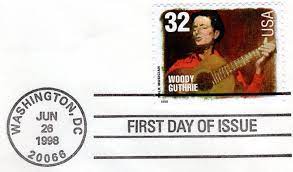
Now let’s take a look at one of the icons of American folk music—Woody Guthrie—and put the musical microscope on the sources of three of his most played tunes. 

Despite their melodic (and sometimes lyrical) origins with musical precedents, these songs have become so associated with Guthrie that we don’t even bother to think about from whence they came.  Simply, they ARE HIS.  Period.

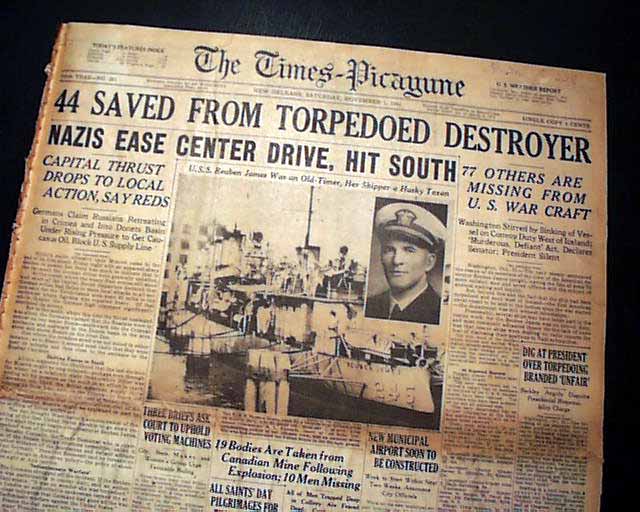
The first one to look at is a song that Guthrie, a former merchant seaman himself, wrote and performed in remembrance of the torpedoing of the U.S. Navy convoy escort ship, the USS Reuben James, in the months just before America’s official entry into World War II.  

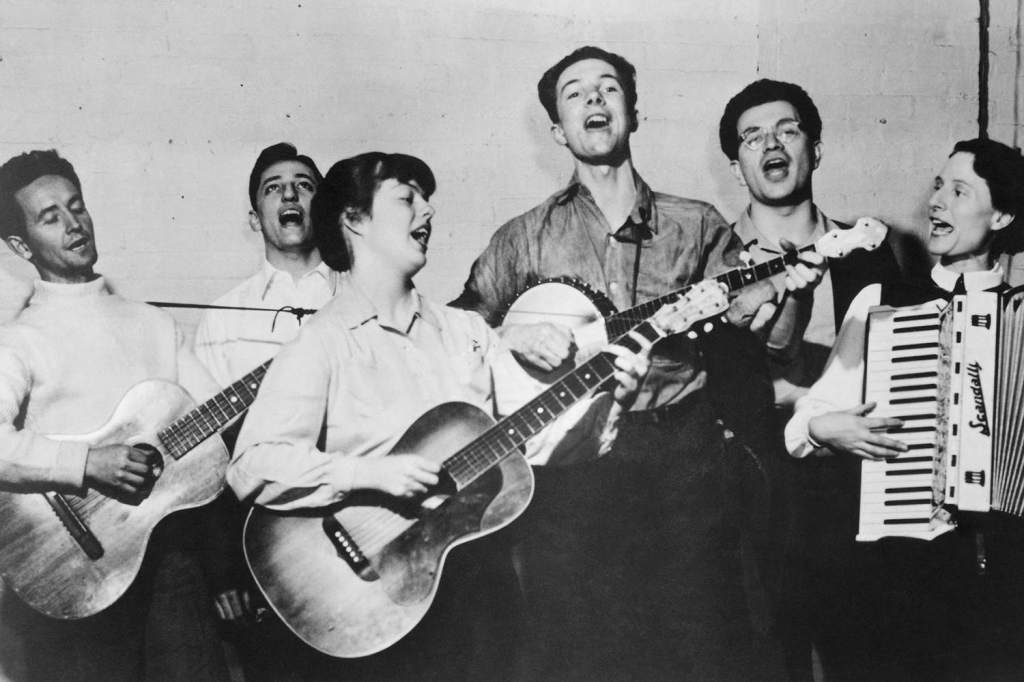
The Sinking of the Reuben James” is a song hurriedly cobbled together by Guthrie and Pete Seeger in an apartment they shared at the time in New York City.  These two were good friends and musical collaborators over the years and were moved to write a song about this headline event of the day about the first American ship sunk by German U-Boats. 

Tap or click on the triangle in the next image or link to hear the original Guthrie/Seeger collaboration.

Guthrie had started to write the song and, over ambitiously, wanted to include each name from the casualty list—over a hundred US sailors.   Seeger worked on the melody and, ever conscious of how a song would play out, prevailed in suggesting that Guthrie’s list be replaced simply by the chorus: “Tell me what were their names . . .”

Seeger and Guthrie borrowed the melody from a pre-Civil War love song written by one Joseph Philbrick Webster . . .

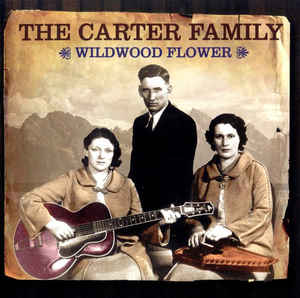
. . . called “I’ll Twine Midst the Ringlets.”  His song was later made famous when “harvested” by the Carter Family who recorded it in 1928 and retitled it “Wildwood Flower.”

You can go to YouTube to listen to the original Carter Family recording, but this is just too good an opportunity to hear the tune played by a cigar box uke and a banjo!  Tap or click on the next image or link to hear this one.

A second ever popular Guthrie song is “So Long, It’s Been Good to Know Yuh.”  This depression era moving on song, considered a “Dust Bowl Ballad,” was first released in 1935 and became a standard closing song during the so-called Folk Music Revival of the 1950s and ‘60s.  

Click or tap on the triangle in the next image or link to listen to this rousing favorite of folkies!

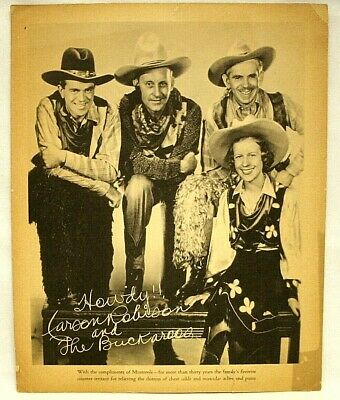
As with “Reuben James,” this song also had musical antecedents.  Guthrie based it on Carson Robison’s early 1930’s recording of the “Ballad of Billy the Kid.” Robison both tweaked and added to the traditional “campfire cowboy song” lyrics.   Although Robison’s impact on American music is generally forgotten today, he played a major role in promoting country and western music in its early years through both recordings and the radio.

And, unlike Guthrie or even Seeger, Robison had a ukulele marketed with his image!  Here’s one from my collection.

Click or tap on the triangle in the next image or link to hear Robison’s original recording of this ballad. 

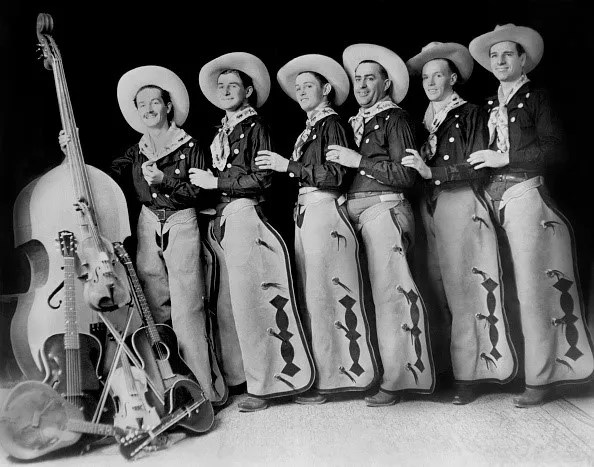
I have a feeling that Guthrie himself might have sung this ballad when in the 1920s he was a member of his hometown country music band in Pampa, Texas. That’s Woodie on the left, already an accomplished harmonica and guitar player, but only a “costume cowboy!”

Our last, but certainly not least, song is “This Land Is Your Land,” probably Americas most popular folk song.  Its lyrics were written by Guthrie in 1940 and, once again, based on an existing melody. 

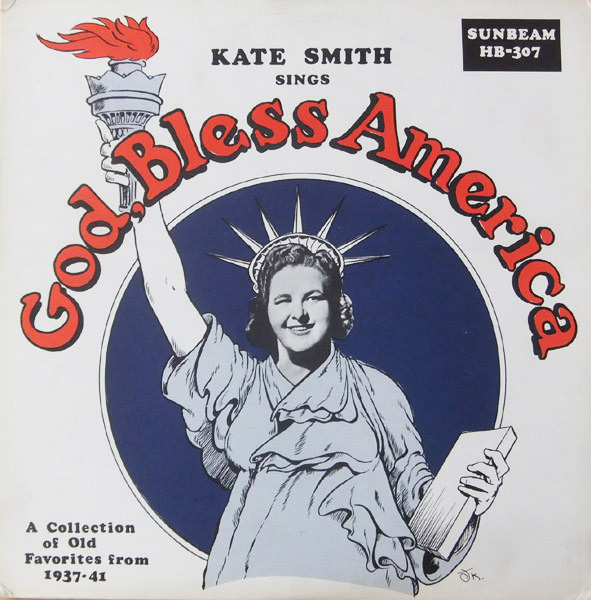
This was adapted from another Carter Family tune called “When the World’s on Fire.”  Guthrie wrote his song in critical response to Irving Berlin’s “God Bless America.” Guthrie said that he was “just plain tired” of hearing Kate Smith sing that song on the radio in the late 1930s! 

Guthrie sarcastically called his song “God Blessed America for Me” before thinking a bit more deeply and renaming it.  The rest is musical history!

But, let’s start with the Carter Family’s “When the World’s on Fire.”  Click or tap on the next image or link to hear this lead-in melody to “This Land  .  .  .” 

Both Guthrie and Seeger usually copyrighted most of the songs they wrote. But in Guthrie’s own words about his many song copyrights, he said: “This song is Copyrighted  .  .  .  for a period of 28 years, and anybody caught singin’ it without our permission, will be mighty good friends of ourn, cause we don’t give a dern. Publish it. Write it. Sing it. Swing to it. Yodel it. We wrote it; that’s all we wanted to do.Take your music where you find it! He certainly did.

And the rest is a musical legacy for us all.  These songs are our songs even if they started as someone else’s! Tap or click on the triangle in the next image or link to hear and see my favorite version of “This Land . . .”

So, stay safe, be thankful we no longer have to stay masked, . . .

. . . stay in a musically aware and timely mode, . . .

. . . and STAY TUNED!

OOops!

ANOTHER MUSICAL MUSING, 26 May 2023, “The Big Rock Candy Mountain,” Sanitized but not hung out to dry!

Every once in a while I find myself musing about a song that has had multiple rebirths and, some may say, “upgrades” over the years. Take, for example, an old favorite of mine, “The Big Rock Candy Mountain,” or, as originally published, “In the Big Rock-Candy Mountains.

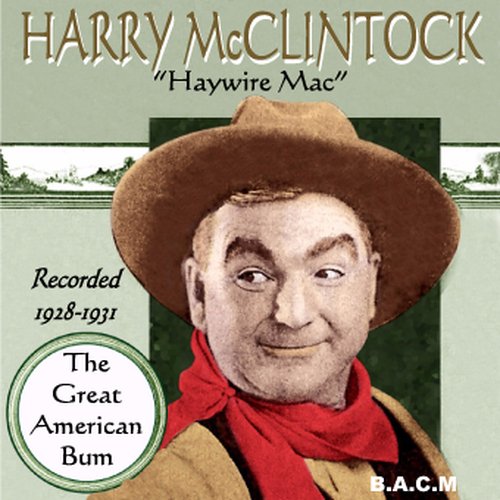
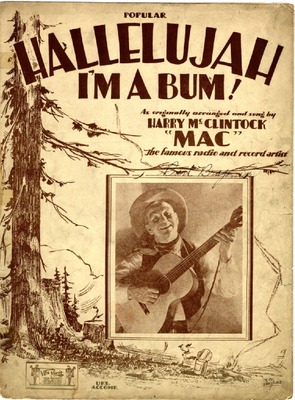
Our song started its musical life in the late 1890s as a lilting, lyrical “hobo ballad” put together and sung on city streets by a little-known at the time guitar-playing busker, one Harry McClintock (1882-1957).

His song was published and recorded some thirty years later minus, however, a final verse of his that we might find rather “linguistically questionable” and would probably be X-rated these days. Over time, his tune was further whitewashed to become one of the more beloved “folk” songs from the late 1940s and, still later with further scrubbing, an innocent children’s song. Long in the public domain, the song has been recorded by dozens of performers right up to today–a fit subject, gentle readers, for a musical musing! 

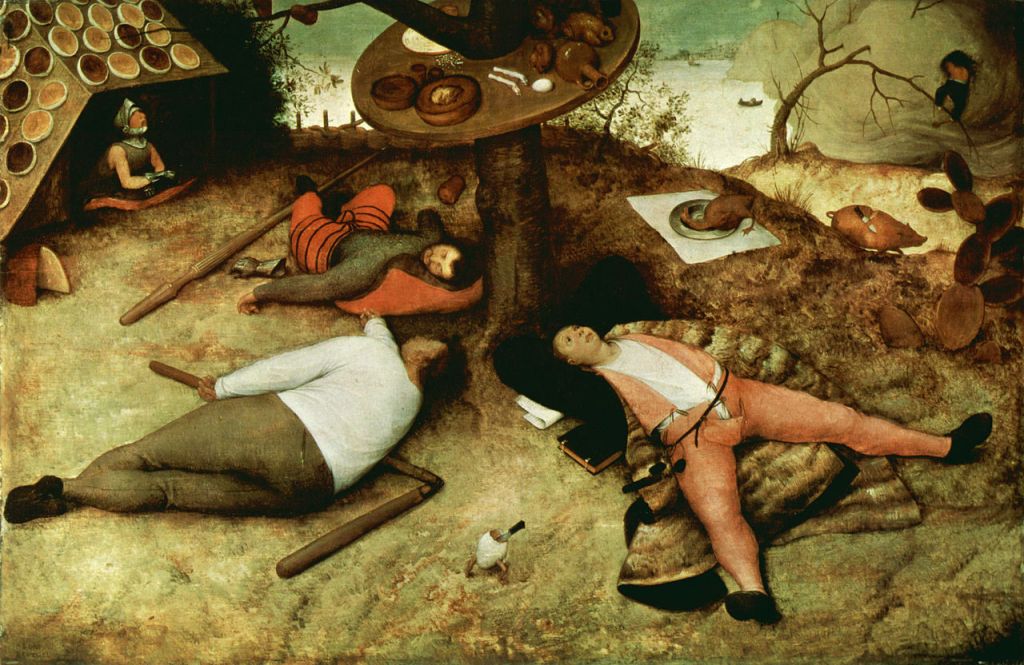
It’s a simple song about a hobo’s idea of paradise, a modernized version of the medieval concept of the “Land of Cockaigne”—an imaginary place of luxury and ease where physical comforts and pleasures are always immediately at hand and where the harshness of peasant life does not exist. Nothing to do with the modern day cocaine, however!

Here, in a 1567 work, the Dutch painter Pieter Breugel the Elder gives us a rather unflattering, almost comic illustration of the spiritual emptiness of “Cockaigne,” a state believed to derive from gluttony and sloth, two of the “seven deadly sins.” Whew! Who knew?  

Specifically, “Cockaigne” was a land of “contraries,” where all the restrictions of society are defied, sexual liberty is open, and food and strong drink are both free and plentiful. 

Before recording his song, however, McClintock cleaned it up considerably from the version he had composed and performed as a busker in the 1890s. The story line of his original lyrics told of the efforts of an old hobo to entice (lure?) a young farm boy into hobo-hood with wondrous tales of life on the road and in the “Big Rock-Candy Mountains.” His song ended (the expurgated verse!) with a lurid description of the perils that might befall an innocent young boy amongst not so innocent older men “on the road.”  Today, we would probably see this much like the warning we might give our children to avoid a stranger in a car saying “Hey little boy/girl. You want some candy?” 

Now, if any of you gentle readers are really curious, you can easily check out the erased, rather coarse “hobo language” verse with our friends at Wikipedia.  Moving on  .  .  . 

Tap or click on the triangle in the next image to hear McClintock’s original recording of his song–made more a tale of wonder rather than of warning and, of course, more suitable to radio listeners as well as families buying sheet music and records in the 1920s.  This recording was also used in the soundtrack of the 2000 Academy award nominated film “Oh Brother, Where Art Thou.” This YouTube version has some fun animation with it!

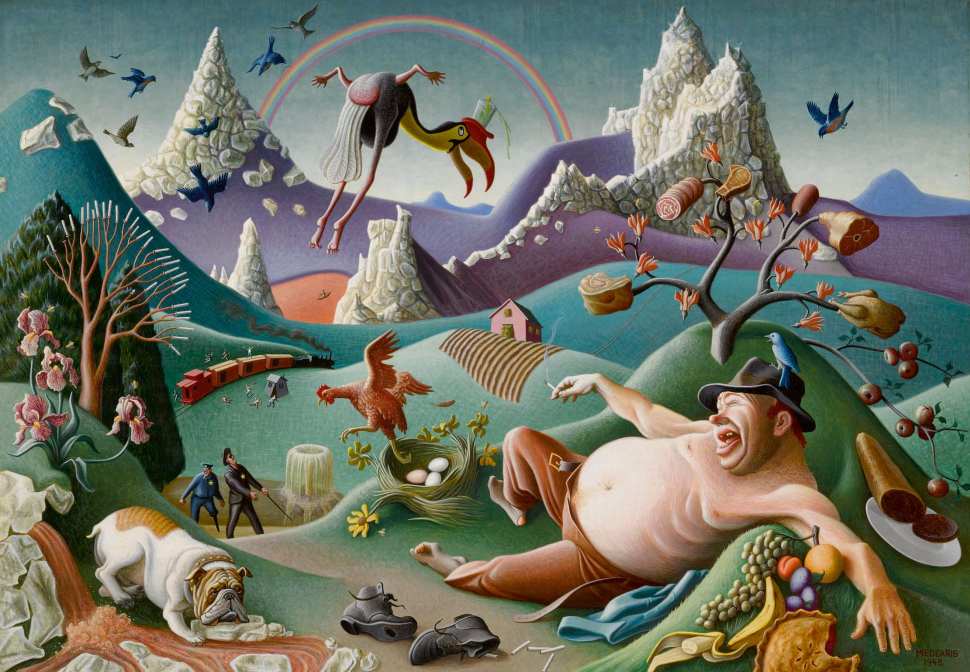
Here’s a more contemporary artist’s (not a cartoonist’s) take about our song, after Breugel, no less! More than a few similarities!   

Those who study such things agree that McClintock based his song on the old English ballad “An Invitation to Lubberland” that had been around since the 1600s and heard, no doubt, in the Scots-Irish mountain music of McCintock’s early Appalachian wanderings. Click or tap on the triangle in the next image for a simple singing of this ancient tune. Both the melodic and lyrical antecedents are striking!  

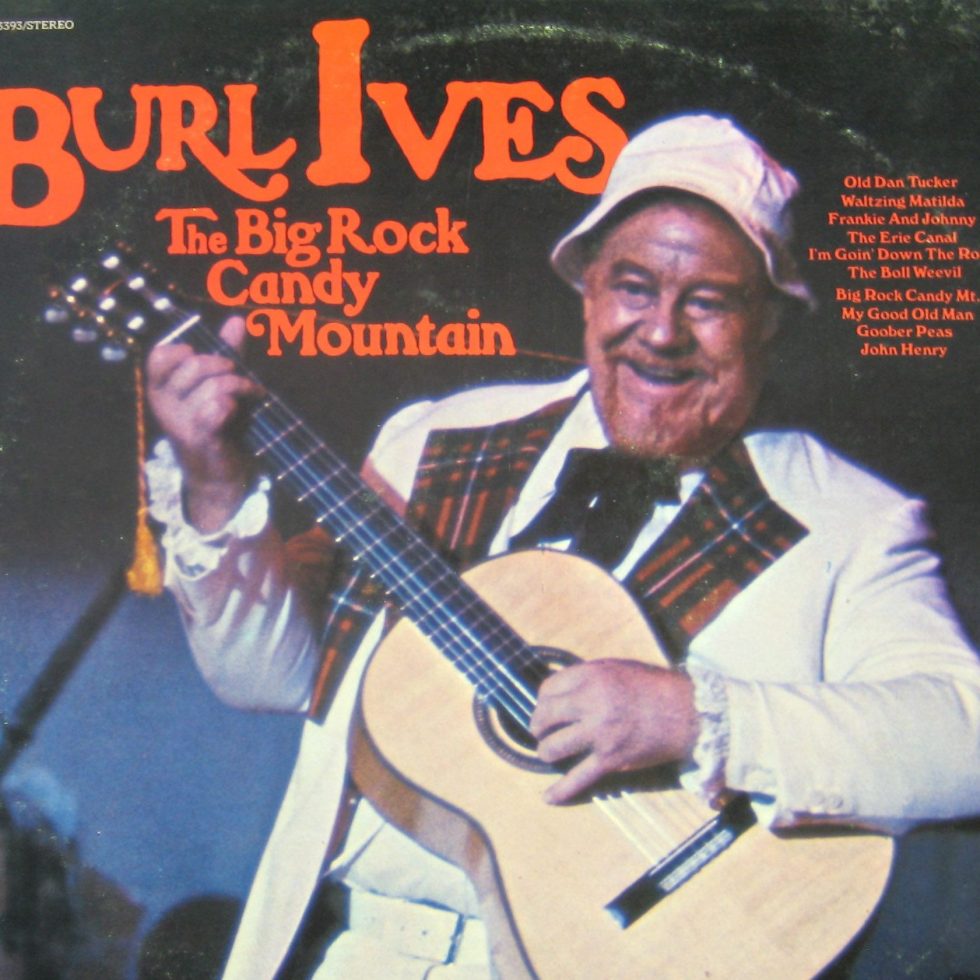
In 1949, “Big Rock Candy Mountain” was “sanitized” even more and recorded by the oversized, avuncular folk singer and actor Burl Ives.

This recording became, before “Oh Brother,” the version most of us had heard and grown up with.  Click or tap on the triangle in the next image to be reminded of this one. 

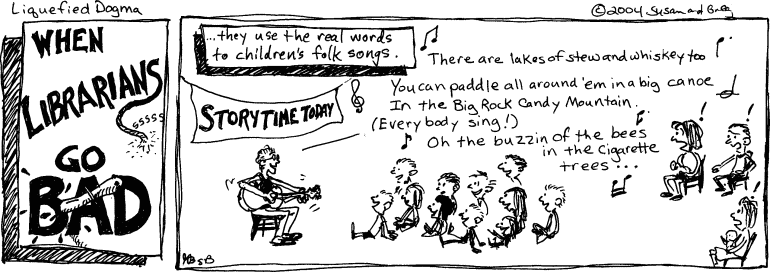
Notice the “sudsing” at work! What would they do with McClintock’s original lyrics today?

Other popular, so-called “itinerant songs” of McClintock’s day–such as “Hobo’s Paradise“, “Hobo Heaven“, “Sweet Potato Mountains” and “Little Stream of Whiskey“–likely served as further inspiration to him as they touch on concepts similar to those in “Big Rock Candy Mountain.”  One of my favorites of this genre was recorded by the late Doc Watson.  Click or tap on the triangle in the next image to hear his beautiful guitar accompaniment to this “whiskey” song sometimes known as “The Dying Hobo.”  Again, antecedents galore.

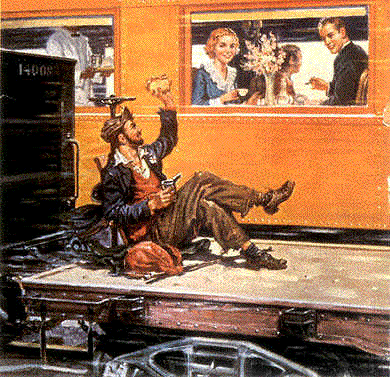
McClintock, also known by his hobo name of “Haywire Mac,” was born into a railroader family in Knoxville, Tennessee, and began his drifting when he ran away from home as a boy to join a circus.

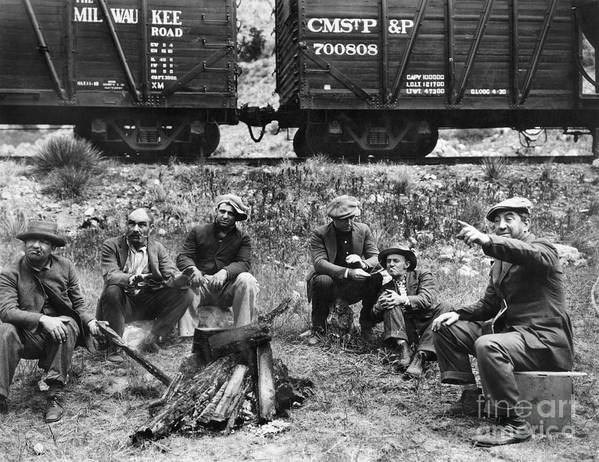
He traveled the world as a railroader, seaman, soldier, and—most famously—a singing hobo.  

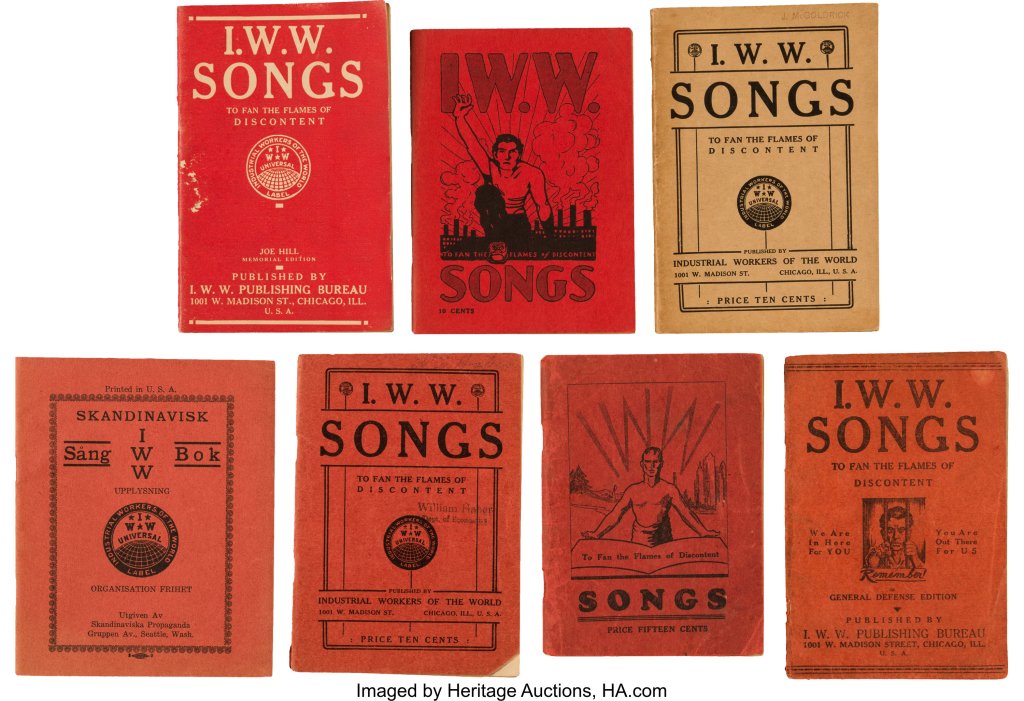
He was a lifelong member of the Industrial Workers of the World—the unionizing “Wobblies”—and, in the early 1920s, worked with and organized union men in the oil fields of west Texas singing and busking as he went along.

McClintock wound up in the San Francisco Bay area and worked as a railroad brakeman. He later became a popular radio and recording singer with his own country band . . .

. . . and even appeared in a few movies, including one based on his most famous song.

He was particular known for performing songs of the union movement in America. 

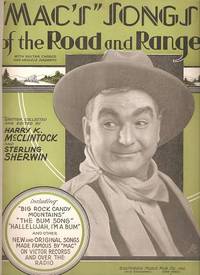
He is known for several other hobo songs . . .

. . . including one popular with the “Wobblies,” “Hallelujah, I’m a Bum.” 

Click or tap on the triangle in the next image for a listen to this one and see why it appealed to labor unionists.

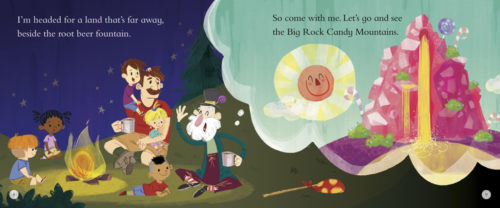
Now, of course, we need to add to this musing with, probably, the most “squeaky-clean” version of our song, one recorded for and by children! 

Keep the earworm alive by clicking or tapping on the triangle in the next image to hear this happy interpretation!

As a musing rule of mine, I like to explore themed ukuleles, this time having to do something with hobos. Not many out there but here is one decorated with those chalk-mark symbols that hobos used to “mark” their wanderings and communicate with hobo friends.

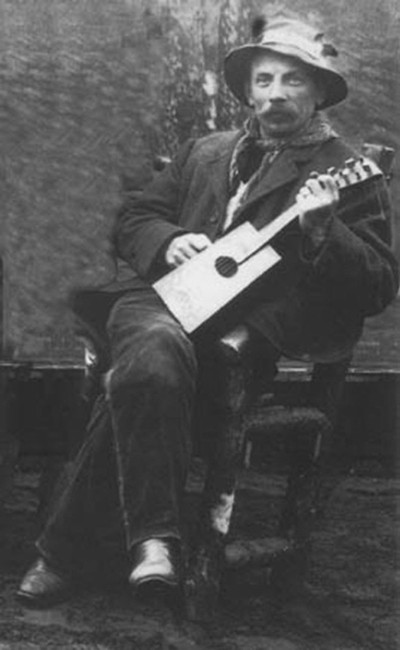
And, of course, one of our favorite cigar box ukes. I don’t know if the player is a hobo but he sure looks the part!

So.  While wandering or just waiting, stay safe, help those in need . . . 

.  .  . and don’t get lured into the hobo’s irresponsible life as a way of forgetting about the responsibilities of real life.

Join the Union and become a card carrying member . . .

. . . and, above all, STAY TUNED!

ANOTHER MUSICAL MUSING, 20 May 2023: “A Musical, Historical, and Ukulele Trifecta”

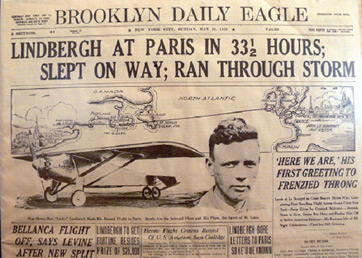
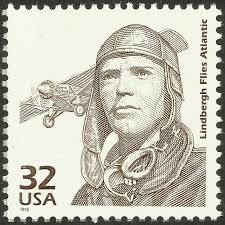
Well, it’s not too often that my musing stars align with a trifecta–the anniversary of a feat by a young American hero, a link to neighbor Northampton’s Smith College, and vintage ukuleles in my collection!  Wow.  It’s fun to muse these days about something that has nothing to do with contemporary politics and international conflicts.  So, who is our hero?  None other than “Lindy” himself, Charles Lindbergh, with a bit of a tarnished reputation today but definitely not on this date back in 1927!

His solo flight from New York to Paris, on May 20-21 of that year, was a thrill for Americans living in the Roaring Twenties and adulation on both sides of the Atlantic poured out.  Men cheered and ladies swooned as Lindbergh’s picture was in every newspaper, magazine, and movie newsreel for months.

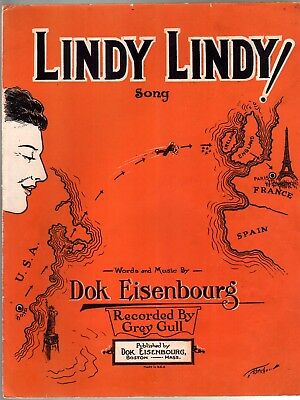
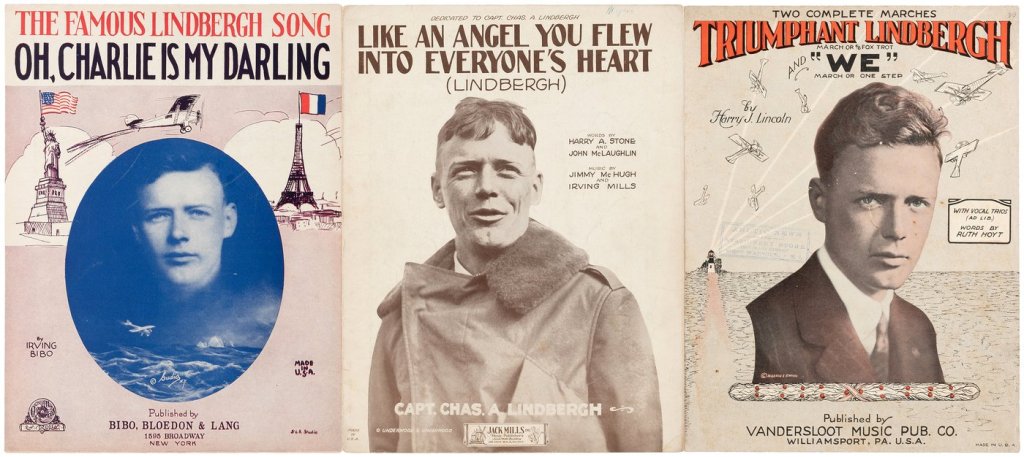
Needless to say, music publishers jumped all over this and a score of sheet music offerings—some joyful, some banal, mostly forgotten today—were on music store shelves all over America. 

Here’s a contemporary recording of the “angel” tune with some great graphics. Click or tap on the triangle in the next image for a look and listen.

There are more! The next one shows Lindy and his mother. By the way, his father was a US Congressman from Minnesota. Who knew?

Here’s a bouncy version of this George M. Cohan tune. Click or tap on the triangle in the next image for a listen.

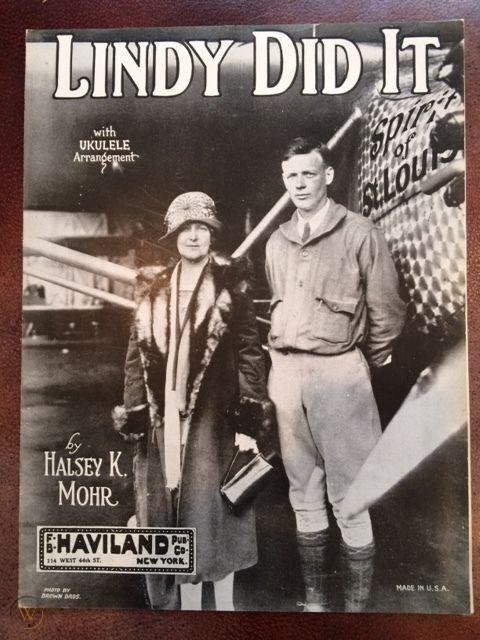
Here are a few more of the dozens of songs that were out there in the sweet old days.

Tap or click on the triangle in the next image to hear this hearty, fox trot salute to the hero.

Here’s a more modern version of a “Lindy” tune but well worth a listen and a look. Tap or click on the triangle in the next image for a historical treat.

Now for the second part of the trifecta–Ukuleles, no less ! As would be expected, most sheet music published in those days had uke chords printed right above the score. Here it is in the popular “D” tuning of the day.

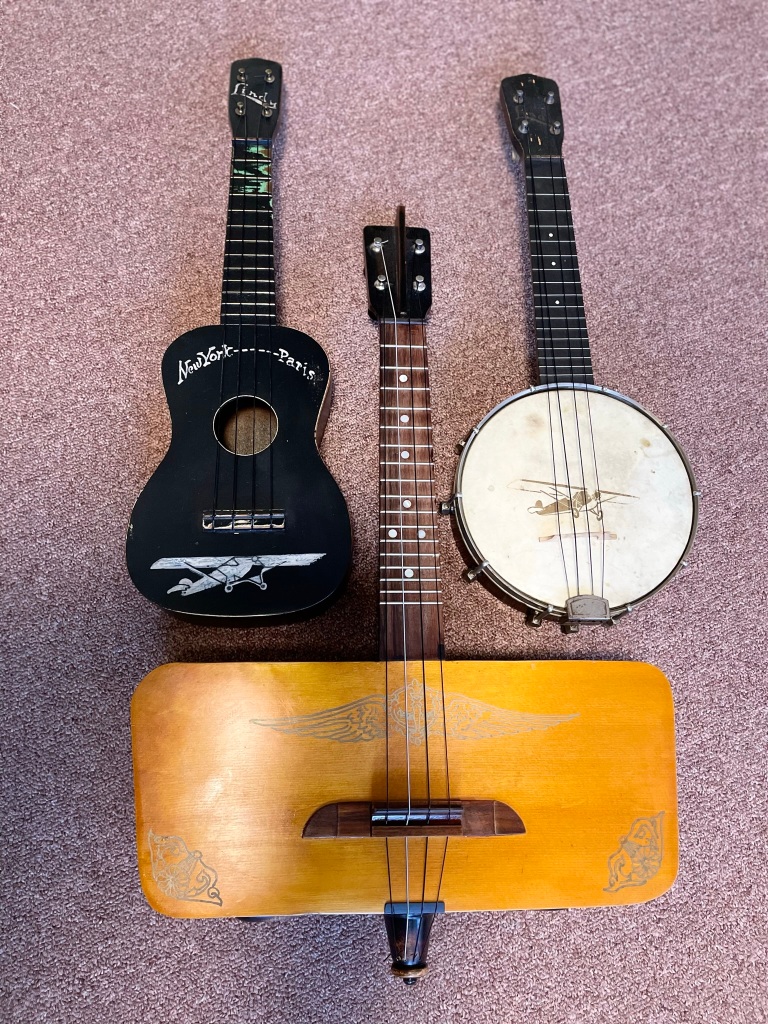
Everyone seemed to be playing and singing the tunes and, of course, there were ukuleles to be had! Here are three in my collection.

The larger one is a Stromberg Voisinet “Aero Uke,” probably the rarest of the lot today–at auction about $2K! Here’s a reproduction I made to fill a hole in my collection. It sounds pretty good!

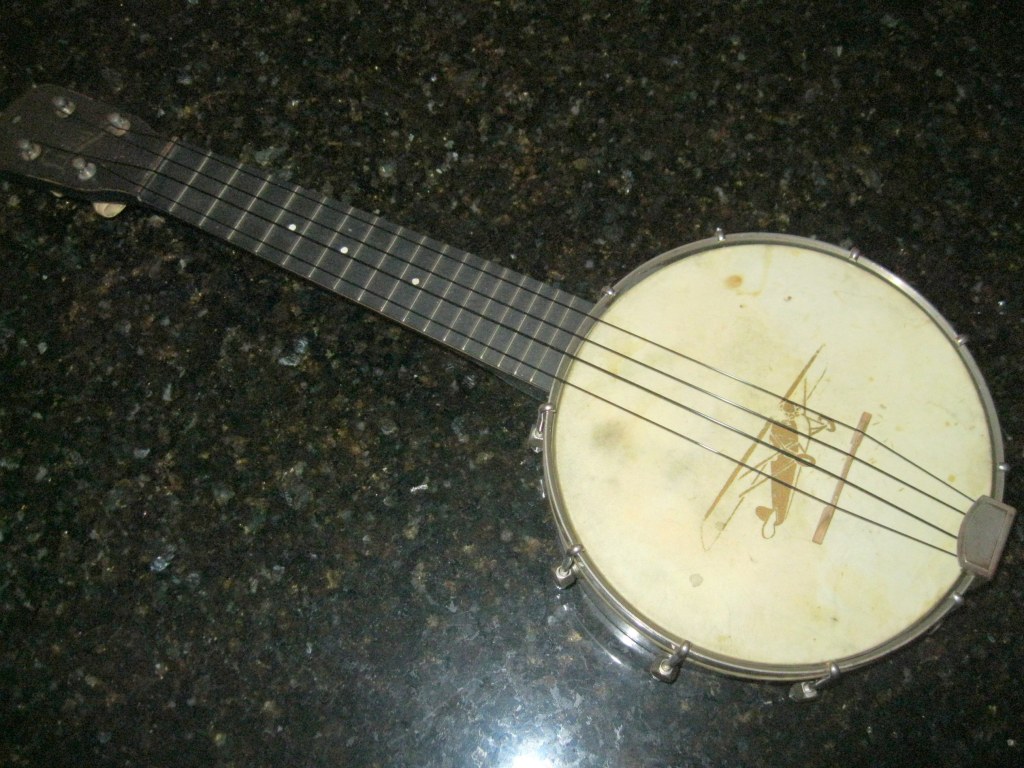
Here’s a banjo uke version, an original in my collection.

And, the latest addition–a trifecta within a trifecta!

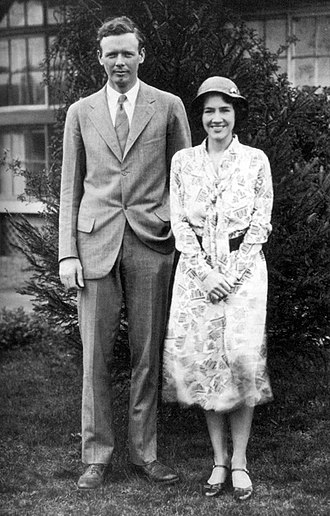
Now for the third part of the trifecta, the Northampton connection.  According to our favorite local newspaper, The Daily Hampshire Gazette, Lindbergh flew into the local airFIELD (it became a commercial airPORT in 1929) multiple times in order to visit his then girlfriend, Anne Morrow, a student at Smith College, class of 1928.   They were married in 1929.

That year, Anne–a budding aviatrix herself– flew solo for the first time.

Needless to say, aviation was in the couples blood and, in the 1930s, they explored and charted air routes all over the world. There was even a song about them!

Whether or not he courted her by taking her up in his airplane over our Happy Valley and Smith College has, alas, always been a matter of conjecture.  Let us simply note the fact that he was a frequent visitor. 

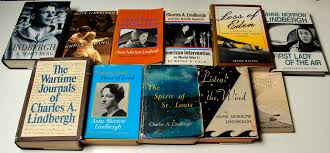
Anne went on to literary fame with her most popular book being Gift from the Sea. In 1955, she was described as “one of the leading advocates of the nascent environmental movement” and the book became a national bestseller.

There are, of course, autobiographies, biographies, articles, and all sorts of scholarship on the Lindberghs.  And, their life story is way, WAY beyond the scope of this simple musical muse.  Suffice it to say that the charmed life of Charles and Anne was shattered by the kidnapping and subsequent death of their infant son in the 1930s. 

The Lindbergh name was again plastered over newspapers and newsreels all over the country. Alas, in sadness this time. 

Alas again, Charles, a highly visible public advocate for keeping America out of Europe’s troubles in the years leading up to World War Two, had his reputation tarred by many (including Franklin Roosevelt in the White House and Woody Guthrie in song) as being a German sympathizer as well as an isolationist.  Whereas Anne became renowned for her writing, Charles faded from public esteem during the war years although he did join the American forces once the war started. He flew on fifty missions in the Pacific Theater, albeit as a civilian consultant rather than in the military.

Click or tap on the triangle in the next image to listen to Woody Guthrie’s musical diatribe on Lindberg. Sounds a bit like what we are hearing today. SAD.

But, at least, Lindberg’s early heroics were re-appreciated thanks to James Stewart in the way only movie magic can do.

 But we still have the stories, the songs, and the ukuleles! So, gentle readers, we wind up this musical trifecta with a peek at a dance that reached a peak of popularity in the late 1920s. Some say it got its name from the popularity of Charles Lindberg at the time; Some say something else. But, it’s too good not to include–“The Lindy Hop.” Click or tap on the next image to be flown away, musically speaking.  

Stay safe, keep strumming, work on that footwork, understand world history, study up on local lore, stay grounded, and STAY TUNED!

(As an aside, Alison’s mother was a Smithie, class of 1930, and remembered sharing a few classes with the then Anne Morrow. Small world . . .)