Hi neighbors and fellow strummers. These “musings” are intended to share some of the things I have learned over the years of banjo and ukulele history and lore, as well as some of the songs we find, listen to, and play. My goal is to both educate and enlighten by sharing what I have learned within the broader musical and historical context—with honesty and, at times, a bit of humor. Needless to say, your thoughts and comments are, as always, welcome.
For the past three or four years I have posted and commented on vintage banjo and ukulele related Valentine’s Day cards that I have found on the web. I’ve reached the point where this tradition—while a lot of fun—is just too easy! Vintage Valentines are low hanging fruit when it comes to surfing the internet.
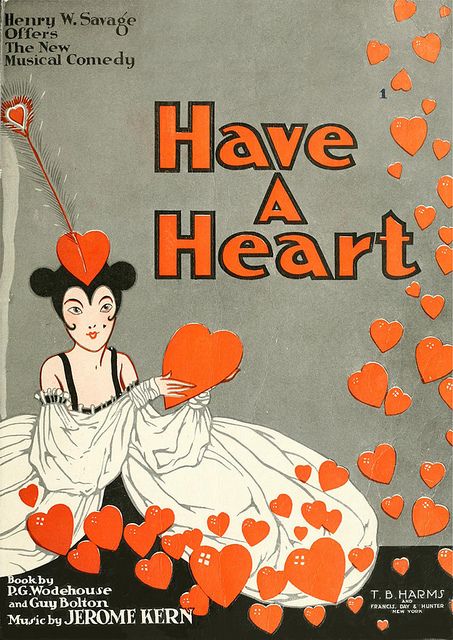
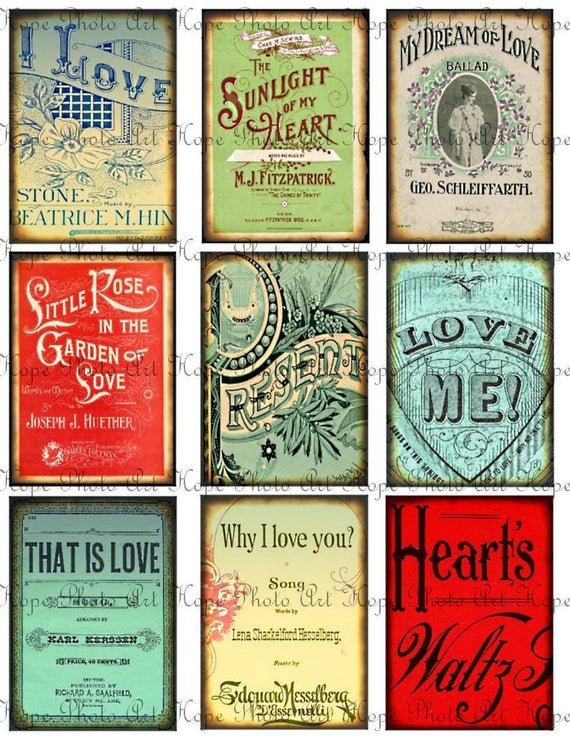
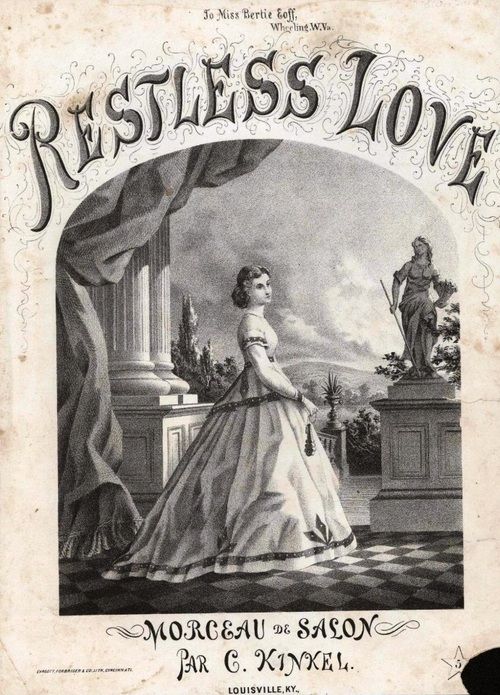
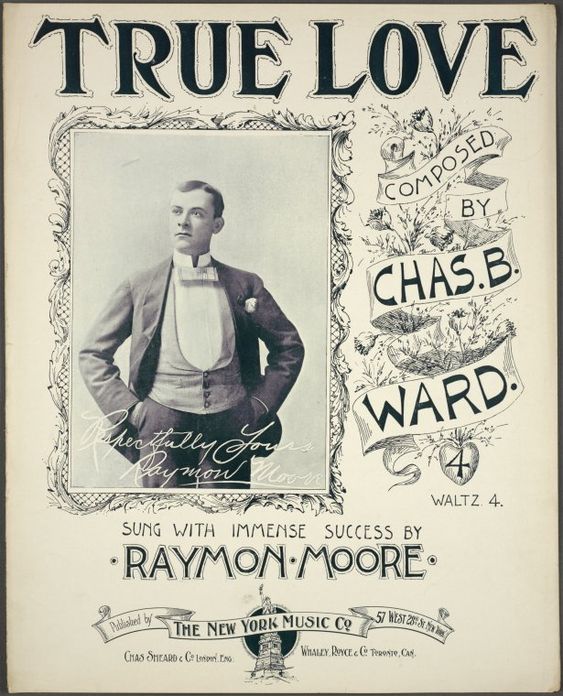
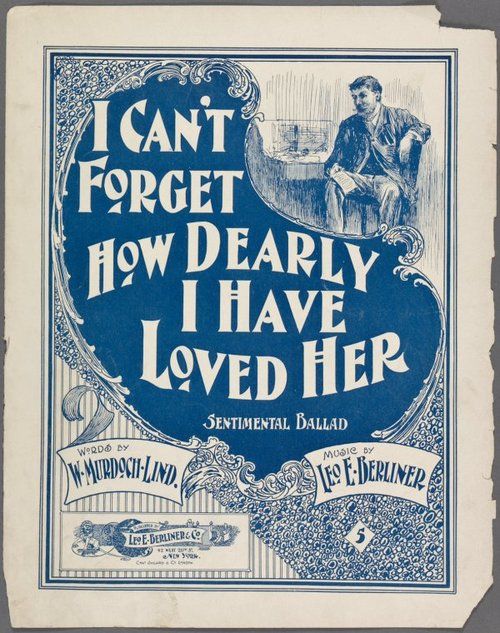
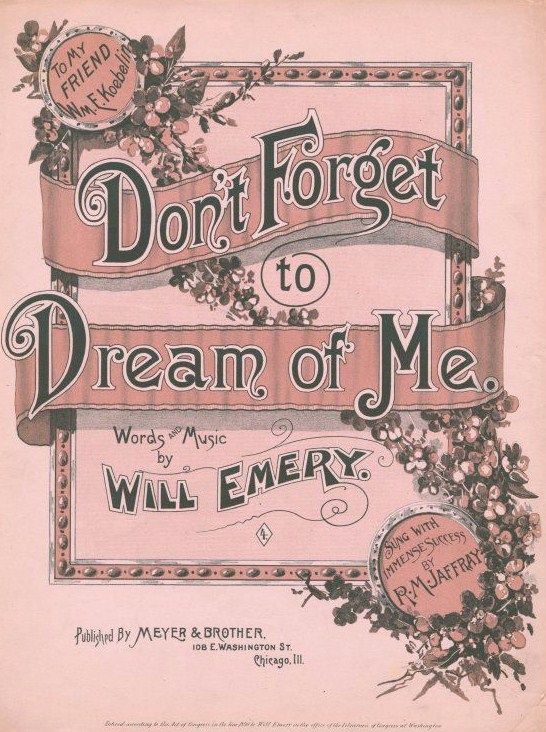
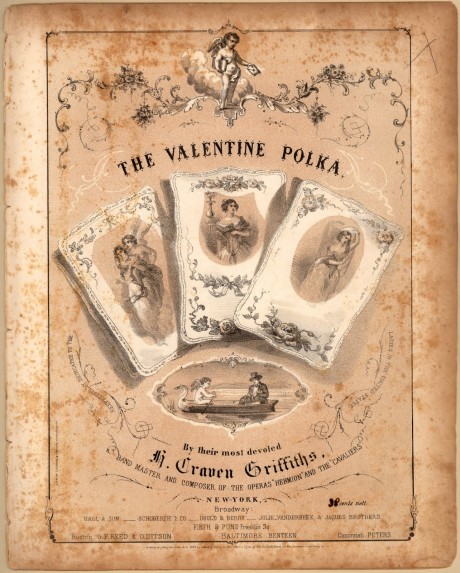
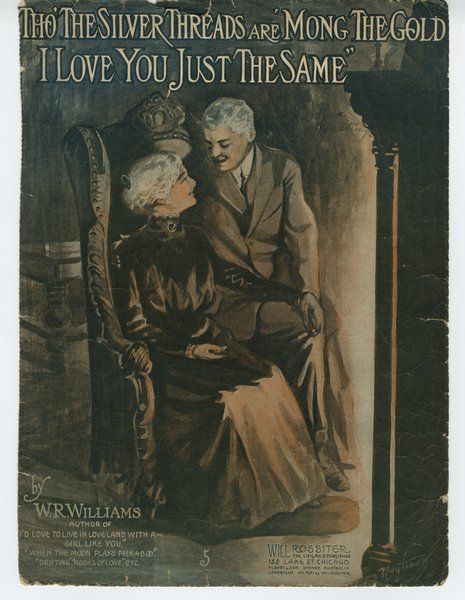
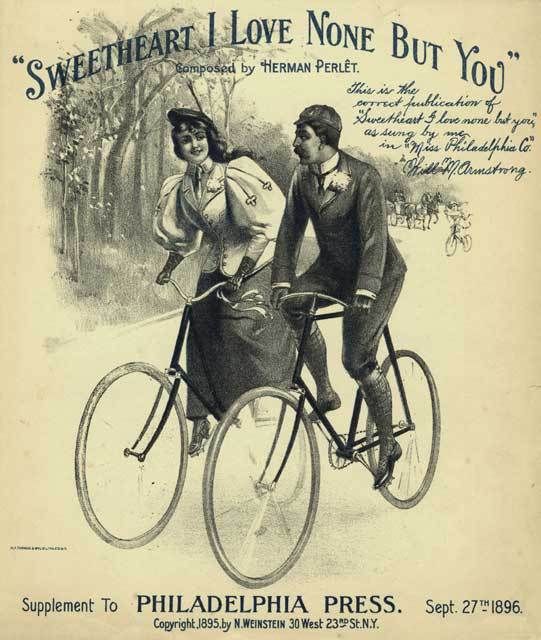
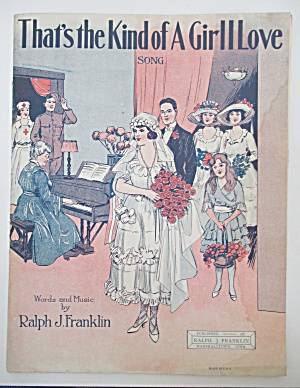
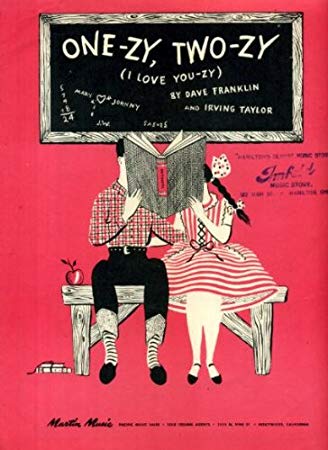
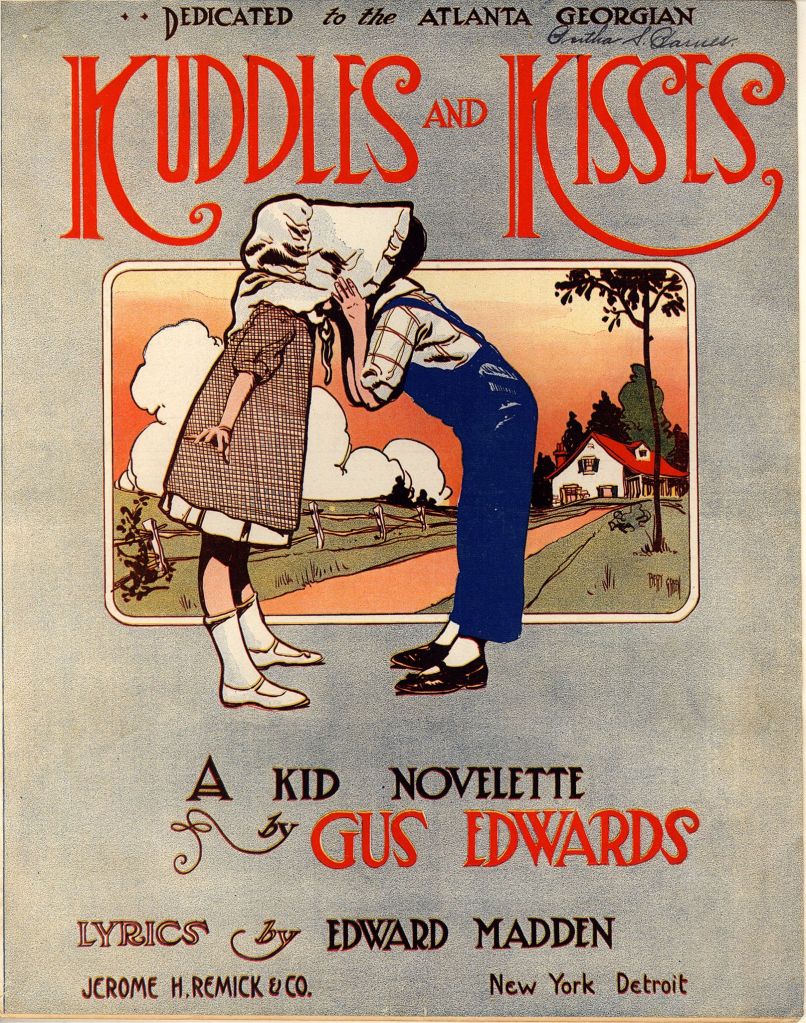
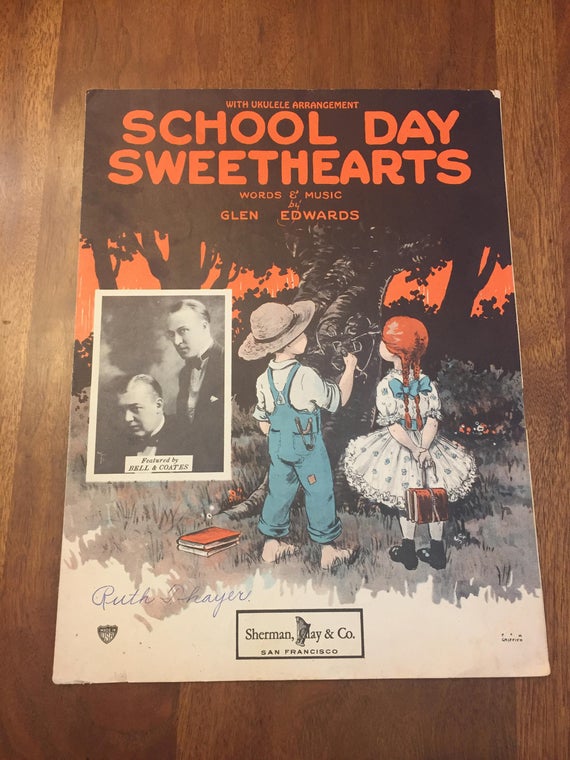
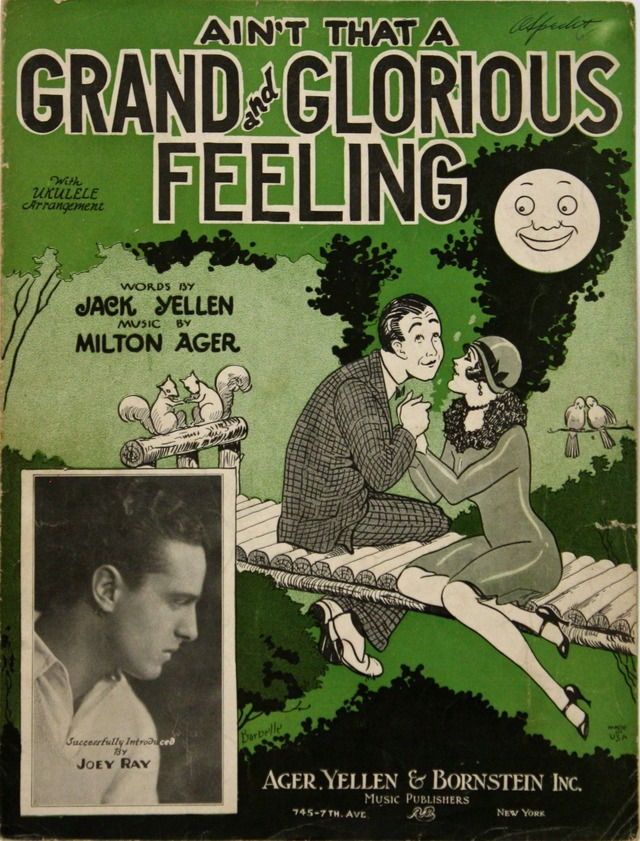
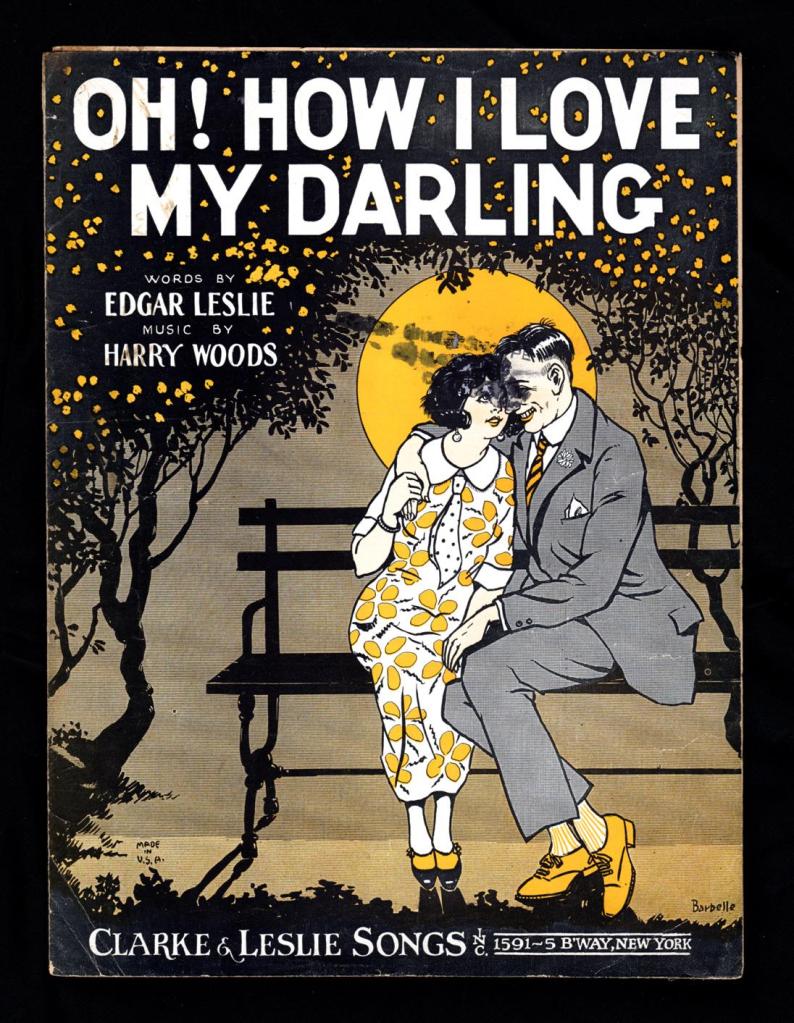
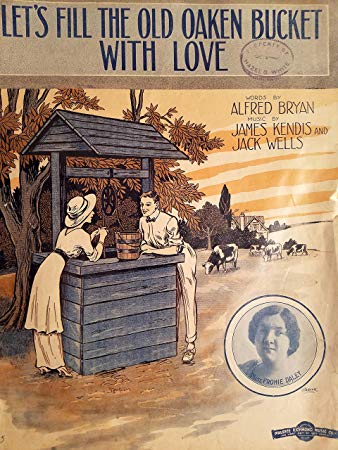
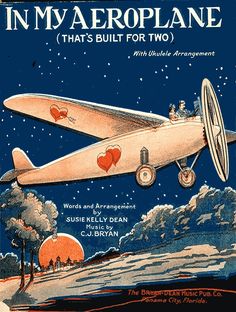
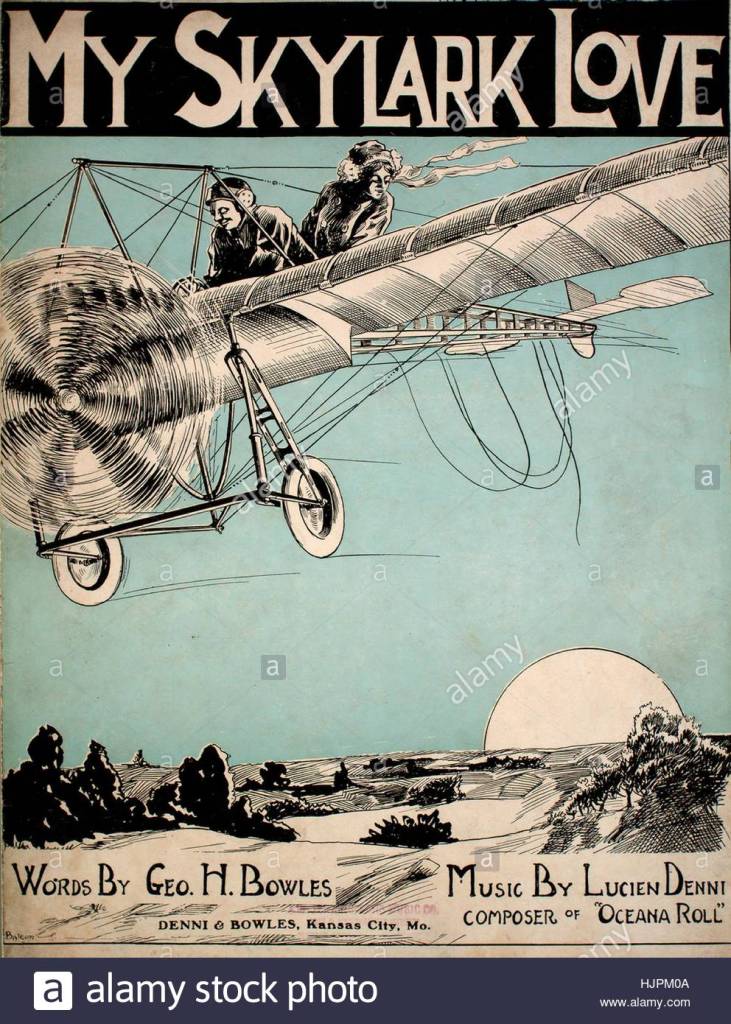
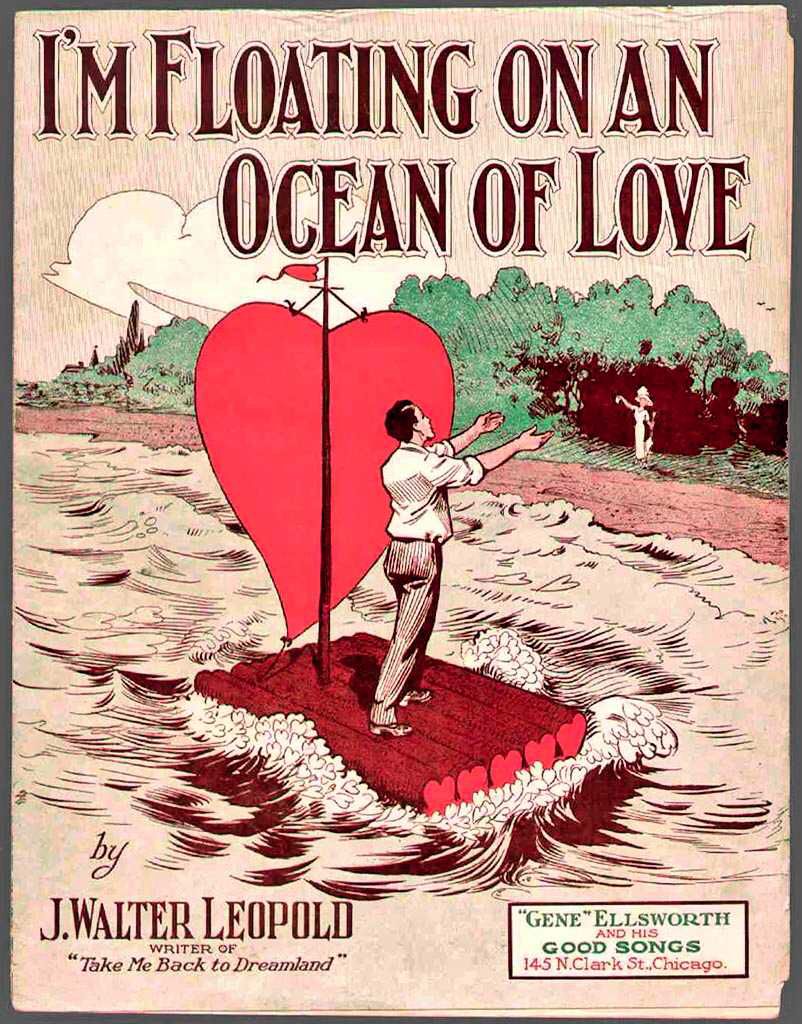
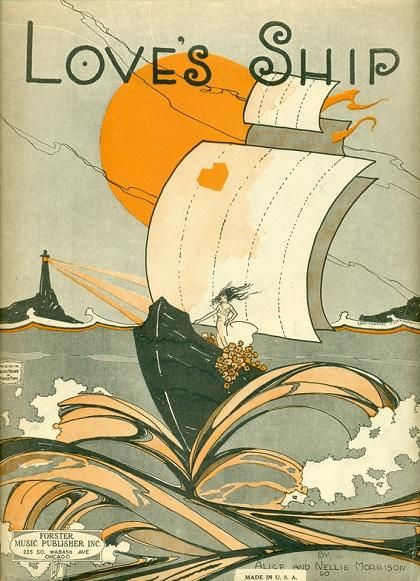
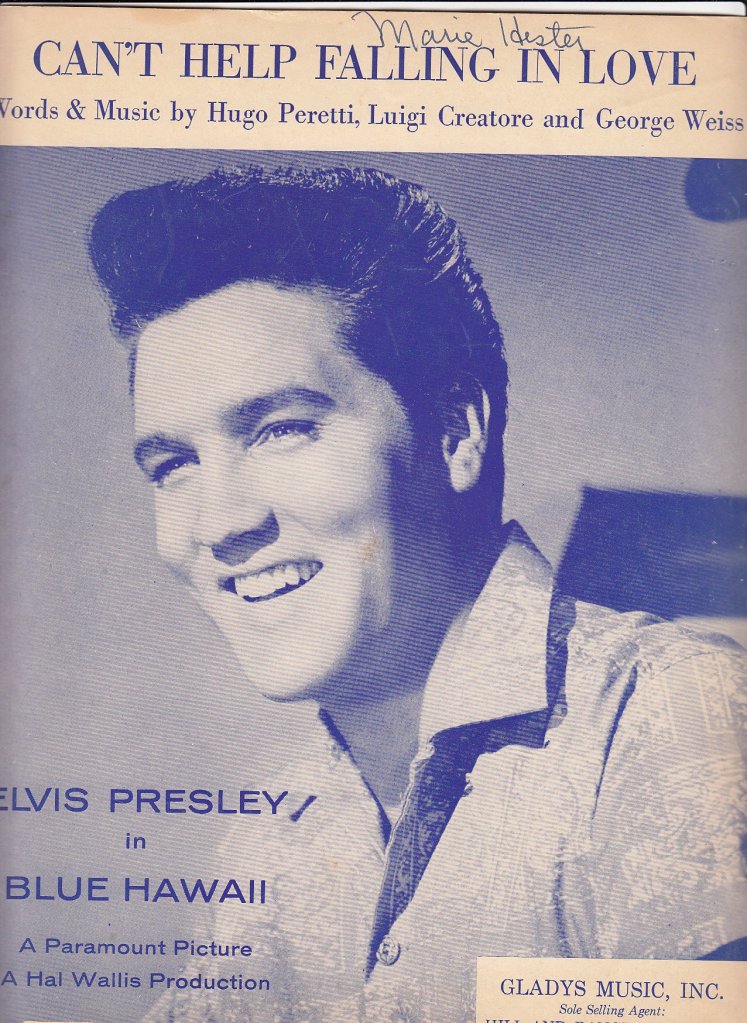
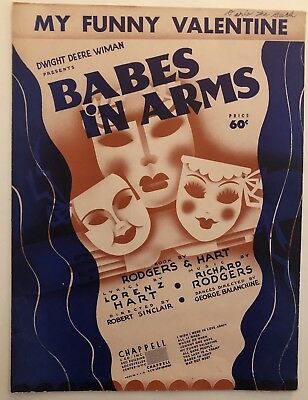
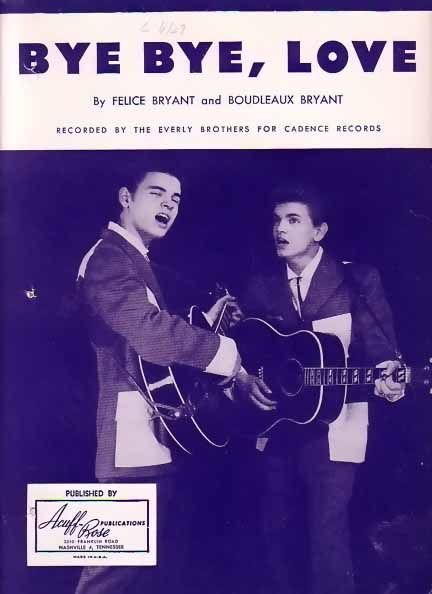
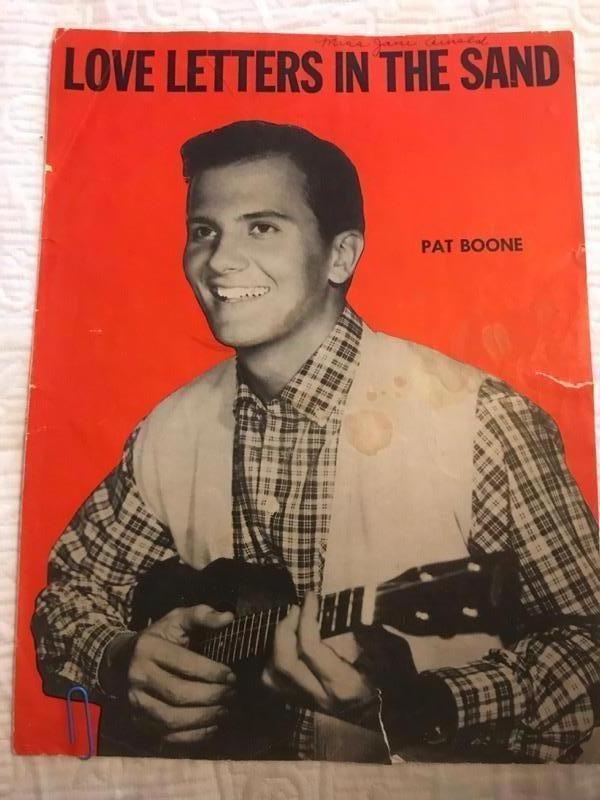
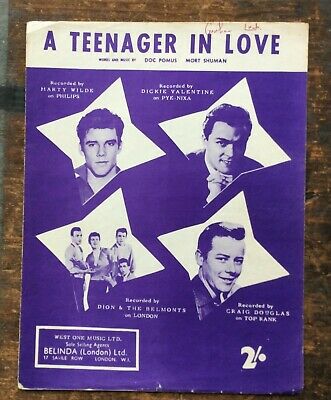
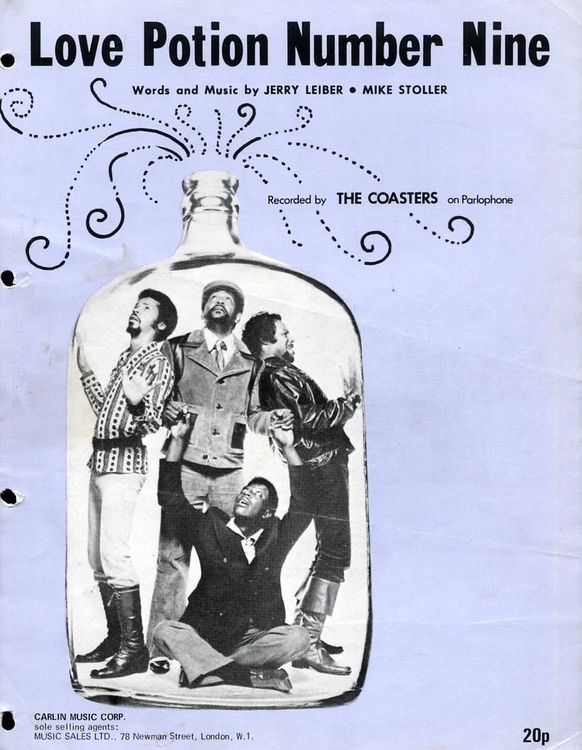
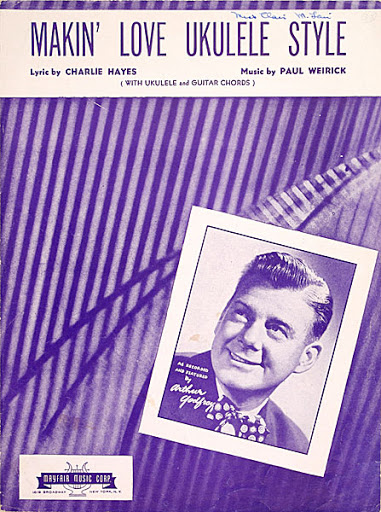
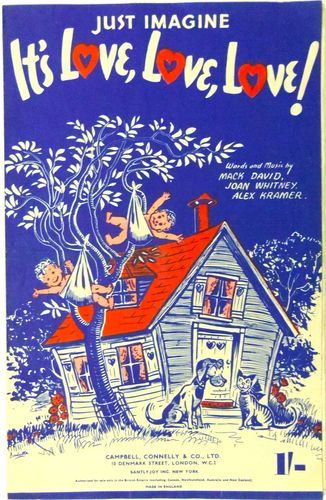
So, this year I thought I would focus on vintage sheet music and tunes with Valentine or Love themes. Here goes!
After vowing to keep life a bit simpler this year, here is a modification of a past posting that will. hopefully, turn our minds from the news of today to the views of the past–all within our ukulele theme, of course! So, here we go as I riff through my collection (online, needless to say) of apropos pictures.
Viewed by many today as a cultural heroine, the “flapper” is one of the most enduring images of Jazz Age youth.
In the 1920s, however, many folks regarded flappers as threatening to conventional society. They represented a new moral order—girls who flouted middle-class values.
The word itself evolved from 19th Century English and French terms for women who wore loose clothing (it flapped!) and, needless to say, often had equally loose morals.
Flappers’ behavior was considered outlandish at the time.
But it redefined women’s roles in society in the US, in Europe, and even in Japan.
The evolving image of flappers was of independent young women who went by night to jazz clubs, such as those in, which were viewed as erotic and dangerous.
And where they danced provocatively,
smoked cigarettes,
and dated freely, perhaps indiscriminately.
They were active, fashionable,
rode bicycles, drove automobiles, bobbed their hair,
and openly drank alcohol—a defiant act in the era of Prohibition.
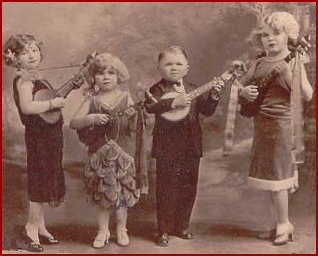
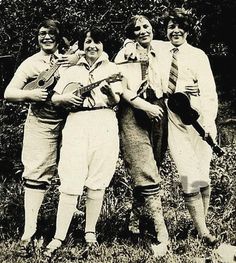
And, OMG! They played ukuleles!
The flapper era saw the evolution of ragtime dance styles to the more “shocking,” such as the Charleston, the Shimmy, the Bunny Hug, and the Black Bottom. But, these were a symbolic badge of the flapper’s rejection of traditional standards.
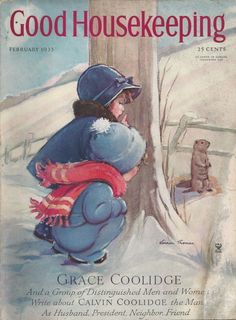
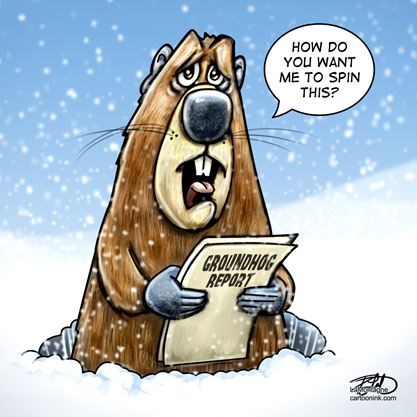
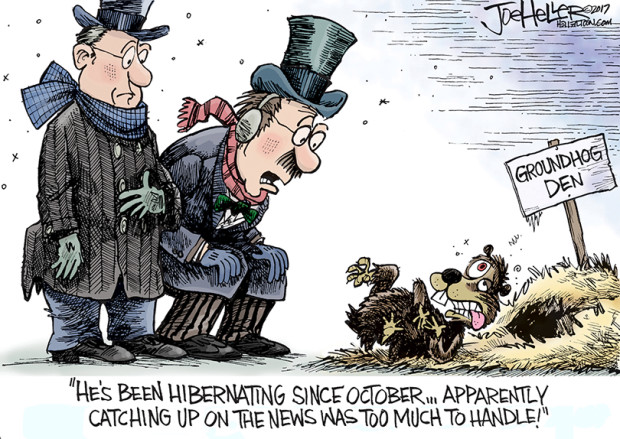
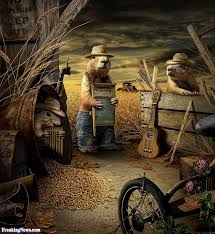
Admittedly, Groundhog Day is more of an annual “event” rather than a “holiday.” Nonetheless, it takes on importance in that is it also “World Play Your Ukulele Day.”
Who knew?
It is also a day that we New Englanders sense the end of Winter and the beginning of Spring—at least those New England natives of the groundhog persuasion. Pray for a cloudy day! Avoid shadows!
Aside from some cute pictures,
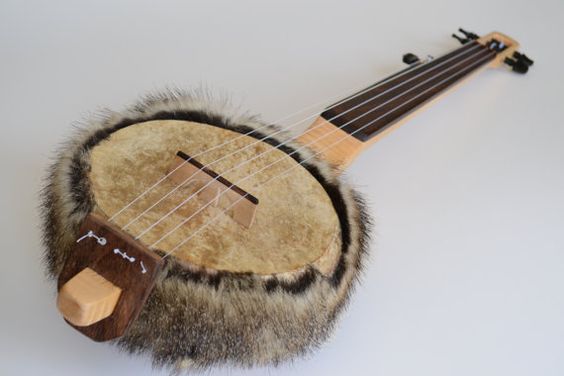
I couldn’t find many ukuleles directly associated with a groundhog. But, our animal friend has a long and historic association with that older cousin of the ukulele, the banjo. It seems that it wasn’t uncommon back in 19th century Appalachia to use a groundhog skin to make a primitive banjo.
There are even a few contemporary banjo makers using groundhog skins, both on five-string mountain banjos
and even—YES—a banjo ukulele or two. Sorry, none in my collection as of yet!
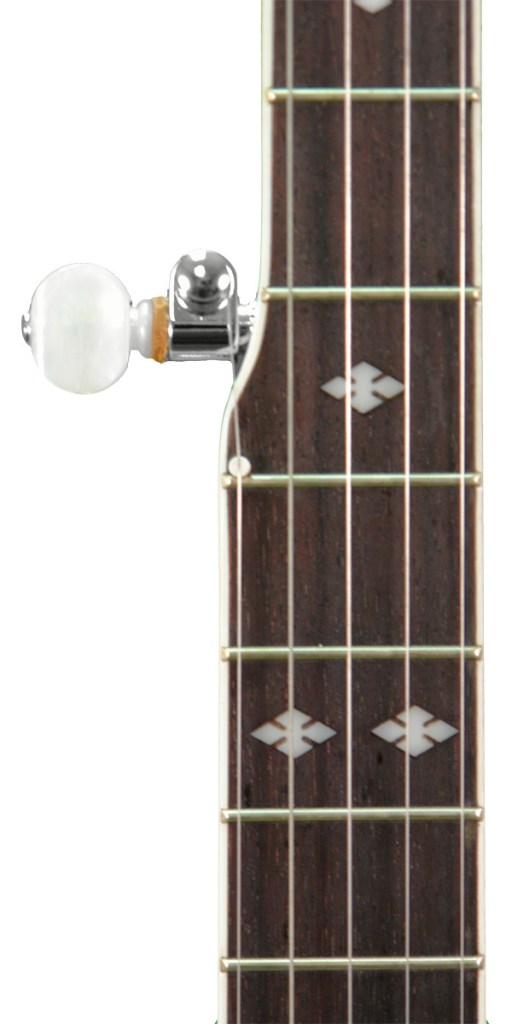
There is also a great old-time tune called “Groundhog.” Here it is played on a fretless banjo just like an old Appalachian mountain one!
The ukulele lends itself to being played in the old-time banjo style called “frailing” or “clawhammer.” The standard high-G string of the ukulele can serve the same melodic/rhythmic function as the fifth “drone” string on a banjo.
On the ukulele, the index finger picks a string (usually a melody note), then brushes down across all four strings followed by the thumb plucking the G string—pick, brush, thumb. The rhythm is 1-2/and, 1-2/and, etc., played in a slow, quick-quick motion. Pete Seeger called this a “bum-ditty, bum-ditty” sound. We could call it a “North-amp/ton, North-amp/ton” strum!
Got it? Of course, there are thousands of intricate variations, but this is “Clawhammer 101.” Here’s a basic YouTube to get you started. Have some Springtime fun!
At the risk of all my vegan and vegetarian friends—to say nothing of those simply of the squeamish persuasion—I must add an good ole recipe for groundhog stew. Well, why not?
Now go seek out a groundhog, before he sees his shadow, and play him a tune on “World Play Your Ukulele Day!”
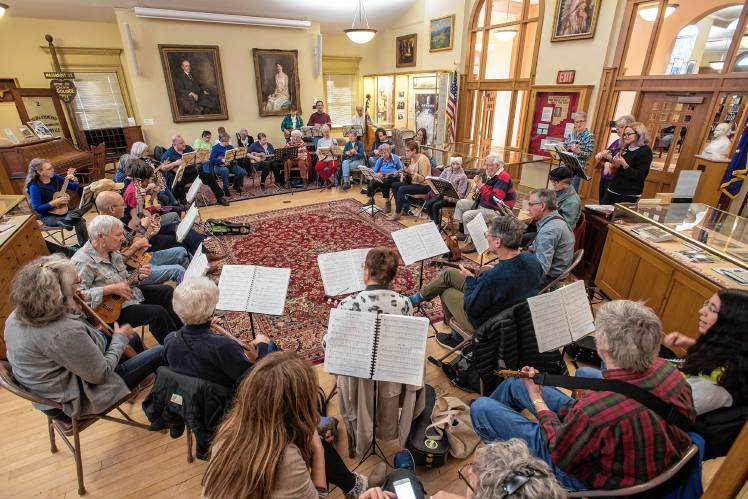
What do we call a group of ukulele players? Let’s come up with a new word!
Searching through my trove of ukulele related thoughts and photos from the past few years, I ran across this posting that seems worth another look and a bit of an update. So, here goes!
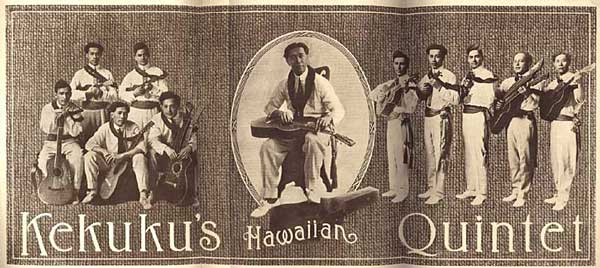
We enjoy playing our ukuleles and our enjoyment is multiplied by the number of friends with whom we play. That enjoyment is multiplied again when we perform as a group before an audience. That makes us “performers” rather than merely “players.” Throughout ukulele history, performing groups have dotted the musical landscape. Needless to say, we have our own here in our Happy Valley.
All of these performing groups–to say nothing of various “strum sessions” keep us both busy and entertained week to week and throughout the year. And, of course, there is our own Saturday Strum Session.
While there are collective nouns for groups of animals—a murder of crows,
a bask of crocodiles,
a crowder of kittens, etc.—
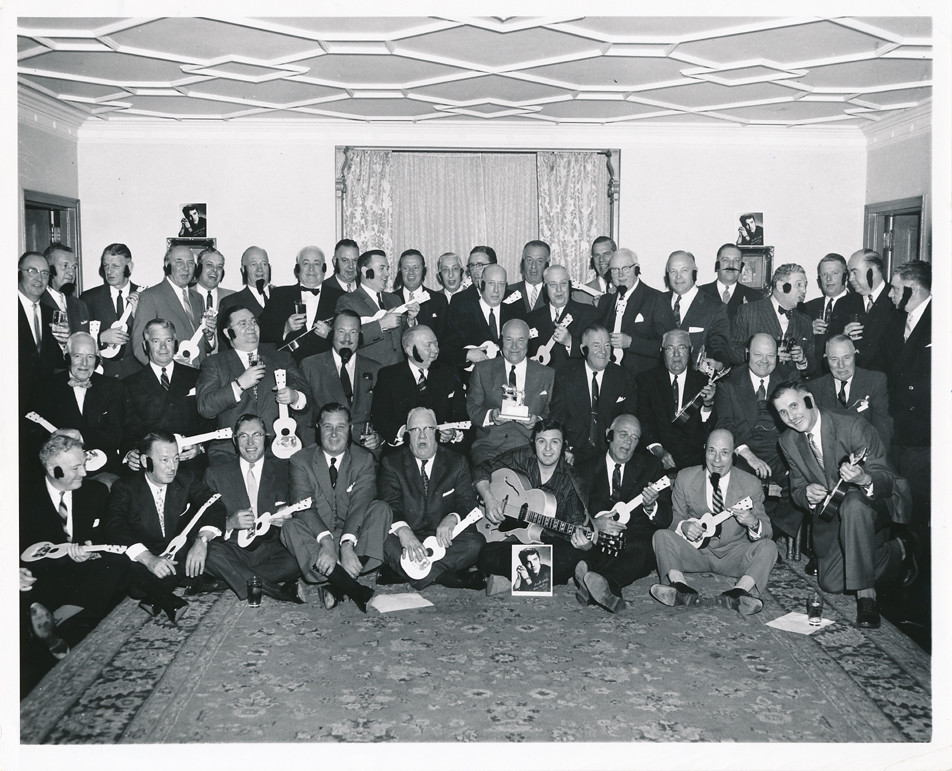
alas, there seems to be no such noun for ukulele players. Therefore, I hereby humbly propose: “A Strum of Ukers.” Let’s see if it catches on!
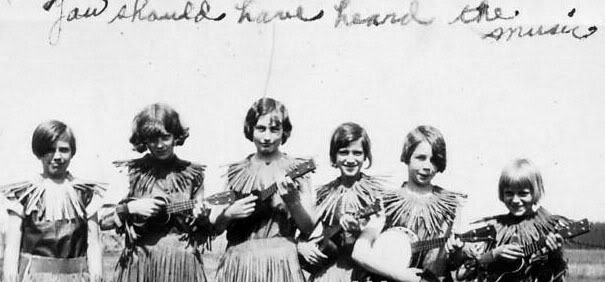
To return to the theme . . . There have been numerous photographs taken throughout ukulele history of groups of ukulele players or performers that have found their way into my Picasa file. A one-man-band seems to fit in,
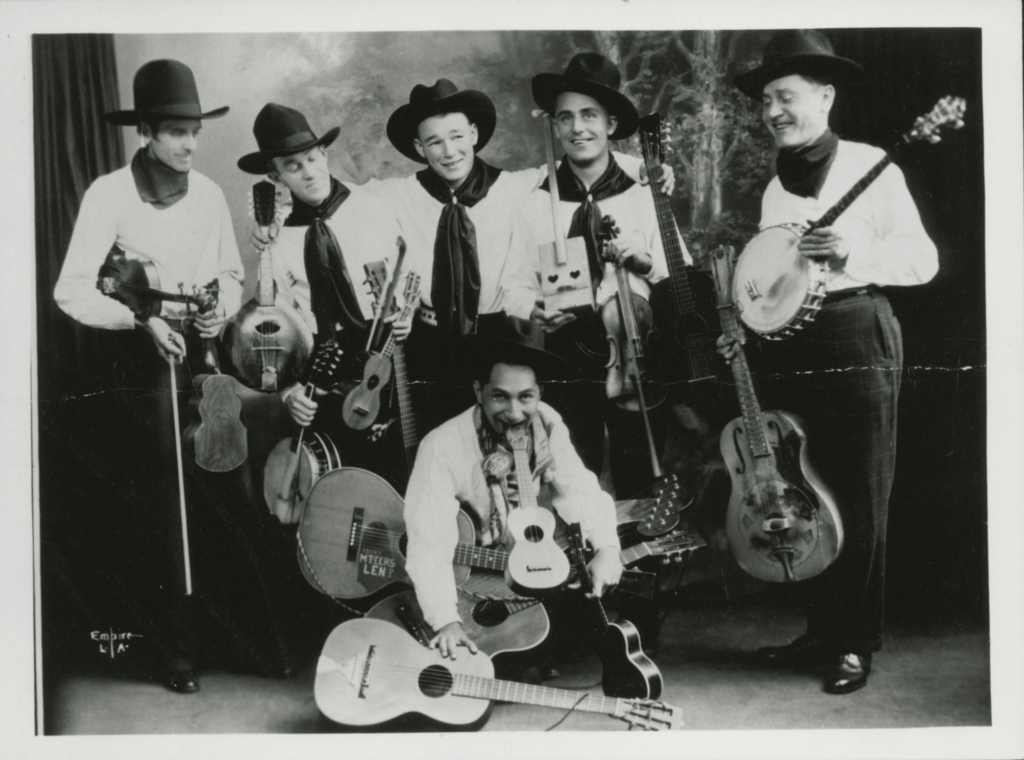
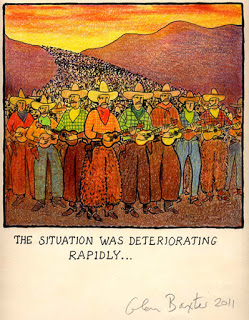
but I am going to focus on pics that feature Strums of Ukers (sounds good!)
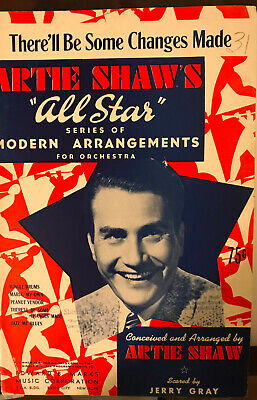
UKULELE MUSING 51, 28 DECEMBER 2019: “There’ll Be Some Changes Made” as we move on to a New Year!
Well, fellow strummers. This is the last weekly musing (Number 51!) that I’ll be posting for 2019. This year I have delved into the back stories of some of the songs from our Blue and Yellow Books and, because of my chronological age and musical interests, I have focused mostly on songs from the mid-twentieth to mid-nineteenth centuries. I have tried to explore these within their historical as well as musical contexts.
At times that history might seem a bit too sharp or too flat for today’s ears; but, while facts and history don’t evolve over time, most music and many of our thoughts about it do. Nearly all of the songs in our books that I have mused about have morphed into so-called “standards”—fun to strum, fun to sing, and—to me—fun to know and learn a bit more about. All of this is what I have mused about over the past year.
So, thanks to those of you who have joined me for the ride. Rest assured, my musings will continue next year in one form or another!
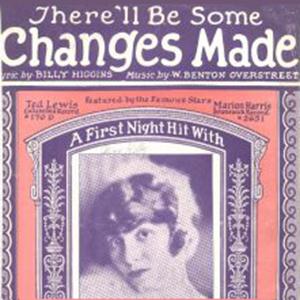
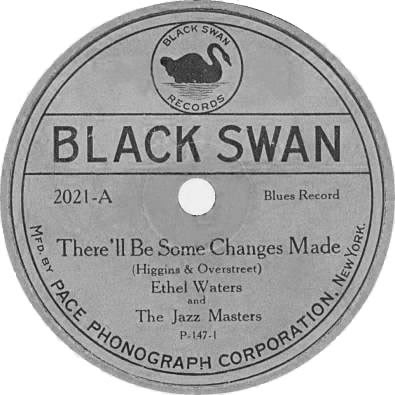
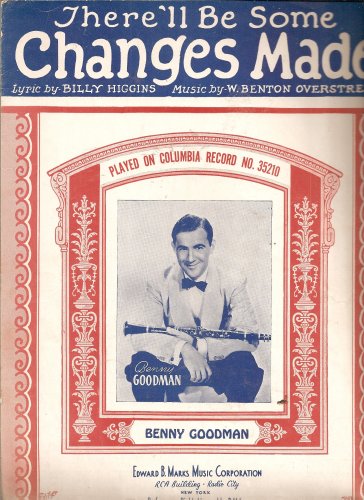
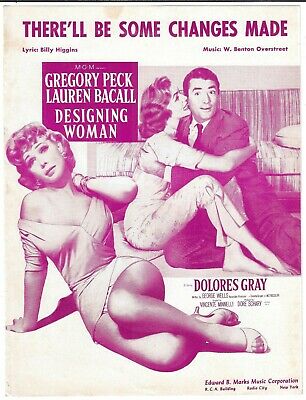
Anyway, as we make this transition to the New Year, there is a song found in our Blue Book appropriate for the occasion: “There’ll Be Some Changes Made.” This was written by William Benton Overstreet (1888-1935), music, and William Wendall “Billy” Higgins (1888-1937), lyrics. Published in 1921, this is a good example of a popular song that has flourished in several genres, particularly as a jazz standard.
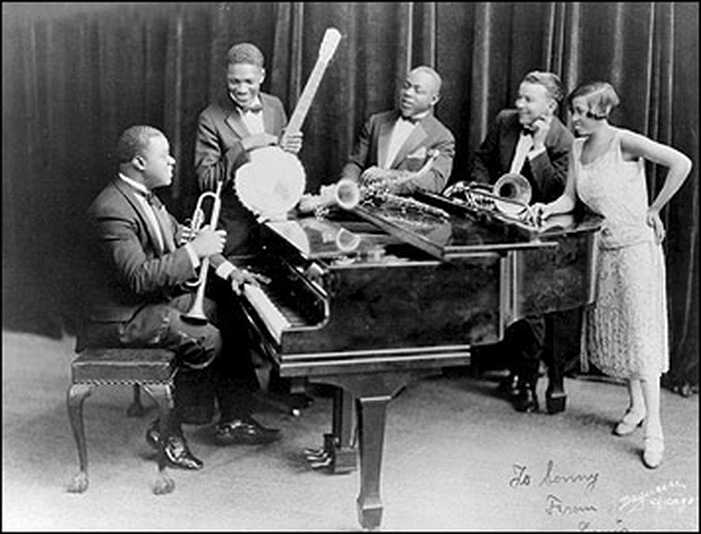
The song and its recording debut were revolutionary in that the composers, publisher, vocalist, record label, and the leader and musicians in the orchestra were ALL African-American. Musicologists identify this song and recording as a notable milestone of the Harlem Renaissance.
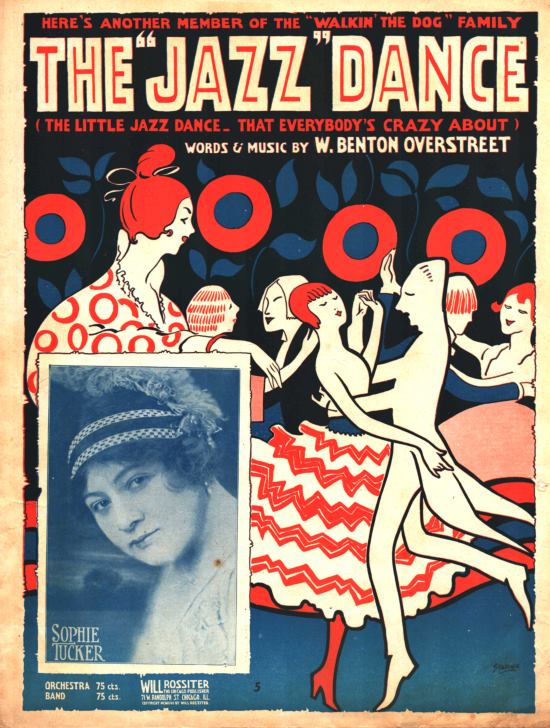
Overstreet was a songwriter, bandleader and pianist who worked in Kansas City, Chicago, and Harlem and early on used the word “jass” to describe his music.When he wrote and published the tune “Jazz Dance” in 1917, he changed things a bit and it was the first known use of the word “jazz” in a song title.
As a songwriter, Overstreet was rated by Langston Hughes, a chronicler and leader of the Harlem Renaissance, as one of the “better poets of jazz.”
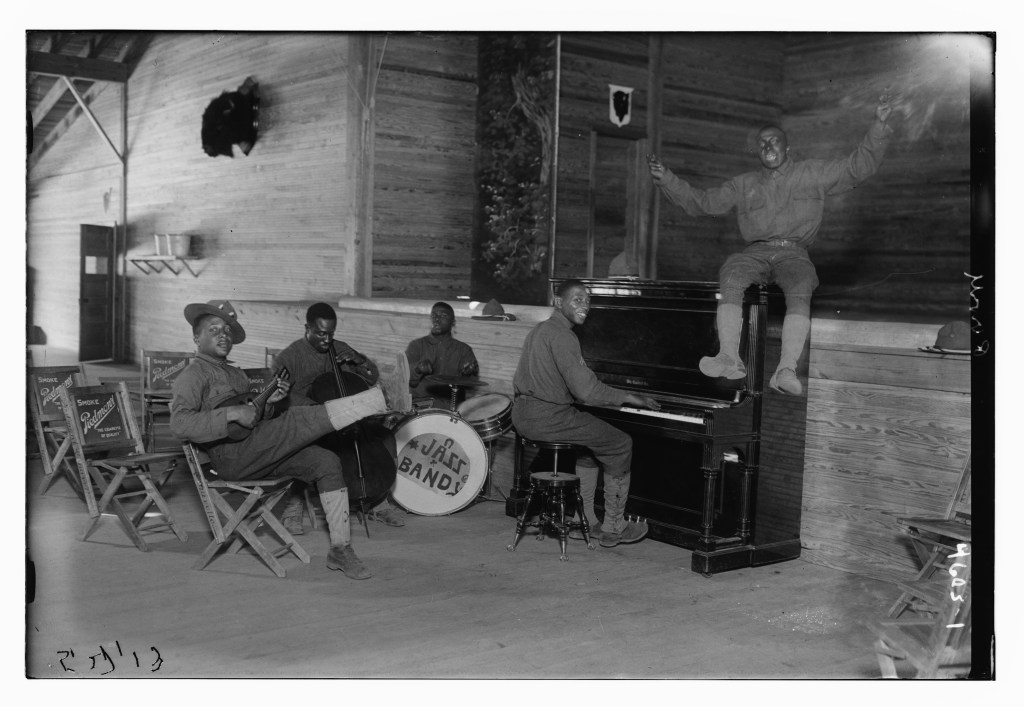
Higgins, on the other hand, was an entertainer, and stage comedian. He was a singer as well as a songwriter—critically acclaimed as one of the most popular African-American comic actors of the 1920s. Often, as was done in those days, he performed in “blackface” makeup. Langston Hughes named him as one of the “Golden Dozen” black comedians of the Harlem Renaissance. He started his entertainment career in the South and achieved recognition performing in so-called “soldier shows” when he served in World War I.
After the war, he moved on to a vaudeville and musical career in Harlem where he linked up with Overstreet.
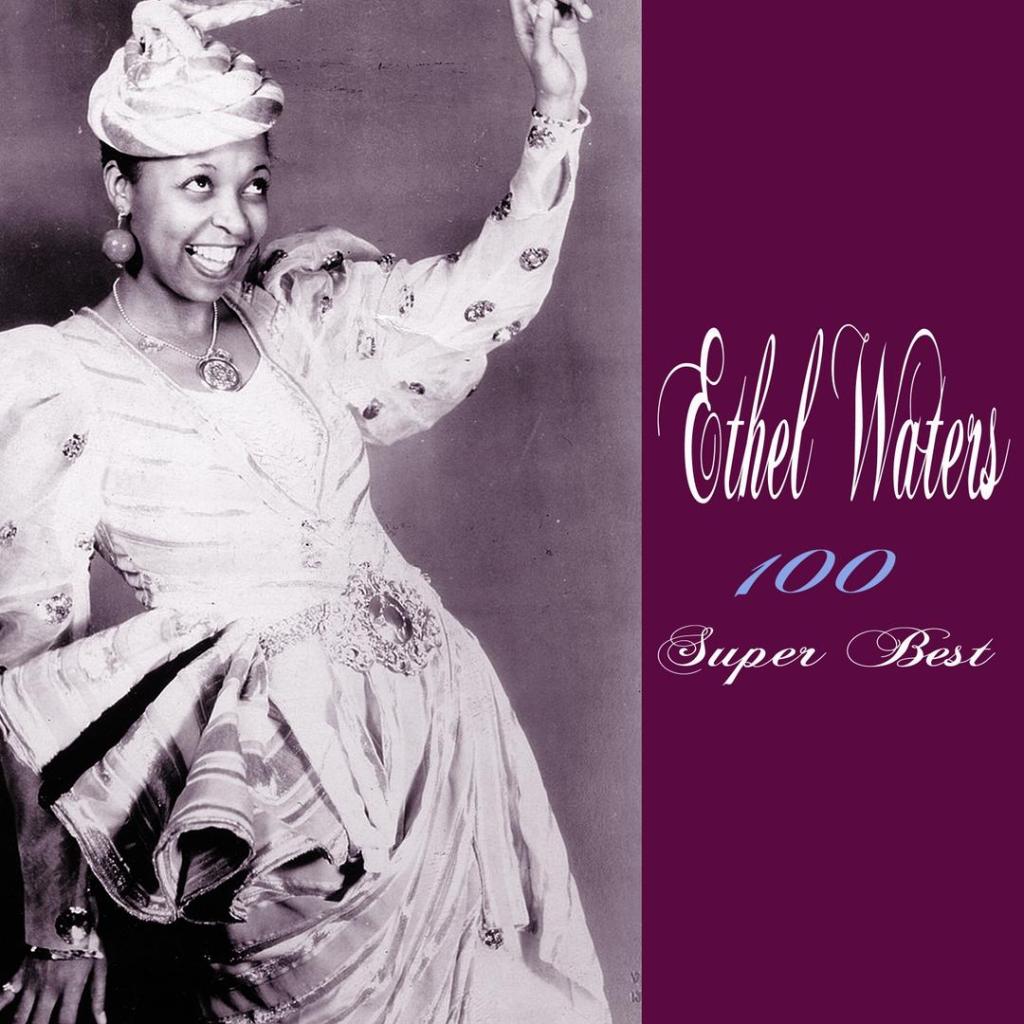
In the 1920s, “Changes” was recorded by vocalists Ethel Waters, Sophie Tucker, and others.
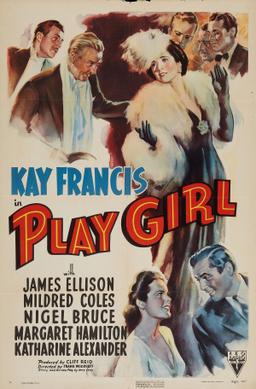
There were other movies that used the song and even Country and Western recordings by Bob Wills and Chet Atkins. In all, there have been over 400 recordings since the 1920s!
I began my postings on ukulele lore and music back in 2016 by focusing on some of the more interesting ukuleles in my collection.
The next year I mused about ukulele history and ukulele culture. The following year I wrote about ukuleles and ukulele music relative to holidays and calendar events. And, of course, this year was about songs in our Blue and Yellow Books.
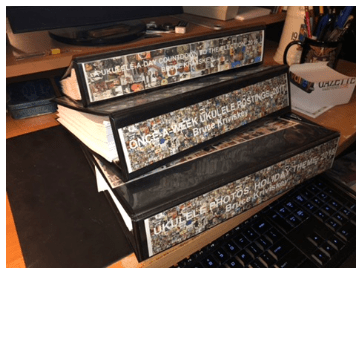
Believe it or not, these add up to a posting nearly every week–almost 200 postings over the past four years! Whew! Saved, of course, the old fashioned way.
This might be all for this year but, all I can say is “STAY TUNED!”
UKULELE MUSING 50, 21 DECEMBER 2019: “MELE KALIKIMAKA,” A Bit of Western Swing from America’s Westernmost State.
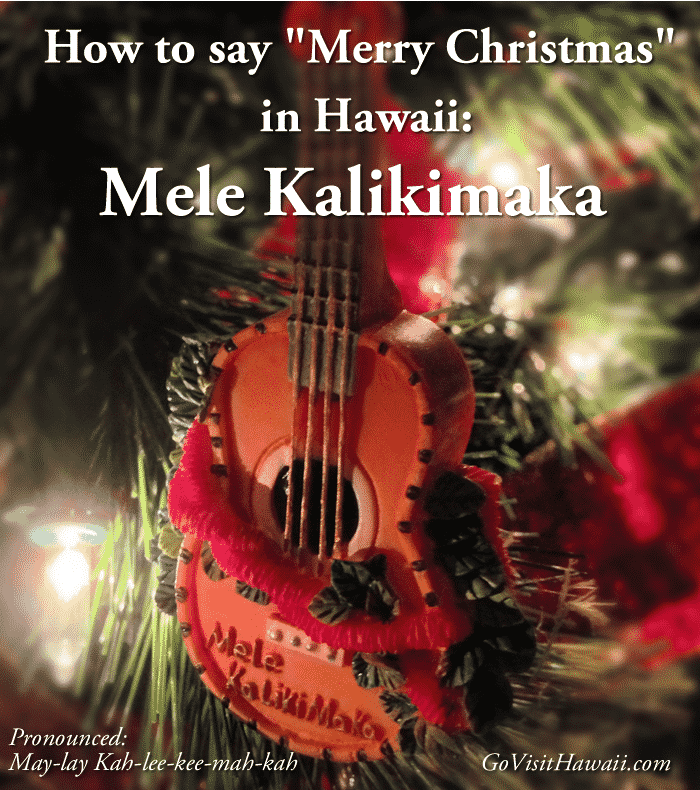
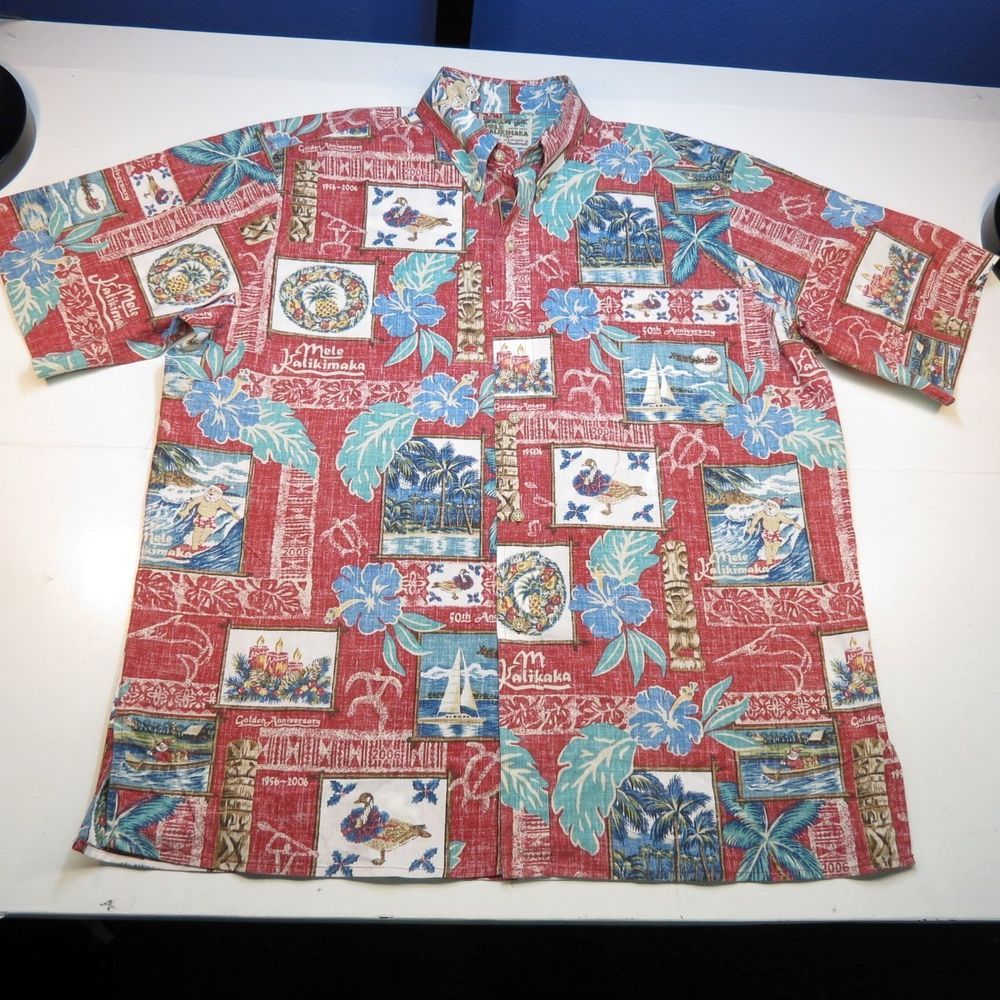
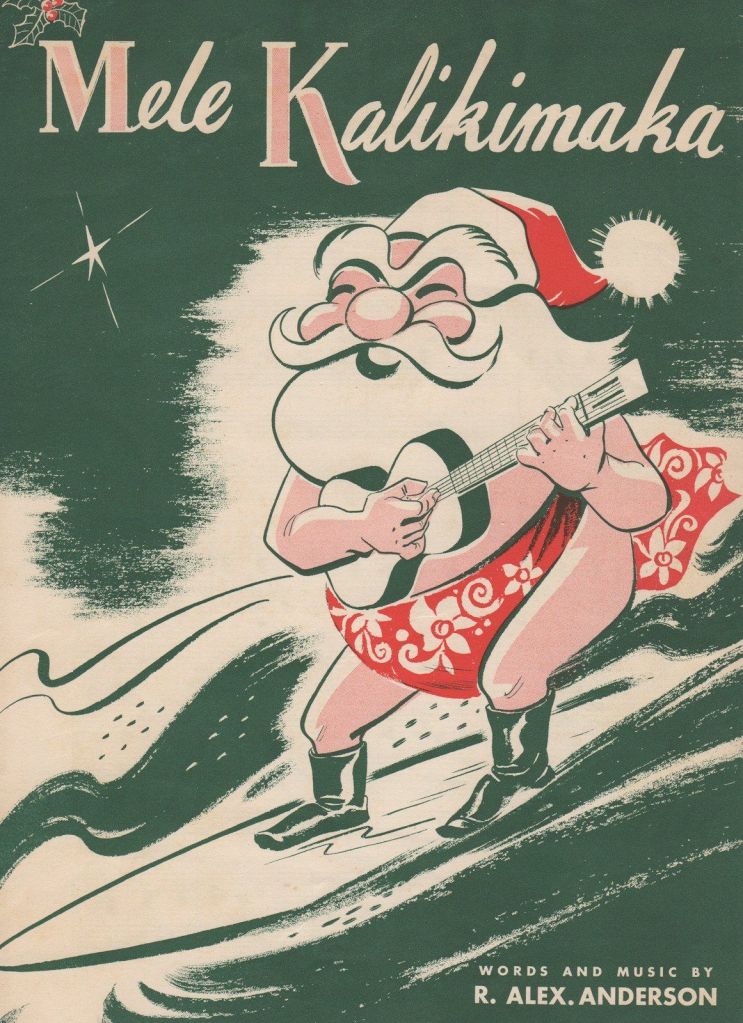
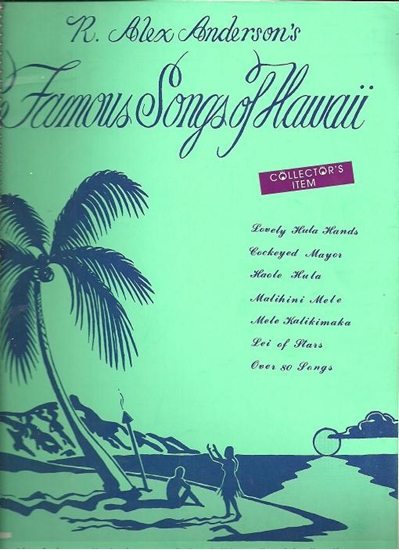
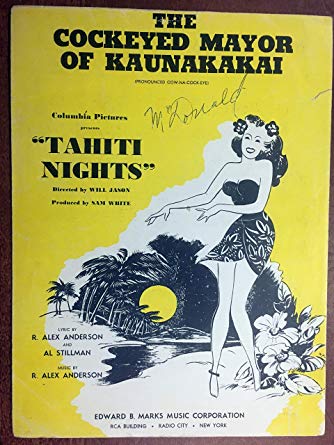
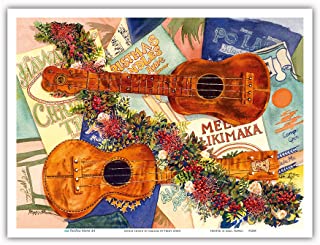
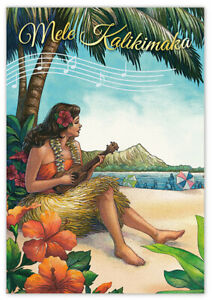
This wouldn’t be a serious ukulele posting this Christmas season without taking a look at that old favorite (chestnut?) Hawaiian holiday song, “Mele Kalikimaka”—the “thing to say on a bright Hawaiian Christmas day!” This lively song, from our Yellow Book, is, however, a bit more “Hawaiian sort of” rather than “Hawaiian actual.”
Our song was written in 1949 by Robert Alex Anderson (1894-1995) and takes its title from the Hawaiian phrase “Mele Kalikimaka” meaning “Merry Christmas.” The phrase, despite its island sound, is actually fashioned directly from English and was first coined and published in Hawaii in 1904. Since the Hawaiian language follows a different phonetic system than English, it’s not possible to render a pronunciation that is really close to “Merry Christmas.” Standard Hawaiian does not have the “r” or “s” of English and it doesn’t use consonants at the end of syllables or in clusters. So, without those alphabetical tools, the closest approximation to “Merry Christmas” evolved as “Mele Kalikimaka.” Here’s a fun explanation of how this linguistic filtration works:
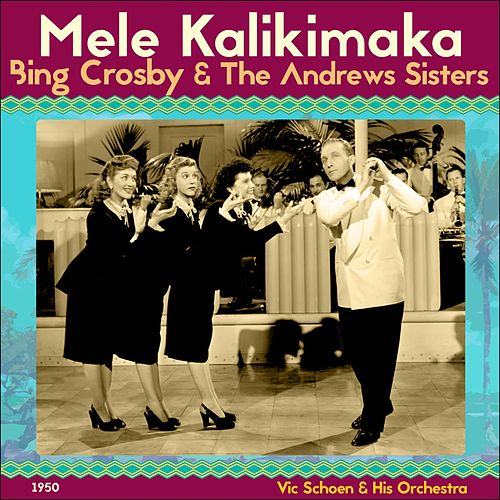
One of the earliest recordings of “Mele Kalikimaka”, 1950, was by Bing Crosby with the Andrews sisters—with more of a “western swing” rather than “hula” beat.
This is the classic interpretation followed by, needless to say, hundreds of other cover artists over the past seventy years!
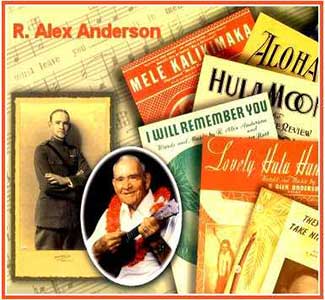
While our song falls squarely in the hape haole musical genre—that is, a song about Hawaii in English rather than from Hawaii in Hawaiian—it does have island cred because Anderson was born in Hawaii and settled there after college at Cornell and service in World War I. He was an electrical/mechanical engineer and had a successful business career along with being an avid songwriter. Not surprisingly he specialized in Hawaiian-themed songs and, aside from “Mele Kalikimaka,” his best known of more than two hundred songs is “Lovely Hula Hands.”
A graduate of Hawaii’s Punahoa School and Cornell University, Anderson was considered the “most Hawaiian” of the hapa haole composers and was inducted into the Hawaiian Music Hall of Fame in 1985.
Here is a rare recording of him talking about his work:
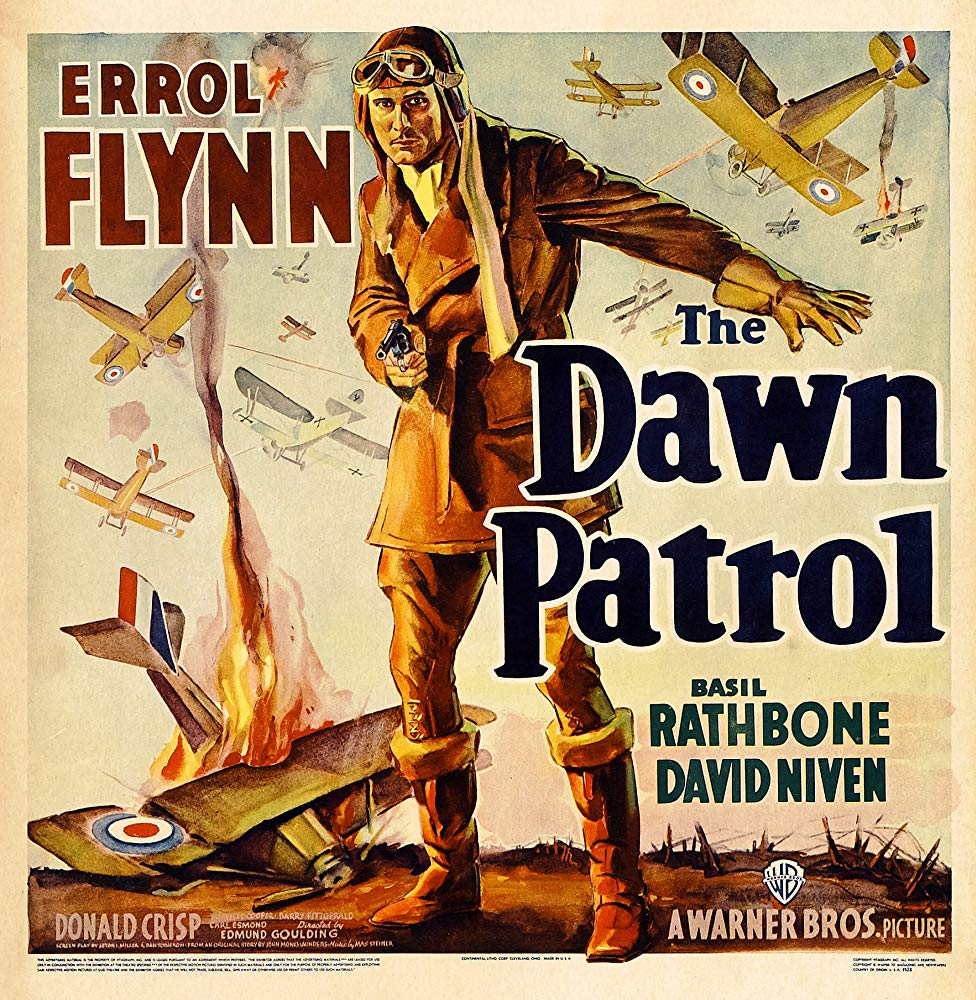
Not just a composer, Anderson was a fighter pilot in World War I, was shot down over enemy territory, and made a daring escape from a German POW camp. The 1935 Errol Flynn movie, “The Dawn Patrol,” was based on this adventure!
So, let’s have some fun with a few interpretations of this traditional Christmas—or should we say “Kalikimaka”—greeting from Hawaii. Notice also how the Hawaiian steel guitar sounds a lot like the pedal steel guitar of country and western music.
UKULELE MUSING 41, 19 OCTOBER
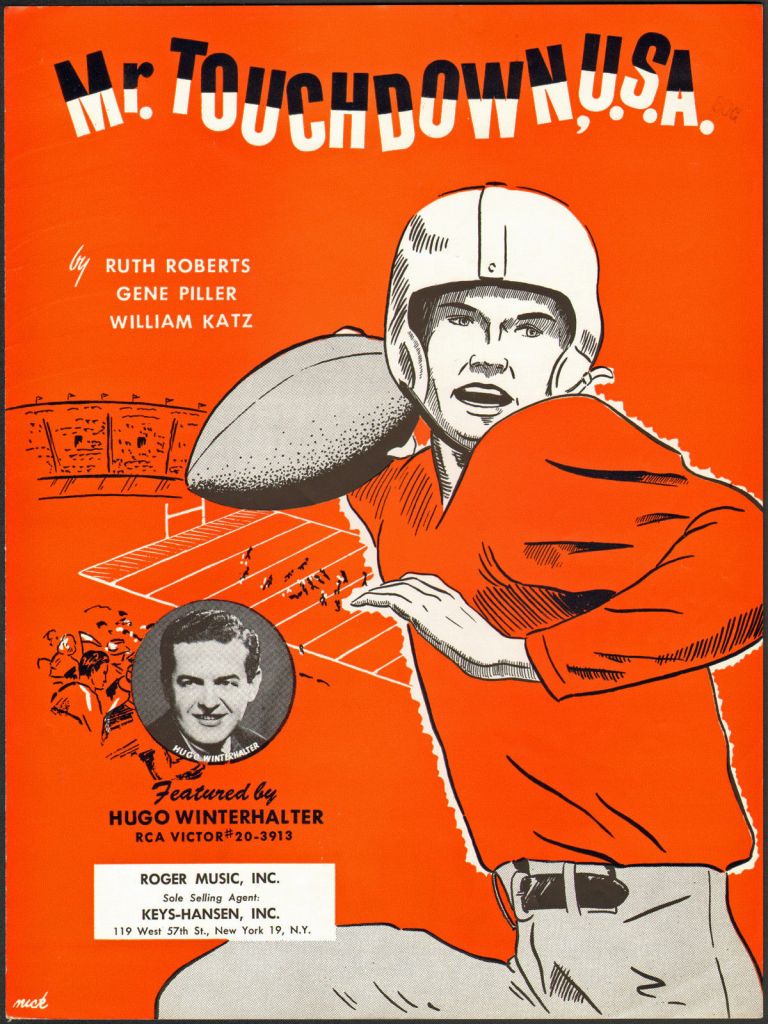
2019: “FOOTBALL HEROS” AND FOOTBALL UKES!
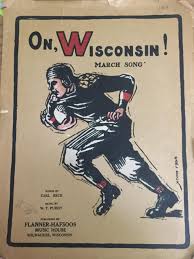
Alison and I are on the road this week. A highlight was visiting the University of Wisconsin, in Madison, to visit our oldest granddaughter, a first-year there. We, of course, caught a football game with all the hoopla of college life—to say nothing of the cold and wind of Camp Randall Stadium! Since I was a bit too busy to research and write a fresh ukulele blog this week, bear with me if I expand on one of my postings from a few years ago—one that is certainly on topic!
This is from the year that I focused on ukuleles from my collection and grouped them by various themes. This one is all about football! Enjoy.
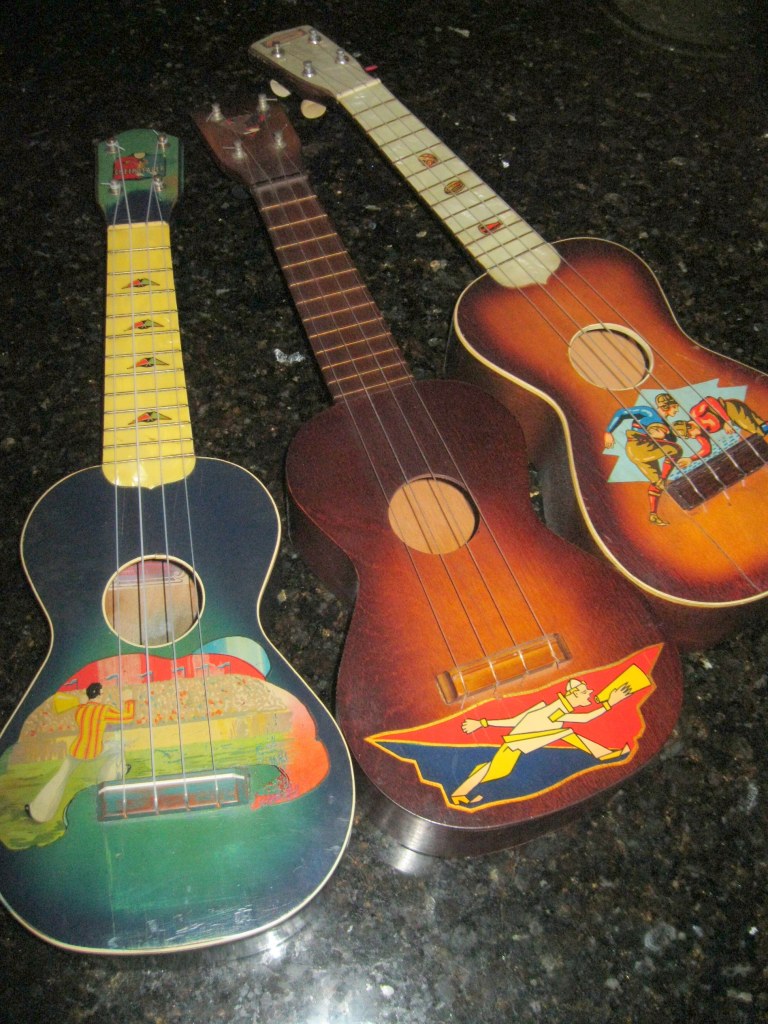
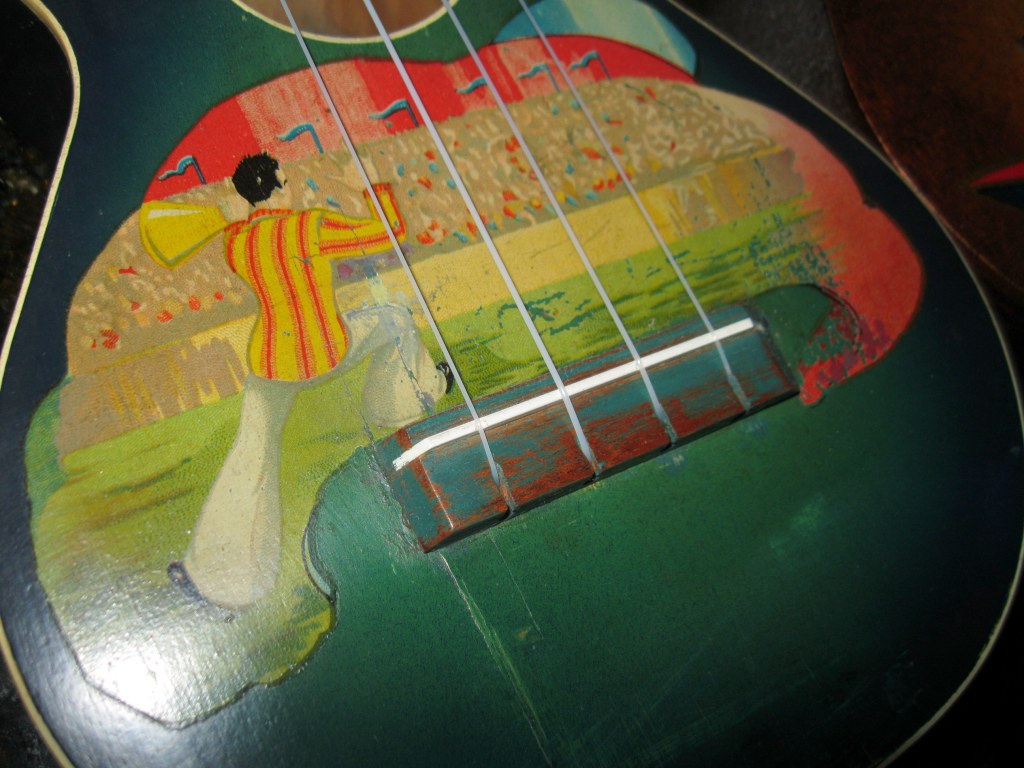
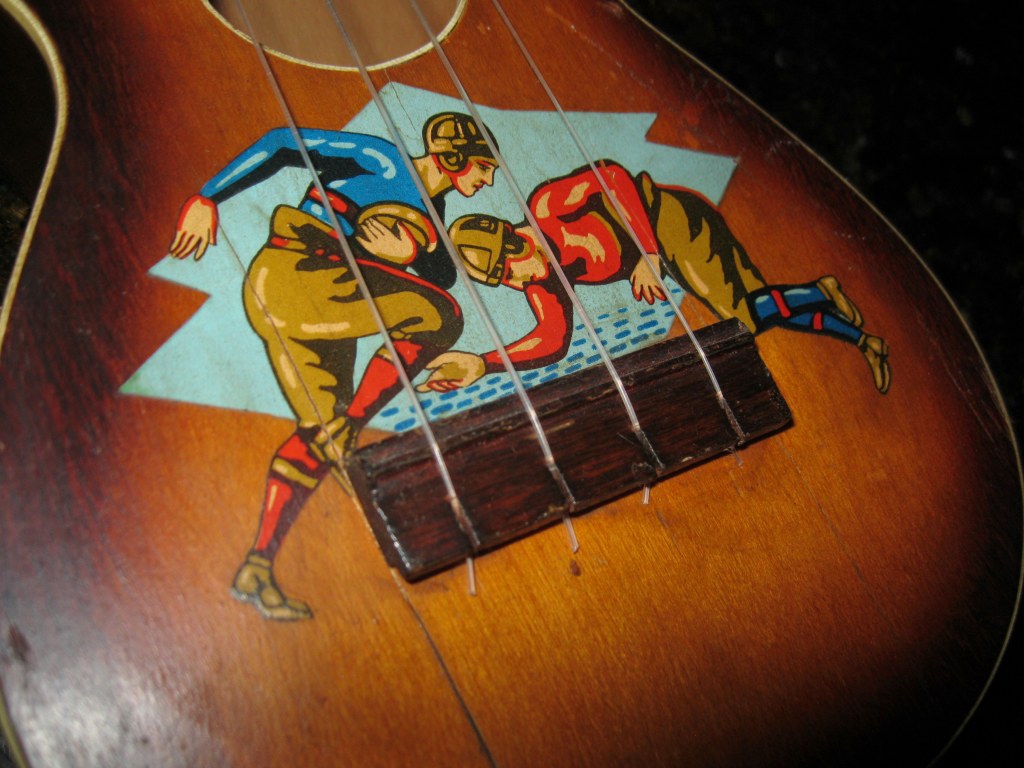
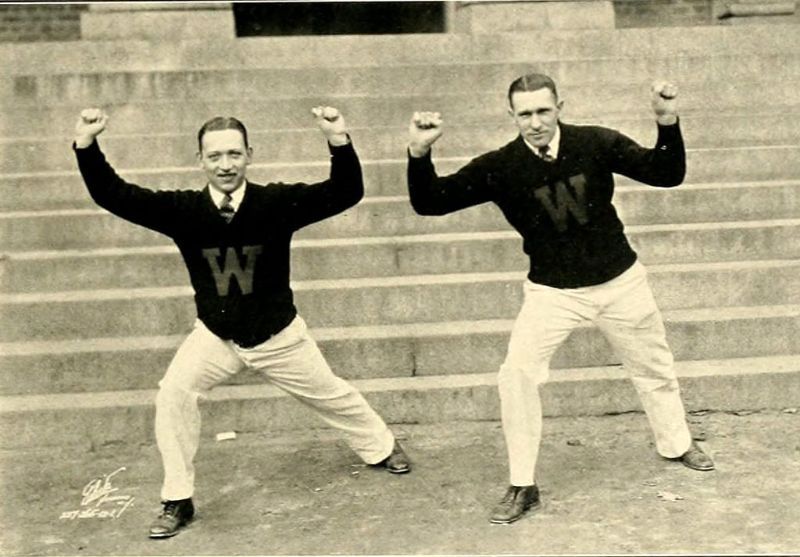
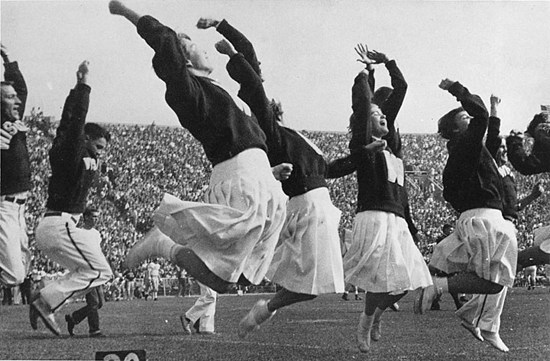
Here are three little soprano ukes from those days, one showing those “leatherheads” in action and the other two showing cheerleaders—known as “pep leaders” in those days—doing their thing. These probably sold for three or four dollars back in the 1930s. Fun to find today!
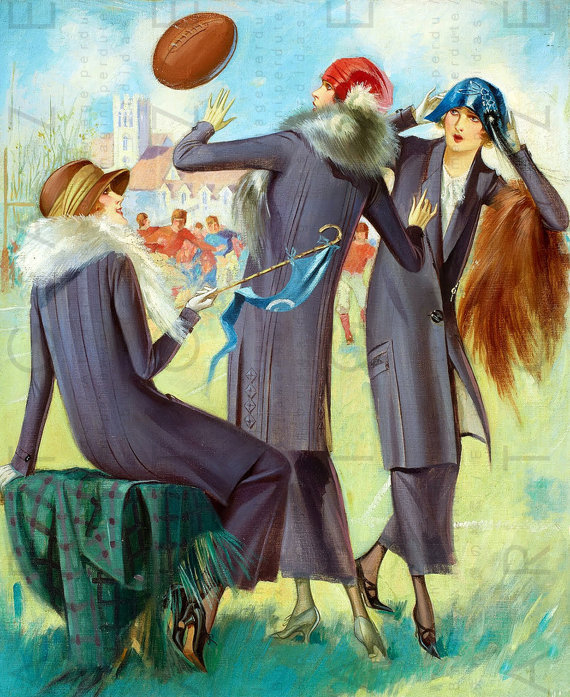
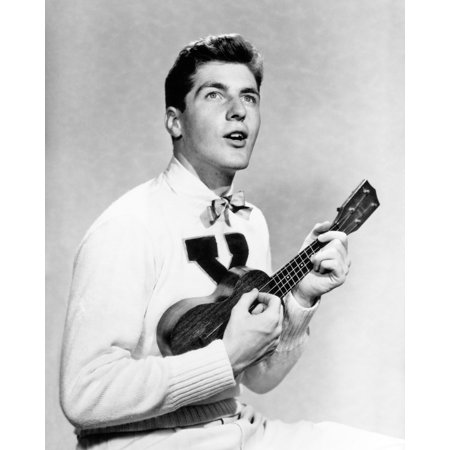
Besides ukuleles and doing “The Charleston,” a passion of the Jazz Age was FOOTBALL, particularly college football. It became a Saturday ritual in the Ivy League, Big Ten, and a host of other conferences to put on your raccoon coat or flapper dress, hop into a flivver or a trolley, and grab your flask and ukulele and head to the stadium.
This was a chance to see your favorite players in action and cheer your heads off for your favorite team.
Ah, memories of the sweet old days sitting in a cold, often wet,
stadium and, after the game sadly or happily heading out for a teacup of
prohibition rye and a tune on the uke!
UKULELE MUSING 34, 24 AUGUST 2019—“ROOTIN’ TOOTIN’ COWBOY SONGS OF THE WILD WEST (SORT OF . . .)”
An ever -popular form of American music today is what we call “Country.” In years past, the category was called “Country and Western” and still further back in time “Hillbilly and Cowboy.”
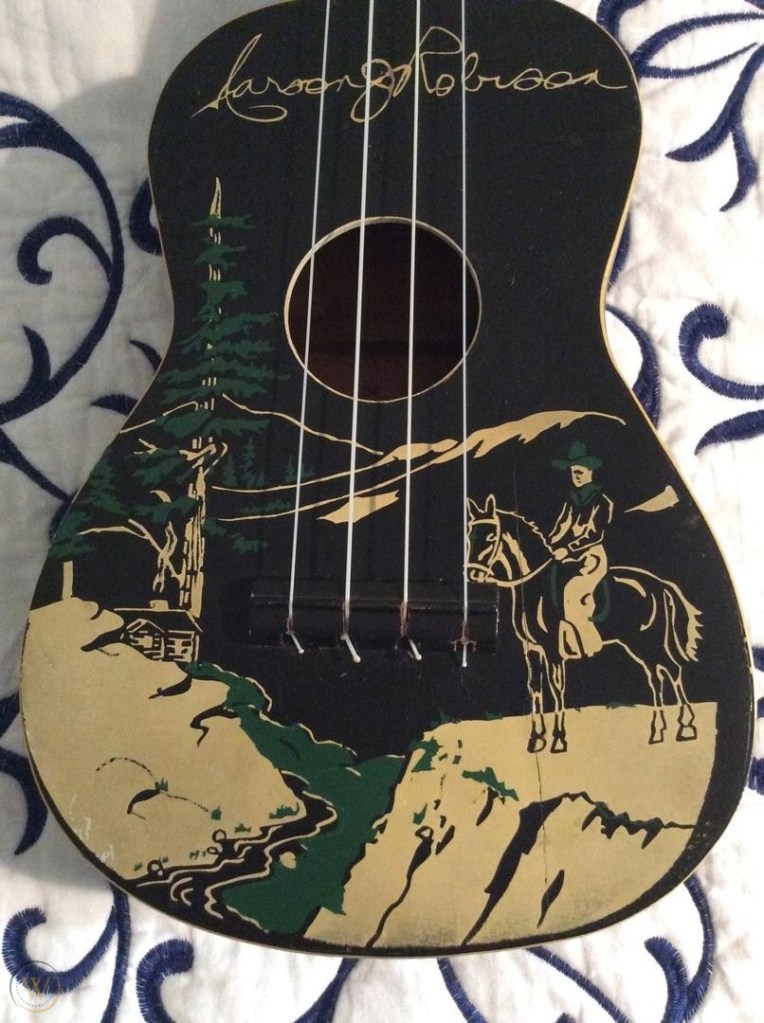
Many, many songs in our Blue and Yellow Books come from this genre and most were composed and written by real folks from the hills and prairies—think The Carter Family, Carson Robeson, and that ilk.
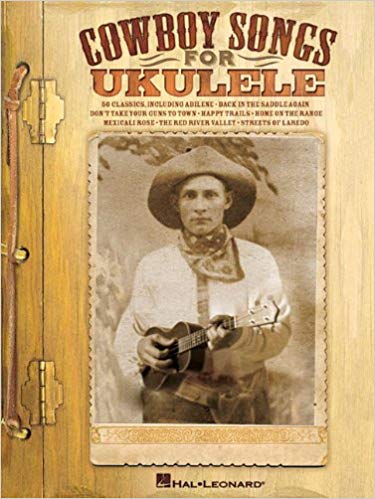
As to the so-called cowboy songs in our books, many evoke the mythic ways and denizens of the American West and are fun to sing and hear.
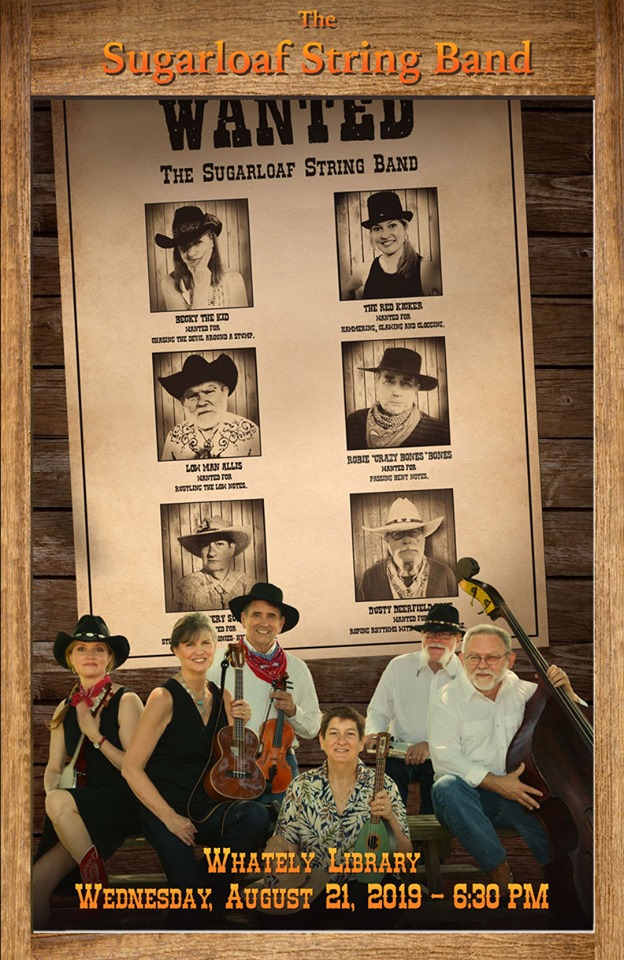
Take a listen to our nearby “Sugarloaf String Band” to see what I mean. Good friends, good tunes, and good times right here in our “Happy Valley!”
There are a
couple of so-called cowboy tunes in our book, however, that just might rate an
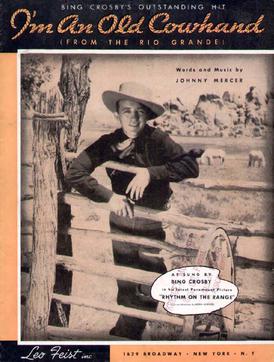
asterisk—ones that are a bit more Hollywood than Wild West. Take, for example, “I’m an Old Cowhand,
From the Rio Grande.”
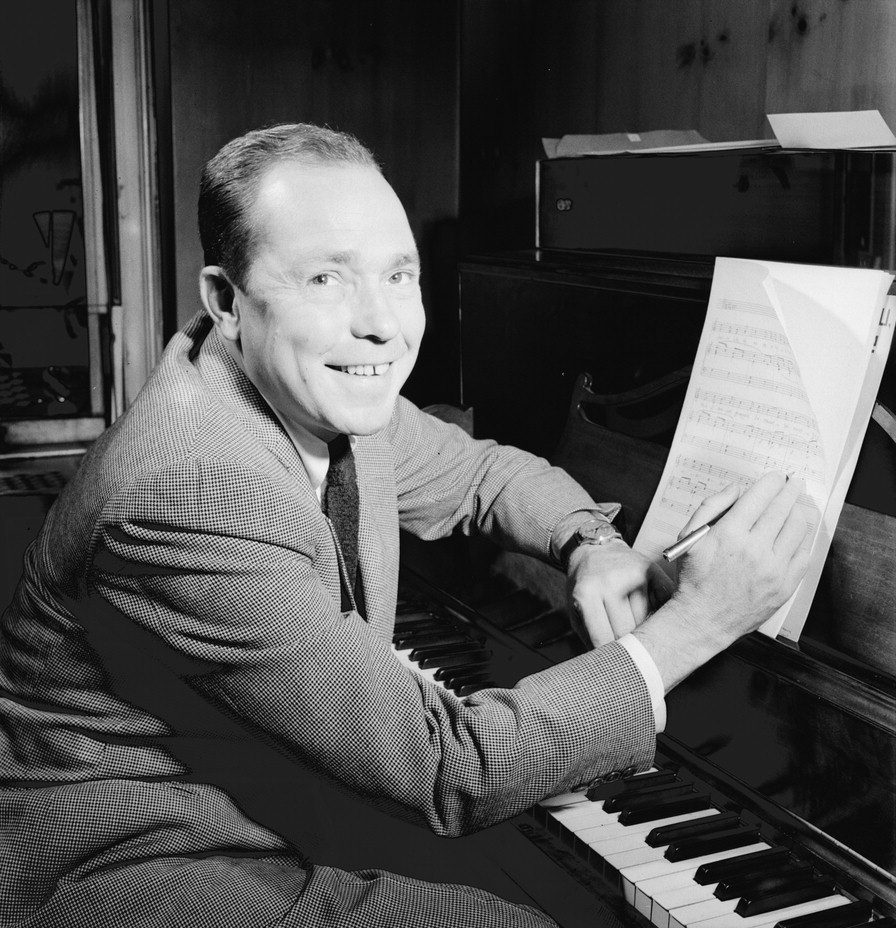
This was from the pen of the prolific songwriter from Savannah, Georgia, Johnny Mercer (1909-1976)—about as Eastern as you can get—who wrote lyrics for dozens of witty hits like “Ac-Cen-Thu-Ate the Positive,” and “That Old Black Magic.”
He wrote it for the movie “Rhythm on the Range” and it was sung by its star, Bing Crosby, a quintessential Hollywoodian. This was back in 1936 and the Bing Crosby/Tommy Dorsey recording became a huge hit of the day.
The story is that Mercer and his wife were driving across the USA back to Savannah after having apparently failed to succeed in Hollywood. Mercer was amused by the sight of cowboys, with spurs and ten-gallon hats, driving cars and trucks instead of riding horses.
Singing cowboys were popular in films and on the radio then, and within fifteen minutes, writing on the back of an envelope, Mercer transferred the image he was seeing into a song whose satirical lyrics about a 20th-century cowboy who has little in common with the cowpunchers of old vented some of his own bitter frustration with Hollywood.
This song
was recorded by many folks over time and members of the Western Writers of
America—a regional literary and cultural society—chose it as one of the top
Western songs of all time. Go figure!
Another
example of a Hollywood/Western song from our books, albeit with a tad more
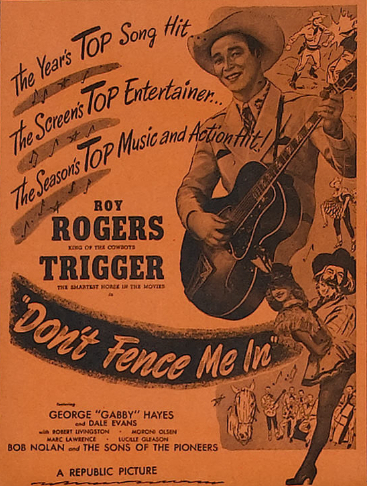
cowboy cred, is “Don’t Fence Me In.”
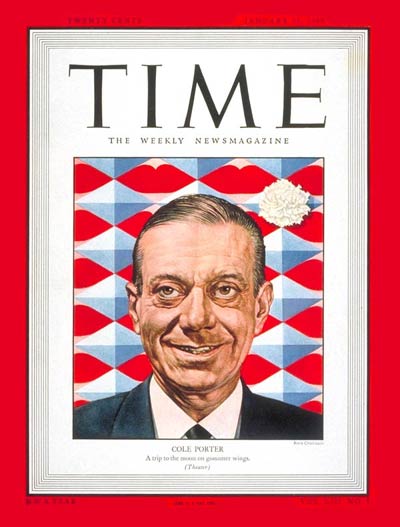
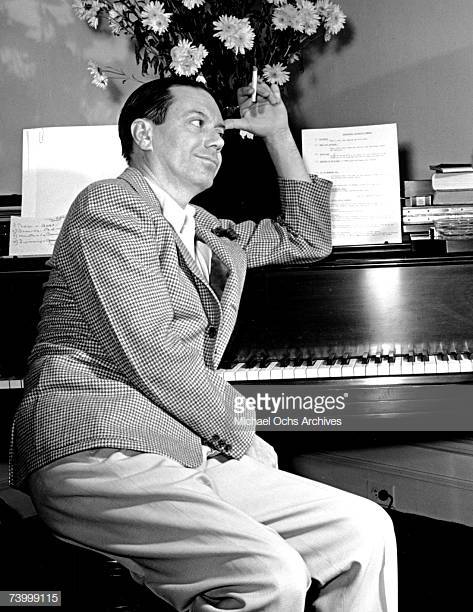
This was written in 1934 with music by Cole Porter (1891-1964)—another decidedly non-Westerner who had been a Yale Whiffenpoof and a Broadway songwriter of such American Songbook standards as “Begin the Beguine” and “Anything Goes.”
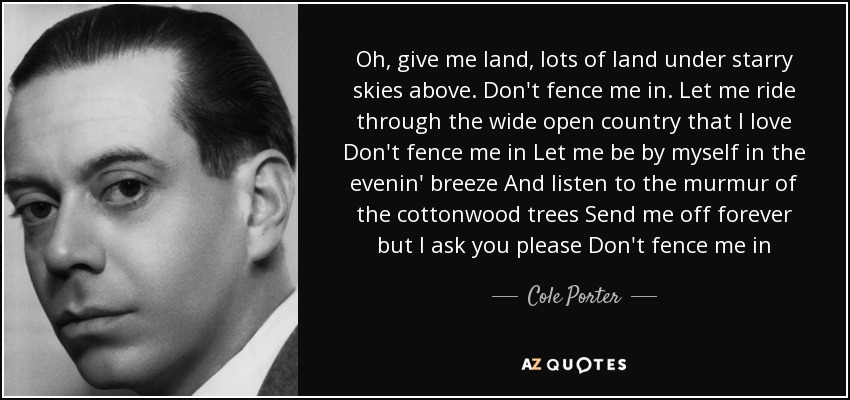
Originally written for an unproduced movie, “Adios, Argentina,” the lyrics were based on a genuine cowboy poem by one Robert Fletcher of Helena, Montana.
Porter, who had been asked to write a cowboy song for the movie, bought the poem from Fletcher for $250 and tweaked the lyrics to fit his melody. Although it became one of the most popular songs of its time—number one on “The Hit Parade”—Porter claimed it was his least favorite of his compositions and, in fact would never play it—even if begged—at any of the many New York cocktail parties where he was a frequent martini-drinking, piano-playing guest.
Yet, this is another song that members of the Western Writers of America chose as one of the top Western songs of all time. Again, go figure.
Porter’s revision of the song retained quite a few portions of Fletcher’s poem, such as “Give me land, lots of land”, “… breeze … cottonwood trees”, “turn me loose, let me straddle my old saddle,” “mountains rise … western skies”, “cayuse,” “where the West commences,” and “… hobbles … can’t stand fences.” But in some places he modified them to give them what critics have called Porter’s sophisticated “Manhattanite” touch.
Once again, many singers recorded the song over the years. It seems that everyone but Porter liked it!
UKULELE
MUSING 28, 13 JULY 2019—A CROSS-CULTURAL SONG: “I AIN’T GOT NO BODY, AND NOBODY
CARES FOR ME.”
To avoid an accusation of being “un-woke,” let me preface
this musing with a bit of musical history.
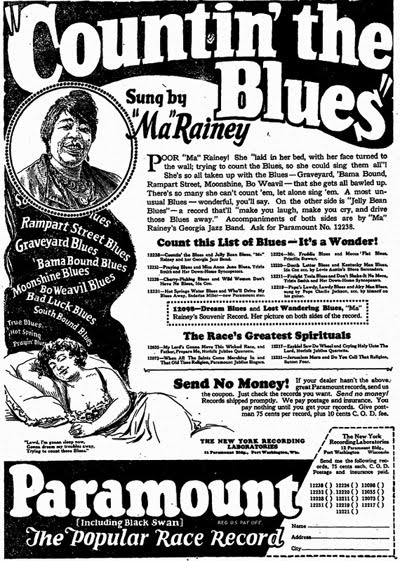
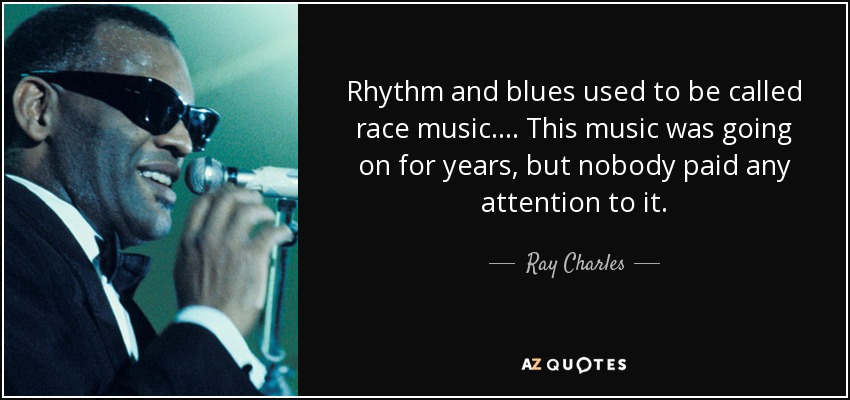
The early part of the 20th century saw a rise in the popularity of African-American blues and jazz. At that time music by African-American composers and performers was classified by publishers and recording studios as “race music.”
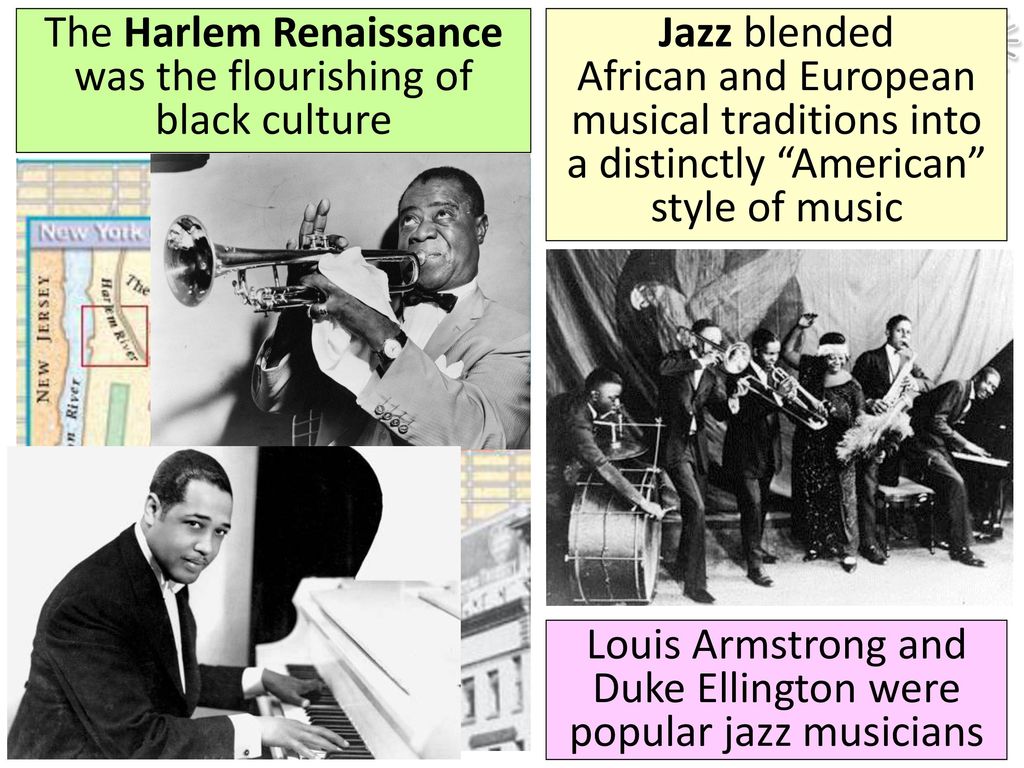
This was also the era when African-American contributions in the fields of visual, literary, and musical arts became known as the “Harlem Renaissance,” a time rooted in the history of cross-cultural communication among the races in America.
Jazz blended African and European musical traditions into a distinctly American style of music. Louis Armstrong and Duke Ellington were popular jazz musicians.
This was when black musicians and music were embraced by white audiences, who—before the age of jazz and ragtime—would seldom have accepted African-American performers and their music as more than minstrelsy or, at best, a novelty.
Such were the turbulent, but formative days in the evolution of American popular music. In its heyday, so-called “race” music both celebrated and popularized the work of African-American composers and performers.
This category was a recognition of the growing demand for this musical genre by both black and white sheet music and record buyers—as well as performers—and was the antithesis of those comic Tin Pan Alley songs mostly (but not all) written by white songwriters that mocked and caricaturized immigrant and racial groups, particularly African-Americans.
This, then, is the genesis of many of the enduring songs of this era that are found in our Yellow and Blue books.
Now, on to a tune in our Yellow Book that helps tell this story.
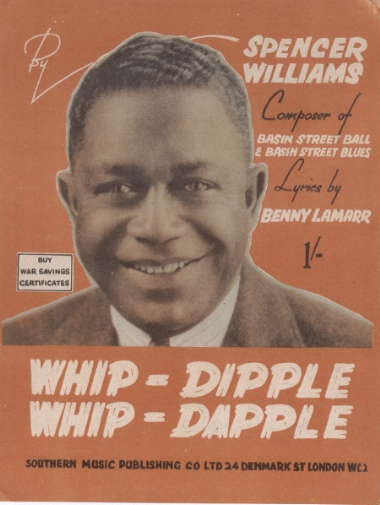
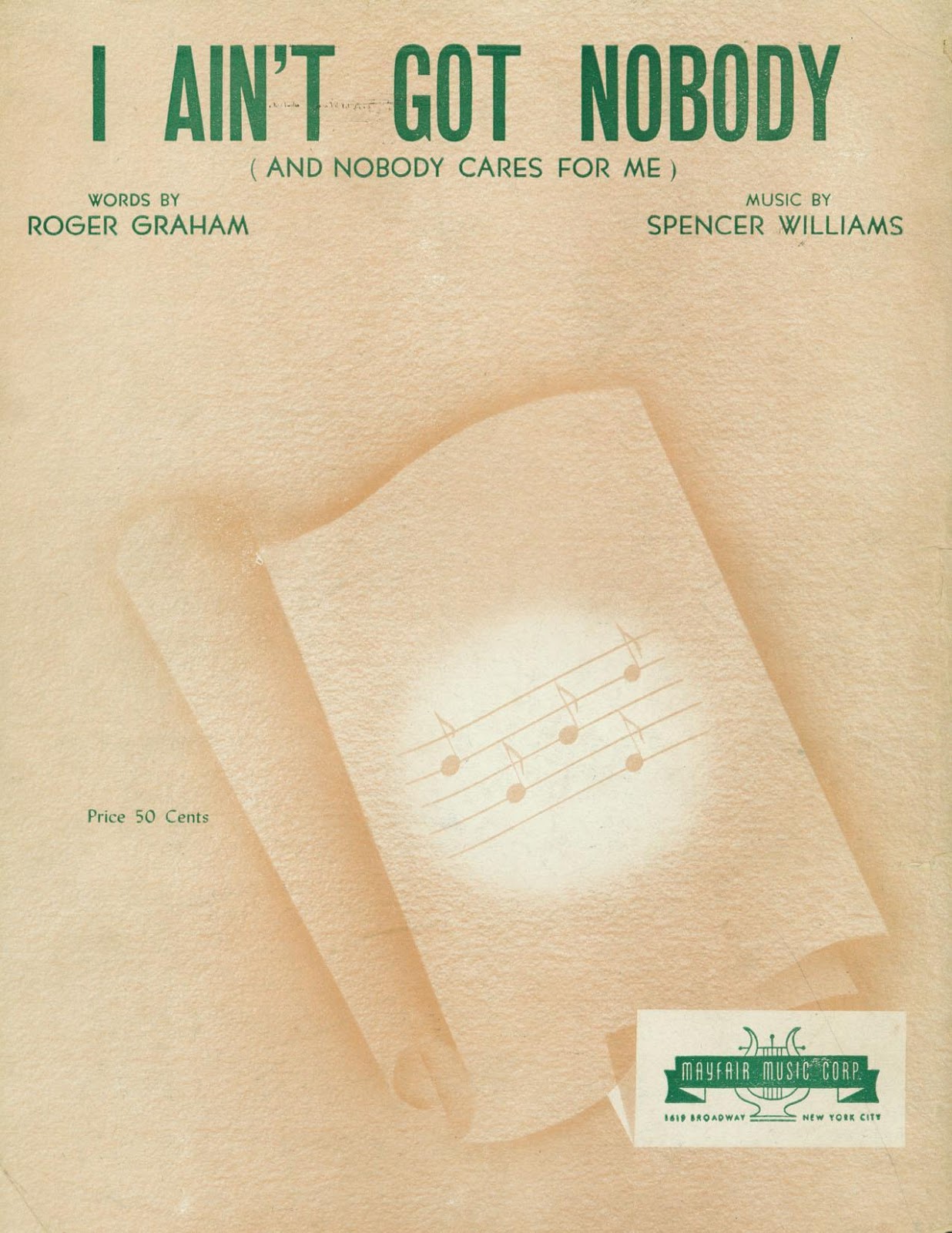
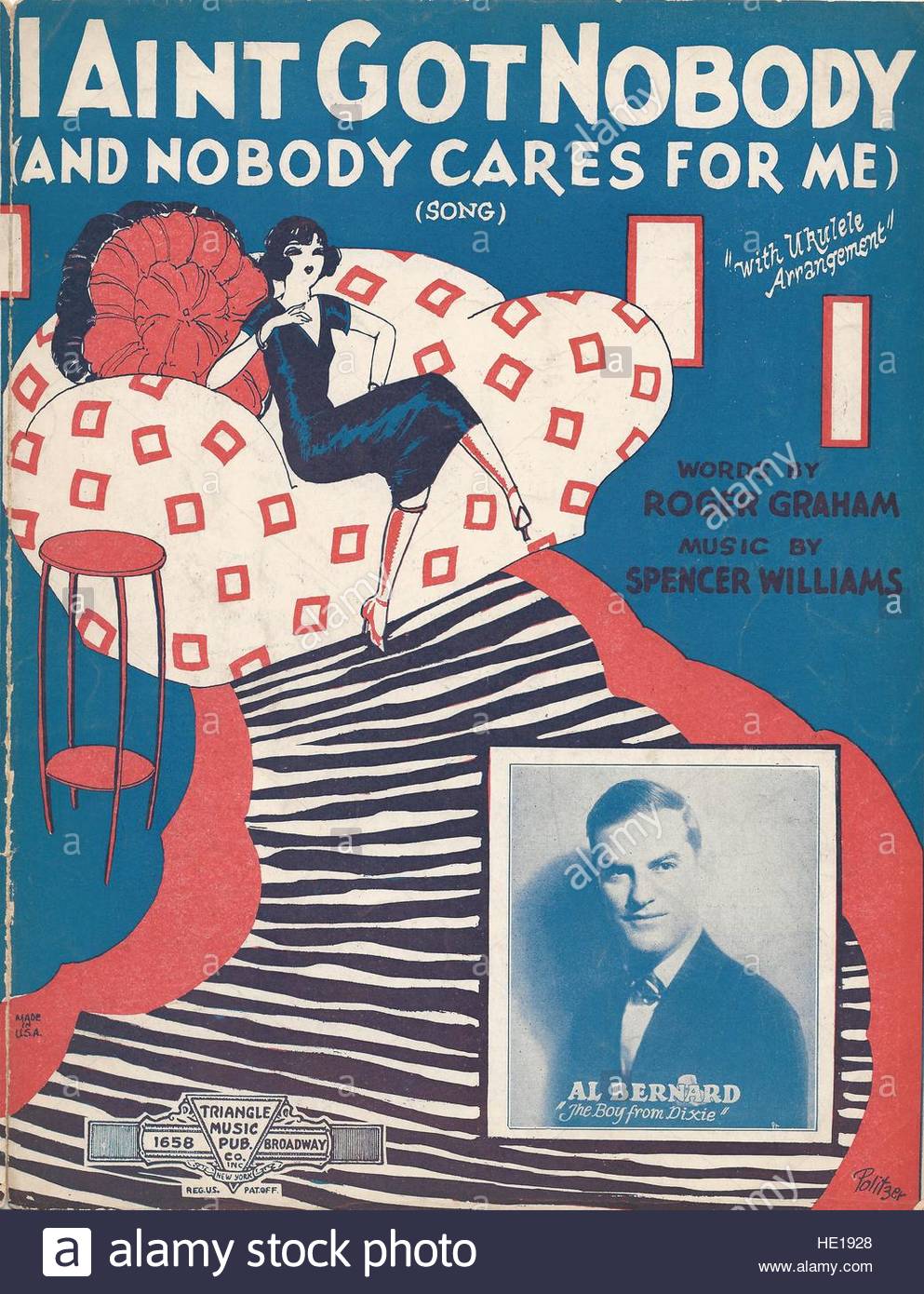
“I Ain’t Got Nobody, and Nobody Cares for Me” is a popular blues song copyrighted in 1915 that fits right in to the music publishers and record producers catalog category of “race music.” It became a perennial standard, recorded by many artists of many generations—both white and African-American—in styles ranging from pop to jazz to country music. In the loosey-goosey music publishing business of the time, some credit Roger A. Graham (1885–1938) with the lyrics and Spencer Williams with the music—both African-Americans.
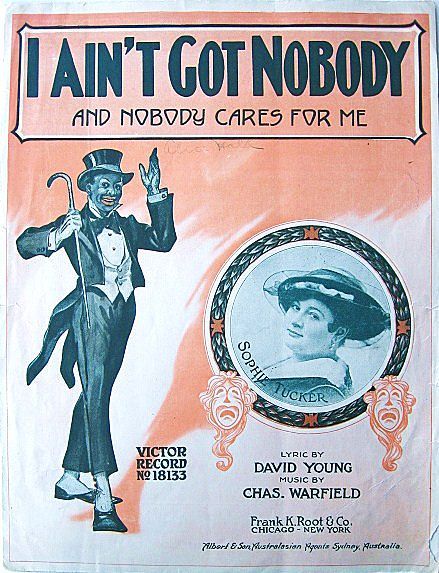
On the other hand (and as attributed in our Yellow Book), Chicago and St. Louis ragtime pianist and blues composer Charles Warfield (1878–1955) claimed to have originally written the song and copyrighted it in 1914, with himself as the composer and David Young and Davy Peyton as the lyricists—again, all African-Americans. Because of the growing popularity of African-American jazz and blues in Chicago, Frank K. Root & Co., a white music publisher based in that city, acquired both copyrights and published the sheet music in 1916. Ah, the music business in the sweet old days!
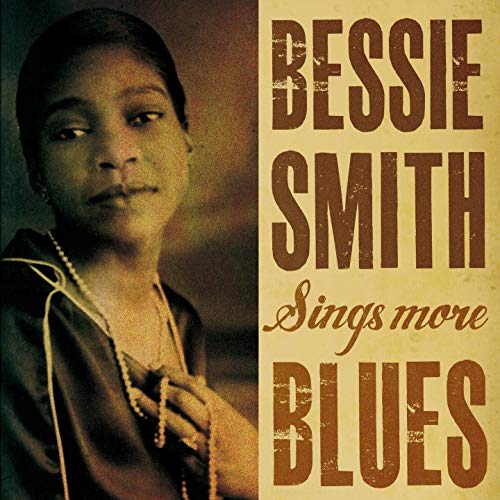
Many artists had hit records with the song, starting with Marion Harris in 1917. Famous hit versions in the 1920s included those of Bessie Smith,
Fats Waller, Sophie Tucker, and Louis Armstrong. In the 1930s, it was a hit for Bing Crosby, the Mills Brothers, Cab Calloway, and Chick Webb. Later it was even recorded by Bob Wills, Merle Haggard, Sammy Davis, Jr., Coleman Hawkins, Rosemary Clooney, and many others—white as well as African-American.
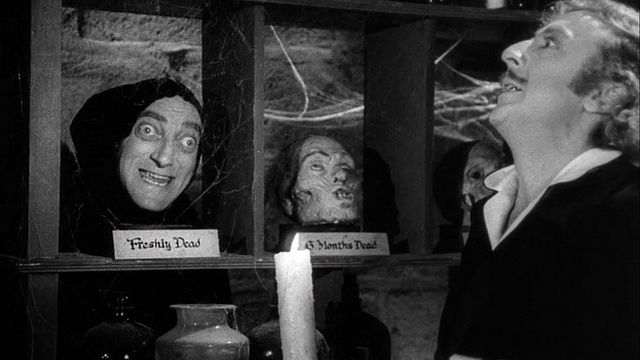
Needless to say, musical funsters liked the “bodyless” title. Marty Feldman, as Igor, sang the first few bars in a scene from the movie Young Frankenstein,
where only his character’s head appears in a line of skulls, thus making it appear as if he literally “had no body.”
In the 1950s Louis Prima and
wife Keeley Smith paired “I Ain’t Got Nobody” with the tune “Just a
Gigolo” and that musical pairing was copied my many including—of all
people—the Village People in a disco version of the medley in 1970s. The two tunes didn’t have a thing to do with
each other; they just became one of those musical “couplings.” Go figure!
What was stacked on and sold from the “race music” shelf over a hundred years ago,“I Ain’t Got Nobody, and Nobody Cares for Me,”has transcended musical boundaries and remains a simple, bluesy jazz standard with a long, long life—well worth listening to and playing.
It has a relatively simple chord progression in the key of F, and is right at home in our Yellow Book. There are many more where this one came from!
This is not a ukulele version but features a tenor guitar—four steel strings that can be tuned DGBE like a baritone uke. Follow the bouncing ball!
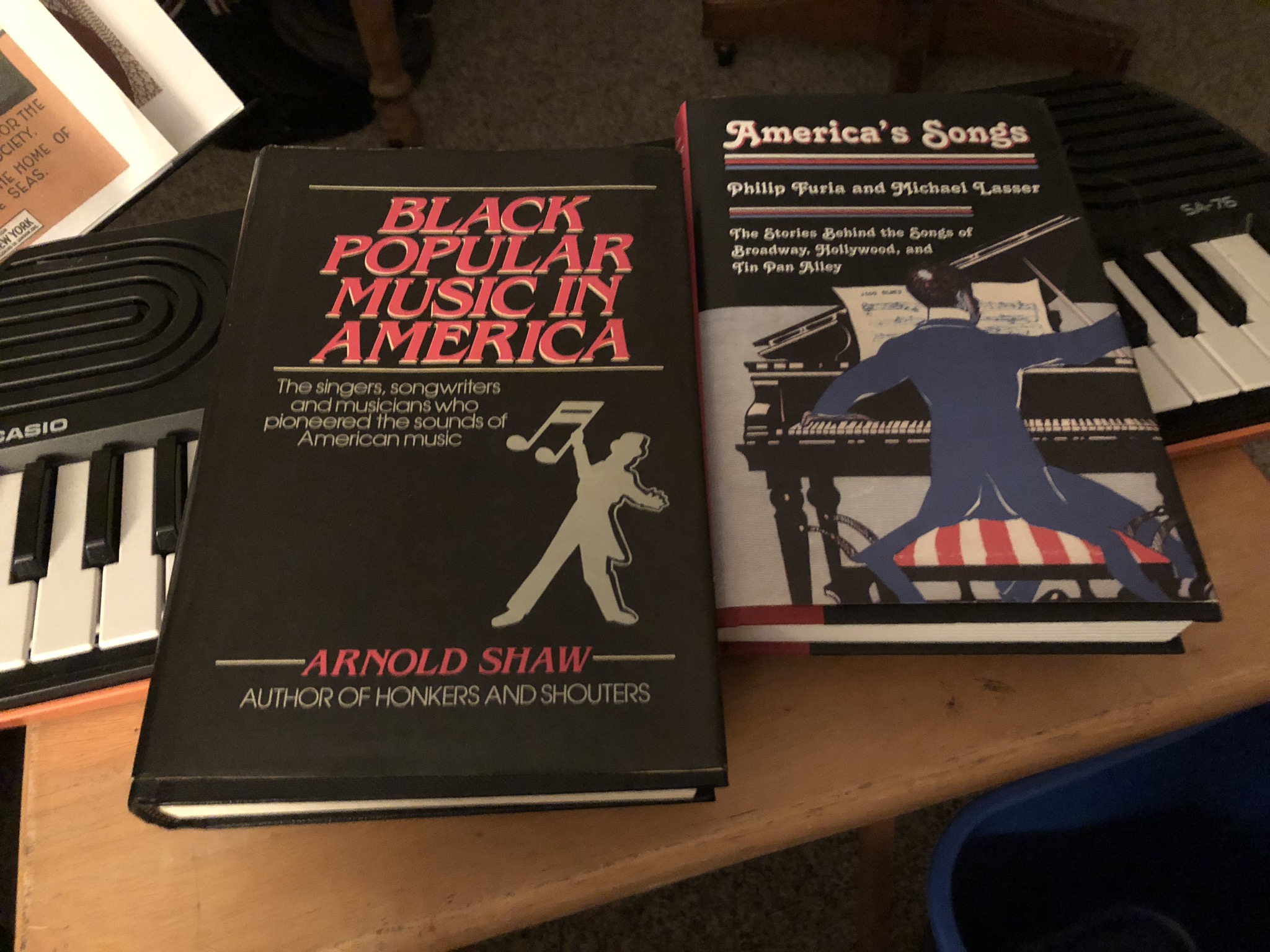
If you want to learn more about this musical era, I recommend Arnold Shaw’s book: BLACK POPULAR MUSIC IN AMERICA—The Singers, Songwriters, and Musicians who Pioneered the Sounds of American Music. Another good read is Phillip Furia’s and Michael Lasser’s book: AMERICA’S SONGS—The Stories Behind the Songs of Broadway, Hollywood, and Tin Pan Alley. Check them out—history you can listen to!
UKULELE
MUSING 27, 6 JULY 2019—A MID-YEAR BREAK FROM SONGS: THE DARK SIDE OF COLLECTING
. . .
At the
halfway point of the year, I thought I’d take a break from my stroll through
the backstories of songs found in our Yellow and Blue Books and look again at
our favorite little musical instrument—the ukulele. In particular, I want to focus on a few ukes
in my collection that, as some purists might contend, are of a clouded
ancestry—i.e., FAKES. Or rather, to me,
HOMAGES.
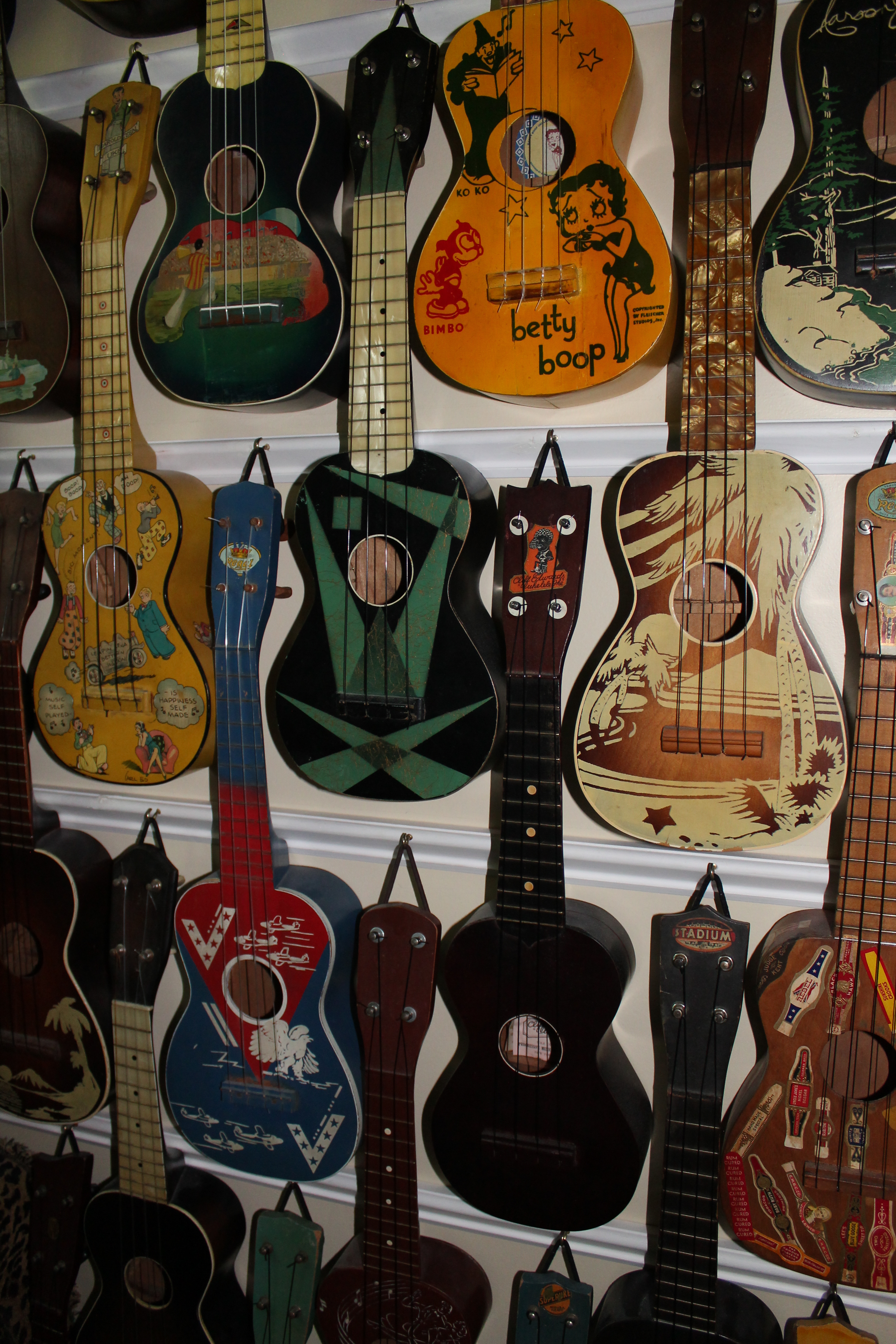
Since I began my personal exploration of ukulele lore and collecting a dozen or so years ago, I have managed to acquire, restore, and display a goodly number of vintage ukes—well over a hundred at last count—thanks to the tolerance and forbearance of my wife, to say nothing of empty spaces in our house suitable for display. These have come into my hands via swaps, tag sales, antique shows, and—needless to say—the internet.
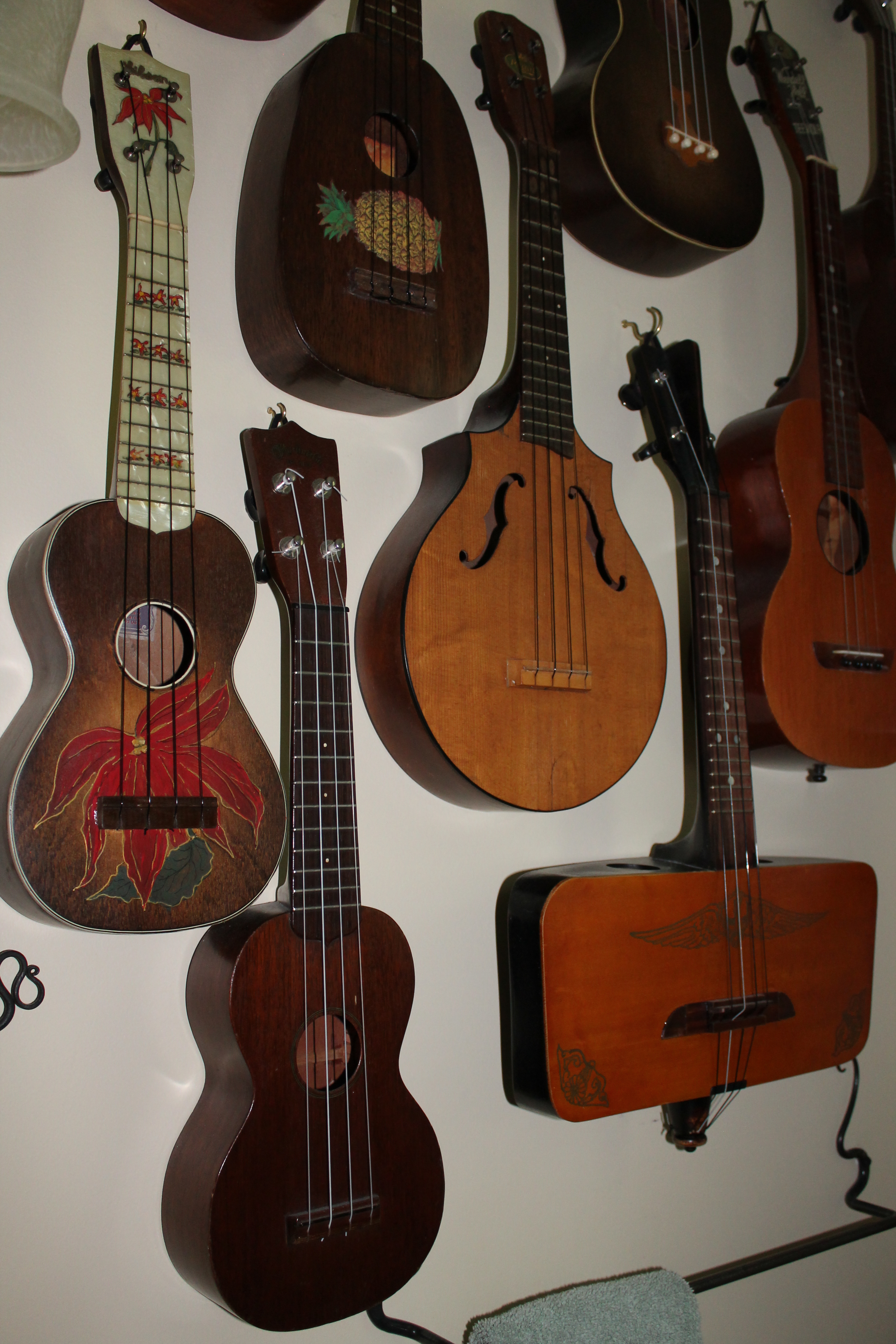
A tiny part of my collection.
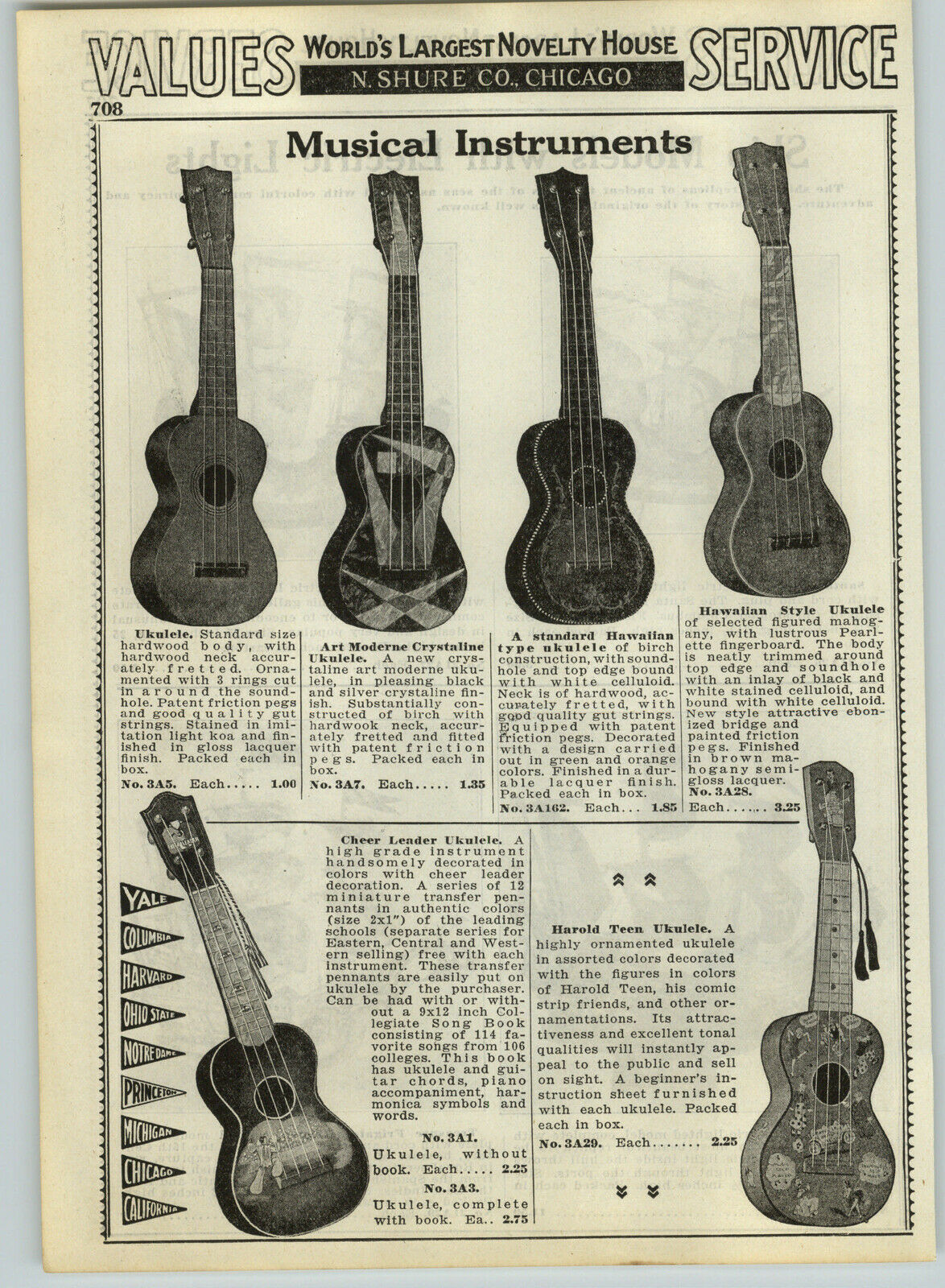
Many of these are, of course, nice examples of fairly common, so-called “novelty” ukes from the 1920s through the 1950s that, when I started collecting, could be had for just a few dollars. Several others in the collection are much more uncommon. When and if they ever come to market, these command a significantly higher price. But all are fun to own, restore, display, and—at times—play.
There are,
however, a few ukuleles out there that, among serious collectors, are known as
“Holy Grails.” These are the ones that rarely
show up on the market; but when they do, can command prices that are way, WAY beyond
the reach of my impecunious fingers! What
to do?
To be
quite honest, being a craftsman as well as a collector, I FAKE IT. Scratch that!
I PAY HOMAGE. I do research, work
out designs and patterns, gather bits and bobs of vintage instruments,
and—Bob’s your uncle!— the result is what I call an “Un-Holy Grail” for my
collection. I don’t do this to fool
folks with a “counterfeit”; all are clearly acknowledged and labeled. Rather, these additions help me to study and
tell in a hands-on way the often strange, always interesting stories of the “royalty”
within the family of our favorite little musical instrument.
More from the collection.
Here are four
examples from my collection, with pics of some originals.
THE
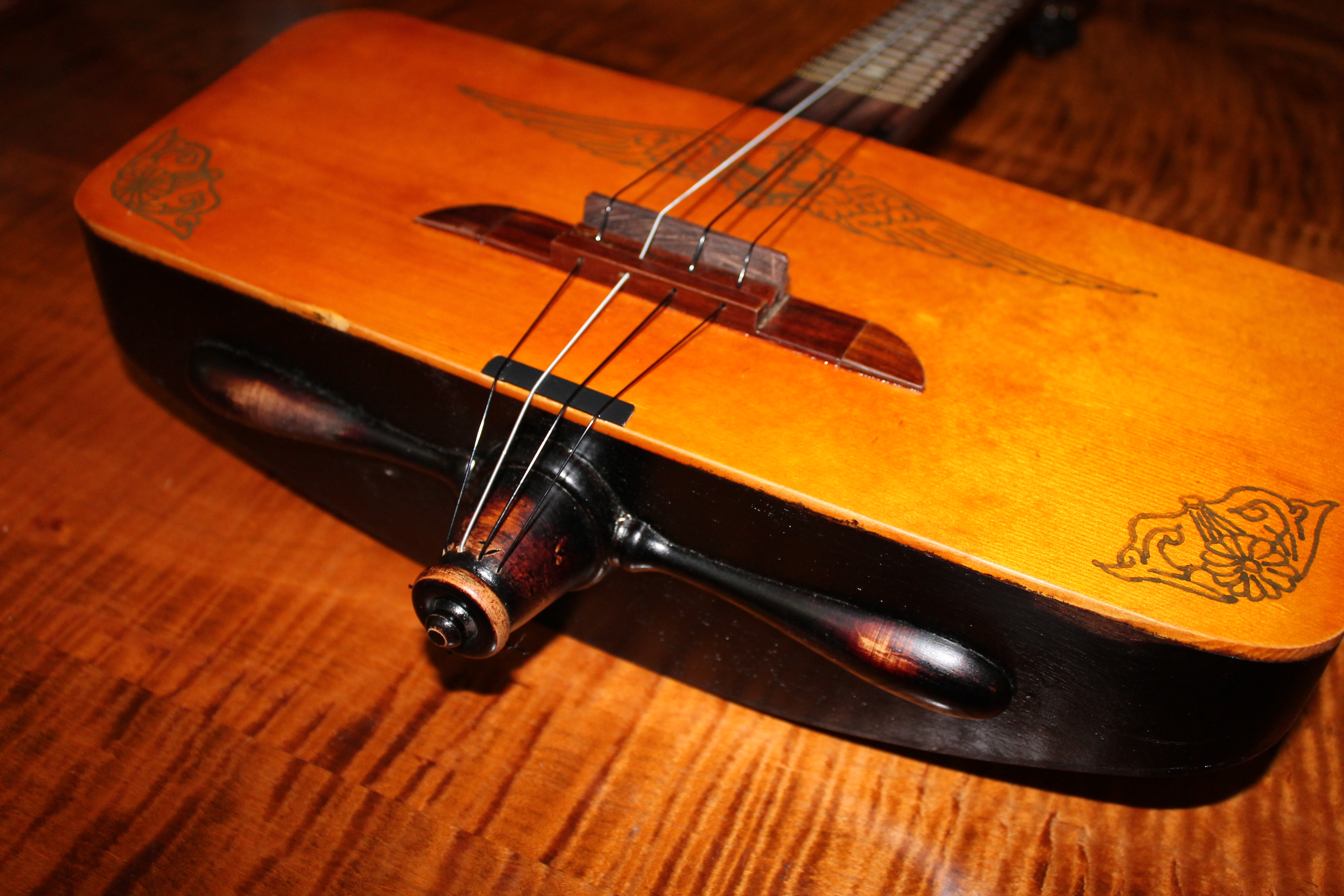
AERO-UKE
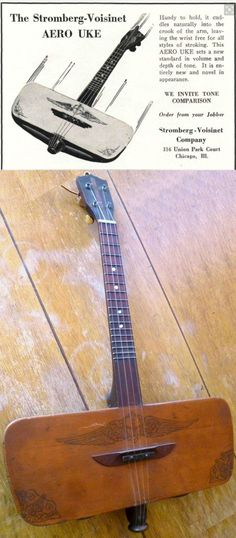
Here’s an original with the S/V ad.
In 1927, America went gaga over the aeronautical adventures of Charles Lindbergh. This coincided with the same level of craziness Americans were showing for the ukulele and the Stromburg-Voisinet Company of Chicago hurried to touch both bases.
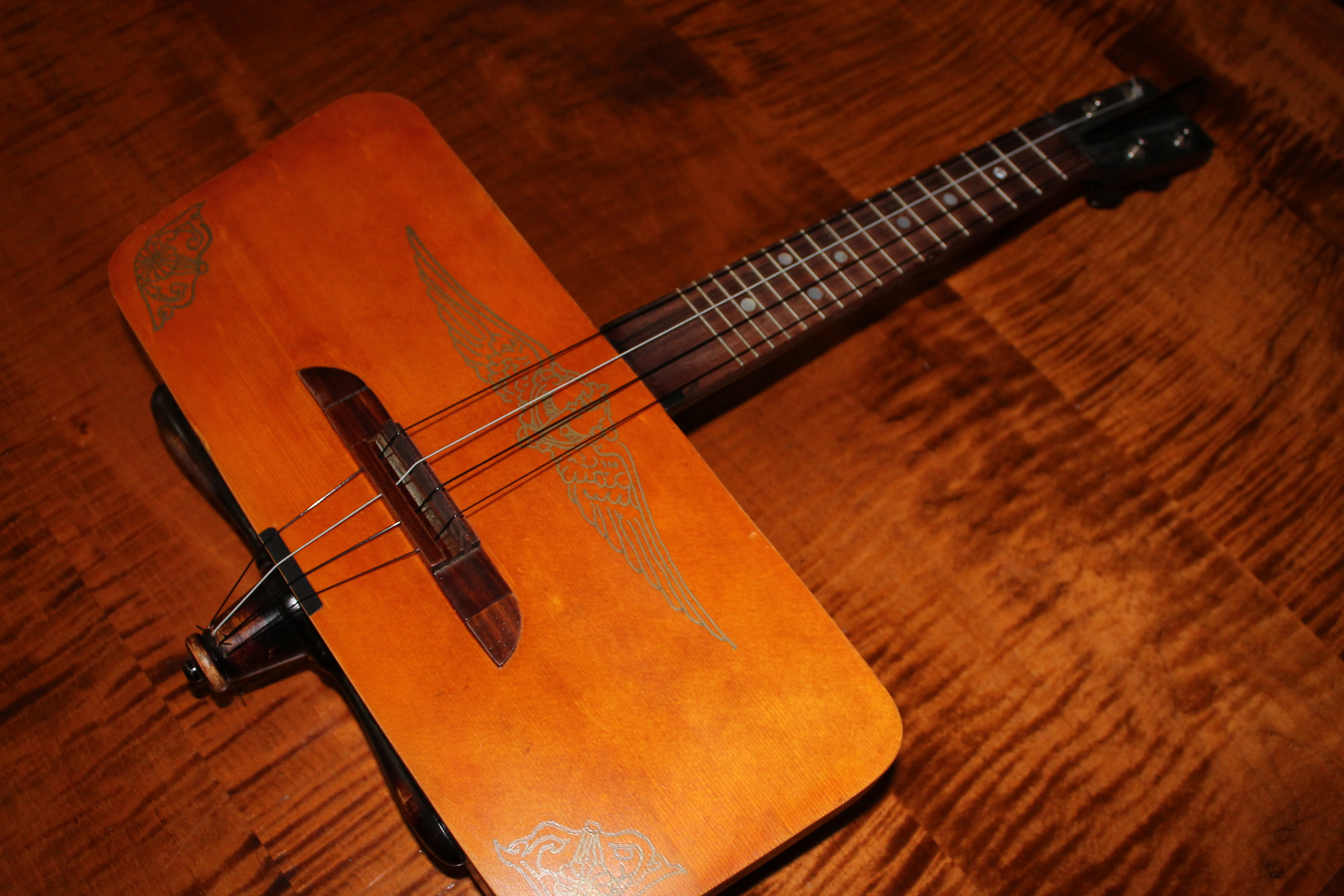
Expect to pay well over $1000 for an example in good, original condition—whew! Here is my humble effort, mahogany with a spruce top in a concert scale. No; the propeller doesn’t work.
Here’s my take on this one. It sounds pretty good!
THE
KAMAKA PINEAPPLE UKE
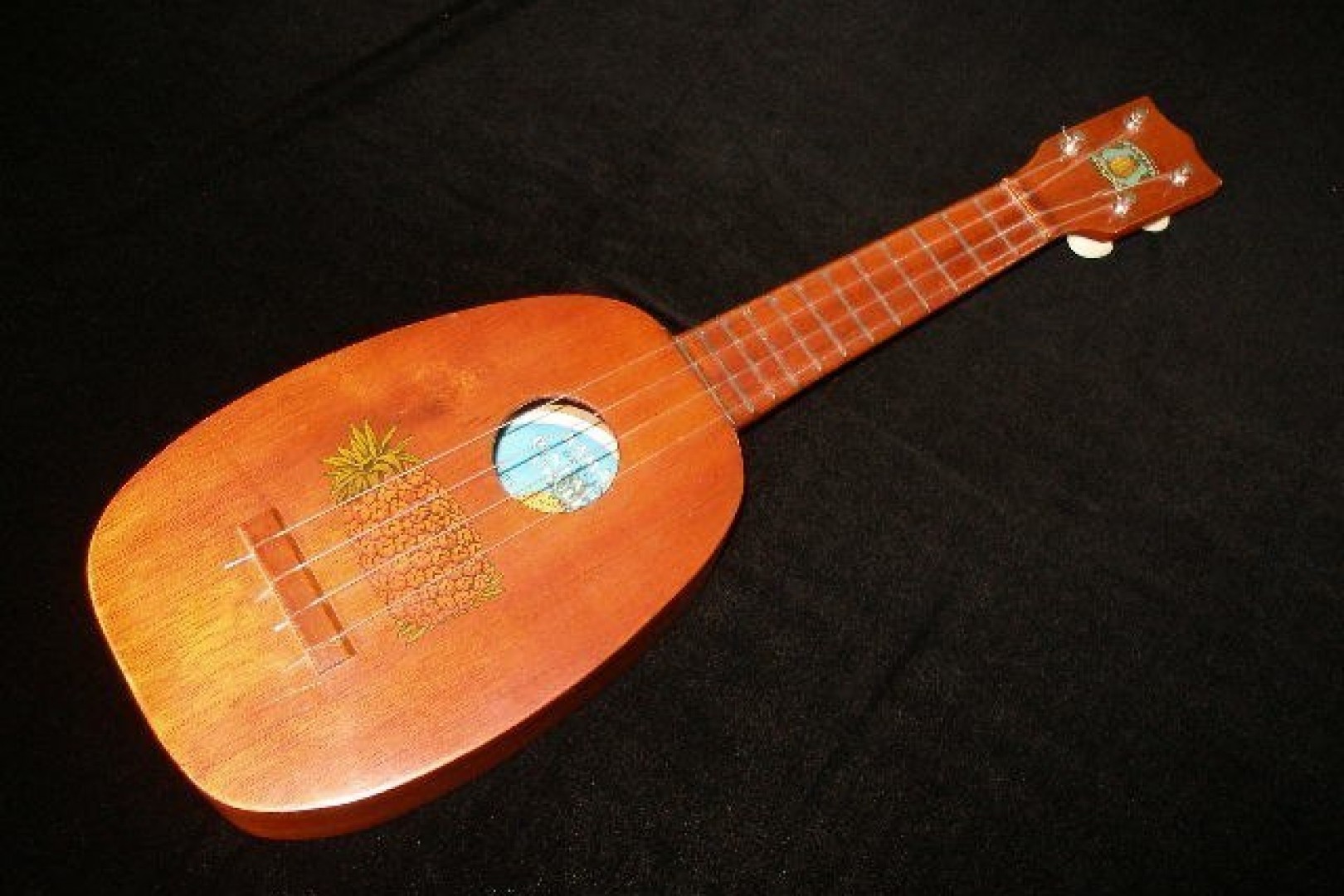
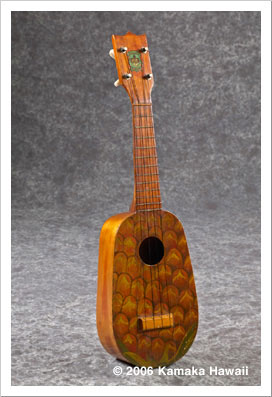
Before World War II, Hawaii’s Kamaka Ukulele Company made a variety of well-crafted, high-quality instruments. One of their signature products was a vaguely oval shaped uke dubbed “the Pineapple.”
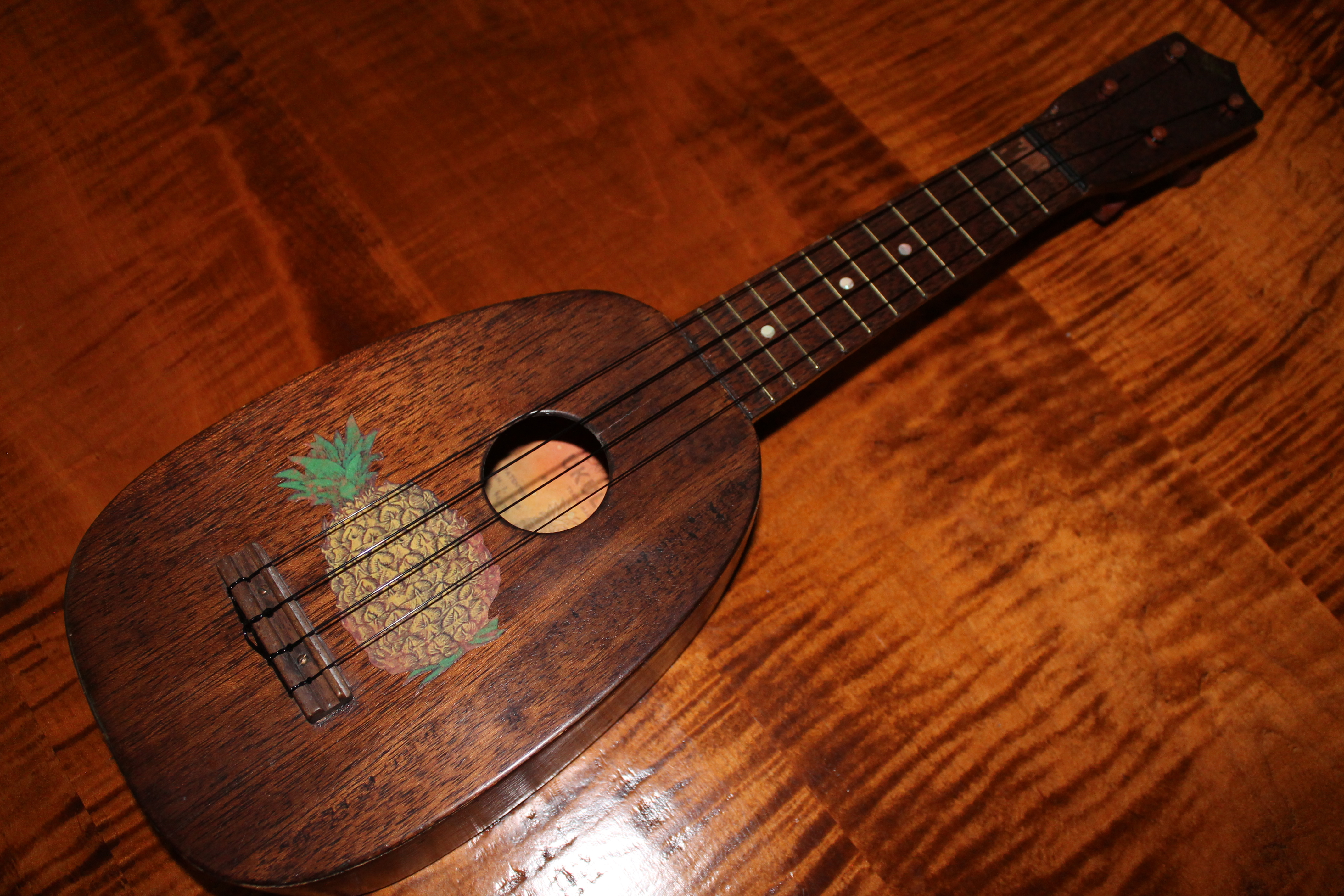
Made of locally harvested koa wood, some were decorated with a waterslide decal of—what else—a pineapple. This caught the fancy of tourists flocking to the islands in those days, particularly those interested in bringing home a high-quality ukulele. The decal was, so to speak, the frosting on the cake and a koa Kamaka Pineapple in good, original condition—with an intact decal, of course—can sell for around $600 or so.
An original Kamaka Pineapple.
Here is my lower-case pineapple, of koa but by an unknown maker, with a decal made with the magic of today’s computer technology. A fun project that’s a bit better than a wall hanger, it sounds pretty good.
Never underestimate the power of a decal! A future project will be to make a copy of the still rarer, and much pricier, hand-painted Kamaka Pineapple.
My next project!
THE
JUNGLE UKE
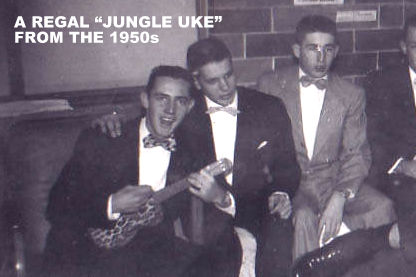
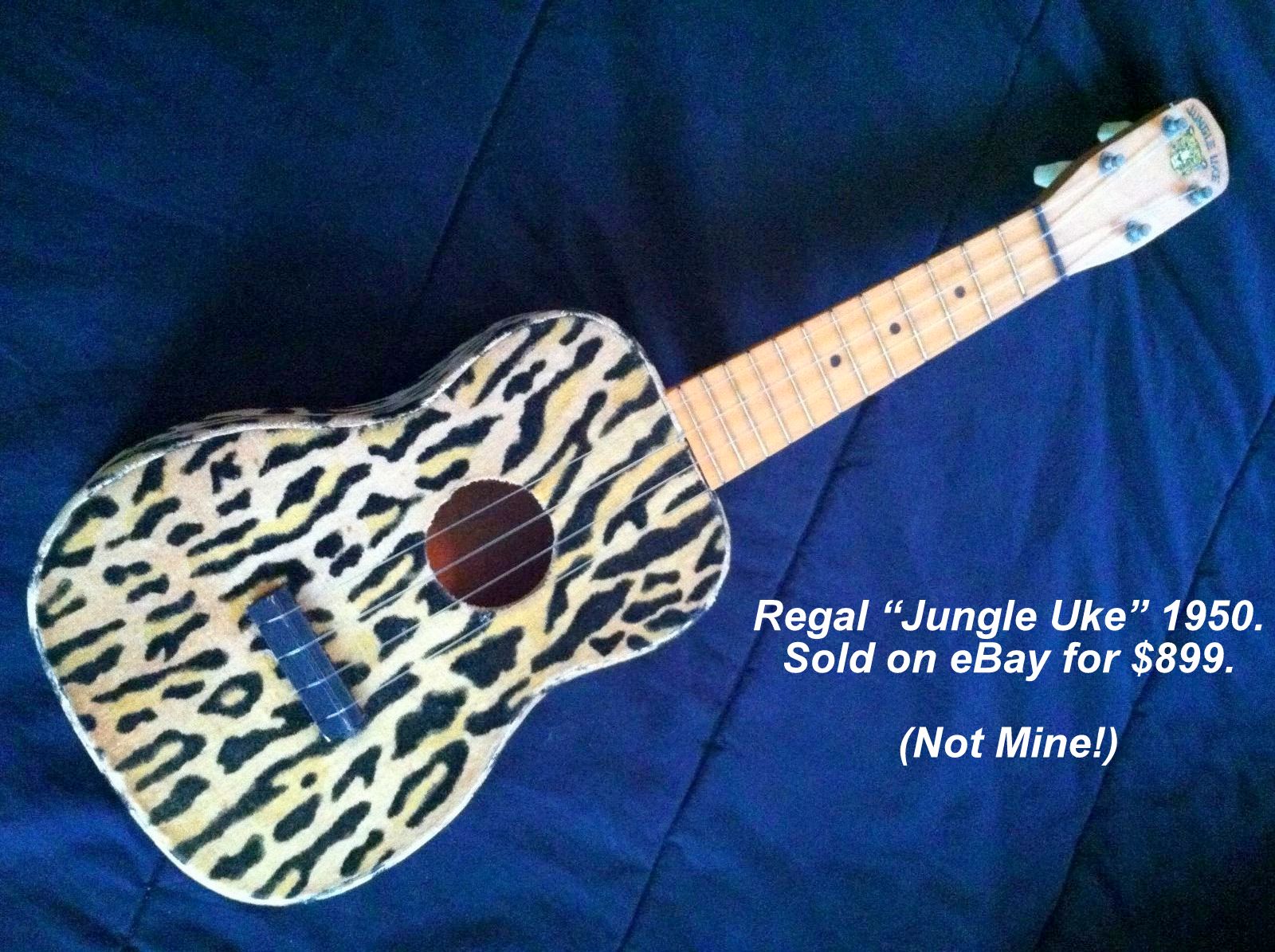
This fabric-covered uke was made by the Regal Company of Chicago back in the 1950s. I can’t imagine that they sounded very good with that layer of leopard-skin fabric glued to the sound wood. That’s probably why very few were sold and why fewer survive today.
If you run across one in good, original condition, expect to pay at least $500.
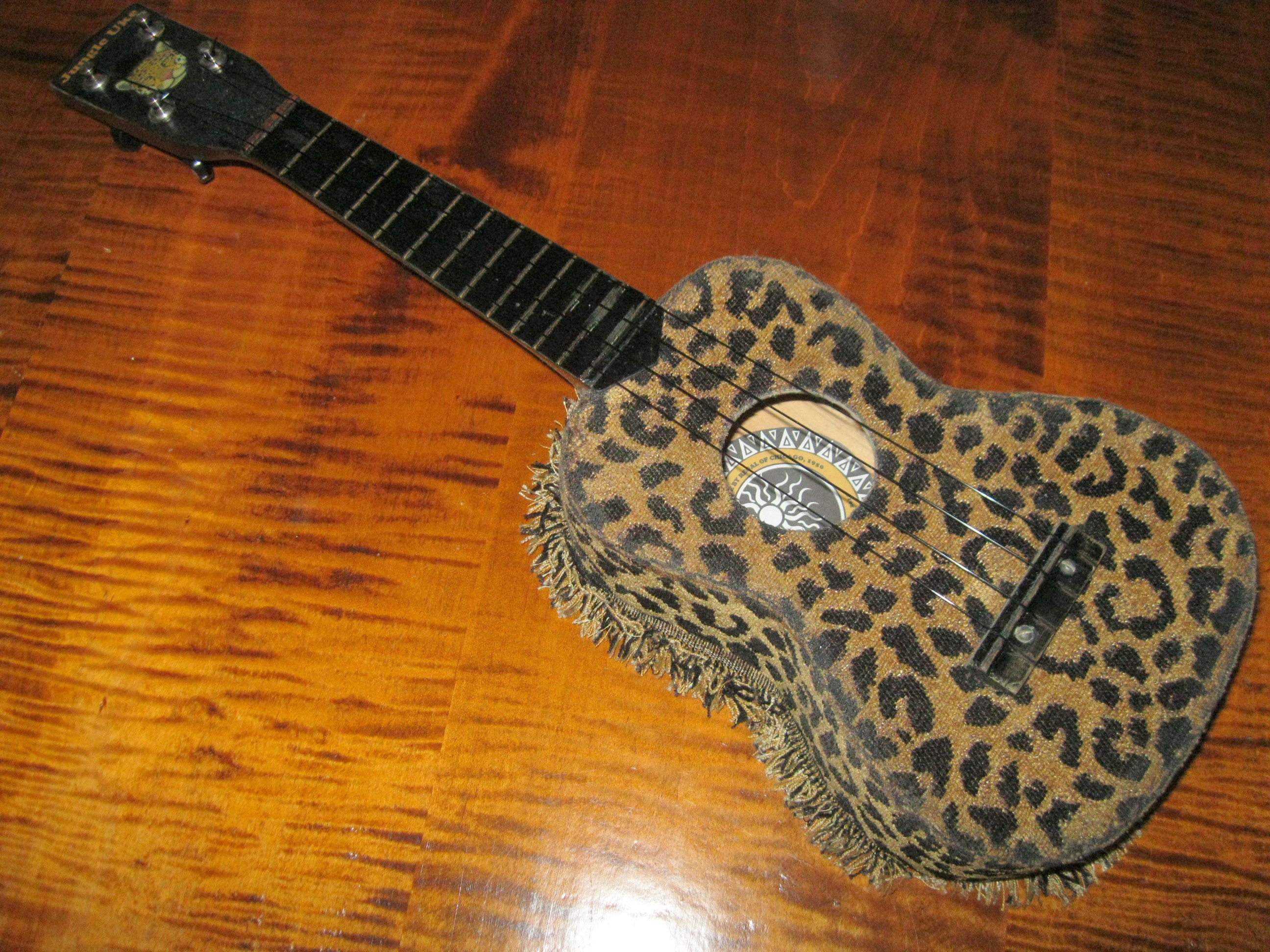
I started my project with a beat up, bottom-of-the-line Hilo soprano. I found some fabric from a remnants bin at the craft store and, once again, made an appropriate decal. No. It doesn’t sound very good, but it does attract attention!
This is my humble effort from the remnant bin.
The fringe is an added touch from the selvage of the remnant—a design step above the original! I guess it’s a Style-2 Jungle!
THE
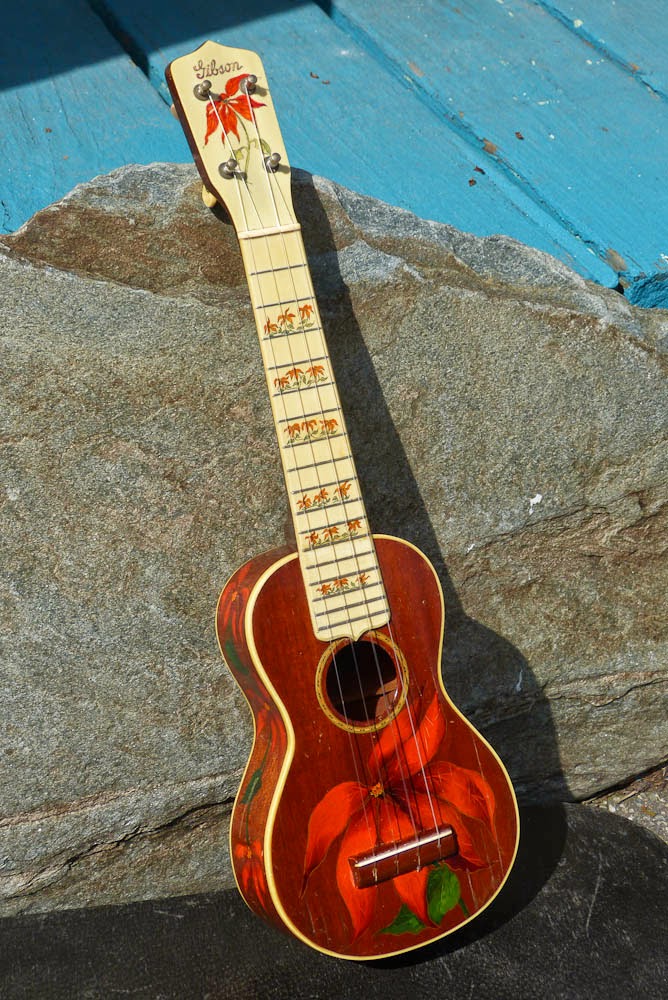
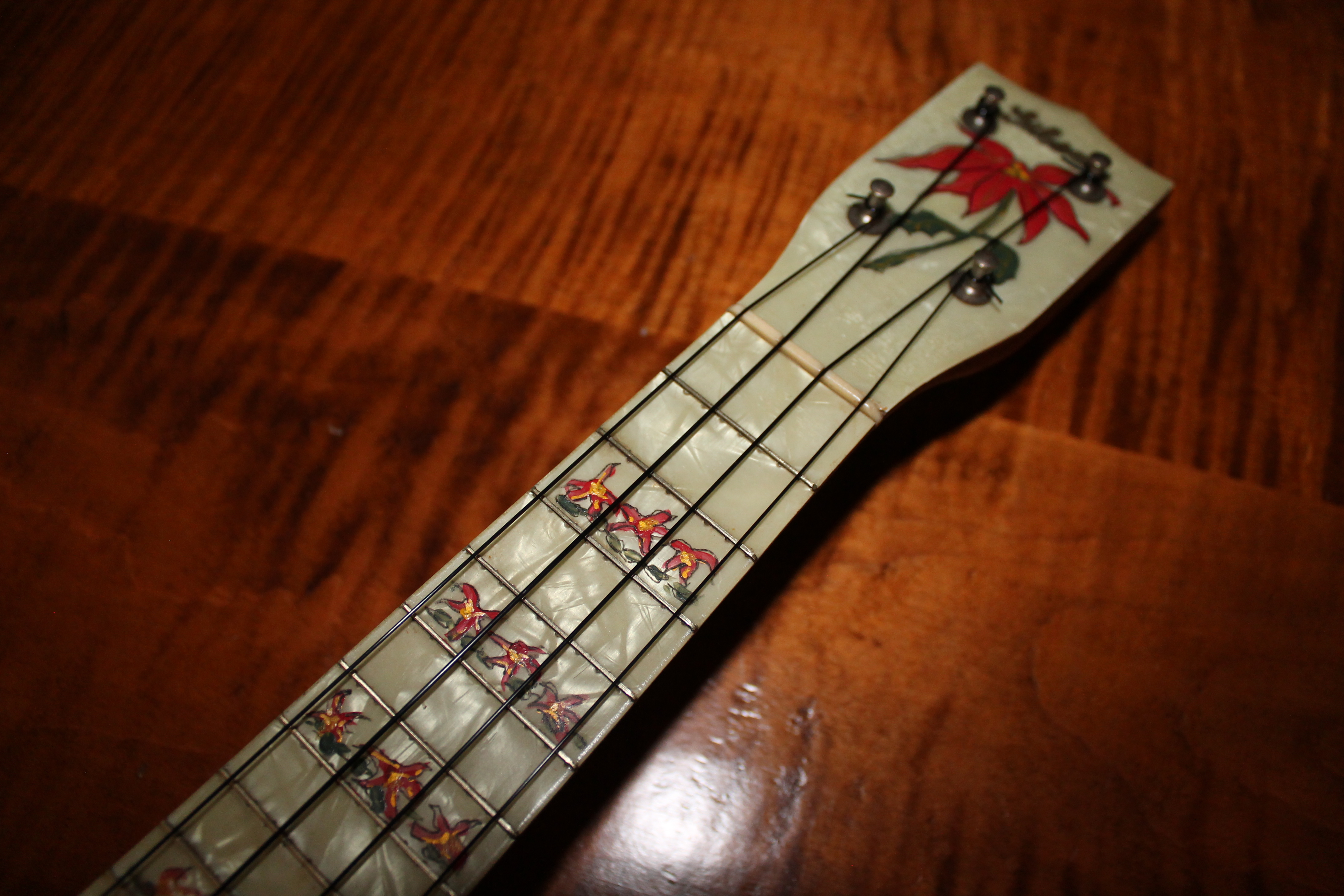
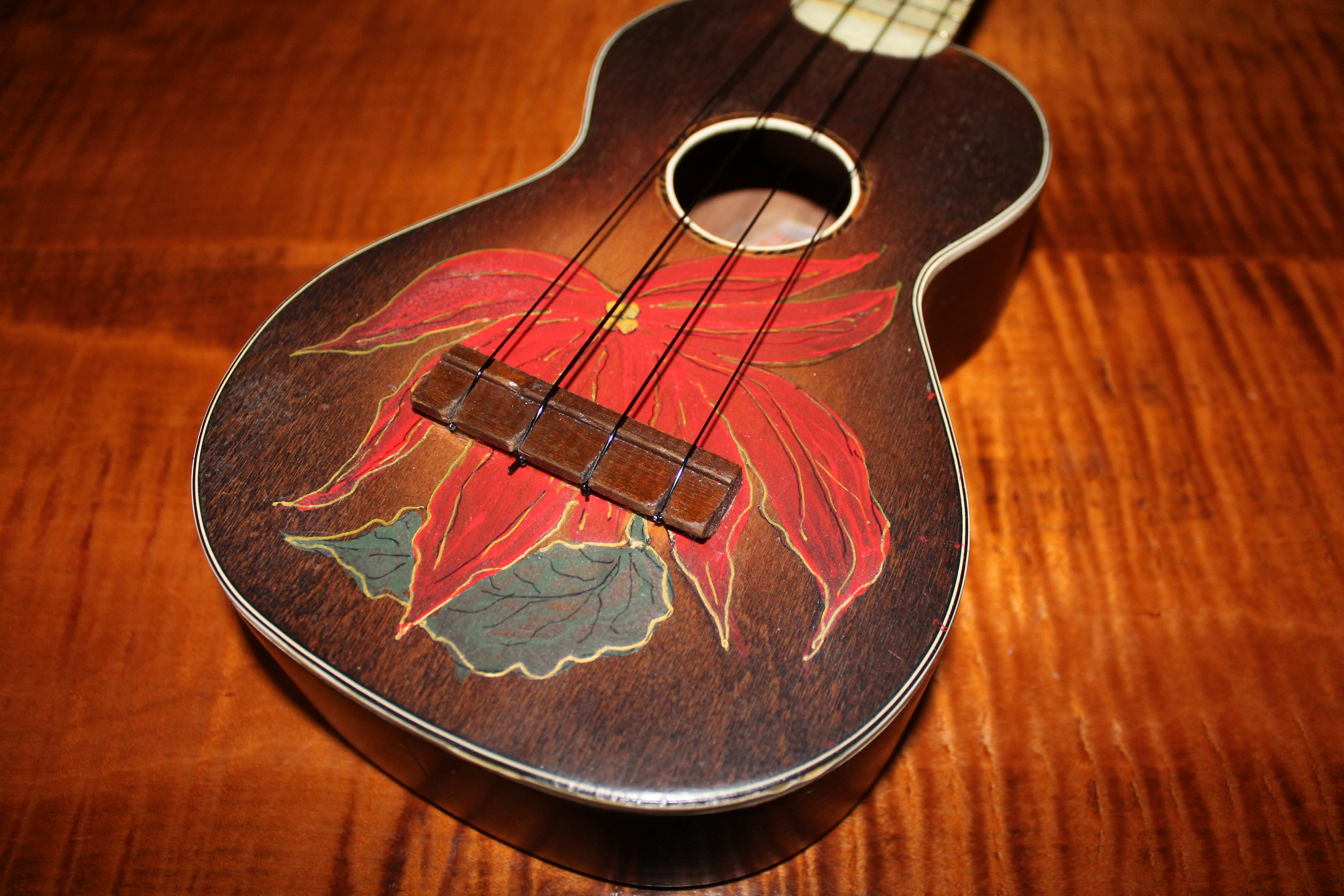
POINSETTIA UKE
Back in the 1920s, the Gibson Company offered these as a special order and very few—probably only five or six—were made.
This is a $10K original . . .
They used their higher-quality soprano uke models and had an artist on their staff hand-paint them with—of all things—a poinsettia theme. My guess is that these were meant to be a Christmas thing but became a dud on the non-holiday market. Nonetheless, there are only a couple of these that have survived over the years with the latest selling at auction for over $10,000!
This is my $10 effort . . .
I had fun taking a beat-up mahogany soprano with a pearloid fingerboard and peghead (definitely NOT a Gibson) and, with a few tubes of acrylic paint and some gold and India ink pens, came up with this fun fooler. Mele Kalikimaka!
So, for
the purpose of transparency, I thought it worthwhile to discuss with you—my
gentle readers—my drift to what some may call the “dark side” of
collecting. Done for fun, not for
profit, I will keep at this as long as I have holes in my collection that only
craftsmanship rather than cash can fill.
Alas, such is the life of one suffering from Ukulele Acquisition
Syndrome!
But I
digress from my 2019 mission. So, now,
back to the Yellow and Blue Books for the rest of the year.


























 NOHOBANJO OF NORTHAMPTON, AND NOW EASTHAMPTON, "MUSICAL MUSINGS"