Noho Banjo and Ukulele Musings–“Ja-Da”

UKULELE MUSING NUMBER 25:  22 JUNE 2019—A SIMPLE SONG BY A SAILOR, “JA-DA (JA-DA, JA-DA, JING, JING, JING)”

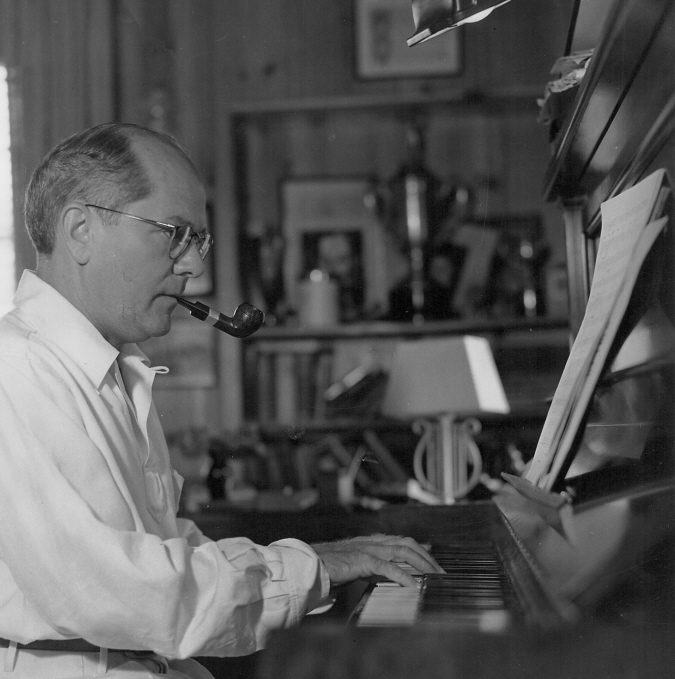
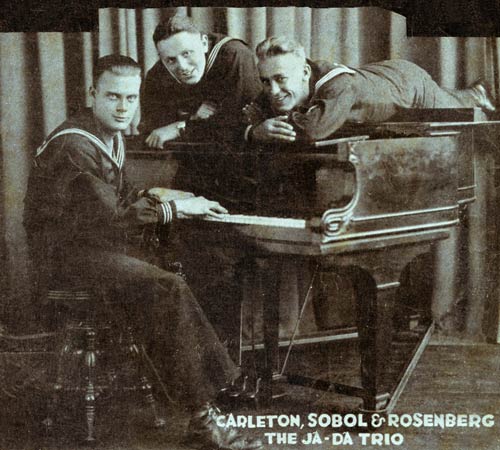
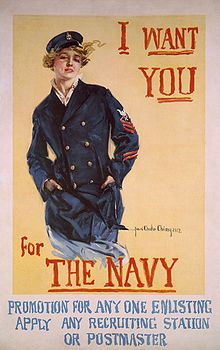
“Ja-Da (Ja Da, Ja Da, Jing, Jing, Jing!)“—found in our Yellow Book—was written in 1918 by a piano player, Bob Carleton (1894-1956), while he was serving in the US Navy during World War I. 

He was stationed at the Great Lakes Naval Training Center, just north of Chicago, and performed with a trio on the base and in local bars. 

The simple tune became a jazz standard over the years and was recorded by just about every performer from that day to this—a simple 16-bar tune with a long, long life.    
In his definitive American Popular Songs, Alec Wilder writes about the song’s simplicity: “It fascinates me that such a trifling tune could have settled into the public consciousness as “Ja-Da” has. Of course, it’s bone simple and the lyric says almost nothing.  Perhaps the explanation of its success lies in the lyric itself—”That’s a funny little bit of melody—it’s soothing and appealing to me.” It’s cute, it’s innocent, and it’s “soothing.” And, wonderfully enough, the only other statement the lyric makes is “Ja-Da, Ja-Da, Ja-Da, Ja-Da, Jing, Jing, Jing.”  There are, however, more verses!

Sheet Music Verses:  https://www.youtube.com/watch?v=dSqO7FUiMUc

Here it is again but this time for we Ukers!
Ukulele: https://www.youtube.com/watch?v=HD51pqAEUIQ

Carlton went on to be a prolific songwriter/performer and published over 500 songs.  He wrote ditties like “Teasin'”, “I’ve Spent the Evening in Heaven”, “I’ve Got to Break Myself of You”, and “Where the Blues Were Born in New Orleans.” 

 Ever hear any of these?  Thought not.  But, just for fun, here is Carlton himself at what he describes as his “Bar Room Baldwin”
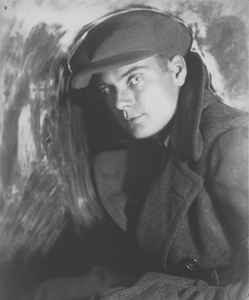
Bob Carlton, Ragtime Piano: https://www.youtube.com/watch?v=D5YzVHI9aMI

At least we and the rest of the musical world still have “Ja-Da, Ja-Da, Ja-Da, Jing, Jing, Jing!”  A simple song by a sailor.
Stay Tuned!
Noho Banjo And Ukulele Musing No. 23: “We’ll Meet Again”

UKULELE MUSING NUMBER 23, 8 JUNE 2019—“WE’LL MEET AGAIN,” A POIGNANT SONG OF WORLD WAR II AND TODAY

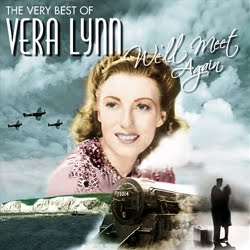
During the celebration this week of the 75th Anniversary of the Normandy landings during World War II, I would be remiss not to touch on one of the most meaningful songs of that era and one that is in our Yellow Book.  “We’ll Meet Again” is a 1939 British song made famous by singer Vera Lynn. 

The song is one of the most famous of the era, and resonated with soldiers going off to fight as well as with their families and sweethearts on the home front.  The nostalgic lyrics (“We’ll meet again, don’t know where, don’t know when, but I know we’ll meet again some sunny day.“) were very popular during the war and made the song one of its emblematic hits.  Here’s her version:

Vera Lynn: https://www.youtube.com/watch?v=cHcunREYzNY

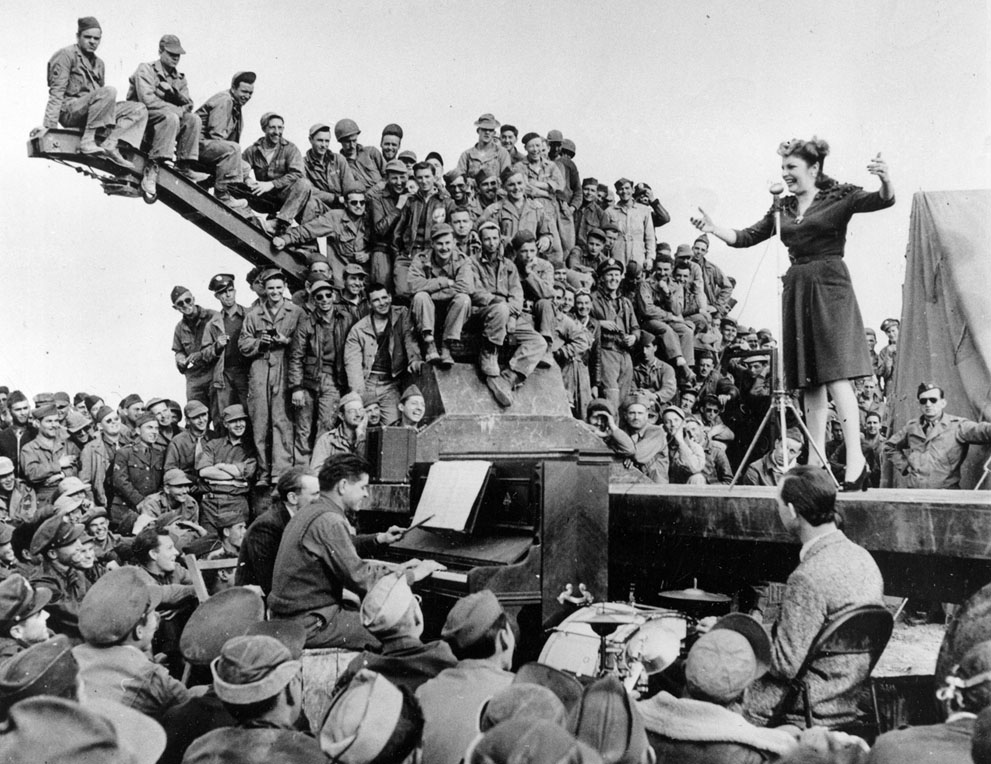
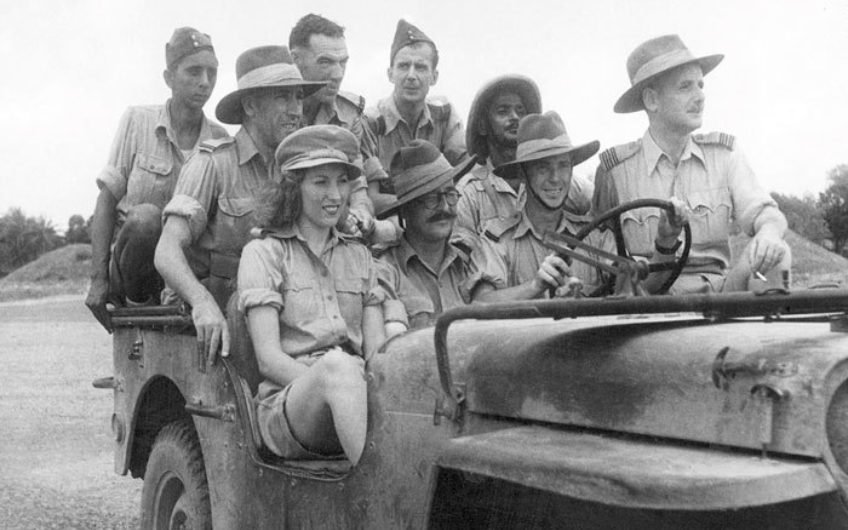
In 1941, during the darkest days of the Second World War, Lynn began her own radio program, Sincerely Yours, sending messages to British troops serving abroad. 

She also visited hospitals to interview new mothers and send personal messages to their husbands overseas. 

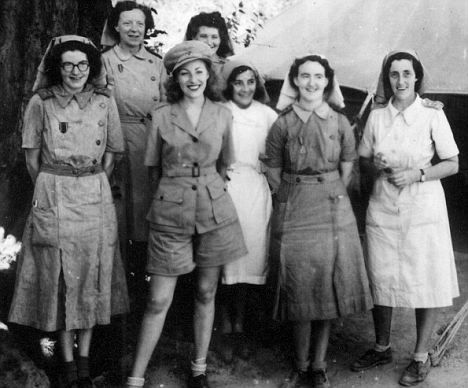
Because of her work with the troops, Vera Lynn became known in Britain as “the Forces’ Sweetheart.”

Those were the days of parting and meeting and parting, hopefully, to meet again.  “We’ll Meet Again” became a standard finale on both sides of the Atlantic for musical theater and music hall performances, and even movie theaters with their “bouncing ball” sing-alongs.   

Vera Lynn is 102 years old today and still singing, if only in the hearts of those who remember those war years.

“We’ll Meet Again” lived on beyond the war years and found its way into many films and television shows, particularly as a “closer.”  Probably the most well-known version—if not the most depressing—was in the ending to the blackly satirical 1964 film “Dr. Strangelove.” The film ends with an ominous montage of nuclear explosions accompanying Lynn’s song of hope (?).  

Dr. Strangelove Finale:  https://www.youtube.com/watch?v=mEtldt-FI8Y

Even Stephen Colbert used it to end his show “The Colbert Report” a couple of years ago.

Stephen Colbert:  https://www.youtube.com/watch?v=jZ09nAwVkVM&t=4s

Not to be outdone, there are a few dozen ukulele versions, plus the song in our book.

Ukulele:  https://www.youtube.com/watch?v=Ji77K-8agNs

Lynn herself sang the song in London on the 60th Anniversary of VE Day in 2005 and it was sung just this week at the Normandy Invasion Anniversary Celebration in Portsmouth, England—the departure port for the many American, British, Canadian, and other Allied troops boarding their ships to cross the English Channel to land on the beaches of Normandy.

75th Anniversary:   https://www.smoothradio.com/news/music/sheridan-smith-d-day-vera-lynn-cover-video/

So, let’s remember the boys and men, girls and women of the “Greatest Generation” who fought, lived, and sang throughout the war.  “We’ll Meet Again!”

Stay Tuned!
Noho Banjo Ukulele Musings

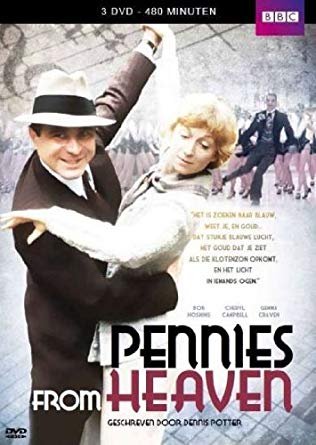
BRUCE’S UKULELE MUSING NUMBER 20: 18 MAY 2019—“PENNIES FROM HEAVEN,” A GREAT SONG FEATURED IN NOT SO GREAT MOVIES

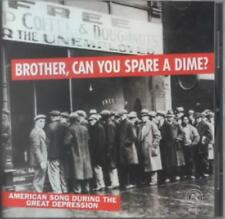
The Great Depression of the 1930s gave us many songs that touched on the hard times of the era, including the iconic “Brother, Can You Spare a Dime?,”

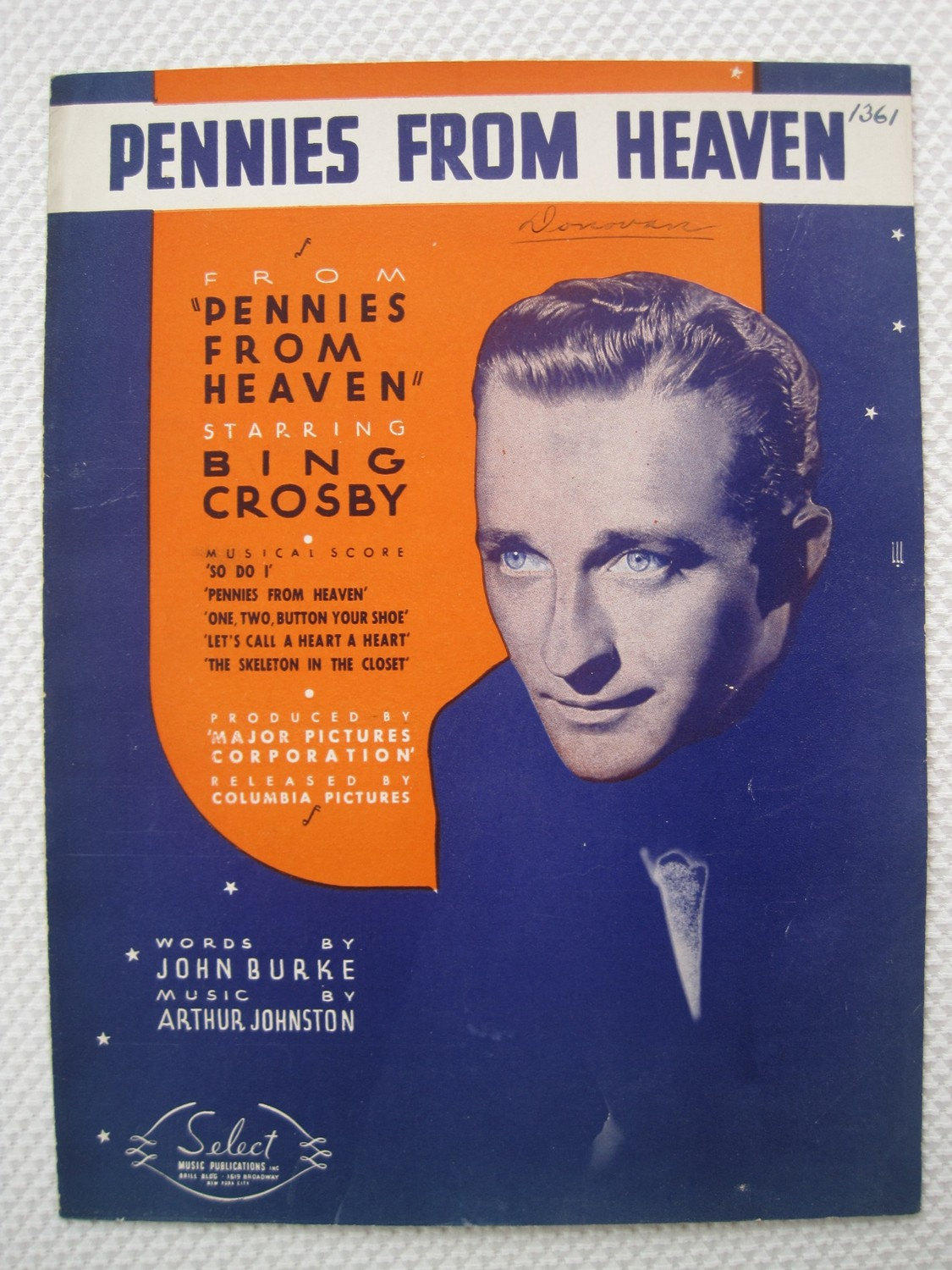
and one from our Yellow Book, “Pennies from Heaven.” This was written in 1936 with music by Arthur Johnson (1898-1954) and lyrics by Johnny Burke (1908-1964).

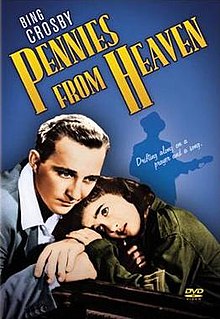
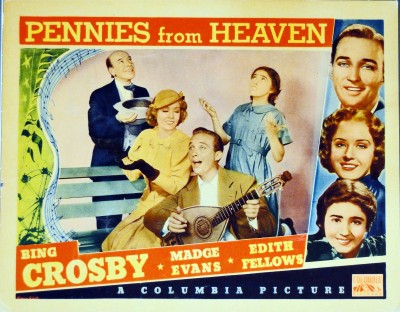
 It was introduced by Bing Crosby in the 1936 film by the same name and recorded by just about every name in the book.    Johnston and Burke were nominated for an Academy Award for Best Song that year for “Pennies . . ..”    Burke wrote the song “Swinging on a Star” that won the Academy Award in 1944—another great Crosby tune.  

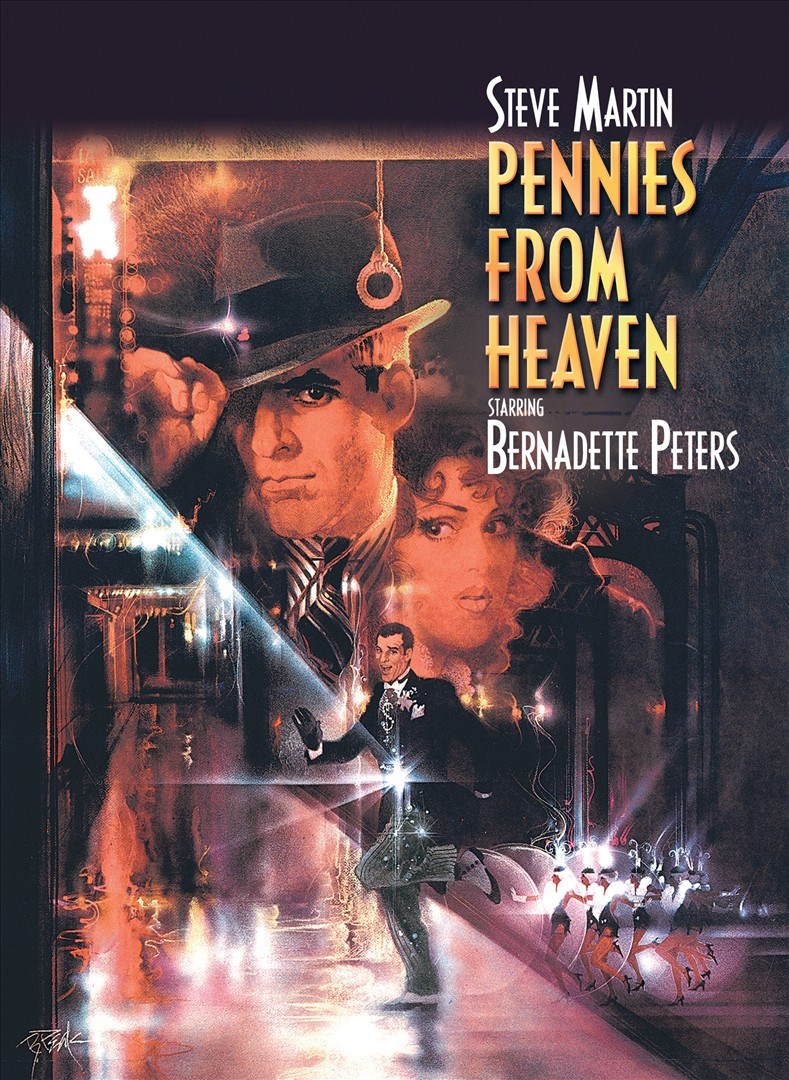
Not only is this song a popular American standard, but two movies used this as a title—the 1936 Crosby film and one in 1981 with Steve Martin. 

The Martin film was actually based on a BBC Television series with the same title starring Bob Hoskins.

The earlier Crosby film had an offbeat story line of a wrongly imprisoned singer who promises a condemned fellow inmate that he will help the family of the inmate’s victim when Crosby is released.  (Whew!)  Needless to say, complications ensue with the best part of this tearjerker of a movie being our song.

The BBC Series and the later Martin film share a totally different and rather bizarre plot of sheet music and record salesmen in the 1930s (Chicago for Martin and London for Hoskins) who fantasize about the songs they sell while lip-synching and dancing to them, along with other characters in the film.  Here’s a fun one with Martin’s co-star Bernadette Peters and a bunch of musical kids:

Don’t watch these for the plot (which, in my opinion, is pretty dreadful!) but fast forward to the music and choreography—much fun! 

Here’s a down-and-out street musician, just given a free meal by Martin, and his take on the title tune.

Here’s the same scene from the BBC:

The best version of this song I ever heard, however, was a couple of years ago when our own AEIOUker David Juno played his uke and sang the song as the offertory hymn at a Northampton Unitarian Society service—truly, pennies from heaven!  Sorry, no U-Tube of that one!  But here is another ukulele version just for fun.

tps://www.youtube.com/watch?v=Rn8yeEEJl10

Almost as good as Dave!

STAY TUNED!

Noho Banjo & Ukulele Musings

BRUCE’S UKULELE MUSING NUMBER 19: 11 MAY 2019—ONE FOR THE LITTLE ONES, “ON THE GOOD SHIP LOLLIPOP”

666131.jpg

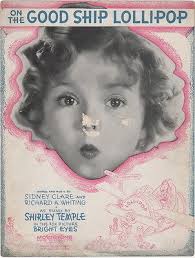
One of the songs hidden in the back of our Yellow Book hasn’t been asked for that often–”On the Good Ship Lollipop.”  This might be a good tune when we have children in the audience.

MV5BZjFjMzIwZWYtZmQxMC00N2U3LWE3OWItNjk0ZWY3MTg3YjI4L2ltYWdlL2ltYWdlXkEyXkFqcGdeQXVyMTEwMTkwOTI@._V1_UX182_CR0,0,182,268_AL_.jpg

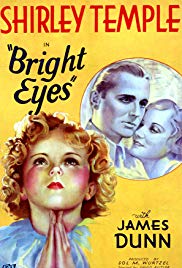
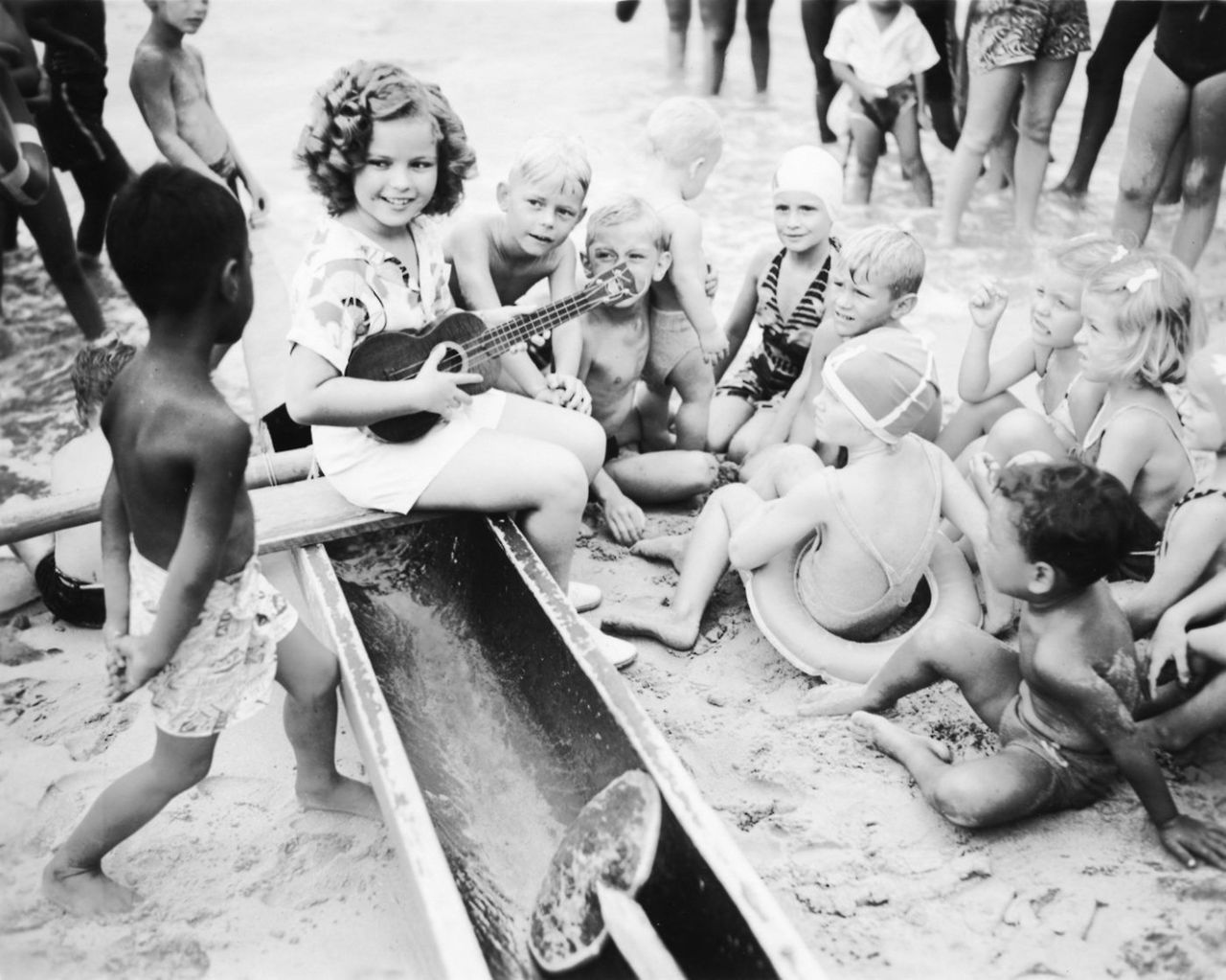
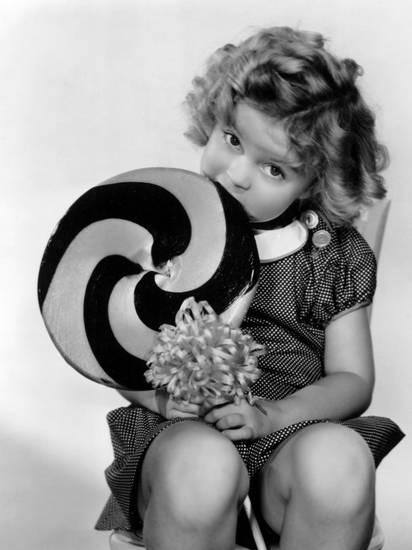
Anyway, “Lollipop” was the signature song of child actress Shirley Temple (1928-2014) who first sang it in the 1934 movie “Bright Eyes.”

homepage.jpg

The song was composed by Richard A. Whiting (1891-1938, composer of “Hooray for Hollywood,” and “Ain’t We Got Fun”) with lyrics by Sidney Clare (1892-1972, credited in 1934 with the earliest usage of the term “rock and roll”).  In the song, the “Good Ship Lollipop” travels to a candy land.

Sz-10-American-Airlines-DC-3-at-Washington-National-Airport-DC-Linen-MGGoldman-Colln.jpg

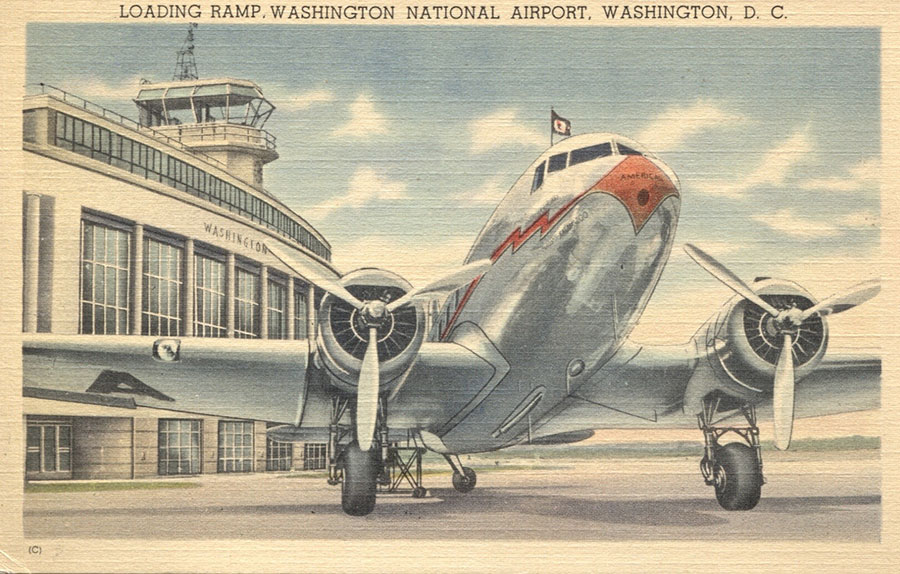
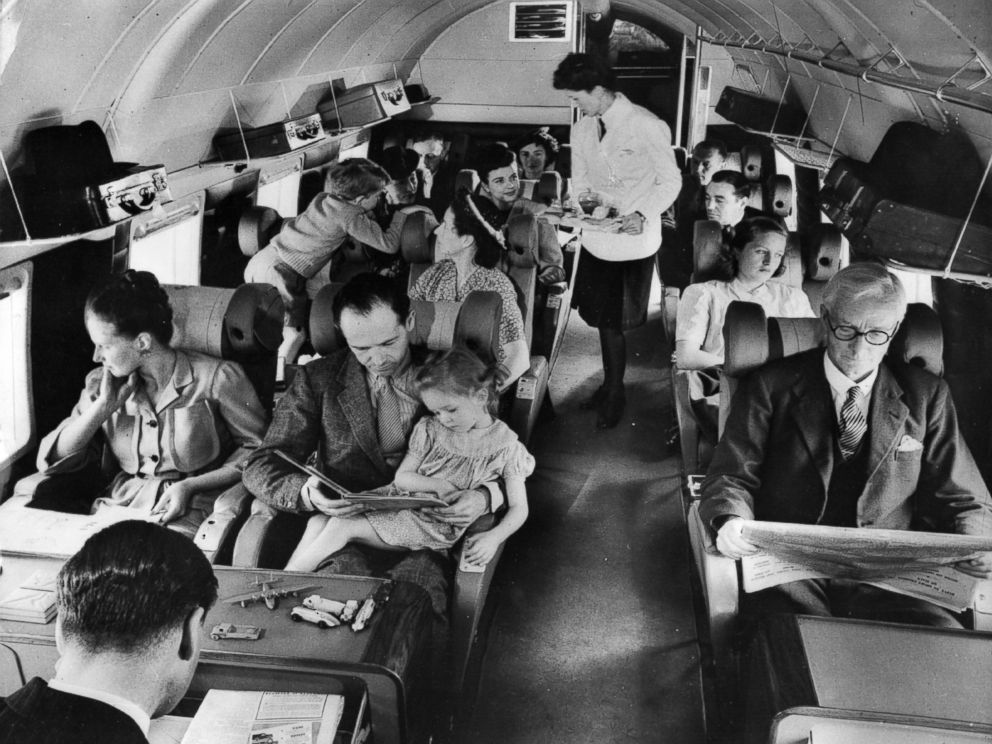
Contrary to general belief, however, the “ship” referred to in the song is an airplane—for your aviation buffs, it was an American Airlines DC-2.

Vintage-plane-passengers-on-board.jpg

Shirley Temple:  https://www.youtube.com/watch?v=WLLSqpYyPD8

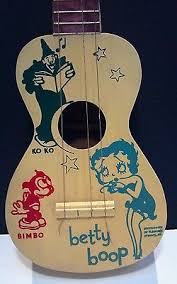
In addition to Temple’s film performance, 400,000 copies of the sheet music were sold and a recording by Mae Questal (the cartoon voice of Betty Boop)

download (2).jpg

sold more than two million copies—a quintessential kid’s song from two or three generations back.

Mae Questal:  https://www.youtube.com/watch?v=0Q7ybTGzaHQ

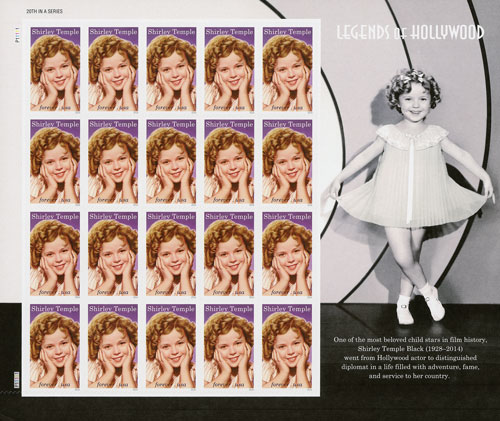
We often forget that Shirley Temple Black served her country in vastly different ways. As a child star in the late 1930s, she cheered up a nation suffering the effects of the Great Depression, making 20 movies by the time she was six years old.

tumblr_p1wlwkyhR81rcbnp1o1_1280.jpg

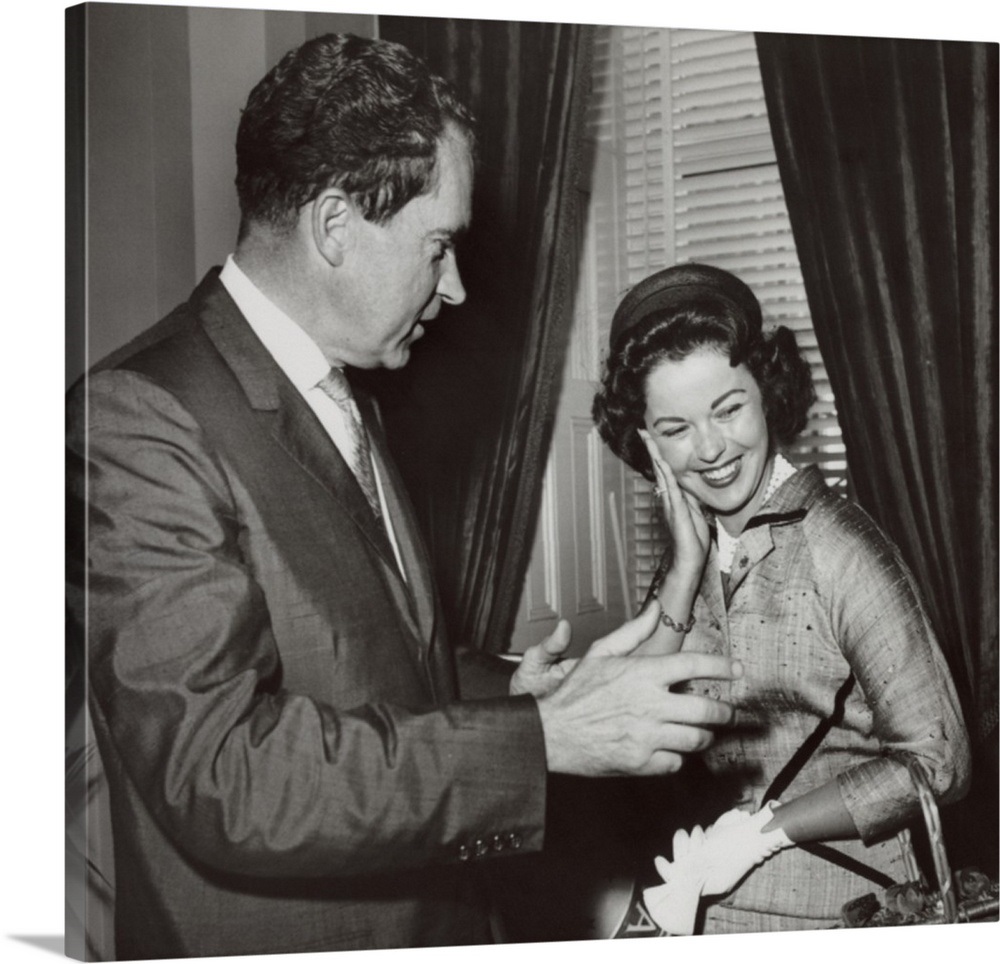
As an adult she became a businesswoman and then a diplomat when President Nixon appointed her as a delegate to the United Nations.

former-child-actress-shirley-temple-black-with-vice-president-richard-nixon,2403789.jpg

President Ford named her ambassador to Ghana in 1974, and later as his Chief of Protocol, the first woman to hold that job.

Shirley-Temple-Black.jpeg

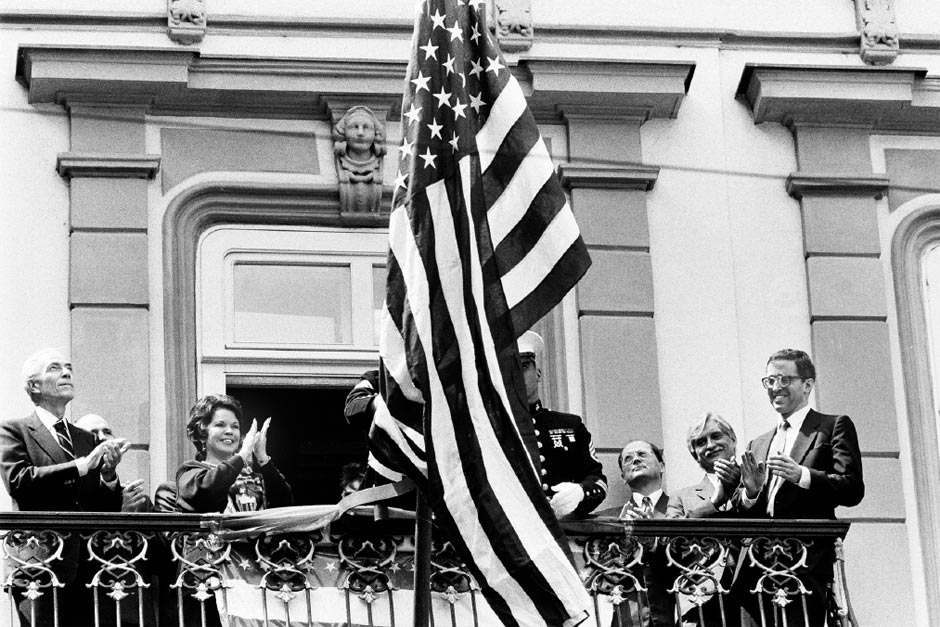
In 1989, President George H.W. Bush named her ambassador to Czechoslovakia—quite a career move up from the good ship Lollipop!

Now for the hard part. 

51FEHRV668L._SY445_.jpg

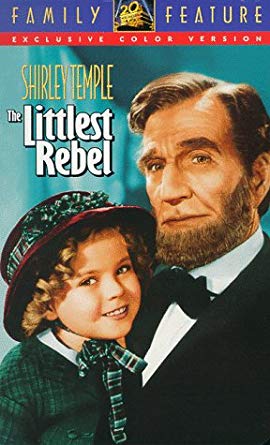
In the 1935 Civil War themed film “The Littlest Rebel,” six-year-old Shirley Temple  appeared in blackface briefly.  Not enough, in my opinion, to tarnish the reputation of a beloved child star who became a respected diplomat in adulthood—certainly not enough to tarnish a tune–from a different, earlier movie–as innocent as “Lollipop . . .”   

images.jpg

Also, in my opinion, Tiny Tim—while forever tarnishing the reputation of the ukulele as a serious musical instrument—gives us this falsetto version of “Lollipop.”  

Not as bad as you might imagine:  

Tiny Tim:  https://www.youtube.com/watch?v=klwUGSScs0s

Back to ukuleles for those of us with a sweet tooth.

FNTAPXVGZUASNM4.LARGE.jpg


Stay tuned!

u-g-P6S66Y0.jpg