Hi neighbors and fellow strummers. These “musings” are intended to share some of the things I have learned over the years of banjo and ukulele history and lore, as well as some of the songs we find, listen to, and play. My goal is to both educate and enlighten by sharing what I have learned within the broader musical and historical context—with honesty and, at times, a bit of humor. Needless to say, your thoughts and comments are, as always, welcome.
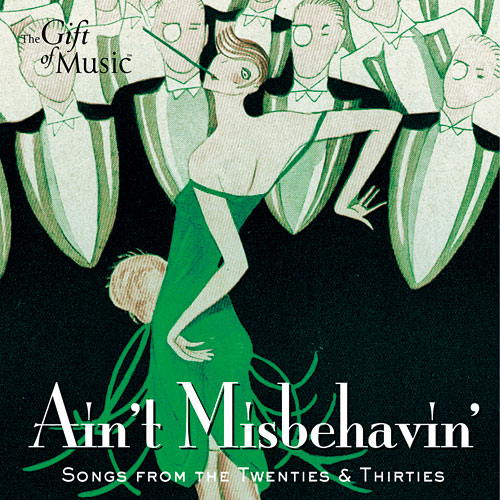
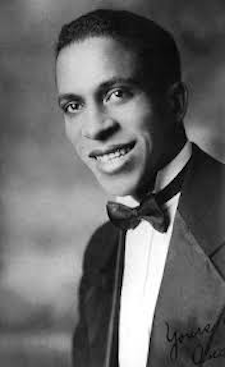
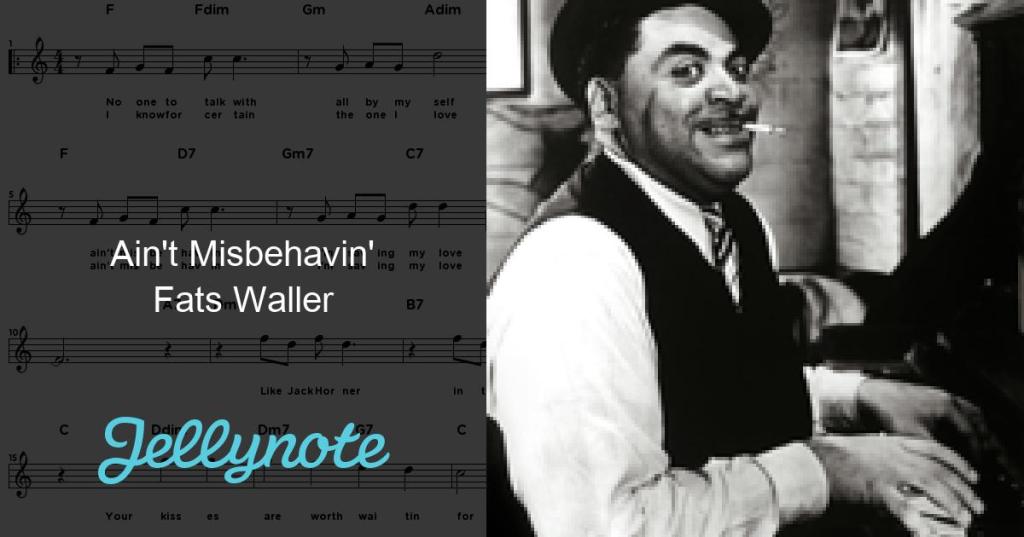
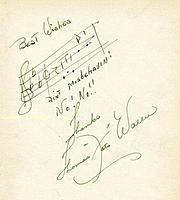
We associate the song “Ain’t Misbehavin‘” with the jazz pianist Thomas “Fats” Waller (1904-1943) but forget that the lyrics were by one Andy Razaf (1895-1973) who gives us a musically more interesting back-story.
Razaf was born in Washington, D.C. His birth name was Andriamanantena Paul Razafinkarefo. His father, part of the royal family of Madagascar was killed during the French invasion of that country and his pregnant mother, the 15-year old daughter of a black American diplomat, was forced to escape to the United States.
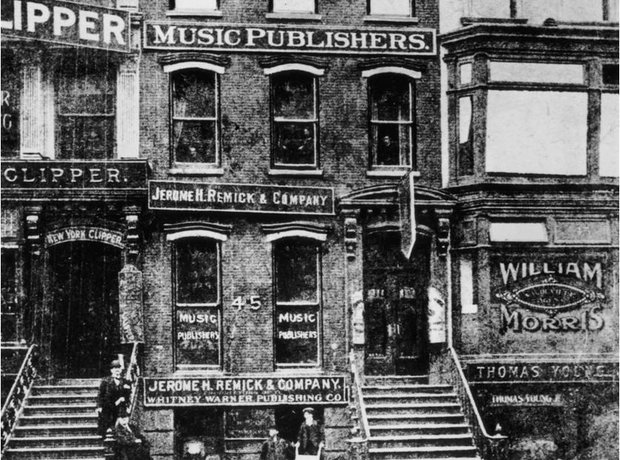
He and his mother moved to Harlem, and at the age of 16 Andy quit school and took a job as an elevator operator at a Tin Pan Alley office building.
A year later he penned his first song text, embarking on his career as a lyricist. Swept up by the Harlem Renaissance, Razaf published poems in the emerging black press and soon was working with several Harlem composers.
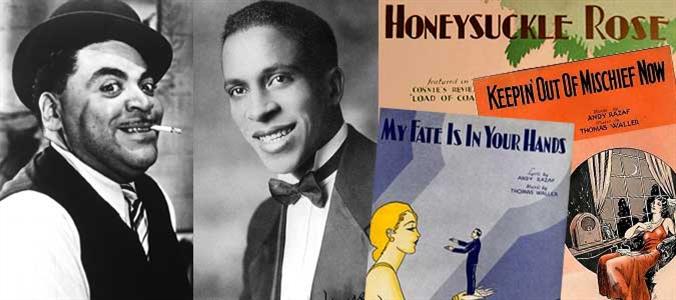
Collaborating with Waller, they wrote—along with “Ain’t Misbehavin’”—many now-classic songs including “Honeysuckle Rose,” “The Joint is Jumpin’,” and ”Keepin’ Out of Mischief Now.” In 1972, Razaf was recognized by his Tin Pan Alley peers in the Songwriters Hall of Fame.
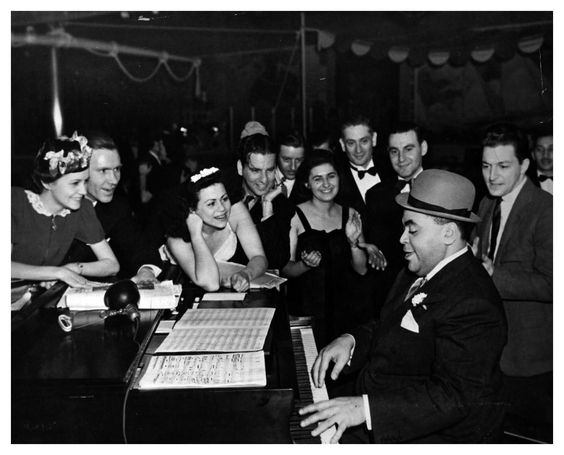
“Fats” Waller was an American jazz pianist, organist, composer, violinist, singer, and comedic entertainer. His innovations in the Harlem “stride” style laid the groundwork for modern jazz piano. Click or tap on the triangle in the next image for a look and listen to Fats himself.
His best-known composition is our song, “Ain’t Misbehavin’,” and it was added to the Grammy Hall of Fame in 1984. Waller copyrighted over 400 songs, many of them co-written with his closest collaborator, Razaf,
who described his partner as “the soul of melody… a man who made the piano sing… both big in body and in mind… known for his generosity… a bubbling bundle of joy.” It’s possible he composed many more popular songs and sold or gave them to other performers when times were tough. Who knows?
How about some jazz organ? Tap or click on the triangle in the next image for something a bit different.
Meanwhile, back to our song!
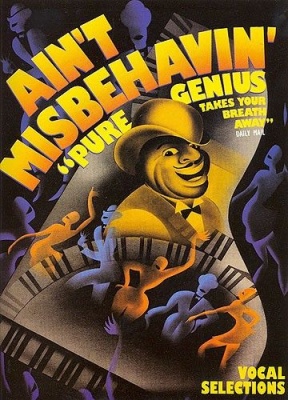
“Ain’t Misbehavin’” was written in 1929 for the Harlem and Broadway musical comedy “Connie’s Hot Chocolates”—a revue featuring black artists that, because of its popularity, was one of the earliest Harlem musicals to move to Broadway and play for predominantly white audiences.
Girls from the 1929 show:
It is said that Waller had the idea for the song while “lodging” in prison (for an alimony violation), and that is why he was not “misbehaving!” Razaf picked up the theme and ran with it.
Click or tap on the triangle in the next image for a listen to our song from the distaff side.
Now , here’s Another back-story that has to do with, of all folks, Louis Armstrong.
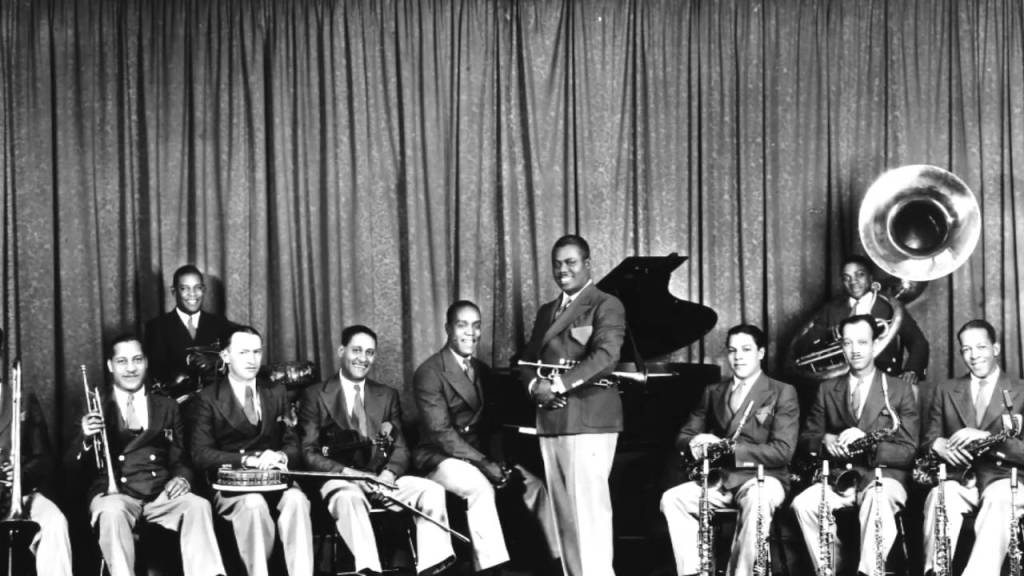
Armstrong made his Broadway debut as part of the pit band for the “Hot Chocolates” show. His cornet solo on opening night was such a hit with the audience that he was asked to perform it on stage for the rest of the show’s run. Another musical tidbit!
Click or tap on the triangle in the next image for a listen. The earworm starts to take hold!
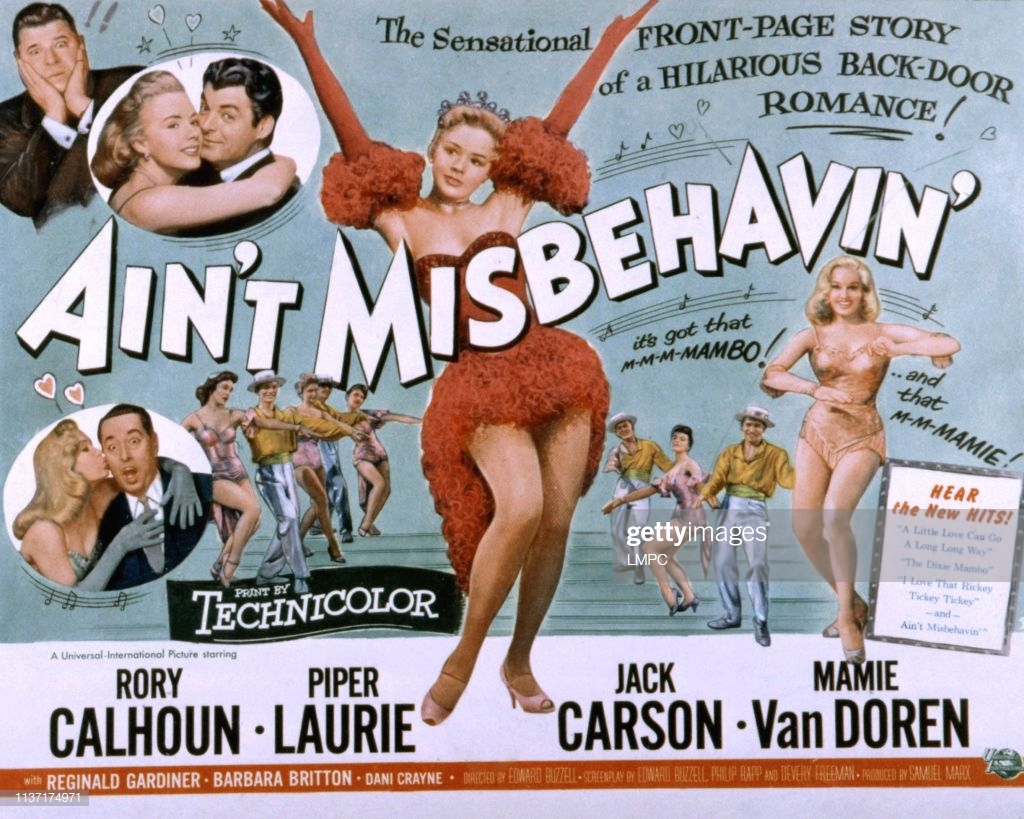
Our song has been around a long, long time and has been covered by nearly everyone in nearly every genre. It was the theme of a movie, with an all-white cast.
It was also a popular Broadway Musical based on the works of Waller/Razaf with an all-black cast.
Click or tap on the triangle in the next image for a look and listen to bits of this musical biography.
Here are a few other interpretations—choose your
earworm of the day!
We can acknowledge the fact that none of we are “misbehavin’.” Or are we?
“Freight Train” is an American folk song written in the early 1900s by Elisabeth “Libba” Cotten (1893-1987) and popularized during the American folk revival of the 1950s and 1960s.
Cotten said that, as a teenager, she would sit outside her home in Carrboro, North Carolina, and watch trains roll by on the Norfolk Southern Line. Inspired by this sight, she penned a simple, albeit a bit morbid song—”Freight Train.” She marvels at the speed of the train and asks to be buried near the tracks when she dies so she “can hear old ‘Number Nine’ as it comes rolling by.”
For all you pickers and strummers out there, this is a tale to tell. A self-taught guitarist, Cotten developed her own original style. Being left-handed, she played a guitar strung for a right-handed player, but played it backwards and upside down.
This position required her to play the bass lines with her fingers and the melody with her thumb. Her signature alternating bass style has become known among folk guitarists as “Cotten Picking”—right- OR left-handed.
For a really good look at her “upside down and backwards” technique click or tap on the triangle in the next image and listen to her play another of her songs: “Washington Blues.“
Now, click or tap on the triangle in the next image to hear Cotten playing and singing her song “Freight Train“–in her nineties!
Elizabeth was the youngest of five children. At age seven, she began to play her older brother’s banjo. “From that day on,” she said, “nobody had no peace in that house.”
By the age of eight, she was playing songs. By her early teens she was writing her own including “Freight Train.” About that same time, she began working as a maid. By her late teens she was married and had given up her music for, as she said: “family and church.” She and her family eventually settled in Washington, DC.
Cotten “retired” from playing the guitar for 25 years, except for occasional church performances. She was then “discovered” by the musical family of Ruth and Charles Seeger while she was working for them as a housekeeper. She also cared for their children, including the young singers Mike and Peggy who grew up as mainstays of the folk music revival.
Charles (by the way, the father of Pete Seeger by a previous marriage) encouraged her. She remembered her guitar playing from her teenage years, picked up the instrument again, and relearned to play it. She did not begin performing publicly and recording until she was in her 60s.
In the latter half of the 1950s, Mike Seeger, both a musician and a musicologist, began making reel-to-reel recordings of Cotten’s songs in her home that later became the album “Folksongs and Instrumentals with Guitar,” released by Folkways Records.
Since the release of that album, her songs, especially her signature song, “Freight Train” have been covered by—it’s safe to say—nearly every folk singer in America.
Click or tap on the triangle in the next image to hear a young Joan Baez:
Click or tap on the triangle in the next image to hear their spin on this tune by Peter, Paul, and Mary:
With the profits from her recordings and concerts, she and her family moved to Syracuse, New York. In 1984, she won a Grammy for “Best Ethnic or Traditional Recording” for the album “Elizabeth Cotten Live.” She died at the age of 94.
So, we have a simple tune from humble beginnings, rediscovered and made available to we pickers and strummers today. A simple tune, a simple gift—not so simple backwards and upside down, however!
Finally, a final tune. Click or tap on the triangle in the next image for a look and listen.
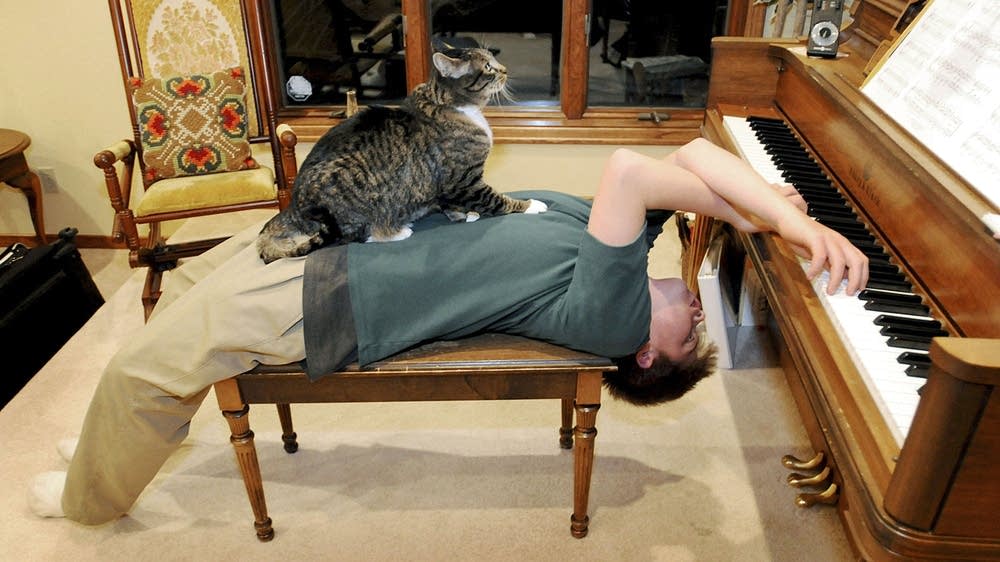
So, play your guitar, ukulele, or banjo anyway you like–upside down or backwards. Not a piano, however!
Well, I guess that’s OK too! Just play anything anyway, but STAY TUNED.
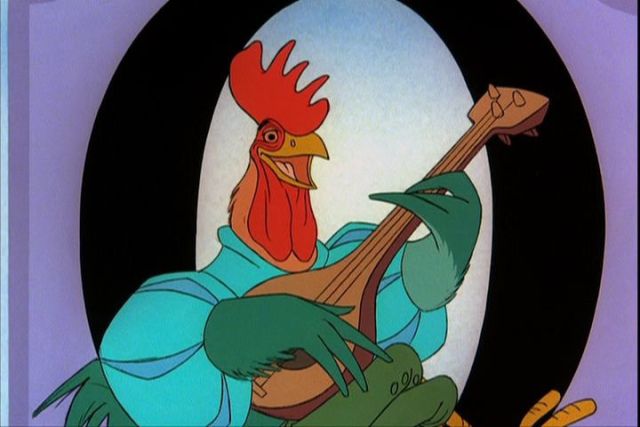
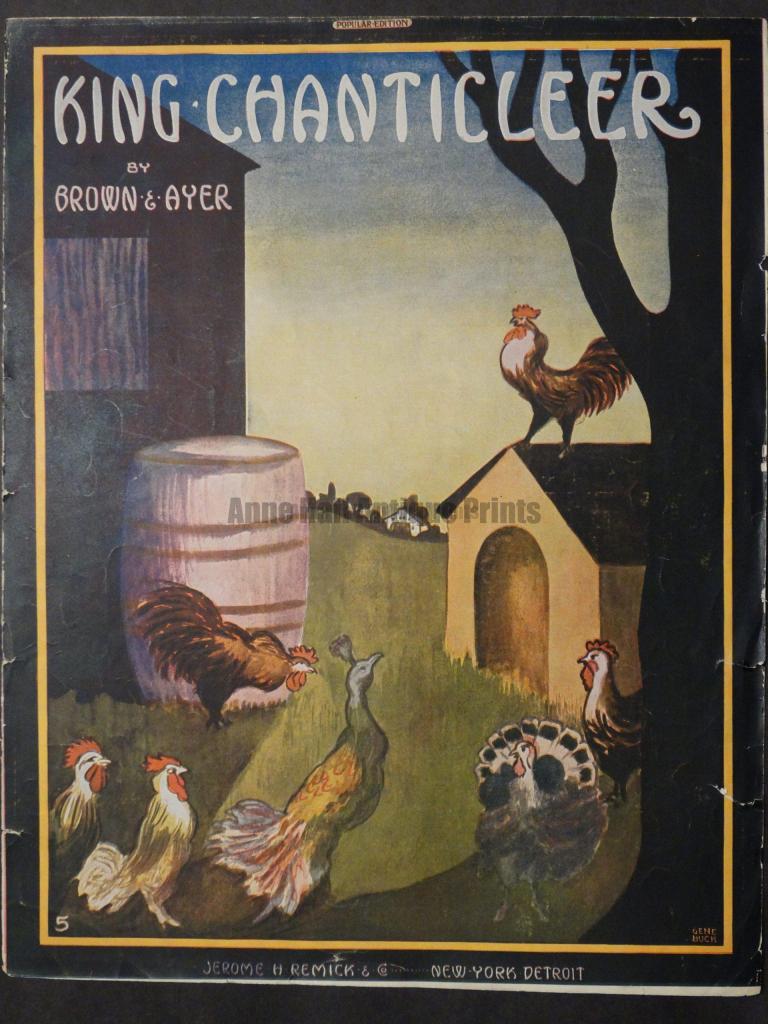
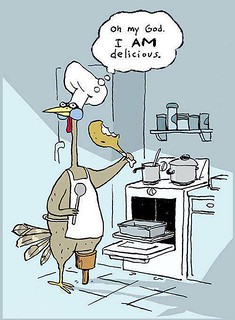
Well friends and neighbors, it’s still September and—to my wonderment—I just learned that this is “National Chicken Month!” Just the theme for another musical musing! Well, why not? There are some fun old tunes out there to explore. Who knew?
Let’s start with one of the most often played old, old fiddle tunes: “Cluck Old Hen.” Click or tap on the triangle in the next image or link for a lively ukulele/ clawhammer banjo rendition of this oldie.
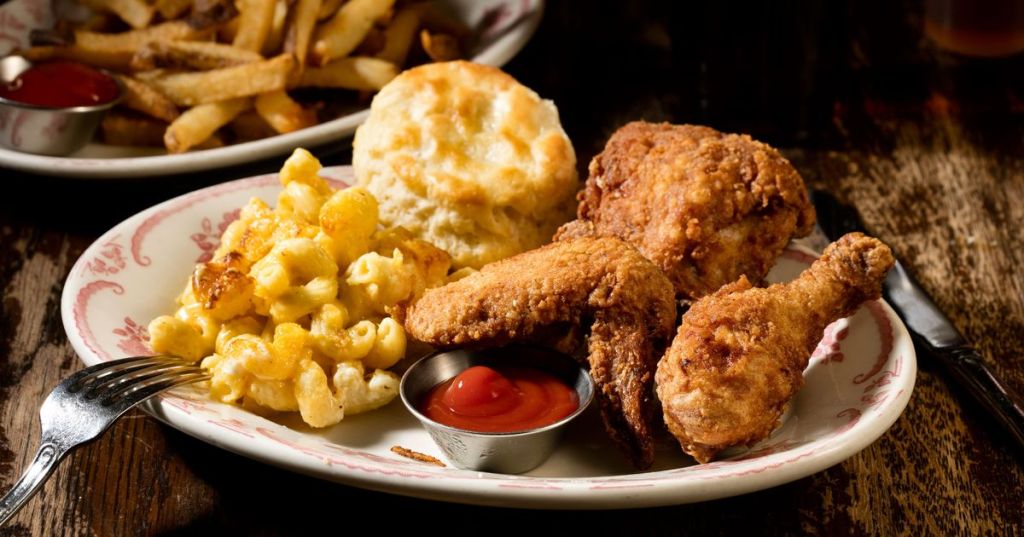
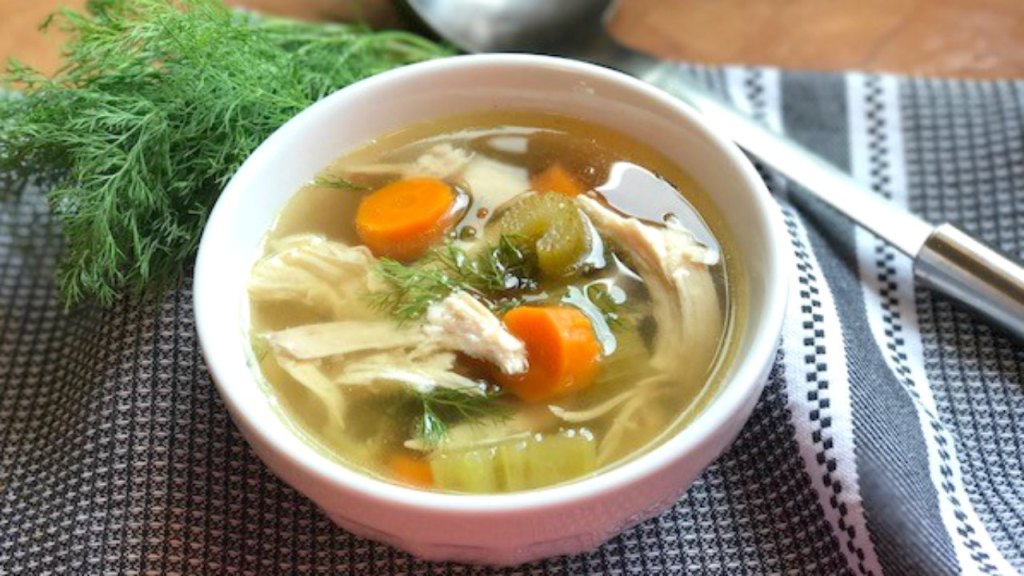
Moving on, it is said that chicken, as well as onions, are part of nearly every ethnic cuisine—Kosher, Halal, Asian, Hispanic, as well as good old American Country.
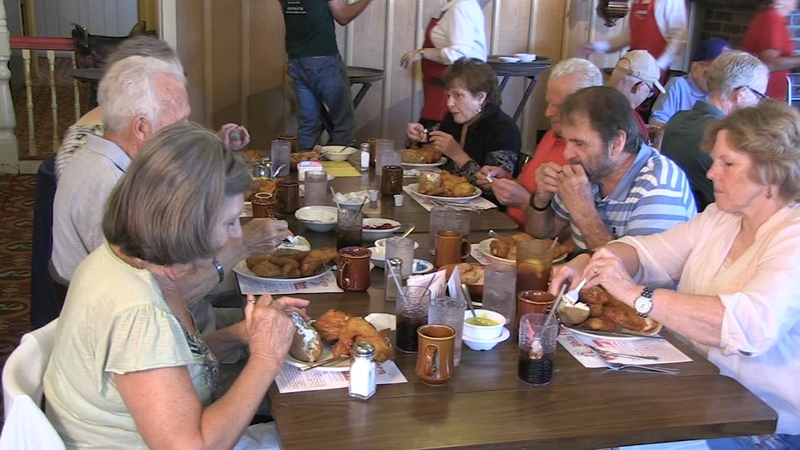
I remember those homey all-you-can-eat fried chicken restaurants in the Midwest,
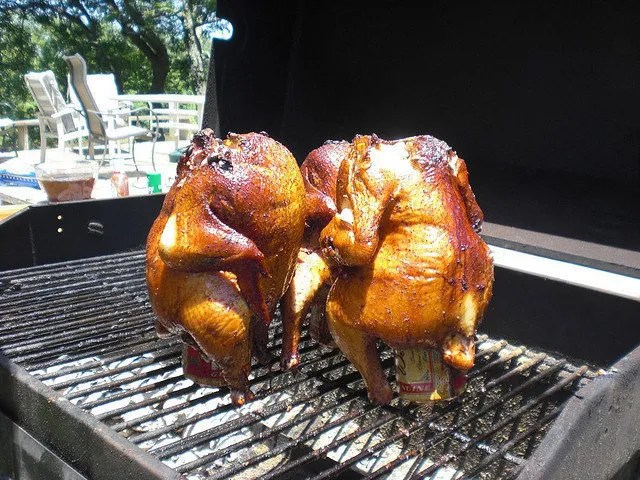
beer can chicken on the grill,
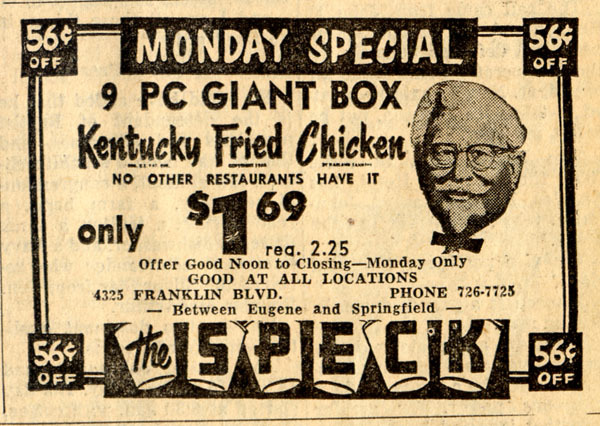
and even a rare bucket from Colonel Sanders in my impecunious student days!
My favorite treat, however, was my grandmother’s chicken and noodles served (how else?) over mashed potatoes—about 400 calories per forkful!
But, oh so good! But, alas, I digress . . .
Now, to begin our journey through the musicological chicken yard, I would be remiss, however, not to point out a few potential pedagogical pitfalls of what some might call the teaching of “critical musical theory.”
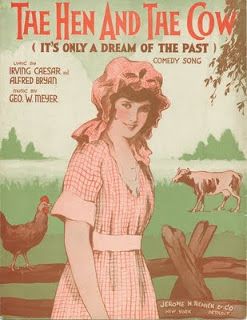
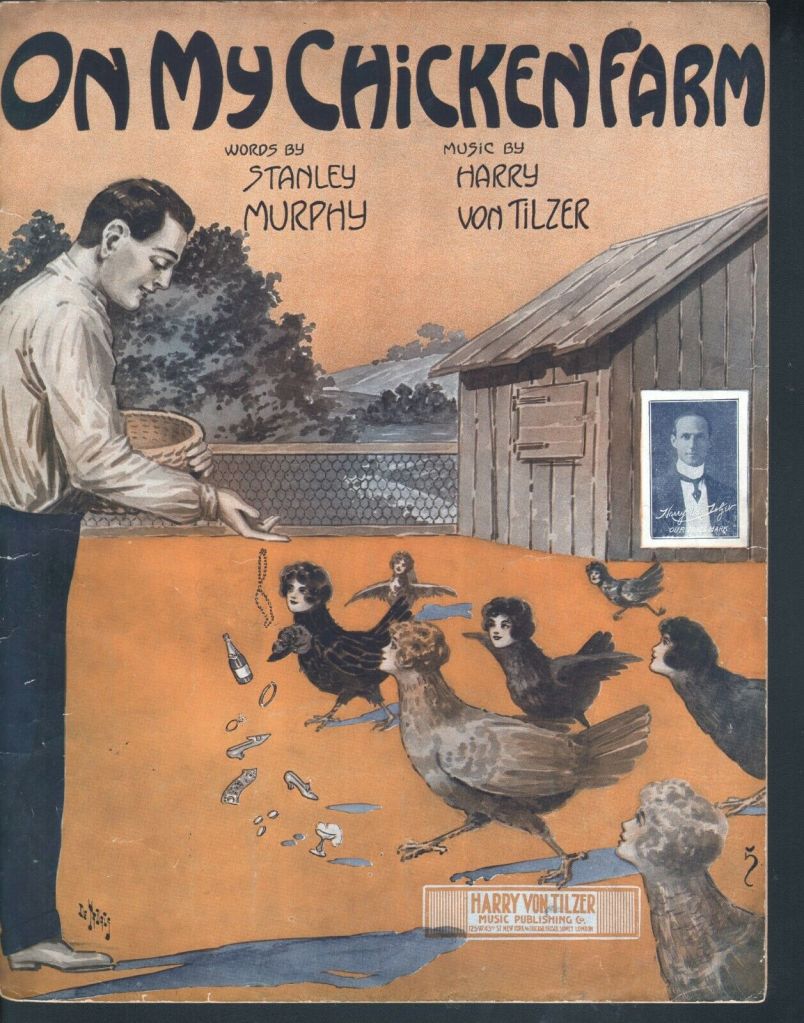
For example, in my scholarly explorations on the web, there seem to be three major themes relative to today’s theme of “chicken music.” First, of course, are sweet songs about the good old days of raising chickens back on the farm, and those simple but savory Sunday (or church basement) dishes served by our mothers and grandmothers.
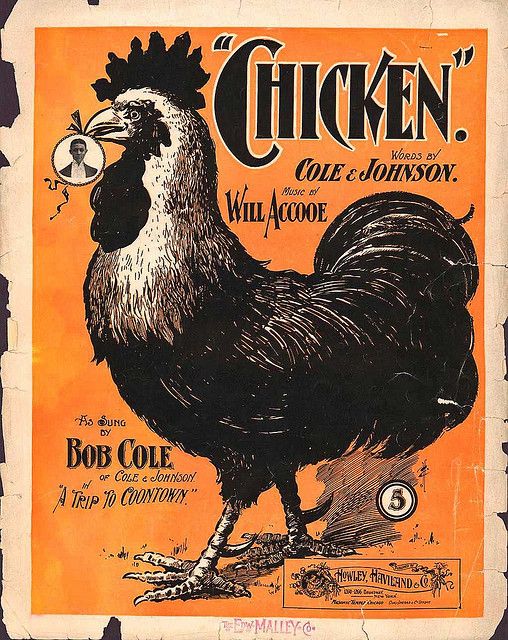
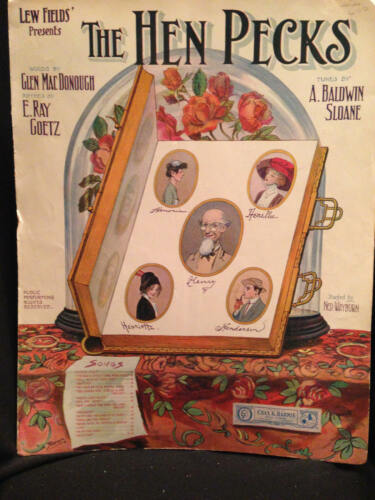
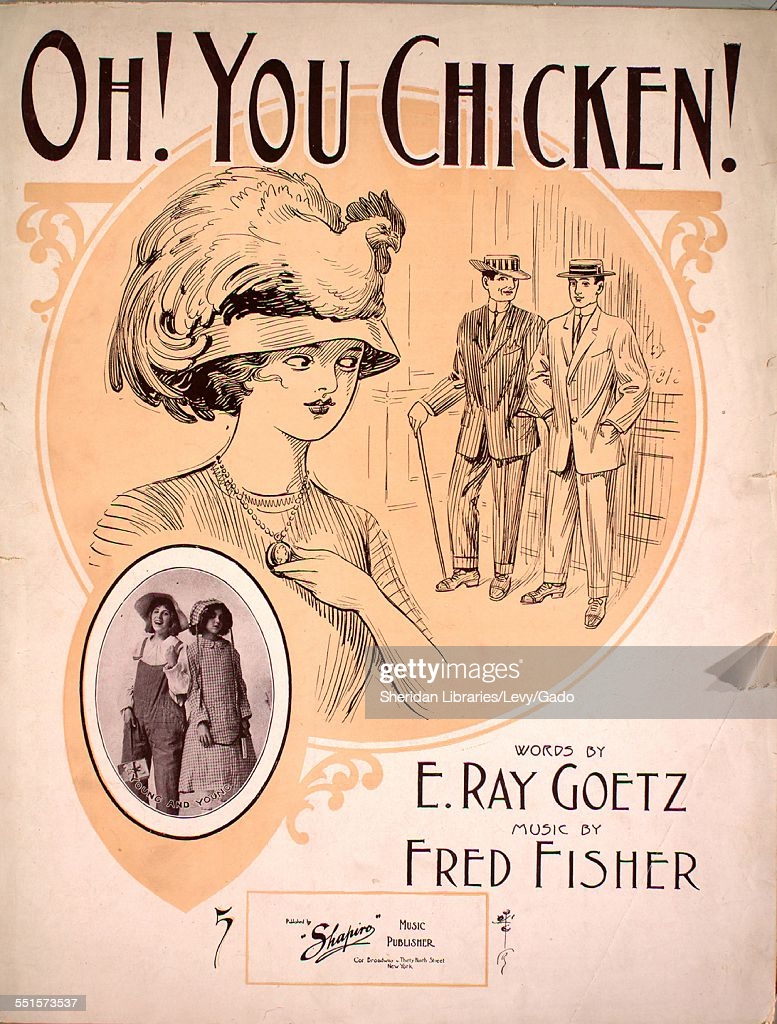
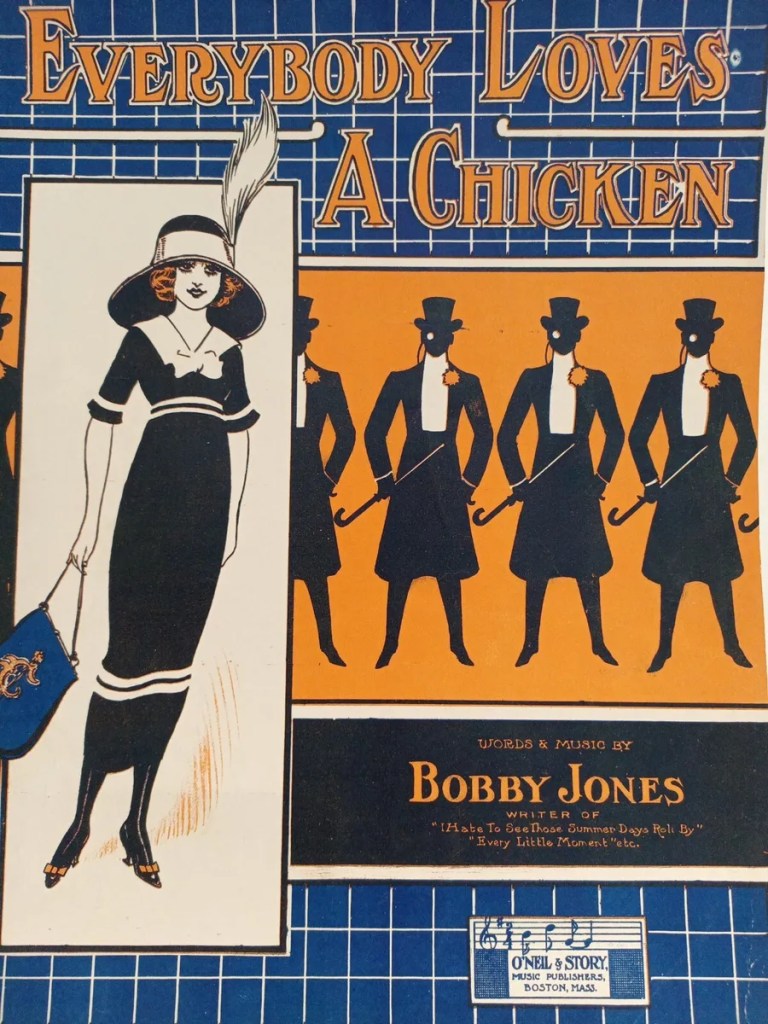
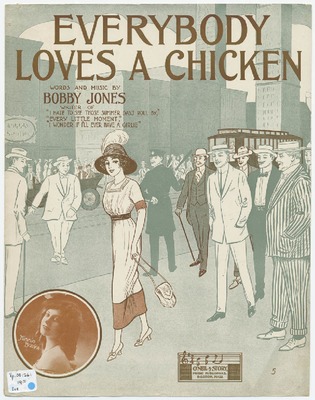
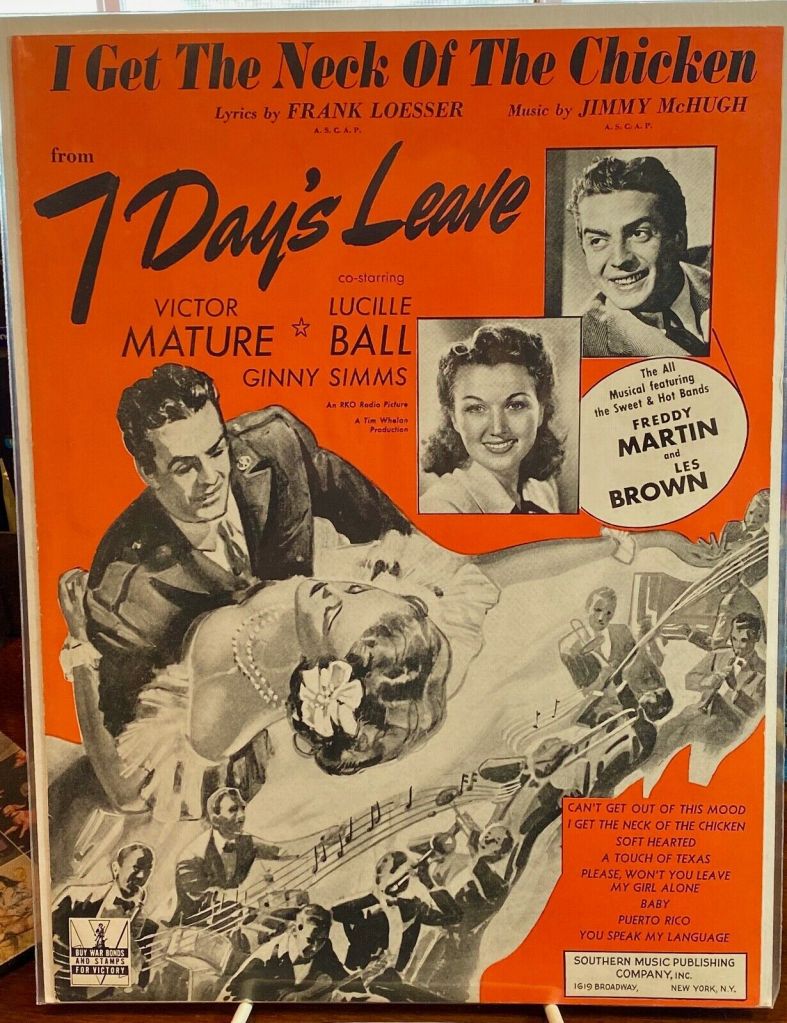
Then there are bouncy and (ever so slightly) bawdy tunes using the ubiquitous Tin Pan Alley slang of the day when “chick” and “chicken” referred to all those pretty young girls out there capturing the attention of a flirting “rooster” or two.
Click (cluck?) or tap on the triangle in the next image for a listen to this one.
Alas, in the last but not least category, are all those songs of chicken chasing, eating, stealing, and whatnot tainted by the graphic and lyrical racial caricatures way too common at the time.
That said, in this musing I’ll only focus on the first two categories and let the third remain buried in the depths of the internet.
Moving on, here are just a couple of sweet and homey “chicken” tunes: “The Chicken Reel” and “Cock-A-Doodle, I’m Off My Noodle.” Click or tap on the triangles in the next couple of images or links to hear some good bowing, strumming, and singing on these two oldies.
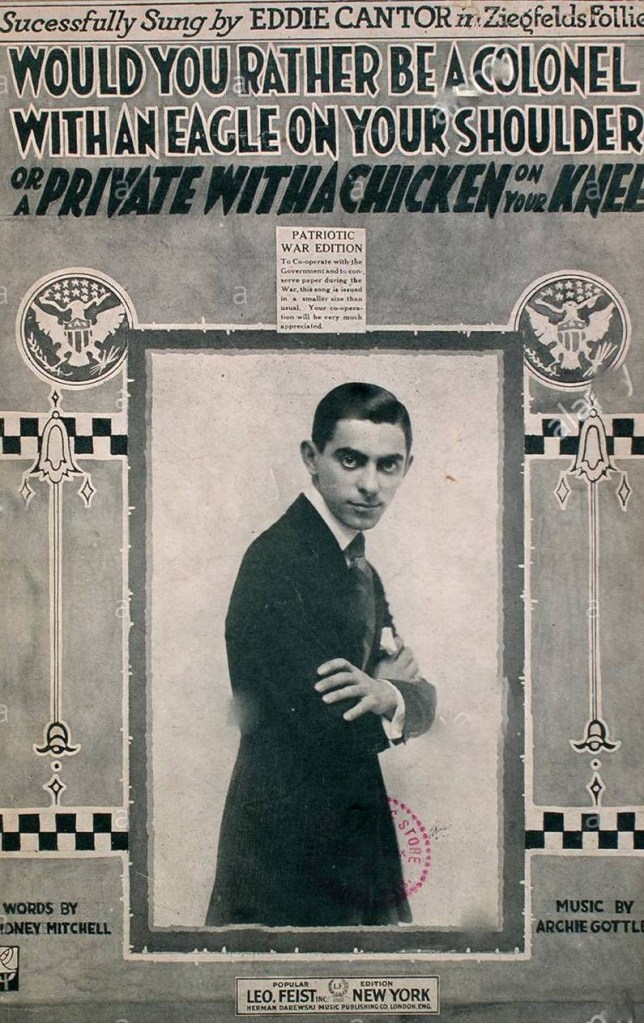
So much for chickens in the coop or on the plate; now the bouncy, Tin Pan Alley stuff. Here is a use of “chicken” slang that Eddie “Banjo Eyes” Cantor performed way back in the days of World War One.
Click or tap on the triangle in the next image or link and listen carefully to the vaudevillian lyrics of “Would You Rather be a Colonel with an Eagle on Your Collar or a Private with a Chicken on Your Knee? Whew!
Here’s another in this classical category.
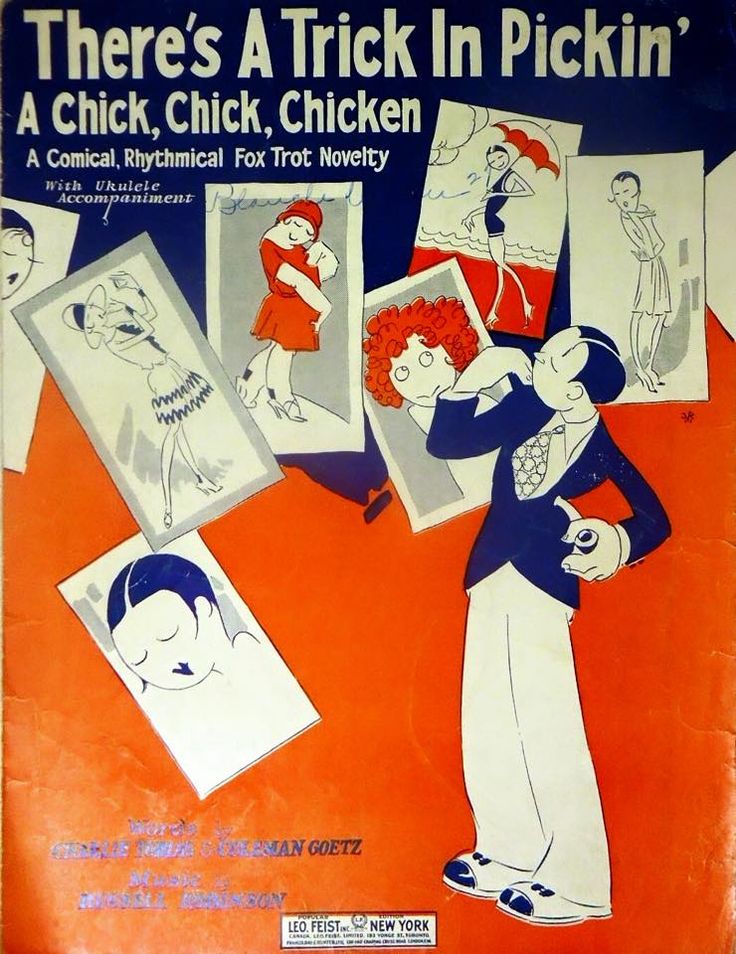
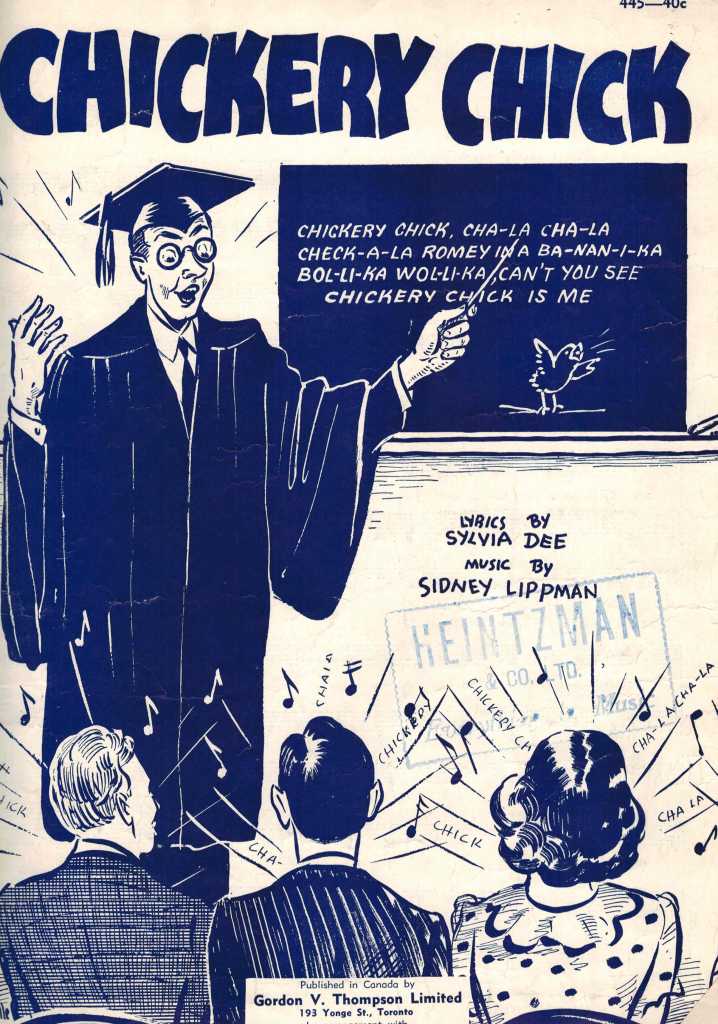
Now, click or tap on the triangle in the next image or link for another of this genre with another convoluted title: “There’s a Trick in Pickin’ a Chick, Chick, Chicken,” another slangy Tin Pan Alley fox trot take on today’s theme.
Ah yes, one more in the cinematic “country comic” mode . . .
Click or tap on the next image or link to listen to an early movie version of this one!
And, probably one of the most bouncy chicken related tunes of the swing era!
If your brain isn’t, um, fried, you can click or tap on the next image or link for for the wind up. Anyone out there remember this one?
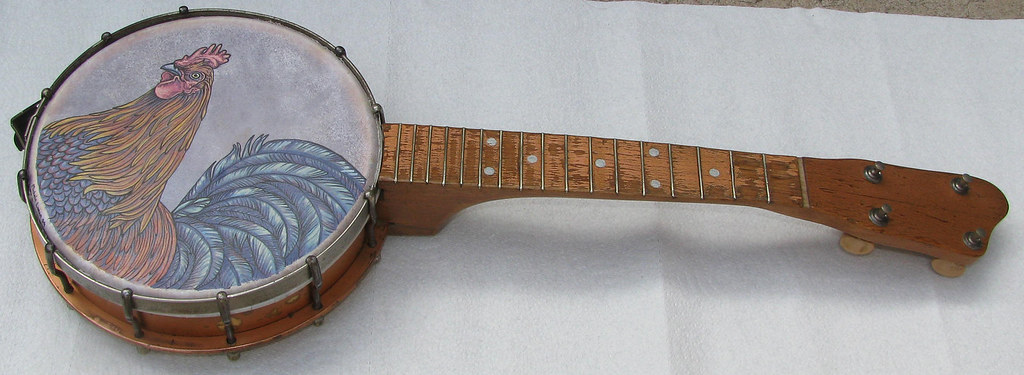
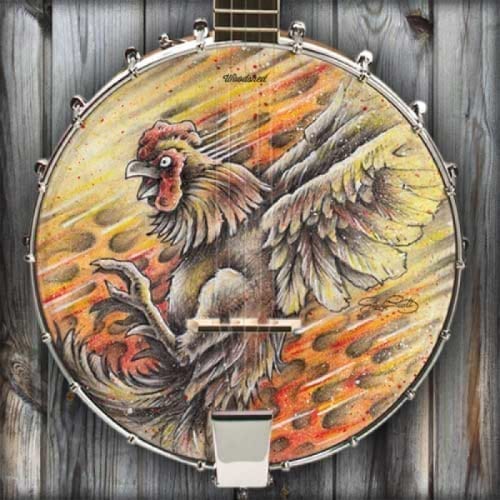
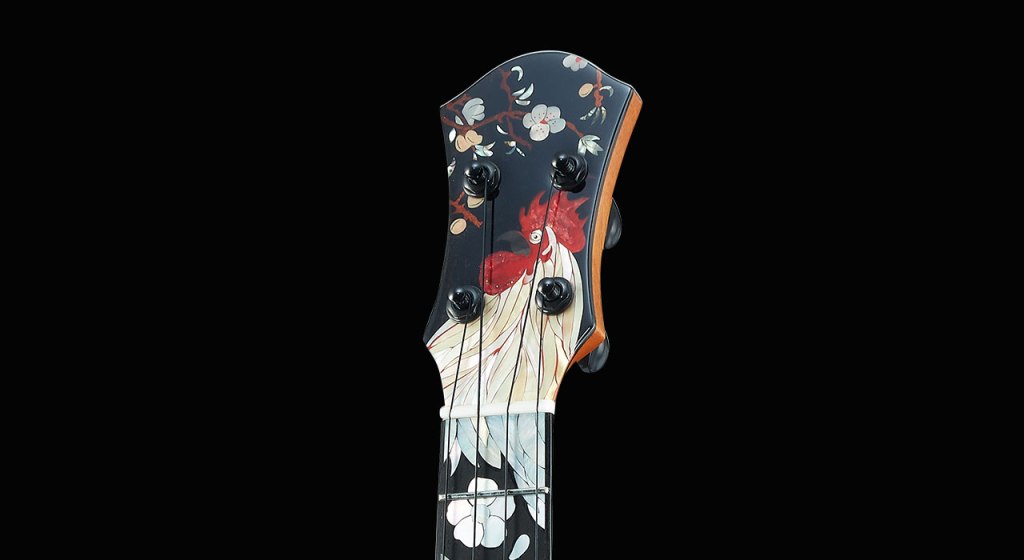
And, let’s not forget the poultrified banjo ukuleles out there!
So, remember the theme of the month and, hopefully, have a taste soon of healthy skinless broiled chicken or deep-fat fried extra crispy—your choice!
Now it’s time to dance your way to the chicken dinner table. Click or tap on the triangle in the next image to learn how. (Sorry in advance for this one!)
and, of course, STAY TUNED! And listen to the chick, chick, chicken . . .
I’m old enough to remember that traveling from place to place by passenger train was “the glamorous” way to go.
Sleepers, dining cars, porters, grand “central” stations were all a part of the fun. The top-of-the-line were the “express trains”—”The 20th Century Limited,”
“The Super Chief,” and a couple of others that have achieved musical fame such as “The City of New Orleans,” . . .
Click or tap on the triangle in the next image for this classic American train tune. Have a look and listen!Alas, the Arlo Guthrie version of this song he wrote is blocked from use by our friends at YouTube. Willie Nelson’s cover–with some nice illustrations–will do just fine!
. . . and “The Orange Blossom Special.”
Click or tap on the triangle in the next image to be blown away down the track with this bluegrass classic!
I just had to put those great train tunes in, but the most famous—albeit mythological—of the musical express train songs was “The Wabash Cannonball.” Lookout earworm; hear we come!
Sources vary on this, but the Wabash Railroad (not Cannonball!) ran on the Great Rock Island Route through the middle and western United States in the late 1800s and early 1900s. “The Great Rock Island Route,” the grandfather of our song, was published in 1882; the “reimagined” grandchild, “The Wabash Cannonball” was published in 1904. A bit of musical genealogy!
Click or tap on the triangle in the following image to begin this week’s earworm with the 1882 original!
No “Cannonball” here!
Now listen to the jingle, and the rumble, and the roar, As she dashes thro’ the woodland, and speeds along the shore, See the mighty rushing engine, hear her merry bell ring out, As they speed along in safety, on the Great Rock Island Route.
There are many theories about the origin of the name “Wabash Cannonball” and most predate the use of the name for an actual express train. Some scholars say that hobos—those infamous “riders of the rails”—imagined a mythical train by that name that appeared at the death of one of their own to carry his soul to its reward.
Another theory states that the song is based on a tall tale in which Paul Bunyan’s little brother (who knew?) constructed a railroad line known as the “Ireland, Jerusalem, Australian, & Southern Michigan Line.” It was said that, after two months of service, this 700-car train was traveling so fast that it arrived at its destination an hour before its departure! When the hobos learned the tale of this train, they called that one the “Wabash Cannonball.”
Tall tales from around the hobo campfire! But aren’t those what folk songs are all about?
Historical veracity aside, the later edition stuck as of one of the most enduring “railroad songs” in American folk and country music.
The lilting melody of this song has remained unchanged while the verses have been updated by singers over the years including the Carter Family, Roy Acuff, Tennessee Ernie Ford, Bing Crosby, Chuck Berry, and Woody Guthrie. Guthrie, in fact, borrowed the melody for his depression era song, “Grand Coulee Dam.” Click or tap on the triangle in the next image to listen to a real hobo’s take on this one!
The name lived on through World War II, albeit on a plane not a train.
After World War II, in the wake of the song’s popularity, the Wabash Railroad named its express run between Detroit and St. Louis the “Wabash Cannon Ball”–the only actual train to bear the name and well AFTER the song was written, not the other way around. Go figure!
For you Rock and Roll fans, “The Wabash Cannonball” was added to the Rock and Roll Hall of Fame’s 500 songs that shaped that musical genre. In fact, it’s the oldest song on the list! How’s that for a musicological bit of trivia?
So, sit back in the club car, or hop a freight, get that penny-a-point card game going, but, stay tuned! Even our favorite little instrument can capture this one! Click or tap on the triangle in the next image for a look and listen.
I’m sure this is a baritone ukulele!The case seems to be held together with what is affectionately known as “West Virginia chrome.”
Just to help erase the “Cannonball earworm”,let’s end up this musing with one of the greatest train ride musical/theatrical interpretations out there. Click or tap on the triangle in the next image to “ride” along with the traveling salesmen on the train with the infamous traveling salesman Harold Hill–“The Music Man.”
Did that get rid of the “Wabash Cannonball” earworm? No? Sorry. But, STAY TUNED and travel by train whenever you can and make the experience as glamourous as you can!
Having “retired” from posting my weekly “Musical Musings,” I do plan on continuing in a less complicated and less time consuming manner. Some may call this a “lazy man’s way of working.” I’ll just call it “recycling.” So, here is a timely musing from last year. Enjoy and STAY TUNED!
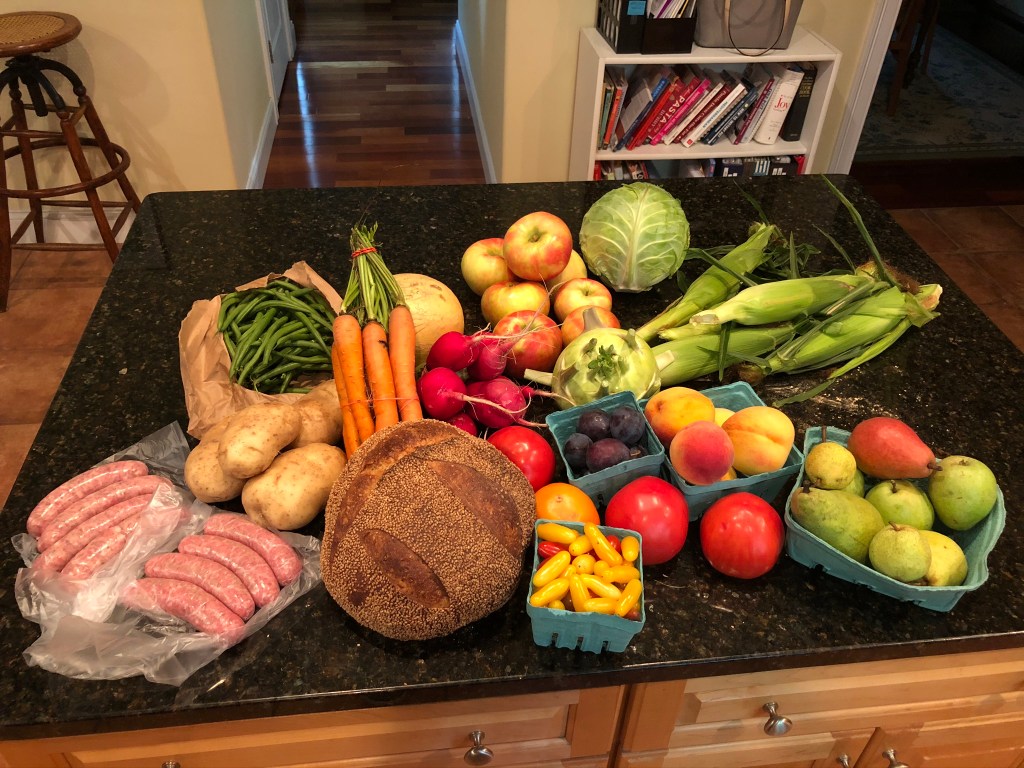
This is the time of the year here in western Massachusetts when home and farm gardens, as well as farm stands and markets, are filled with the bountiful produce of the year. Spring planting, summer tilling, and fall harvesting make the cycle from garden to table that we all look forward to.
As an example, here’s the haul from one of Alison’s and my Sunday “farm market” drives here in our “Happy Valley.”
Garden produce has been a common theme for writers of both prose and poetry and, not to be left out, for musicians as well. Needless to say, there are many examples of so-called “fruit and vegetable” songs out there from the early days and also quite a few about the folks who plant, harvest, and sell these. So, gentle readers, let’s take a look out there to see what we can gather and, of course, take a musical taste.
But first, it should be noted that many of the early tunes that fit within this “fruit and vegetable” musing were written as “rags,” that is to say in “ragtime.”
As a too brief intro to this historical musical form, ragtime originated in African-American music in the late 19th century and descended from the lively dance and march music played by Black piano players and bands.
By the start of the 20th century, ragtime music became widely popular throughout North America and was listened and danced to, performed, and written by people of many different subcultures, particularly those Tin Pan Alley sheet music publishers.
Needless to say, there were controversies of taste!Click or tap on the triangle in the next image for the argument.
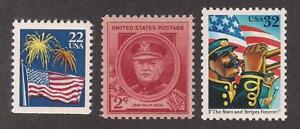
A distinctly American musical style, ragtime is considered a synthesis of African syncopation and European classical form. Just for fun, as a real “crossover style,” consider the marches made popular by John Philip Sousa . . .
. . . who would often rearrange and perform his more formal compositions in ragtime, particularly as audience-pleasing encore pieces. Tap or click on the triangle in the next image to hear “Stars and Stripes Forever” played in ragtime, Sousa style!
Ragtime is usually written in 4/4 or 2/4 time and sometimes in 3/4 time as a “waltz rag.” If you listen carefully to the piano part of a ragtime song, you’ll hear a left-hand pattern of strong bass notes on beats 1 and 3, with chords on 2 and 4. Meanwhile the right hand plays a syncopated, often called “ragged” melody. Hence the name.
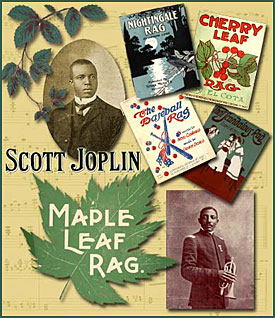
Ragtime music had a resurgence in the 1970s when the movie “The Sting” won seven Oscars including “Best Picture.” Because of this, many performers and listeners rediscovered the music of composer and pianist Scott Joplin–considered the “King of Ragtime Composers.”
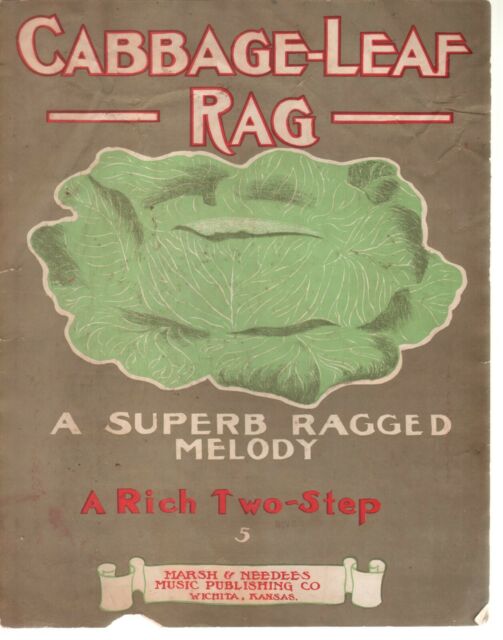
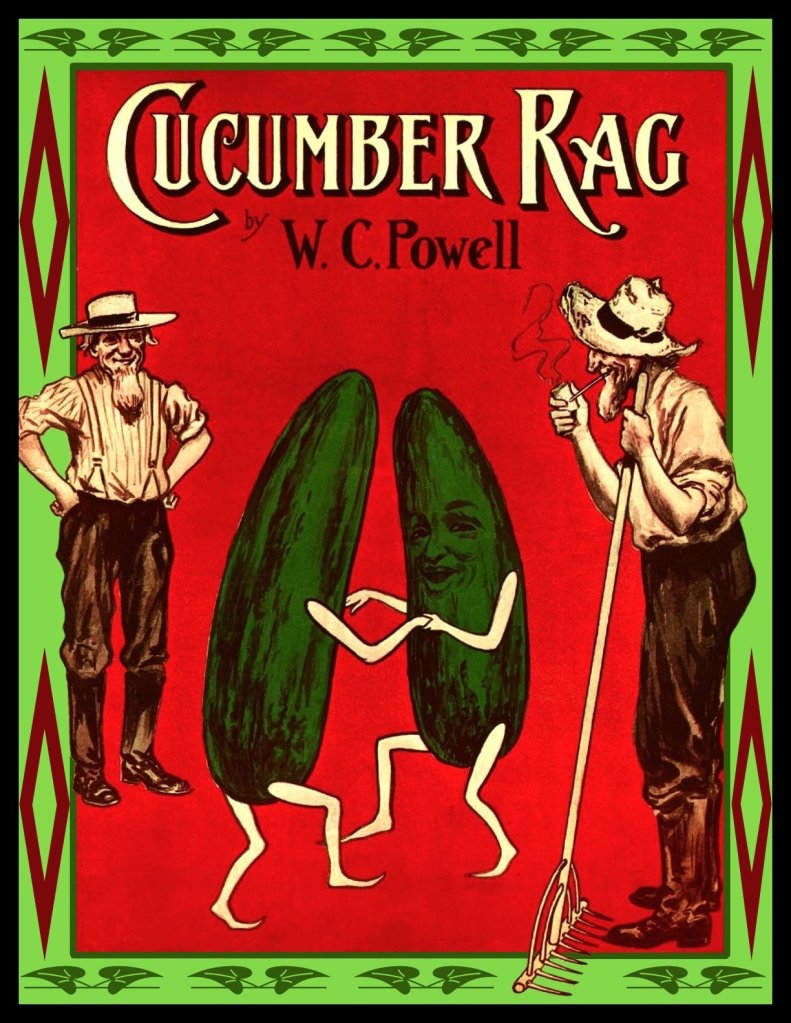
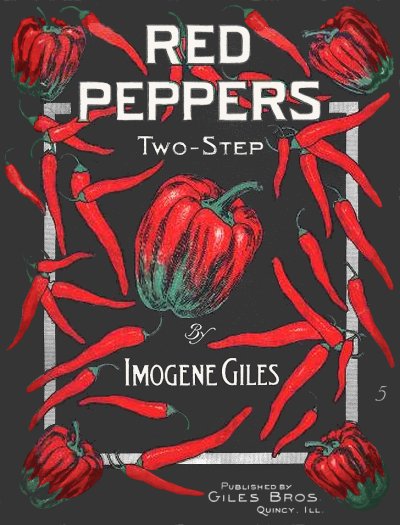
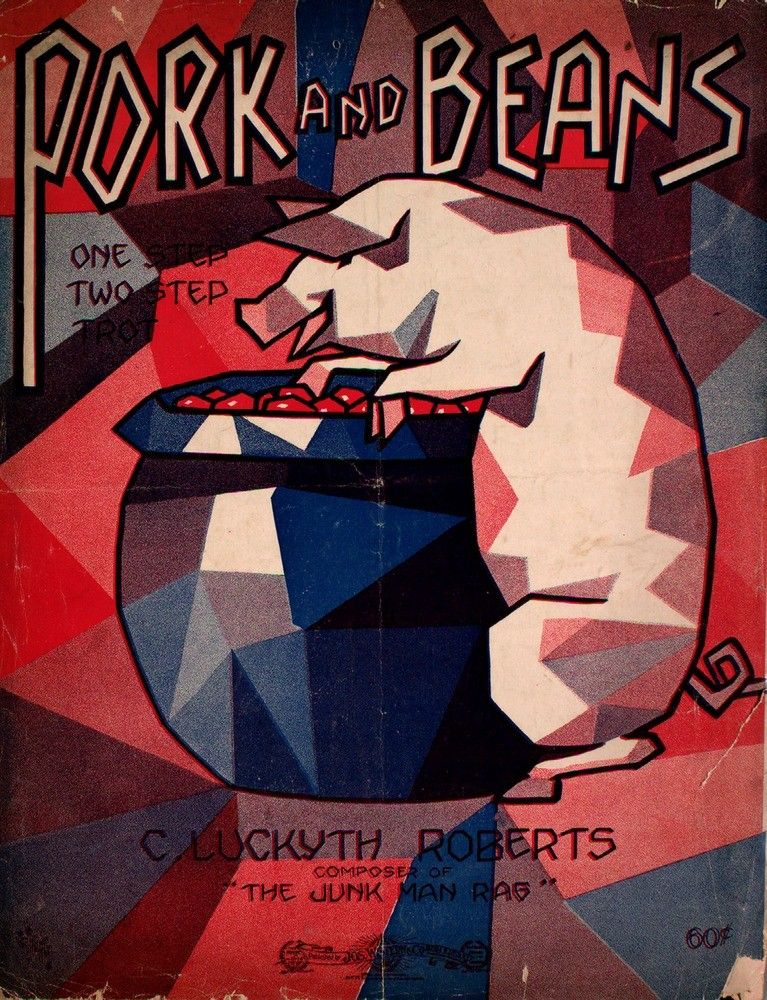
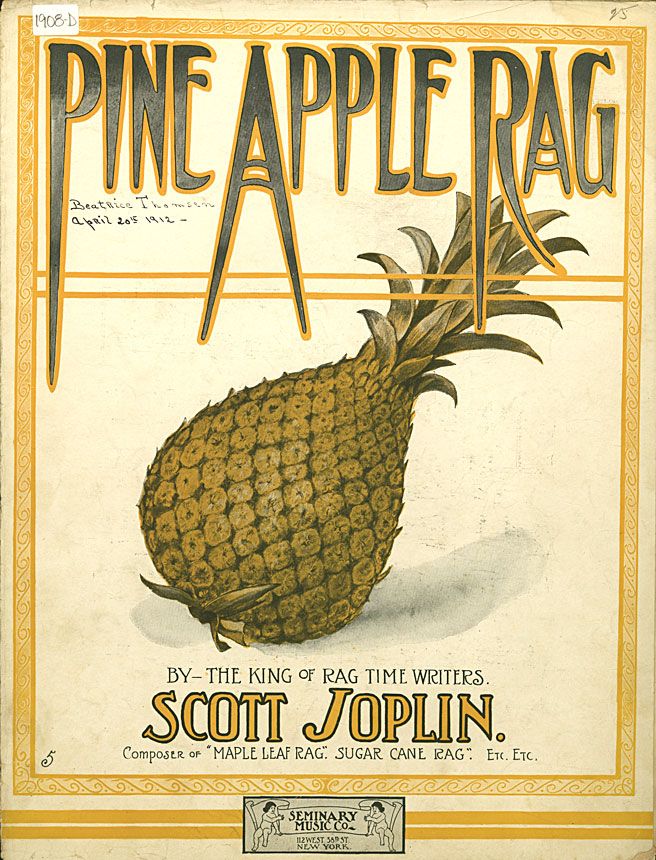
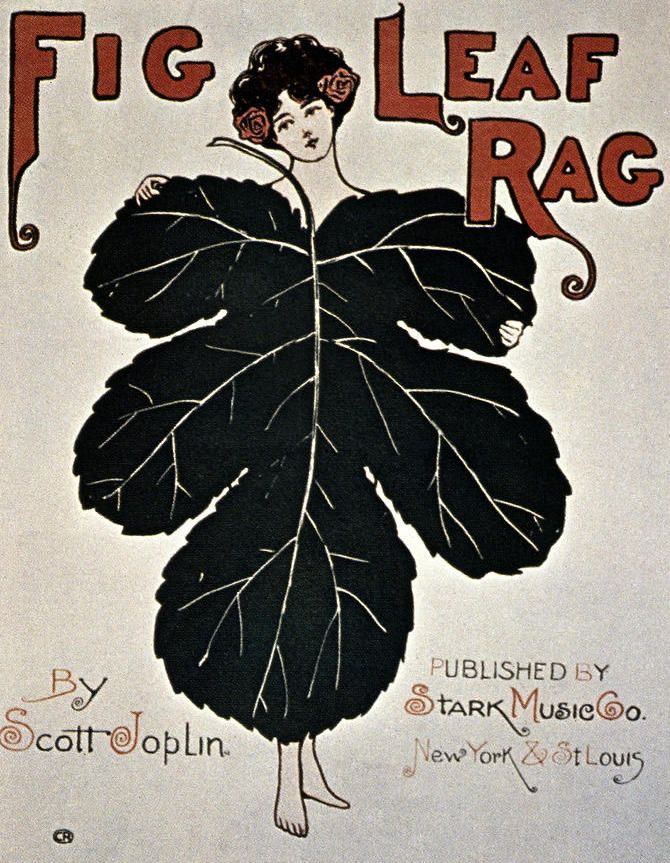
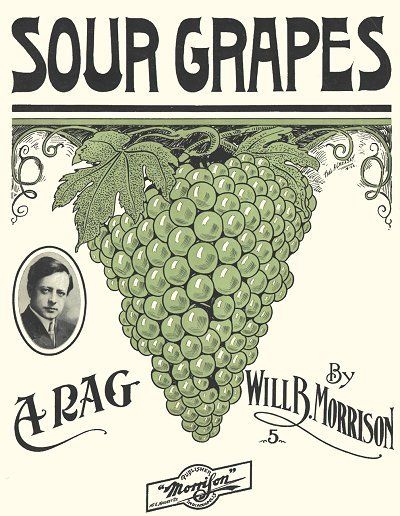
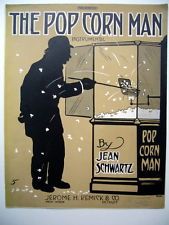
Many of the earliest ragtime tunes–such as Joplin’s–were written for solo piano or as instrumental dance band music without lyrics. Composers gave them fanciful “rag” titles more to differentiate between tunes in their portfolios rather than to provide some sort of musical description of their subject matter. Here’s a good example of a lyric-less, musically generic “vegetable rag” from 1910. It could just as easily have been called “The Happy Valley Rag” or “The Ukulele Rag” or whatever. It would still sound the same!
Here’s a simple version of this tune with an adjacent piano score that you can follow and see just how the basic ragtime style is played. Tap or click on the triangle in the next image for a look and listen.
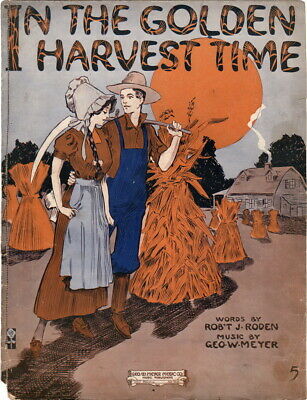
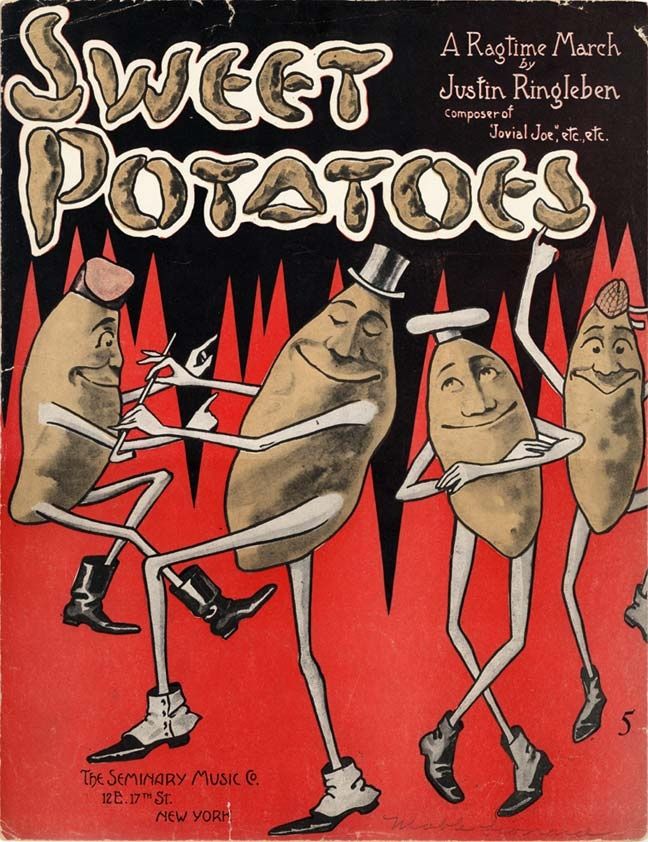
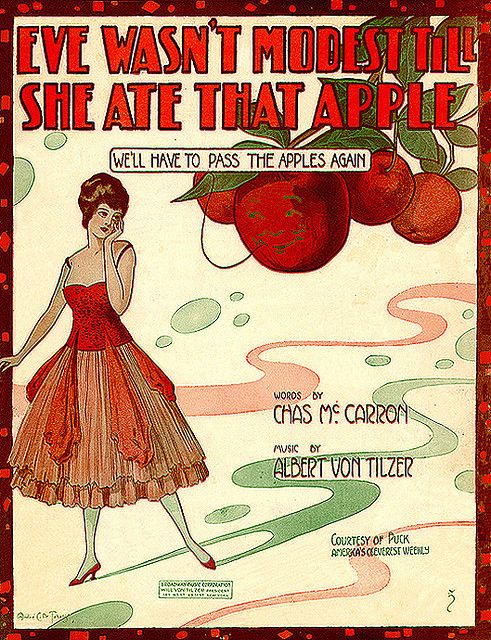
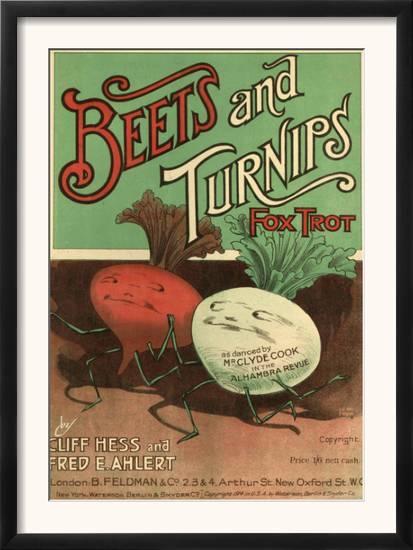
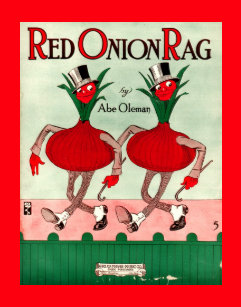
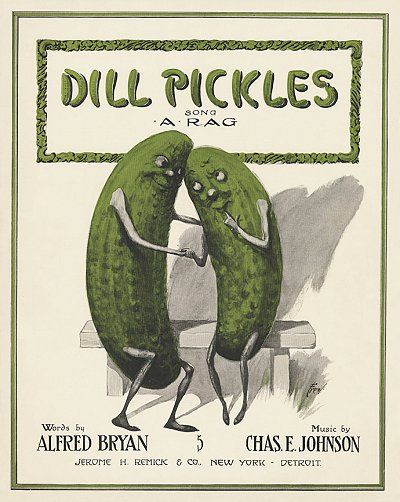
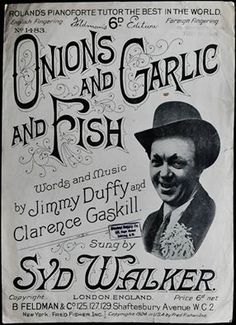
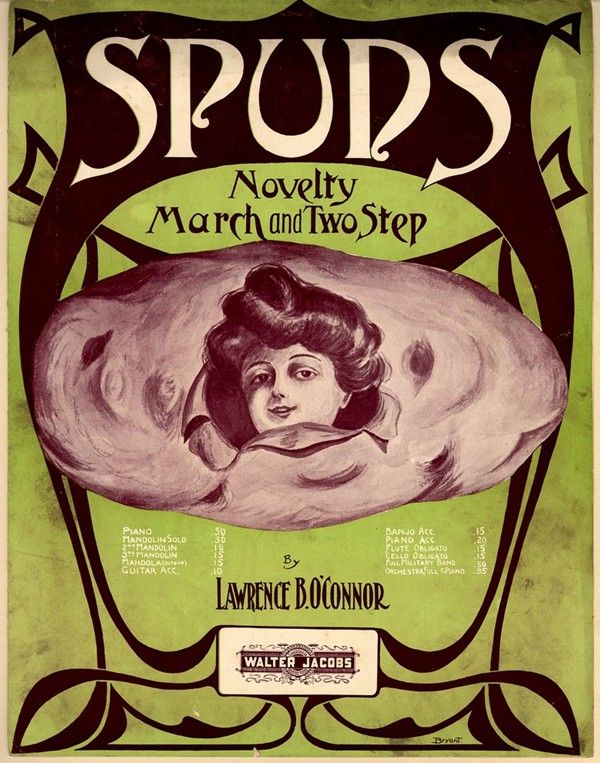
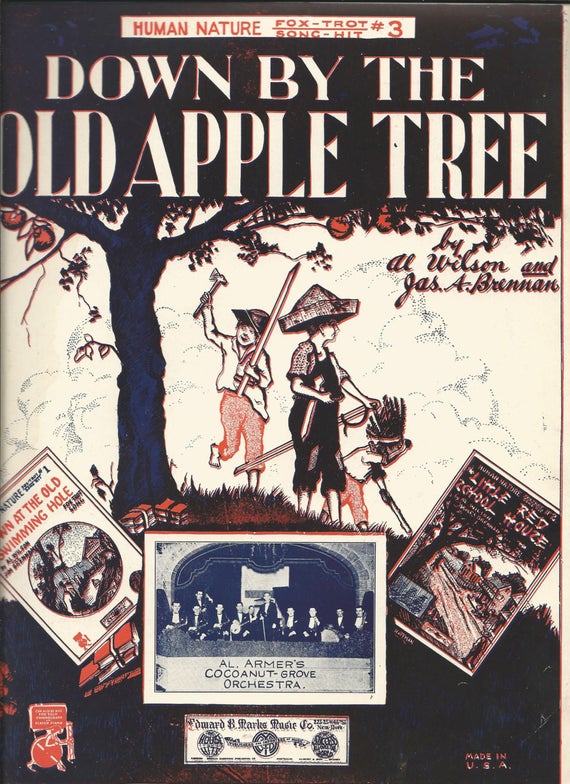
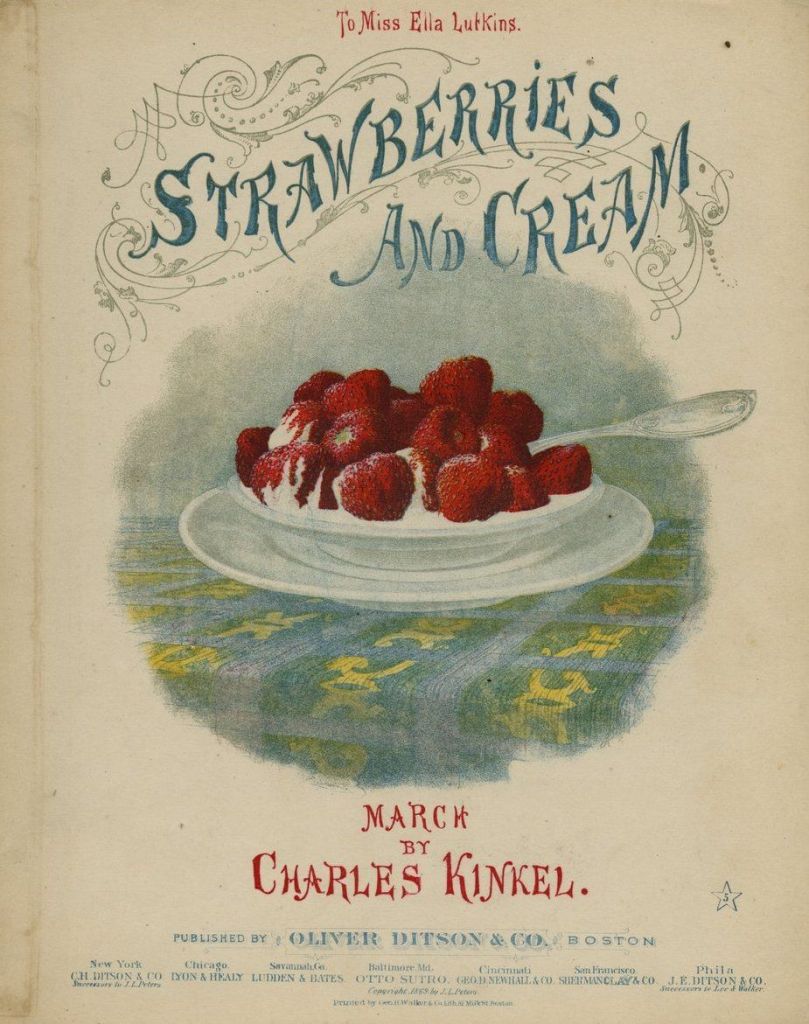
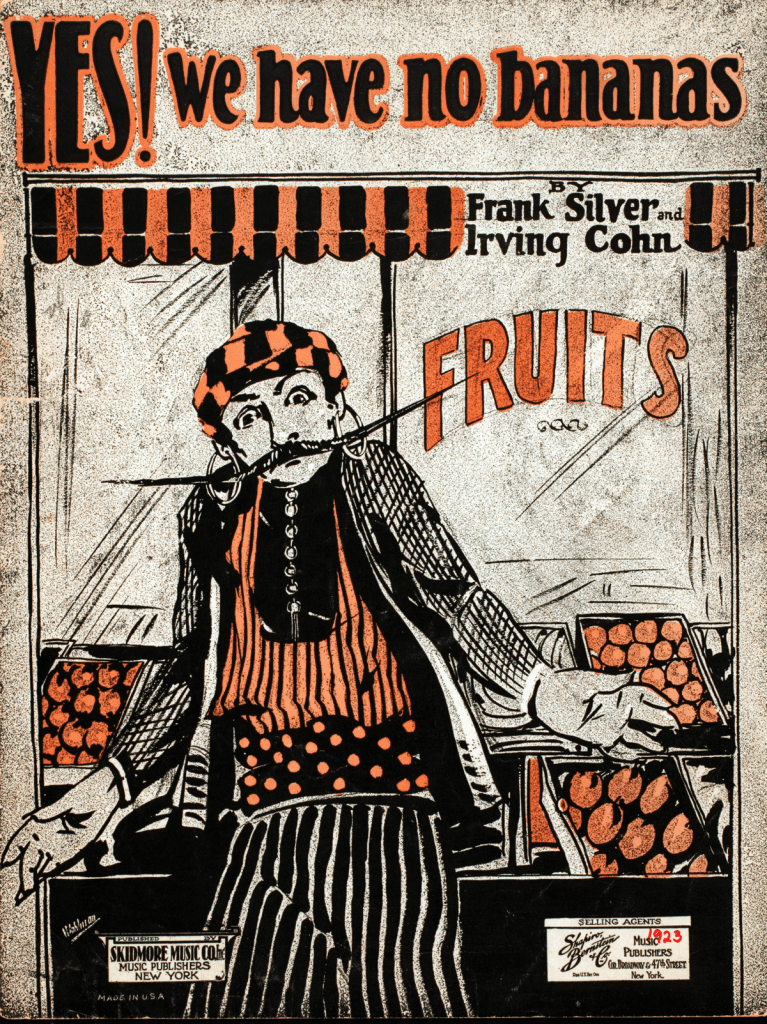
A lot of our “fruit and vegetable” tunes fit into that ragtime, no-lyrics category. To me, the sheet music cover graphics are often as much fun as the music! See what I mean?
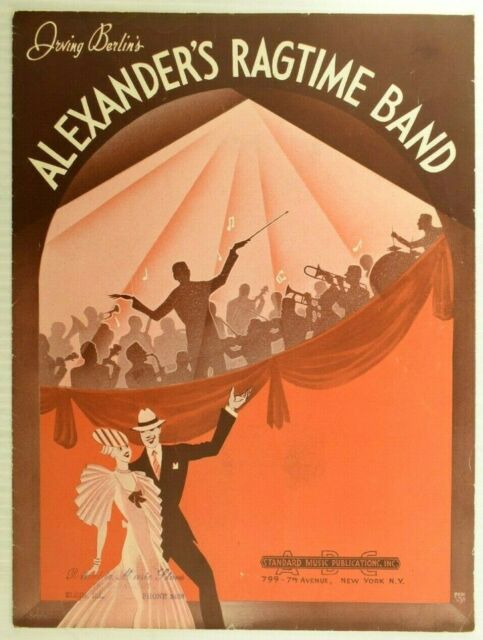
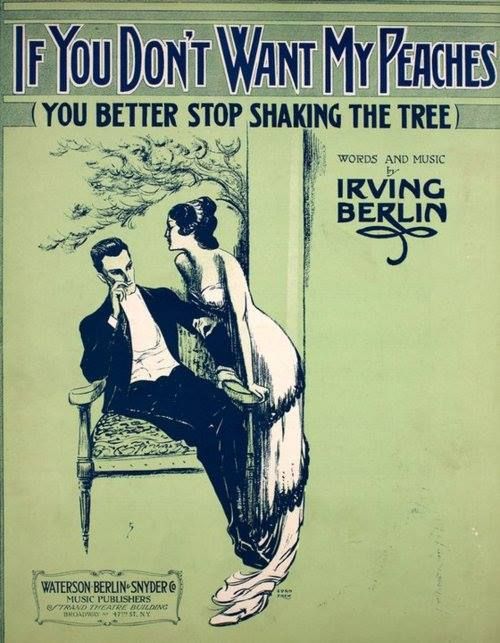
Later, more “fruit and vegetable” songs were published with lyrics and most were quite danceable one- and two-steps as well as rags. Needless to say, novelty songs both in ragtime and other forms were the rage.
Here’s a delightful, albeit contemporary, take on this Irving Berlin “fruit” song. Tap or click on the triangle in the next image for some fun!
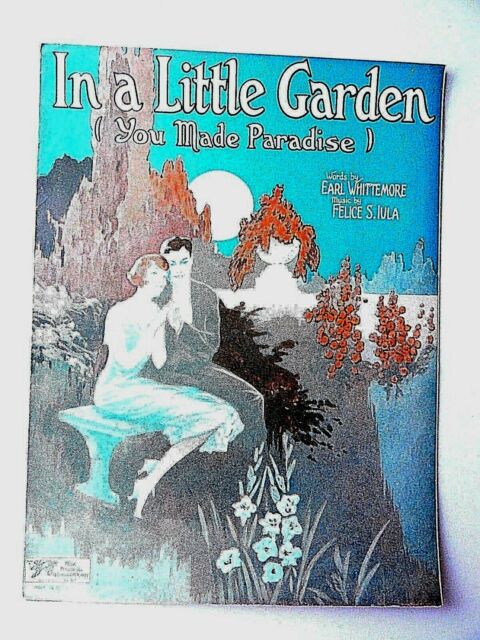
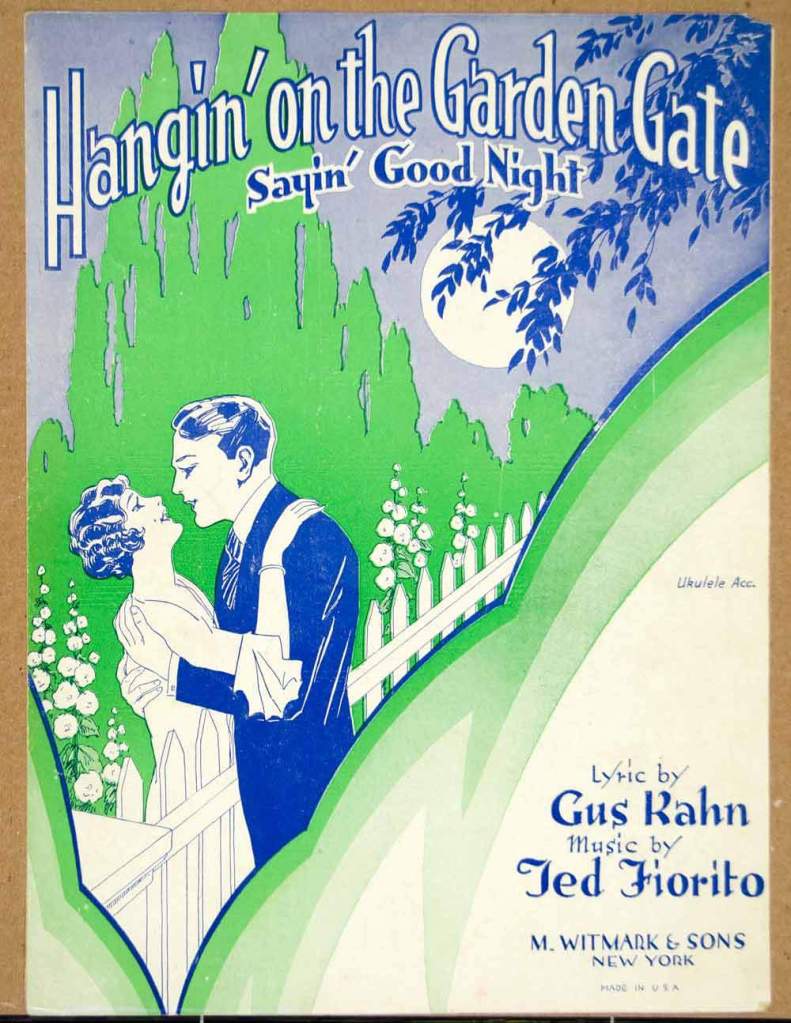
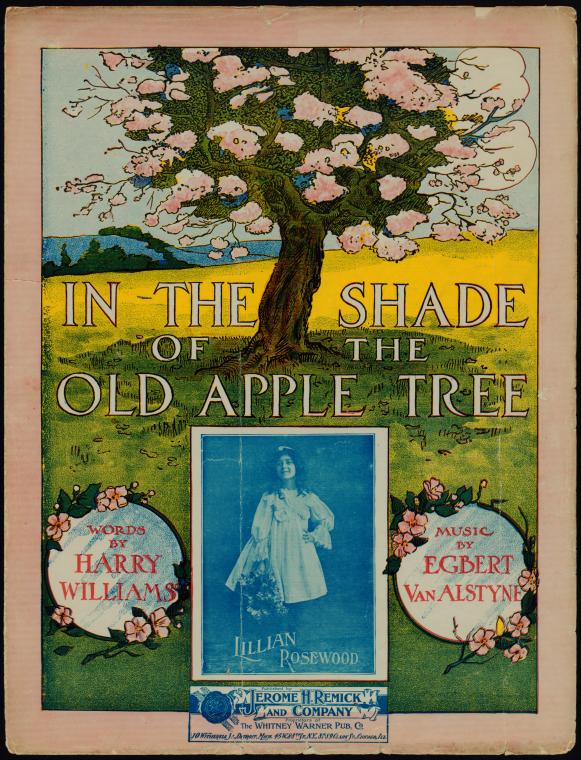
Now let’s take a look at a few more of these tunes starting with gardens themselves. Not only did these fill the family larders but they often seemed like favorite trysting spots too. Ah youth!
Click or tap on the triangle in the next image to hear one of the earliest recordings of this Golden Delicious tune, with the verse as well as the more familiar chorus..
And there are a few vegetables that we left out but must not be forgotten!
And, here’s one of the best of the old vegetable tunes.
The phrase “she knows her onions” is a down-home term for “one smart cookie” who “knows her stuff.” So much for roaring twenties slang! Tap or click on the triangle in the next image for a “vegetable” singing and dancing treat.
And, let’s not forget all of those “spuds” or “taters” songs out there.
Here’s a version of one of these with some nice strumming on a six-string ukulele–a variation on that little musical instrument not seen that often! Click or tap on the triangle in the next image for another down-home treat!
Now I searched high and low (quite low may be a tad obvious . . .) to find a performer with a “vegetable name.” Needless to say, a rare breed! But, never fear. I remembered that late, well-dressed (well?) Grand Ole Opry clown and great old-time clawhammer banjo picker–“Stringbean!” Tap or click on the triangle in the next image for something a bit different. Not a “fruit and vegetable song” but his name (and physique) fits into our musical market basket!
Moving on, we can’t leave fruit out of our musical mix, now can we?
And, there are a few rather suggestive, if not quite X-rated, songs out there!
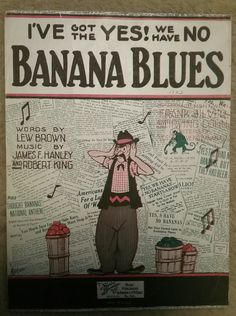
And, one of the great fruit songs of the 1920s.
Tap or click on the triangle in the next image to listen in on this overly popular ( to some) oldie. This certainly is a modern take on this fruity concoction!
The over-popularity of that song led to the writing of this one!
And, of course, many others.Some sweet, some sour!
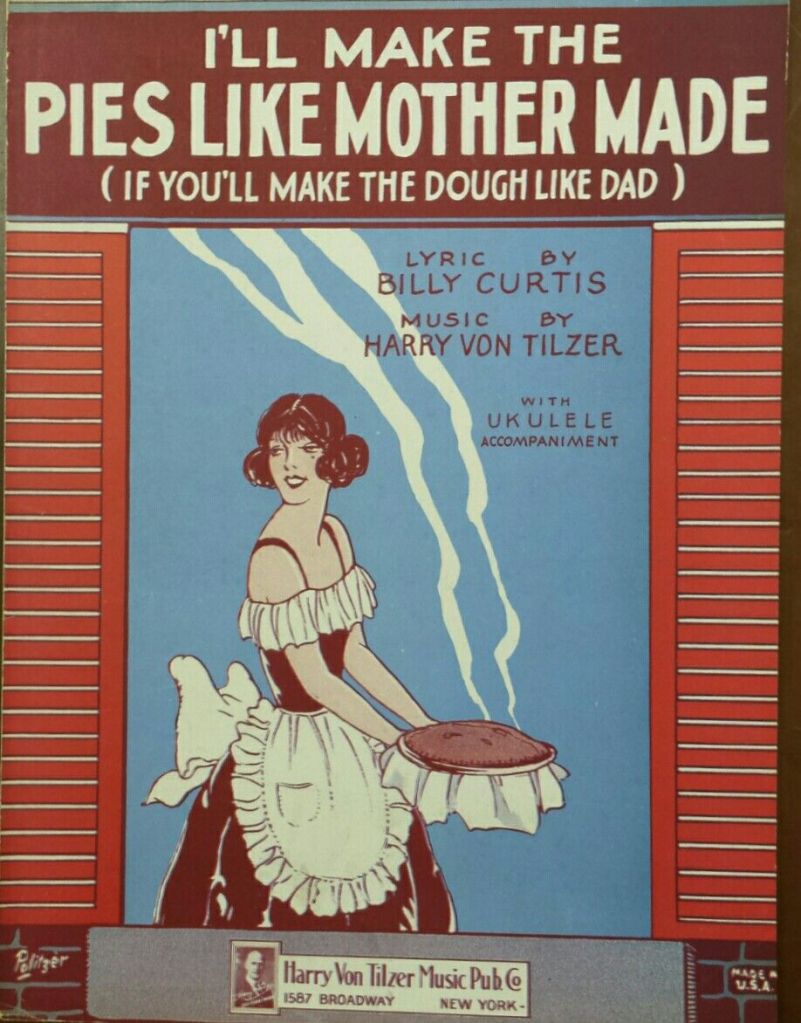
This one is not about a specific fruit. Rather, it’s about a fruit “product.” Worthy of inclusion as far as I’m concerned.
And, to end on a decidedly anti-vegetable note for those few of you unwilling to embrace the vegan or even vegetarian lifestyle, click or tap on the triangle in the next image for a bluegrassy take on vegetables.
So, gentle readers, as we sit down to the table for homemade pie, fruit salad, or vegetable soup,remember to laugh in our gardens as well as enjoy the harvest.
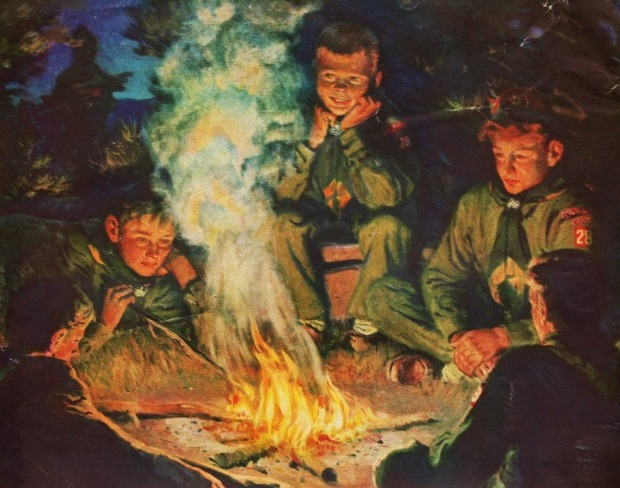
Growing up in the 1940s and 50s, one of my favorite summertime experiences was “going to camp.” For me, this was Boy Scout Camp with all the fun of archery, Indian lore, crafts, canoeing, swimming, and outdoor adventures. I did this for several years both as a camper and as staff.
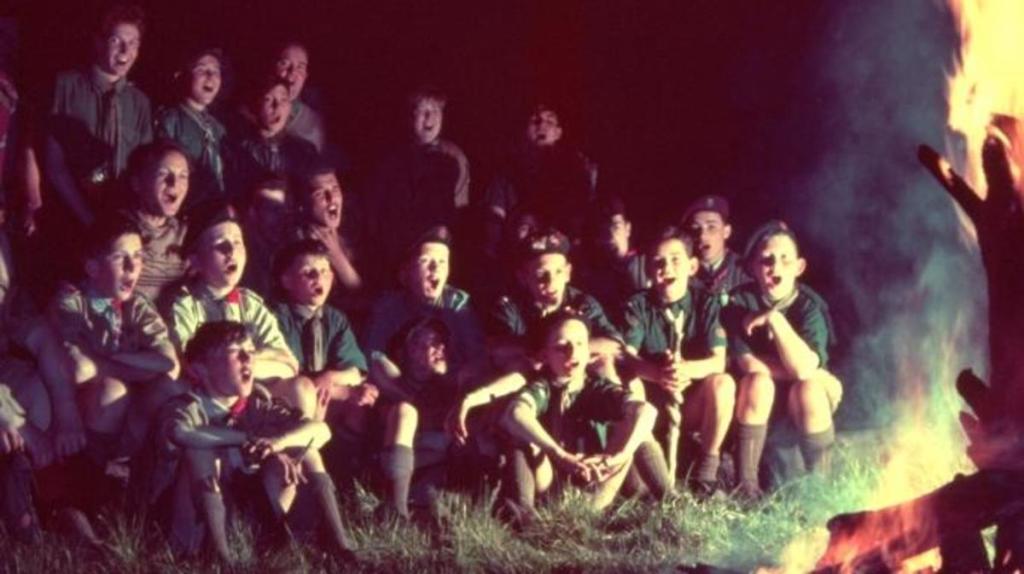
Each evening, just after dark and before “lights out,” all we campers would assemble at the camp’s lakeside mini-amphitheater to end the day with what was simply called “Campfire.” The big bonfire was lit “miraculously” by the camp “spirit” and, after announcements, demonstrations, and—from time to time—a skit or story, it ended with the camp “Sing.”
We were all young enough and innocent enough in those days to join in with singing those good old camp favorites that had been around for years and, indeed, for generations.
We could even hear the Girl Scouts from their camp across the lake but, as would be expected with the youth of those days, we were too young and naive to notice. Sort of . . .
When I was on staff, I was honored to be assigned the daily task of “fire spirit” and charged with setting the tinder, kindling, and wood for the evening’s fire. Secretly, at the mysteriously correct time, I would stealthily pull the hidden cord that dragged the weighted wood block studded with “strike-anywhere” matches over the sheet of coarse sandpaper hidden beneath the tinder. Spark, flame, then fire, then the magic CAMPFIRE! Hey, it was the 1950s! Times were simpler then.
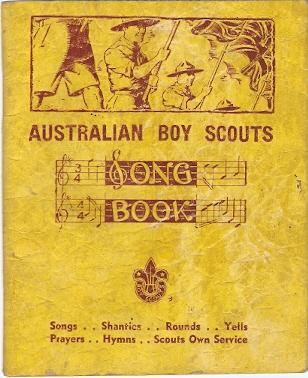
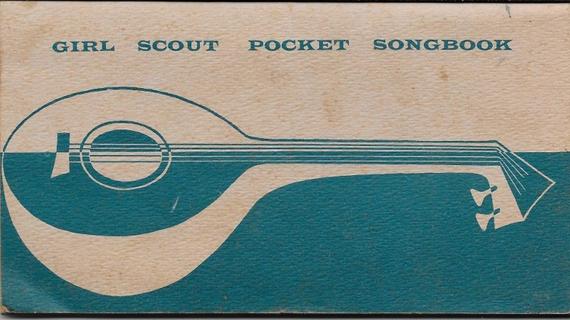
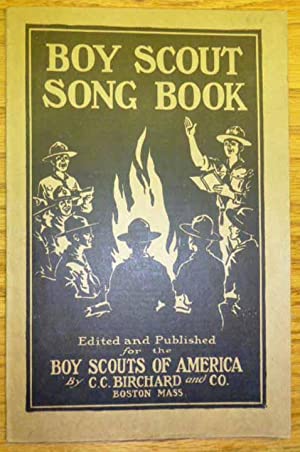
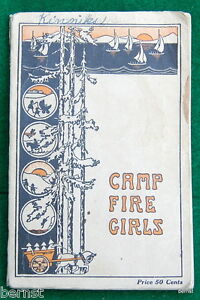
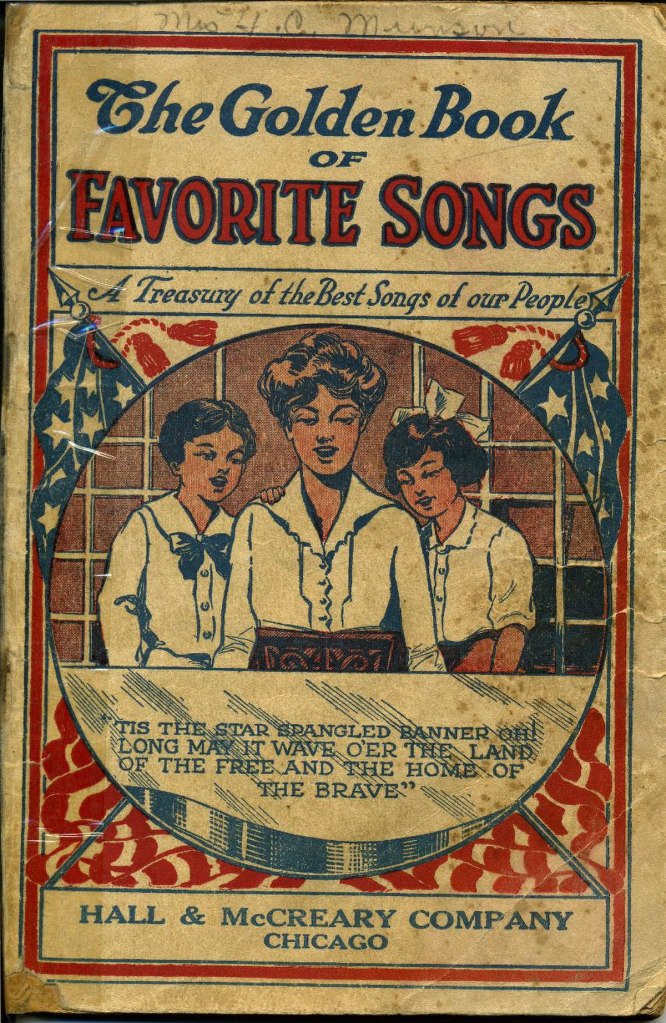
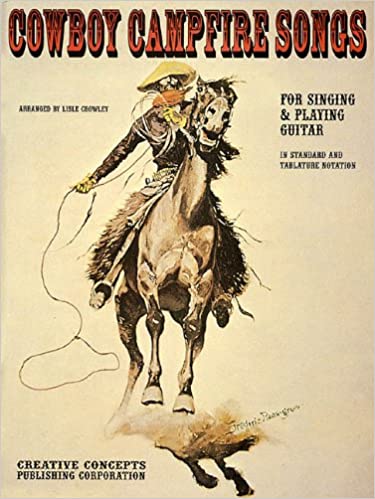
Those so-called campfire songs—sometimes published with appropriate ukulele or guitar accompaniment chords—have been around for years. Songbooks for boys, girls, and grownups filled with these were readily available but seldom needed. We already knew almost all of them.
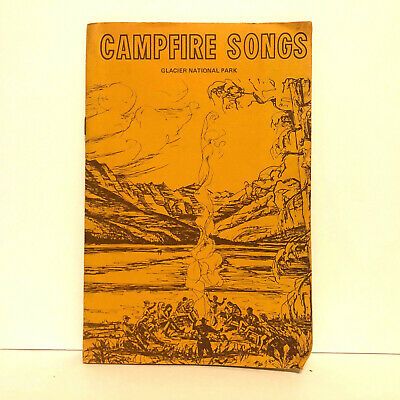
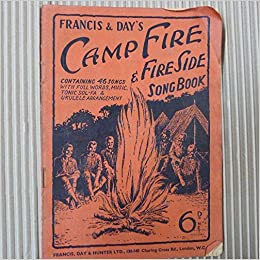
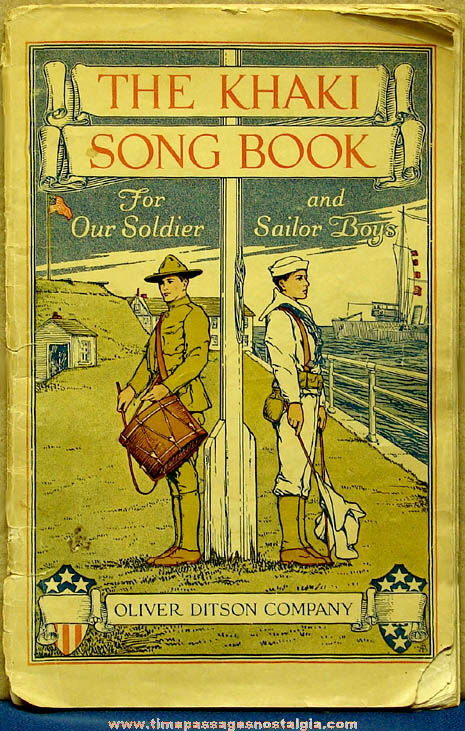
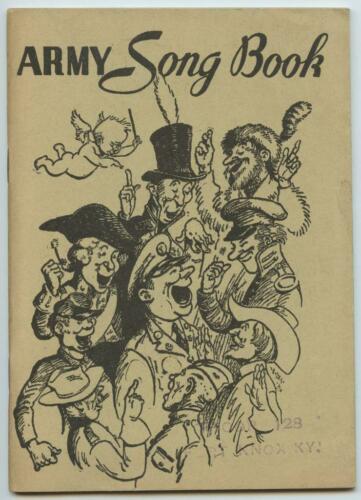
And, of course, this was the most popular songbook of all for campfires or anywhere! But most songs were too well known to really need a book.
The songs were familiar and, usually, more than three chords were all that were necessary. How’s this for a favorite oldie? Only two chords!Don’t tell me you have never sung all eleven of the verses around a campfire or somewhere else. No need for a YouTube here; just remember and sing as silently as you can to yourself. Don’t cheat! Sing it all.
How about another old chestnut (peanut?) of a campfire song? This is one of the oldest out there.
Earworm alert! Tap or click on the triangle in the next image and listen for as long as you can stand it!
Moving on from kiddie-camp songs. Quickly!
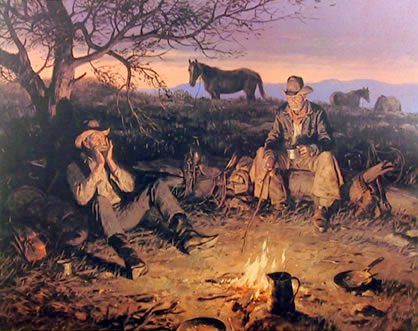
One of the better known musicological genres of campfire songs are those of the cowboys and the West.
I’m sure that there were plenty of bawdy songs sung around these big-boy campfires (unlike we Boy Scouts, of course!), but we won’t go there with this simple musing. Nostalgia for the good old things are a tad more PG!
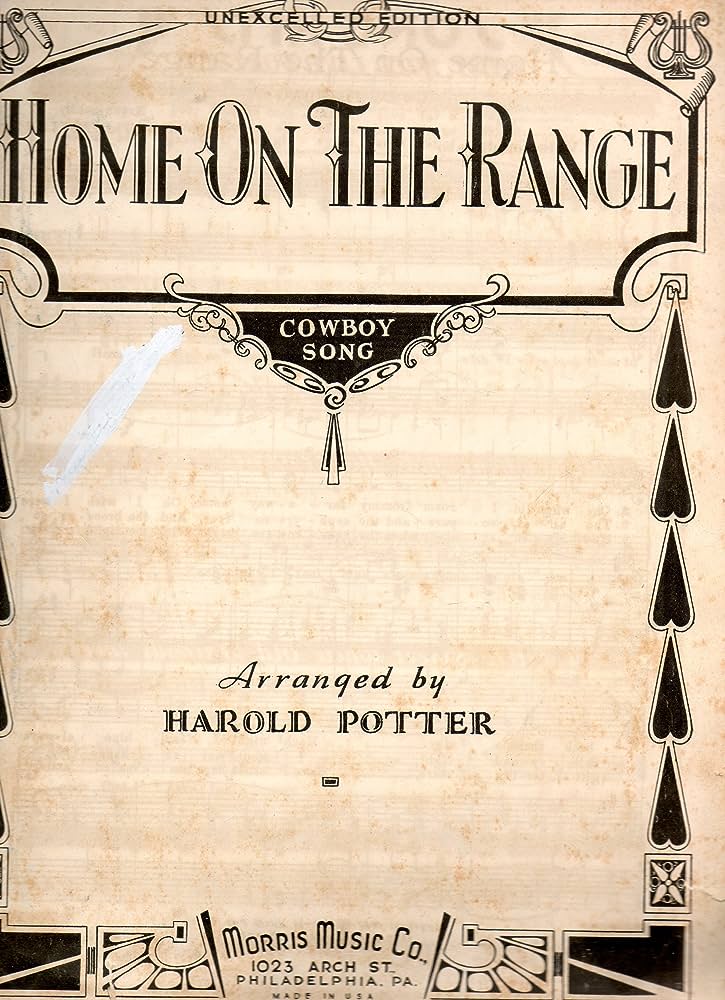
Take this oldie for instance. Click or tap on the triangle in the next image for a look and listen to this poetry in music– lit, of course, by many a campfire Western or not.
Click or tap on the next image for a listen to some good baritone uke strumming on this other campfire favorite.
Even Manhattan’s Cole Porter found a niche here. Tap or click on the triangle in the next image to see and hear Roy Rogers have a go at this Porter tune in a “modern campfire”–a stage in a nightclub!
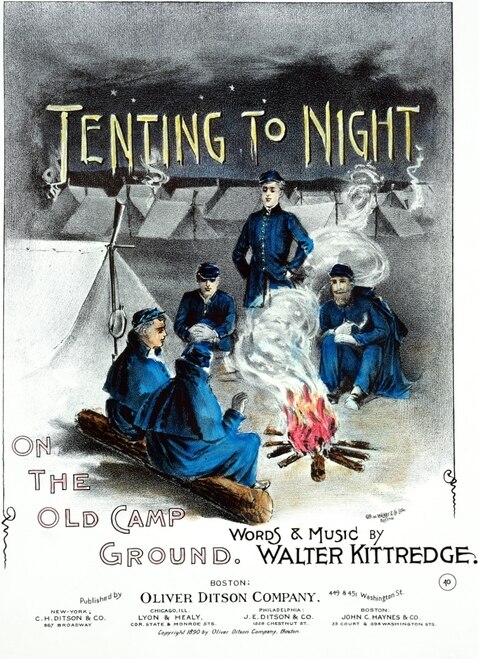
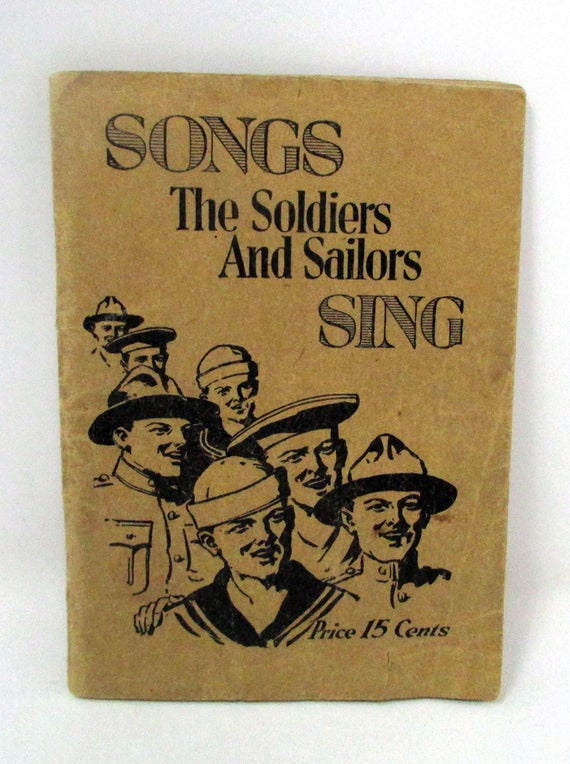
Moving on, here is another musicological campfire genre–songs of soldiers, sailors too. Needless to say some of these go way, way back. Here’s one from the Civil War.
Tap or click on the triangle in the next image for a simple version of this Civil War campground song.
There were campfire songs back in days of World War I when singalongs were a popular form of entertainment both in camp and in the field.
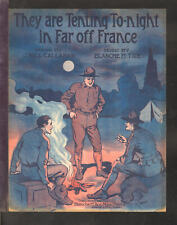
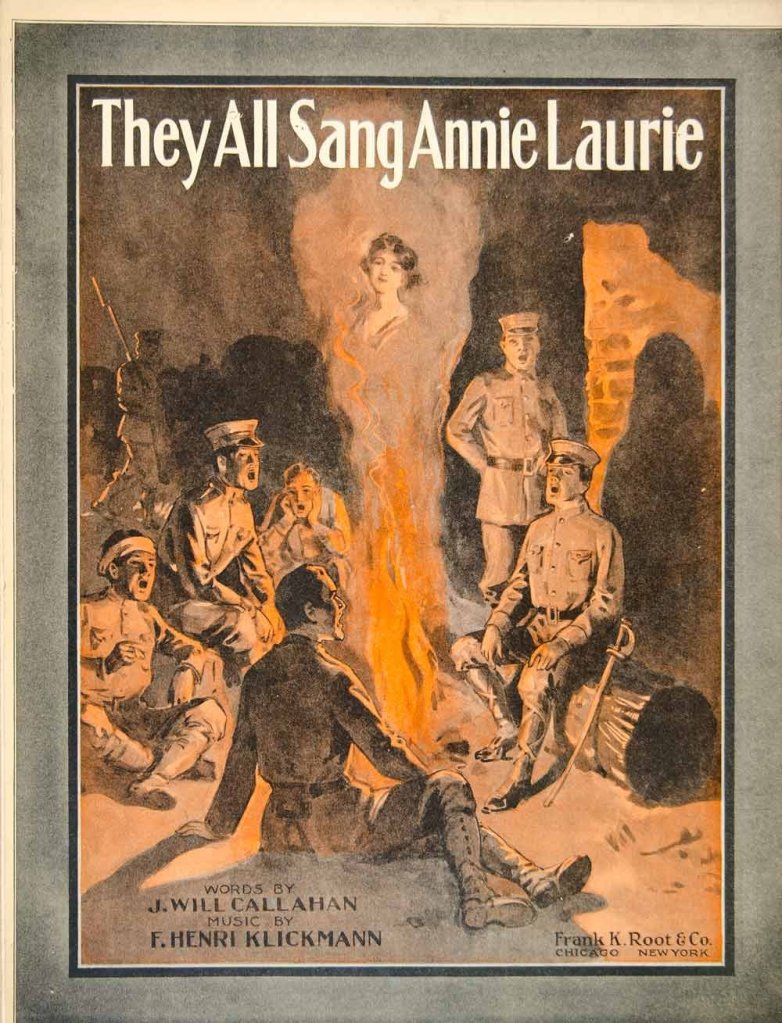
The “Yanks” did a take on the old “Tenting Tonight” and dozens of other musical chestnuts. The “Tommies” had their campfire version of “Annie Laurie.
Tap or click on the triangle in the next image and grab a seat by the fire as it burns in wartime France.
Even during World War II there were singalongs and what could easily pass as campfire songs.
And, of course a bit of singalong trench humor!
Moving on, other campfire songs are, shall we say, a bit more modern.
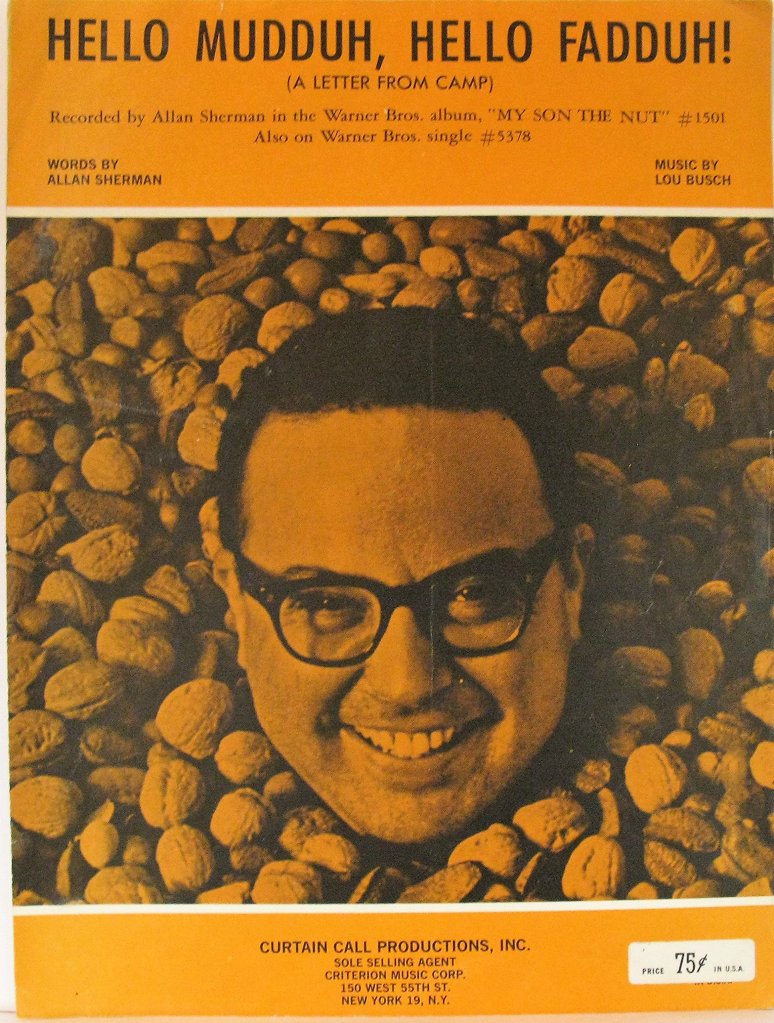
Tap or click on the triangle in the next block for the late Allan Sherman’s performance of this ultimate camp song!
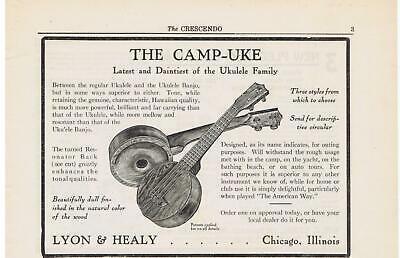
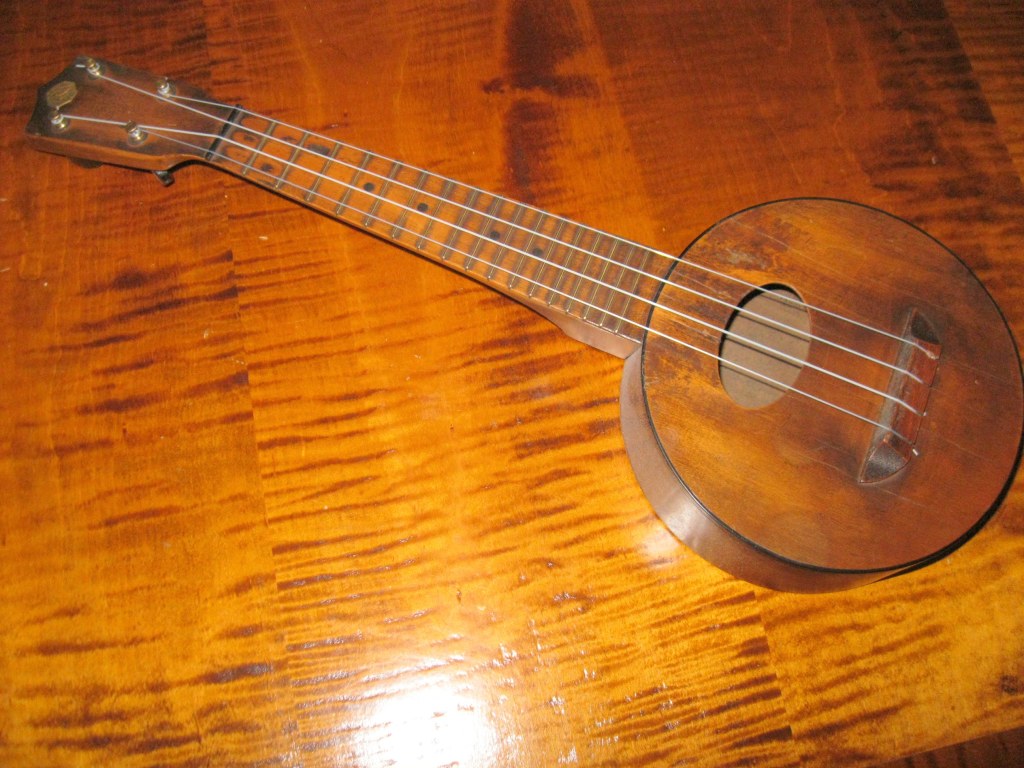
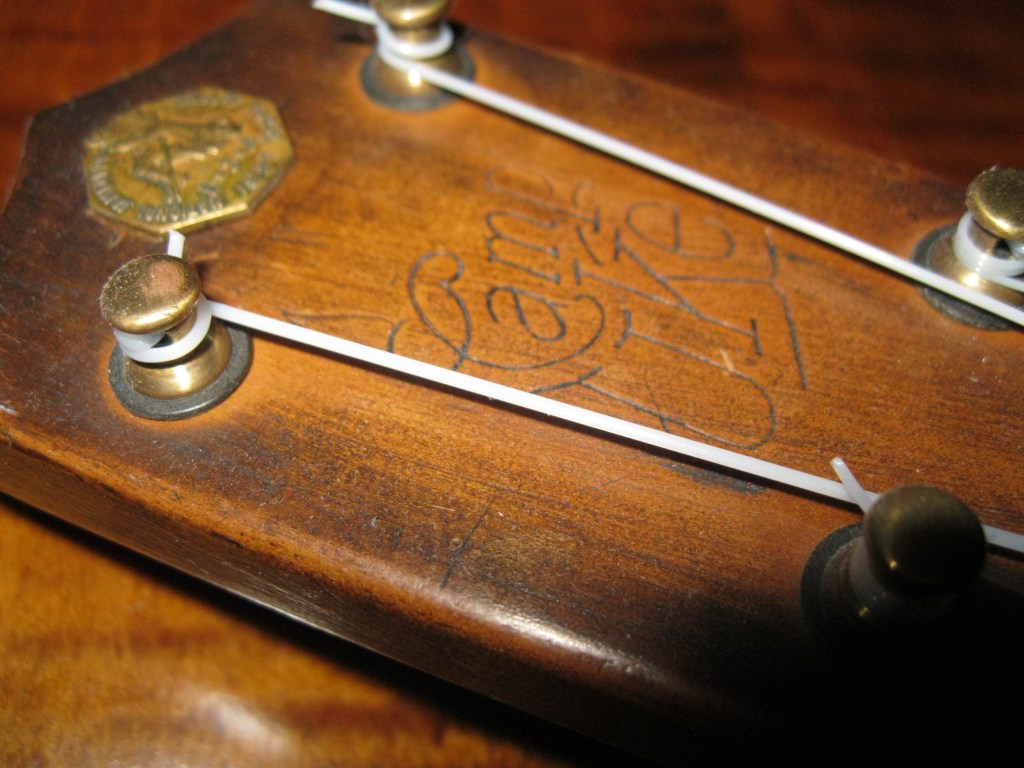
There was also a style of ukulele specifically called a “Camp Uke.”
This was soprano scale with a circular body almost like a wood-topped banjo uke. Lyon & Healy of Chicago pioneered these but , as would be expected, a lot of folks copied the style and the name. Here’s one from my collection.
Of course, most other ukes work just fine around a campfire–in the woods, on the beach, or in the backyard. Especially to serenade your sweetie!
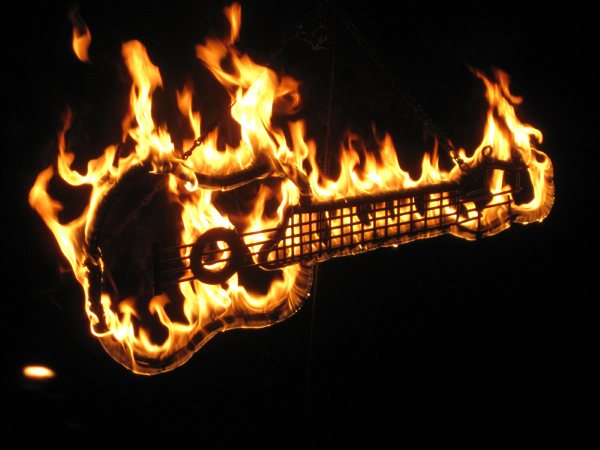
Just keep those ukes out of the kindling pile!
Now another musicological campfire genre (usually called a “bonfire,” however) was on a beach somewhere and usually were more coed than the Boy Scout variety. This allowed a bit more harmony, however, with those sopranos and altos joining the tenors and baritones.
Here’s a great bonfire song that we all know! Click or tap on the triangle in the next image for a quintessential reminder. Another earworm alert!
And, of course, the ideal ukulele for those beach bonfire parties. Just stick it into the sand between tunes!
So, lets end this musical musing with the way we always ended “Campfire” back in the sweet old summer days by the lake. Oh yes, the Girl Scouts sang it too!
Click or tap on the triangle in the next image to listen to how we ended Campfire when I was “The Spirit.”
So, as this summer thinks about closing, and whatever camps and campgrounds that were open have closed their gates, hopefully you were able to enjoy an evening campfire in the great outdoors or, at least, remember those happy ones from years past.
Perhaps not . . .
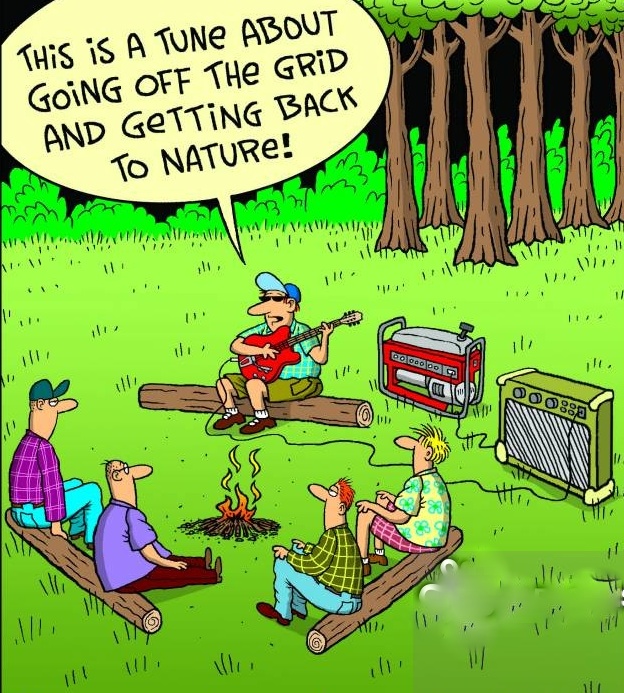
Whether camping, glamping, RV-ing, or fire-pitting in your backyard or nearby woods, hopefully you were compelled (coerced?) to pull out that old uke or guitar, strum a three-chord progression intro, and launch into a few of those smokey old songs that everyone already knew from their campfire days.
But, let’s not let our campfire fun get too 2023-ish . . .
Or . . .
So, remember those campfires of yore, and have a great big . . .
For those of you gentle readers who may not be aware, we share (are dominated in?) our cozy home here on Huckleberry Lane with two siblings of the feline persuasion. I am reminded of our quest for kitty names a couple of years ago when Alison (our resident “cat whisperer”) and I brainstormed for appropriate names for these young sisters. Right after “adoption,” we tested out names. “Uke” and “Lele” . . .
. . . were immediately dismissed by the whisperer—as were “Noho” and “Hamp.”
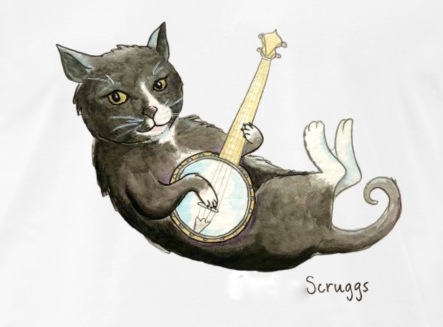
These were seen as a tad too partisan or whatever the feline equivalent might be. On the other hand, perhaps “Banny” and “Joey.” Hmmm . . . Probably “no” said the whisperer in charge.
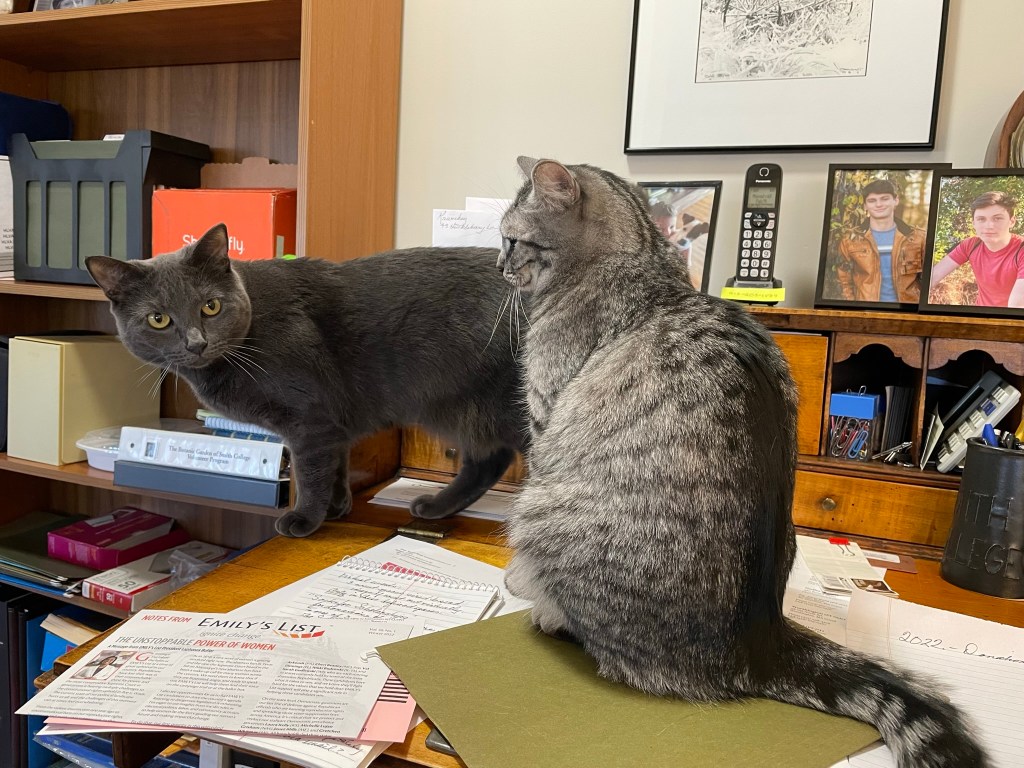
We of course settled on more conventional, alas non-musical names. Oh yes, “Sylvie” is the silver tabby and “Ashley” is the ash-grey, here seen helping Alison at her desk as only they can.
So much for family lore.
Let’s move on from musing about kitten names to focus on the musical “cat world.” Believe it or not, it’s a vast one out there! A feline adventure awaiting.
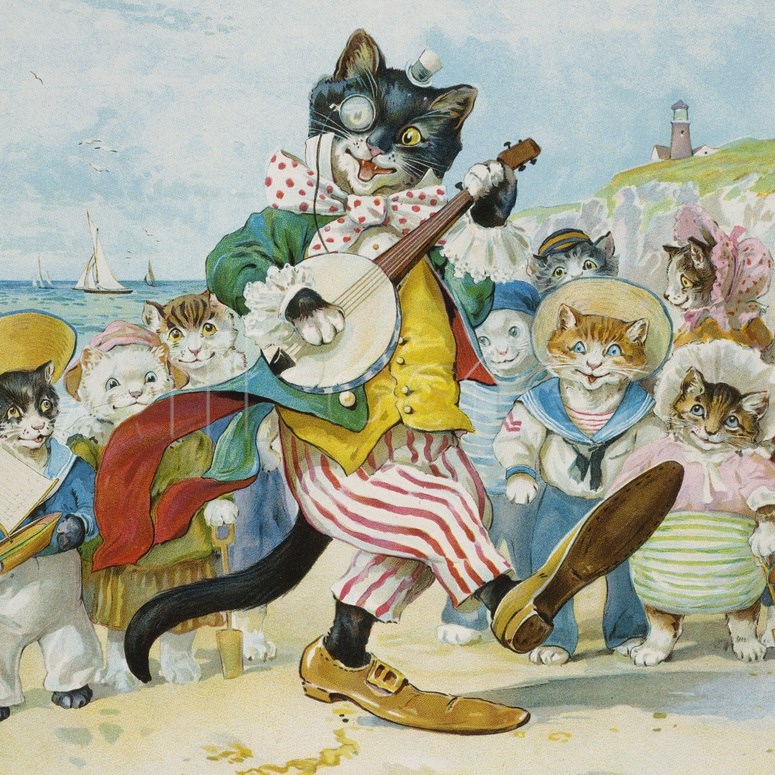
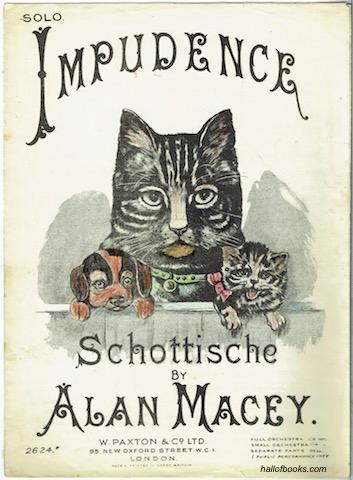
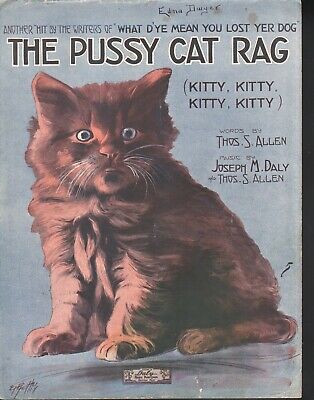
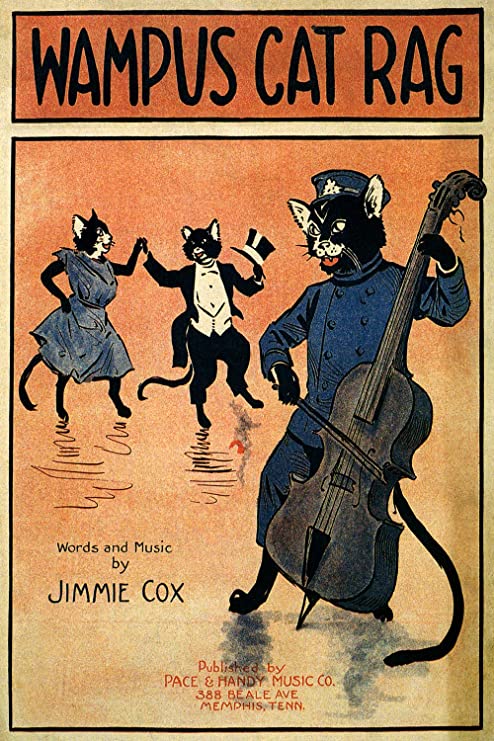
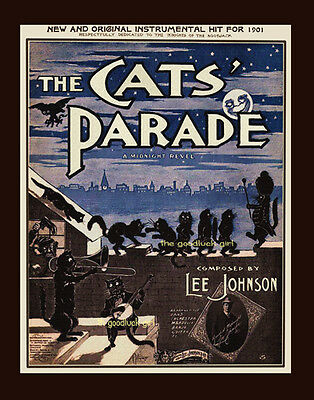
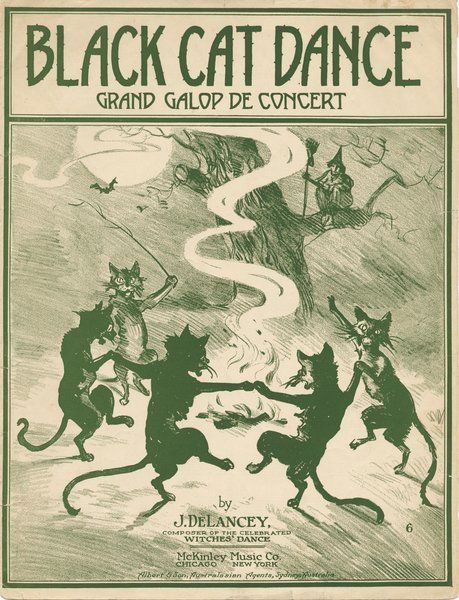
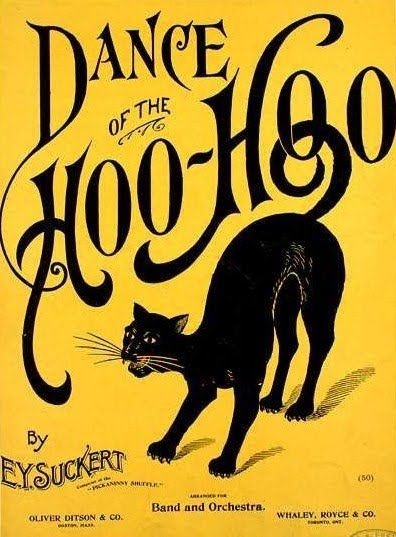
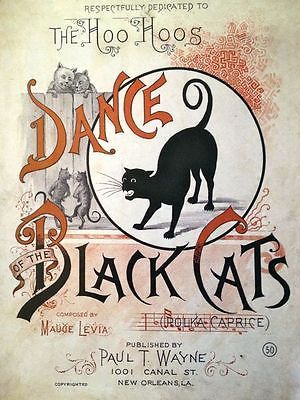
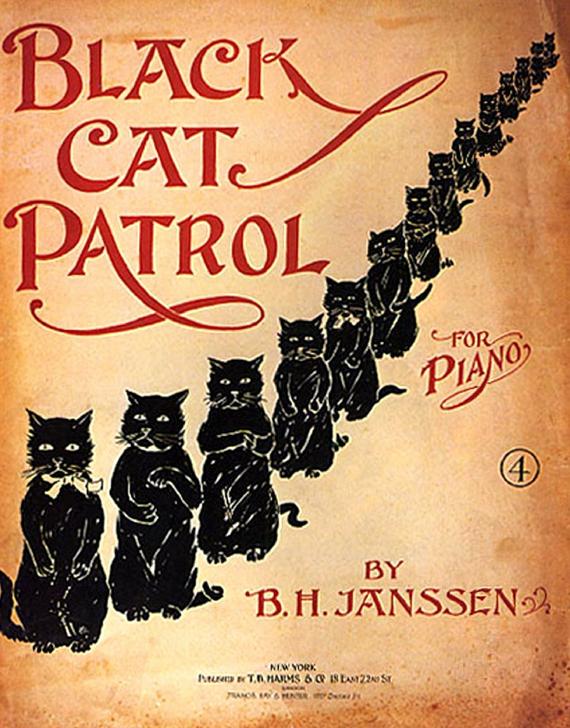
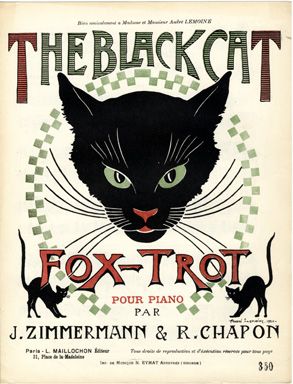
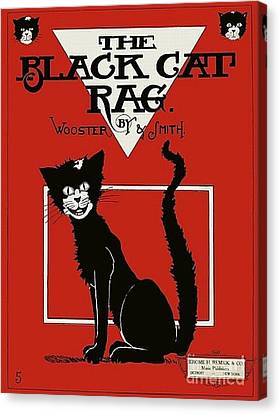
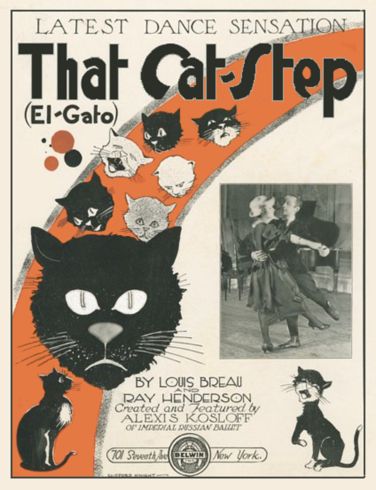
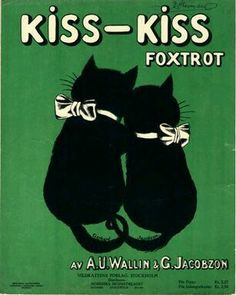
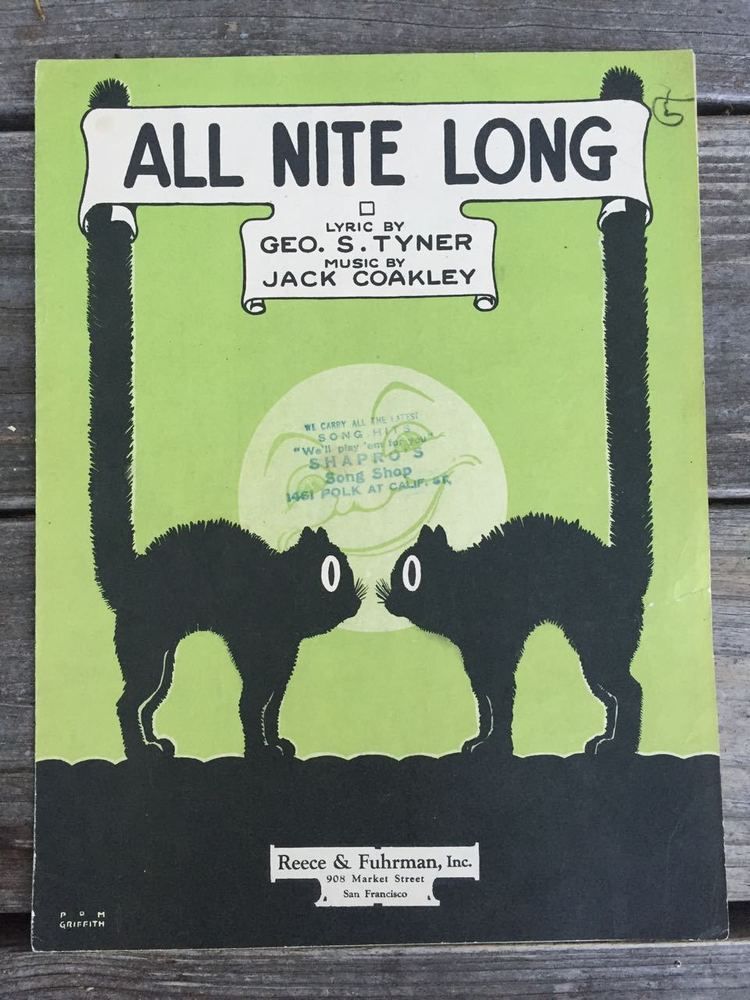
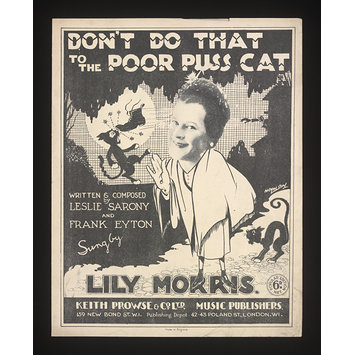
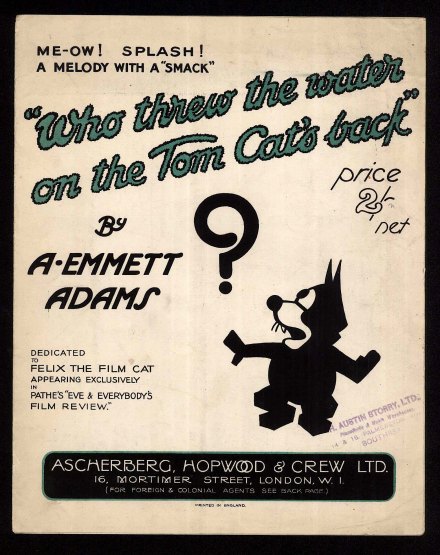
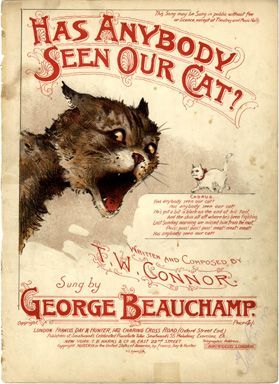
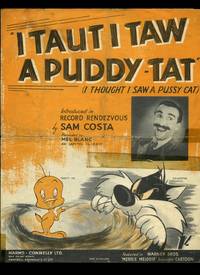
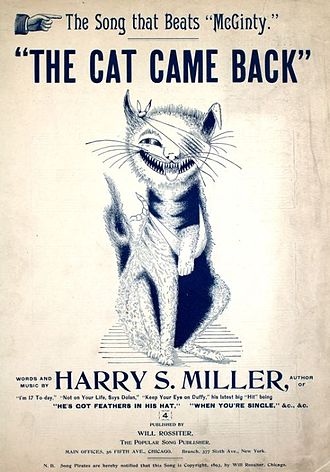
There must be something about cats that sheet music cover artists in the sweet old days were, shall we say, drawn to as there seem to be many, many delightful examples out there—particularly in the early days of ragtime and Tin Pan Alley.
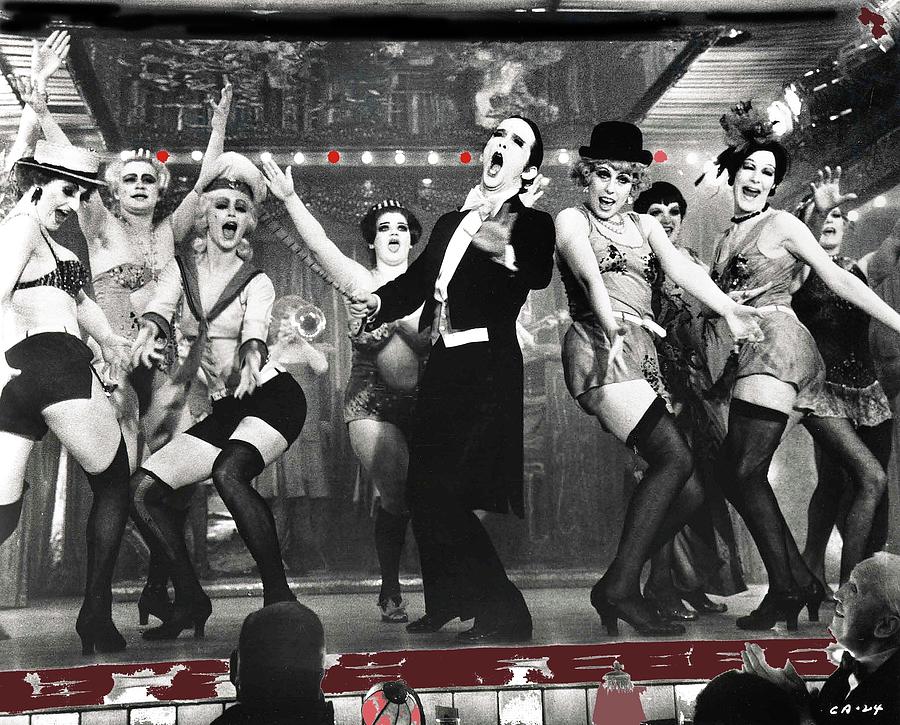
I am studiously avoiding, however, the likes of the decidedly non-PG-rated Kit Kat Klub of the musical “Cabaret,” . . .
. . . or the over-the-top musical “Cats.”
Digressions in that direction would, in my humble opinion, be a bit too contemporary for one of my simple musings. I must suppose, however, that some of you gentle readers might opine otherwise! Still, to me, there’s nothing wrong with taking a good long look into the musical rearview mirror.So, let’s put it into reverse and GO!
Here’s one of the great cat-themed ragtime tunes with a piano score you can follow! Tap or click on the triangle in the next image to play along.
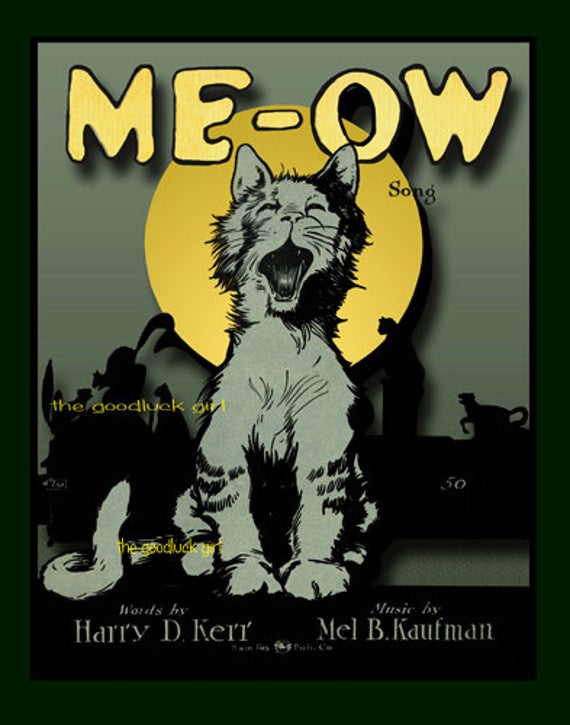
Most of these early tunes are instrumentals that composers believed musically evoked the proclivities, movements, or attitudes of a variety of cats. The songs seemed to be of little interest to lyricists except for the next tune–sort of. Go figure.
Tap or click on the triangle in the next image for an original recording of this one-step tune from 1918–with “Me-Ow” lyrics.
Or, how about a serious classical interpretation of this song? Click or tap on the triangle in the next image and listen carefully and reverently.
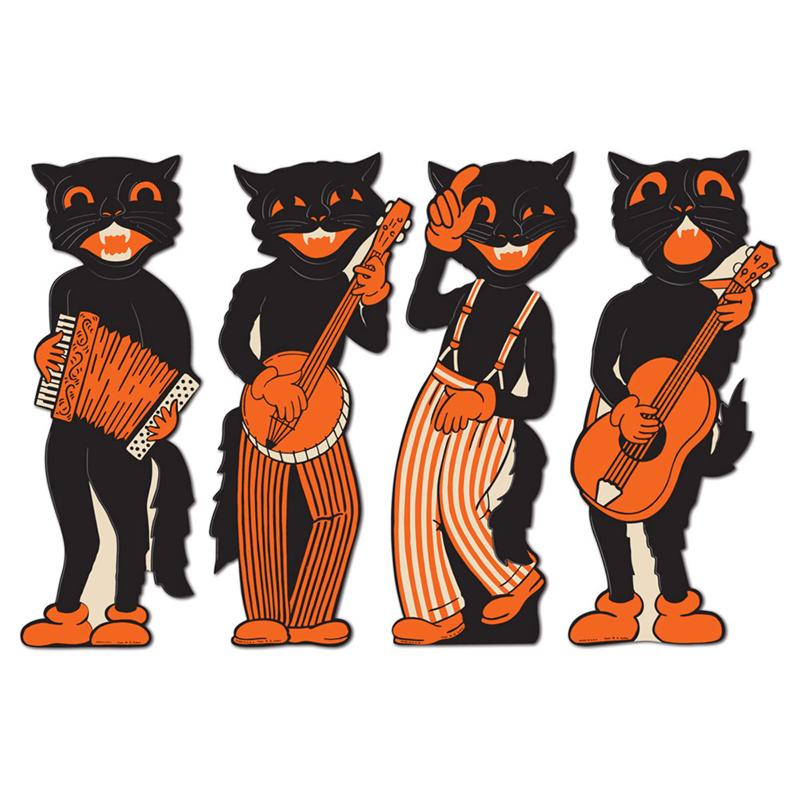
For some weird (macabre?) reason black cats seem to be the most musically prevalent. One can only guess at the reasons for their popularity.
Aside from Halloween, it’s probably just because of the cheap two- or three-color sheet music printing options available in the good old Tin Pan Alley days. Or, the Devil simply made black cats the musical critters of choice! Go figure.
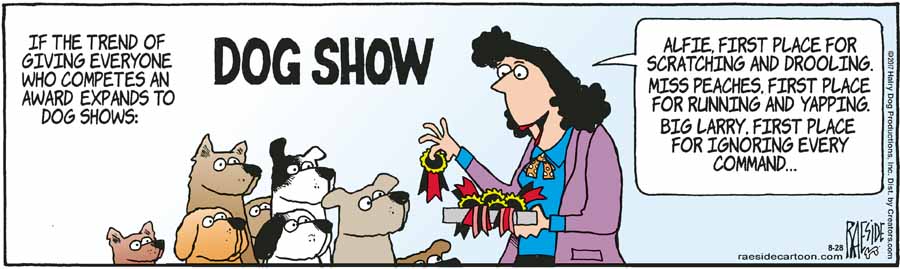
While there seem to be a lot of venerable and, sometimes, singable songs out there about brave and loyal dogs and their devoted owners, this doesn’t seem to be the case with cats or kittens.
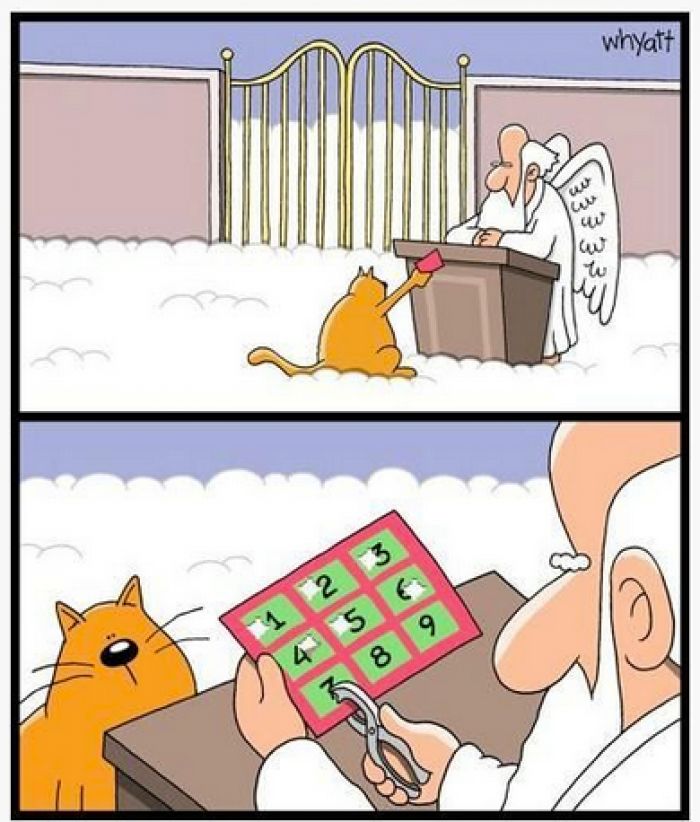
Cats are, some say, too aloof to fall into the trap of drooly devotion.
Hence, cats seem to populate the novelty song genre. Perhaps it’s in their open-mike stage presence. Worth a discussion here.
No one seems to have written anything like “How Much is That Kittie in the Window” or something like that. But, let’s see what we can find!
Here’s an original scratchy old recording of this one. Tap or click on the triangle in the next image to check it out.
This one’s a tad more recent–the 1950’s–but it does have a nice animated video to go with it. Enjoy by clicking or tapping on the triangle in the next image.
Here’s a nicely strummed, updated ukulele cover of this Gay-Nineties tune. The original lyrics, alas, are decidedly non-PC for this day and age, but they are out there for you dedicated musical scholars and historians to pursue on your own. I’ll stick with this sprightly version which you can give a listen to by clicking or tapping on the triangle in the next image.
And, of course, the perennial instrumental favorite!
Tap or click on the triangle in the next image to be reminded of this old ragtime chestnut!
So, make sure your pets have appropriate names, keep caring for your pets for ALL of their lives, and STAY TUNED!
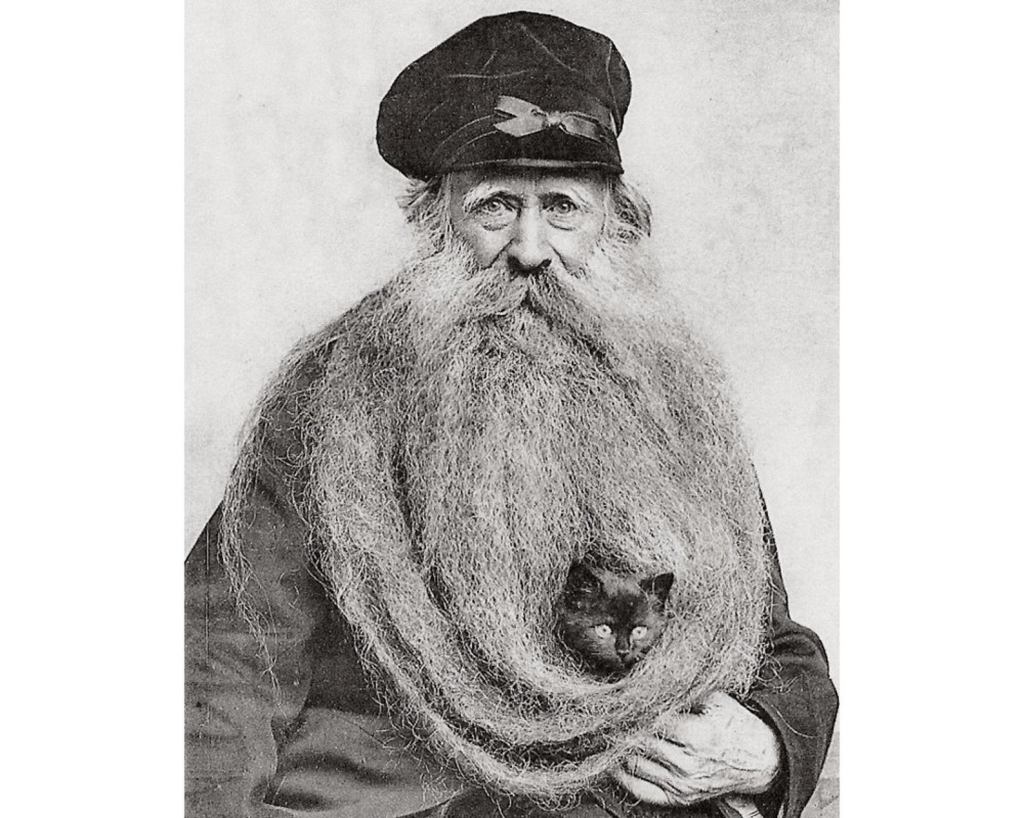
Not an approved, N-95 facemask, per se–the beard doesn’t cover both nose and mouth– but too good a photo to not include!
When the beautiful Summer weather is upon us, Alison and I enjoy our short drives through our Happy Valley as we visit our favorite farm markets and farm stands. We also enjoy driving through the countryside and checking out the growing field crops. We are always pleased to note the progress (despite our recent heavy rains!) from seedling, to blossoming, to ripening.
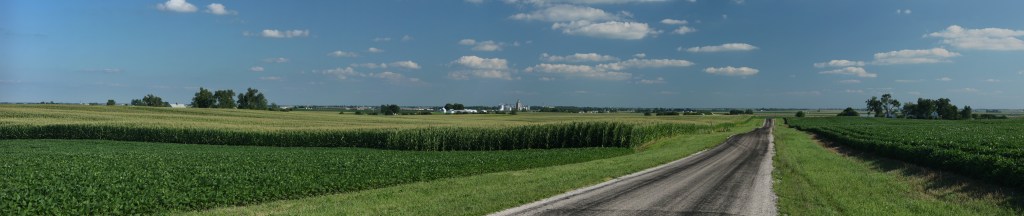
Having grown up in the flat, nearly topography-less state of Illinois, one of my favorite crops to watch is corn. I can state unequivocally that Massachusetts “corn” is nothing like Illinois “CORN.” In Illinois, green cornstalks with their high yellow tassels can stretch up eight to ten feet in August with rows so dense you can’t see through. That’s serious CORN.The landscape may be horizontal but the corn is vertical!
Now, gentle readers, you are probably asking yourselves just what does corn have to do with a musical musing? Not a whole lot, I’m afraid, but bear with me as we meander down a few musical roads and paths—laid out like a T-square-and-triangle grid of serious, really serious CORNfields.
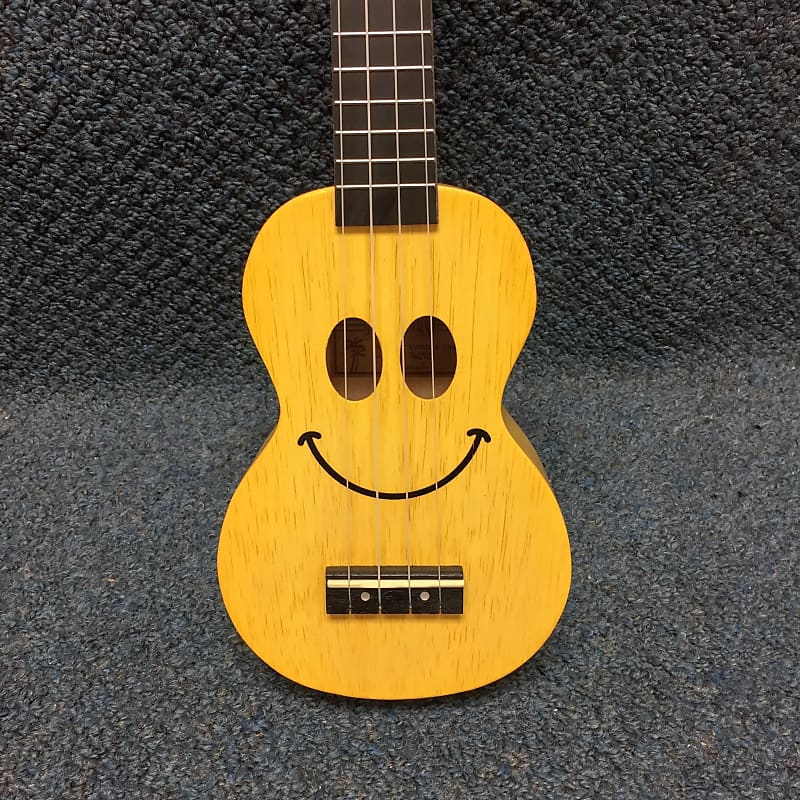
Alas, there’s only one ukulele in my collection that can claim any resemblance to corn but it does so in two ways. First, its color; and second, it’s a bit “corny.” Right?OK, moving on . . .
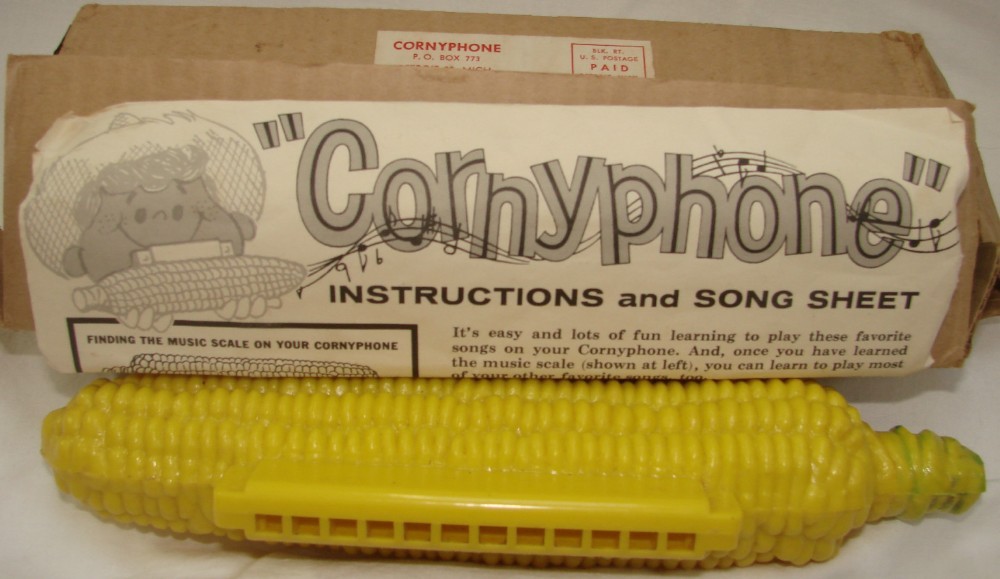
Further exploration on Google, however, led me to this more fittingly “corny“ instrument, not a uke however. Not yet in my collection; perhaps later. Much later.
Now, on to our agro-musical theme.
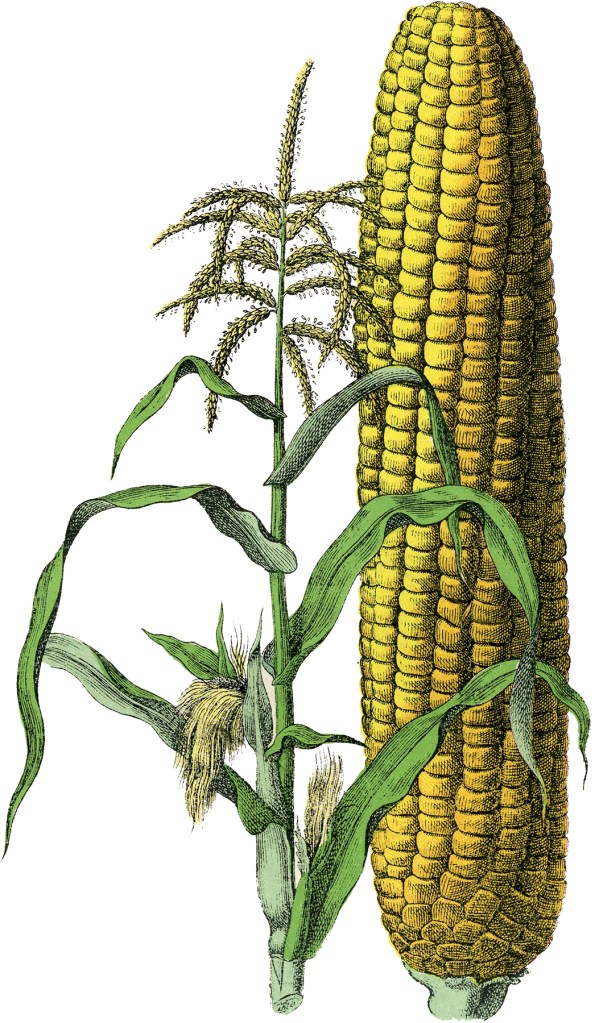
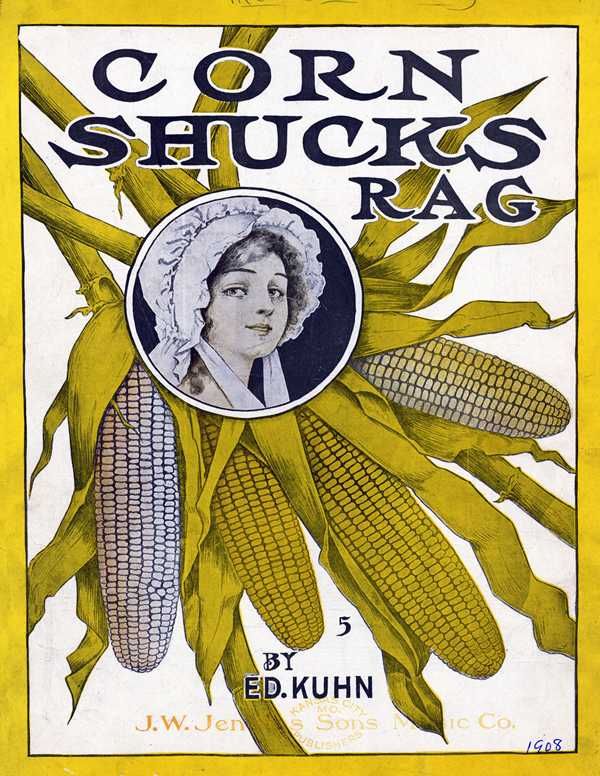
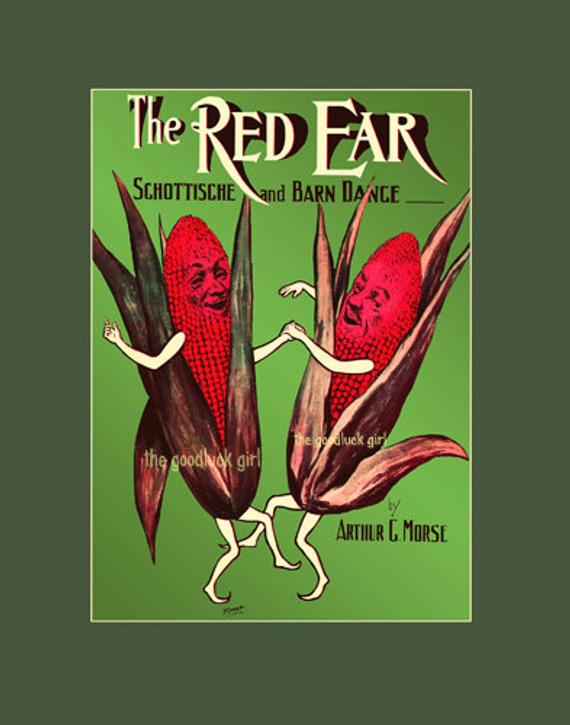
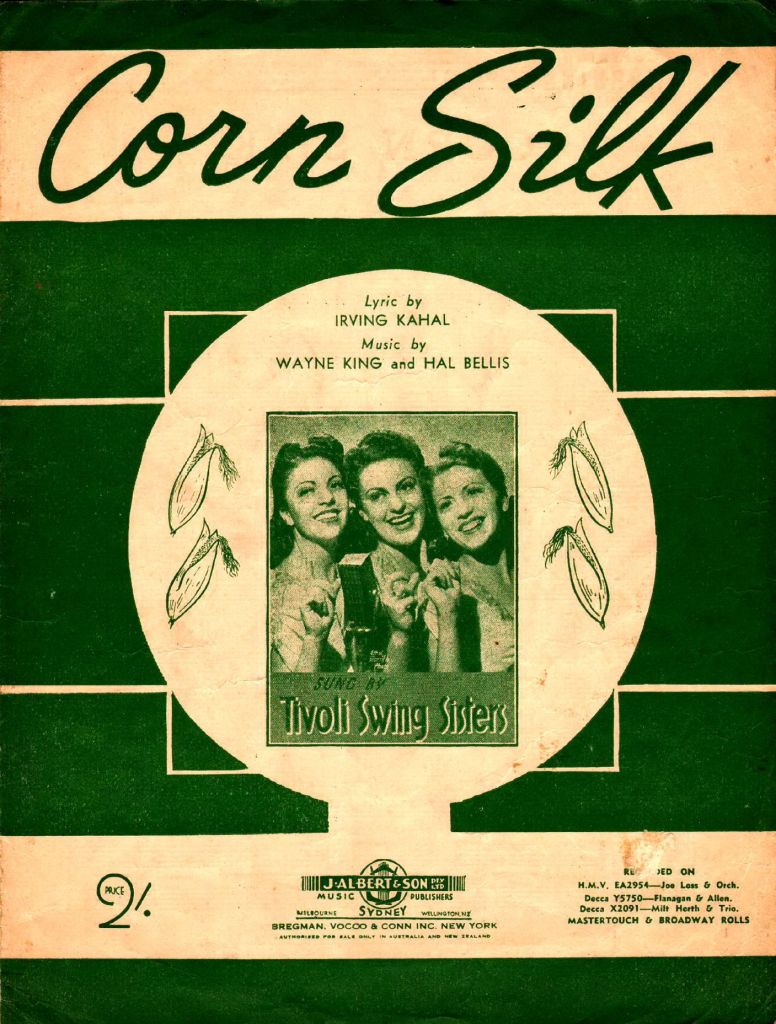
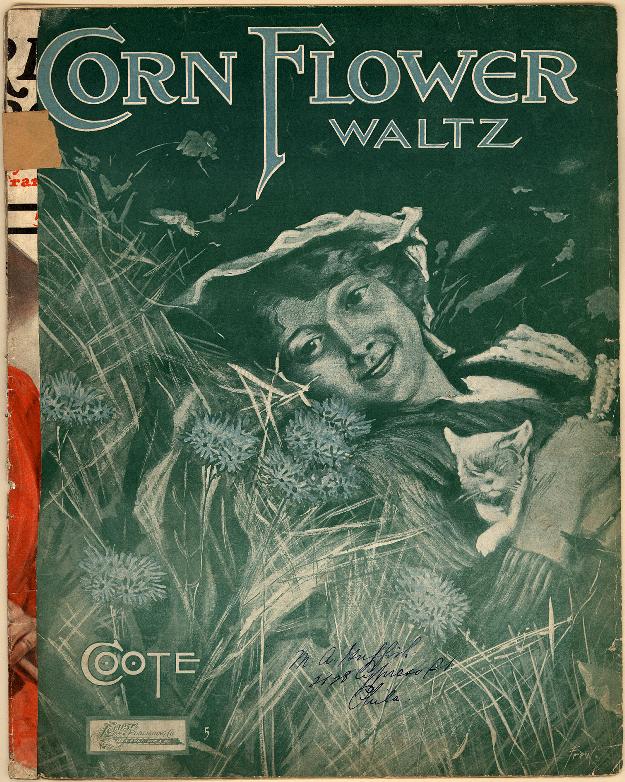
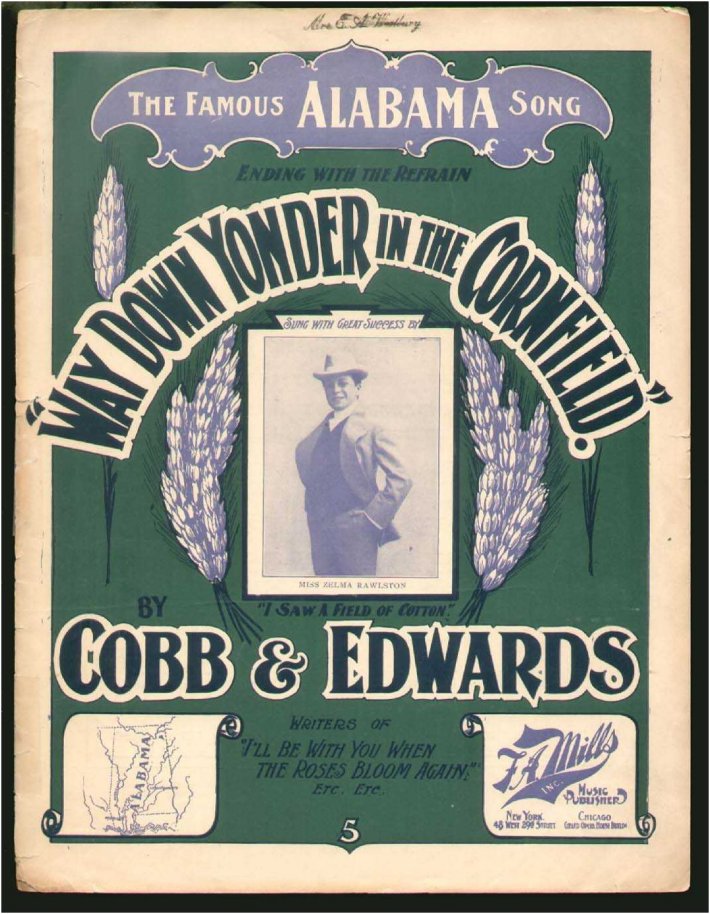
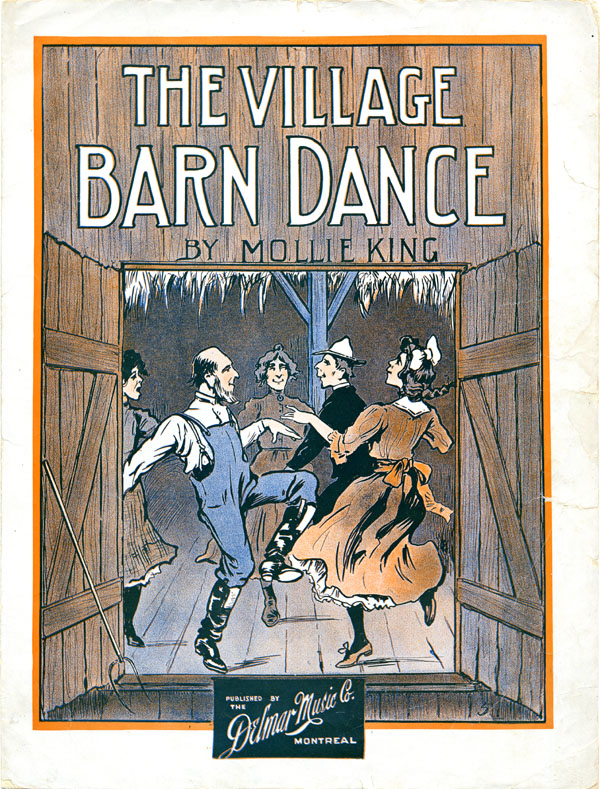
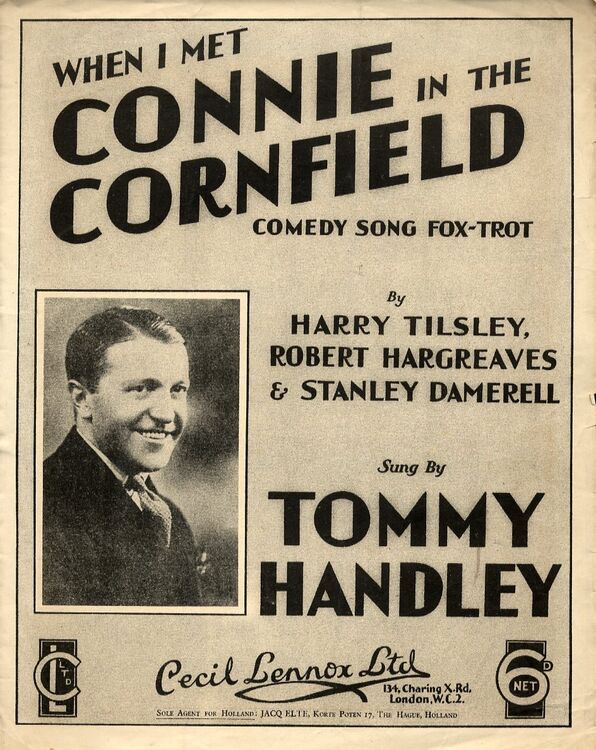
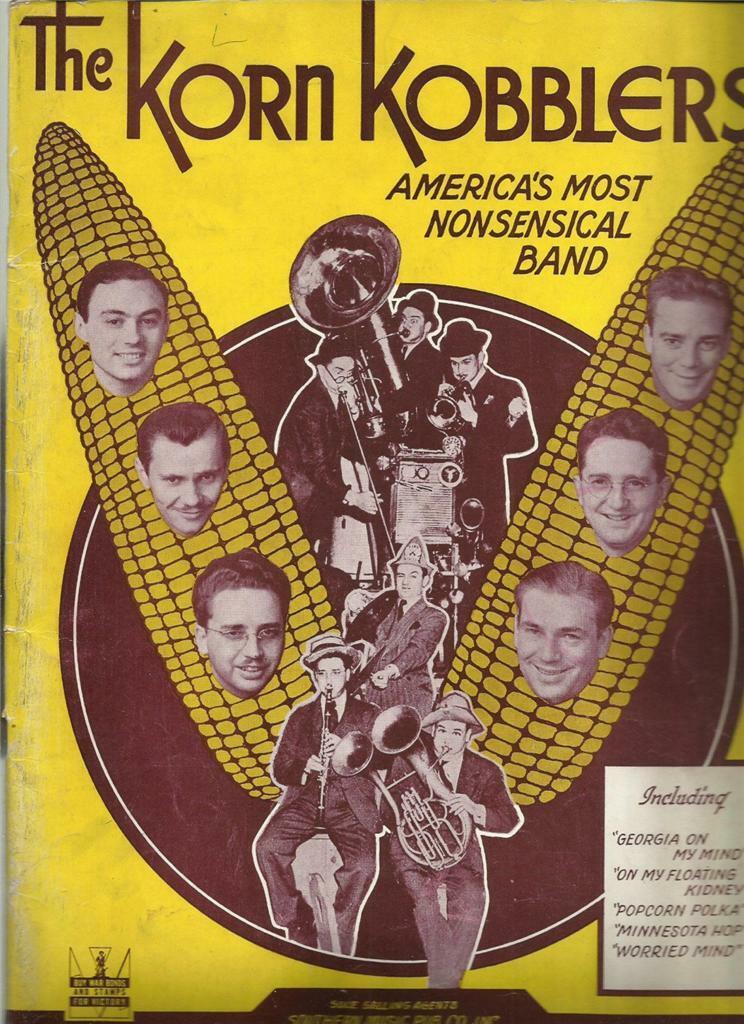
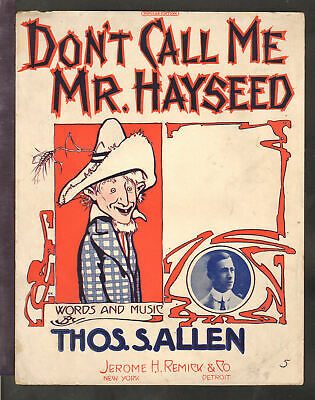
Taking a look at some of the early corn-related songs out there, the sheet music cover art is often meticulously and accurately drawn. They honor the crop itself and the sunbonneted maidens who grew up amongst it.
Click or tap on the triangle in the next image for a lively, more recent ragtime piano version of this golden oldie to get you into a “corny” mood.
Here are a few more bits of vintage sheet music cover art on our theme.
Now on to the fun stuff. Party time on the farm!
Clearing the floor for a good old-fashioned barn dance! As I recall the farm-country corn-shucking party protocol, finding a red ear in the batch gave a young man (or woman!) the honor of choosing their next dance partner.Anticipation and flirtation!
Now here’s something a tad musically different! It’s the old-time banjo tune “Shuckin’ the Corn.” Needless to say, this has become a standard in the five-string banjo and bluegrass world. Click or tap on the triangle in the next image for a look at a couple of “yunguns” and how they do it. Ah, youth!
Then there are those songwriters that recognized the well known fact that a cornfield was often a clandestine, country-style trysting spot for amorous young farmfolks.
And, in keeping with our “corny” theme, who else can give a better rendition of this old, old chestnut of a trysting song than “Mr. Corny” himself. Tap or click on the triangle in the next image for an (ahem) earful.
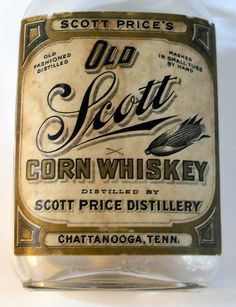
And, of course, there are the “corny” songs that (ahem, again) distill a potent tune.
Now here’s a bit of so-called “jug-band” music on our topic by folks who have performed here in our happy valley many, many times. Click or tap on the triangle in the image for a look and listen to this old tune with some good action on “bones” and “fretless” banjo!
And, of course, there is also some humor out of our versatile crop.
And, from the 1920s, with ukulele chords included in the score!
Believe it or not, I actually found a Youtube of this “corny” tune. Tap or click on the next image for a nibble!
How about a Swing Era take on a favorite corn variety?
Click or tap on the triangle in the next image to swing along with Benny and Martha.
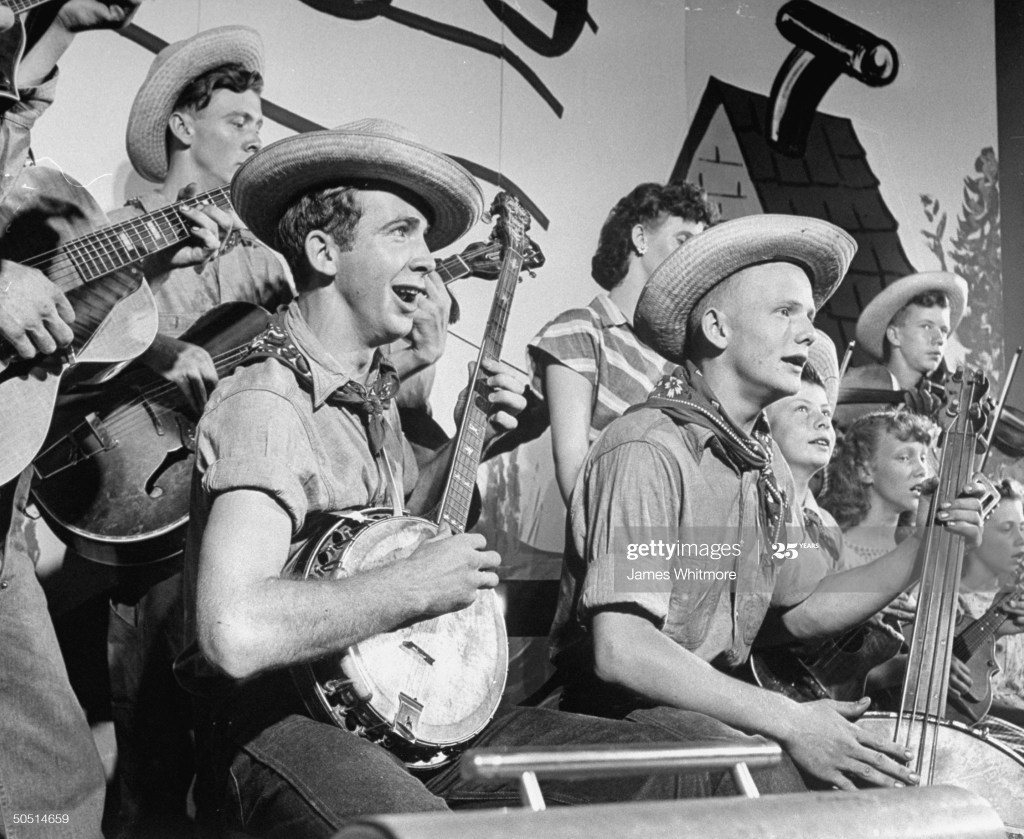
Moving on–as we must–to a more historical approach to this musing, we can take a look at the origins of so-called “Country Music” and see how corn and “corny” fit in. Today, musicologists refer to the early days as “Roots Music” often featuring fiddle music as a lead for string bands playing in local barn dances and down-home venues.
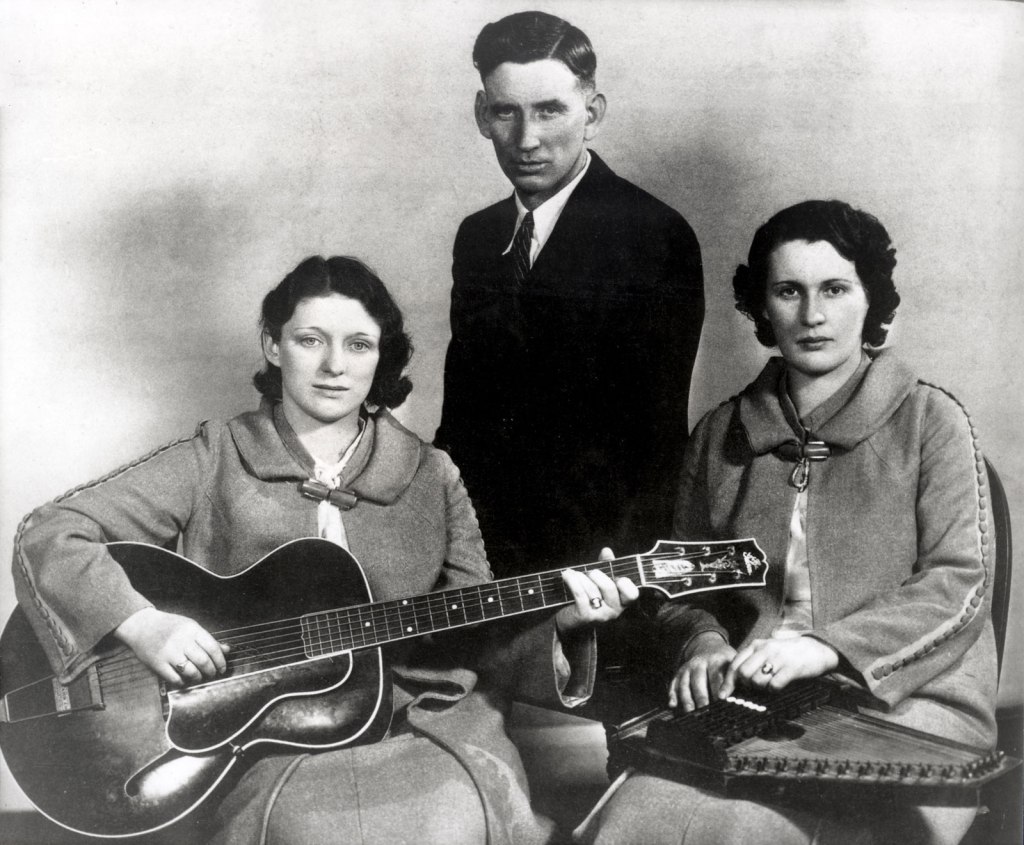
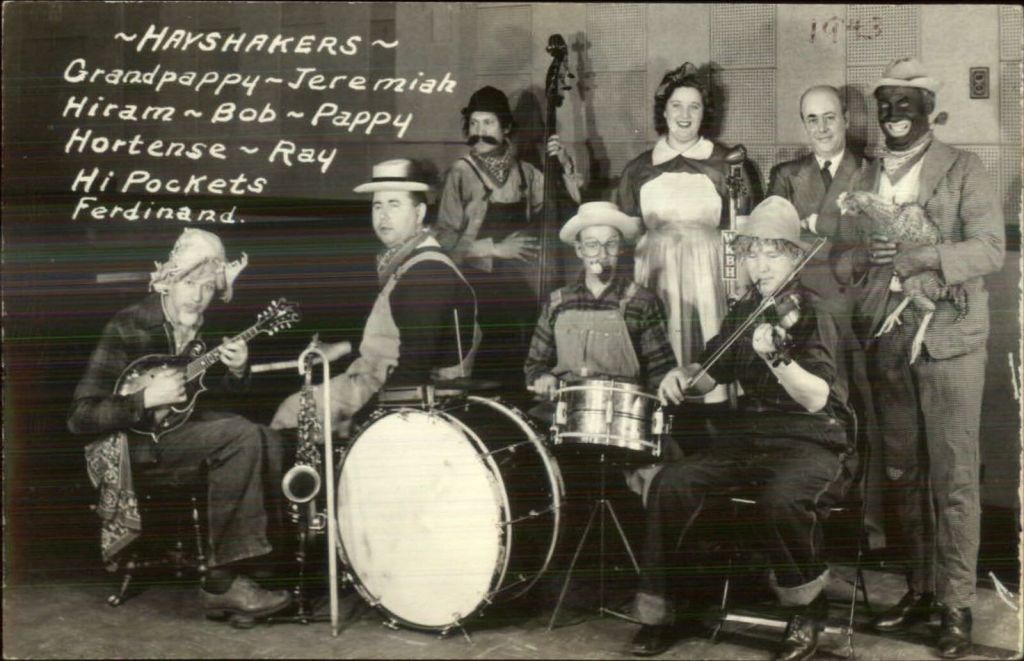
In the early 1920s, when folks came to perform on the first radio broadcasts to offer this style of music, performers would dress for the occasion in their “Sunday-go-to-Meetin’” clothes—suits, white shirts, neckties for men, simple dresses for women. Here’s the “Carter Family” all dressed up for the radio!
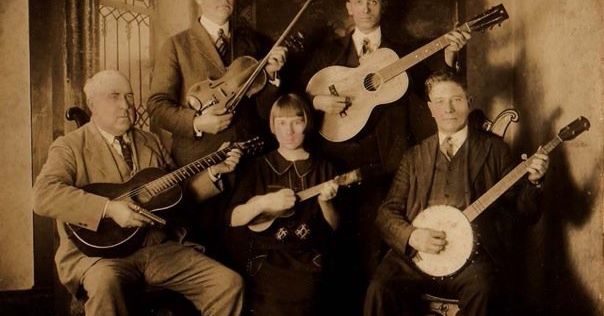
Here’s another group performing on the radio dressed in their “Sunday Best.”
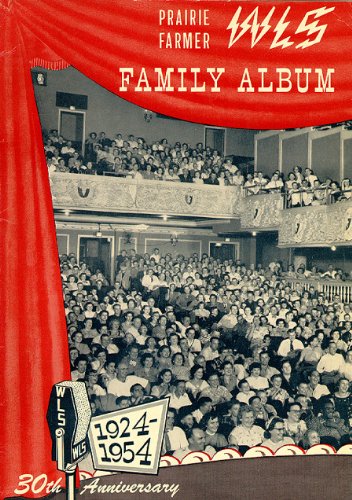
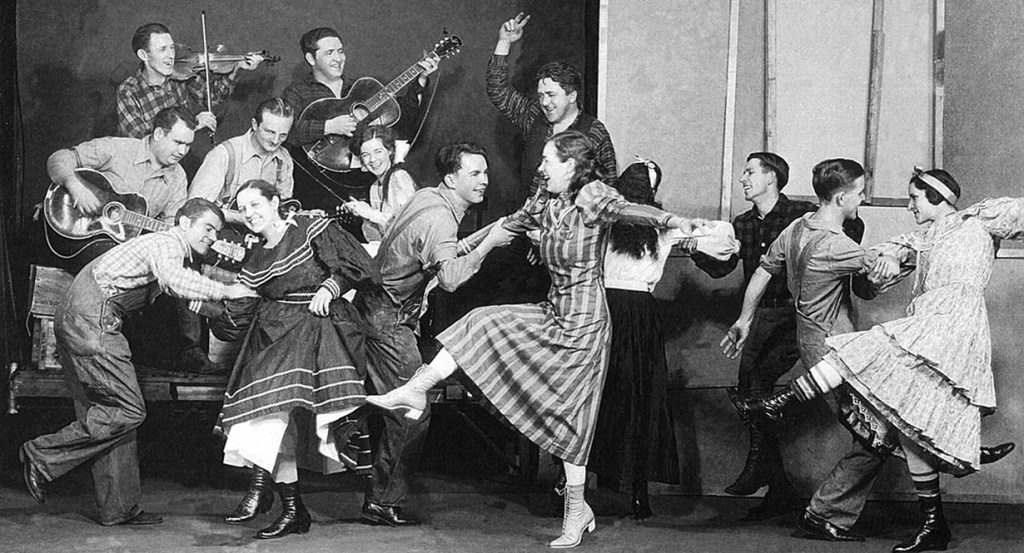
When in the mid-1920s, those radio broadcasts became broadcast nationally and attracted a huge urban audience, studios began staging their programming before live audiences. Visuals became much more important in matching the “country sound” with the mythological “country look.”
Now here is where the “corny” part comes in. Here’s a dignified looking, old-time string band from those early years led by a local physician and harmonica player who performed on the radio with some other local businessman buddies. This group became one of the most popular features on the early days of Nashville’s “Grand Ole Opry.” Click or tap on the triangle in the next image for a listen.
For the studio radio audience, the good doctor was asked to rechristen his group from the “Dr. Bates Band” to the “Possum Hunters.”Here’s the same band in their newly donned, corny “hayseed” garb expected by the live studio audience. Same music, however.
This next group changed their outfits and their name from “The Bently Brothers” to the “Dixie Clodhoppers,” again for the live radio audience. Somehow they kept the neckties and silk socks, however. “Corny?” For sure!
And the list goes on and on . . .
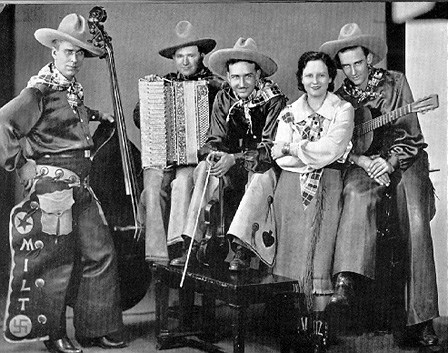
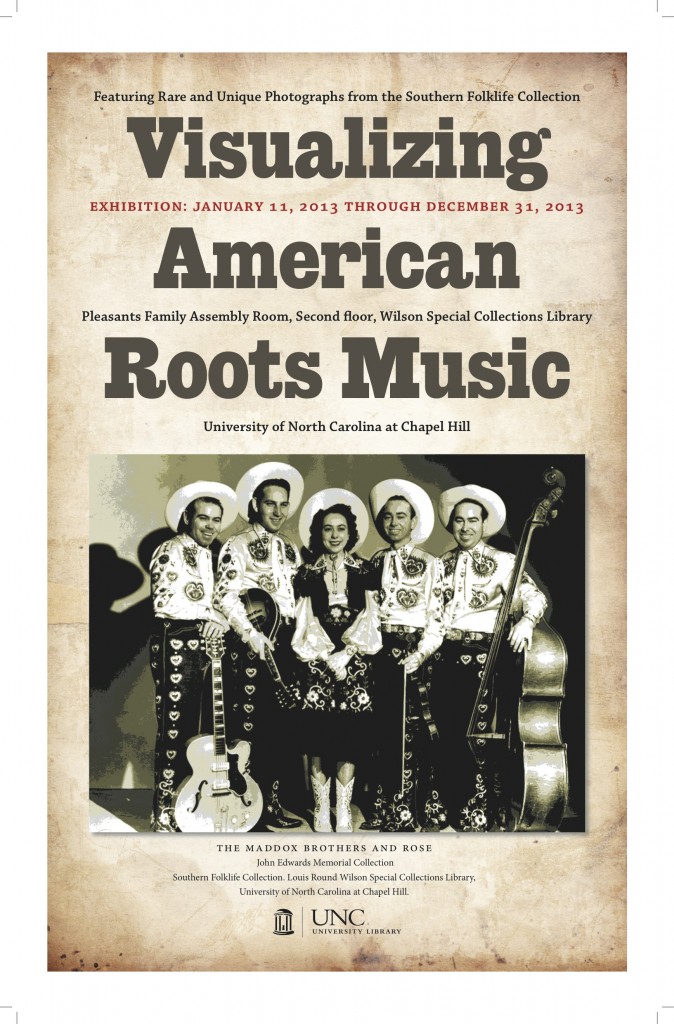
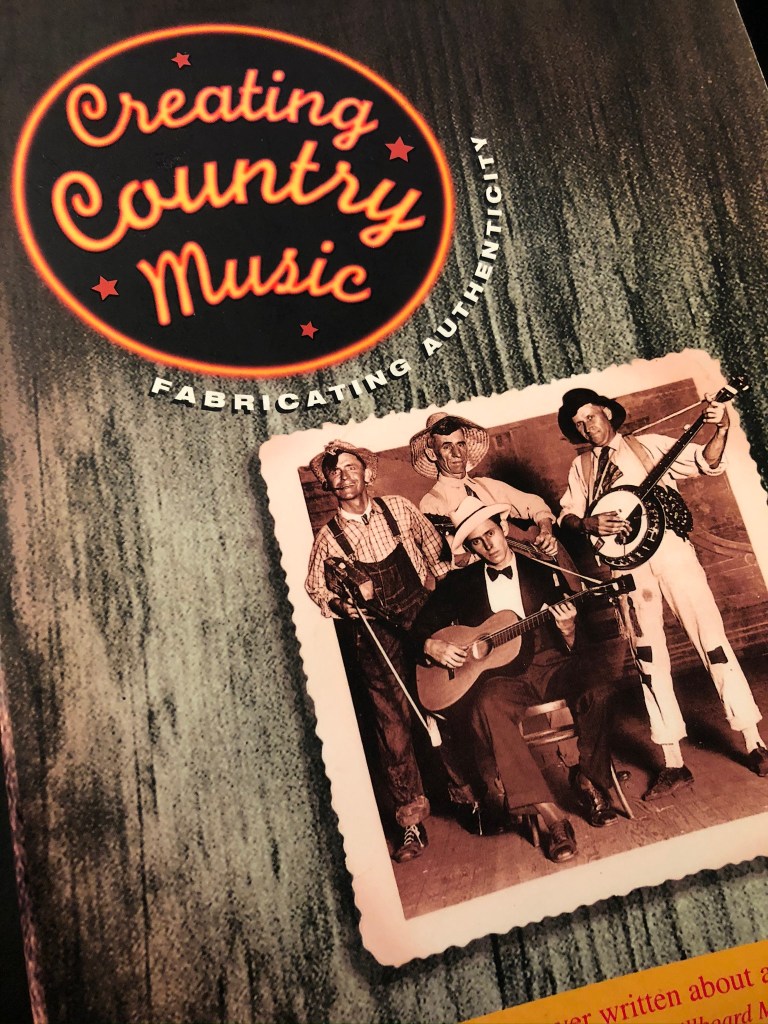
Because live studio audiences wanted what they felt to be a “real country experience,” broadcasters, sponsors, and–quite soon—performers were drawn to (or pushed into) the “hayseed,” “hillbilly,” or even “cowpoke” look. “Corny?” Yeah.
Bib overalls, straw hats, gingham dresses, and button shoes or bare feet were embraced and the “corny” became the standard costume.
Yet, the music usually stayed the same while dress-up clothes changed into costumes as “authenticity was fabricated.” Show Biz!
Now, enough of that musical history stuff!. Back to Illinois CORN!
I went to the University of Illinois which, I can proudly say, is the only college in the country with a venerable, over 150-year old cornfield as a hallowed landscape feature in the heart of its campus–The Morrow Plots.
These plots have been used for continuous soil and plant-rotation testing for all those years. Nothing “corny” about that!
In fact, it’s the only cornfield in the country designated by an act of Congress as a National Historic Landmark. And, all new university buildings must be designed so as “to NOT cast a shadow on the cornfield.” In fact, the new, multi-million dollar addition to the university library (right in the photo) was built UNDERGROUND to honor this rule!
Needless to say, a song was born! Click or tap on the triangle in the next image for a listen to this campus anthem! Consider it a way of “shuckin” the corn.
So, visit those farm stands, keep enjoying our Happy Valley’s “butter and sugar” corn, recognize the importance all the other varieties of corn, and STAY TUNED!
Note: You have to have been raised or lived in the so-called Illinois “Corn Belt” to fully appreciate this week’s musing. My apologies, and condolences, to those who weren’t and had to grow up with, well, corn--and, alas, I will concede, TOPOGRAPHY.
I am not a clairvoyant butduring these daily bombardments of non-stop news and opinion bombardments I have become convinced of at least one salient fact. To wit: that many of us with more than just a few rings on our trunks are all struggling to push most of those things from our minds–save for weather, baseball, and what’s next on Netflix. I assume also that more than a few of you have noticed the clouds hovering around us. No, not the nasty, #$%& smoke from Canada but the nasty, #$%& smoke and mirrors of political shenanigans that are fast afoot! Alas, gentle readers, we are driven to STAY TUNED!
Nonetheless, I muse on .
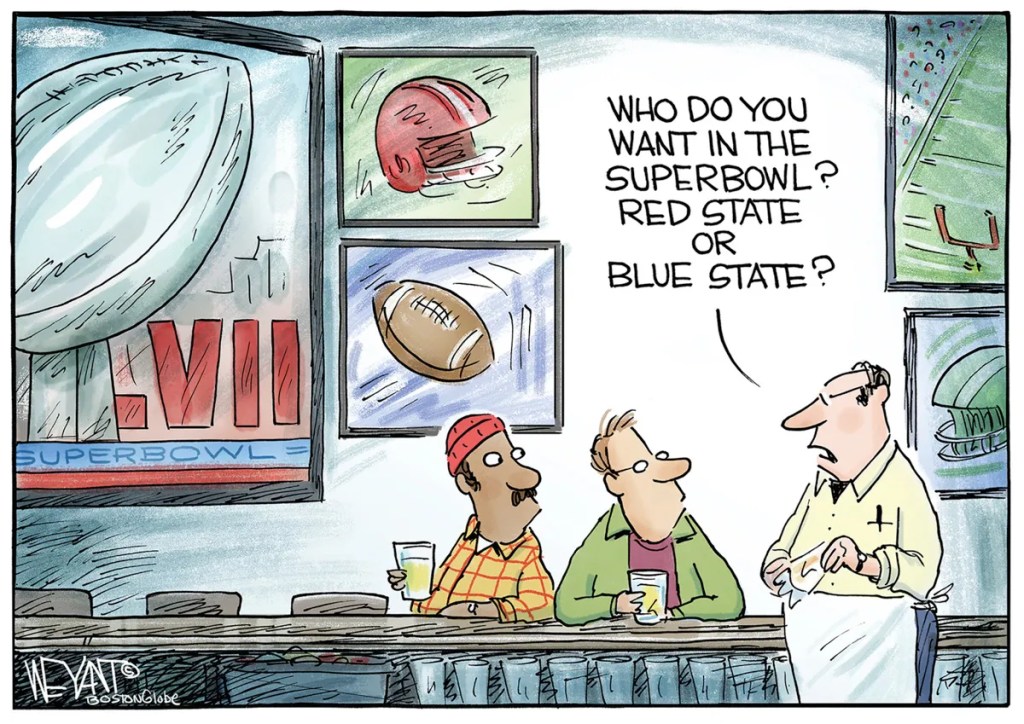
Now, of course, this little blog is not the place to opine on the varying shades of reddish or blueish colors of the swirling political clouds. Suffice it say that I know we will all be gobsmacked with a full range of punditry and polemic again, again, and still AGAIN between now and the election day that is not even THIS year but NEXT!
So, as is my wont to do, let me avoid those clouds by drifting back to childhood memories particularly of MY first president, Franklin Delano Roosevelt—”FDR.”
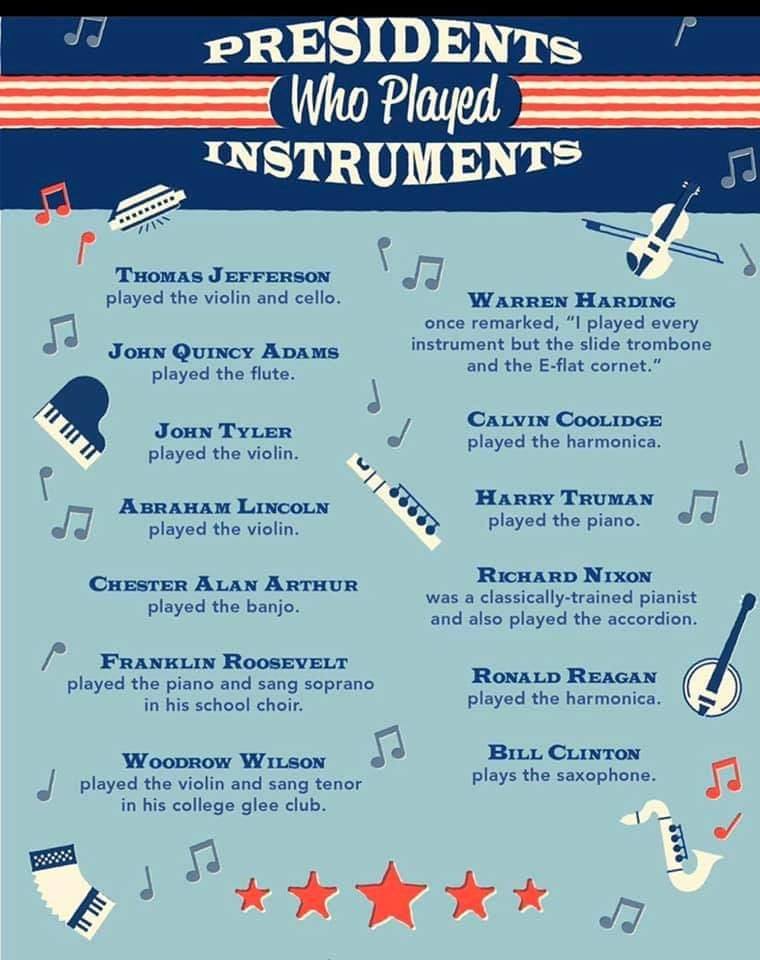
Now FDR was not a ukulele or banjo player and I doubt that he paid much attention to those little instruments. But, it has been noted that he did play the piano (a bit) and sang soprano (?) in his school choir.
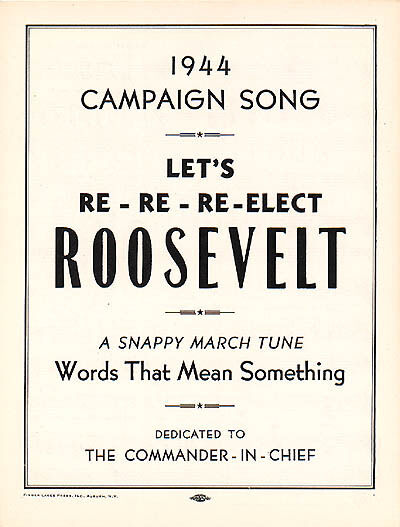
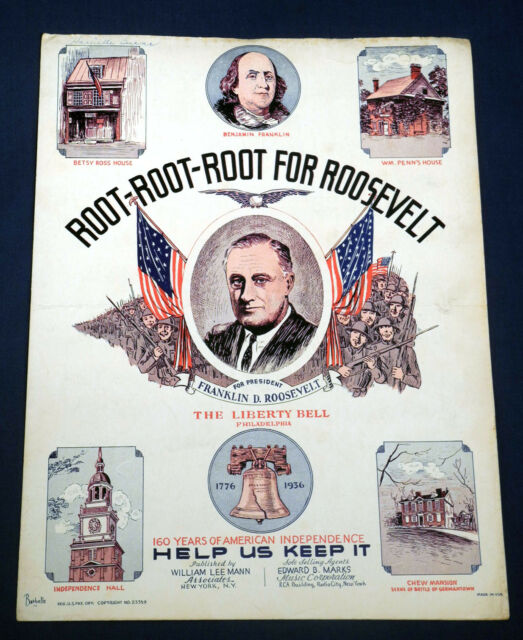
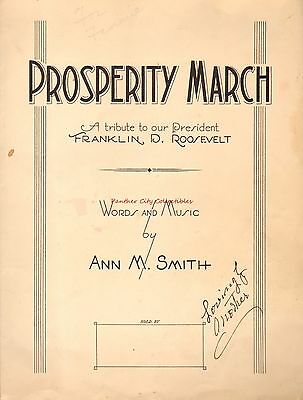
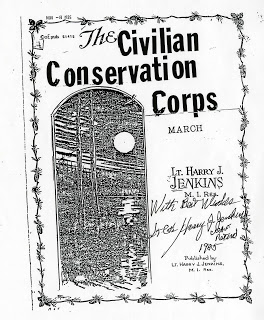
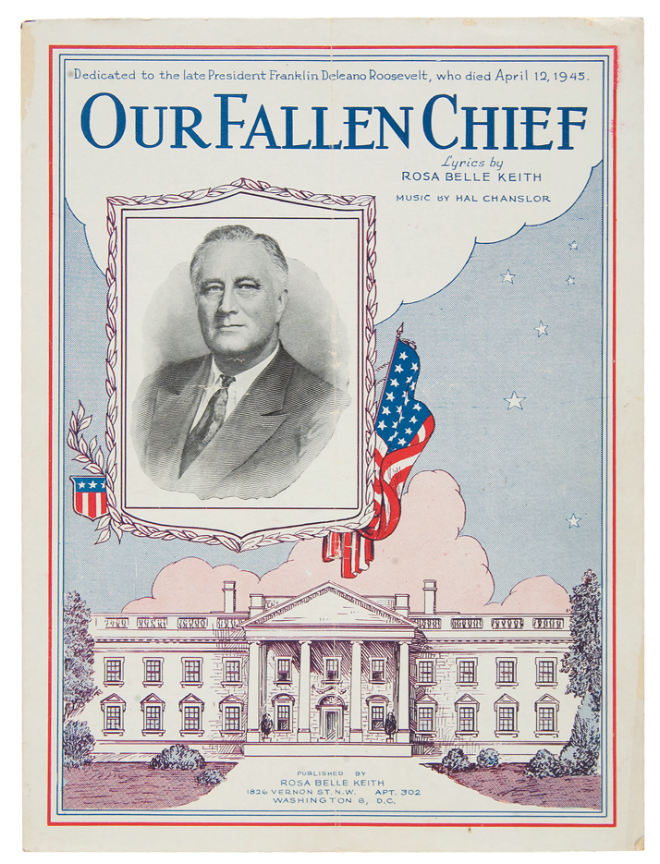
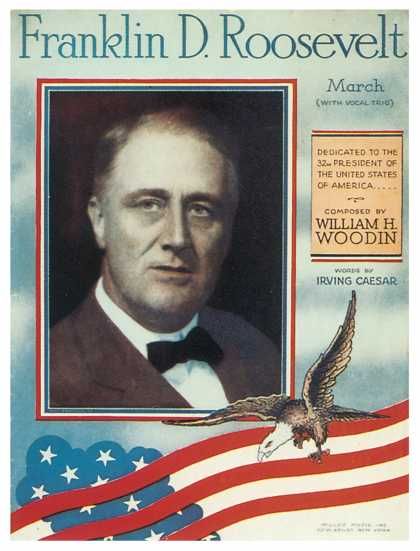
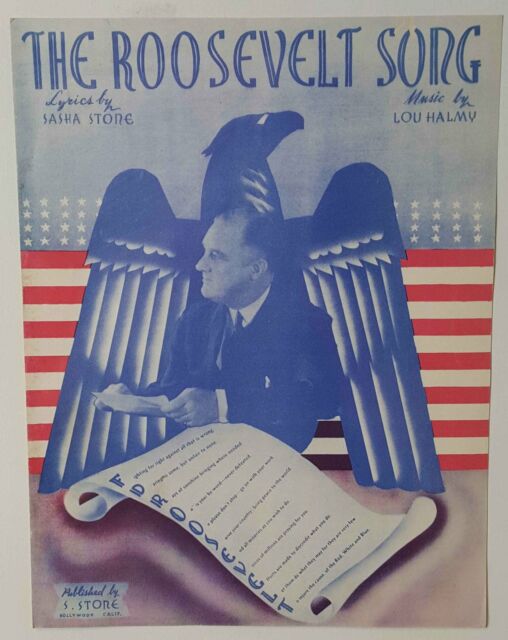
And, lucky for us, there is a plethora of sheet music extolling his time in office from his first presidential campaign in 1931 through the Great Depression, the end of Prohibition, and World War II to his death in 1945. While he was reviled by some and revered by many (what else is new in politics?) it was the latter who seemed to write the songs that a few (a very few, alas) of we so-called “eldies” might recall.
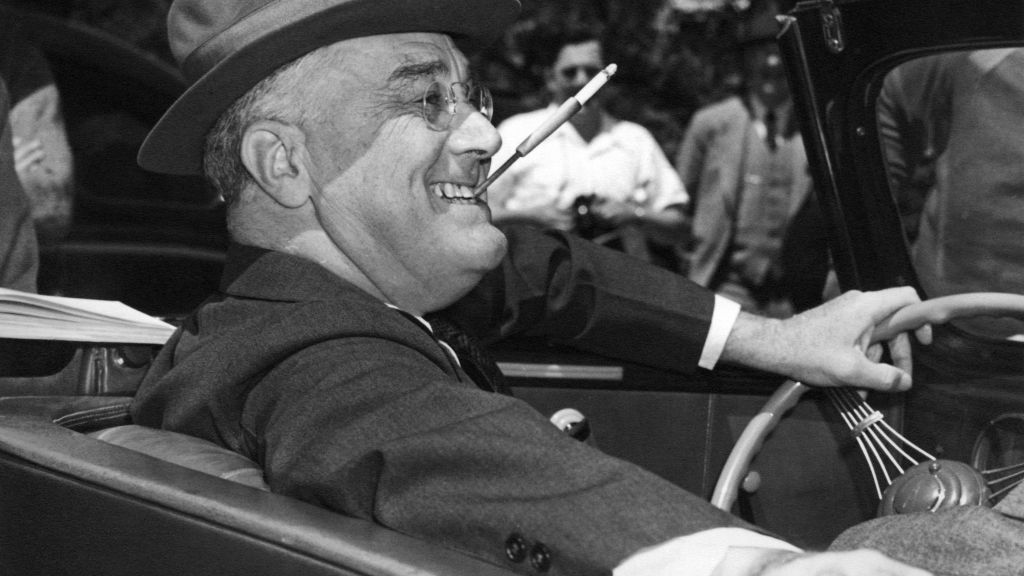
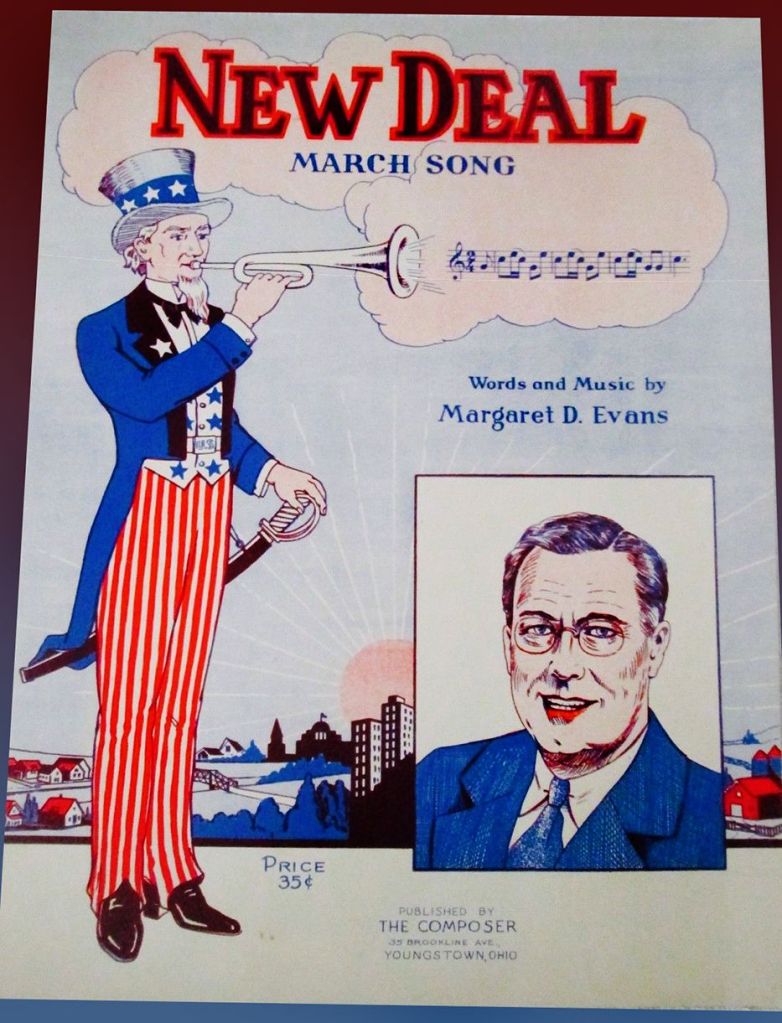
While FDR did, at least in the above photo, show an interest in old-time string bands, here are just a few songs–really quite forgettable musically but nonetheless extant–from FDR’s four (!) successful presidential campaigns. The first:
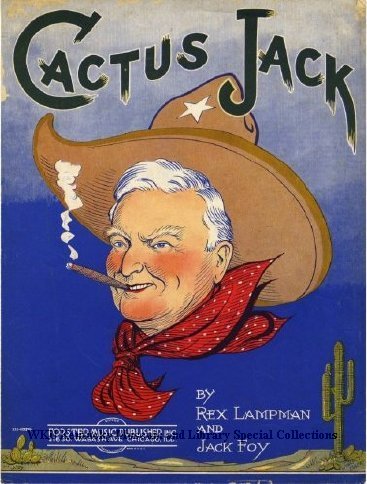
FDR’s vice-presidential running mate, James Nance Garner–known affectionally as “Cactus Jack”– had a much more colorful musical link! Alas, I can’t find a recording of this musical treat (?), but the sheet music cover is great!
A Western balance to the Eastern Roosevelt, politically speaking.
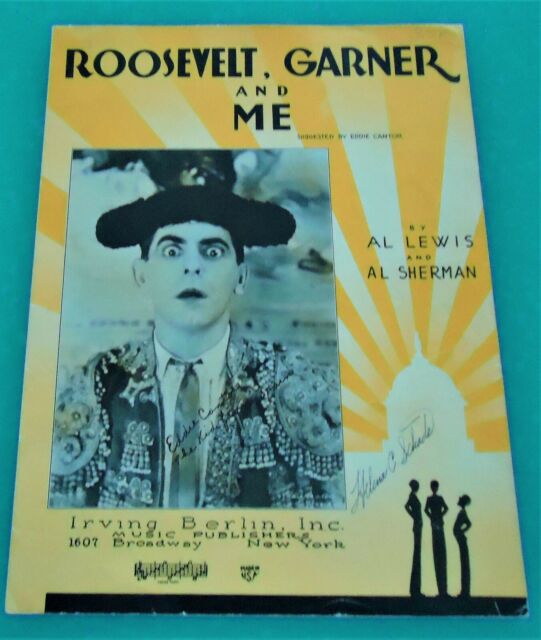
Here is one song for the two of them.
Not memorable but, nontheless, available to us today through the magic of YouTube. Tap or click on the triangle in the next image for a quick listen.
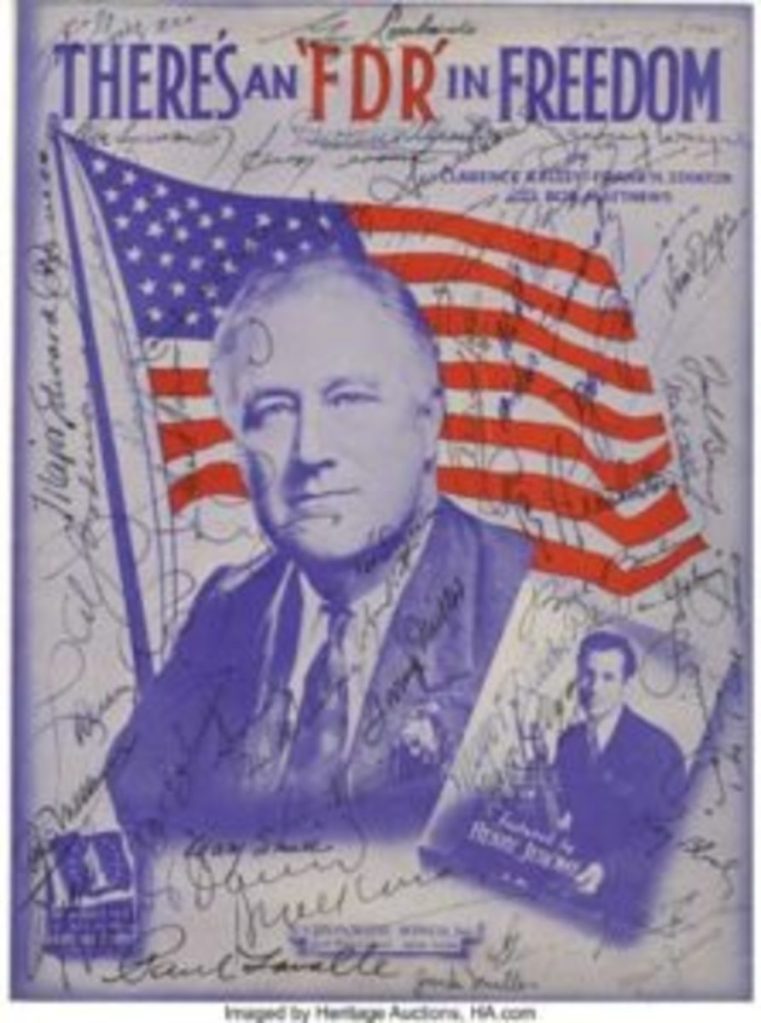
There were, of course, more dignified songs written for FDR’s subsequent campaigns but, again alas, not particularly noteworthy musically speaking.And, for some reason the “R-R-R” trope was the thing. Go figure.
Tap or click on the next triangle in the next image for a listen to this enthusiastic jingle of a song.
And still another . . .
At least with this one, another one that someone has bothered to remember and record. Tap or click on the triangle in the next image for a quick listen.
Just imagine if the Gershwins had written a campaign song for Roosevelt! Click or tap on the triangle in the next image for a three-syllable “surname song” from 1938 that would have worked.
Then there were the songs that simply honored the president during his terms in office.
How about the end of Prohibition? It ended on FDR’s watch.
Finally, a tribute song that someone recorded!
Click or tap on the triangle in the next image for a song that thanks the president for his so-called “Fireside Chats” by which he periodically radioed his voice (and persona) into the homes of anxious Americans. He reassured them that they really had the freedom to not fear the terrors and travails of the day–imagine a president doing that!
Needless to say, there were many, many more accomplishments during FDR’s terms in office–way too many to trace musically in this brief posting.Perhaps more anon.
Roosevelt was, of course, president during the lead-up and fighting of World War II.
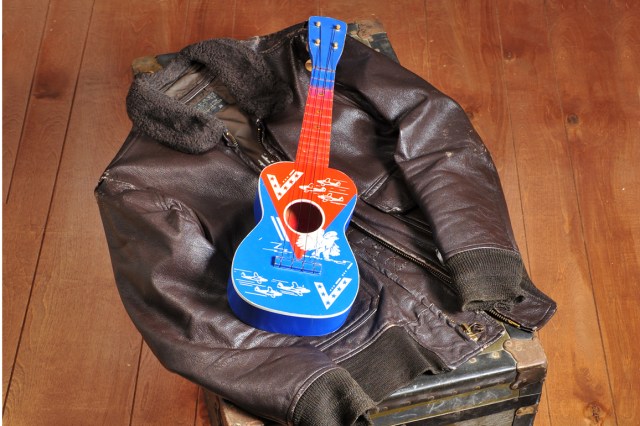
And this is where ukuleles come in! Here is one of the favorites from my collection, a so-called “Victory” uke that was made and sold early in the war years.
Note the “V for Victory” design in Morse code–dit, dit, dit, dah!
He was also honored in death as Word War II was ending–a sad and anxious time for a lot of Americans . . .
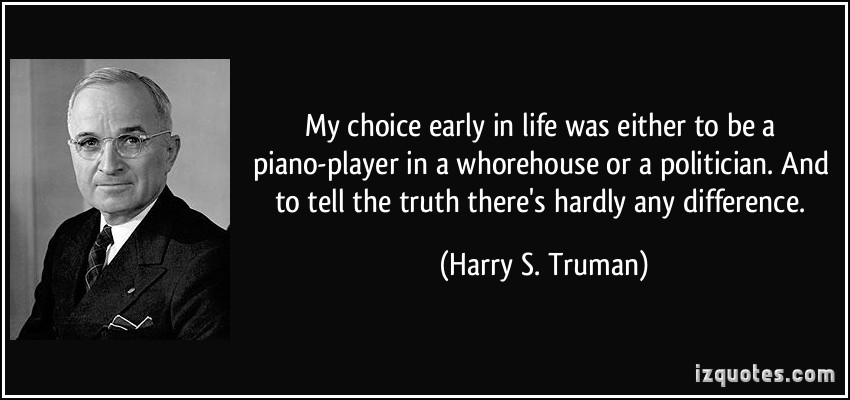
. . . who had never thought that much about the possibility of that piano-playing haberdasher from Missouri, Harry Truman, becoming “Commander in Chief!”
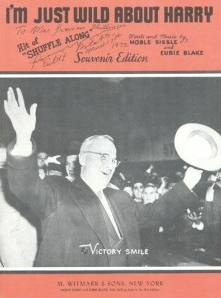
At least when Truman ran a campaign on his own he had a lively theme song, purloined and adapted from the 1921 Harlem musical review “Shuffle Along.”
But, I digress; now, back to FDR. He served not without error, as history points out, but with honor for his time.
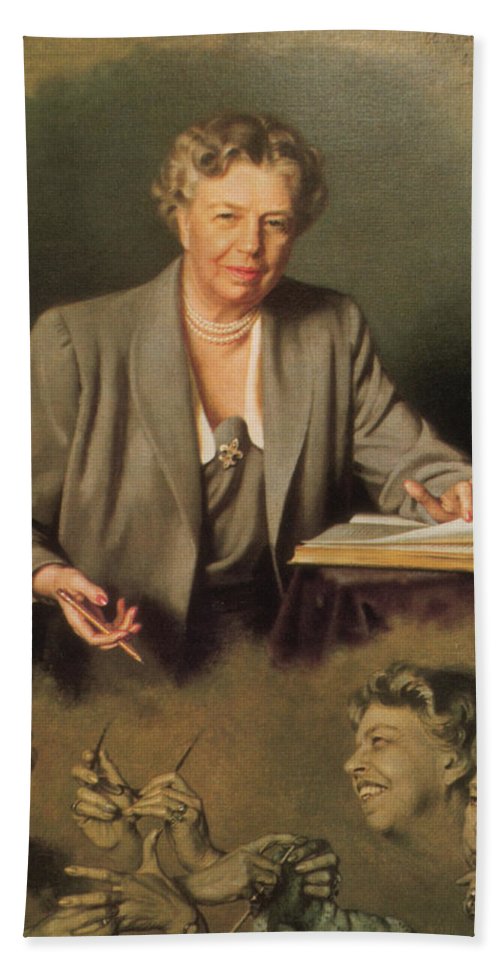
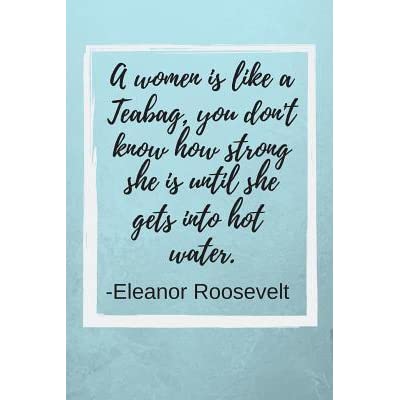
And, we can’t leave without a musical homage to the then first lady, Eleanor Roosevelt, who was an unelected but renowned statesperson in her own right.
Someone should write a song on this theme of hers. Now is your chance!
However, I was able to find a YouTube of another “Eleanor Roosevelt tune.” Click or tap on the triangle in the next image for a look and listen.
Now here is the windup to this posting.
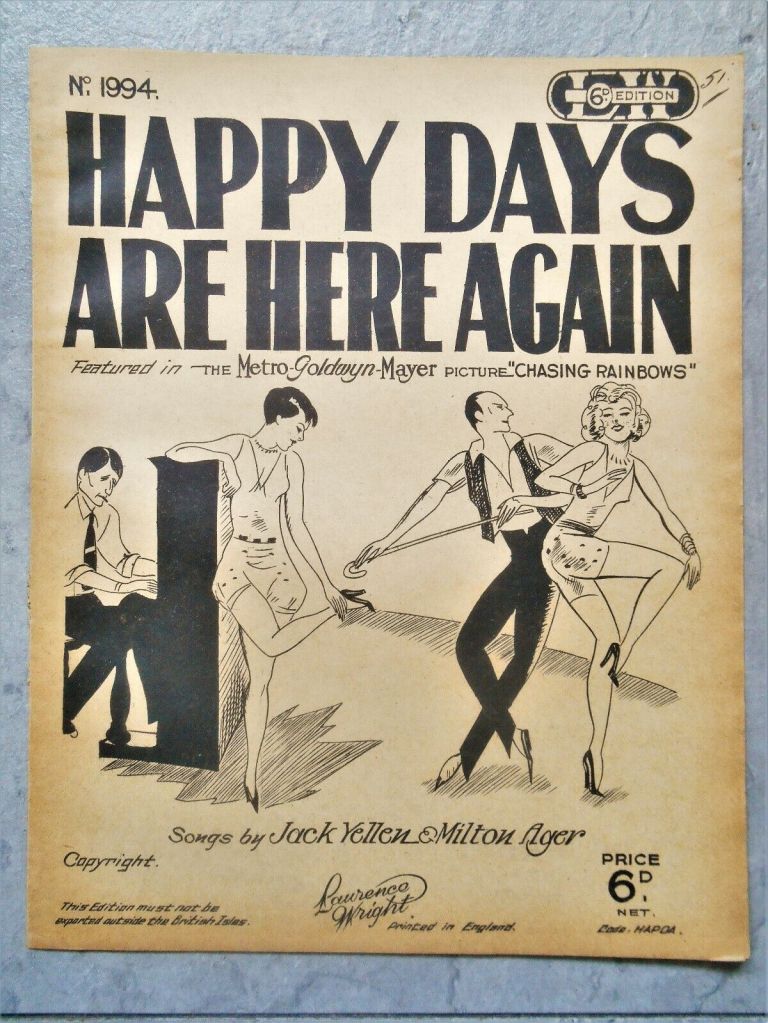
While not originally an “FDR tune,” “Happy Days are Here Again” is the song most of us associate with my first president. This tune (actually a “saloon standard” associated with the end of Prohibition) was written by our old Tin Pan Alley pals Milton Ager and Jack Yellen and published in 1929.
The story is that the score for the song was among the house band’s “cheat sheets” reached for by the conductor when he was asked to play a “lively” song during the windup of the Democratic Convention of 1931. It has ever after been associated with FDR and with the Democratic Party. Tap or click on the triangle in the next image to see and hear!
Tap or click on the triangle in the next image to hear a good old country song about good old FDR being re-elected!
Alas, singable songs and colorful sheet music associated with our latest run of presidents can’t match those of the past. But, we learn to live with what we have and hope for the best even if today’s politics don’t deliver the prose of long ago.
So, stay sequestered, stay safe, stay as masked as necessary and STAY TUNED!
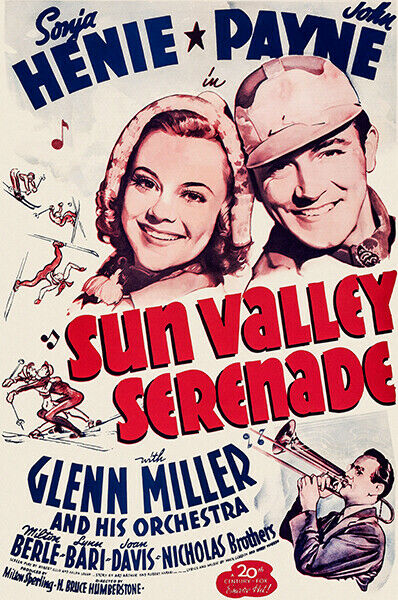
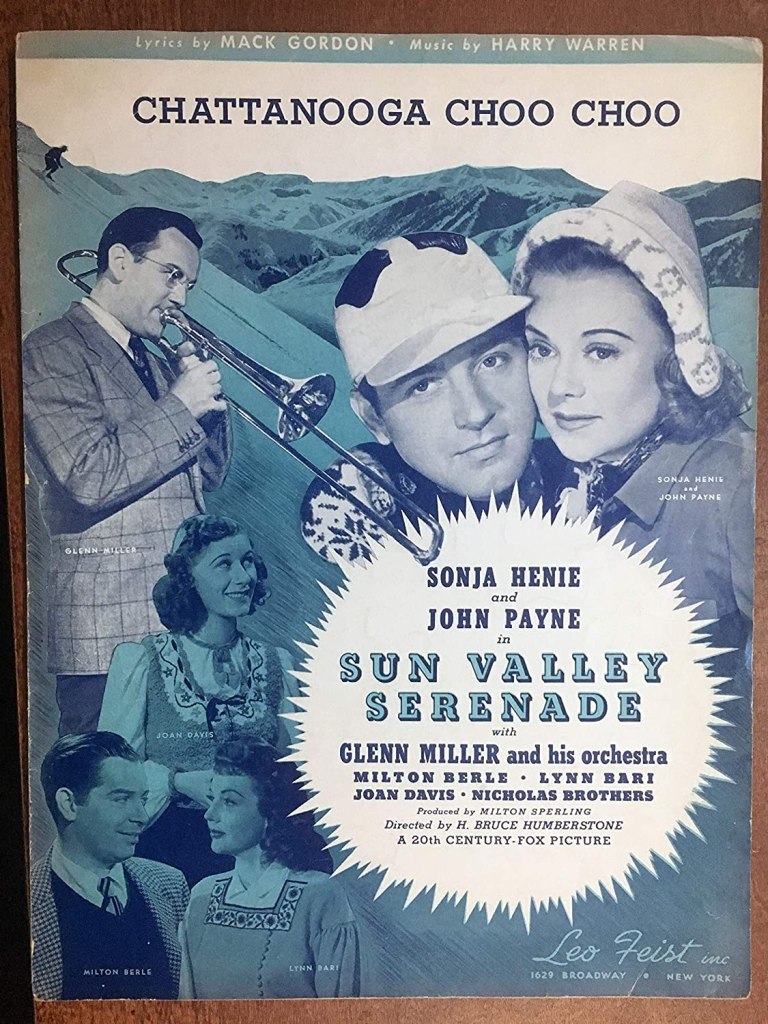
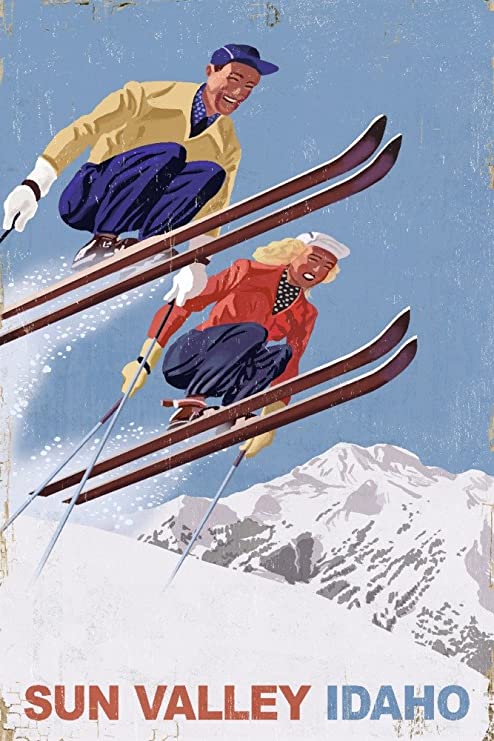
The heat wave we and the rest of the country have been going through in the past few weeks makes me long for winter, snow (quickly plowed here in New England!), and fresh cool air. So, gentle readers, bear with me because for this week’s musical musing I’m dredging up one of the most forgettable movies of the early 1940s, but one that gave us one of the most unforgettable songs of the era. The movie was that “rom/sno/com“ called “Sun Valley Serenade.”
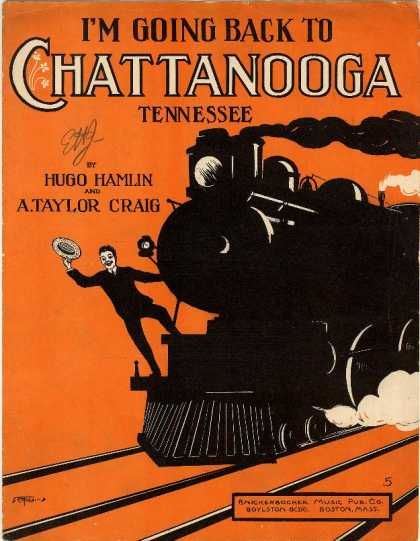
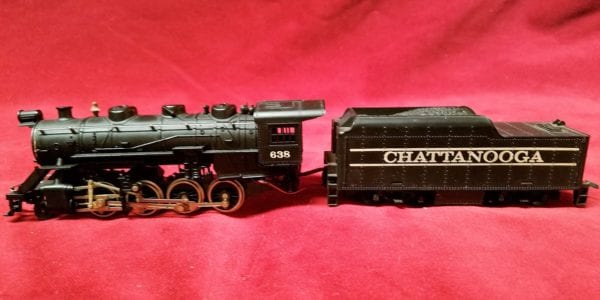
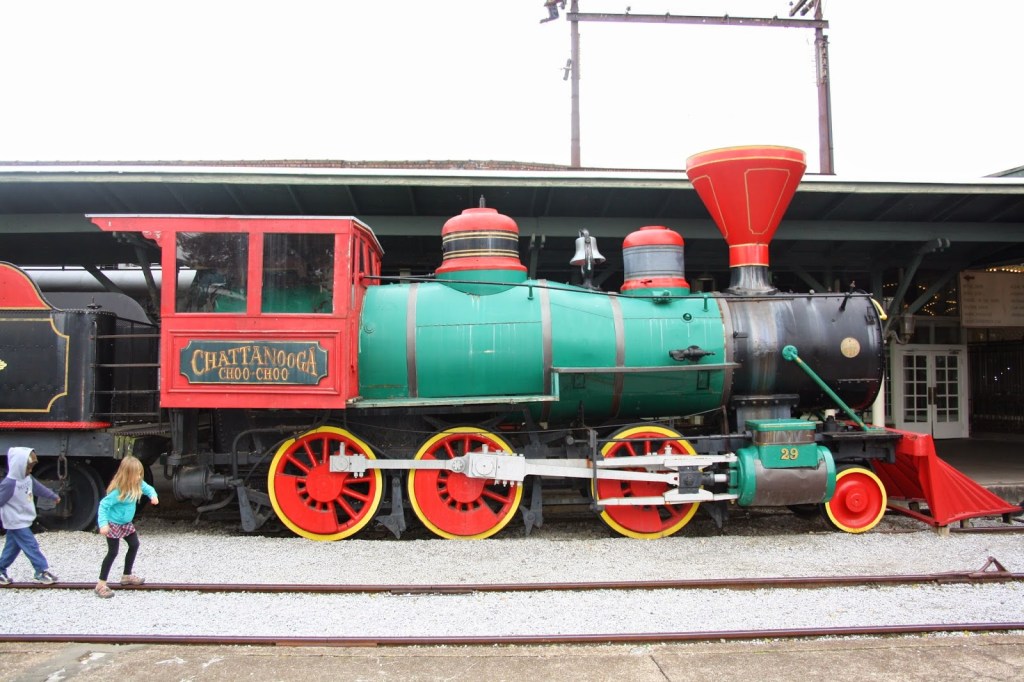
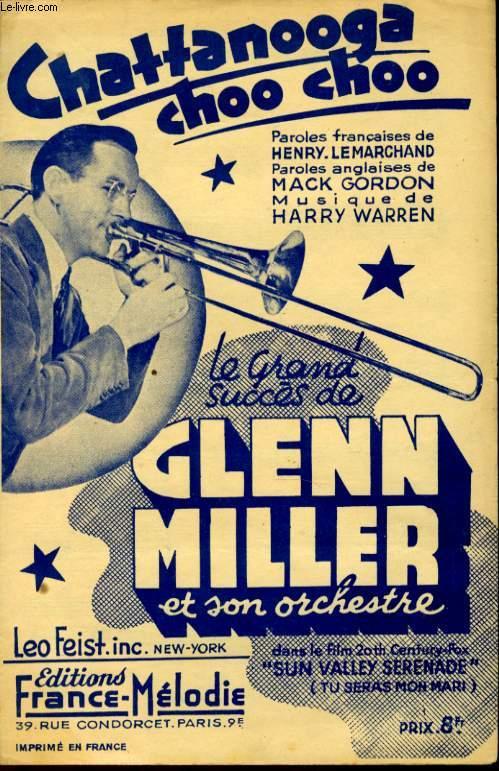
The song is “Chattanooga Choo Choo,” . . .
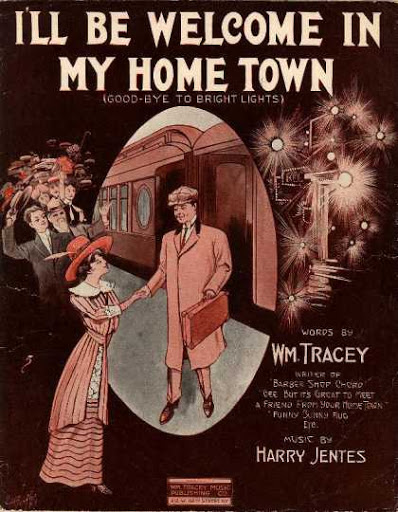
. . . not the much earlier Hamlin/Craig song . . .
. . . or even Irving Berlin’s still earlier ragtime song “Down in Chattanooga.”
The movie was more or less about skiing and a refugee girl chasing a big band boy. And, of course, being both an expert skater and skier, she catches him!
Not surprisingly for the Hollywood of those days, the movie doesn’t have a thing to do with the city of Chattanooga and relatively little to do with trains—certainly not one from New York City heading south to Tennessee by way of Idaho. Maybe there is one, though. Made by Lionel.
But the film did feature the Glenn Miller orchestra and their lively rendition of our song. Many consider it to be one of his best on film.
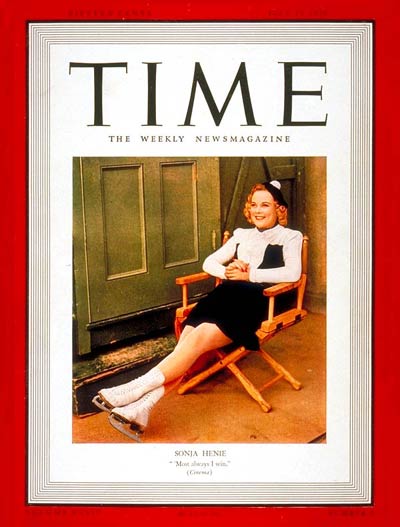
Oh yes, the movie also gave us some great ice-skating choreography starring that three-time Olympic and ten-time World Champion figure skater, the Norwegian “Ice Pixie” –and one of Hollywood’s highest paid stars at the time—Sonja Heine.
The song opens up with the band, sounding like a train rolling out of the station, complete with the trumpets and trombones imitating a train whistle, before the instrumental portion.
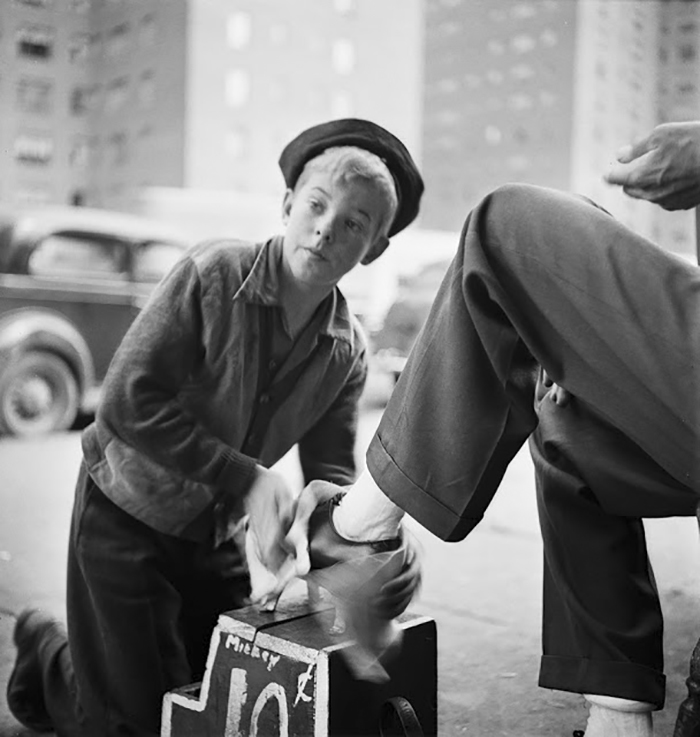
The main song opens with a dialog between our singer—a passenger—and a shoeshine boy:
Our singer then describes the train’s route, originating from New York through Baltimore with “dinner in the diner” in North Carolina . . .
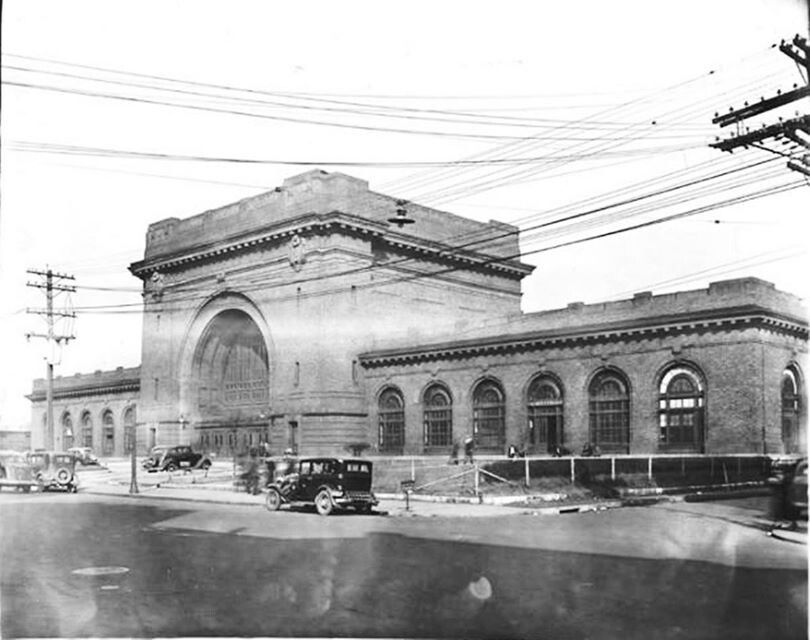
. . . before reaching the Chattanooga Railroad Terminal.
There, a woman he knew from an earlier time in his life will be waiting for him. WHOO WHOO!
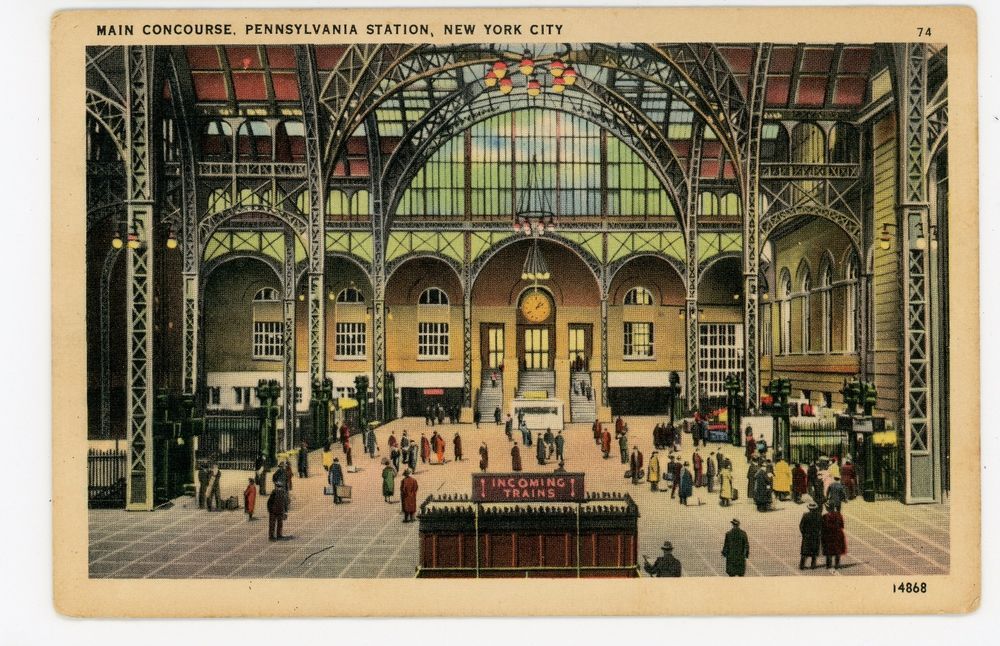
The song is amusingly imaginative as no train ever went directly from New York to Chattanooga, and Pennsylvania Station had only twenty-four tracks at that time. Ah, musical Hollywood!But today’s residents of Chattanooga don’t seem to care that much about historical accuracy, not when they have a good thing chugging along!
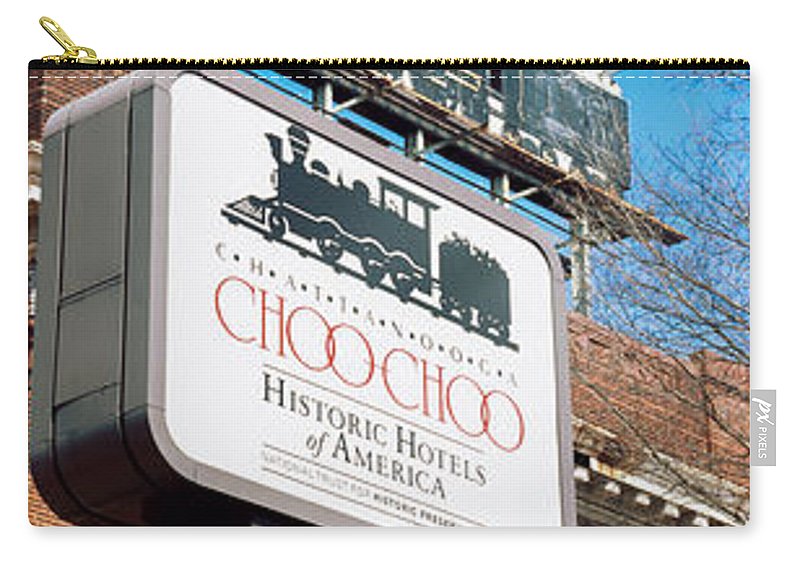
Oh yes, the Chattanooga (Choo Choo) Station is now a hotel. How time goes by when you’re having fun, and have a song in your heart!
Moving on, I usually avoid relatively long YouTube segments in these musings, but this one is special—it has it all! Not only does it have an extended production version of our song but it also includes the whistling and singing of band members, the voice of Tex Beneke, and the trombone glissando of Glenn Miller himself. To many folks, including those around the world, “Choo Choo” is considered THE quintessential Glenn Miller song.
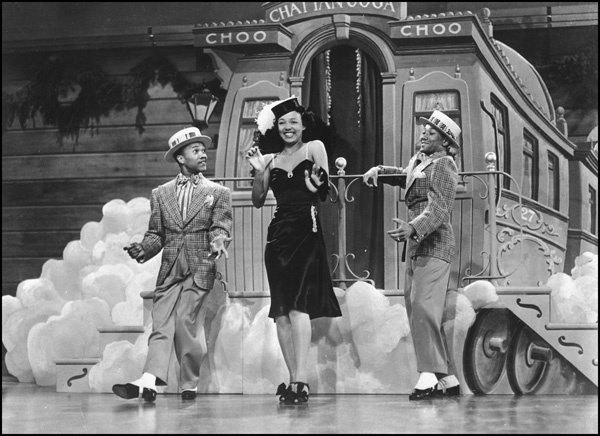
To me, an added highlight toward the end of the clip is the singing and dancing segment with Dorothy Dandridge, in one of her first film appearances, and the acrobatic Nicholas Brothers.
Our song was on the top of the charts back in 1941 and was the first certified Gold Record ever. It was even nominated that year for an Oscar!So, go to the lobby for some popcorn, sit back, and enjoy the show!
Click or tap on the triangle in the next image for a look and listen.
You can skip this next YouTube since it doesn’t have a thing to do with our “Choo Choo” song. It is, however, one of the greatest ice-skating choreography scenes on film. It stars, of course, Sonja herself. Click or tap on the triangle in the next image if you have the time for a chilly Sun Valley treat!Time for some more popcorn, too!
“Choo Choo” has become such a singable, playable swing/jazz standard that it has found its way into the repertoire of a lot of amateur groups around the country and around the world. Tap or click on the next image or link to hear some of what the British lovingly call “Eldies” doing their ukulele thing. Don’t we white-hairs (Q -Tips!) have fun!
I don’t know the next time any of us will be taking a trip on a train anywhere, much less to Chattanooga. But, until that happy day, stay well, stay safe, stay as masked as you need be, . . .





.jpg?part=0.9&view=1&authuser=0)















































































 NOHOBANJO OF NORTHAMPTON, AND NOW EASTHAMPTON, "MUSICAL MUSINGS"