ANOTHER MUSICAL MUSING: 14 July 2023–Musical Memories and Romance in the Air, “Aeroplanes” in Song

I started building model airplanes when I was in the third grade. Those good old Comet brand kits–balsa, sticks, tissue–for ten cents, twenty-five cents, fifty cents, or (OMG!) a dollar as wingspans increased.
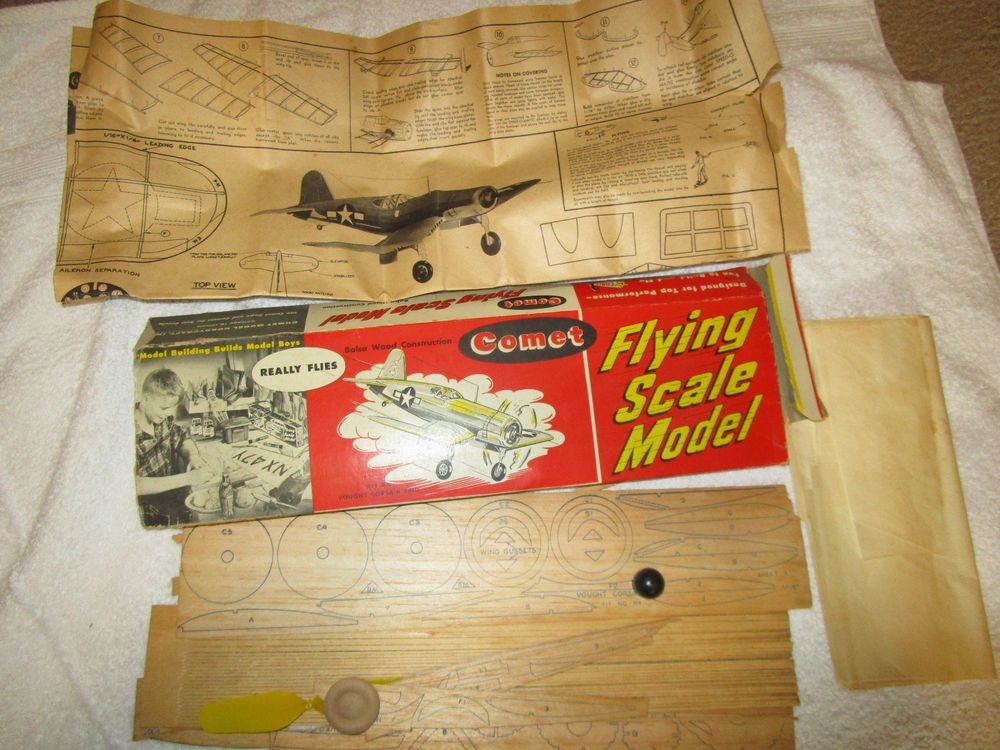
Despite messes around my bedroom worktable, cut fingers from my father’s old razor blades, and clothing ruined with glue drips, the final products—hanging from a ceiling string or trashed in a backyard crash—were all memorable parts of my growing up. Building things, reading plans–maybe that’s why I became an architect!   
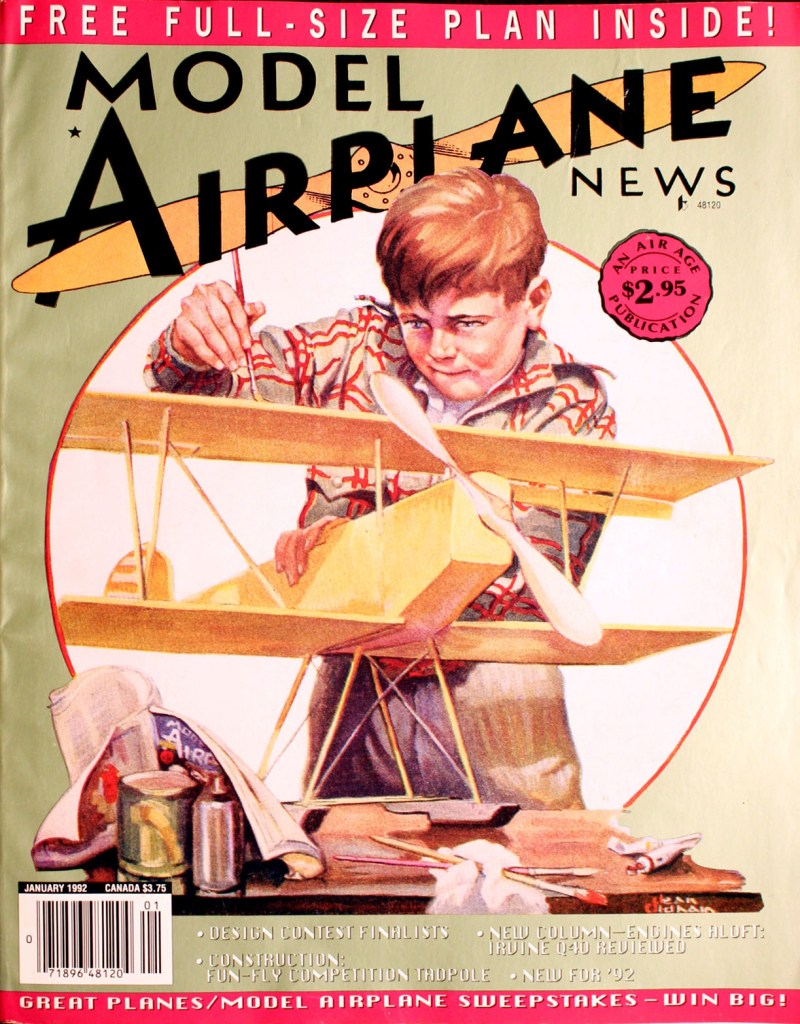
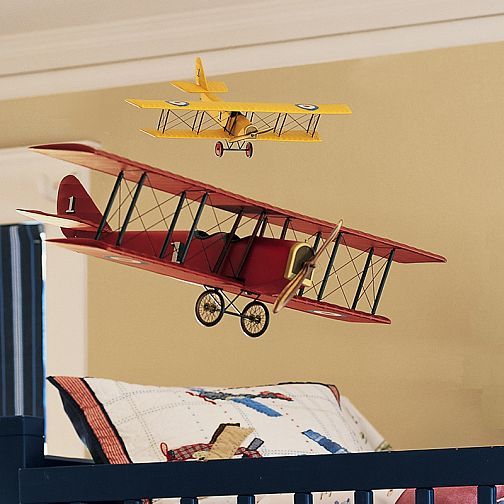
My favorite models were what I called “double wingers” and I still wax nostalgic when I see, on rare occasions, a biplane buzzing overhead. 

Open cockpit, spinning propeller, one wing above and another below—those were REAL airplanes! Or, as they were called in the early days, “aeroplanes.” 

So much for youthful reminiscences! Now, back down to the ground with our musical musing of the week!
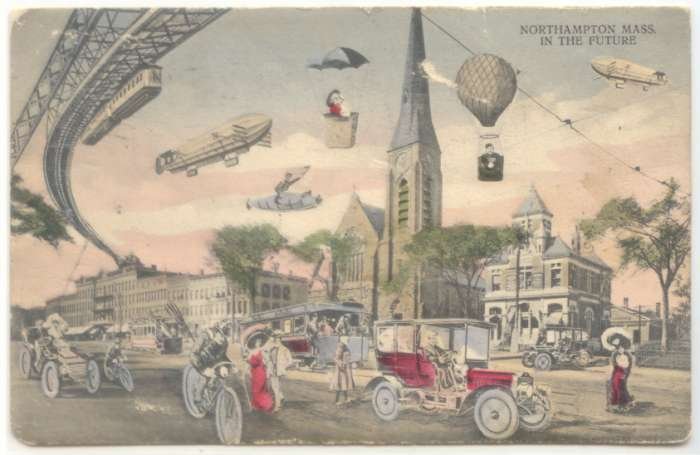
Airplanes, aeroplanes, airships, aviation, and aviators—aviatrixes too—have featured in imagination even here in our Happy Valley of Western Massachusetts.

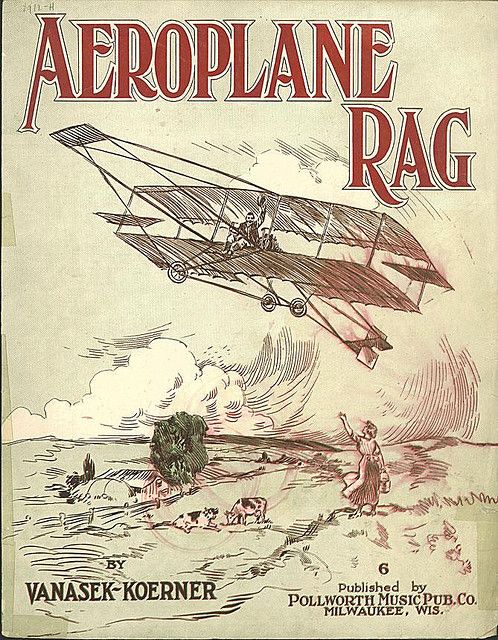
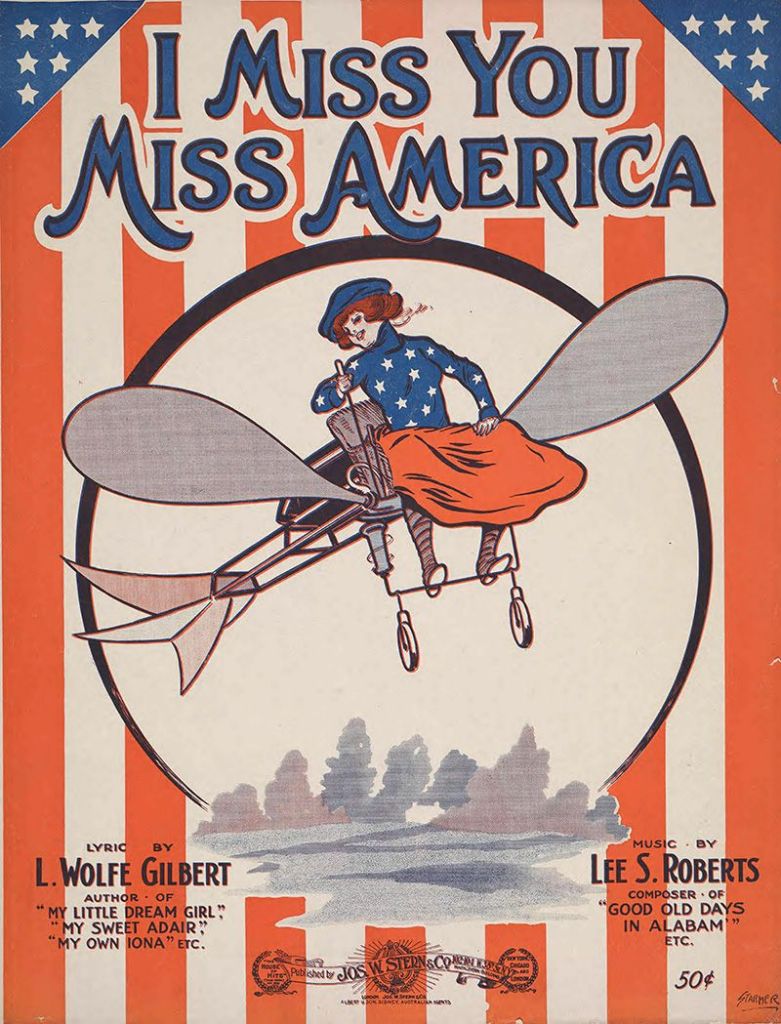
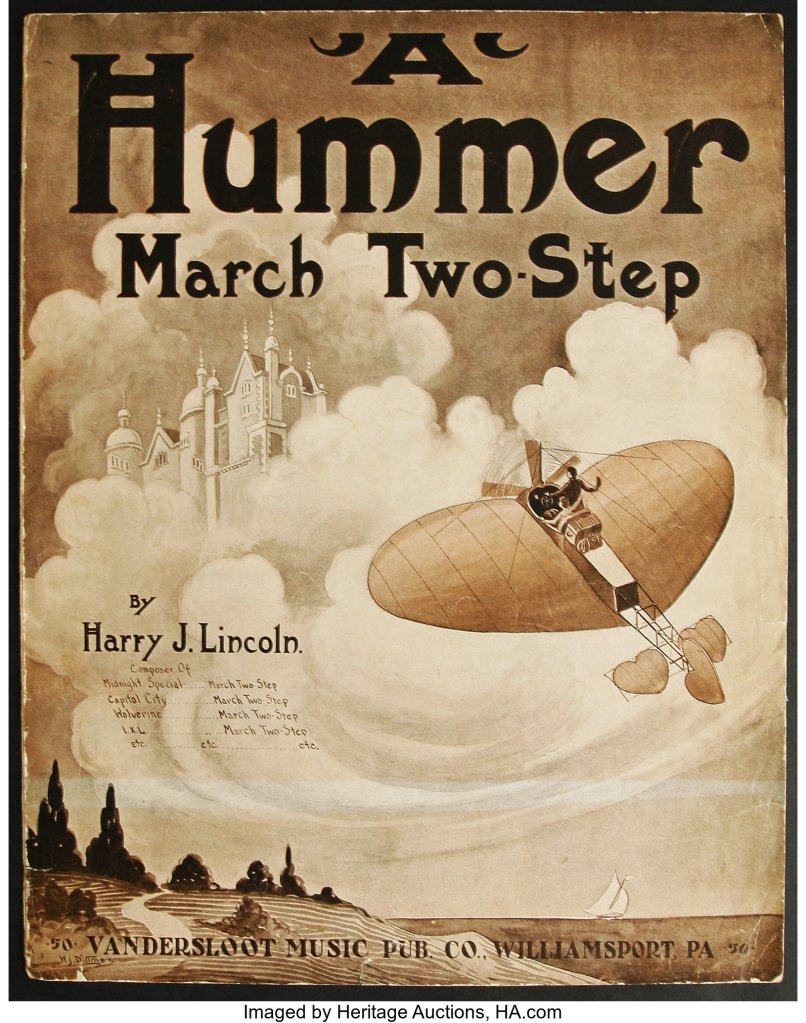
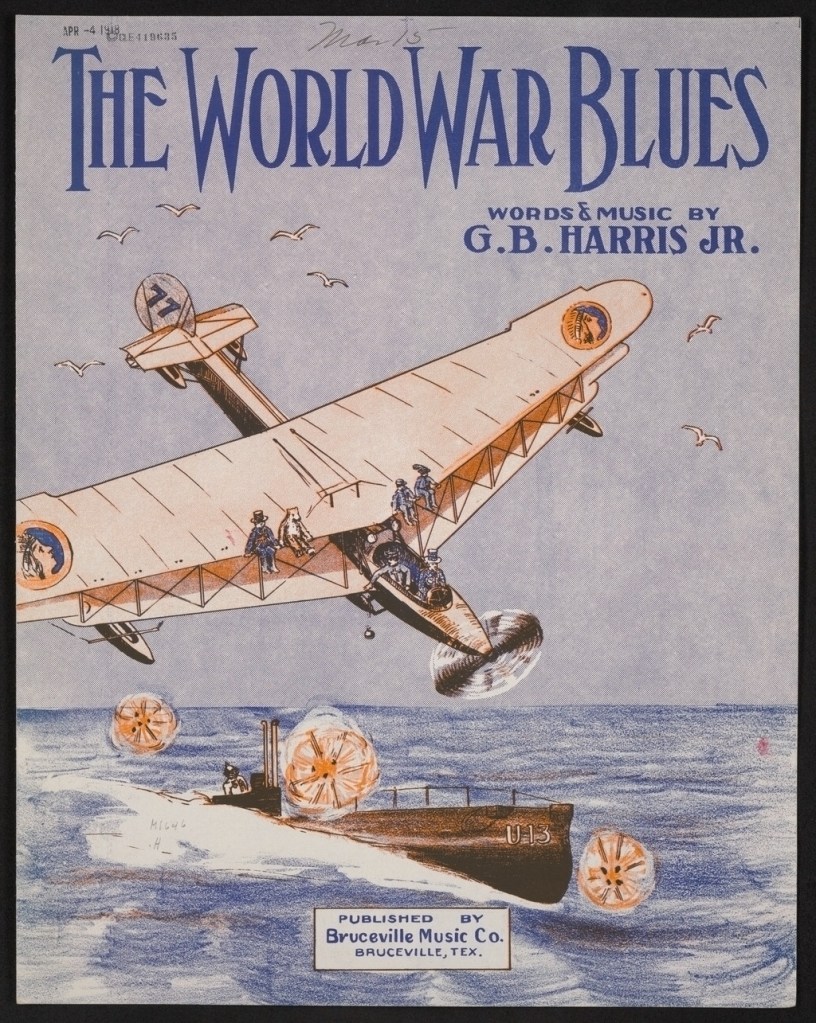
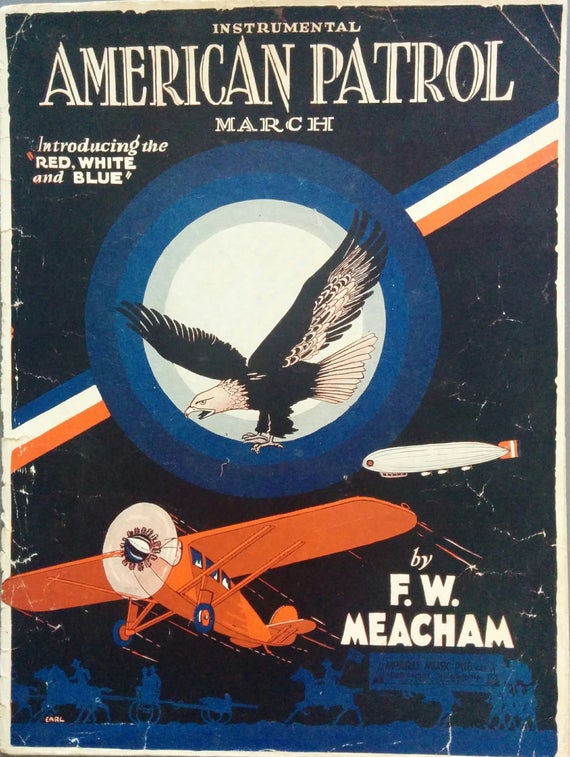
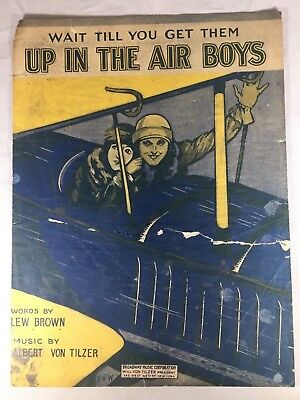
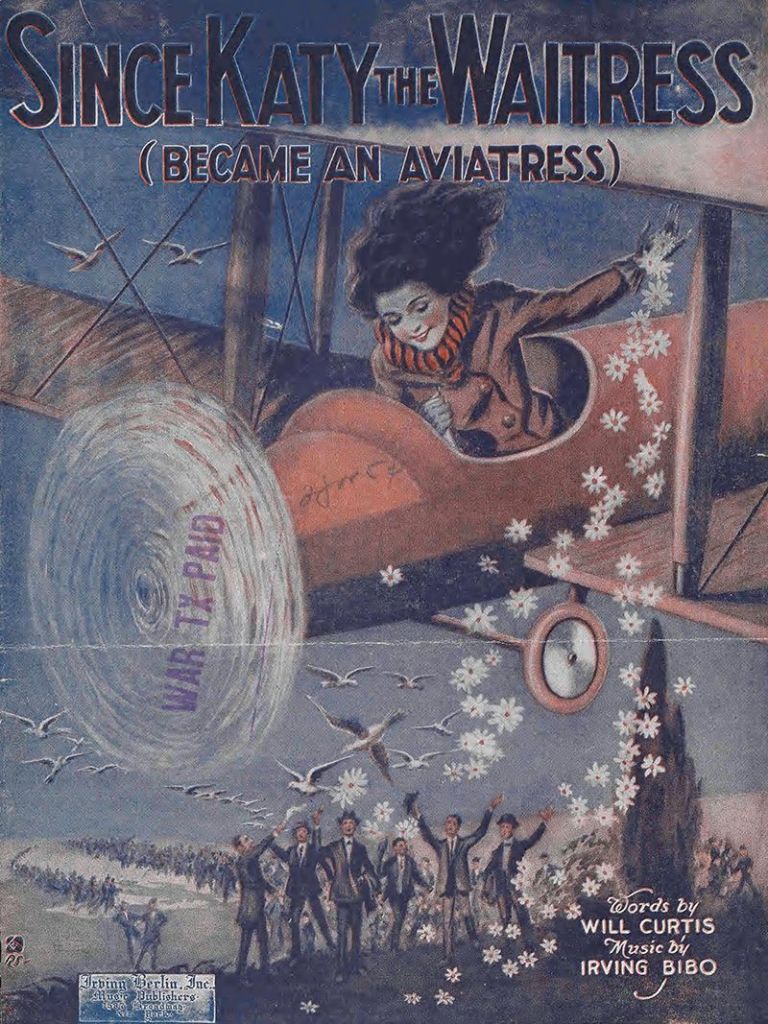
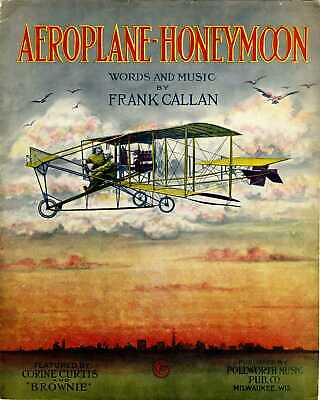
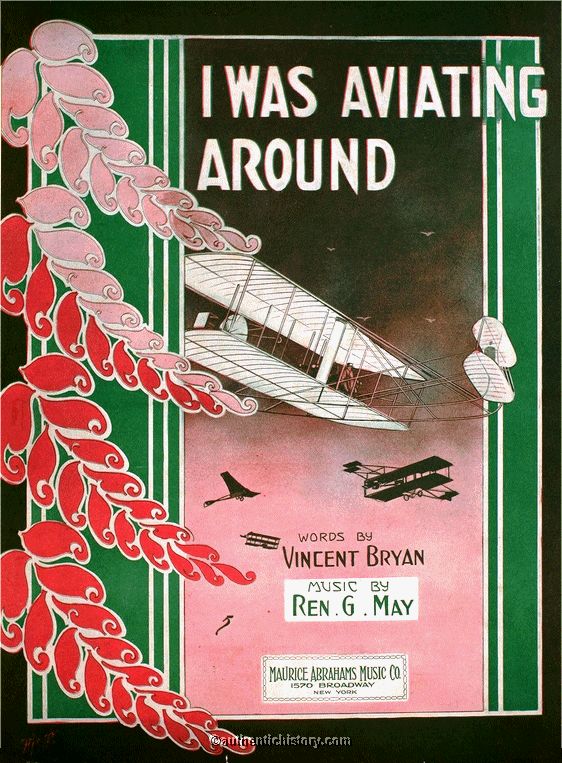
They have also appeared as well in popular music since the early 1900s and fanciful depictions of aircraft have appeared on sheet music covers since then. 
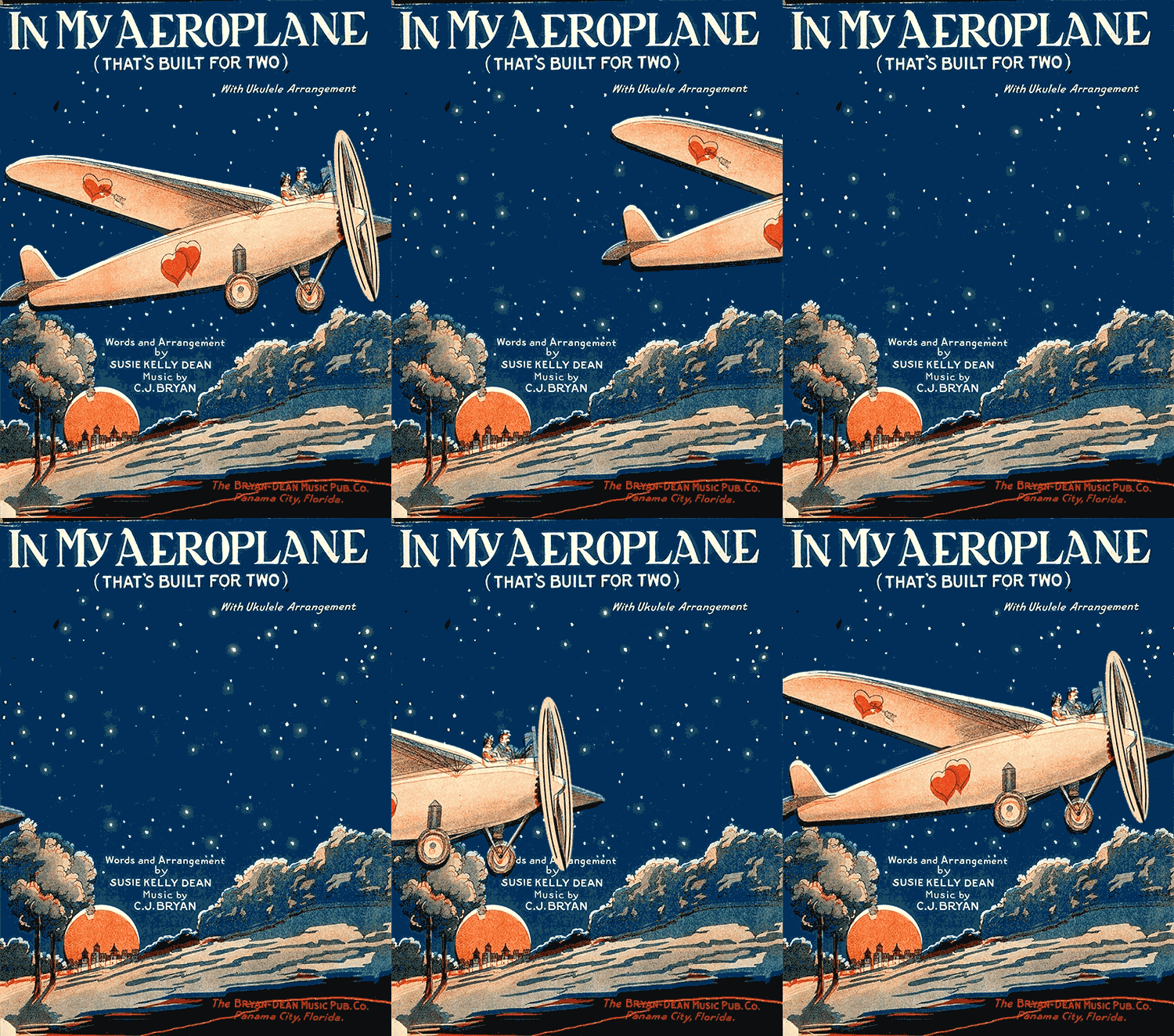
Needless to say, the romance of flight captured the attention (if not the technical understanding) of Tin Pan Alley. The result was a great number of “aeroplane tunes,” using the spelling of the day. And, to a certain extent, some of the early aeroplanes on the sheet music covers were rendered fairly accurately.

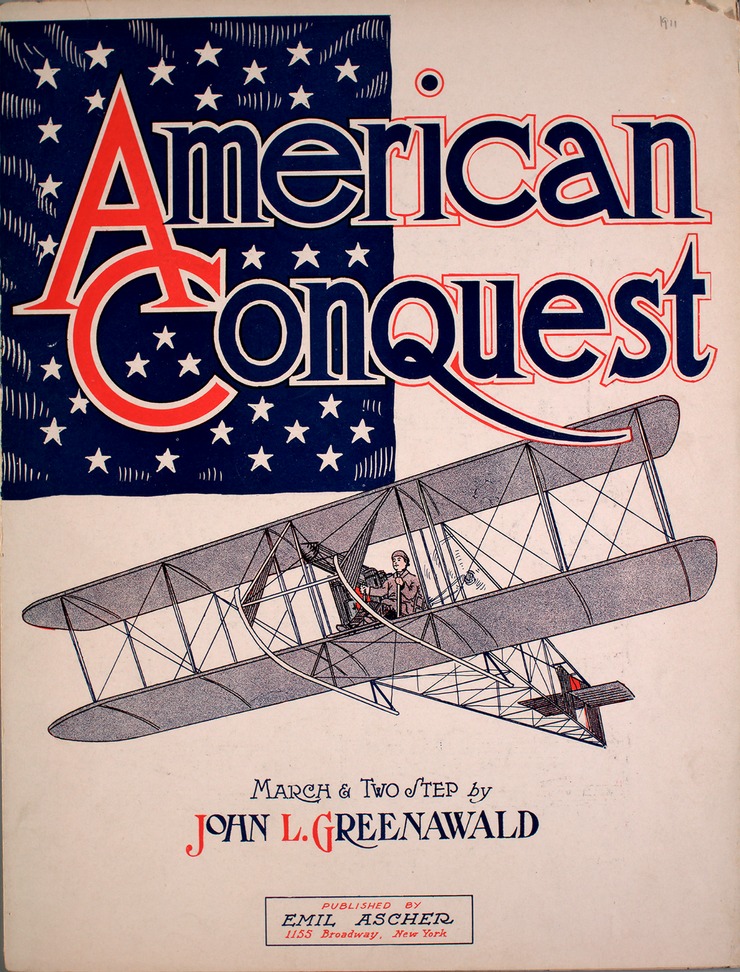
Let’s get into the “aeroplane mood” by listening to a ragtime piano version of this tune from the early 1900s. Tap or click on the triangle in the next image or link to hear this one.

Here’s another oldie, this time with some lyrics.
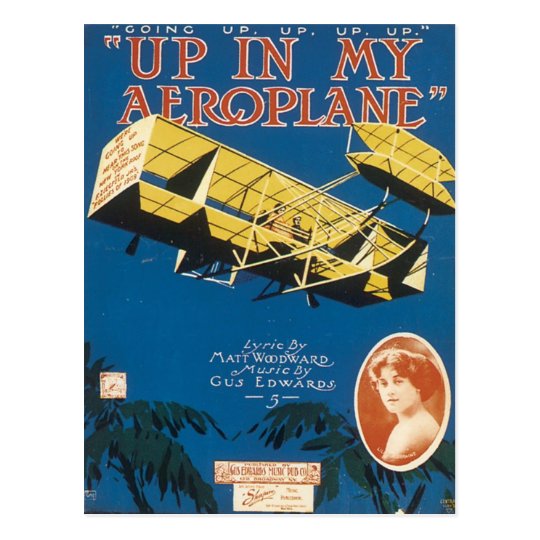
Click or tap on the triangle in the next image for a listen to this scratchy tune from well over a hundred years ago.

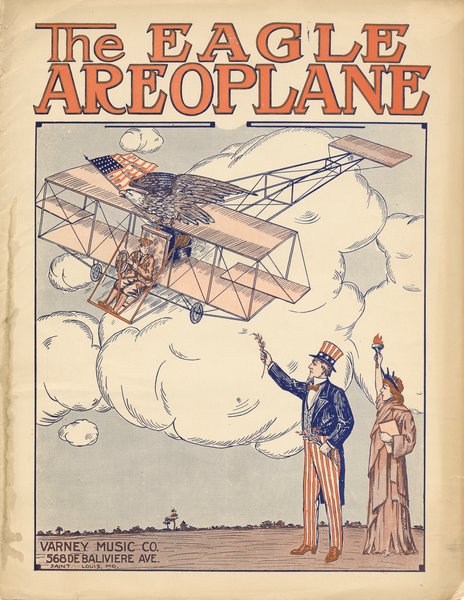
Other aeroplane cover drawings were decidedly inaccurate! Imagination took flight, so to speak.

Some of these did have lyrics, of a sort.
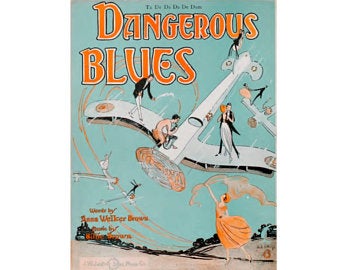
Here’s a jazz band version of this blues tune with folks cavorting high in the air on a rather wobbly surface. Click or tap on the next image/link to dance along with this one–sans contorted wings, of course!

And, some aeroplane covers were imaginatively weird!
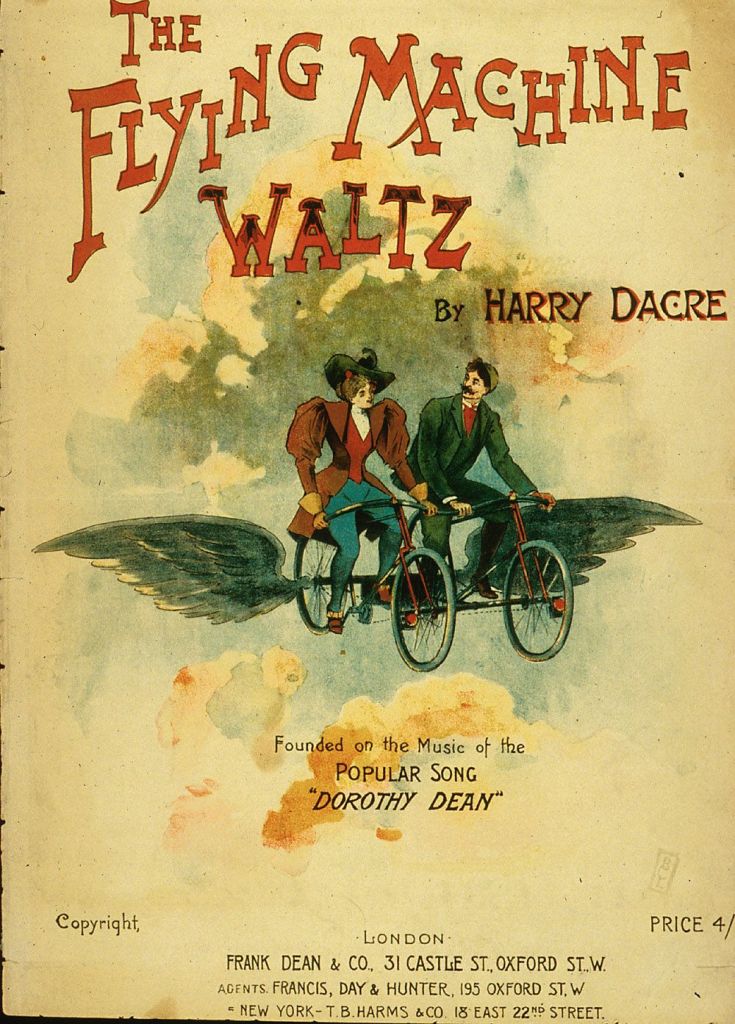
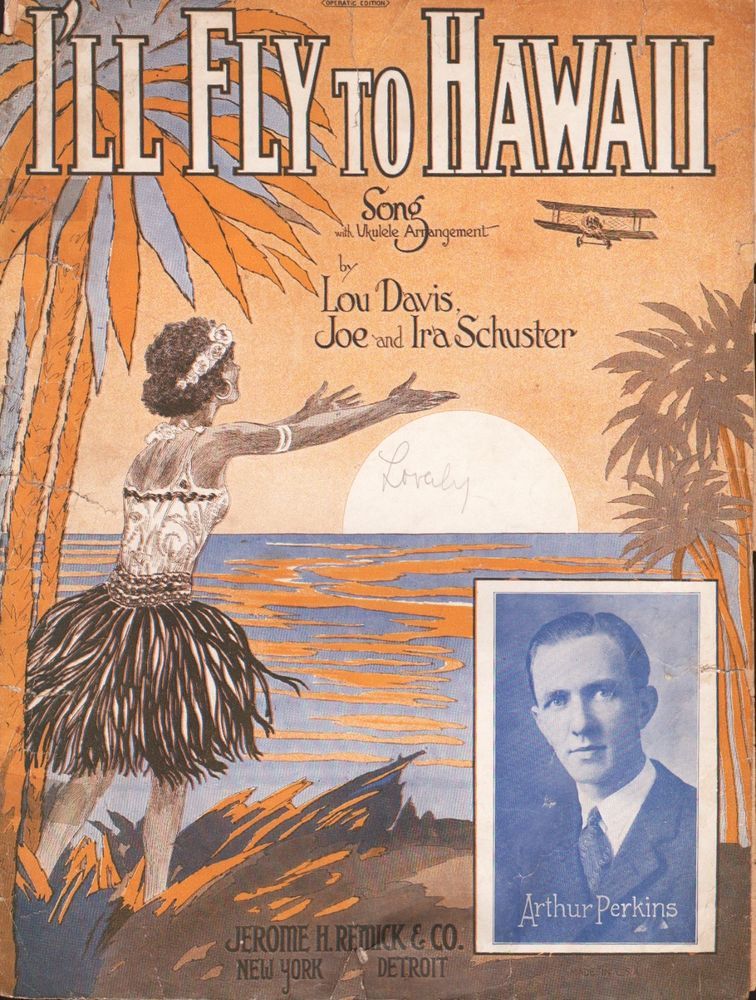
The adventure of flying and traveling by air–“fixed wing” or “lighter-than-air”–was a popular musical theme.
Here’s another hapa haoli take on air travel to that exotic destination–Hawaii! Click or tap on the next image or link to join the adventure!

How about the musical movies?

Click or tap on the triangle in the next image for a scholarly discussion of an aeroplane as a stage!

There was also a plethora of patriotic aviation-themed songs, particularly during the World War I era.
How about a ukulele version of this patriotic tune? Tap or click on the next image or link to hear and see some really nice fingerpicking of this oldie!

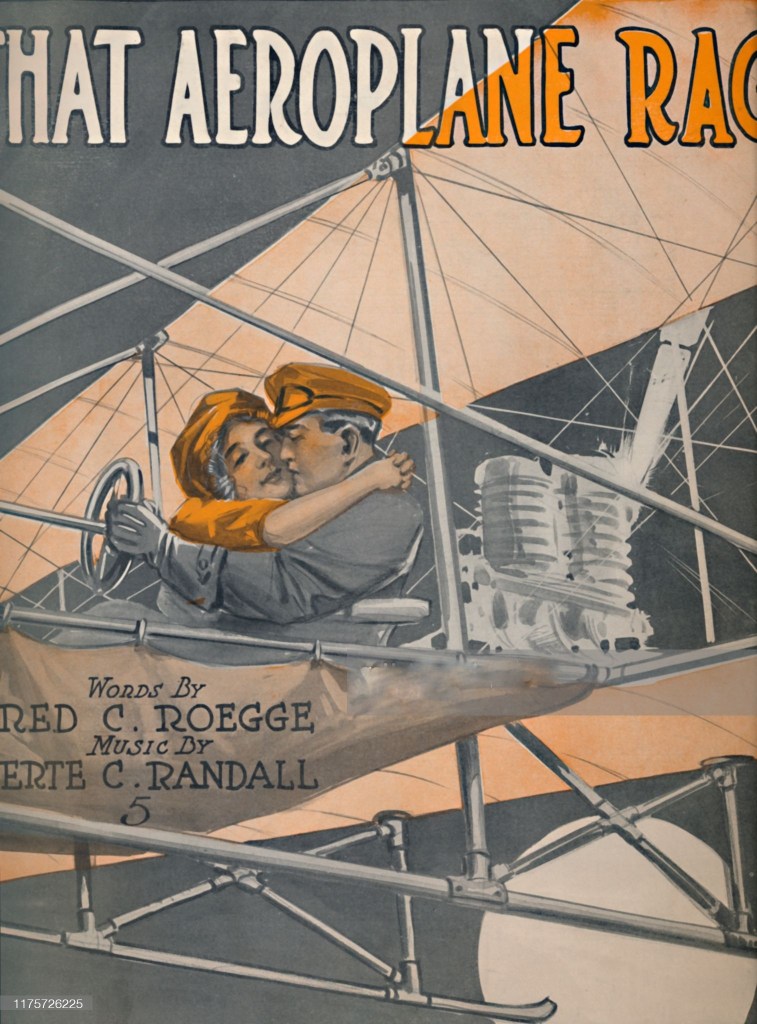
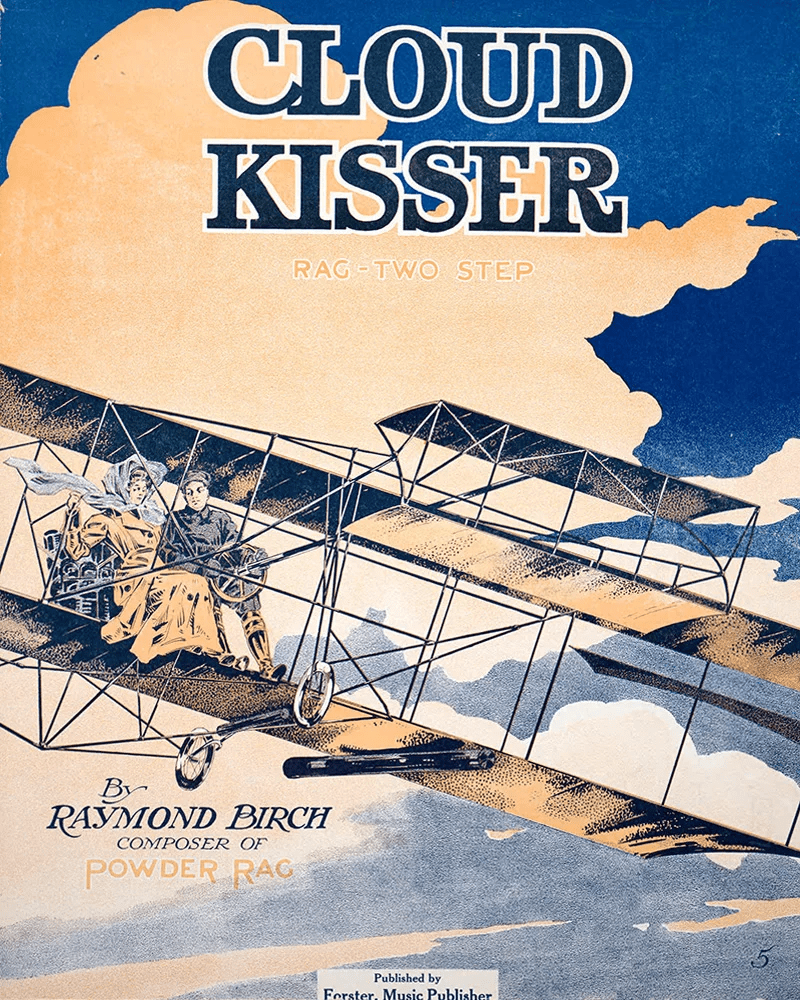
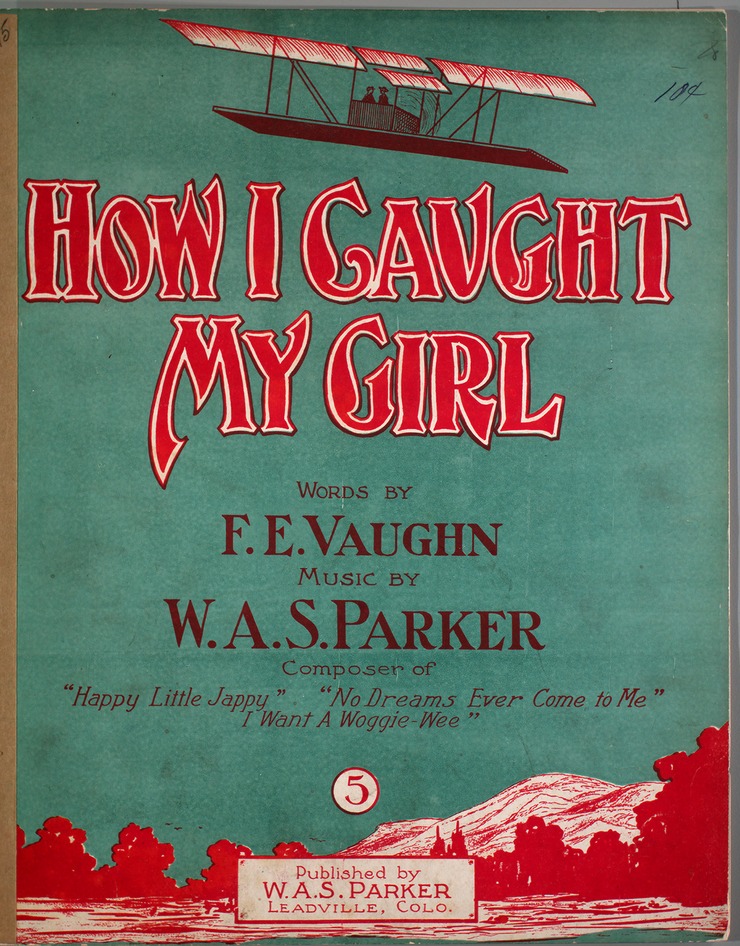
And, of course, there was romance high up in the sky! What, no autopilot?
I just couldn’t pass up one more ragtime piano take, and on an aeroplane tune too! Click or tap on the triangle in the next image or link to follow the music on this oldie.
Click or tap on the triangle in the next image/link for a listen to this one. This time with lyrics.
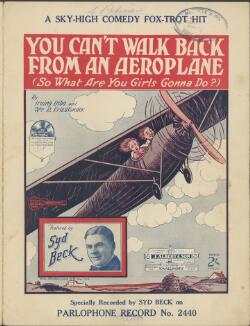
Now here’s a novelty song from the 1920s that warns a young lady that she might have difficulty thwarting the advances of an ardent suitor while in an aeroplane. Click or tap on the triangle in the next image or link to listen to the warning!

And, of course, this is probably the one aeroplane song that most of us have heard a few hundred times over the years.
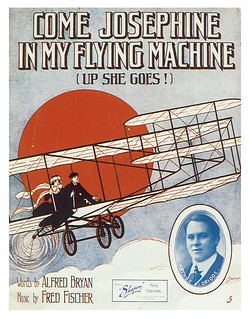
Click or tap on the triangle in the next image or link to hear the original 1910 recording of this flying chestnut! The period graphics are a real treat.

Above all, aeroplane and aviation songs—like the automobile songs that soon outnumbered them—are part of our musical history.  Enjoy looking back.  But, don’t look down!   
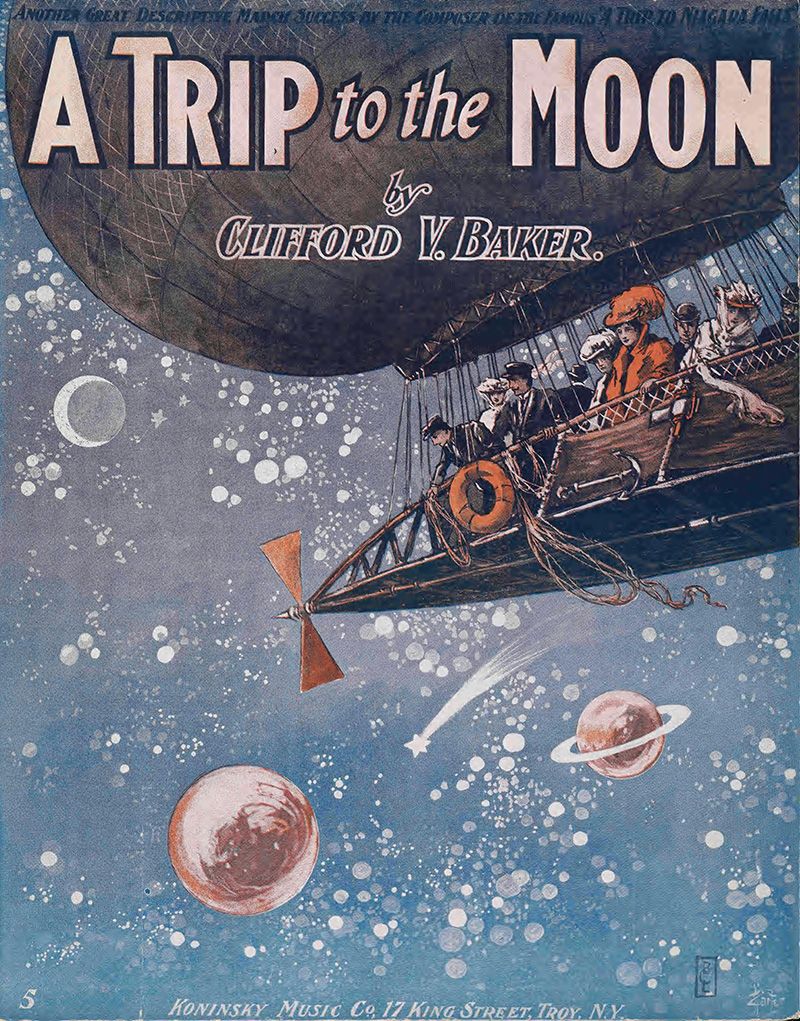
So, do you remember the good old pre-TSA days when flying was both easy and glamorous? Those were the good old days when we could easily hop into a waiting aeroplane (more likely a plain old airplane) and do our traveling and visiting in comfort and style!
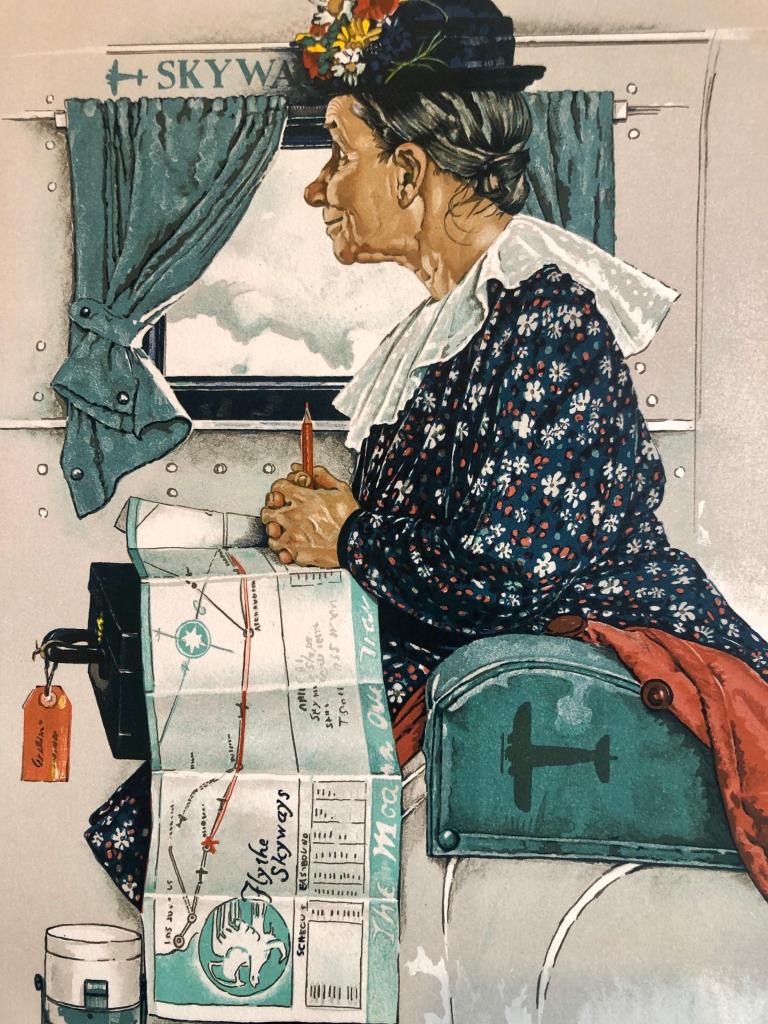
Remember when flying was like this?

Ah, well. Plan an aeroplane trip anyway . . . and STAY TUNED!

By the way, how many of you remember this one? Click or tap on the triangle in the next image to reminisce. Don’t forget your goggles!

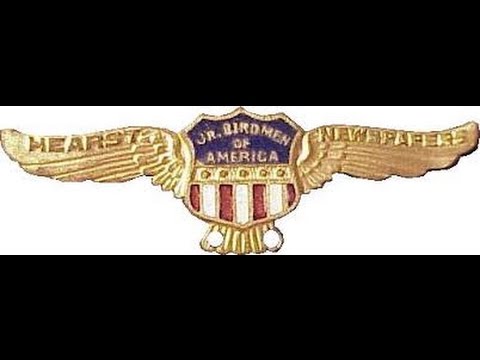
Do you still have your tin membership badge?
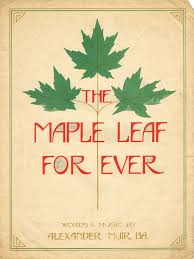
ANOTHER MUAICAL MUSING: 7 July 2023–Longingly Looking Up To Canada

Over the past couple of months we have been breathing a lot of smoky air from our burning neighbor to the north. Alas, we’re back to those pesky facemasks!

Ah, the sad loss of so many maple leaves and pine needles! Still I am reminded that over the past four or five years a lot of frustrated folks have contemplated “escaping” from the good old USA to what they believe to be safer, saner, or at least more comfortable havens in other lands.  One of the top choices has, of course, always been our neighbor to the north, Canada.  Maybe with the forest fires that notion will be snuffed out a bit but, why not direct a musical muse in that direction?  Besides, who doesn’t like Mounties!

Or poutine!

Canada has long been an attractive refuge from the varieties and vagaries of US politics and policies. For example, there were the Loyalists of the American Revolution and the war and draft objectors of the Vietnam era.  And the Prohibition era in the USA was another factor driving thirsty folks to head up north.

Click or tap on the triangle in the next image to join the exodus!

Moving on . . . Canada has long been known for its variety of music from the country/cowboy songs of the Rocky Mountain West to the Celtic and Acadian music of the maritime east. 

It has also been strongly influenced both by its neighbor to the south—us!—and its motherlands to the east—the British Isles and France and the rest of Europe. 

Needless to say, the music of Canada is way, way too vast—like the country itself—to be explored by my simple form of musing. But, soldier on I must! 

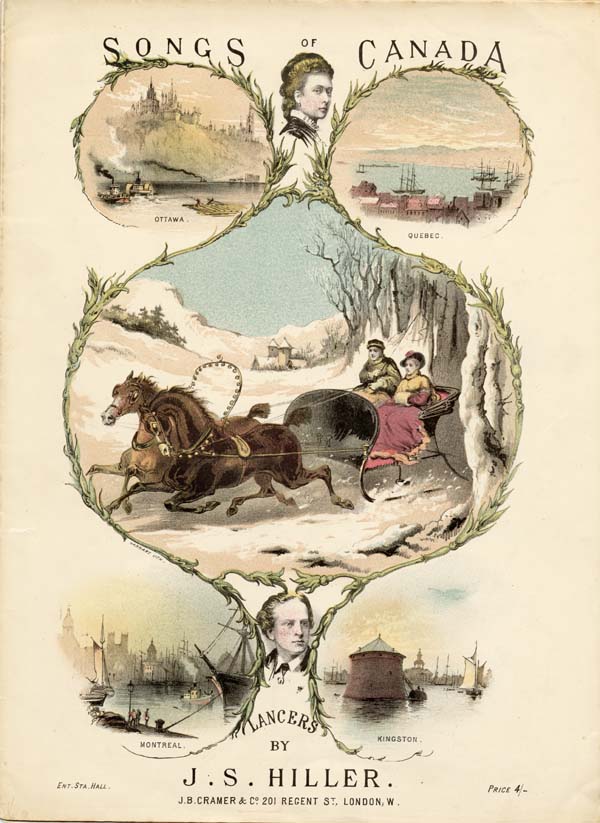
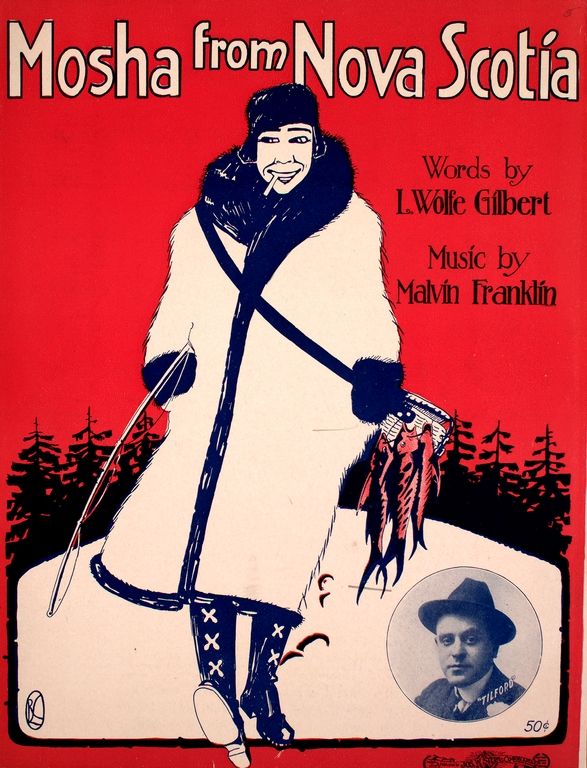
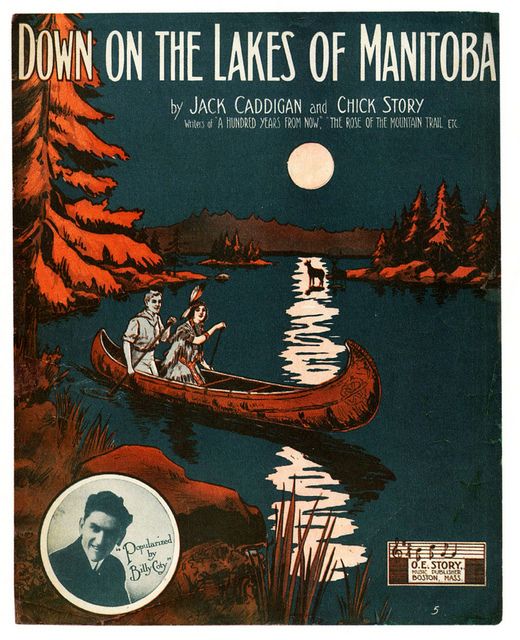
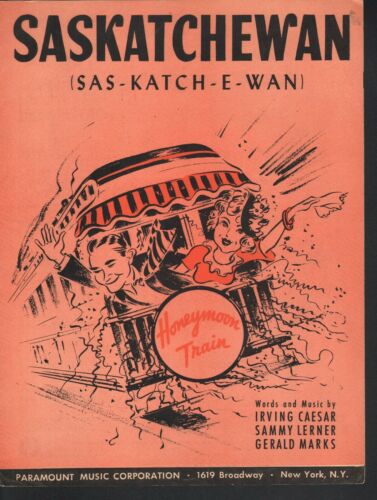
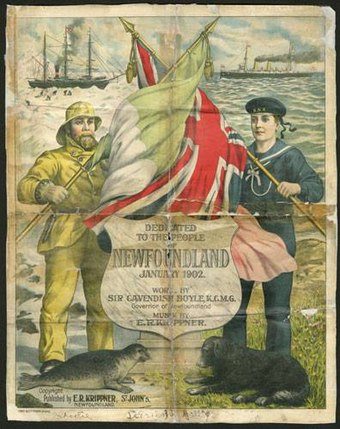
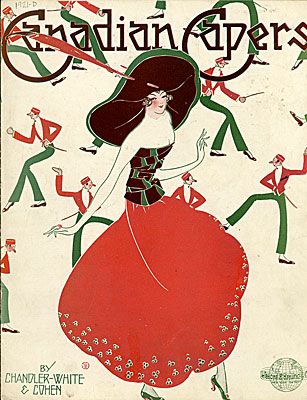
Just a quick tour of some musical place names . . .

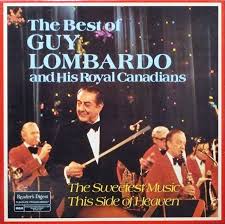
One can see that the music of Canada is not just Guy Lombardo and his Royal Canadians,

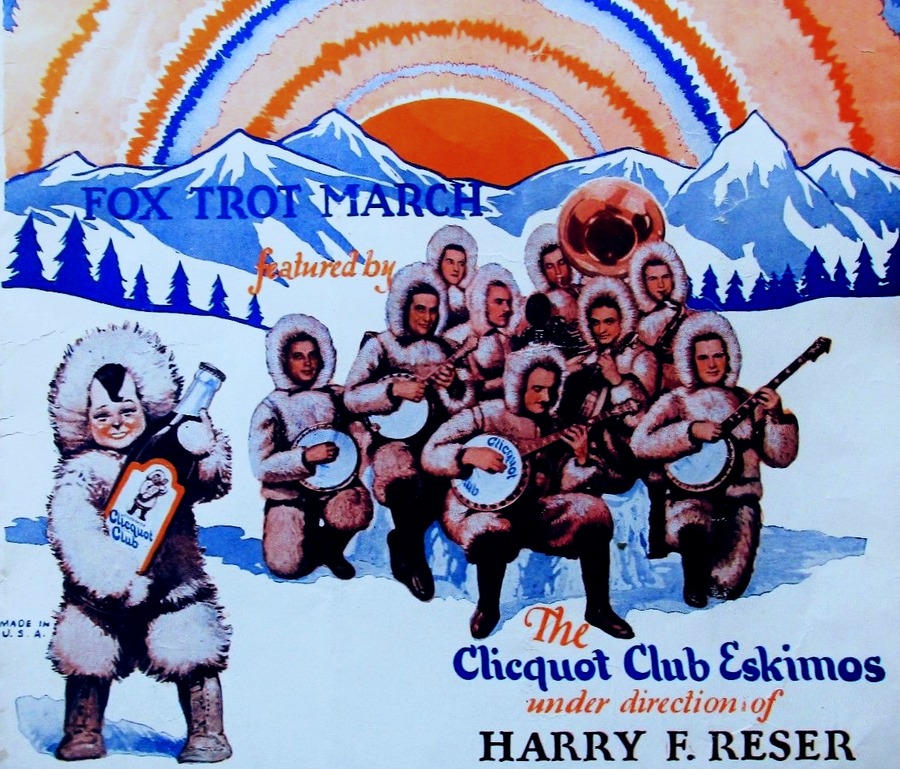
nor Harry Reser and his Cliquot Club Eskimos.

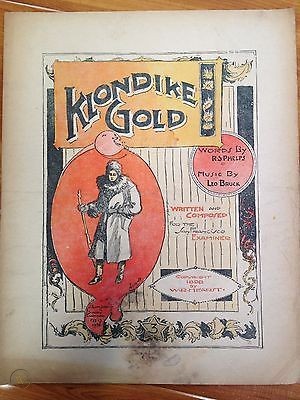
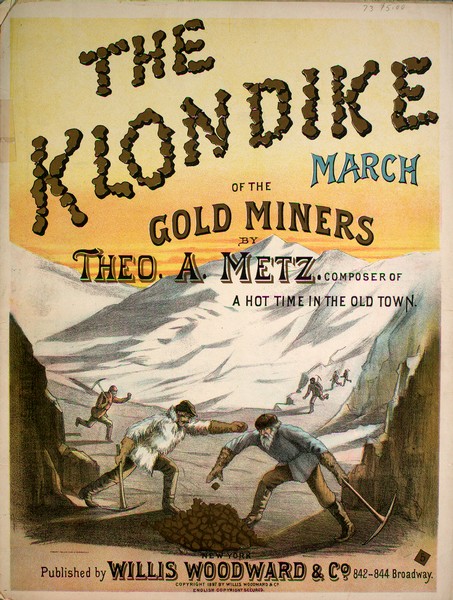
But I will limit myself, gentle readers, and touch on just one theme that has long been a fascination to me—the ragtime era rush to the frozen gold fields of the Klondike and the Yukon. Brrrrrrrr! A good musical journey for this steamy July here in New England.

But first, a lively ragtime tune to get us warmed up during this peek at freezing weather.

Here’s a showy version of this song by that great pianist from just a bit south of the Canadian border (Wisconsin, no less). Click or tap on the triangle in the next image or link for a look and listen.

Just as in the USA, Canadians in the late 19th and early 20th centuries had a fascination with the “piano in the parlor” and the popular tunes of those early years clearly were “ragtime.” We could also call it “gold rush” music!

The late, late 19th century brought thousands of seekers (if not finders) of gold to the wilds of Northwest Canada and Alaska.  And, needless to say, songwriters on both sides of the border recognized these “sourdoughs” and their travails.

Tap or click on the triangle in the next image or link to hear this ragtime nugget!

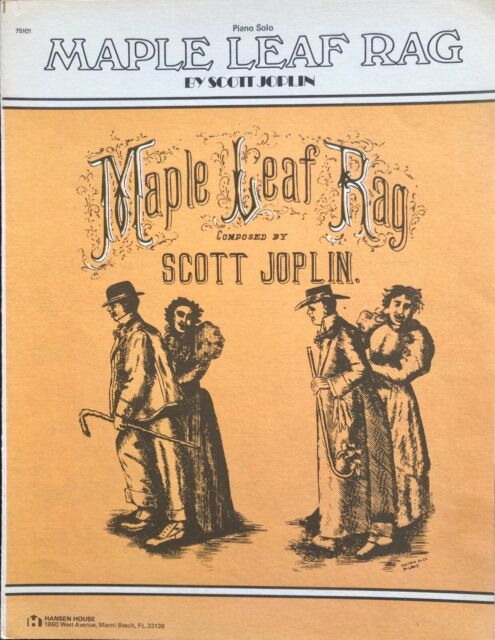
Care to try “The Maple Leaf Rag,” on the banjo anyone? Scott Joplin was, of course, not Canadian but this ragtime tune certainly has some Canadian cred! Tap or click on the triangle in the next image or link to hear this on a vintage four-string plectrum banjo. A ragtime treat as good as poutine!

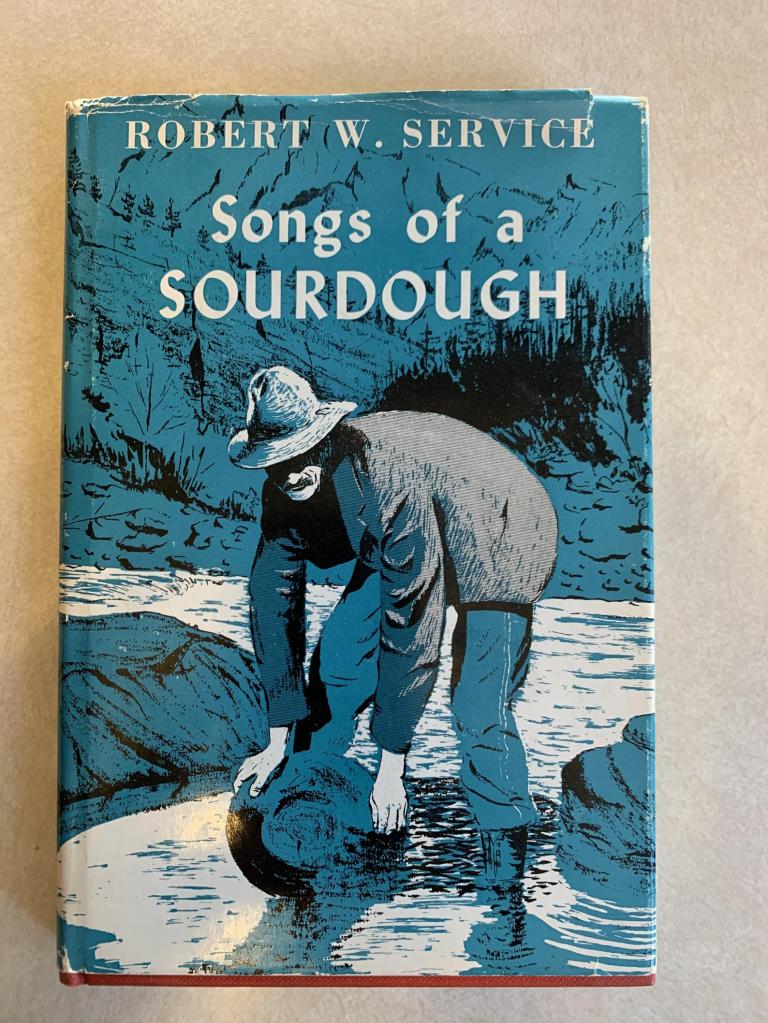
But, the greatest “song” writer of the gold rush days didn’t actually compose songs as we think of them but poetry; or, as he insisted it be called, “verse.” 

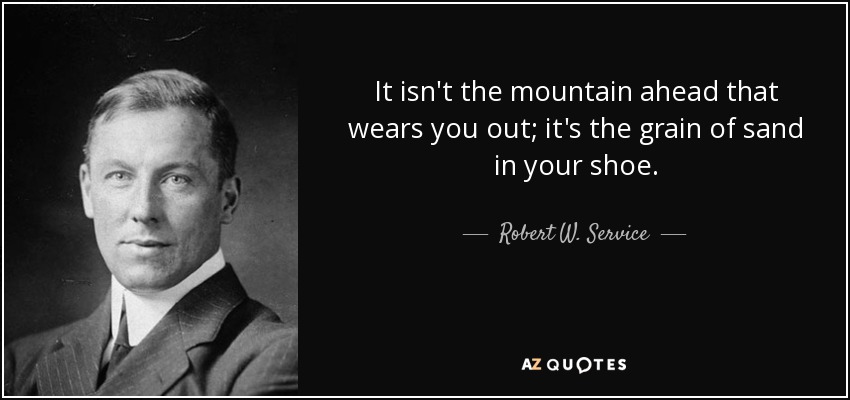
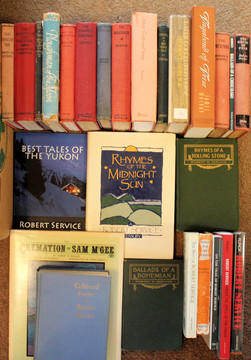
Born in England of Scottish descent, Robert W. Service (1874-1958) was a bank clerk by trade, but spent long periods travelling in Western America and Canada, often in some poverty. When his bank sent him to the Yukon, he was inspired by tales of the Gold Rush and began to dabble in writing verse based on what he saw and learned.

Despite having no actual experience of gold mining, he showed remarkable authenticity in his use of vivid “miner’s” language and he enjoyed immediate and huge popularity. Regarded by many as “the Kipling of Canada,” he wrote dozens of the most popular, most published, and most recited “story songs” of his day. 

Click or tap on the triangle in the next image or link for what is probably his best-known “song,” and one that touches on the theme of ragtime music.  Sorry no musical accompaniment with this one, but it’s worth the time to both read and hear his verse.  

Now for another look, this time with some really nice guitar and old-time banjo, here is a more modern take on the times and tragedies of the Gold Rush days.  Tap or click on the triangle in the next image or link to give a listen and look to this one.

So, what we have when we think of Canada is folk music, music hall music, vaudeville music, popular music, and—yes—parade music! Tap or click on the triangle in the next image to see the sharp contrast of discipline and demeanor between American and Canadian soldiers in this scene from that chestnut of a World War II movie made in 1968 “The Devil’s Brigade. 

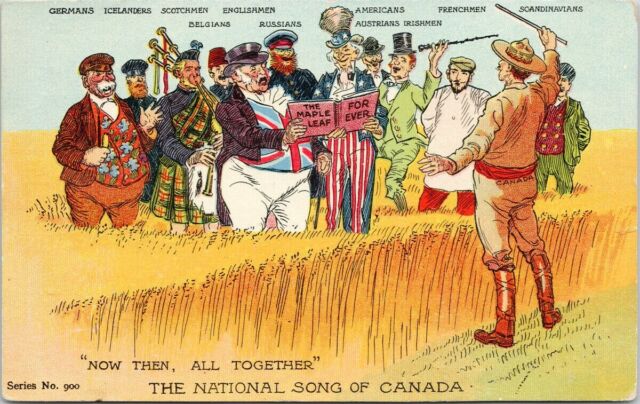
And, of course, we have to wind up this rambling musing with a version of–what else?–“Oh Canada.” Click or tap on the next image or link for a look and listen to Canada’s National Anthem.

So, stay safe, stay as cool or warm as need be,

stay sequestered, stay masked with all that maple leaf smoke still in the air . . .

And let’s stay in our own countries–as long as we can and want!

Or not! It’s OK to entertain the though as long as you STAY TUNED!

ANOTHER MUSICAL MUSING, 30 June 2023: “Popeye to Pulchritude–The Musical Art of the Tattoo”

Those of us who have come from well back in the relatively sedate 20th century sometimes find ourselves a bit bewildered if not befuddled in our journey deep into the 21st.  In my rambling exploration of musical lore and history I have often bumped into things that, to my eyes, may once have been seen as either salty or unsavory yet today are deemed as saucy or sophisticated.  We know, of course, that the rise and fall of the popularity of the ukulele parallels this path. But, there is another cultural and artistic phenomenon appropriate (to me, at least) for this week’s musing—not Popeye but “TATTOOS.” 

Tattoo” as the word for symbolic or decorative marking on the skin came into the English language in the 18th century from the Polynesian cultures of the Pacific Islands. Captain Cook’s journals are the first to record the word. This “art on a human canvas” has been explored by scientists, anthropologists, and even a few art historians from that time to today. Needless to say, it’s an acquired–or, shall we say, applied–taste.

I have not yet succumbed to this form of physical adornment myself.  But, needless to say, I have many friends and family—albeit decidedly much younger (most friends and all family) and more au courant (many friends and most family) than myself—who are well decorated.  Some discretely, others not so much.  And, as a caveat, no friends or family sources were harmed or used for illustrations in this posting. Or so I am led to believe . . .

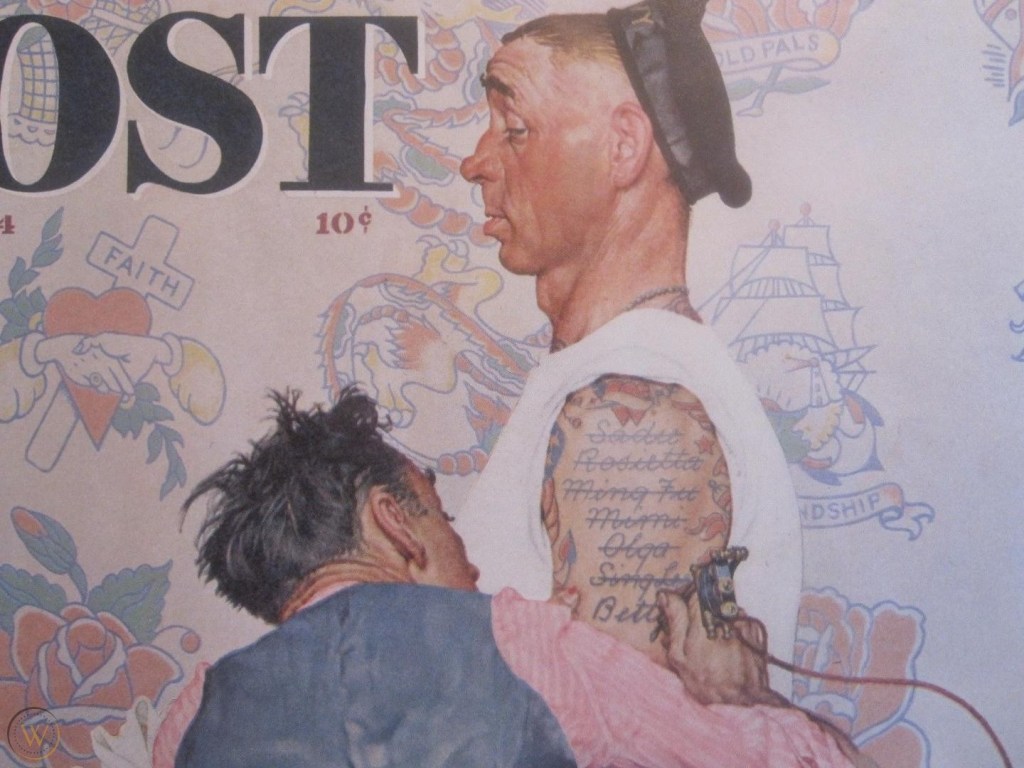
Tattoos have long been acquired as so-called “skin art” by sailors and seamen wandering ashore in exotic foreign ports or bored aboard a ship far asea.

Designs have ranged from the romantic to the ribald, from the homey to the homely, and—to many—from the tasteful to the tasteless, albeit sometimes necessary because of, um . . ., changing circumstances. 

Moving on, the ukulele theme for tattoos has, as would be expected, gained in popularity over the years in all its forms and fashions. However, gentle readers, I shall muse herein only on the more tasteful (?).  Enjoy a peek!

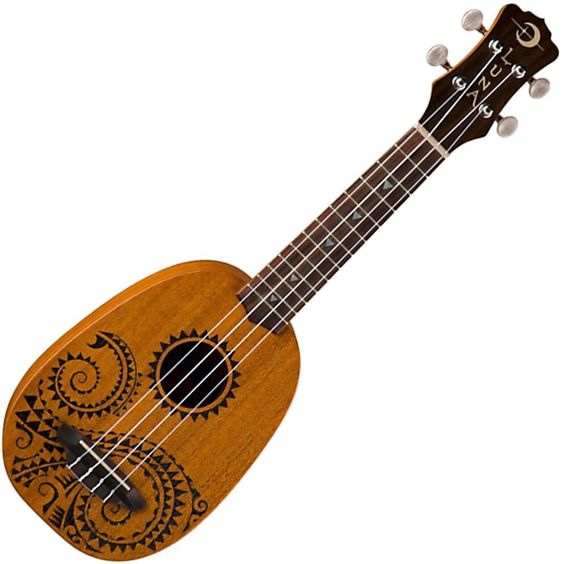
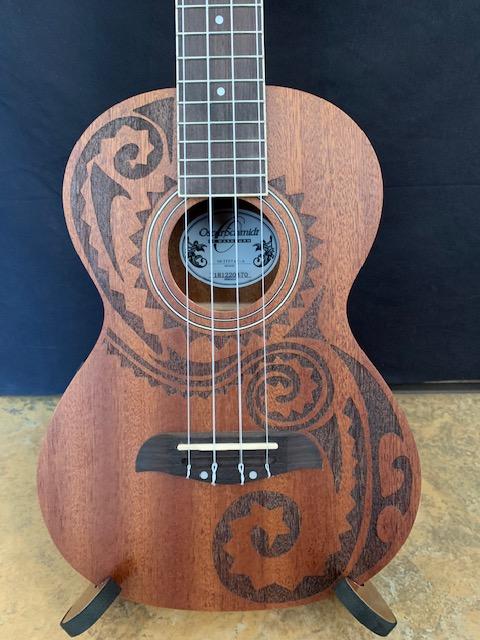
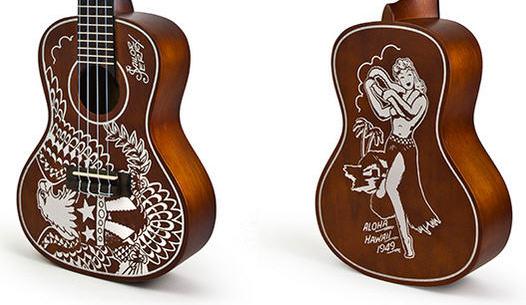
Moving on . . . Since the subjects of my musings revolve around banjos, ukuleles, and related musical themes, I find it fascinating to see tattoos used as decorative motifs on some of our favorite little instruments. 

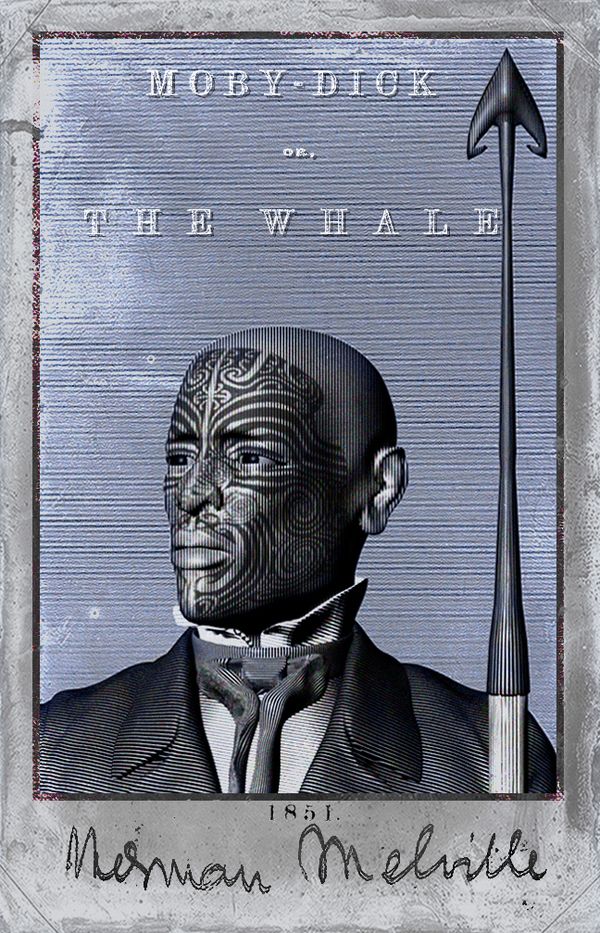
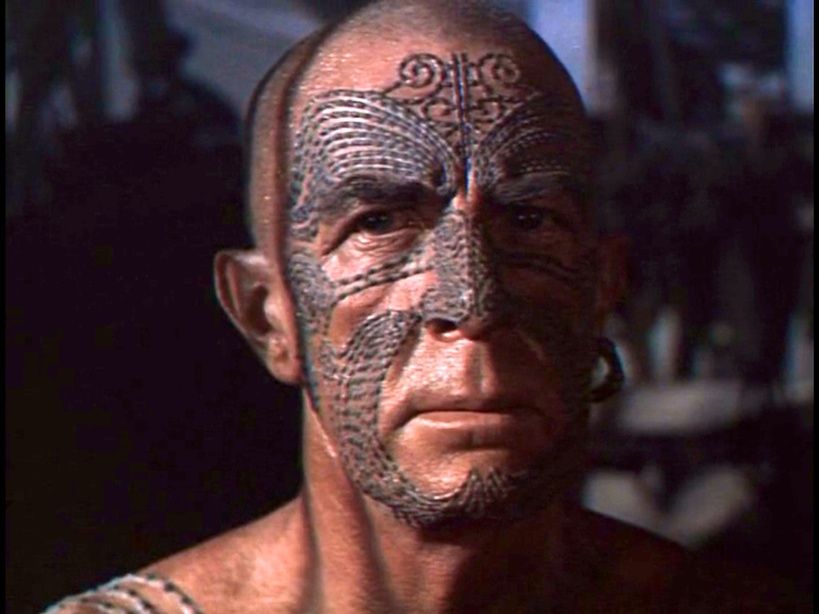
There are some handsome examples out there based on those historical forms of tattoo design that come, mainly, from the aboriginal South Pacific and the Antipodes–or from the movie version of “Moby Dick.”

And then there are a few others based on more, shall we say, traditional nautical themes, particularly for those with a penchant for the popular “Sailor Jerry” rum.

The phenomenon of tattoo art was not limited to the chests, arms, and whatever of sailors and other burly, macho types. 

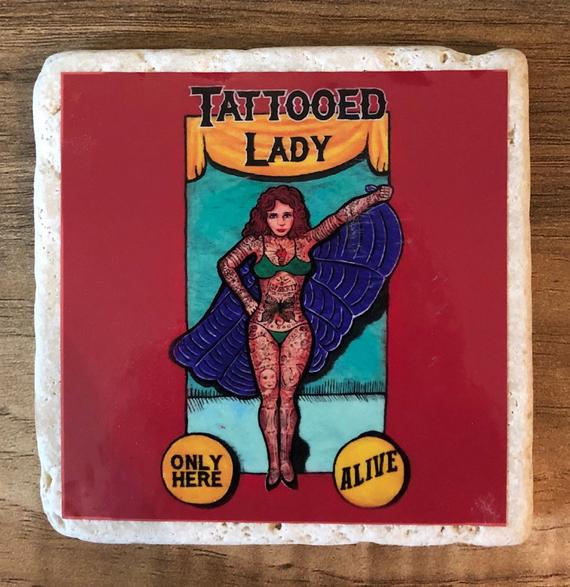
It was also a cosmetic phenomenon embraced by ladies—certain ladies. 

And this brings us this week to our songs.

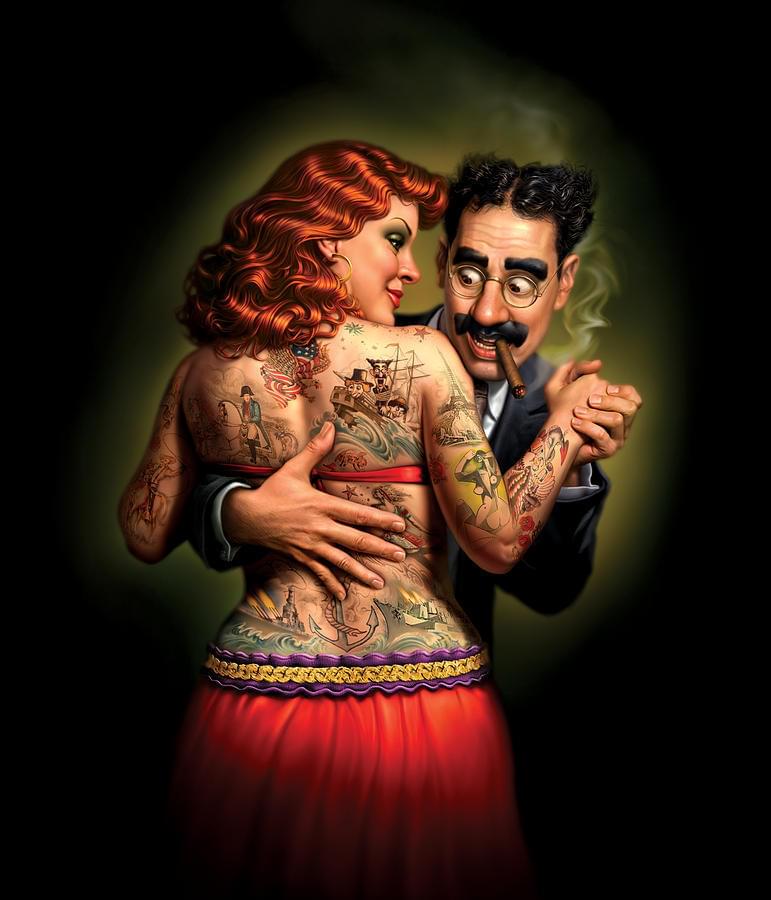
By far, the most known and performed song of this genre is “Lydia, The Tattooed Lady,” a 1939 song written by Yip Harburg and Harold Arlen–the same team that wrote all of the music for “The Wizard of Oz” and a few thousand (it seems) other Tin Pan Alley tunes.  It first appeared in the Marx Brothers’ movie “At the Circus” and became one of Groucho Marx’s signature songs.

The complex lyrics—with clever rhymes such as “Lydia/encyclopedia” and “Amazon/pajamas on”—were inspired by the songs of Gilbert and Sullivan and made many references to contemporary events such as the 1939 New York World’s Fair.  Click or tap on the next image for a view of the movie version of Groucho’s song and antics.

With such richly decorated inspiration to be found on nearly every vaudeville stage or carnival side-show, . . .

. . . there were quite a few other “Tattooed Lady” songs out there.  It’s too good a musical subject not to explore (ogle ?) more intently. Tap or click on the next image for an early “folkie” take on our scholarly subject of the week.

And, here’s a peek-a-boo of a “hillbilly” take on this theme–with a geographical touch in a parody of another well known tune. Tap or click on the triangle in the next image for a listen. Sorry. No GIS for this one!

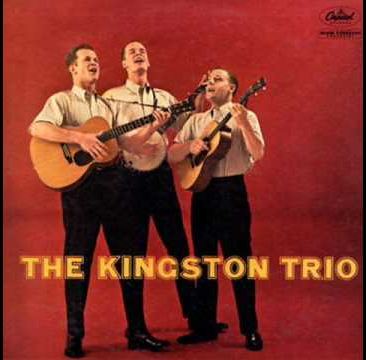
Now the version of this musical genre of which I am most familiar was the Kingston Trio’s song “The Tattooed Lady” recorded way back in my impressionable college days–the late ’50s-early ’60s. 

They sang this one in a broadly faked “Cockney” accent thus leading many to believe it to be a British music hall song.  Actually, the lyrics (in many variations both benign and obscene) originated as an Appalachian fiddle and dance tune that the trio “harvested” and reworked.  The melody is the well-known and bawdy “Ta-Ra-Ra-Boom-De-Ay” which has been around dance halls seemingly forever. 

As an aside for you stringed instrument techies, the late Nick Reynolds–an original member of the trio–played a four string tenor guitar tuned DGBE just like a baritone uke. In this pic he has a capo at the fifth fret bringing it up to GCEA–standard ukulele tuning! Today, his Martin tenor guitar is in the musical instrument collection of the Smithsonian. Remember: “More than four strings is just showing off!”

Give a tap or click on the triangle in the next image to hear this tune sung by this Hawaiian bred, California nurtured group who, in their own way, helped kickstart the mid-century popular (if not musicologically pure) Folk Song phenomenon in America.

Now, really moving on . . . There are those–not we sophisticated strummers, of course!–who think that ukuleles as well as bodily tattoos are, at best, an acquired taste. Here, then, is a more appreciated (again, by some) musical form of a“tattoo” heard if not worn around the world—the so-called “military tattoo.”   

This musical signal of sorts was sounded by drum or bugle to recall soldiers to their quarters in the evening.    The term comes from the early 17th-century Dutch phrase “doe den tap toe”, roughly translated as “turn off the tap.”  

It was the signal sounded by the garrison bugler to instruct nearby innkeepers to stop serving beer and for soldiers to return to their barracks. It’s totally unrelated to the island origins of an ink tattoo but, why not a skirl instead of a strum?

So, Let’s end this musing with this–one of the more spectacular military musical rituals in the world.   Get those tattooed ladies out of your mind, set your ukulele aside, pour yourself a wee dram of single-malt, crank up the volume, and click or tap on the triangle in the next image for a treat—whisky and music!

Turn the volume back down, return to garrison, stay as socially distanced as you deem comfortable, stay safe from regrettable ink, and STAY TUNED!

Oh yes, if you do have a tattoo please be discrete. There are impressionable young viewers out there!

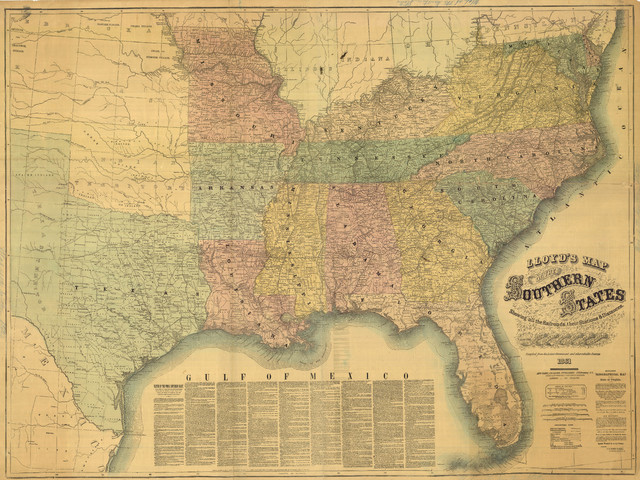
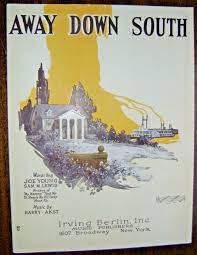
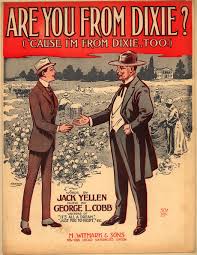
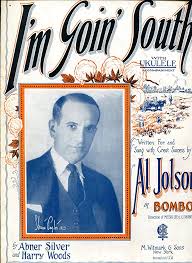
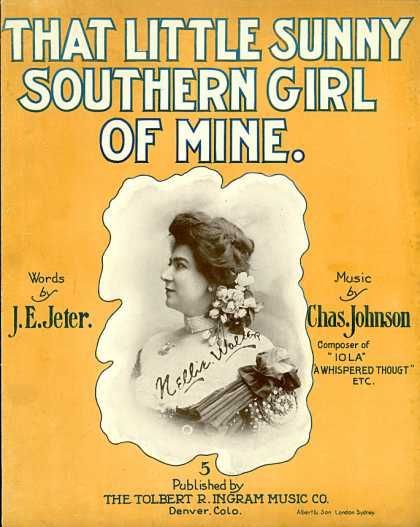
ANOTHER MUSICAL MUSING, 23 June 2023–A Southern State of Mind

Over the past several years of my musical musings, I often thought about taking a swing through the USA to see what the various states have to offer in the way of songs. I’m sure that would quite a few would pique my benignly eccentric taste in music.  So, thinking about these hot and humid Summer here in New England (Yes, we do get a few!), I started to think about some of the states of the “Old South” as a place to take on some stream.

Needless to say, there is a plethora of songs that have emerged from that part of the country. Some, of course, originated there; most, however, were conceived by our friends in Tin Pan Alley who never got farther south than the tip of Manhattan. Go figure!

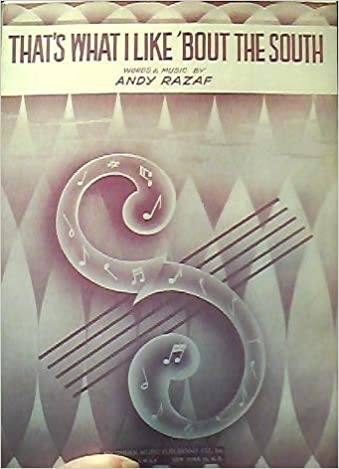
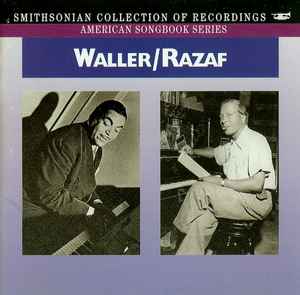
On the other hand, this song was written back in 1937 by the Black poet and composer Andriamanantena Paul Razafinkarefo, originally from the South, known simply on Tin Pan Alley as Andy Razaf. No slouch of a songwriter, he collaborated with Fats Waller and brought us standards including “Honeysuckle Rose” and “Ain’t Misbehavin‘.”

That’s What I Like About the South,” condsidered a novelty number by many, made the vaudeville and club scene of the day. It then became the signature song for the radio comedian and band leader Phil Harris who recorded this back in 1947. Remember him on the Jack Benny radio show? Born in Indiana but raised in Tennessee, he does have some cred as a southerner. Click or tap on the triangle in the next image for a laugh and listen.

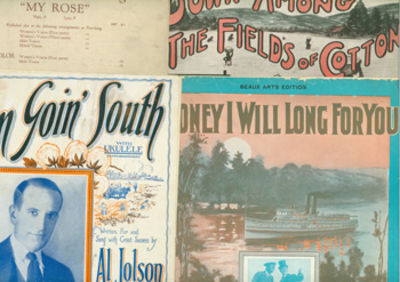
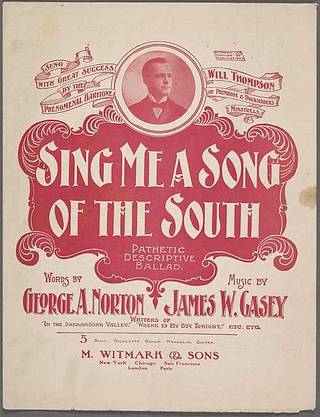
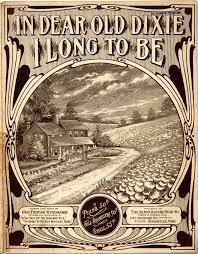
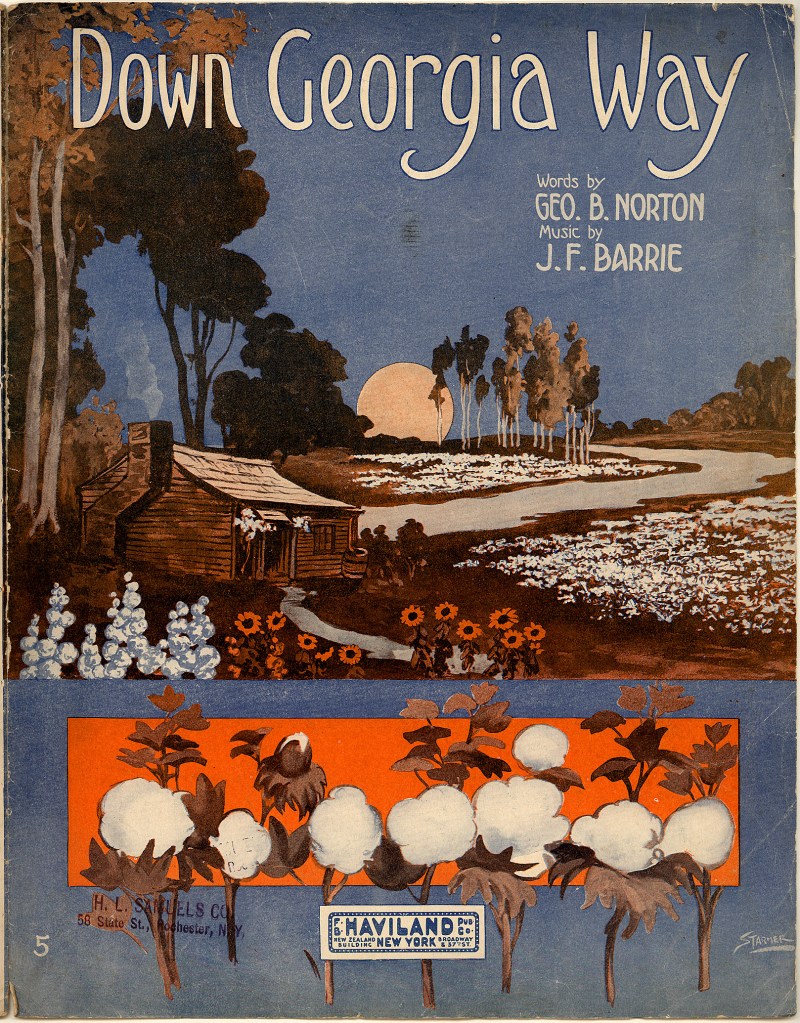
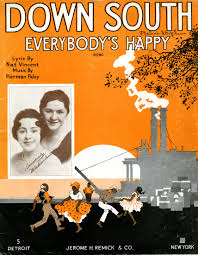
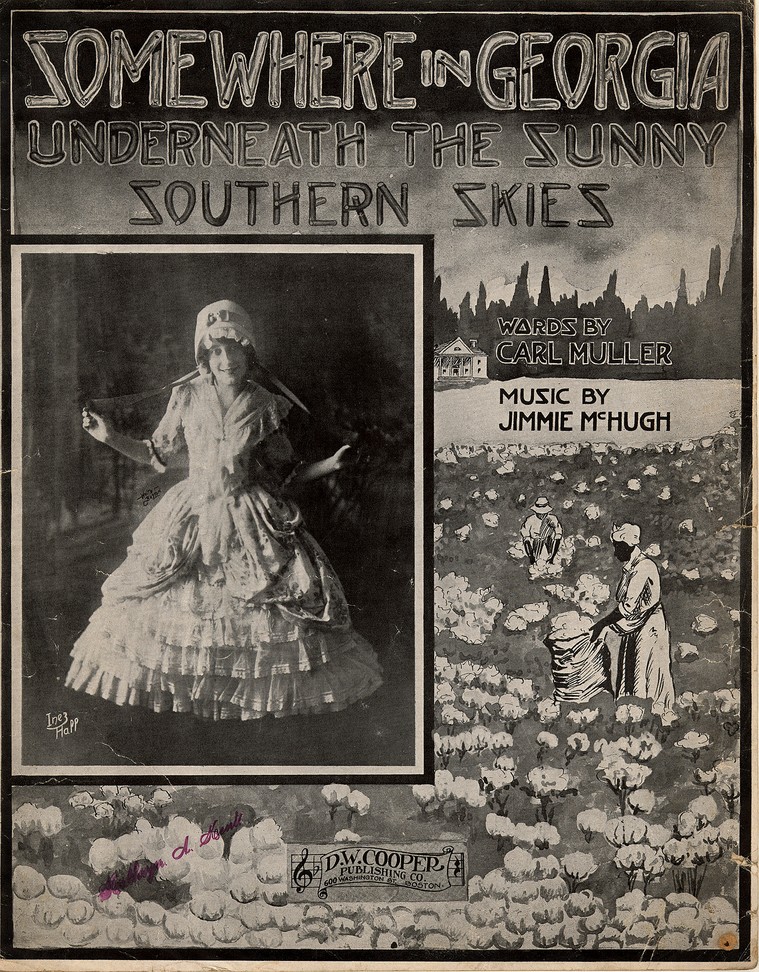
Anyway, doing a song search through the southern states brings up dozens if not hundreds of songs. These range from reminiscences of the sweet old days of yore . . .

. . . to remembrances of sweethearts (or liaisons) past, present, and future. 

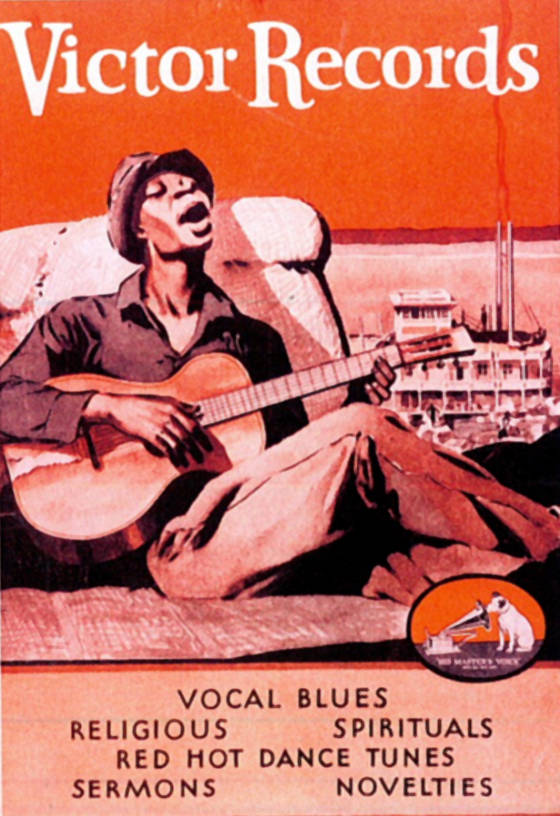
But, gentle readers, we do have a bit of a problem here.  Sadly, much of the “southern sheet music” of those days incorporated a lot of inferences and illustrations that today can only be politely described as “politically incorrect.” Some are actually “politically cringeworthy” and won’t find a place in my simple musings. Just a taste of the more benign, however . . .

Alas, such were the songs that many of the sheet music or record buying–and parlor piano playing–folks in those days found entertaining. 

Those were the days of racial, ethnic, religious, and cultural stereotypes readily accepted by too many and seen as hurtful by too few. In those days, folks laughed at them; in these days we learn from them—hopefully.

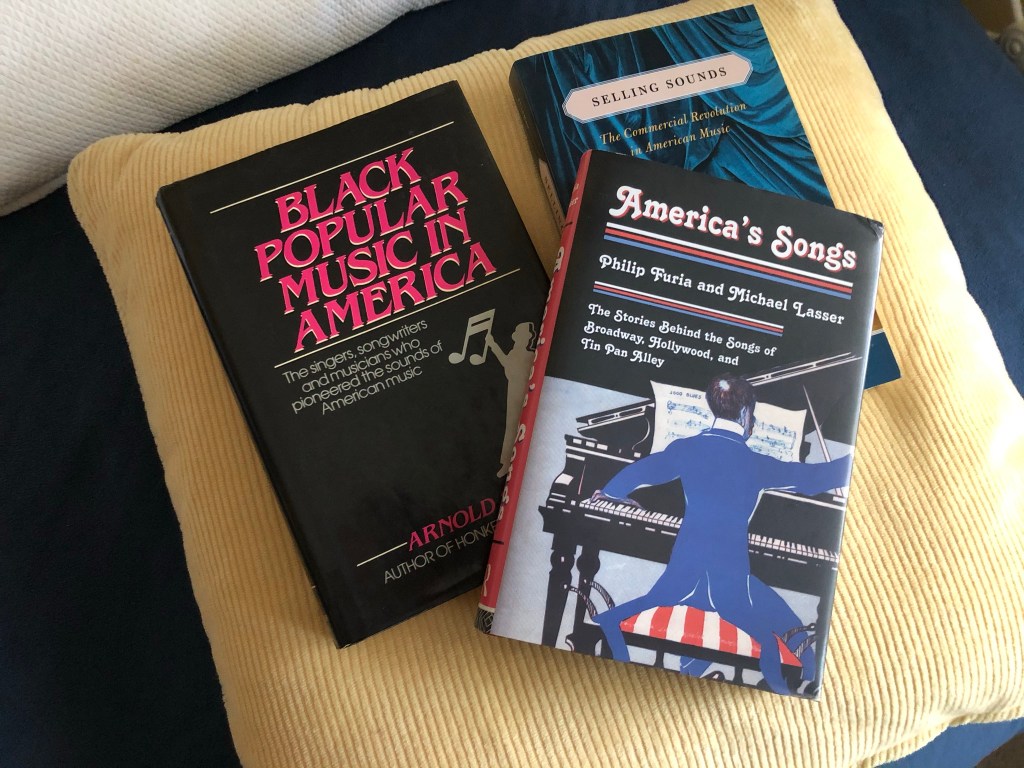
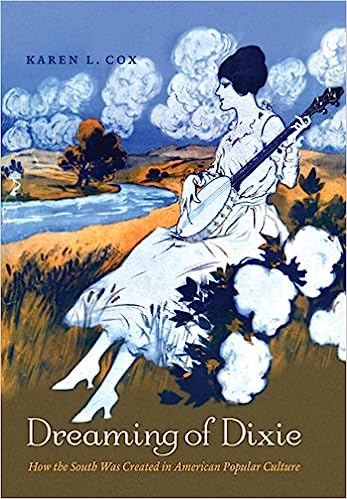
Many scholars of both history and music have written well researched and profusely illustrated articles and books on the subject.  All you have to do is Google, or head to the library to study this at your leisure.  Here’s a good book to start with.

Suffice it to say, we’re not going way, way over to the unsunny side of the street in these little weekly musings of mine.  After all, it’s 2023, not 1923 or, for that matter, 1863!

Moving on . . .

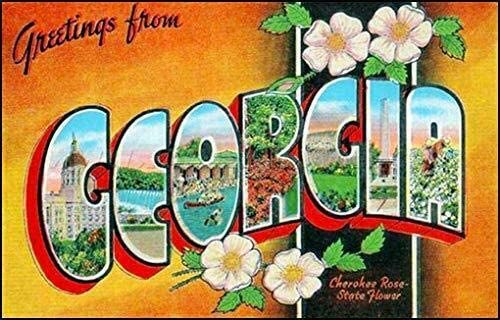
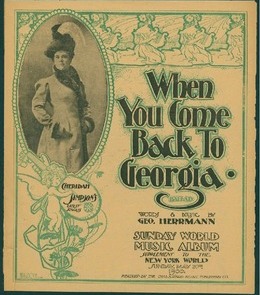
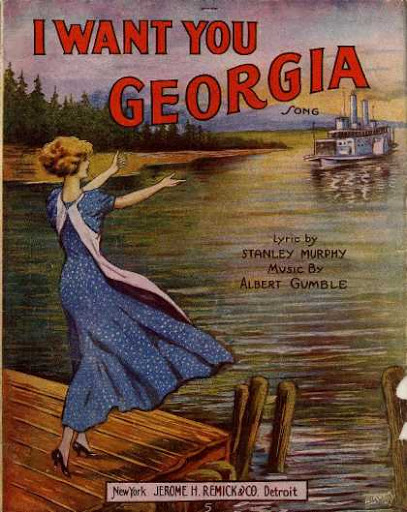
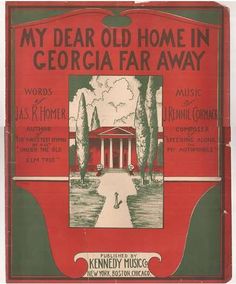
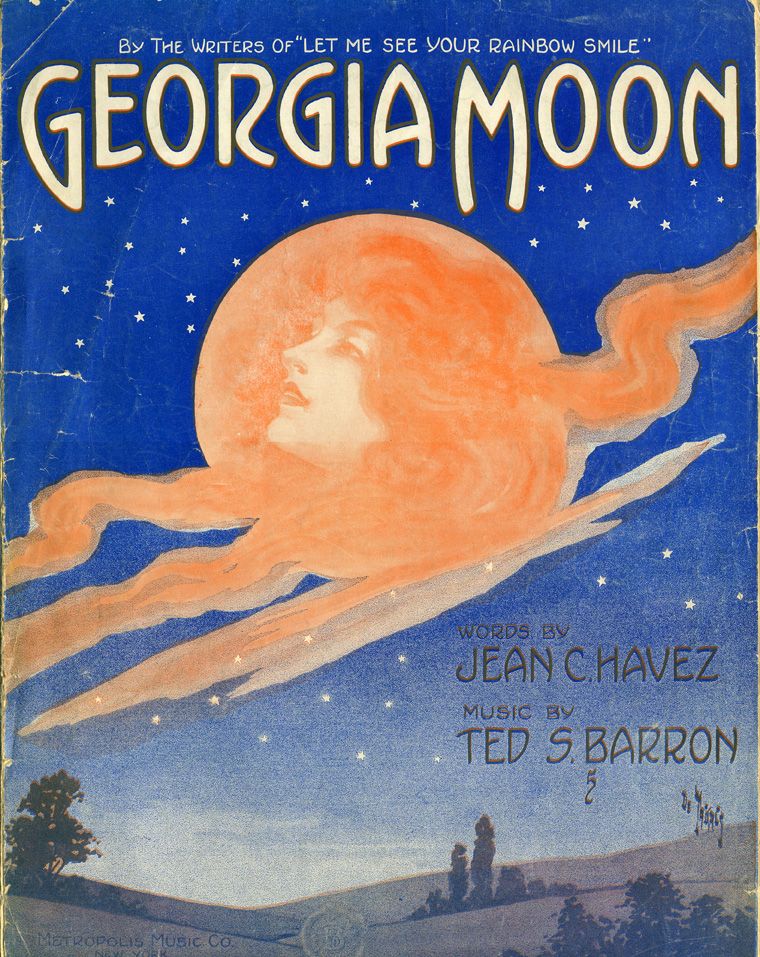
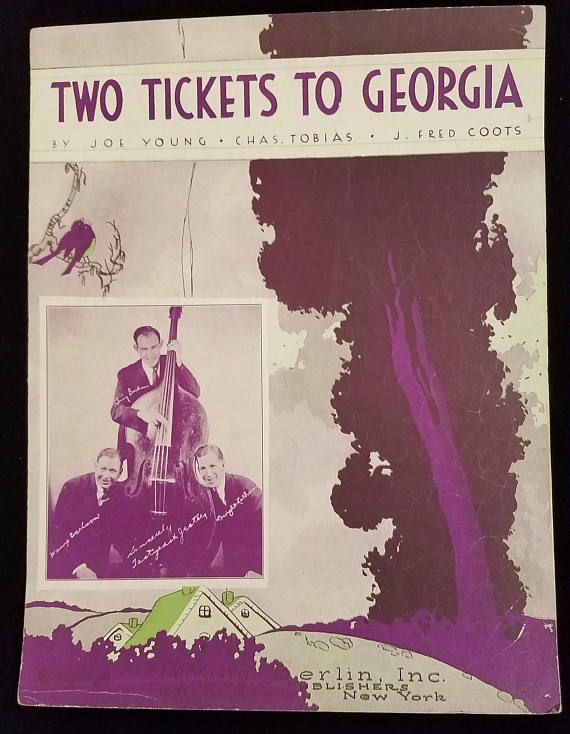
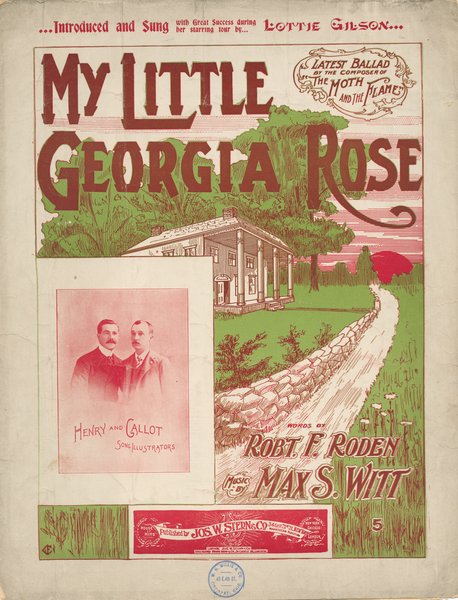
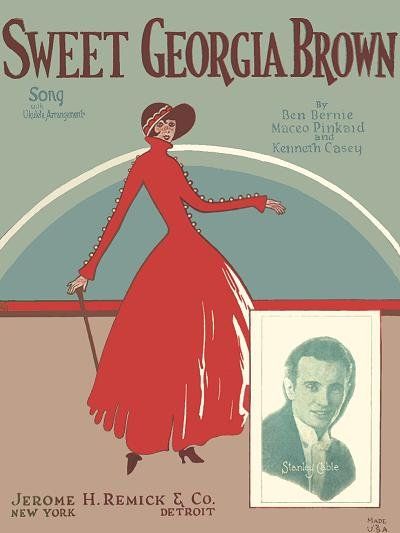
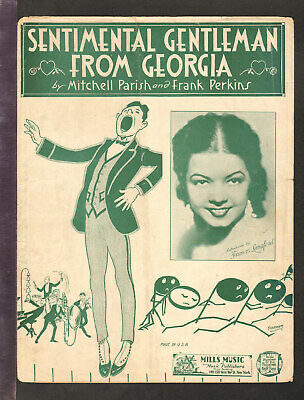
As a politically in-the-news state, particularly for the next year or so, I thought we might start our little tour of the South with a peek at Georgia.  Why not?

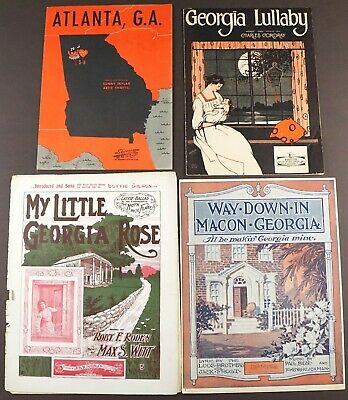
Probably the biggest category of early songs with “Georgia” in the title tell about folks who left the state—for whatever reason—and feel the urge to head back “home.”  And then there are folks nostalgic about those pretty girls named “Georgia.” Perhaps a bit of both!

Songwriters also had a bit of a josh with the state. Here’s a song that’s kind of fun.

Click or tap on the next image or link for a listen to this early recording by the popular singing Boswell Sisters from 1932:

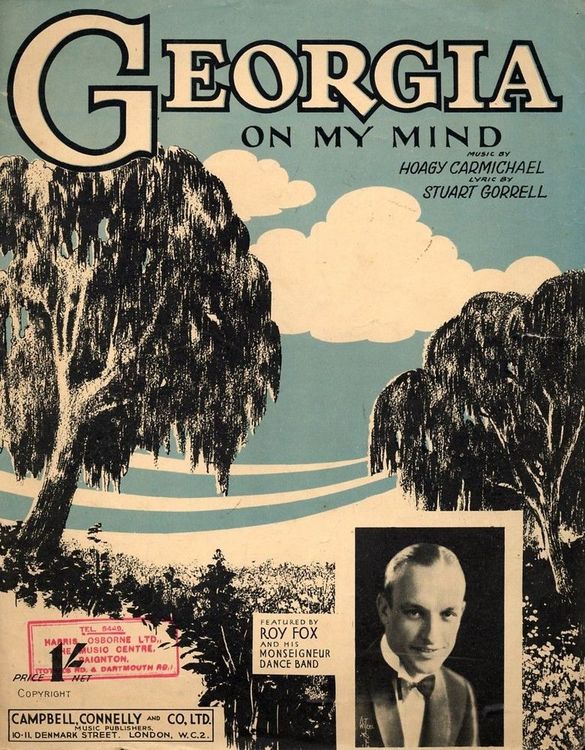
Now let’s take a look and listen to probably the greatest of all “Georgia songs, the one appropriately titled: “Georgia On My Mind.”  

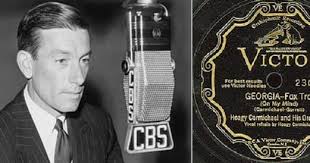
This is a song written by Hoagy Carmichael and Stuart Gorrell (both from Indiana!) and first recorded in 1930. 

Click or tap on the triangle in the next image or link to hear the 1930 recording by Carmichael with Bix Beiderbecke on trumpet.

Here’s another take on our tune from the 1930s, this time from the distaff side. Click or tap on the triangle in the next image or link to hear a rendition of our song by Billie Holiday.

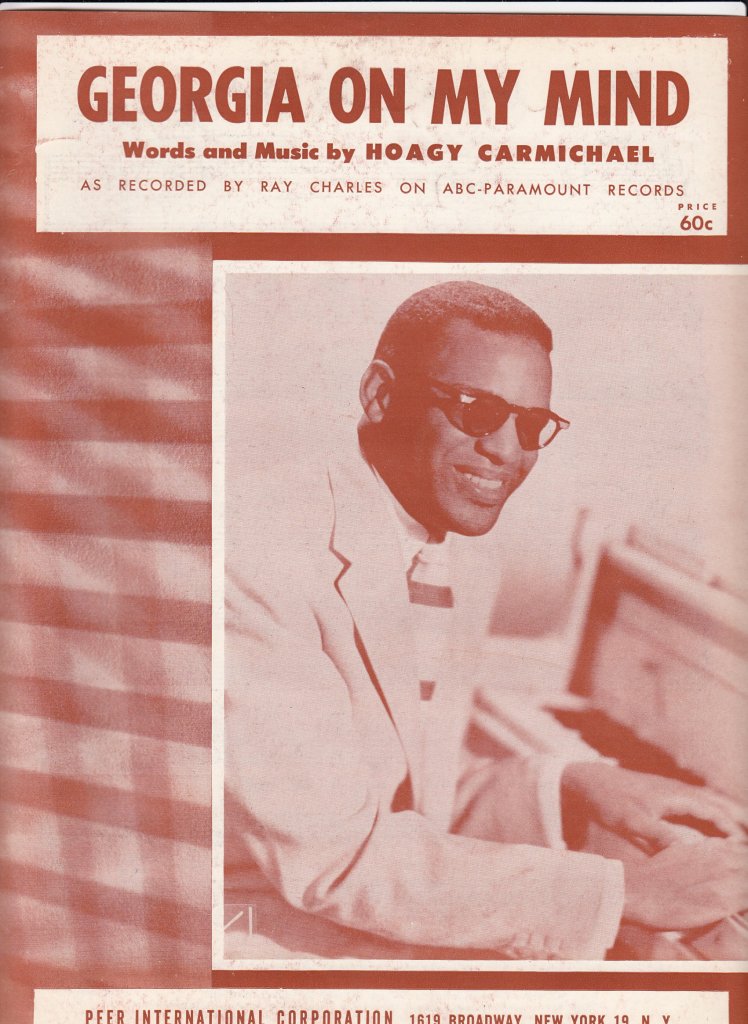
Needless to say, this song has found a home in Georgia and the 1960 Ray Charles (born in Georgia!) version has been designated as the official state song.

For a fun mix of performers of our song, here is Ray Charles and Willie Nelson making rather free with Carmichael’s original melody. Click or tap on the triangle in the next image or link for a vocal.

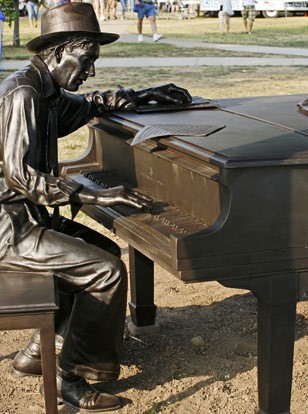
Most of the recent recordings of “Georgia on My Mind” tend to leave out the intro verse. Here it is for those of you would like a bit more lyrical context, and, perhaps, to join Hoagy at his bronze piano.

Melodies bring memories
That linger in my heart
Make me think of Georgia
Why did we ever part?
Some sweet day when blossoms fall
And all the world’s a song
I’ll go back to Georgia
‘Cause that’s where I belong.” Georgia, Georgia . . .

So, as we move along through the next politically disconcerting year or so, it won’t hurt to keep Georgia on our minds, musically at least!

Oh, why not one more?

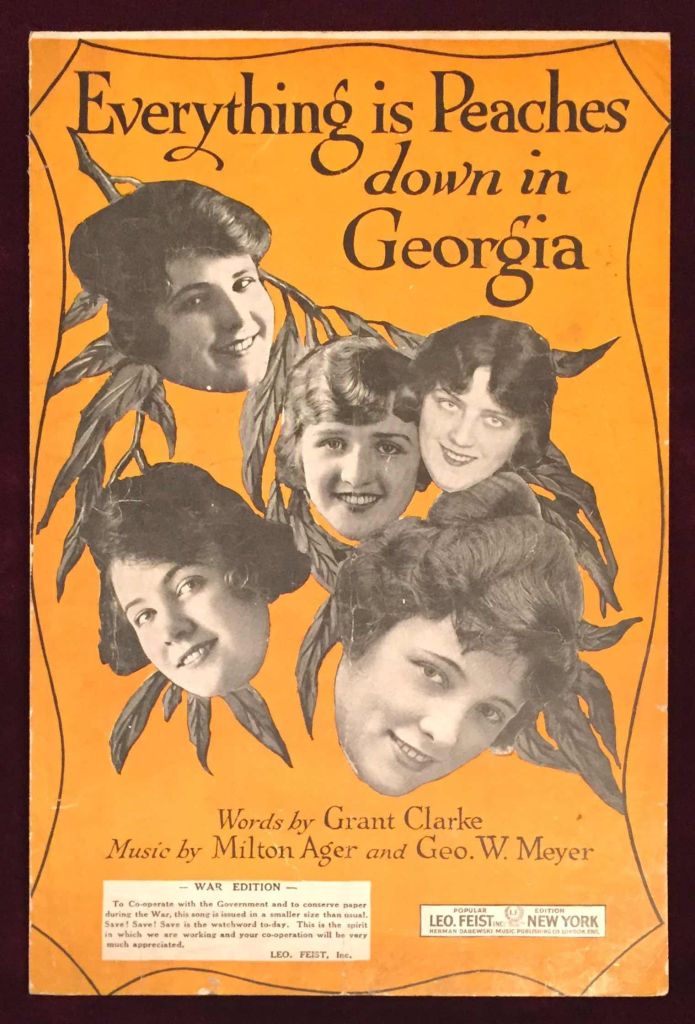
Click or tap on the next image or link for this peachy song about the Peach State, with tenor banjos if not ukuleles:

Stay safe, stay glued to the news, stay as masked as you need to be, . . .

. . . and STAY TUNED!

Even Georgia is not the way it was and, in the words of another song, “The Times They Are A’Changin.”


ANOTHER MUSICAL MUSING, 2 June 2023–THREE SONGS BY AN AMERICAN ICON– Borrowed And Bettered, You Betcha! 

A few weeks ago I did a musical musing on a song stolen and, ultimately, paid for by that most popular and respected singer, Johnny Cash. (Ca$h?)   I have come across quite a few more situations like this in my wanderings through musical history. But, in most instances, it’s just a case of an old and venerable melody put to a new use—the musical equivalent of revamping a historic building as part of the architectural preservation and adaptive use project, so to speak. 

Needless to say, this has been a common source of “new” songs ever since one musician listened to the work of another, liked what he or she heard, and repeated it or enhanced it or simply purloined it.  Ah, following musical traditions! Isn’t that what folk music is all about?

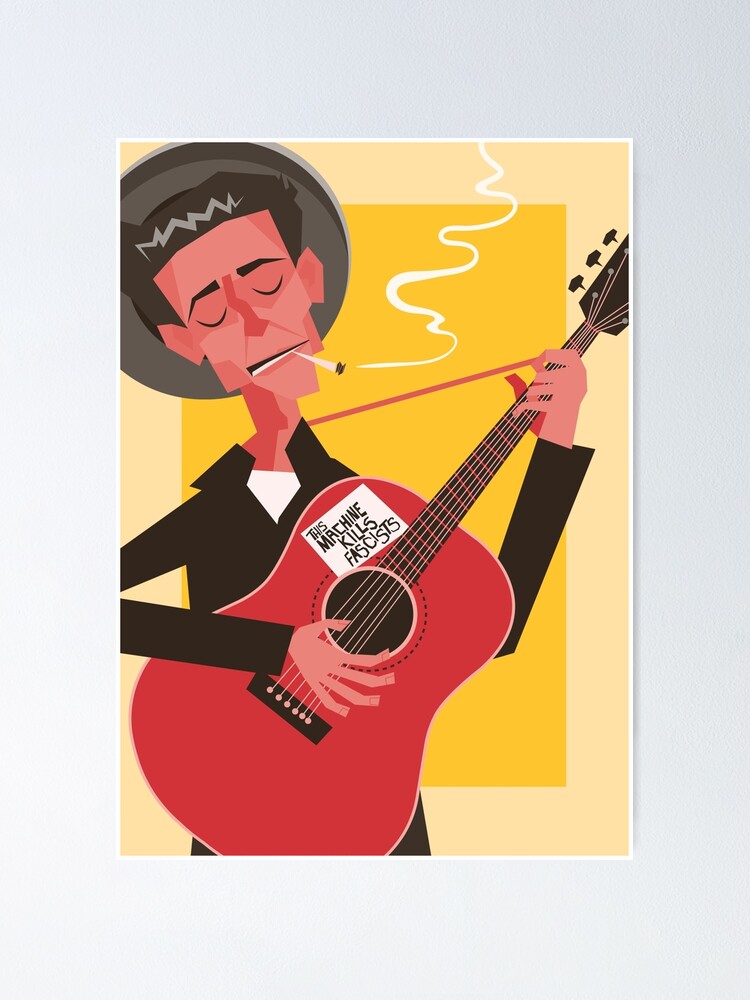
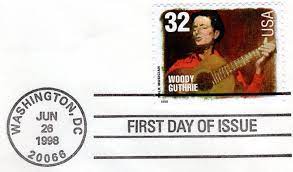
Now let’s take a look at one of the icons of American folk music—Woody Guthrie—and put the musical microscope on the sources of three of his most played tunes. 

Despite their melodic (and sometimes lyrical) origins with musical precedents, these songs have become so associated with Guthrie that we don’t even bother to think about from whence they came.  Simply, they ARE HIS.  Period.

The first one to look at is a song that Guthrie, a former merchant seaman himself, wrote and performed in remembrance of the torpedoing of the U.S. Navy convoy escort ship, the USS Reuben James, in the months just before America’s official entry into World War II.  

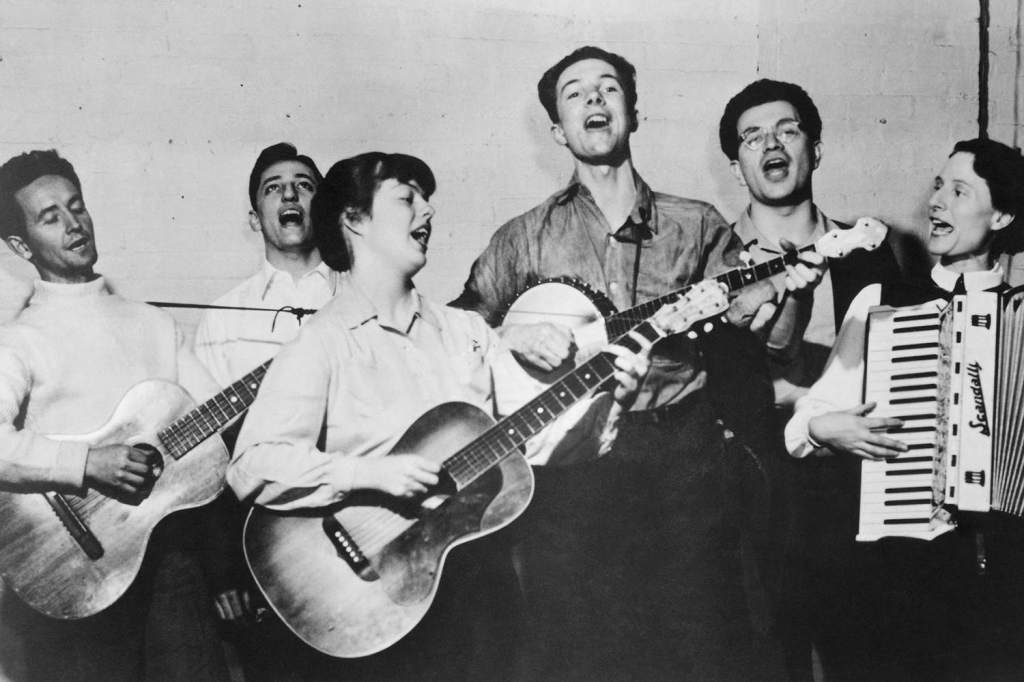
The Sinking of the Reuben James” is a song hurriedly cobbled together by Guthrie and Pete Seeger in an apartment they shared at the time in New York City.  These two were good friends and musical collaborators over the years and were moved to write a song about this headline event of the day about the first American ship sunk by German U-Boats. 

Tap or click on the triangle in the next image or link to hear the original Guthrie/Seeger collaboration.

Guthrie had started to write the song and, over ambitiously, wanted to include each name from the casualty list—over a hundred US sailors.   Seeger worked on the melody and, ever conscious of how a song would play out, prevailed in suggesting that Guthrie’s list be replaced simply by the chorus: “Tell me what were their names . . .”

Seeger and Guthrie borrowed the melody from a pre-Civil War love song written by one Joseph Philbrick Webster . . .

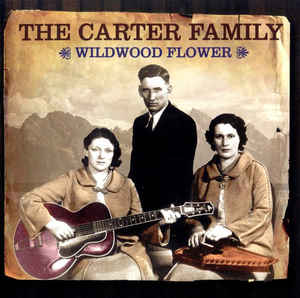
. . . called “I’ll Twine Midst the Ringlets.”  His song was later made famous when “harvested” by the Carter Family who recorded it in 1928 and retitled it “Wildwood Flower.”

You can go to YouTube to listen to the original Carter Family recording, but this is just too good an opportunity to hear the tune played by a cigar box uke and a banjo!  Tap or click on the next image or link to hear this one.

A second ever popular Guthrie song is “So Long, It’s Been Good to Know Yuh.”  This depression era moving on song, considered a “Dust Bowl Ballad,” was first released in 1935 and became a standard closing song during the so-called Folk Music Revival of the 1950s and ‘60s.  

Click or tap on the triangle in the next image or link to listen to this rousing favorite of folkies!

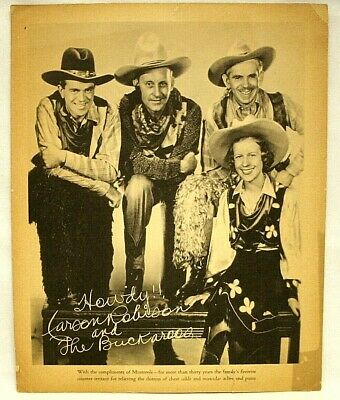
As with “Reuben James,” this song also had musical antecedents.  Guthrie based it on Carson Robison’s early 1930’s recording of the “Ballad of Billy the Kid.” Robison both tweaked and added to the traditional “campfire cowboy song” lyrics.   Although Robison’s impact on American music is generally forgotten today, he played a major role in promoting country and western music in its early years through both recordings and the radio.

And, unlike Guthrie or even Seeger, Robison had a ukulele marketed with his image!  Here’s one from my collection.

Click or tap on the triangle in the next image or link to hear Robison’s original recording of this ballad. 

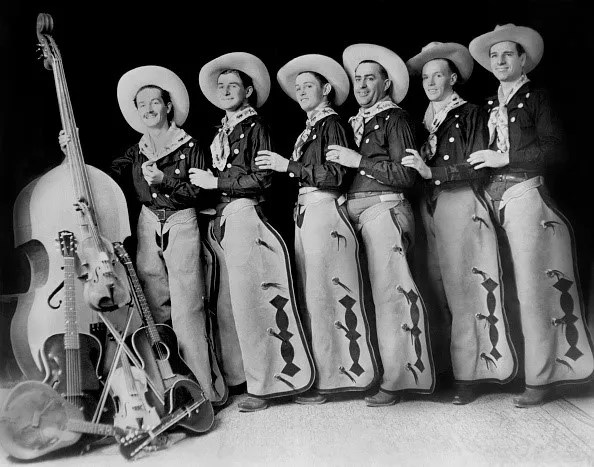
I have a feeling that Guthrie himself might have sung this ballad when in the 1920s he was a member of his hometown country music band in Pampa, Texas. That’s Woodie on the left, already an accomplished harmonica and guitar player, but only a “costume cowboy!”

Our last, but certainly not least, song is “This Land Is Your Land,” probably Americas most popular folk song.  Its lyrics were written by Guthrie in 1940 and, once again, based on an existing melody. 

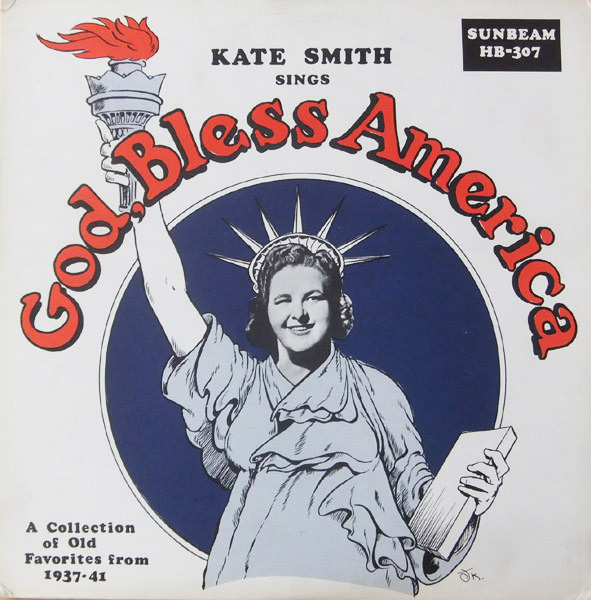
This was adapted from another Carter Family tune called “When the World’s on Fire.”  Guthrie wrote his song in critical response to Irving Berlin’s “God Bless America.” Guthrie said that he was “just plain tired” of hearing Kate Smith sing that song on the radio in the late 1930s! 

Guthrie sarcastically called his song “God Blessed America for Me” before thinking a bit more deeply and renaming it.  The rest is musical history!

But, let’s start with the Carter Family’s “When the World’s on Fire.”  Click or tap on the next image or link to hear this lead-in melody to “This Land  .  .  .” 

Both Guthrie and Seeger usually copyrighted most of the songs they wrote. But in Guthrie’s own words about his many song copyrights, he said: “This song is Copyrighted  .  .  .  for a period of 28 years, and anybody caught singin’ it without our permission, will be mighty good friends of ourn, cause we don’t give a dern. Publish it. Write it. Sing it. Swing to it. Yodel it. We wrote it; that’s all we wanted to do.Take your music where you find it! He certainly did.

And the rest is a musical legacy for us all.  These songs are our songs even if they started as someone else’s! Tap or click on the triangle in the next image or link to hear and see my favorite version of “This Land . . .”

So, stay safe, be thankful we no longer have to stay masked, . . .

. . . stay in a musically aware and timely mode, . . .

. . . and STAY TUNED!

OOops!

ANOTHER MUSICAL MUSING, 26 May 2023, “The Big Rock Candy Mountain,” Sanitized but not hung out to dry!

Every once in a while I find myself musing about a song that has had multiple rebirths and, some may say, “upgrades” over the years. Take, for example, an old favorite of mine, “The Big Rock Candy Mountain,” or, as originally published, “In the Big Rock-Candy Mountains.

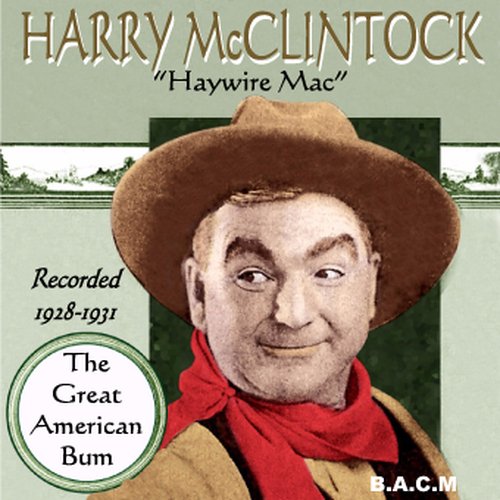
Our song started its musical life in the late 1890s as a lilting, lyrical “hobo ballad” put together and sung on city streets by a little-known at the time guitar-playing busker, one Harry McClintock (1882-1957).

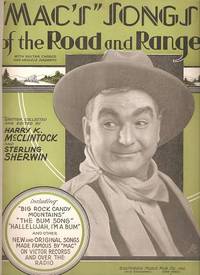
His song was published and recorded some thirty years later minus, however, a final verse of his that we might find rather “linguistically questionable” and would probably be X-rated these days. Over time, his tune was further whitewashed to become one of the more beloved “folk” songs from the late 1940s and, still later with further scrubbing, an innocent children’s song. Long in the public domain, the song has been recorded by dozens of performers right up to today–a fit subject, gentle readers, for a musical musing! 

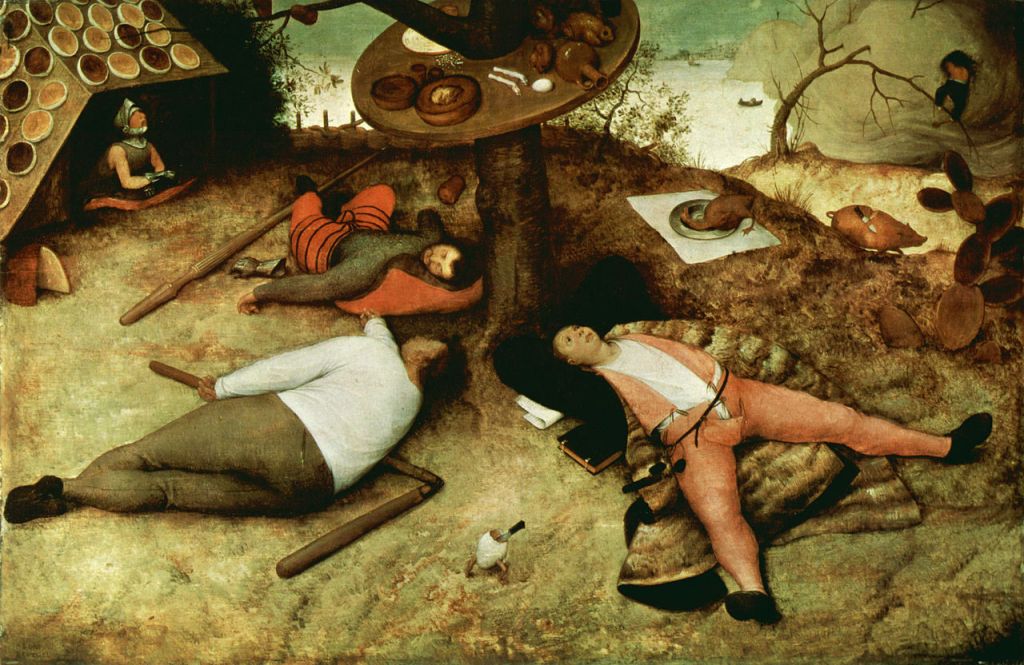
It’s a simple song about a hobo’s idea of paradise, a modernized version of the medieval concept of the “Land of Cockaigne”—an imaginary place of luxury and ease where physical comforts and pleasures are always immediately at hand and where the harshness of peasant life does not exist. Nothing to do with the modern day cocaine, however!

Here, in a 1567 work, the Dutch painter Pieter Breugel the Elder gives us a rather unflattering, almost comic illustration of the spiritual emptiness of “Cockaigne,” a state believed to derive from gluttony and sloth, two of the “seven deadly sins.” Whew! Who knew?  

Specifically, “Cockaigne” was a land of “contraries,” where all the restrictions of society are defied, sexual liberty is open, and food and strong drink are both free and plentiful. 

Before recording his song, however, McClintock cleaned it up considerably from the version he had composed and performed as a busker in the 1890s. The story line of his original lyrics told of the efforts of an old hobo to entice (lure?) a young farm boy into hobo-hood with wondrous tales of life on the road and in the “Big Rock-Candy Mountains.” His song ended (the expurgated verse!) with a lurid description of the perils that might befall an innocent young boy amongst not so innocent older men “on the road.”  Today, we would probably see this much like the warning we might give our children to avoid a stranger in a car saying “Hey little boy/girl. You want some candy?” 

Now, if any of you gentle readers are really curious, you can easily check out the erased, rather coarse “hobo language” verse with our friends at Wikipedia.  Moving on  .  .  . 

Tap or click on the triangle in the next image to hear McClintock’s original recording of his song–made more a tale of wonder rather than of warning and, of course, more suitable to radio listeners as well as families buying sheet music and records in the 1920s.  This recording was also used in the soundtrack of the 2000 Academy award nominated film “Oh Brother, Where Art Thou.” This YouTube version has some fun animation with it!

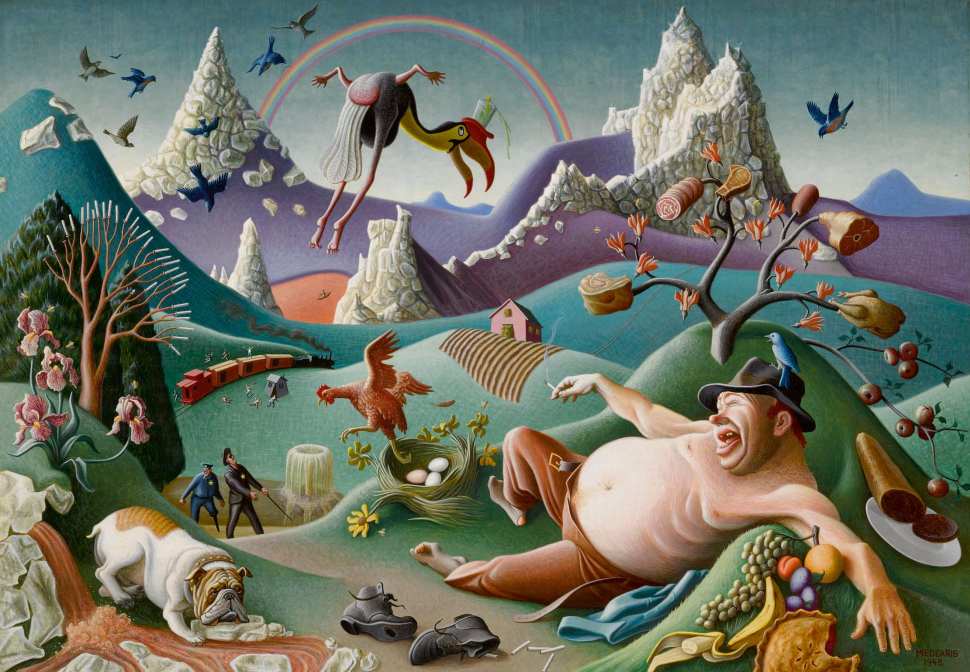
Here’s a more contemporary artist’s (not a cartoonist’s) take about our song, after Breugel, no less! More than a few similarities!   

Those who study such things agree that McClintock based his song on the old English ballad “An Invitation to Lubberland” that had been around since the 1600s and heard, no doubt, in the Scots-Irish mountain music of McCintock’s early Appalachian wanderings. Click or tap on the triangle in the next image for a simple singing of this ancient tune. Both the melodic and lyrical antecedents are striking!  

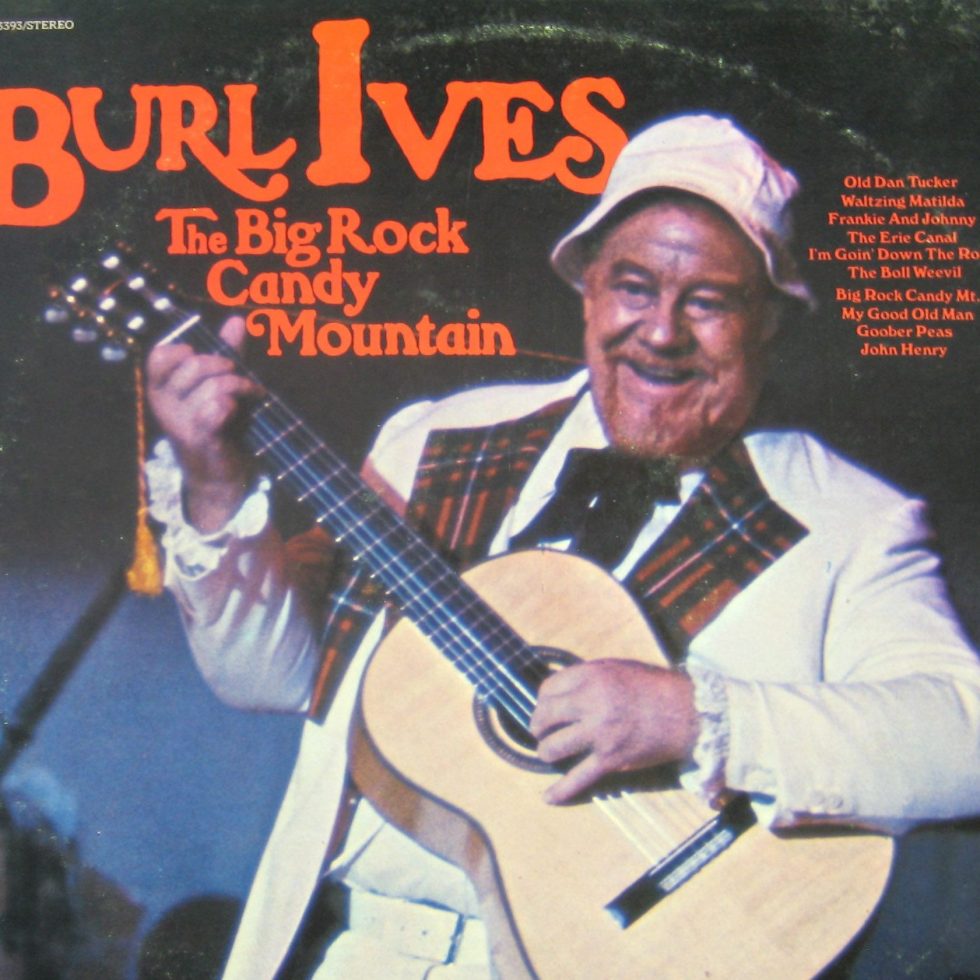
In 1949, “Big Rock Candy Mountain” was “sanitized” even more and recorded by the oversized, avuncular folk singer and actor Burl Ives.

This recording became, before “Oh Brother,” the version most of us had heard and grown up with.  Click or tap on the triangle in the next image to be reminded of this one. 

Notice the “sudsing” at work! What would they do with McClintock’s original lyrics today?

Other popular, so-called “itinerant songs” of McClintock’s day–such as “Hobo’s Paradise“, “Hobo Heaven“, “Sweet Potato Mountains” and “Little Stream of Whiskey“–likely served as further inspiration to him as they touch on concepts similar to those in “Big Rock Candy Mountain.”  One of my favorites of this genre was recorded by the late Doc Watson.  Click or tap on the triangle in the next image to hear his beautiful guitar accompaniment to this “whiskey” song sometimes known as “The Dying Hobo.”  Again, antecedents galore.

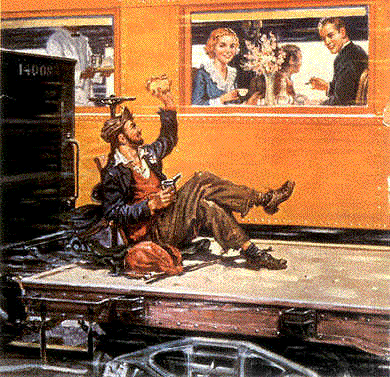
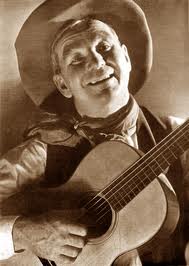
McClintock, also known by his hobo name of “Haywire Mac,” was born into a railroader family in Knoxville, Tennessee, and began his drifting when he ran away from home as a boy to join a circus.

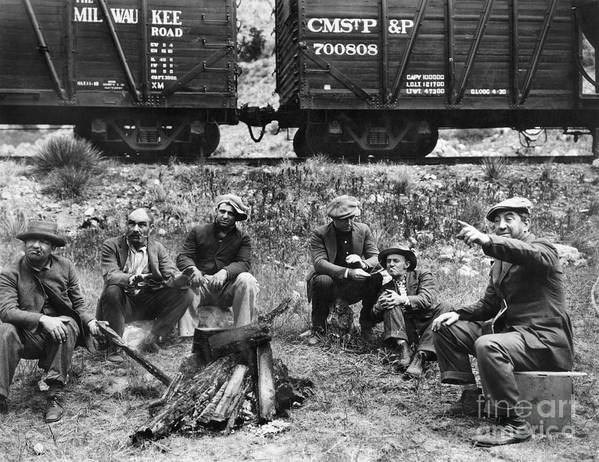
He traveled the world as a railroader, seaman, soldier, and—most famously—a singing hobo.  

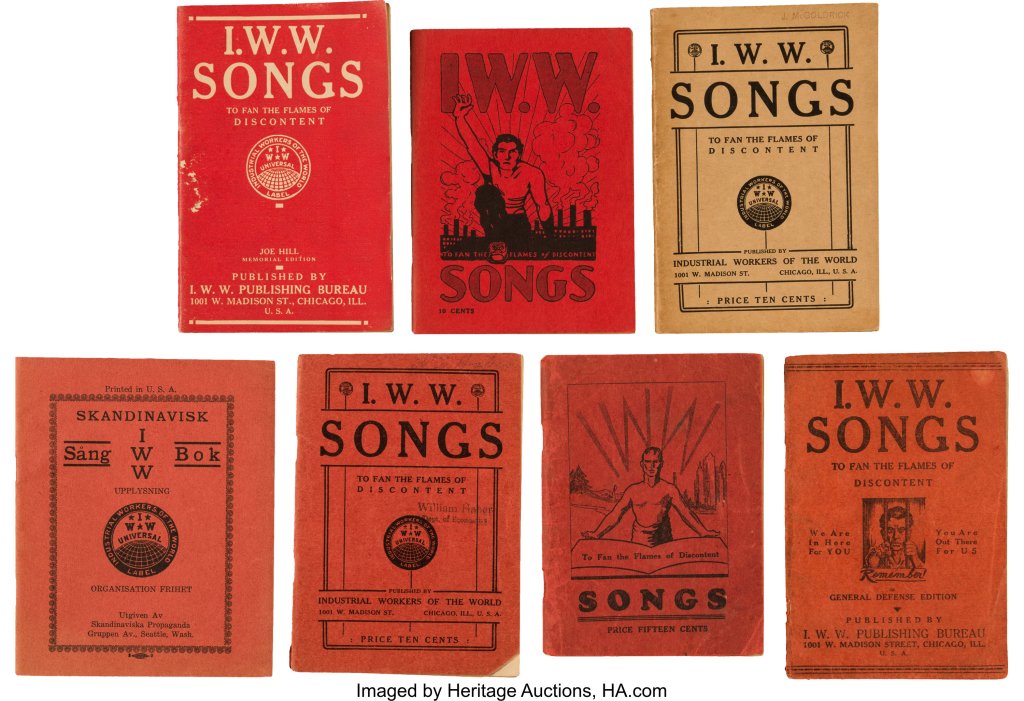
He was a lifelong member of the Industrial Workers of the World—the unionizing “Wobblies”—and, in the early 1920s, worked with and organized union men in the oil fields of west Texas singing and busking as he went along.

McClintock wound up in the San Francisco Bay area and worked as a railroad brakeman. He later became a popular radio and recording singer with his own country band . . .

. . . and even appeared in a few movies, including one based on his most famous song.

He was particular known for performing songs of the union movement in America. 

He is known for several other hobo songs . . .

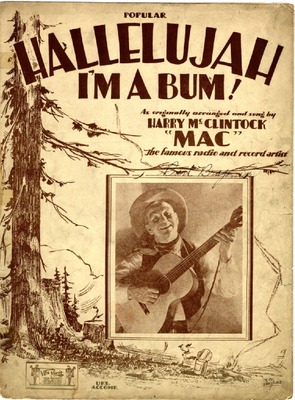
. . . including one popular with the “Wobblies,” “Hallelujah, I’m a Bum.” 

Click or tap on the triangle in the next image for a listen to this one and see why it appealed to labor unionists.

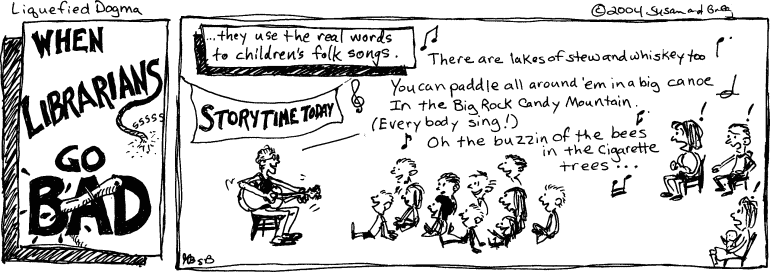
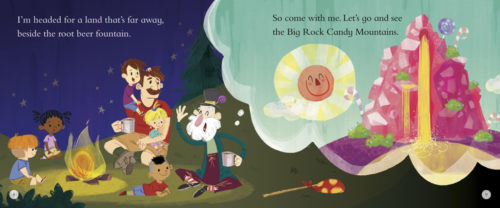
Now, of course, we need to add to this musing with, probably, the most “squeaky-clean” version of our song, one recorded for and by children! 

Keep the earworm alive by clicking or tapping on the triangle in the next image to hear this happy interpretation!

As a musing rule of mine, I like to explore themed ukuleles, this time having to do something with hobos. Not many out there but here is one decorated with those chalk-mark symbols that hobos used to “mark” their wanderings and communicate with hobo friends.

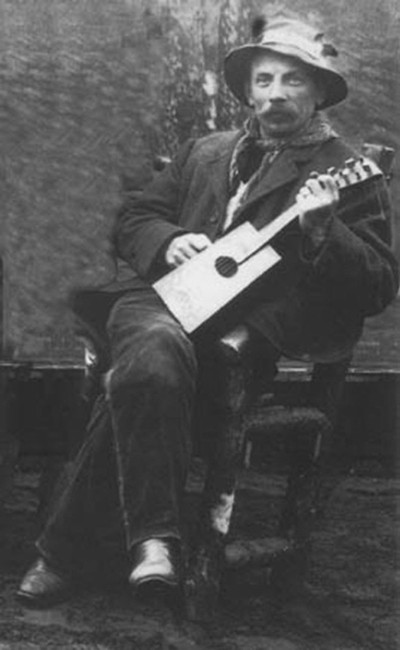
And, of course, one of our favorite cigar box ukes. I don’t know if the player is a hobo but he sure looks the part!

So.  While wandering or just waiting, stay safe, help those in need . . . 

.  .  . and don’t get lured into the hobo’s irresponsible life as a way of forgetting about the responsibilities of real life.

Join the Union and become a card carrying member . . .

. . . and, above all, STAY TUNED!

ANOTHER MUSICAL MUSING, 20 May 2023: “A Musical, Historical, and Ukulele Trifecta”

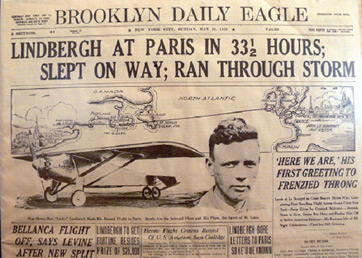
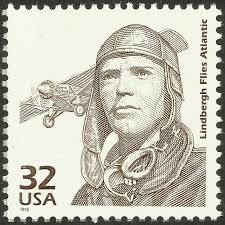
Well, it’s not too often that my musing stars align with a trifecta–the anniversary of a feat by a young American hero, a link to neighbor Northampton’s Smith College, and vintage ukuleles in my collection!  Wow.  It’s fun to muse these days about something that has nothing to do with contemporary politics and international conflicts.  So, who is our hero?  None other than “Lindy” himself, Charles Lindbergh, with a bit of a tarnished reputation today but definitely not on this date back in 1927!

His solo flight from New York to Paris, on May 20-21 of that year, was a thrill for Americans living in the Roaring Twenties and adulation on both sides of the Atlantic poured out.  Men cheered and ladies swooned as Lindbergh’s picture was in every newspaper, magazine, and movie newsreel for months.

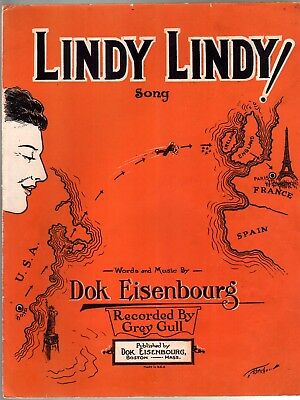
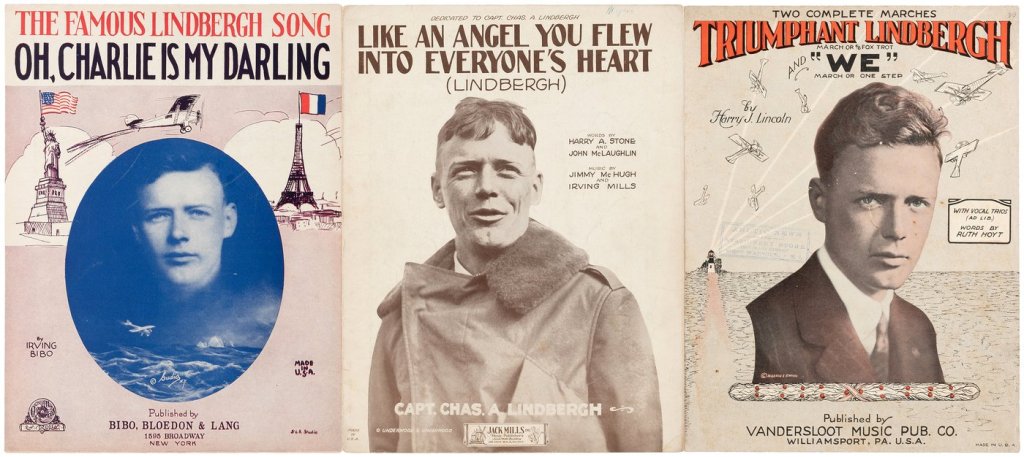
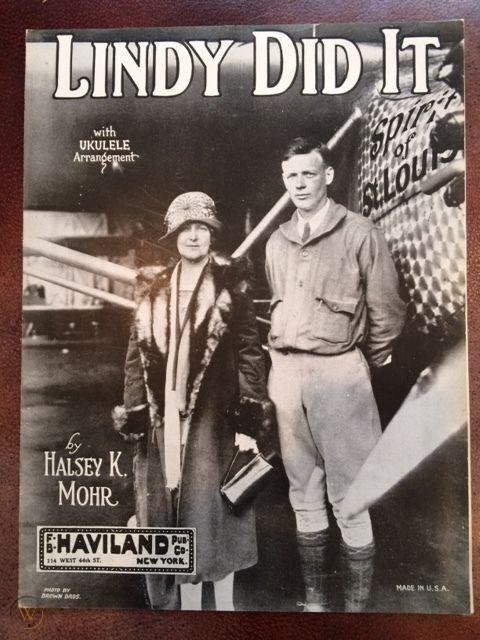
Needless to say, music publishers jumped all over this and a score of sheet music offerings—some joyful, some banal, mostly forgotten today—were on music store shelves all over America. 

Here’s a contemporary recording of the “angel” tune with some great graphics. Click or tap on the triangle in the next image for a look and listen.

There are more! The next one shows Lindy and his mother. By the way, his father was a US Congressman from Minnesota. Who knew?

Here’s a bouncy version of this George M. Cohan tune. Click or tap on the triangle in the next image for a listen.

Here are a few more of the dozens of songs that were out there in the sweet old days.

Tap or click on the triangle in the next image to hear this hearty, fox trot salute to the hero.

Here’s a more modern version of a “Lindy” tune but well worth a listen and a look. Tap or click on the triangle in the next image for a historical treat.

Now for the second part of the trifecta–Ukuleles, no less ! As would be expected, most sheet music published in those days had uke chords printed right above the score. Here it is in the popular “D” tuning of the day.

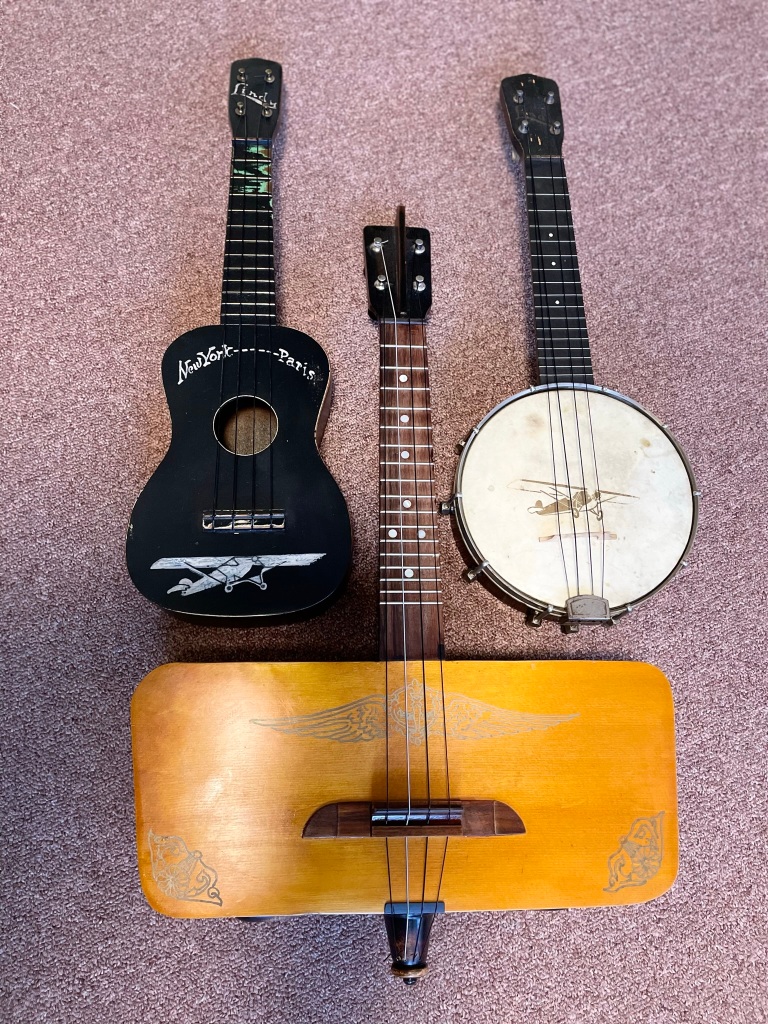
Everyone seemed to be playing and singing the tunes and, of course, there were ukuleles to be had! Here are three in my collection.

The larger one is a Stromberg Voisinet “Aero Uke,” probably the rarest of the lot today–at auction about $2K! Here’s a reproduction I made to fill a hole in my collection. It sounds pretty good!

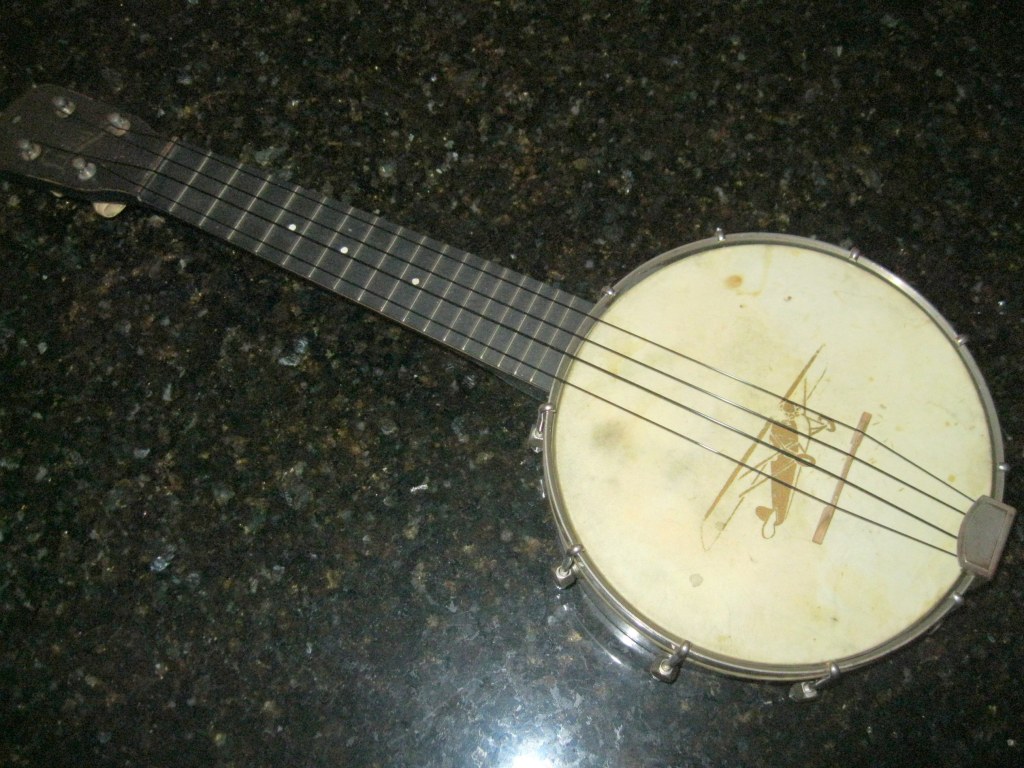
Here’s a banjo uke version, an original in my collection.

And, the latest addition–a trifecta within a trifecta!

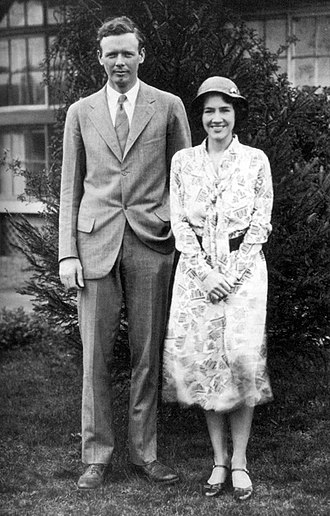
Now for the third part of the trifecta, the Northampton connection.  According to our favorite local newspaper, The Daily Hampshire Gazette, Lindbergh flew into the local airFIELD (it became a commercial airPORT in 1929) multiple times in order to visit his then girlfriend, Anne Morrow, a student at Smith College, class of 1928.   They were married in 1929.

That year, Anne–a budding aviatrix herself– flew solo for the first time.

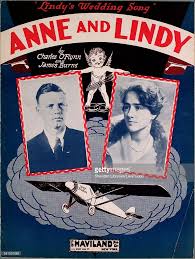
Needless to say, aviation was in the couples blood and, in the 1930s, they explored and charted air routes all over the world. There was even a song about them!

Whether or not he courted her by taking her up in his airplane over our Happy Valley and Smith College has, alas, always been a matter of conjecture.  Let us simply note the fact that he was a frequent visitor. 

Anne went on to literary fame with her most popular book being Gift from the Sea. In 1955, she was described as “one of the leading advocates of the nascent environmental movement” and the book became a national bestseller.

There are, of course, autobiographies, biographies, articles, and all sorts of scholarship on the Lindberghs.  And, their life story is way, WAY beyond the scope of this simple musical muse.  Suffice it to say that the charmed life of Charles and Anne was shattered by the kidnapping and subsequent death of their infant son in the 1930s. 

The Lindbergh name was again plastered over newspapers and newsreels all over the country. Alas, in sadness this time. 

Alas again, Charles, a highly visible public advocate for keeping America out of Europe’s troubles in the years leading up to World War Two, had his reputation tarred by many (including Franklin Roosevelt in the White House and Woody Guthrie in song) as being a German sympathizer as well as an isolationist.  Whereas Anne became renowned for her writing, Charles faded from public esteem during the war years although he did join the American forces once the war started. He flew on fifty missions in the Pacific Theater, albeit as a civilian consultant rather than in the military.

Click or tap on the triangle in the next image to listen to Woody Guthrie’s musical diatribe on Lindberg. Sounds a bit like what we are hearing today. SAD.

But, at least, Lindberg’s early heroics were re-appreciated thanks to James Stewart in the way only movie magic can do.

 But we still have the stories, the songs, and the ukuleles! So, gentle readers, we wind up this musical trifecta with a peek at a dance that reached a peak of popularity in the late 1920s. Some say it got its name from the popularity of Charles Lindberg at the time; Some say something else. But, it’s too good not to include–“The Lindy Hop.” Click or tap on the next image to be flown away, musically speaking.  

Stay safe, keep strumming, work on that footwork, understand world history, study up on local lore, stay grounded, and STAY TUNED!

(As an aside, Alison’s mother was a Smithie, class of 1930, and remembered sharing a few classes with the then Anne Morrow. Small world . . .)   

ANOTHER MUSICAL MUSING, 28 April 2023 “Music In A Mug, Light or Dark”

During these steaming hot times, as described in the several newspapers I read most mornings, I find a semblance of finely ground tranquility when I put the I-Pad down and brew up a wide range of musical thoughts. Well, gentle readers, with my second large mug in hand and my thoughts percolating from thought to theme, there poured out the answer! 

Coffee, Coffee, COFFEE!

So, pour another splash of something into whatever mug you have on hand, filled with coffee or whatever passes for coffee these days . . .

. . . and perk your mind between sips and listen to the “ghosts of songs gone by.But, first . . .

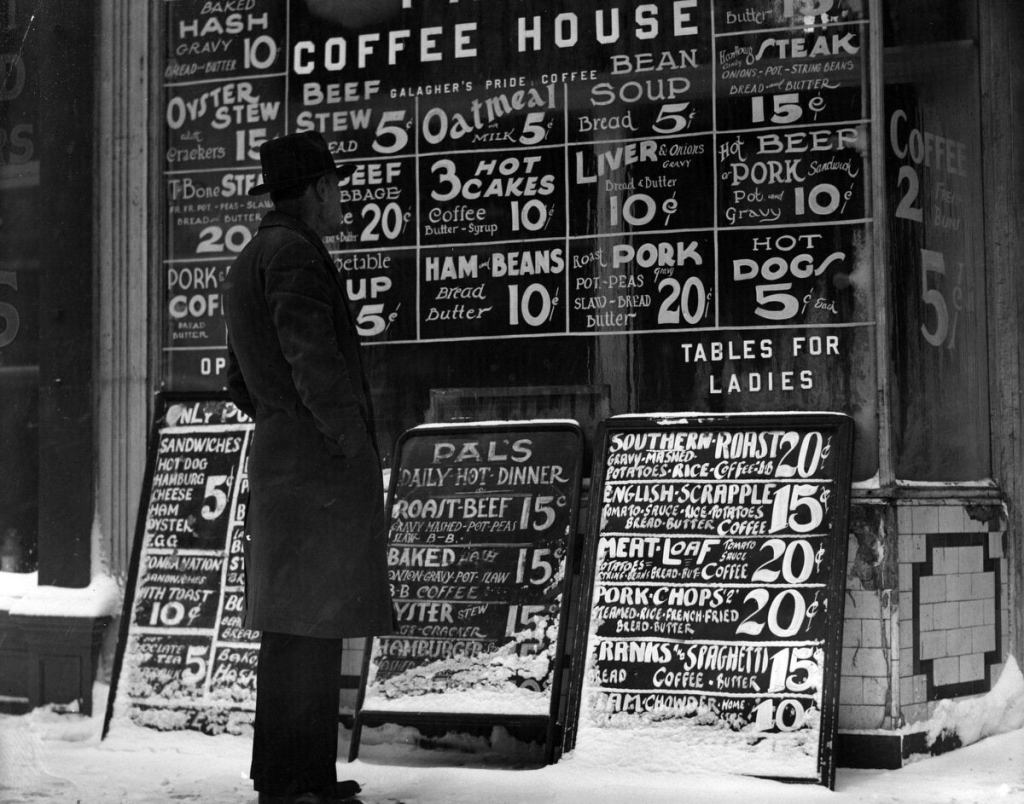
I grew up listening to my folks and their friends reminisce about when hamburgers were five for a quarter, with a free cup of coffee.  And, often I heard the oft-spoken opinion: “That and a nickel will buy you a cup of coffee.”  Those were the days, at least for coffee.  Can you get anything for a nickel at Starbucks today?

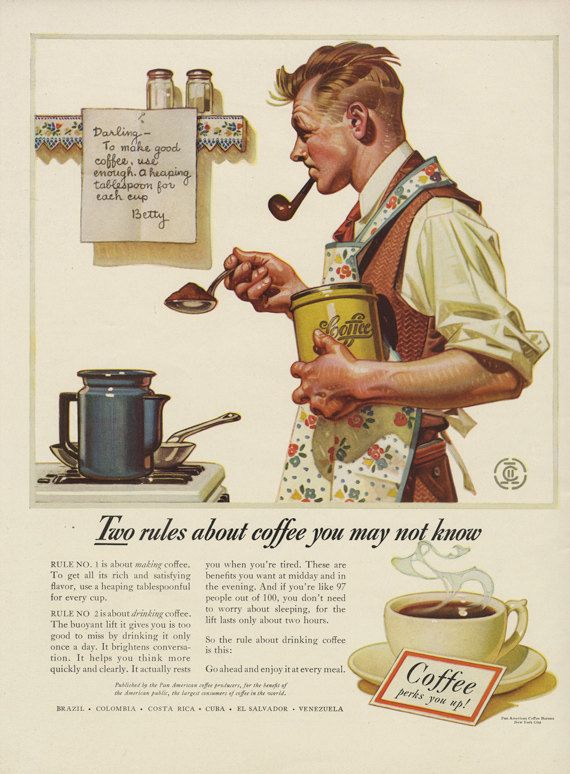
To get in the grind, how about a peek at a couple of so-called “teaching moments” from those creamy old days.

And another, for the guys too.

Well, gentle readers, time grab whatever perky musical instrument comes to hand and pour out the tunes!

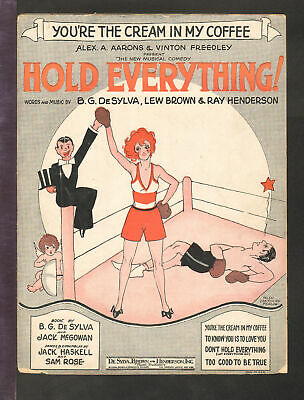
Many coffee songs from those days were pretty simple and spoke of the good things in life.

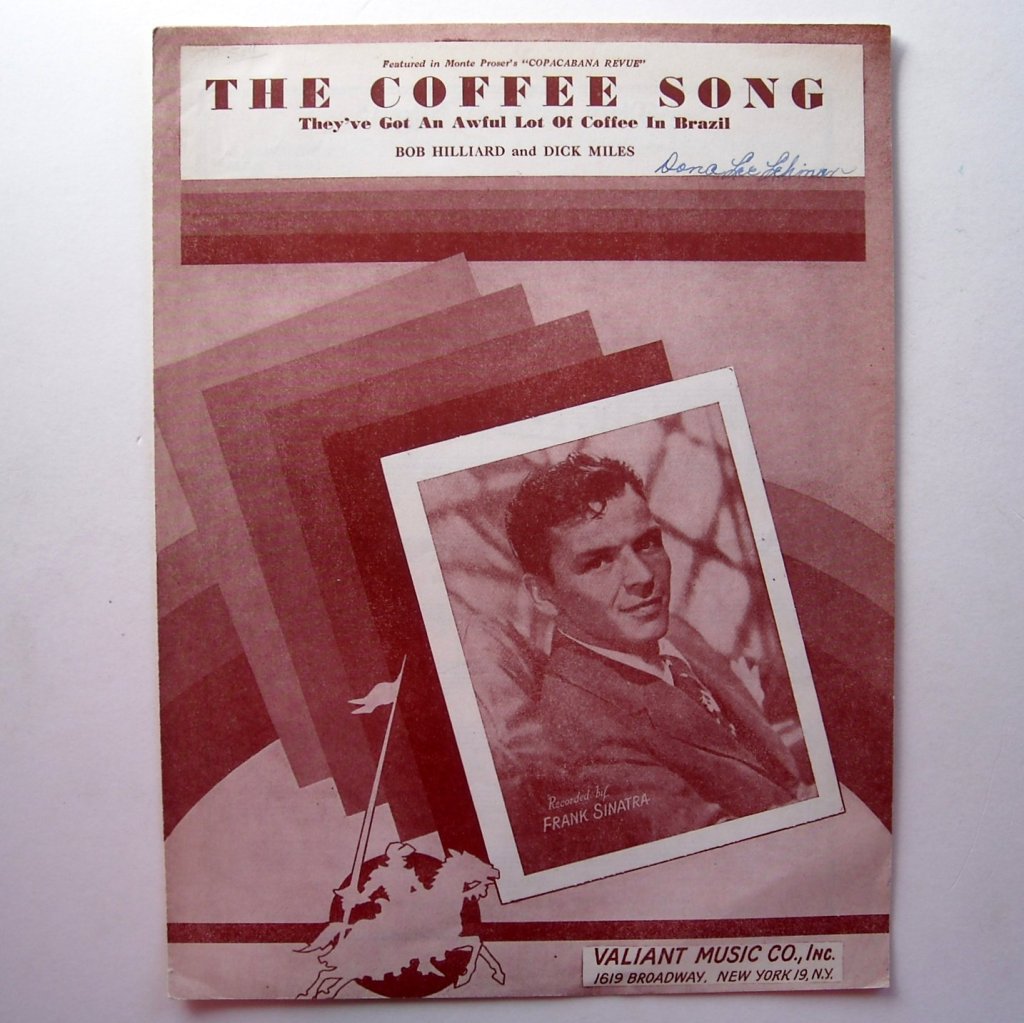
Here’s a lively rendition of this tune with some great Art Deco graphics. Mmmm good! Tap or click on the triangle in the next image to give it a sip.

A more lively one . . .

Here’s the quintessential version of this one by Frankie himself. Click or tap on the triangle in the next image for a “cuppa from Brazilla.”

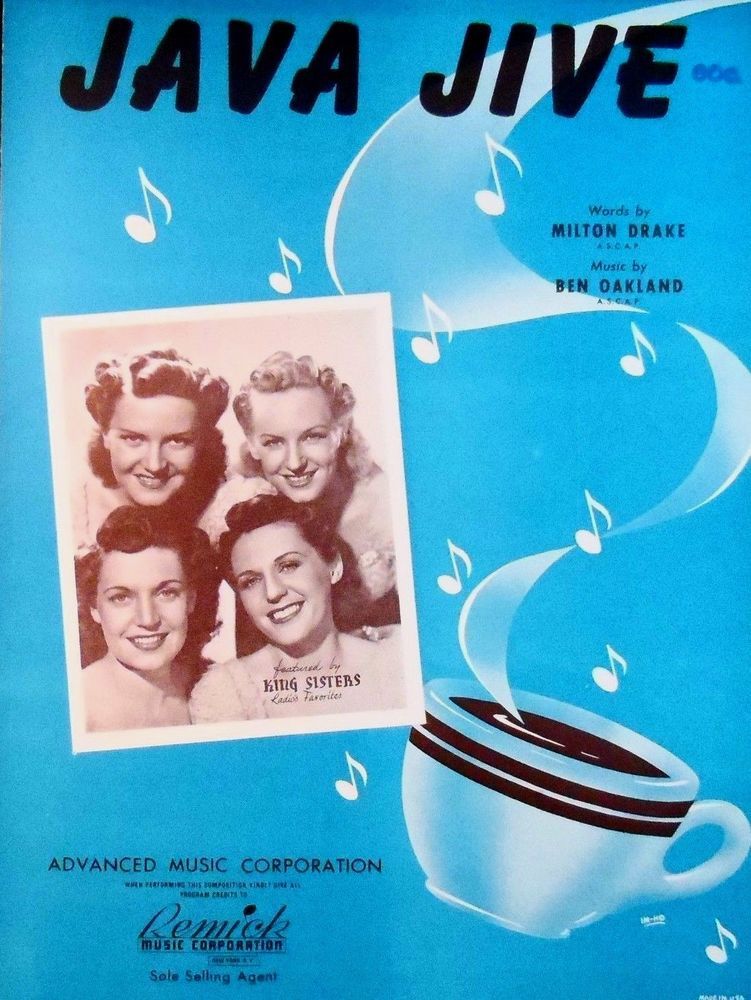
Or, how about this oldie from the forties?

Tap or click on the triangle in the next image to add a little sugar and hear the original version of this song by the King Sisters themselves–one of the original “Beautyshop Quartettes.”.

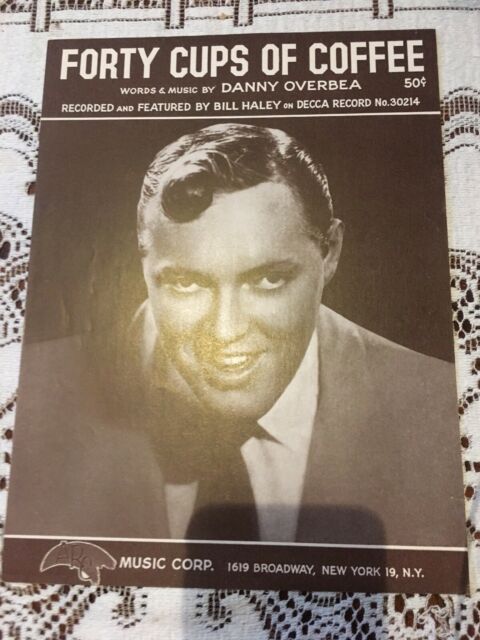
Or, a tune from the fifties.

Here you go with Bill Haley and His Comets. If you don’t mind a little rock and roll to stir things up, click or tap on the triangle in the next image.

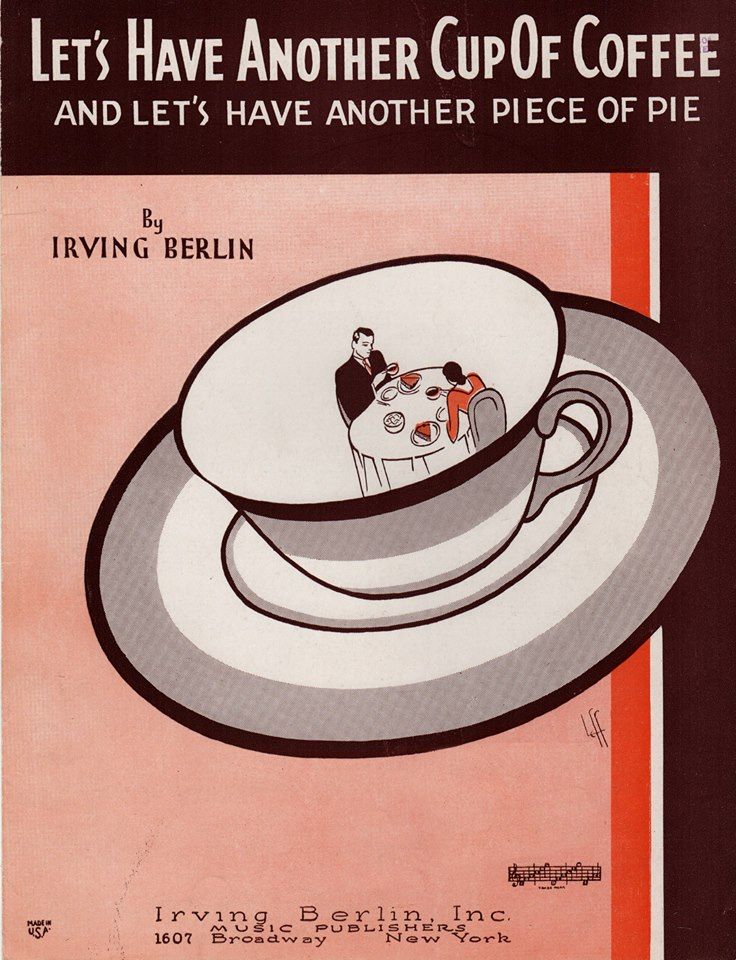
Back thirty or so years for this more tranquil taste.

So, grab your mug, a plate, and a napkin and click or tap on the triangle in the next image for a steamy hot listen.

If you add a little “tot of something” to your coffee, things could even get a bit more risque!

Here’s a torchy rendition of this jazzy old tune. Tap or click on the triangle in the next image to peek and listen in.

And, of course, you can sip slowly on the dark side.

Tap or click on the triangle in the next image for a song as dark as the coffee, made creamy by the voice of Ella.

But, enough of the dark side. To reach the end (dregs?) of this musing, here’s one of the best Depression Era “try-to-make-the-best-of-it” songs ever.

Click or tap on the triangle in the next image to hear some nice strumming and singing. I had to get a ukulele player in here somewhere!

So, stay wide awake, stay well brewed, listen (0r not!) to your percolator,

enjoy your coffee with whatever, and STAY TUNED!


ANOTHER MUSICAL MUSING–21 April 2023,”Guess Who’s Back in Town!”

Every once in a while, I have an earworm about an old favorite that we don’t hear played too often these days —probably because the theme might be thought by some to be a wee tad non-PC.   But, it is 2023, and, after all, it even has been performed (sort of) by The Muppets! Anyway, gentle readers, why not? So, here goes another musical musing!

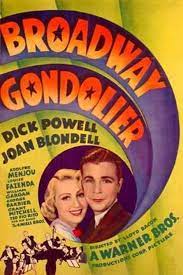
Our song is “Lulu’s Back in Town” written in 1935 by lyricist Alexander Dubin (1891-1945) and composer Harry Warren (1893-1981). 

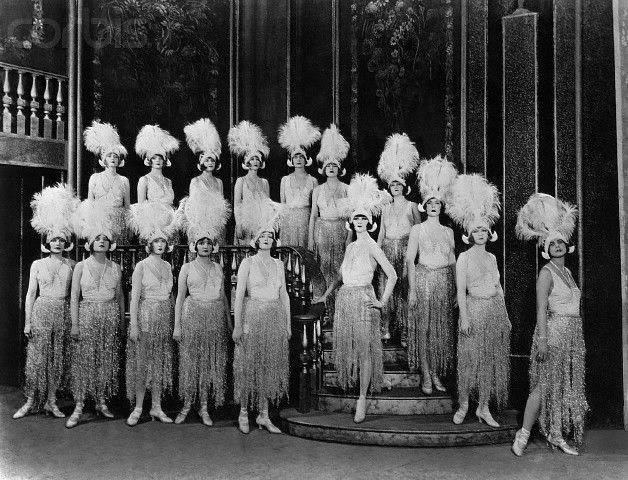
The song was written for a movie musical “Broadway Gondolier” (slang for a Manhattan taxi driver) and sung by then heart-throb Dick Powell.  In simple phrases he sings about getting ready for a rendezvous with “Lulu,” focusing all his attention on this awesome-in-his-eyes woman who periodically revisits his home town.  We don’t know exactly who this Lulu is that has captured the gentleman’s ardor—an old flame, a vaudeville queen, a burlesque star, a lady of sterling (or easy) virtue, a you-name-it?  We don’t know, but our man is smitten.

Is she one of these?

Or is this her?

Who knows? Click or tap on the triangle in the next image to listen to the gondolier himself!

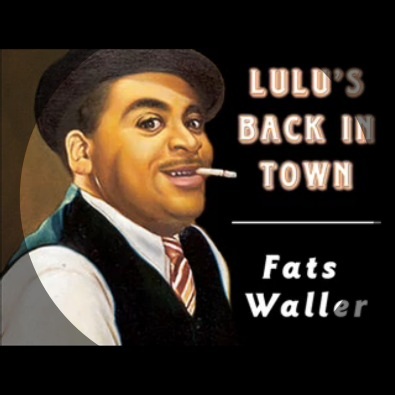
Alas, the film was not that great, but our song was popularized by Harlem’s own “Fats” Waller who’s 1935 upbeat (and a bit more risque) recording topped the charts. It’s a pop/jazz standard today, and—like so many catchy tunes of the age—has been recorded by dozens of performers in dozens of genres and interpretations with lyrical moderations suitable for different times and places. 

It’s become a true classic often performed in what some critics and reviewers in its day called a “rooster strut.”  (Your guess is as good as mine.) Anyway, click or tap on the triangle in the next image to pass judgement.

How about an instrumental jazz version with some real “Lulus” of the day! Click or tap on the triangle in the next image for a look and listen.

And, as promised, here is the Muppet’s take on this. Click or tap on the triangle in the next image for a PG treat!

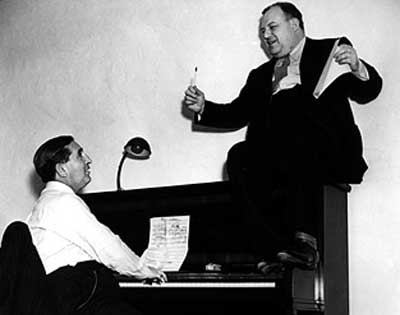
Dubin and Warren collaborated with many other composers on many, many songs—particularly in Hollywood. 

They went on to win an Academy Award for their song “Lullaby of Broadway;” Warren also won an Academy Award for “Chattanooga Choo Choo”—the first “gold record” in history!  A bit off our theme this week, but–What the heck!–click or tap on the triangle in the next image for something not to miss.

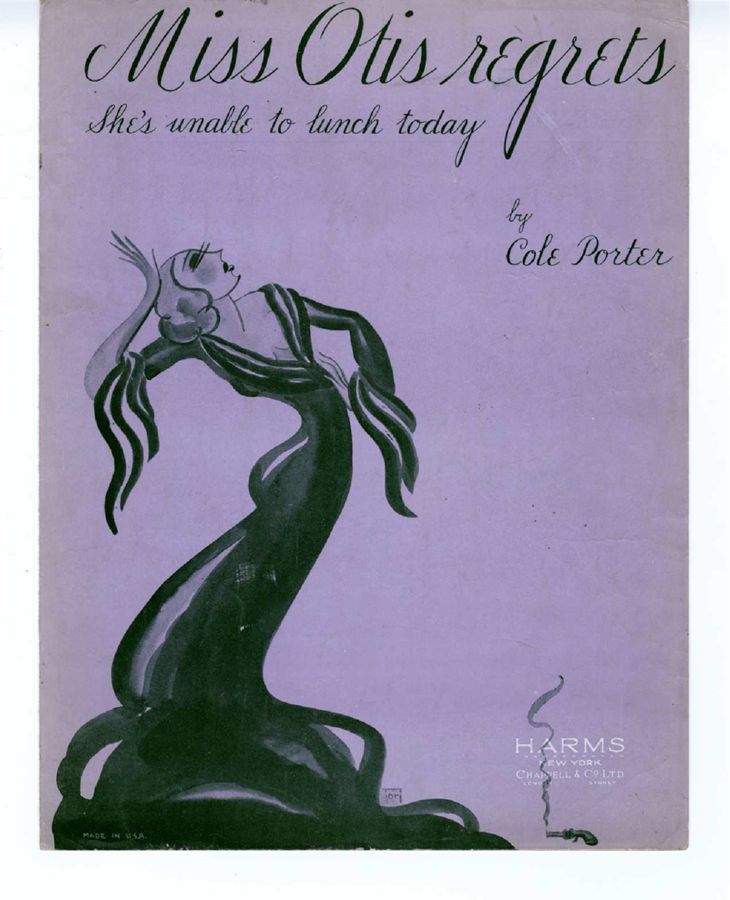
As a further bit of a digression, there is an interesting musical quotation in the chorus of our “Lulu . . .”: “You can tell all my pets, all my Harlem coquettes; Mister Otis regrets, that he won’t be around.”  It borrows a phrase coined by another songwriter, Cole Porter, taken from his 1934 song “Miss Otis Regrets.” 

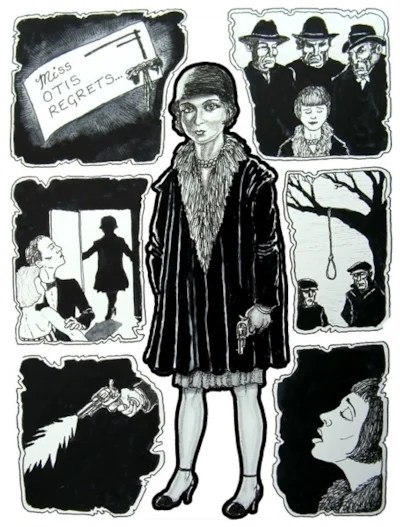
Late one night in a bar with a few of his cocktail party pals, Porter overheard a bartender’s frequent use of the word “regrets.” Porter, on a bet with his buddies , was inspired and improvised a bluesy, Manhattany, musical parody. He wrote about a butler who, politely, explains why his employer, a “Miss Otis,” can’t keep her regular ladies’ lunch appointment that day.  In Porter’s boozy ballad, she had been compromised and abandoned by a lover/seducer but had tracked down, confronted, and shot the cad in cold blood! She quite soon faced the consequences!

Click or tap on the triangle in the next image to hear the Cole Porter bio-movie rendition of “Miss Otis… ” sung by none other than the famously bearded Monte Woolley! Oh yes, that’s Cary Grant at the piano in the Cole role.

Her butler’s understated but polite apology–“Miss Otis regrets she’s unable to lunch today”–soon entered entered the lexicon of American pop culture and became a punchline for sophisticates throughout the 1930s. Just about any “regret” or “unable” phrase had a “Miss (or Mister) Otis” tag, even in ads for gasoline! 

This song, needless to say, became a blues/jazz standard when sung by the likes of Ella Fitzgerald and was even parodied by Fred Astaire himself. Click or tap on the triangles in the next two images for a look and listen.

So, whenever we have a chance to listen to someone sing (or strut) about “Lulu . . .,” it’s fun to take a look at those songs enjoyed, enhanced, and embraced by folks–in a variety of ways–over the past eighty or so years. 

So, gentle readers, what will folks think of 2023’s popular music eighty years from now?  We’ll just have to wait and see. I’m looking forward!

Let’s wind this musing up with–what else–a rather bizarre ukulele version of “Lulu . . .

So, find your razor and perfume, get your old tuxedo pressed, and STAY TUNED! Because . . .

ANOTHER MUSICAL MUSING, 14 April 2023–“Smoke Used to Get Into Our Eyes”

After writing and posting my so-called “musical musings” for the past six or so years, I find myself searching my bookcases and trolling the internet in search of topics I haven’t touched on before.  I do revamp some of my earlier postings by adding new YouTubes and images as well as commentary on life in our trying times; but, every once in a while, I stumble across something a tad different that might be fun to share—sometimes questionable, sometimes off limits (to only a few, I hope), and, suffice it to say, sometimes just plain tacky.

So, friends and neighbors, be forewarned! 

Times being what they are, however, a bit of tacky might be just what we need.

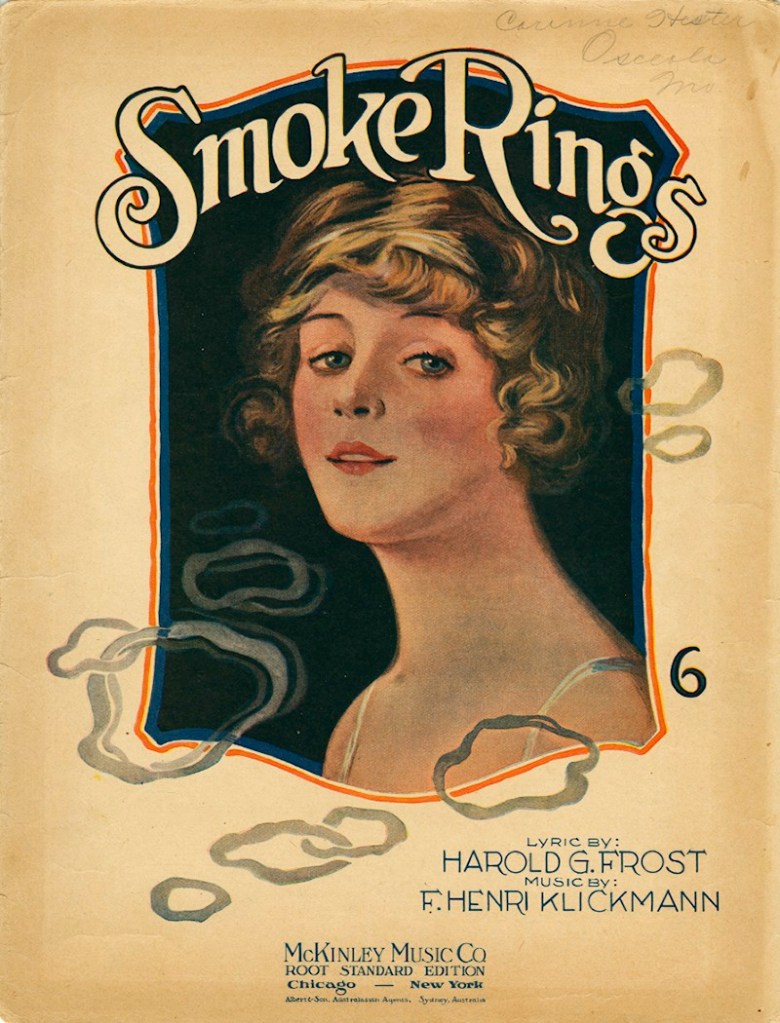
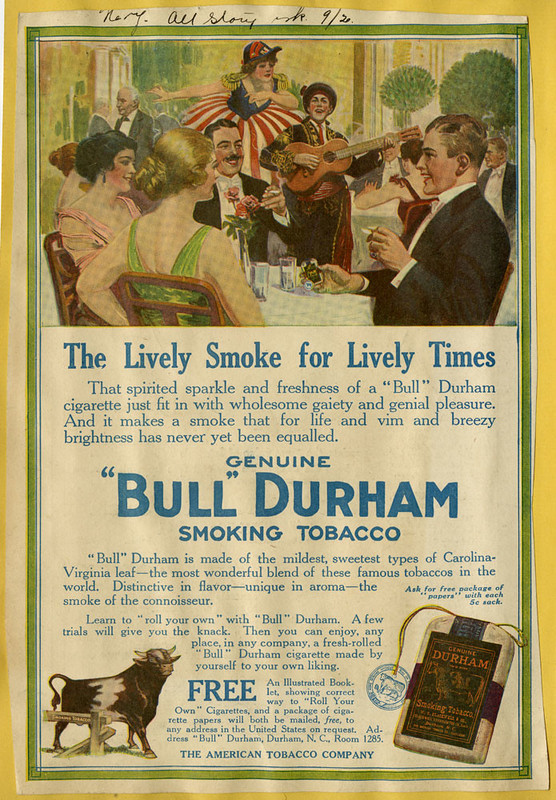
So, gentle readers, here is a take on that once glamorous, now ugly habit of smoking and how tobacco seems to have permeated life and music over the decades. 

This is certainly not an endorsement of a nasty, unhealthy habit for the youth of America But, bear with me as I light up.  Tacky-tak-tak, here goes!

Needless to say, there are many, many songs about smoke and smoking. To make things simpler, however, I’m just going to focus on the most ubiquitous–cigarettes. And I’ll touch as little as possible on what might–by a few of you gentle readers out there–be considered as “recreational” puffing. Alas, increasingly prevalent in these modern times and in our Happy Valley!

So, click or tap on the triangle in the next image for our first musical puff!

Now let’s move on to something a bit more musically sophisticated, to say the least.

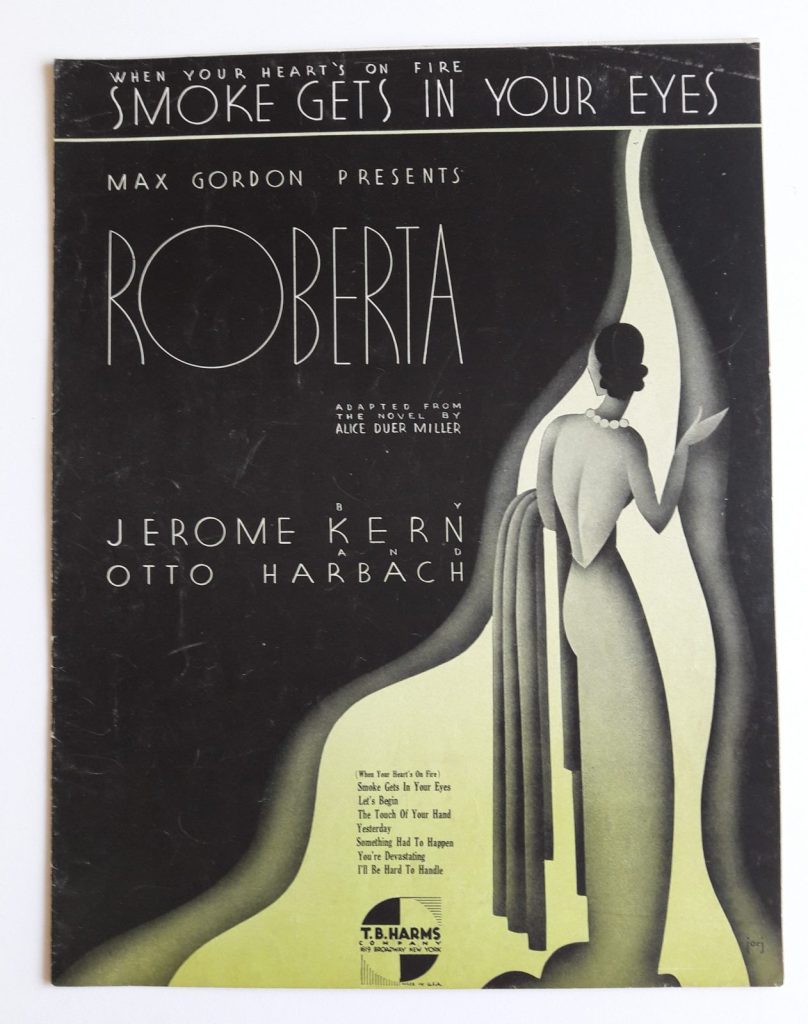
Tap or click on the triangle in the next image for this one. Not really about cigarettes but the quintessential “smoke” song. Who else but Fred, Ginger, and Jerome.

And there are a few dozen others out there. I don’t know about the music but the images are fun!

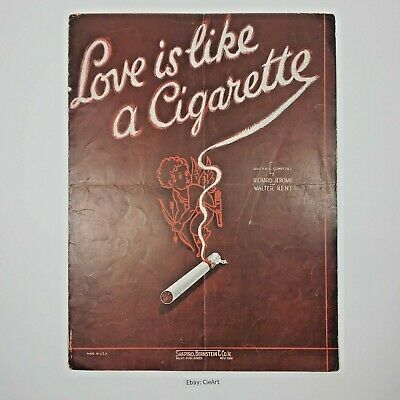
And then there are songs specifically about cigarettes,

Tap or click on the triangle in the next image to join in.

Here’s another.

Click or tap on the triangle in the next image to light this one up.

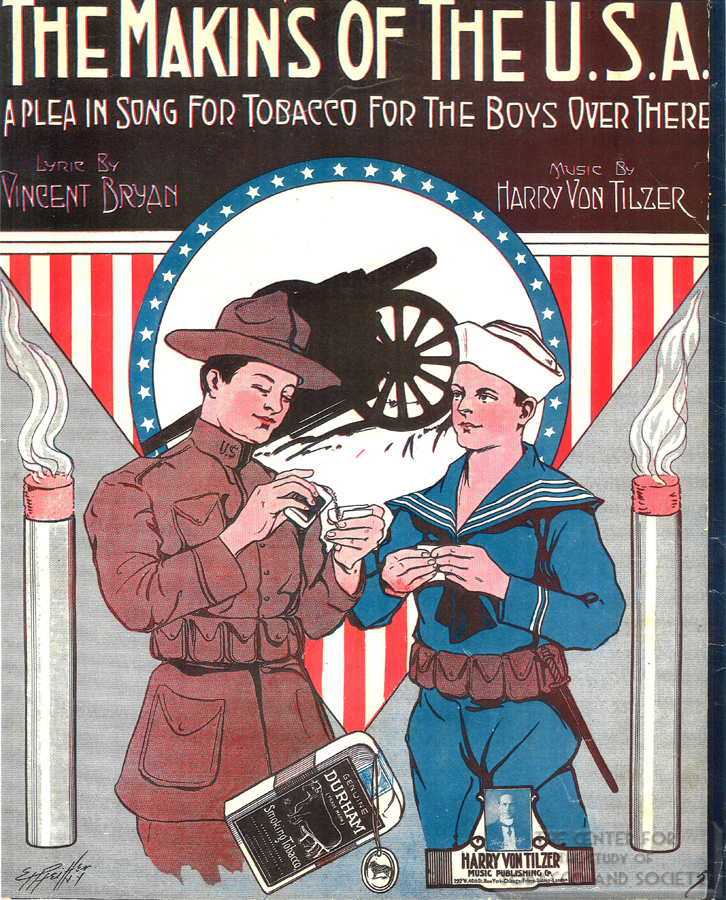
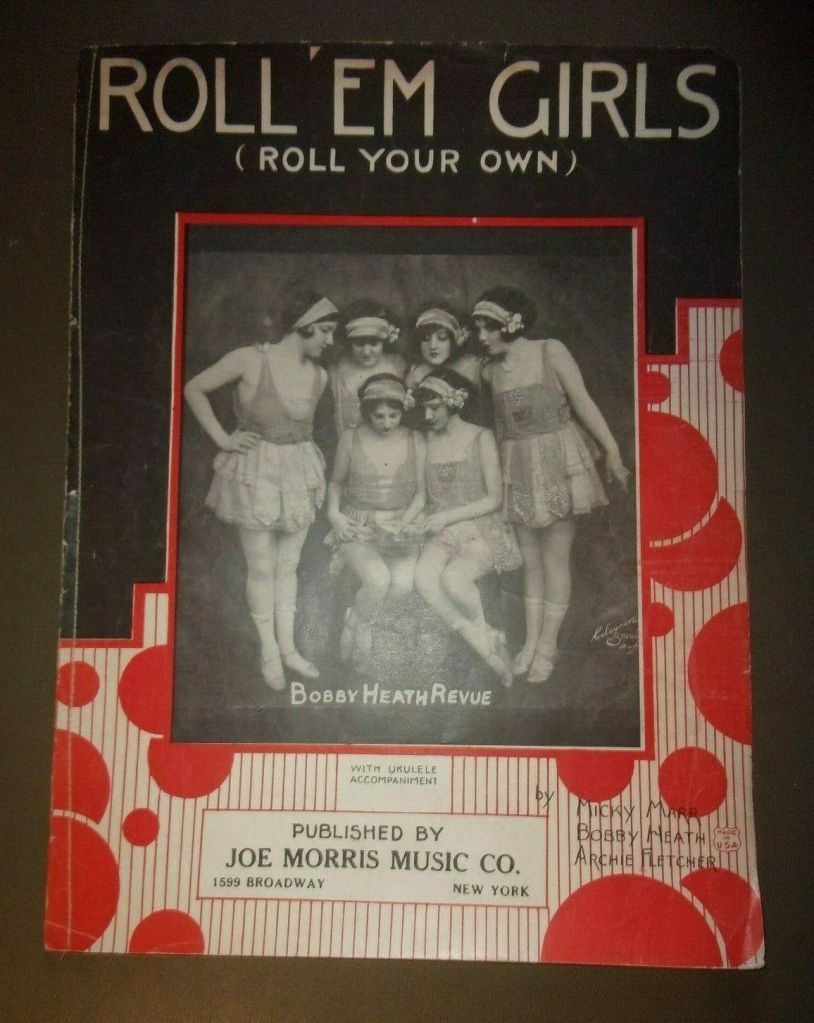
Or how about cigarettes the old fashioned way, the way my grandfathers did it. With “makins,” you can roll your own!

Image

About a bit more than rolling cigarettes, but a good commentary on the fashions of the day. Click or tap on the triangle in the next image for a prurient peek-a-boo.

And, where would we be without John Wayne? I tread a bit close to the boundaries on this but, what would Willie Nelson say? Click or tap on the triangle in the next image anyway.

And then, there is the moralistic take on smoking, and a couple of other related things of which I–and I assume more than a few of us–have little or no objection.

This song is pure country but here it is by–of all folks–The Muppets. Click or tap on the triangle in the next image for a bit of puppety fun!

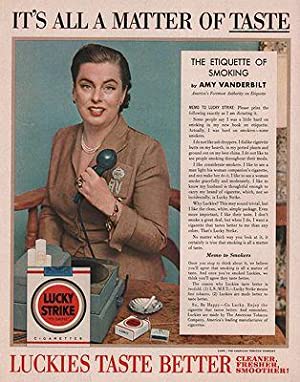
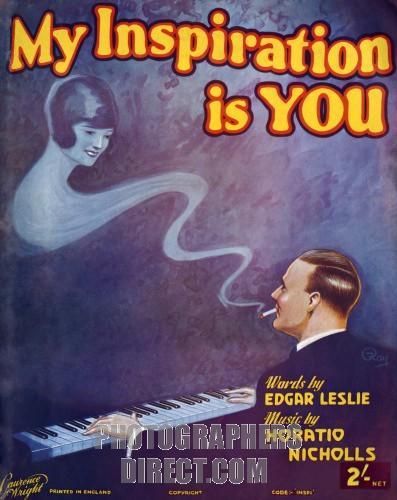
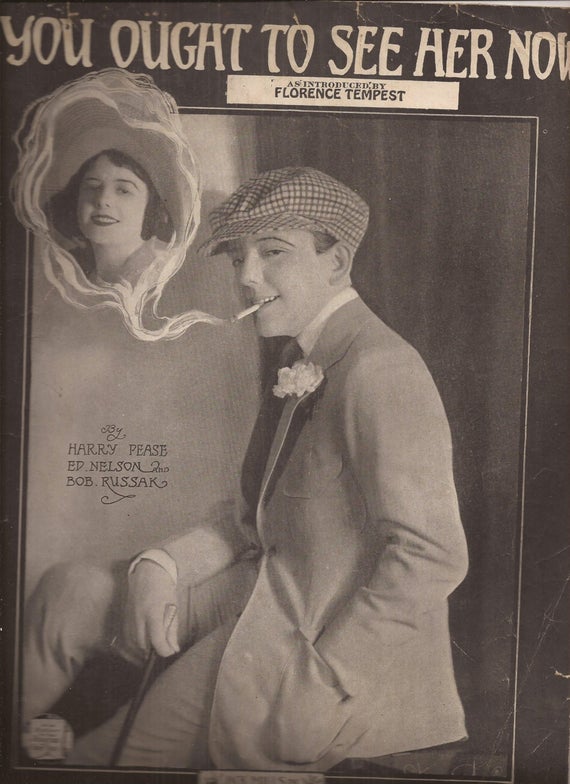
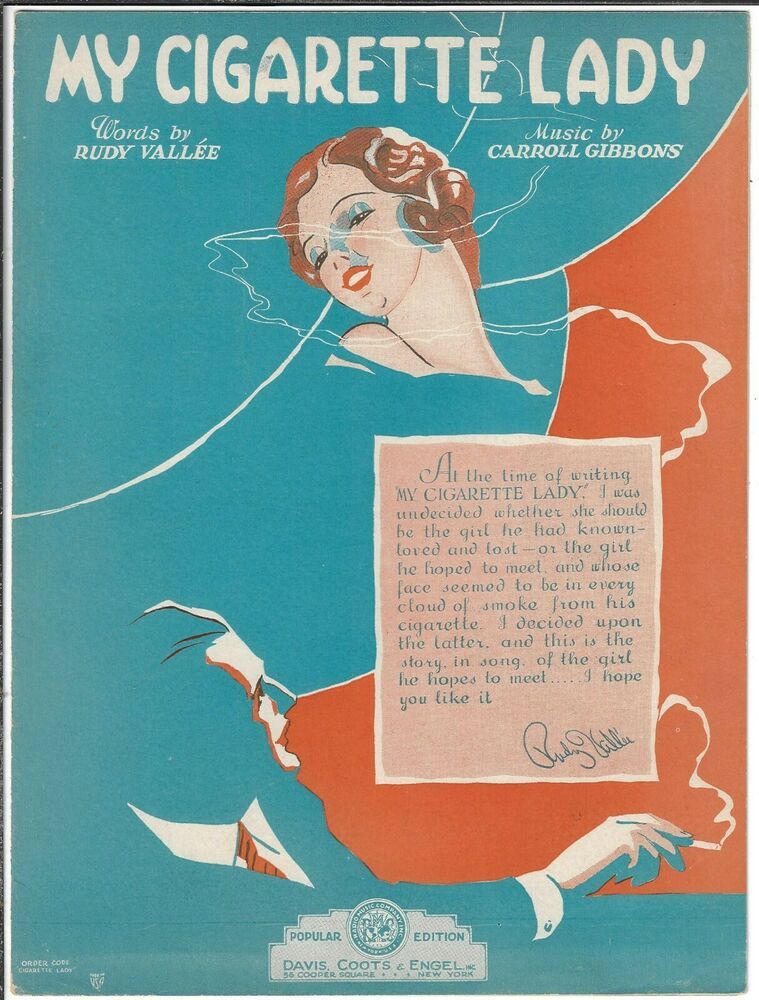
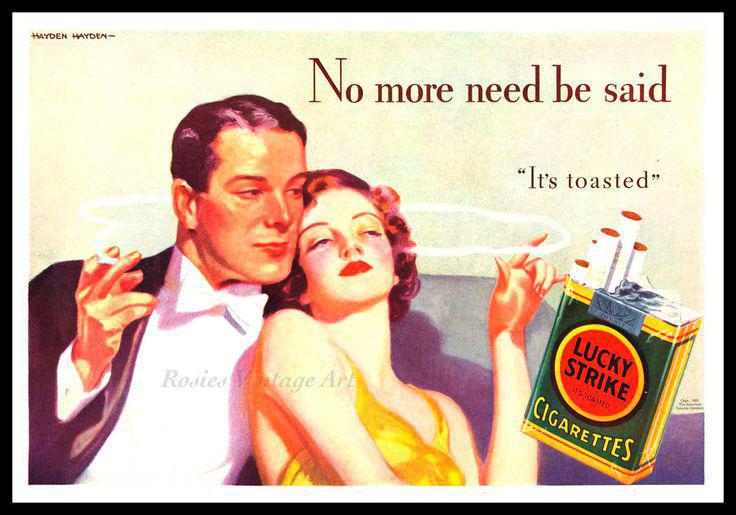
And, course, there are a few sheet music images of ladies puffing away and obviously not singing.

And, how about a musical cigarette pack! Probably sold for about 25 cents in those days.

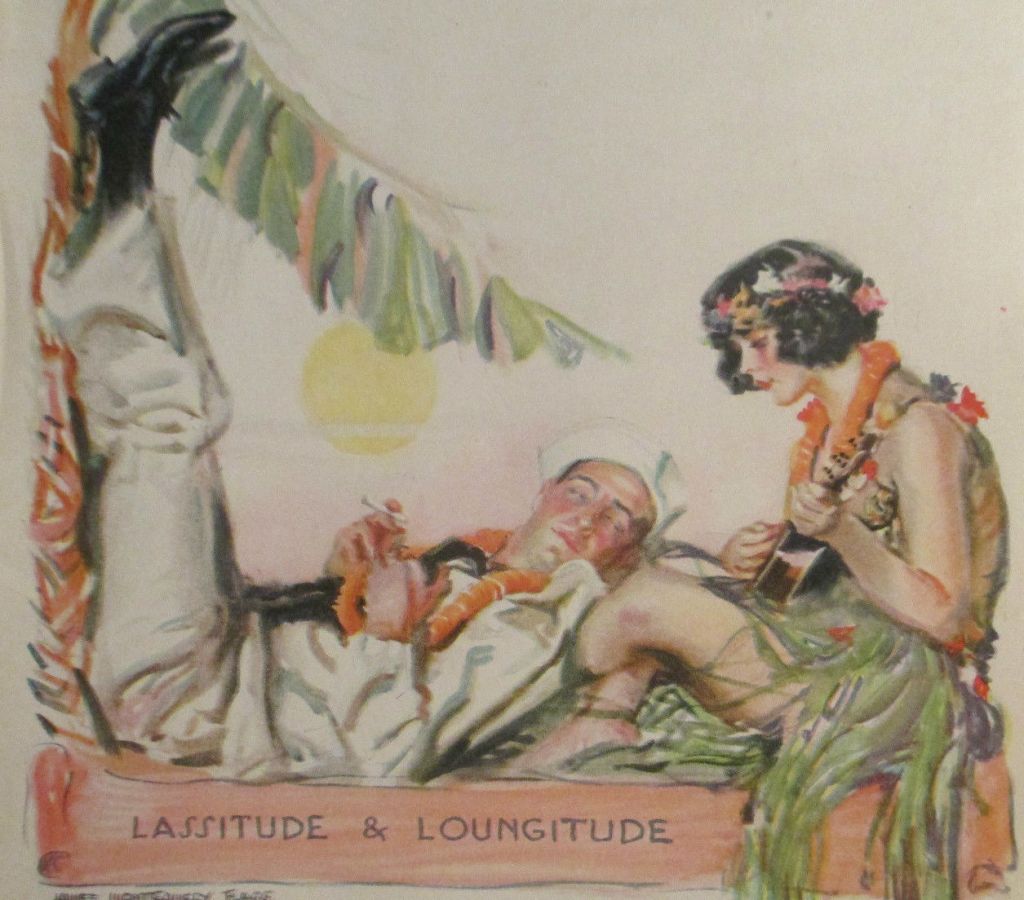
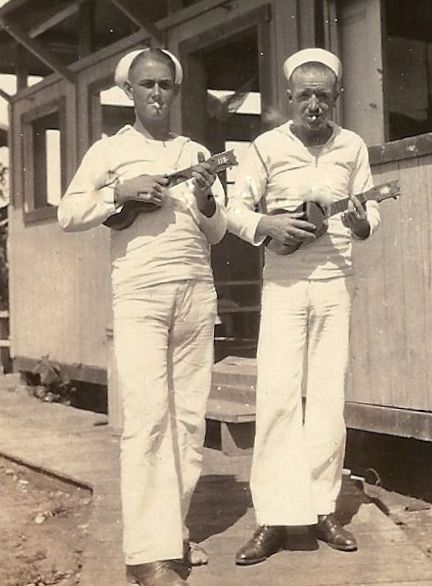
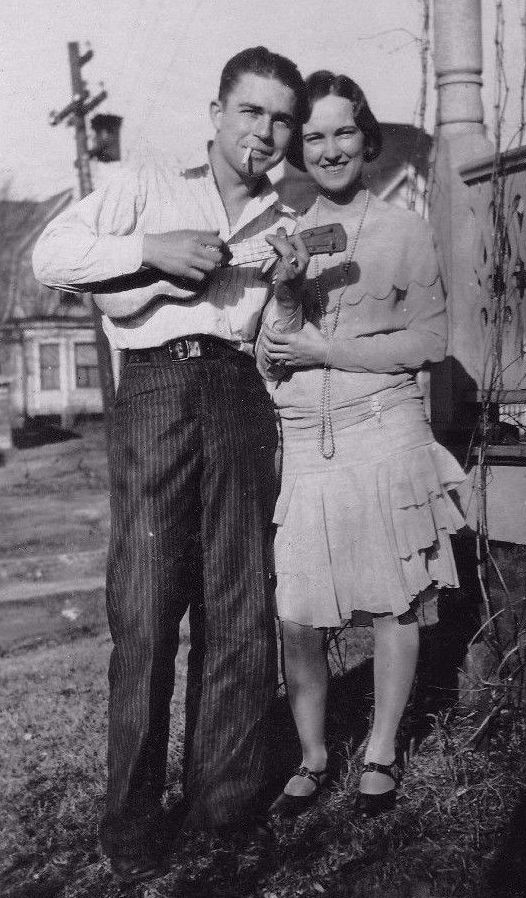
Now we have to dig into the collection of ukulele photos to take a peek at some of the glamorous guys with their omnipresent cigarettes! As they say, “there’s something about a sailor!”

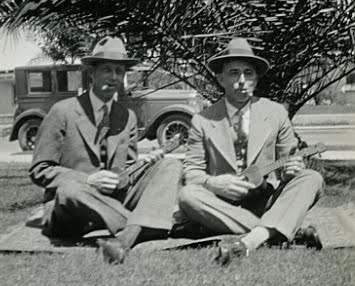
Landlubbers too!

And of course some of the big names of ukuleledom. Here’s Arthur Godfrey “making love, ukulele style.”

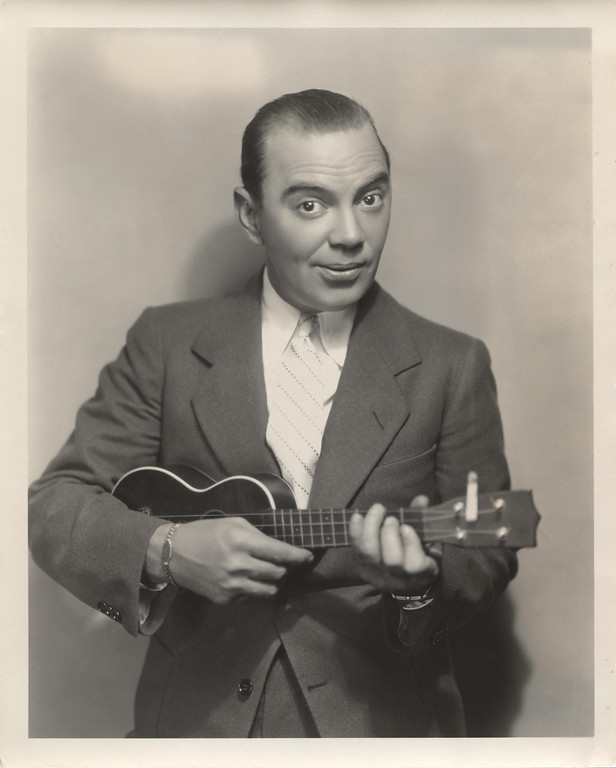
And, finally, a new use for a ukulele–a cigarette holder! He’s not called “Ukulele Ike” for nothing.

Fair warning: This little journey into the mix of tobacco and music is certainly not an endorsement of consuming tobacco products in any form.  Tobacco, smoking, and related songs are part of musical history but, unlike history, we don’t have to inhale. 

But the music sure was fun, so let me repeat a tune and make sure to leave you with a musical earworm! Click on the triangle in the next image for a good old-time banjo version of our first song by nonother than “Grampa Jones.”

Where there’s fire, there’s smoke in music land. So, stay safe, stay home, stay busy, stay viceless (sort of), and STAY TUNED!