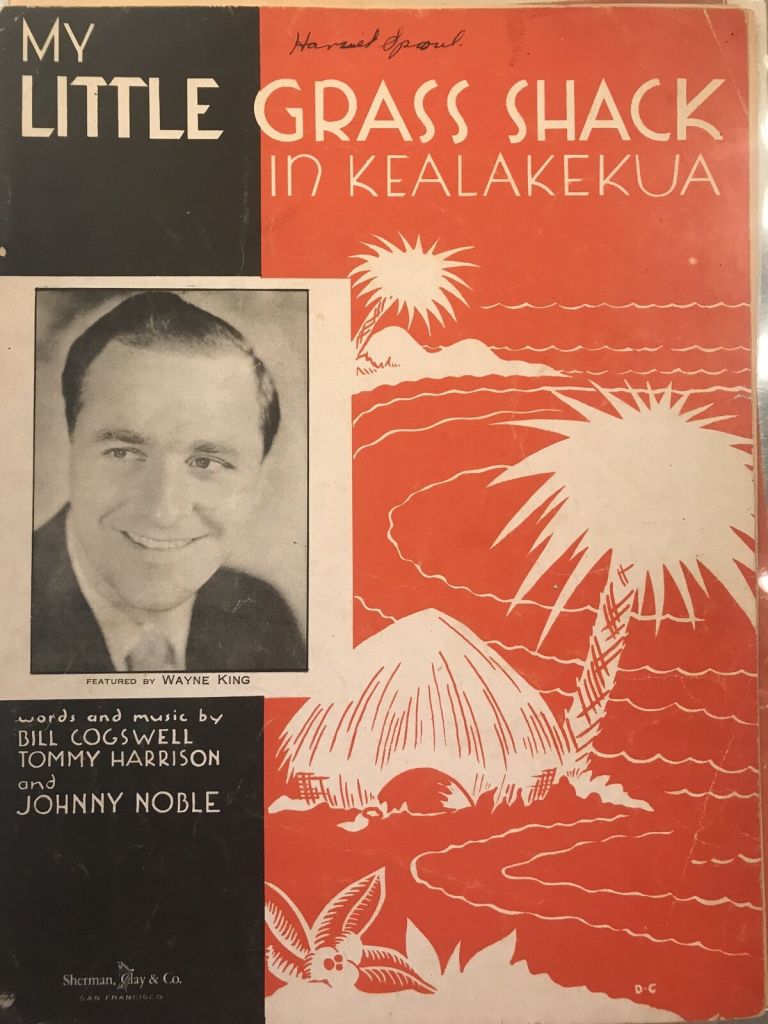
ANOTHER MUSICAL MUSING, 31 March 2023: A Counterpoint To Waaaay Too Much News!

For those of you who—like Alison and me—are glued to (stuck with?) the news these days, it seems that everything is being split into EXTREMES!  There is right/left, red/blue, old/new, whew/whew . . .

To clear my head a bit, I keep returning to another musical earworm of mine that pulls extremes together but into a harmonious whole.  The song that keeps sticking in my mind is simplicity itself but, nonetheless, complex—“Won’t You Play a Simple Melody” by the great Tin Pan Alley and Broadway songwriter Irving Berlin.   What could be simpler than that?  Old Time/Ragtime? Hmmm  . . .

Won’t You Play a Simple Melody” is a song from the 1914 Broadway musical “Watch Your Step,” with all the songs and music written by Berlin himself. 
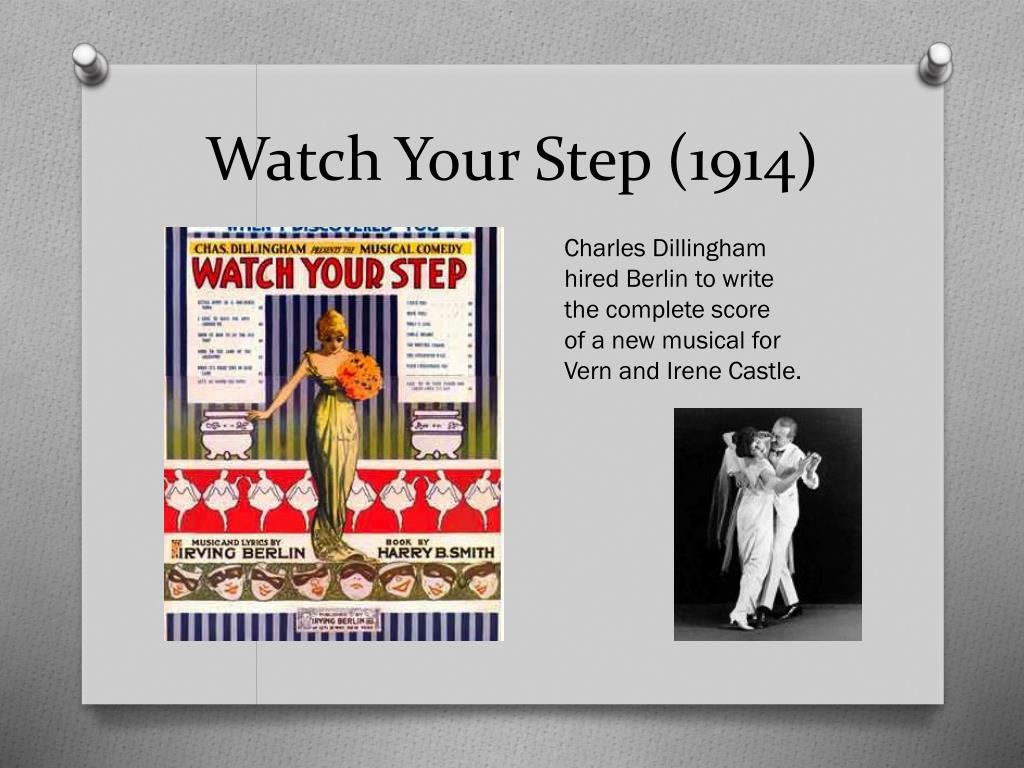
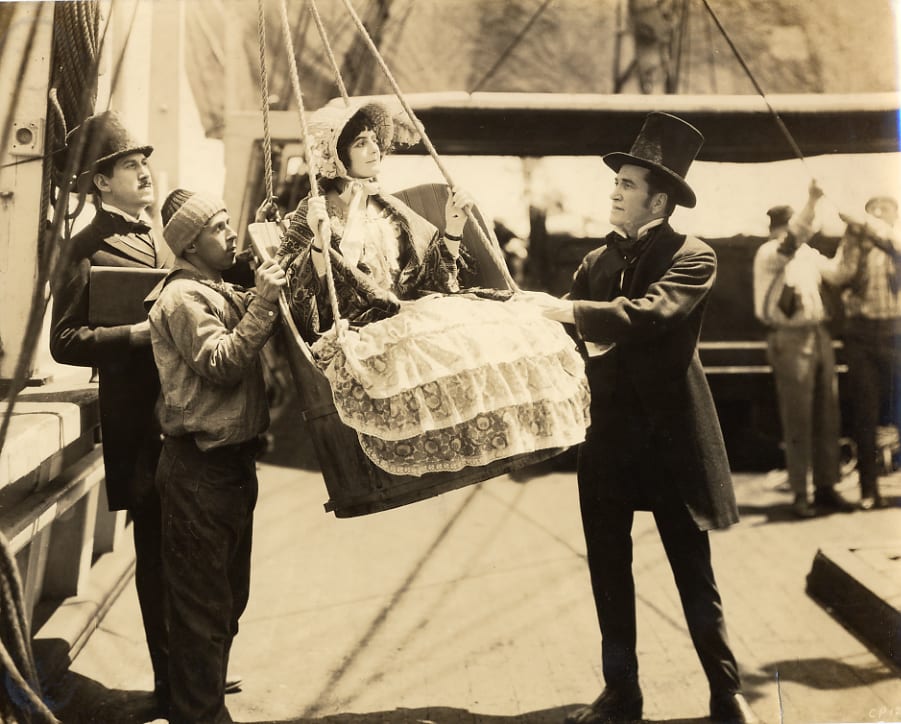
The show was the first stage musical he wrote and the production was conceived primarily to show off the fancy footwork of the famed ballroom dancers Irene and Vernon Castle, as well as Berlin’s songs. 
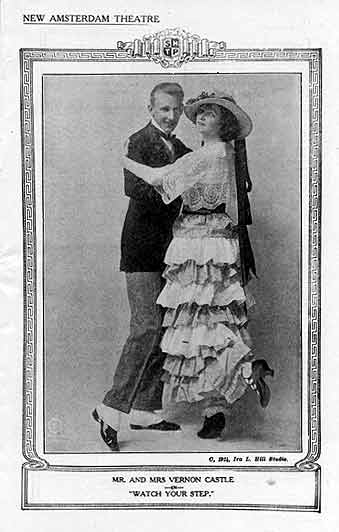
As a bit of background fun, click or tap on the triangle in the next image to take a look at this once most popular dancing duo in action in a 1915 silent movie. Dubbed in music, of course!

That YouTube was a bit fuzzy, so here are Fred and Ginger doing their interpretation of Vernon and Irene in the 1939 bio-pic about the Castles. Click or tap on the triangle in the next image for a clearer view!

But, I digress. So, now back to our song. Not surprisingly, the most well-remembered and still performed song of the show “Watch Your Step” was a non-dancing number.
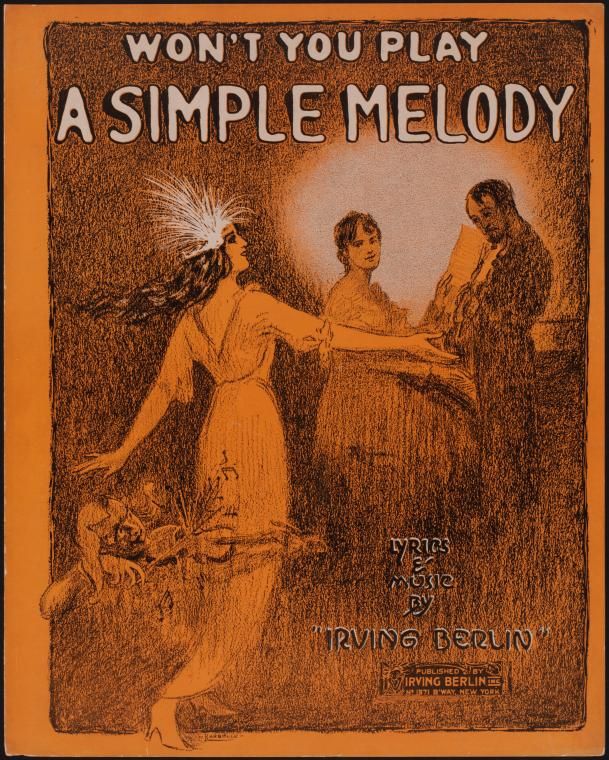
This song is one of musical extremes—called “contrapuntal” by musicians or, more commonly, “counterpoint.”  While often used in opera, our song was one of the earliest examples found in American popular music.  Unlike in a “round” that uses the same lyrics and melody offset and overlapping, counterpoint uses a first melody played against a different melody, each with independent lyrics but with the same key and chord progression.  Berlin was a master of these so-called “double songs” and several of his are written this way. For those of you who are musically curious, here’s a look at the original sheet music.

After an intro “verse” to set the scene, the “simple melody” plays alone. Then comes the contrasting melody and lyrics.
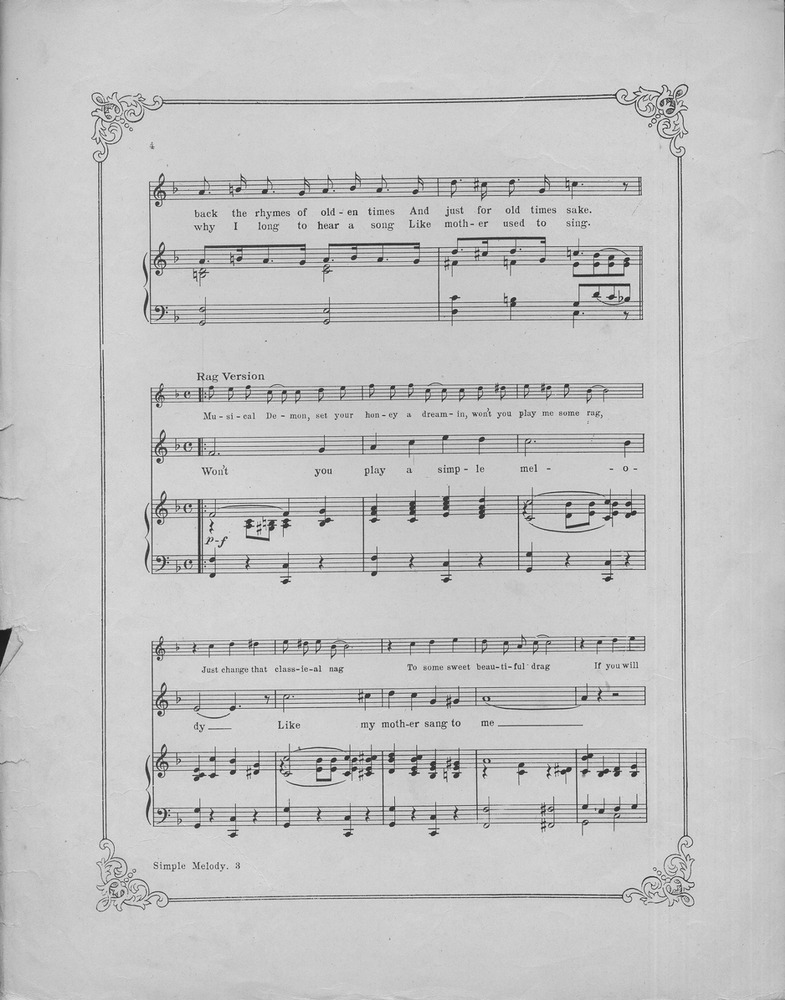
Finally, the two play together, both within the same key and chord progression!
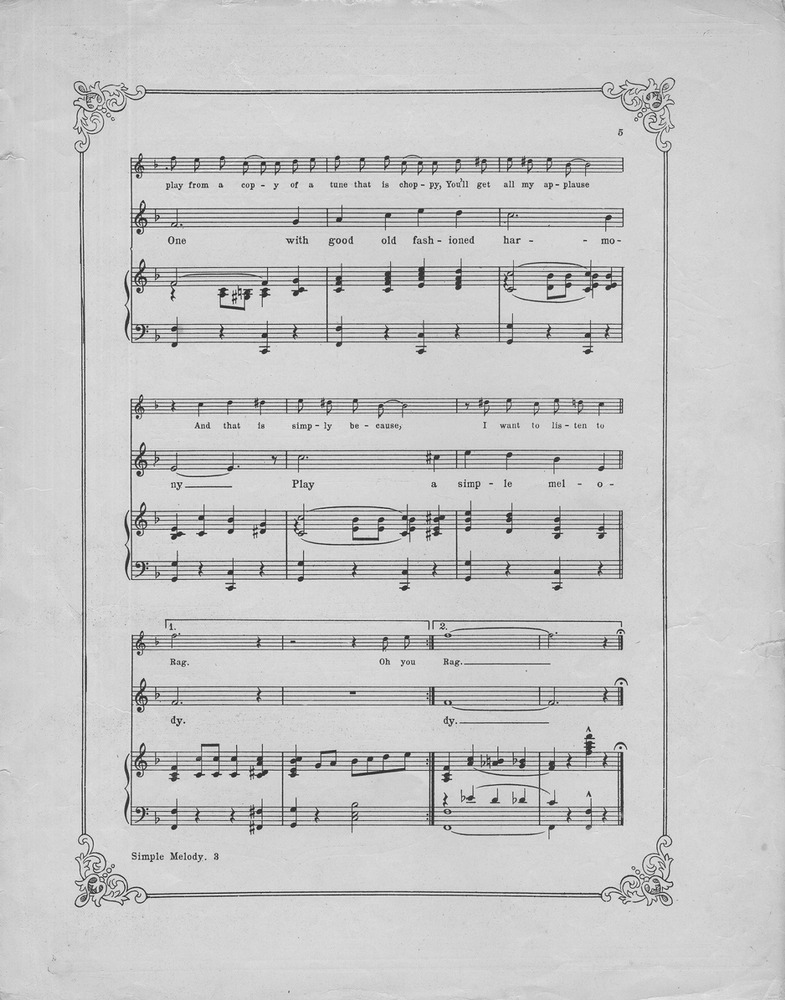
The lyrics of “Won’t You Play a Simple Melody” also track  a counterpoint duet as one singer yearns for the music which “mother” sang (the style of a bygone generation), while the other singer disdains such classic fare as lacking interest and rhythm.  That is to say, “It ain’t ragtime!”

The score’s roadmap is a bit tricky to follow, but you’ll catch on once you listen to the YouTube. 
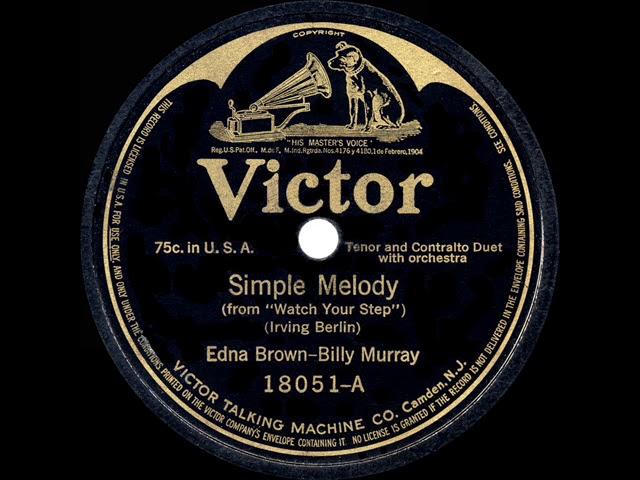
Here’s a recording of our song made way back in 1916.  Most subsequent recordings skip the intro verses but it’s worth a listen.  Tap or click on the triangle in the next image to tune in to this scratchy but original recording.

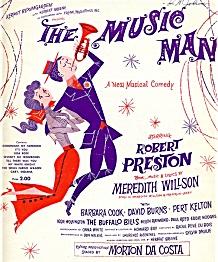
Moving on, here are a few more “counterpoint songs” just for fun—a couple more by Berlin and then one by Meredith Willson from “The Music Man.” 
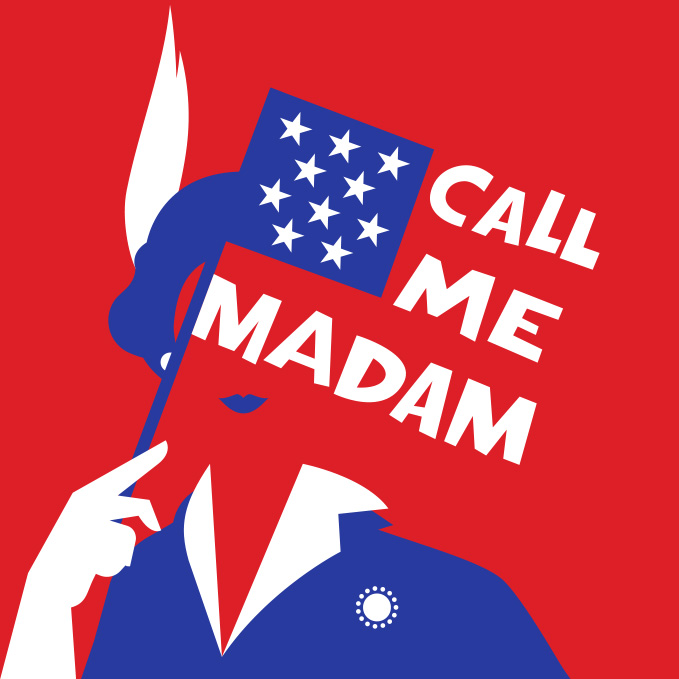
Click or tap on the triangle in the next image for a tune from the 1950 Broadway musical and subsequent film “Call Me Madam” that has become a popular “dueling duet” over the years–“You’re Just in Love.” Here’s a lovely country/jazz, father/daughter take on this classic.

And, yet another one by Berlin.
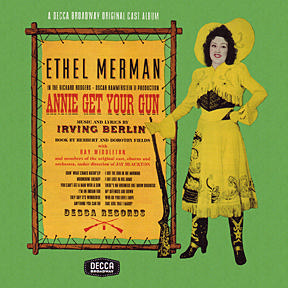
Tap or click on the next image or link for a 21st Century, Washington, DC, take on Berlin’s song “Old Fashioned Wedding” from his 1946 musical “Annie Get Your Gun.” As an aside, I remember hearing these guys performing at the Obama (not the Trump . . .) inaugural festivities! Counterpoint? You betcha!

And here’s what has evolved into a barbershop standard, “Lida Rose” from Meredith Willson’s 1956 musical “The Music Man.”
Click or tap on the triangle in the next image to take a peek at how folks can come together in counterpoint. Could but we all!

So, in these too-hectic and too-newsy days, let’s think “counterpoint” rather than “conflict.”  Needless to say, gentle readers, it’s much prettier that way!

Now, to wind (tune?) things up this week, let’s go back to our original song and listen to a 1990s recording of “Won’t You Play a Simple Melody” sung by Jean Stapleton, with the Muppets, and—oh, yes—a ukulele (sorta) accompaniment.  Click or tap on the next image or link to chuckle along with this one!

So, as we all move along to the next week of “news to be glued to,” let’s all keep an eye on the capitol . .

. . . Don’t get lost and confused!

.  .  .  and remember the musical gifts of a Jewish immigrant from Russia who gave us those other simple earworm melodies of “Easter Parade,” “White Christmas,” and “God Bless America.

and, STAY TUNED!
ANOTHER MUSICAL MUSING, 24 March 2023, Songs of the Great Depression–From the Dark Side to the Sunny Side

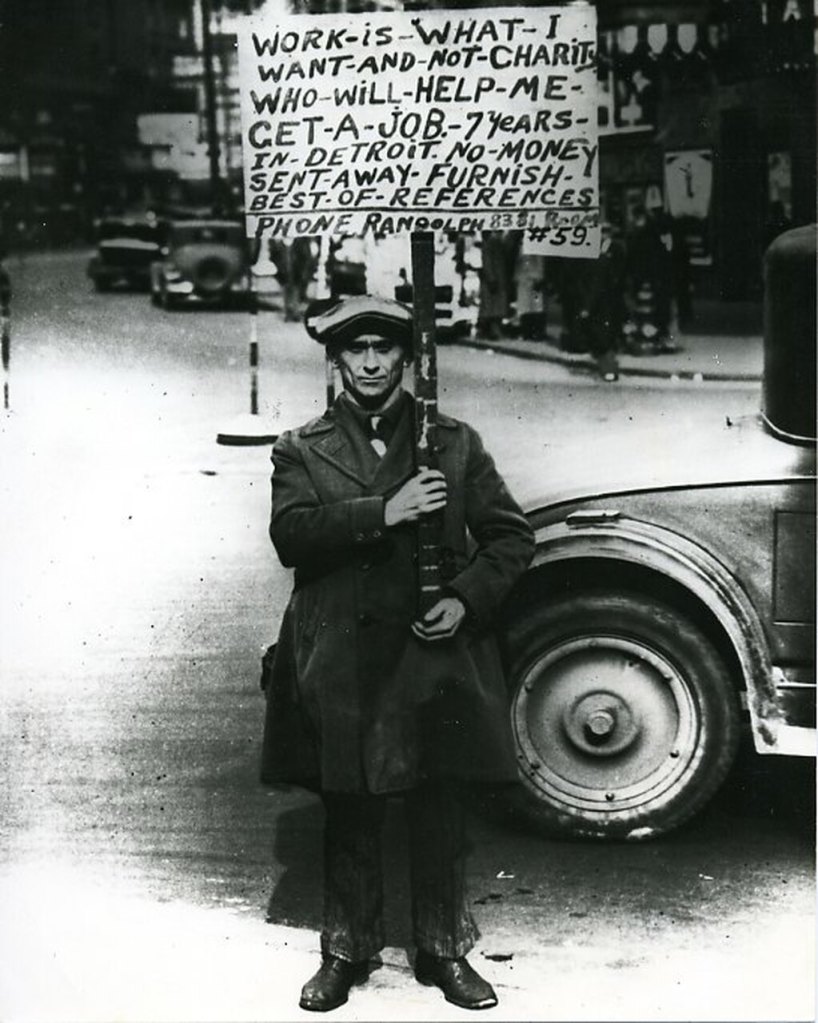
I don’t know about you, gentle readers, but I am increasingly finding the news of the day disheartening if not depressing; too much “this and that,” too little “that and this.”  I thinking not just of the deeply worn depressions found in too many of the streets in our little part of New England, but also thinking back on that rocky rubble of American history known as the “Great Depression.”

Few of us around today lived through those days, but all of us have heard the admonitions of our parents or grandparents: “Make do or do without;” “Poor folks have poor ways;” or “Think about the poor children from—wherever—who don’t have enough to eat.” 

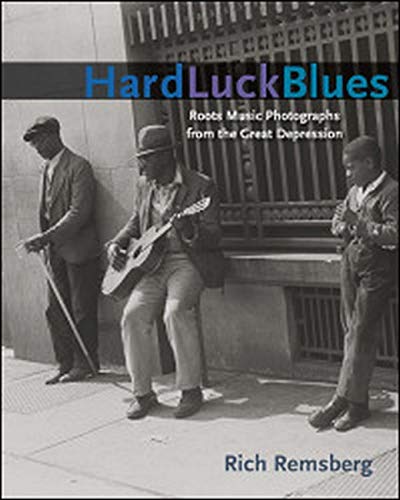
However, there were silver linings on the dark clouds and those fit right in with these musical musings I have been posting for the past five or six years. It’s in many of the songs we remember, play, and sing today as we troll through our songbooks and strum, saw, tap, or toot away on our favorite musical instruments.

There were Dozens and Dozens and DOZENS of songs written in the time span between presidents Hoover and Roosevelt. 

As would be expected, many of these were in the blues, country, and protest song traditions. They reflected in song the woes of the time. 

Still others, mostly in the jazz and popular traditions, focused on the optimism that everyone needed to survive. 

After all, songs on the radio (if you were lucky enough to have one in those days) were free and (it was said by many) that: “You can’t be sad when you’re dancing!” 

So, let’s take a look at just a few of these songs–from both sides of the cloud, of course–to illustrate my point and, then hopefully, give us a bit of cheer once we set aside our newspapers (screens today) and sing along!  

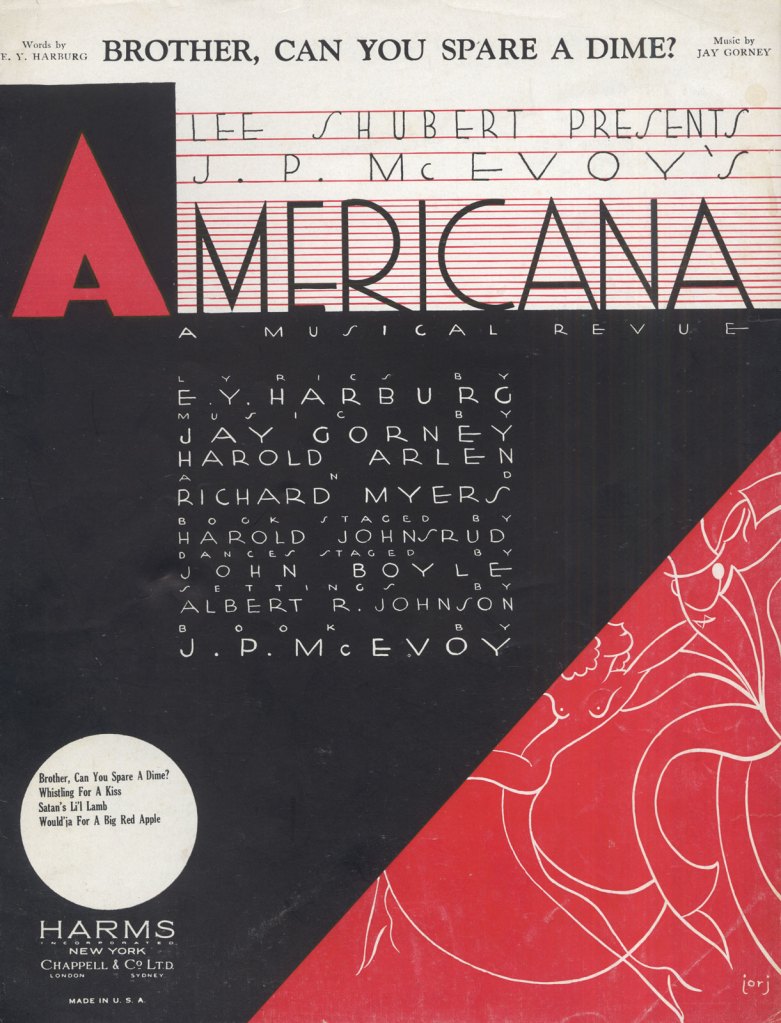
To begin, gentle readers, let’s “eat our spinach before our desert” and look at the most quintessentially woeful song of the times, the one that defined the Great Depression: “Brother Can You Spare a Dime?

Without a doubt, this is one of the best-known American songs of the era of bread lines and soup kitchens and, in effect, has become THE anthem of the Great Depression. Written in 1931 by lyricist Yip Harburg (who, incidentally, wrote all the songs for “The Wizard of Oz”) and composer Jay Gorney, the song was part of the 1932 Broadway musical revue “Americana.”

The melody begins in a minor key—unusual for a popular song at the time—and is based on a Russian-Jewish lullaby that Gorney had grown up with as a child. The song tells the story of the universal everyman, whose honest work was towards achieving the “American Dream.” 

Although blues songs often reflected a dark, more rural or racially oriented take on the times, . . .

. . . Brother Can You Spare a Dime” became one of the few Tin Pan Alley or Broadway songs of the era to shine on the darker aspects of the county’s collapse.

Click or tap on the triangle in the next image or to listen to this song that defines the dark side of the era.

But, enough of the dark side!  Let’s, indeed, move over to the—shall we say—sunnier side of the street. 

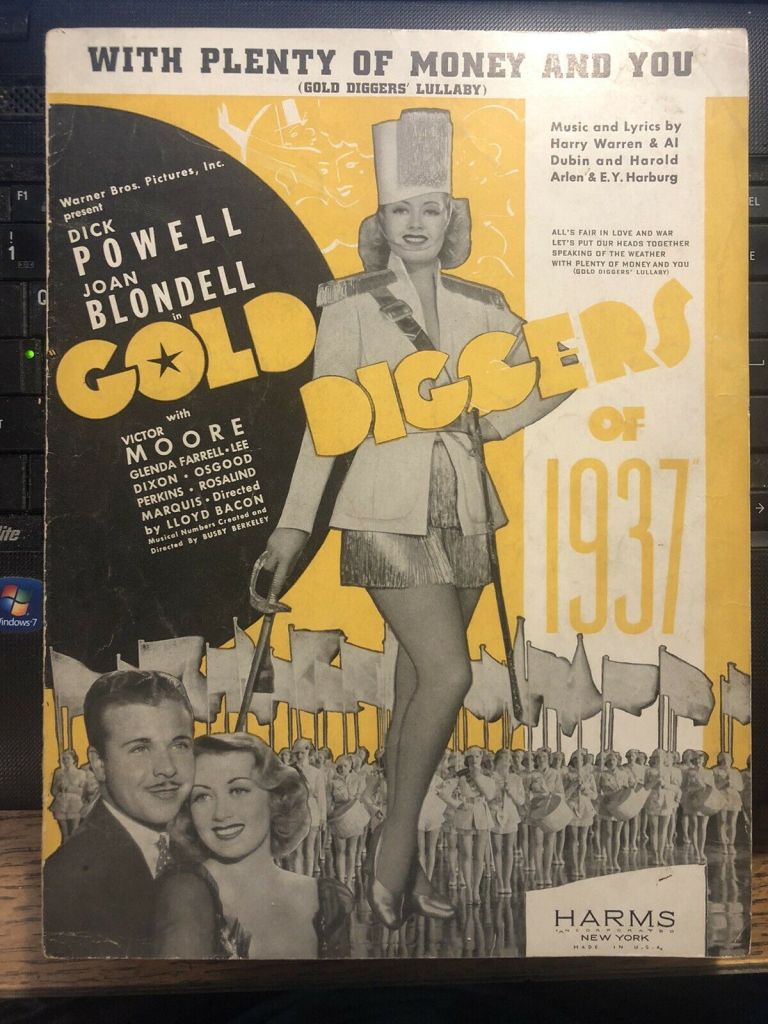
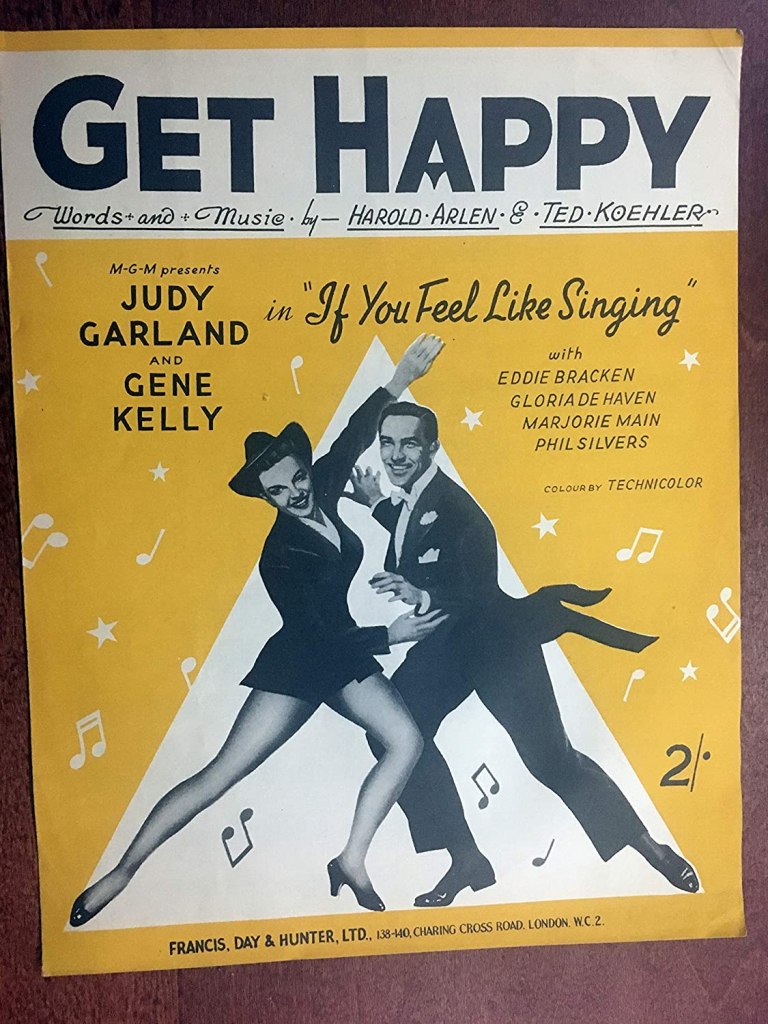
American popular music reacted to the Great Depression with optimism—albeit guarded—and a spate of lighter songs became radio, movie, and Broadway hits.  Many of these have endured and, in fact, have found their way into our songbooks.

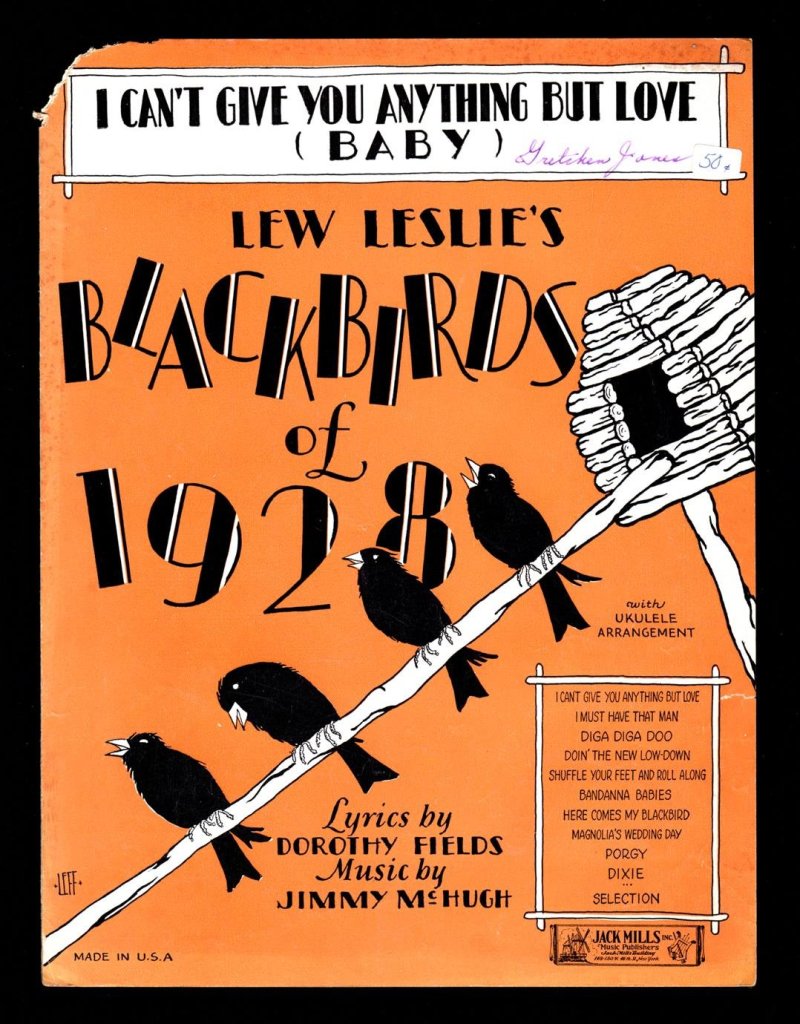
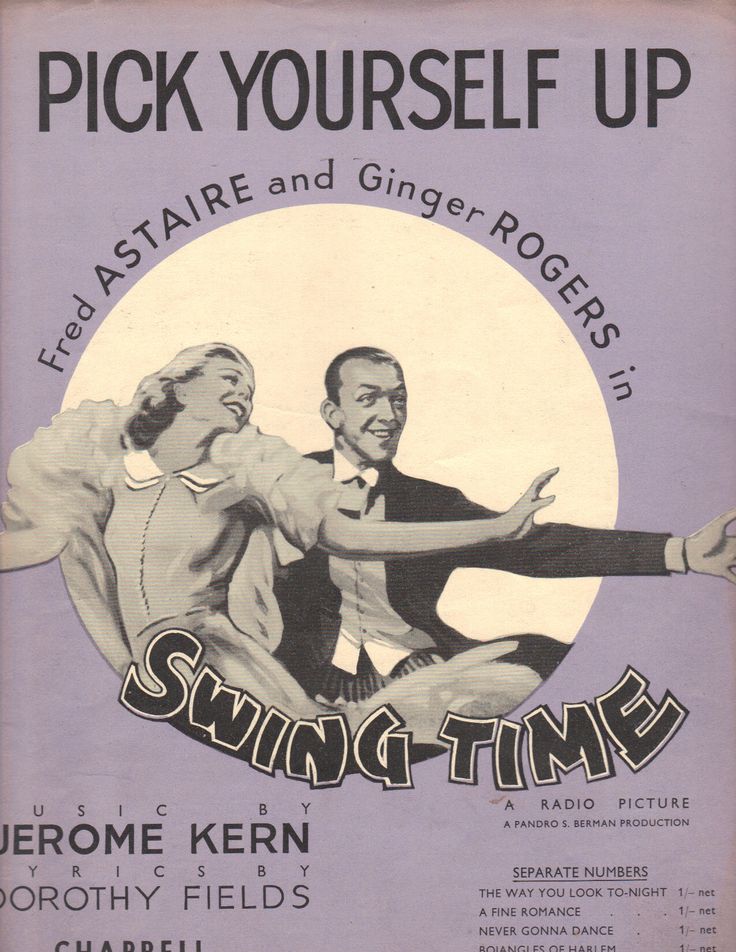
A happy song from the sad days is “On the Sunny Side of the Street,” a 1930 tune composed by Jimmy McHugh, who wrote another great depression era song, “I Can’t Give You Anything But Love,” with lyrics by Dorothy Fields. Her other contribution to this “try to feel good” genre includes the lyrics for “Pick Yourself Up, And Start All Over Again.”  All three songs have been covered by scores of performers over the years. Click or tap on the triangle in the next image to hear a modern version of the “Sunny” song.   

Click or tap on the triangle in the next image or link to hear Cliff (“Ukulele Ike”) Edwards’ version of “I Can’t Give You Anything But Love” with the rarely included verse as well as the well-known chorus. 

Now, click or tap on the triangle in the next image for a Fred and Ginger take on “Pick Yourself Up.” Then, just for fun, click or tap on the triangle in the image after that one to see their phenomenal dance routine to our song.

Now here’s another happy tune from our songbooks. Although written a couple of years before the 1929 Stock Market Crash that sparked the Great Depression, “Side by Side” became one of the most popular songs of the 1930s and, today, is considered a standard. 

It was written by Harry Woods, who practiced songwriting only as a sideline, and, as a bit of trivia composed his songs on the piano despite the fact that he was born without fingers on his left hand!  He wrote a couple of other favorites: “When the Red, Red Robin Comes Bob, Bob, Bobbin Along,” and “I’m Looking Over a Four-Leaf Clover.”  

Click or tap on the triangle in the next image to see a movie version of “Side by Side”: 

Oh yes, here are a couple of Art Deco style ukuleles from my collection in a style that was popular, to say nothing of symbolic, during the Great Depression—an inexpensive uke fancied up with an inexpensive paint job.  What’s not to like?

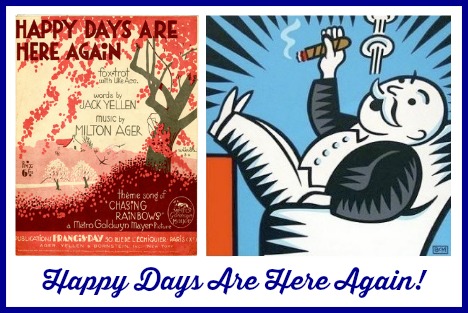
And, of course we have to end with probably the most optimistic song of the Great Depression—at least at the beginning of its end—you know what it is! 

Here’s our happy days song in its original, Broadway version from 1930–before it became a campaign song. Click or tap on the triangle in the next image for a look and listen. Then, click or tap on the following image for a performance of our song from the 2000s coupled with another appropriate tune. Same optimism? We hope!

So, stay safe, stay un-depressed, keep up with those boosters, and STAY TUNED! Because, perhaps, hopefully . . .

If we all work together as a community!

ANOTHER MUSICAL MUSING, 3 February 2023–“ZIP-A-DEE-DOO-DAH,” A Song Once Simple But Now Complex

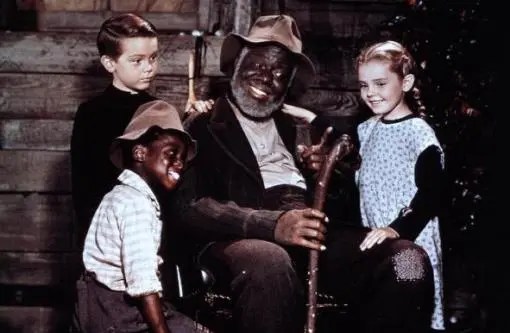
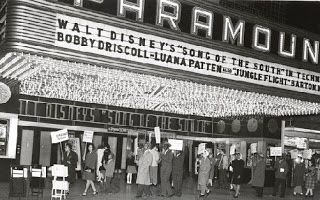
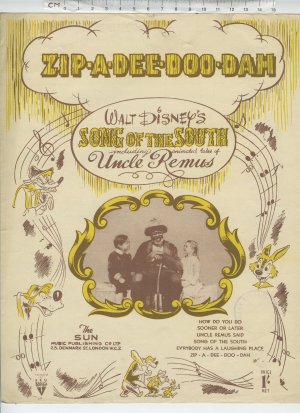
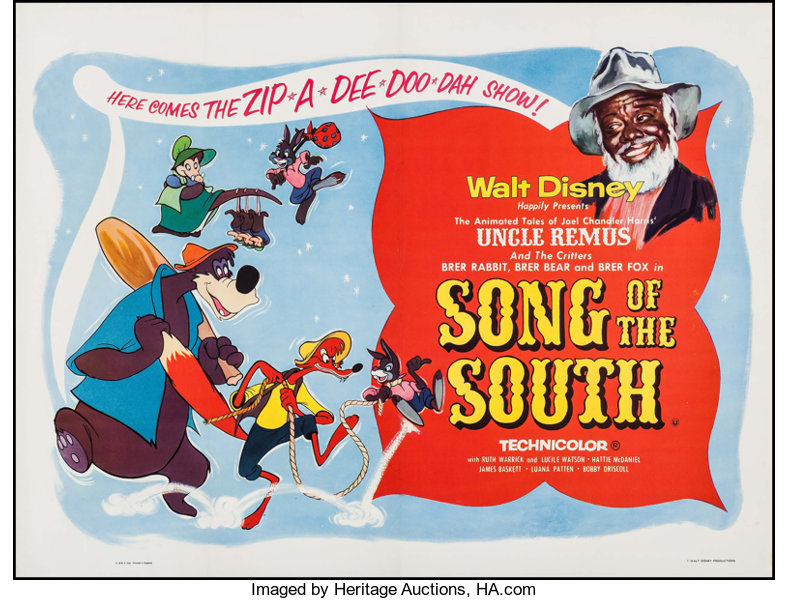
This sprightly song, “Zip-A-Dee-D00-Dah,” was written for the 1946 Walt Disney movie “Song of the South.”

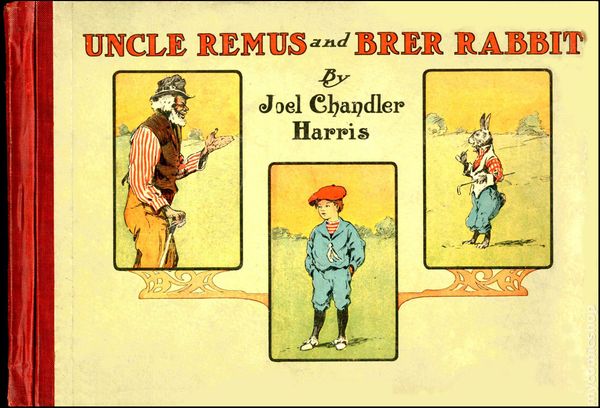
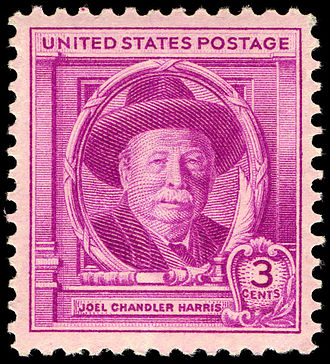
The film was one of the first to combine animation and live action and brought to the screen many folk tales of the South as collected and published by the 19th century Georgia newspaper reporter and editor Joel Chandler Harris (1848-1908). 

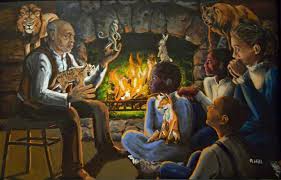
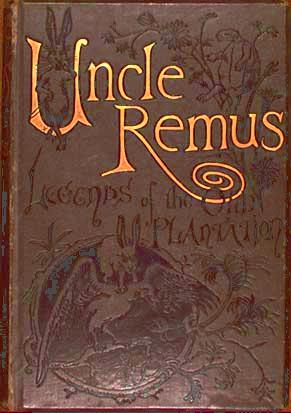
These were based on classic, unwritten tales of Southern folk culture collected over the years by Harris who adapted and began publishing these in 1879.  His books and stories were widely read and beloved by generations of American children. In the books the stories were narrated by a fictional former slave named by Harris, “Uncle Remus.”  

I remember reading the stories from books in my school library, seeing the movie three or four times (only 25 cents plus a dime for a bag of popcorn!) . . .

. . . and happily singing this snappy tune over and over in school and camp during the “sweet old days” of my youth. 

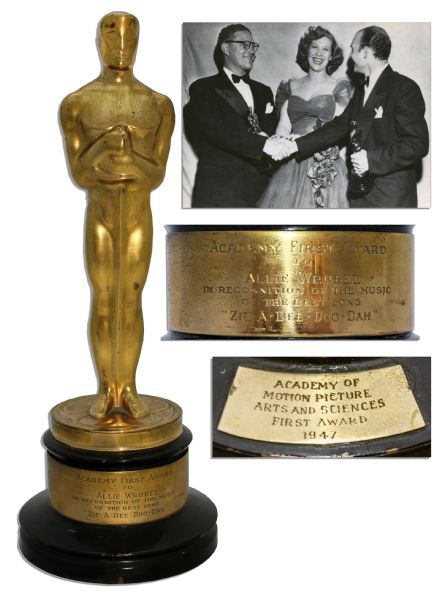
Zipp-A-Dee-Doo-Dah” won the Academy Award for Best Original Song in a movie in 1947 and the popular film was a huge financial success at the time.   

The film was set on a bucolic (albeit fictional) cotton plantation in Georgia in the years after the Civil War . . .

. . . and featured folk tales narrated by an older, former slave living on the property–Harris’s “Uncle Remus.” 

Harris’s stories were written and voiced by his Uncle Remus in the Black vernacular of the day and introduced readers to characters like “B’rer Rabbit,” “B’rer Fox,” “B’rer Bear,” “Tar Baby,” and a host of other anthropomorphic creatures. The stories told of their antics, adventures, and provided simple–almost biblical– lessons in morality.   

Harris’s stories, mostly originated from the African-American oral storytelling tradition.

In their day, these tales were seen as charmingly revolutionary in their use of dialect, animal personages, and true-to-life landscapes. They were lauded by contemporaries of Harris like Rudyard Kipling and Mark Twain. And, of course, on a postage stamp. 

But, that was then; this is now. 

Today, folklorists praise Harris’s work in popularizing and preserving Black storytelling traditions. His work, however, remains controversial to many due to his use of dialect, racial stereotypes, and a setting on a cotton plantation in the old South.

Even when first screened in 1946, “Song of the Southbecame the subject of controversy and protests. Needless to say, these grew over the years and prompted the Disney corporation’s decision to never re-release the film in either theater or video format for showing in the United States.  So, don’t look for the movie on Netflix or HBO or even Disney+. Not available, not in this day and age.

The animated characters from the film are, however, still found in Disney’s books and other media and once were popular features in the Disney theme parks. Now, even these are touched by controversy.

And, just this past year, the popular “Splash Mountain” water slide at Disney World in Florida–with its “Zip-A -Dee -Doo-Dah” theme– has been removed.

Meanwhile, let’s just focus on the song.

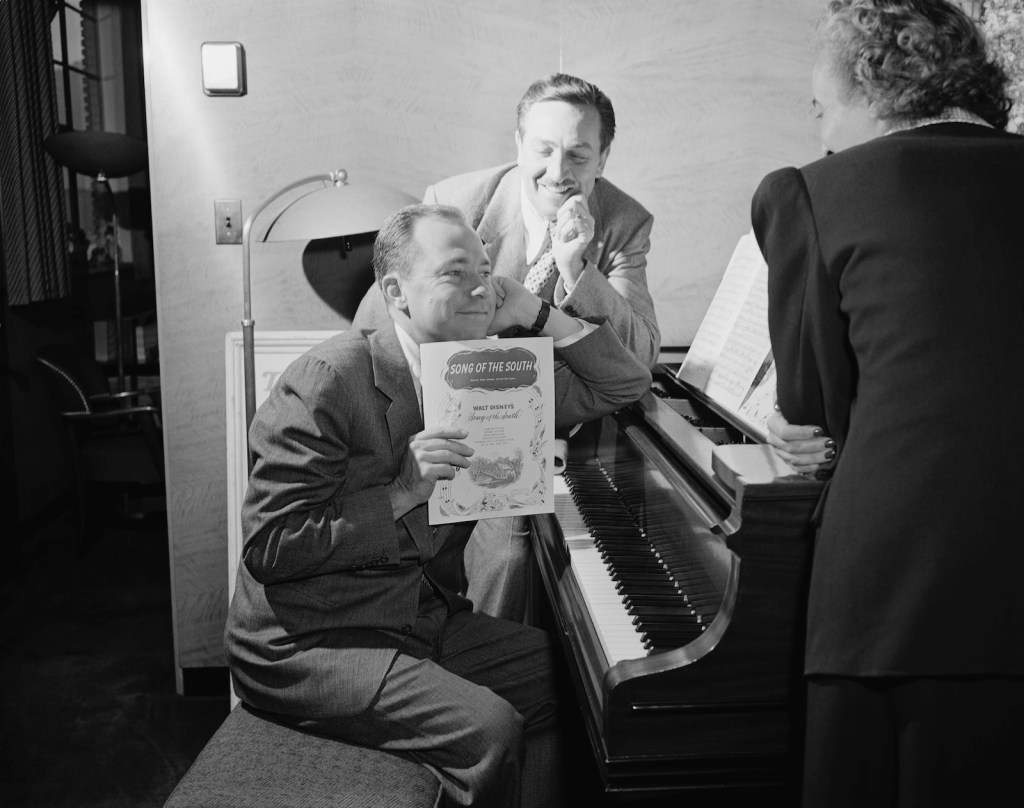
Zip-a-Dee-Doo-Dah” was composed by Allie Wrubel (1905-1973) with lyrics by Ray Gilbert (1912-1976). 

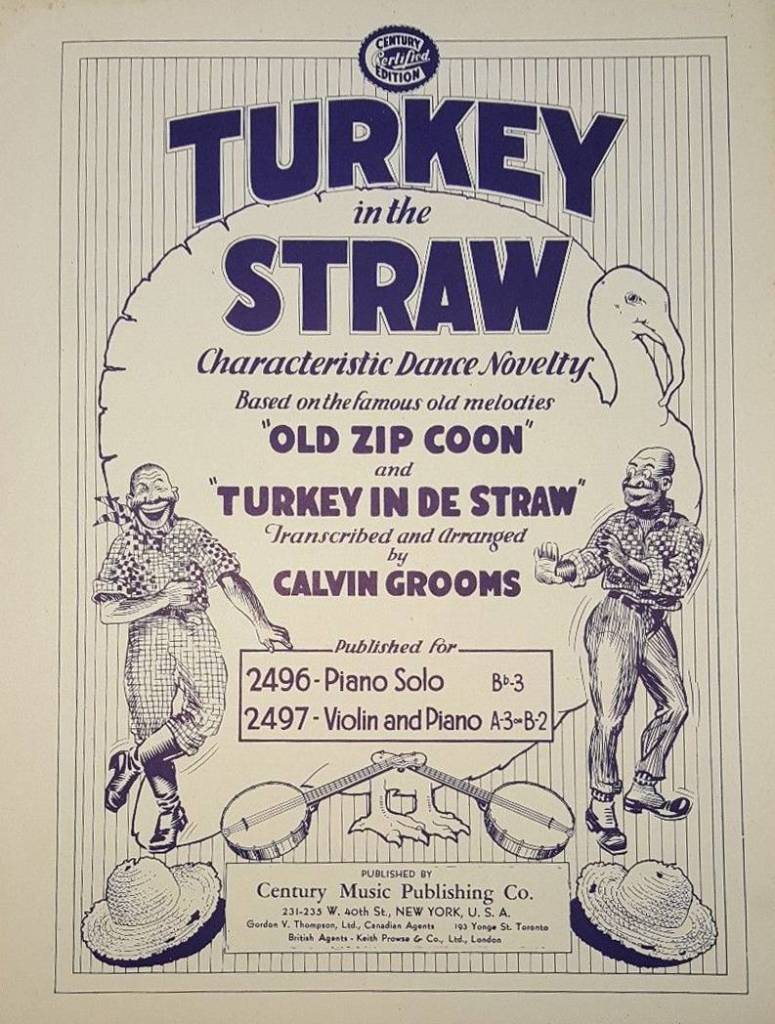
These two songwriters collaborated on many of the Disney and other Hollywood songs of the era and our song is considered by many as one of the top tunes of American cinema.  Digging back a bit, however, the song can trace its origins to a pre-Civil War, blackface minstrel song, “Old Zip Coon“—one of multiple variations of “Turkey in the Straw”—with a chorus: “Zip a duden duden duden, zip a duden day.” 

Needless to say, this song is considered by many today to be wildly racist, but by others to be of historical and musicological importance. Food for thought.

Moving on. In the movie the song is sung to the children—both black and white—living on or visiting the plantation by the appropriately avuncular character Uncle Remus, played by the actor James Baskett (1904-1948).  

Set during the Reconstruction Era after the Civil War and the abolition of slavery, the story follows a seven-year-old white boy who is visiting his grandmother’s busy cotton plantation.  He befriends other children—black and white—and all are mesmerized by the tales told by the former slave still living on the plantation in what was implied in the film as “contented retirement.”

Click or tap on the triangle in the next image to see and listen to our song.

In 1948, Baskett received an honorary Academy Award for his portrayal of Uncle Remus, the first Black male performer to receive an Oscar. 

In a sad footnote to film history, however, Baskett was not allowed to attend the 1946 theater premier of the film in Atlanta, a city racially segregated by law. 

The stories preserved by Joel Chandler Harris, and the Disney movie “Song of the South,” are part of our American heritage even though they come from a period in our history many would rather forget.  To me, however, forgetting history is seldom a good idea. We can’t learn from what we are not taught.

But, beyond the context and controversy that still swirls around the movie, the song “Zip A-Dee-Doo-Dah” has a life of its own and lives on in many musical interpretations.  So, click or tap on the triangles in the next images to pick and choose a favorite and, thoughtfully, have a “wonderful feeling” and a “wonderful day!” Just remember from whence it all came. 

So, with some thought, let’s not throw the musical (tar) baby out with the historical bath water.      

Just listen to the happy song, but know of the unhappy history– and STAY TUNED!
ANOTHER MUSICAL MUSING, 24 February 2023: “Jambalaya,” A Louisiana, if not Mardi Gras, Tasty Staple

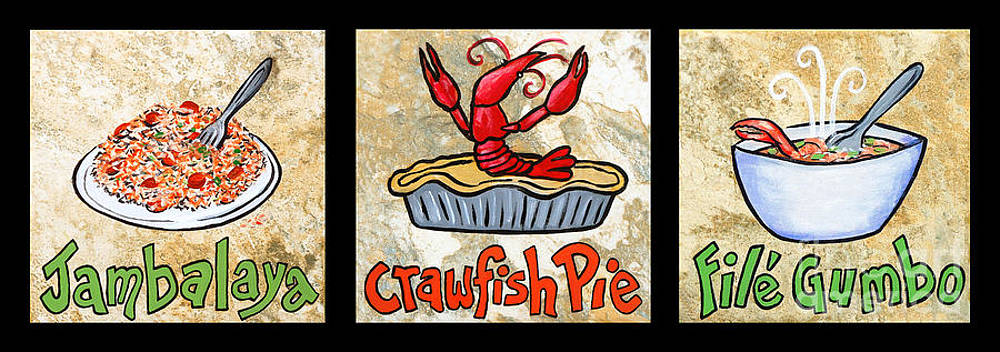
Well, we whizzed by Mardi Gras this past Tuesday and, I am sure, the good folks down in New Orleans are still cleaning up the messes in the streets of the French Quarter, the Garden District, Congo Square, Treme, Storyville, and all those other “Nawlins” hotspots. So, it seems like a good time to muse on another tasty Louisiana tradition made famous in a simple song that is one of the most well known in America–“Jambalaya (On the Bayou).” We have all heard this foodie/frolic tune a few hundred (thousand?) times over the years, but the story behind our song is is also worth a listen.

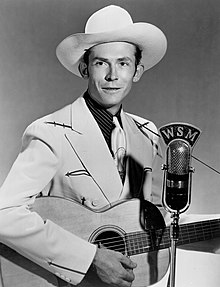
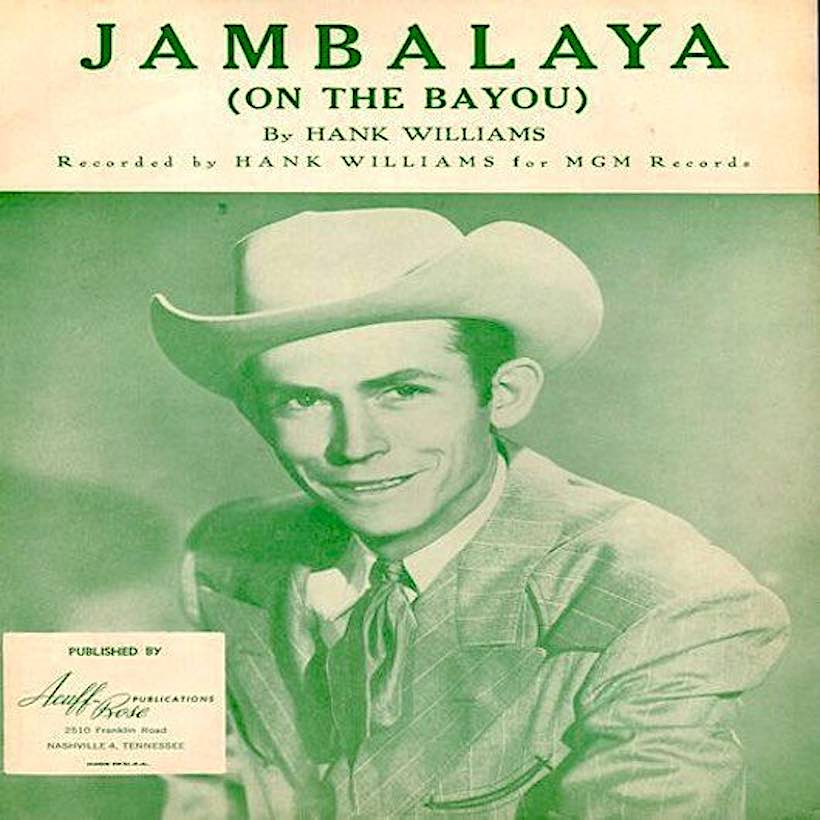
Our song was written (sort of) and recorded by the great country music singer Hank Williams.  It was first released in 1952—a year before his untimely death at the age of 29.  It was named for the Creole/Cajun dish by the same name—Jambalaya. Mmm . . .

And, of course, Crawfish Pie. Mmmmm . . .

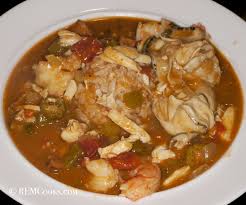
And, File Gumbo. Mmmmmmmmm . . .

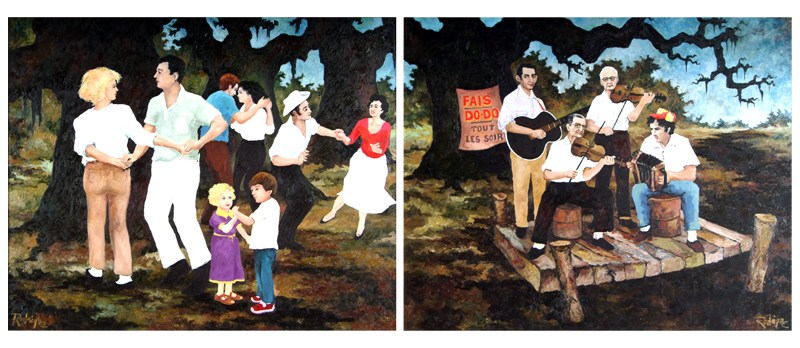
Our song tells the pretty story of a young man poling his flat-bottomed pirogue through a Louisiana Bayou to meet up at a house party–what the Cajun community calls a “Fais-do-d0“– with the extended family of his girlfriend, Yvonne. 

Needless to say, this lively tune spawned many, many cover versions over the years.  Click or tap on the triangle in the next image for a look at and listen to the original:

Now for the backstory.

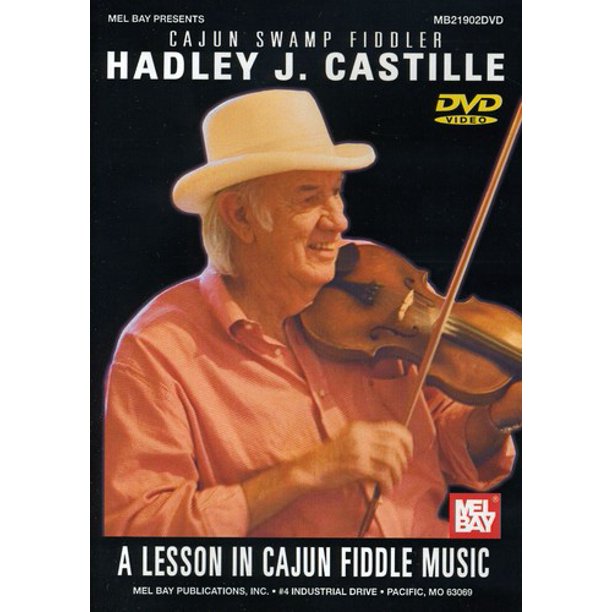
The melody that Williams used (purloined?, harvested?) was based on a much older Cajun song, “Grand Texas,” that didn’t have a thing to do with food or, for that matter, frolic.  Rather, it told the woeful story of a lost love–a Louisiana bayou man’s sweetheart who left him in the lurch to run off with another man to the big, bad state of Texas.  It’s still a popular Cajun “swamp fiddle” tune and the similarities with Williams’s song are easy to discern.  

Click or tap on the triangle in the next image to listen to a take on the original Cajun song. I hope you understand Cajun French!

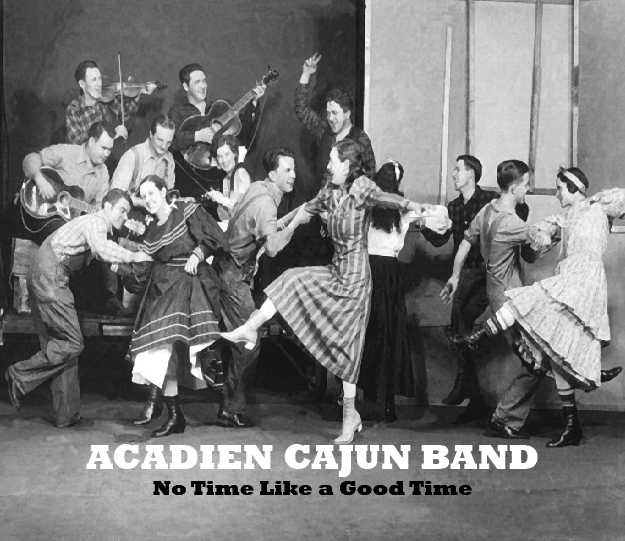
Williams’s version, however, is much more “Country than Cajun.”  He understood that his broader audience would probably not relate to a true Cajun two-step led by a scratchy fiddle with an asthmatic accordion and lyrics in 17th century French-Canadian patois! 

Anyway—just to make a point—click or tap on the triangle in the next image for a real Cajun version of “Jambalaya.” 

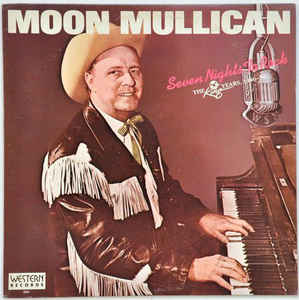
Jambalaya” was most likely co-written with a hillbilly piano player, one Moon Mullican, with Williams’s better-known name on the sheet music and record labels. Alas, no credit for Mullican. 

This was typical of the handshake deals and fuzzy royalty arrangements common in those days.  Mullican was a prolific, if not particularly well remembered, songwriter whose honkytonk piano style was said to be rambunctious enough to “knock the beer bottles off the bar.”  

Click or tap on the triangle in the next image, hold on to your bottle, and give a listen to one of his honkytonk tunes.

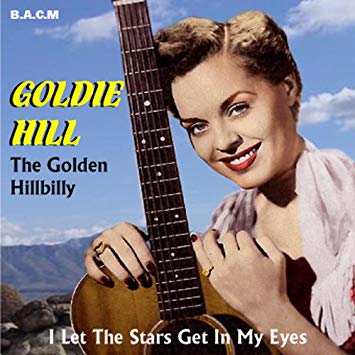
Williams with another even more obscure songwriter, one Jimmy Rule, composed a sequel to our song from the female perspective–“I’m Yvonne (Of the Bayou).” This was recorded in 1953 by country singer Goldie Hill, but never became as popular as the earlier “Jambalaya.”

Tap or click on the triangle in the next image to listen to the “her side of the story” song.

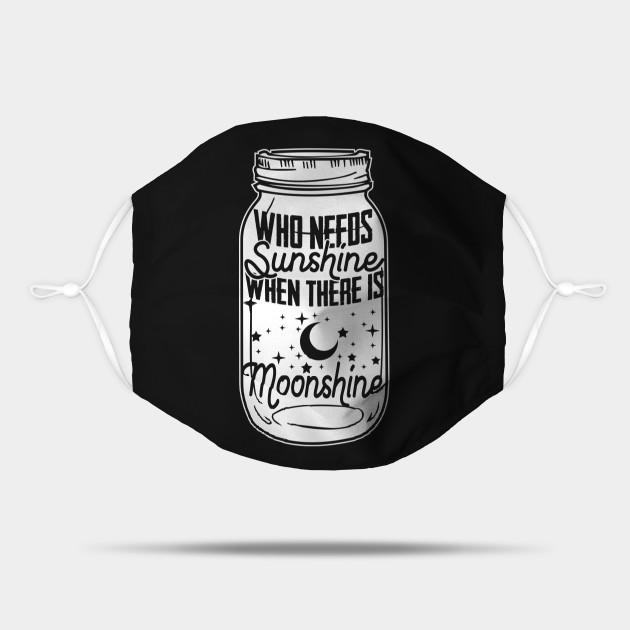
So, here we have a good musical example of mid-20th century “cultural appropriation” that has given us a truly countrified, if not truly Cajun, musical classic—and a craving to savor some tasty Louisiana cuisine and, of course, moonshine in a jar!

So, stay safe, keep away from alligators, wear a mask to avoid swamp fever or whatever.

Have as much jambalaya and moonshine as you can find, and . . .

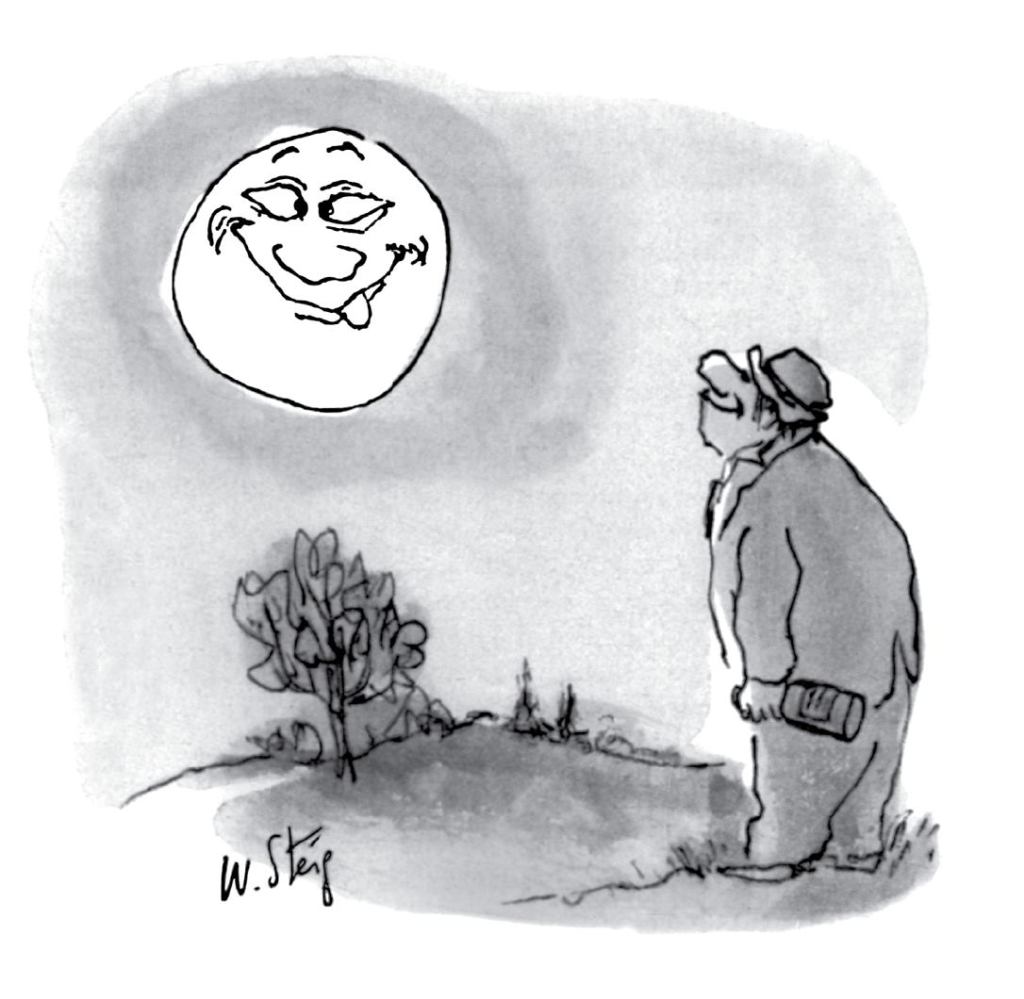
“SHTAY, hic, TWOONED!

ANOTHER MUSICAL MUSING, 27 January 2023: Prison Songs, And A Tale of Musical Thievery, Sorta . . .

a

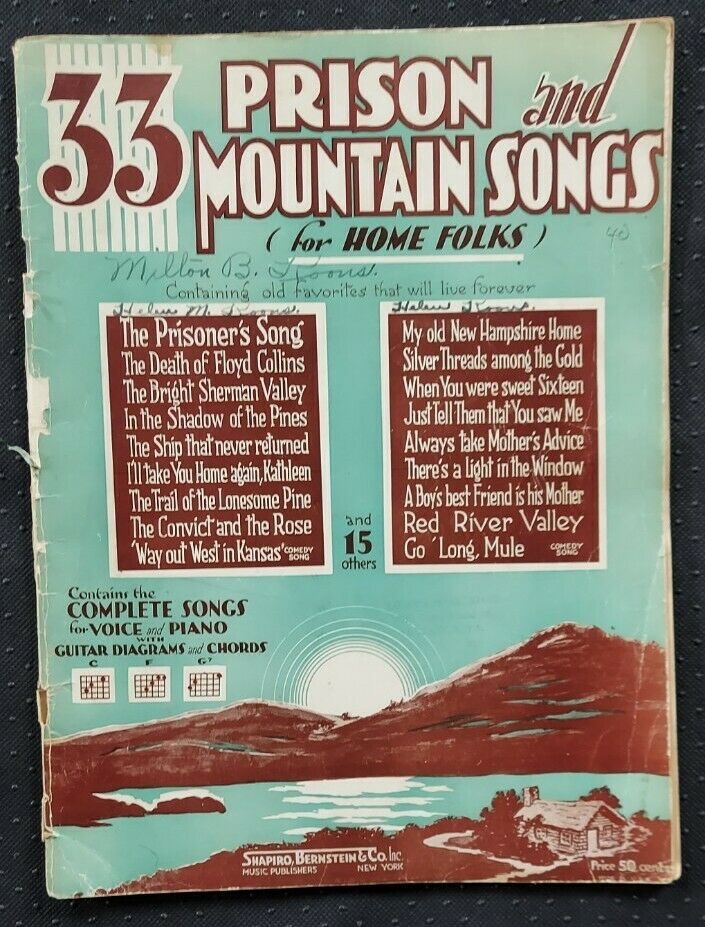
Since we are still deep in the New England Winter doldrums, it might be worthwhile to take a peek at some of the songs we play or sing that keep us “by the fireplace” on days like this. Anyone skimming through a list of early country and folk songs will run into a genre with a certain chilly greyness to them: “Prison Songs.” 

Songs about prisoners, jail time, and other forms of judicial restraint were well known by most folks—even if experienced by only a very few. 

A night spent in the “hoosegow” to dry out or as punishment for a bit of wanton revelry was common.

Less common were months, years, or a lifetime in the “pen” or on a chain gang. 

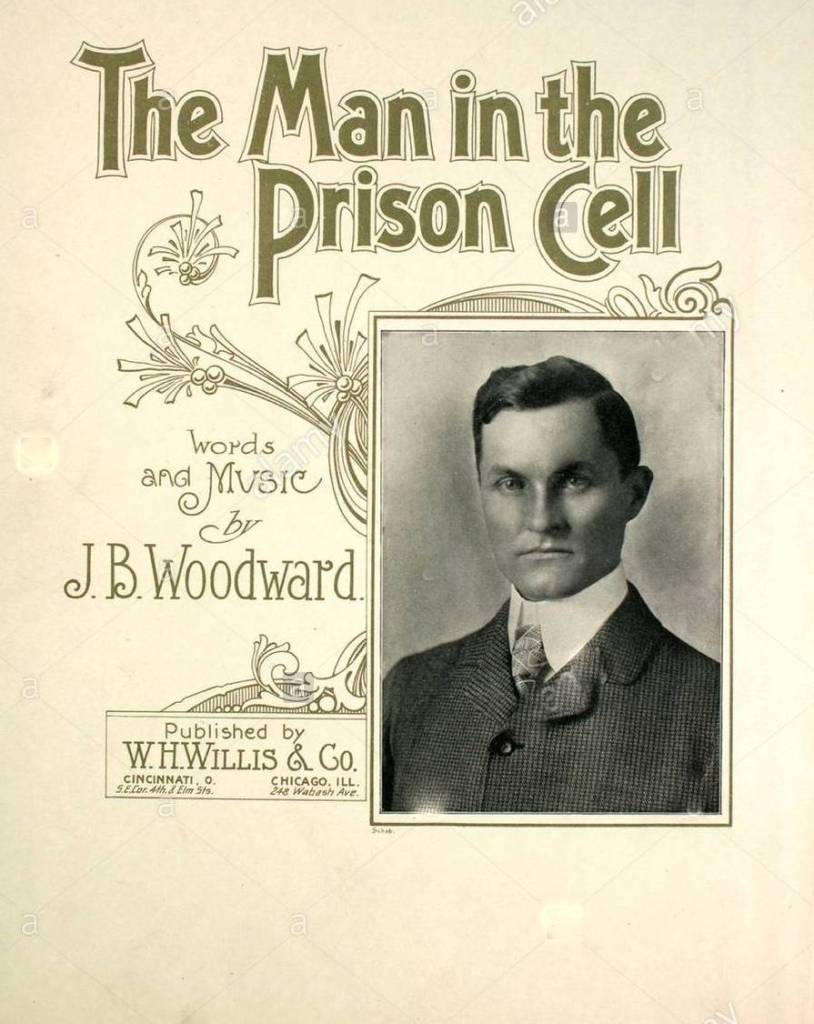
Newspapers, movies, and, needless to say, sheet music and songs on the radio kept folks reminded of the perils of punishment and, to a great extent, kept them on the right side of the law. 

As would be expected, many prison songs can be tear jerkers as well as admonitions to the potentially wayward. 

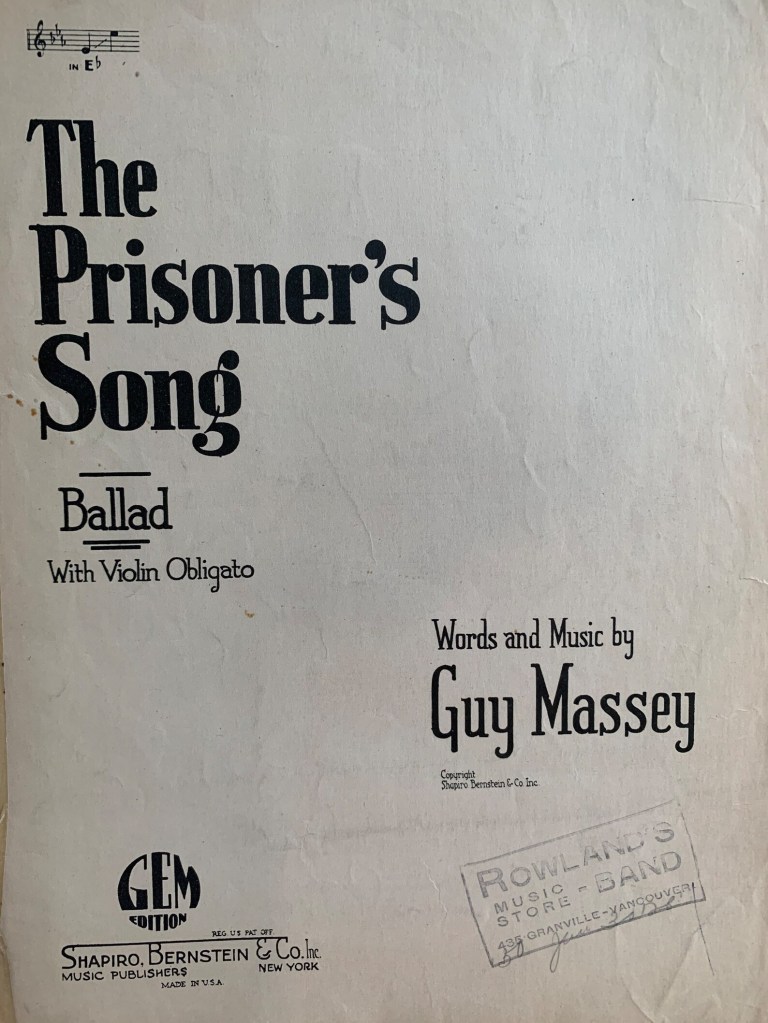
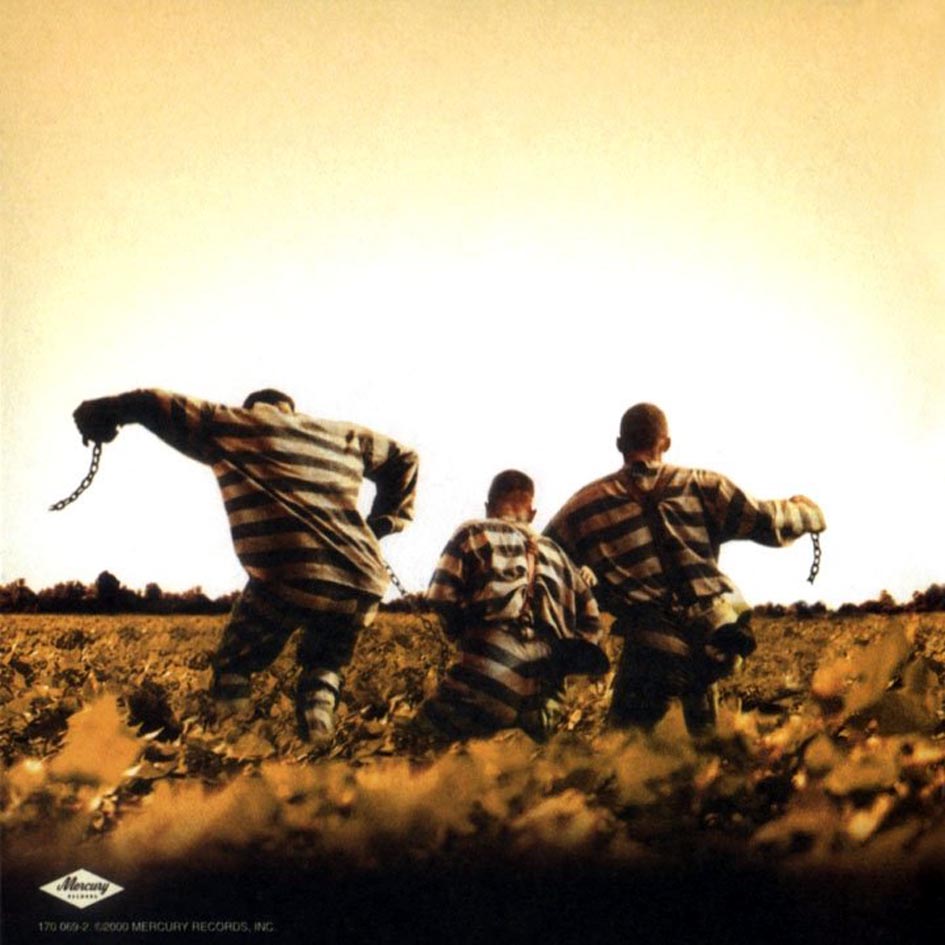
Click or tap on the triangle in the next image or link to hear one of the first recordings of what many believe to be the granddaddy of the prison song genre, appropriately named “The Prisoner’s Song.” This version was recorded in 1925 by Vernon Dalhart, one of the more popular country (or “hillbilly” as it was known then) singers of his day. Get ready to wipe a tear or two from your eyes!

It is said that Dalhart learned this song from a cousin who had learned it while in prison.  That gives the tune some cred and, perhaps, that’s why it became one of the most played songs of the early 20th century.  

And then, of course, there seemed to be just as many prison songs with a novelty or humorous touch

Click or tap on the triangle in the next image or link for this 1928 Jimmie Rogers yodeling interpretation of this much older jug-band standard: “In the Jailhouse Now”:

And, just for the fun of it, here’s a string band version of the tune, written much earlier than Roger’s opus but recorded just a few years ago by a group often appearing here in our “Happy Valley.” Remember them at the Iron Horse? Click or tap on the next image for a listen to this tune not about the perils of gambling but of voter fraud! How topical!

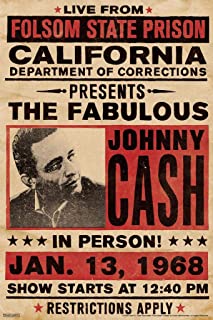
So, let’s move on with probably the most well-known—and certainly most covered—prison song out there:  “Folsom Prison Blues.”  This became Johnny Cash’s signature song since he first recorded it in 1955, and he opened nearly all of his concerts with this rhythmically pulsating—think “passing railroad train”—prisoner’s lament.

It is, however a tale of both Cash and cash–a bit of musical thievery, but with no jail time. That is unless you count Johnny Cash’s epic performance of the song at California’s Folsom Prison back in 1968.

Click or tap on the triangle in next image or link to listen in on one of his later prison concert presentations.

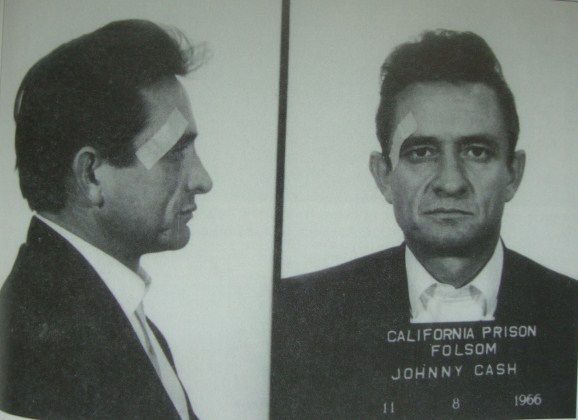
Although Cash cultivated a romantic outlaw image, he never served a prison sentence. Despite landing in jail several times for various misdemeanors, he was never locked up for more than one night at a time—and never in Folsom Prison!  Still credit goes with the territory. He did have this mug shot taken at Folsom Prison just to hand out as a souvenir. Creepy!

Now, on to the musical thievery!

The theme, and many of the lyrics Cash included in “his” signature song were actually lifted (stolen!) from an earlier song titled “Crescent City Blues” written in 1950 by one Gordon Jenkins, a composer and arranger. Cash had heard Jenkin’s song earlier while serving in the Air Force in Germany. 

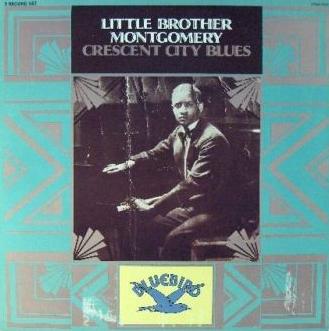
Jenkins, in turn, had based his melody (also used by Cash) and song title on a much earlier ragtime/jazz tune written and recorded by pianist “Little Brother” Montgomery.  Ah, evolution  .  .  .  

The upshot is that Cash, who readily acknowledged his “borrowing” but thought it unnecessary to mention it at the time, had to spend nearly $100,000 on the copyright infringement suit filed against him by Jenkins in the 1970s. Cash from Cash!

Whew  .  .  .  After all that, click or tap on the next image or link to listen to the 1953 recoding of Jenkin’s song by singer Beverly Mahr. Do these lyrics sound familiar?   

And, of course, there are a few hundred ukulele covers of the Cash version.  Click or tap on the next image or link just for a bit of fun!

Well, back to dreary reality . . .

But, as an escape from within the high stone walls, chain gangs, or work farms of this musical musing . . .

. . . stay safe, stay innocent, stay un-incarcerated, stay as masked as you should, and  .  .  .  STAY TUNED!
And, just to brighten things up for you musical scientists out there . . .

ANOTHER MUSICAL MUSING, 6 January 2023: A Marriage of Song and Sail! What Shall We Do?

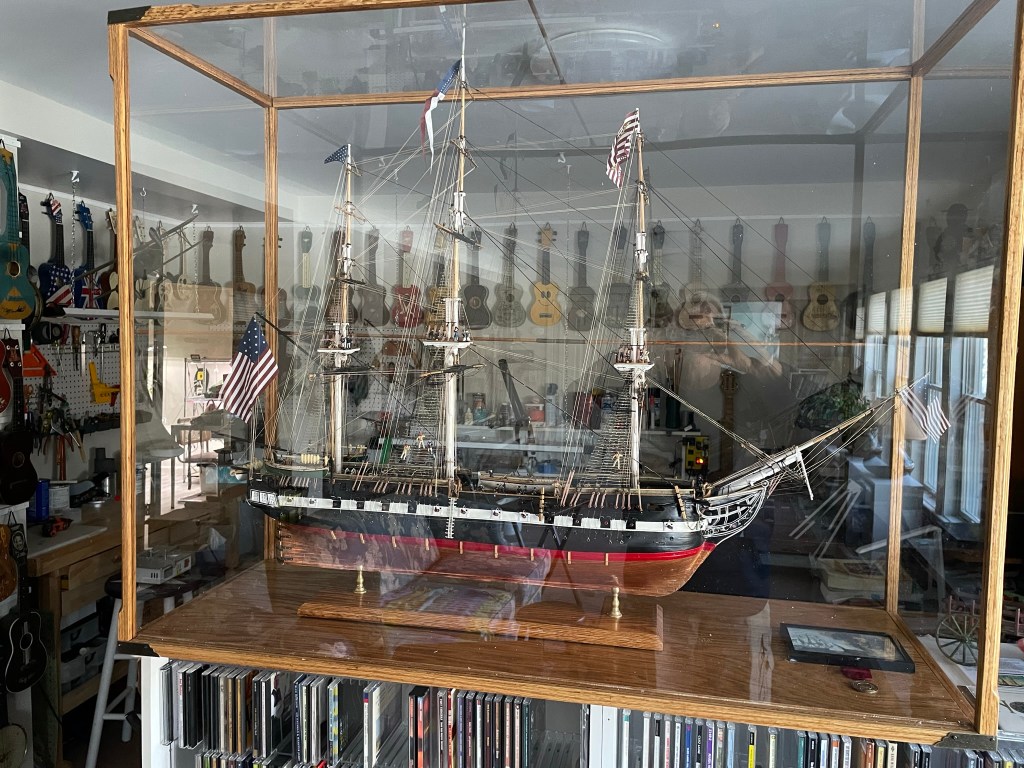
Many of you gentle readers have visited Alison’s and my home over the years for various musical and social get-togethers.  Needless to say, I enjoyed showing off my collection of vintage ukuleles and banjos.  But, a few of the more curious of you may have noticed another hobby of mine—making scale models, particularly model ships.  I’ve been doing this off and on since the 1980s and, with the sequestration brought on over the past couple of years, contentedly continue.  With my instrument collection, I can hang them on the wall for all to see. Alas, my many (too many?) models are a bit bulkier to display and, as Alison has politely pointed out from time to time, just a tad (She may have used some stronger terms!) overwhelming.

Nonetheless, life goes on more smoothly when I can combine my two rather benign proclivities—collecting musical instruments and building model ships, hence the “marriage of song and sail.” 

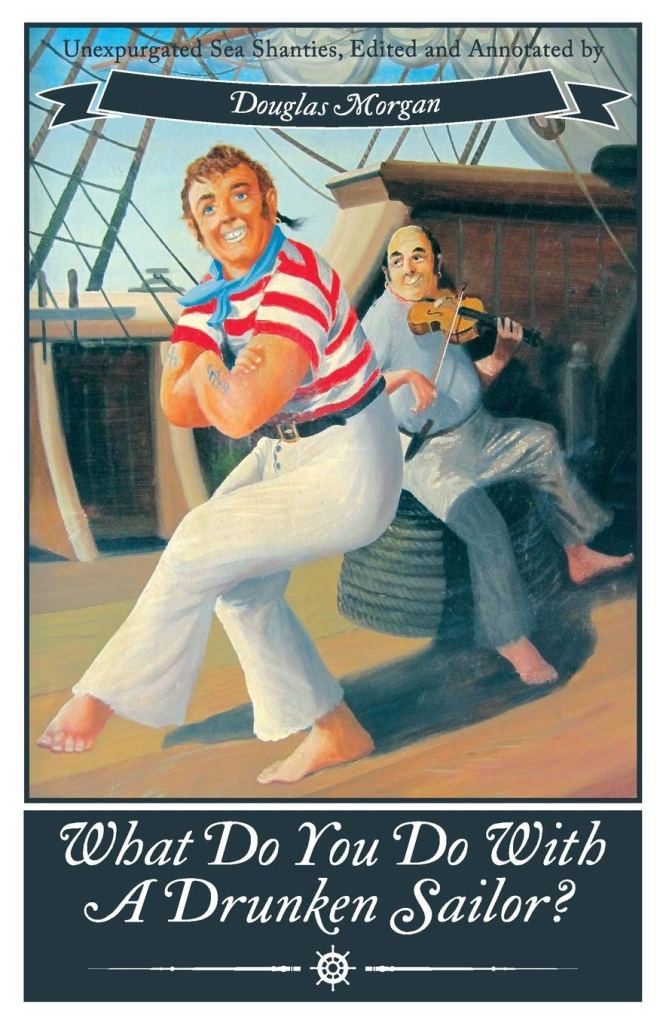
So, let’s take a look at that sailor song genre known as “Sea Shanties.” While most folksong books include a number of tunes with nautical themes, there is only one that has a special place on the wet wood deck of a working ship in the days of the daily “grog” ration: “What Shall We Do With a Drunken Sailor.” 

Just to get the old earworm going, click or tap on the triangle in the next image or link to follow the lyrics and hear an on-shore take on our tune.

More about our tune a bit further on, but first some background.

The origins of the traditional sailors’ Sea Shanty have been lost in the mists of time. Traceable from at least the mid-1400s, the shanty (or sometimes “chanty”) hails from the olden days of “wood ships and iron men.” 

To hoist up your mood and give you some salt-sea exposure, tap or click on the triangle in the next image or link to see and hear shanties sung as part of that great sea-going film of the 1950s, “Moby Dick.” Alas, this is a Spanish language version, except for the shanties!

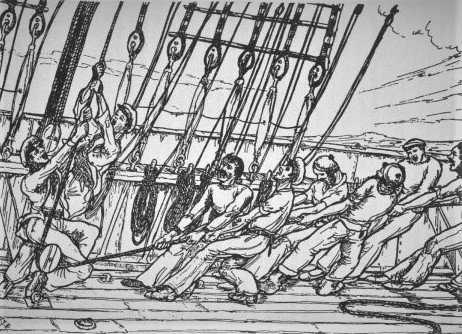
The shanty was, quite simply, a rhythmic “work song” sung by sailors involved in heavy, tedious manual tasks, such as tramping round the capstan to raise an anchor or hoisting the sails for departure. 

In technical terms, this helped synchronize individual efforts to efficiently execute a collective task.  Simply, it made sure that each sailor pushed or pulled as needed and at precisely the same time.  The key to making this happen was to sing (or chant) each song, or shanty, in different rhythms for different tasks often to the beat of a drum, toot of a fife, or hum of a fiddle.  

For example, “Drunken Sailor” was considered a “short-haul” shanty designed for tasks requiring quick pulls over a relatively short time with a beat of four “pulls” per verse.  All hands roared out the song in unison, as they hoisted a sail or raised an anchor.  Hence the chorus: “Wey, hey, up she rises.

Tap or click on the triangle in the next image or link to listen to our song performed with more of an emphasis on the required beat–as well as a few more verses!

More often than not there would be a solo-singer, a “shanty man,” who would lead the singing with the crew joining in for the chorus—typical of the myriad of “call and response” work songs common on the farm or railroad in the days before machine labor.  Sometimes even a ukulele could be used! But I digress.

With no special requirements other than to hold a seaman’s attention, as well as make light of a hard and repetitive job, virtually any song could be adopted for this purpose, provided it was delivered at the required tempo—and, almost always, with some, shall we say, ribald or, in fact, downright raunchy innuendo. 

Far from delicate ears, boys will be boys and sailors will be sailors—especially on those long, lonely, and dangerous voyages.  The only exception, I assume, was when a captain’s wife and family, so-called “petticoat sailors,” were aboard.

Now, back to our song.  “Drunken Sailor” was sung aboard sailing ships at least as early as the 1830s and it shares its melody with the traditional Irish “welcome home” song “Oro Se do Bheatha Bhaile.” Click or tap on the triangle in the next image or link to hear this tune sung by Irish school children and get hints of the parallel melody line.  Cute kids, too! 

Our song’s lyrics will vary from ship to crew, but usually contain some variant of a discussion by fellow seamen of just what to do with an overly inebriated crew mate found still abed when he, like they, should be up and about. Each successive verse suggests a method, humorous or painful, of sobering or punishing the sodden seaman.  

Now, a disclaimer! Purged of the myriad anatomical, scatological, or sexual references one might find in other, more scholarly texts, I, good readers, have included YouTubes of only the most G-rated ones I could find. For the sake of tender ears, you’ll have to pursue other, more colorful examples on our own! Happy Googling!

Drunken Sailor” was revived as a popular song among non-sailors in the mid-20th century folk revival with recordings by groups like the Weavers and the Kingston Trio. It grew to become one of the best-known songs of the shanty repertoire among mainstream audiences. It has been performed and recorded by many musical artists and appeared regularly in popular culture. 

It has been said that the reason these old shanties have bobbed back to the surface in today’s culture, which finds many of us adrift one way or another, is that “everybody can join in and you don’t necessarily need to be able to sing.” Just for fun, click or tap on the triangle in the next image or link to see a dancing version of our song.

To haul things in, here is one of the best renditions of our song sung by real British seamen in the film “Fisherman’s Friend”—a must-see movie if you like these salty songs of the sea.  Click or tap on the triangle in the next image or link to give a listen and join the party.

And, finally, click or tap on the next image or link for a finger-picking ukulele version of our song just so you float away with the melody!

So gentle readers, stay safe, stay as sequestered if you must (with your crew, of course), stay as masked as comfort and conscience requires,

and STAY TUNED!
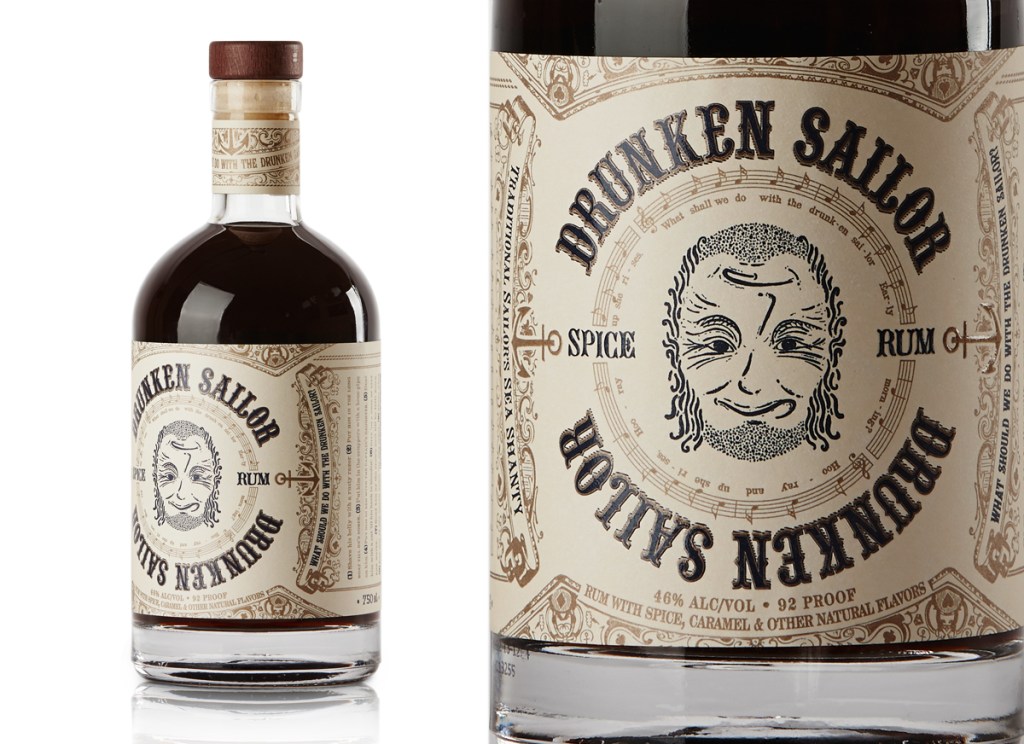
And, of course, enjoy a shanty or two—with rum of course! Or, if wine’s your thing . . .

UKULELE MUSINGS, 21 January 2022: A Bit of Musical Mythology–“Catgut” Strings

I ran across this photo of our cat, Sylvie, just waking from one of her snoozes in one of my ukulele cases.  The scene reminded me of one of those mythologies we have all been living with for generations—musical instrument strings made of so-called “catgut.” 

Understand, gentle readers, that what are more humanely called “gut” strings have never been made from a cat’s insides!    The word “catgut” may have been an abbreviation of the Old English word “cattlegut.” Alternatively, it may derive from the Welsh word “kit” meaning fiddle—certainly more bovine than feline!  Who knew?

While the word origin refers, more or less, to cattle, “catgut” strings for musical instruments are nearly always made from the intestines of sheep.  Out of sympathy to all those pet cats out there with ears perked up, let’s just call them “gut” strings from here on out.  OK?

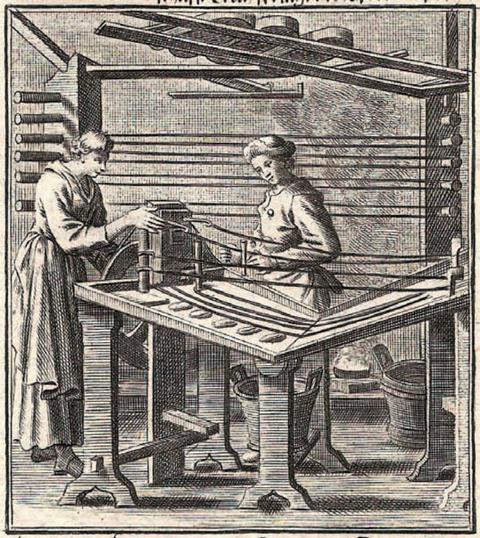
To prepare gut strings, workers clean the small intestines, free them from any fat, and steep them in water and potassium hydroxide. 

They are then cut, stretched, dried, smoothed, and twisted or woven—ready for musical instruments,

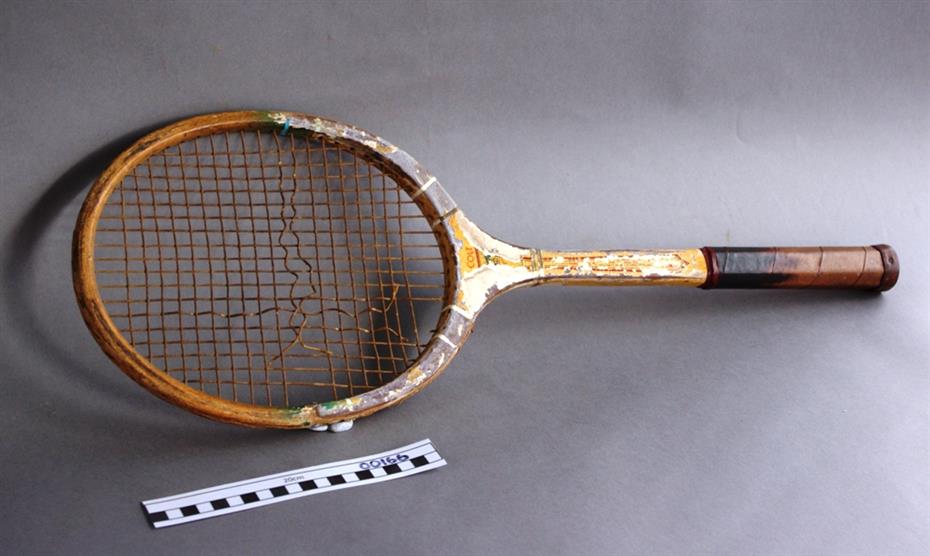
tennis racquets (in the past),

and surgical sutures (still today).   

After twisting and drying, workers polish the strings to the required diameter. For a long time, gut was the most common material for instrument strings and, not surprisingly, remain a natural choice for many classical and baroque string players. 

They find they give a richer, darker sound as well as withstanding high tension within lower alto, tenor, and bass ranges.  Worth a careful listen at the next concert you attend.

Click or tap on the next image or link to hear some rather nice sounds from a gut-strung guitar.  

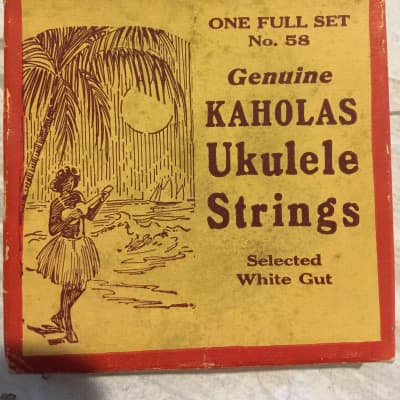
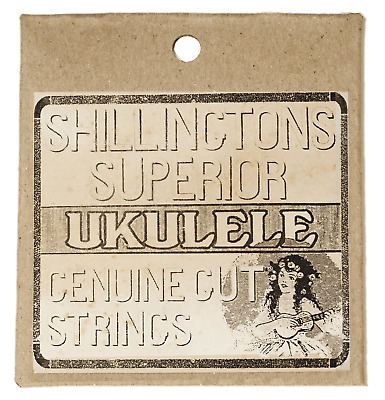
Gut strings were, of course, used for ukuleles until the advent of nylon and other polymers  that became standard right after World War II. 

You can still get gut strings for your uke and, just for fun, I keep a set on one of my older Martins. 

They sound great provided that you don’t mind retuning every time the humidity goes up or down a notch!

Click or tap on the next image or link to hear some commentary as well as strumming on a gut strung uke.

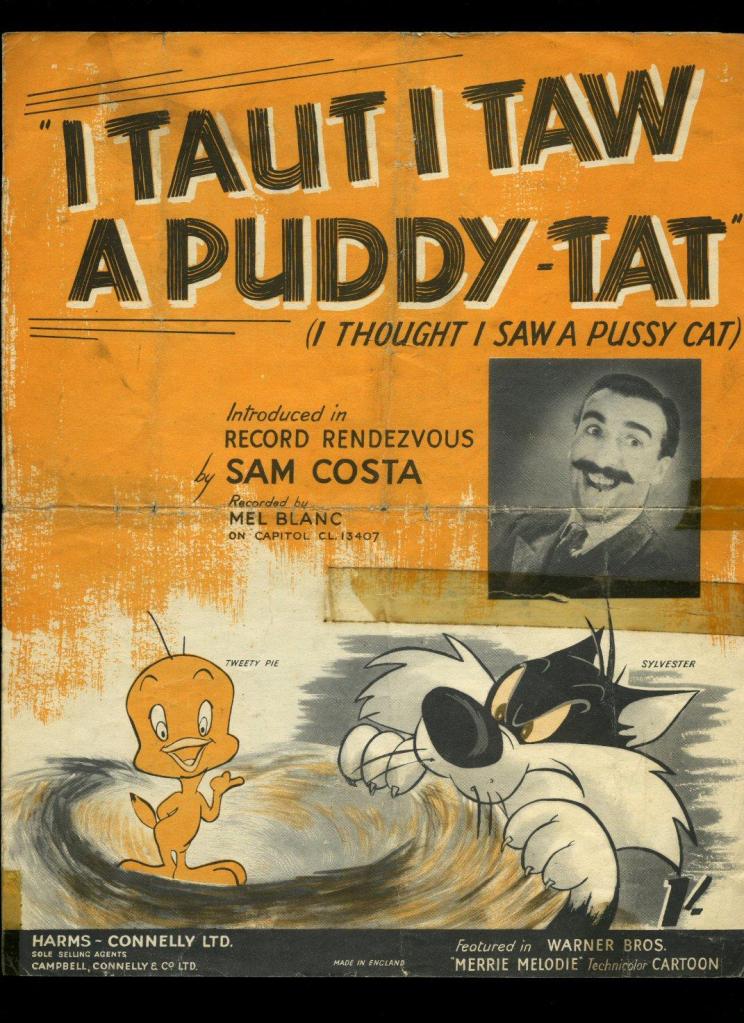
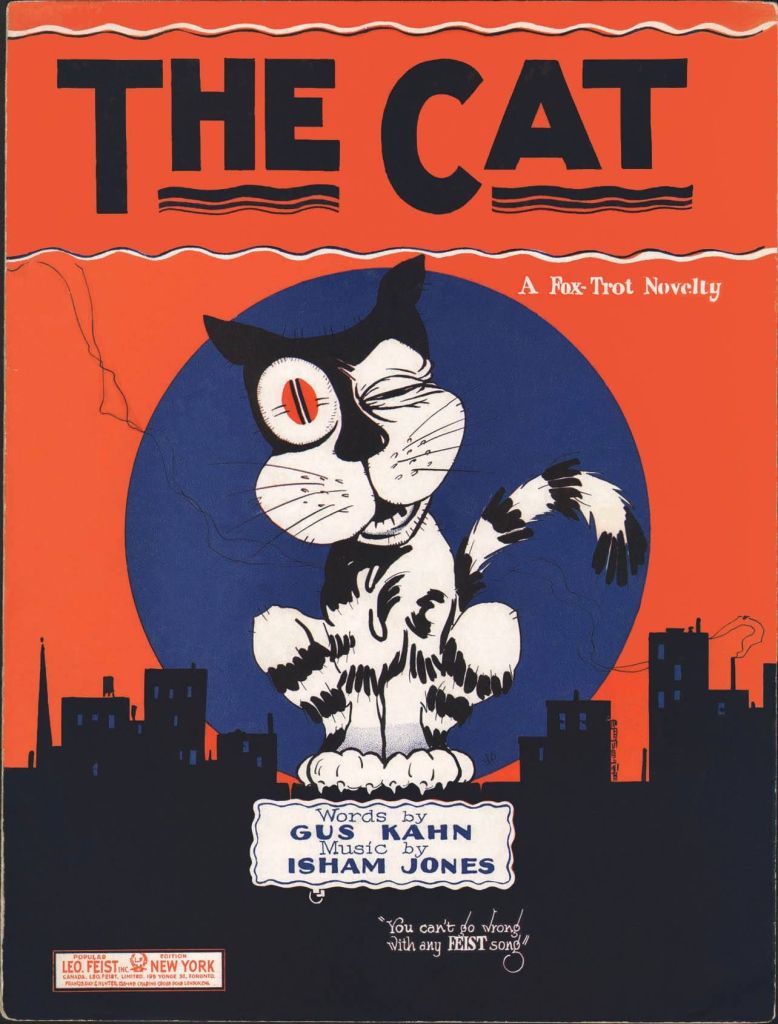
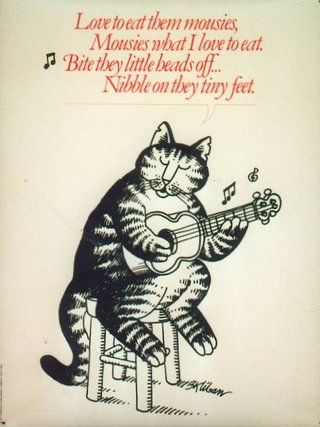
This bit of trivia leads me, as would be expected, into the vast and wild world of cat and kitty songs—a seeming staple of the Tin Pan Alley oeuvre. 

I touched that base in one of my musings from a couple of years ago so some of you might want to re-explore that.  Alas, few of these deal specifically with our, shall we say, gutsy subject. Here’s just another musical tidbit!

So, let me use a little intestinal fortitude to forego a rerun and focus on just a couple of gutsy gut and cat songs just for fun.  There is one song (only one!) from my aging musical memory bank that makes a direct, albeit somewhat oblique, reference to catgut.  Only one! 

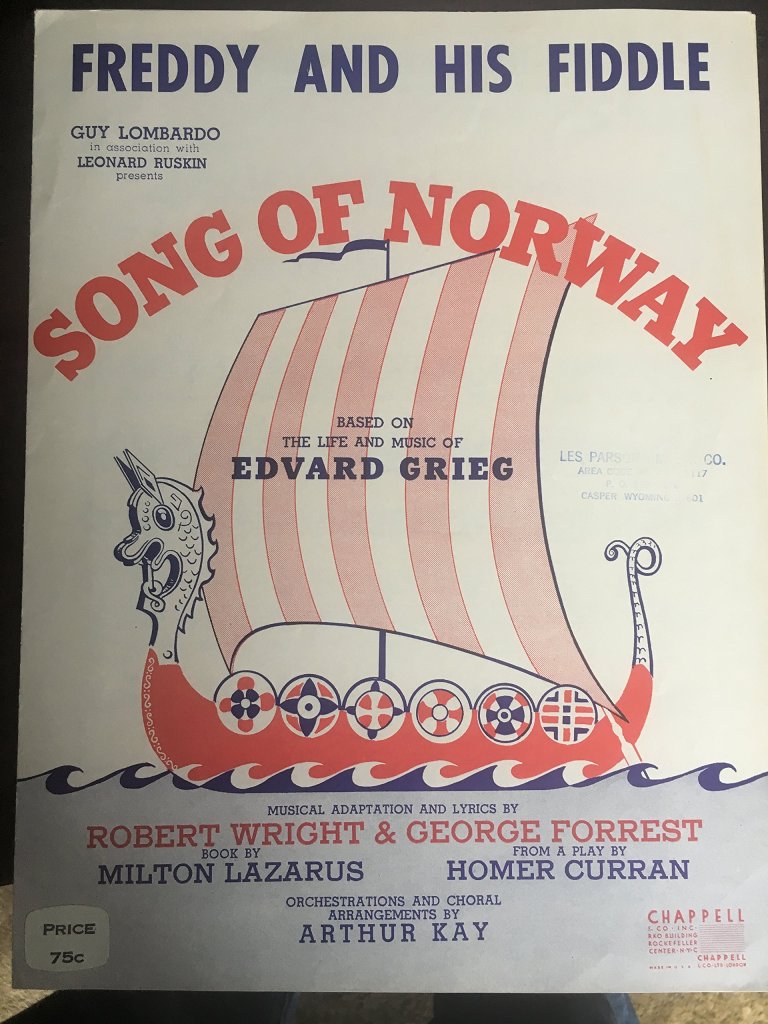
Click or tap on the next image or link to hear the song “Freddie and His Fiddle” from that 1940s musical homage to the great Norwegian composer Edvard Grieg.  Listen carefully to the playful, folksy lyrics to pick up the appropriate reference!

Let’s wind up this musing with a bit of ukulele “Cat” music (No cats were harmed or otherwise misused in the preparation of this video!) from our fellow strummers, the Ukulele Orchestra of Great Britain. Click or tap on the next image or link for a look and listen and laugh!

And now, gentle readers, let us return to our at-home, sequestered strumming sessions—complete, I’m sure, with safe and happy musical kittens. 

So stay safe, stay masked,

stay musically gutsy, and STAY TUNED!

UKULELE MUSINGS, 16 October 2021: “Sweetness; How Sweet it is!”

Well, fellow strummers,  it seems with the fine fall weather we’ve been having (amid the many raindrops, however) I’ve found time to do another one of my musical musings. 

Looking at the calendar, who knew that mid-October is the time for “National Sweetness Day.” 

In the olden days—when I was a bit younger than now, this was known as “National Candy Day” and bits of candy were to be handed out to friends and family as a token of thoughtfulness and friendship.  Like so much these days, this celebration has evolved with the intent of handing out bits of kindness to friends, family, and—for that matter—to all!  What’s not to like?

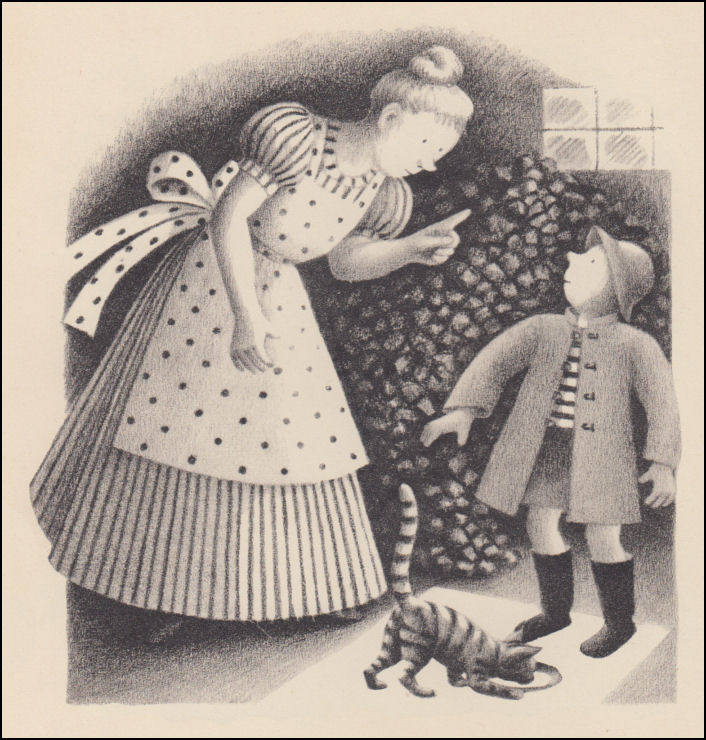
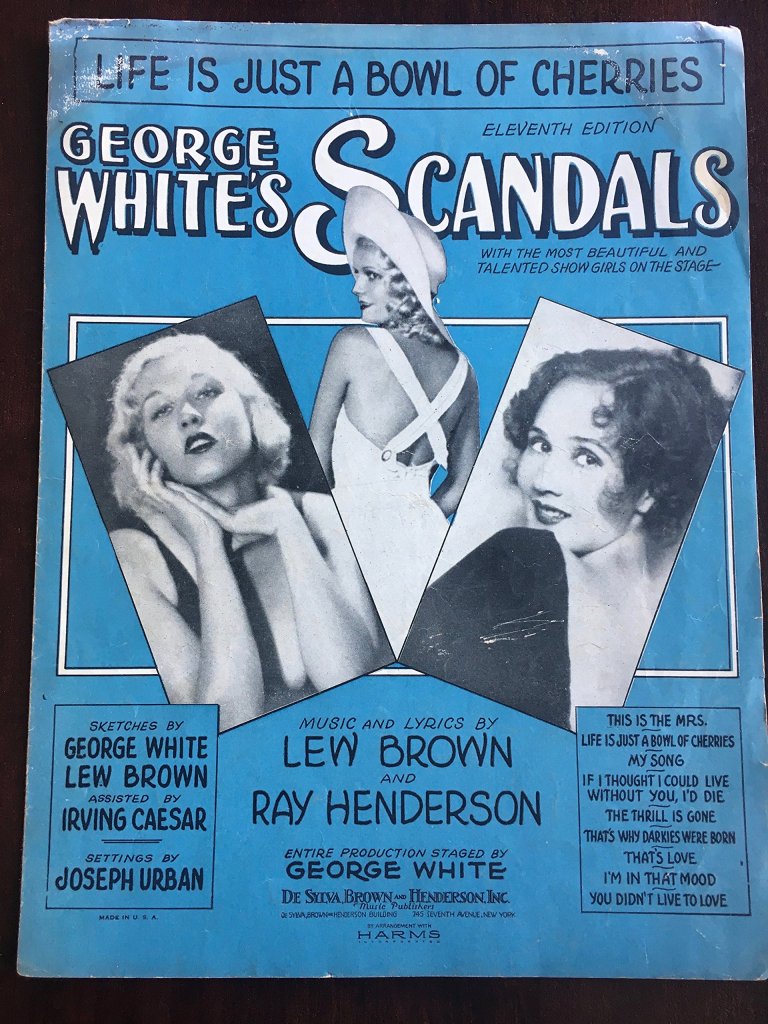
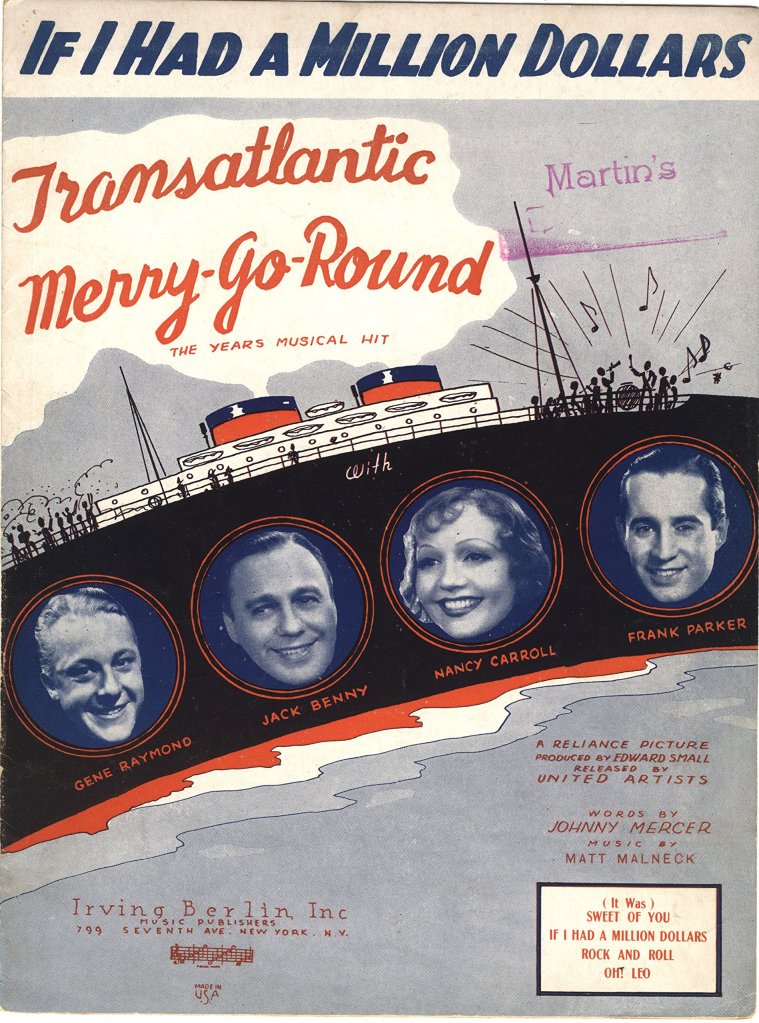
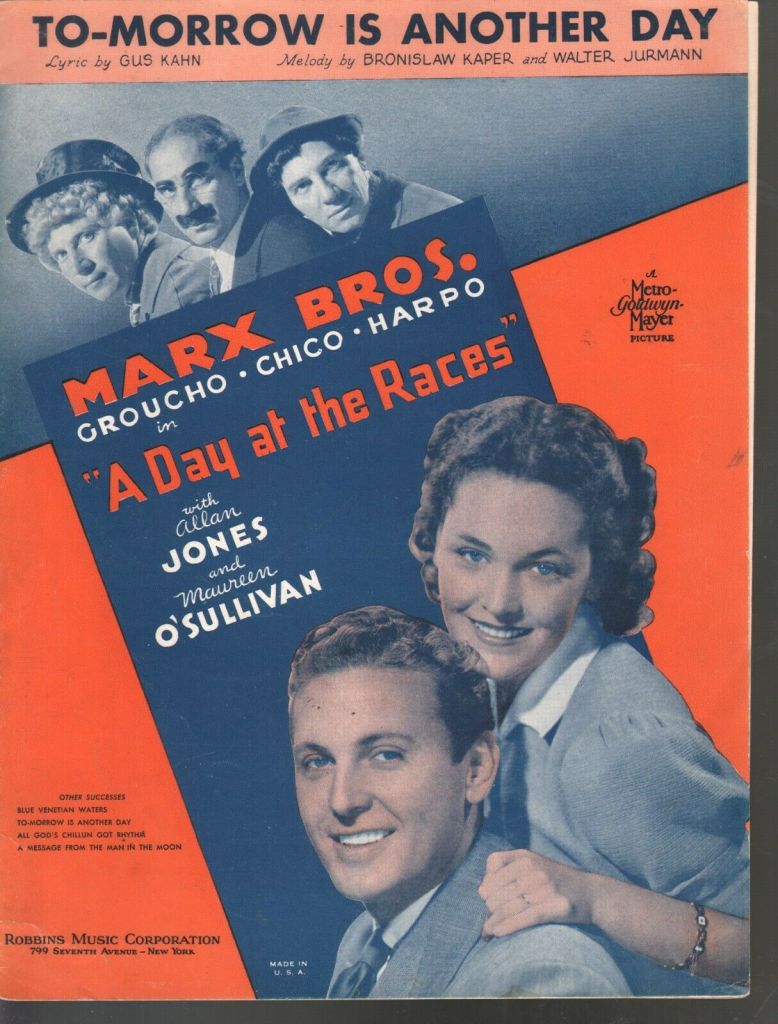
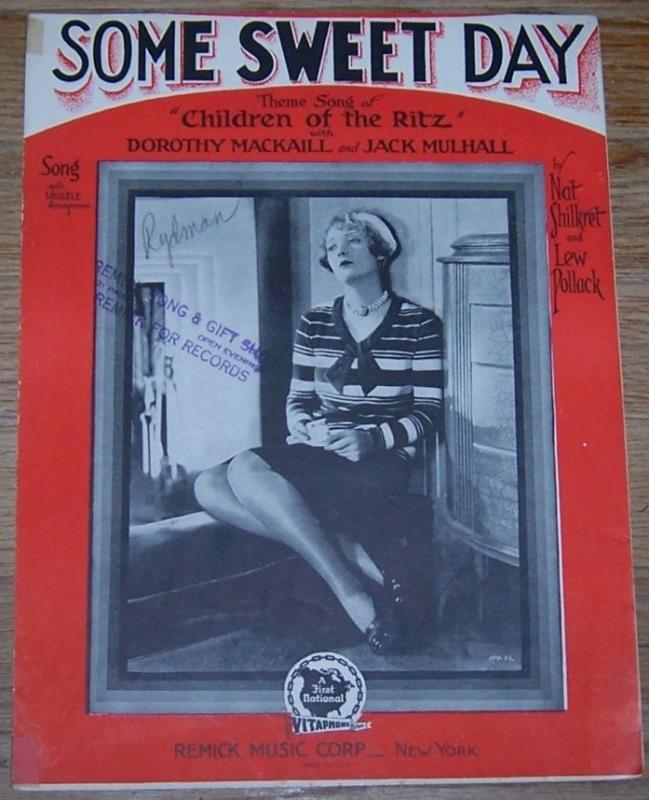
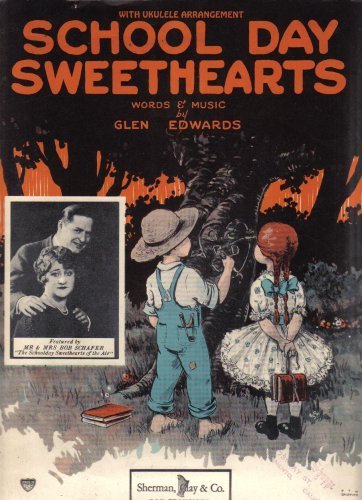
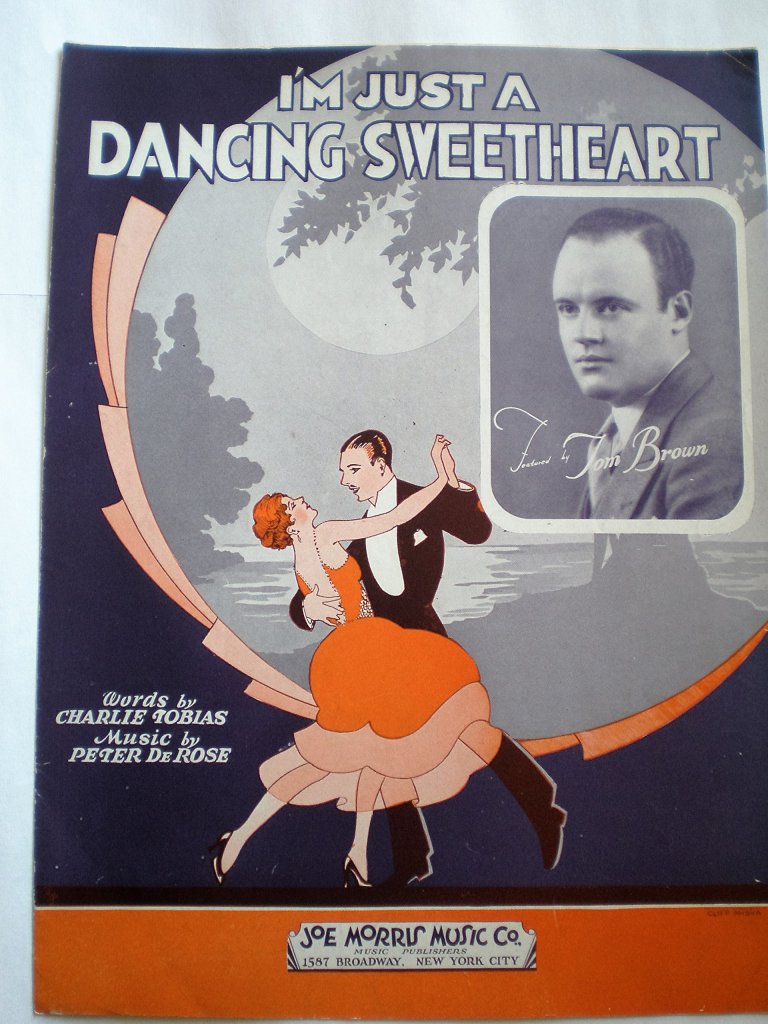
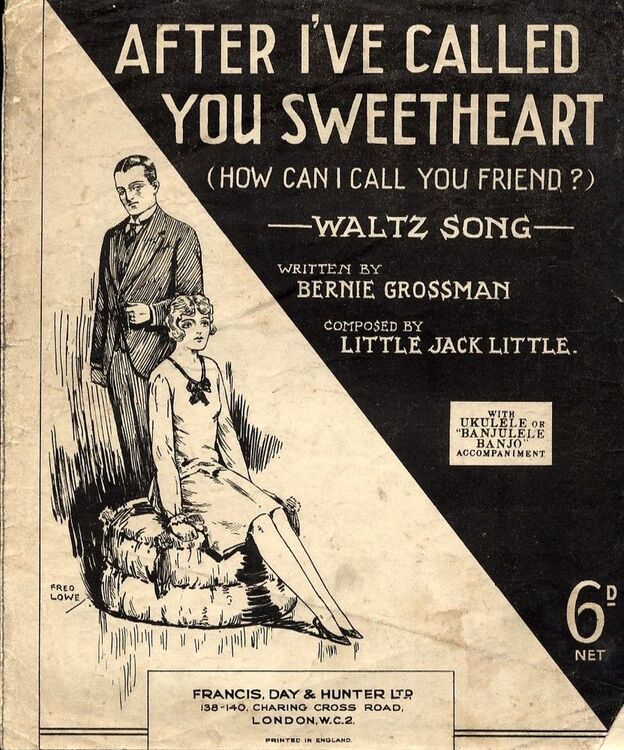
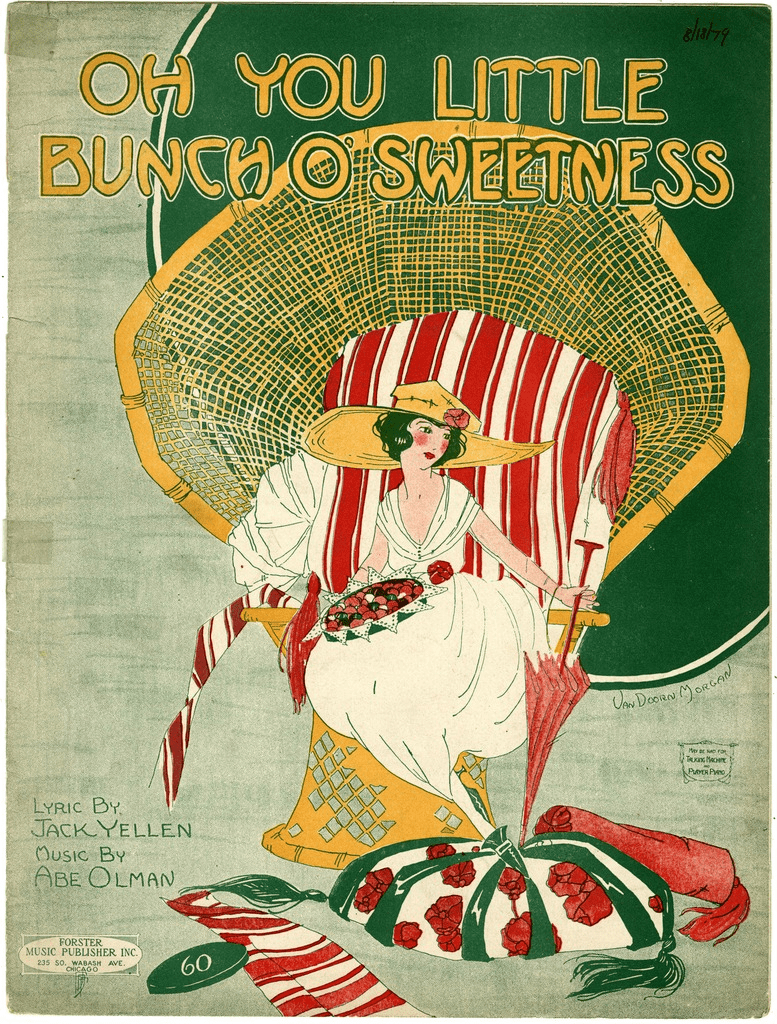
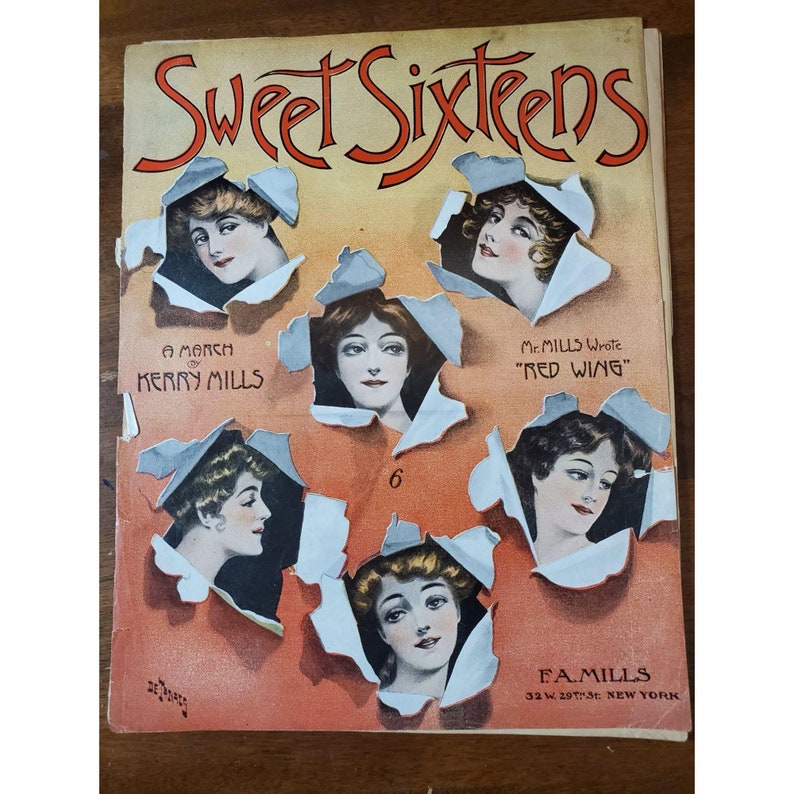
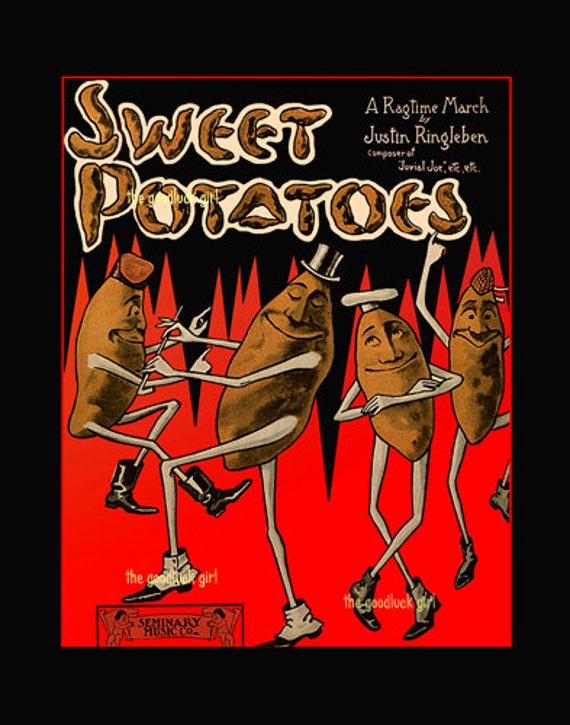
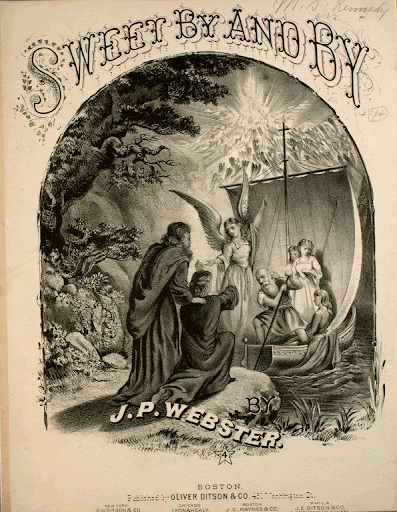
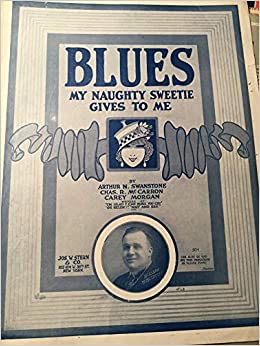
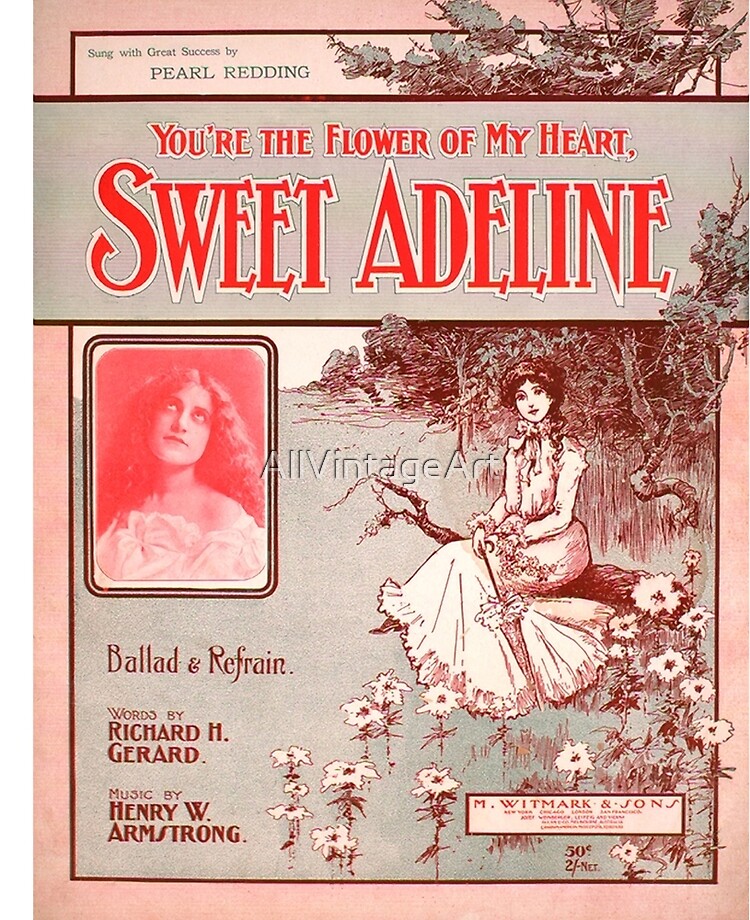
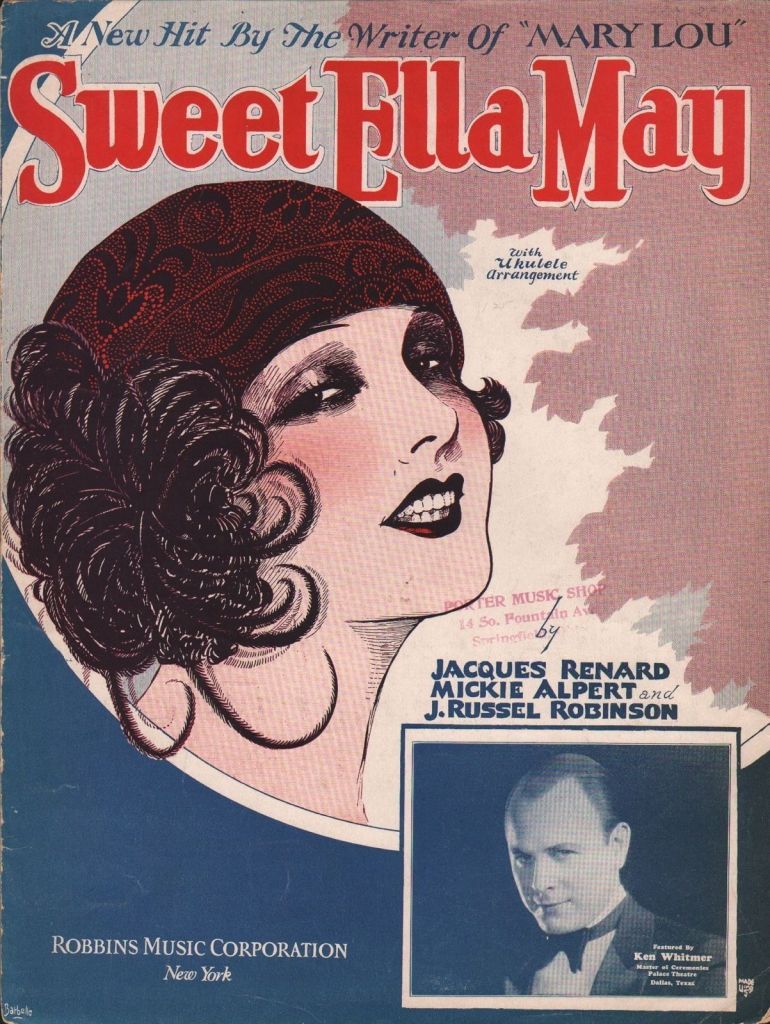
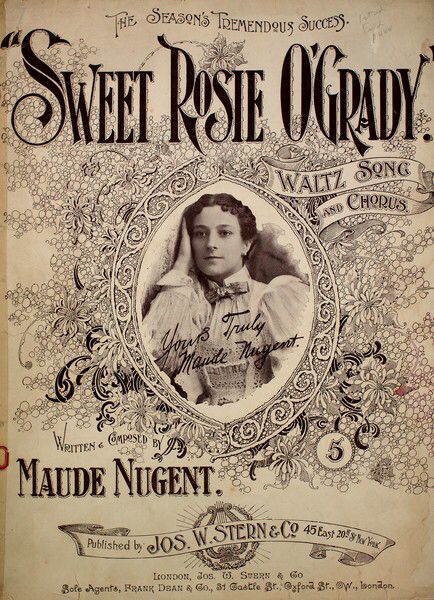
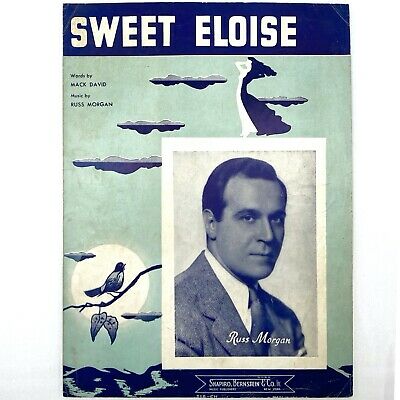
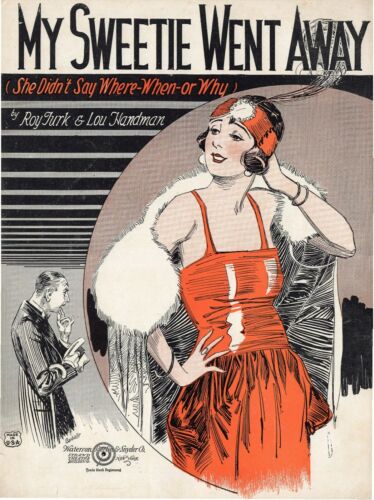
Needless to say, there are reams of sheet music touching on the “Sweetness” theme. Here are just a few of the more noteworthy–graphically if not musically speaking!

So, in keeping with the theme of this musing, I searched through our Blue and Yellow Books and found over a dozen songs with the word “sweet” or some derivative thereof in the title.  Who knew?  Anyway, with my penchant to avoid songs written more recently than the 1950s, I was surprised by the several that fit into my “oldie” category.  As you gentle readers might recall, I have mused over the years about two of the greatest of this genre—“Ain’t She Sweet,”

and “Sweet Georgia Brown.” 

If you want to re-read my thoughts on these two gems, just hit the link https://www.nohobanjoandukulele.blog and search through the entries until these two tunes show up—worth a visit if I do say so myself.

Just for a bit of fun, however, click or tap on the next link or image for a listen to a much, much newer—and with a ukulele, no less, version of this musical chestnut, “Ain’t She Sweet.” 

Let’s move a few decades back with a Blue Book favorite, “Kisses Sweeter Than Wine,” a song with lyrics written in 1950 by Pete Seeger and Lee Hays of the folk group, “The Weavers.”  Their tune was adapted from Huddie “Lead Belly” Ledbetter’s 1937 song “If it Wasn’t for Dicky,” which, in turn, was adapted from a traditional Irish tune “Drimindown / Drumion Dubh.” Who knows where the Irish got that one!

Here’s the “Lead Belly” tune.  Click or tap on the next link or image for a listen:  

  Now, click or tap on the next image for the Weaver’s revamp.

Now, for the sake of thematic purging and to stay in a lighter mood, let’s let the late 19th century, maudlin, death-bed, Sunday School staple from our Yellow Book, “In the Sweet By and By” go unsung. OK?

But, let’s move quickly on to a “Capital-C” Chestnut, also from our Yellow Book, “Let Me Call You Sweetheart.” Every barbershop quartet worth their pitch pipe sings this one so we should really give it a go.

Click or tap on the next image or link for a nostalgic listen to this 1910 oldie by Beth Whitson and Leo Friedman.  To attest to the long-lived popularity of this one, it has been used in hundreds of vaudeville reviews and over twenty movies or TV shows over the years ranging from The Waltons to Downton Abby!

 After that trip way, way down memory lane, let’s move on to a much more sprightly song from our Blue Book, the 1919 torchy “Blues My Naughty Sweetie Gives to Me.” 

This jazz standard was written by Tin Pan Alley regulars Charles Mc Carron and Cary Morgan and has become a Dixieland favorite.  Click or tap on the next image or link to hear this oldie but goodie!

As would be expected, the adjective “sweet” was used to modify girl’s names in dozens and dozens of songs from “Sweet Adeline” to “Sweet Caroline.” 

We’ll forgo the 1959 Fenway favorite of our Blue Books, “Sweet Caroline,” in favor of the ultimate barbershop quartet standard that is not found in either Blue or Yellow.   Go figure!  Anyway, click or tap on the next image or link for a one-man “quartet” version of this oldie!

And—why not?—a ukulele version.  Click or tap on the next image or link for a listen.   

I could go on and on with so-called “sweet, sweetie, and sweetness” songs and, if you have the time and are so inclined, here are a few more YouTubes just for fun;

Click or tap on the next image or link to hear Bessie Smith’s bluesy, torchy version of “My Sweetie Went Away.

And, for a bit of musical craziness, click or tap on the next image or link for a wild and wooly western take on “Sweet Little Buttercup.”

Now, let’s wind up this musing with one or our favorite Blue Book songs, “Roll in My Sweet Baby’s Arms,” an American traditional song developed from the cowboy song “My Lula Gal” which, in turn, is based on a bawdy British and Appalachian song known as “Bang Bang Rosie” or “Bang Away Lulu.”  Tap or click on the next image or link for a real downhome bluegrass version of “Lula . . .”

Of Course, the ultimate bluegrass version of “Roll In My Sweet Baby’s Arms” is, beyond a doubt, that by Earl Scruggs and Lester Flat from 1951.  Click or tap on the next image or link to be blown away with some lightning-fast finger picking.

 
And how about a ukulele version of this one!  Click or tap on the next image or link for a look.

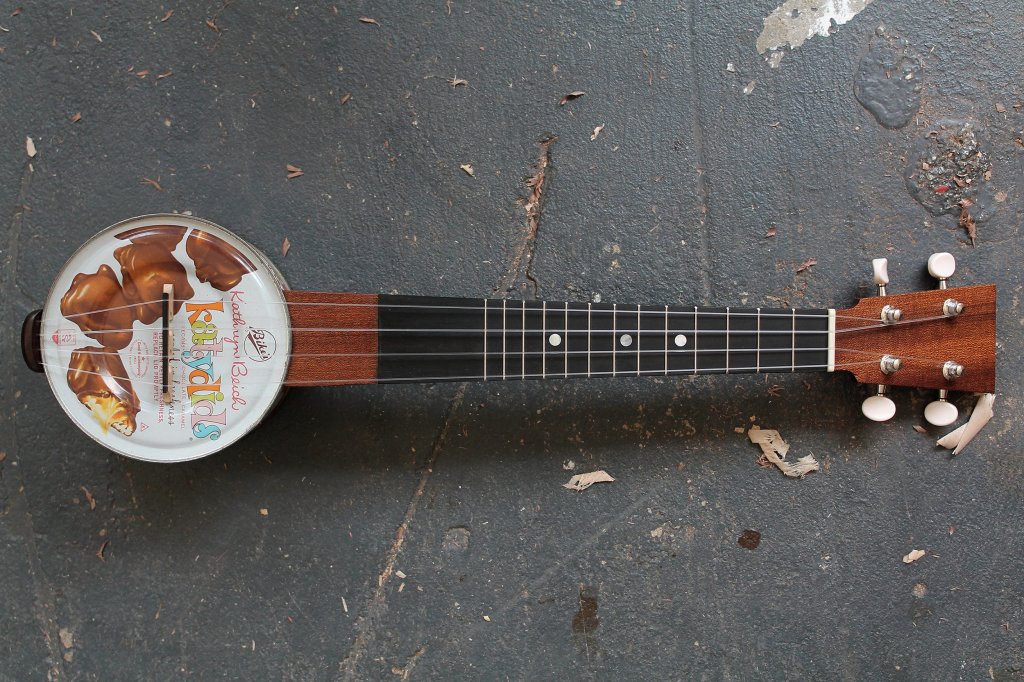
I would be remiss if I didn’t show a thematically appropriate ukulele from my collection   .  .  .

As well as another.

And, despite the vagaries of the times, stay as sweet as you are!

and—above all—STAY TUNED!  

And be safe with and for you and yours!

UKULELE MUSINGS, 13 August 2021: THE HIATUS IS OVER! SORTA . . .

Hi Fellow Strummers.  The hiatus is over!  Sorta  .  .  .

Alison and I have settled (more or less) into our new home in the Lathrop Community here in Easthampton, Massachusetts. 

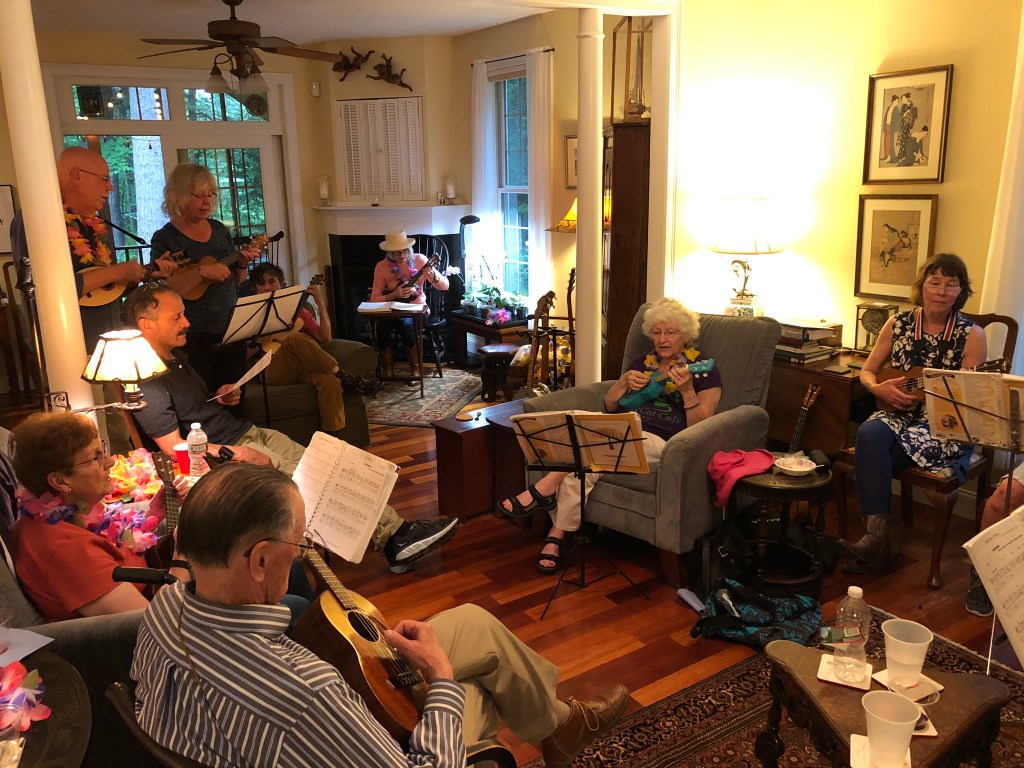
It’s just a couple of miles from our old place in Northampton that many of you fellow ukers have visited over the years. So, while we have let the old house go, we are happily hanging on to our Happy Valley community!  Remember the sweet old, maskless days?

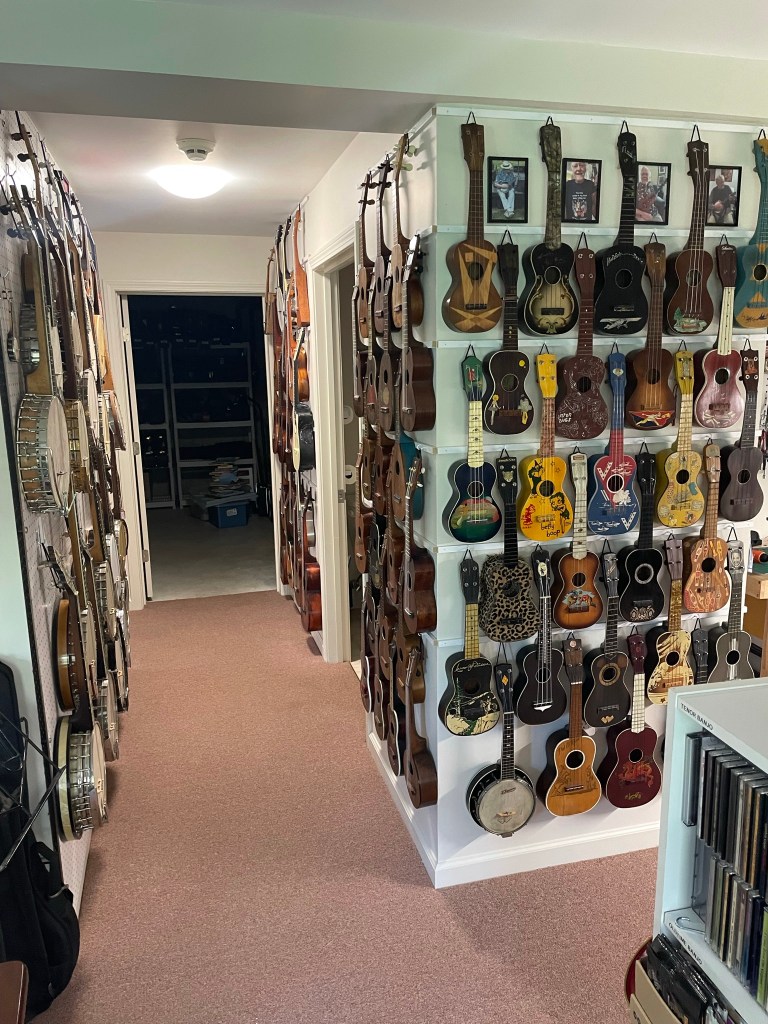
Although the distance between the two houses is short, the effort to sell, pack, move, and nestle has taken an inordinate amount of time, will, and energy—particularly when relocating the infamous banjo and ukulele collection.  Never fear, however; it’s all here!   

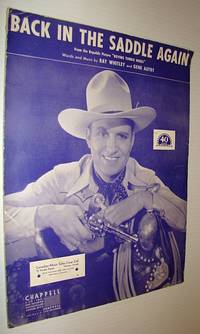
Our email addresses stay the same.  The “Ukulele Musings” blog address hasn’t changed.  And, as long as my musical muse continues to prod me to ponder, research, strum, write, and post,  I’m “Back in the Saddle Again!” 

This is kind of a hokey tune to home in on, but the title says it all; and, after all, it is in our Yellow Book. Anyway, here’s a fun ukulele version of this Gene Autry musical chestnut from 1939. Click or tap on the next link or image for a bit of a practice session singing along with the singing cowboy himself!

Moving on (ahem), I did a quick search for any songs about moving days, packing and unpacking boxes, arranging and rearranging furniture but found few that touched those basic bases. Here might be a good idea though . . . 

Perhaps not!

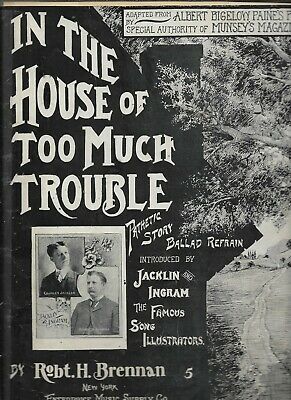
Anyway, the themes of “houses and homes” pervades American popular music so it’s pretty low-hanging fruit to pick through. And, needless to say, more than a few of the tunes do, in one way or another, home in on domiciles or dwellings–albeit in a variety of quite inapplicable genres relative to our present circumstances!  Anyway, it’s fun to take a peek at a few of these “house” songs.

Just to set the mood, here’s a modern string band version of this music hall song written way, way back in 1901. It’s a bit maudlin and doesn’t have a thing to do with our move, but it is about a house! Tap or click on the next image or link, grab a hankie, and listen to this tale of a little boy, his house, and–alas– his too busy mother.

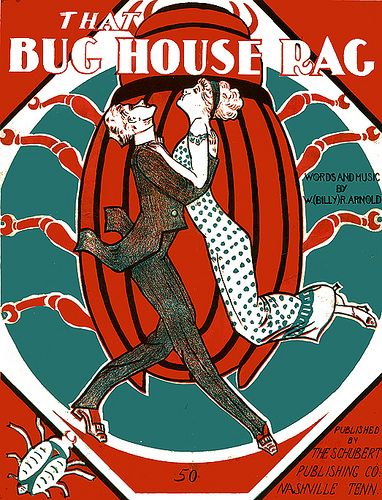
Although our new place was spotless and vermin free on move-in day, here’s another not quite appropriate “house” tune with great cover graphics!

And still another–this one more descriptive of the moving process rather than our new house!

You ragtime fans might want to listen to a syncopated piano version of this oldie that, once again, doesn’t have much to do with our move. But it’s another “house” song, again with great graphics on the cover. Click or tap on the next image or link to follow the chart and give a listen.

Anyway, here we are, Alison and I are home at last–sorta!

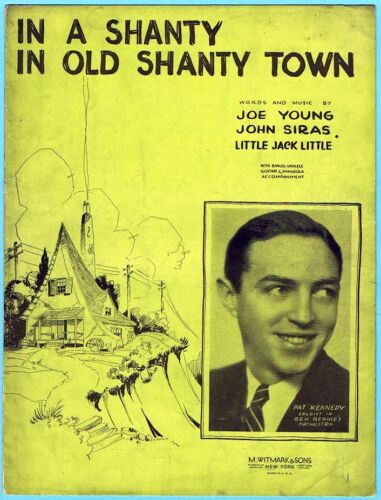
Moving on again (ahem, ahem), while this next tune certainly does NOT describe the quality of the house (or neighborhood) we have moved to, here is one of my favorite “house” songs, this one from 1932: “In a Shanty in Old Shanty Town.”  

Click or tap on the next image or link to listen to the original Ted “Is everybody happy?” Lewis recording of this oldie!

Needless to say, this tune has become a great jazz standard and has many ukulele covers on YouTube.  Here’s one  to have some fun with. Click or tap on the next image or link for a listen to some nice strumming.

If you want to try it yourself, you can get a chart from our good friend from “south of the border” (Connecticut/Massachusetts, that is), Dr. Uke.  For a thousand or so other great (and free) uke charts, just Google his website and be impressed! https://www.doctoruke.com/songs.html

And, of course, here is the ultimate ukulele “house” song, this time in the so-called “hapa haole” style!

Click or tap on the next image or link for a real ukulele (and hula) homemade Hawaiian treat! Almost as good as Spam and eggs!

Moving on (ahem, ahem, ahem), the same thing is true with songs about packing—“Pistol Packin’ Mama” just doesn’t strike quite the right chord here and probably is not PC these days. But a ukulele cover of this oldie from the 1950s is just too good to pass up. Click or tap on the next image or link just for fun!

I won’t even go near any of the hundreds of “Truck” songs out there.  Oh well, maybe “On the Road Again.”  After all, it is one of our favorites from our Yellow Book. Click or tap on the next link or image for this fun one.   

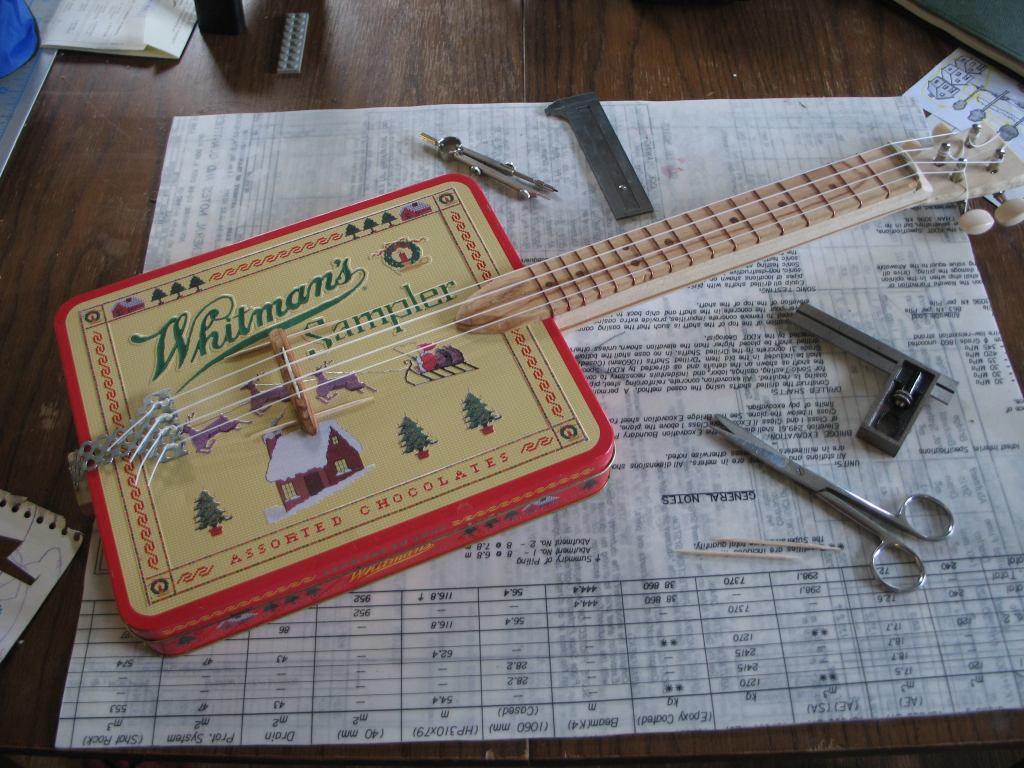
Enough for tunes; now for ukuleles!  I did a posting a couple of years ago on cigar box ukuleles. Not moving boxes but close, sorta!

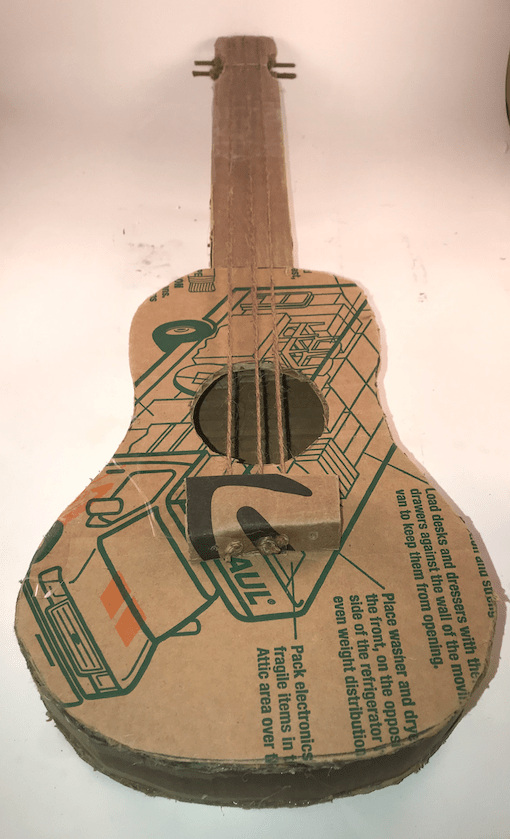
But what I did run across in my internet wanderings are a number of ukuleles (and uke cases) made—of all things—cardboard moving boxes!  I can’t vouch for how they compare soundwise to my solid Koa Snowshoe but, here they are!

I think my Snowshoe wins! But, I guess this might be the silver lining of the cloud-filled moving process for some ukers. But, What would we do without boxes and, for that matter, our kitties and ukuleles?  

Settling in now, be aware that these musical musings of mine will continue as long as my will and wit are willing to work together, but probably not on a weekly basis as for the past four or five years.  After all, we did move to a retirement community!

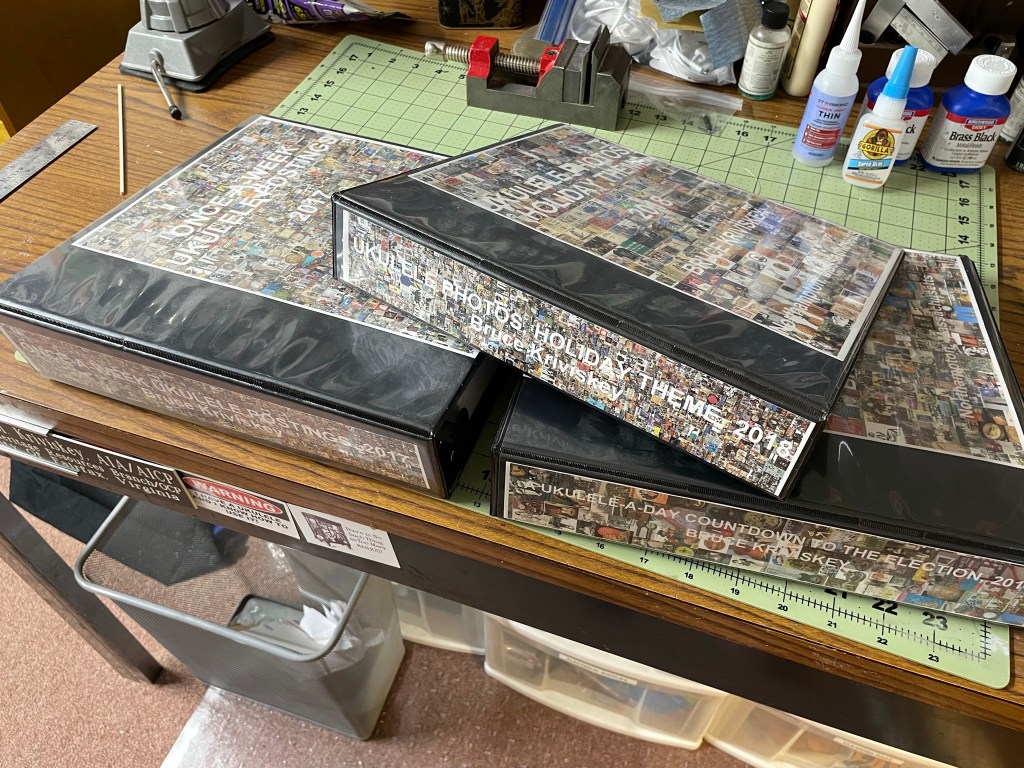
You can always check out some of my musings from the past, however, by going to nohobanjoandukulele.blog and scrolling amongst the offerings. Here stacked up in my new studio/shop/office space are most of them–saved on paper in three-ring binders the old-fashioned way!   

Oh yes, while our new home is in what is described as a “retirement community,” Alison and I are getting to know a lot of quite lively, certainly not “retiring” new neighbors.  And, yes! There is music!

So good friends—new and old—give me some slack but, nonetheless, stay safe, stay strumming, and STAY TUNED!  And alas, once again as they say we must, stay masked and, of course, keep moving on! 

UKULELE MUSINGS 2021, 20 February 2021: Announcing a Hiatus, But “We’ll Meet Again!”

Hi Fellow Strummers and Blog Followers,

This is a note to let you know that Alison and I will be moving to the Easthampton Lathrop Community sometime in the next few months.

That’s only a couple of miles away from our present home in Northampton, but it still means means that we are both going to be busy, busy, busy preparing our Ice Pond Drive house for sale, sorting and packing stuff, and preparing to settle into our new home — a lot of work even if it’s only five minutes away and a lot of ukuleles to move!

Needless to say, this is going to be a big job and is going to occupy a lot of our mental and physical energy until we get settled into our new digs.  For that reason, I will be putting my weekly “Ukulele Musings” blog on hold until after we make our transition. Who knows when, but I’m hoping to be back on line sometime this Spring. We’ll see!

You can still access nearly all of my weekly blog postings for the past three or four years by going to nohobanjoandukulele.blog and scrolling down the list—something to do in your spare time!  And, I will certainly let all of you know when I begin to post again.

Needless to say, once this pandemic has passed and we can again get together on Saturday mornings, I will be joining with you with banjo uke in hand! 

Until then, I have to figure out where to show off my banjo and ukulele collections in a new environment.  Looking forward!

So, stay safe, stay sequestered, stay masked, and STAY TUNED! And, of course, “We’ll Meet Again.” Click or tap on the next image for this old musical chestnut. No ukulele here, but something “looking forward!”
Bruce Kriviskey

Nohobanjo of Northampton, Massachusetts           

Soon to be: Nohobanjo of Easthampton, Massachusetts — Still in “The Hamptons,” so to speak . . .