Hi neighbors and fellow strummers. These “musings” are intended to share some of the things I have learned over the years of banjo and ukulele history and lore, as well as some of the songs we find, listen to, and play. My goal is to both educate and enlighten by sharing what I have learned within the broader musical and historical context—with honesty and, at times, a bit of humor. Needless to say, your thoughts and comments are, as always, welcome.
During the so-called “War Years”—1939 to 1945 for the UK and Europe, 1941 to 1945 here in the US—the swing era was, well, in swing. Songs were written, published, recorded, played on the radio, and performed on both sides of the Atlantic and, indeed, all over the world. Nearly everyone in uniform and at home whistled or hummed or even sang these tunes during the day and danced to them at night. There are hundreds of these songs out there and certainly worth a musical musing during this day when we commemorate the British Canadian, French, American and other Allied forces landing on the beaches of Normandy eighty years ago on D-Day, 6 June 1944.
Where to start?
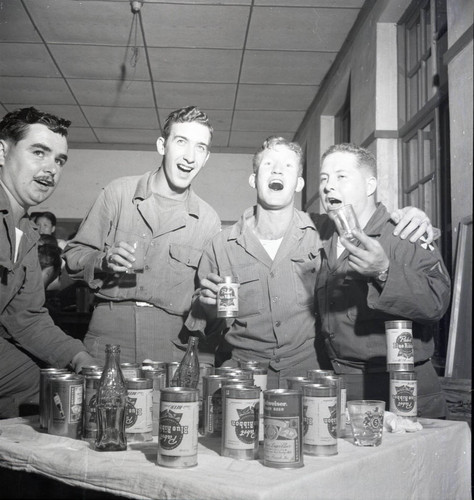
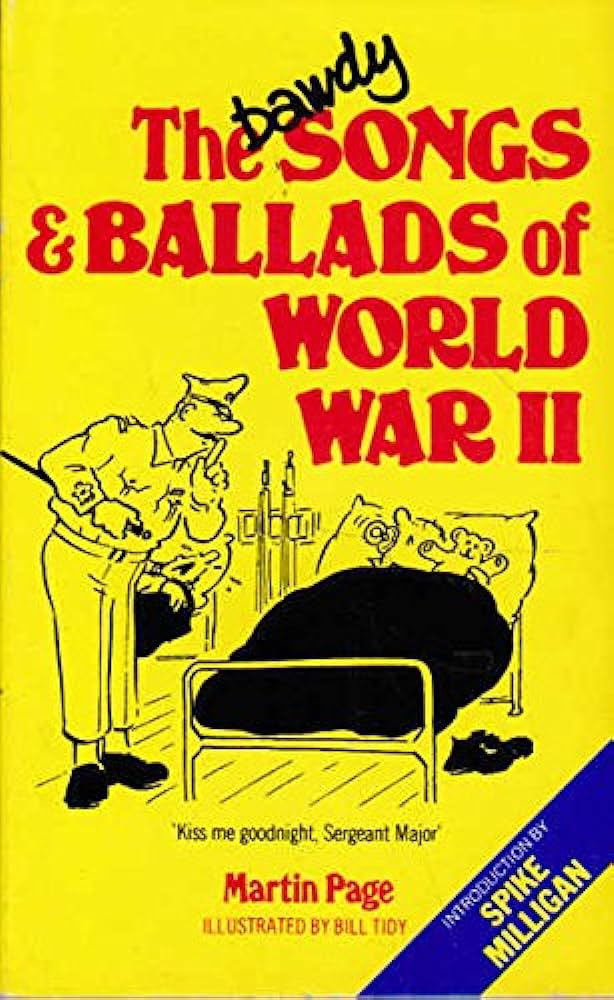
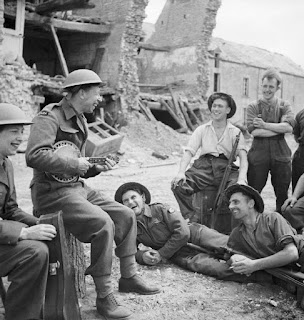
Soldiers and sailors in those days often enjoyed singalongs in mess halls and clubs and while working. Men being men, however, they often laughed at and quickly discarded the official songbooks published for the morale of the troops.
They made up and preferred their own versions. But, needless to say, gentle readers, most of these are parodies of “official” songs and are much more silly, sexy, and scatological than those in the books–definitely NOT suitable for one of these simple musings of mine!
But, here’s one of those silly songs that has a D-Day backstory. As troops began to move from their transport ships into the landing craft that would take them ashore through the mine-filled and machine-gunned waters leading up to the Normandy beaches, some tried to ease their nerves by singing.
Many veterans of the landings remember hearing—and singing along—the catchy chorus of one of the more popular songs of the day, “The Hut Sut Song.”
Click or tap on the triangle in the next image to listen to this silliness that, somehow, soothed.
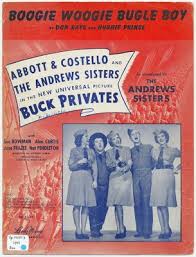
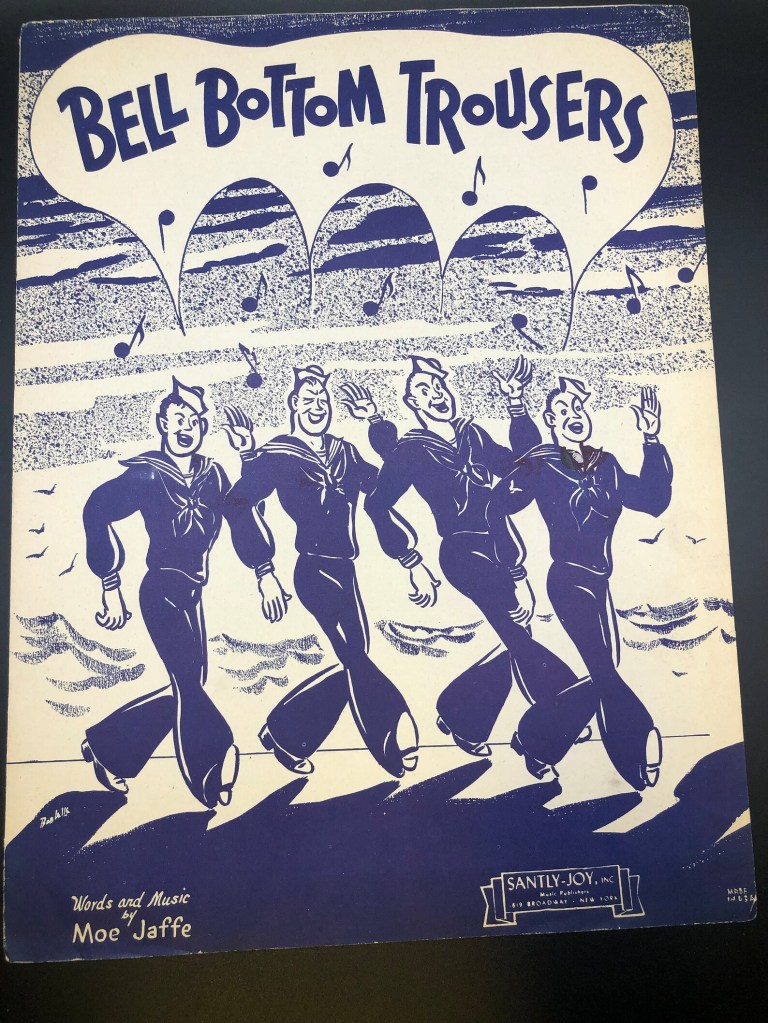
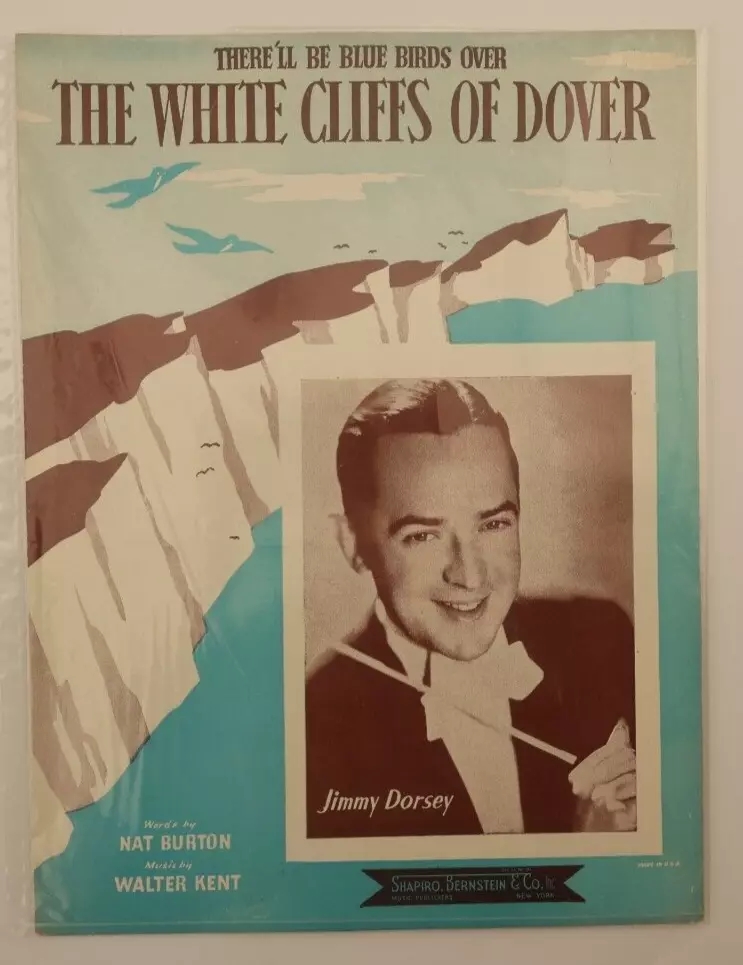
These were also the days for dozens of popular songs played and danced to by soldiers and sailors and their girlfriends such as . . .
Click or tap on the triangles in the next three images for a look and listen.
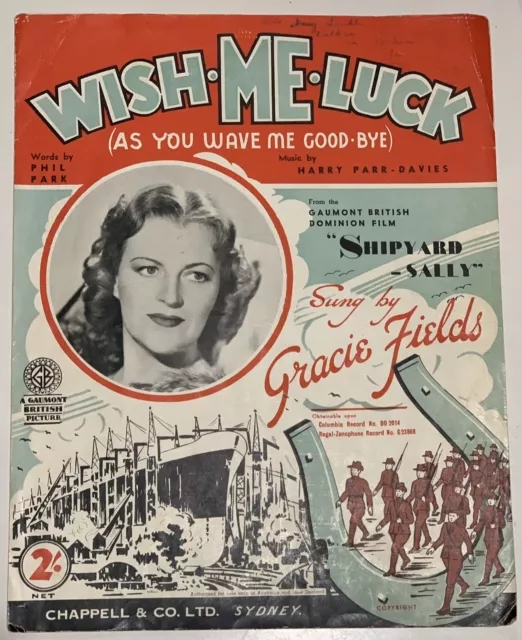
The British contributed many of the more memorable songs of the day, many of which brought the weight of the war home.
Click or tap on the triangles in the next couple of images for a look and listen.
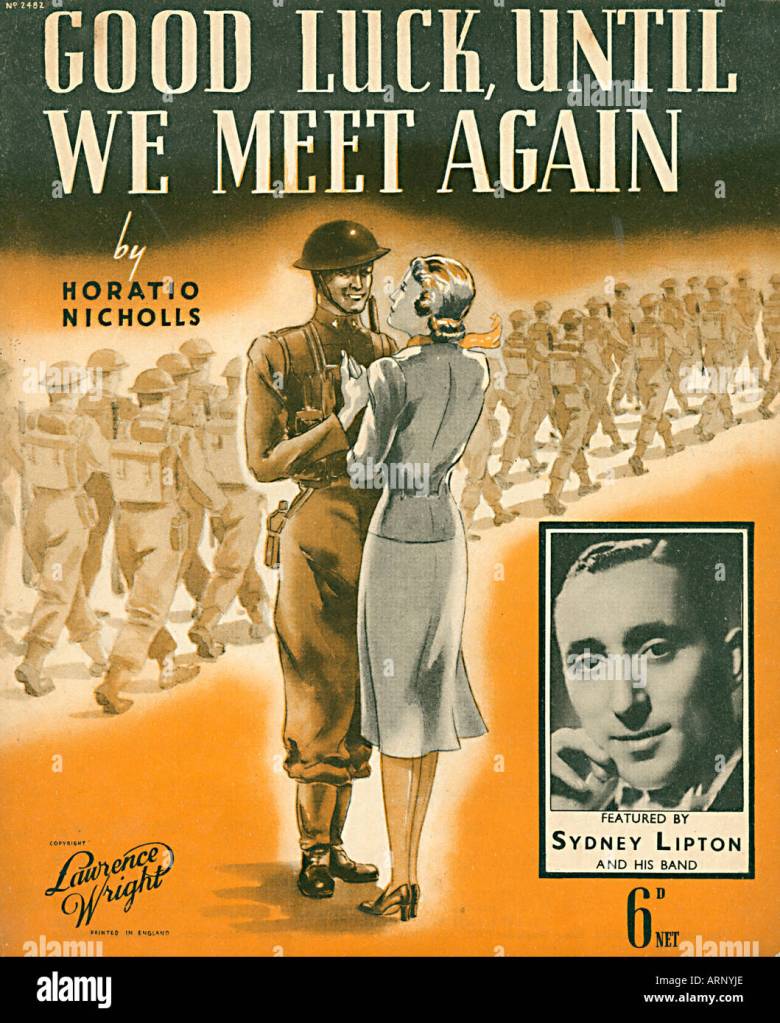
And, of course, there were dozens of songs written about the uncertainties of those days, especially the partings.
Click or tap on the triangle in the next couple of images for a listen.
Silly songs soothed in those days but sober songs bring history home today. Click or tap on the triangle in the next image to hear a song written and performed by a British sailor who was THERE.
And, of course there is that great song that ended just about every movie, radio, USO show, or performance for most of the war years, “We’ll Met Again.”
Click or tap on the triangle in the next image to hear this song made famous by the beloved British “sweetheart of the services,” Vera Lynn.
This is one musical musing that could go on and on. There are just too many songs that each tell a story in their own way, silly or soothing or sad. All contribute, however, just like those who waded ashore that day and those that remain there today.
Well, here we go again. June is almost upon us, as is warmer (hot!) weather. It’s time think about wardrobe transitions. As a child, I remember my mother saying that her mother taught her that, after Memorial Day (Decoration Day to them), one may now wear white shoes and straw hats! I, of course, listened to my mother and–to this day–refrain from breaking the white/straw rule. Don’t you?
It’s also time for we Summer stylish gents (and ladies, of course!) to bring those Hawaiian shirts out of their winter storage bags and into our summer closets. Tis the season!
That being the case, I can’t pass up the chance to muse a bit on the history of this sartorial trend and to point to the protocols that “must” (well, “may”) be followed. And, there will be a tune or two. After all, gentle readers, this is a musical musing! And, ukuleles, salt water, warm weather, and Hawaiian shirts go together like “C,” “F,” “G7,” and back to “C.”
Click or tap on the triangle in the next image for a real Aloha!
As with my previous postings, of course, all is not mere frivolity. So, I’ll start with some serious scholarship about these shirts, their history, and place in our popular culture.
To go back a couple of hundred years or so, the first shirts associated with the islands were not what we think of today as a “Hawaiian Shirt.” Rather, these were simple, loose, long-sleeved work shirts, modeled after those worn by visiting British and American sailors.
They soon became the “uniform” for pineapple and cane field workers and island cowboys.
These came to be known as “palaka” shirts, from the Hawaiian word for “smock.” For the island trade, British cotton mills wove this denim-like fabric in a unique checked pattern which soon became known as “palaka plaid.”
Still made and sold today, this has become an iconic garment embraced by many native Hawaiians.
Click or tap on the triangle in the next image for a bit of musical palaka lore.
Moving on . . . In the 1920s a Japanese tailor in Honolulu came up with the novel idea of making shirts from odd remnants of printed silk he had on hand after making traditional kimonos.
These patterned, brightly colored shirts achieved almost instant popularity and soon became the standard for the local beach and surf crowd. And, of course, these became a must-have for the growing number of Mainland tourists.
Then, in the 1930s, a Chinese tailor in Honolulu made and marketed a variation on these originals and had the entrepreneurial wit to copyright the name “Aloha Shirt.” The go-to garment that we know and love today was born!
Soldiers and Sailors stationed in Hawaii during World War II brought their colorful and casual silk and rayon shirts back home, as did more and more tourists in the ‘50s and ‘60s.
What was a cheap souvenir in those days has spawned an industry and early, well designed shirts have become scarce collectors’ items today.
Some sell for hundreds of dollars and even find themselves in museums and galleries.
Today, the Aloha Shirt (now a generic name) has become standard business attire for many in the islands—replacing neckties and jackets for some— during nearly nine months of the year.
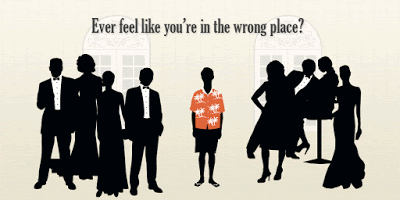
As would be expected, the Aloha style even extends to those formal occasions where a tux would be called for in other climes.
For the women and girls, the cover-up of the “muumuu” (forced on bare-breasted native girls by those shocked nineteenth century missionary wives) moved from palaka plaid, to intricate patterns,
to the bright florals we see today in lovely dresses.
Click or tap on the triangle in the next image to hear the music and voice of one of the most popular muumuu wearing, singing “aunties” of Hawaii.
Click or tap on the triangle in the next image for a bit of muumuusical fun!
While Hawaiian flora and activities dominate fabric patterns, just about any theme can be found on a Hawaiian shirt these days. Ukuleles, of course!
Adult beverages, naturally!
Other interests or proclivities, you name them!
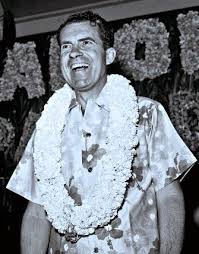
Presidents have worn them.
And even some police station mug shots show them!
And, movie stars and movies made them famous.
Click or tap on the triangle in the next image for a look and listen to an island icon!
And now, the BIG question! Do you wear a Hawaiian shirt tucked in, or not tucked in? The answer is simple—as with all shirts with a straight hem and side slits, you wear them UN-TUCKED and flying in the breeze.
Except, maybe, with a blazer in the office.
Or on a fashion show runway,
But is it acceptable to wear a shirt unbuttoned? It all depends. . .
And, they even work for really BIG guys like me!
So, let’s dig out and don our Hawaiian shirts for another summer. Why not?
Speaking of shirt music, how about a rap version of an “Aloha Shirt Song?” Click or tap on the triangle in the next image and look and listen for as long as you can stand it! It’s not my favorite musical genre, but I understand that there are folks out there who like this kind of stuff. Just sayin . . .
So, back to our sartorial exploration . . .
Not if you observe the Hawaiian shirt rules, send us postcards from the islands, . . . and STAY TUNED!
There are a lot of songs in our various songbooks that might seem silly to us today but, in their day, were popular. Times have changed but, gentle readers, we can still have a bit of fun with what our parents and grandparents enjoyed. For openers, let’s take a look and listen to this hit song of the 1930s.
“Bei Mir Bist Du Schon” is one those variously spelled songs now mostly forgotten. The title language probably throws most of us off today and we quickly move on. Actually, this is a “Germanized” title of a swing era song that—believe it or not—became a world-wide hit when recorded by the Andrews Sisters back in 1937.
Remember their names, “M . . .”, “P . . . “, and L . . . ?” Click or tap on the triangle in the next image for the first earworm of the day!
The song is a couple of years older than 1937, however. It was originally written in 1932 by Jacob Jacobs (1890-1977), lyrics,
and Sholem Secunda (1894-1974), music,
for a New York Yiddish theater musical comedy—“I Would If I Could.”
Alas, the musical was a flop and faded away quickly; but the song lives on and on in a serious shift of cultures, to say the least! Click or tap on the triangle in the next image for a look and listen to the original.
In the 1930s, Yiddish theater in New York was big as Yiddish was the at-home and street language of much of the huge Jewish population of the city.
The story goes that Secunda, a well-respected musical theater composer, rejected the young upstart George Gershwin as a co-writer in favor of his pal Jacobs. Later, he tried to sell the song to Eddie Cantor who rejected it as being “too Jewish” for him. He finally sold the song to a publisher for $30 and it was picked up by the Tin-Pan Alley songwriter Sammy Cahn. Cahn then collaborated with Saul Chaplin to rewrite it with English lyrics and a more “swing-style” rhythm. Then, for a fee of $50, a little-known, close-harmony trio—calling themselves The Andrews Sisters—recorded Cahn’s swinging English language rewrite. Whew!
Of all the “players” in the back-story of this song, the only ones who were not Jewish New Yorkers were the three sisters—Lutherans from Minnesota. Go figure!
In another bit of irony, in 1938 the song became a surprising hit in Germany. Initially assumed to be an uncontroversial song in a southern German dialect, an uproar occurred when its Yiddish provenance was discovered and pounced on by the press. Following this embarrassing discovery, music by composers of Jewish ancestry was forbidden under the Nazi regime and the song was promptly banned. A sad bit of history in our songbooks, but there it is.
Moving onward and a bit farther to the west, here is a silly song from the islands. Sorta . . .
While it does show up in a lot of songbooks, most of us have glanced askance at the tune “Princess Poo-Poo-ly Has Plenty Pa-Pa-Ya.” While musically obscure, I do think that it’s worth a listen, if not a strum. And, it does gives us an interesting back-story.
Published in 1939, the sheet music for “Princess Poo-poo-ly . . . “ credits the song to Harry Owens (1902-1986), the well-known conductor of the then popular Royal Hawaiian Hotel Band. But did he really write it? A tradition of the time was that a few music publishing experts, like Owens, would assist local songwriters in publishing their works in exchange for a co-writing credit that would then get them a share of any royalties. It was actually written by one Donald McDiarmid (1898-1977), a member of Owen’s orchestra and a songwriter who, in a bar, wrote the whole tune in one evening.
Owens and his orchestra recorded it, but rarely if ever played “Princess . . .” at any of the sophisticated tourist hotels in Waikiki. Anyway, click or tap on the triangle in the next image for a listen to this oldie.
Owens considered it as “low-brow, mildly ribald, comic hula,” and was simply content with the royalty money. He and his hotel band stuck with the sweet and haunting island ballads and love songs that Mainland tourists came to Hawaii to hear and dance to.His best-known song is “Sweet Leilani,” written for the 1934 movie “Waikiki Wedding” and was the first Hawaiian song to win an academy award.
Owens was an early devote of what became known in Hawaii as “hapa-haole.” Literally “half foreign,” this was music with a Hawaiian theme and sound written and performed by non-natives.
Ensconced at the Moana Hotel in Waikiki, his live shortwave radio broadcasts were transmitted around the world.
Using tricks like a microphone planted on the beach to underscore his show with surf sounds, his show was instrumental in building up the Hawaiian mythos—and attracting ship- and plane-loads of tourist cash. At the same time, however, a lot of hapa-haole perpetuated a somewhat benign, but still stereotypical, view of Hawaiians and island visitors.
In retrospect, the period from 1900 to 1940 was a period in which “hapa-haole” ripened into its own in all the popular styles of the day—ragtime, blues, jazz, foxtrot and waltz time—often with a hula tempo, but jazzed up a bit.
It was a unique period marked by the enormous response by mostly Tin Pan Alley songwriters (who seldom set foot on a beach let alone one in Hawaii) to write songs and Mainland bands to perform and record them. A few were tasteless, many simply humorous, and a lot quite romantic about life and love in the islands and, particularly, with those lovely hula girls. It’s a testimony to the Hawaiians’ grace, humor, and sense of perspective that they make room for this music in their polyculture society of today.
After all, we mainlanders still play ukuleles and wear Hawaiian shirts. Go figure!
Oh Yes. “Poo-Poo-Ly” is a play on the Hawaiian word “pupule” (pu-PU-lee) which translates as “crazy; mad; insane.” Also, her “papayas” is Hawaiian slang for, well, your guess is as good as mine . . .
Time to move a bit further back in time . . .
“Ja-Da (Ja Da, Ja Da, Jing, Jing, Jing!)” was written in 1918 by a piano player, Bob Carleton (1894-1956), while he was serving in the Navy during World War I.
He was stationed at the Great Lakes Naval Training Center, just north of Chicago, and performed with a trio on the base and in local bars.
The simple tune became a jazz standard over the years and was recorded by just about every performer from that day to this—a simple 16-bar tune with a long, long life. How simple is it? Click or tap at the triangle in the next image for a look and listen.
In his definitive American Popular Songs, Alec Wilder writes about the song’s simplicity: “It fascinates me that such a trifling tune could have settled into the public consciousness as “Ja-Da” has. Of course, it’s bone simple and the lyric says almost nothing. Perhaps the explanation of its success lies in the lyric itself—”That’s a funny little bit of melody—it’s soothing and appealing to me.” It’s cute, it’s innocent, and it’s “soothing.” And, wonderfully enough, the only other statement the lyric makes is “Ja-Da, Ja-Da, Ja-Da, Ja-Da, Jing, Jing, Jing.” There are, however, more verses!
Click or tap on the triangle in the next image for a listen to all the verses. Another earworm!
Carlton went on to be a prolific songwriter/performer and published over 500 songs. He wrote ditties like “Teasin'”, “I’ve Spent the Evening in Heaven”, “I’ve Got to Break Myself of You”, and “Where the Blues Were Born in New Orleans.”
Ever hear any of these? Thought not. But, just for fun, here is Carlton himself at what he describes as his “Bar Room Baldwin.”
Well, is that enough silliness for the month of May? Three silly earworms today but not silly in their day! What’s not to like? In Yiddish, Hapa-Haole, or Ragtime, no less.
For those of us following the news these days, a lot of reporters and commentators have written and opined on just who might find themselves facing the possibility of some form of judicial chastisement for their misdeeds or peccadillos.
However, gentle readers, while I am a bit too old to gaze too long into the roiling ink and pixel pots, I am reminded of a couple of apropos musical links–hence another (albeit apolitical!) musical musing. So, for starters, here is one of those “lesson” songs that seemingly has been around forever and recorded by just about everyone–a gentle earworm for the times that be.
“It’s a Sin to Tell a Lie” was written in 1936 by one Billy Mayhew. It began its recording odyssey with several dance bands and a couple of years later was jazzed up and popularized by Fats Waller. Click or tap on the triangles in the next couple of images to hear the contrasts.
Originally written as a waltz, Waller made it a fast four/four jazz tune. To me, however, it’s a bluesy, message tune—what I often call a “whiskey and cigarette” song—best heard in a darkish, smallish, oldish place with a piano, bass, and singer; or, maybe just a scratchy old 78 RPM disk. Here’s another version a bit more to my taste first recorded during World War II, a time of liaisons and partings and, I’m sure, promises made and broken.Click or tap on the triangle in the following image for a listen to the “Sweetheart of the Services.”
To me, an intriguing part of the song’s backstory is the composer, Billy Mayhew. After a search on Google, Wikipedia, and my few dozen or so books on the history of popular music, there is NO reference to be found other than his full name of William P. Mayhew—no biography, no obituary, no amusing anecdotes, no mention other than dozens of references to him as the composer of “It’s a Sin to Tell a Lie.” It doesn’t look like he wrote anything else and no one out there in musical history land seems to have pursued his story. Go figure.
Moving on . . . Here’s another newsworthy song from an entirely different musical genre. But, this time from a singer we know a lot about.
Many of you who watched the Ken Burns TV series on country music a couple of years ago are familiar with our next song. Along with “It’s a Sin . . .“, this one also seems ripped from today’s headlines.
If you don’t mind a bit of his signature yodeling, here is his take on this lively tune–another earworm! Click or tap on the triangle in the next image for a look and listen.
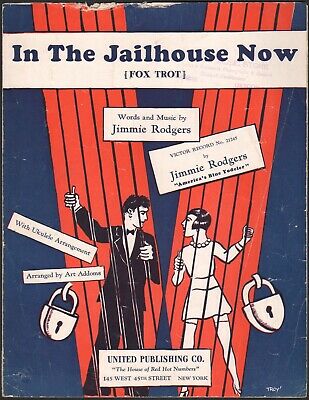
Rodgers’ version of “In the Jailhouse Now” was recorded in 1928 with Ellsworth Cozzins on the banjo. While Rogers got the credit because of his popularity, he didn’t actually write the song—it had been around for a dozen or so years. Needless to say, the song has been covered (and parodied) by hundreds of artists over the years.Here’s the cover of the earlier version.
Prior to 1930, several different versions of our song were recorded and copyrighted. The earliest is Davis and Stafford’s 1915 version, which has verses about a man named Campbell cheating at a card game and a corrupt election–How newsworthy today! Here’s a version with a political background, no less!
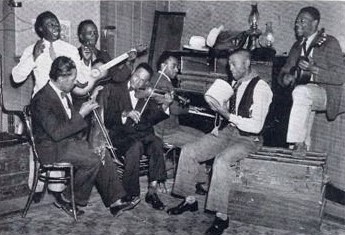
Click or tap on the triangles in the next couple images for a listen to, first, the original Memphis Jug Band and then a group from today that is keeping the jug band tradition alive. They have appeared on stage in our happy valley on several occasions–the Carolina Chocolate Drops.
Now, on to one last take on our Jailhouse song by the one and only Johnny Cash. When Cash recorded the song in 1962, he used a more humorous set of lyrics, based on the 1915 version. Click or tap on the triangle in the next image for a look and listen to his interpretation.
And, of course, a bit of philosophy from our singer that too, in its way, could be right out of the headlines!
So, read the newspapers, practice your yodeling, don’t tell lies, keep out of jailhouses, and–of course–STAY TUNED!
As many of you gentle readers are aware, I have been playing (alas, playing “at” rather than playing “well”) and collecting banjos and ukuleles since the 1950s. So, I thought it might be fun to muse a bit on my favorite type of ukulele marriage–the “banjo ukulele,” or as called by some, a “banjolele, or a just plain “banjo uke.” Please bear with me, gentle readers, but be prepared to be both entertained and enlightened. I hope!
Friends and colleagues have mentioned that, in these trying times, they have found my meant-to-be-merry musings on musical lore diverting if not soothing. Well, maybe not that soothing this time around! You might want to turn those hearing aids down a notch or two as we begin with–what else?--an overture! Click or tap on the triangle in the next image to see what can be done with a banjo uke. Get your earplugs on if you must because HERE WE GO!
This week’s musing on banjo ukuleles is a bit longer and a tad more rambling than usual. It focuses on an instrument and style of playing that some folks might find a bit off-putting but is, nonetheless, a part of our musical heritage. Many of us strummers think it’s the only way to go; others remain, shall we say, unenlightened and, in fact, disdainful!
Most of you gentle readers and fellow strummers know that my go-to instrument for those Tin Pan Alley, old-time, and country tunes we enjoy has long been a banjo ukulele. I have a newer “Gold Tone Deluxe” tenor banjo uke, tuned gCEA just like a standard ukulele, and a vintage 1920’s “Bruno” baritone banjo uke, tuned DGBE like the top four strings of a guitar. These are set up with nylon strings and the sound can be softened with a rubber violin mute, but only when absolutely necessary!
To a lot of folks the bright, percussive tone of a banjo ukulele is thrilling, to others an acquired taste, and to still others . . . well. But this variation of the traditional uke goes way back in musical history. This might be nothing more than a “drum with a stick attached to it,” but this little instrument is taking off and has found more than a few fans over the past hundred or so years.
In 1916, San Francisco resident John A. Bolander patented the first banjo ukulele. In 1922, Hawaiiian-born Californian Alvin Keech, a ukulele player and vaudevillian, found himself in post World WarI Paris performing on stage and in cafes. He and his brother, Kelvin, also made and sold several variations of banjo ukuleles that would become known as “Keech Banjuleles.” (Note the spelling.) Because of their musical and manufacturing efforts, the instrument became very popular in Europe, specifically France and Britain, and later in the US.
Here is one of their simple banjo ukes from the 1920s.
Most “Uke-ologists” credit Keech as the performing perfector and earliest promoter of the banjo uke if not the inventor. He perfected a fast-fingered strumming style that set the stage for banjo uke players of the day and set a goal for many today. Despite the fact that this is a “silent movie,” check out his fingering skills in both regular and slow motion. Click or tap on the triangle in the next image for a look if not a listen.
For some sound, here’s a look at a restored vintage Keech Banjulele in action today. Click or tap on the image to check it out.
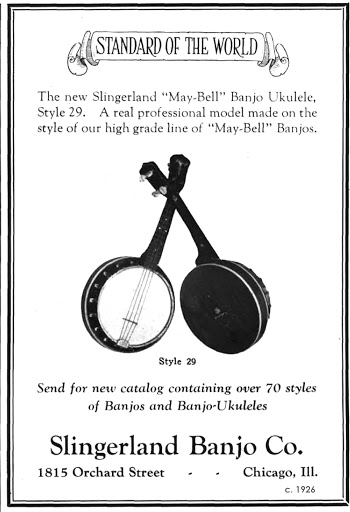
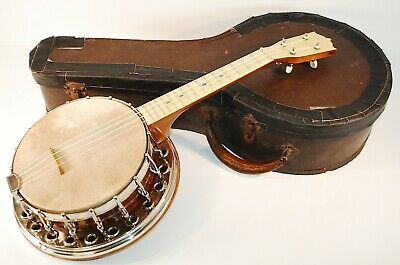
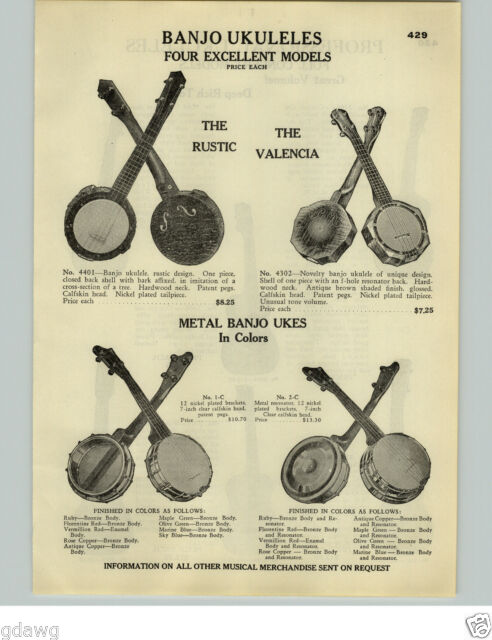
Examples of banjo ukes from both sides of the Atlantic show, basically, a four-string standard soprano ukulele neck mounted on a six- to eight-inch cylindrical pot, or “drum,” with a skin head. In fact, banjos and banjo ukes soon became a lucrative sideline of big name drum manufacturers such as Slingerland and Ludwig.
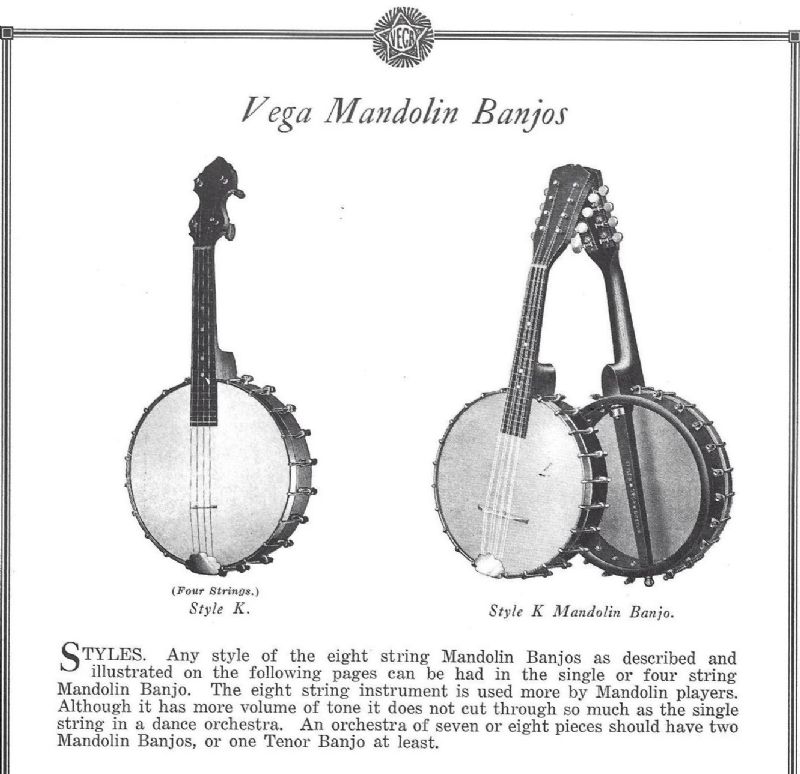
Before the advent of the banjo ukulele, however, short necked eight-string, four-course banjo mandolins or “banjolins” were available—usually with a ten-inch head. So were four-string versions called “melody banjos” and a five string version called a “piccolo” banjo.
These were the “soprano voices” in the banjo bands or orchestras of the 1890s and early 1900s.
While banjo ukes are usually tuned in the standard gCEA, the melodies and banjolins were usually tuned in fifths like a mandolin or violin, GDAE.
The banjo uke became popular, particularly with vaudeville performers, because it was relatively simple to play, like a regular ukulele, and is, like a good “stage voice,” LOUD! Tap or click on the following image for an example performed in the “Keech style,” later and especially today called the “Formby style,” about which more later.
And, of course, there were many, many vaudeville or stage performers.
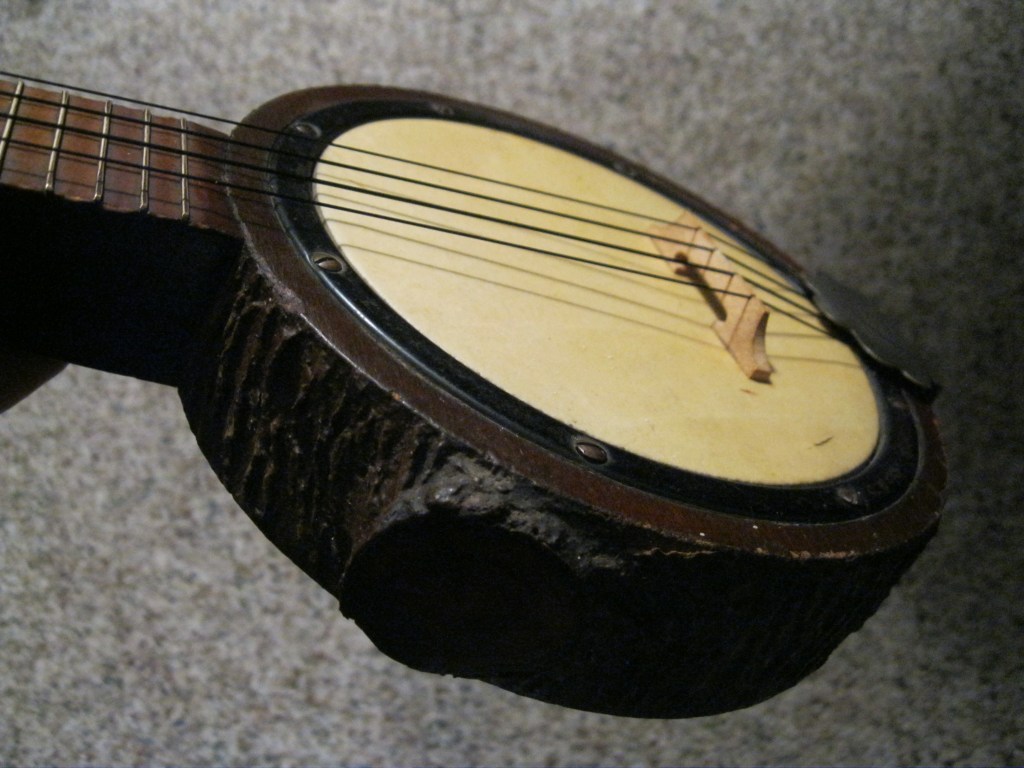
Some say that what drove the banjo uke into popularity, however, was that it was easier to build (read less expensive) than the more curvaceous, guitar-like standard ukulele. It was made up of a lot of interchangeable metal parts and the less expensive models required little fancy wood bending and finishing. You could even use a bit of an old log.
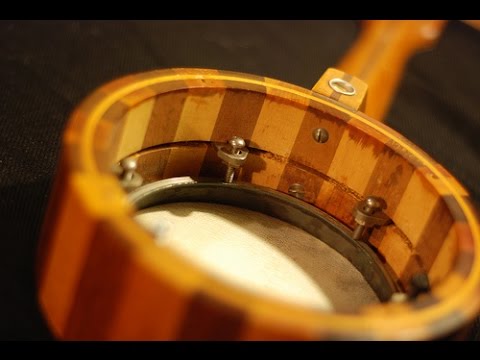
Or make big pieces out of little pieces.
This, coupled with the popularity of Tin Pan Alley ragtime tunes, made the brighter, jazzier tone of the banjo uke THE sound of the 1920s and put a banjo uke into the hands of thousands. It seems that everyone wanted to learn, and many folks made money from songbooks as well as instruments!
As with all musical instruments, there are low-end as well as high-end models. Here are a few top-of-the-liners. A Stromberg Voisenette . . .
A Gibson UB-2 with resonator . . .
A gold-plated Ludwig Professional . . .
Simple styles cost only a few of dollars in their day while fully decked out vintage models–when found– easily can cost thousands or more in today’s market. Alas, none of those are in my collection!
Anyway, banjo ukes are fun to look at, fun to play, fun to hear, and fun to collect.
And they are easy to decorate. A blank “canvas” so to speak!
They were popular with buskers and strummers in the sweet old days as well as now.
Now, I would be remiss if I didn’t include samples of two of the great banjo ukulele players of the past who epitomized the fast-fingered Keech/Formby styles, both British. First, there’s Tessie O’Shea who headlined alongside the Beatles when they did their famous first appearance on the Ed Sullivan TV Show.
Their joint appearance drew what was then the largest audience in the history of American television. Imagine that for a banjo uke player! Click or tap on the triangle in the next image for this YouTube if you have a few minutes!
And then, on to the King of the fast-finger players and the performer who gave his name to the style as played today, George Formby. Just imagine the generosity, wit, musicality, and personality of Bob Hope, Danny Kaye, Steve Martin, and Jerry Lewis wrapped up in one British music hall and film star.
His toothy grin became known to a worldwide audience through his many films of the 1930s and 1940s and his entertainment of the troops during World War II. On stage, screen, and records he sang light, comical songs and became the UK’s highest-paid entertainer. Some say that he made the banjo ukulele famous and he certainly made his fast style of play the goal of many players.
You might wish for sub-titles with this one, but this is one of his signature tunes. Click or tap on the triangle in the next image to watch and listen.
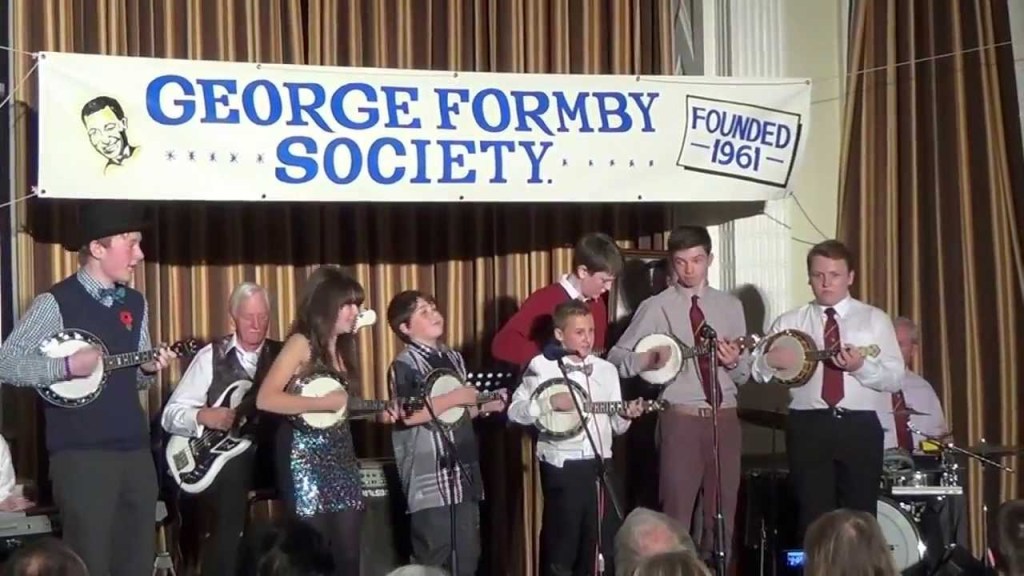
Playing in his fast-paced signature style is the goal of many of today’s banjo uke players and there are George Formby Society (GFS) clubs all over Britain. Needless to say, the banjo uke is HUGE in the UK!
Now, to wind things up, here is the quintessential George Formby song as performed by the United Kingdom Ukulele Orchestra. Click or tap for a treat!
Alas, there isn’t anyone playing a banjo uke in this performance. Those folks are virtuoso ukulele players but it’s the Formby signature song that’s important.
But, of course, no one should be without a handy banjo uke! It can certainly play an essential role when necessary, so to speak.
Warning, gentle readers! Don’t try the above pose with this one!
Anyway, stay well, remain modestly dressed, turn those hearing aids back on, learn to love the banjo uke–and STAY TUNED!
Here we are in first few weeks of the baseball season—alas, with our beloved Red Sox off to a slooooooooow start. But, anyway, it’s altogether fitting and proper to check out that iconic old musical chestnut from 1908, “Take Me Out to the Ball Game.” Most of us only know the chorus but, surprisingly the two verses put a bit of a feminine twist to the whole thing. For our first pitch, here’s a version from Ken Burns’ “Baseball” PBS series to get us into the mood. Have your beers and hot dogs ready!
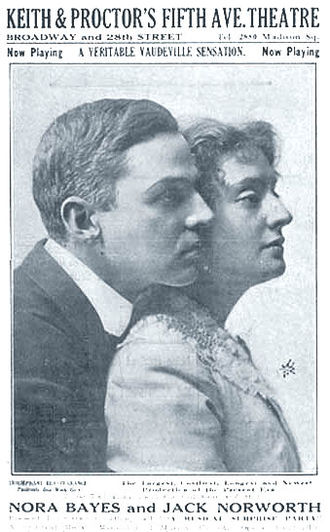
Backing up a bit, our song was written by vaudeville star Jack Norworth (1879-1959) . . .
and Tin Pan Alley composer Albert Von Tilzer (1878-1956)
These men wrote and published hundreds of songs from that era. However, it’s interesting to note that while this song has become the unofficial anthem of American baseball, neither of its authors had attended a baseball game prior to writing the song! Go figure.
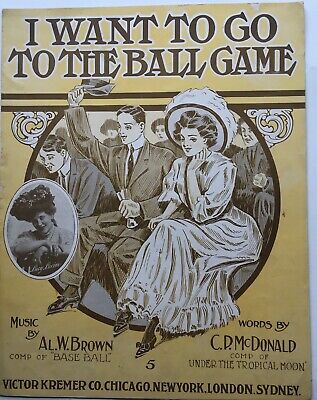
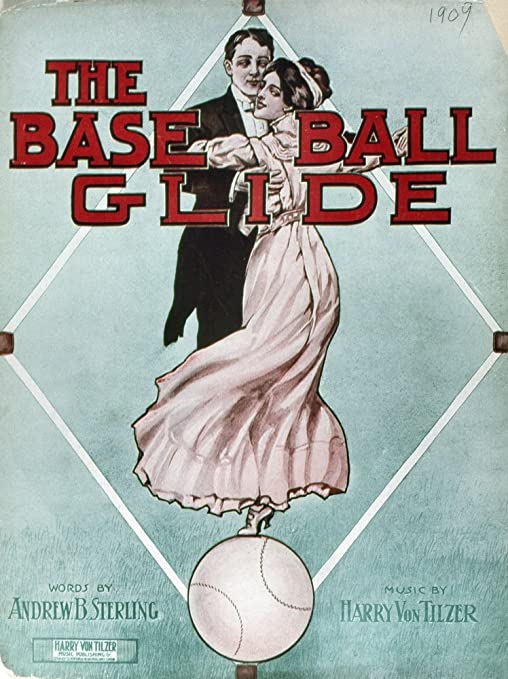
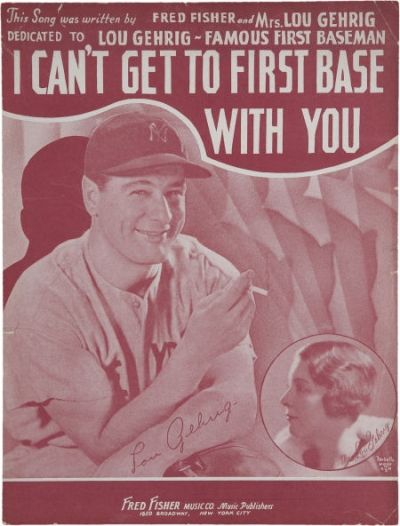
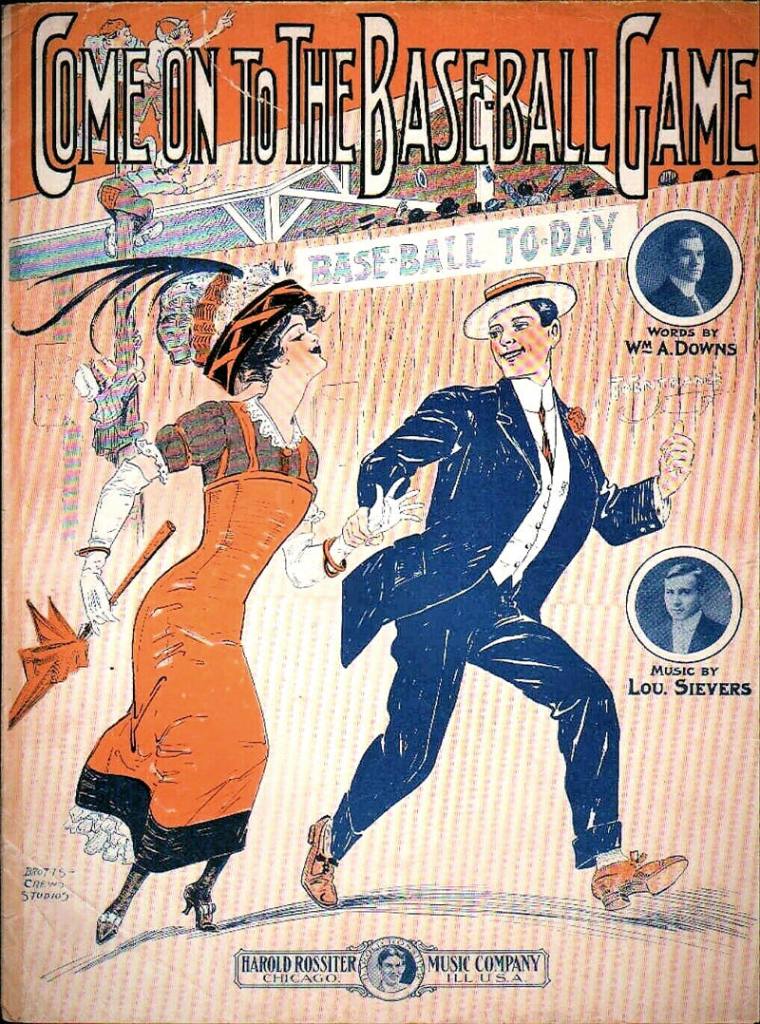
There are a lot of baseball songs out there from that era but our song is the grand-daddy—or more accurately, as we shall see—the grand-momma of them all.
The backstory goes that, while riding a New York subway train, Norworth was inspired by a sign that said “Base Ball Today—Polo Grounds.” He quickly wrote the lyrics about a “girl named Katie” whose boyfriend asks her out to see a vaudeville show. She accepts the date but, being “baseball mad,” will agree only if he will take her out to “the ball game.” The words were then sent to music by Tilzer and the rest is baseball, and musical, history. While performed by many singers and bands of the era, it wasn’t played at a ballpark until 1934, at a California high school game. Later that year, however, it was played during the 1934 World Series.
Click or tap on the triangle in the next image for the song with all its verses. Time for another hot dog!
“Take Me Out to the Ball Game” was selected by the National Endowment for the Arts and the Recording Industry Association of America as number eight of the top “Songs of the Century” as being “culturally, historically, or aesthetically significant.”
If you are a Chicago Cubs fan, the best interpretation of our song is by their late, great ballpark announcer Harry Caray who sang it at the seventh inning of every home game. Click or tap on the triangle in the next image for a look and listen while munching on a “Chicago” hot dog.
Norworth’s original lyrics, written on an envelope and complete with annotations, are on display at the National Baseball Hall of Fame in Cooperstown, New York—a rare “working document.”
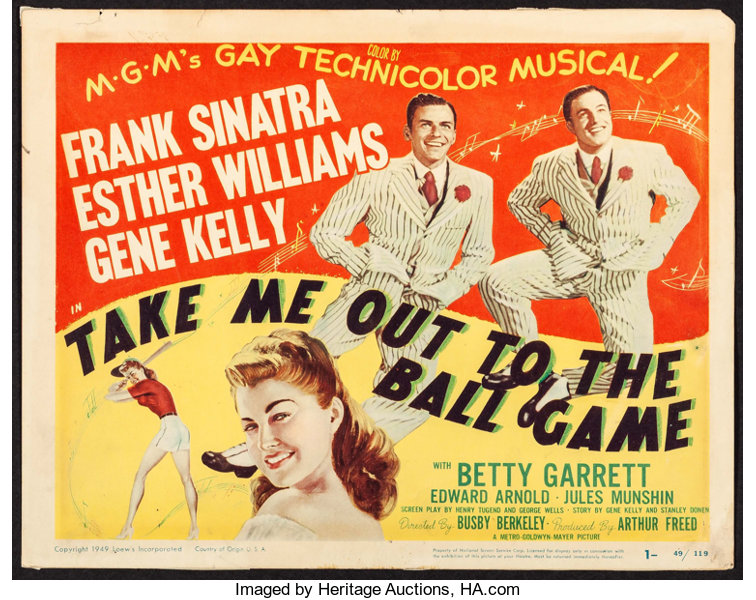
The song shows up in the movies:
Click or tap on the triangle in the next image for a look and listen. How many hot dogs can you eat? Buuuurp . . .
Since the 111-year-old song has been in the public domain for decades now, hundreds of recordings have been made in a WIDE variety of interpretations. Needless to say, there are a couple of hundred on YouTube to pick from. Click or tap on the triangles in the next images if you have the time and inclination. Hey beer man, send a couple of ice colds our way!
And, of course!
Oh yes, for the uninitiated this is what a “Chicago” hot dog is all about!
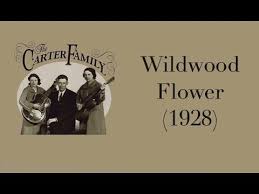
Those of you who watched the Ken Burns PBS special series on Country Music a couple of years ago are probably aware of the history of southwestern Virginia’s Carter Family and their early recordings. These—and the radio broadcasts that featured their music—cemented them and their work as true American musical pioneers.
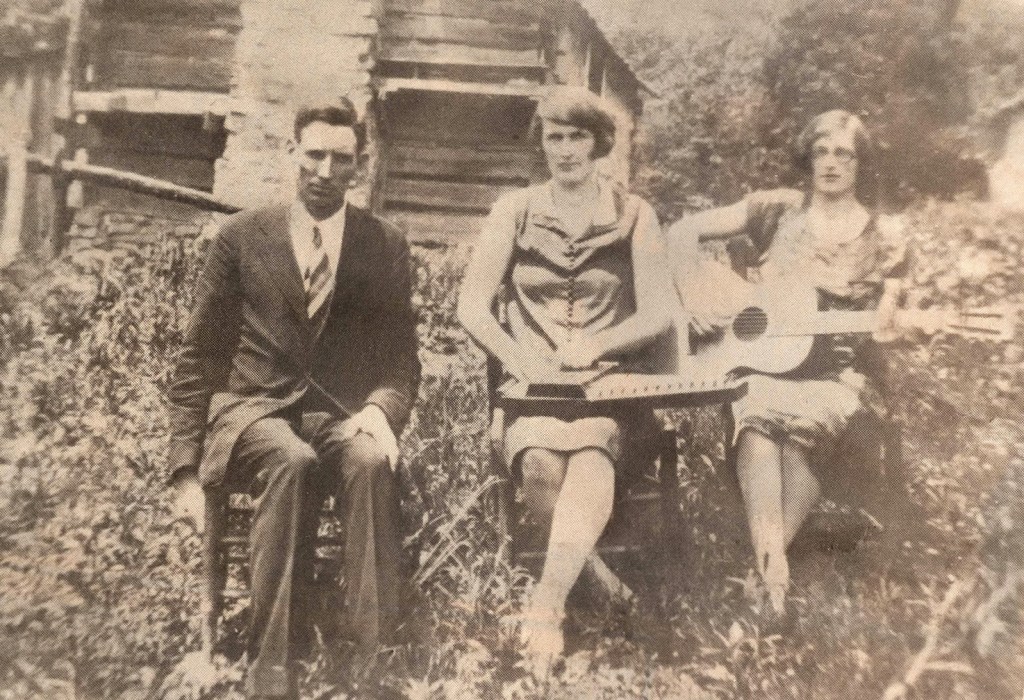
The original group consisted of Sara Carter, her husband A.P. Carter, and her cousin and sister-in-law Maybelle Carter. All three grew up immersed in the tight harmonies of mountain gospel music and shape-note singing. They were the first group to perform their style of music on the radio in the 1920s.
The most haunting of their songs is the ballad “Wildwood Flower.” The Carter Family reworked a much older song and gave us this lament of a young woman whose “true love” turned out to be a two-timing rascal who made off with someone else. Our heroine—who calls herself a “pale wildwood flower”—reflects on and then rejects her sad state.
She then vows to move on while wishing her roaming ex-lover his “regrets.” You go, girl! How many times have we heard this story in musical genres from blues to country to rap? This song is the grandmama of them all!
Click or tap on the triangle in the next image for a listen to this scratchy oldie.
Of particular interest to music historians is Maybelle Carter’s innovative guitar playing style, dubbed the “Carter Scratch.” She played melody with her thumb on the low strings and harmony on the high ones—a finger picking style adopted by many folksingers today. For a look and listen, tap or click on the triangle in the next image.
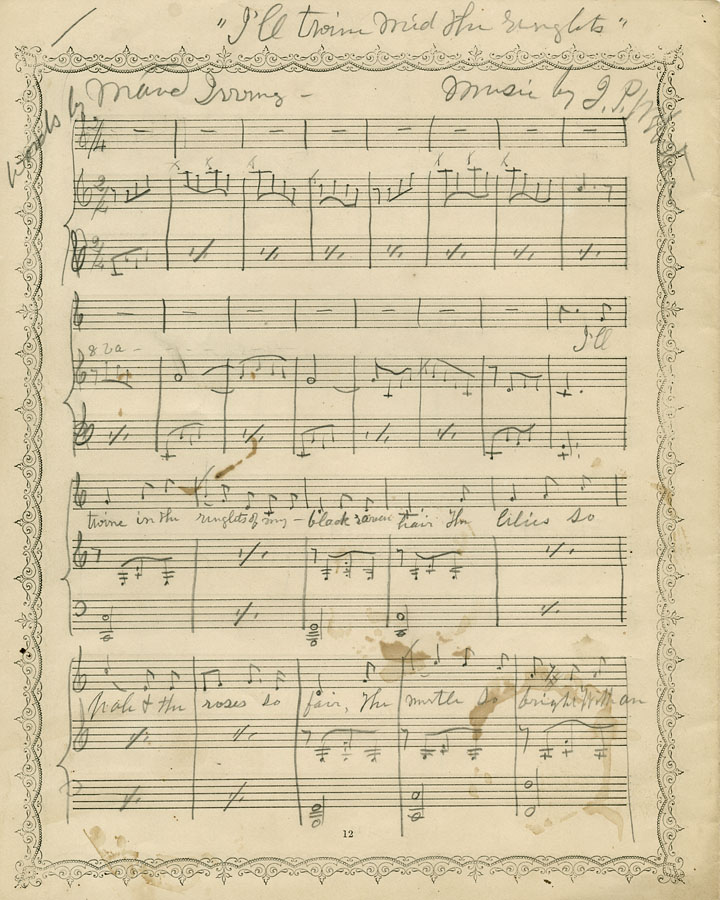
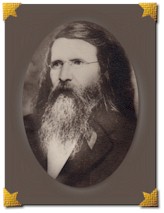
Now for a bit of back story. The earlier song that the Carters “harvested,” was published in 1860 with music composed by Joseph Philbrick Webster and words by Maud Irving. It was titled “I’ll Twine ‘Mid the Ringlets.“
Webster was a New Englander, studied music in Boston, and–as a classical singer–had performed with Jenny Lind. His most popular work was the hymn “In the Sweet Bye and Bye.”
Maud Irving, on the other hand, was a pseudonym used by one J. William Van Namee, a poet and spiritualist who used this more feminine name when his rather eclectic poetry was published in the “lady’s magazines” of the day.
Needless to say, many other versions of the song evolved in the decades before the Carter Family “harvested it from the hills” and remade it their own. But, to give Webster his due, click or tap on the triangle in the next image for a listen to his hymn by a singer who married the daughter of Maybelle Carter in later years. All in the family!
Now click or tap on the triangle in the next image to hear Webster’s original song performed by Robin and Linda Williams, with a good introduction:
The Carter version includes a line about “wishing his regrets.” But the original lyrics clearly show that our young lady remains heartbroken and this lays out the sad, tragic nature of the song. On the other hand, the Carters seem to have given us an updated version with—to me—a bit more upbeat ending. Was this an early attempt to keep a song commercially viable for a rural radio audience in the hard times of the 1920s? Hmmm . . .
On a further note, the melody of our song had another well-known reincarnation.
It was used by that famous re-worker of traditional melodies, Woodie Guthrie, in his song: “The Sinking of the Reuben James”—a musical plea to “remember the names” of the 100 sailors who perished in the 1941 sinking of the American convoy escort USS Reuben James, the first U.S. Navy ship sunk by German U-Boats in World War II.
Later, during the war, Guthrie served with the US Merchant Marine on convoy duty and twice survived torpedo attacks himself. Who knew? Click or tap on the triangle in the next image for a look and listen.
Goes to show—you can always tweak an old song with a few new lyrics; and—in folk or country music— with second-hand songs you can’t keep a good melody down.
Keep on the lookout for second hand songs and, of course, STAY TUNED!
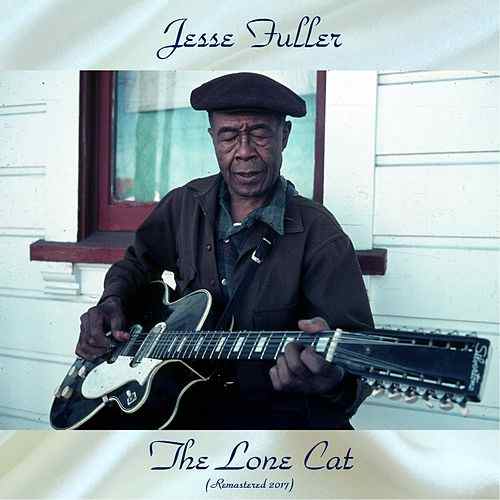
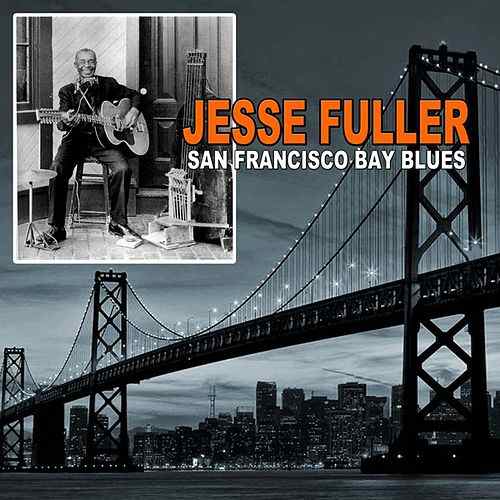
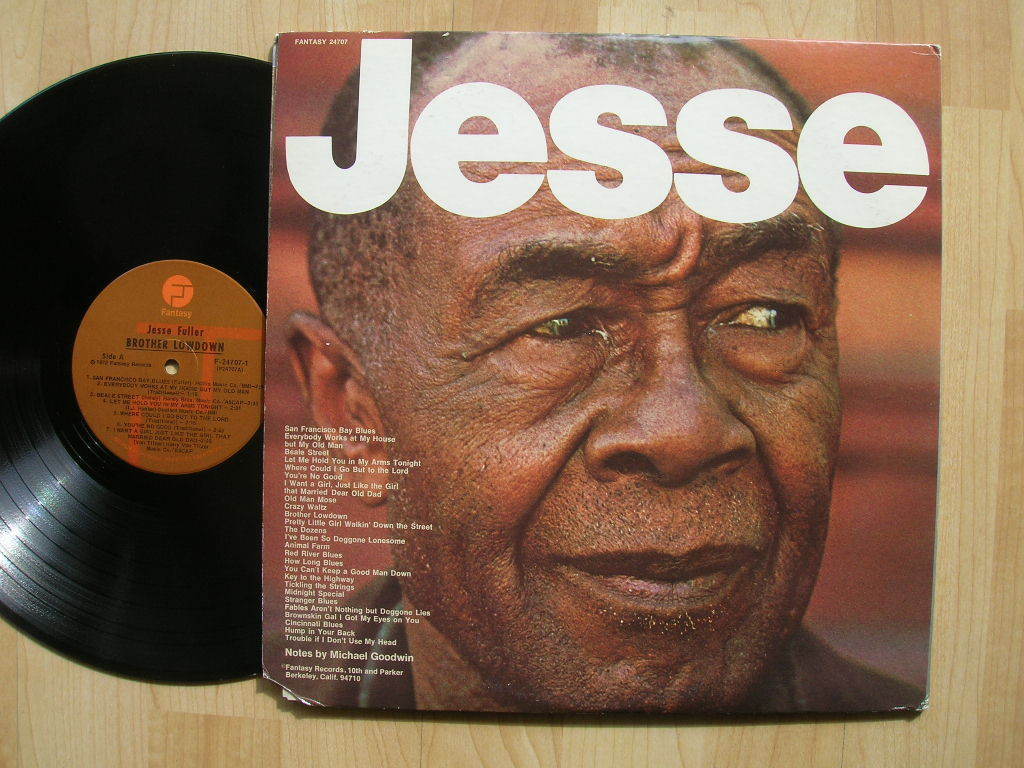
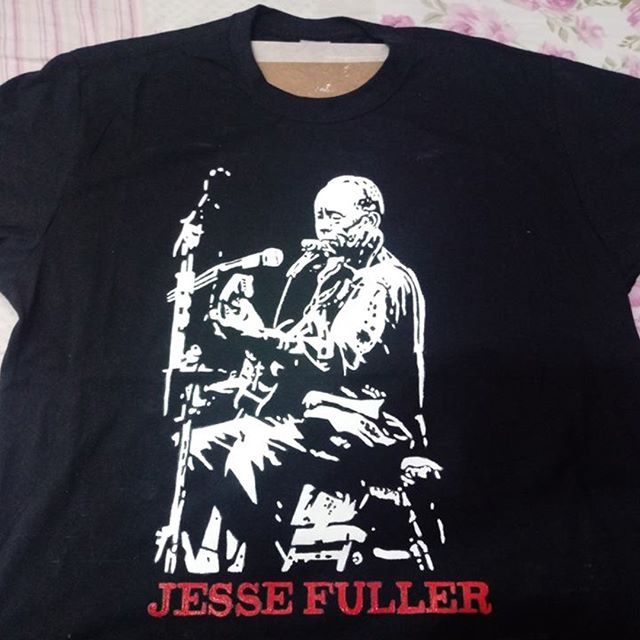
The “San Francisco Bay Blues” is one of great blues tunes of the past seventy-five or so years, played by many folks in a lot of venues. It’s a great blues tune written by a great performer–a one-of-a-kind, one-man band!
A one-man-band rendition of the song—featuring a kazoo solo—was recorded by Jesse “Lone Cat” Fuller (1896-1976) in 1962 and included in the Smithsonian Folkways compilation titled “Friends of Old Time Music.”
For openers, click or tap on the triangle in the next image for a look and listen.
“San Francisco Bay Blues” is considered an American folk/blues song and is the best known—and most often performed—composition by Fuller who first recorded the song in 1954. The song was brought into wider popularity in the early 1960s by club performances by Ramblin’ Jack Elliot and Bob Dylan. Covers have been performed by many artists including Jim Croce, Eric Clapton, The Weavers, and Peter, Paul, and Mary just to touch on a few.
Click or tap on the triangle in the next image to hear how these folks interpreted Fuller’s song.
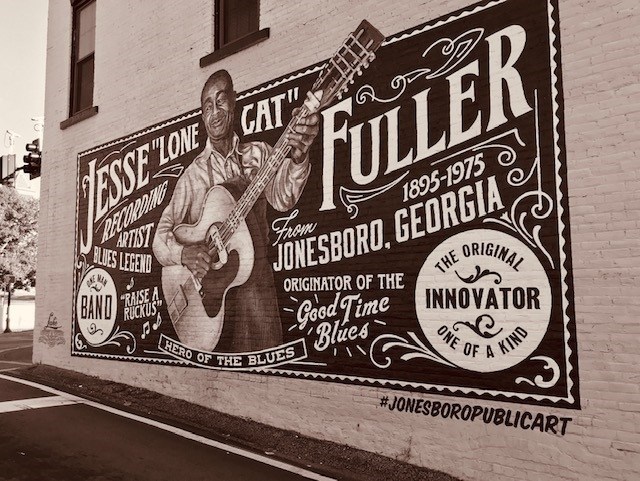
Fuller was born in Jonesboro, Georgia, and, growing up, worked at numerous jobs: grazing cows for ten cents a day; working in a barrel factory, a broom factory, and a rock quarry; working on a railroad and for a streetcar company; shining shoes; and even peddling hand-carved wooden snakes. Whew!
By the age of 10, he was playing the guitar. In the 1920s he worked his way to California and settled in Oakland, across the bay from San Francisco, where he worked on the railroad for many years as a fireman, spike driver, and maintenance man.
During World War II he worked as a shipyard welder, but when the war ended he found it increasingly difficult to find work. So, around the early 1950s, Fuller began to consider the possibility of making a living as a musician.
Up to this point, Fuller had never worked as a professional musician, but he was an accomplished guitarist and had busked for money by passing the hat. He had a good memory for songs and had a large repertoire of crowd-pleasers in diverse styles from blues to country. He began to compose songs, many of them based on his experiences on the railroads, playing them in his syncopated style.
Click or tap on the triangles in the next couple of images for some of his railroad tunes.
When Fuller set out to make a career as a musician, he had difficulty finding reliable musicians to work with. Thus, his one-man-band act was born.
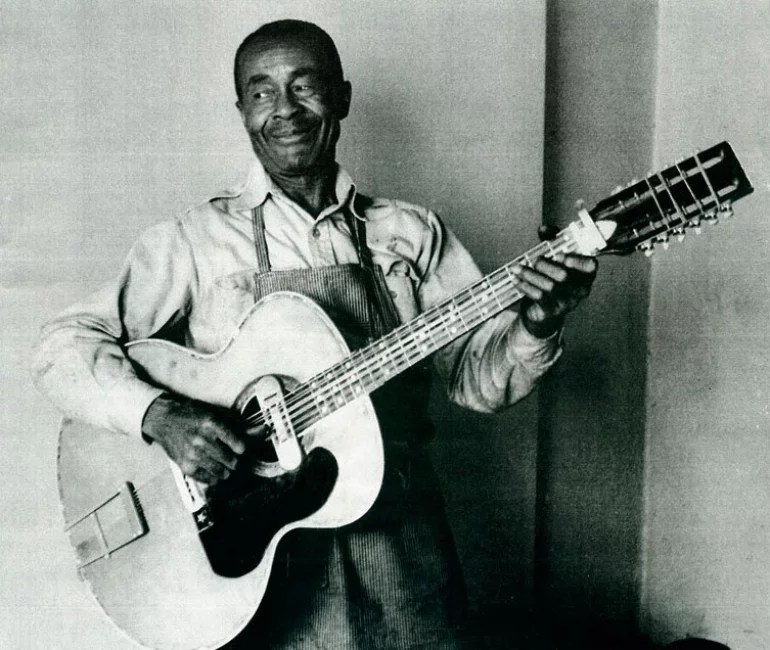
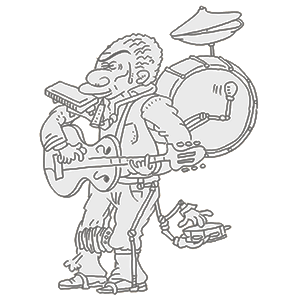
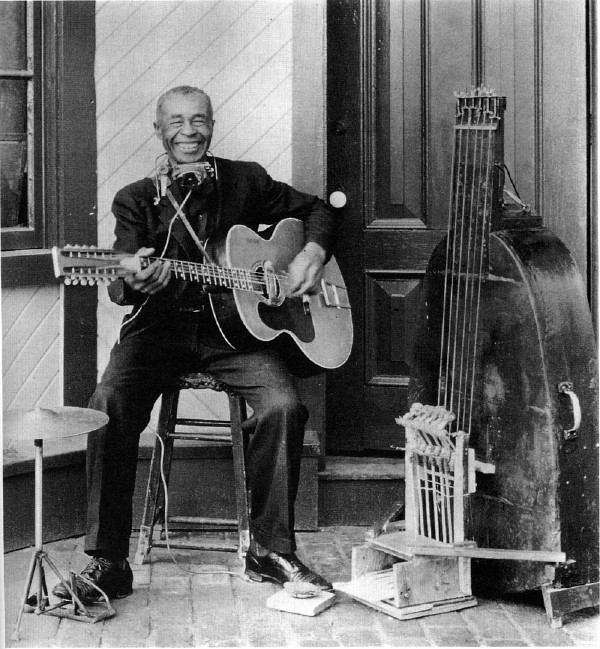
Fuller could play several instruments simultaneously, particularly with the use of a headpiece to hold a harmonica, kazoo, and microphone. In addition, he would generally include at least one tap dance, soft-shoe, or buck and wing in his sets, accompanying himself on a 12-string guitar as he danced.
His style was open and engaging. In typical busker’s fashion, he addressed his audiences as “ladies and gentlemen,” told humorous anecdotes, and cracked jokes between songs.
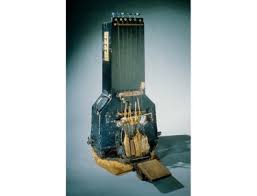
During those one-man-band years, Fuller also devised a new kind of instrument he called a “fotdella,” a big six string bass viol that he played with his foot via a system of pedals and levers. To complete his rig, he had a right foot pedal for the fotdella, a left foot pedal to run a high-hat cymbal, and a harness to hold a harmonica and kazoo. While sitting down in the middle of all this, he also sang and played a twelve-string guitar. Whew!
Quite a repertoire from a San Francisco busker whose performances might be called “solo ensembles.”
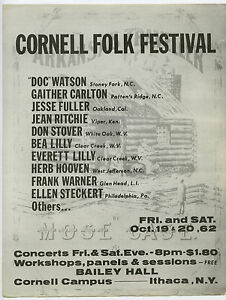
In the late ’50s and early ’60s, Fuller became one of the key figures of the blues revival, helping bring the music to a new, younger audience. Throughout the ’60s and ’70s he toured America and Europe, appearing at numerous blues and folk festivals, as well as countless coffeehouse gigs across the U.S.
Now that you have learned his story, click or tap on the triangle in the next image to see Fuller in action one more time!
Fuller continued performing and recording until his death in 1976.
So, be inventive when you play or listen to music. Who knows where art will be found, when, and at what age. And, oh yes. STAY TUNED
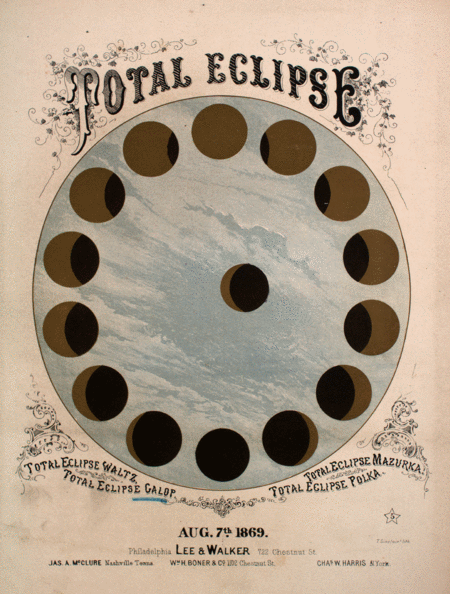
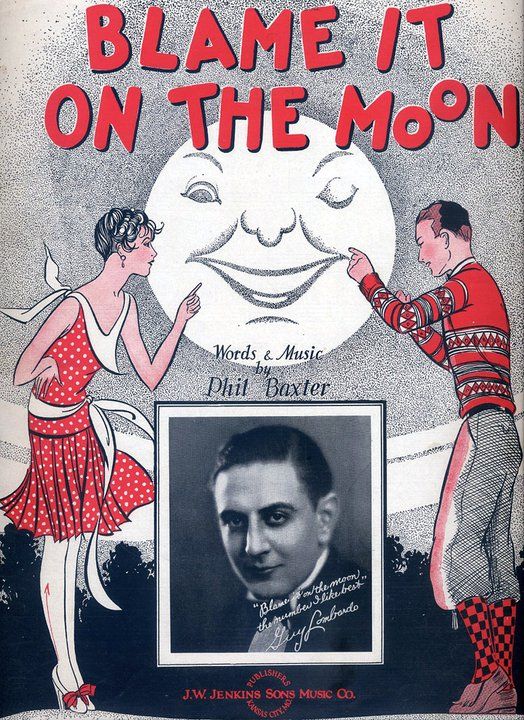
This week’s musing lets me drift off in astronomical directions. With the much ballyhooed total eclipse of the sun coming up on Monday, I think that it’s time, however, to seek out and place the blame on the culprit!
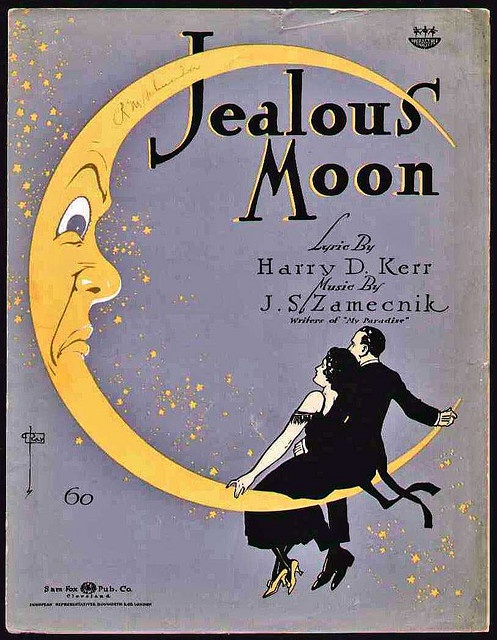
And, after intensive research on the internet (and in my collection of songbooks), I believe I have the the answer. It’s the moon getting in the way! Bad, bad, guilty, jealous moon!
Moving on . . . I’m not one to belittle the opinions of those who believe our moon to be a big rock rolling around in our sky. I would be remiss not to report my scientific findings–1) The moon is NOT made of green cheese, and 2) The Moon is actually made of PAPER! Thus leading me to say . . .
. . . there’s a song about that!
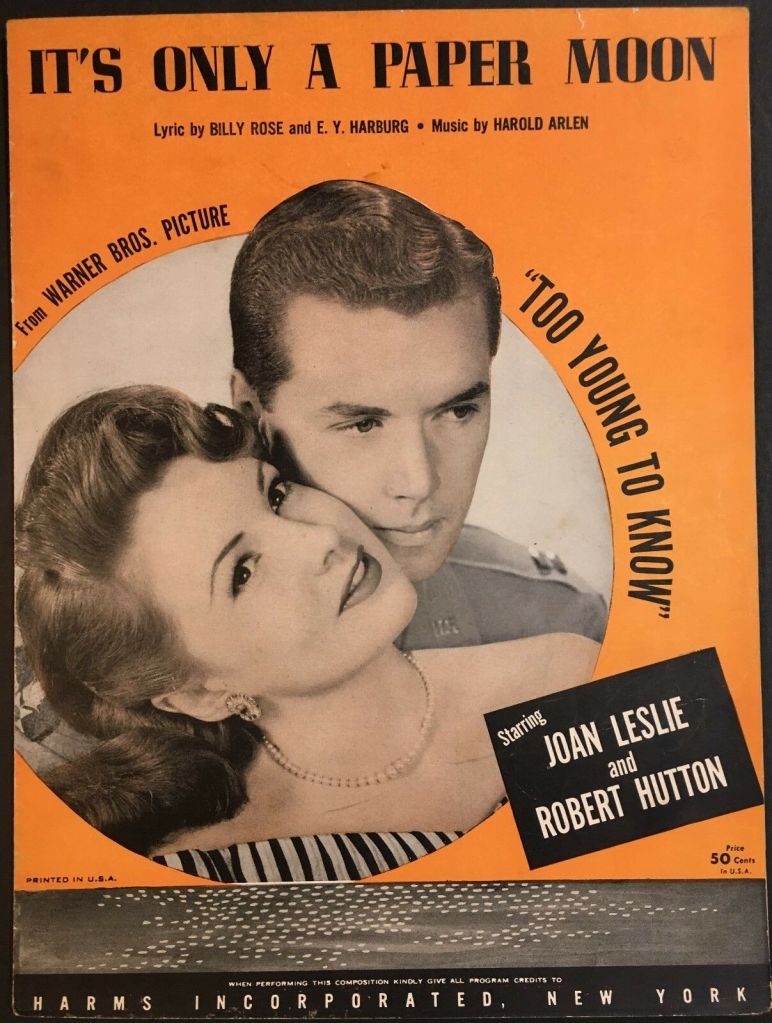
“It’s Only a Paper Moon” is one of those befuddled-lover songs of the jazz age when moon- and star-light set the scene for what, I am sure, was innocent romance. This song plays on this as the singer begs his or her sweetie to “believe.” Our song was published in 1933 with music by Harold Arlen and lyrics by Yip Harburg and Billy Rose.
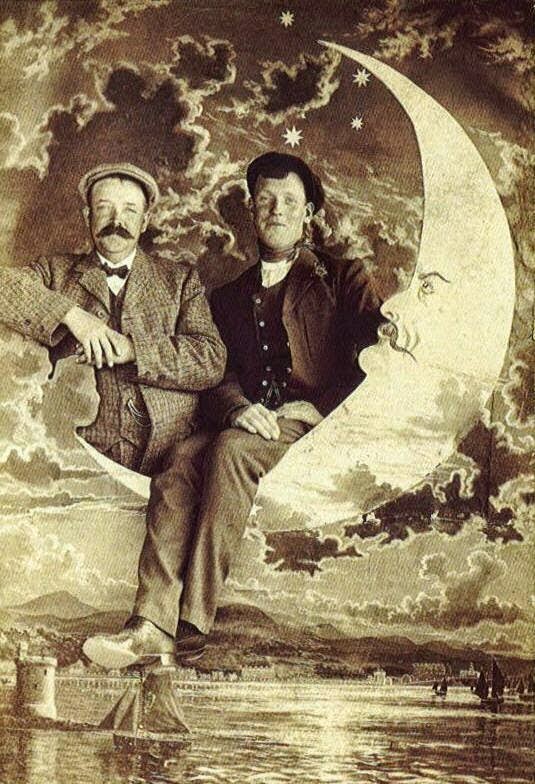
Also, for some reason beyond my rudimentary research skills, a seat in the form of an artificial moon (probably plywood rather than paper) was often used in those days as a prop on the vaudeville stage and in photo studios. Click or tap on the triangle in the next image for further proof of this, and to hear the earliest recording of our song.
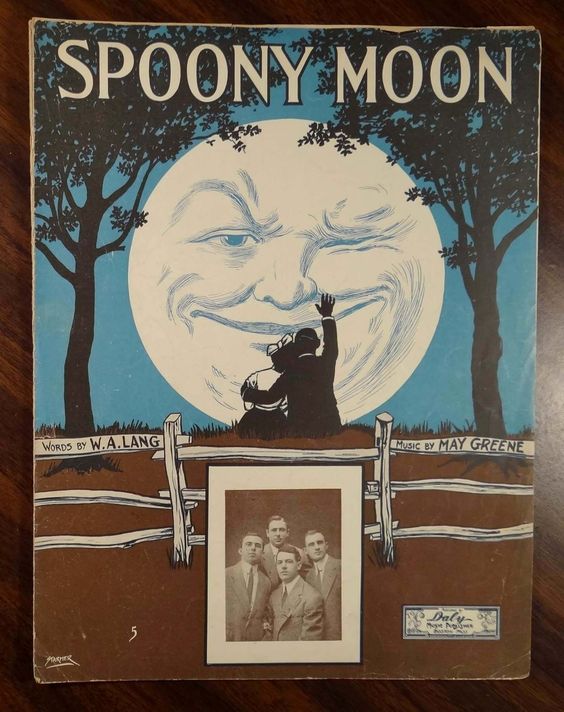
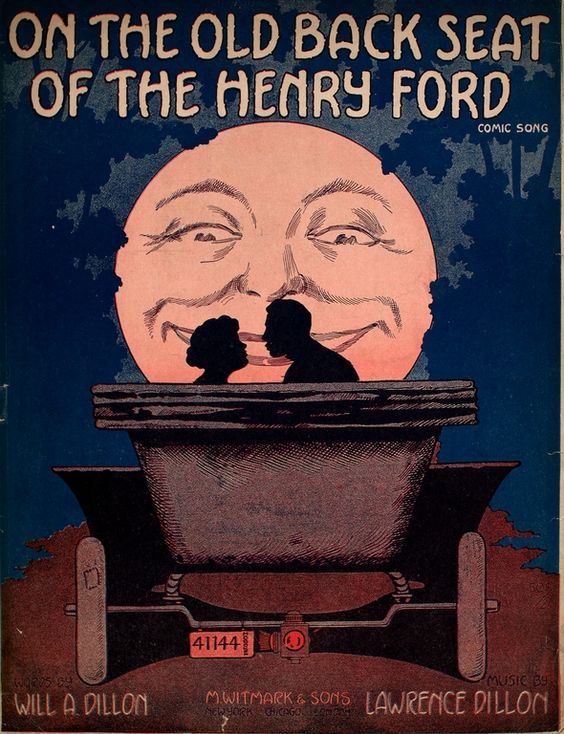
Whether or not these lunar seating devices had anything to do with our song or the dozens of other “Moon” songs that were hits of the day, who knows. What fun we had in the days before we were possessed by screens and selfies and a “moon shot” could be had in your local dimestore photo booth!
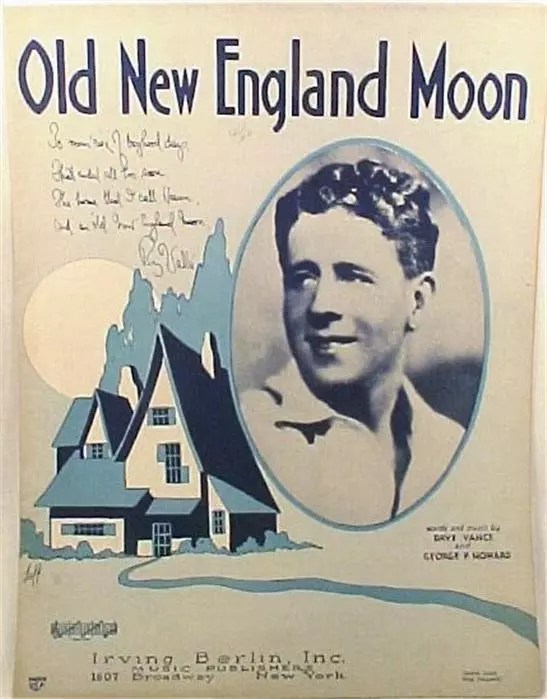
Needless to say, more enduring recordings that assured the song’s place in the Great American Songbook were made in the 1940s by the likes of Ella Fitzgerald, Benny Goodman, and a slew of others. For a New England tune . .
. . . click or tap on the triangle in the next image.
So, here’s to the many folks who took a ride on a paper moon, under a cardboard sky and left us wondering. The moon–a culprit, or a cliche?
And, finally, a movie version of the prelude to a historic solar eclipse. From this we can learn the “magic words” and we can try it ourselves! Click or tap on the triangle in the next image for a peek.
Alas, I digress. I’ve been sidetracked by the lunar vs. solar shenanigans of the day, but I’ll wind up this musical musing with a couple of songs that actually do play on the ECLIPSE theme.
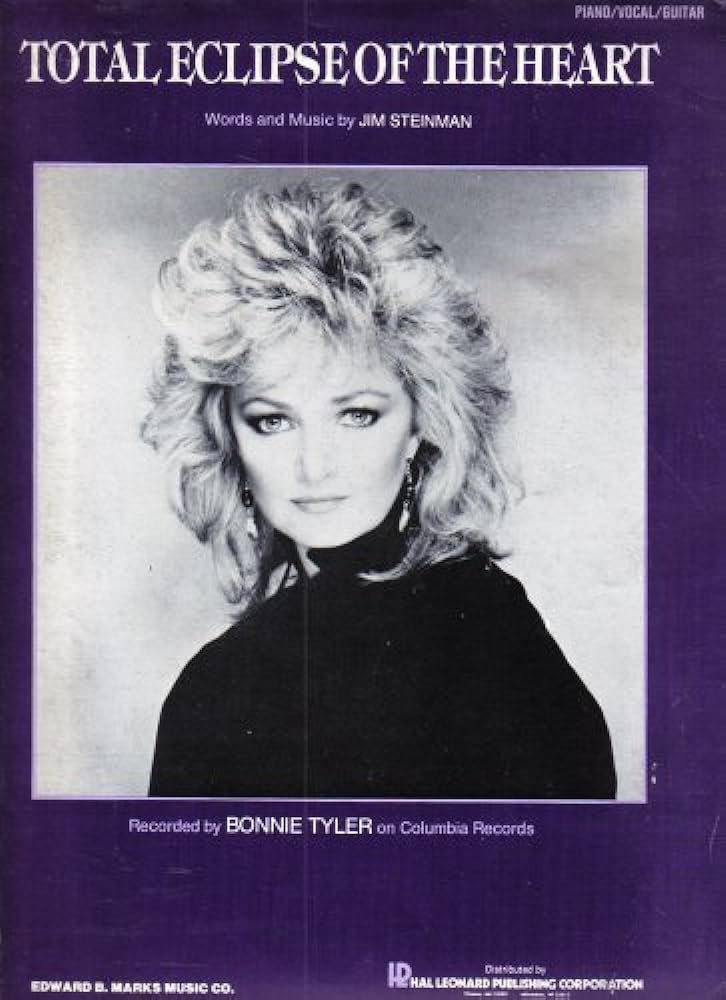
“Total Eclipse of the Heart” was recorded by the Welsh singer Bonnie Tyler back in 1982. It’s a bit of a stretch, being more “heart” than “solar.” But, why not make a place for it in this musing? Click or tap on the triangle in the next image for a look and listen to her Grammy Award nominated performance.
Now here’s a second song, one that actually touches (ever so briefly, however) on a Solar Eclipse. Woo hoo! “You’re So Vain” is a song written and performed by American singer and songwriter Carly Simon. Click or tap on the triangle in the next image for a look and listen to what was nominated as the Song of the Year in 1972.
Now, get your eclipse glasses on . . .
. . . and take a well-shaded peek at what used to be the sun and remember who the defacing culprit is. You learned it here!
But, the moon will move on and the sun will comes back stronger than ever! STAY TUNED!
Sorry, gentle readers, but calendric quirks force me to dig into my holiday file a bit early this year.Anyway, why not? Thanks to the folks who invented Leap Year, it’s been confirmed that Easter is about as early in the year as it can be. So, let’s jump ahead and take a look at that most non-bunny, non-religious of holiday songs–“Easter Parade.”
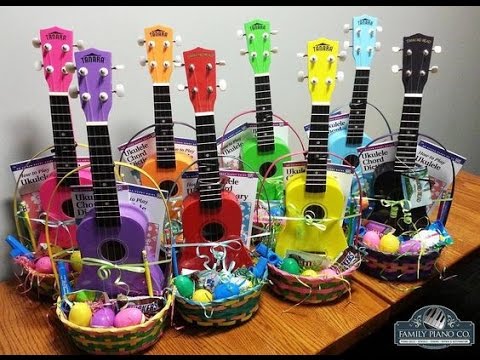
I’m sure that quite a few of you will be having some sort of Easter celebrations with family and friends–in person, on Zoom, even by old-fashioned telephone. By any means, I hope that your Easter baskets are as much musically fun as these!
To crack this seasonal egg, let me delve into a bit of musical history and a little musical mind-candy. We all could use some of that before we suit up for the parade this Sunday.We ARE going to parade down the avenue, aren’t we?
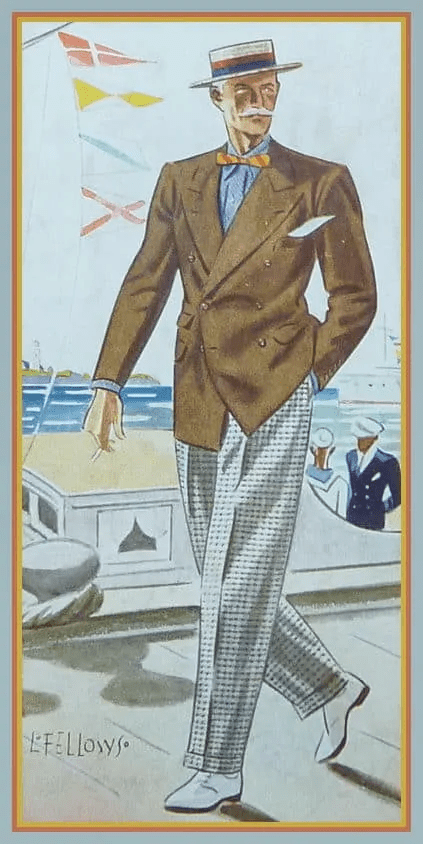
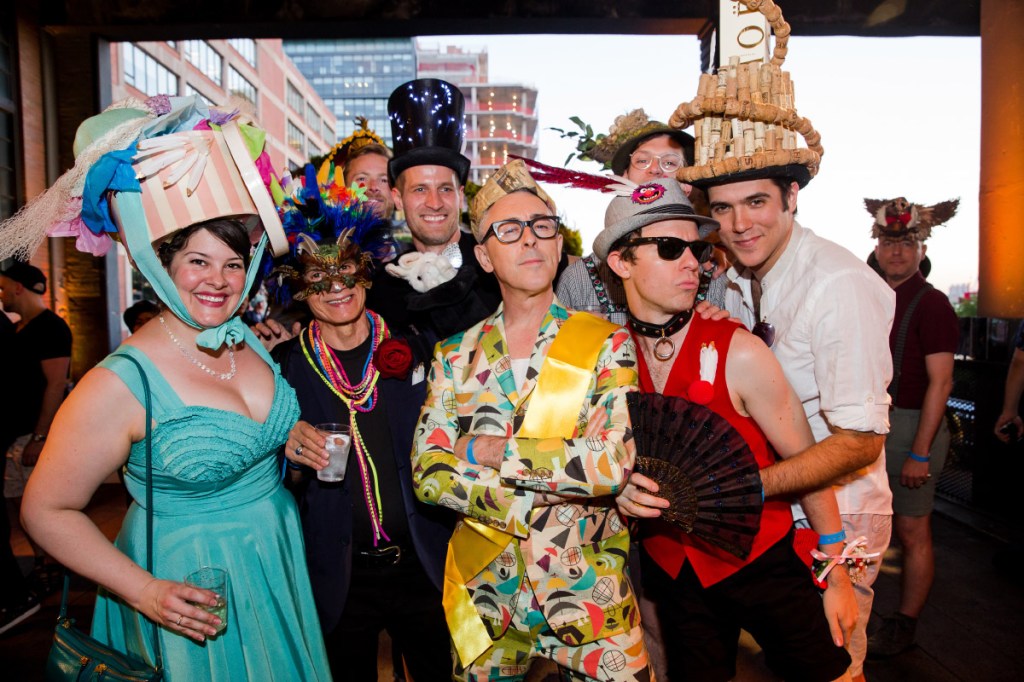
That’s one way to suit up but, as an architect, I feel the need to expand on the dress code just a tad. But, I digress.
Moving on, “Easter Parade” is nothing more than a simple boy-girl romancing song written around that depression-era fashion parade on New York’s most fashionable street—5th Avenue. It’s an event that lives on today albeit in a slightly less modest form.
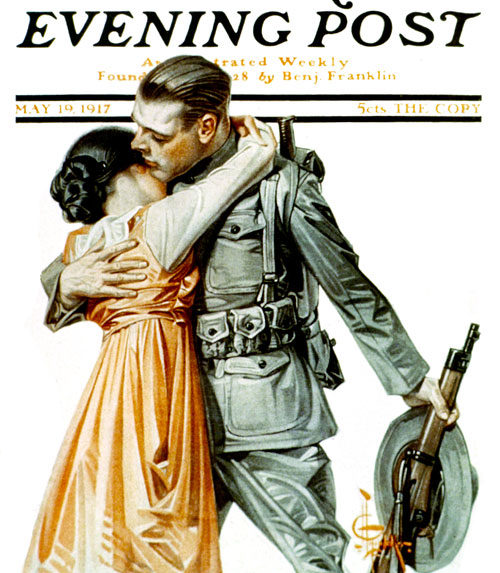
Our song was written in 1933 by Irving Berlin who, not being one to waste a good thing, had originally written the melody in 1917 for another song called “Smile and Show your Dimple”. . .
. . . a “cheer-up” song for a girl whose guy had gone off to fight in World War I.
Tap or click on the triangle in the next image for a musical treat (of sorts).
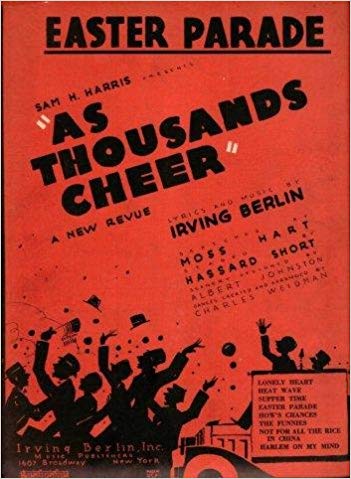
This tune achieved modest success during the war years, but was soon forgotten—by everyone except Berlin. He resurrected it with a few modifications and new, quite secular “holiday” lyrics and title for the 1933 Broadway revue “As Thousands Cheer.”
Tap or click on the triangle in the next image for a listen to “Easter Parade” as it was performed in the original musical review. Believe it or not, it’s the four-time academy award nominee actor Clifton Webb’s voice on the early recording!Nothing “cheaper by the dozen” here.
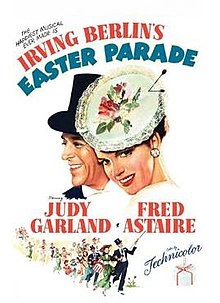
As with most of Berlin’s songs, it later appeared in several musical movies of which the 1948 “Easter Parade,” with Judy Garland and Fred Astaire, remains the quintessential, sweet (some might say “saccharine”) version.
In fact, the whole film was written around the song. Click or tap on the triangle in the next image for what was, in its day, a cinematic Easter treat.
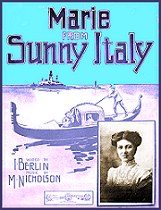
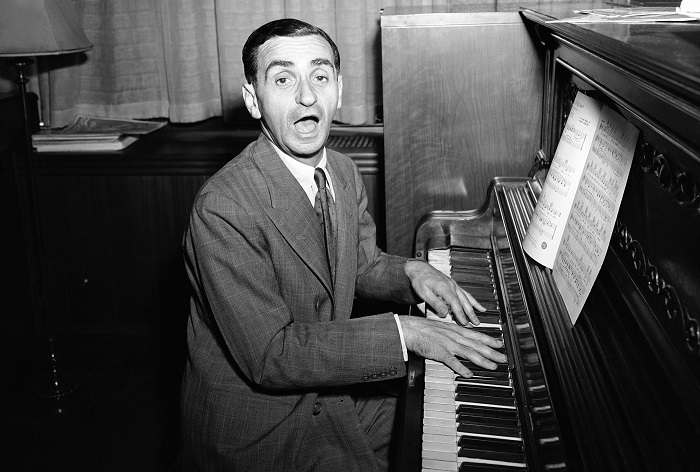
Irving Berlin (1888-1989) was widely considered one of the greatest songwriters in American history. Born Israel Beilin in Imperial Russia, Berlin arrived in the United States at the age of five. He published his first song, “Marie from Sunny Italy” in 1907 and received 33 cents for the publishing rights. That would pay for a spaghetti meal with a meatball, if not bread, in those days. I assume.
Click or tap on the triangle in the next image for a listen to this oldie by Irving.
The publisher misspelled his name on the sheet music and, ever after, “Beilin” became “Berlin.”
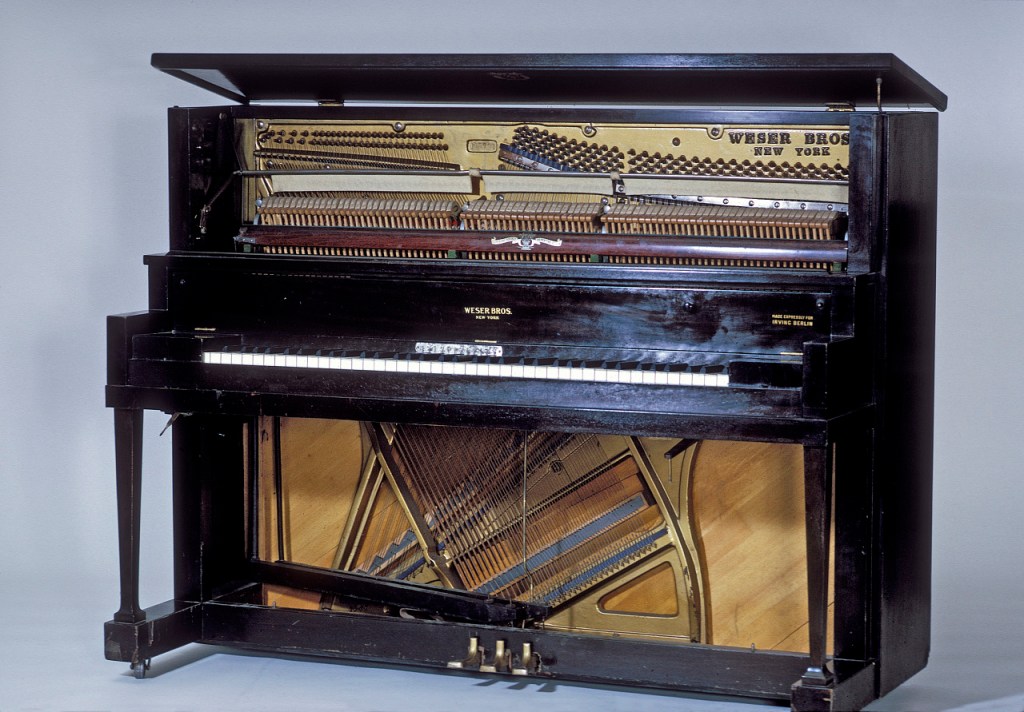
It is commonly believed that Berlin couldn’t read sheet music and was such a limited piano player that he could only play in the key of F-sharp. He “cheated” with a special piano he had made with levers that would allow him to change keys. It’s now in the Smithsonian Museum of American History!
So, as a kickoff to Easter Sunday, we have a Jewish songwriter, an immigrant born in Russia, who gave us this quintessential Easter song—only in America! He also wrote “White Christmas,” and of course, “God Bless America.”
So, let’s wrap up our Easter musical musing with–what else?–street band treatment of “Easter Parade.” Click or tap on the triangle in the next image for a down home treat. What’s not to like?
And, of course, one of the earlier film versions. Click or tap on the triangle in the next image for a look and listen. Who knew that Don Ameche could sing?
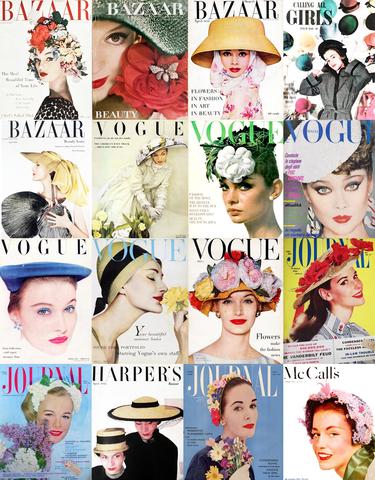
So, have your own kind of Easter fun this year, whether secular or sacred. Wear a beautiful bonnet . . .
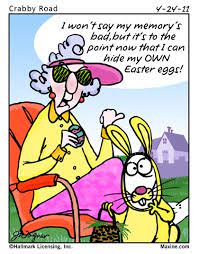
Try to hide those Easter eggs where only you can find them . . .































































 NOHOBANJO OF NORTHAMPTON, AND NOW EASTHAMPTON, "MUSICAL MUSINGS"