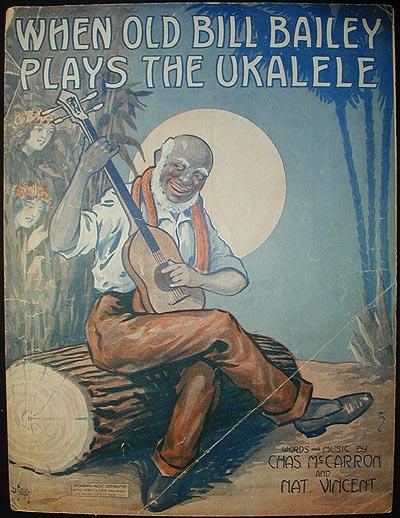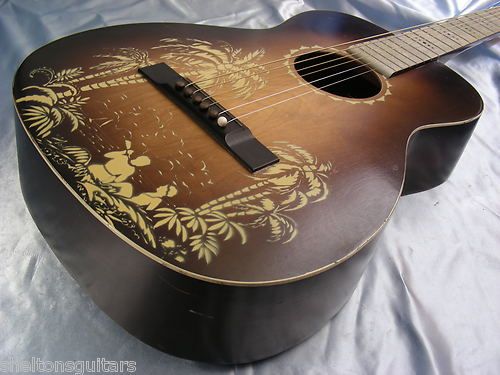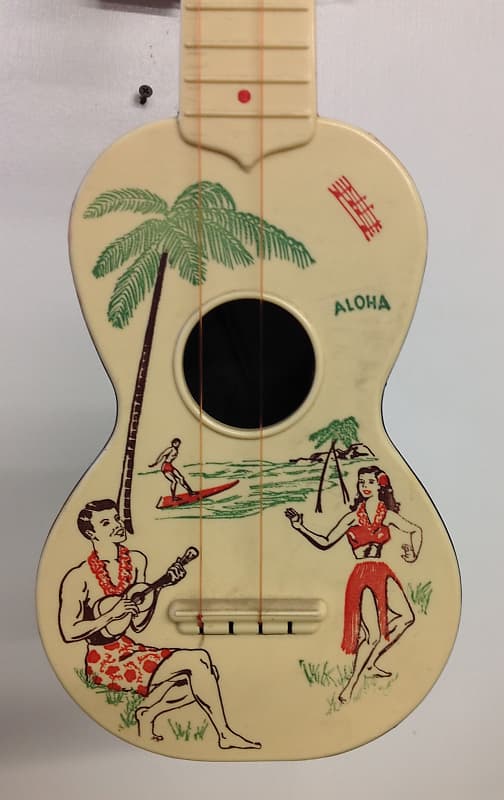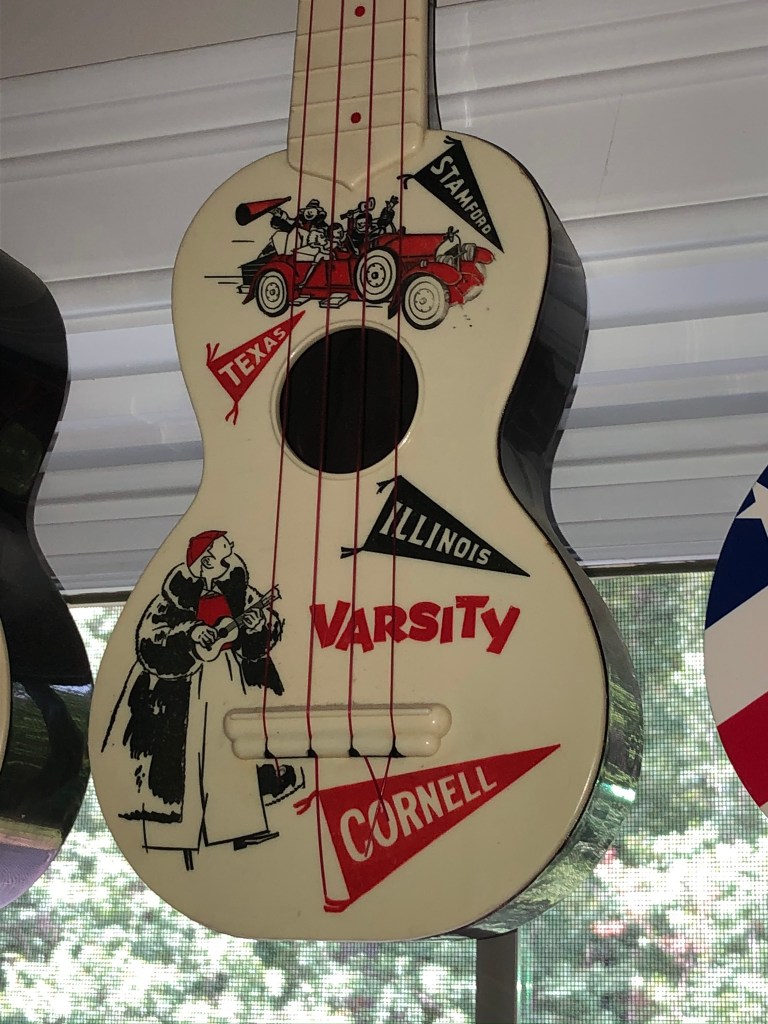
UKULELE MUSINGS, 16 October 2021: “Sweetness; How Sweet it is!”

Well, fellow strummers,  it seems with the fine fall weather we’ve been having (amid the many raindrops, however) I’ve found time to do another one of my musical musings. 

Looking at the calendar, who knew that mid-October is the time for “National Sweetness Day.” 

In the olden days—when I was a bit younger than now, this was known as “National Candy Day” and bits of candy were to be handed out to friends and family as a token of thoughtfulness and friendship.  Like so much these days, this celebration has evolved with the intent of handing out bits of kindness to friends, family, and—for that matter—to all!  What’s not to like?
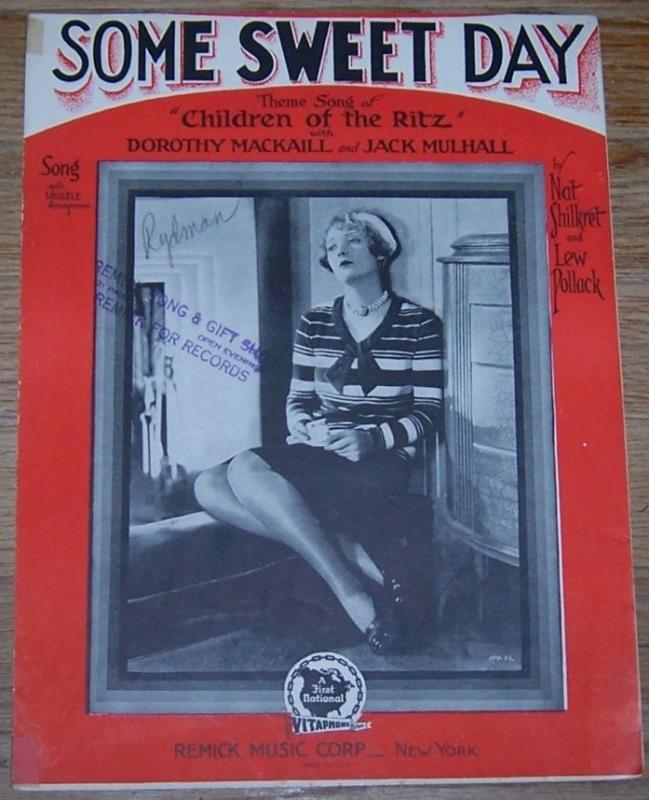
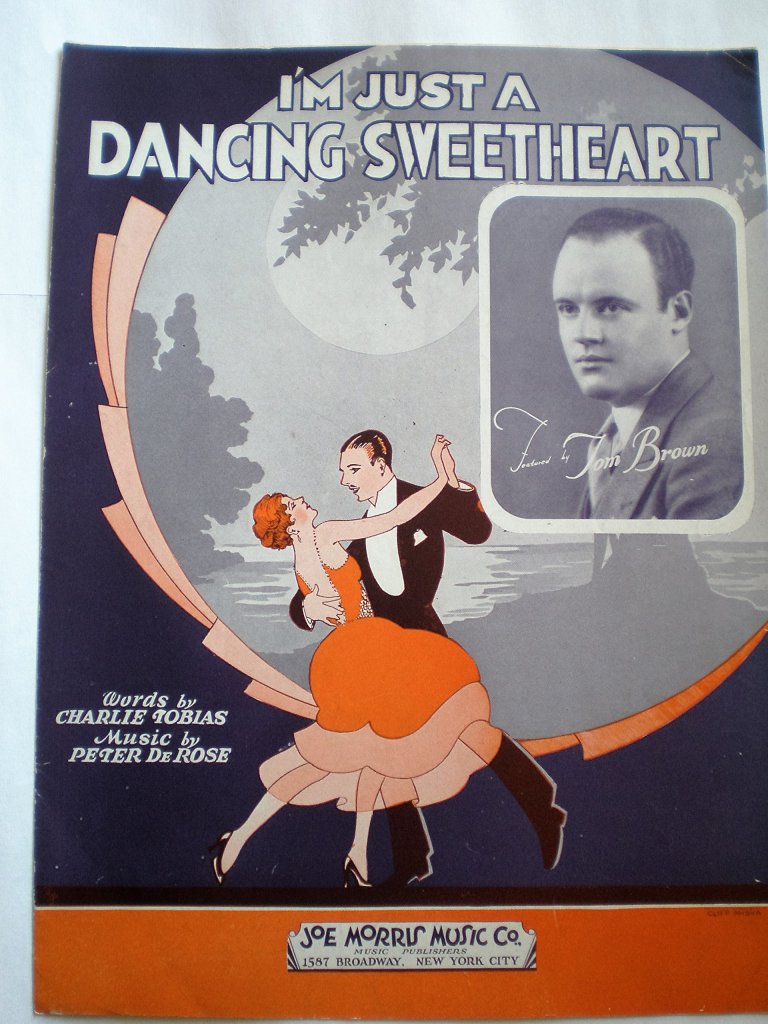
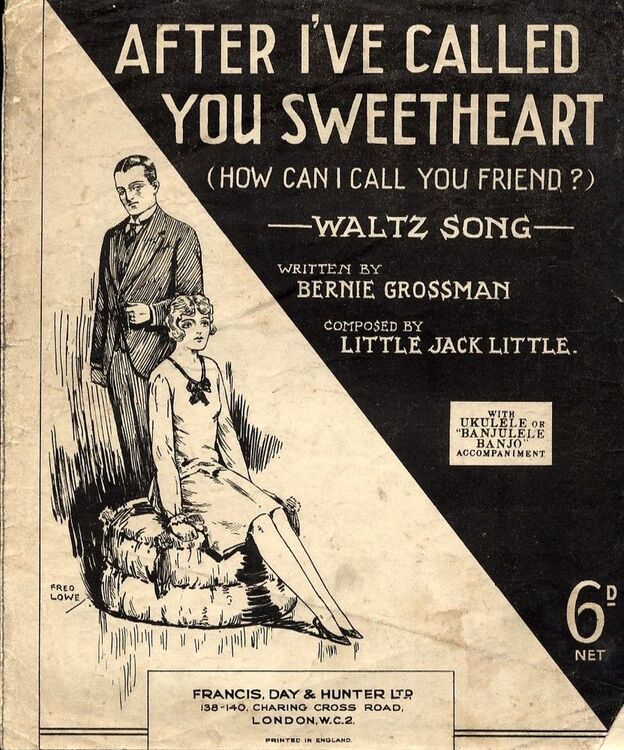
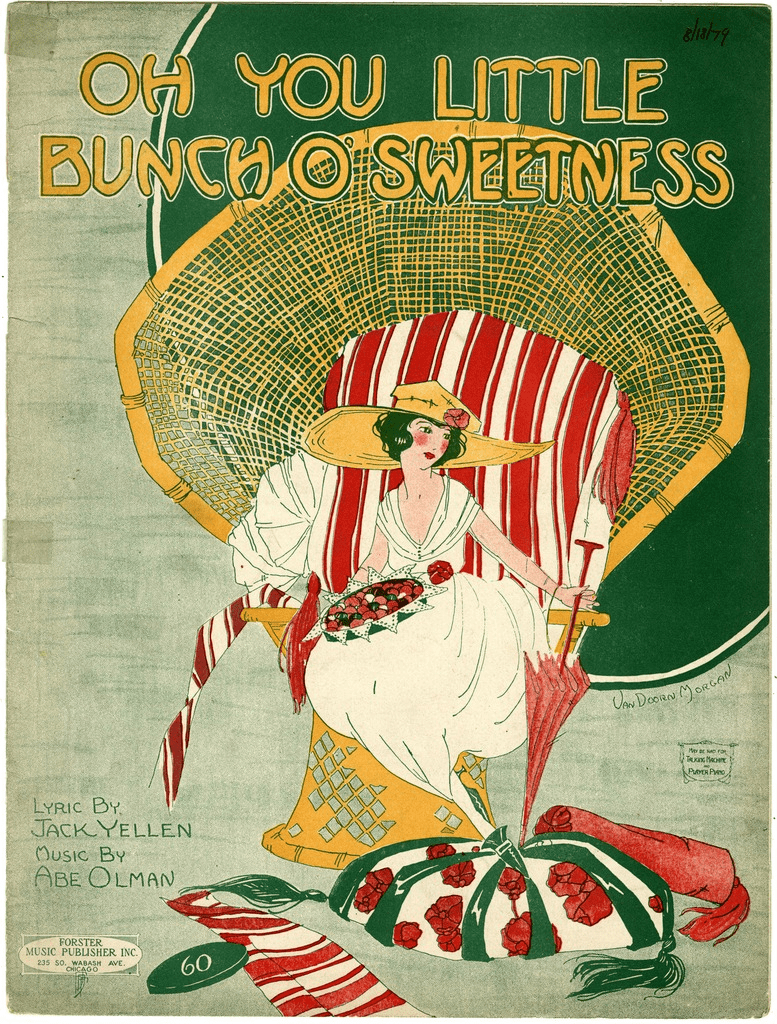
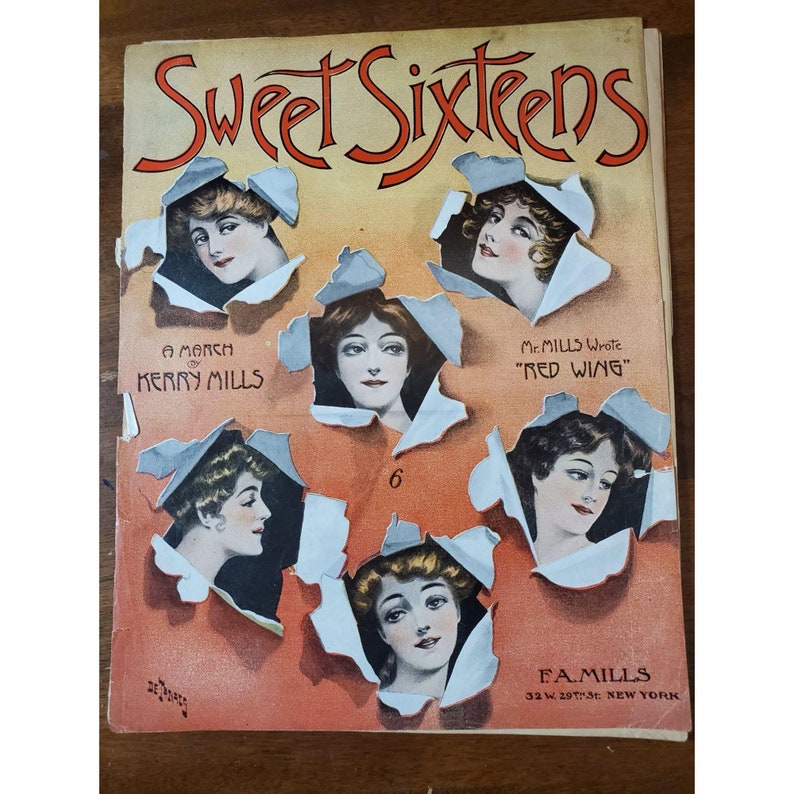
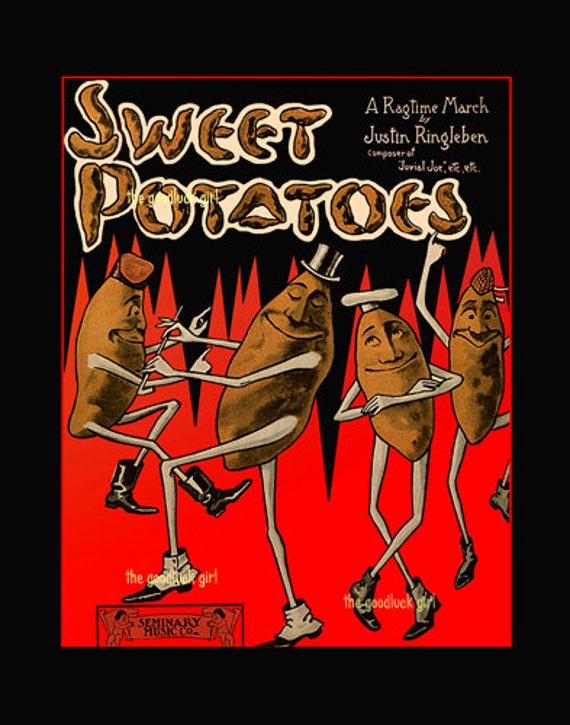
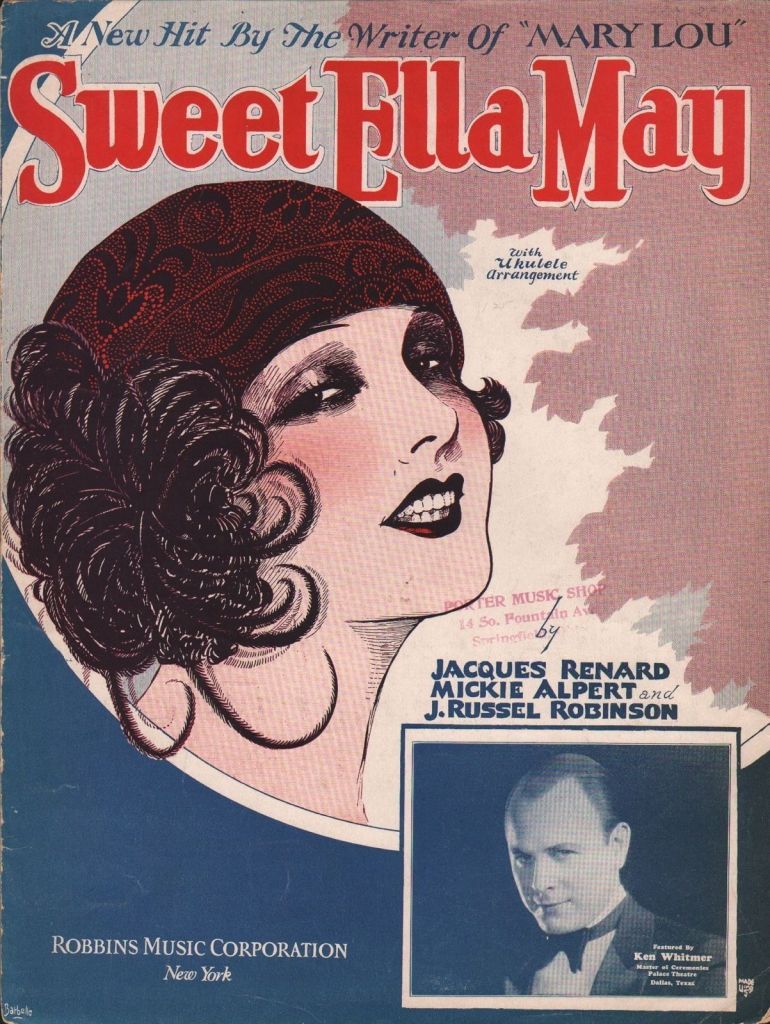
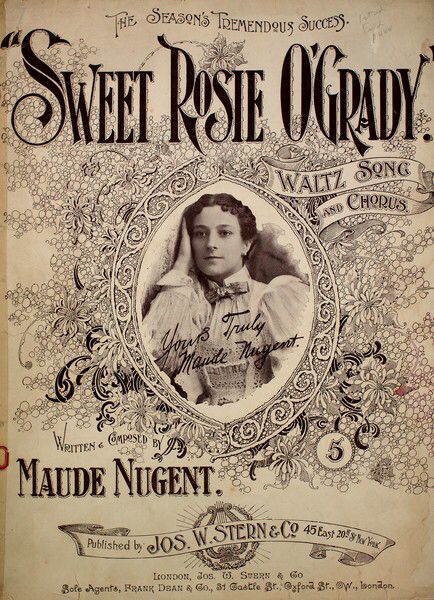
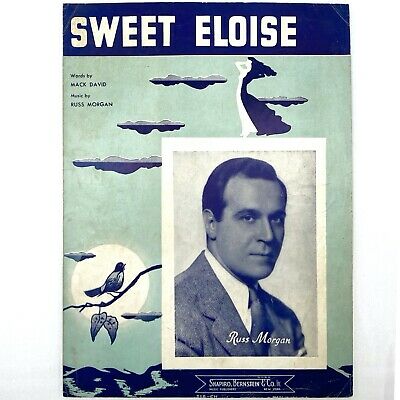
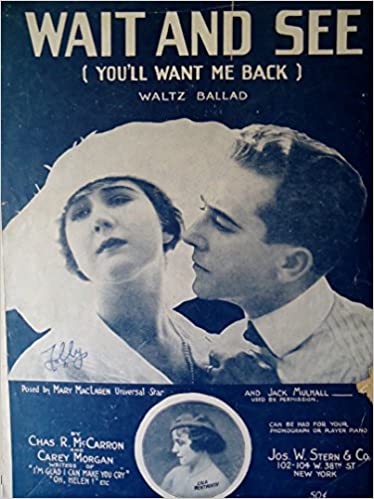
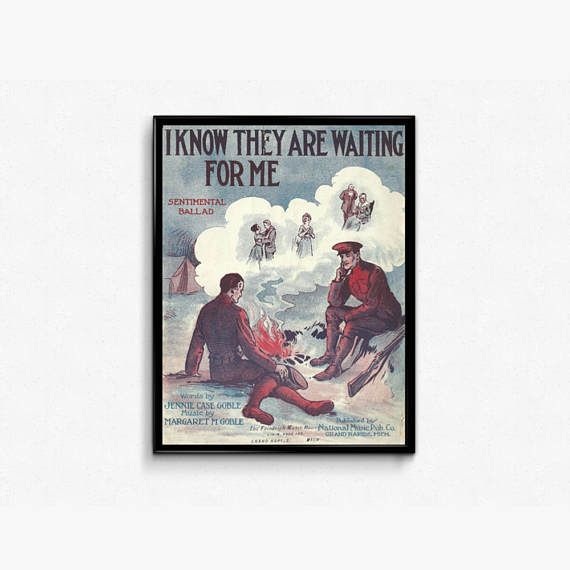
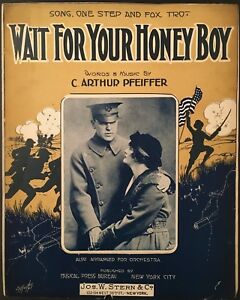
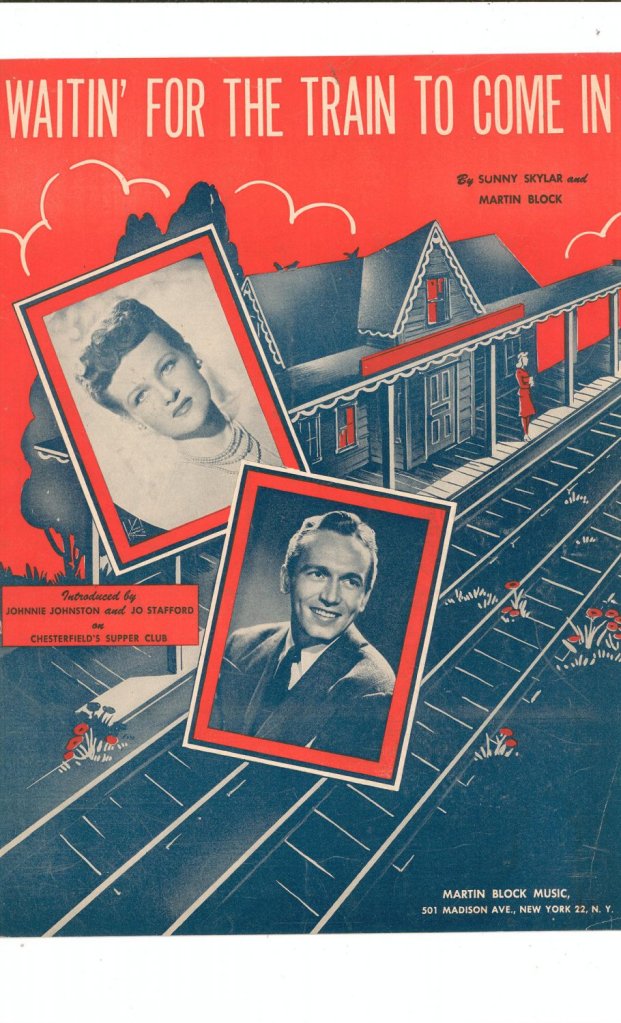
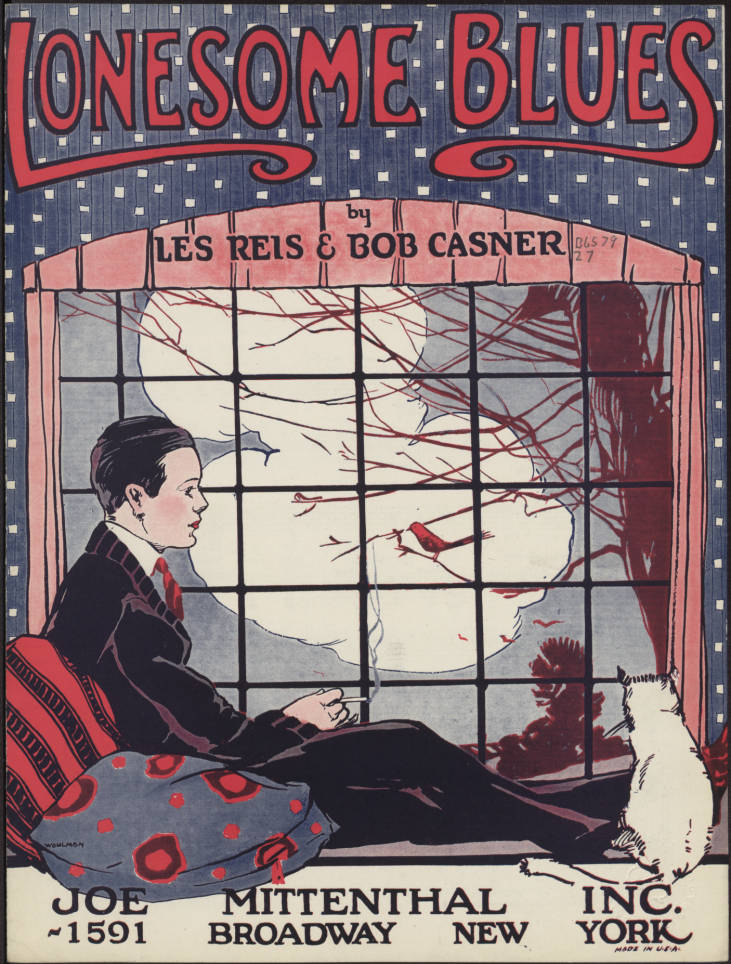
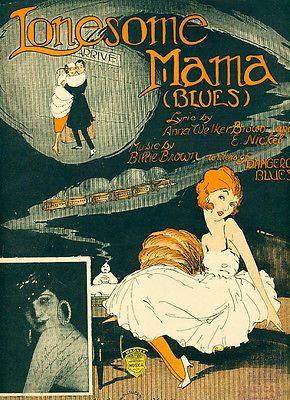
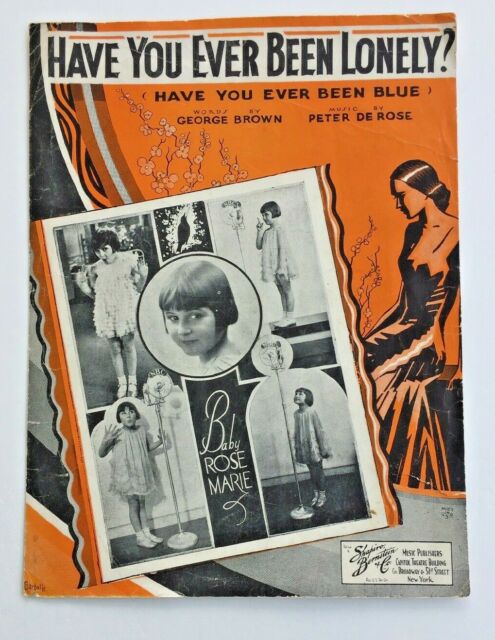
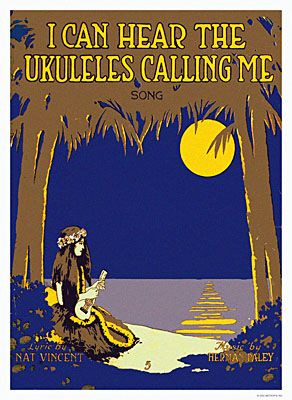
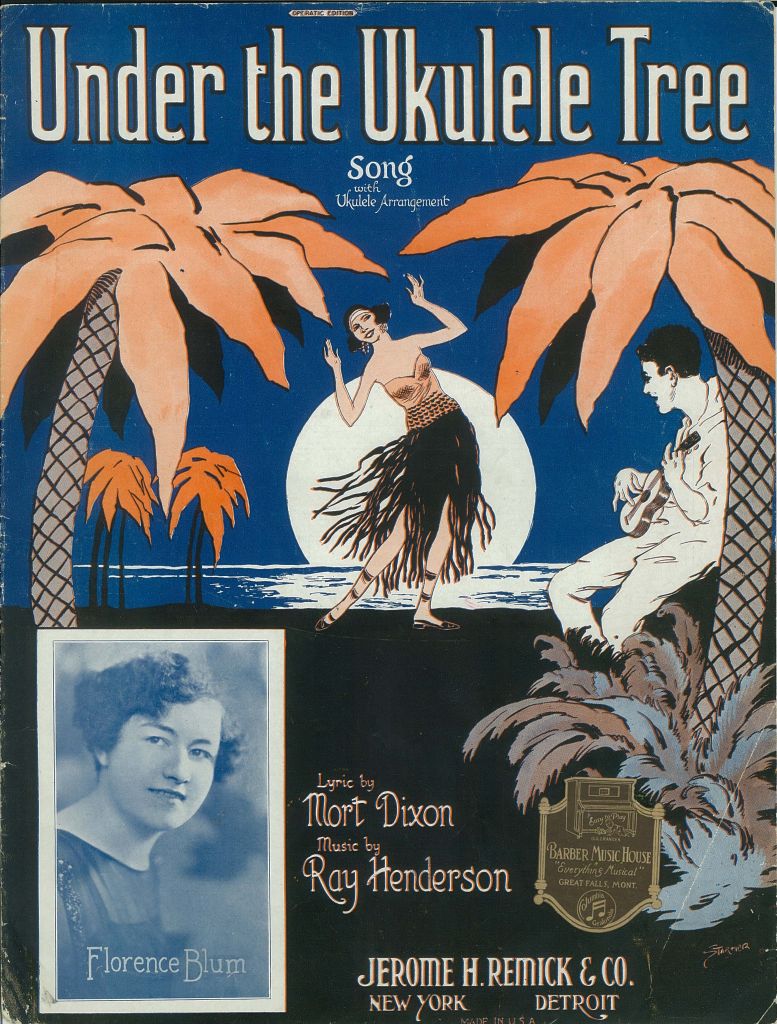
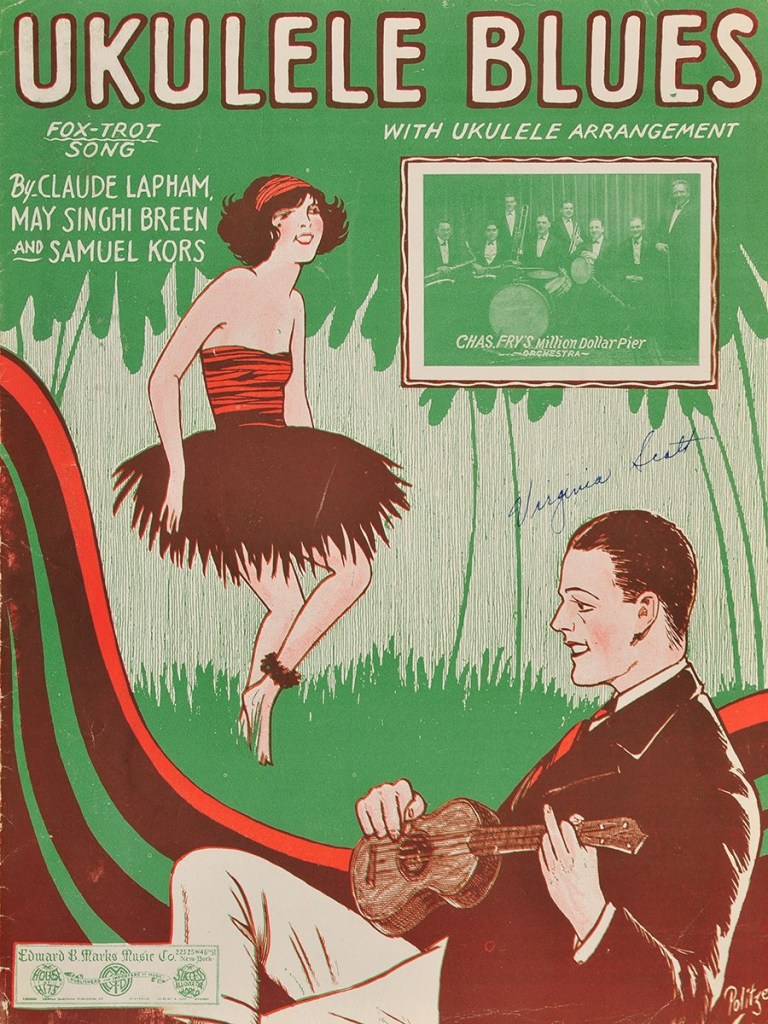
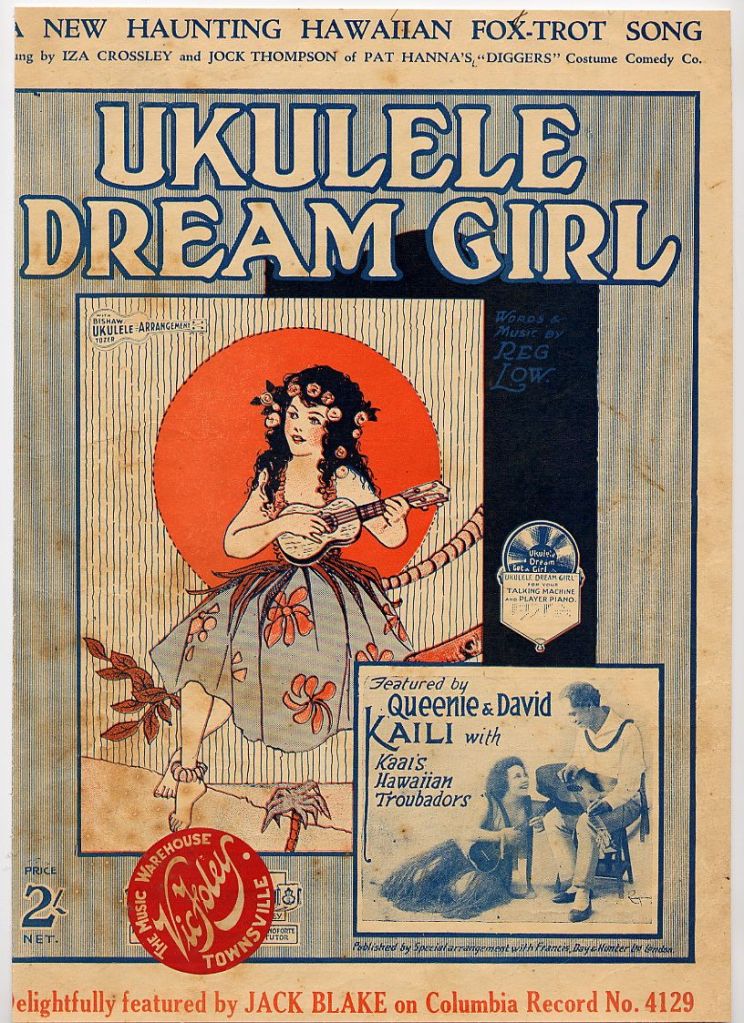
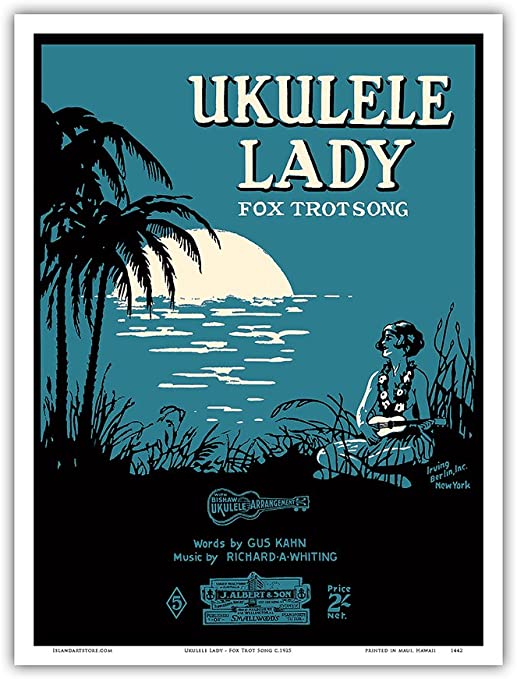
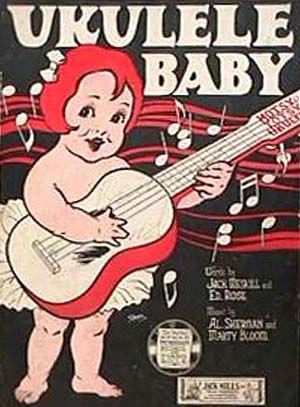
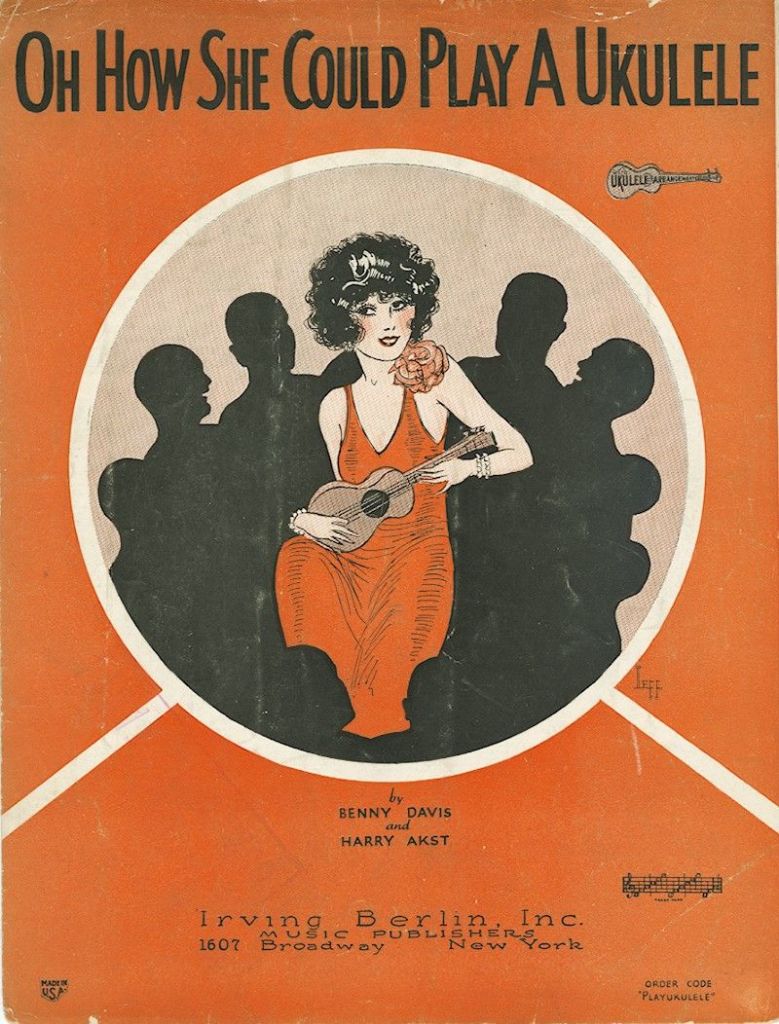
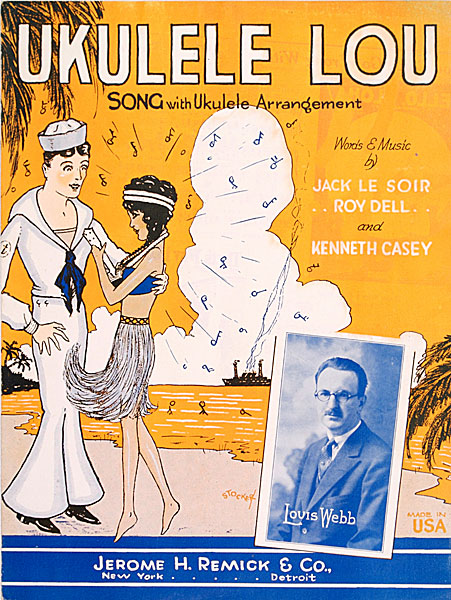
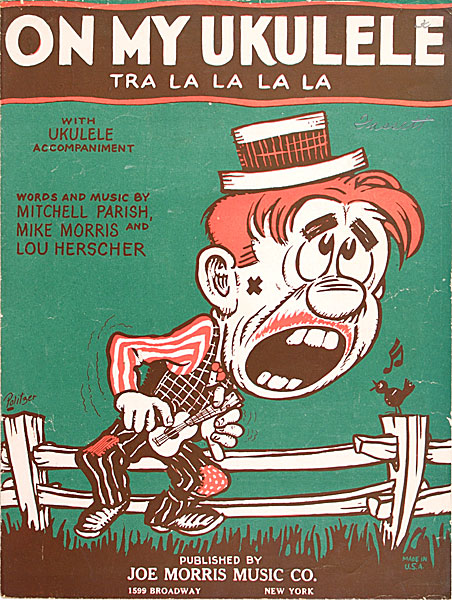
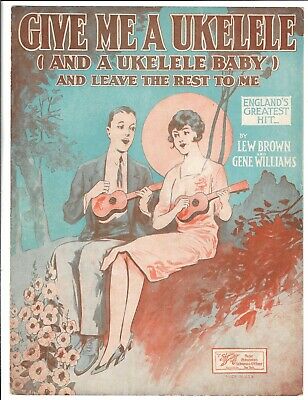
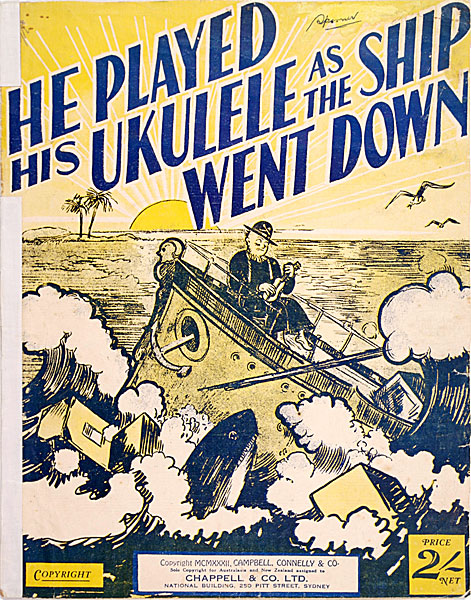
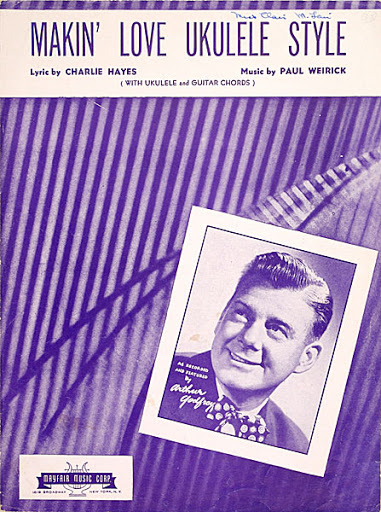
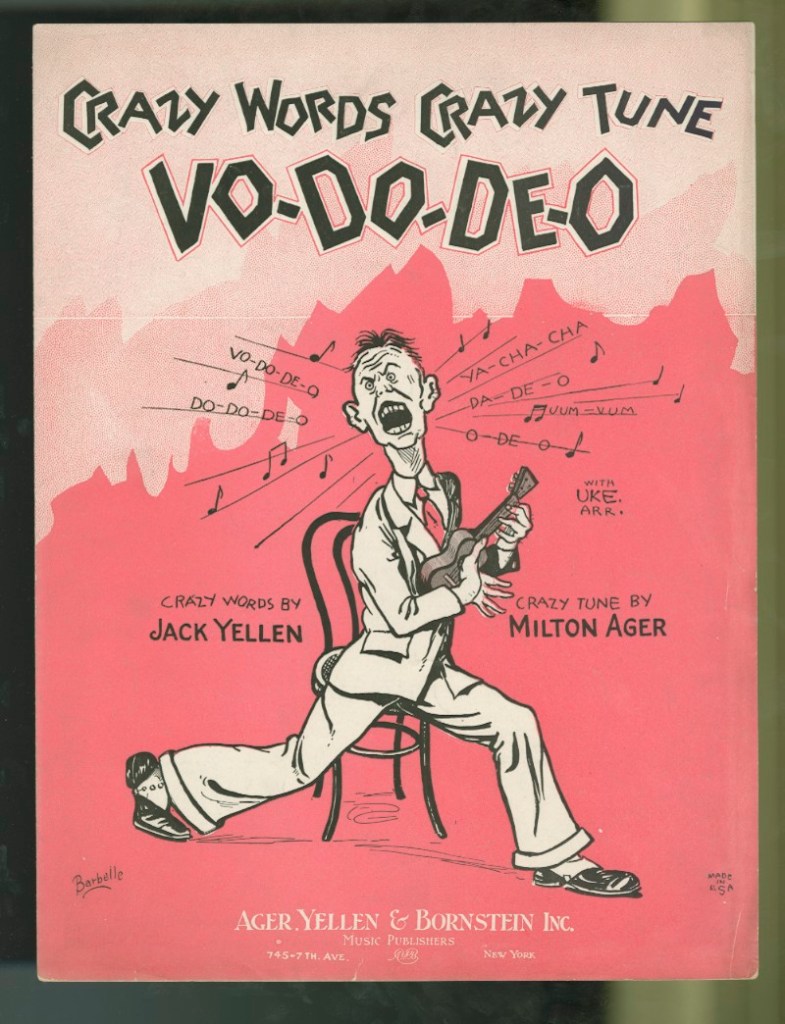
Needless to say, there are reams of sheet music touching on the “Sweetness” theme. Here are just a few of the more noteworthy–graphically if not musically speaking!

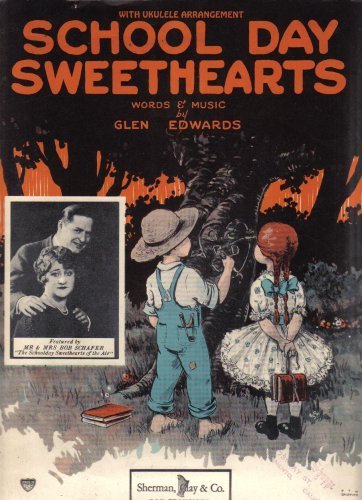
So, in keeping with the theme of this musing, I searched through our Blue and Yellow Books and found over a dozen songs with the word “sweet” or some derivative thereof in the title.  Who knew?  Anyway, with my penchant to avoid songs written more recently than the 1950s, I was surprised by the several that fit into my “oldie” category.  As you gentle readers might recall, I have mused over the years about two of the greatest of this genre—“Ain’t She Sweet,”

and “Sweet Georgia Brown.” 

If you want to re-read my thoughts on these two gems, just hit the link https://www.nohobanjoandukulele.blog and search through the entries until these two tunes show up—worth a visit if I do say so myself.

Just for a bit of fun, however, click or tap on the next link or image for a listen to a much, much newer—and with a ukulele, no less, version of this musical chestnut, “Ain’t She Sweet.” 

Let’s move a few decades back with a Blue Book favorite, “Kisses Sweeter Than Wine,” a song with lyrics written in 1950 by Pete Seeger and Lee Hays of the folk group, “The Weavers.”  Their tune was adapted from Huddie “Lead Belly” Ledbetter’s 1937 song “If it Wasn’t for Dicky,” which, in turn, was adapted from a traditional Irish tune “Drimindown / Drumion Dubh.” Who knows where the Irish got that one!

Here’s the “Lead Belly” tune.  Click or tap on the next link or image for a listen:  

  Now, click or tap on the next image for the Weaver’s revamp.

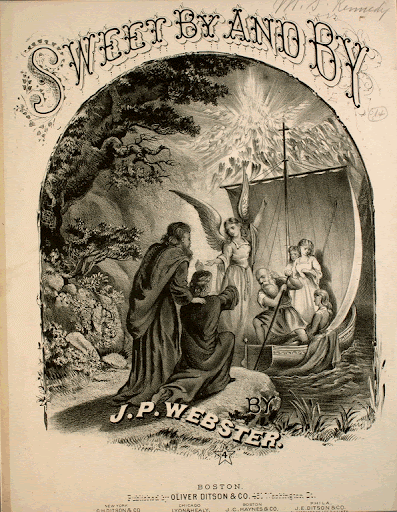
Now, for the sake of thematic purging and to stay in a lighter mood, let’s let the late 19th century, maudlin, death-bed, Sunday School staple from our Yellow Book, “In the Sweet By and By” go unsung. OK?
But, let’s move quickly on to a “Capital-C” Chestnut, also from our Yellow Book, “Let Me Call You Sweetheart.” Every barbershop quartet worth their pitch pipe sings this one so we should really give it a go.

Click or tap on the next image or link for a nostalgic listen to this 1910 oldie by Beth Whitson and Leo Friedman.  To attest to the long-lived popularity of this one, it has been used in hundreds of vaudeville reviews and over twenty movies or TV shows over the years ranging from The Waltons to Downton Abby!

 After that trip way, way down memory lane, let’s move on to a much more sprightly song from our Blue Book, the 1919 torchy “Blues My Naughty Sweetie Gives to Me.” 
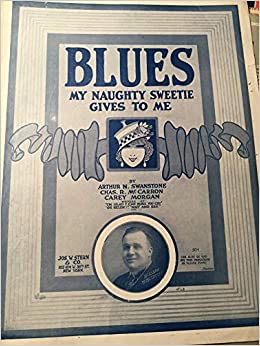
This jazz standard was written by Tin Pan Alley regulars Charles Mc Carron and Cary Morgan and has become a Dixieland favorite.  Click or tap on the next image or link to hear this oldie but goodie!

As would be expected, the adjective “sweet” was used to modify girl’s names in dozens and dozens of songs from “Sweet Adeline” to “Sweet Caroline.” 
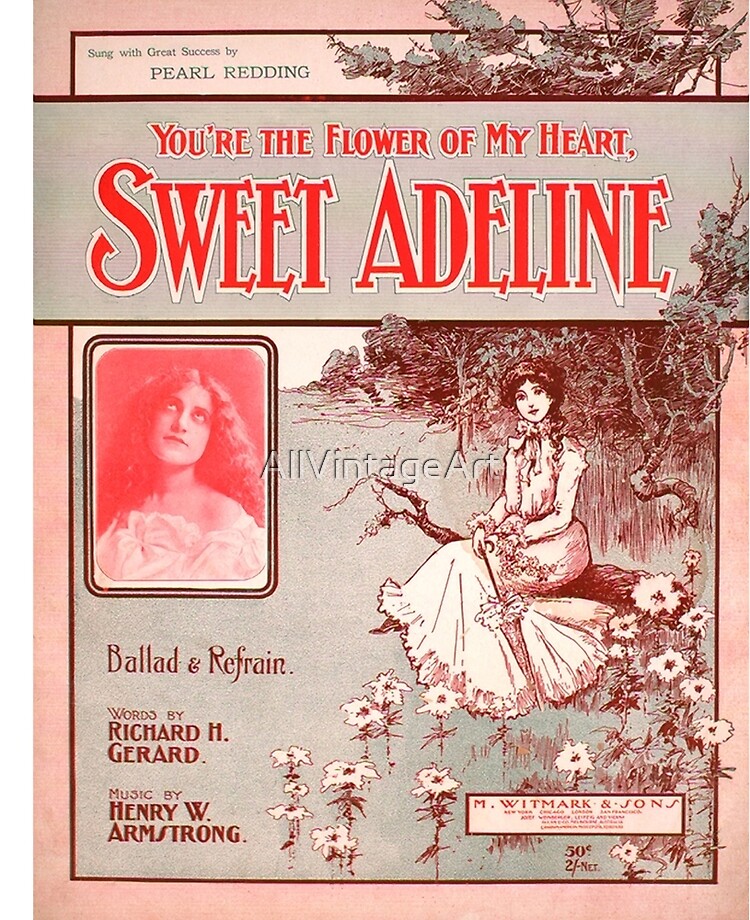
We’ll forgo the 1959 Fenway favorite of our Blue Books, “Sweet Caroline,” in favor of the ultimate barbershop quartet standard that is not found in either Blue or Yellow.   Go figure!  Anyway, click or tap on the next image or link for a one-man “quartet” version of this oldie!

And—why not?—a ukulele version.  Click or tap on the next image or link for a listen.   

I could go on and on with so-called “sweet, sweetie, and sweetness” songs and, if you have the time and are so inclined, here are a few more YouTubes just for fun;
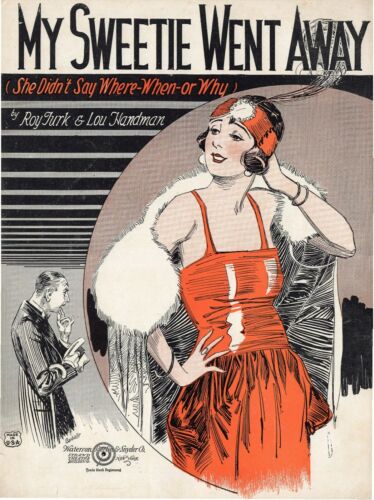
Click or tap on the next image or link to hear Bessie Smith’s bluesy, torchy version of “My Sweetie Went Away.

And, for a bit of musical craziness, click or tap on the next image or link for a wild and wooly western take on “Sweet Little Buttercup.”

Now, let’s wind up this musing with one or our favorite Blue Book songs, “Roll in My Sweet Baby’s Arms,” an American traditional song developed from the cowboy song “My Lula Gal” which, in turn, is based on a bawdy British and Appalachian song known as “Bang Bang Rosie” or “Bang Away Lulu.”  Tap or click on the next image or link for a real downhome bluegrass version of “Lula . . .”

Of Course, the ultimate bluegrass version of “Roll In My Sweet Baby’s Arms” is, beyond a doubt, that by Earl Scruggs and Lester Flat from 1951.  Click or tap on the next image or link to be blown away with some lightning-fast finger picking.

 
And how about a ukulele version of this one!  Click or tap on the next image or link for a look.

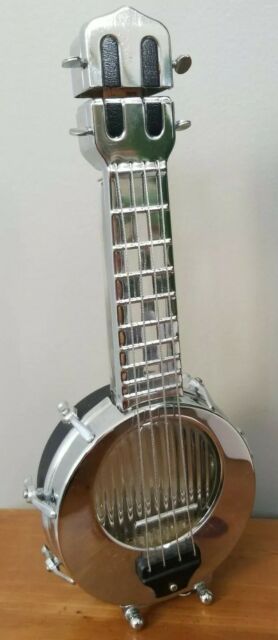
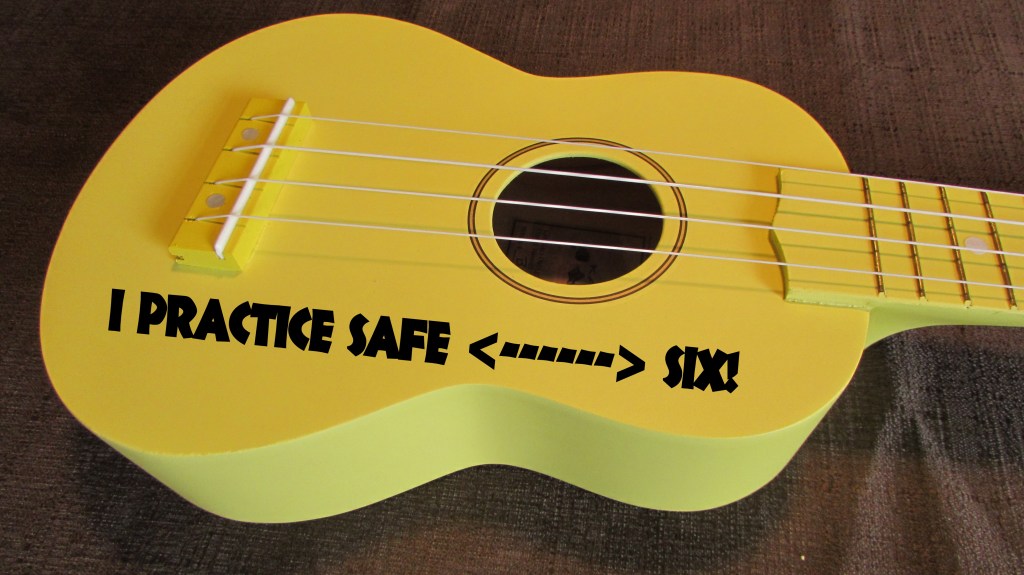
I would be remiss if I didn’t show a thematically appropriate ukulele from my collection   .  .  .
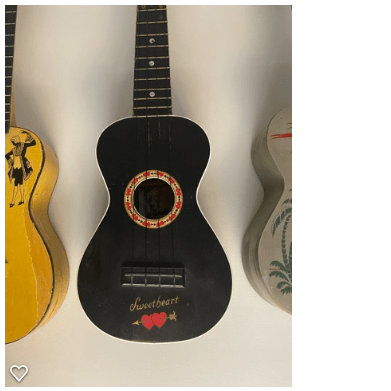
As well as another.
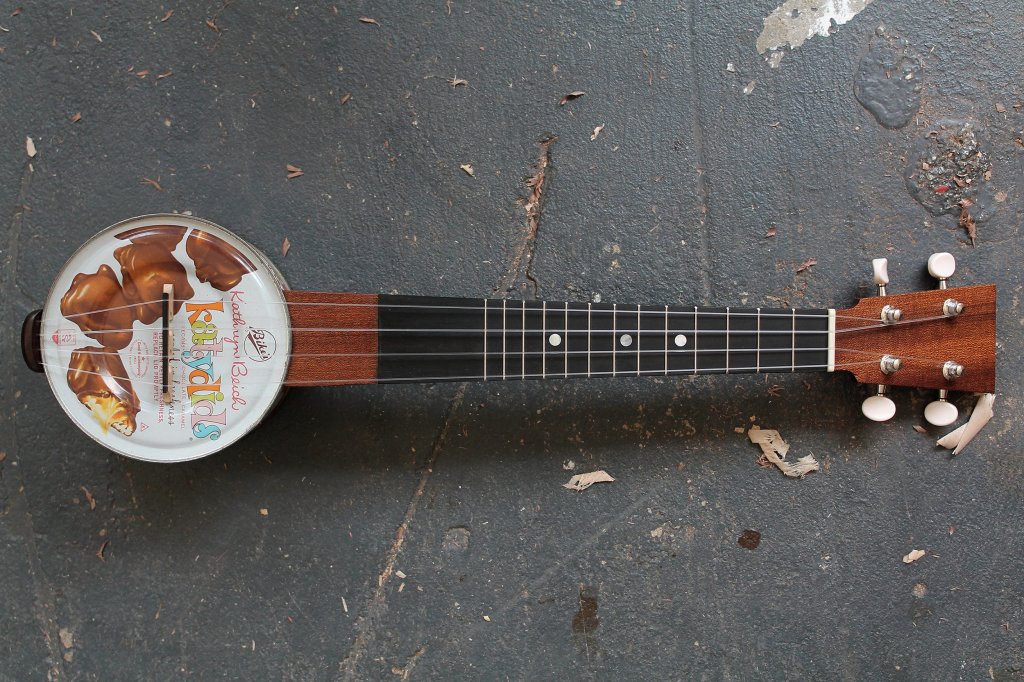
And, despite the vagaries of the times, stay as sweet as you are!

and—above all—STAY TUNED!  
And be safe with and for you and yours!
UKULELE MUSINGS, 13 August 2021: THE HIATUS IS OVER! SORTA . . .

Hi Fellow Strummers.  The hiatus is over!  Sorta  .  .  .

Alison and I have settled (more or less) into our new home in the Lathrop Community here in Easthampton, Massachusetts. 

It’s just a couple of miles from our old place in Northampton that many of you fellow ukers have visited over the years. So, while we have let the old house go, we are happily hanging on to our Happy Valley community!  Remember the sweet old, maskless days?

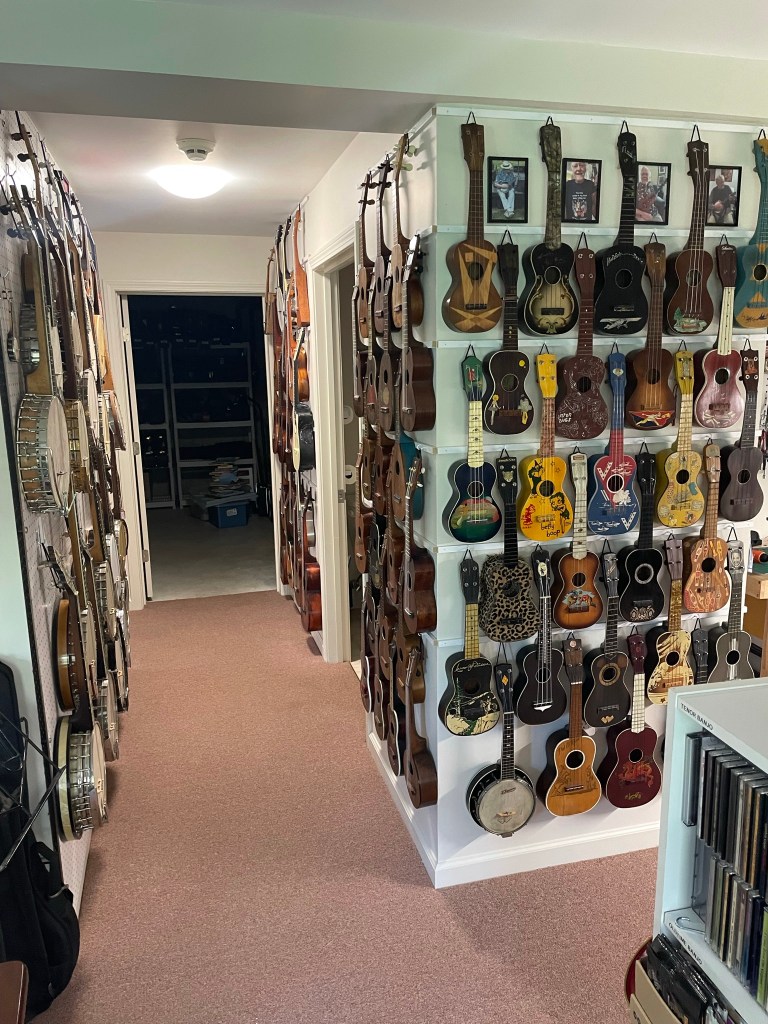
Although the distance between the two houses is short, the effort to sell, pack, move, and nestle has taken an inordinate amount of time, will, and energy—particularly when relocating the infamous banjo and ukulele collection.  Never fear, however; it’s all here!   

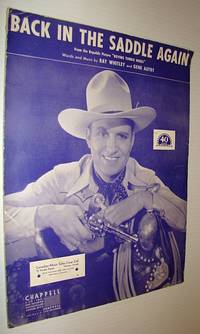
Our email addresses stay the same.  The “Ukulele Musings” blog address hasn’t changed.  And, as long as my musical muse continues to prod me to ponder, research, strum, write, and post,  I’m “Back in the Saddle Again!” 

This is kind of a hokey tune to home in on, but the title says it all; and, after all, it is in our Yellow Book. Anyway, here’s a fun ukulele version of this Gene Autry musical chestnut from 1939. Click or tap on the next link or image for a bit of a practice session singing along with the singing cowboy himself!

Moving on (ahem), I did a quick search for any songs about moving days, packing and unpacking boxes, arranging and rearranging furniture but found few that touched those basic bases. Here might be a good idea though . . . 

Perhaps not!

Anyway, the themes of “houses and homes” pervades American popular music so it’s pretty low-hanging fruit to pick through. And, needless to say, more than a few of the tunes do, in one way or another, home in on domiciles or dwellings–albeit in a variety of quite inapplicable genres relative to our present circumstances!  Anyway, it’s fun to take a peek at a few of these “house” songs.

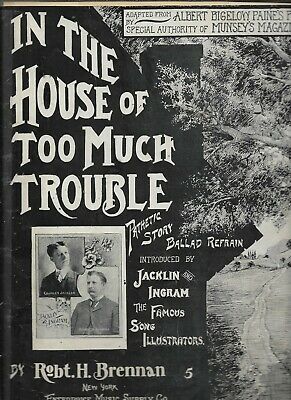
Just to set the mood, here’s a modern string band version of this music hall song written way, way back in 1901. It’s a bit maudlin and doesn’t have a thing to do with our move, but it is about a house! Tap or click on the next image or link, grab a hankie, and listen to this tale of a little boy, his house, and–alas– his too busy mother.

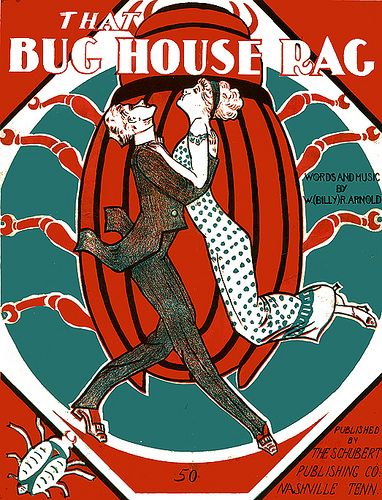
Although our new place was spotless and vermin free on move-in day, here’s another not quite appropriate “house” tune with great cover graphics!

And still another–this one more descriptive of the moving process rather than our new house!

You ragtime fans might want to listen to a syncopated piano version of this oldie that, once again, doesn’t have much to do with our move. But it’s another “house” song, again with great graphics on the cover. Click or tap on the next image or link to follow the chart and give a listen.

Anyway, here we are, Alison and I are home at last–sorta!

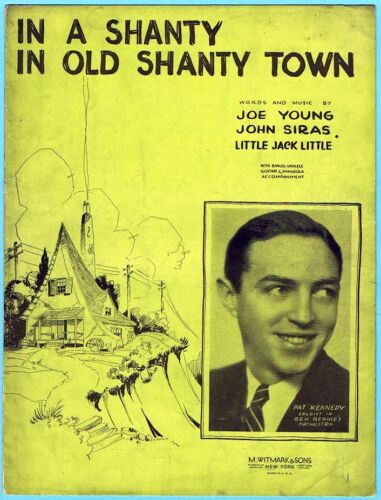
Moving on again (ahem, ahem), while this next tune certainly does NOT describe the quality of the house (or neighborhood) we have moved to, here is one of my favorite “house” songs, this one from 1932: “In a Shanty in Old Shanty Town.”  

Click or tap on the next image or link to listen to the original Ted “Is everybody happy?” Lewis recording of this oldie!

Needless to say, this tune has become a great jazz standard and has many ukulele covers on YouTube.  Here’s one  to have some fun with. Click or tap on the next image or link for a listen to some nice strumming.

If you want to try it yourself, you can get a chart from our good friend from “south of the border” (Connecticut/Massachusetts, that is), Dr. Uke.  For a thousand or so other great (and free) uke charts, just Google his website and be impressed! https://www.doctoruke.com/songs.html

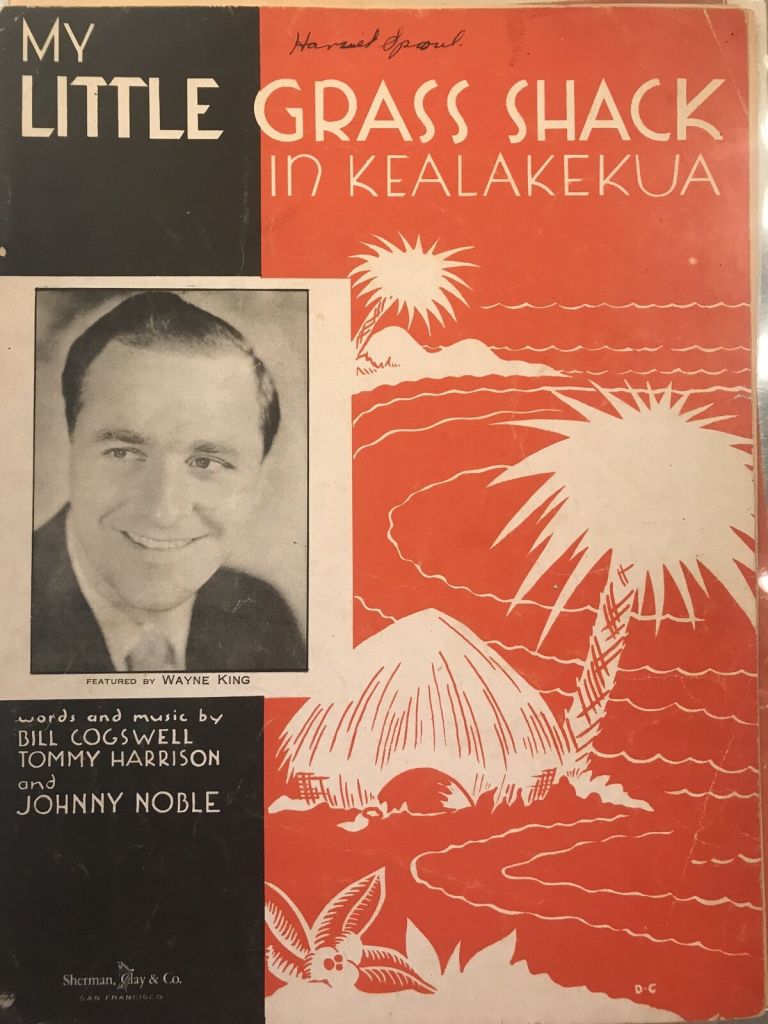
And, of course, here is the ultimate ukulele “house” song, this time in the so-called “hapa haole” style!

Click or tap on the next image or link for a real ukulele (and hula) homemade Hawaiian treat! Almost as good as Spam and eggs!

Moving on (ahem, ahem, ahem), the same thing is true with songs about packing—“Pistol Packin’ Mama” just doesn’t strike quite the right chord here and probably is not PC these days. But a ukulele cover of this oldie from the 1950s is just too good to pass up. Click or tap on the next image or link just for fun!

I won’t even go near any of the hundreds of “Truck” songs out there.  Oh well, maybe “On the Road Again.”  After all, it is one of our favorites from our Yellow Book. Click or tap on the next link or image for this fun one.   

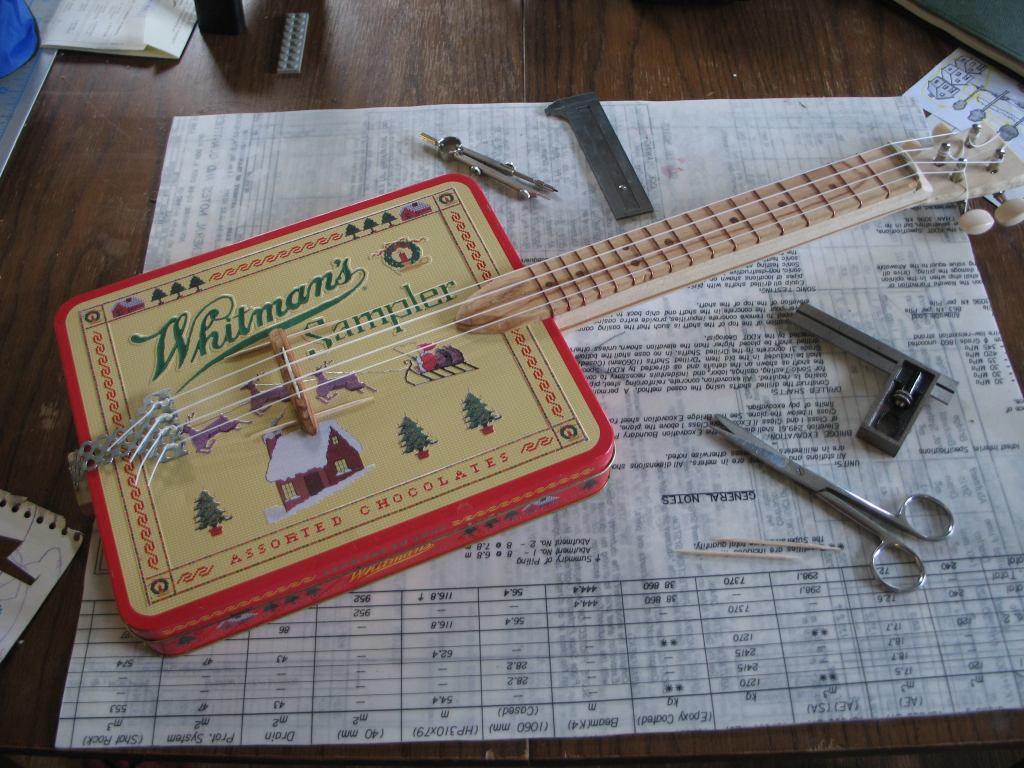
Enough for tunes; now for ukuleles!  I did a posting a couple of years ago on cigar box ukuleles. Not moving boxes but close, sorta!

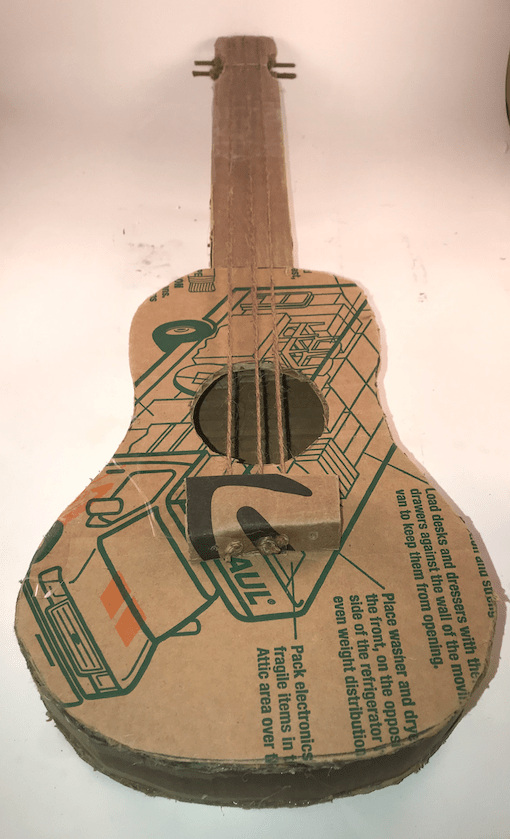
But what I did run across in my internet wanderings are a number of ukuleles (and uke cases) made—of all things—cardboard moving boxes!  I can’t vouch for how they compare soundwise to my solid Koa Snowshoe but, here they are!

I think my Snowshoe wins! But, I guess this might be the silver lining of the cloud-filled moving process for some ukers. But, What would we do without boxes and, for that matter, our kitties and ukuleles?  

Settling in now, be aware that these musical musings of mine will continue as long as my will and wit are willing to work together, but probably not on a weekly basis as for the past four or five years.  After all, we did move to a retirement community!

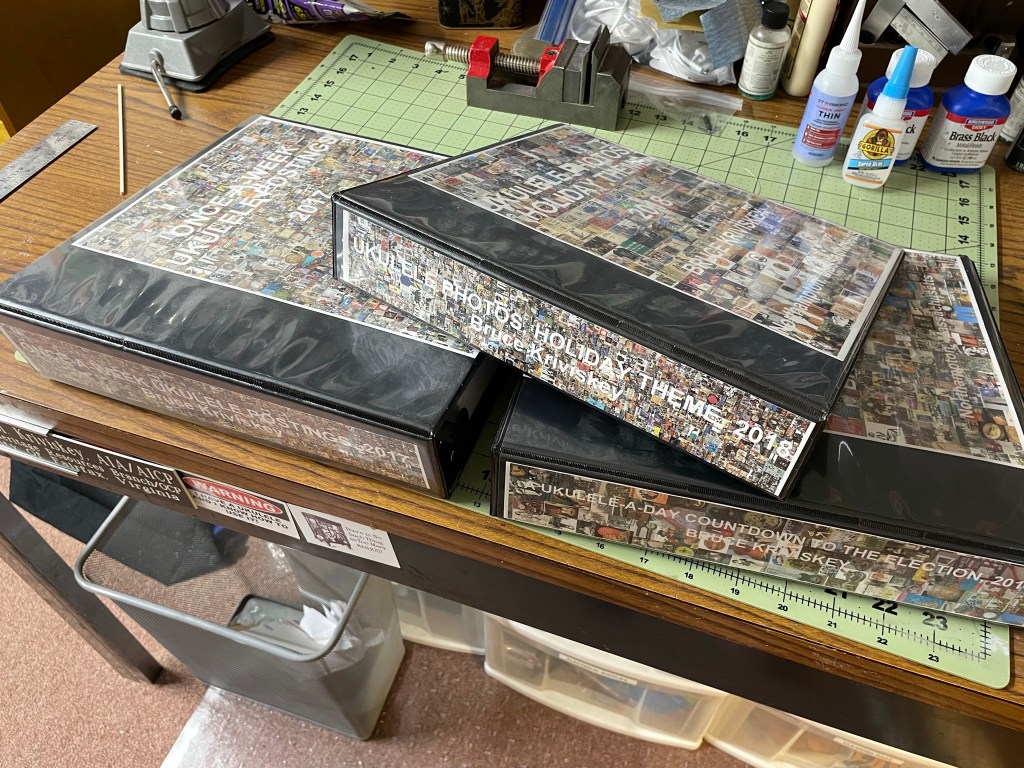
You can always check out some of my musings from the past, however, by going to nohobanjoandukulele.blog and scrolling amongst the offerings. Here stacked up in my new studio/shop/office space are most of them–saved on paper in three-ring binders the old-fashioned way!   

Oh yes, while our new home is in what is described as a “retirement community,” Alison and I are getting to know a lot of quite lively, certainly not “retiring” new neighbors.  And, yes! There is music!

So good friends—new and old—give me some slack but, nonetheless, stay safe, stay strumming, and STAY TUNED!  And alas, once again as they say we must, stay masked and, of course, keep moving on! 

UKULELE MUSINGS 2021, 20 February 2021: Announcing a Hiatus, But “We’ll Meet Again!”

Hi Fellow Strummers and Blog Followers,

This is a note to let you know that Alison and I will be moving to the Easthampton Lathrop Community sometime in the next few months.

That’s only a couple of miles away from our present home in Northampton, but it still means means that we are both going to be busy, busy, busy preparing our Ice Pond Drive house for sale, sorting and packing stuff, and preparing to settle into our new home — a lot of work even if it’s only five minutes away and a lot of ukuleles to move!

Needless to say, this is going to be a big job and is going to occupy a lot of our mental and physical energy until we get settled into our new digs.  For that reason, I will be putting my weekly “Ukulele Musings” blog on hold until after we make our transition. Who knows when, but I’m hoping to be back on line sometime this Spring. We’ll see!

You can still access nearly all of my weekly blog postings for the past three or four years by going to nohobanjoandukulele.blog and scrolling down the list—something to do in your spare time!  And, I will certainly let all of you know when I begin to post again.

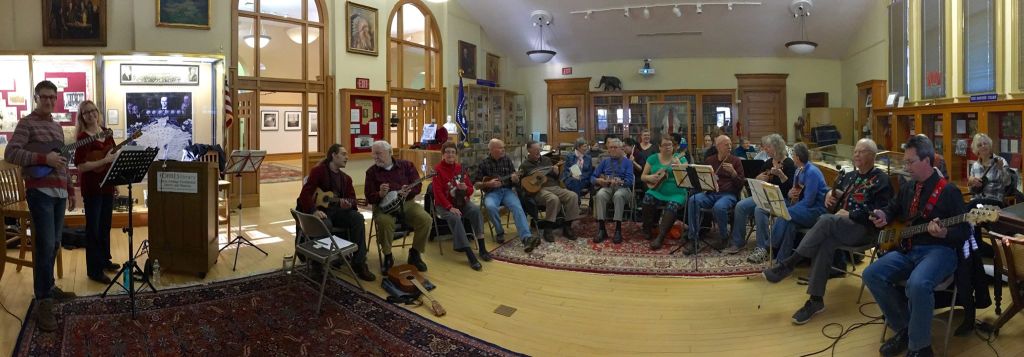
Needless to say, once this pandemic has passed and we can again get together on Saturday mornings, I will be joining with you with banjo uke in hand! 

Until then, I have to figure out where to show off my banjo and ukulele collections in a new environment.  Looking forward!

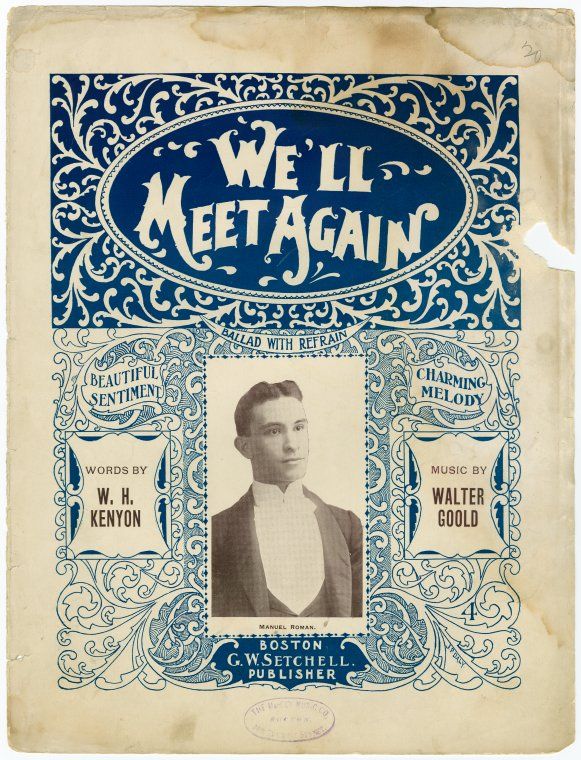
So, stay safe, stay sequestered, stay masked, and STAY TUNED! And, of course, “We’ll Meet Again.” Click or tap on the next image for this old musical chestnut. No ukulele here, but something “looking forward!”

Bruce Kriviskey

Nohobanjo of Northampton, Massachusetts           

Soon to be: Nohobanjo of Easthampton, Massachusetts — Still in “The Hamptons,” so to speak . . .                                            

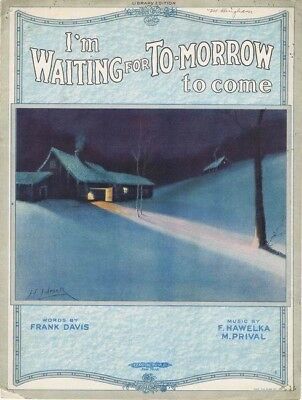
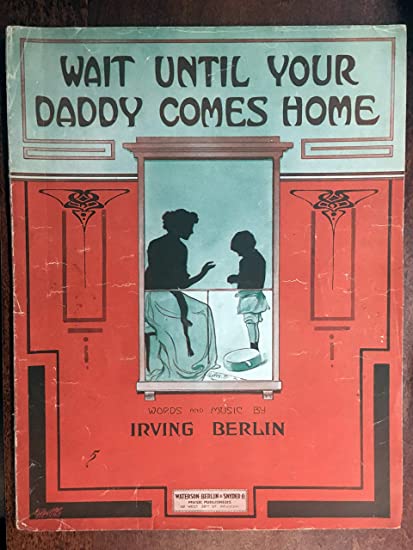
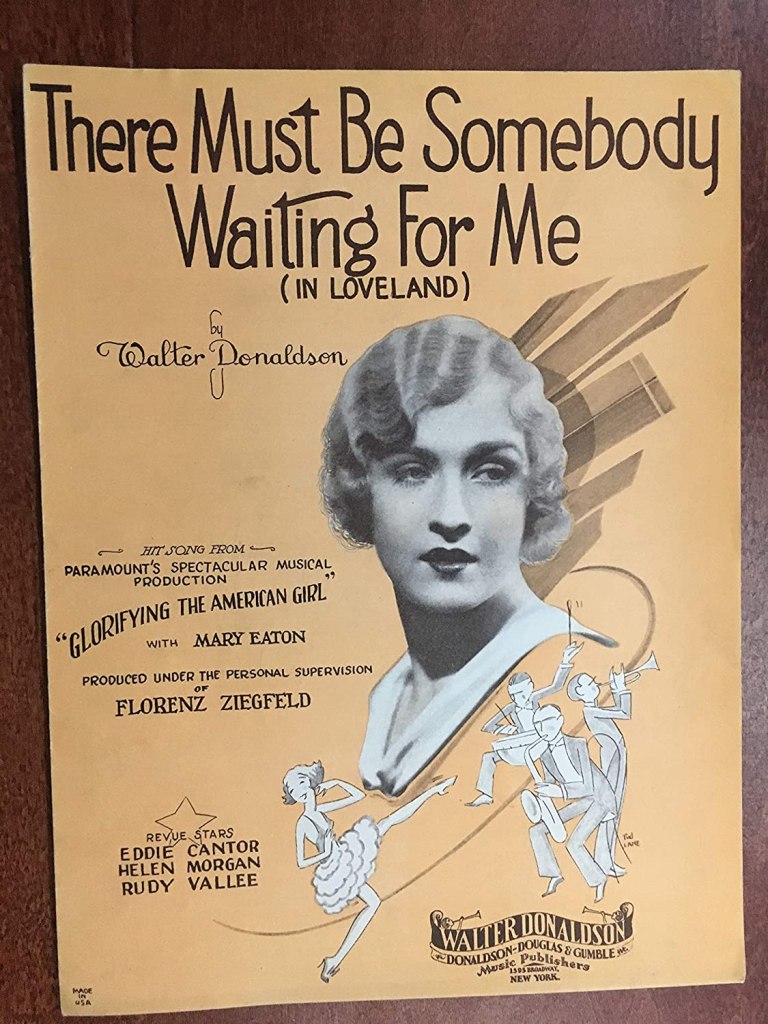
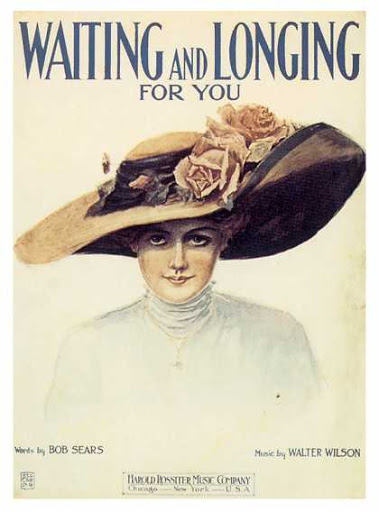
UKULELE MUSING 2021, No. 4, 23 January 2021: Waiting, Waiting, Waiting . . .

I don’t know about the rest of you strummers out there but, to me, the past few months (year?) have been ones of WAITING.  Waiting for “this” to end, waiting for “that” to begin, waiting for things to “go away,” waiting for things to simply “get better.”  The year without ending–2020.

There is, of course, the so-called “light at the end of the tunnel” but the route through seems long and the number of tunnels ahead are unknown–politically or pandemically. 

But, while there is always “hope,” my musical muse this week is pushing me toward the more pensive words of “waiting,” “wait,” “waited.”   

Let’s start with one of the earliest so-called “wait songs.” This was “Wait for the Wagon,” first published in 1851, that became a popular dance tune during the Civil War and an advertising freebie for the earliest of automobile companies.

Tap or click on the next image to hear a re-interpretation of this oldie. No ukuleles in this one but there is some good finger picking on a fretless banjo. You don’t hear one of those played that often!

There’s a batch of similar songs out there from those good old musical days, so—no more waiting, gentle readers—here we go!

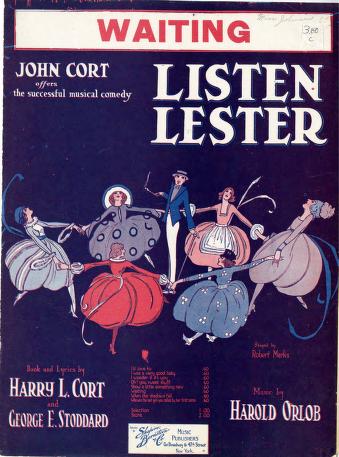
By far, most of the “waiting songs” deal with the absence and anticipation of finding romance or reuniting with it.

Here’s this song from the movie “The Harvey Girls” sung by Kenny Baker. They girl isn’t Judy Garland, the star of the film, rather it’s Cyd Charisse–a much better dancer! Click or tap on the next image or link to see them in action.

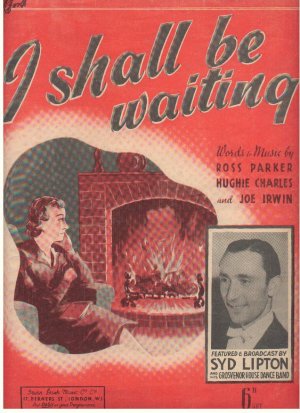
While much of this longing had to do with good old boy/girl romance, the separations of wartime brought on particularly poignant songs.

Still others could be construed as a bit of salacious longing for an amorous lover’s (or over-amorous lecher’s) tryst.

And it gets worse: turns out our lover boy is a phone stalker, way back in 1919:

“Willie Snow each night would go to see his sweetheart Flo.
Her folks would always sit around the room until he’d go.
Willie never had a chance to be with her alone,
But this is what he’d tell her when he’d call her on the phone:

Wait ’till I get you alone!

When there’s no one around to see,
I’ll make you give me all the love you promised me.
Wait ’till I get you alone.

When there is nobody home,
Your mother surely ought to know I love you so.
But she don’t understand and I want her to know,
That I’m not made of ice because my name is Snow!

Oh, wait ’till I get you alone… “

And, of course, others were just about waiting for something good to happen—luck or romance.

This one was a wartime favorite. Tap or click on the next image or link for a ride on this one.

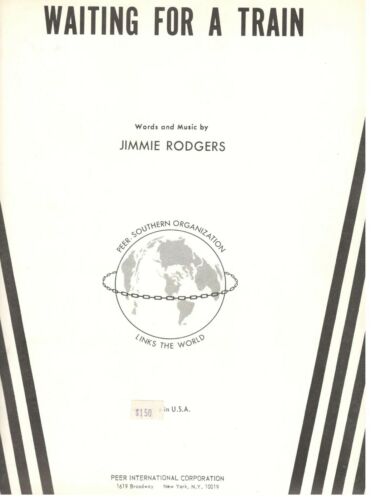
Here’s another “waiting song,” this one by Jimmie Rogers who, as the “Singing Brakeman,” has some serious railroad cred!

Click or tap on the next image or link for a ukulele–plastic, no less–version of this sad, sad song.

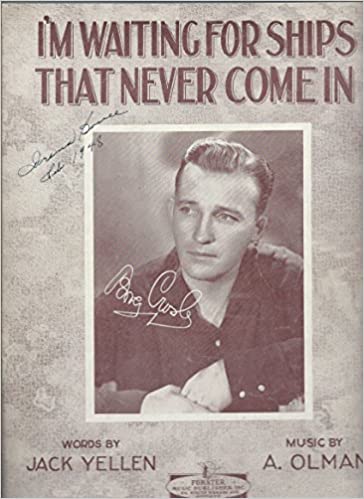
First trains then ships! Here’s a recording of this one by the old crooner himself. Click or tap on the next image or link for a soothing, but melancholy, listen.

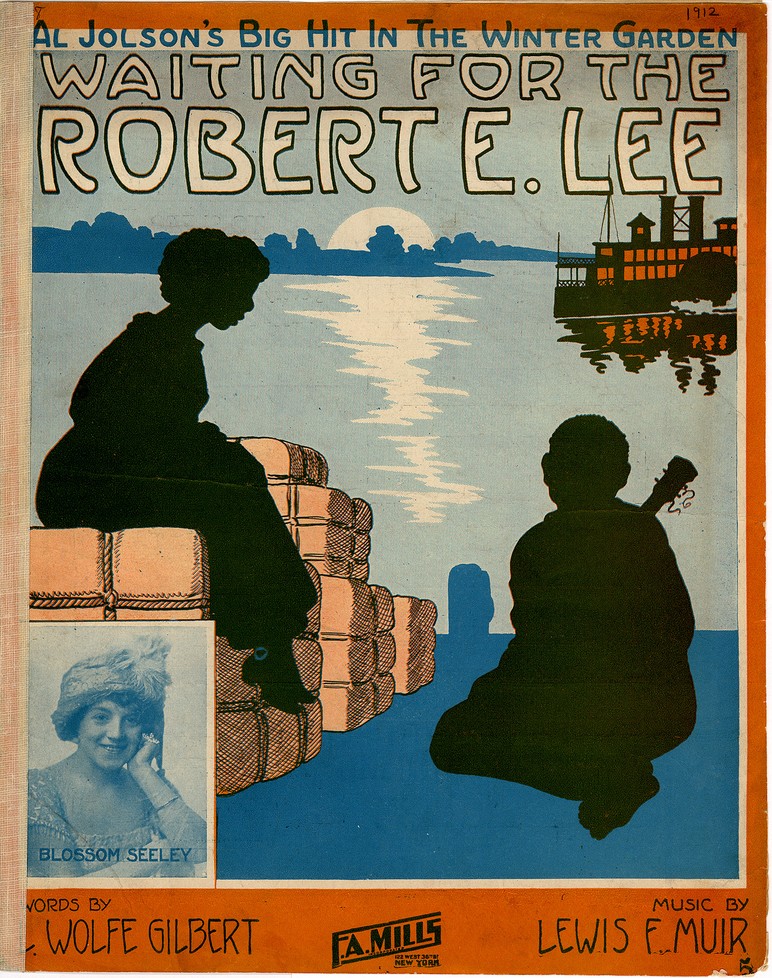
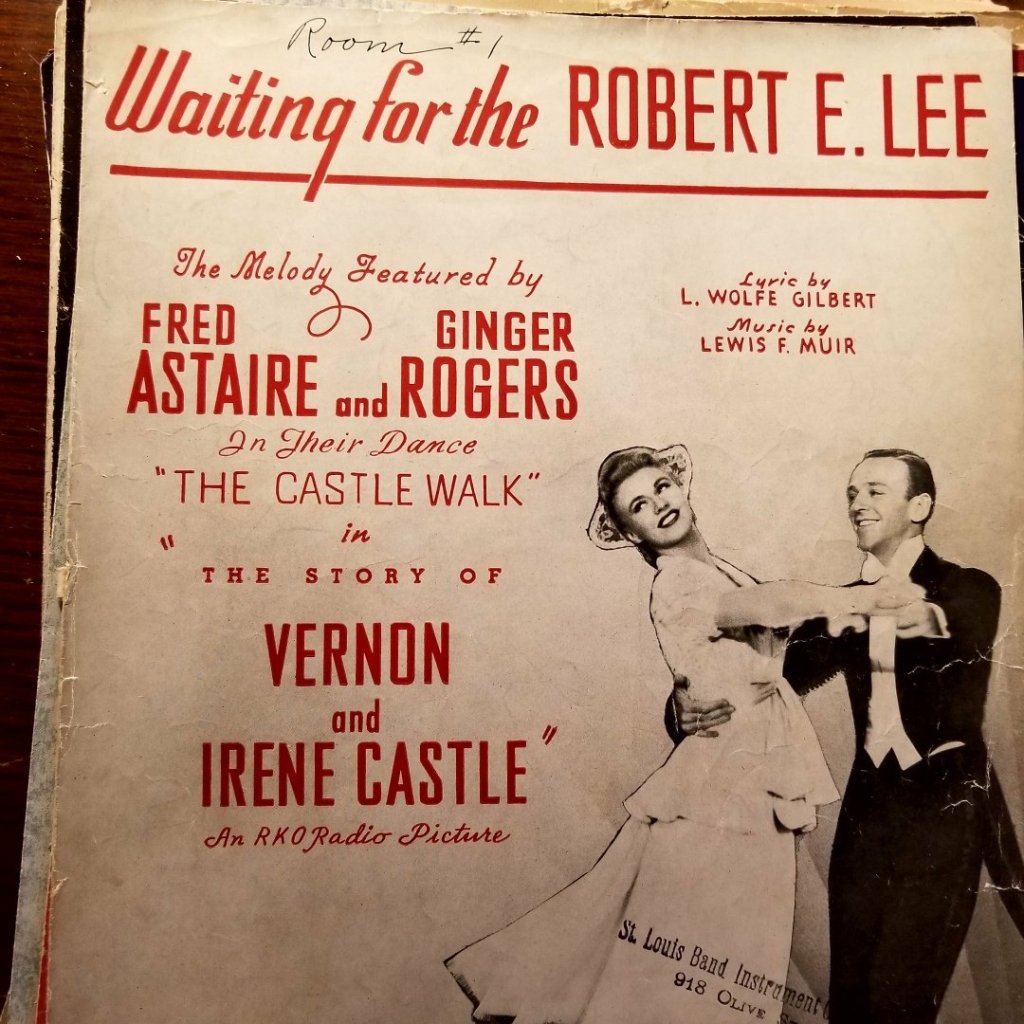
Now, on to something a bit peppier! This one is a great ragtime tune from 1912 that has found it’s way onto the vaudeville stage and into several movies over the years.

Alas, too many of the YouTubes of this tune feature a bit too much minstrel or blackface imagery for this little musing, but here is one take that captures the lively tune without too much tarnish. Click or tap on the next image or link to check out a pair of our favorite performers, doing their version of a “shuffle”–one of them backwards and in heels!

So, as some of the things we have waited and waited for have come to pass, and others are on the horizon, we still play “the waiting game.”

This Irving Berlin song was recorded by many singers back in the early days of the Great Depression. Tap or click on the next image or link to hear an Ethel Waters version from 1929.

This one is probably one of the most performed of the “wait songs.”

Here’s an early recording of this oldie. Tap or click on the next iamge or link for a lively version.

And, of course, we have a ukulele version of this one with some pretty fancy finger picking! Click or tap on the next image or link for a listen.

So, wait, but stay safe; wait, but stay sequestered; wait, but stay masked . . .

and—above all—wait and STAY TUNED!

As long as we’re not naughty!

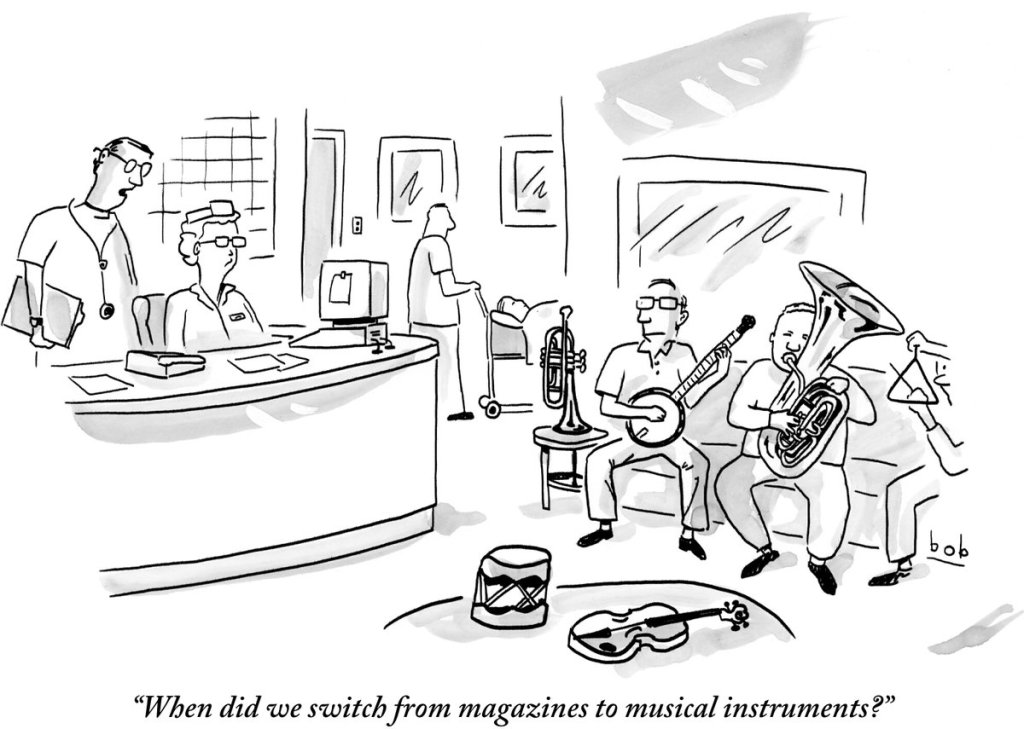
And, let’s NOT wait without a sense of humor!  How about adding ukuleles to waiting rooms?

UKULELE MUSINGS 2021, No. 1, 1 January 2021: “High Hopes” for the Coming Days, Weeks, Months, and Year

Well, here it is: New Years Day 2021!  With all the nasty viruses floating around, and all the political squabbles taking place, it’s a disconcerting calendric transition.  And, with the incessant facts, alternate facts, and polarized opinions being bandied about, I keep searching for something positive on which to begin a new annual (my 6th year!) volume of musical musings. 

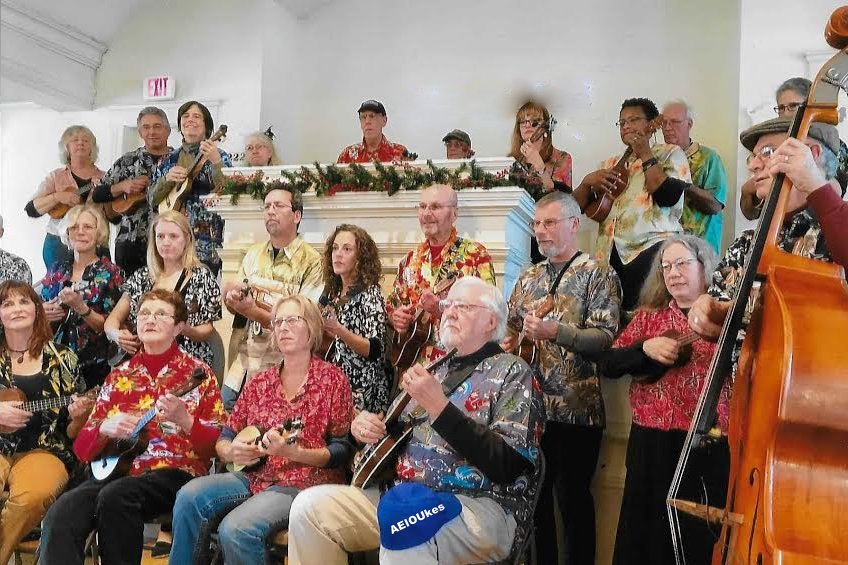
Alas, the raising of the globe on New Years Eve here in Northampton and the accompanying festivities were only memories this year. Wait until next year! Really stay tuned for First Night 2022 you AEIOUkers!
Hence, a 2021 New Years Day focus on “Hope.”  And, needless to say, gentle readers, another earworm begins to squirm in my head—the mid-century, Academy Award winning, kinda nonsense song “High Hopes.”

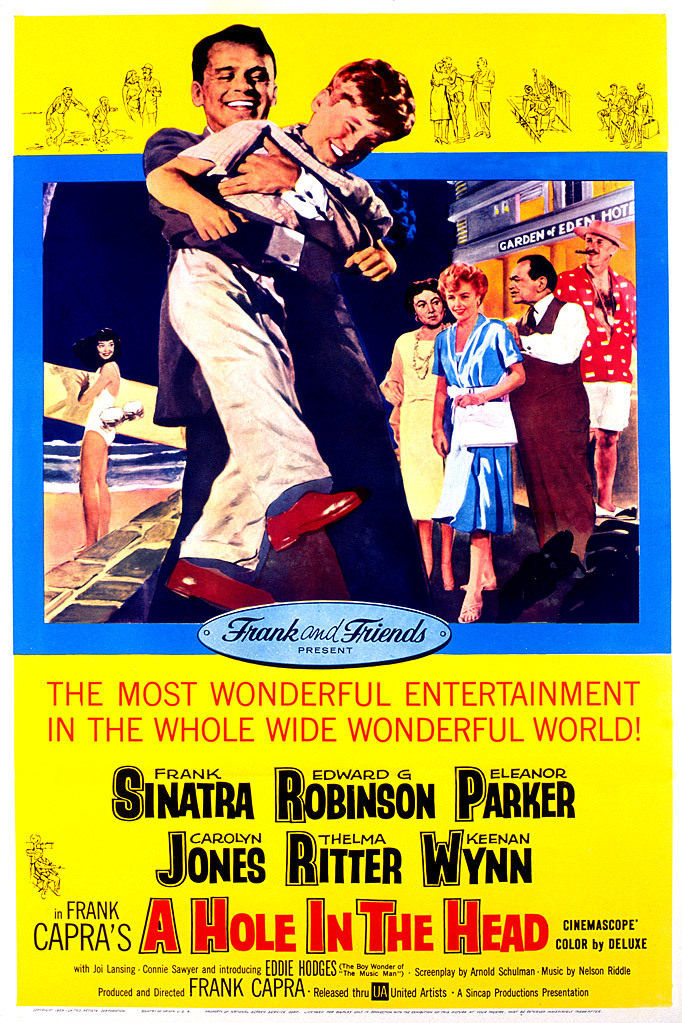
 Our song was first popularized by Frank Sinatra (1915-1998) and child actor Eddie Hodges (1947-) in the 1959 movie “A Hole in the Head.”

Our song was written by James Van Heusen (1913-1990) with lyrics by Sammy Cahn.  Those two teamed up on dozens of songs for Broadway and Hollywood musicals including two other Academy Award winners: “All the Way,” and “Call me Irresponsible.” The team also wrote “The Second Time Around,” and “My Kind of Town,” both of which were gold records for Sinatra.

High Hopes” stretches the imagination by describing two scenarios where animals do seemingly impossible acts.

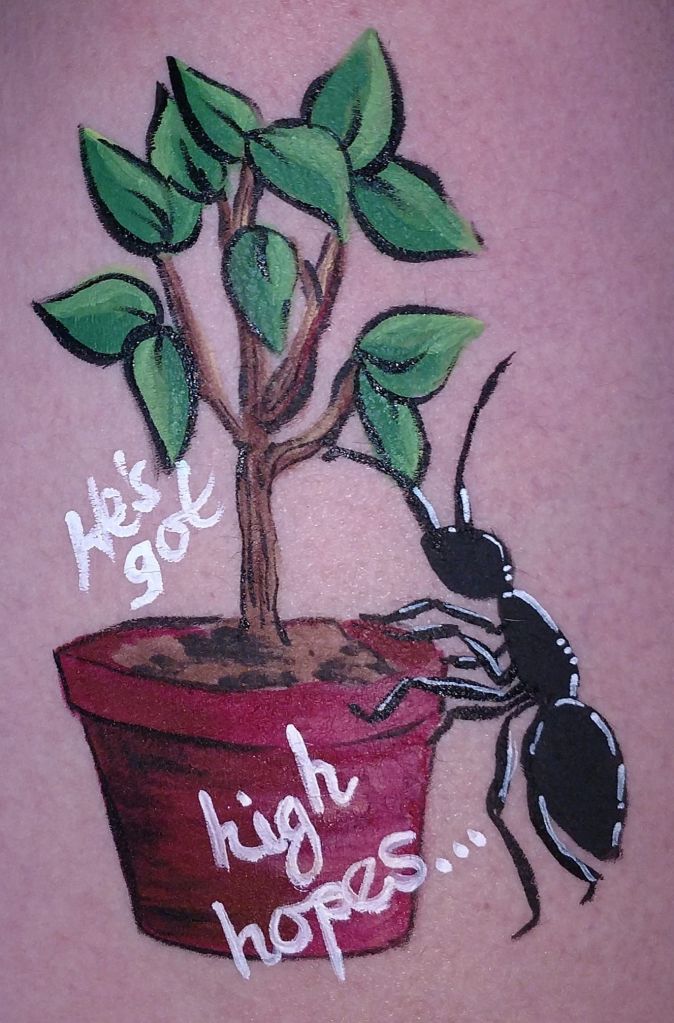
First, an ant moves a rubber tree plant all by himself, then a ram single-handedly puts a hole in a “billion-kilowatt dam.”  

The goals of these animals are described in the chorus as “high, apple-pie-in-the-sky hopes” although, as the song implies, they ultimately accomplish them! 

Click or tap on the next image or link to hear and see the film sequence of Sinatra and Hodges with this one. 

I hope we’re going to see as the ultimate accomplishment of our hopes this New Year!  As our song finishes by comparing problems to toy balloons, the problems have gone away when the balloons are popped–“Oops, there goes another problem, ker-plop.”

If only life were so simple!  Maybe we just need more balloons—or pins!
What makes this song a bit more interesting in todays political climate is the version that Sinatra recorded for the 1960 Kennedy presidential campaign.  Click or tap on the next image or link to peek in on this tune from the first presidential election I was old enough to vote in.  Remember, in those days you had to be 21 to vote (or buy a beer)!
And, of course, we need a ukulele version of our song which has become a favorite for children of all ages, and found in our blue book.  

 Click or tap on the next image or link for a very nice fingerstyle version of our song. 

As one of those quirky musical asides, one of the more obscure film treatments of “High Hopes,” including an ever so slight nod to Sinatra, is in this great entrance scene.  Click or tap on the next image or link to try to make out what the rabid fans are singing to honor their hometown boy!

Now, it should be noted that there are a couple of new tunes out there that go by the same title as our “High Hopes.”  That’s OK.  Life goes on!  I’ll show my age, however, and stick with the mid-century original!

So, as we all lurch into the new year, I have high hopes that we will stay safe, stay sequestered, stay masked  .  .  .

.  .  . and STAY TUNED!

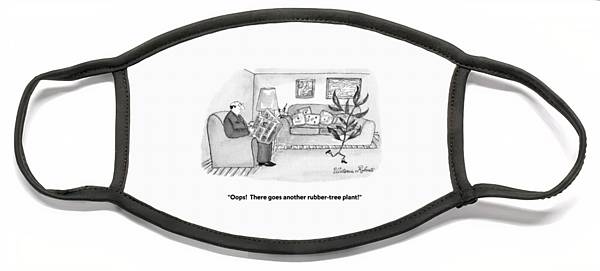
Oh yes.  Be careful with your rubber trees!
UKULELE MUSING 2020, No. 54, 26 December 2020: Administrative Transitions in Music, Sorta . . .

Hi Fellow Strummers.  This is the last musical musing of mine for the miserable year of 2020.  Whew!
Here’s hoping that you and yours and us and ours have a much, much better year in 2021! Fingers crossed—except when moving through a few of those pesky chord fingerings.

Sadly, there will be no First Night AEIOUkes performance this year as we will all be in lockdown for this used-to-be gala holiday event. 

Again, here’s to a much better 2021, and to First Night 2022! Stay TUNED!

So, how do I end this year’s volume of over fifty weekly blog musings?  Well, my plan for 2021 is to do a musical journey around the country, ukulele style—and maybe the world while I’m at it. 

I’ll be musing about some songs from most of the fifty states–spiced up with a bit of international musical travel.  I did the same thing for the New England states (Musing No. 43) a few weeks ago and a lot of you gentle readers and fellow strummers found it to be fun.  So, let’s keep moving on with one per week (more or less) while my aging energy lasts and my youthful muse continues prodding. 

We’ll see how far we can travel as “administrative changes” are made.

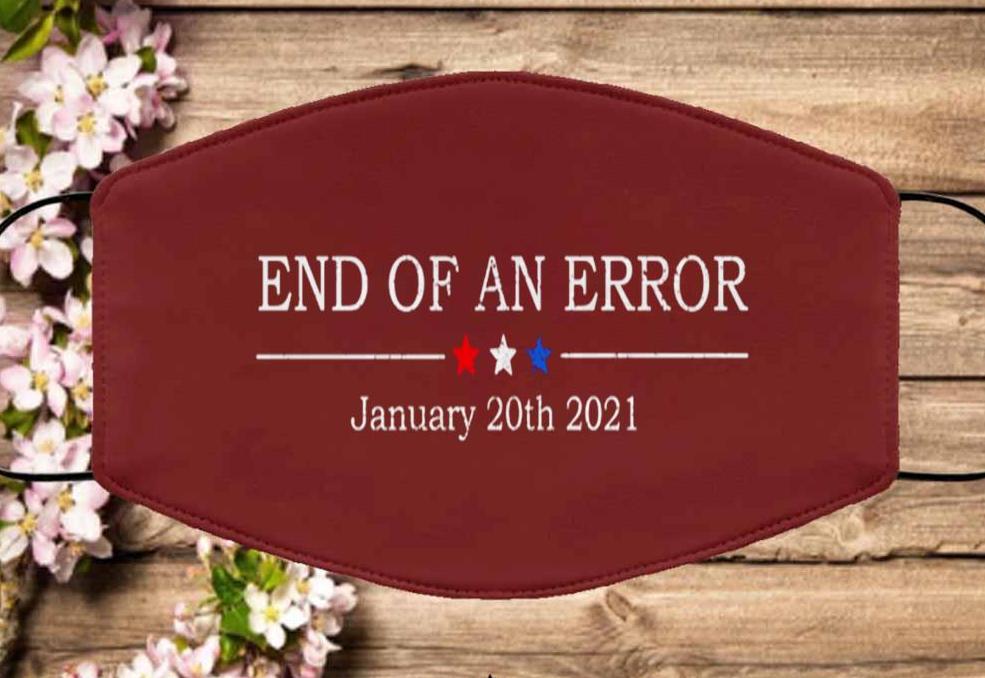
Anyway, gentle readers, why not end this year with music about a faraway place—a song fairly off the wall as one might say but, in my humble opinion, a bit of needed mind diversion.  I’m all for anything that will give ourselves a different earworm and get our minds off the next month or so between now and Inauguration Day. 

Here we go with a song about—shall we say—an “administrative change!

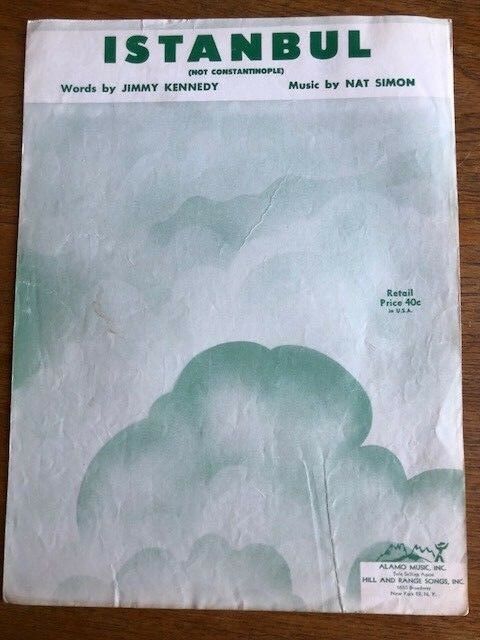
The song “Istanbul (Not Constantinople)” was written with catchy lyrics in 1953 by Jimmy Kennedy and set to 1920s-vibe music by Nat Simon.  I warned you that it was somewhat “off-the-wall.”

What makes this an important reminder of the not-so-orderly process of “administrative change” is that the song takes its theme from the fall of the Byzantine Empire’s capital city, Constantinople, when it was conquered after a siege by the Ottoman Turks in 1453. 

As would be expected of the winners, they promptly erased the Christian name of “Constantinople” renaming it in Turkish as “Istanbul.”  Our song commemorates, in a way, the 500th anniversary of this bit of nasty world history.  What better reminder of 1400s geo-political change than a 1950s novelty song! Go figure.

Anyway, Here’s our song with all the lyrical and rhythmical nuances of “Middle Eastern Swing” as performed, through the magic of the computer, by an acapella barbershop “quartet.” Click or tap on the next image or link for a history lesson—of sorts.

And, of course, we have a fun ukulele version of our song.  Click or tap on the next image or link to give a listen to some nice strumming on this one–never mind the Tarboosh (Fez) or the fake beard.

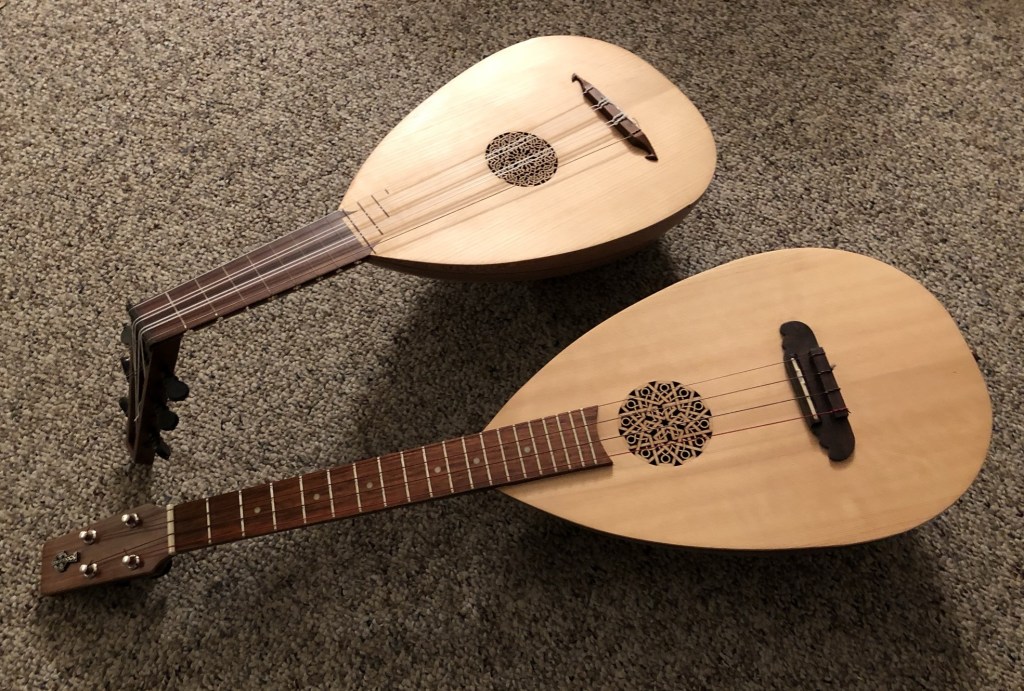
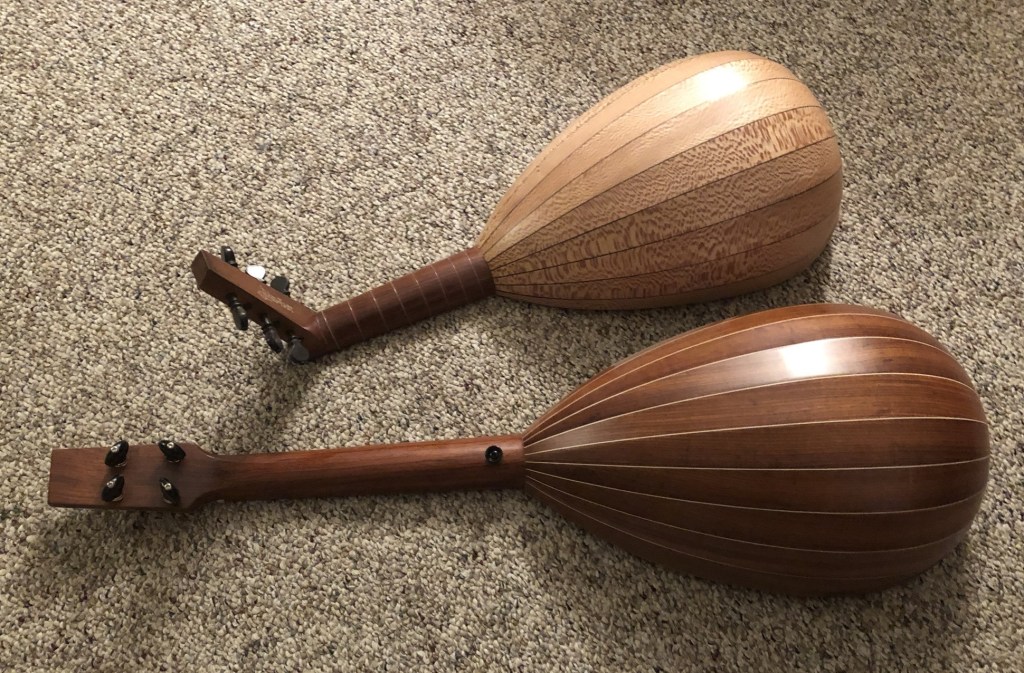
Now, to complement the Middle Eastern theme, here are a couple of ukuleles from my collection that would be quite at home in Istanbul, or Constantinople for that matter.  The first (lower half of pic) is a bowlback baritone “Baroqulele” set up with standard DGBE tuning.  The tone is really quite nice and mellow.  The trick is to keep it from rolling over as you strum—the hazards of a bowlback and my large belly!  

The second (upper half of pic) is a bowlback soprano “Baroqulele” tuned G-CC-EE-A—six strings in four courses.  The fingering is just like a regular ukulele, but the sound is much richer—once you get all six strings in tune using the wood pegs in the turned-back peg board. Needless to say a tad tricky!  Notice also that the frets are traditional “tied-on and dried gut,” not modern fretwire, a nice touch of authenticity.

Tap or click on the next image or link to listen to someone who really knows how to play one of these things!

A traditional Turkish ukulele-like instrument is the “Cumbus” which is a lot like a combination banjolele and resonator uke, sort of a flat metal can with a fingerboard attached. Alas, not in my collection. Yet. 

Click or tap on the next image or link to listen to what one of these things sounds like.

Now we can dive back a bit further in musical history for another appropriate tune–C-O-N-S-T-A-N-T-I-N-O-P-L-E–that some say was the inspiration for our song.  Yes, the hyphens are part of the title.  This 1928 foxtrot doesn’t have much to do with history but here it is anyway.  Click or tap on the next image for a recording by Paul Whiteman and his orchestra with some interesting period pics.   

As long as we’re having fun with our song, let’s end this musing with a Charleston version! Click or tap on the next image or link for a toe-tapping, leg kicking treat. Watch out for the loose Tarboosh!

Well, this musing doesn’t have much to do with either the presidential transition or the calendric transition from 2020 to 2021.   Who will write a song about THESE days 500 years from now?  At least there will be ukuleles! We’ll see . . .

So, stay safe, stay sequestered, stay masked  . . .

. . .  stay out of tiffs between the Byzantines and the Ottomans,

.  .  .  and STAY TUNED.

See you all as we strum our way into next Year!   

UKULELE MUSING 2020–21 November 2020, No. 49: “Lonely Until We Meet Again With Absent (For a While) Friends”

As the election/transition hoopla continues, I am sure that many of us would like to settle our minds and begin—just begin—to focus on the end-of-the-year “festivities” heading our way. The next event is, of course, Thanksgiving Day. 

Alas for many of us, the lonely bubbles and pods we find ourselves sequestered in will preclude the cherished chance to be within hugging distance of faraway friends and family.

We’ll just have to share turkey and trimmings by Zoom, FaceBook, Skype, or that good old-fashioned device–the telephone! Alas, alone and, needless to say, lonesome. 

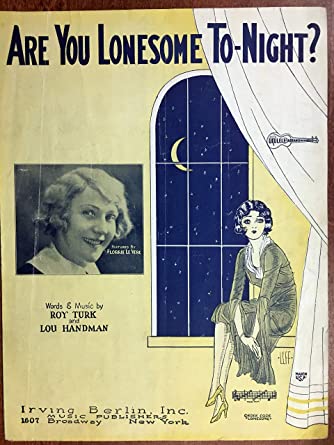
So, for this musing I’m going to, shall we say, “face the music” and focus on a few songs that touch on those nasty words of “lonely,” “alone,” “lonesome,” and others of their ilk.  I’ll end on an upbeat, however, with a couple of the great songs of being together again. Gotta do it! And, with an emphasis, gentle readers, on our favorite little musical instrument–the cheerful ukulele!

Moving on.

Pining for absent friends and family has long been a musical tradition in America with people and populations moving here, there, and everywhere.  We come from many places, move to many others, and long to return–if only for a little while. It’s no wonder, then, that the “lonely” theme–family, friends, lovers–has permeated music and song almost forever! Let’s look at some song titles from years past. There must be hundreds. Here are just a sadly appropriate few.

We almost always think “Elvis” when we hear this song but it goes way back in musical history–over ninety years ago.

Check out this early recording for a lonesome change of pace. Click or tap on the next image or link to listen to this non-Elvis oldie!

Moving along . . .

We can really get into some tearjerkers here. “I’m So Lonesome I Could Cry” is one of the most plaintive of Hank Williams’ songs written and recorded way, way before the days of pandemic sequestration.

Click or tap on the next image or link to hear Hank himself. You’ll need a hankie for this one!

To give equal time, here’s another “lonely” classic.

Tap or click on the next image or link, grab another hankie, and listen to Patsy Cline’s heartbreaking rendition from the 1950s!

As an aside–more in the line of “thinking about” rather than “lonely”– whenever I mix a cocktail (or mocktail) of an evening, I always add an extra drop or two of spirits to the glass for “absent friends.”  A bittersweet reminder to me of those far away. I digress, but it does let me insert another ukulele picture from my collection!  

Oh yes, my favorite banjolele whiskey decanter! 

Now, let’s move on to hopefully sunnier days when we can all be together again! Will it happen? How? When?

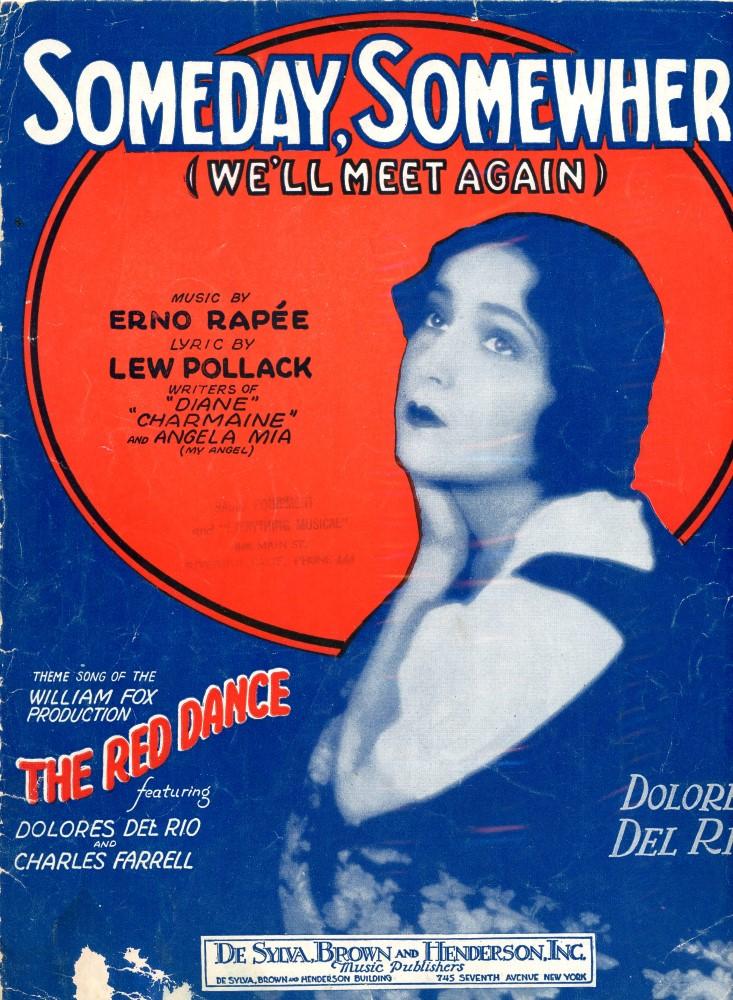
And, of course, optimism. WE WILL MEET AGAIN!

Wartime was always a time of seemingly endless partings and meetings and songs often touched on this melancholy chord. Wartime? Pandemic? The same sentiment sings to us today.

I mused about this next song a couple of years ago, mostly in the context of World War II music and how it became a sing-along standard in music halls and theaters in both the UK and US in those lonely days.   

The late Vera Lynn made this her signature song of hope throughout the war years but it has been covered by many, many folks in a lot of styles.  For a different take on this song, here’s a recording by the Ink Spots.  Click or tap on the next image or link to listen to their close harmonies.

This song is also in our Yellow Book and we should give it a try “some sunny day.” For musical inspiration, here’s a ukulele instrumental of this one. Click or tap on the next image for some really nice fingerpicking.

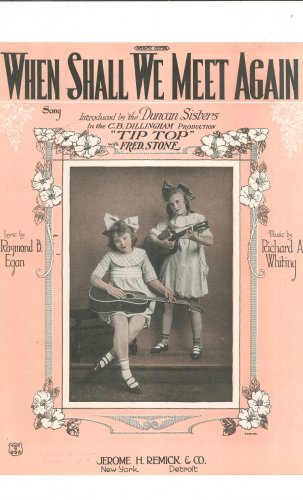
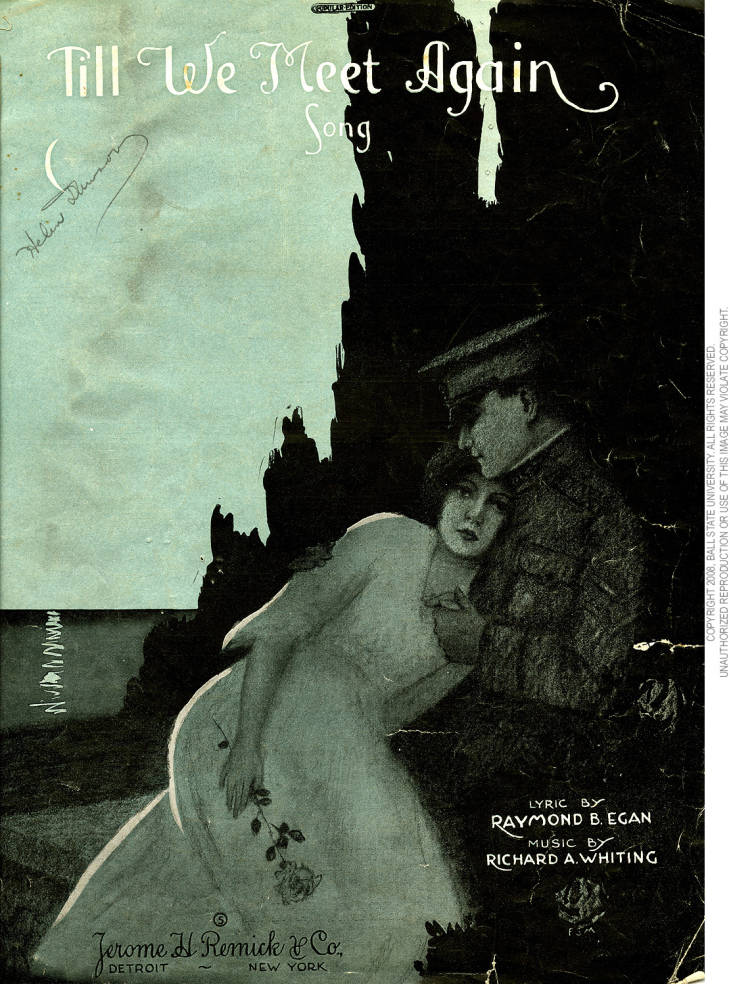
Here is one of the oldest “meet again” songs–originally from the World War I era–that has become a pop, jazz, and gospel standard.

Click or tap on the next image for more close harmony singing, gospel style!

So, enough thoughts of loneliness and absent friends. Let’s dwell on the thought of meeting again–while, of course, enjoying a sequestered Thanksgiving Day this year in anticipation of non-sequestered ones to come!

Stay safe . . .

stay masked . . .

Keep your sense of humor . . .

And STAY TUNED!

UKULELE MUSINGS 2020–14 November 2020, No. 48: “Making Changes While Bidin’ Our Time”

Well, at last the waiting is over and, according to most, we have a President Elect and a Vice-President Elect.  It’s about time the counting, suits, and counter suits are ended and we can all get back to work! 

Speaking of work, I’ve been racking my brain (and checking out my songbook collection)  .  .  . 

.  .  .  to come up with some aptly titled tunes to celebrate this historic event.  Stretching my imagination, here are a couple apropos songs plus another that is “sorta.”  First let’s take a look at that great old tune right there in our Blue Book, “There’ll be Some Changes Made!”

 While the song doesn’t exactly outline an administrative program for the next four years, and its message is more personal than political, the title says it all!

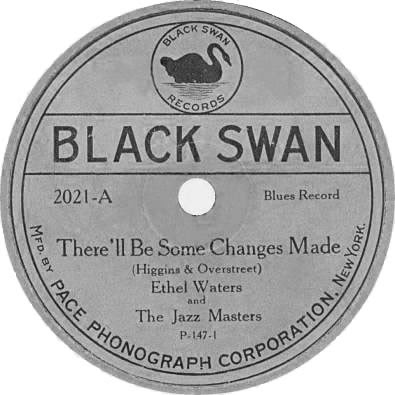
Changes” was composed by Benton Overstreet with lyrics by Billie Higgins.  First published in 1921, it has become a jazz standard.  In keeping with the revolutionary nature of the recent election with Vice-President Elect Kamala Harris being the first Black woman (to say nothing off the daughter of immigrants) to be elect elected to the second highest office in the country, the songwriters, publisher, and first vocalist and musicians to record “Changes” were all Black—ninety-nine years ago!

Click or tap on the next image or link to hear the original recording.

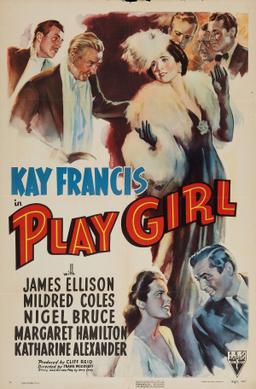
The popularity of the song outside the jazz world took off with the 1941 movie “Play Girl” that featured our song “Changes.” 

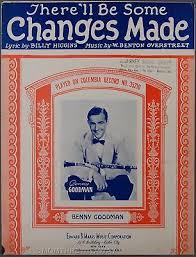
It was then picked up by Benny Goodman and his orchestra and, over the years, has been recorded by just about every vocalist of note in every style from Swing to Western Swing—including a ukulele version or two. 

For Goodman’s big band interpretation, click or tap on the next image or link.

Now for a ukulele take on this musical chestnut.  Click or tap on the next image for a peek and listen. Yes, it’s a Flea!

Moving on  .  .  .

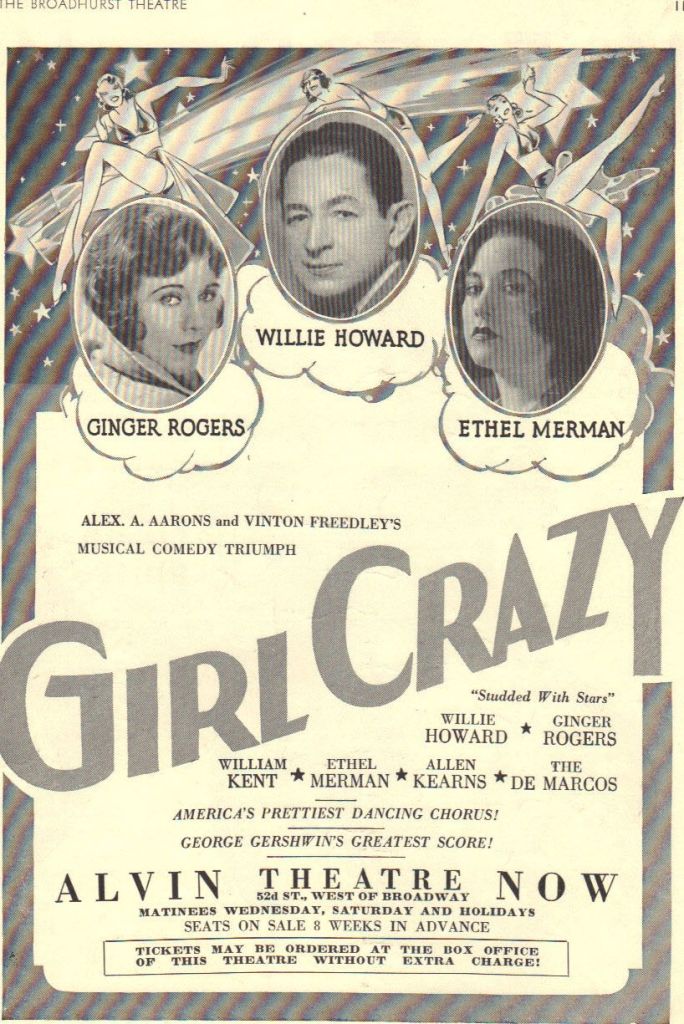
A second appropriately titled song is really is a “life metaphor” for President-Elect Joe Biden.  “Bidin’ My Time,” was composed by George Gershwin with lyrics by his brother Ira.  It was introduced in the 1930 Broadway musical review “Girl Crazy.” 

This, too, has become a jazz standard over the years and recorded by many, many singers.  Click or tap on the next image or link to hear the original recording.

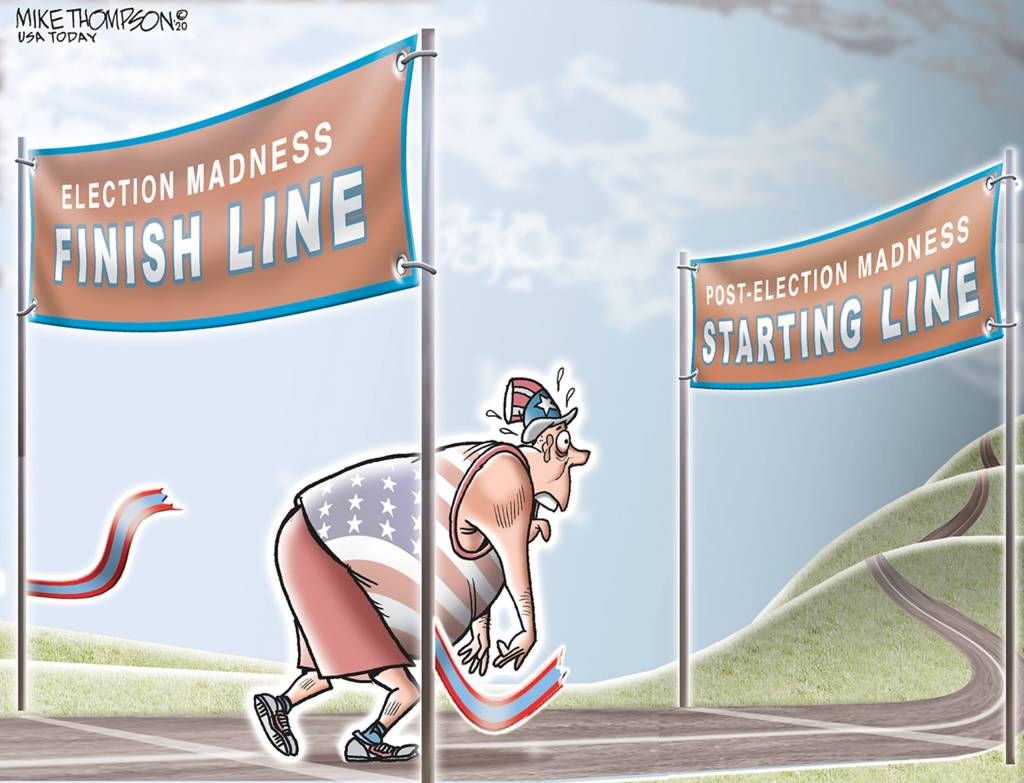
During the past election season the title of this song—to say nothing of the simple melody—gave a lot of witty songsters some low-hanging fruit for parody.  With no offence to any of you blue, red, or purple voters this past week–and simply for the sake of a good chuckle–here are a couple of musical takes on this song.  Tap or click on the next image or link to see how our 1930 song melds with some nifty 2020 visuals.

This next one was too good to pass up. Click or tap on the next image or link to listen to a piano playing (sadly not ukulele playing) guy having some fun at the old upright.

Alas, this is the only ukulele version of this tune I could fine on that vast storehouse of YouTube!  Most of us could do a better job.  A challenge?  Anyway, click or tap on the next image or link to give a polite listen.

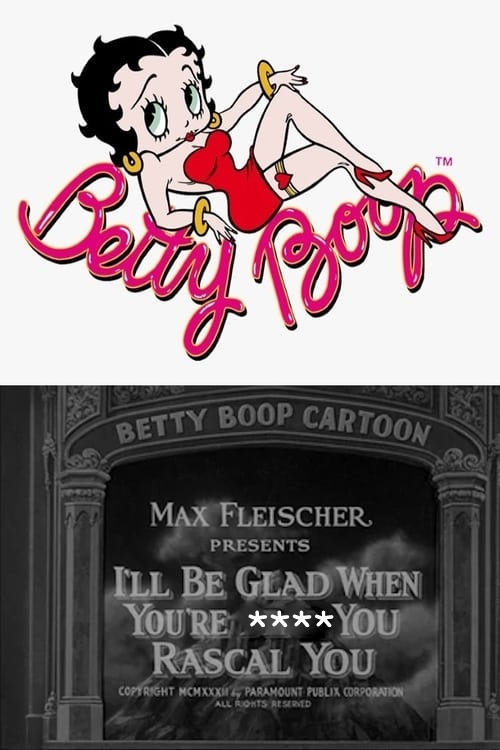
Let’s end this musing with a third song that might seem appropriate for the latest presidential race. It might have been the ballot box motivation for more than half the voters out there, but I’ll only hint at the title of this one: “I’ll Be Glad When You’re **** ,You Rascal You!”  But, for the sake of civility and comity—to say nothing of avoiding accusations of criminal intent—I’ll let you, my gentle readers, search YouTube on your own for one of the twenty or thirty recordings of this 1929 tune that was among Louis Armstrong’s, as well as Betty Boop’s, greatest hits.  Nuff said?  Report back.                              

 So, we made it through another election season.  We did the best we could and now—here come the mid-terms in 2022!  No time to stop for breath  .  .  .

But, here’s a simple little ditty we should all take to heart.  Click or tap on the next image or link for a bit of inspiration.

So, stay safe, stay sequestered, stay masked  .  .  . 

.  .  .  keep that sense of humor .  .  .

.  .  .  and STAY TUNED!

UKULELE MUSINGS 2020–7 November 2020: “Happy Days are Here Again,” or are they? Go Figure.

The strangely evolving presidential election of this week isn’t over after hours and days of delays, decisions, counting, recounting, reflecting, hoping, praying, and whatever we are all doing when we turn off FOX, MSNBC, PBS, CNN, or whatever at a bedtime with no answers. Since I find myself pensively pecking at the keyboard while waiting for some sort of decisions to be made, I have found myself indecisive about this week’s musing. So, being the way I am, I am taking the easy way out–falling back on reworking a posting of the past. Bear with me if you have seen this one before but, to me, it works while we count, count, count and wait, wait, wait.

Here we go again!

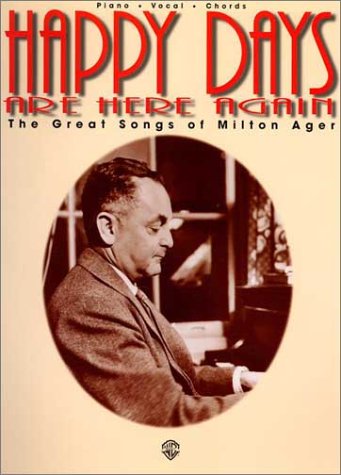
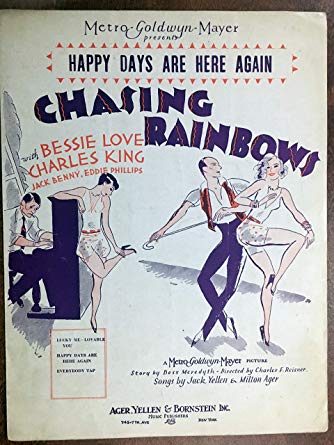
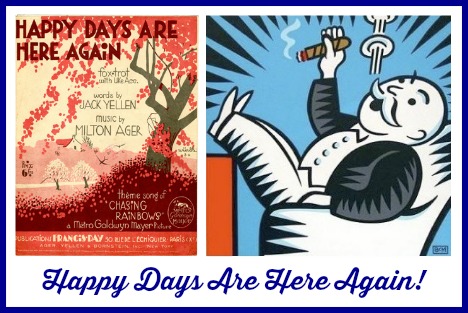
Talk about an old musical chestnut!  This lively tune is in our Blue Book and—aside from some unfamiliarity with the B Part—is enjoyed from time to time by our group.  “Happy Days Are Here Again” was written in 1929—just after the great stock market crash—by our old Tin Pan Alley songwriter friends Milton Ager (music) and Jack Yellen (lyrics). 

The song was first recorded by the Leo Reisman Orchestra and was featured in the 1930 film “Chasing Rainbows.”

Tap or click on the next image or link to go back into musical history with this one.

Today, the song is usually remembered as the campaign song for Franklin Delano Roosevelt’s first presidential campaign.  According to Time Magazine, it gained prominence after a spur-of-the-moment decision by Roosevelt’s advisers to play it at the 1932 Democratic National Convention. 

Picking up the mood of the day, it went on to become the party’s unofficial theme song for years to come.  

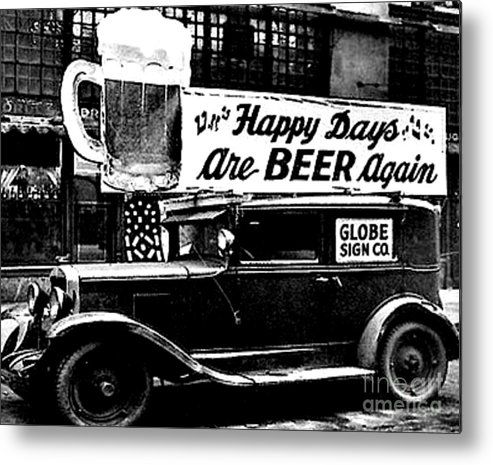
The song is also associated with the Repeal of Prohibition which occurred shortly after Roosevelt’s election where there were signs saying “Happy days are BEER again.”

Tap or click on the next image or link to follow up on this.

The song is a true “barroom” and Tin Pan Alley standard, and had been sung by virtually every performer since the 1940s.   In a way, it’s the political pop version of “Auld Lang Syne.”

Another popular recording of the song was Barbra Streisand’s made 33 years after its first recording.  While the song is traditionally sung at a brisk pace, her recording is notable for how slowly and expressively she sings it. Tap or click on the next image or link to hear her minor key interpretation. 

Streisand first sang the song during a “Wonderful Year” skit on television representing the year 1929. She performed it ironically as a millionairess who has just lost all of her money and enters a bar, giving the bartender her jewelry in exchange for drinks.  The whole YouTube is a bit long, but just look at her song–an adaptive reuse of a happy tune!

A search on YouTube will give a few dozen more interpretation of this ear-worm of a song ranging from Bollywood, to Japan, to the Balkans with—as would be expected—a few ukulele versions thrown in. Tap or click on the next image or link for something a bit musically bizarre!

So, let’s keep this venerable song in mind as we push and plod through the politics of the day and the uncertainty of the next four years.  Will the happy Reisman original, or the poignant one by Streisand be apropos?  We’ll just have to wait (and stew) and see.  Meanwhile, click or tap on the next image or link for an optimistic view on all this by the younger generation!

So, once again, stay safe, stay socially distanced, stay masked . . .

. . . let’s keep our sense of humor, . . .

. . . and STAY TUNED!

UKULELE MUSING 2020, No. 39, 12 September 2020: Title Tunes “Ukulele Style”

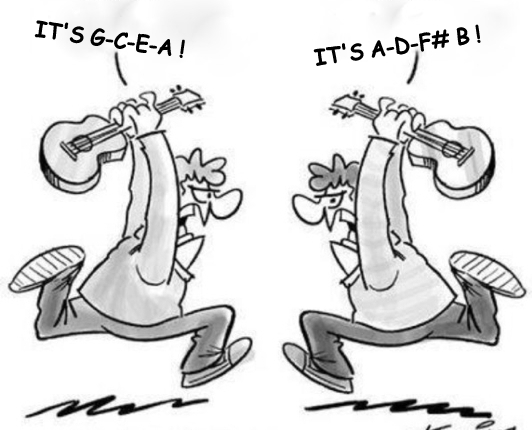
While researching songs over the past three or four years for my weekly musing on all things ukulele, nearly all the sheet music I found from those Ragtime and Tin Pan Alley days included ukulele chord diagrams printed right in the score. They did, however, use a couple of different tunings—GCEA as well as ADF#B. We have better things to argue about than tunings!  But ukulele history is what it is. So, moving on . . .

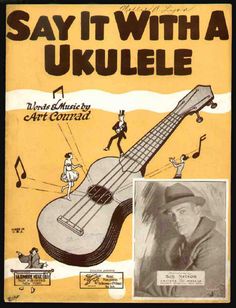
Many of these songs also showed a ukulele “in action” on the cover and a few others touched on ukuleles in the lyrics.  So today, gentle readers, I’m going to focus on several of the songs I came across that include the word “Ukulele,” or some variation thereof, in the title.  More than enough out there to hold our interest–some sappy, some silly, but some quite serene!

So.  Pick up your uke, get it in tune, and give a look and listen to what I call “Title Tunes: Ukulele Style.”

First off, to get us started, tap or click on the next image for a musical introduction to a classic ukulele themed song of the Roaring (Strumming?) Twenties.

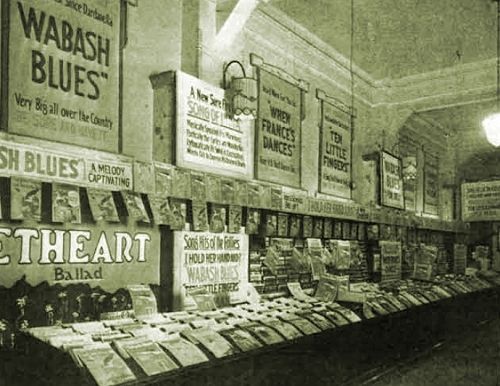
Now lets move along with a strumming stroll through some more of these titles, listen to a few, and have a bit of a nostalgic look at these homages to our favorite little instrument. By the way, I was surprised to find so many YouTubes of early recordings of these songs. This must attest to their popularity with sheet music and record buyers in those days. Here’s a photo of the well staffed and stocked sheet music counter in one of the bigger New York department stores of the day.

Some of these older recordings are a bit scratchy or, typical of many of the hastily produced instrumental ragtime tunes of the era, can become a bit repetitive to anyone other than a serious musicologist or a two-stepping ragtime dancer. So, if you don’t include yourself in either of these categories, feel free to move on to the next tune when you have had enough!

Tuning in . . .

. . . we can quickly see that there are a few musical genres represented in our research.  There are, of course, those songs with an obvious Hawaiian or Island theme even if written by so-called “Mainlanders” who had never been to the islands. Low hanging fruit here! 

This one gives you a bit of a tongue-twister around the word “ukulele.” Click or tap on the next image to hear this one. You might want to make sure you have your dancing shoes on!

There’s more!

These might not be the lyrics of this particular song but they’re close enough for ukulele! Tap or click on the next image for a Laurel and Hardy singalong, of all things. Too good not to include!

And more!

And, of course, the grandmother of all ukulele title tunes, one we all know and love! Who knew it was written as a foxtrot?

Tap or click on the next image for a listen to this one performed by one of the first “ukulele ladies” of vaudeville and radio.

And then there are others that are of a more generic genre—no doubt Tin Pan Alley’s commercial response to the ukulele rage of the age. But, most make some fleeting reference to the music of the islands and, of course, those lovely hula girls and, needless to say, their beautiful ukuleles! 

Click or tap on the next image for a singing/dancing version of this oldie–something you won’t forget!

Tap or click on the next image to hear that really great ukulele player, Johnny Marvin, strum and sing this oldie.

And, of course, there are others.

Tap or click on the next image to hear an early recording of this oldie (yes) but goodie (not so sure . . .).

Here are some ukulele themed songs from “across the pond.”

Give a listen to this one from the British music hall tradition. Click or tap on the next image for the seafaring tale of woe–sort of!

And, of course, the banjo ukulele virtuoso himself! Click or tap on the next image for this one.

Now, back to American radio of the 1950s.

Here’s a version of this “ookoolaylay” style ukulele song by the performer who made the ukulele famous (again) in the 1950s–Arthur Godfrey. Click or tap on the next image for his crooning, baritone uke version.

Here’s one of the earliest ukulele themed songs that I found, one that seems to mix musical ethnicities. Go figure.

Click or tap on the next image to listen to this 1916 recording. Variations on a spelling theme here, plus it’s a ukulele (oops, ukalele) tune in ragtime!

Moving on . . . As would be expected, one can come across a ukulele decorated with a ukulele, or at least a person—usually a comely hula girl or crooning guy—playing one. 

I’m still searching, however, for a “trifecta” for my collection—a sheet music cover of 1) a ukulele named tune showing 2) a ukulele decorated 3) with a ukulele.  A big ask, but anything can be anywhere. Still looking!

And now, gentle readers, permit me to end with a song that steps just a wee bit out of bounds from today’s theme. Rather than an homage to our favorite little musical instrument it’s a complaint about a ukulele player—who is, apparently, loud but not very good.  Alas, no “ukulele” in the title but the image and lyrics say it all! Definitely a song about a ukulele and worth a muse or two.

To end our musing of the day on an “earworm note, tap or click on the next image to listen in!

So, stay safely sequestered with your ukulele handy and think about all those ukulele songs about ukuleles played on ukuleles decorated with ukuleles.  Whew.  Anyway, stay safely masked for you, yours, me, and mine . . .

. . . and STAY TUNED! Oh yes, face your fears for your next open mike performance with your favorite little ukulele and a song about ukuleles!

A note of caution: Don’t use a “sopranino” ukulele if you’re tempted to try this yourself!