ANOTHER MUSICAL MUSING, 19 January 2024–“We’re New Englanders! Let it Snow, Let it Snow, Let it snow!”

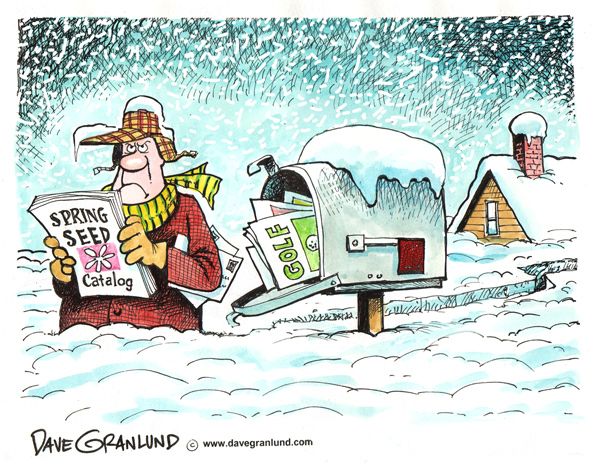
Well, we’re having our first really big snow storm set of the season. Despite the off and on sunshine, and up and down temperatures, I’m looking out the window at our so-called “mauntains” and onto what is a snowy, snowy landscape.  Needless to say, Alison and I are happy to be retired with no “shoulds or musts” on the calendar, just the thankfulness of watching all those folks in their plow-prowed pickups patrolling the wintry streets here in our neighborhood and our Happy Valley. They are ready and able to help however they might be needed!
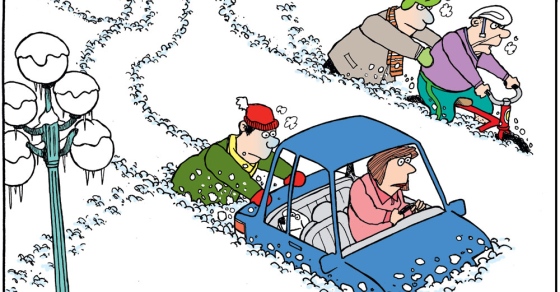
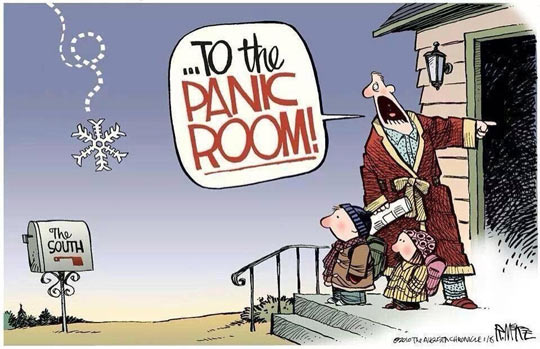
Having lived for many years in northern climes and then northern Virginia before “escaping” to New England, Alison and I were always amused at the way folks “down South” panicked at the mere thought of snow.Bless their hearts!

So, needless to say, my musical muse began to swell and–shall we say–snowball!
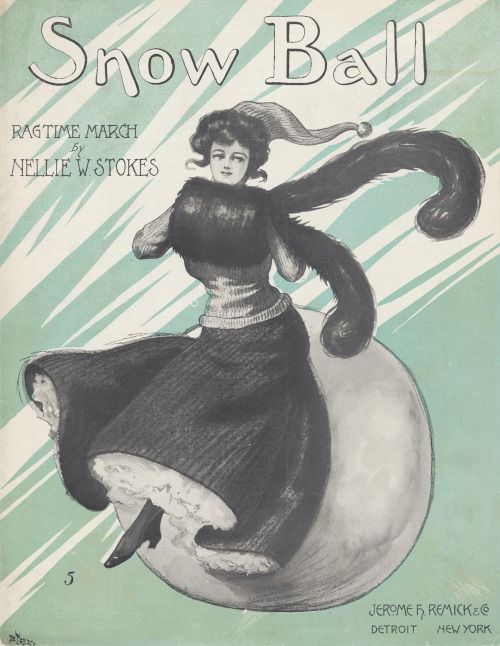
Let’s warm up, so to speak, with a lively bit of “Winter Ragtime.” Click or tap on the triangle in the next image or link for a listen to this oldie from 1906.

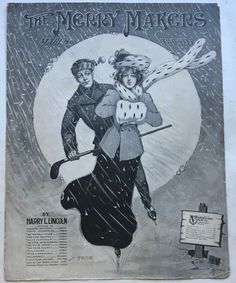
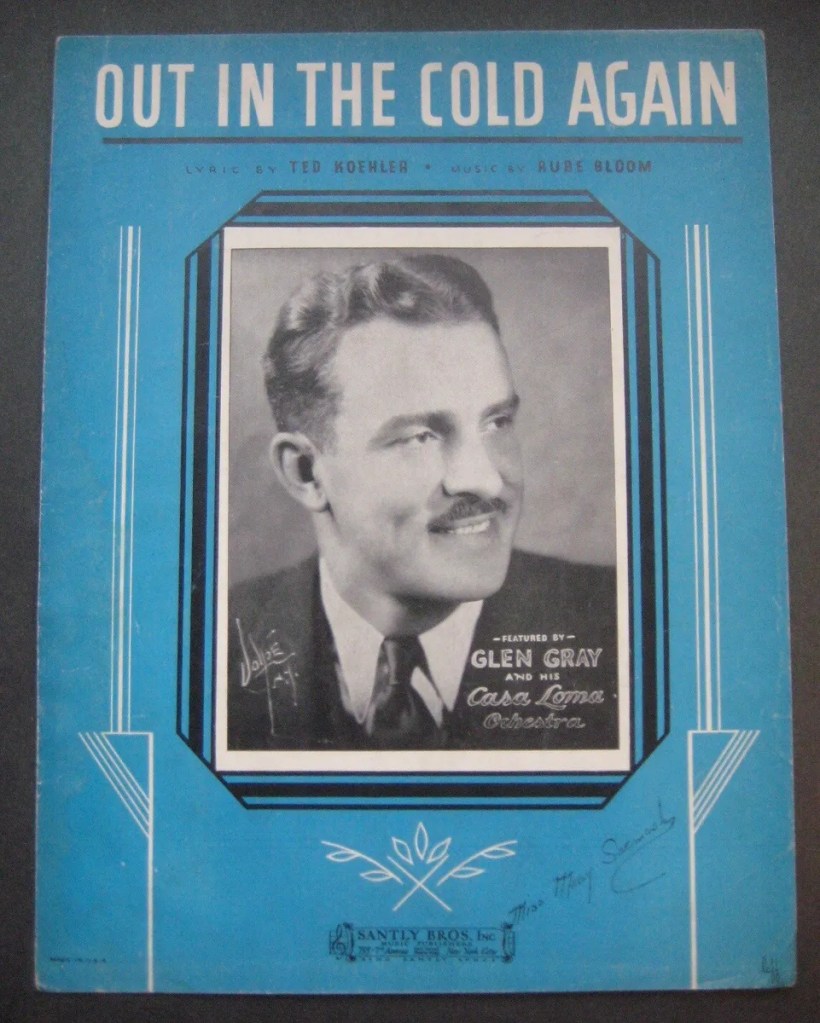
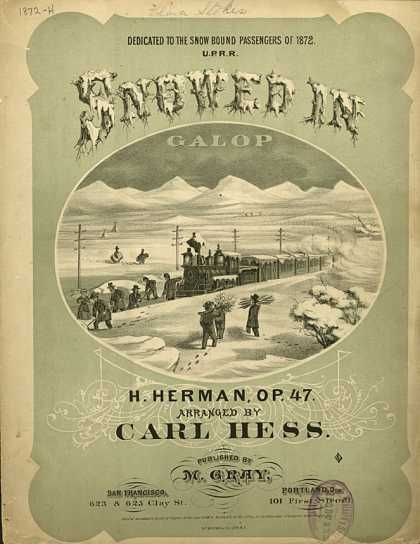
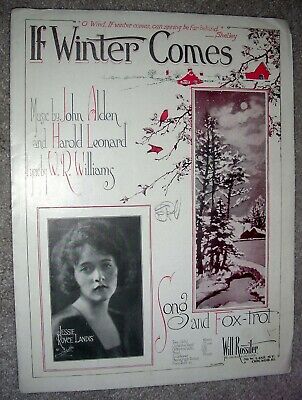
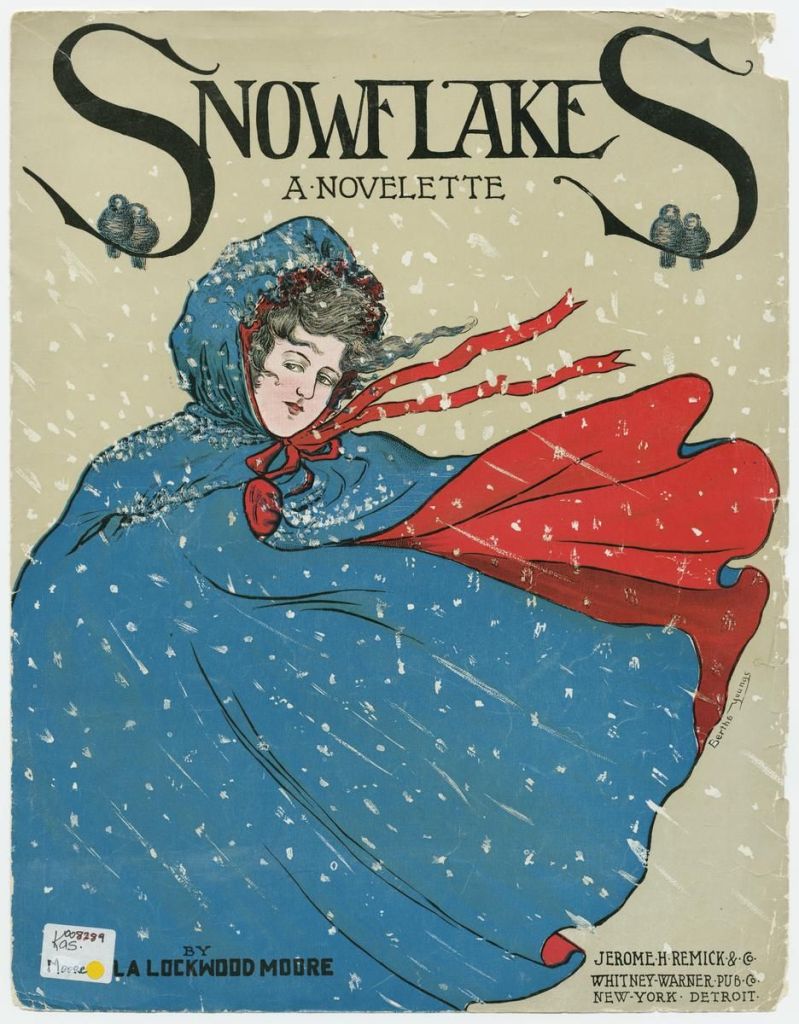
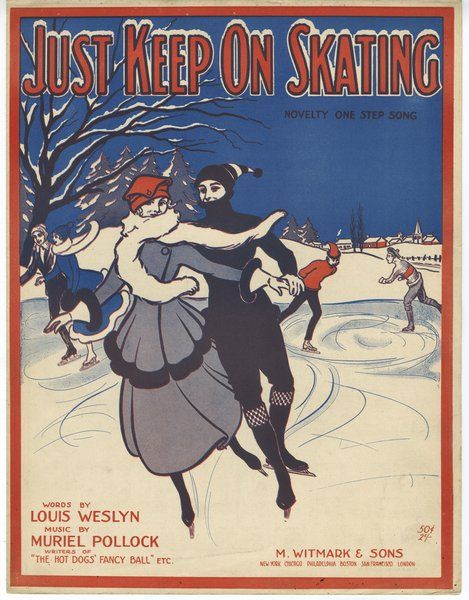
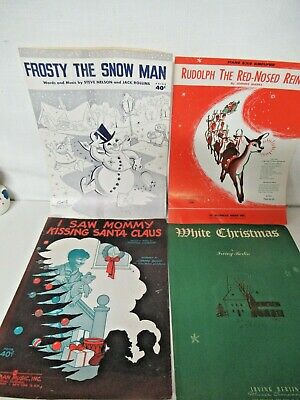
Looking back on other song sheets of long ago, it seems that winter and snow were common themes—particularly  touching on romance or recreation or both. 
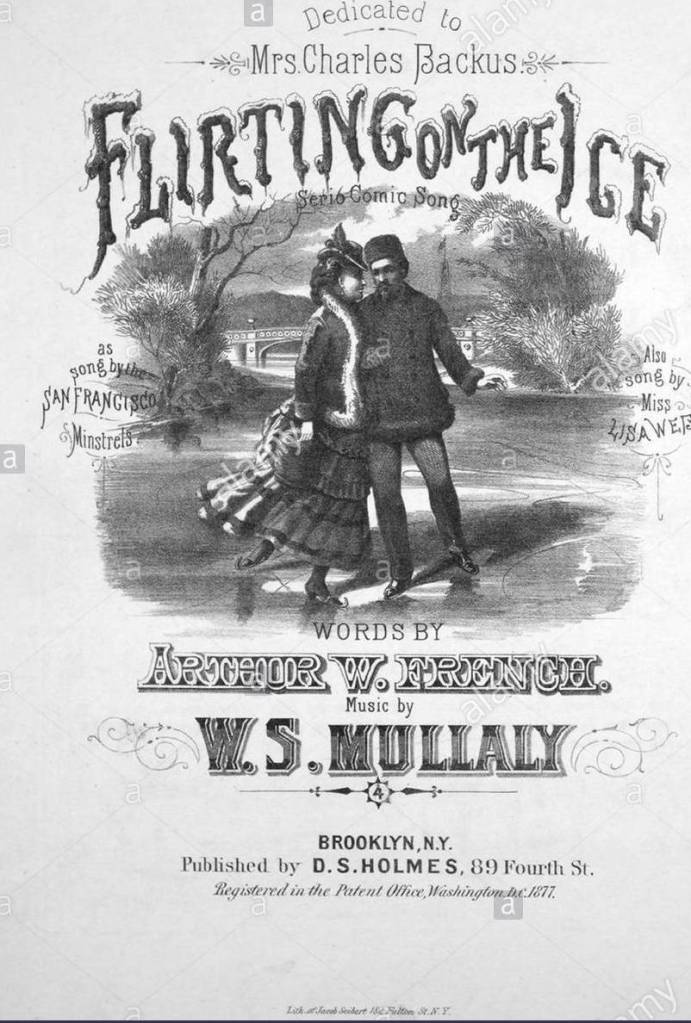
None, however, touch on the non-romantic, non-beautiful aspects of a heavy snowfall and its effect on simply going about one’s business.  That is, no songs about shovels, black ice, or just plain COLD! Well, maybe a few . . .

Click or tap on the triangle in the next image for listen to this chilly tune!

Bear with me now, gentle readers, as I pull from my memory one of the more obscure tunes that touches on today’s theme–“Twas a Cold Winter’s Evening” also known as “O’Leary’s Bar.” Click or tap on the next image or link to hear a collegiate acapella version of this college-days favorite.

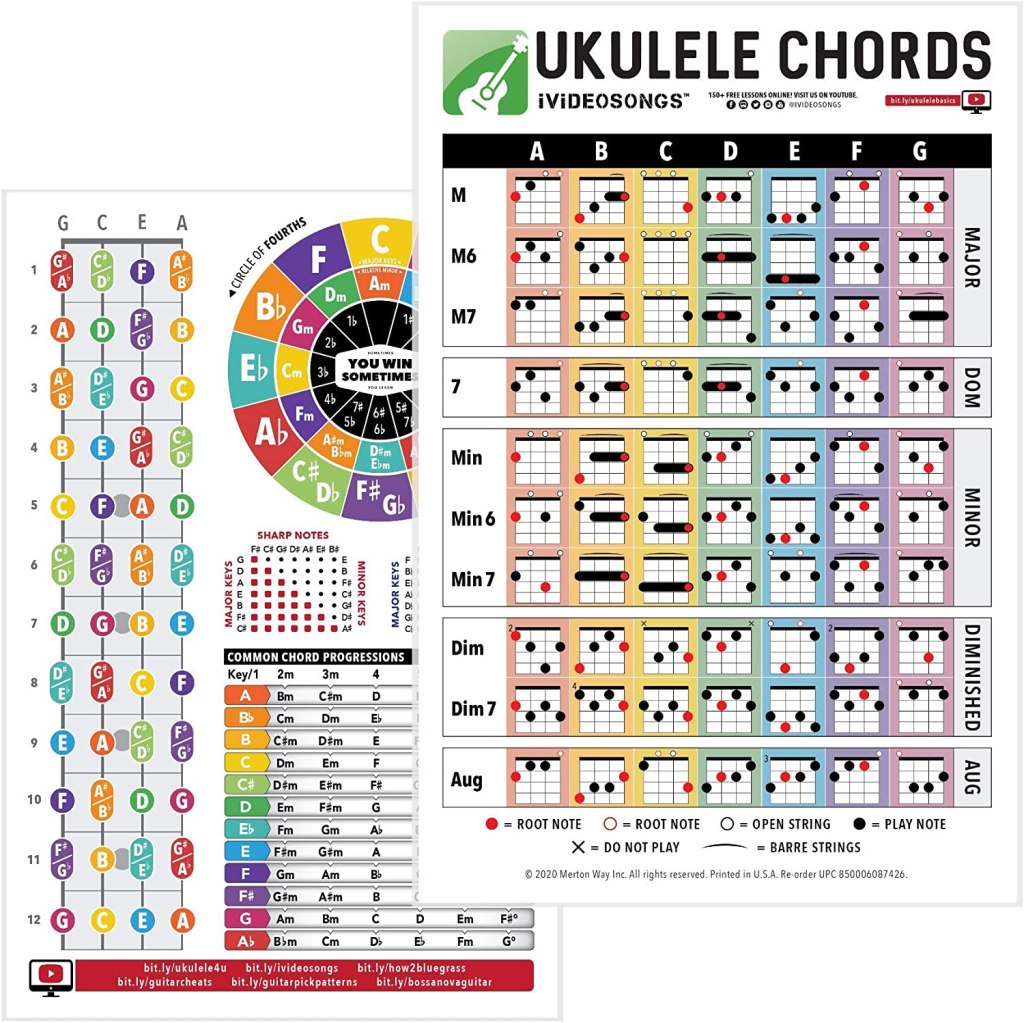
If you–and who wouldn’t!–like the chords to this one, here they are. So, grab a pint and a favorite singalong instrument and off you go!

[G7]Twas a [C]cold winters evening, the [F]guests were all leaving,
O'[C]Leary was [F]closing [G]bar. When he [C]turned and he said
To the [F]lady in red: “Get [C]out you can’t [F]stay where you [C]are.” [G7]
She-e-e -e. . . [C]shed a sad tear in her [F]bucket of beer,
As she [C]thought of the [F]cold night a-[C]head.
[G7] When a [C]gentleman handsome stepped [F]over the transom,
and [C]these are the [F]words that he [C]said:

[G7] “Her [C]mother [F]never told [C]her the [F]things a young girl should [C]know. [C]About the [F]ways of college [C]boys
and [D7]how they come and [G]go . . . (mostly [G7]go).
Now [C]age has [F]taken her [C]beauty, and [F]sin has left it’s sad [E7]scar.
So-o-o-o Re-[F]member your mothers and [C]sisters [F]boys,
And [D7]let her sleep [G]under the [C]bar. — ([G]Next [Am7]to [G]the [C7] gin).

But, moving on, there is some romance (or romantic intentions) to be found in the notion of “Cold.” Brrrrrr. Probably on the edge of PC these days of #METOO, but a good tune nonetheless.
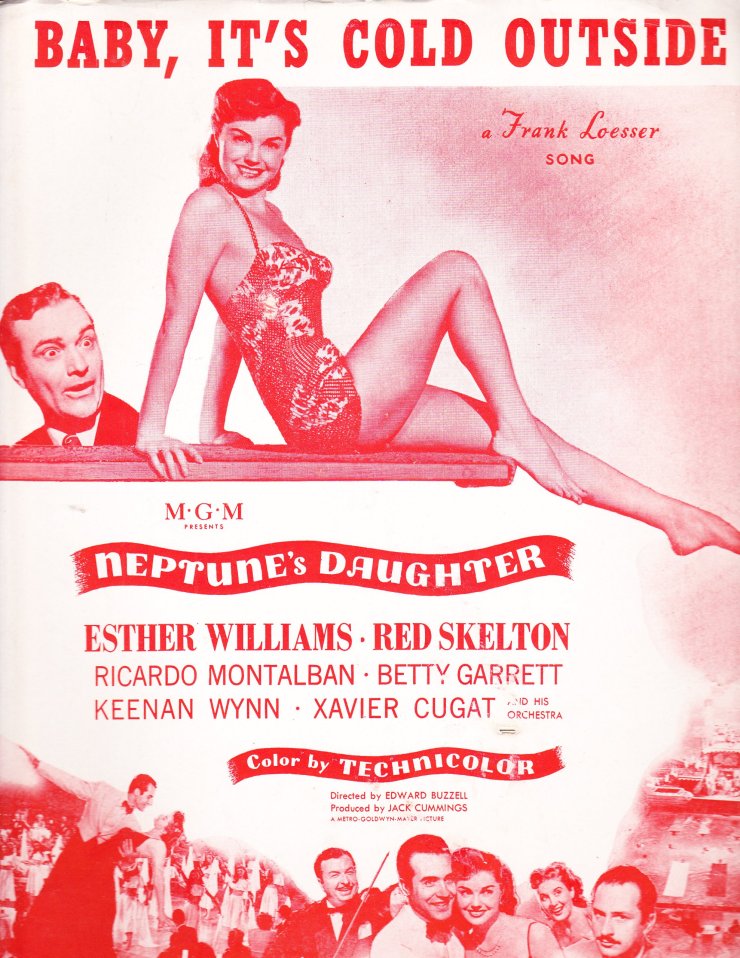
Here’s the song in its film version from 1949. Click or tap on the triangle in the next image or link for a listen to this beautifully performed counter-duet. Who knew that Ricardo Montalban could sing?That naughty boy!

Cold, snowy weather can bring about forced sequestration with which, sadly, we have been way too pandemically familiar.  But, let’s move on with a look at a few more of those early wintry music sheets.   

Alas, I couldn’t find a YouTube of this rather odd but snow-related song. Anyway, click or tap on the triangle in the next image or link for a great rendition of a 1970s song by the same name as sung and played by the late Doc Watson.

And, alas, there is the notion of “snow” as metaphor for life . . .

Moving on, we mustn’t forget those snowy winter sports and ways to play with or in the snow!
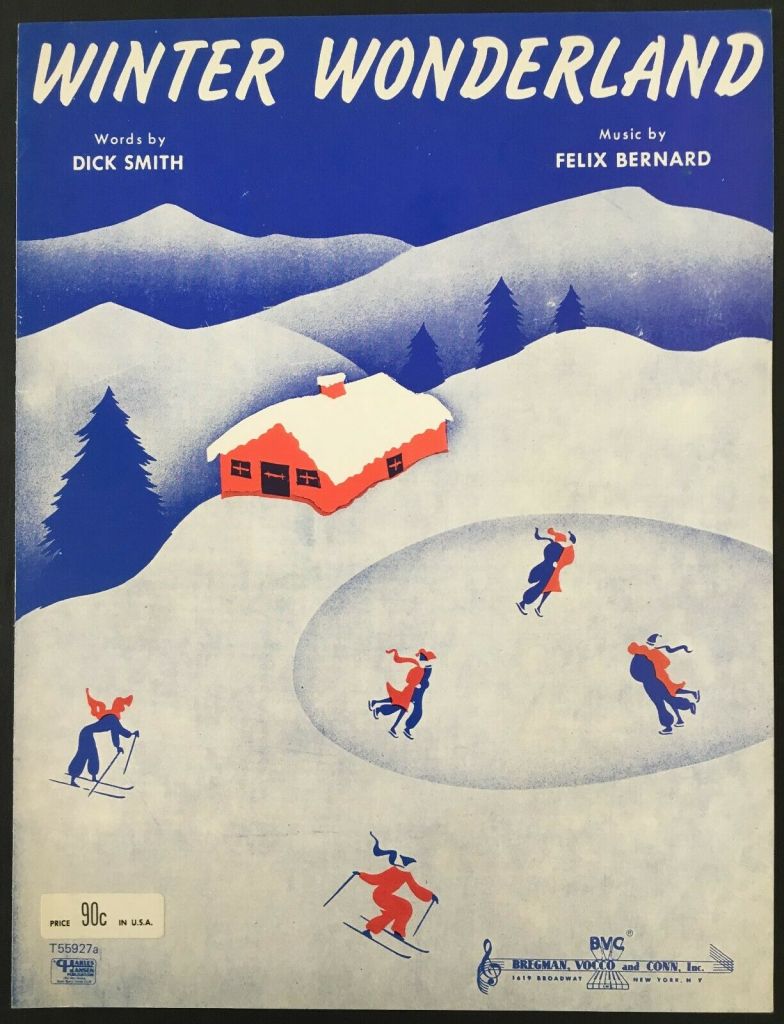
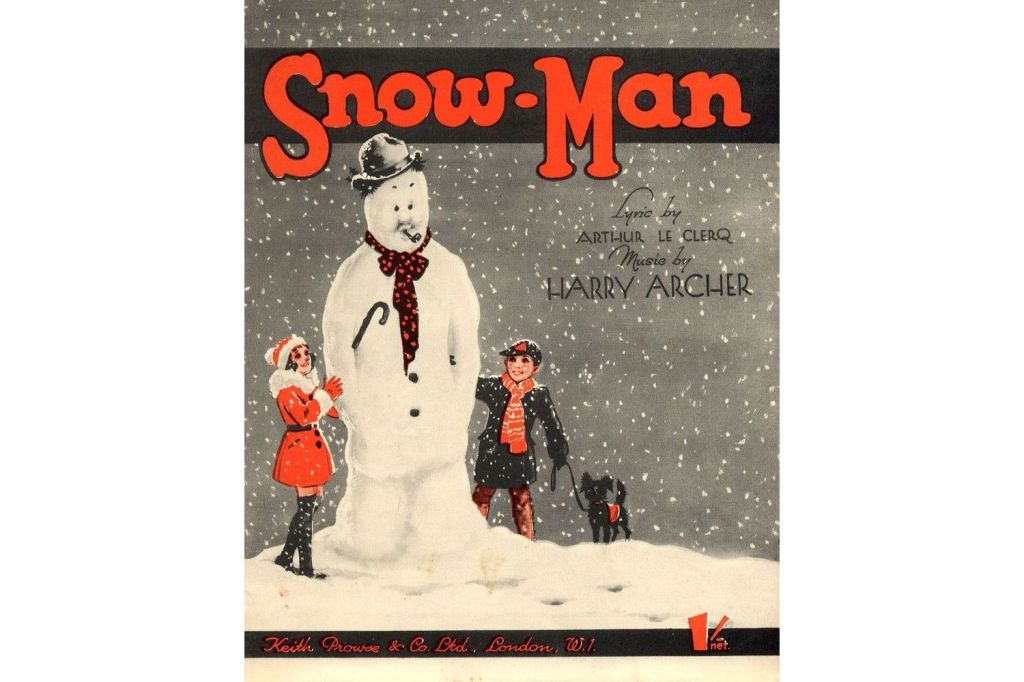
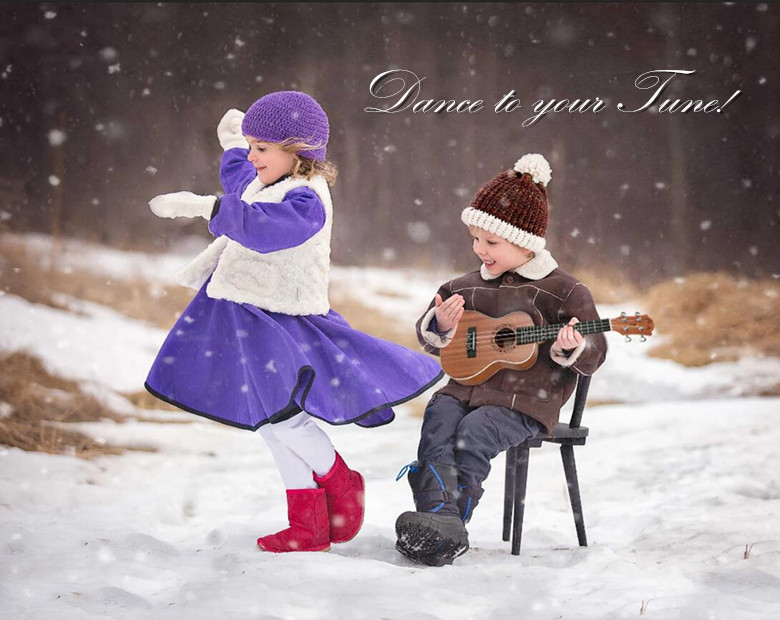
And, of course, an old favorite that could be a motto for we hardy New Englanders! 
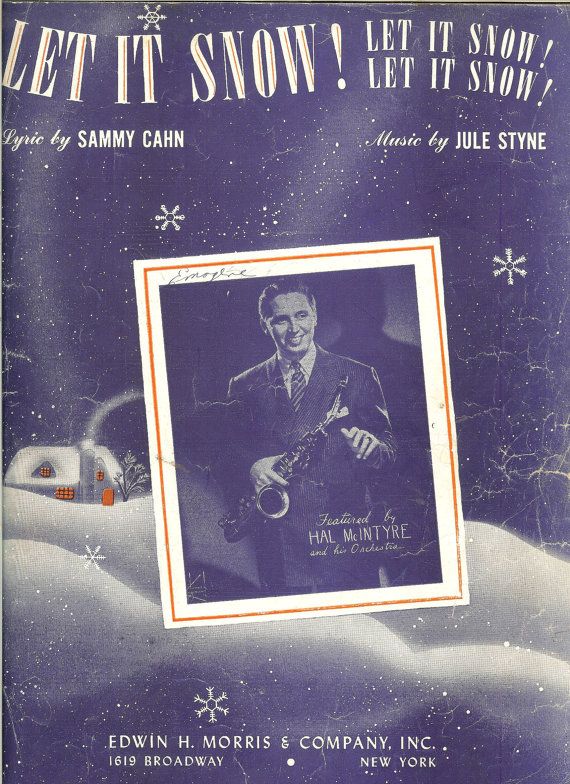
Let It Snow! Let It Snow! Let It Snow!” was written by lyricist Sammy Cahn and composer Jule Styne in 1945. Not really coping with the reality of winter, it was written in sunny, snowless Hollywood back in 1945 during a heat wave. Ah, musical imagination!

Here is one of the earlier recordings of this wintry roasted chestnut. Click or tap on the triangle in the next image for a listen to Rosemary Clooney on this one.

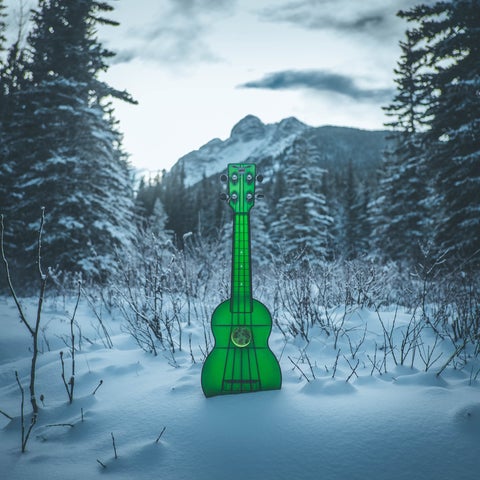
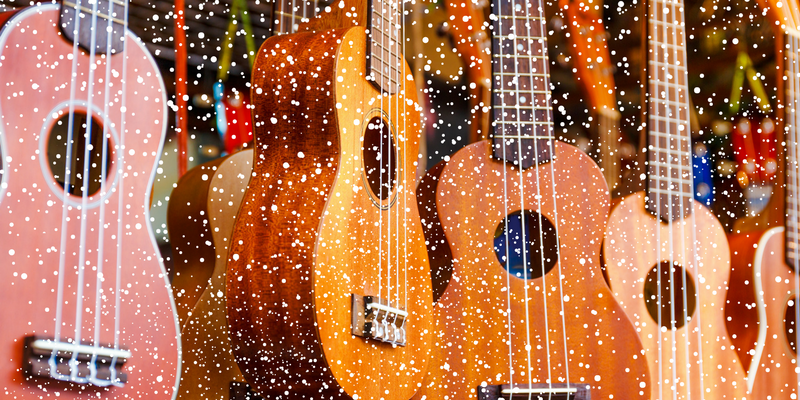
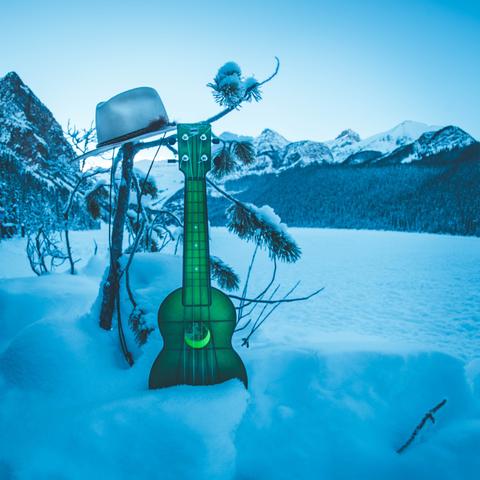
Now, what about wintry, snowy ukuleles–plenty out there to peek at through our snowglasses!

And, of course, our favorite wintry ukulele made right here in our Happy Valley.
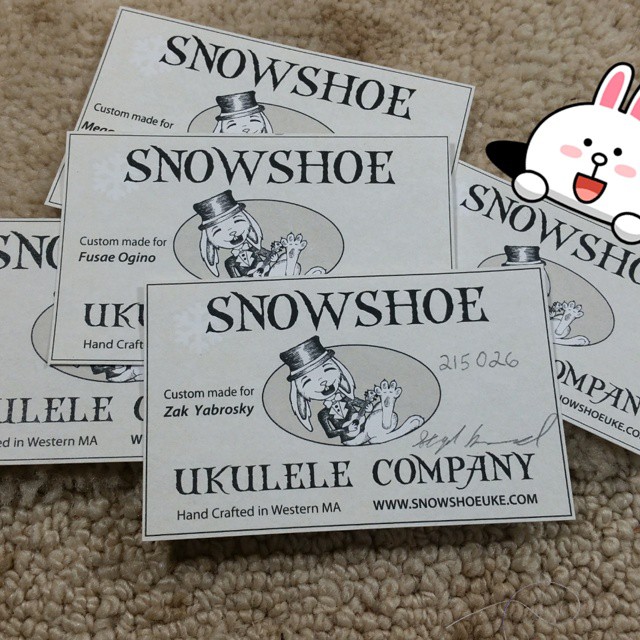
And, delightedly, here is my “Snowshoe” uke. Note the mother-of-pearl snowflake on the pegboard.

So stay safe, stay away from ice (except in your martini shaker!) . .

. . . and, even if snowbound, STAY TUNED!

And think SPRING!
MUSICAL MUSINGS, 29 December 2023: A Noisy, Nostalgic Tune for A Not-So-Snowy New England Winter: “JINGLE BELLS!”

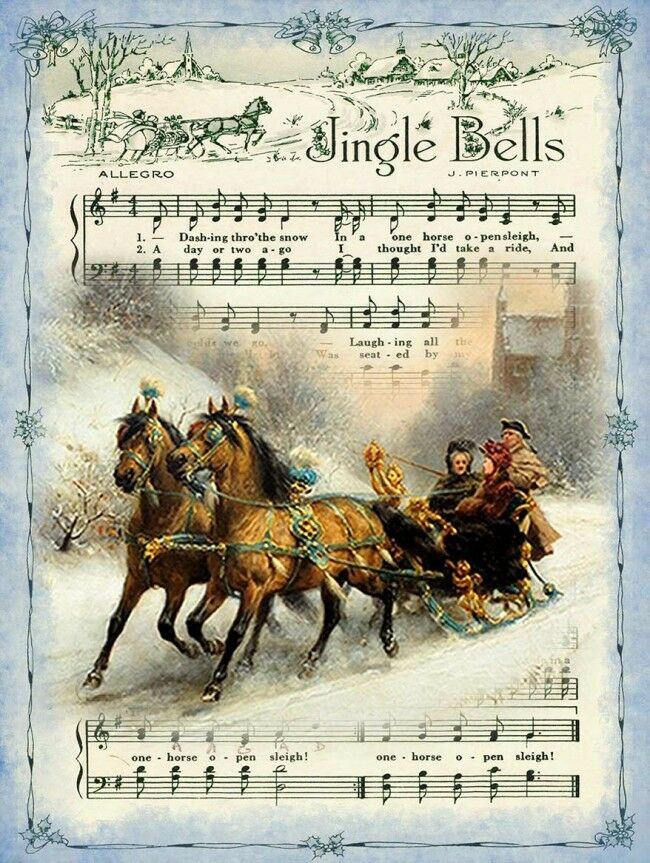
Not needing to navigate through a lot of snow so far in this quasi-winter of few flakes and fewer sleigh rides, I find myself still motivated to end this rather complicated year with just one more of my seasonal musical musings.  So, gentle readers, bear with me as I retreat from my favored songs of relative obscurity to one of the best-known and most commonly sung American songs in the world—“Jingle Bells.” 

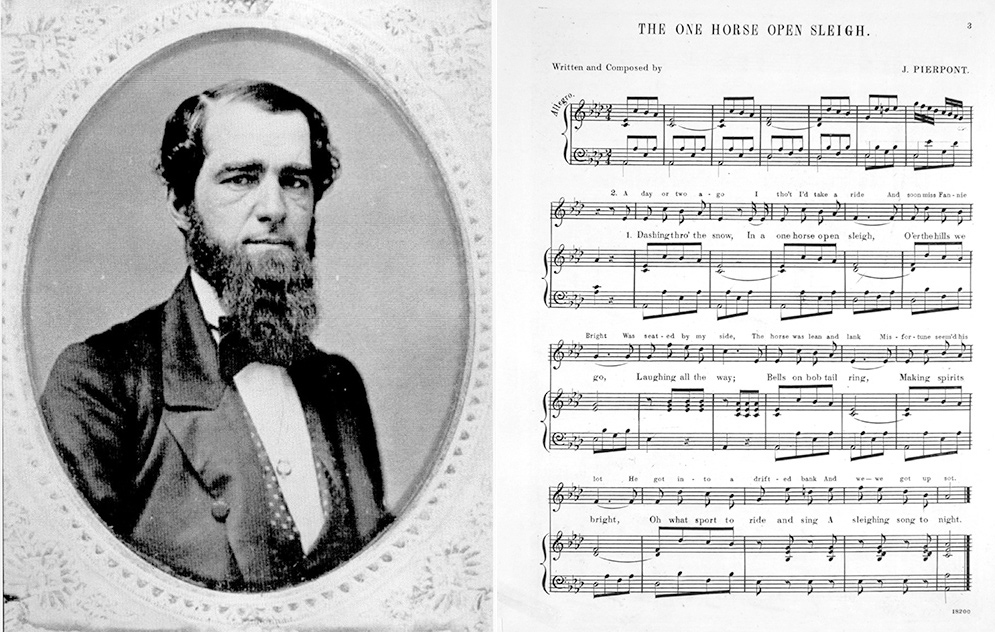
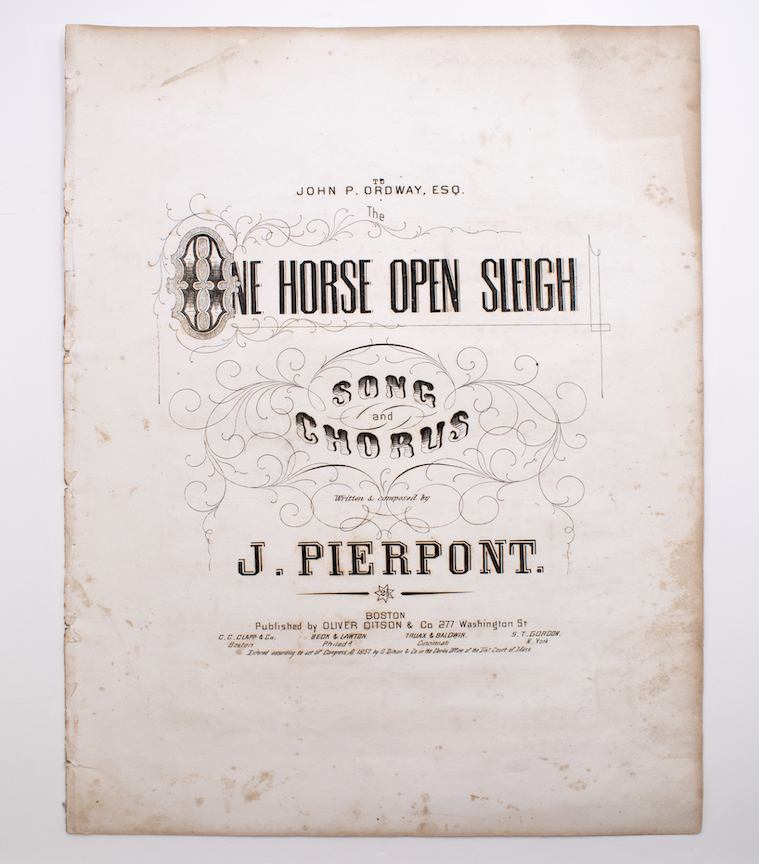
Our song was written by one James Lord Pierpont—an impecunious son of a fiery abolitionist preacher from Medford, Massachusetts. Written a couple of years earlier, it was officially published in 1857 with the title “One Horse Open Sleigh.” This was after Pierpont had moved from relatively snowy Massachusetts to seek his fortune in relatively snowless Georgia.  

Alas, Pierpont has been tarred by some historians as a drifter and ne’er-do-well husband, gold rush con man, anti-abolitionist, Confederate soldier, and otherwise nasty guy. But, he does have Massachusetts connections and he did write our song. After a hundred years or so, that’s probably all that really matters!

Musical historians have noted that the song was probably cobbled together from a variety of sources and that it was originally intended to be sung by Pierpont’s father’s Sunday School choir for Thanksgiving.  Or, as a more likely story, it was written as a slightly ribald drinking song and sung by drunkards who would clink their glasses like bells when the word was mentioned.It all depends on which historian or folklorist is telling the story.  So what else is new in history?But, Medford has the plaque! 

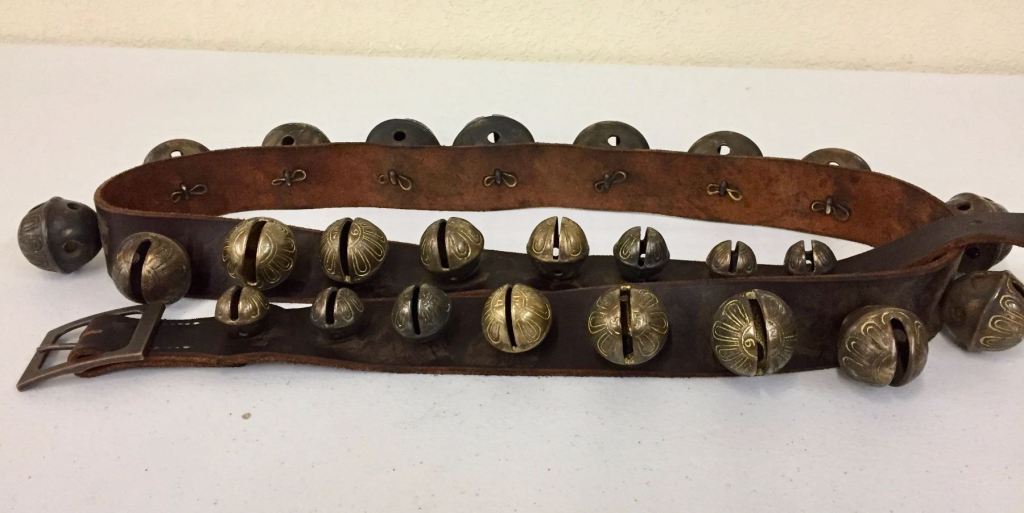
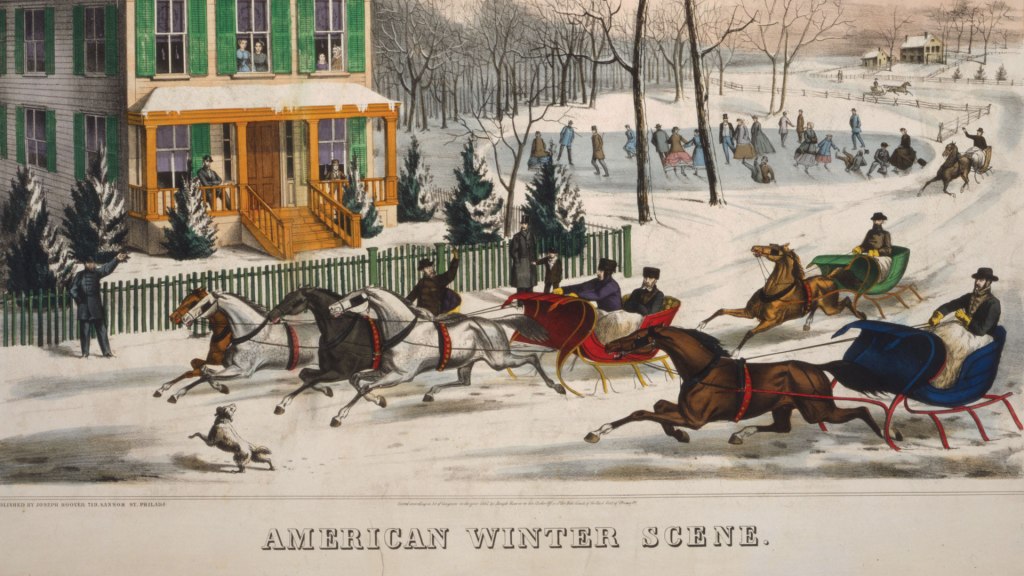
Like many traditional Christmas songs, “Jingle Bells” has a strange and fascinating history. Even the first arrangement, which was less upbeat, is  different than the one we hear today.Anyway, the song is said to have been inspired by popular 19th century sleigh races in Medford where, in those days, long strands of small brass or iron bells were strapped to horses as a public safety measure. 

A horse pulling a sleigh was almost noiseless and the jingle-jangle sound of the bells gave fair warning to those who might be in the way—a quaint safety measure of the day. 

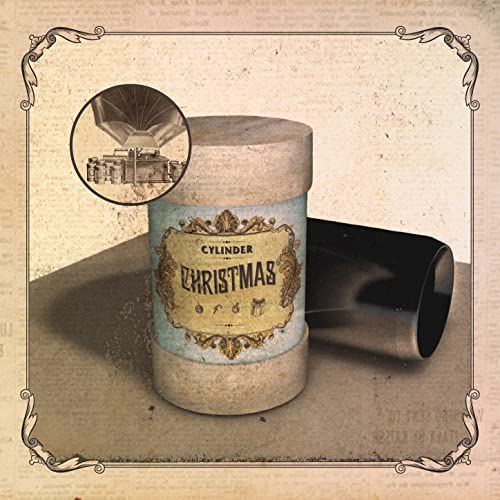
By the late 1800s, the song “Jingle Bells” had become an integral part of the Christmas musical genre. It was first recorded in 1889 on an Edison cylinder as part of a Christmas medley titled “Sleigh Ride Party,” considered to be Americas first “Christmas album!”  Needless to say, it was a trend setter of sorts, both dubious and not.

Now here’s where musical history takes a bit of a jog as well as a jingle.  In 1857, well after the Sunday School performance, the ever cash-strapped Pierpont, then living in Georgia, copyrighted “One Horse Open Sleigh” and sent it to print.Hence the counterclaim to the song’s origin by the folks in Savannah.Nya, nya, nya.  

So, for a retreat from modern times, click or tap on the triangle in the next image or link to listen to a modern (not a scratchy 19th century cylinder) rendition of Pierpont’s original lyrics and melody of “The One-Horse Open Sleigh.” Don’t forget to tap a spoon on your glass at the appropriate moments!

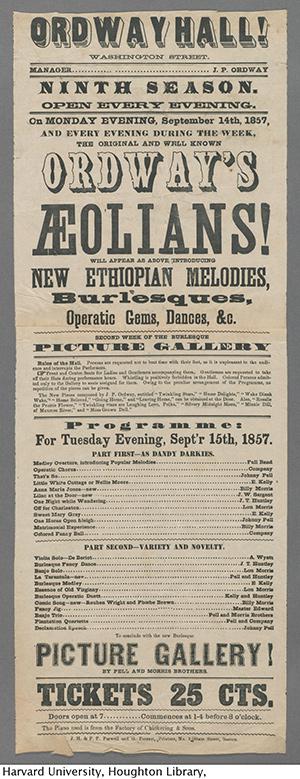
However, well before copyrighting and publication, it was Pierpont’s intention to generate some much-needed cash royalties from stage performances, particularly in cities with more lively musical reputations than sleepy Medford. Accordingly, he showed the tune to a few performer pals and it was quickly taken up and first performed on the stage in nearby Boston by a popular white blackface-minstrel performer, one Johnny Pell. 

It soon became a popular, money-making standard for Pierpont on the minstrel circuit and he wrote and published several more polkas and songs that became standards on the minstrel circuit of the day–and relatively forgotten today. A Southern sympathizer, he also wrote several patriotic songs while serving as a Confederate soldier from Georgia–needless to say quite sleigh- and snow-less!

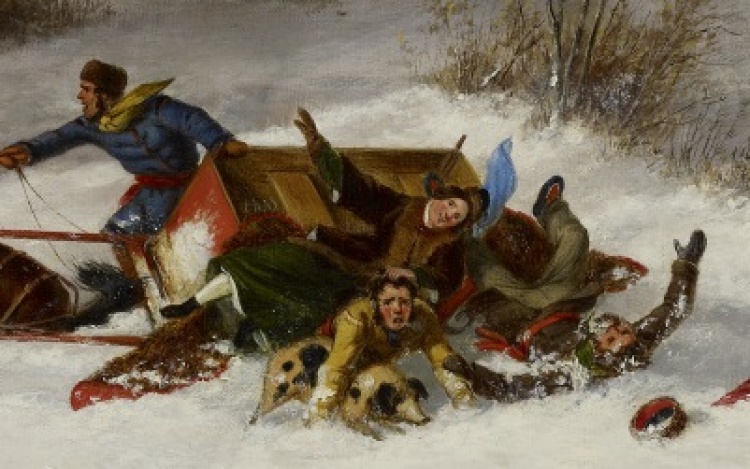
As a so-called story song, “Jingle Bells” tells of a dashing young man-about-town who took his sweetheart sleighing and, in what must have been a moment of inattention to horse and road (wink-wink!), upset them both into the snow—a somewhat disguised but rather suggestive narrative at the time.

The theme was thought humorous as it was well understood that an evening sleigh ride just might give an unescorted couple a rare opportunity to be together—unchaperoned (oh my!) in distant woods or fields and far from prying eyes.  Is our tune tainted because of its brush with blackface minstrelsy, or 19th century lovers’ shenanigans?  I can’t think so—certainly not by today’s pop music standards!

Moving on . . . Over the past hundred and seventy-plus years, “Jingle Bells” has been performed by everyone from that original Sunday School group to the Mormon Tabernacle Choir.  It’s also been recorded by every big and not so big name in the music business from country to classical.  But, it’s just too good and sing-able a song not to live on, even if it jingle-jangles on a bit too often in too many shopping venues at this time of year.

Next, even though we ukulele strummers are known to say that “more than four strings is just showing off,” I am compelled to include one of my favorite multi-multi-string versions of “Jingle Bells.”  Click or tap on the triangle in the next image or link to hear the late Earl Scruggs and friends attack our song in bluegrass style!

And, where would we be without a ukulele version?  Click or tap on the next image or link to hear The Ukulele Orchestra of Great Britain have a rather bizarre go at this one!

So, keep your non-plastic ukuleles out of the snow (if and when)  .  .  . 

and STAY TUNED as we sleigh away from a less than perfect 2023 and dance into a more than perfect (please, no “upsots!”) 2024!

MUSICAL MUSING, 22 December 2023: A Melancholy “White Christmas,” From a Snowless New England

Here we are just a few days from Christmas with pictures of flooding rather than flakes filling our local papers. Alas,”Nor’ Easters” seem to be more the Winter norm here in the North East this year.Weatherwise, we’ll see.Tap or click on the triangle in the next image for a “country” weather prediction.

Anyway, I am of an age and circumstances that memories of seasonal snowfalls of the past recall more worries about the punctuality and skill of our “plow guy” than the transformative beauty—and holiday spirit—of the winter landscape. Thank goodness for living in our well cared for little retirement community–when and if it snows!     

Alas, not this year but, gentle readers, I digress  .  .  . So, back to the theme of my musing!  

During the early and middle years of the last century, music of the holiday season was in the form of traditional Christmas carols or what could best be called secular “jolly Santa or St. Nick” tunes. 

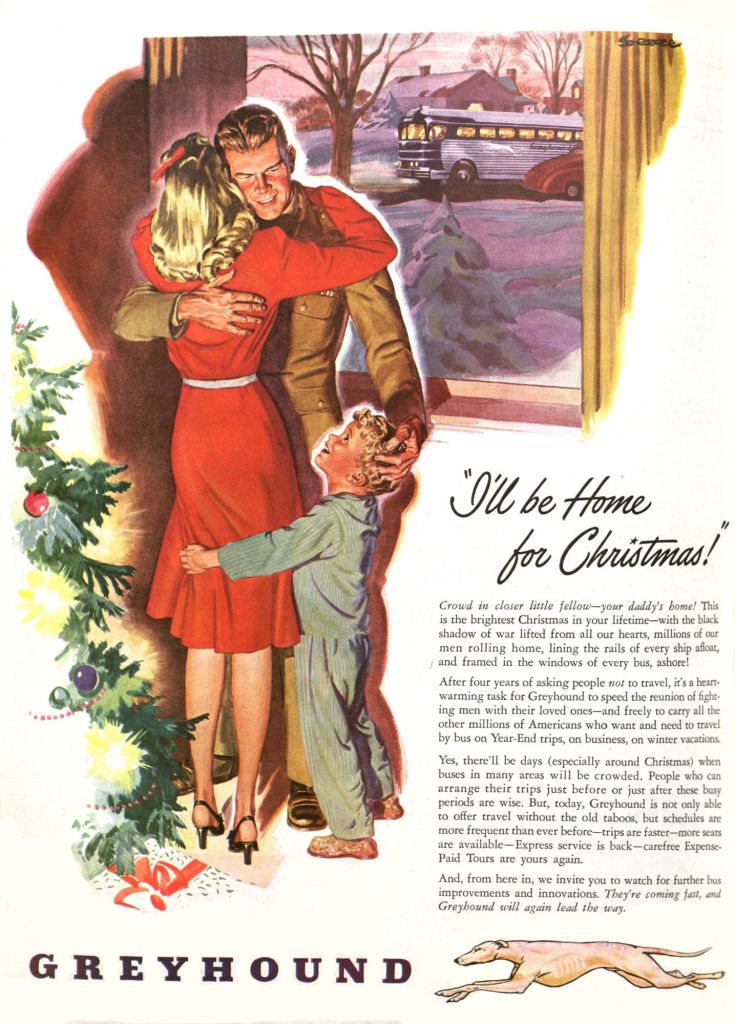
But, during the early days of World War II–with so many families with members in the military–a sense of longing for being “home for the holidays” took hold. 

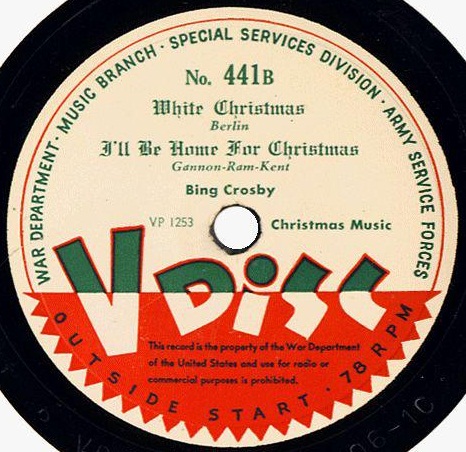
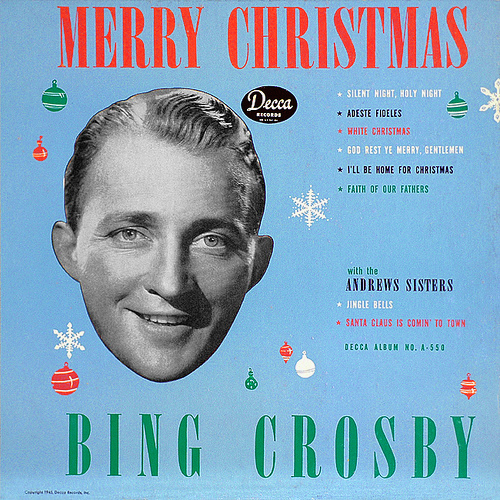
As would be expected, one of the most popular songs of those days was, “I’ll Be Home for Christmas.”   But that was only the B-side of the recording that became the granddaddy of all holiday songs—“White Christmas.”

White Christmas” is an Irving Berlin song with lyrics reminiscing about the memories of an old-fashioned, traditional Christmas setting. 

The first recording was by Bing Crosby and released early in the war years—1942.  According to the Guinness Book of World Records, it was, and still is, the world’s best-selling song with estimated sales of over 50 million records worldwide!   Tap or click on the triangle in the next image or link to hear Crosby’s original, unvarnished version of the song.

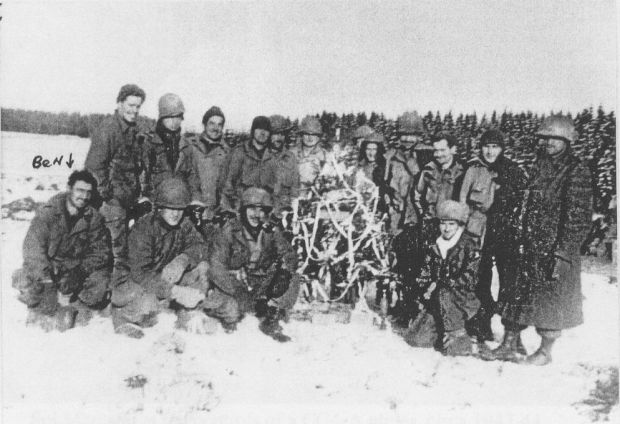
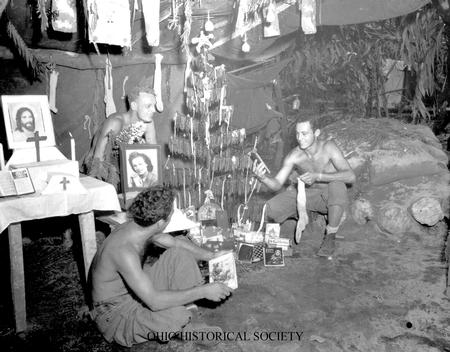
It was only when Armed Forces Radio began to play the song that American troops, in their first winter overseas, found its images of Christmas on the home front so appealing.   

White Christmas” spoke to the longing, nostalgia, and homesickness of the troops for home and for the sweethearts and wives and mothers and fathers they’d left behind.

 It was the enthusiasm and dreams of these GIs who were actually deployed at sea or on snowless islands that propelled the song and made it a hit.

Accounts vary as to when and where Berlin wrote the song.   In fact, a lot of folks at the time believed that he was back in the Army  .  .  .

.  .  .  and himself deployed on some tropical battlefront longing to be back home in the relative comfort and safety of New York’s Tin Pan Alley. 

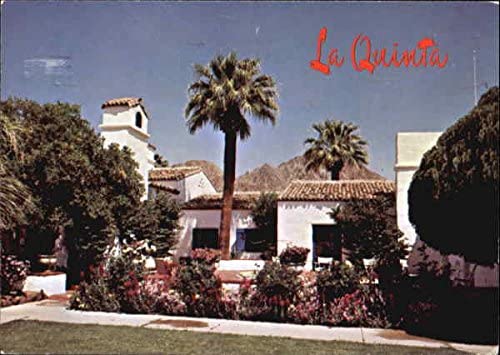
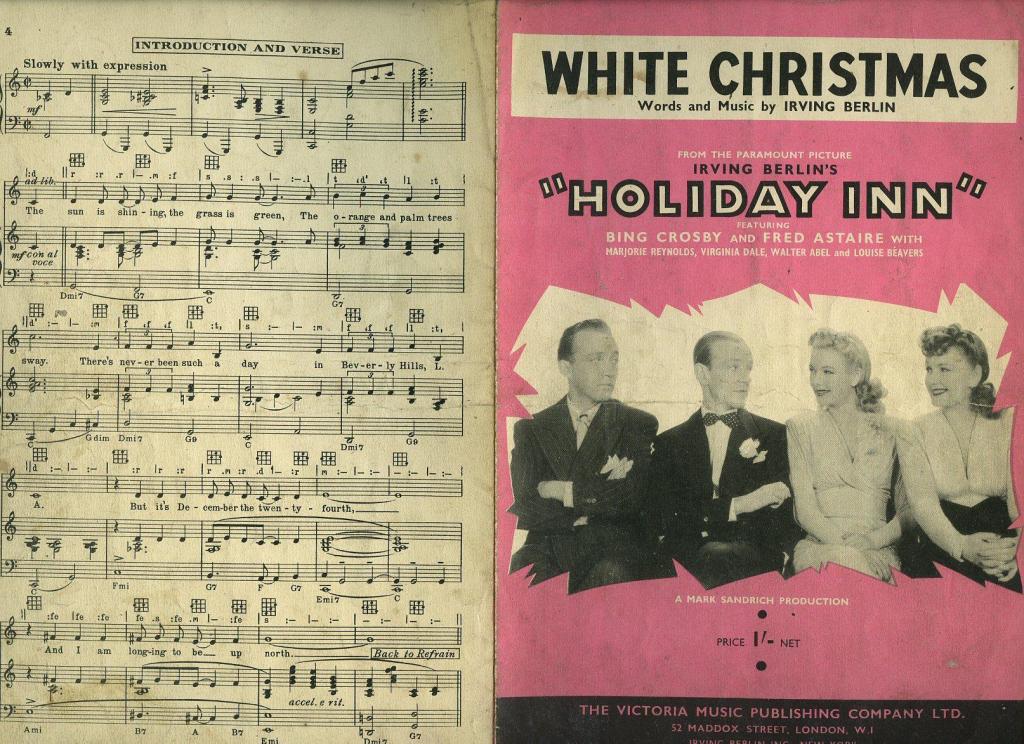
In fact, most song historians tell us that he wrote it (actually polished up an old tune from his vast file) in 1940, in warm La Quinta, California, while staying in one of those posh, palm treed hotels fancied by the Hollywood elite. The seldom sung intro to the song reflects this.

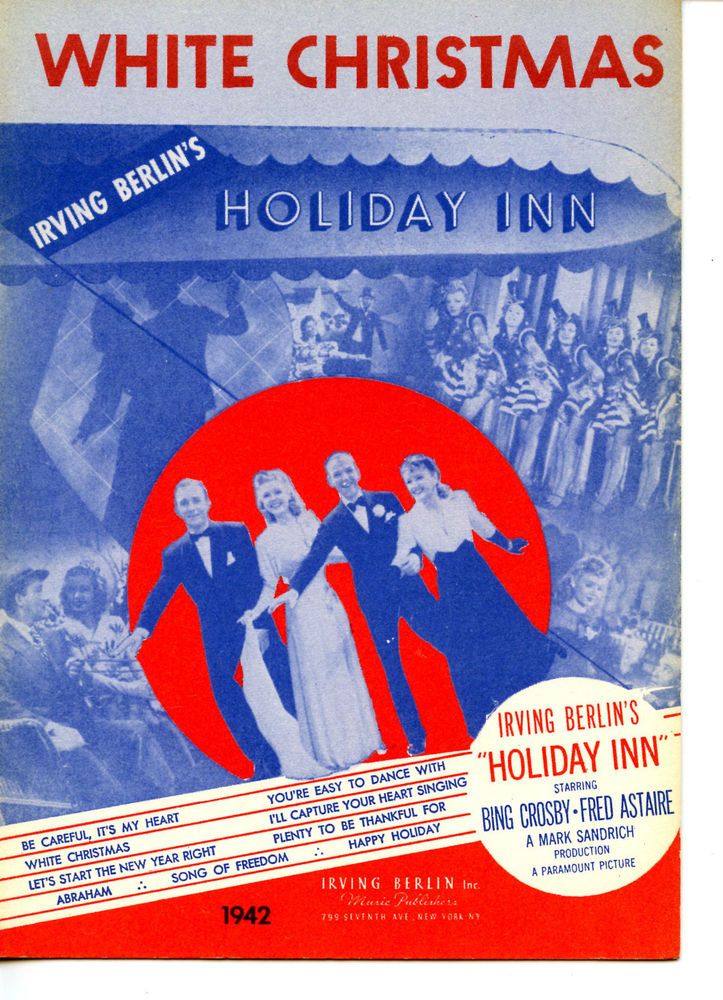
At least it shows up in the sheet music.

And, here is at least one YouTube that picks up on the verse, and on a tenor banjo no less! Click or tap on the next image for a look and listen.

The story goes that, after staying up all night composing, Berlin sensed that he had a good thing going and told his secretary, “I want you to take down a song I wrote over the weekend. Not only is it the best song I ever wrote, it’s the best song anybody ever wrote!” Who can argue with that?   

It has often been noted that the mix of Christmas melancholy—”just like the ones I used to know”—with comforting images of home—”where the treetops glisten”—resonated especially strongly with listeners during World War II. 

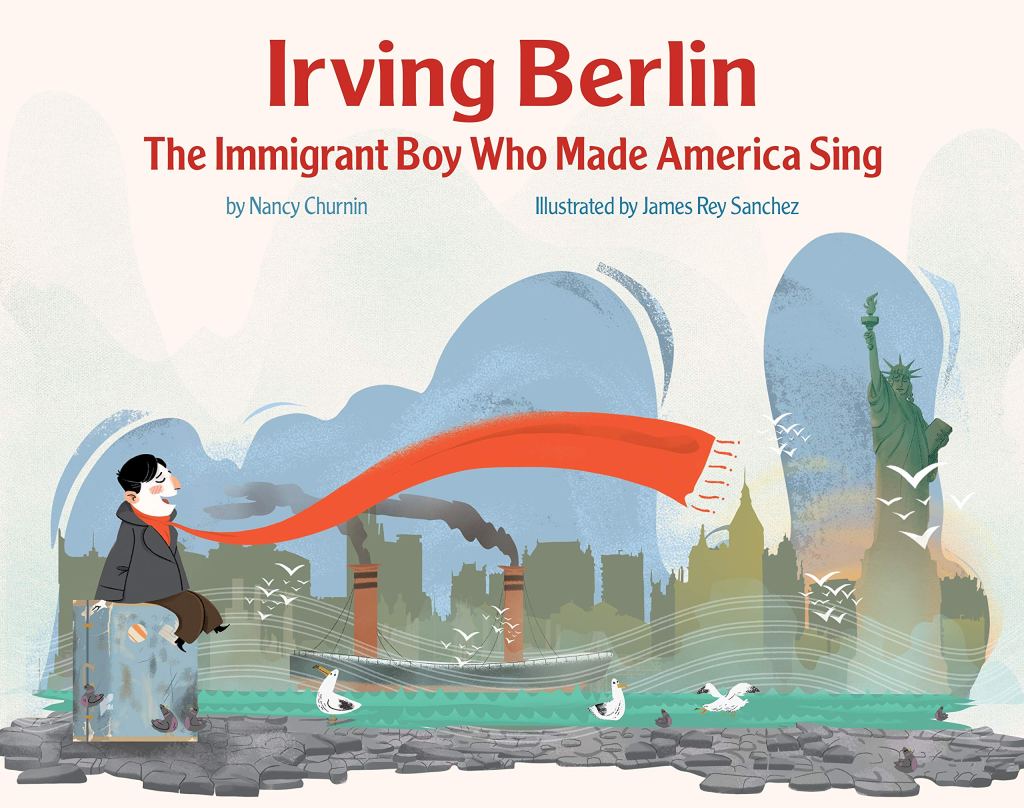
The song established that there could be commercially successful secular Christmas songs—in this case, written by a Jewish-American songwriter who, not so incidentally, was the composer of “Easter Parade” and “God Bless America.”  

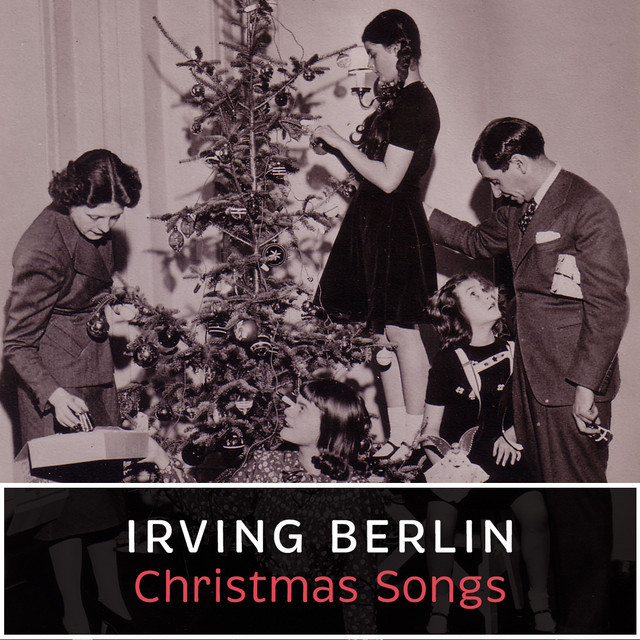
It turns out, the song has a sad back story too.  Berlin’s three-week-old son had died on Christmas day in 1928, so every year on December 25, he and his wife visited their baby’s grave.   However, Berlin thought of Christmas as more of an American holiday than a religious celebration and is known for having a family Christmas tree and gift giving in his home. And, we have the gift of his song.       

In 1942, our song was featured in the film called “Holiday Inn” and cemented its popularity here in the US.

The movie brought together Crosby and Fred Astaire along with Marjorie Reynolds and Virginia Dale.  The song “White Christmas” won the Academy Award for best original song that year. Click or tap on the triangle in the next image or link to see the film version of our song, alas, without the opening verse. 

Our song was was reprised in the 1954 film, also starring Crosby, unsurprisingly titled “White Christmas.”

Now, if you don’t have an earworm already, click or tap on the triangle in the next image or link to see the costumed and choreographed (a bit over the top?) 1950s version.

Although Crosby dismissed his role in the song’s success, bantering later that “a jackdaw with a cleft palate could have sung it successfully,” he was associated with it for the rest of his career.  Just go to any shopping mall this season and I’m sure you’ll hear his crooning once or twice or, probably, more!

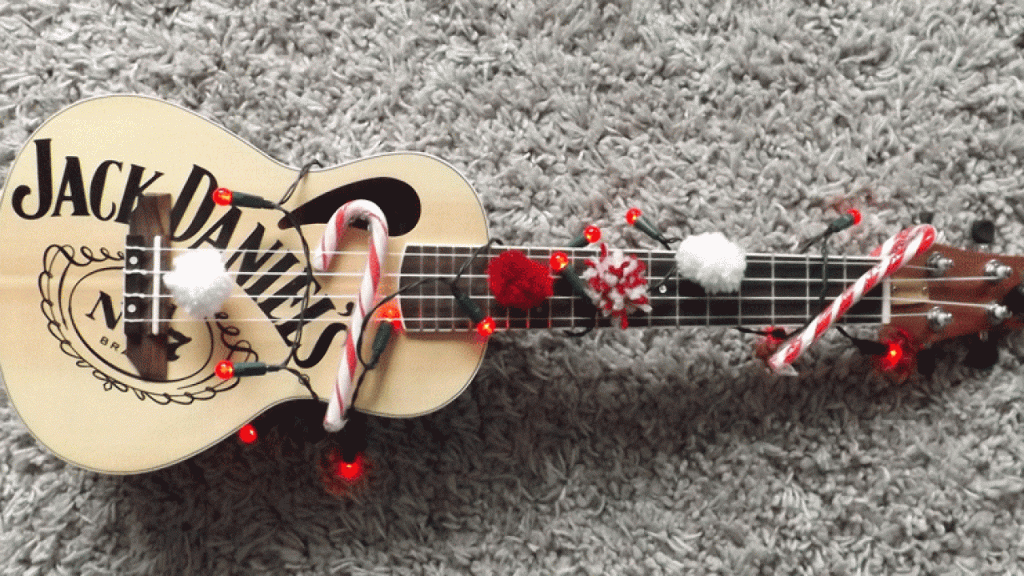
Needless to say, there are dozens and Dozens and DOZENS of takes on our song on YouTube. Also, there are a few ukuleles that reflect the mood of a white Christmas even though we would need to dig out our fingerless gloves, and have a sip or two of “Black Jack,” to get into the strum of things!

So, as we move through the Winter Solstice, be on the lookout for the inevitable white stuff, remember the old days with your plow guy, stay warm, stay safe, and stay away from any nasty family discussions about the coming year!Oh, yes. Forget red versus blue for a bit and think white, white snow.

Now, we can’t let this posting simply end without some other covers of our song, in decidedly different styles! Click or tap on the triangles in the next couple of images for our Christmassy earworm to “dance in our heads” for the rest of the holiday season. 

So, Happy Christmas, Kwanza, Hanukkah, Whatever to all! And to all a Good Night!And, of course, STAY TUNED!

MUSICAL MUSING: 11 November 2023: A Musical Salute to Veterans–Toot, Toot, Tah!

I’ve been doing these “Musical Musings” for a bit over a year now. Since many are based on recurring holidays or other events, it’s not improbable that a few past but still timely muses of mine might live to see another day. Here’s one of my favorites from a year ago–a “veteran,” you might say!

Here we go again!

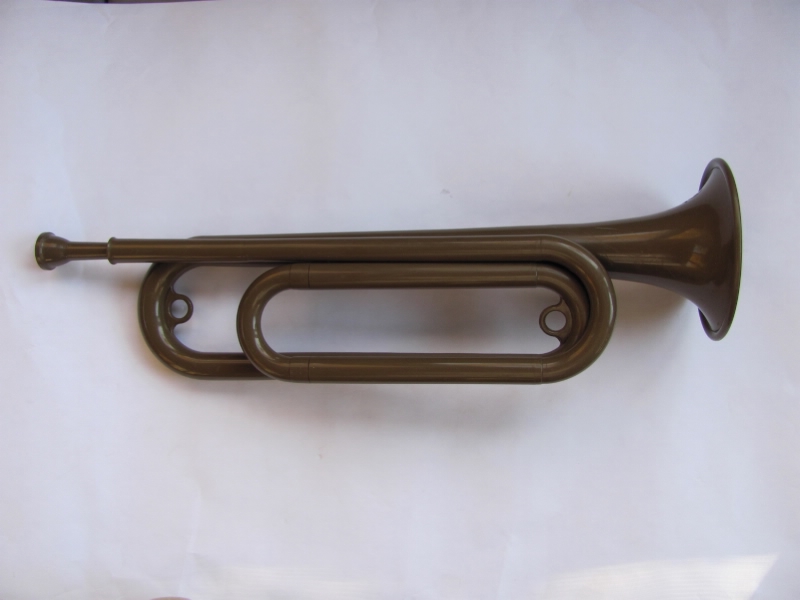
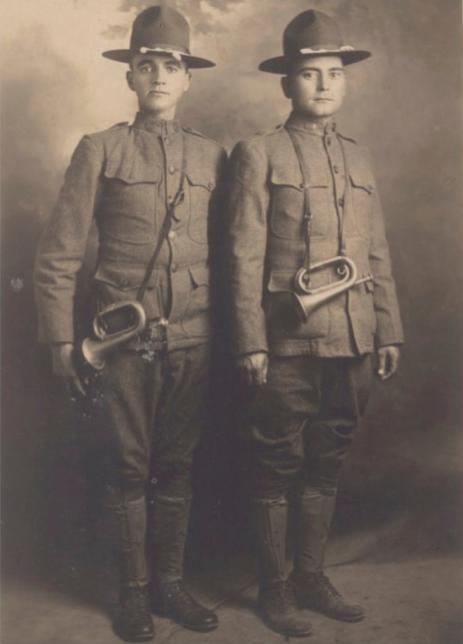
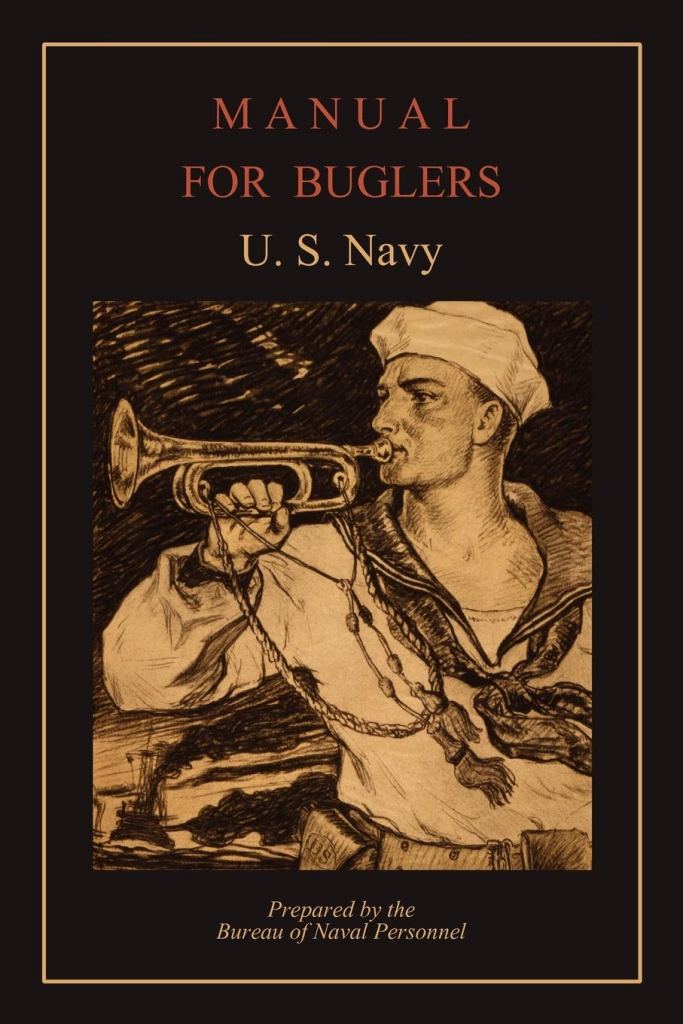
When I was in high school, way back in the middle of the last century, I bought two musical instruments at a local secondhand store.  For a total of seventy-five cents I got a ukulele and—of all things—a bugle, both made of “genuine” plastic.  The uke was a cheap “Carnival” brand but the bugle was sturdy Army surplus. Sadly, both are long gone from my various collections. 

I strummed at the uke, learned the three or four chords that are all that are really necessary, had some fun, and set it aside until college.  In those early days, however, I was in the high school band (trombone) and knew enough about tooting a horn to be able to play the bugle.  Sorta  .  .  .

We all know that with a ukulele and its four strings and dozen or so frets, one can play over fifty distinct notes and innumerable chords.  The bugle, on the other hand, is one of the simplest of musical instruments. 

It has no valves and pitch changes are achieved by “embrouchure,” that is to say, lip control. Consequently, the bugle is limited to only five notes, middle-C, G, C, E, and G—the basis for the entire repertoire of standard bugle calls!

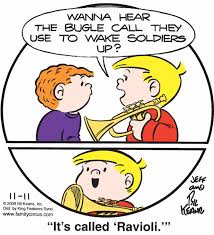
While the musical range of the bugle is limited, the music surrounding the bugle and those who play it—buglers—can be quite a rhythmically and melodically complex. Take the famous”wake up call” . . .

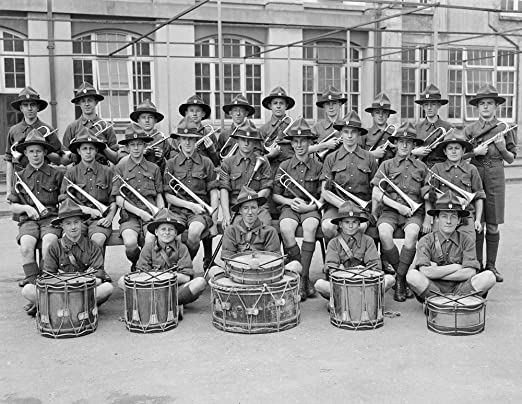
The bugle, along with an array of drums, has long been a favorite marching group genre. 

Alas, not so with the ukulele, even a nice loud banjolele!

And that, gentle readers, is what we are going to explore in this week’s musing.

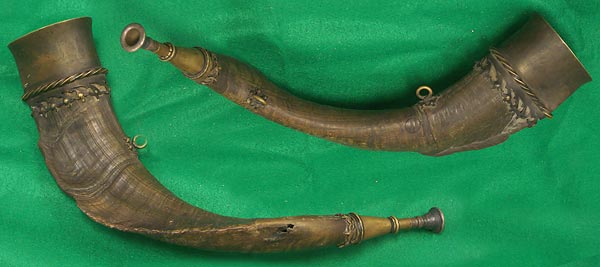
Ancestors of the modern bugle were made of animal horns and have been used for communication and signaling since ancient times. 

And, remember what the biblical Joshua did to the walls of Jericho with those animal horns!

Here is Mahalia Jackson’s interpretation of this well-known spiritual. Click or tap on triangle in the next image for a look and listen!

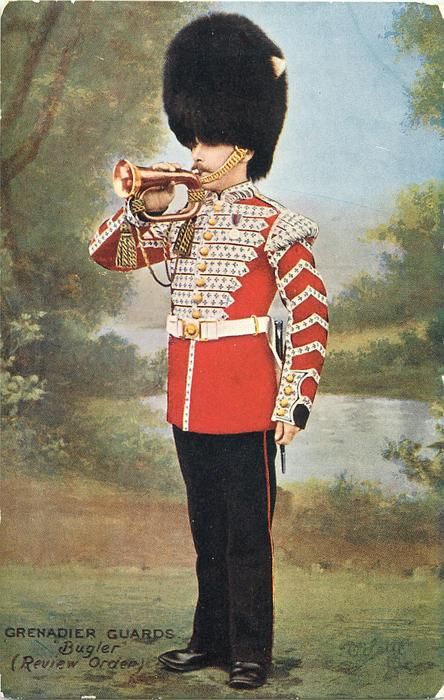
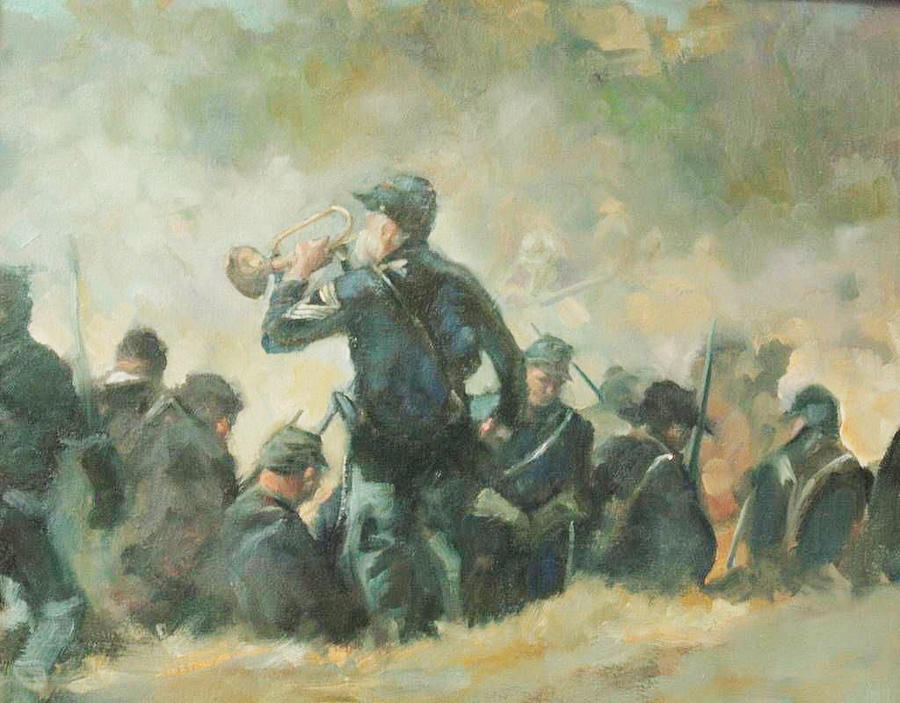
Needless to say, a more modern brass bugle has been used by military forces since the 17th century and most countries developed a series of standard bugle “calls” that could direct and regulate military life and actions. 

After World War I . . .

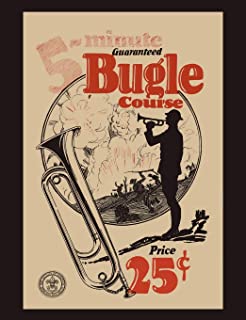
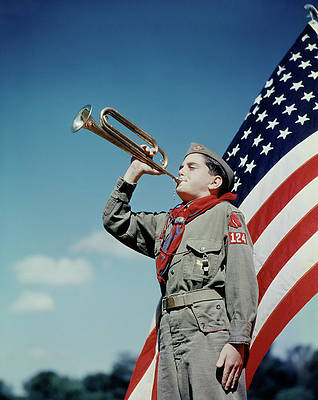
. . . the bugle also became a standard part of the camp routine of the Boy Scouts of America.  In fact, I even earned a merit badge for it!  “Toot, toot, tah!” 

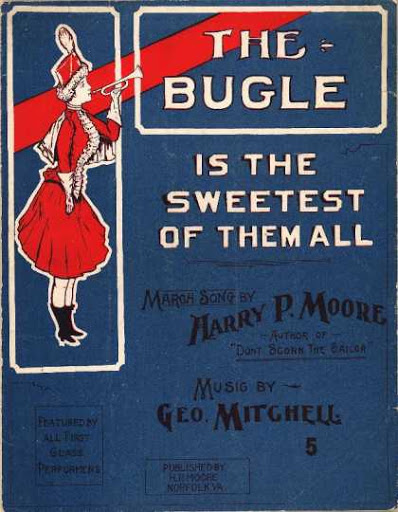
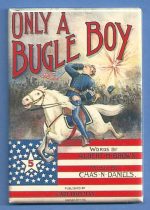
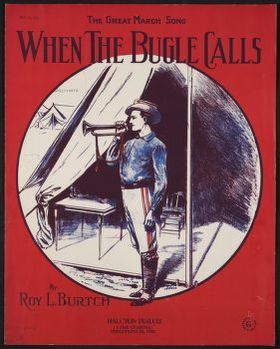
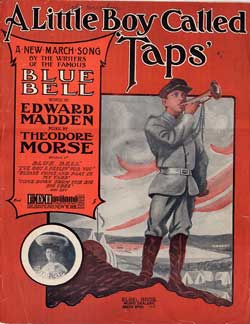
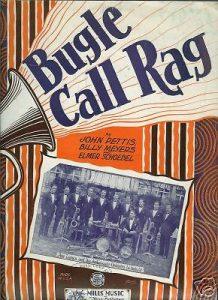
American and British music publishers touched on bugle themes in the 19th century and early 1900s.

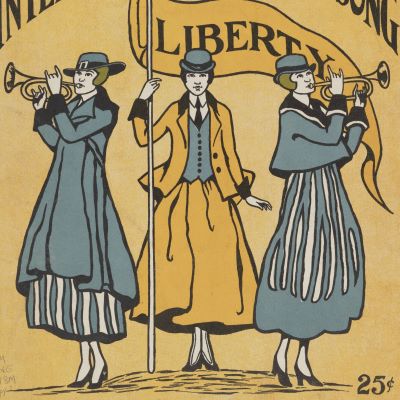
Even the suffragettes joined in!

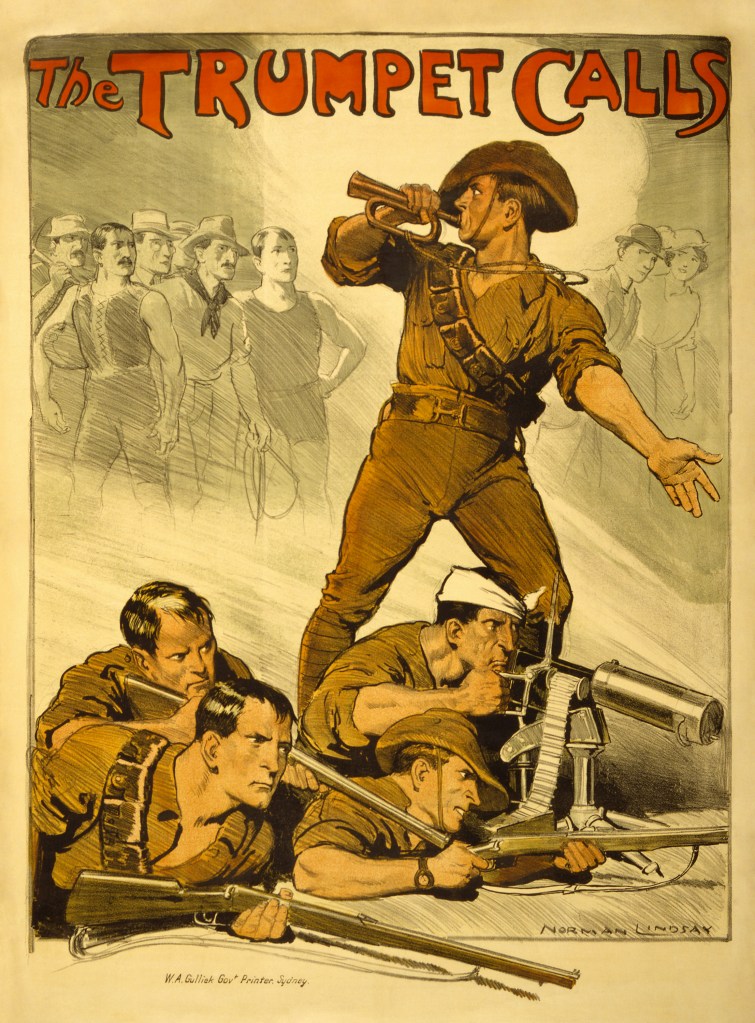
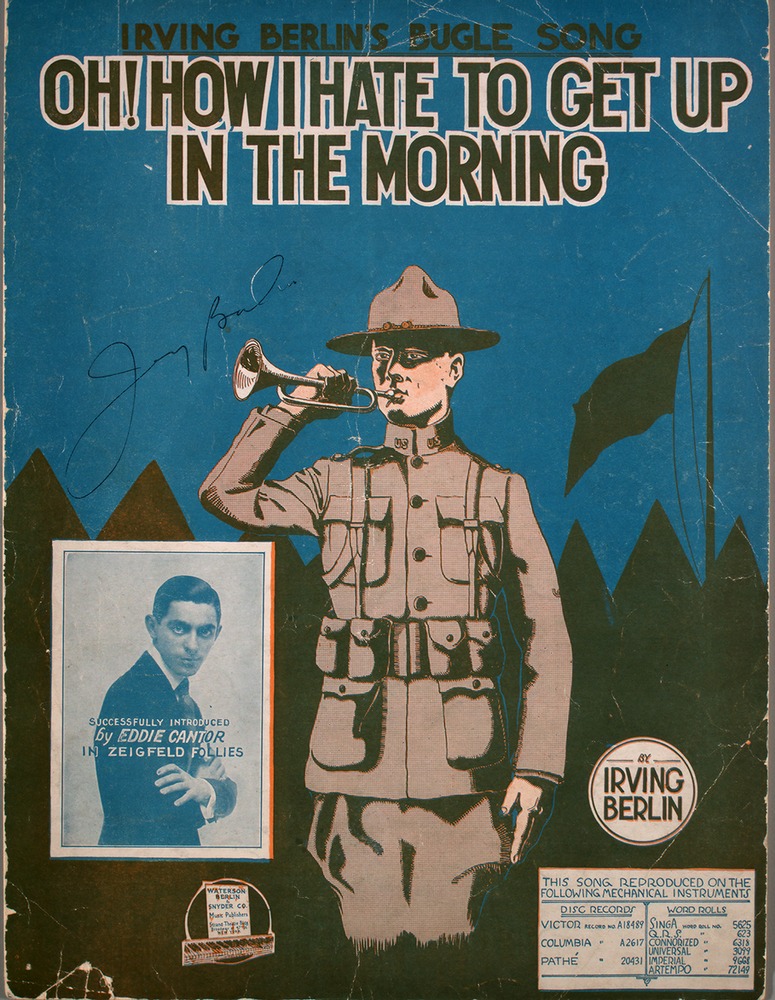
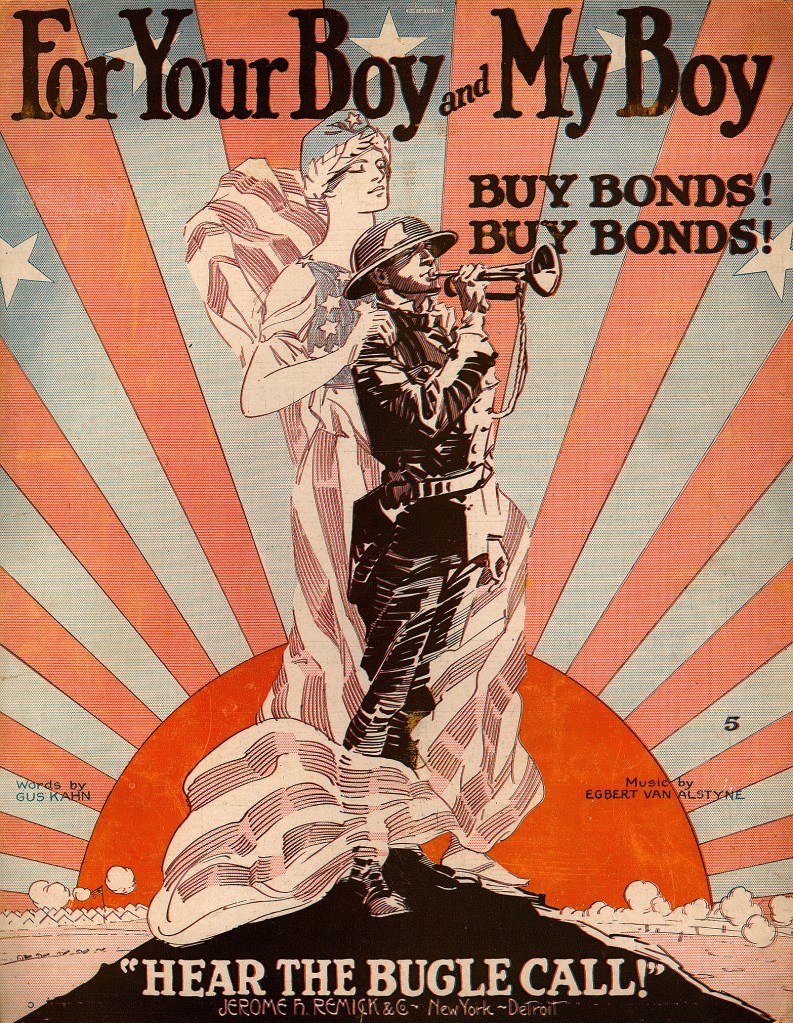
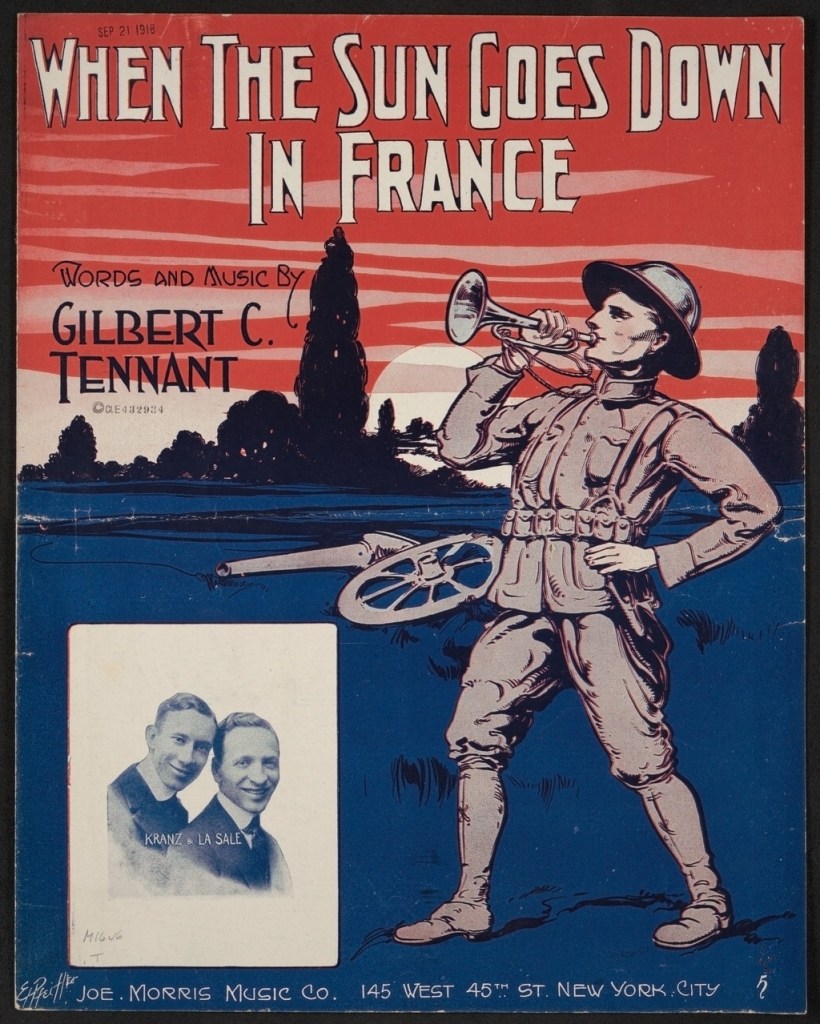
But, particularly during World War I, the bugle became a rallying trope! 

This one was written by Irving Berlin as part of a World War I era musical review for troops returning from France. Tap or click on the triangle in the next image or link to rise up with this one.

One of the more musically intriguing versions of this song is by the Mills Brothers. All of the “instruments”–including the bugle and other horns being “played” are actually vocal sound effects. What fun! Tap or click on the triangle in the next image or link for this really different sound.

Or, how about a five-string banjo version? Click or tap on the triangle in the next image to hear the next generation of picking fingers at work!

The popularity–and utility–of the bugle lasted through the World War II era . . .

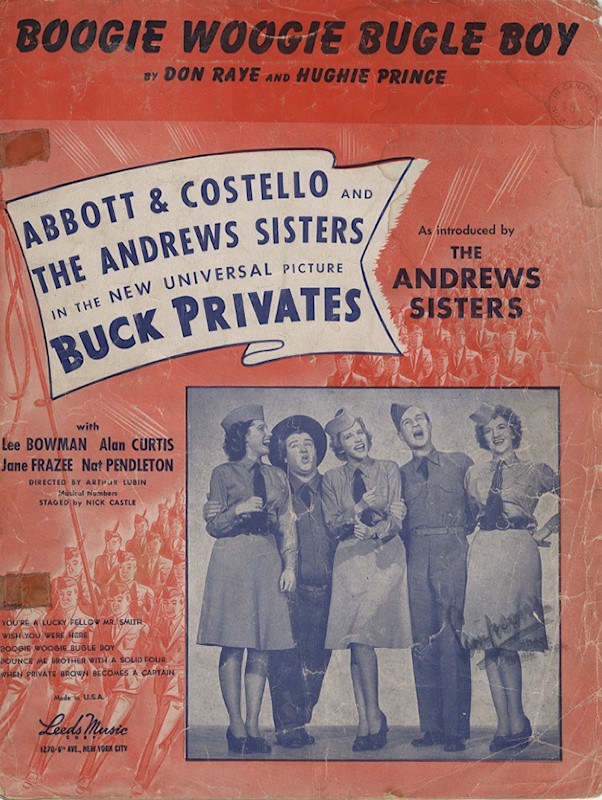
with, probably, the most well-known “bugle song” ever! 

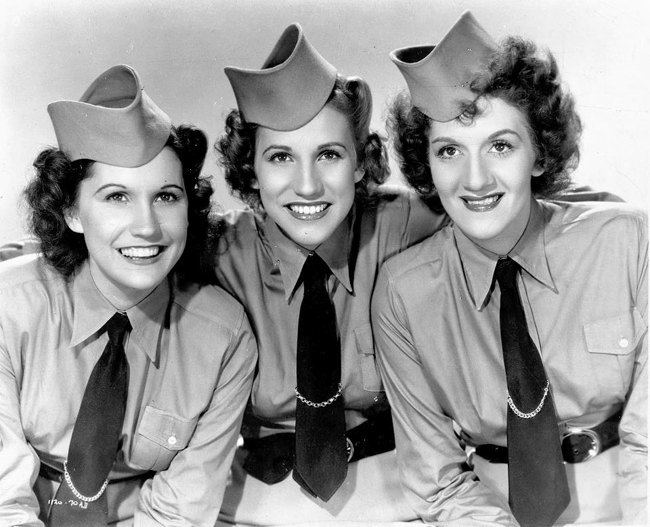
Here we have the Andrews sisters with this one. Tap or click on the triangle in the next image or link to hear their lively version!

There were other songs, a tad more sophisticated of course.

Here’s an orchestral version of this classic along with some really nice graphics! Click or tap on the triangle in the next image or link to watch and listen.

Back to basics!  The three or four best known bugle calls that most of us know and relate to today seem to be:

First, the good old “wake up” call of “Reveille.” So as to not jar you awake with this one, here it is on a ukulele! Click or tap on the triangle in the next image or link to see the simplicity of fingering for this one.

Then there is the “Call to Post” that brings horses and riders to the gate in the Kentucky Derby. Tap or click on the triangle in the next image or link to thrill to this one!

Omnipresent at any sporting event where the stadium organist has the stage is the good old cavalry bugle call “Charge. Here’s a musically augmented take on this simplest of bugle calls. Click or tap on the triangle in the next image or link to be taken out to the ball park. How many times have you heard this one?

And, probably, the most moving five note melody ever composed—“Taps,” as played at the end of the camp day or at military funerals. Click or tap on the next image to hear this tearjerker clip from the movie “From Here to Eternity.”

The British Commonwealth’s equivalent to “Taps” is “Last Post.” Tap or click on the next image or link to listen to this poignant call of remembrance.

So, give a toot and a salute to all those veterans out there and remember: There’s no substitute for the real thing!

And, of course, STAY TUNED!

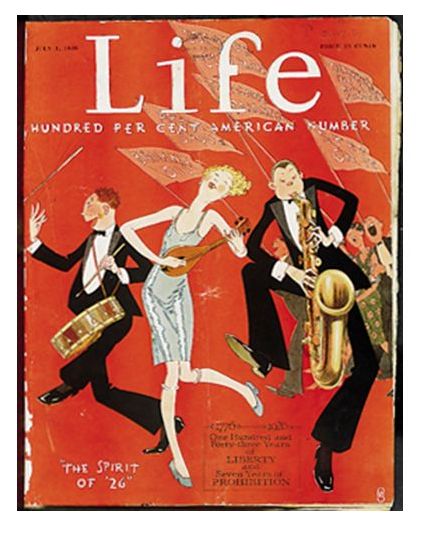
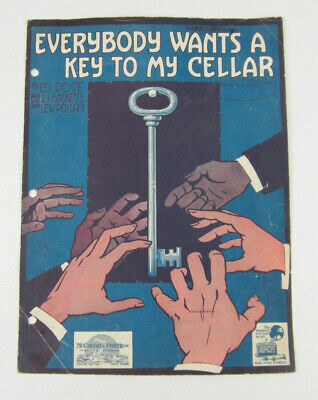
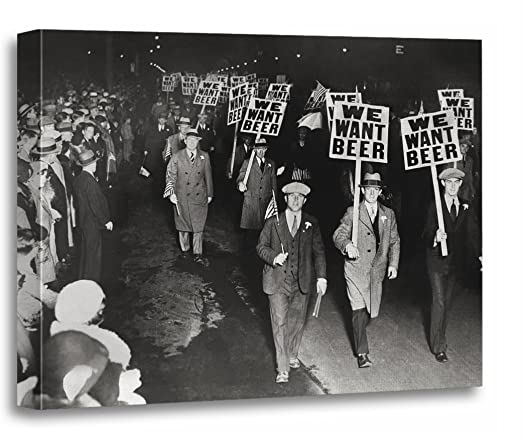
ANOTHER MUSICAL MUSING, 3 November 2023, “A Prohibitively Divisive Time in America–Them vs. Us, Then and Now”

Reading today’s newspapers or watching today’s TV news, most of us note an aura of divisiveness and discomfort that pervades our country—Urban vs. Rural, City vs. Suburb, Haves vs. Haven’ts, Immigrant vs. Native, Old vs. Young, and, simply, Us vs. Them. Whew!  Game on, heavy duty stuff! 

Time to DUEL!

To start thing off, click or tap on the triangle in the next image to see and hear what is probably the most famous musical “duel” ever.

(Note: As a bit of musicological trivia, the little guy in the clip had never held a banjo before. His left hand and his “playing” were dubbed in by the late session player and arranger, Eric Weisberg, the first person to audition for the Julliard School with a banjo. The kid got the gig because of his face.)

Moving on . . . Once upon a time in America the country was similarly divided and those divisions warped it in ways unforeseen.   There was, however, a prevailing presence–a saving grace, as it were–of music in the parlor, on the stage, on the radio, in the streets, and in the pubs and clubs of the day.  

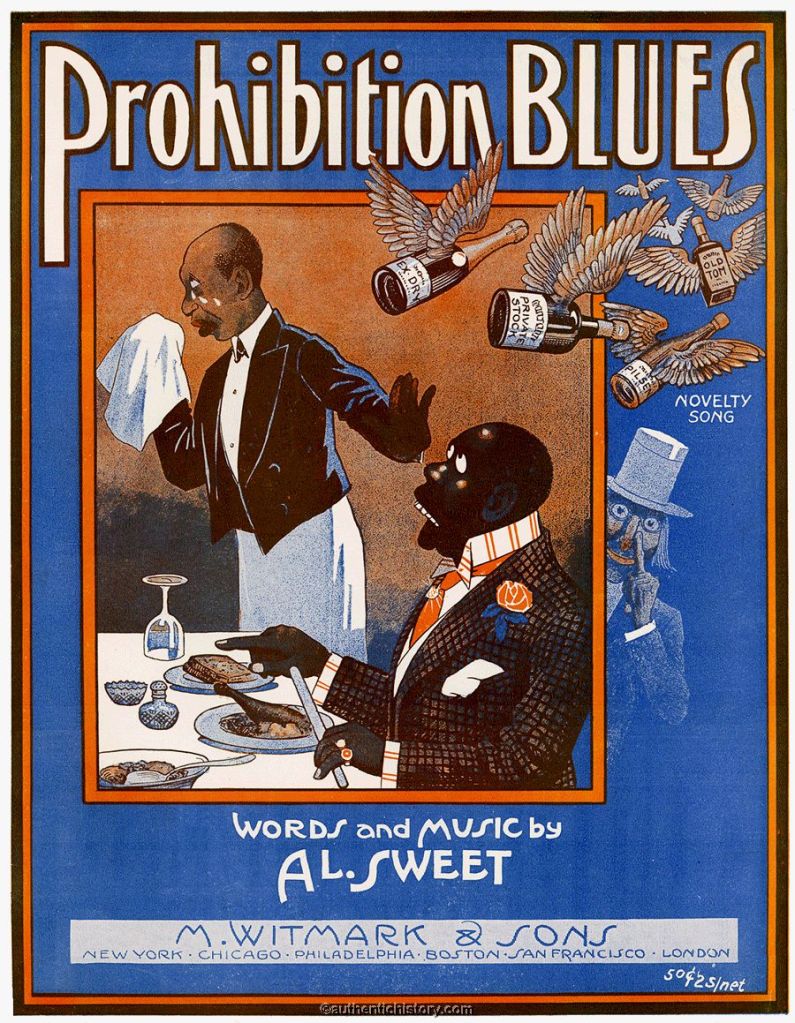
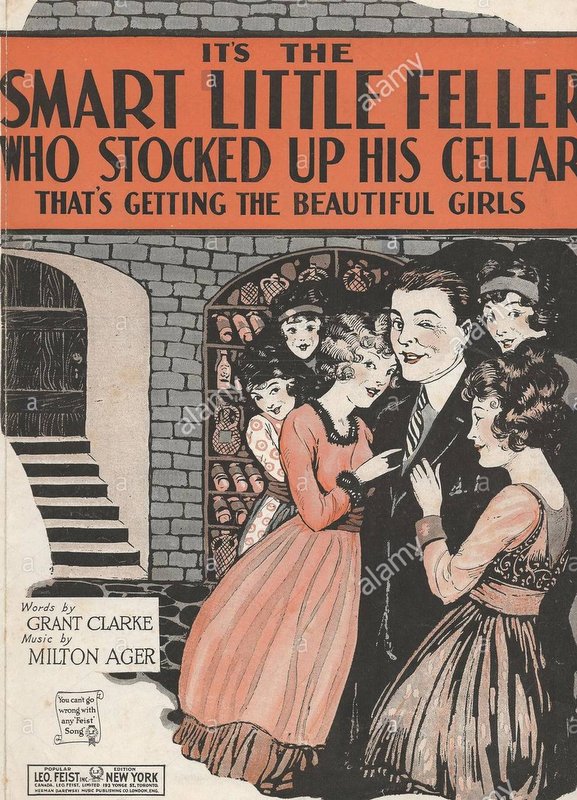
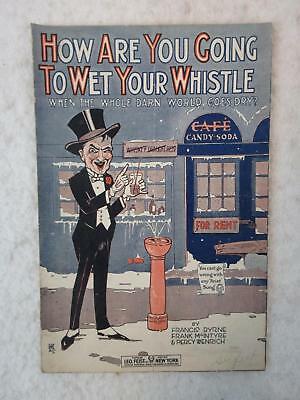
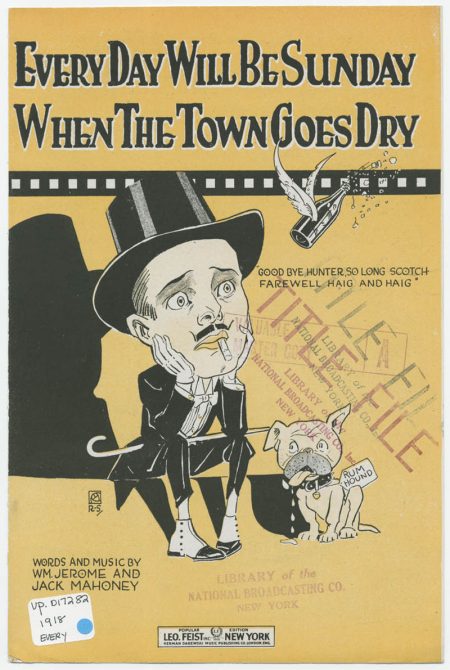
But, there’s way too musically much out there to muse upon, so I’m going to dwell on just one era of the American past. It’s one that is rich with musical lore–the once-upon-us, now-long-gone, divisive era of “PROHIBITION.” 

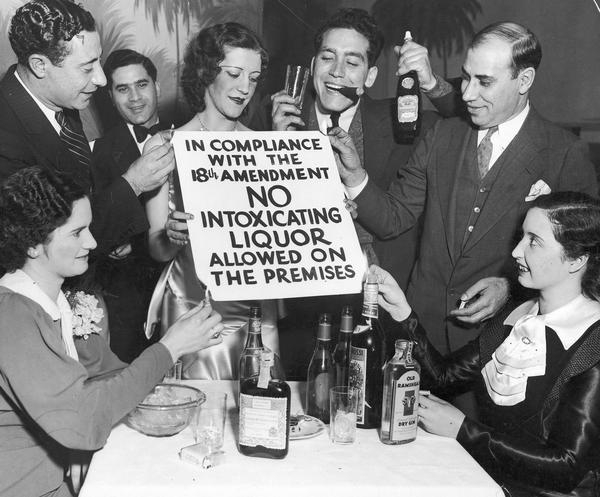
As a bit of background for those of you not as long in the tooth as I, Prohibition in the United States was a nationwide constitutional ban on the production, importation, transportation, and sale of alcoholic beverages. Interesting, though, it was not a ban on consumption. Go figure! It lasted from 1920 to 1933 and, in the dialect of the day, it was  “No booze fer youse.”    

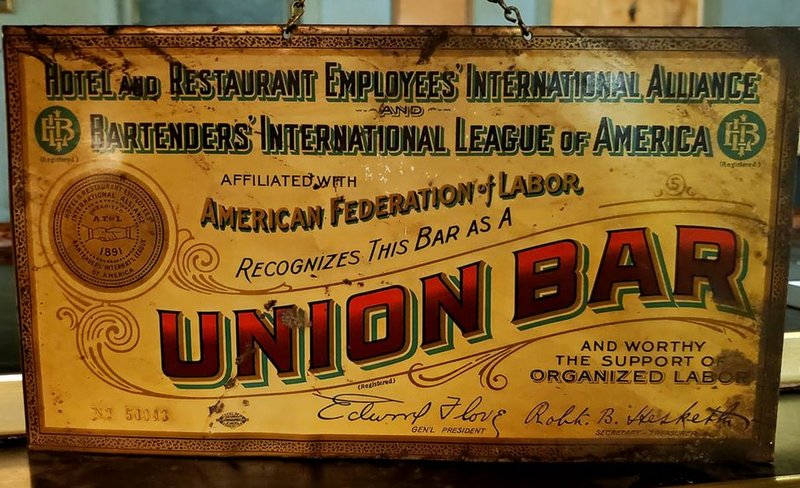
(Note: I was born a few years after Prohibition ended but one of my grandfathers was a union bartender, the other carried a beer bucket with him into the coal mines every day–give’s me some cred here!)

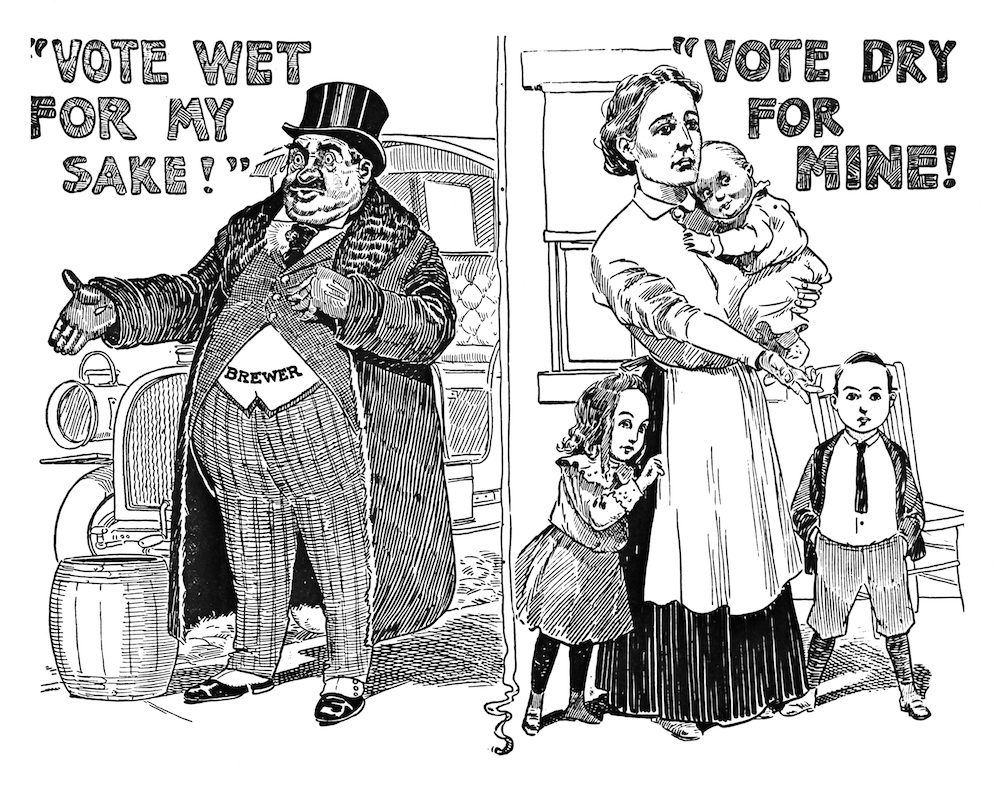
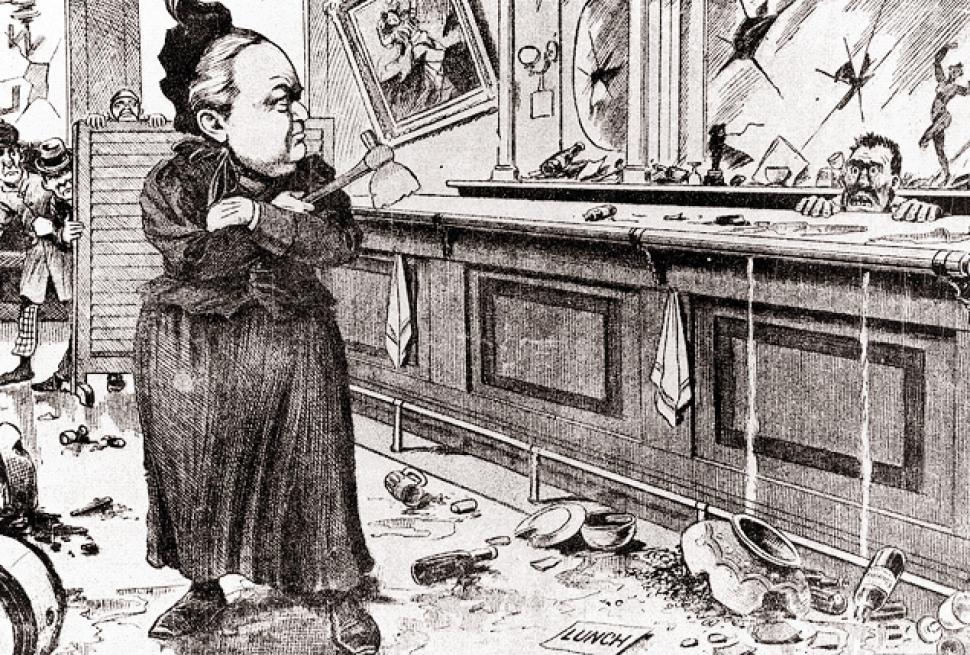
Needless to say the whole notion of Prohibition was divisive and the duelists’ wet or dry lines were marked in the sand.

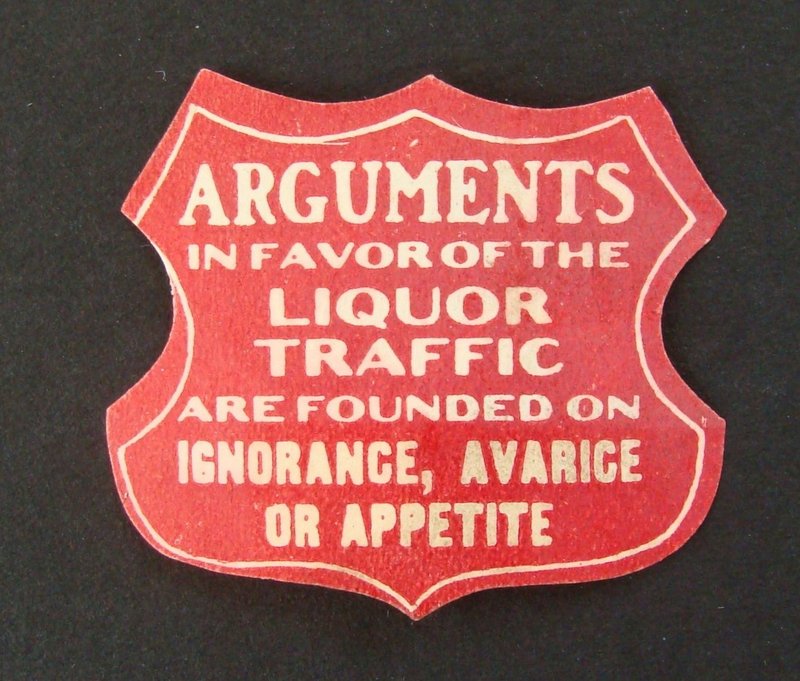
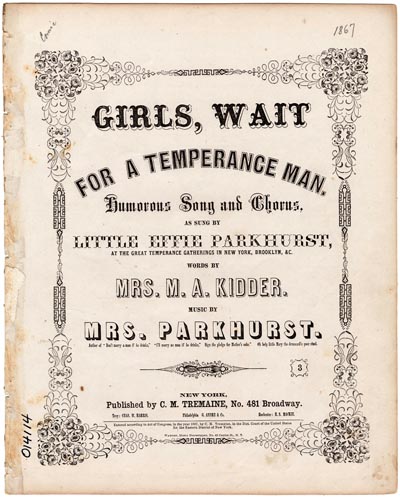
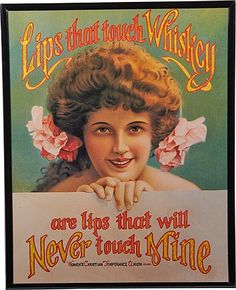
Well-meaning Prohibitionists of the time—so-called “Drys”—first attempted to end the trade in alcoholic beverages during the late 1800s. Those who espoused this “temperance” movement aimed to heal what they saw as an ill society beset by alcohol-related problems such as alcoholism, family neglect, paychecks “thrown away,” self-inflicted bodily harm, and saloon-based political corruption. 


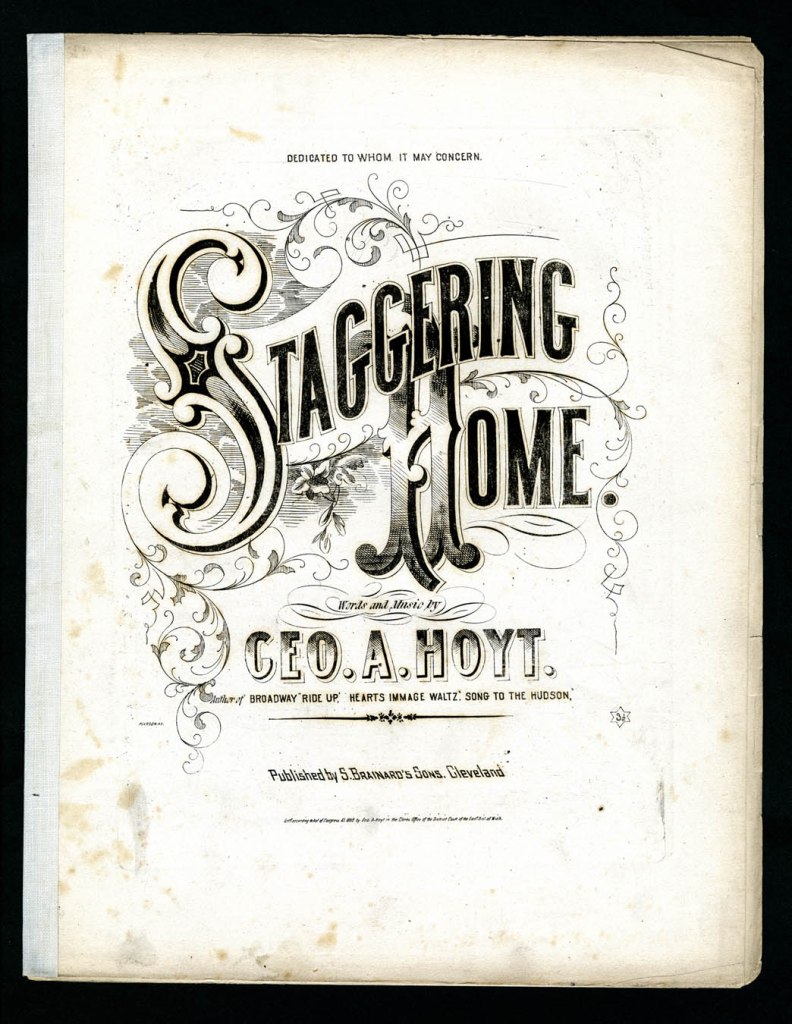
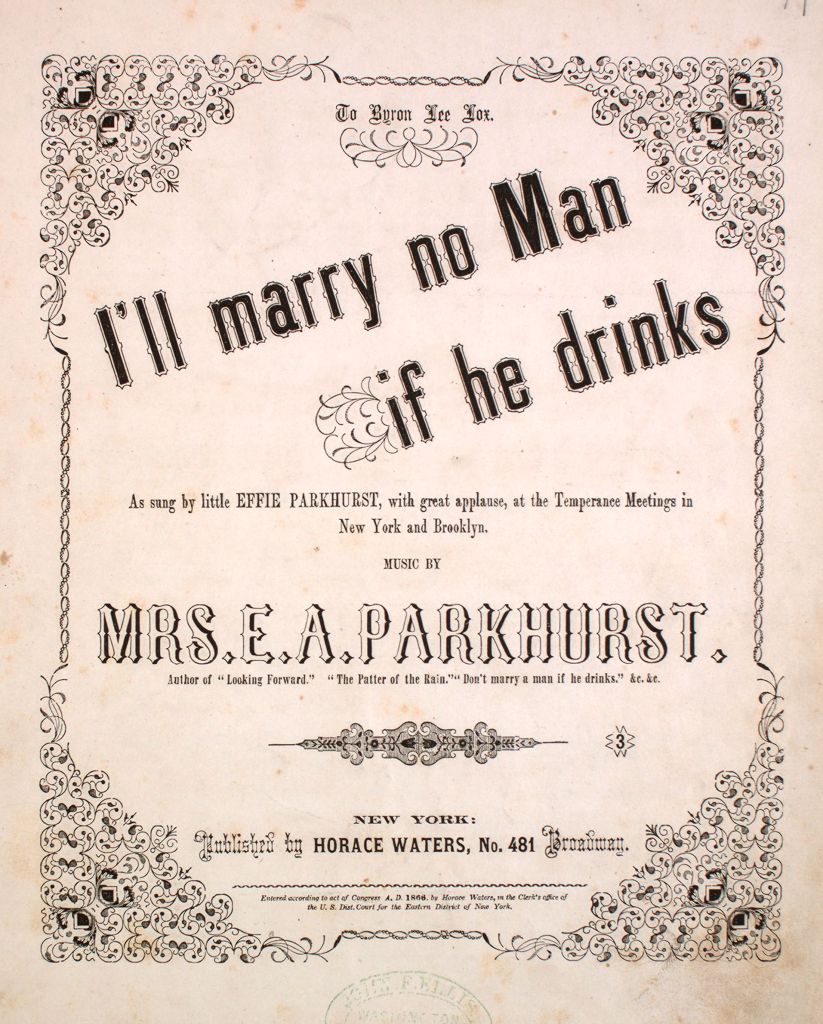
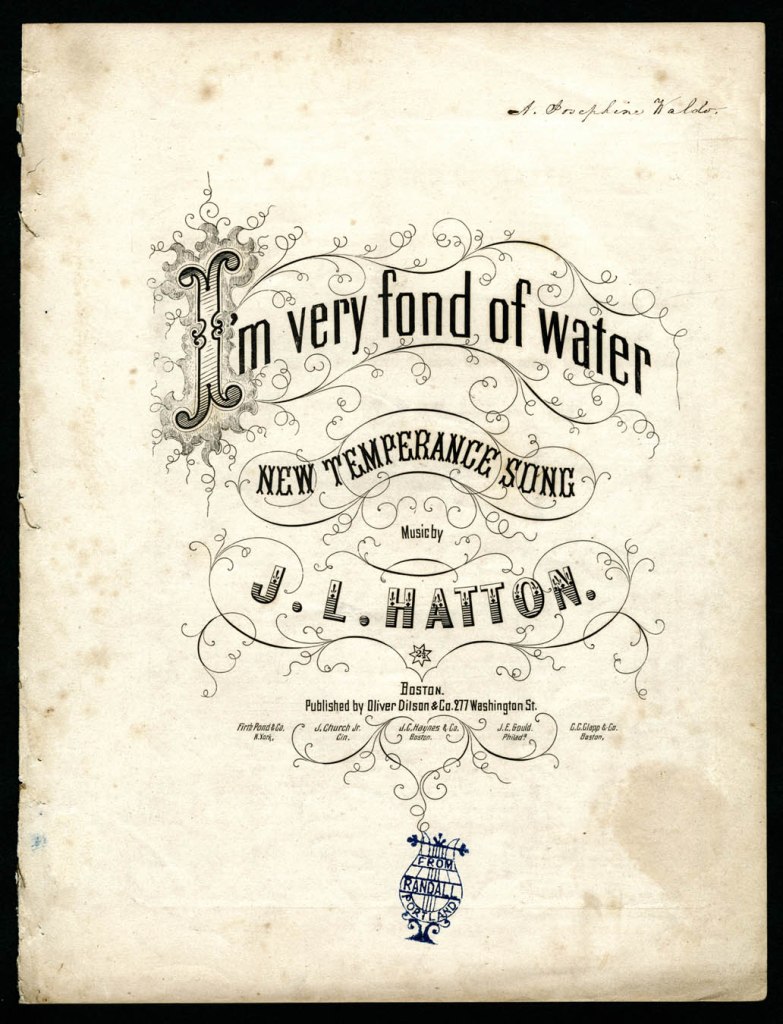
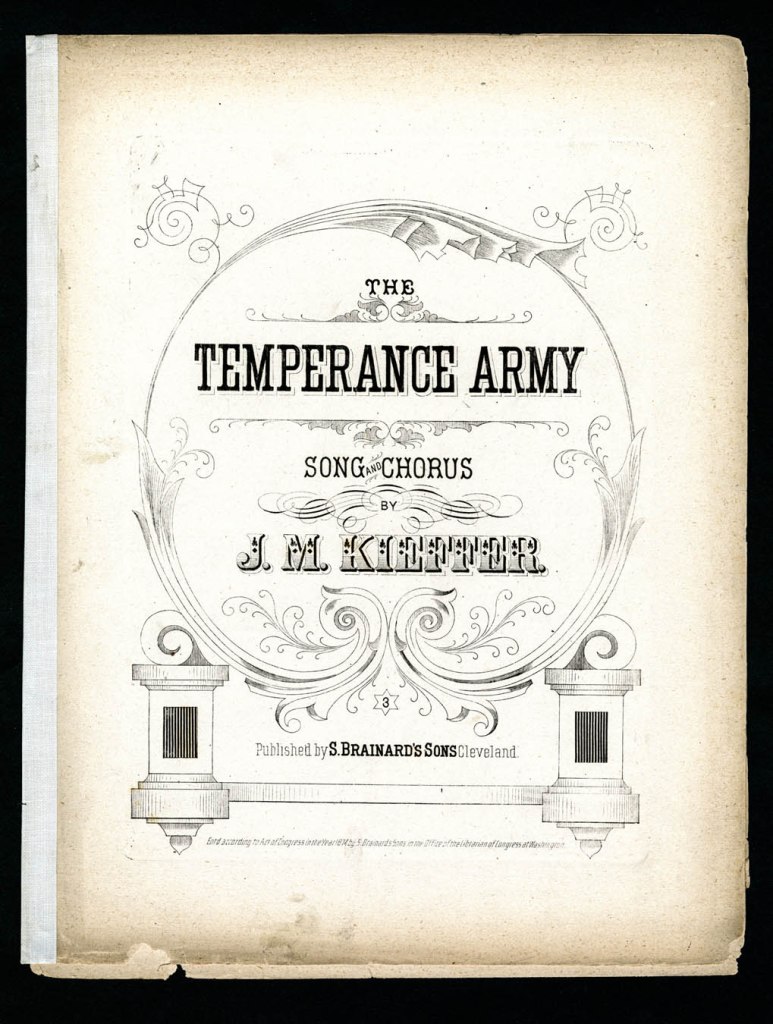
As would be expected, in both Britain and America a lot of the early popular music of the era reflected this.

Here’s a version of this one from 1925. Click or tap on the Triangle in the next image to listen to this poignant tale of woe.

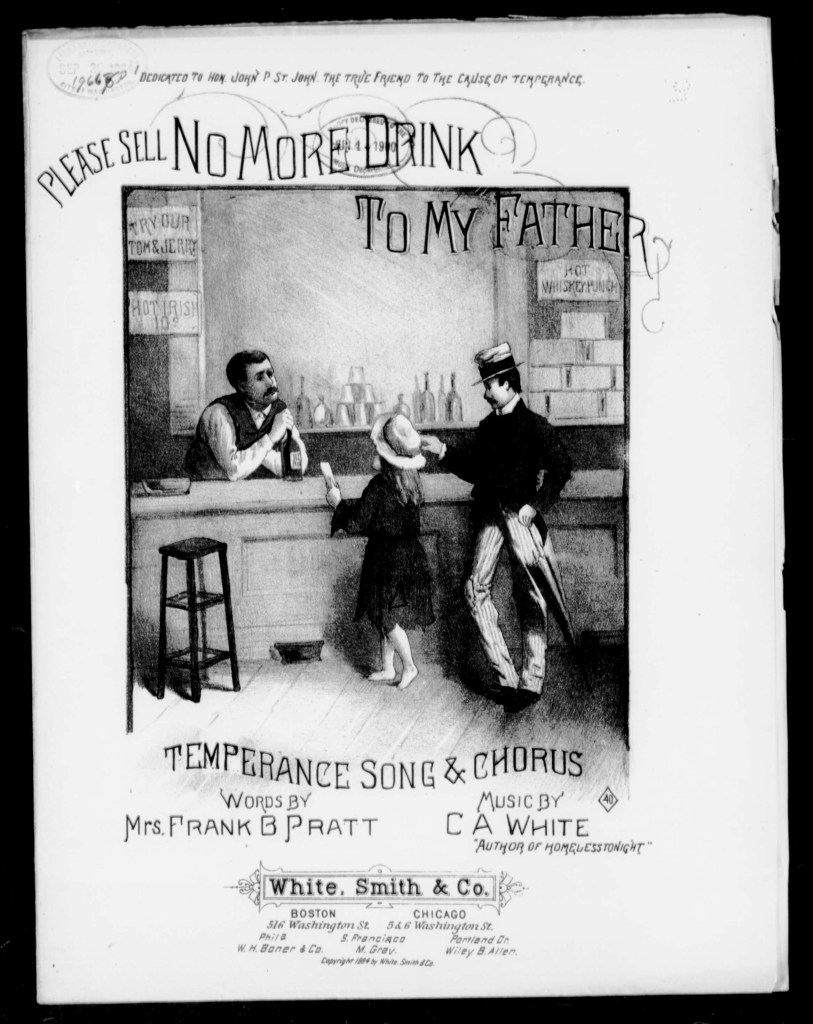
And then, a real topper from a child’s point of view.

Click or tap on the next triangle in the next image to hear a British (no Prohibition over there, however) version.

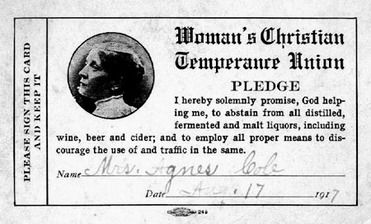
The movement was taken up by social progressives and gained a noisy, active grassroots base through the Women’s Christian Temperance Union, the “WCTU.” To their credit, these women also played a major role in the Women’s Suffrage movement. But, that’s a musical tale for another time. 

They, needless to say, had their share of music too.

How about a medley of good old temperance songs! Click or tap on the triangle in the next image for a dry, dry treat.

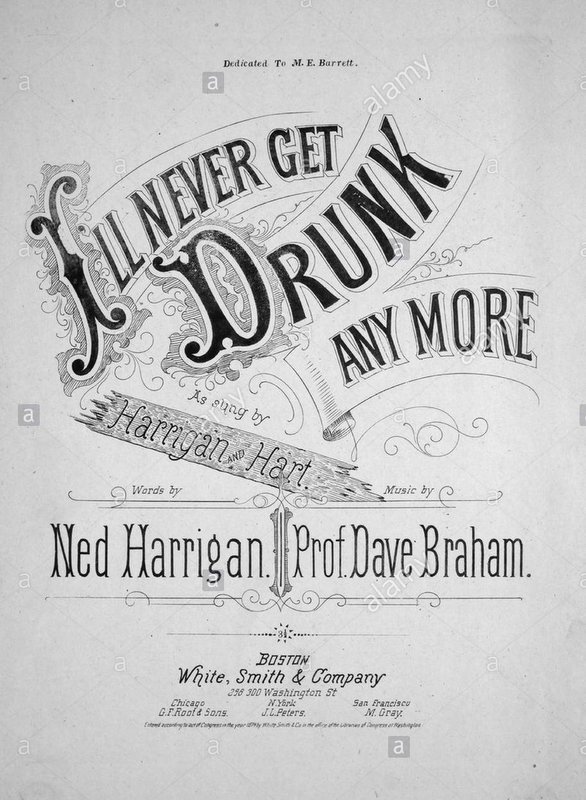
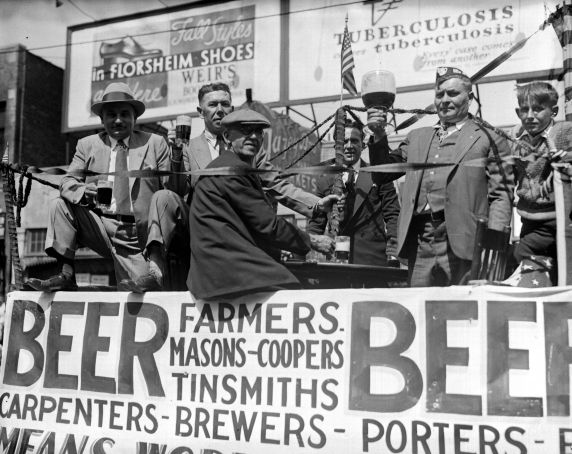
As might be expected, opposition to the erstwhile efforts of the “Drys” mushroomed as “Wets” mobilized. These were supporters ranging from those Martini-sipping, cosmopolitan city dwellers to the Irish, German, Italian, and other not-so-posh ethnic communities whose life styles and livelihoods were grounded in alcohol production, distribution, and–of course– consumption.  

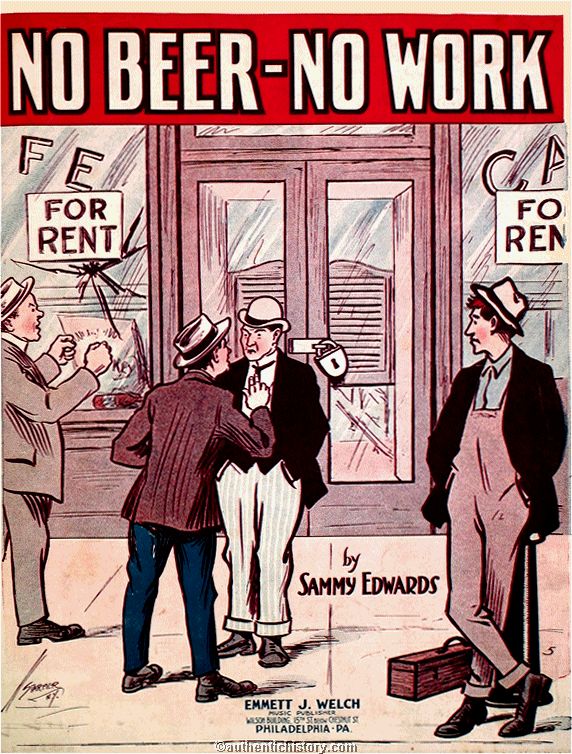
Songs of the day reflected this bleak (to many) situation.

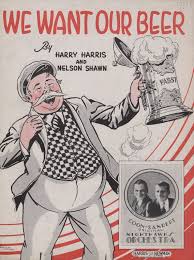
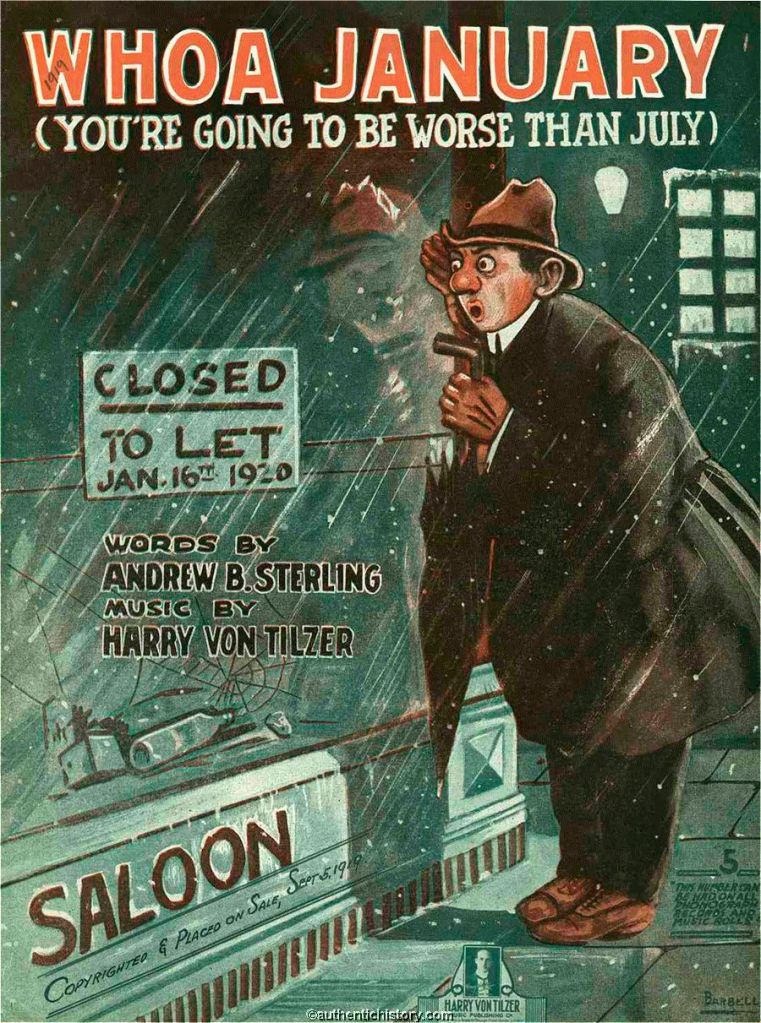
Click or tap on the triangle in the next image for a look at the words and music for this one.

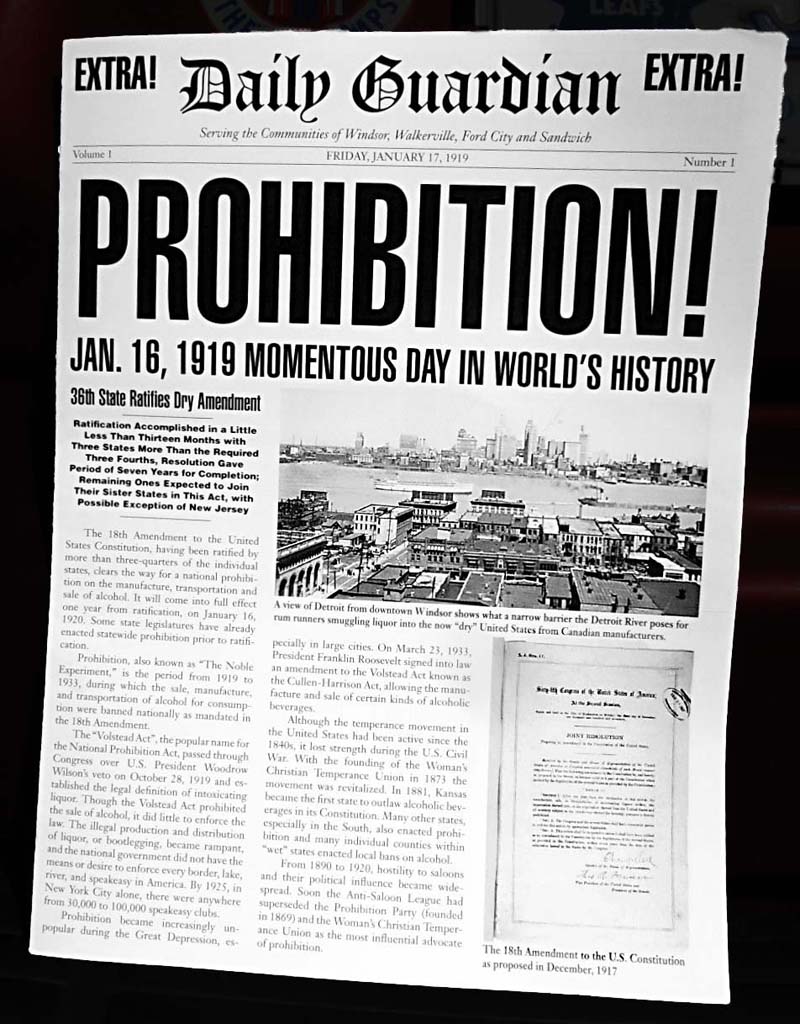
Still, the brewing, wine making, and distilling industries were nailed shut by a succession of conservative state legislatures, and Prohibition became the law of the land. Alcohol consumption ended (Ha!) nationwide under the Eighteenth Amendment to the U.S. Constitution, ratified by 46 of 48 states—all but our next door neighbors Connecticut and Rhode Island! 

Enabling legislation, known as the Volstead Act, set down the rules for enforcing the federal ban

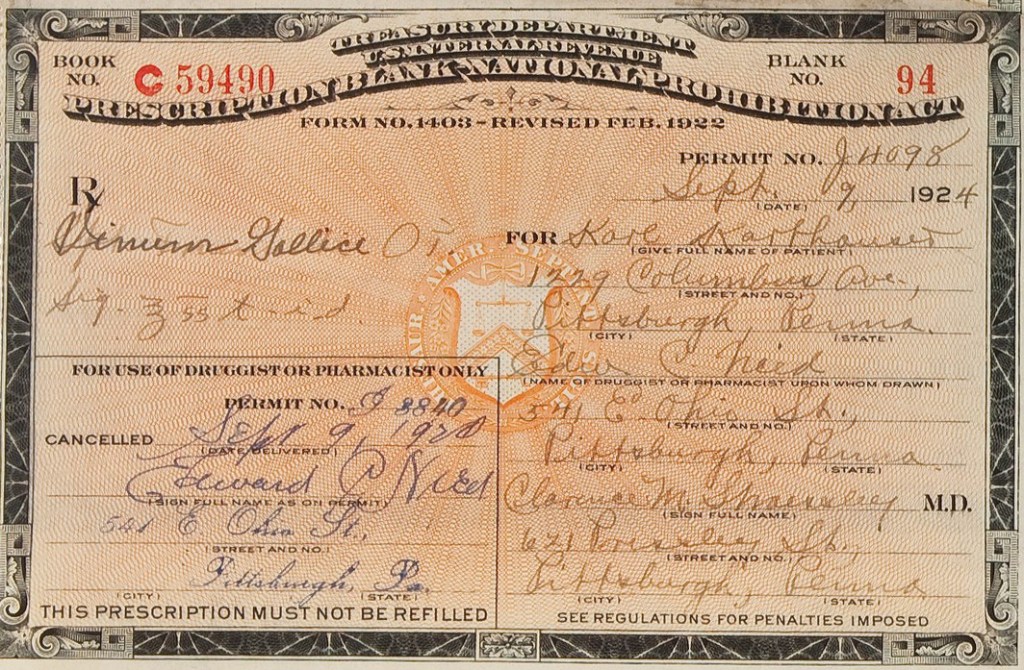
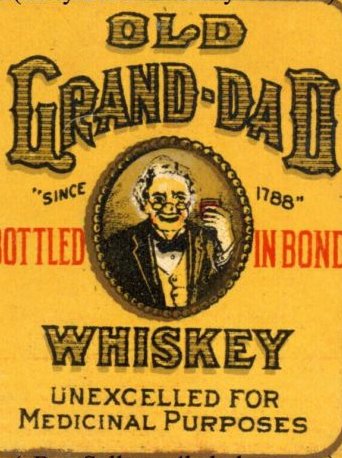
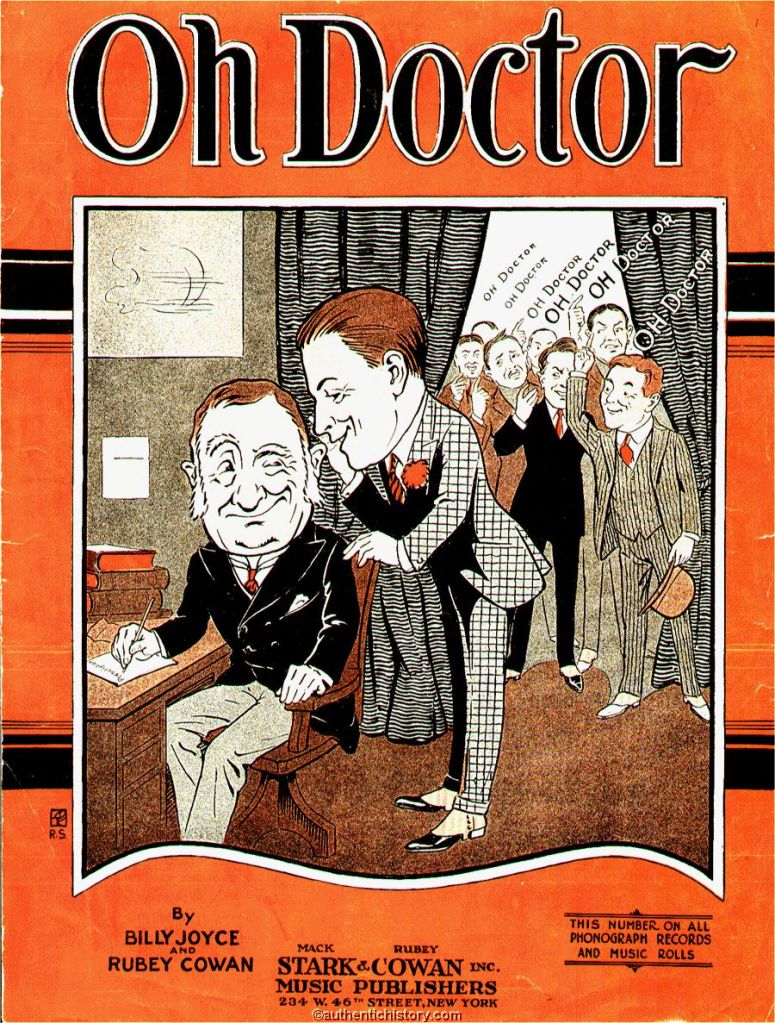
and defined the types of intoxicating or “adult” beverages that were prohibited—except of course for medicinal purposes, only by a doctor’s prescription.   

Of course, a song came out of this as folks flocked to their physicians with ailments only alleviated by, so they said, alcohol. And, many docs winked and complied. Alas, no YouTube but the cover says it all!

As hoarded supplies ran out, however, criminal gangs and syndicates quickly gained control of the illicit beer and liquor supply and distribution networks in many cities—“bootlegging,” and “speakeasies” were born and the 1920s began their roar.

Rumrunners went into business.

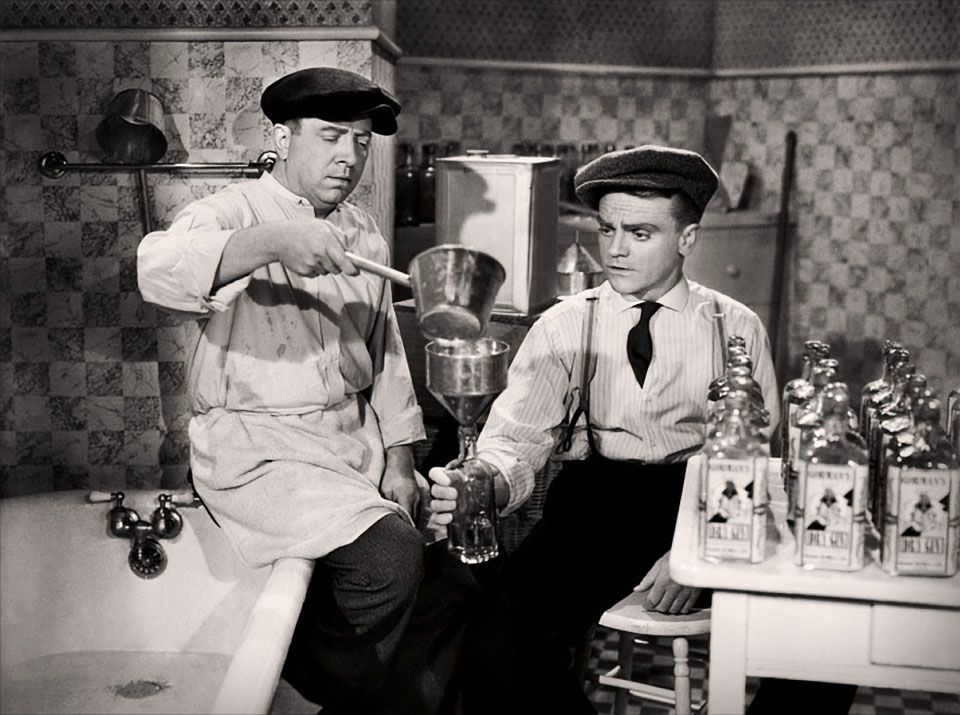
Folks made their own “bathtub gin” with grain alcohol and who knows whatever flavorings. Speakeasy patrons loved it, or at least tolerated it–no matter what it tasted like. It was booze!

And, needless to say, folks were sad, Sad, SAD!

Here’s a country version of what has become a jazz standard. Tap or click on the next image for a Jimmie Roger’s style interpretation.

Here’s a song from the pulpit, no less.

This is a novelty tune that is a bit of a different take on Prohibition. Tap or click on the triangle in the next image to listen and learn. Amen!

Other tunes, and laments, followed.

But, by the late 1920s, a new opposition to Prohibition had mobilized nationwide. Critics attacked the prohibition policy as causing crime, lowering local revenues, and imposing “rural” religious values on “urban” America.

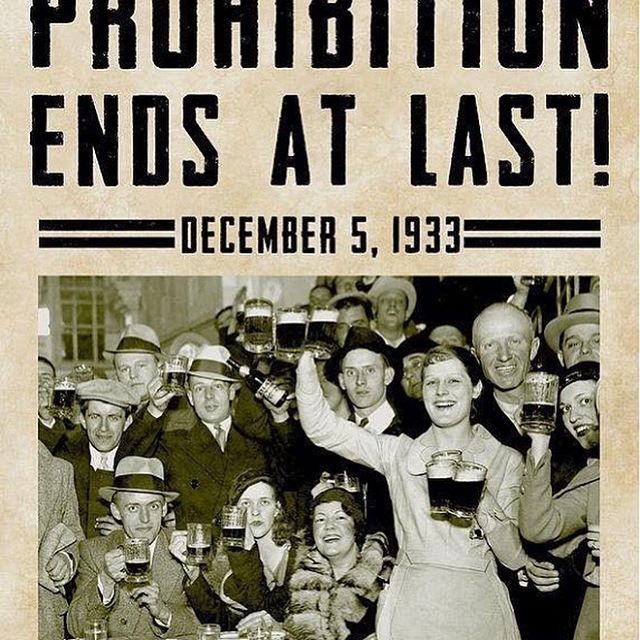
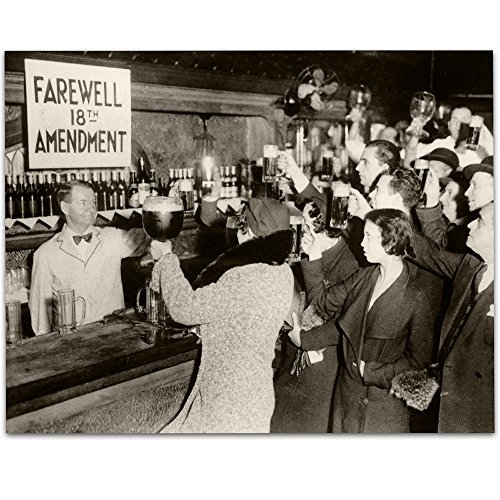
And so, gentle readers, Prohibition ended with the ratification of the Twenty-First Amendment which repealed the Eighteenth Amendment in 1933. To date, this is the only time in American history in which a constitutional amendment was passed for the purpose of repealing another.

The Prohibition Era paralleled the jazz and ragtime ages of the “Roaring Twenties.” The music embraced by the flappers and their sheiks and their wide-open consumption of those illegal products of grape and grain. 

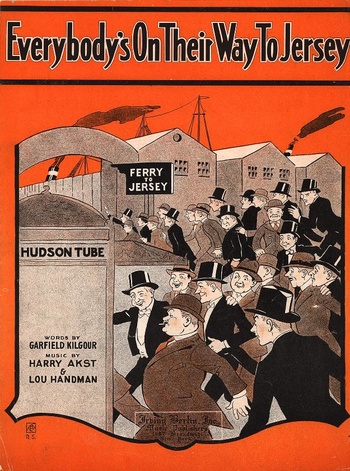
And, of course, there were a lot of thirsty folks who looked across borders to Canada or even New Jersey (they sold so-called “near-beer” there) for refreshment.

Here’s a lively foxtrot version of this one. Click or tap on the triangle in the next image to take a ride on this train.

Needless to say, the songwriters of Tin Pan Alley had a way of distilling (ahem) all of this into the music of the day.

Here’s a contemporary take on this old chestnut. Click or tap on the triangle in the next image for a look and listen.

Here’s an up-to-date version of this ragtime tune. Click or tap to join in.

Most of these tunes fell into the comic or novelty category as folks around the country—and a lot of law enforcement types–winked at the law as they blew the foam off their beer or sipped their bootleg booze out of teacups. 

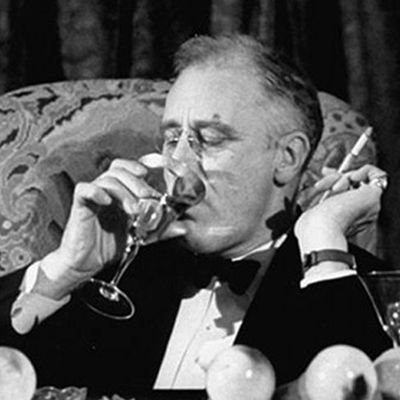
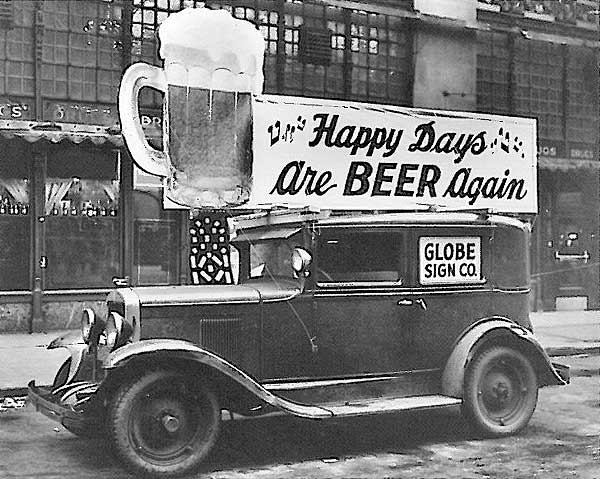
Needless to say, trouble was fermenting (ahem, again), but America survived as the country transitioned through Wilson, Harding, Coolidge, and Hoover on to Roosevelt—sad days then to happy days again! 

Well, I could go on and on with tunes from the Prohibition era as there seems to be a lot of them out there–way too many, probably. Anyway, here’s one to end on–a great pub version of this one!

Click or tap on the next image to help me down the road a bit!

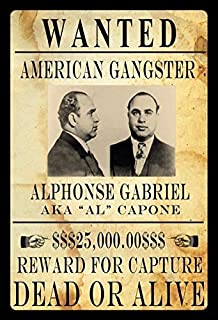
But, I can’t leave without a nostalgic reminder of those divisive good old days, . . .

Oh yes. I think I’ll finish the day not with whiskey but with a Martini. Dry, not Wet.

STAY TUNED!

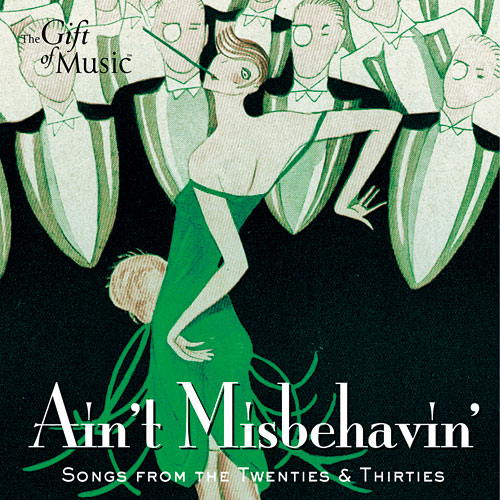
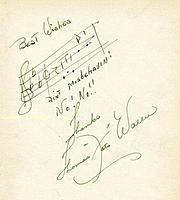
ANOTHER MUSICAL MUSING, 6 October 2023–“AIN’T MISBEHAVIN'”

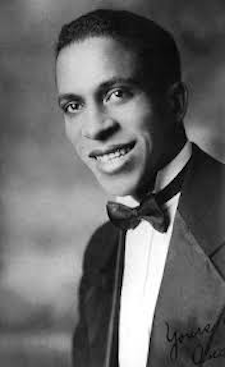
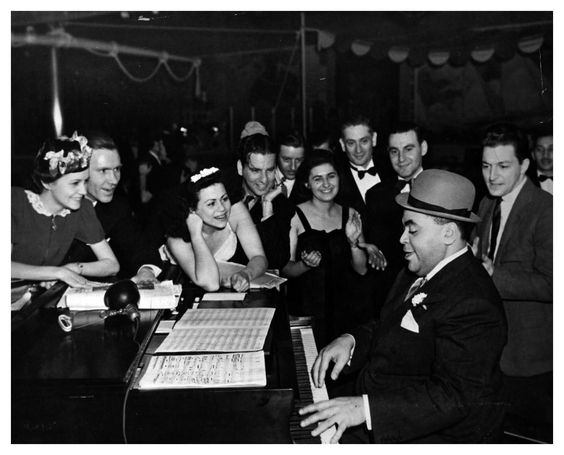
We associate the song “Ain’t Misbehavin‘” with the jazz pianist Thomas “Fats” Waller (1904-1943) but forget that the lyrics were by one Andy Razaf (1895-1973) who gives us a musically more interesting back-story.

Razaf was born in Washington, D.C.  His birth name was Andriamanantena Paul Razafinkarefo.  His father, part of the royal family of Madagascar was killed during the French invasion of that country and his pregnant mother, the 15-year old daughter of a black American diplomat, was forced to escape to the United States.   

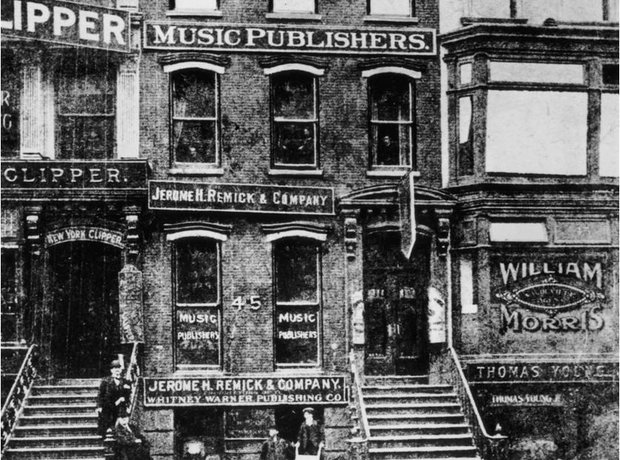
He and his mother moved to Harlem, and at the age of 16 Andy quit school and took a job as an elevator operator at a Tin Pan Alley office building.  

A year later he penned his first song text, embarking on his career as a lyricist.  Swept up by the Harlem Renaissance, Razaf published poems in the emerging black press and soon was working with several Harlem composers. 

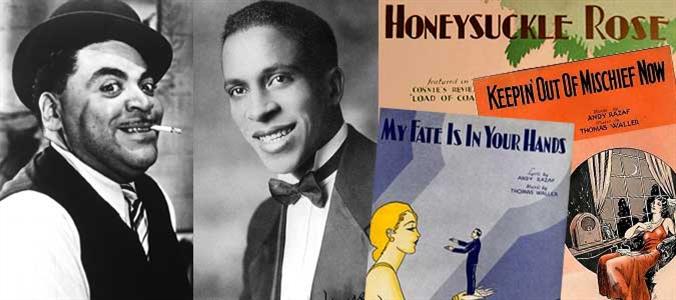
Collaborating with Waller, they wrote—along with “Ain’t Misbehavin’”—many now-classic songs including “Honeysuckle Rose,” “The Joint is Jumpin’,” and ”Keepin’ Out of Mischief Now.”   In 1972, Razaf was recognized by his Tin Pan Alley peers in the Songwriters Hall of Fame.

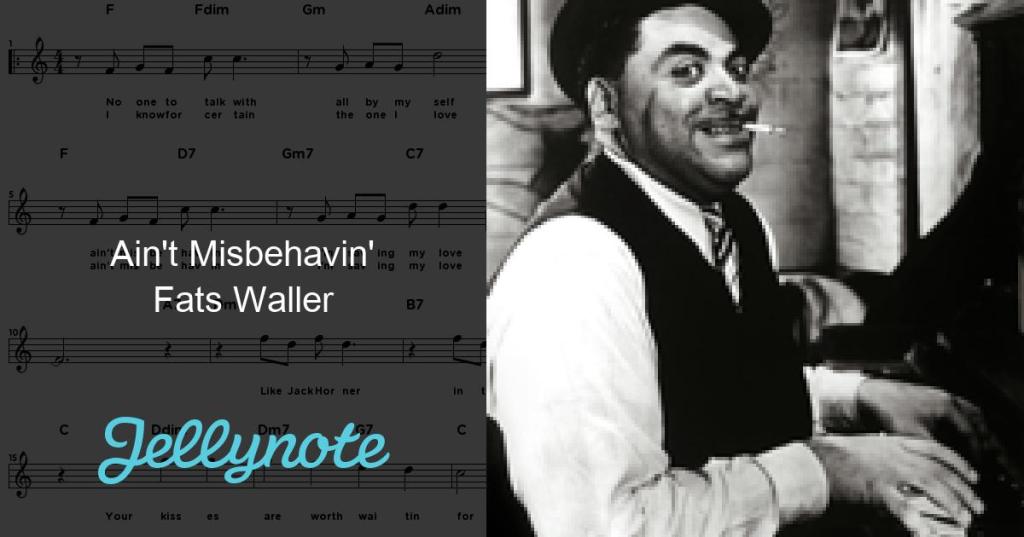
“Fats” Waller was an American jazz pianist, organist, composer, violinist, singer, and comedic entertainer. His innovations in the Harlem “stride” style laid the groundwork for modern jazz piano. Click or tap on the triangle in the next image for a look and listen to Fats himself.

His best-known composition is our song, “Ain’t Misbehavin’,” and it was added to the Grammy Hall of Fame in 1984.   Waller copyrighted over 400 songs, many of them co-written with his closest collaborator, Razaf,

who described his partner as “the soul of melody… a man who made the piano sing… both big in body and in mind… known for his generosity… a bubbling bundle of joy.” It’s possible he composed many more popular songs and sold or gave them to other performers when times were tough.  Who knows? 

How about some jazz organ? Tap or click on the triangle in the next image for something a bit different.

Meanwhile, back to our song!

Ain’t Misbehavin’” was written in 1929 for the Harlem and Broadway musical comedy “Connie’s Hot Chocolates”—a revue featuring black artists that, because of its popularity, was one of the earliest Harlem musicals to move to Broadway and play for predominantly white audiences. 

Girls from the 1929 show:

It is said that Waller had the idea for the song while “lodging” in prison (for an alimony violation), and that is why he was not “misbehaving!”  Razaf picked up the theme and ran with it.

Click or tap on the triangle in the next image for a listen to our song from the distaff side.

Now , here’s Another back-story that has to do with, of all folks, Louis Armstrong. 

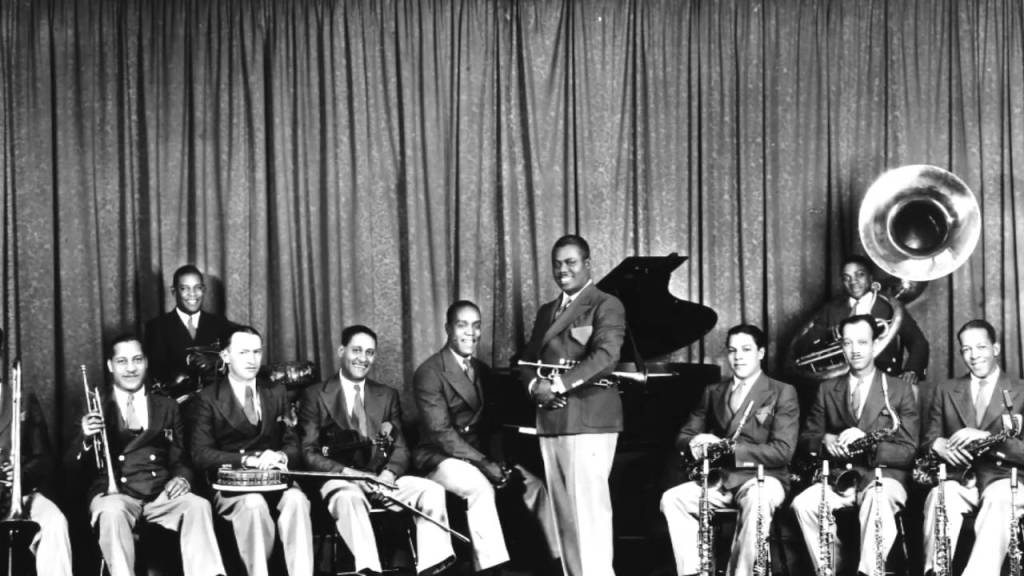
Armstrong made his Broadway debut as part of the pit band for the “Hot Chocolates” show. His cornet solo on opening night was such a hit with the audience that he was asked to perform it on stage for the rest of the show’s run.  Another musical tidbit! 

Click or tap on the triangle in the next image for a listen. The earworm starts to take hold!

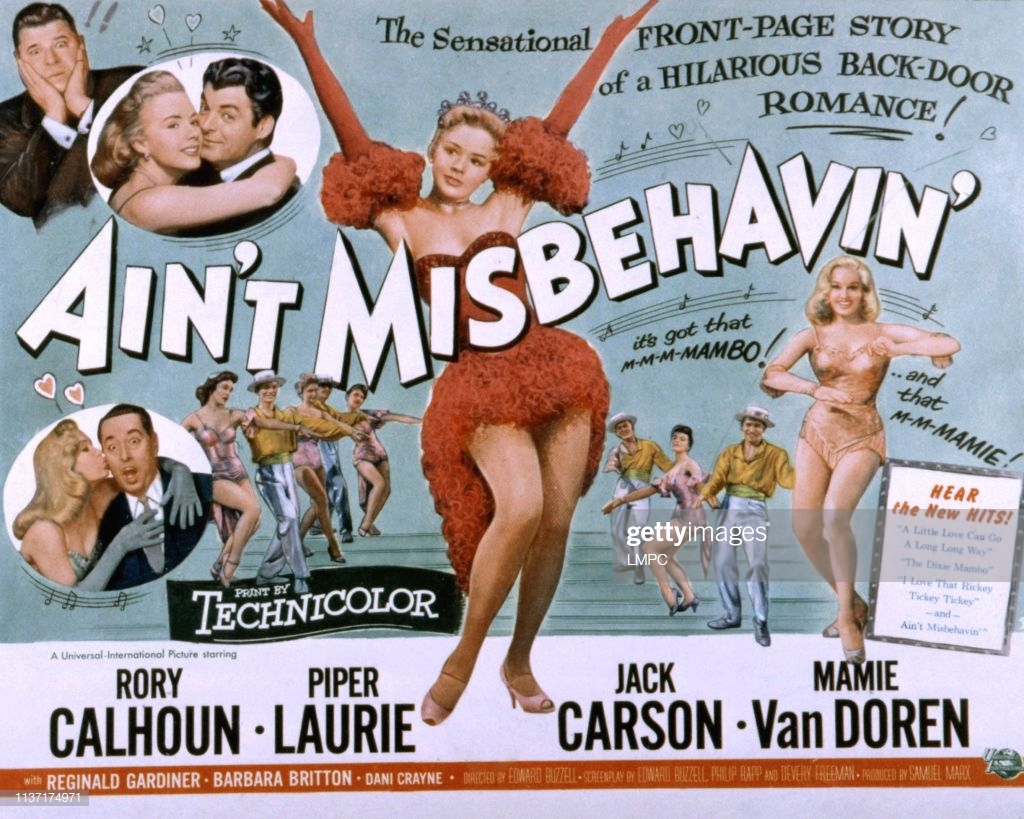
Our song has been around a long, long time and has been covered by nearly everyone in nearly every genre.  It was the theme of a movie, with an all-white cast.

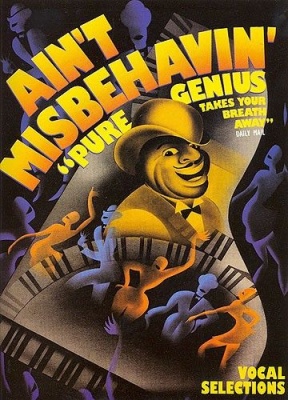
It was also a popular Broadway Musical based on the works of Waller/Razaf with an all-black cast.

Click or tap on the triangle in the next image for a look and listen to bits of this musical biography.

Here are a few other interpretations—choose your earworm of the day!

We can acknowledge the fact that none of we are “misbehavin’.” Or are we?

STAY TUNED!

ANOTHER MUSICAL MUSING: 29 September 2023: “FREIGHT TRAIN”—A Simple Tune Even When Played Upside Down and Backwards!

Freight Train” is an American folk song written in the early 1900s by Elisabeth “Libba” Cotten (1893-1987) and popularized during the American folk revival of the 1950s and 1960s.   

Cotten said that, as a teenager, she would sit outside her home in Carrboro, North Carolina, and watch trains roll by on the Norfolk Southern Line.  Inspired by this sight, she penned a simple, albeit a bit morbid song—”Freight Train.”  She marvels at the speed of the train and asks to be buried near the tracks when she dies so she “can hear old ‘Number Nine’ as it comes rolling by.”

For all you pickers and strummers out there, this is a tale to tell.  A self-taught guitarist, Cotten developed her own original style. Being left-handed, she played a guitar strung for a right-handed player, but played it backwards and upside down.

This position required her to play the bass lines with her fingers and the melody with her thumb. Her signature alternating bass style has become known among folk guitarists as “Cotten Picking”—right- OR left-handed.

For a really good look at her “upside down and backwards” technique click or tap on the triangle in the next image and listen to her play another of her songs: “Washington Blues.

Now, click or tap on the triangle in the next image to hear Cotten playing and singing her song “Freight Train“–in her nineties!

Elizabeth was the youngest of five children. At age seven, she began to play her older brother’s banjo.  “From that day on,” she said, “nobody had no peace in that house.” 

By the age of eight, she was playing songs.  By her early teens she was writing her own including “Freight Train.”  About that same time, she began working as a maid.  By her late teens she was married and had given up her music for, as she said: “family and church.” She and her family eventually settled in Washington, DC.

Cotten “retired” from playing the guitar for 25 years, except for occasional church performances.  She was then “discovered” by the musical family of Ruth and Charles Seeger while she was working for them as a housekeeper. She also cared for their children, including the young singers Mike and Peggy who grew up as mainstays of the folk music revival. 

Charles (by the way, the father of Pete Seeger by a previous marriage) encouraged her.  She remembered her guitar playing from her teenage years, picked up the instrument again, and relearned to play it.  She did not begin performing publicly and recording until she was in her 60s.

In the latter half of the 1950s, Mike Seeger, both a musician and a musicologist,  began making reel-to-reel recordings of Cotten’s songs in her home that later became the album “Folksongs and Instrumentals with Guitar,” released by Folkways Records. 

Since the release of that album, her songs, especially her signature song, “Freight Train” have been covered by—it’s safe to say—nearly every folk singer in America.

Click or tap on the triangle in the next image to hear a young Joan Baez:

Click or tap on the triangle in the next image to hear their spin on this tune by Peter, Paul, and Mary:

With the profits from her recordings and concerts, she and her family moved to Syracuse, New York.  In 1984, she won a Grammy for “Best Ethnic or Traditional Recording” for the album “Elizabeth Cotten Live.” She died at the age of 94. 

So, we have a simple tune from humble beginnings, rediscovered and made available to we pickers and strummers today.  A simple tune, a simple gift—not so simple backwards and upside down, however!

Finally, a final tune. Click or tap on the triangle in the next image for a look and listen.

So, play your guitar, ukulele, or banjo anyway you like–upside down or backwards. Not a piano, however!

Well, I guess that’s OK too! Just play anything anyway, but STAY TUNED.


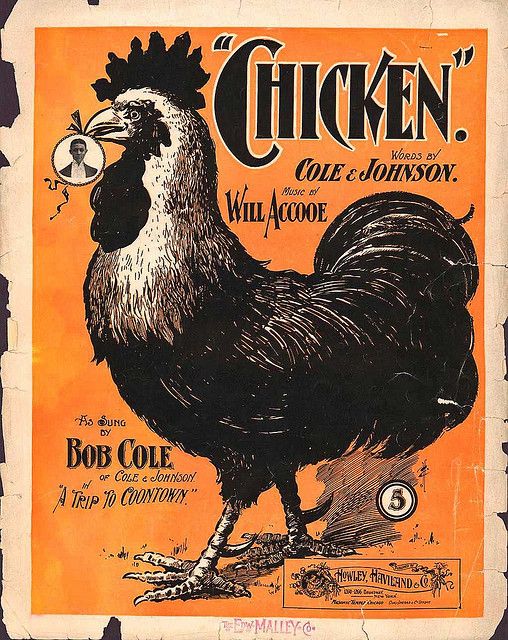
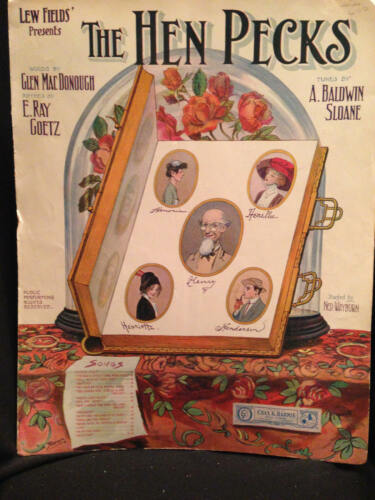
ANOTHER MUSICAL MUSING, 22 September 2023: Chickens and Chick- Chick- Chickens!

Well friends and neighbors, it’s still September and—to my wonderment—I just learned that this is “National Chicken Month!”  Just the theme for another musical musing! Well, why not?  There are some fun old tunes out there to explore. Who knew?

Let’s start with one of the most often played old, old fiddle tunes: “Cluck Old Hen.”  Click or tap on the triangle in the next image or link for a lively ukulele/ clawhammer banjo rendition of this oldie.

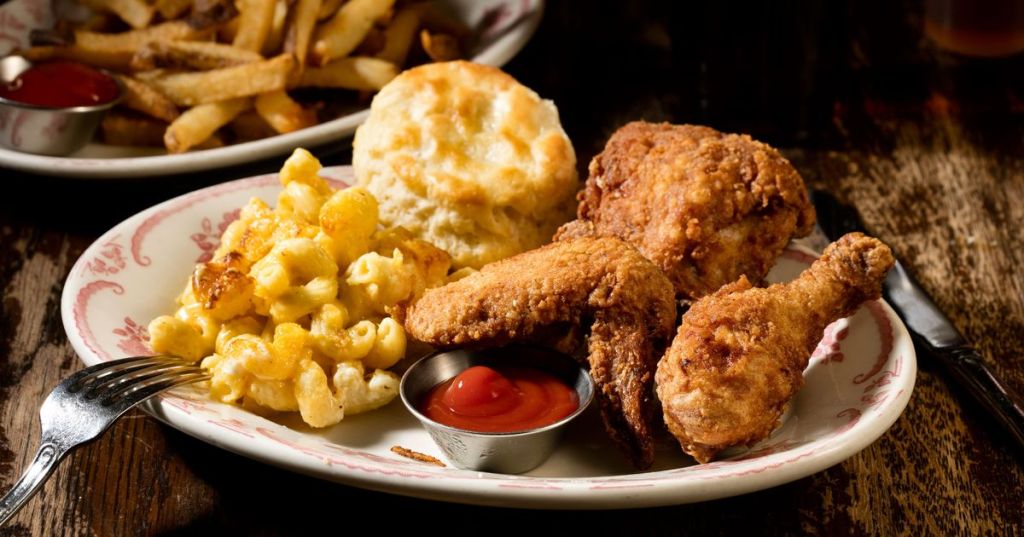
Moving on, it is said that chicken, as well as onions, are part of nearly every ethnic cuisine—Kosher, Halal, Asian, Hispanic, as well as good old American Country. 

I remember those homey all-you-can-eat fried chicken restaurants in the Midwest,

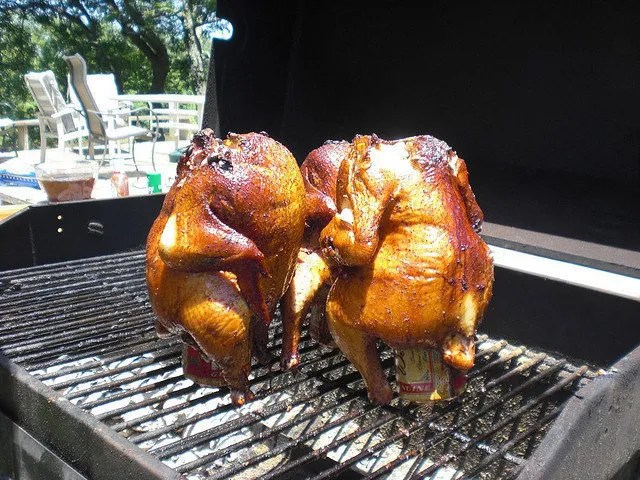
beer can chicken on the grill,

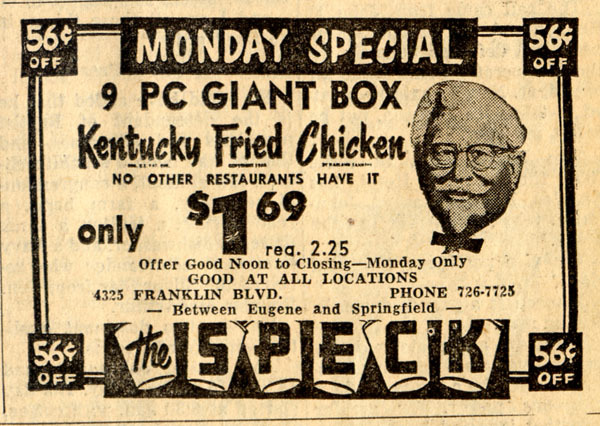
and even a rare bucket from Colonel Sanders in my impecunious student days! 

My favorite treat, however, was my grandmother’s chicken and noodles served (how else?) over mashed potatoes—about 400 calories per forkful! 

But, oh so good!  But, alas, I digress .  .  .  

Now, to begin our journey through the musicological chicken yard, I would be remiss, however, not to point out a few potential pedagogical pitfalls of what some might call the teaching of  “critical musical theory.”  

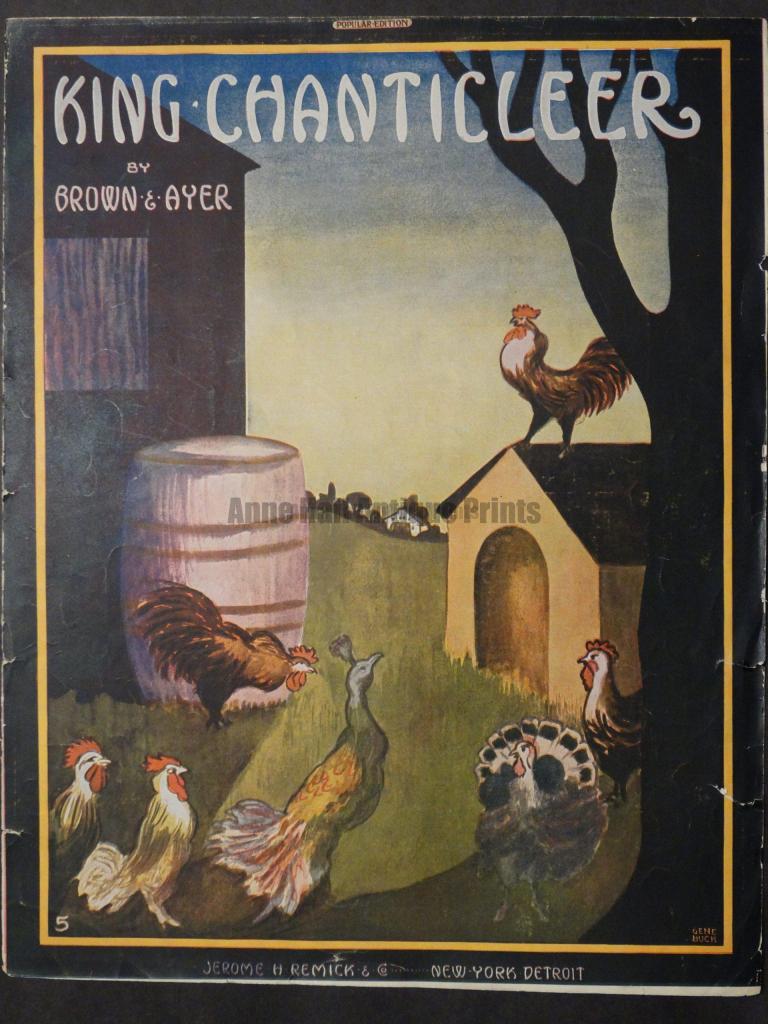
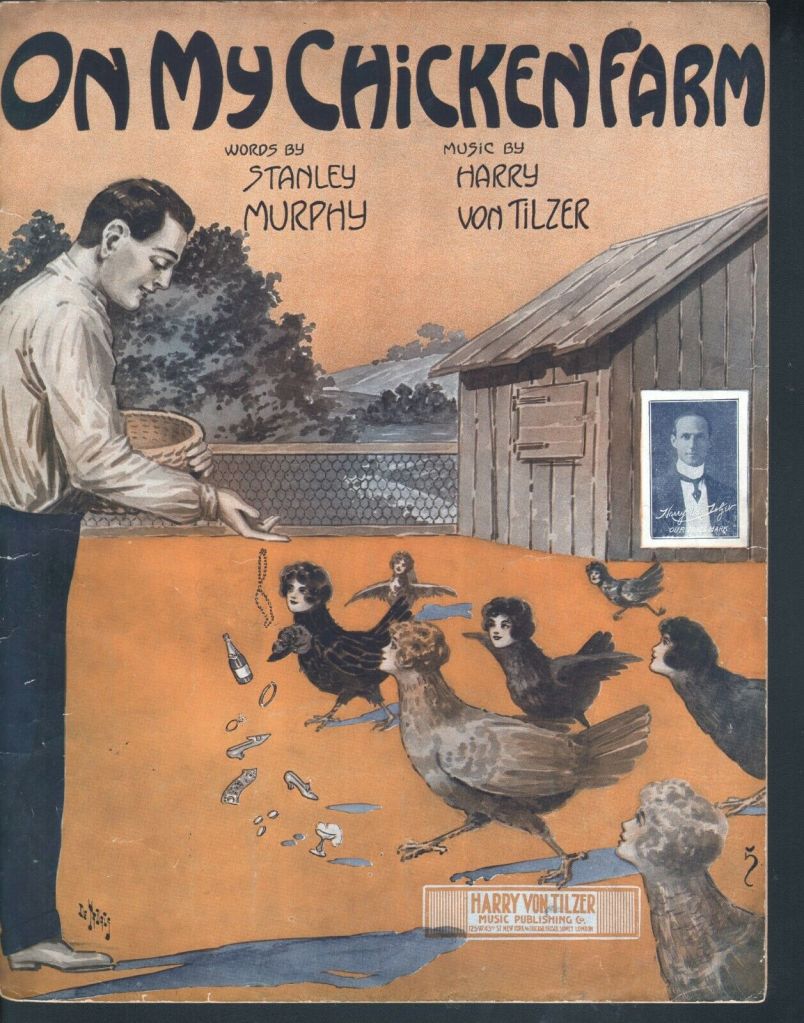
For example, in my scholarly explorations on the web, there seem to be three major themes relative to today’s theme of “chicken music.”  First, of course, are sweet songs about the good old days of raising chickens back on the farm, and those simple but savory Sunday (or church basement) dishes served by our mothers and grandmothers. 

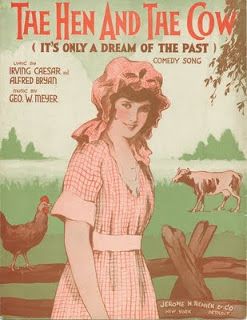
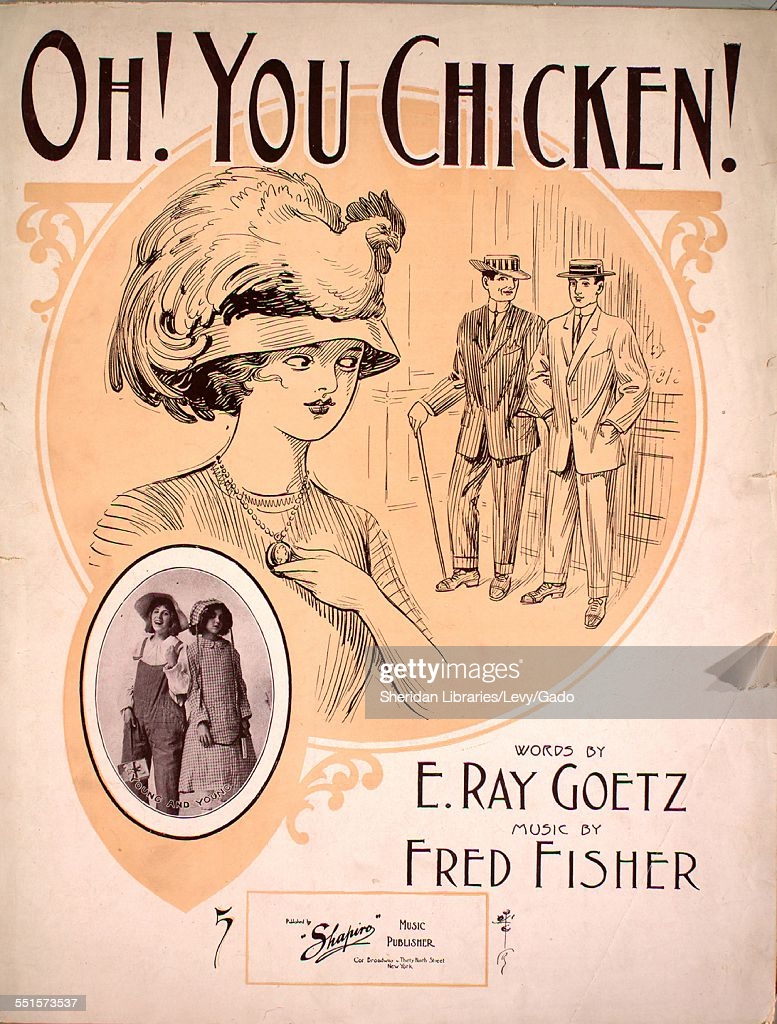
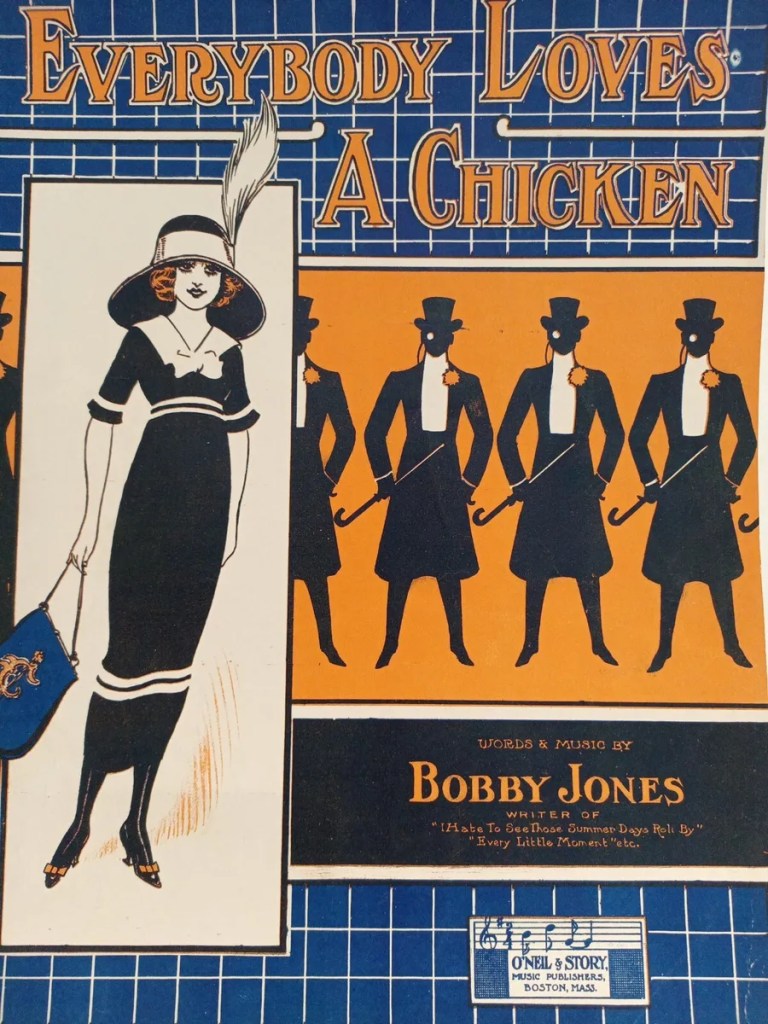
Then there are bouncy and (ever so slightly) bawdy tunes using the ubiquitous Tin Pan Alley slang of the day when “chick” and “chicken” referred to all those pretty young girls out there capturing the attention of a flirting “rooster” or two. 

Click (cluck?) or tap on the triangle in the next image for a listen to this one.

Alas, in the last but not least category, are all those songs of chicken chasing, eating, stealing, and whatnot tainted by the graphic and lyrical racial caricatures way too common at the time. 

That said, in this musing I’ll only focus on the first two categories and let the third remain buried in the depths of the internet.

Moving on, here are just a couple of sweet and homey “chicken” tunes: “The Chicken Reel” and “Cock-A-Doodle, I’m Off My Noodle.”  Click or tap on the triangles in the next couple of images or links to hear some good bowing, strumming, and singing on these two oldies.

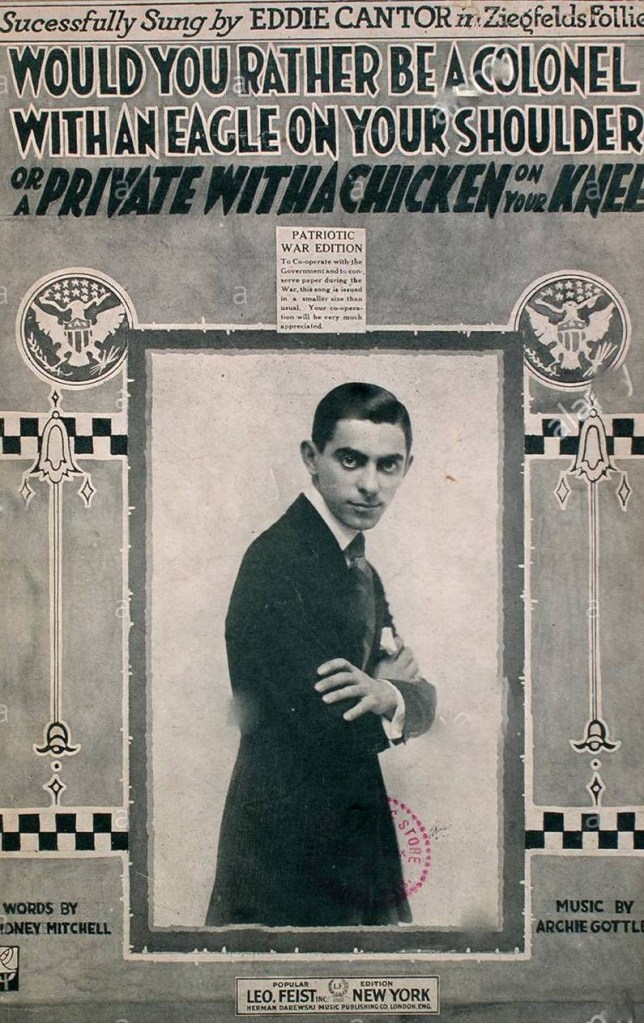
So much for chickens in the coop or on the plate; now the bouncy, Tin Pan Alley stuff.  Here is a use of “chicken” slang that Eddie “Banjo Eyes” Cantor performed way back in the days of World War One. 

Click or tap on the triangle in the next image or link and listen carefully to the vaudevillian lyrics of “Would You Rather be a Colonel with an Eagle on Your Collar or a Private with a Chicken on Your Knee?  Whew!

Here’s another in this classical category.

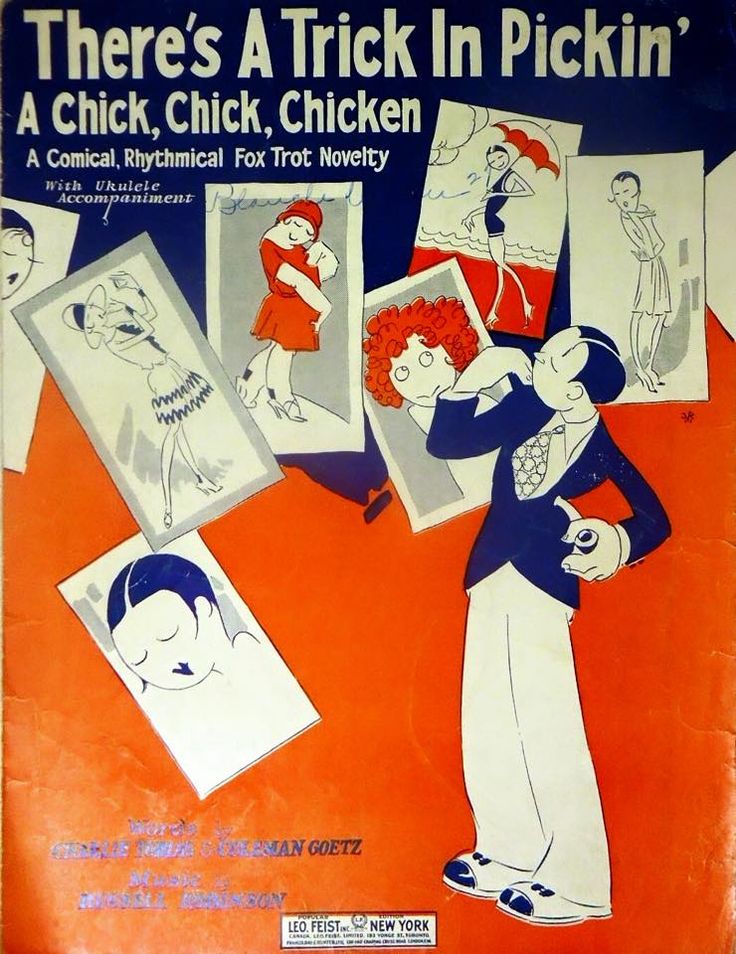
Now, click or tap on the triangle in the next image or link for another of this genre with another convoluted title: “There’s a Trick in Pickin’ a Chick, Chick, Chicken,” another slangy Tin Pan Alley fox trot take on today’s theme.

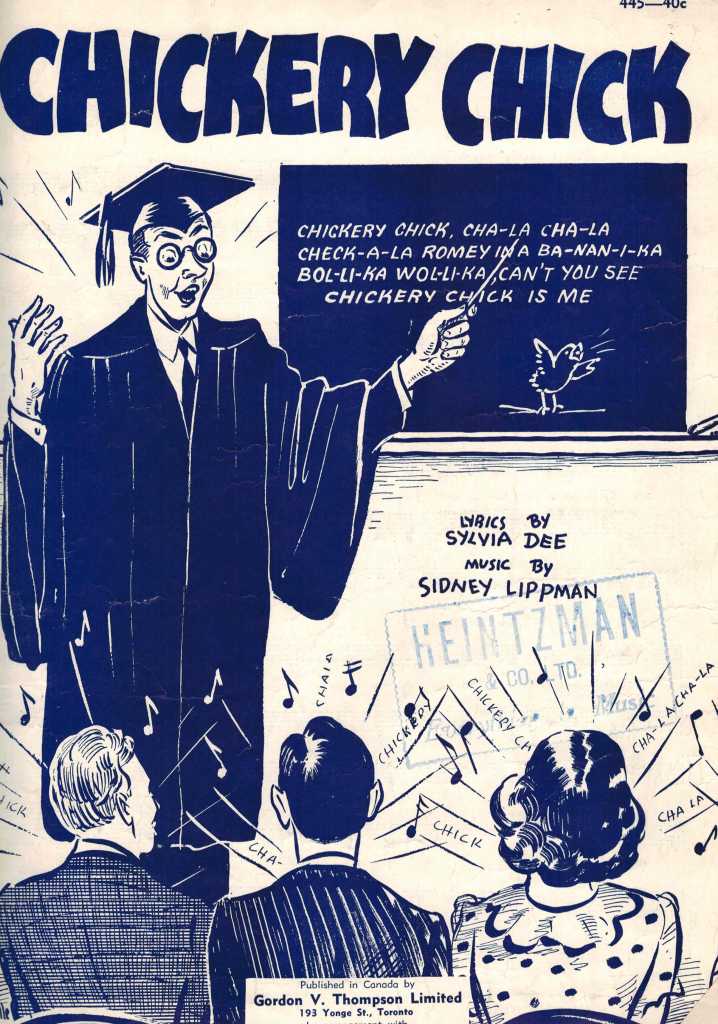
Ah yes, one more in the cinematic “country comic” mode . . .

Click or tap on the next image or link to listen to an early movie version of this one!

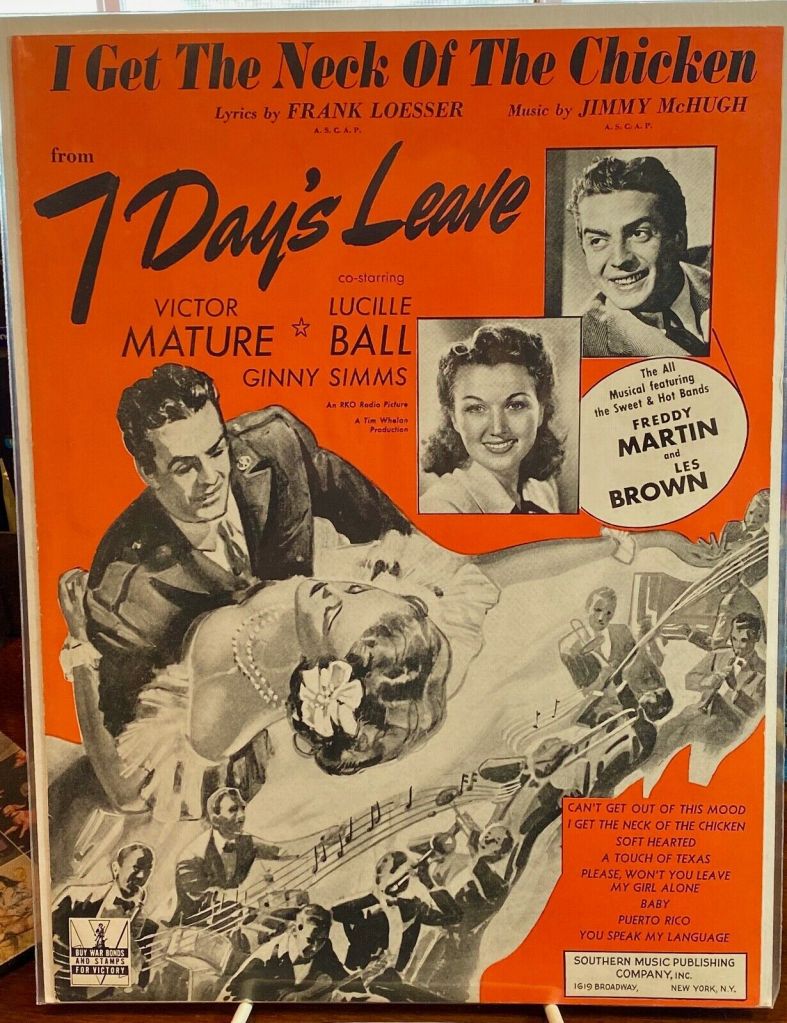
And, probably one of the most bouncy chicken related tunes of the swing era!

If your brain isn’t, um, fried, you can click or tap on the next image or link for for the wind up. Anyone out there remember this one?

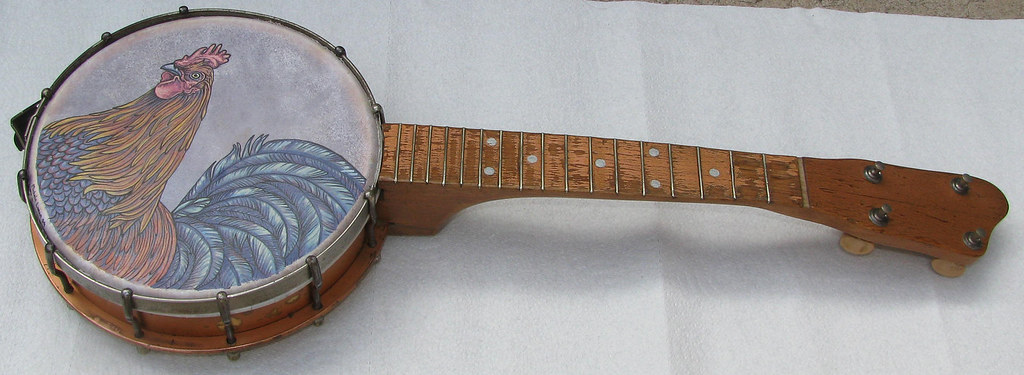
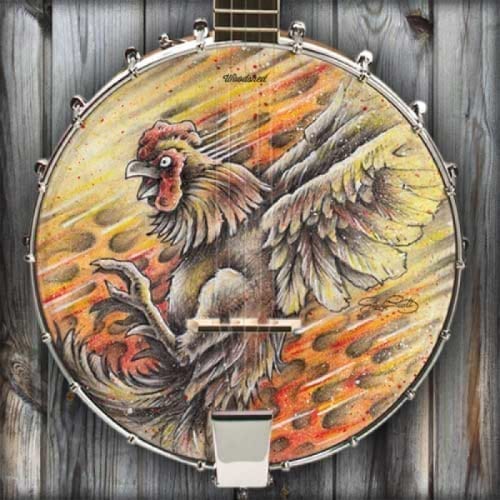
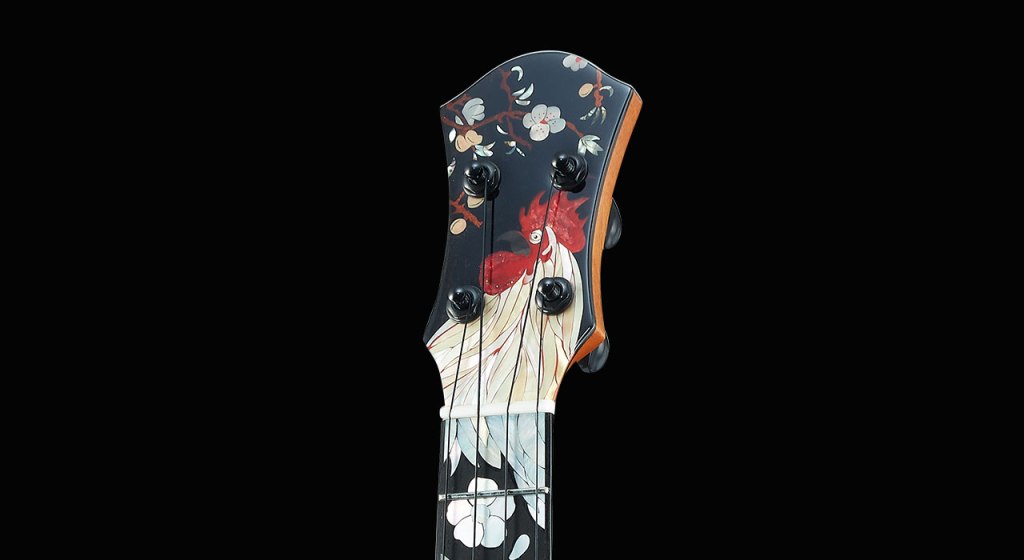
And, let’s not forget the poultrified banjo ukuleles out there!

So, remember the theme of the month and, hopefully, have a taste soon  of healthy skinless broiled chicken or deep-fat fried extra crispy—your choice! 

Now it’s time to dance your way to the chicken dinner table. Click or tap on the triangle in the next image to learn how. (Sorry in advance for this one!)

and, of course, STAY TUNED! And listen to the chick, chick, chicken . . .  

Or, an alternate opinion . . .


ANOTHER MUSICAL MUSING, 15 September 2023, Ridin’ the Rails with Another Earworm.

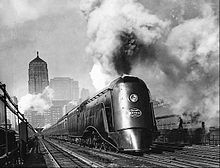
I’m old enough to remember that traveling from place to place by passenger train was “the glamorous” way to go.  

Sleepers, dining cars, porters, grand “central” stations were all a part of the fun.  The top-of-the-line were the “express trains”—”The 20th Century Limited,” 

20thAdBrochure.jpg

“The Super Chief,” and a couple of others that have achieved musical fame such as “The City of New Orleans,” . . .  

city-of-new-orleans.jpg

Click or tap on the triangle in the next image for this classic American train tune. Have a look and listen! Alas, the Arlo Guthrie version of this song he wrote is blocked from use by our friends at YouTube. Willie Nelson’s cover–with some nice illustrations–will do just fine!

. . . and “The Orange Blossom Special.”

Seaboard_Airline_Railroad_Orange_Blossom_Special_1939.JPG

Click or tap on the triangle in the next image to be blown away down the track with this bluegrass classic!

I just had to put those great train tunes in, but the most famous—albeit mythological—of the musical express train songs was “The Wabash Cannonball.” Lookout earworm; hear we come!  

AlbumWabashCannonballCover.jpg

Sources vary on this, but the Wabash Railroad (not Cannonball!) ran on the Great Rock Island Route through the middle and western United States in the late 1800s and early 1900s. “The Great Rock Island Route,” the grandfather of our song, was published in 1882; the “reimagined” grandchild, “The Wabash Cannonball” was published in 1904. A bit of musical genealogy!

057-135-000.jpg

Click or tap on the triangle in the following image to begin this week’s earworm with the 1882 original!

No “Cannonball” here!

Now listen to the jingle, and the rumble, and the roar,
As she dashes thro’ the woodland, and speeds along the shore,
See the mighty rushing engine, hear her merry bell ring out,
As they speed along in safety, on the Great Rock Island Route.

There are many theories about the origin of the name “Wabash Cannonball” and most predate the use of the name for an actual express train.  Some scholars say that hobos—those infamous “riders of the rails”—imagined a mythical train by that name that appeared at the death of one of their own to carry his soul to its reward.  

8e03154r_002.jpg

Another theory states that the song is based on a tall tale in which Paul Bunyan’s little brother (who knew?) constructed a railroad line known as the “Ireland, Jerusalem, Australian, & Southern Michigan Line.”  It was said that, after two months of service, this 700-car train was traveling so fast that it arrived at its destination an hour before its departure!  When the hobos learned the tale of this train, they called that one the “Wabash Cannonball.” 

81GSgmdhrhL._SX425_.jpg

Tall tales from around the hobo campfire!  But aren’t those what folk songs are all about?

Historical veracity aside, the later edition stuck as of one of the most enduring “railroad songs” in American folk and country music.  

wabash-cannonball.jpg

The lilting melody of this song has remained unchanged while the verses have been updated by singers over the years including the Carter Family, Roy Acuff, Tennessee Ernie Ford, Bing Crosby, Chuck Berry, and Woody Guthrie. Guthrie, in fact, borrowed the melody for his depression era song, “Grand Coulee Dam.”  Click or tap on the triangle in the next image to listen to a real hobo’s take on this one!

The name lived on through World War II, albeit on a plane not a train.

8270c144ee3bb36791b7685add240736.jpg

After World War II, in the wake of the song’s popularity, the Wabash Railroad named its express run between Detroit and St. Louis the “Wabash Cannon Ball”–the only actual train to bear the name and well AFTER the song was written, not the other way around.  Go figure!

For you Rock and Roll fans, “The Wabash Cannonball” was added to the Rock and Roll Hall of Fame’s 500 songs that shaped that musical genre. In fact, it’s the oldest song on the list!  How’s that for a musicological bit of trivia?

94c99f77f38506e34bc855b922ef4fc2.jpg

So, sit back in the club car, or hop a freight, get that penny-a-point card game going,  but, stay tuned!  Even our favorite little instrument can capture this one! Click or tap on the triangle in the next image for a look and listen.

hobo-with-guitar.jpg

I’m sure this is a baritone ukulele! The case seems to be held together with what is affectionately known as “West Virginia chrome.”

Just to help erase the “Cannonball earworm”, let’s end up this musing with one of the greatest train ride musical/theatrical interpretations out there. Click or tap on the triangle in the next image to “ride” along with the traveling salesmen on the train with the infamous traveling salesman Harold Hill–“The Music Man.”

Did that get rid of the “Wabash Cannonball” earworm? No? Sorry. But, STAY TUNED and travel by train whenever you can and make the experience as glamourous as you can!

ANOTHER MUSICAL MUSING, 18 August 2023: Songs Around the Campfire–Gifts of the “Campfire Spirit”

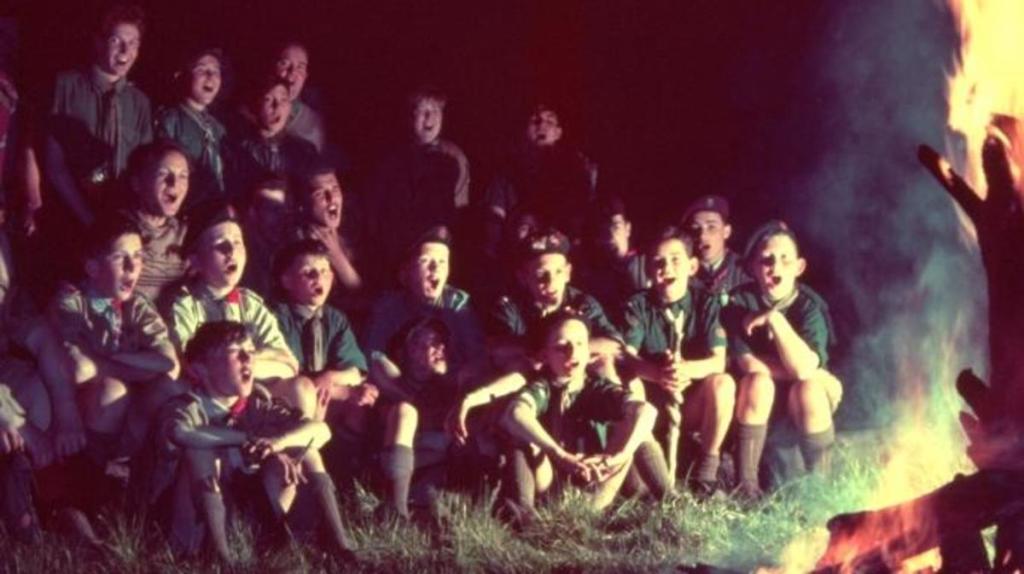
Growing up in the 1940s and 50s, one of my favorite summertime experiences was “going to camp.”  For me, this was Boy Scout Camp with all the fun of archery, Indian lore, crafts, canoeing, swimming, and outdoor adventures.  I did this for several years both as a camper and as staff.

Each evening, just after dark and before “lights out,” all we campers would assemble at the camp’s lakeside mini-amphitheater to end the day with what was simply called “Campfire.”  The big bonfire was lit “miraculously” by the camp “spirit” and, after announcements, demonstrations, and—from time to time—a skit or story, it ended with the camp “Sing.” 

We were all young enough and innocent enough in those days to join in with singing those good old camp favorites that had been around for years and, indeed, for generations.

We could even hear the Girl Scouts from their camp across the lake but, as would be expected with the youth of those days, we were too young and naive to notice. Sort of . . .

When I was on staff, I was honored to be assigned the daily task of “fire spirit” and charged with setting the tinder, kindling, and wood for the evening’s fire. Secretly, at the mysteriously correct time, I would stealthily pull the hidden cord that dragged the weighted wood block studded with strike-anywhere” matches over the sheet of coarse sandpaper hidden beneath the tinder.  Spark, flame, then fire, then the magic CAMPFIRE!  Hey, it was the 1950s!  Times were simpler then.

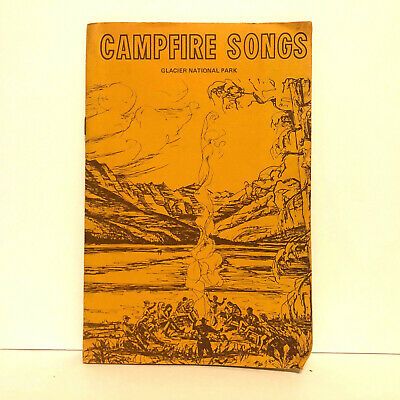
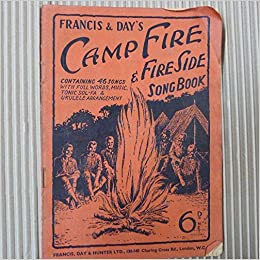
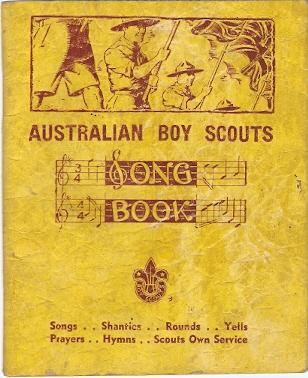
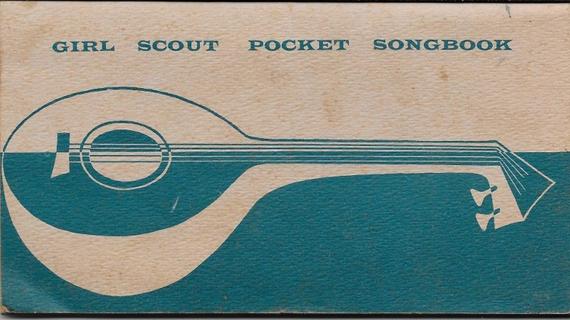
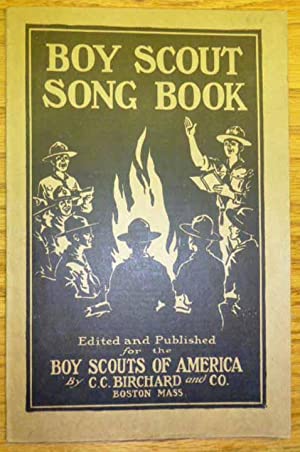
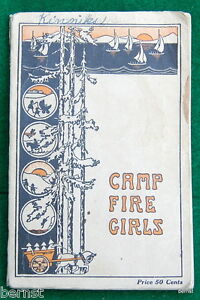
Those so-called campfire songs—sometimes published with appropriate ukulele or guitar accompaniment chords—have been around for years. Songbooks for boys, girls, and grownups filled with these were readily available but seldom needed. We already knew almost all of them.

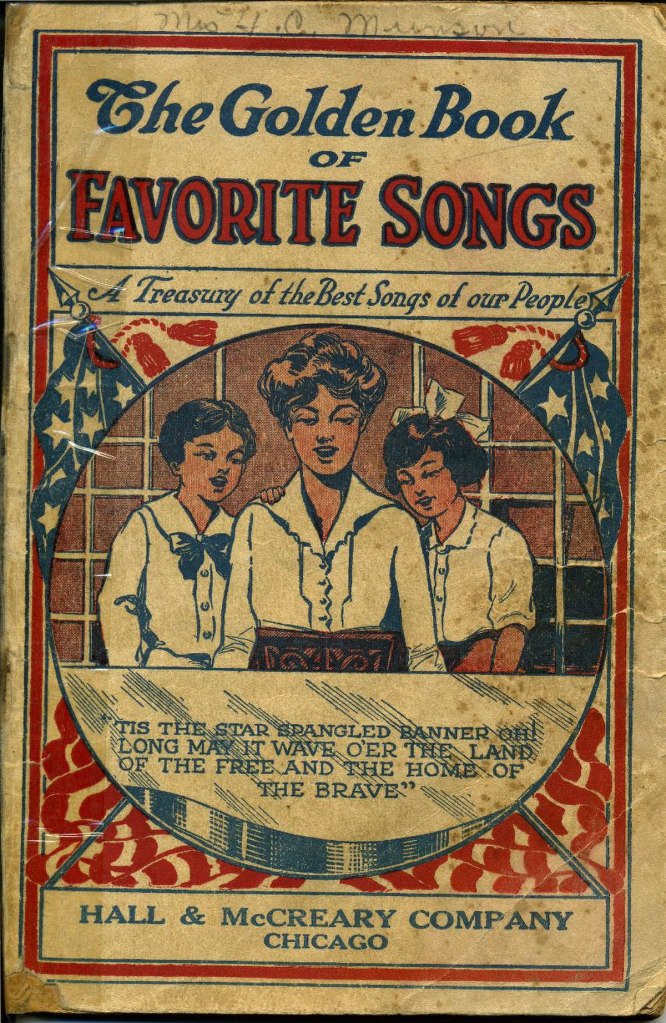
And, of course, this was the most popular songbook of all for campfires or anywhere! But most songs were too well known to really need a book.

The songs were familiar and, usually, more than three chords were all that were necessary. How’s this for a favorite oldie? Only two chords! Don’t tell me you have never sung all eleven of the verses around a campfire or somewhere else. No need for a YouTube here; just remember and sing as silently as you can to yourself. Don’t cheat! Sing it all.

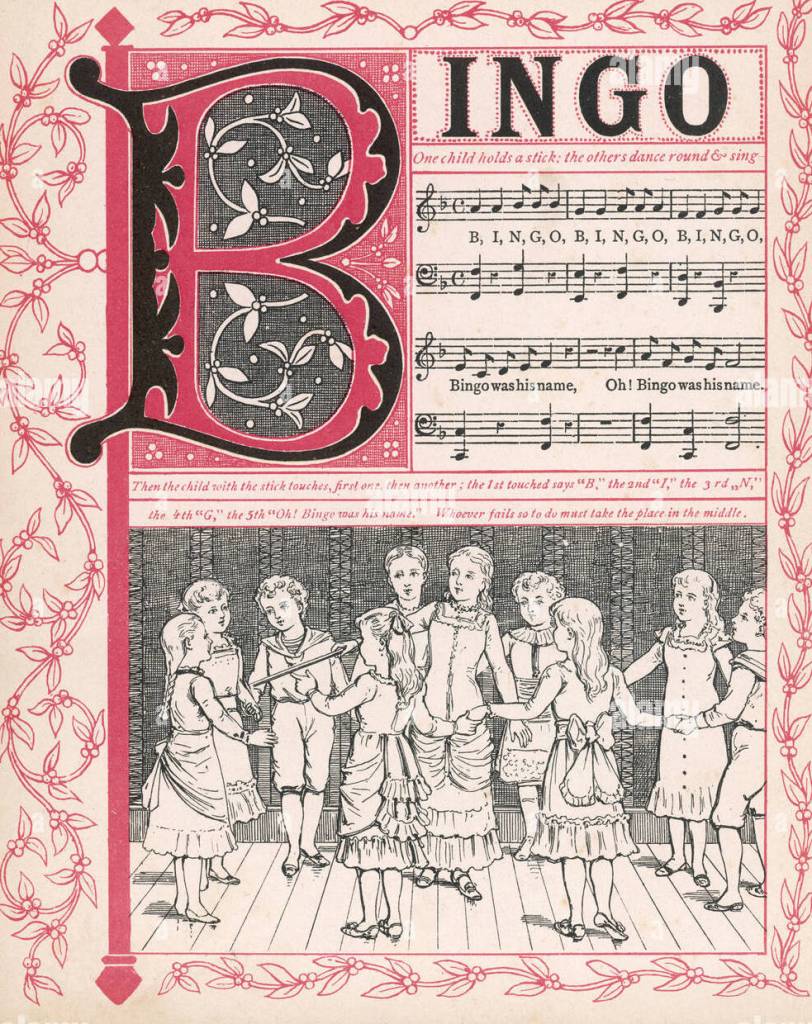
How about another old chestnut (peanut?) of a campfire song? This is one of the oldest out there.

Earworm alert! Tap or click on the triangle in the next image and listen for as long as you can stand it!

Moving on from kiddie-camp songs. Quickly!

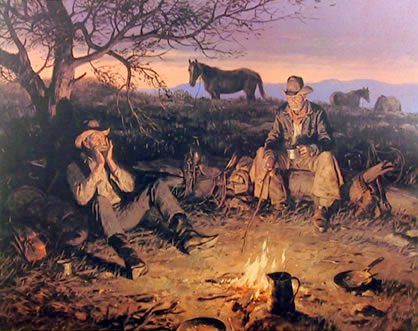
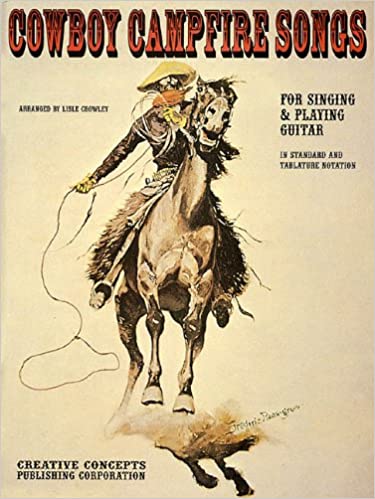
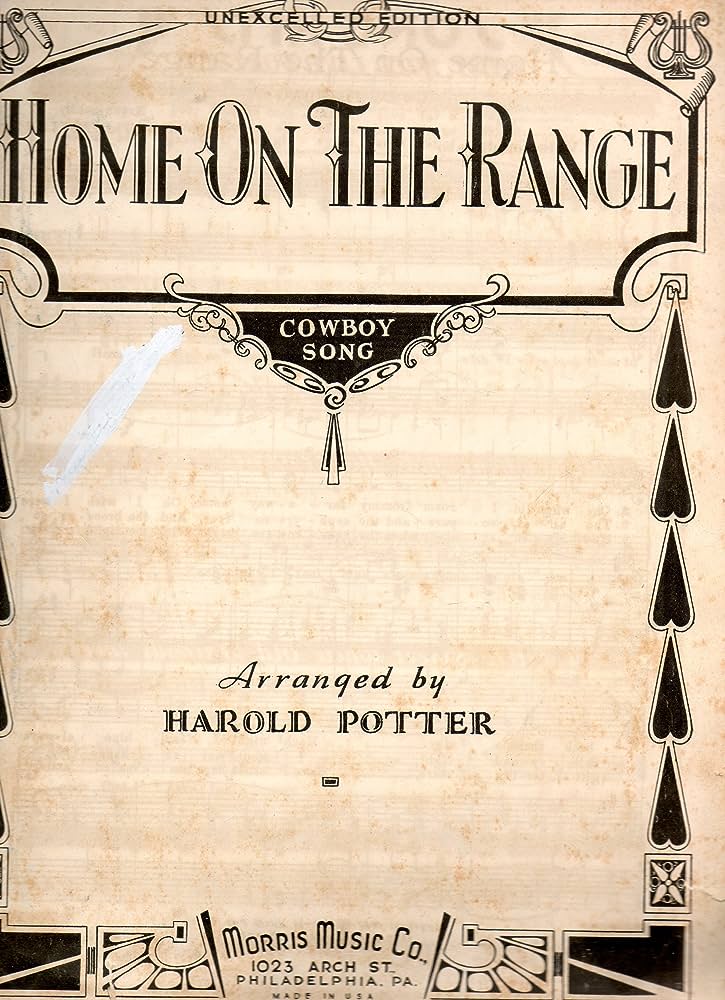
One of the better known musicological genres of campfire songs are those of the cowboys and the West.

I’m sure that there were plenty of bawdy songs sung around these big-boy campfires (unlike we Boy Scouts, of course!), but we won’t go there with this simple musing. Nostalgia for the good old things are a tad more PG!

Take this oldie for instance. Click or tap on the triangle in the next image for a look and listen to this poetry in music– lit, of course, by many a campfire Western or not.

Click or tap on the next image for a listen to some good baritone uke strumming on this other campfire favorite.

Even Manhattan’s Cole Porter found a niche here. Tap or click on the triangle in the next image to see and hear Roy Rogers have a go at this Porter tune in a “modern campfire”–a stage in a nightclub!
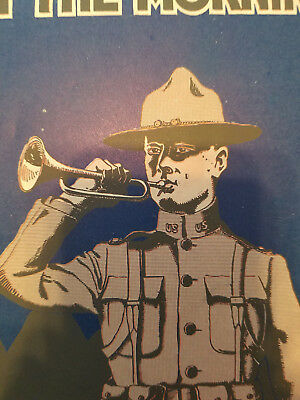
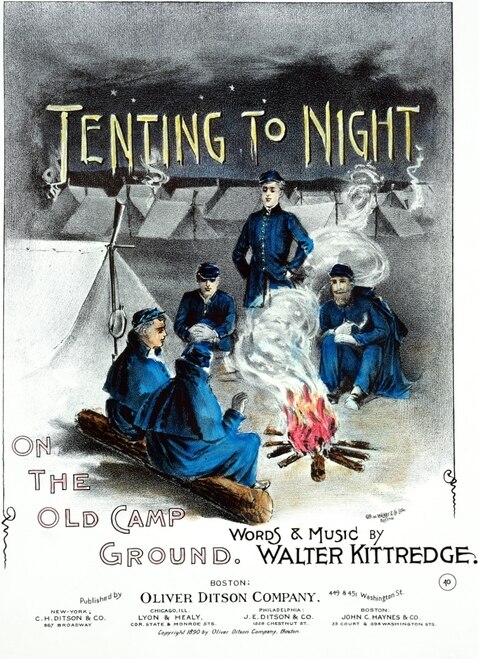
Moving on, here is another musicological campfire genre–songs of soldiers, sailors too. Needless to say some of these go way, way back. Here’s one from the Civil War.

Tap or click on the triangle in the next image for a simple version of this Civil War camp ground song.

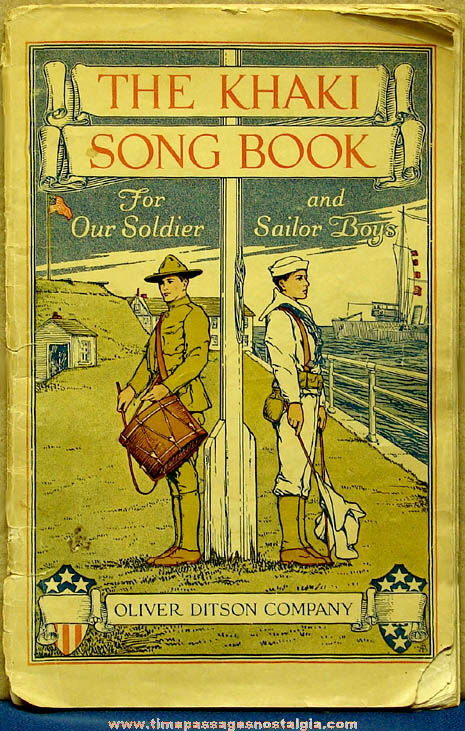
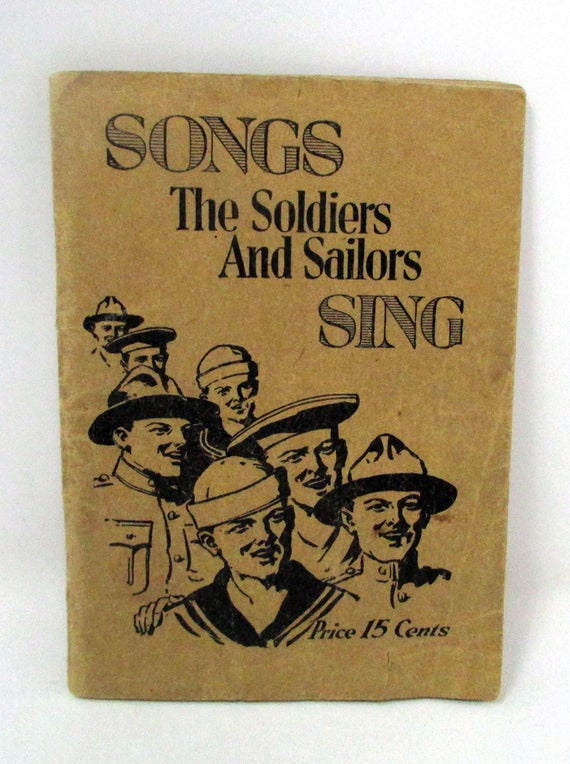
There were campfire songs back in days of World War I when singalongs were a popular form of entertainment both in camp and in the field.

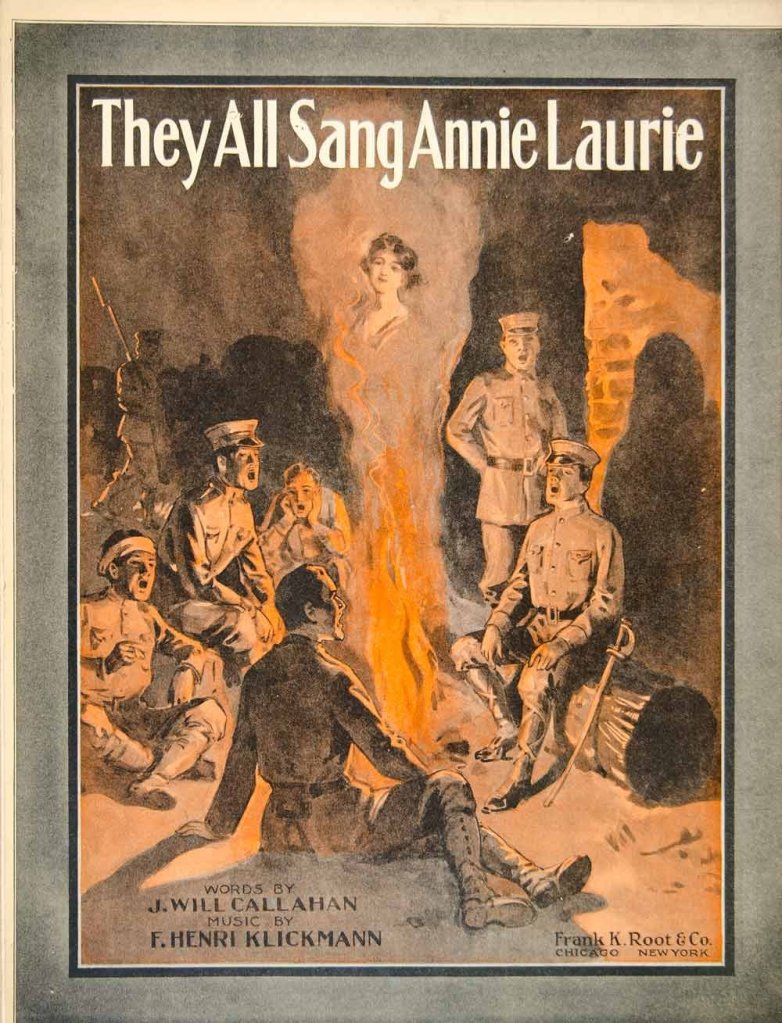
The “Yanks” did a take on the old “Tenting Tonight” and dozens of other musical chestnuts. The “Tommies” had their campfire version of “Annie Laurie.

Tap or click on the triangle in the next image and grab a seat by the fire as it burns in wartime France.

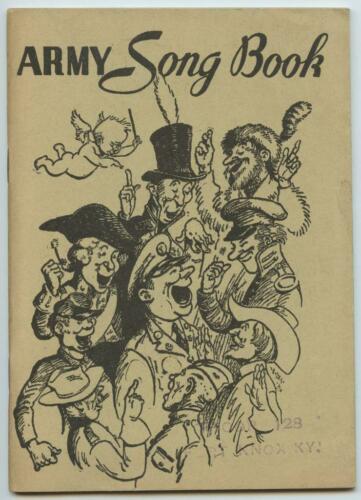
Even during World War II there were singalongs and what could easily pass as campfire songs.

And, of course a bit of singalong trench humor!
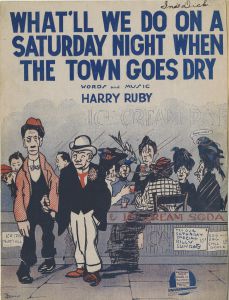
Moving on, other campfire songs are, shall we say, a bit more modern.

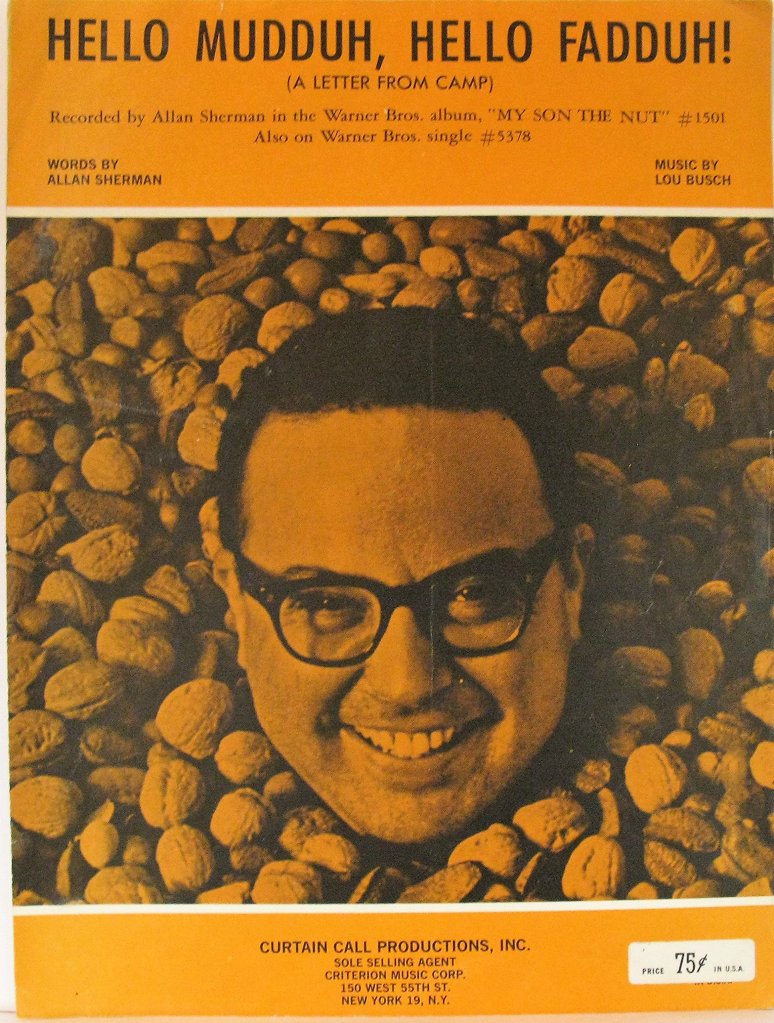
Tap or click on the triangle in the next block for the late Allan Sherman’s performance of this ultimate camp song!

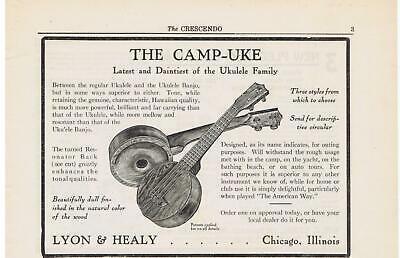
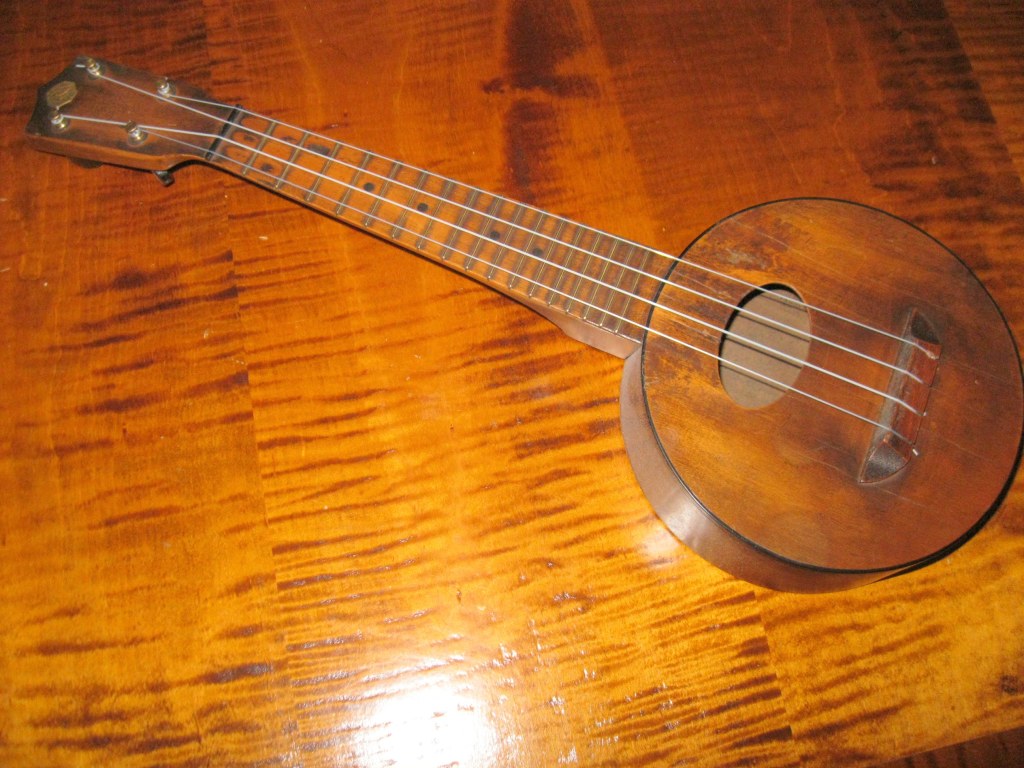
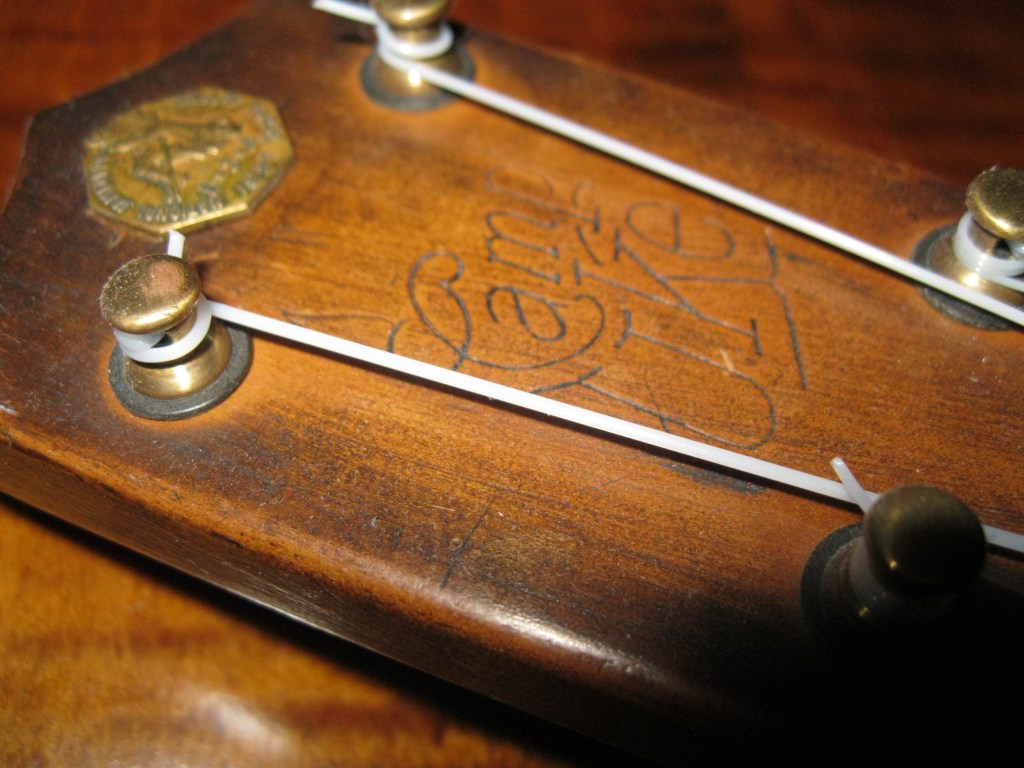
There was also a style of ukulele specifically called a “Camp Uke.” 

This was soprano scale with a circular body almost like a wood-topped banjo uke.  Lyon & Healy of Chicago pioneered these but , as would be expected, a lot of folks copied the style and the name.  Here’s one from my collection.

Of course, most other ukes work just fine around a campfire–in the woods, on the beach, or in the backyard. Especially to serenade your sweetie!

Just keep those ukes out of the kindling pile!

Now another musicological campfire genre (usually called a “bonfire,” however) was on a beach somewhere and usually were more coed than the Boy Scout variety. This allowed a bit more harmony, however, with those sopranos and altos joining the tenors and baritones.

Here’s a great bonfire song that we all know! Click or tap on the triangle in the next image for a quintessential reminder. Another earworm alert!

And, of course, the ideal ukulele for those beach bonfire parties. Just stick it into the sand between tunes!

So, lets end this musical musing with the way we always ended “Campfire” back in the sweet old summer days by the lake. Oh yes, the Girl Scouts sang it too!

Click or tap on the triangle in the next image to listen to how we ended Campfire when I was “The Spirit.”

So, as this summer thinks about closing, and whatever camps and campgrounds that were open have closed their gates, hopefully you were able to enjoy an evening campfire in the great outdoors or, at least, remember those happy ones from years past.

Perhaps not . . .

Whether camping, glamping, RV-ing, or fire-pitting in your backyard or nearby woods, hopefully you were compelled (coerced?) to pull out that old uke or guitar, strum a three-chord progression intro, and launch into a few of those smokey old songs that everyone already knew from their campfire days.

But, let’s not let our campfire fun get too 2023-ish . . .

Or . . .

So, remember those campfires of yore, and have a great big . . .

STAY TUNED s’more!