UKULELE MUSING 2020, No. 29, 11 July 2020–A Song for Sequestered Times: “Don’t Get Around Much Anymore”

Note: A couple of things about the YouTube videos that I include in my postings.  First, I don’t want to spend the money to purchase access to YouTube without ads.  So, from time to time you may see an ad for a few seconds before the intended content clicks in.  Alas, in these days of political scrums, its hard to tell just whose face will pop up. Sorry.  A penny saved is a penny earned.  And, from time to time a particular YouTube video might seem a bit too long for you busy folks out there.  Feel free to click it off when you want, hopefully after you have enjoyed the point I was trying to make by including it.  Sometimes less is really more! 

Also, I don’t mean to make light of the pandemic facing our world, nation, state, community, friends, and family. Sometimes, however, we need a bit more lightness than darkness and so, gentle readers, I muse on.

Now, on to this week’s posting . . .

With our days of sequestration now extending into months rather than weeks, I found myself looking for appropriate songs in our good old Yellow Book (“The Daily Ukulele,” by Liz and Jim Beloff) that would touch on the main topic of today.  Sitting at home, songbook on the stand in front of me and gazing out the window, it came to me: the song for these trying times, “Don’t Get Around Much Anymore”—a fact, not fake news! 

Talk about an easy choice for a musical musing!  Written as a lover’s lament, the song takes on a whole new meaning as we sit home by ourselves these days.

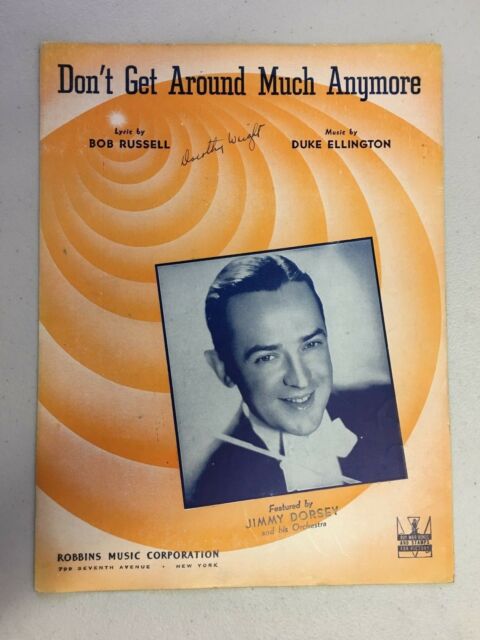
Anyway, this jazz standard was composed and recorded by Duke Ellington in 1940 and first titled “Never No Lament.”  The song was just one among many similar, moody, bluesy songs of the Ellington orchestra’s Harlem repertoire.  When songwriter Bob Russell added lyrics for the song in 1942, the name was changed and it soon became a national hit. In those days of loose copyrights and tiny royalties, it was played and recorded by just about everyone in the music business. 
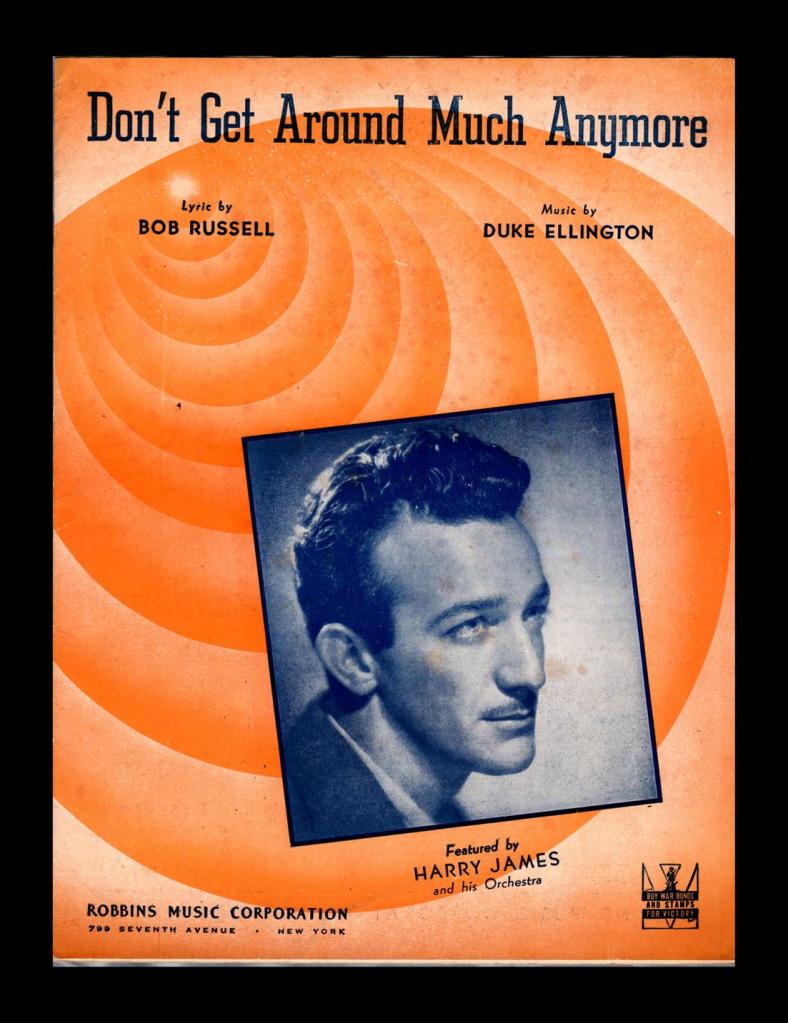
It really became a “standard”—orchestral as well as male or female singers.

Let’s start with the 1942 Ellington version.  Tap or click on the next image for this. 

The other chart-topping rendition of the song, recorded in 1943, was by the widely listened to quartet, The Ink Spots.  Click or tap on the next image for a listen to their close harmony and distinctive style. 

Another great interpretation of the song—with some good illustrations for us—was recorded by the blues harmonica virtuoso “Big Walter” Horton in 1961.  Tap or click on the next image for this one.    

And, of course, for a song that has been around for nearly eighty years, many performers—both instrumental and vocal—have worked their own magic with this tune.  You don’t need to listen to the whole YouTube recording unless, like me, you get carried away.  But, here are a few of my good-for-being-sequestered favorites!

Stephane Grapelli on Gypsy Jazz Violin, tap or click: 

 A 1940s film version on some artificial beach, no less. Tap or click:

Willie Nelson Country/Western Version with his beat up guitar, tap or click:  

And, of course, a jazz ukulele instrumental, tap or click: 

So, stay safe, stay sequestered, and STAY TUNED!  But, as a bit of a sendoff, here are a couple of parody versions—as we might expect—of our song.  Stay smiling!

Let’s start with an up to the minute parody version, tap or click: 

 And, of course, a close harmony Zoom version, tap or click:    

Now if you would like to give this a try at home, hopefully not too much by yourself, here is a chord melody TAB version I put together a couple of years ago. It’s set up for a DGBE-tuned baritone (or sopranino) uke but you GCEA folks can simply follow the TAB numbers and it will be in the Key of C.
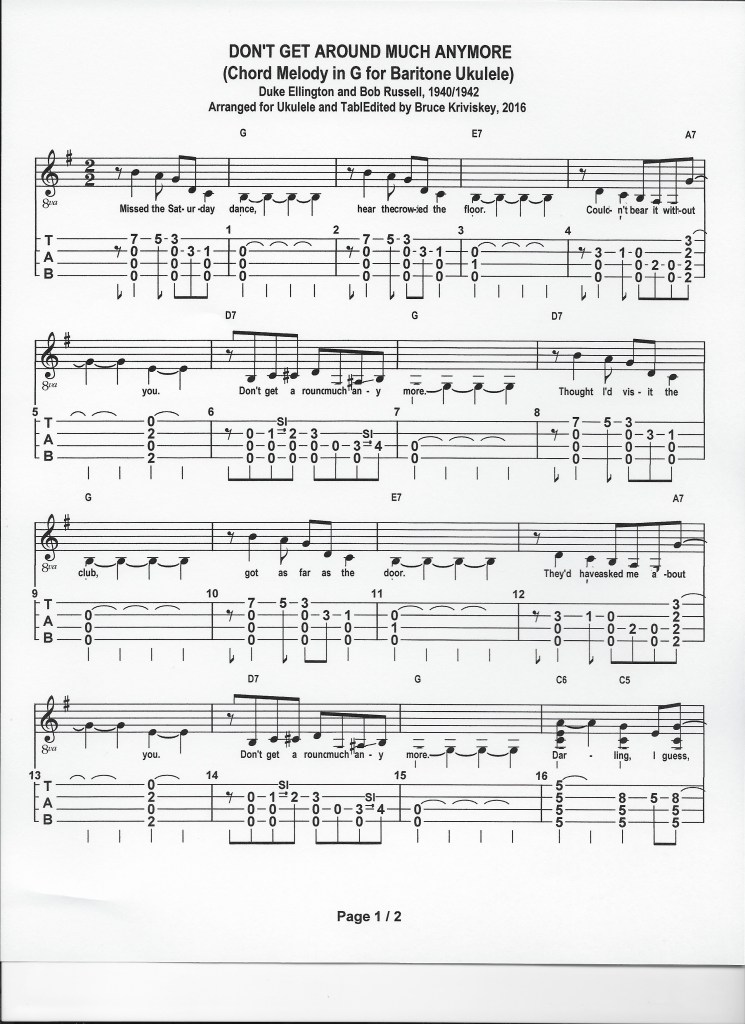
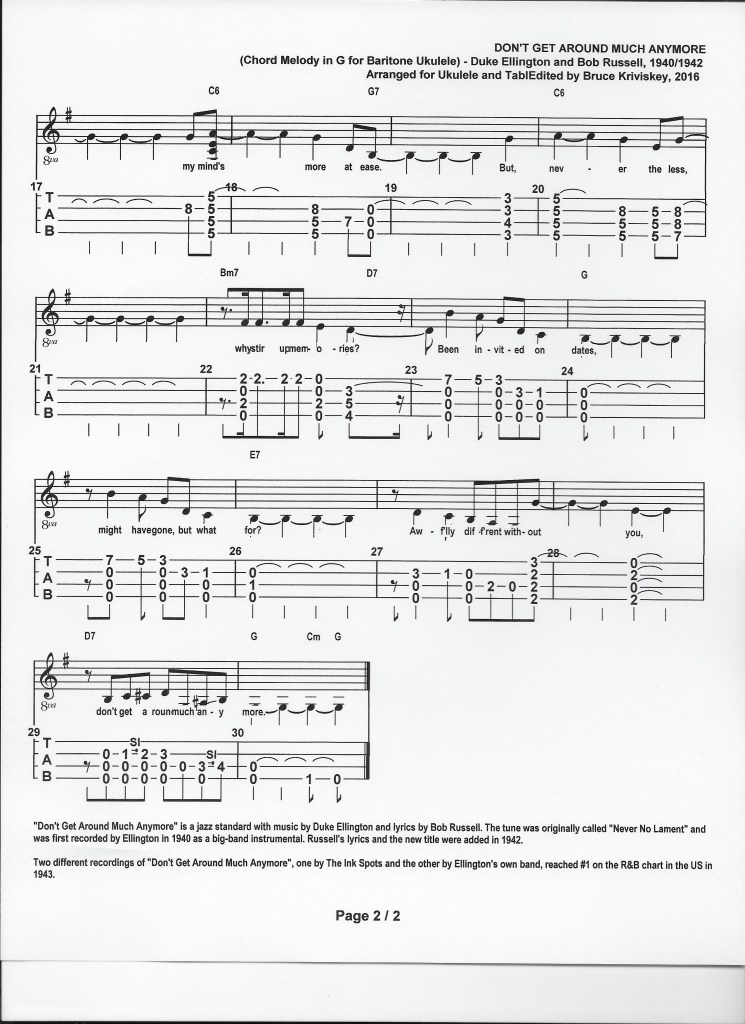
Oh yes, stay appropriately masked when tabbing or strumming!

And shirted!

More lightness than darkness, I hope!

ANOTHER MUSICAL MUSING, 9 June 2023–The Earworm of All Earworms: “Puttin’ On the Ritz”

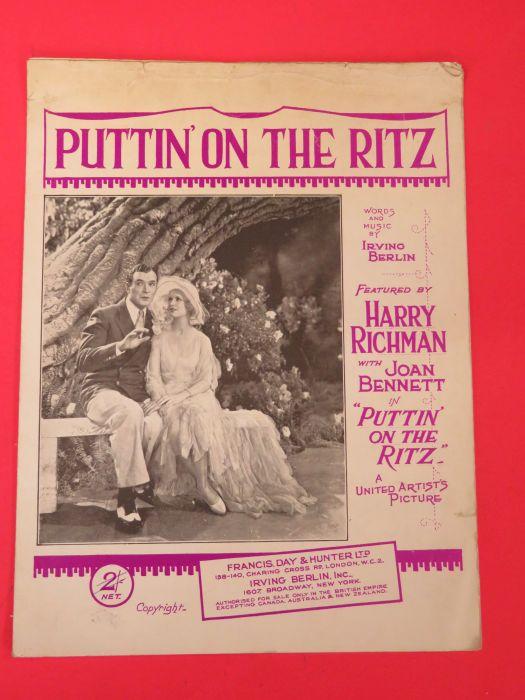
This musical musing of mine, gentle readers, will probably leave you with the earworm of all earworms because I’m only going to focus on ONE song. It’s that choice bit of so called “catchy music”—“Puttin’ On The Ritz.” 

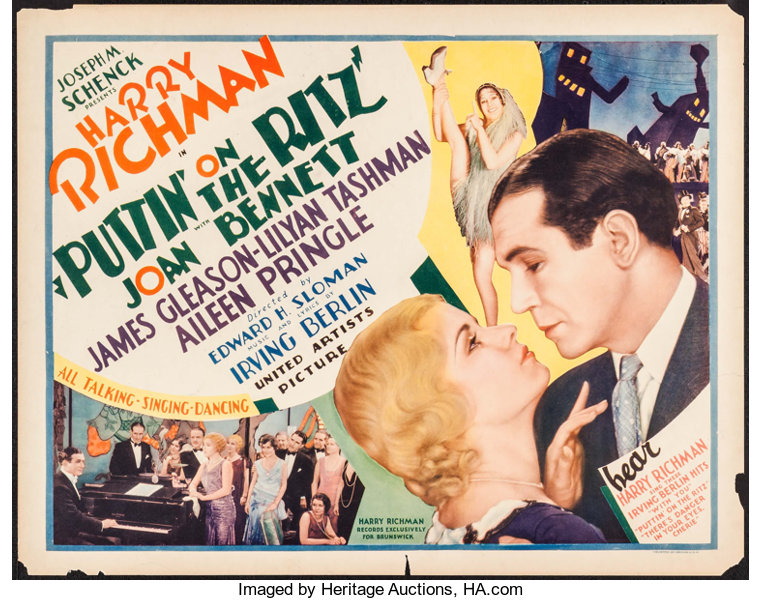
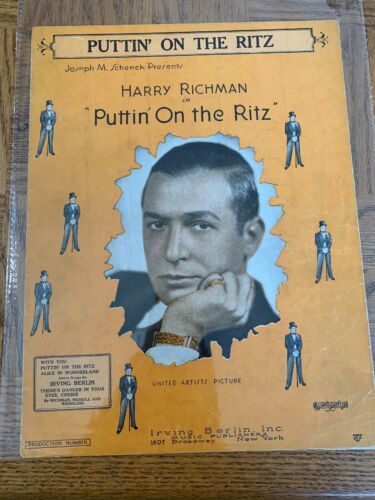
This song was written by Irving Berlin in 1927 and published a couple of years later.  It was performed in the movie by the same name in 1930 . . .

. . . and is said to be the first song and dance routine in film to be performed by an interracial ensemble. Who knew?  The title is a slang expression meaning “to dress very fashionably” and the term was inspired by the opulent London hotel, The Ritz.  

The original version of Berlin’s song references the then-popular fad of fashionably dressed Black residents of New York’s Harlem parading up and down Lenox Avenue. 

Here is the original production–with the Harlem lyrics–from the movie “Puttin’ On the Ritz.”  Tap or click on the triangle in the next image to take a peek: 

Cinema and vaudeville heart throb Harry Richman sang the song in the movie and his recording became the number-one selling record in America at the time.  Alas, his career faded soon after.

Aside from the witty lyrics, the danceable melody is both complex and provocative. According to music critics of the time, the A-section of the song used a “delayed rhythmic resolution: a staggering, off-balance passage, emphasized by the unorthodox stresses in the lyric, suddenly resolved satisfyingly on a held note, followed by the forceful assertion of the title phrase.  The B-section is a contrasting march rhythm.” Whew!

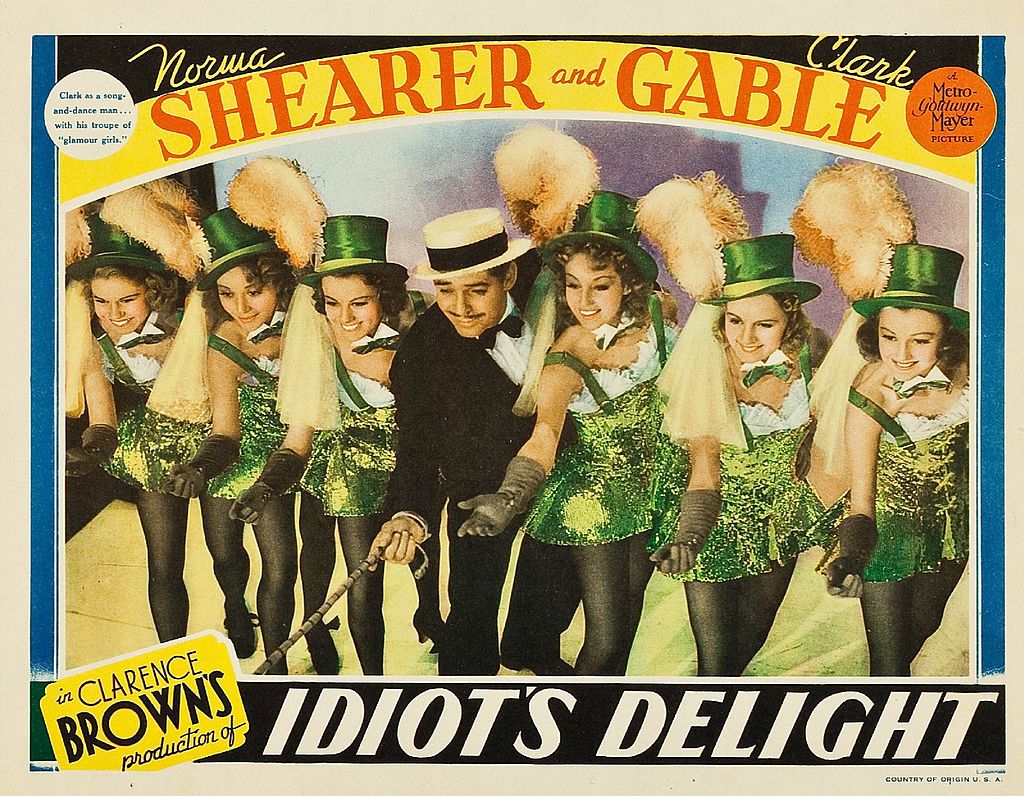
The whole song is considered by many to be one of the most complex and provocative rhythmic patterns ever written and has been loved by hoofers ever since. As a surprising sample (to me, at least) of all this, the original Harlem homage lyrics were used again in the 1939 movie “Idiot’s Delight . . .

. . . featuring a song and dance routine by none other than Clark Gable, of all people!    Click or tap on the triangle in the next image for a surprisingly good performance.  Again, who knew? 

By 1945 Berlin had become increasingly aware that stereotypical portrayals of Blacks were losing favor with audiences. He then rewrote the original Lenox-based lyrics to apply to affluent Whites strutting up and down Manhattan’s famed fashion center, Park Avenue.  Musical times go on . . .

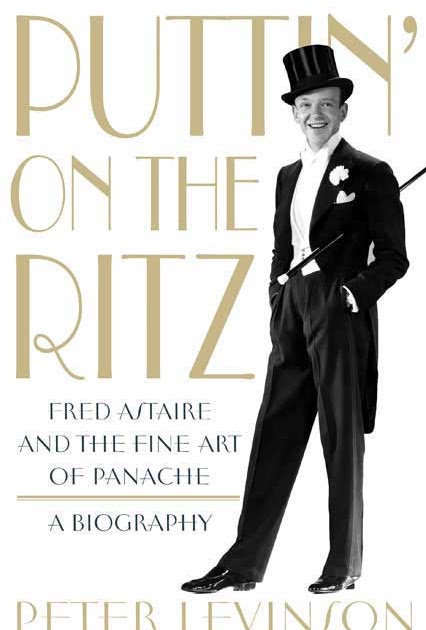
Needless to say, the quintessential song and dance performance of “Puttin’ On the Ritz” is, of course, the Fred Astaire version–with Berlin’s revised Park Avenue lyrics– in the 1946 movie “Blue Skies.” 

Click or tap on the triangle in the next image to take a look at this classic:  

And, we mustn’t  forget that great film parody of our song by Gene Wilder and Peter Boyle in the movie “Young Frankenstein.”  Click or tap on the triangle in the next image for this unforgettable bit of comedic film/music history where the young Dr. Frankenstein’s noble intentions are thwarted as he shows off his cobbled together creation:

To end our “ritzy earworm journey” with an international note, how about a Russian (of all places!) flash mob doing a take on this.  Small world!  Click or tap on the triangle in the next image for this Moscow moment from back in the days when Russia was a happier place: 
Now, there are probably well over a hundred covers and interpretations of “Puttin’ On the Ritz” out there in the internet world ranging from homages to parodies, and both the Lenox and Park Avenue versions live on today.   Needless to say, you can explore these at your leisure.  I’ve only attached a few of my favorites to this musing so, put on your “Ritz earworm” facemask . . .

. . . and explore these yourself from the safety of your own home. Good luck with that earworm, however!

So, gentle readers, stay in rhythm, stay safe, STAY TUNED,and have a crack at this bite of topical humor.

Did you get it? If not, have a nibble and try again!

UKULELE MUSINGS 2020, No. 26–20 June 2020: “A Day to Remember Your Dear Old Dad, Father, Papa, Grandpa, and–Oh Yes–‘Daddy'”

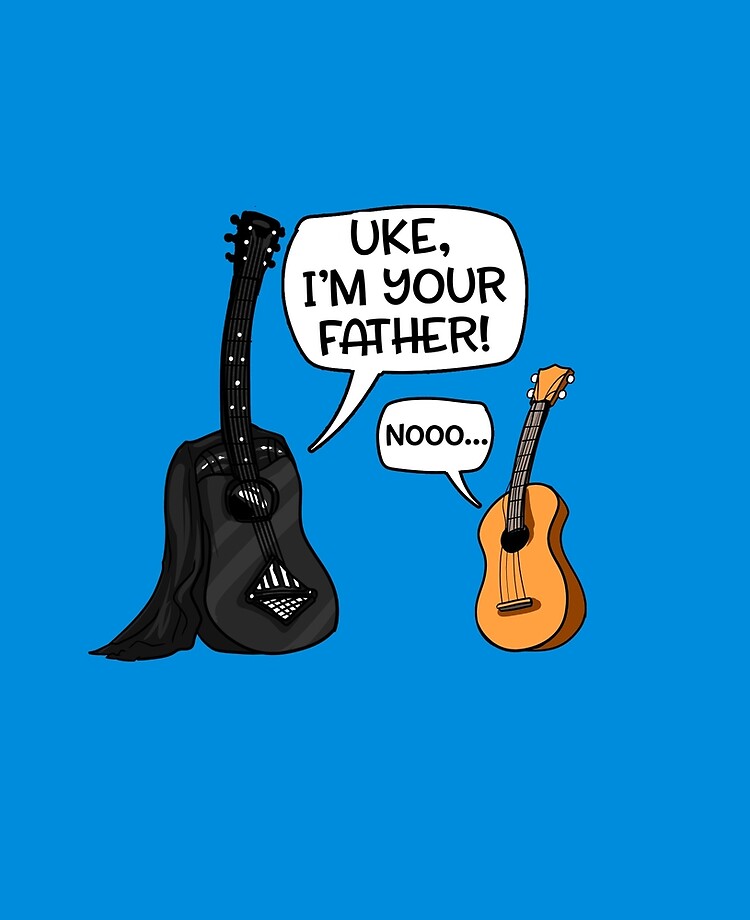
Note: If this pic needs an explanation, you are not a ukulele strummer. If still puzzled, go ask a strummer. If no strummer is available, you are missing out on one of the best things of life!
Well, here we are half way through my weekly musings of 2020 (number 26 of 52!) and the calendar has rolled around to another Father’s Day as of this Sunday. All of us who have or have had fathers can muse on their influence on our lives, at least our musical lives. So, as my annual musical homage to my father, click or tap on the next image to hear a ukulele version of the first song he ever taught me.

 My father, despite his pride in the fact that he was a Field Artillery officer, could only sort of hum this tune and he readily admitted that, when it came to music, the “only thing he could play was the radio.” 

And, play the radio he did.  He built a crystal set for himself in his teens and, in the 1920s (high school), 1930s (college and first jobs), and 1940s (army) listened t0 and knew all the bands and songs played on the air. We sat around the radio at home and, of course, in the car–AM, of course.

 To say that I grew up absorbing the big band/bouncy/bluesy sounds of these musical eras on the omnipresent home and car radio is an understatement. Needless to say, my musical listening proclivities were formed as my little ears grew into bigger ones. 

This was his gift to me so bear with me, gentle readers, if my musings focus on those “oldies” (to you) but “goodies” (to me.) After all, it is Fathers’ Day and, like many of you, I am a father and, like a few of you, a grandparent. So, indulge me.

Now, back to the ukulele theme! Fathers (not mine, alas) often eased their offspring into musical directions by strumming on—or at least giving a child—a ukulele and “showing them which end to blow into!”  Kidding, of course.

Some kids embraced our favorite little instrument and kept their fascination through teenage years and adulthood.  Look around you!  Alas, others moved on to screaming heavy metal electric guitar sounds.  (With apologies to our friends at Northampton’s own Downtown Sounds!)

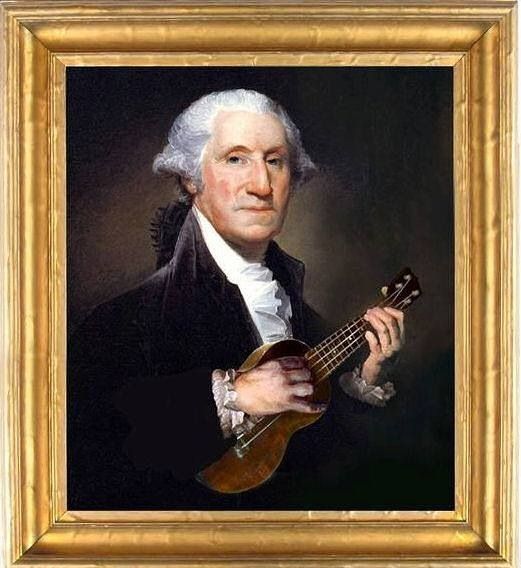
But, fatherly influence is all important, including from the “Father of Our Country!”

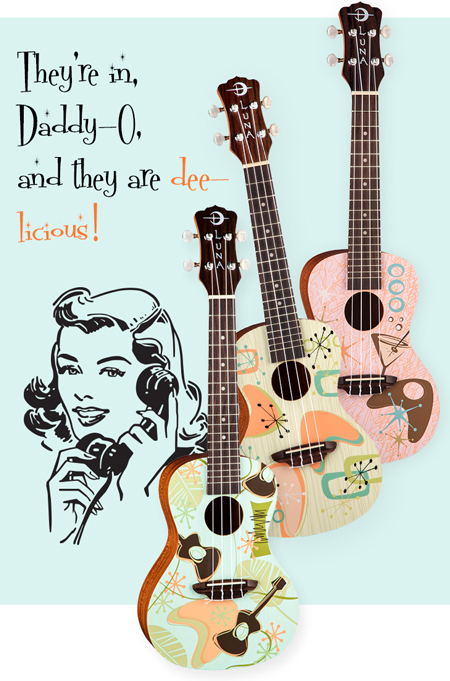
Moving on. Not much in the way of “father” or “dad” ukuleles out there but, still . . .

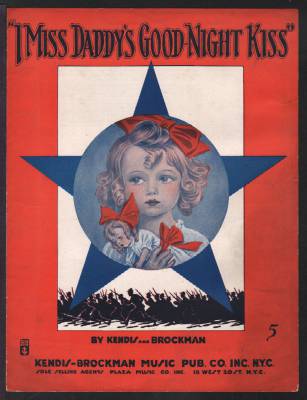
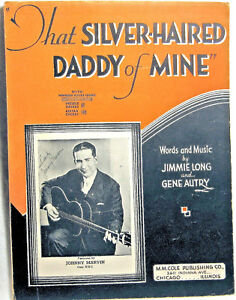
Continuing on to tunes. Needless to say there is a plethora of “Daddy” music out there from the sweet to the maudlin . . .

Give a listen to this old tearjerker by that “singing cowboy” himself, Gene Autry. Click or tap on the next image for a treat.

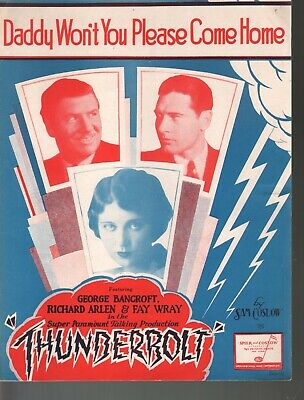
Here is the Ultimate World War I “Daddy song.” Click or tap on the next image to hear an original recording.

I wish I could find the suggestive lyrics to this one. Alas, I must search on!

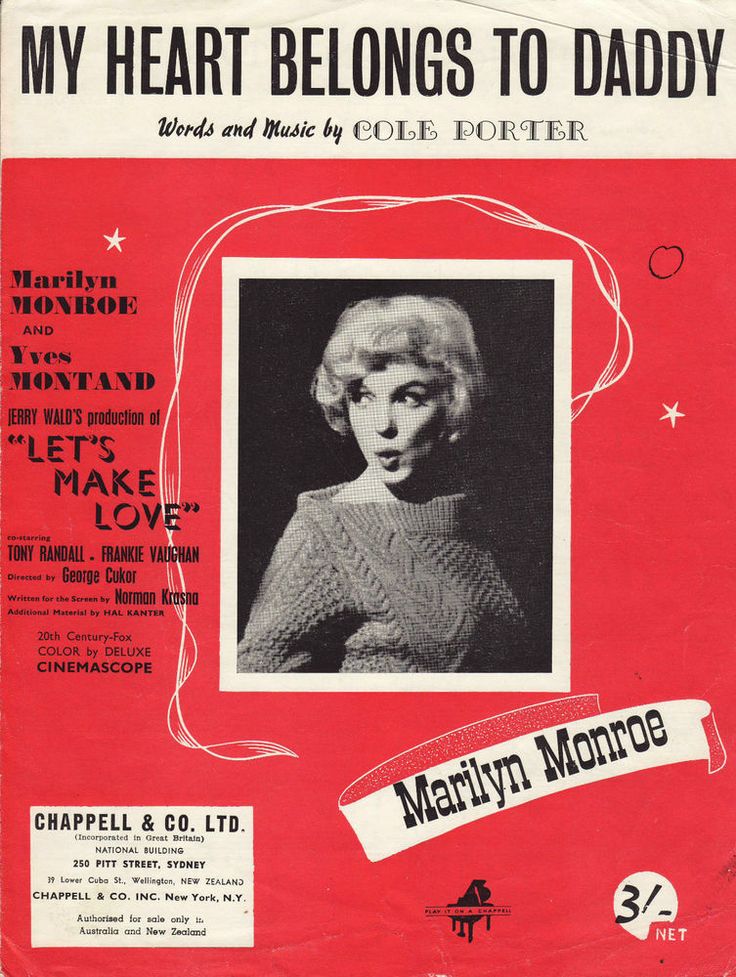
. . .  and then there’s that perversion of the word “Daddy” into the torchy, tinted (but not really off-color) slang of the day.

Here’s this one by Marilyn herself. Click or tap on the next image to hear (and see) her in action!

Here’s a torchy version of this “daddy song” from the 1920s. Click or tap on the next image to give a listen.

Tap or click on the next image to hear a gentle, jazzy version of this tune from 1929.

Oh yes, we can’t for get the “Papa” songs either.

Here’s this childish novelty tune of the 1920s. Click or tap on the next image to sing along.

Here’s an early recording of this bluesy song performed by Bessie Smith. Click or tap on the next image to hear her voice.

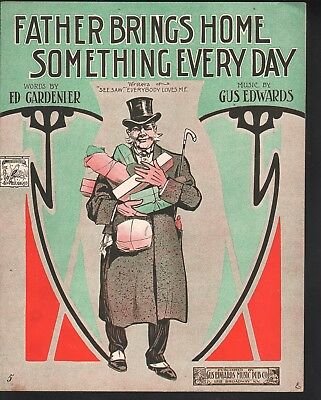
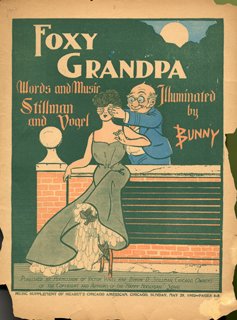
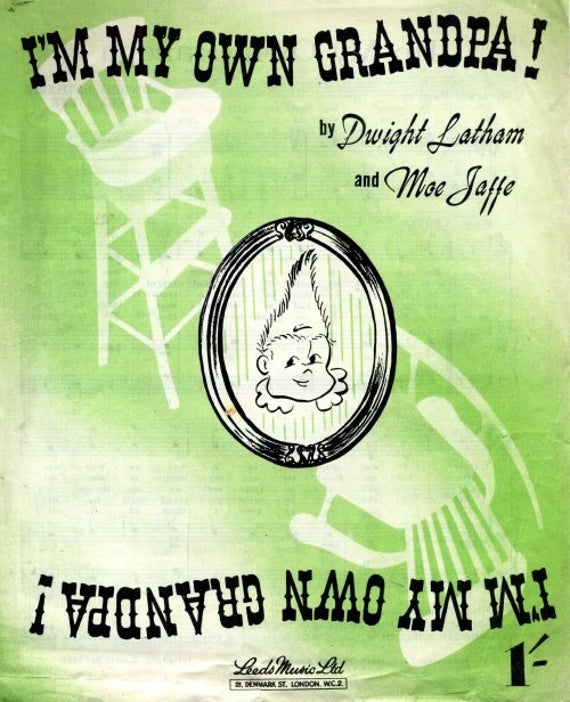
And, of course, the novelty songs about fathers or even grandfathers.  Don’t we have fun!

Seek and ye shall find! Click or tap on the next image for this one.

Believe it or not but I actually found a ukulele version of this one! Click or tap on the next image to hear that great ukulele interpreter of old tunes, Janet Klein.

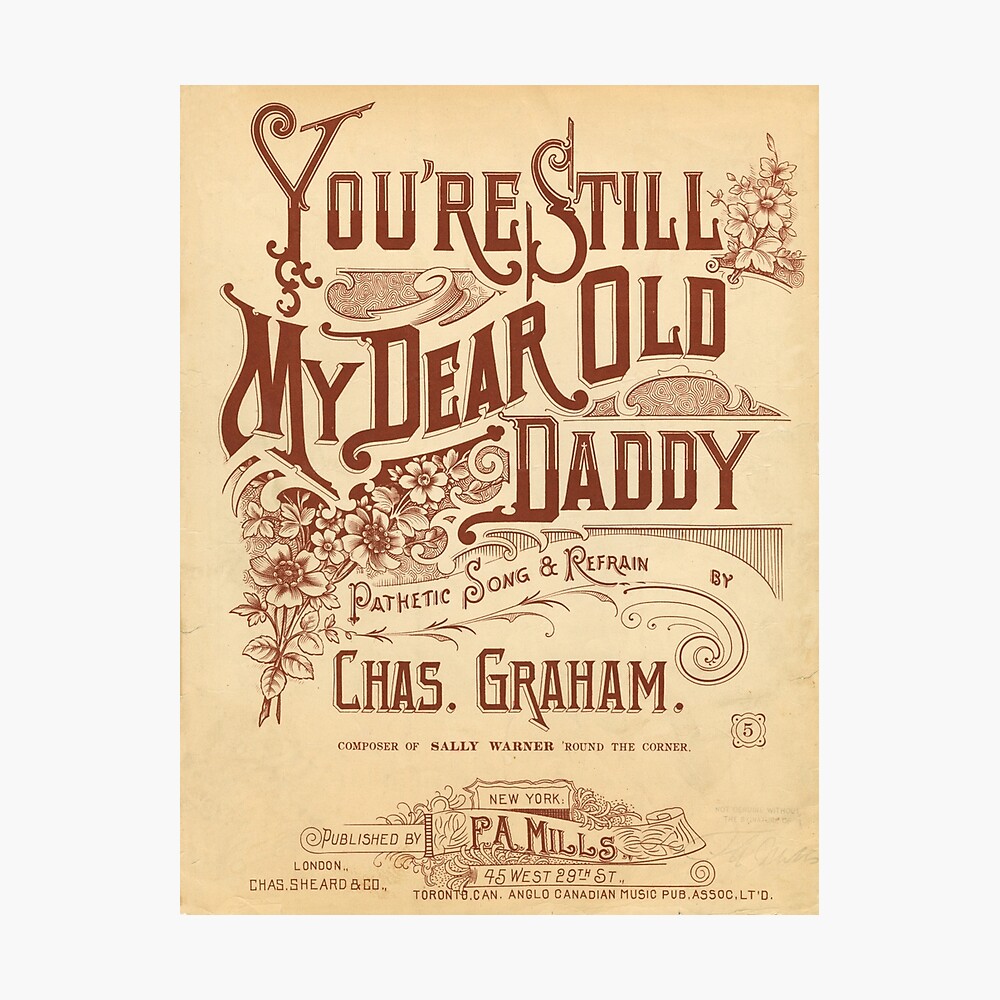
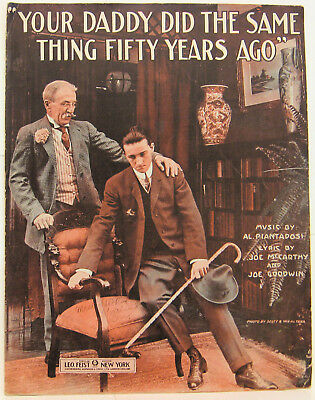
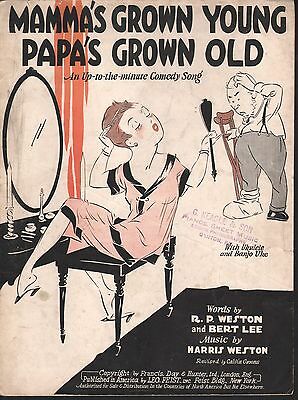
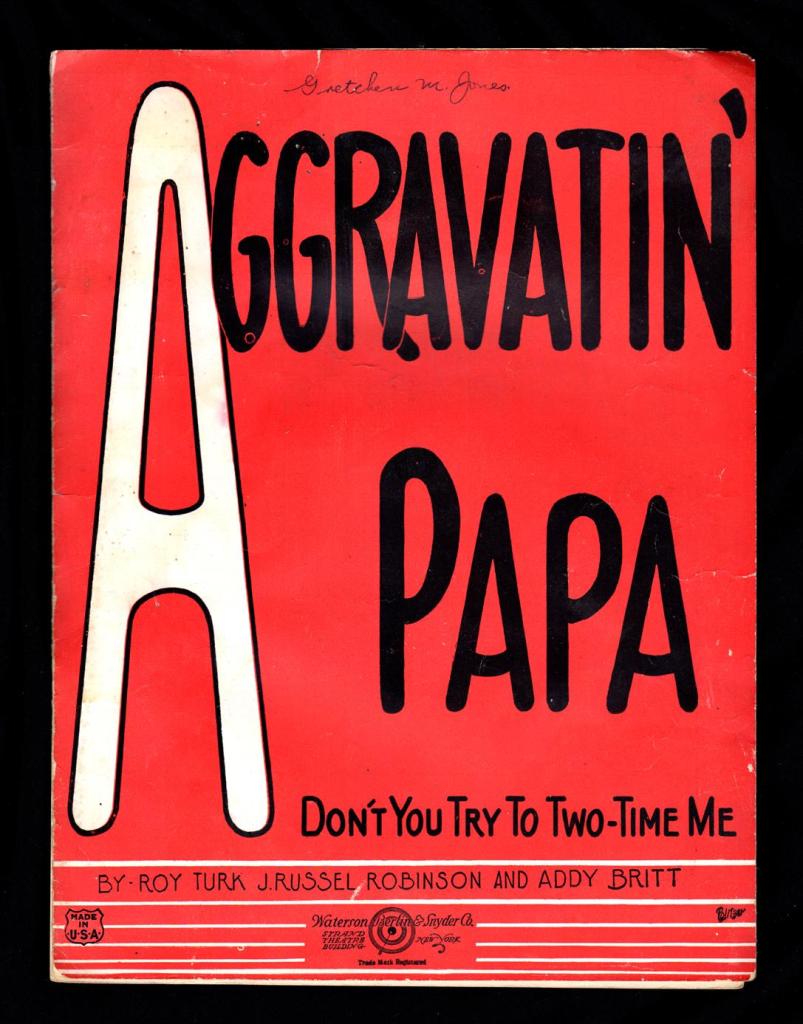
Here are a few more rather curious sheet music covers of the day. Alas, again, no lyrics for these yet!

And then there’s this golden oldie.

Tap or click on the next image to look at–not listen to–a silent vaudeville dance routine based on this tune. Weird but fun!

Now we have some lyrics!

Here’s a ukulele version of this country/western chestnut of a song. Tap or click on the next image to listen in and try to follow the convoluted lyrics.

I have to digress from my wanderings among those many “Daddy” songs of yesteryear to a more contemporary one. Alas, I must admit that I do this from time to time, but I do believe it’s important (ahem) from a musicological as well as historical perspective. Pardon the language, but this is a great homage to a fascinating father and worth a listen on this special day. Click or tap on the next image for a good ole country music look at a real “Daddy!

So, to all you fathers out there–good or bad ***– and to all of you who have or have had fathers, grandfathers, dads, papas, and—in various interpretations—”Daddies,” a happy, safe, sequestered Fathers’ Day this year for you and yours!

So, remember dear old Dad, keep that mask on, keep your distance, keep on strumming, and STAY TUNED!

And, if you can, give dear old dad, grandpa, “Daddy” or whatever a great big kiss!

UKULELE MUSINGS 2020, No. 25–13 June 2020: “It’s About Time to Hit the Beach”

During our stay-indoors Springtime, a lot of folks are dreaming about heading out and social distancing on a beach, any beach.  Blankets, umbrellas, and coolers in tow and sand, sun, and waterish frolic to be shared (responsibly) and enjoyed. 

I’m not a salt-water person, however.  I grew up in the so-called “Heartland” of America where we could visit a nearby lake or river, and I lived and worked for many years in sight of one of the Great Lakes.

So, needless to say, I have an aversion to water that is full of predators and impossible to drink! But others, of course, may have other thoughts.

Beaches, to say the least, have been a staple of ukuleledom since Portuguese sailors brought the ancestors of the ukulele to the sandy shores of Hawaii. 

Hordes of tourists flowed to the sand and sea and sipped their mai tais from coconut cups in the shade of palm trees, strove to learn the “wiki-waki”culture, and strummed—sort of—on their souvenir ukuleles.

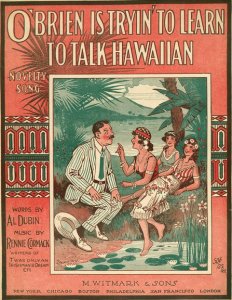
I can’t believe I found a ukulele version of this oldie, played on a “Ludwig Professional” banjolele no less! Tap or click on the next image to hear some weird lyrics and really good strumming.

As with “O’Brien,” most of the tunes the tourists strummed were written and published on New York’s Tin Pan Alley but, for many, these evoked the ukulele culture that became the so-called “essence of Hawaii.” Native girls with their ukuleles and tourist men in their suits, neckties, and hats were the standard.

Needless to say, there were other beaches around the world almost, I presume, as attractive.

Of course, there were discomforts, of a sort, with beach adventures. Here’s a version of that 1930s tune, “I’ve Got Sand in My Shoes.” Tap or click on the next image for this one played on that cousin of the four-string ukulele, the six-string “guitalele.”

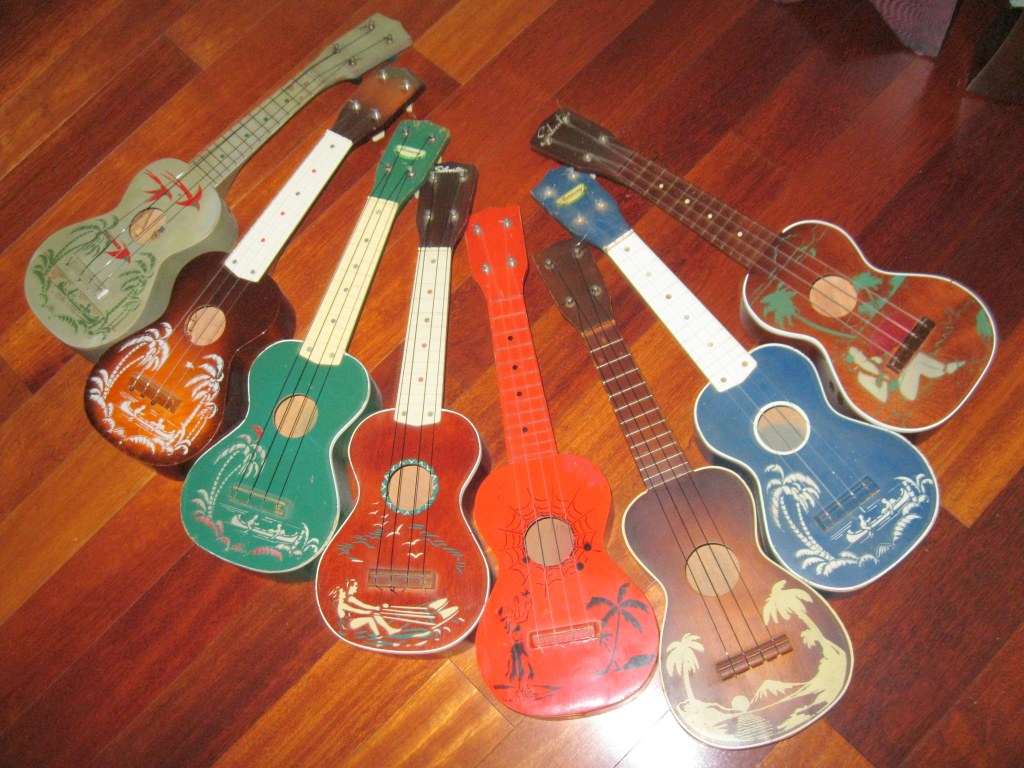
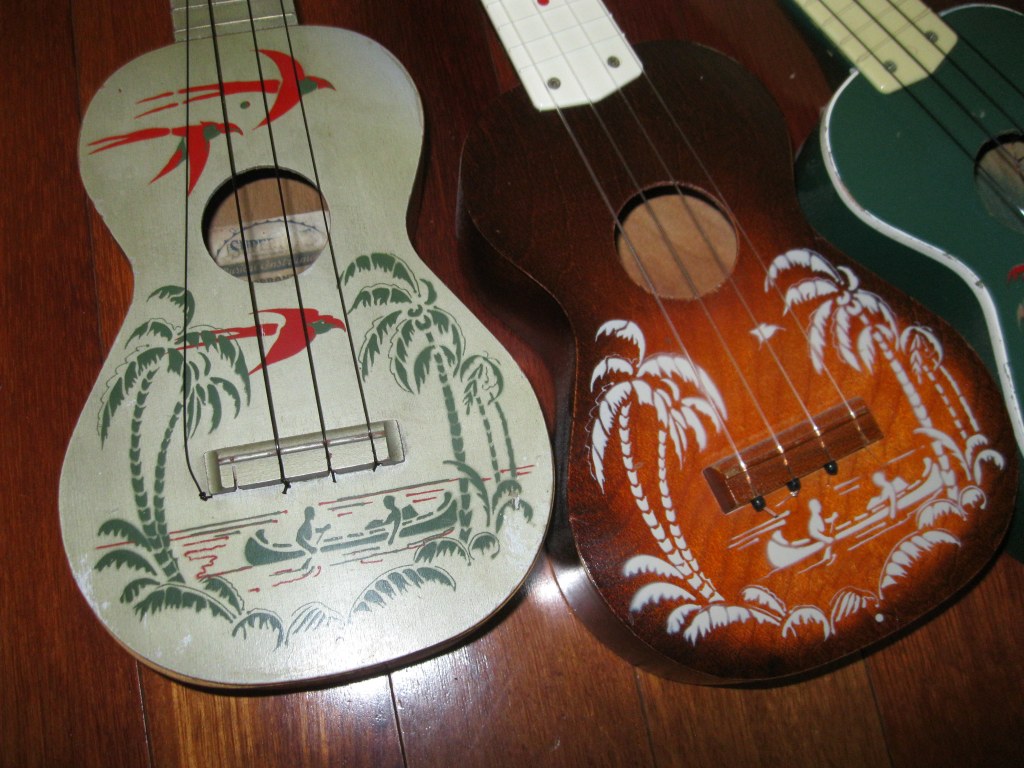
Needless to say, ukulele makers and sellers on the so-called “Mainland” also jumped on the ukulele beach wagon. These folks made and sold the grandparents of our favorite little instruments many of which, of course, perpetuated the beachy aura of the islands . . .

. . . even if they were purchased in Manhattan or Dubuque and never got closer to the water or a real beach than the old “’swimmin’ hole.” 

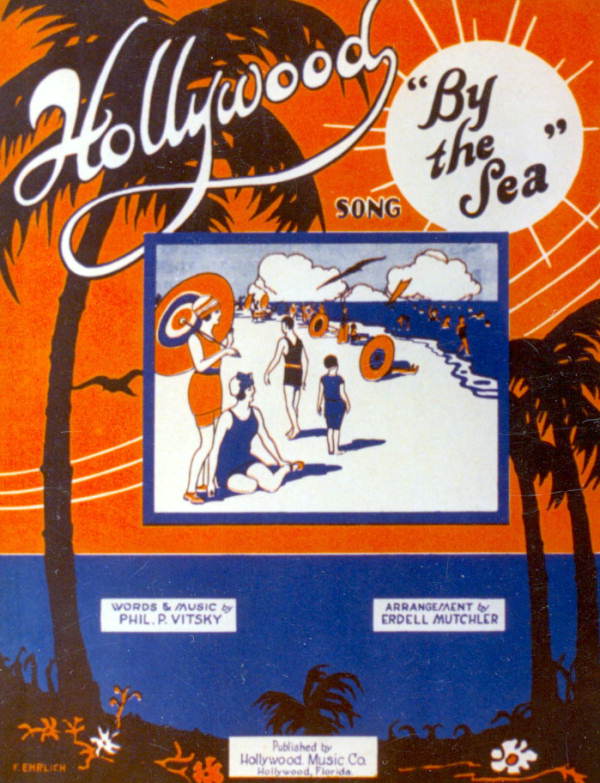
Others did, however, make it to a seriously sandy and sunny beach.

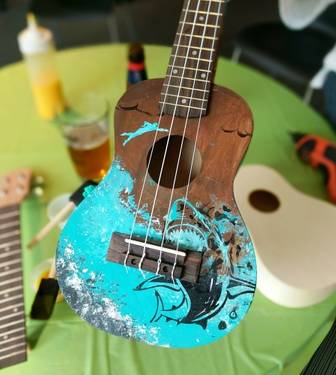
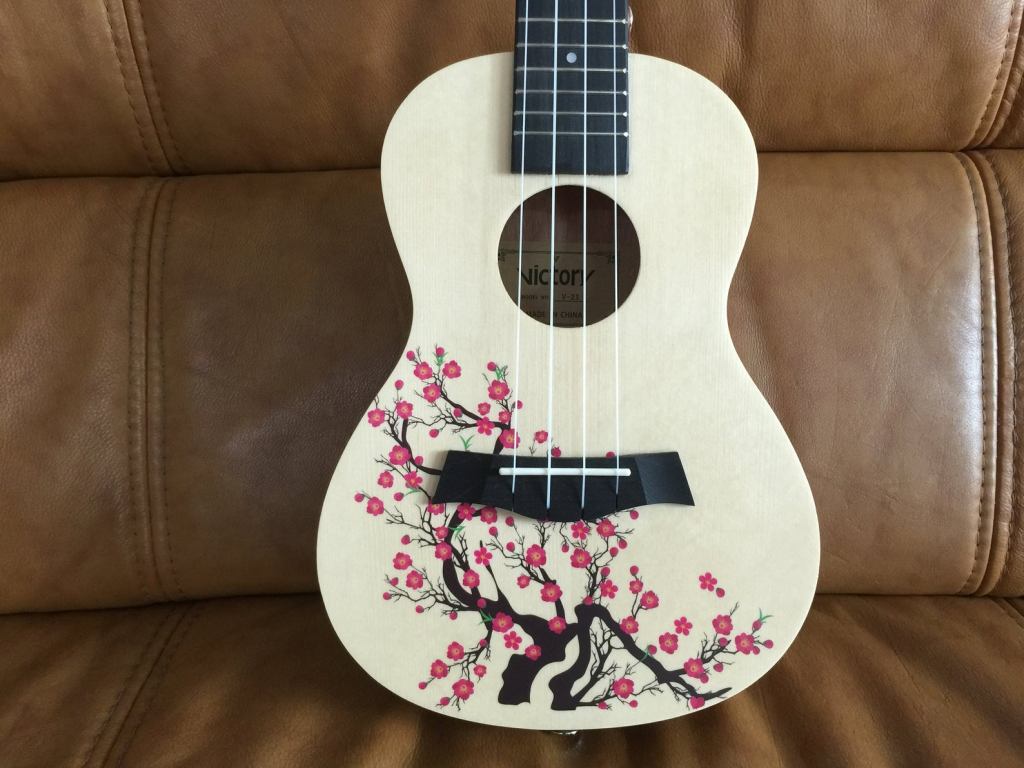
There are also some contemporary versions of ukuleles decorated with scenes of sand and sea. I’m sure they help evoke the sound of waves pounding on beaches or the like. Maybe not, but isn’t it pretty to think so?

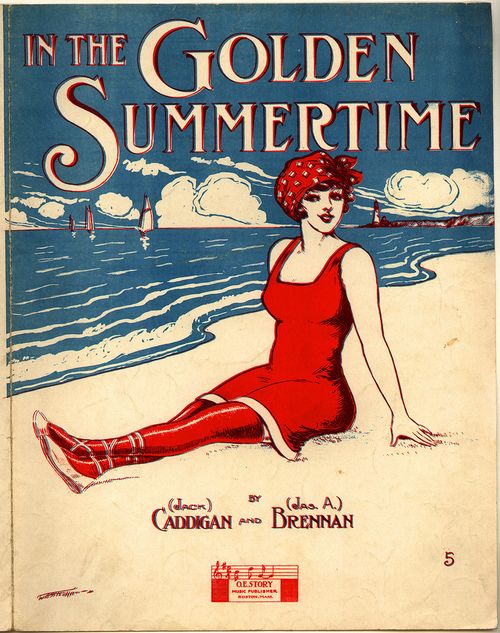
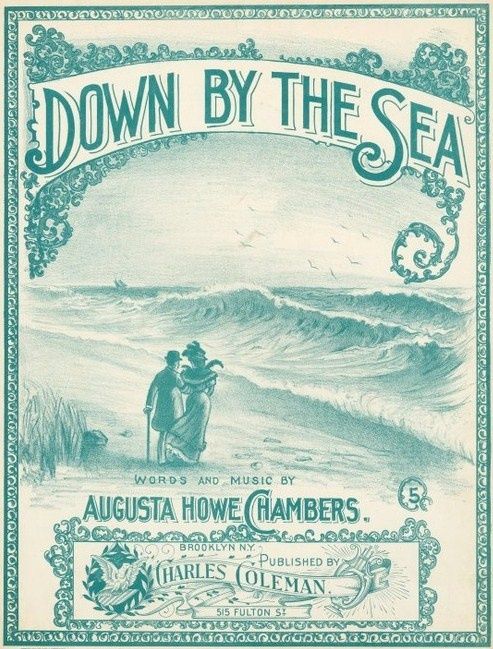
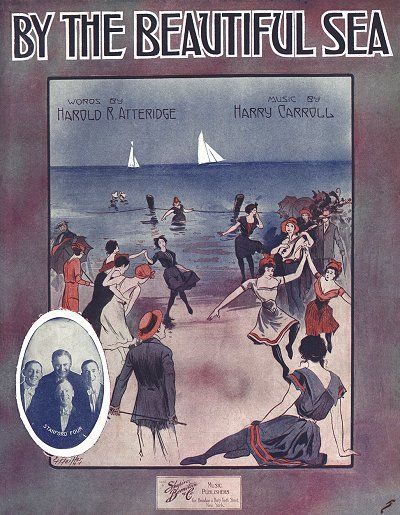
While there are scores of sheets of more recent “beach music,” my wont–as should by now be expected by you, my gentle readers–is to focus on some of the earlier stuff out there in music land.  Not surprisingly, there are many tunes to choose from.  Here are just a few of the really old ones–way, WAY before my time!

And, of course, that perennial musical chestnut:

Now here’s an early rendition of this song with some great illustrations. Tap or click on the next image for a salty treat.

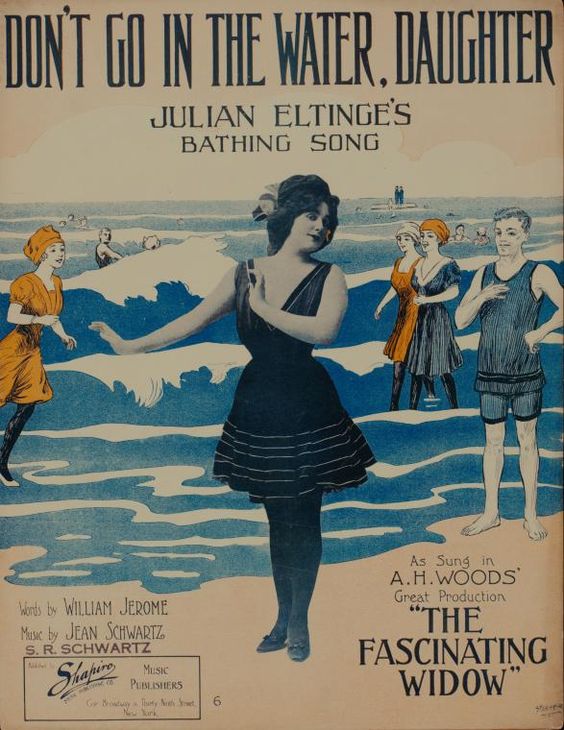
And, then, there were the novelty songs–some OK for dancing but mostly for the vaudeville stage. Ah, the simple humor of the day.

If you can put up with a scratchy old shellac record of this one, click or tap on the next image. It’s a mother’s lesson for her daughter, so to speak–about the dangers that may be lurking “in the water.”

So, now, the big question.  What kind of ukulele do you take to the beach?  Certainly not a vintage mahogany Martin or brand-new solid koa wood Snowshoe or, for that matter, anything made of wood. Bad idea!

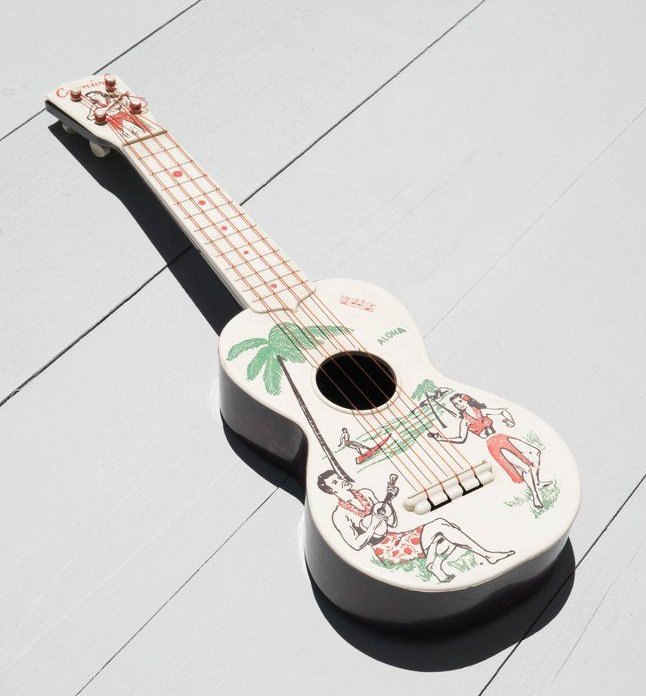
There are, however, a few nifty ukuleles that could be considered—provided the bonfire on the beach is not too high or hot. Think plastic! Here is an appropriately decorated oldie and a couple of newer, high-tech ones that that play well and sound surprisingly good–when not filled with water or sand!

Here’s the oldie, from the 1950s.

Then there’s the newer Kala “Waterman,” a nifty little piece of modern plastic engineering. Quite waterproof, I understand.

I’m not sure of the tone and tuning when put to the ultimate test, however.

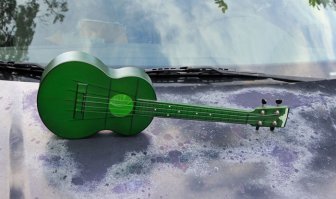
And, then, there’s the appropriately named newer “Outdoor” ukulele from Oregon. I keep one of these (a bottle-green tenor) on our screened porch here in Northampton–both handy and weatherproof!

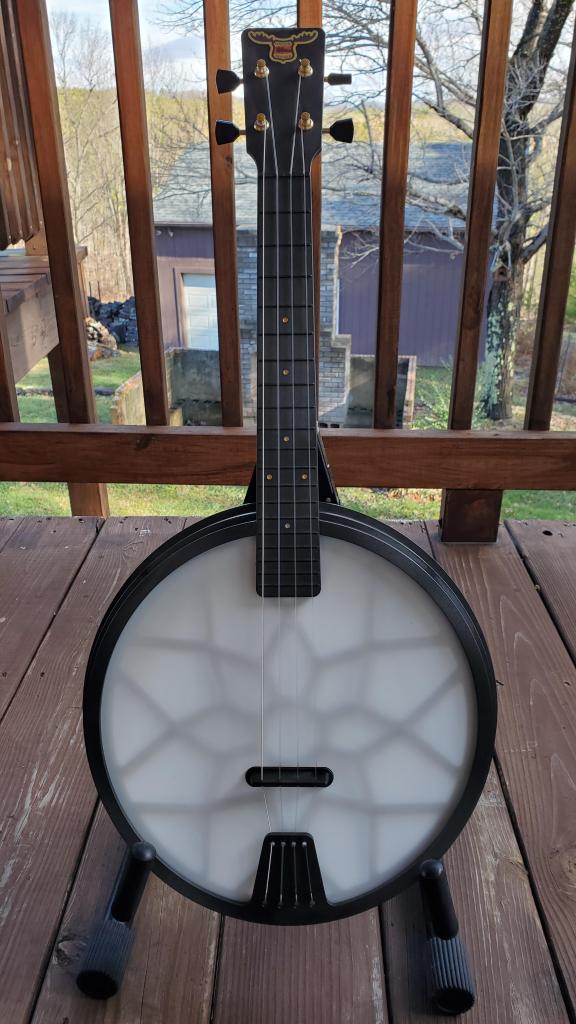
They even make an “Outdoor” banjolele!

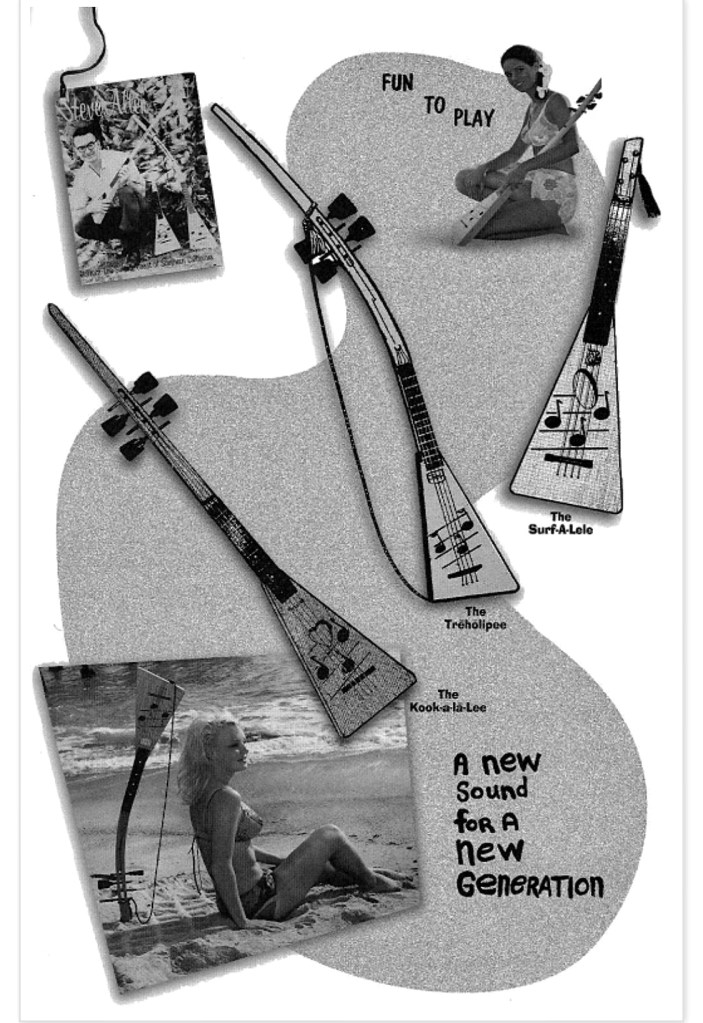
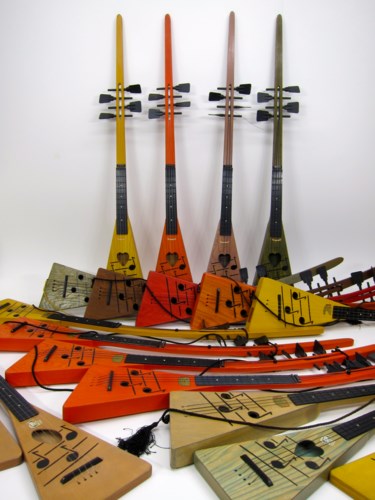
The classic “beach ukulele,” however, has to be that mid-century modern ukulele type specifically designed for sand and surf. You could simply jab the extended pointy neck into the sand when it was time to stop strumming and roast hot dogs, pop a cone-top, or do whatever else folks did on the beach sixty or seventy years ago. (That far back? Oh my . . .)

Needless to say, this nifty number came in all sorts of fun colors and included a double-neck!

Believe it or not, there’s a YouTube of a guy playing one of these. A bit more recent tune than my usual but, the uke’s the thing! Tap or click on the next image and you can play along even if you are sitting on your carpet not a beach.

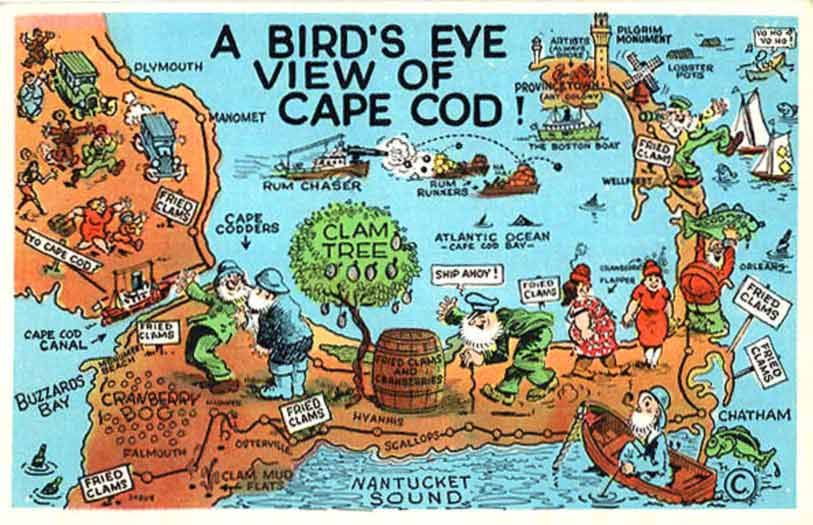
Since we’ve swum over to mid-century in this posting, I thought I’d look up a more recent song (1950s) that is more Massachusetts “beachy.” Having found nothing musical about Musante Beach here in Northampton, or Puffer’s Pond in nearby Amherst, however, I guess the beaches of “Old Cape Cod” will have to do. Sand and fried clams. Hooray for the clams!

Here’s a ukulele version of this oldie but goody. Tap or click on the next image for a musical whiff of lobster stew with, of course, an ocean view. And clams.


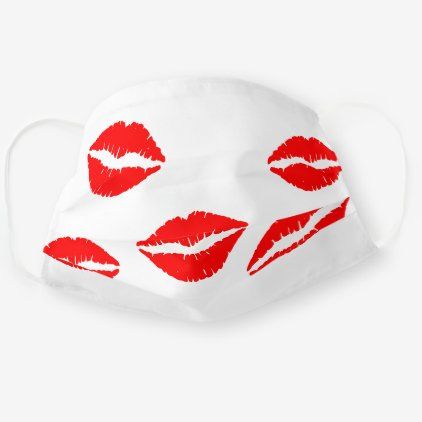
So, go find your beach wherever you can, even if only in your memory or imagination. Grab those face masks. Eeeew, perhaps not these . . .

. . . maybe one of these.

Stay safe, stay socially distanced, stay away from too much sand and undrinkable salty water, keep your ukulele dry, and STAY TUNED!

UKULELE MUSINGS 2020, No. 23–30 May 2020: “The Ukulele as Corona Comfort Food”

As we approach a third month of sequestration and social distancing, I—and I am sure that many of you fellow strummers—have a craving for what is universally recognized as “comfort food.”  Never mind thoughts of “excess avoirdupois,” I want THAT NOW!  And lots of it.  So it is with the world of ukuleles.

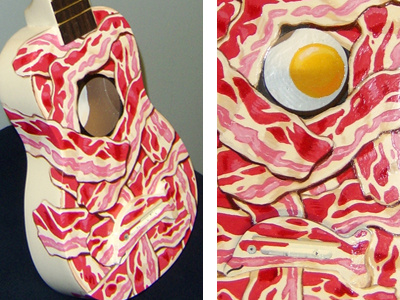
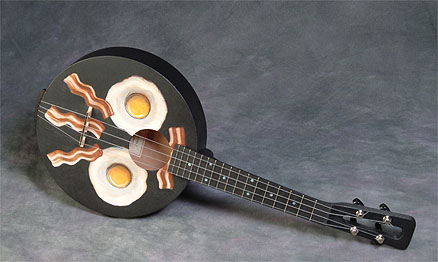
It is a well known fact that high on the list of comfort foods is good old bacon, either straight or as a condiment.  And, it is also a well known fact that the UKULELE is the BACON of music!  Having said that, here we go  .  .  .

First, lets take a look at a few, shall we say, bacon-ed up ukuleles.  None here from my collection but worth a look nonetheless.

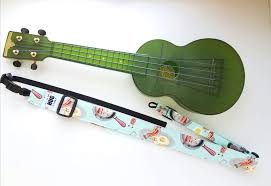
A strap instead of a strip, I think.

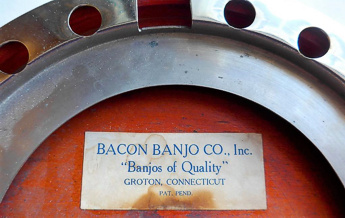
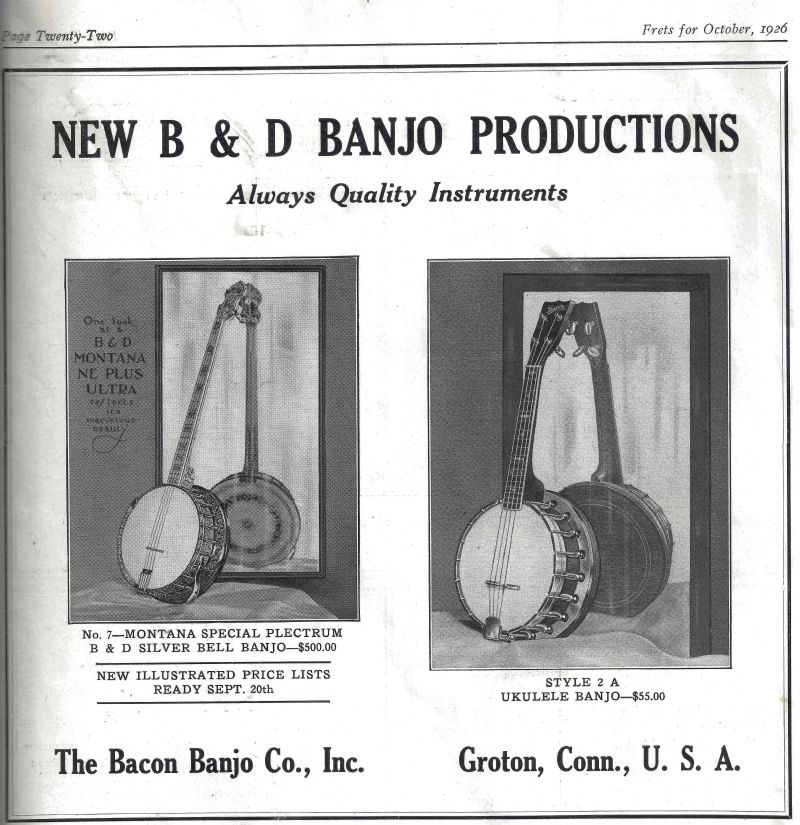
Then, of course, we have the classic banjo ukuleles made by the BACON Banjo Company of Groton, Connecticut–later Bacon & Day or plain old B&D.  These range from simple models to the super tootsed-up, mother of pearled, gold plated numbers that sell today in the thousands of dollars—or pounds in the UK.  A pound of bacon banjo uke? Hmmm  . . .  

Just to give you a sense of the sound, here is some strumming on a BACON banjo uke. Even though this is a low-end instrument of their line, it sounds pretty good for its age! Tap or click on the next image for a listen.

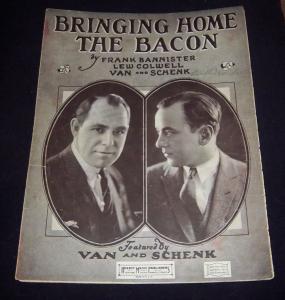
And then there are the tunes.  Alas, not much in the way of BACONish sheet music out there.

How about a newer “BACON” song, just in time for breakfast! Click or tap on the next image for a taste treat.

And how about an unheralded, but appropriately named, ukulele player: Kevin BACON.  Admittedly, a bit of a stretch here but that’s what musings are all about

Click or tap on the next image to hear him in action.

Or, how about the BACON Brothers with one of our old island favorites, “Ukulele Lady.

So stay sequestered, stay safe, find your comfort food, disremember calories, and STAY TUNED!

Oh, yes. Wear your mask!

UKULELE MUSING 2020, 2 May 2020–A Salute to Health Care Professionals, Particularly Nurses

In these days of pandemic a lot of us—even if we are not personally infected with the virus swirling around the globe—offer hearty thanks to those health-care workers on the front lines, particularly nurses, nurses aides, and all those who care for us by caring. 

While we stay as safe as we can with facemasks and social distancing, these dedicated professionals find themselves in harm’s way every day yet carry on and do the jobs they were called to and trained to do. 

As a humble tribute, but still in keeping with my theme of music of the past and our favorite little instrument of today, lets see how I can muse about all this and bring a smile (or tear) or two to you gentle readers out there.

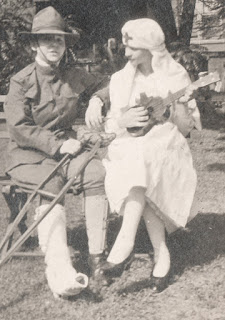
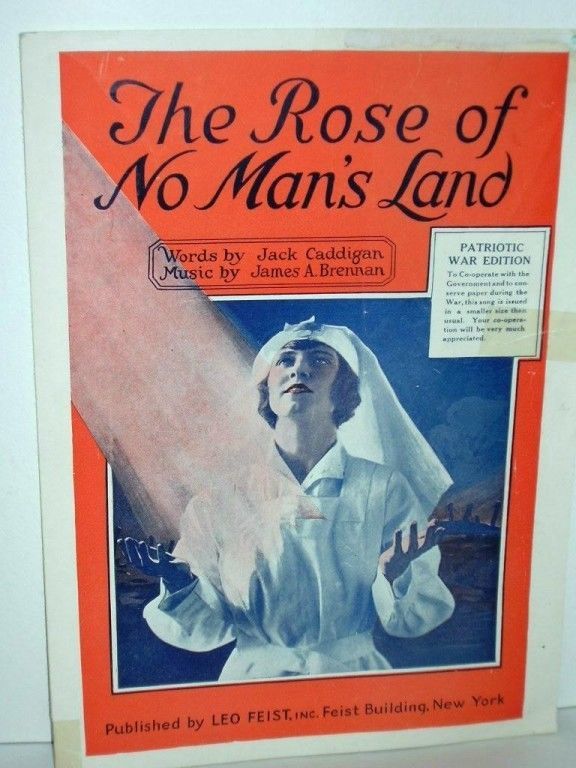
Alas, there are not that many modern musical references to nurses and their caring during these stay-safe times. I’ll end this musing with a couple of those but, first, there is a trove of “nurse related” songs from the Tin Pan Alley days that touch that base, particularly from the World War I era.  I could only find one vintage photo of a nurse with a ukulele, however, but it’s a good one and helps to meld this muse together.

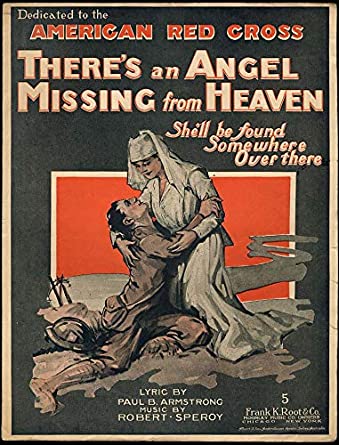
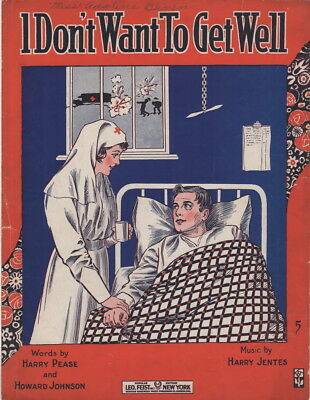
And then, there were the songs—some heartfelt,

Some heavenly maudlin,

Tap or click on the next image to take a listen to this one.

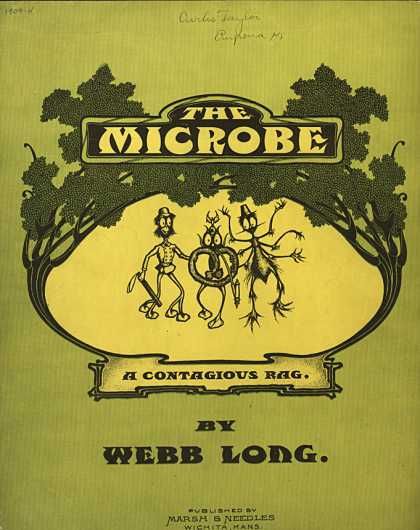
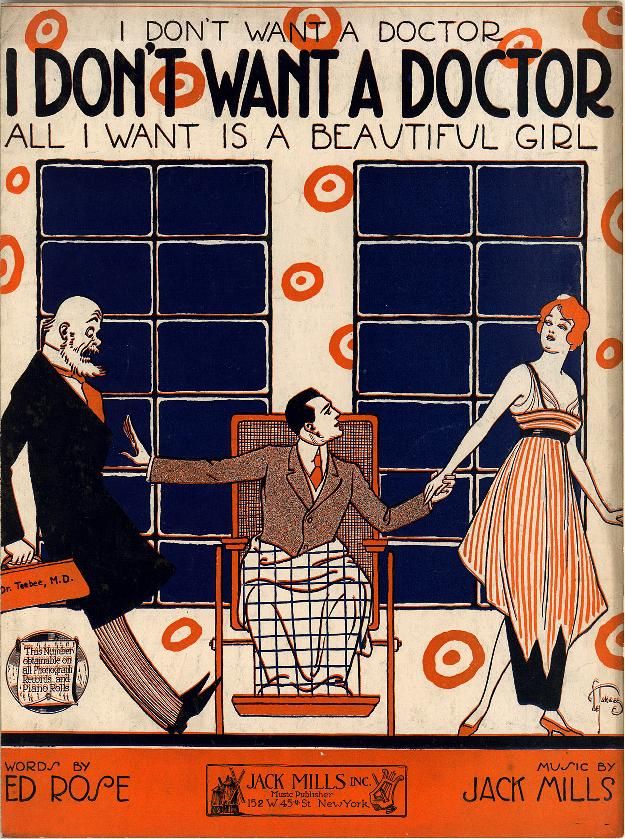
And, of course, there were some comic music hall or vaudeville songs related to both nurses and swirling viruses–particularly during the 1919 influenza epidemic. These gave a bit of needed respite to the tensions of the day.

Click or tap on the next image for a bouncy, Bing Crosby rendition of this old chestnut. There are original recordings of this song but, sadly, they are way too scratchy for modern ears.

Now, as promised at the top of this posting, here are a couple of tunes by the British “Ukulele Nurse” who is working on the front lines of today’s pandemic.

Click or tap on the next couple of images for her take on her work and thoughts of survival and hope in these difficult times.

I don’t mean to gloss over the other dedicated healthcare professionals out there, men as well as women, from physicians to aides to the maintenance crews that keep our hospitals, group living facilities, medical offices, and emergency vehicles safe and ready. Nor do I mean to make light of the world-changing public health, social, and economic situations we all must learn to live with. My simple goal is to offer a smile or two for this too smile-less time.

We may be isolating in our Happy Valley, but we are not alone! Stay safe, stay on guard, stay smiling, and STAY TUNED!

UKULELE MUSING 2020, No. 18, 25 April 2020–“Smoke Continues in Circles”

Well, another week has gone by and sequestration is the norm. Alison and I manage to keep busy with all those household tasks, face mask making, reading, hobbies, online streaming, family Zoom, and–of course–ukulele stuff. A bit more research and restoration work on ukes rather than strumming for me, but this too shall pass. Needless to say, we make our own kind of fun here at what we call “The Inn at Ice Pond.”

Last week my theme wafted into “cigarette music” and I promised that I would move on to cigars and smoking pipes “anon.” I guess that anon is now. Why not!

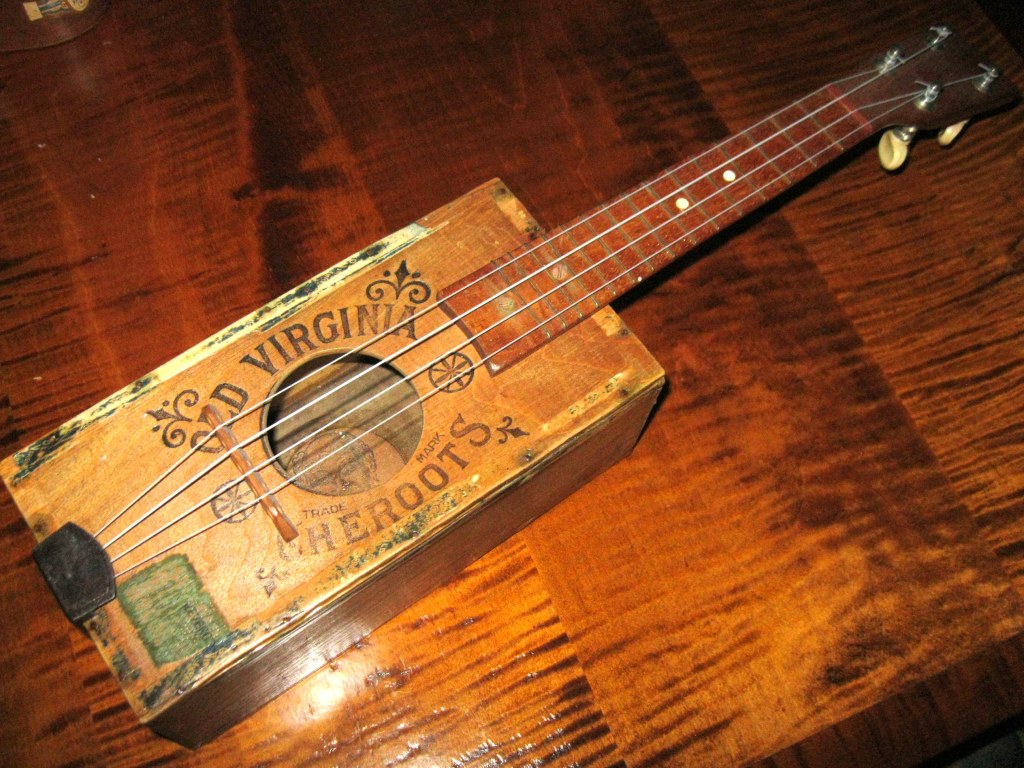
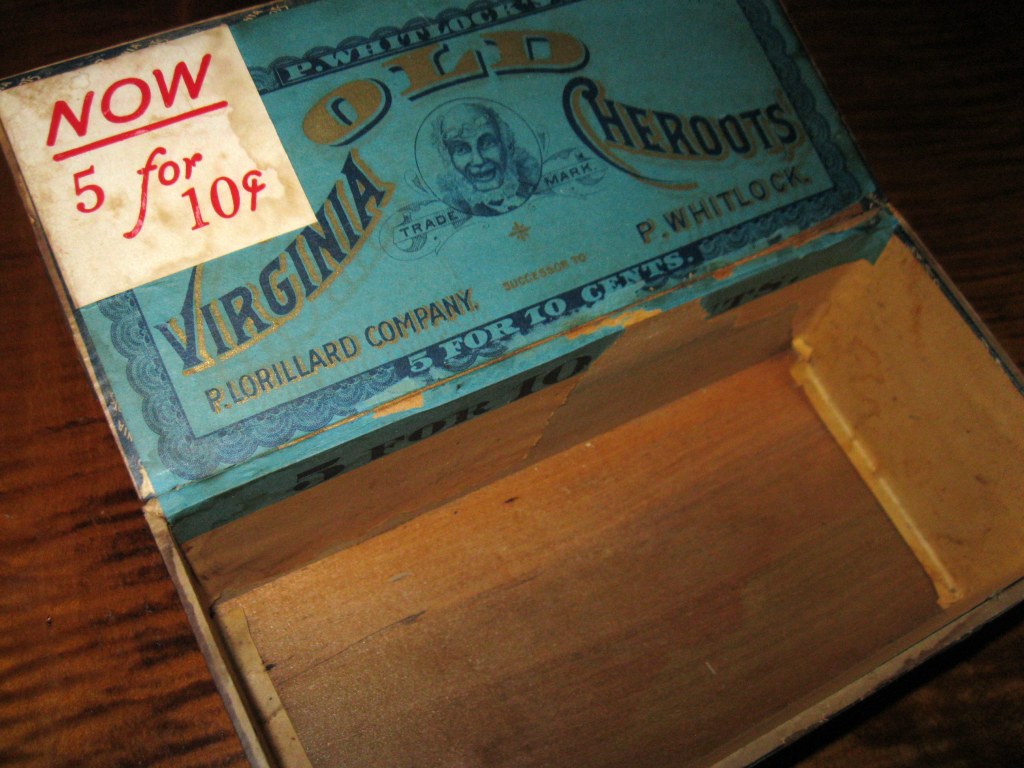
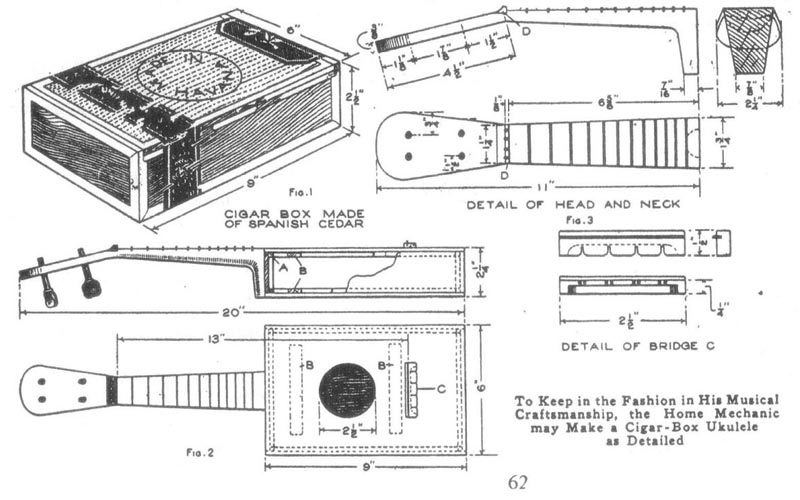
Let’s start with “stogie stuff I have found.” Probably the best thing about cigars vis-a-vis our favorite little musical instrument is what can be done with those old-fashioned cedar wood cigar boxes. I’ve built a couple of ukes and banjos out of them over the years. My favorite boxes are “Old Virginia Cheroots,” 5 for 10 cents! I can’t speak for their smoking qualities, probably pretty dreadful at that price, but the boxes are good wood and a perfect size.

A ready-made “body” for a uke, banjo, guitar, or fiddle got a lot of music into the hands of folks who couldn’t afford “store bought,”

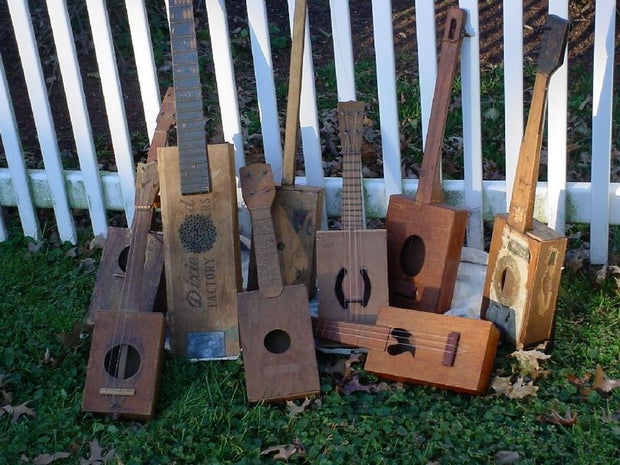
and there are a lot of folks today who simply enjoy the challenge of craftsmanship coupled with recycling. These are not mine, but here is a nice selection.

It’s not a Martin, Kamaka, or Snowshoe but the price is right for a cigar box uke, providing you don’t mind a bit of retained cigar odor! But, how does one sound? Click or tap on the next image for the answer.

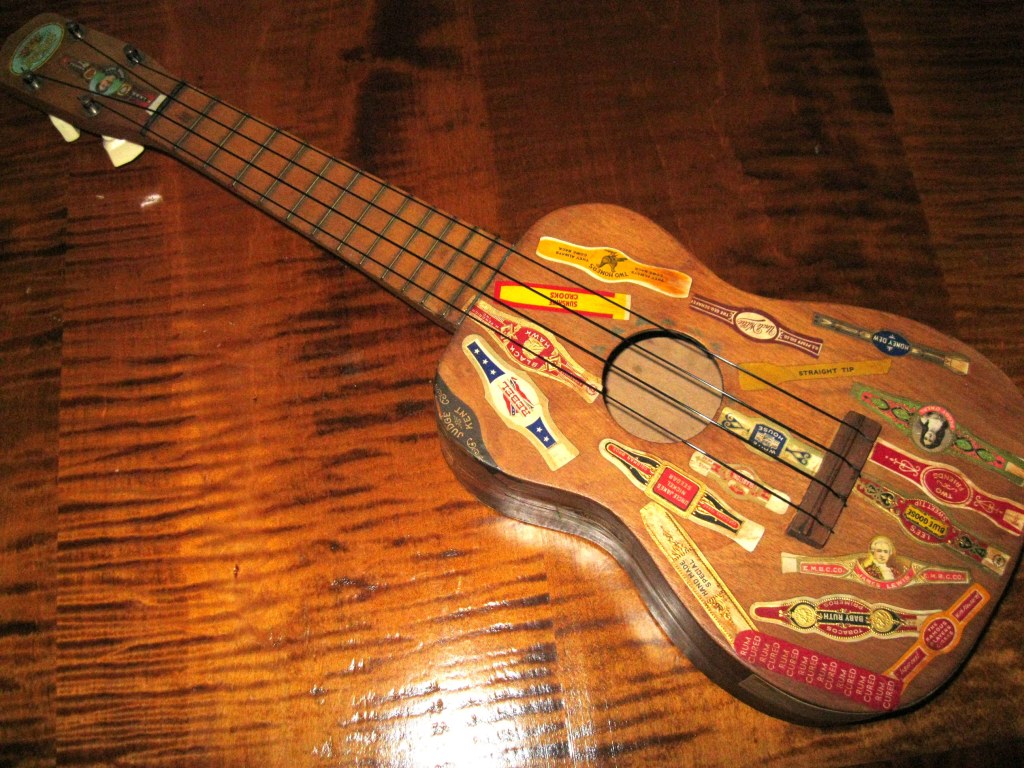
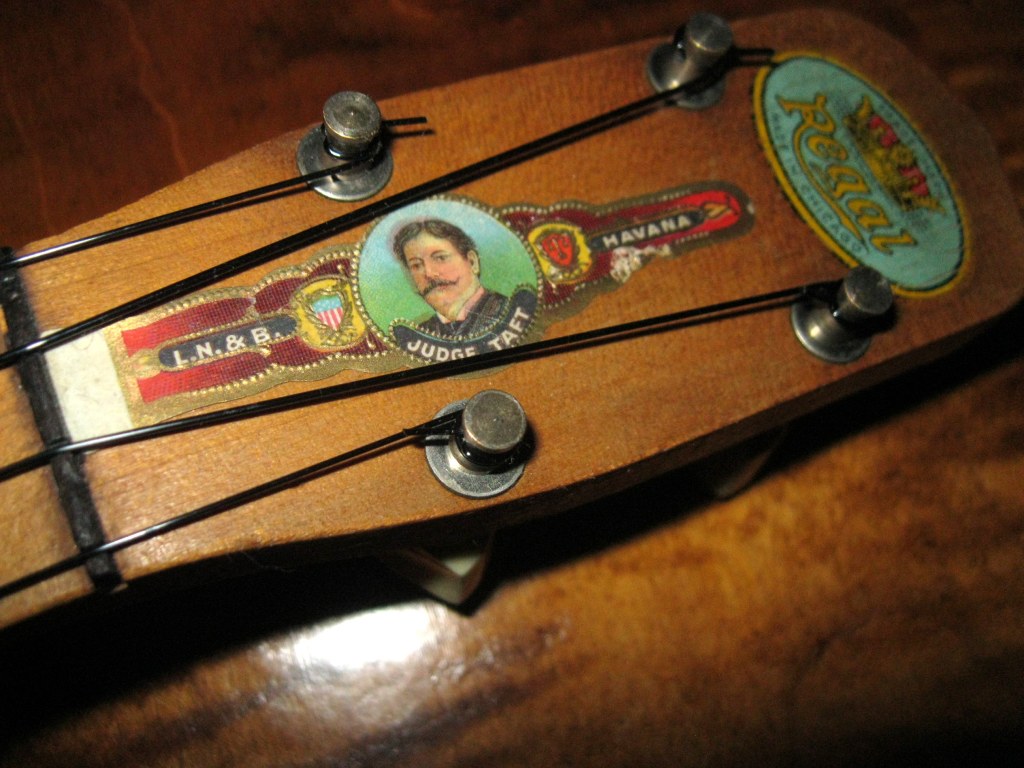
And, we shouldn’t forget those long ago, sweet old days when kids collected “cigar bands” from their fathers’ stogies. Here was a way to put these to good, colorful use. This beauty IS mine.

Oh well, we might as well listen to a cigar-themed tune while we’re at it. Click or tap on the next image but keep the room well ventilated.

And then, of course, the good old smoking pipe–briar, clay, calabash, meerschaum, hookah, corn cob–a sophisticated favorite.

And, yes, there are even some hookah musical references to be found. Seek and ye shall find!

There is even a hookah reference in our Leap Year (blue) songbook!

There is even a style of tobacco pipe called a “Ukulele.”  Who knew?

Now for a fun novelty song of the early 1900s about a wife tugging on the leash of a potentially straying, but nontheless pipe smoking, husband.

Tap or click on the next image to listen to this scold of a song!

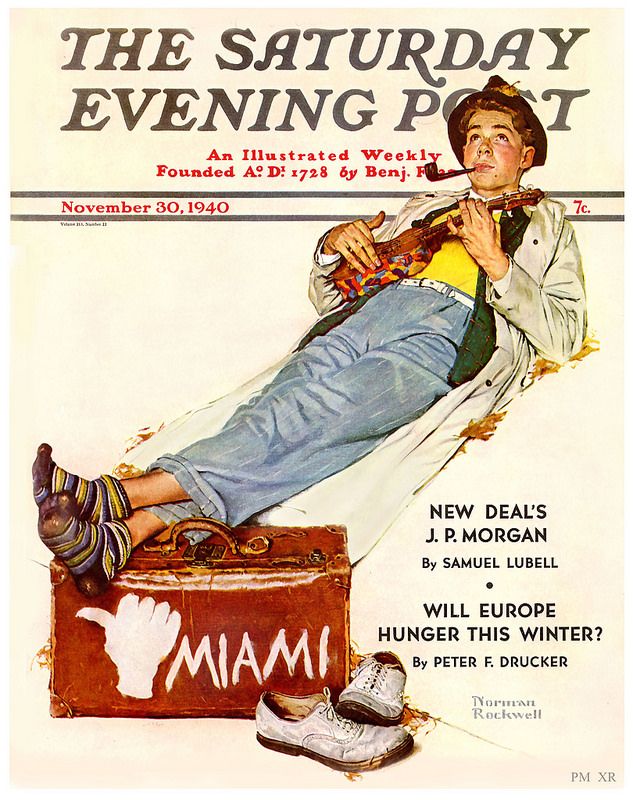
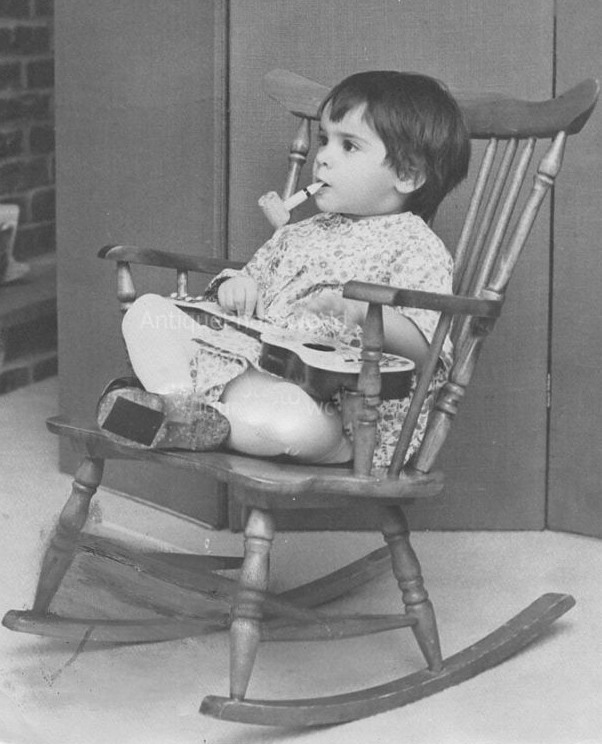
And, let’s not overlook the pipe-smoking youth of America, with their ukuleles, of course.

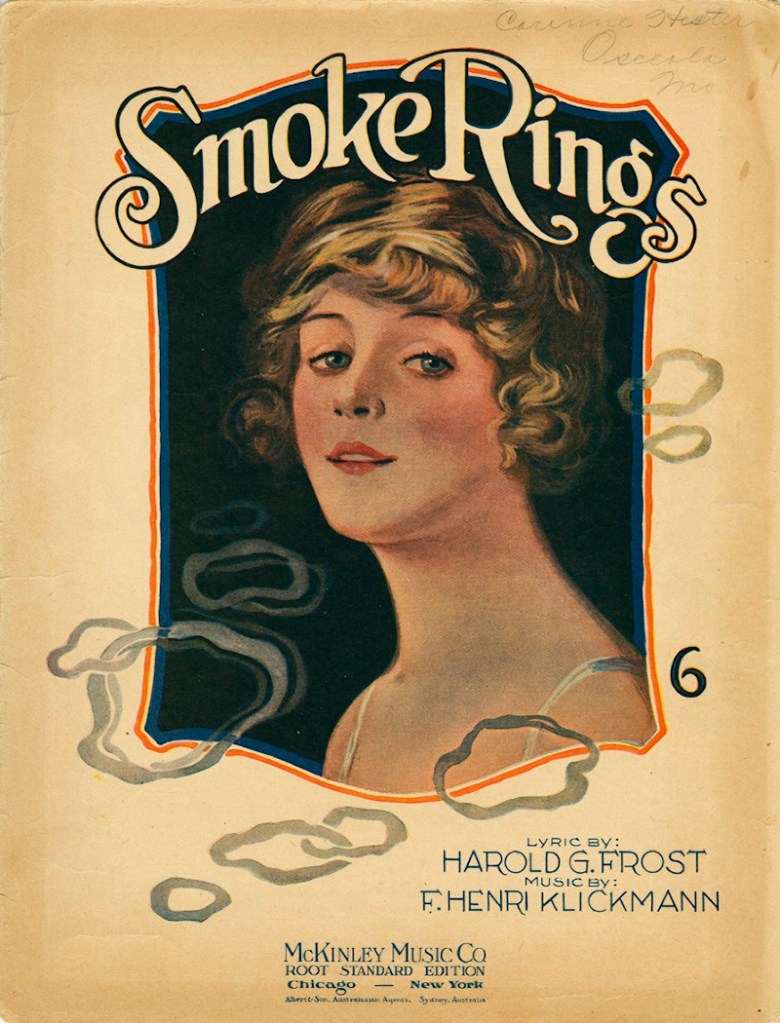
So, without inhaling, or endorsing bad old habits, let’s end our musical muse on the subject of tobacco smoke with a song.

And, as usual, here’s a nice little going away tune on the ukulele. Click or tap on the next image for an introspective look at smoke not getting into our eyes!

So, stay safe, stay home, stay busy, stay viceless (sort of), and STAY TUNED!

UKULELE MUSING 2020, No. 15–Passover, Beautiful Music for a Beautiful Life Moment

This musing is being sent out a few days ahead of schedule because of this year’s calendar. Passover is this Wednesday and it’s going to be a strange one with the social distancing “plague” we are forced to live in these trying days, weeks, and months. But, living must go on and, hopefully, your Seder table won’t be empty this year.

I am dipping, once again, into my trove of musings I have posted over the past few years to serve as the foundation of this latest one. So, here we go!

 I am not Jewish but I have many friends and family who are.  As a result, I have attended many Passover Seders over the years.  I have always found the marriage of faith, tradition, history, and continuity both meaningful and moving. 

Unlike the musical secularization of Easter—with bunnies, egg rolls, and parades—Passover seems to have retained its focus and its dignity.  Even the fidgety children who make faces over the bitter herbs will come to cherish the tradition with their own children. 

I am old enough to have seen this happen more than once!

So, no funny ukulele thoughts today.  Just a reminder that there is beautiful music out there for a beautiful life moment and, yes, your ukulele can be part of this.

Here is a ukulele tutorial for a traditional Passover song. Tap or click on the next image to give it a try.

And, while it’s not particular to Passover, here is an easy ukulele TAB for the national anthem of Israel—“Hatikvah.”  This solo version for ukulele works really well and has a haunting Levantine melodic line.  Give it a try.

Hatikvah Ukulele Arrangement

  So, I hope your Passover Seder–no matter what form it must take this year–brings you and yours together in your own ways. Meanwhile, STAY TUNED!

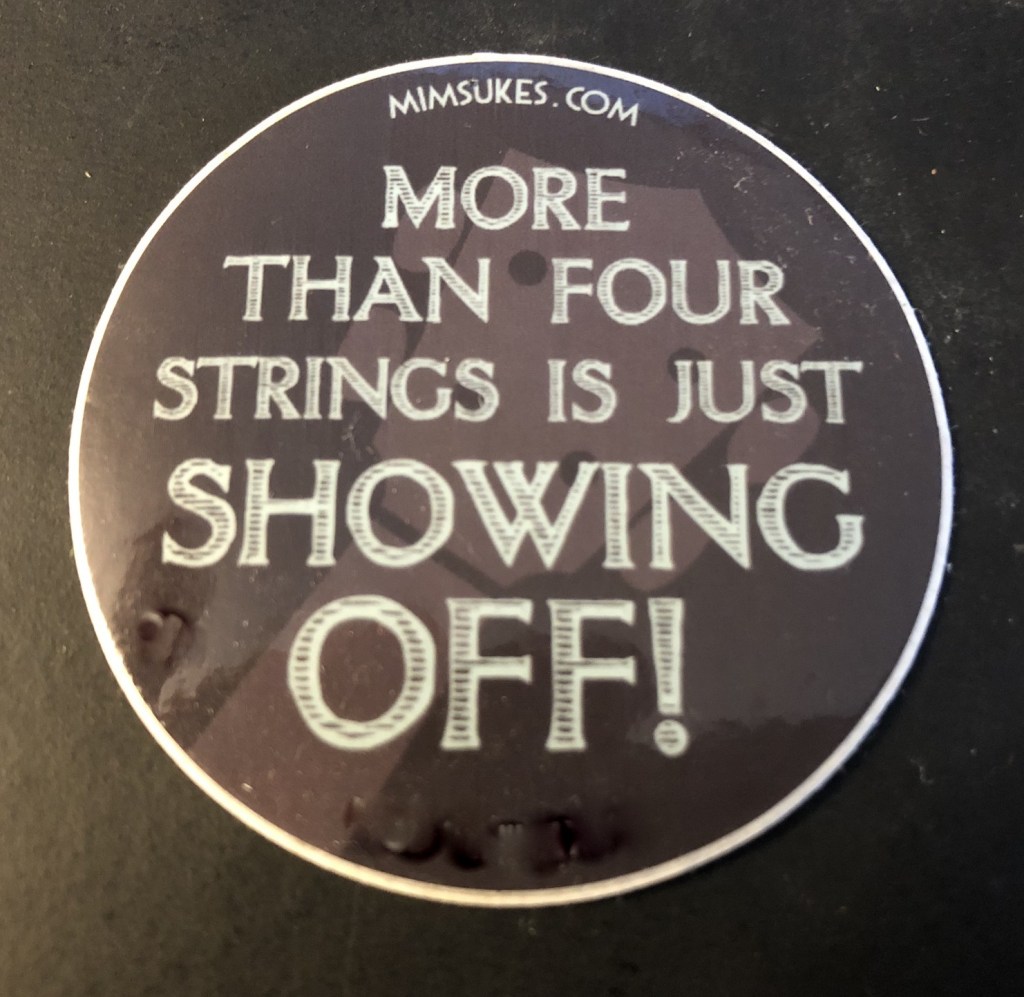
UKULELE MUSINGS 2020, No. 13–28 March: “More Than Four Strings is Just Showing Off,” or is it?

Right now I am sure that a lot of you self-sequestered strummers have tired of crosswords, picture puzzles, and on-line streaming–to say nothing of striving to master that elusive “Island Strum.” So, I thought I might follow up with some similarly mind-tangling intricacies about our favorite little musical instrument.

Several of you fellow ukers have asked me about various types of ukuleles, particularly with questions about those with more than four strings. So, this musing–updated from three or four years ago–is for you bored ukulele nerds out there!

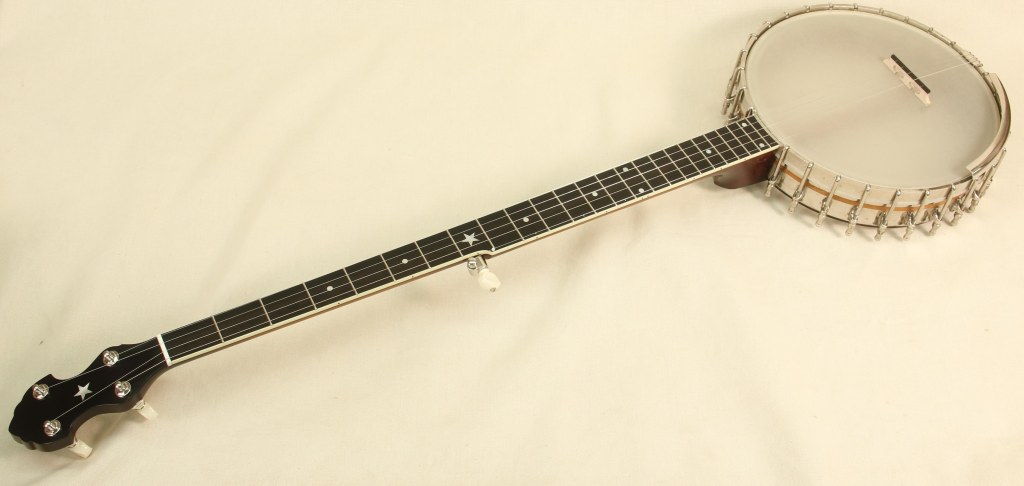
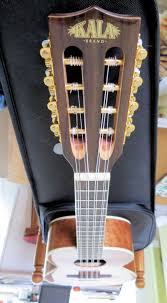
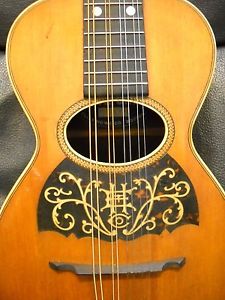
Guitars can have four, six, or twelve strings; mandolins and mandolinettos eight; banjos four or five; dulcimers and balalaikas three; and OMG lutes!

Ukuleles have only four.  Or do they?

Sure, having MORE strings (or longer, like a Pete Seeger-style banjo) allows playing more notes up and down the scale,

but the tonal “magic” of PAIRED strings has been known and employed effectively by luthiers and musicians for centuries.  This is because two strings tuned to the same pitch (or an octave apart) and plucked at the same time often give a slightly more vibrant and sustained tone than a single string played by itself—a simple fact of physics. 

That’s because two strings—even if carefully tuned—are rarely at EXACTLY the same pitch.  Even if it is a couple of mini-wavers off, this ever so slight difference can result in a more resonant and sustained tone as well as vibrato.  Listen to a mandolin or twelve-string guitar to hear the effect.

Tap or click on the next image to here some serious eight-string ukulele playing.

Ukuleles have not been left out of the game in this regard and five-, six-, and eight-string models are readily available today.  A paired string is usually referred to as a “course” and a multi-string uke will be set up with four courses, or pairs, of strings.  This means that the fingering patterns are the same as for a four-string configuration.  You are simply pressing two strings down with one finger at one time—not too tricky once you get the hang of it.

Since this is a posting about ukuleles, we’ll leave it to other folks to discuss their favorite instruments.  Also, we will only focus on today’s so-called standard tunings.  For tenor and smaller-scale ukes this would be the good old “my-dog-has-fleas” tuning, often noted as “g-C-E-A” for the usual “high-g” or so-called “re-entrant” tuning, and “G-C-E-A,” for an octave lower G, so-called “low-G” tuning.  

Ninety-nine percent of the ukes sold today, and most on-line and printed tutorials, start out with re-entrant tuning and most ukulele strummers stick with that standard and feel no need to change. This combination has a tonal magic that has made the so-called “ukulele sound” famous.  If you do a lot of finger-picking or chord melody playing, however, the extra range offered by the low G comes in handy.  Also, if you are really dexterous, or use a pick, you can pluck either the high g or the low G on a multi-stringer.

For five-, six-, or eight-string ukes the tuning codes “Gg-C-E-A,” “Gg-C-E-AA,” and “Gg-Cc-EE-AA” are used.  Obviously, these ukes will have additional tuners on the peghead, and an appropriately modified nut and bridge to accommodate the extra strings. 

For an eight-string baritone uke, just pitch the strings down a fourth—“Dd-Gg-BB-EE” and so forth.  Confused?  Try not to think about it too much and let your hands and fingers try some of the multi-stringers when you can.

Now, to get REALLY confused, try one of the ukulele cousins: the Tiple—ten steel strings tuned “Gg-cCc-eEe-AA.” 

Or the Taropatch Fiddle—eight nylon strings tuned “gG-cC-EE-AA.” 

Or the Mandolinetto with eight steel strings tuned like a mandolin “GG-DD-AA-EE” or like a ukulele “GG-CC-EE-AA.” 

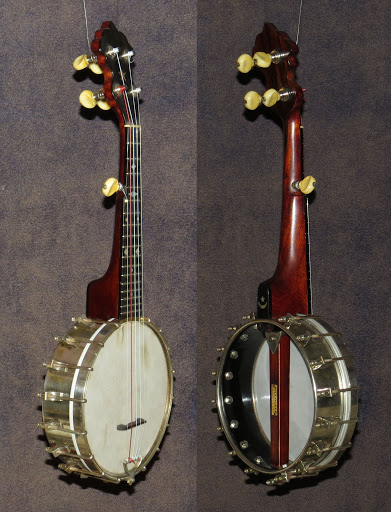
How about a five-string banjo uke? Actually a “piccolo banjo” from the 1920s.

Or the Guitalele—six nylon strings tuned “A-D-G-C-E-A.” 

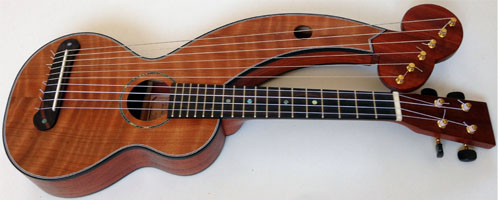
Or a harp-ukulele.

And then there’s the Octophone the eight steel strings that can be tuned eight different ways! Go figure. 

Whew!  Too much bourbon on the front porch . . .

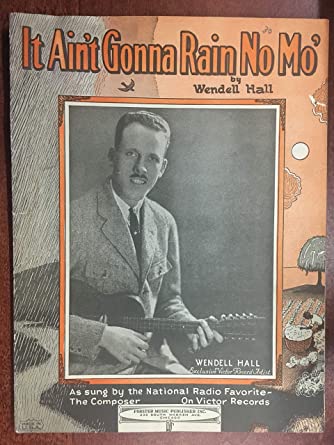
Anyway, one of the most popular tiple and ukulele performers of the day was Wendell Hall–the “Old Redhead.”

Tap or click on the image below to hear what was one of the most popular recordings of its day–believe it or not!

Here’s a more updated tune played on a 1949 Martin tiple. Click or tap on the next image to listen in.

Incidentally, the early pronunciation was “TEE-play.” Today, most folks call it a “TIP-ul.” Your choice!

To further complicate things, there are folks who want to play a standard uke and a baritone or multi-string without reaching for a second instrument.  The so-called “double neck” uke is the ingenious solution—one body, two necks. 

Check this out. Tap or click on the next image.

Listen to one of our favorite tunes on a harp-ukulele. Tap or click on the next image.

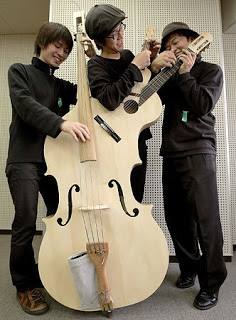
Of course, some folks can get carried away with this!

So, if you want to have some fun, show off with some multi- or paired-string ukes. 

Oh, yes. If you have WAY more strings than four, here’s what can be done with them!

Remember: “You can never have too many ukuleles (or strings)!” Take care, be well, and–above all–, STAY TUNED/Stay Tuned/stay tuned/stay tuned . . .

UKULELE MUSING 2020, No. 12–21 March: Springtime, Stuck at Home

I’m not going to make light of the virus swirling around our country and our need to stay out of each other’s way and space.

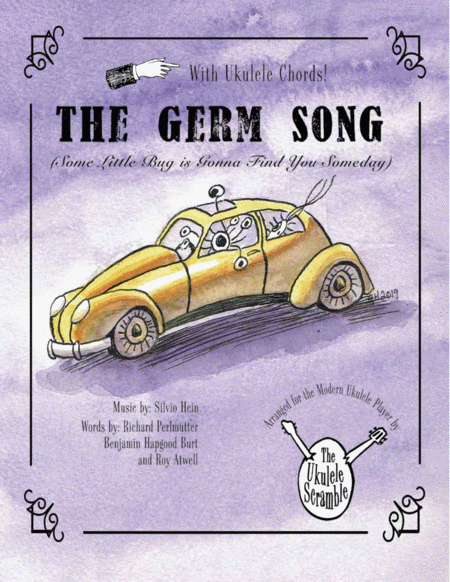
Not much musical mirth in all that, but, we should take time to tune into our Happy Valley friends, “The Ukulele Scramble,” and listen to their take on communicable diseases.

Tap or click on the image to give a look and listen!

But, let’s move away from the virulent news of the day and take a look at what else is happening this week–the first day of Spring! So get out your uke, find lonely solace in that, and practice, practice, practice alone until we all get together to strum again!

Technically, this Thursday is the first day of Spring.  Ha Ha.

We New Englanders have a longing for the end of Winter and the beginning of Spring.  I guess that this is wishful thinking on our part.  But, Spring does happen even if the flowers are peeping out of the snow. 

Spring WILL come!  Won’t it?  Please . . .

Spring in ukulele land can be as colorful as it is in flower land and there are plenty of songs out there from the heyday of the ukulele that celebrate this.

How about a Hawaiian version of this tune? Islands instead of Rockies?

Tap or click on the following image for something a tad different!

And then . . . But I digress.

Moving on, one of the better Spring songs of the Roaring Twenties—one that was at the top of the charts when it was first published in 1929—was “Tiptoe Through the Tulips” performed by the so-called “Crooning Troubadour” Nick Lucas.

Tap or click on the next image for a peek at this tune in one of its earliest recordings.

Sadly, in my humble opinion, this lovely little tune was irrevocably spoiled by the parody performance of one Herbert Buckingham Maury,

for better or worse known as “Tiny Tim.”  Maury was a self-educated expert on the music and lore of Tin Pan Alley and a bit of an eccentric gadfly in the New York music world.  He only became “famous” after performing “Tiptoe Through the Tulips” in falsetto on the “Rowen and Martin Laugh In” back in 1968.  That, and subsequent performances on “The Johnny Carson Show,” turned what was a lighthearted love song into comedy and Tiny Tim into a costumed caricature of a musician. 

Needless to say, however, America loved it and we are stuck with the “earworm” version of Tiny Tim’s version today. Tap or click on the following image to listen, if you must . . .

At times Tiny Tim played the ukulele—which he carried around in a paper shopping bag—left-handed, but played the mandolin and guitar right-handed, though he retained the standard string placement for all three instruments.  Go figure.  The ukes that he played included a vintage Martin, a Favilla, and a Johnston metal resonator.  He taught himself to play using a method book that came with the Arthur Godfrey-endorsed Maccaferri Islander plastic ukulele.   It’s said he only played three or four uke chords at the most.  With a voice like his, that’s all you apparently needed!

Despite his popularity, it is said by many serious strummers that Tiny Tim tarnished the reputation of the ukulele for decades.  Even today, pull out your ukulele and, inevitably, someone will say, “can you play ‘Tiptoe?’”  SAD—Kinda like Spring snow! 

So, to come back to our senses, here is a real taste of Spring–Vivaldi on a Gypsy Ukulele! What’s not to like? Tap or click on the following image for a real musical treat!

So, Think Spring and stay connected with friends and family–albeit at a social distance. Take care, be well, and–above all– STAY TUNED!