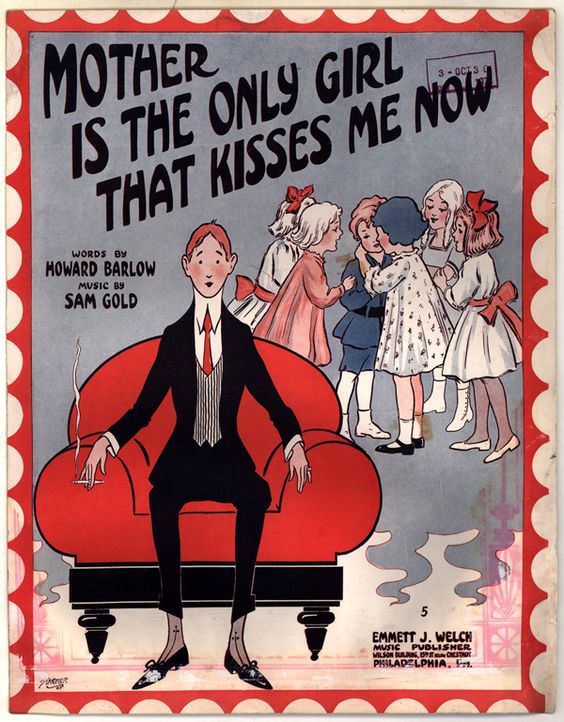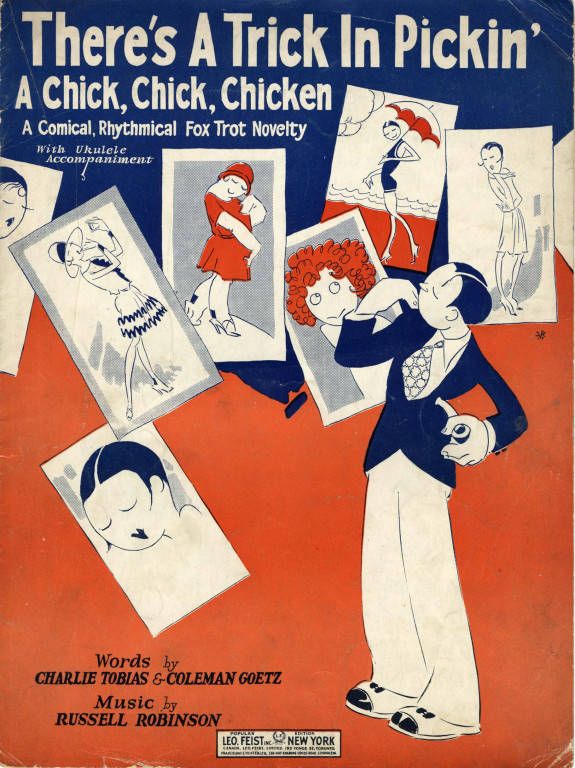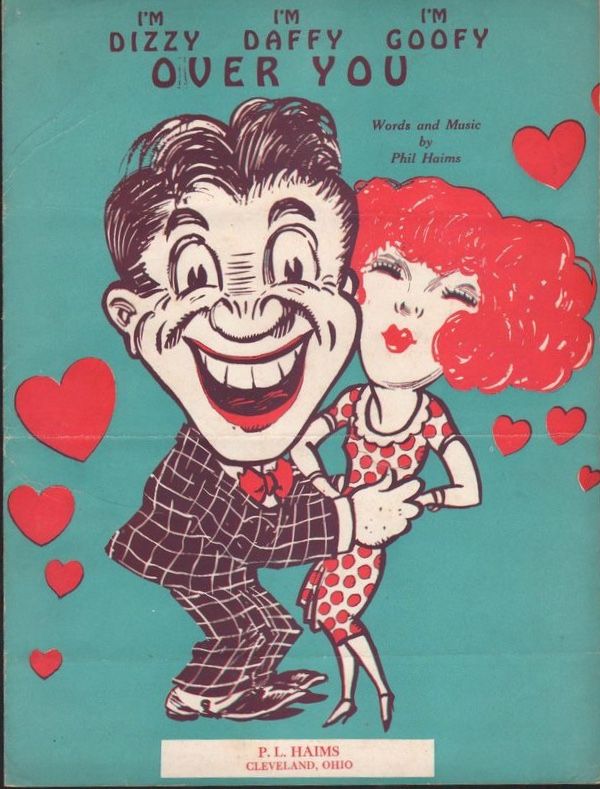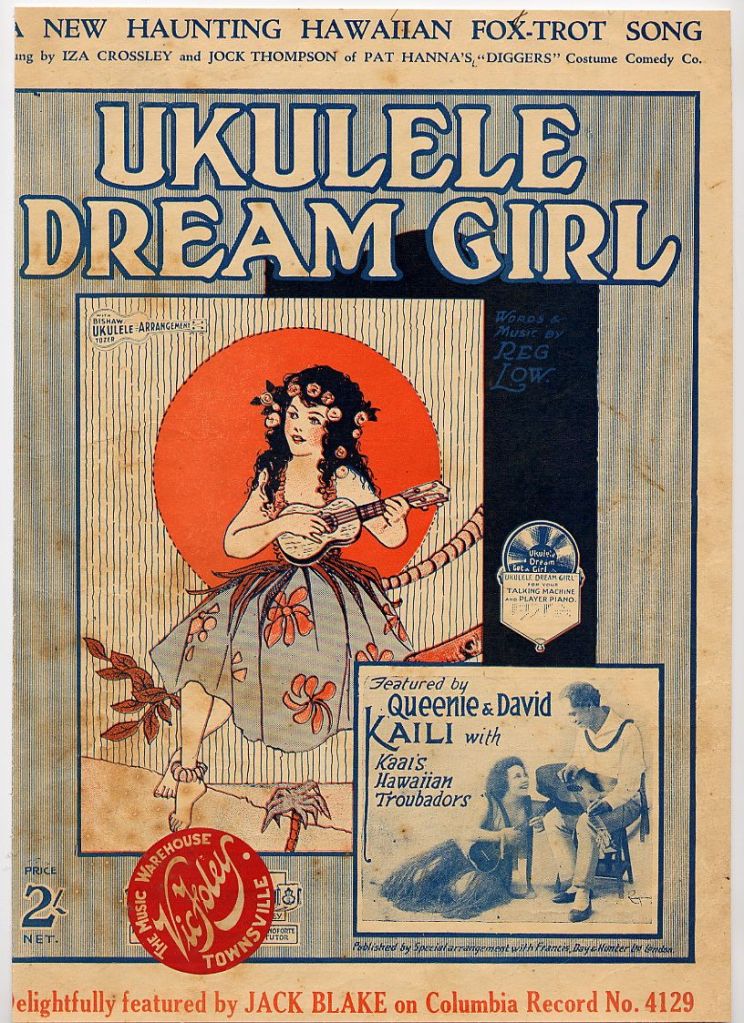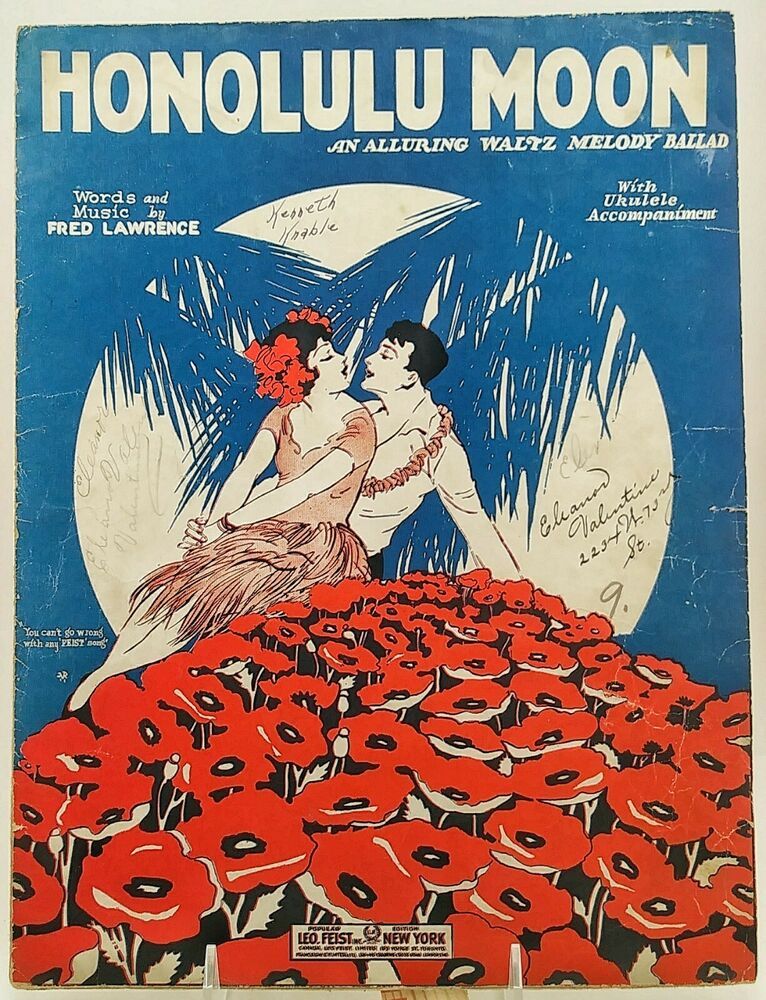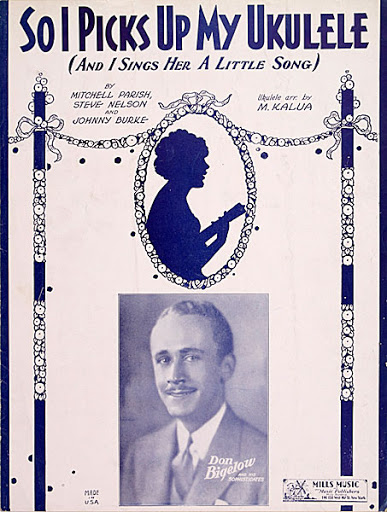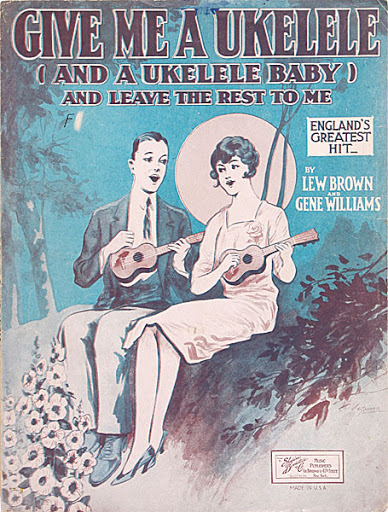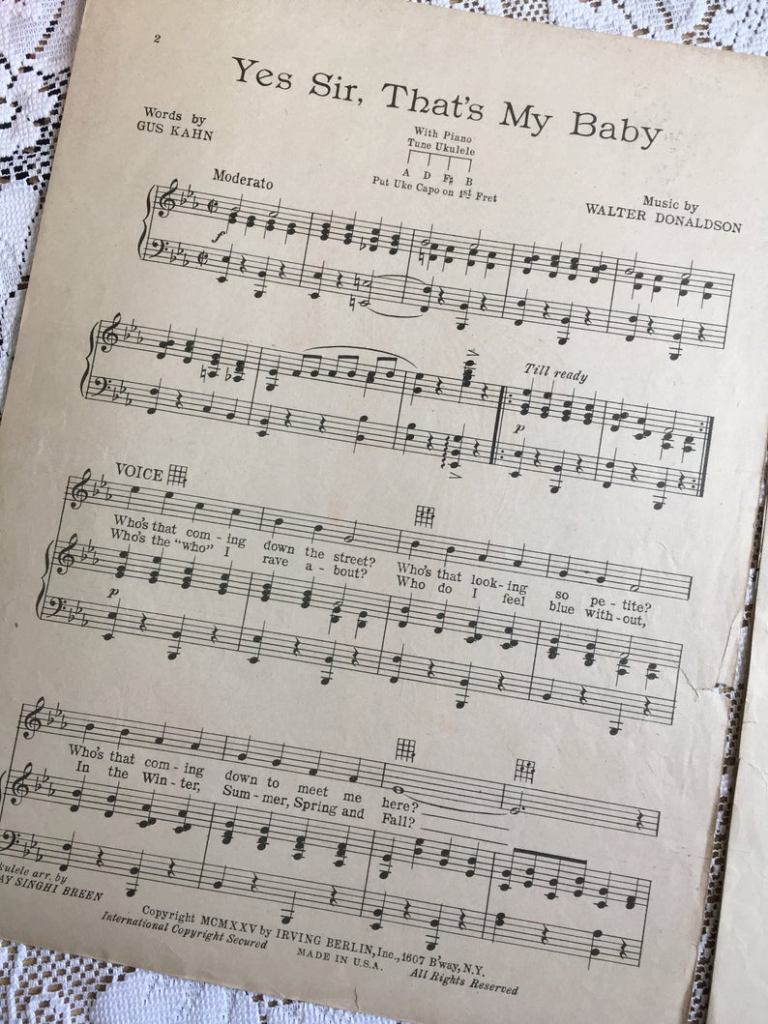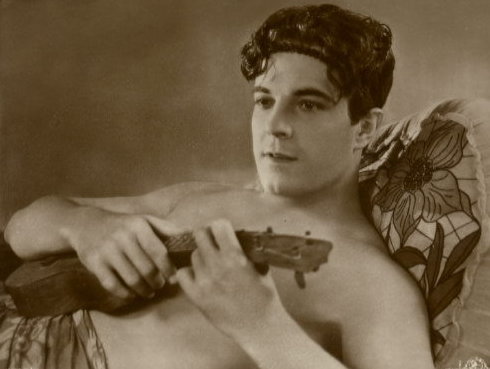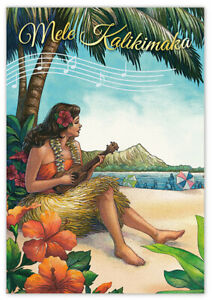
UKULELE MUSINGS 2020, No. 9—“Ladies’ Day” 29 February; Ladies and Their Ukuleles–Ukulele-Cake!

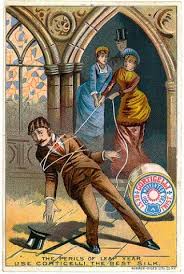
We are heading into that once-every-four-years event intended to keep the world from falling apart. No, it’s not the coming election. Rather, it’s February 29th–Leap Year Day! Aside from its calendaric necessity, that day has taken on mythological traditions the most important of which, in some cultures, is that this is the day in which women are encouraged to propose to men.
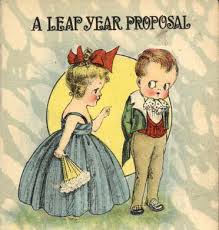
I’m not so sure that this means much in this day and age, but I’m willing to bend my ukulele theme to focus on the ladies and, of course, their ukuleles. Here goes!
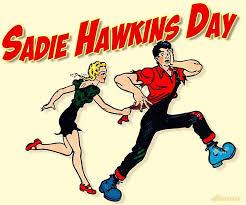
Probably the event most linked with this date is–for those of you who remember the Great “Li’l Abner” comic strip–is Sadie Hawkins Day when the eligible boys try to outrun the anxious girls in a once-a-year race to the altar. Not much of a ukulele tune, but here is a rather bizarre take on Sadie Hawkins:

https://www.youtube.com/watch?v=yQDdIhXb6fI&list=TLPQMjgwMjIwMjB0FZbR9bDAWw&index=2

Now, after having said that my theme would be ladies and their ukuleles,
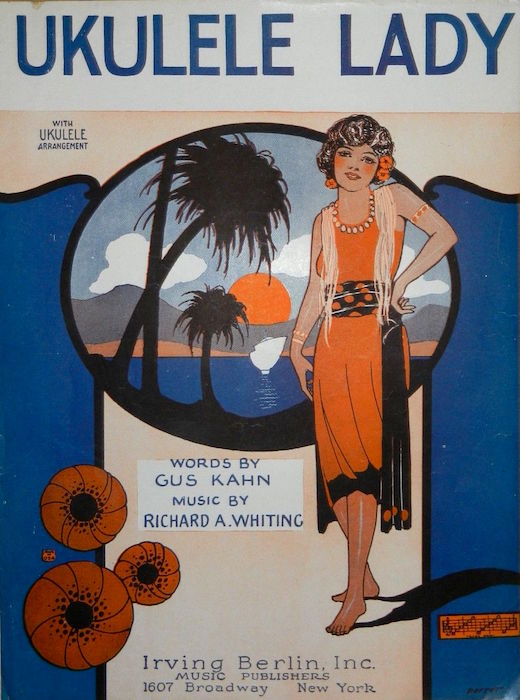
in my web wanderings I have been exposed to—as might be expected—a lot of material that I and many of you gentle readers might consider as prurient and inappropriate for innocent eyes. Not being one to trash perfectly good research, however, I soldier on. 

Still, there is a lot of material out there that is on the edge of propriety rather than over the brink and, to me, still worthy of a place in our visual exploration of ladies and their ukulele history past as well as present.

As a disclaimer, this posting will NOT focus on the “French postcard” school of erotica depicting semi-nude native girls or saucy dancehall belles even though, of course, their ukuleles may be of interest to a scholar or collector. 

But, I have found that there is enough material out there to adequately hold, rather than rivet, our attention.  So, here goes!

While there was a lot of 19th century pictorial “entertainment” in the form of stories told with stereoscope slides, it was in the 1890s when burlesque performers and actresses began using photographs as “business cards” to promote themselves, their talents, and their attributes.

These cards could be found pinned to backstage walls in most vaudeville theaters and became ubiquitous in other venues frequented by gentlemen of the day. 

Song with ukulele “Pinup Girl:” https://www.youtube.com/watch?v=kwzHqCrWBvs

And, so, the “pinup” got its name.   “Cheesecake,” as a synonym came along in the 1920s, particularly in New York’s deli-fueled theatrical world.  

Scholarly discussion today ranges from vivid to livid on this whole pinup/cheesecake thing. So, why not explore “Ukulele-Cake?”  
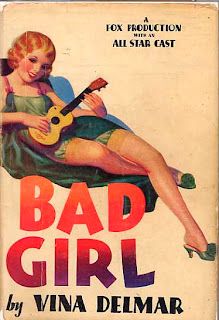
Admittedly, in the 21st century blue bubble of our Happy Valley, this can be a touchy subject. But, our pursuit of ukulele lore may oft take us into what some may call the darker corners of the music word, but we must bear (bare?) with it and pursue history where we find it.

And, yes; there is a brighter side to our little history . . .   In the early 20th century, in parallel with the more male-targeted cheesecake, magazine illustrations of attractive well- (and semi-) dressed women were seen by many as helping to define certain body images such as being clean, healthy, and wholesome. 
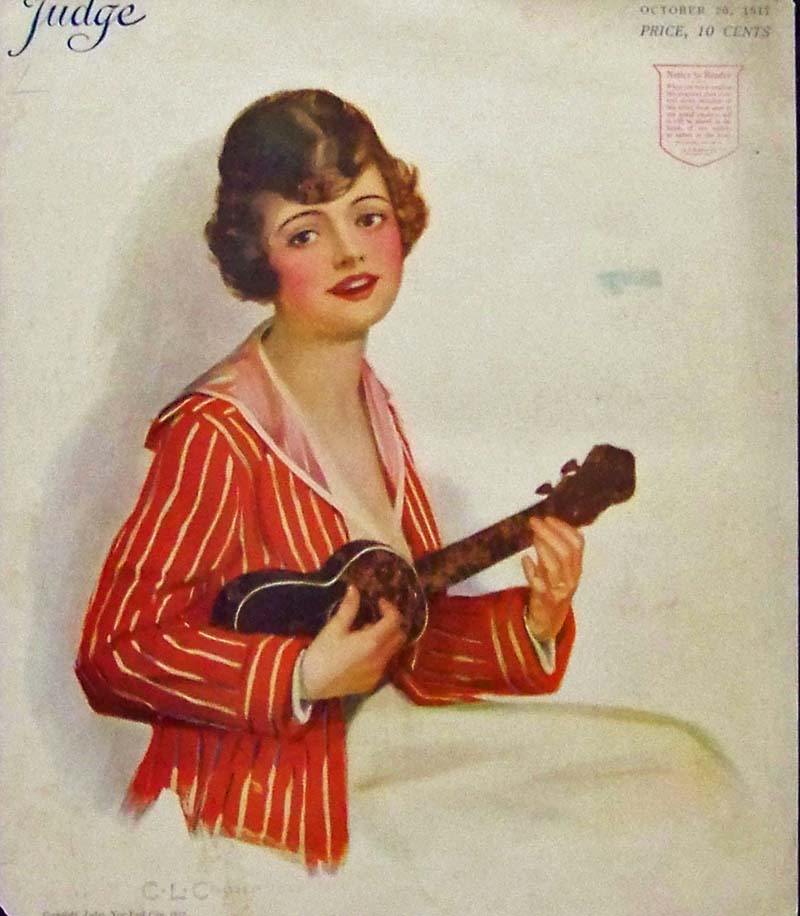
This was what both women and men thought a particularly beautiful or attractive woman should look like.  Alas, as time progressed, attitudes toward these images evolved from respectable to illicit—from “womanhood,” to “glamour,” to “girlie-girlie.” 

Needless to say, the ukulele as an oft-used prop covered (ahem) a lot.     

Anyway, cheesecake was really a “guy thing” and pinup girls became hugely popular during the early years of World War II. 

Many featured scantily, but tastefully (mostly), dressed (mostly) girls often—to stick with our theme—holding or playing ukuleles.

Pinup girls were featured on the noses of bomber planes during the war and they were pinned up in Army barracks and on Navy ships all over the world. 

They were used for training and recruiting posters—any way to catch and capture a young man’s attention. 

So-called “calendar girls” became a popular sub-species of a pinup. 

Pinup girls were also used in advertising, often having not much to do with either femininity or ukuleles! 

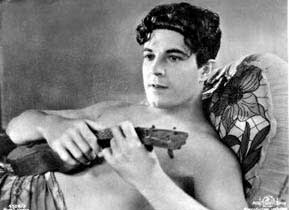
More recent “Beefcake” photos of similarly slightly clad men, also armed with ukuleles, are found but considerably less often.  Go figure.   
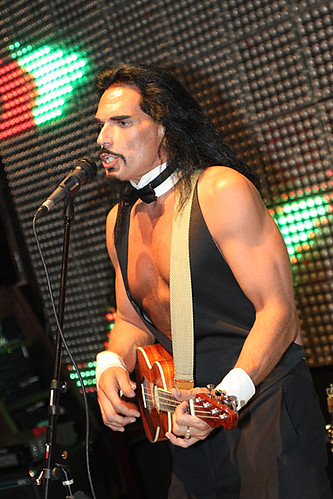
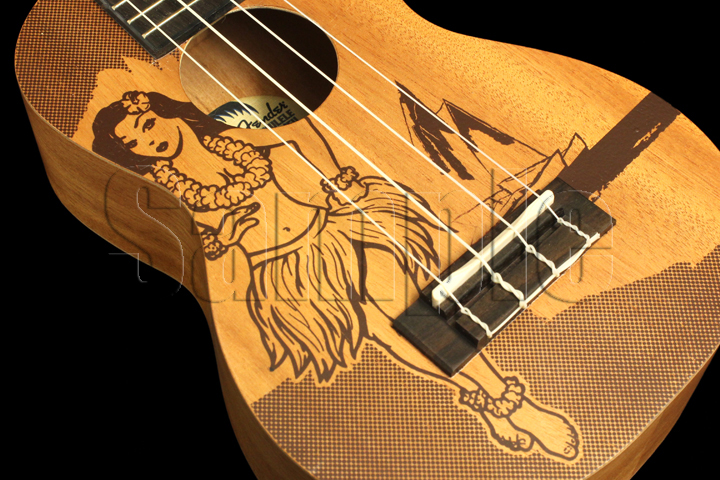
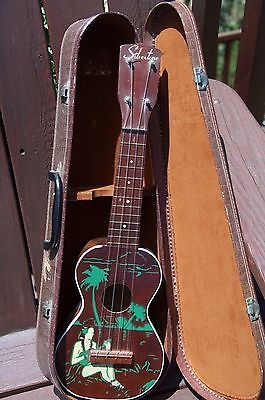
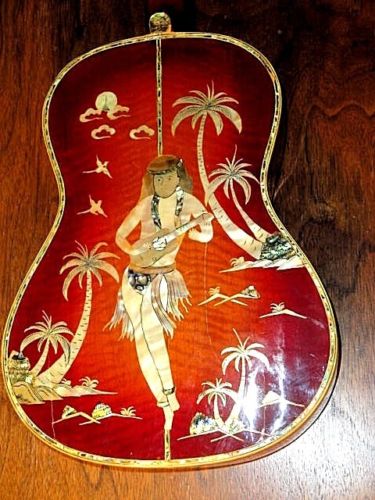
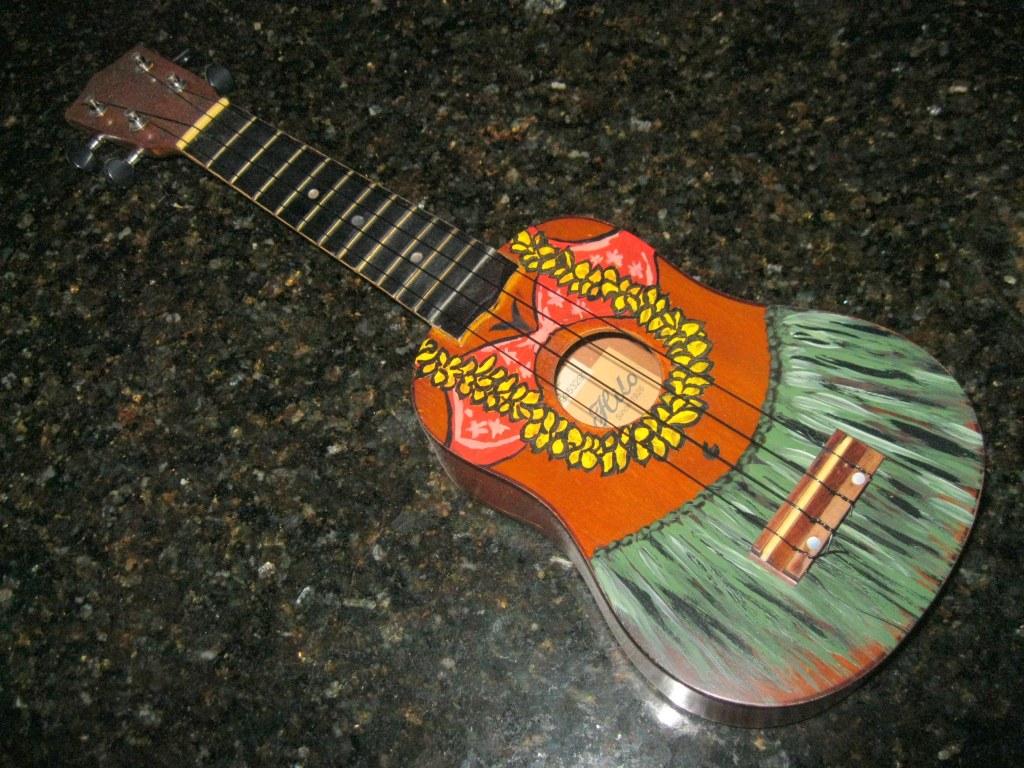
While there are pinups WITH ukuleles, of equal interest to us are pinups ON ukuleles. Both new and vintage examples can be found. 

Good taste?  Bad taste?  Offensive?  Fun? 

Your call, but I believe that it’s a genre of ukulele history worthy of our serious exploration and study. 

And, after all, don’t we all want to learn a bit more about our ukuleles and how folks have, shall we say, embraced them over the years? 

So, let’s end this musicological exploration with a good ukulele tutorial. Not “Pinup Girl,” rather “Calendar Girl:” https://www.youtube.com/watch?v=kWMtgip-dLM

There is so much ukulele lore to explore! You eligible gentlemen be on the lookout for the ladies today. But, Stay Tuned!
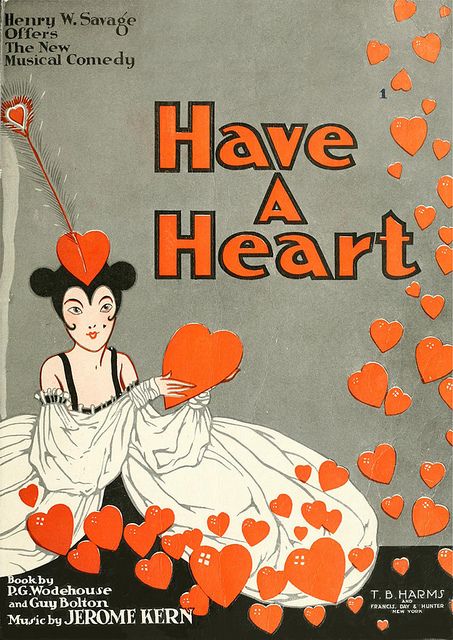
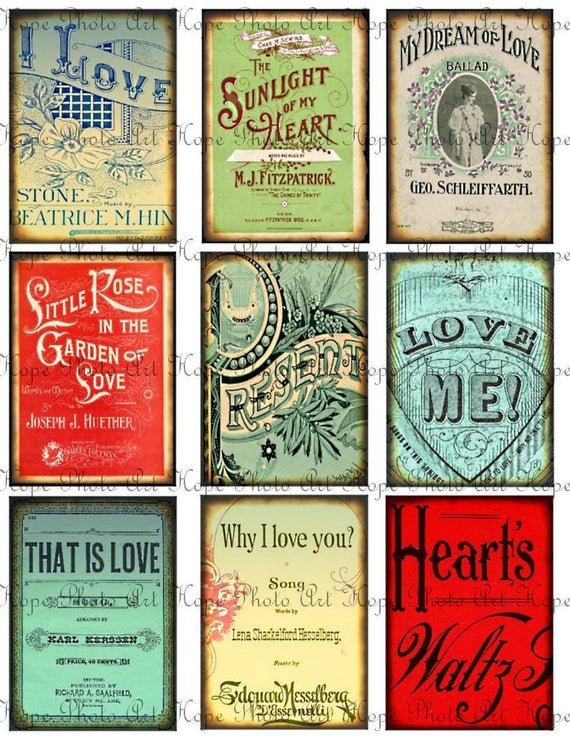
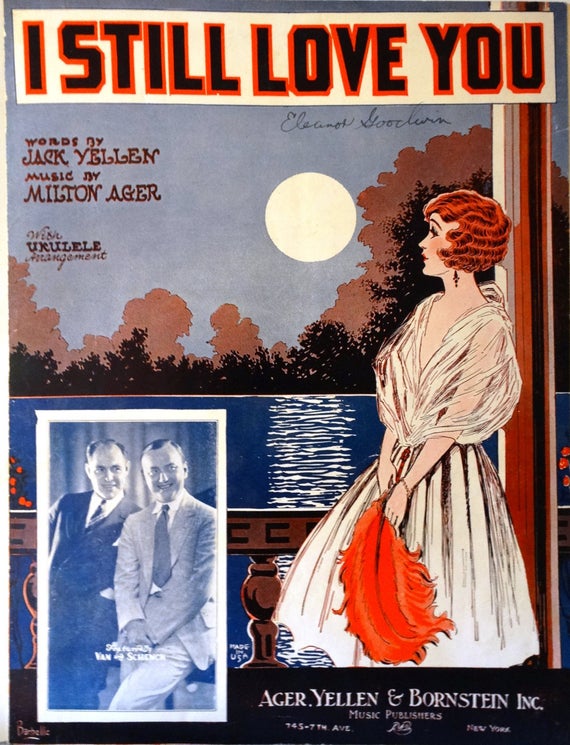
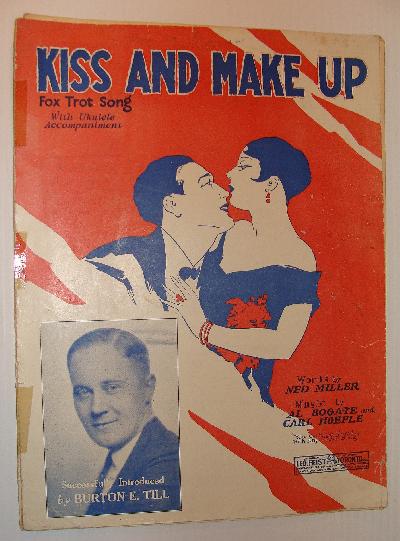
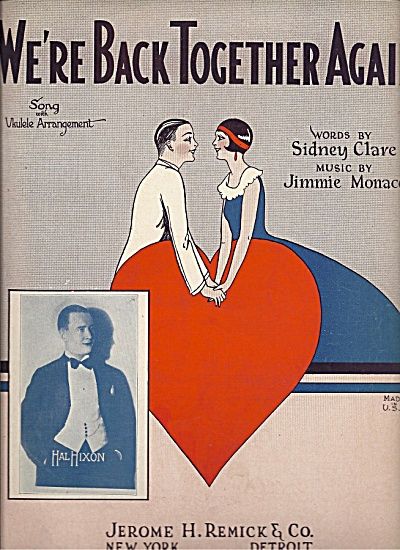
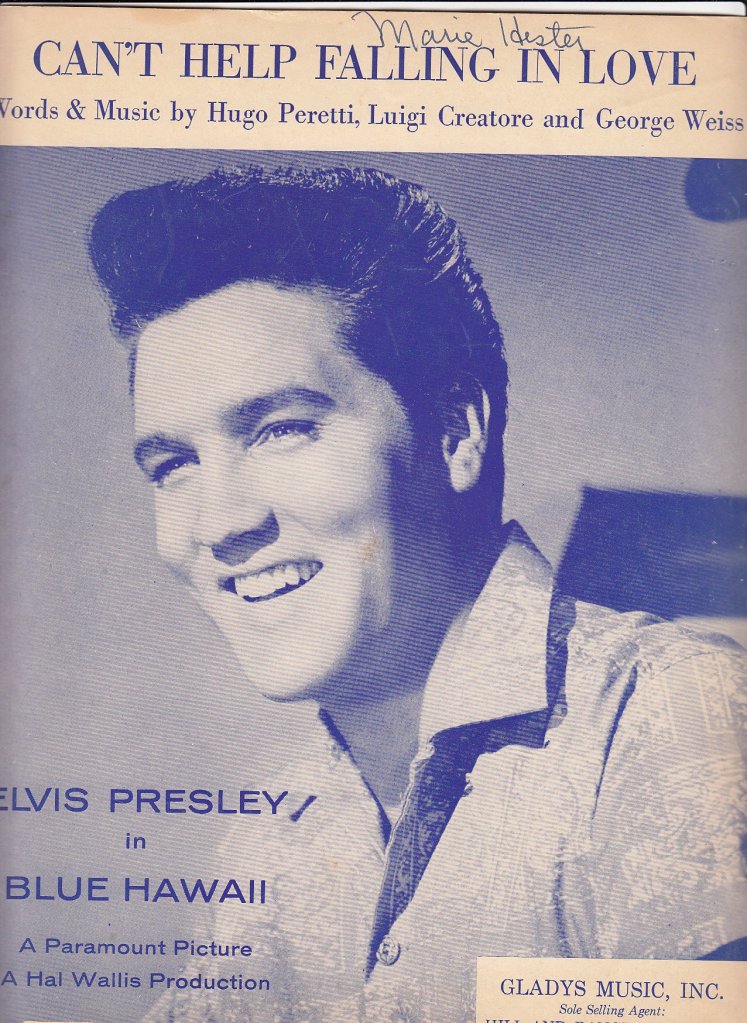
UKULELE MUSINGS 2020–Number 7: Good Old Tunes for Your Sweetie and Your Uke. Happy Valentine’s Day!

Happy Valentine’s Day to you and yours!

For the past three or four years I have posted and commented on vintage banjo and ukulele related Valentine’s Day cards that I have found on the web.  I’ve reached the point where this tradition—while a lot of fun—is just too easy!  Vintage Valentines are low hanging fruit when it comes to surfing the internet.

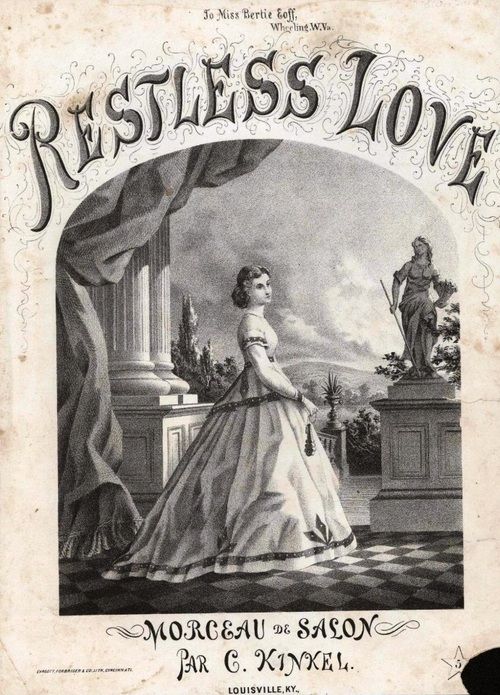
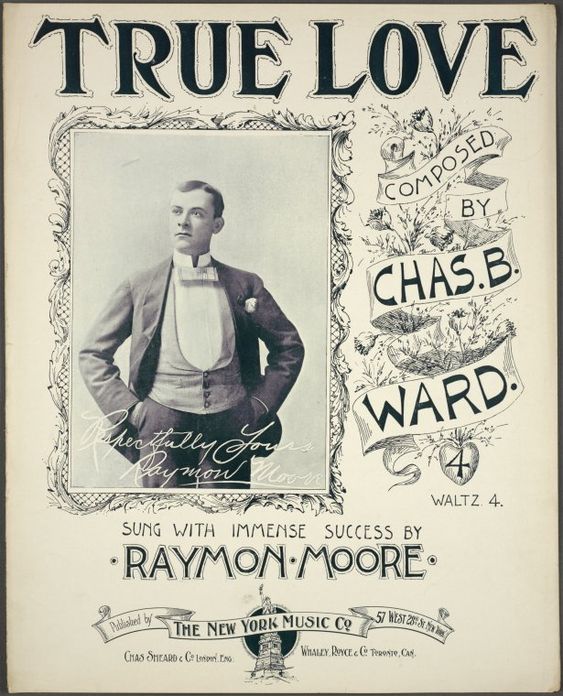
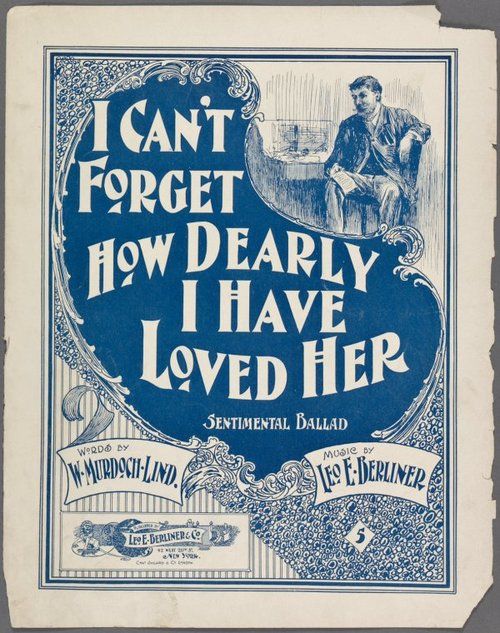
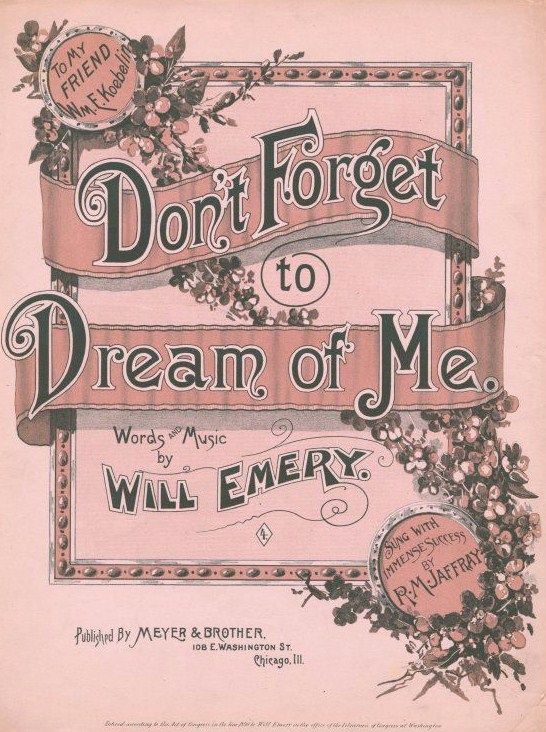
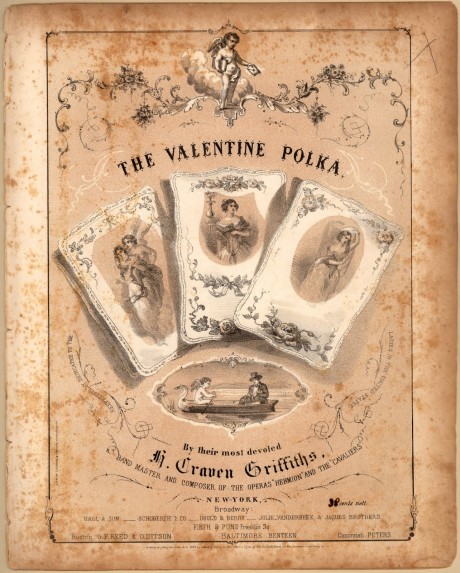
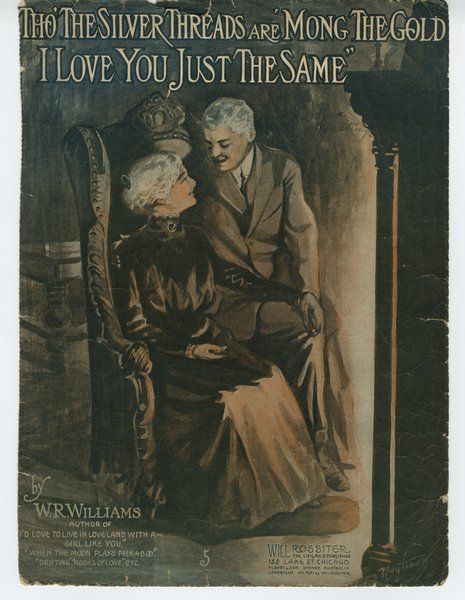
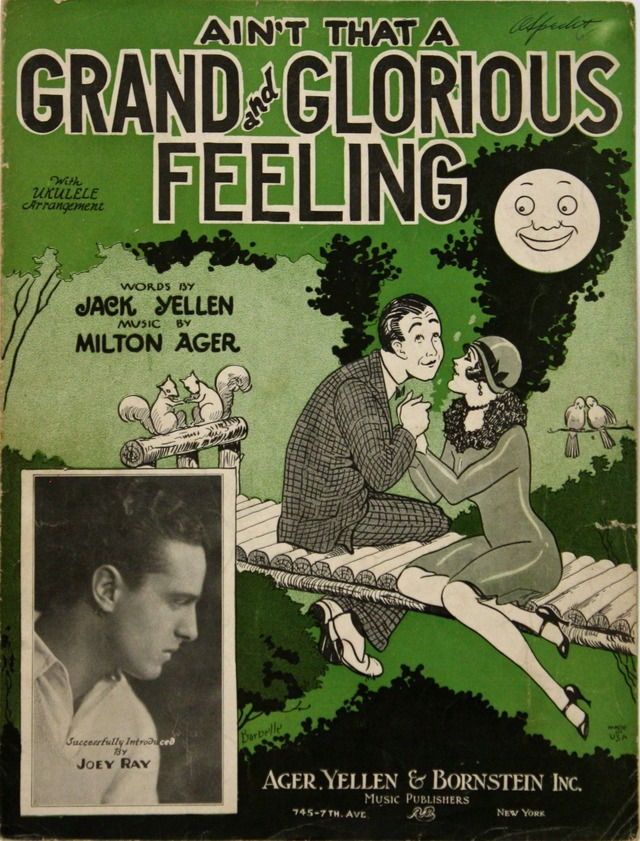
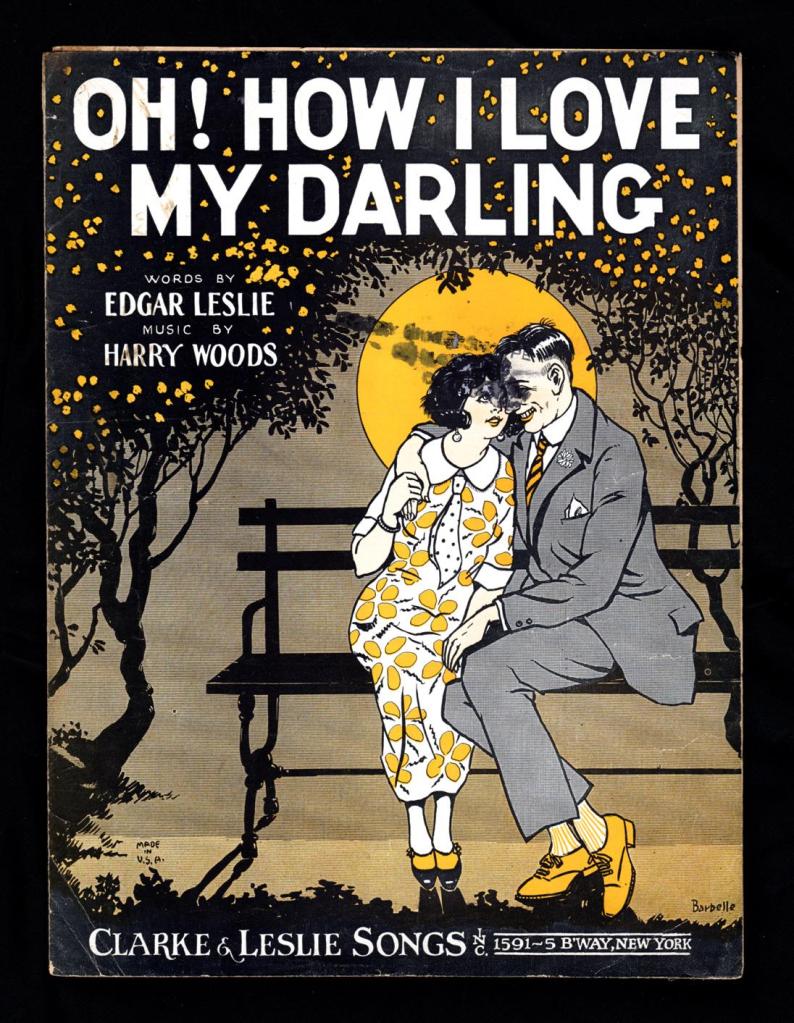
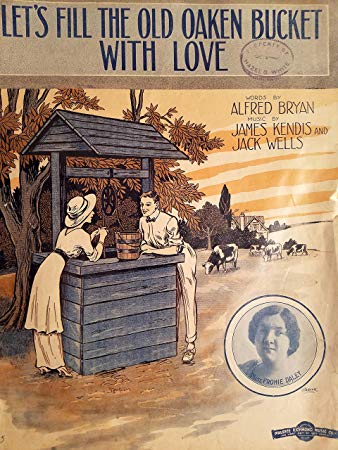
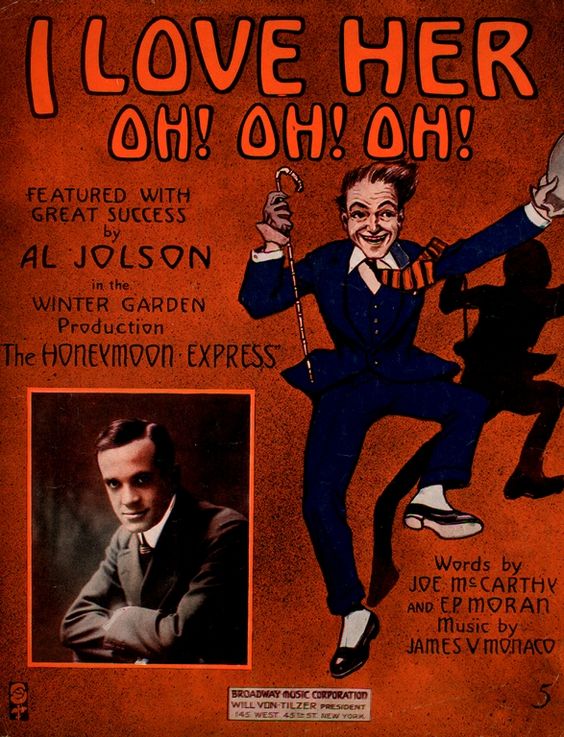
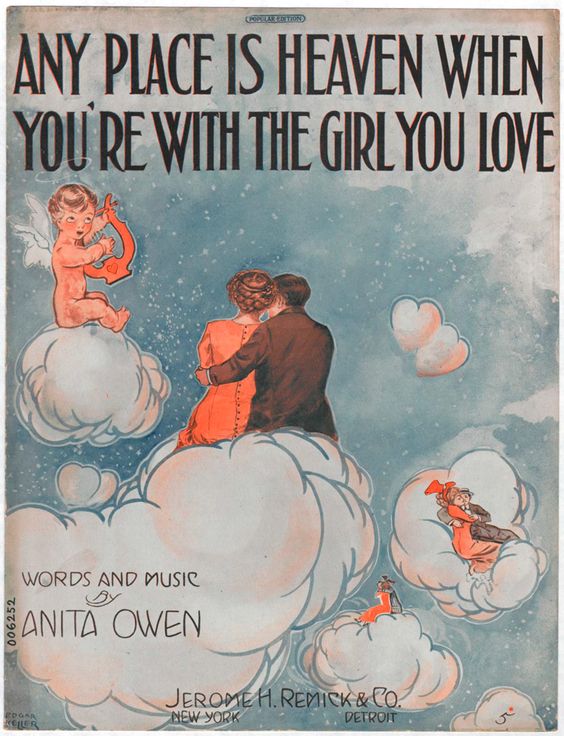
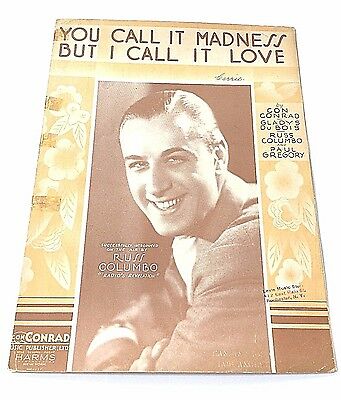
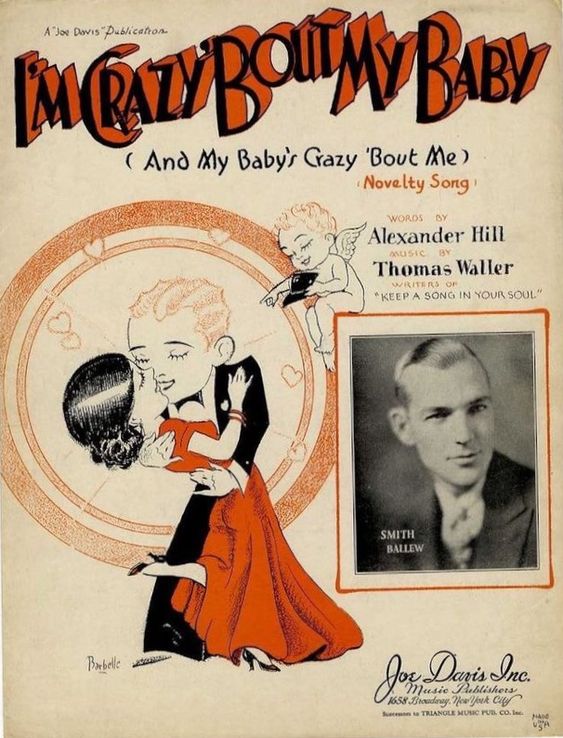
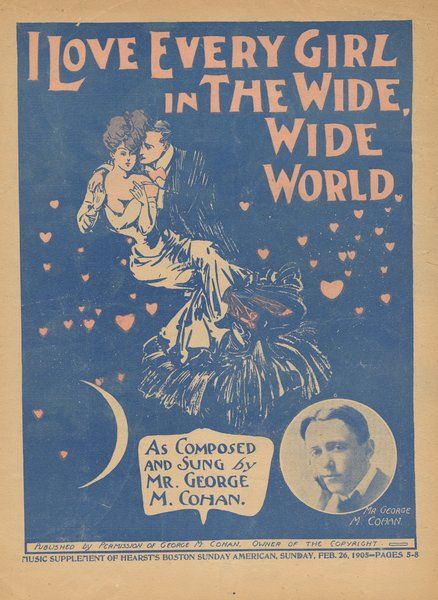
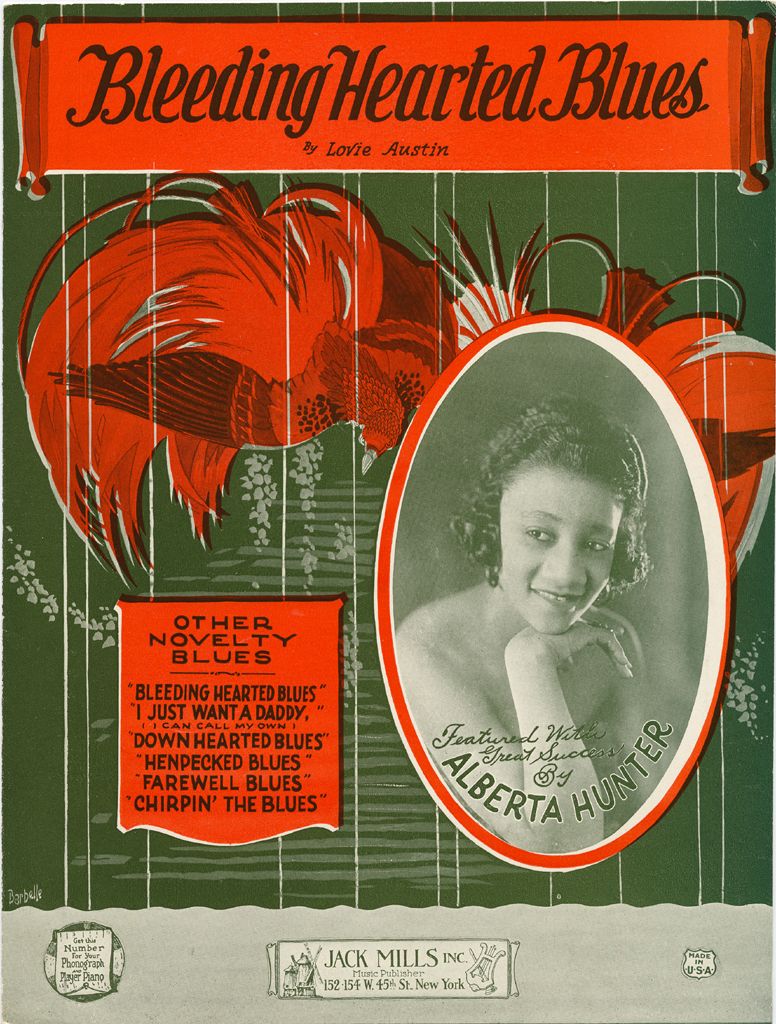
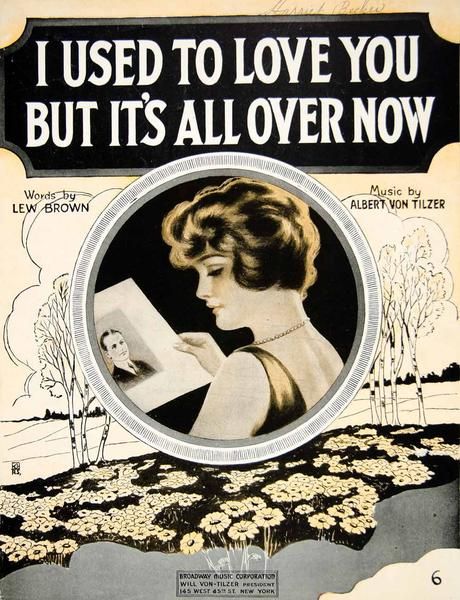
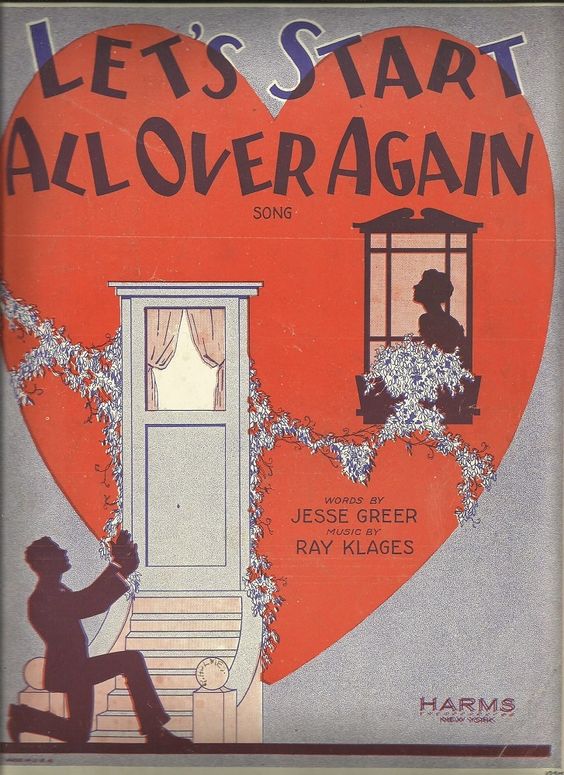
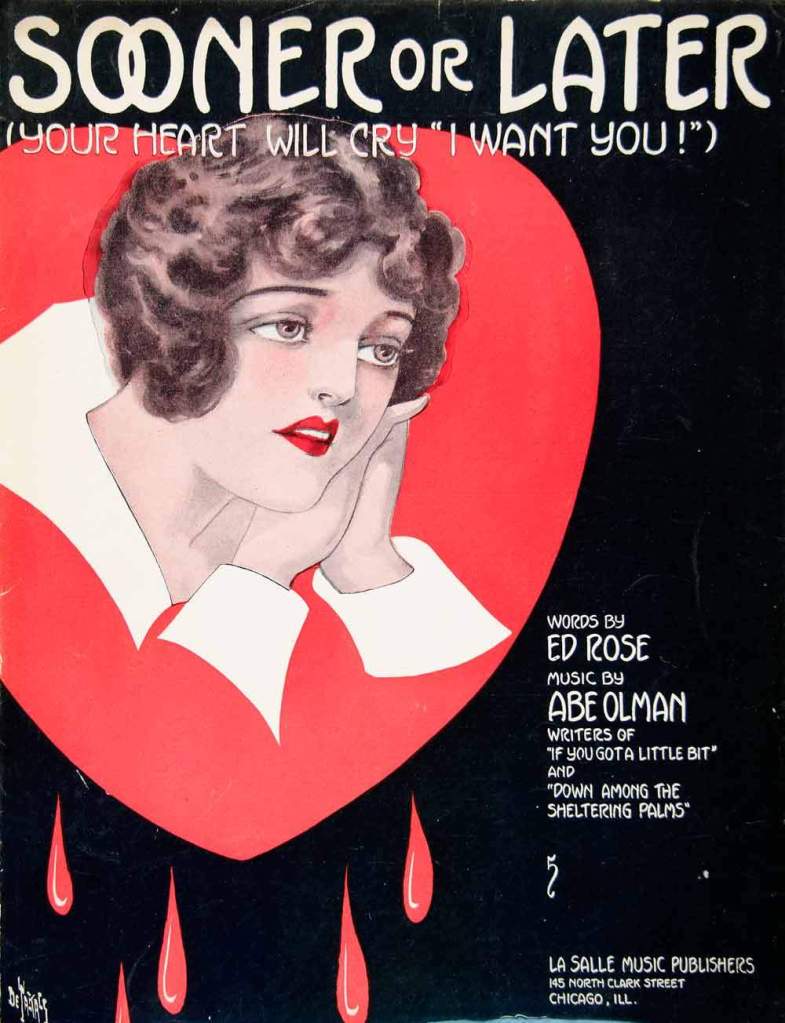
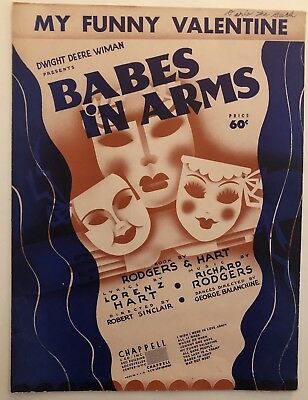
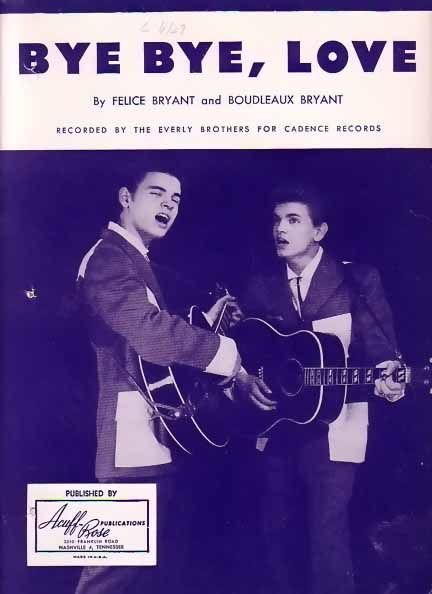
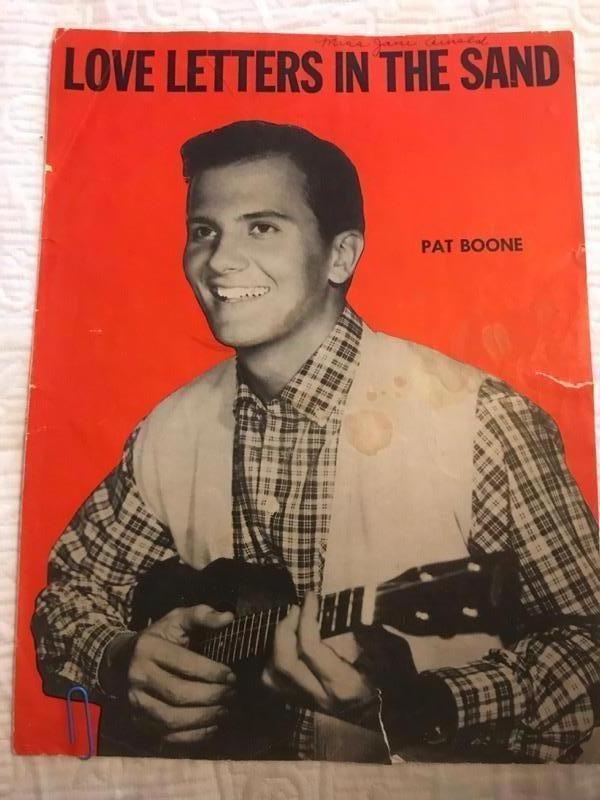
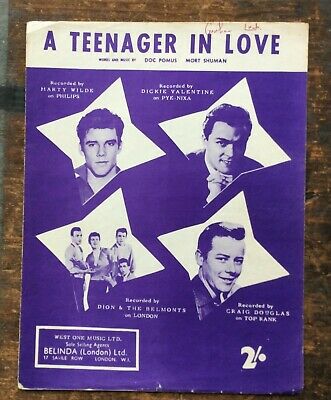
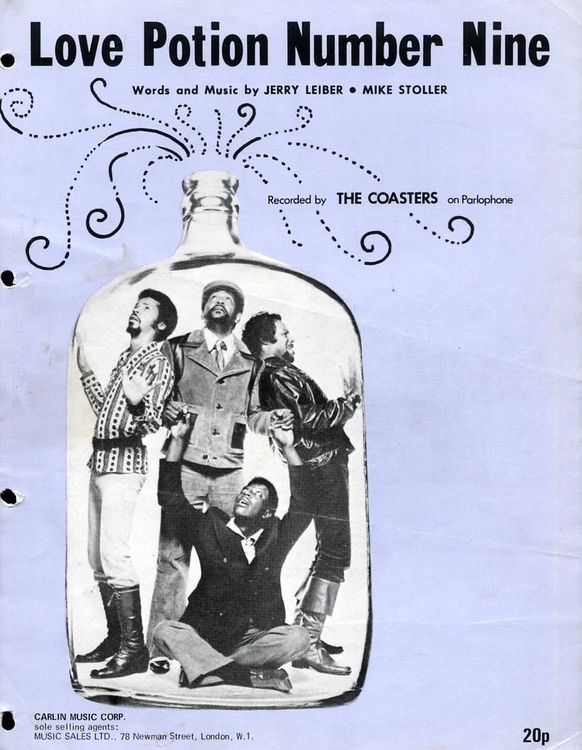
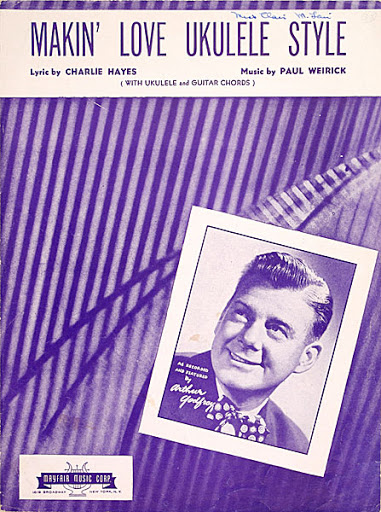
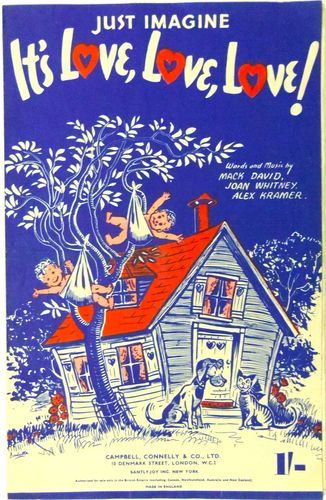
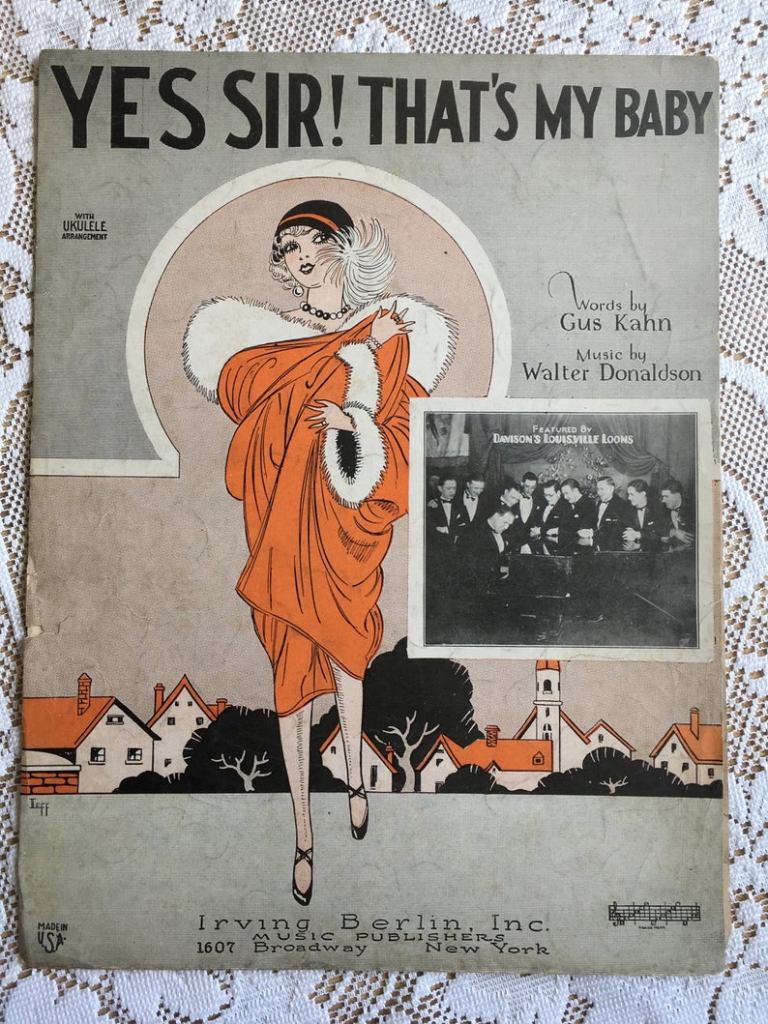
So, this year I thought I would focus on vintage sheet music and tunes with Valentine or Love themes.  Here goes!

Needless to say, there are some quite early ones.

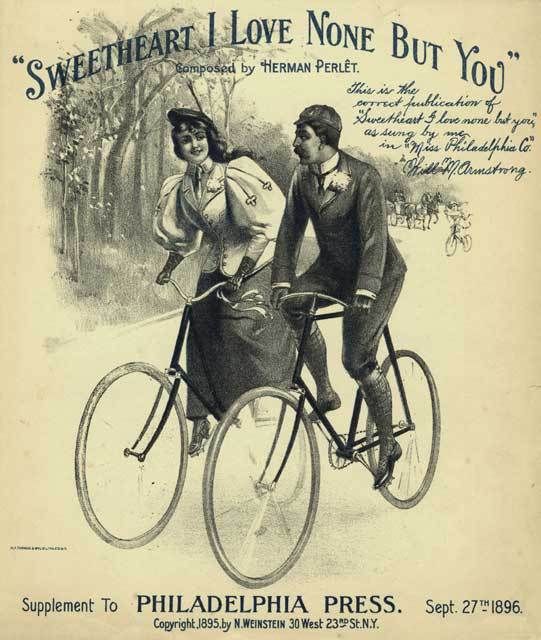
A bicycle tune: https://www.youtube.com/watch?v=78MKBHR3NbU

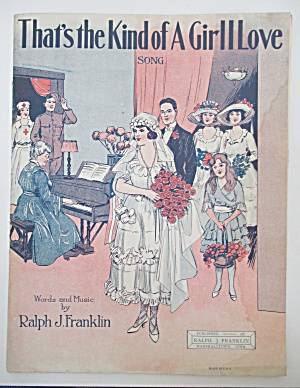
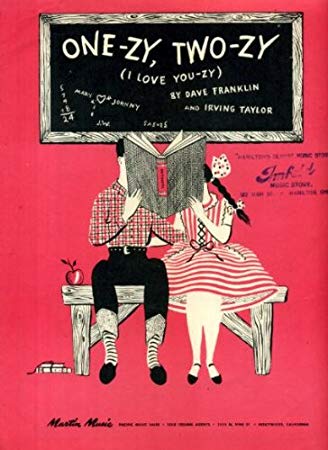
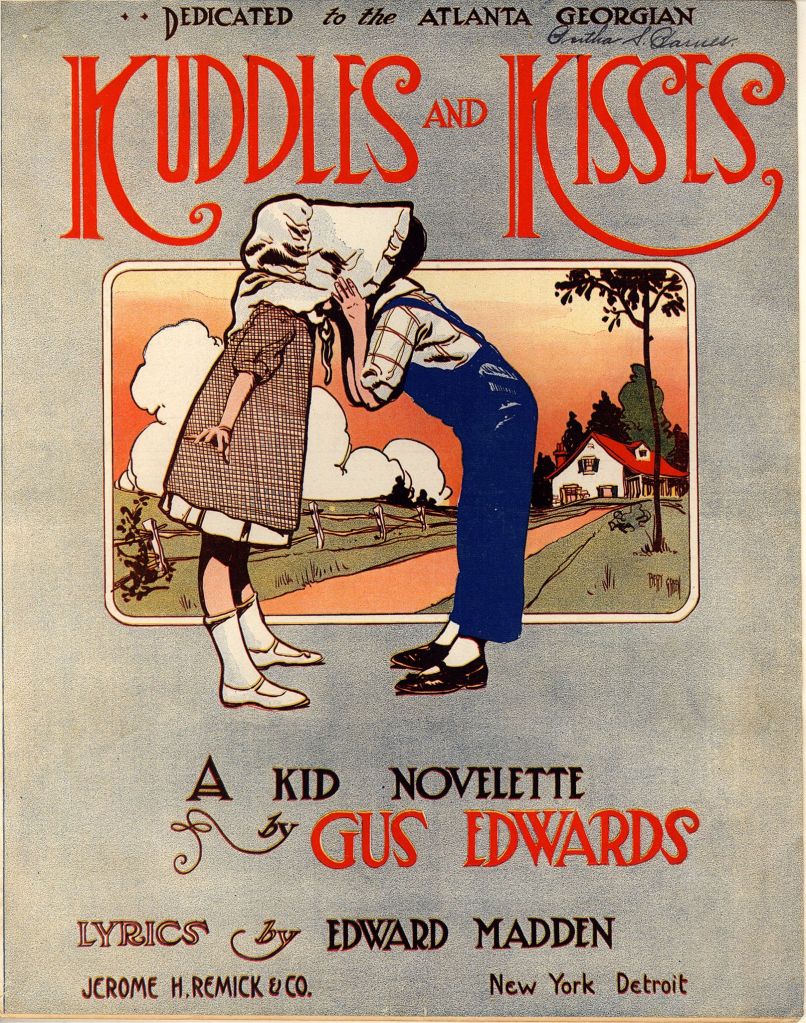
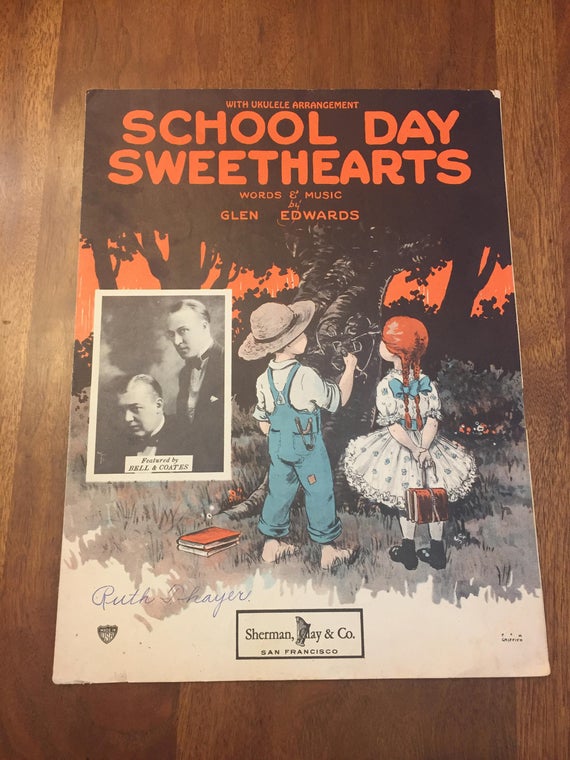
Then there are some that focus on young love.

An arithmetic lesson in love: https://www.youtube.com/watch?v=bD3i-hR4ofU

Or, how about the wild and crazy love of days of yore?

Give a listen: https://www.youtube.com/watch?v=xAKYhbXt3Ik

Some funny Valentines.

A rowdy tune! https://www.youtube.com/watch?v=j29T_KJSWlg

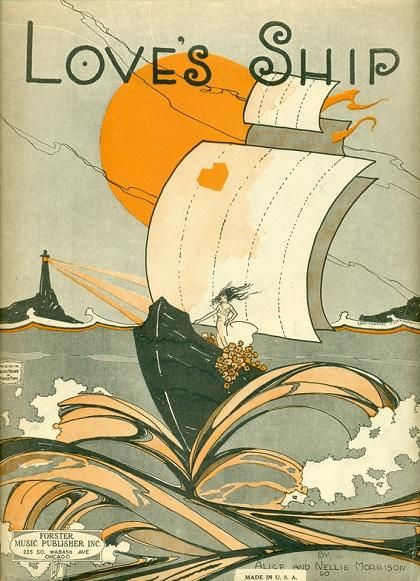
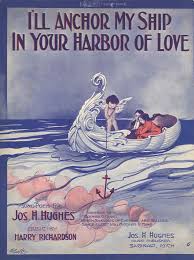
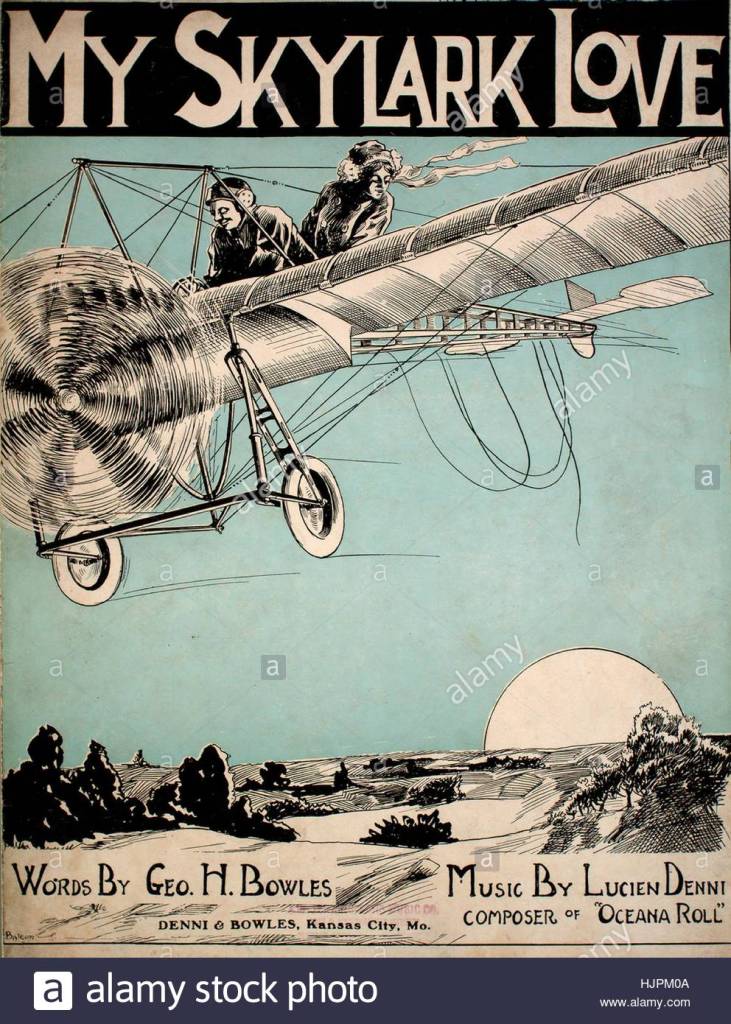
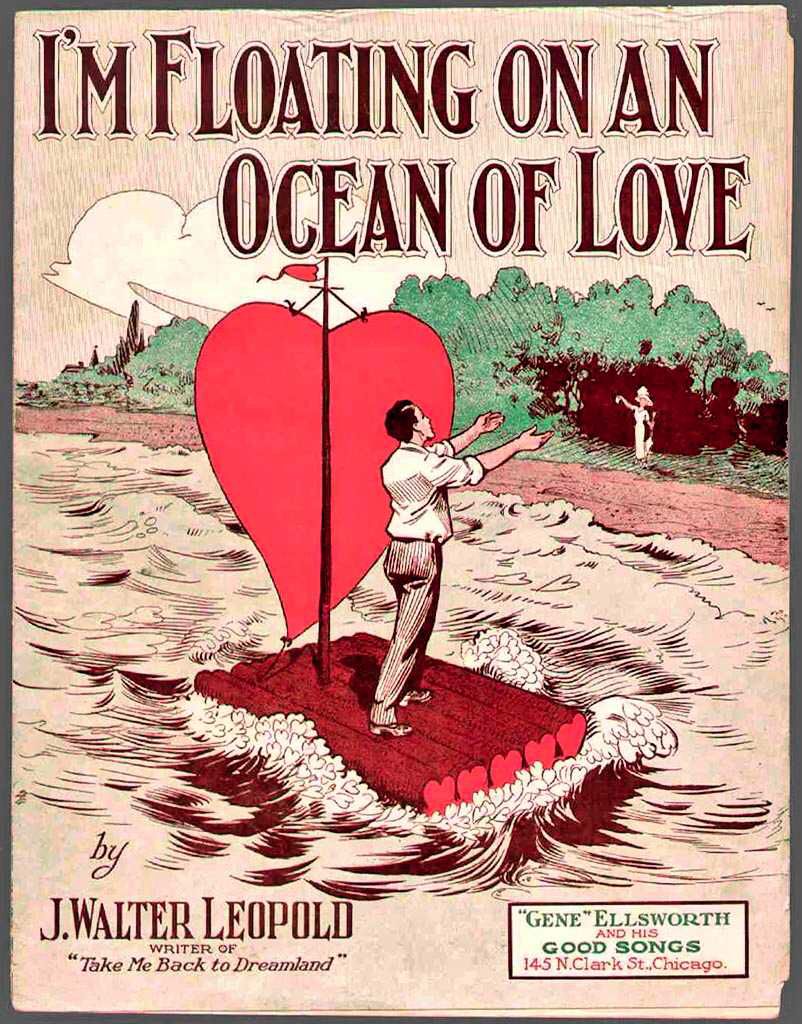
Love is in the air!

Or at sea.

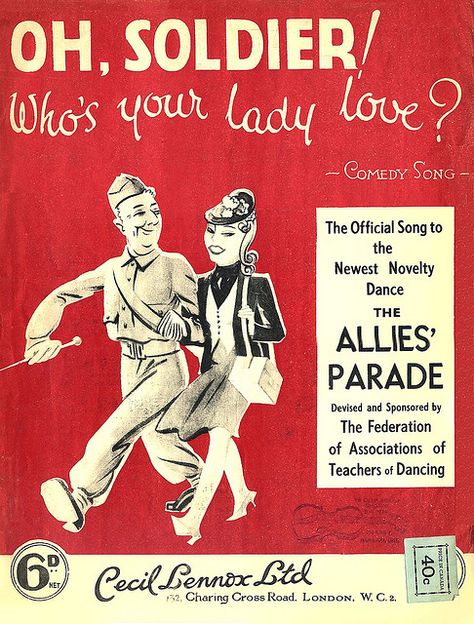
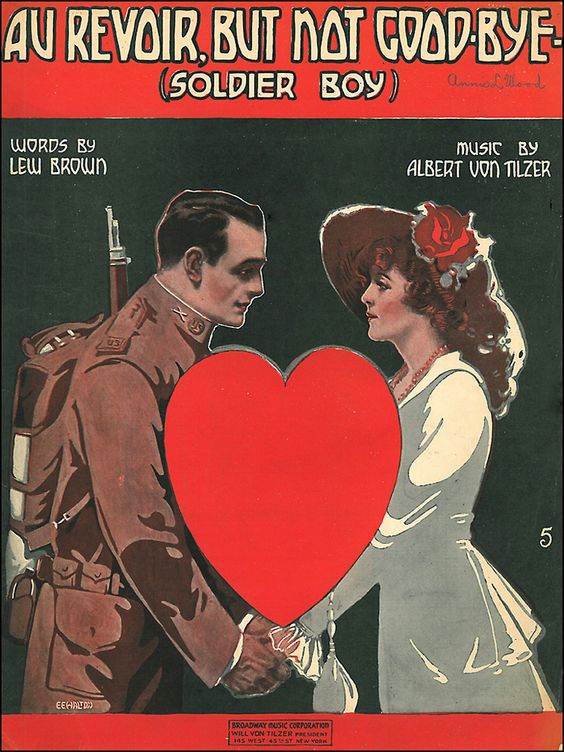
How about soldiers?

Let’s not forget Hapa Haole.

Here it is: https://www.youtube.com/watch?v=I5zzg_w1UX8

A sad tale or two, alas.

And, there is the never ending stream of more recent days.

Anyway, have fun browsing through and, here’s hope that all of you have a way to share this day!

Oh yes. Here’s a Ukulele Tune for you and yours: https://www.youtube.com/watch?v=ihvCJ57L9RI

Stay Tuned–happily ever after!

UKULELE MUSINGS 2020–Number 6: “Flappers, Sheiks, and Their Ukuleles–Oh My!”

After vowing to keep life a bit simpler this year, here is a modification of a past posting that will. hopefully, turn our minds from the news of today to the views of the past–all within our ukulele theme, of course! So, here we go as I riff through my collection (online, needless to say) of apropos pictures.

Viewed by many today as a cultural heroine, the “flapper” is one of the most enduring images of Jazz Age youth. 

In the 1920s, however, many folks regarded flappers as threatening to conventional society.  They represented a new moral order—girls who flouted middle-class values.

The word itself evolved from 19th Century English and French terms for women who wore loose clothing (it flapped!) and, needless to say, often had equally loose morals.

Flappers’ behavior was considered outlandish at the time. 

But it redefined women’s roles in society in the US, in Europe, and even in Japan.

The evolving image of flappers was of independent young women who went by night to jazz clubs, such as those in, which were viewed as erotic and dangerous.

And where they danced provocatively,

smoked cigarettes,

and dated freely, perhaps indiscriminately.

They were active, fashionable,

rode bicycles, drove automobiles, bobbed their hair,

and openly drank alcohol—a defiant act in the era of Prohibition. 

And, OMG! They played ukuleles!   

The flapper era saw the evolution of ragtime dance styles to the more “shocking,” such as the Charleston, the Shimmy, the Bunny Hug, and the Black Bottom.  But, these were a symbolic badge of the flapper’s rejection of traditional standards. 

Take a look: https://www.youtube.com/watch?v=lm-gAmzo0EY

Sheet music of the day almost always included ukulele chords–in a variety of tunings.

Here’s a fun 1920s flapper version of one our favorite tunes of the times: https://www.youtube.com/watch?v=QjH_iX9hhso

And, of course, we can’t forget the flappers’ male equivalent, the “Sheik” with his oiled hair, bell bottoms, collegiate or cosmopolitan style. 

And, once again, his ukulele!

I have to close with a couple of “flapper/sheik” ukes from my collection. 

And, of course, a ukulele club version. Any thoughts about First Night? https://www.youtube.com/watch?v=TJ7ojSmvTFM

Ain’t we got fun?

Stay Tuned!
UKULELE MUSINGS 2020–Number 5– A Two-Fer: World Play Your Ukulele Day and Groundhog Day

Admittedly, Groundhog Day is more of an annual “event” rather than a “holiday.”  Nonetheless, it takes on importance in that is it also “World Play Your Ukulele Day.” 

Who knew? 

It is also a day that we New Englanders sense the end of Winter and the beginning of Spring—at least those New England natives of the groundhog persuasion.  Pray for a cloudy day!  Avoid shadows!

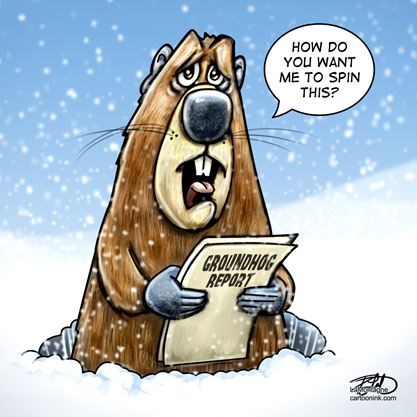
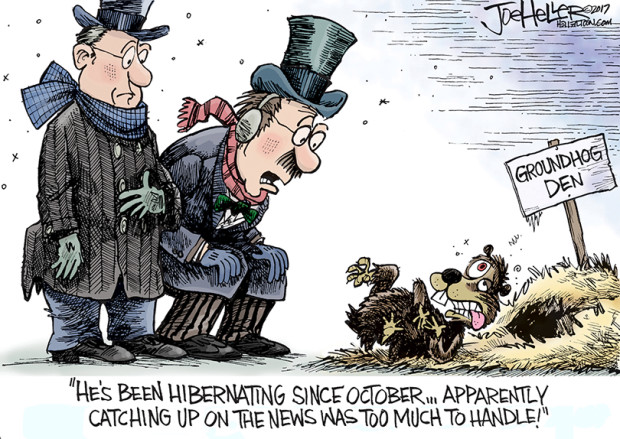
Aside from some cute pictures,

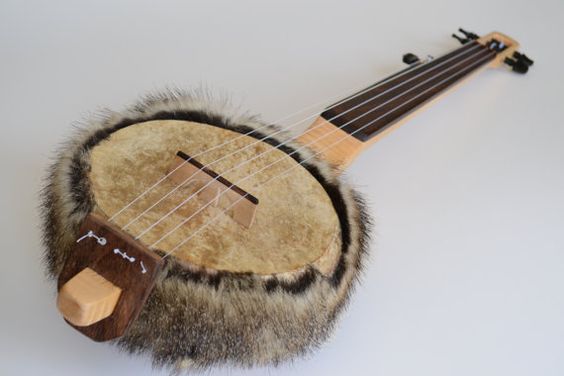
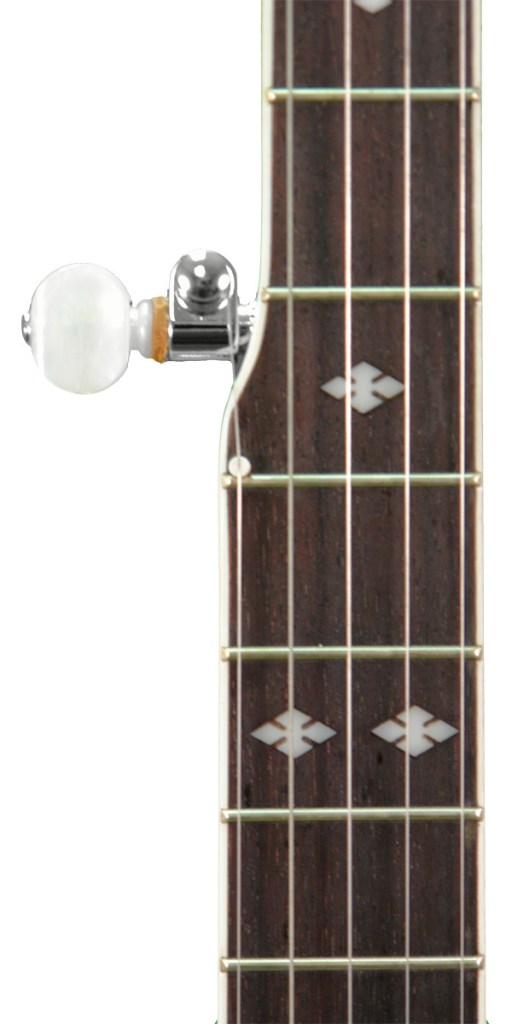
I couldn’t find many ukuleles directly associated with a groundhog.  But, our animal friend has a long and historic association with that older cousin of the ukulele, the banjo.  It seems that it wasn’t uncommon back in 19th century Appalachia to use a groundhog skin to make a primitive banjo. 

There are even a few contemporary banjo makers using groundhog skins, both on five-string mountain banjos

and even—YES—a banjo ukulele or two.  Sorry, none in my collection as of yet! 

There is also a great old-time tune called “Groundhog.”  Here it is played on a fretless banjo just like an old Appalachian mountain one!

The ukulele lends itself to being played in the old-time banjo style called “frailing” or “clawhammer.”  The standard high-G string of the ukulele can serve the same melodic/rhythmic function as the fifth “drone” string on a banjo.  

On the ukulele, the index finger picks a string (usually a melody note), then brushes down across all four strings followed by the thumb plucking the G string—pick, brush, thumb.  The rhythm is 1-2/and, 1-2/and, etc., played in a slow, quick-quick motion.  Pete Seeger called this a “bum-ditty, bum-ditty” sound.  We could call it a “North-amp/ton, North-amp/ton” strum!

Got it?  Of course, there are thousands of intricate variations, but this is “Clawhammer 101.”   Here’s a basic YouTube to get you started.  Have some Springtime fun!  

At the risk of all my vegan and vegetarian friends—to say nothing of those simply of the squeamish persuasion—I must add an good ole recipe for groundhog stew.  Well, why not?

Now go seek out a groundhog, before he sees his shadow, and play him a tune on “World Play Your Ukulele Day!”      

Stay Tuned!
UKULELE MUSINGS 2020—Number 4, “A Strum of Ukers”

What do we call a group of ukulele players? Let’s come up with a new word!
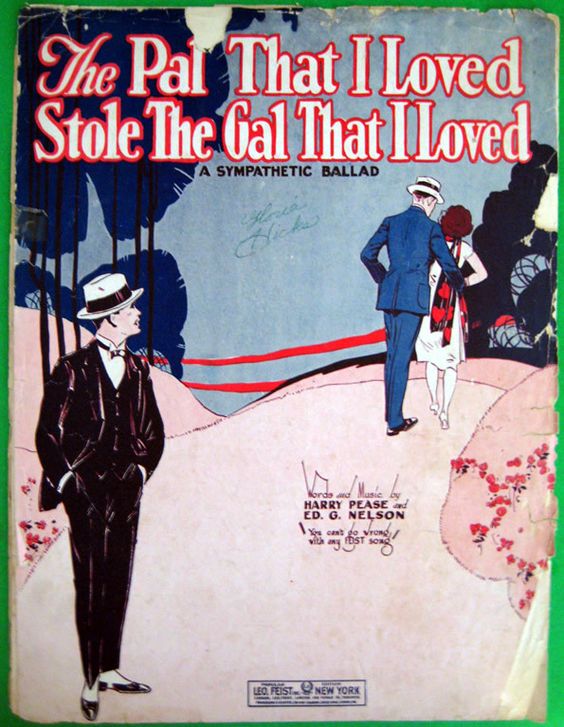
Searching through my trove of ukulele related thoughts and photos from the past few years, I ran across this posting that seems worth another look and a bit of an update. So, here goes!
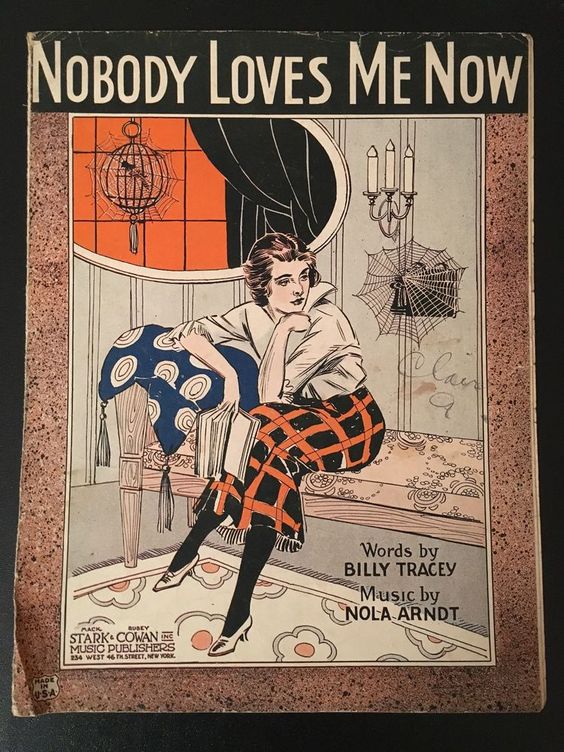
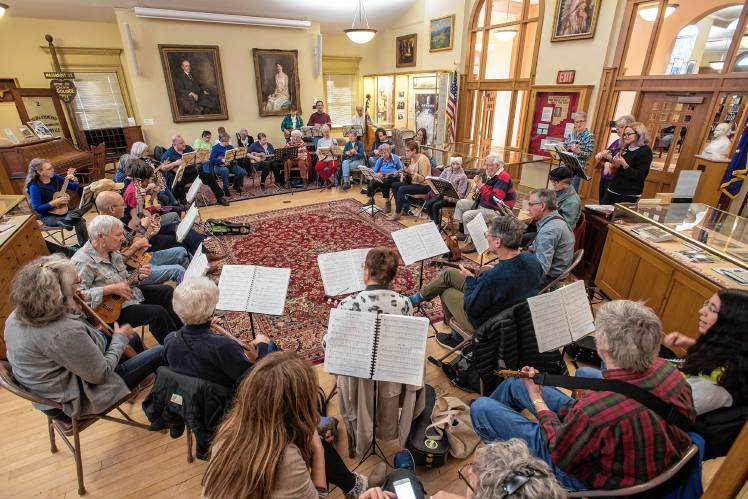
 We enjoy playing our ukuleles and our enjoyment is multiplied by the number of friends with whom we play.  That enjoyment is multiplied again when we perform as a group before an audience.  That makes us “performers” rather than merely “players.” Throughout ukulele history, performing groups have dotted the musical landscape.  Needless to say, we have our own here in our Happy Valley.

Here’s the Scramble playing ukes from my collection! What fun: https://www.youtube.com/watch?v=1FIa03KUUSU

Give these folks a listen: https://www.youtube.com/watch?v=gTMWoB-V2bw

All of these performing groups–to say nothing of various “strum sessions” keep us both busy and entertained week to week and throughout the year. And, of course, there is our own Saturday Strum Session.

While there are collective nouns for groups of animals—a murder of crows,

bask of crocodiles,

crowder of kittens, etc.—

alas, there seems to be no such noun for ukulele players.  Therefore, I hereby humbly propose: “A Strum of Ukers.”  Let’s see if it catches on!

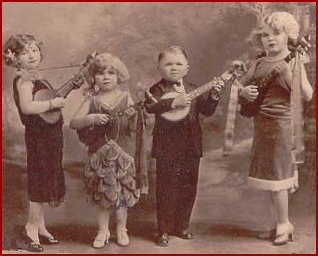
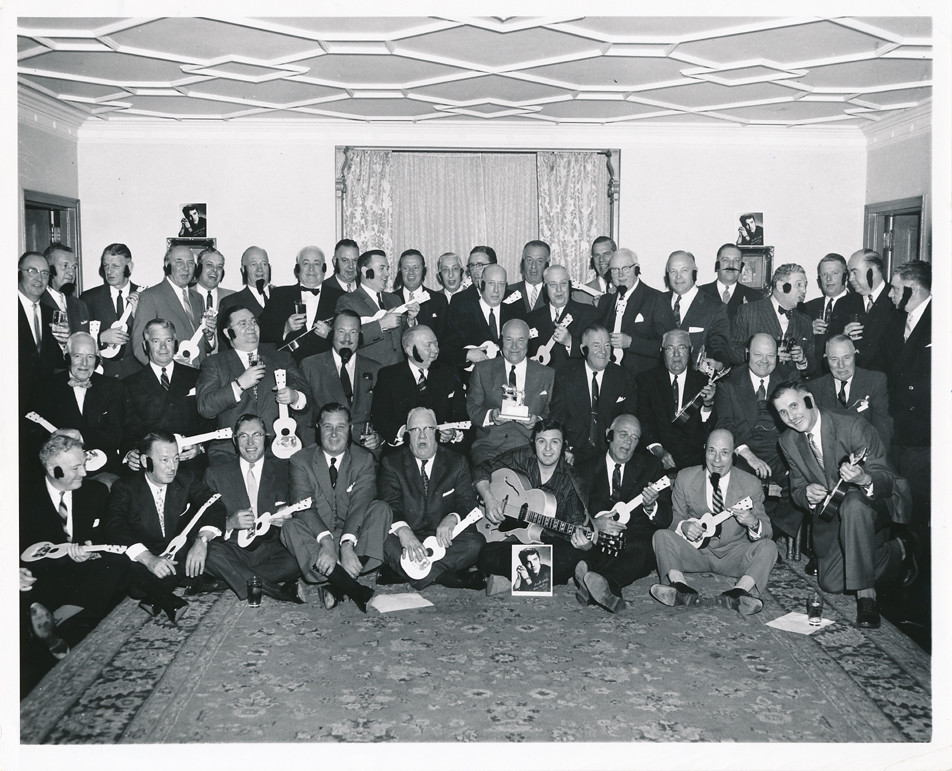
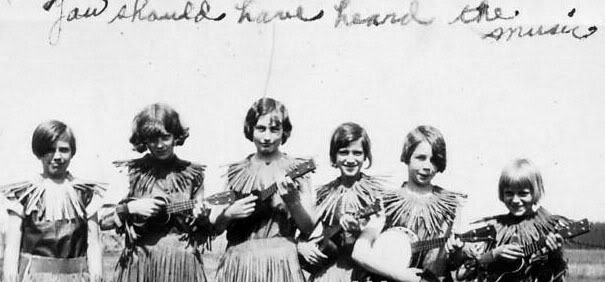
To return to the theme . . .  There have been numerous photographs taken throughout ukulele history of groups of ukulele players or performers that have found their way into my Picasa file.  A one-man-band seems to fit in,

but I am going to focus on pics that feature Strums of Ukers (sounds good!)

Here are some from days of yore.

Here are some from today.

A huge strum of ukers from New Zealand: https://www.youtube.com/watch?v=ThD6LQyGA9A

The music goes on and on, particularly with a STRUM of Ukers!

STAY TUNED!

NOHO BANJO AND UKULELE MUSING–“THERE’LL BE SOME CHANGES MADE”

UKULELE MUSING 51, 28 DECEMBER 2019:There’ll Be Some Changes Madeas we move on to a New Year!

Well, fellow strummers.  This is the last weekly musing (Number 51!) that I’ll be posting for 2019.  This year I have delved into the back stories of some of the songs from our Blue and Yellow Books and, because of my chronological age and musical interests, I have focused mostly on songs from the mid-twentieth to mid-nineteenth centuries. I have tried to explore these within their historical as well as musical contexts. 

At times that history might seem a bit too sharp or too flat for today’s ears; but, while facts and history don’t evolve over time, most music and many of our thoughts about it do. Nearly all of the songs in our books that I have mused about have morphed into so-called “standards”—fun to strum, fun to sing, and—to me—fun to know and learn a bit more about. All of this is what I have mused about over the past year.

So, thanks to those of you who have joined me for the ride.  Rest assured, my musings will continue next year in one form or another!

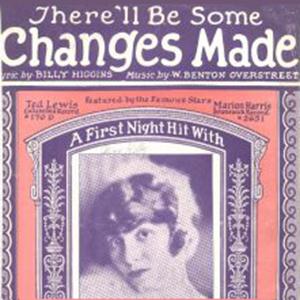
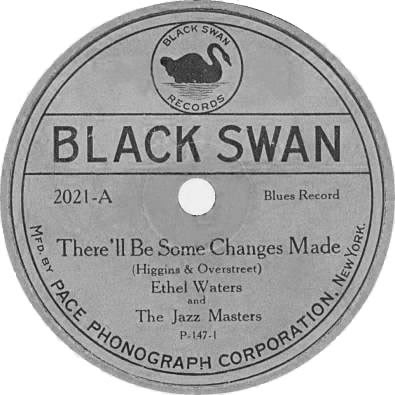
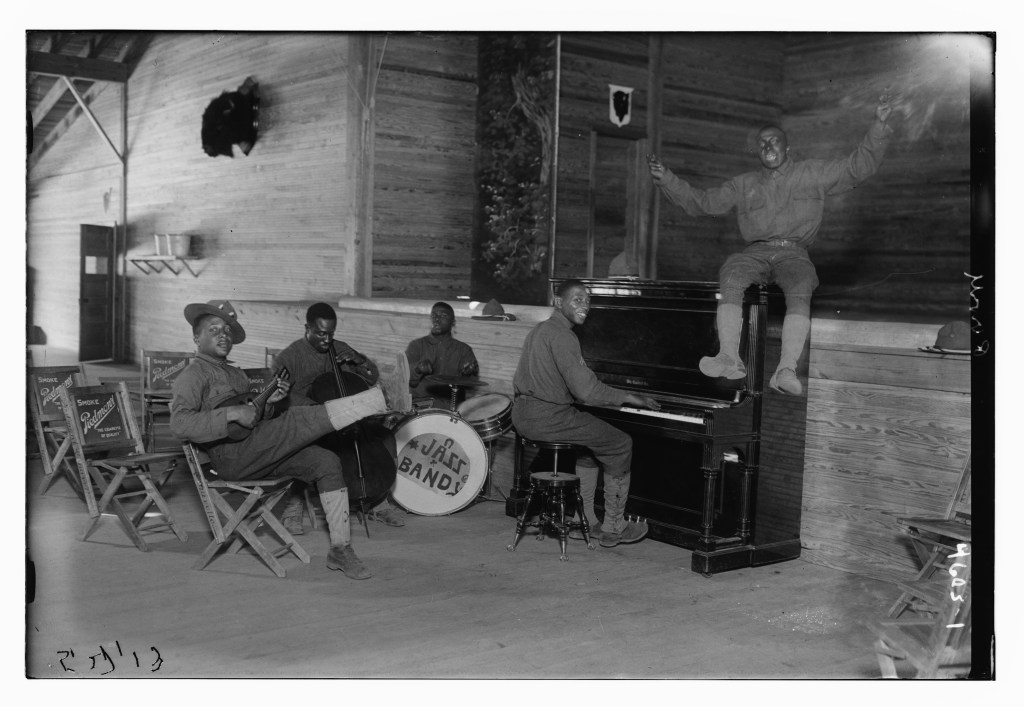
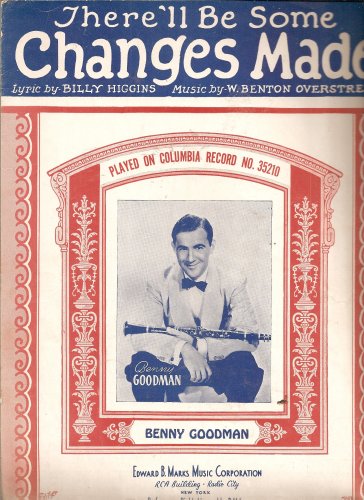
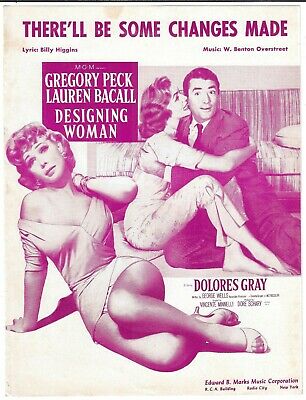
Anyway, as we make this transition to the New Year, there is a song found in our Blue Book appropriate for the occasion: “There’ll Be Some Changes Made.” This was written by William Benton Overstreet (1888-1935), music, and William Wendall “Billy” Higgins (1888-1937), lyrics. Published in 1921, this is a good example of a popular song that has flourished in several genres, particularly as a jazz standard.

The song and its recording debut were revolutionary in that the composers, publisher, vocalist, record label, and the leader and musicians in the orchestra were ALL African-American.  Musicologists identify this song and recording as a notable milestone of the Harlem Renaissance.     

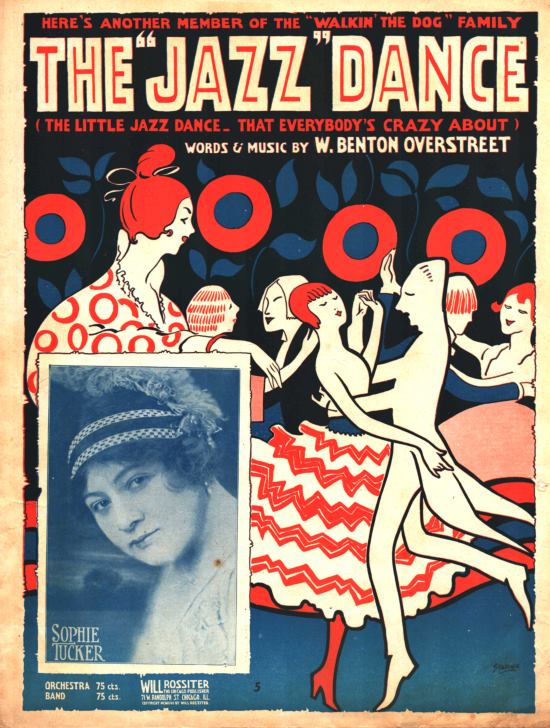
Overstreet was a songwriter, bandleader and pianist who worked in Kansas City, Chicago, and Harlem and early on used the word “jass” to describe his music. When he wrote and published the tune “Jazz Dance” in 1917, he changed things a bit and it was the first known use of the word “jazz” in a song title. 

As a songwriter, Overstreet was rated by Langston Hughes, a chronicler and leader of the Harlem Renaissance, as one of the “better poets of jazz.” 

Higgins, on the other hand, was an entertainer, and stage comedian. He was a singer as well as a songwriter—critically acclaimed as one of the most popular African-American comic actors of the 1920s. Often, as was done in those days, he performed in “blackface” makeup. Langston Hughes named him as one of the “Golden Dozen” black comedians of the Harlem Renaissance. He started his entertainment career in the South and achieved recognition performing in so-called “soldier shows” when he served in World War I.

After the war, he moved on to a vaudeville and musical career in Harlem where he linked up with Overstreet.

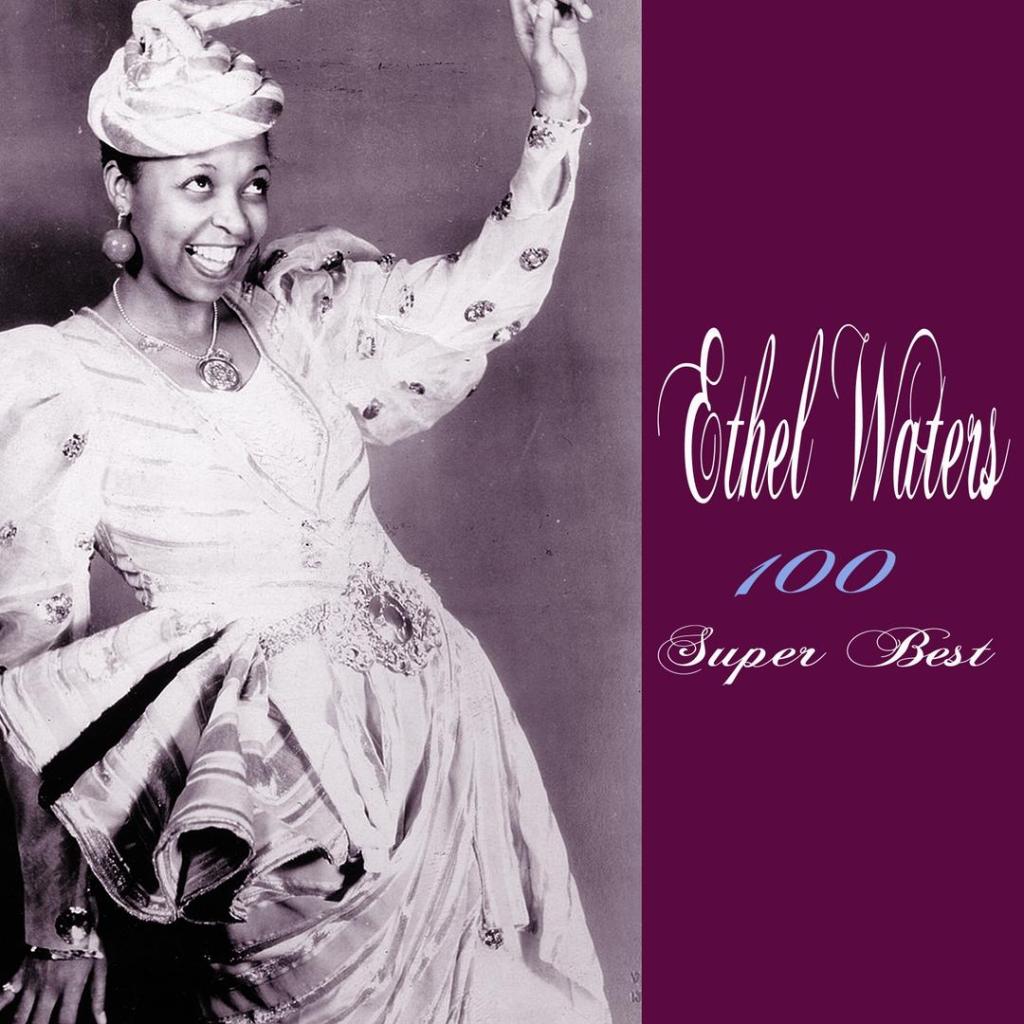
In the 1920s, “Changes” was recorded by vocalists Ethel Waters, Sophie Tucker, and others. 

Ethel Waters:  https://www.youtube.com/watch?v=idtm0vGa01A

Sophie Tucker:  https://www.youtube.com/watch?v=Mw2bZFEztjc

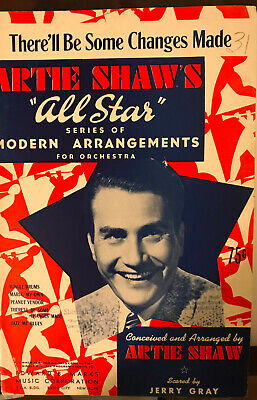
In the 1930s, it was Fats Waller, Benny Goodman, Fletcher Henderson, and others,

Benny Goodman:  https://www.youtube.com/watch?v=yWgOyfYYJPk

The Boswell Sisters, 1932:  https://www.youtube.com/watch?v=yWgOyfYYJPk

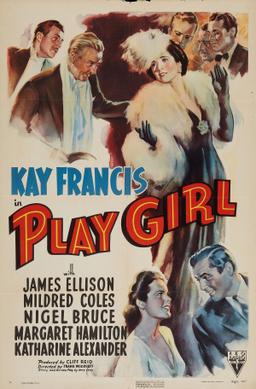
in the 1940s, Vaughn Monroe and Peggy Lee and the movie “Play Girl,” which used our song as one of its themes, kept “Changes” alive. 

Peggy Lee:  https://www.youtube.com/watch?v=qpPnDB2-PRk

In the 1950s and ‘60s there were recordings by Billie Holiday and Tony Bennet. 

Tony Bennett:  https://www.youtube.com/watch?v=YElXtJelYWk

There were other movies that used the song and even Country and Western recordings by Bob Wills and Chet Atkins.  In all, there have been over 400 recordings since the 1920s! 

Bob Wills, The Texas Playboys:  https://www.youtube.com/watch?v=nbC2Pce4HRc

Chet Atkins (“updated” lyrics): https://www.youtube.com/watch?v=clLZqfQXsg4

And, how about some dance? Fosse Choreography:  https://www.youtube.com/watch?v=KcSE7fKYqk0

And, of course, Banjo Ukulele:  https://www.youtube.com/watch?v=EfPIckBeh4Y

IN CLOSING:

I began my postings on ukulele lore and music back in 2016 by focusing on some of the more interesting ukuleles in my collection. 

The next year I mused about ukulele history and ukulele culture.  The following year I wrote about ukuleles and ukulele music relative to holidays and calendar events.  And, of course, this year was about songs in our Blue and Yellow Books. 

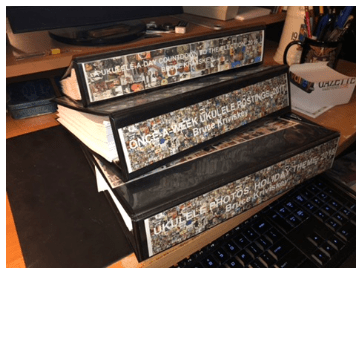
Believe it or not, these add up to a posting nearly every week–almost 200 postings over the past four years!  Whew! Saved, of course, the old fashioned way. 

This might be all for this year but, all I can say is “STAY TUNED!”

NOHO BANJO AND UKULELE MUSING, “MELE KALIKIMAKA”

UKULELE MUSING 50, 21 DECEMBER 2019: “MELE KALIKIMAKA,” A Bit of Western Swing from America’s Westernmost State.

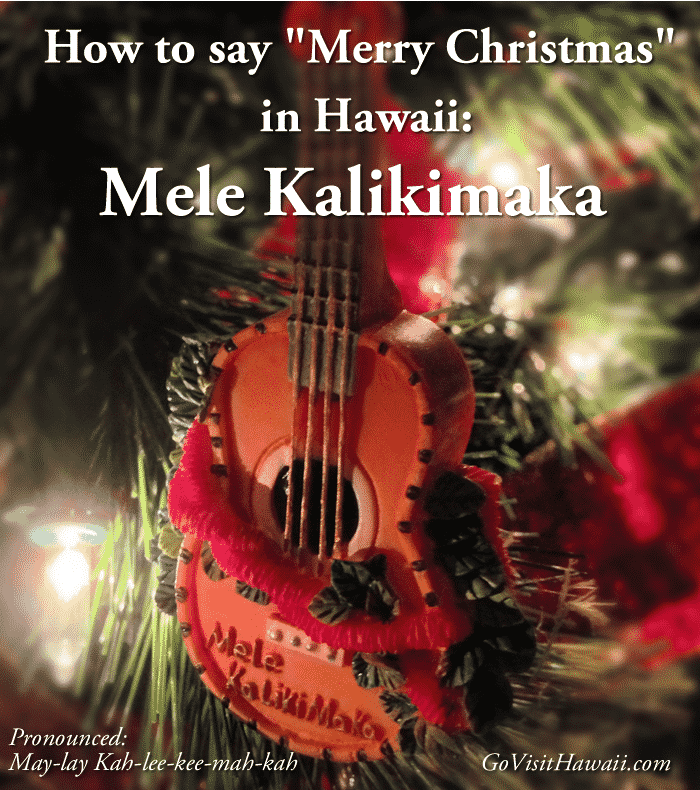
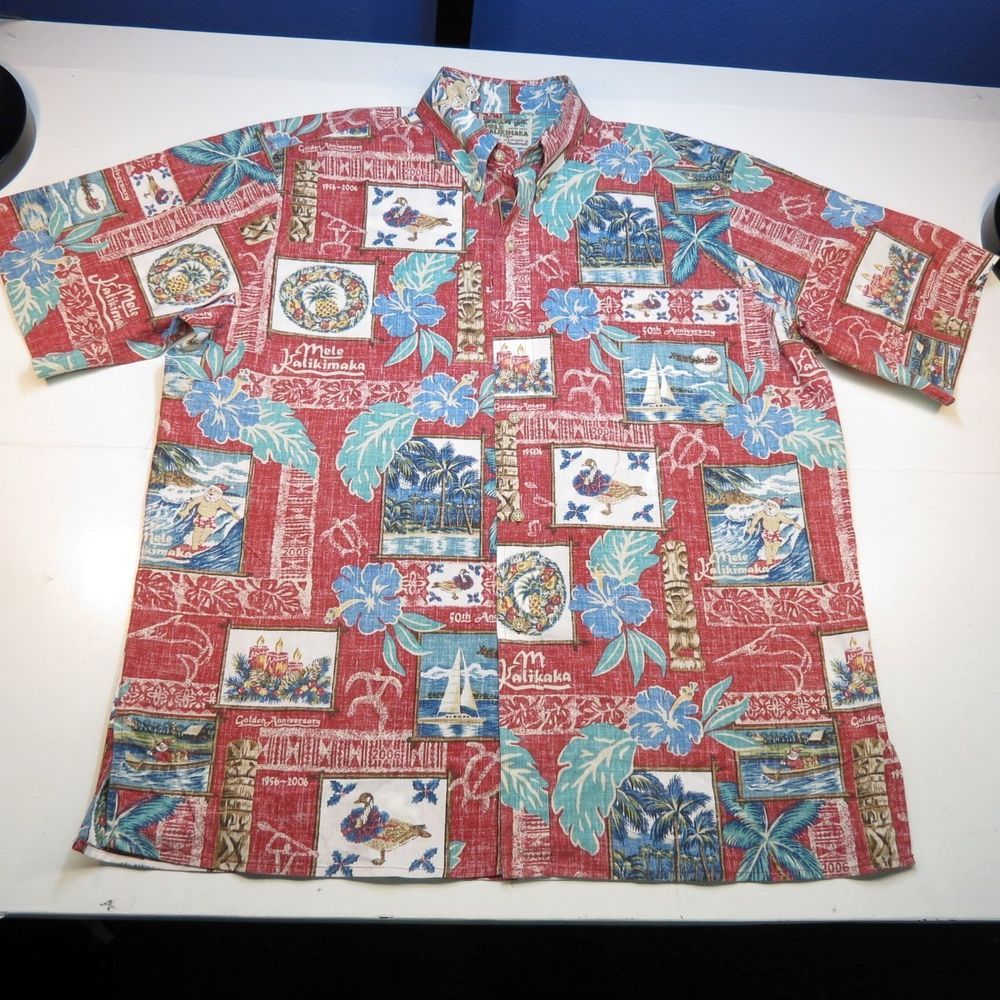
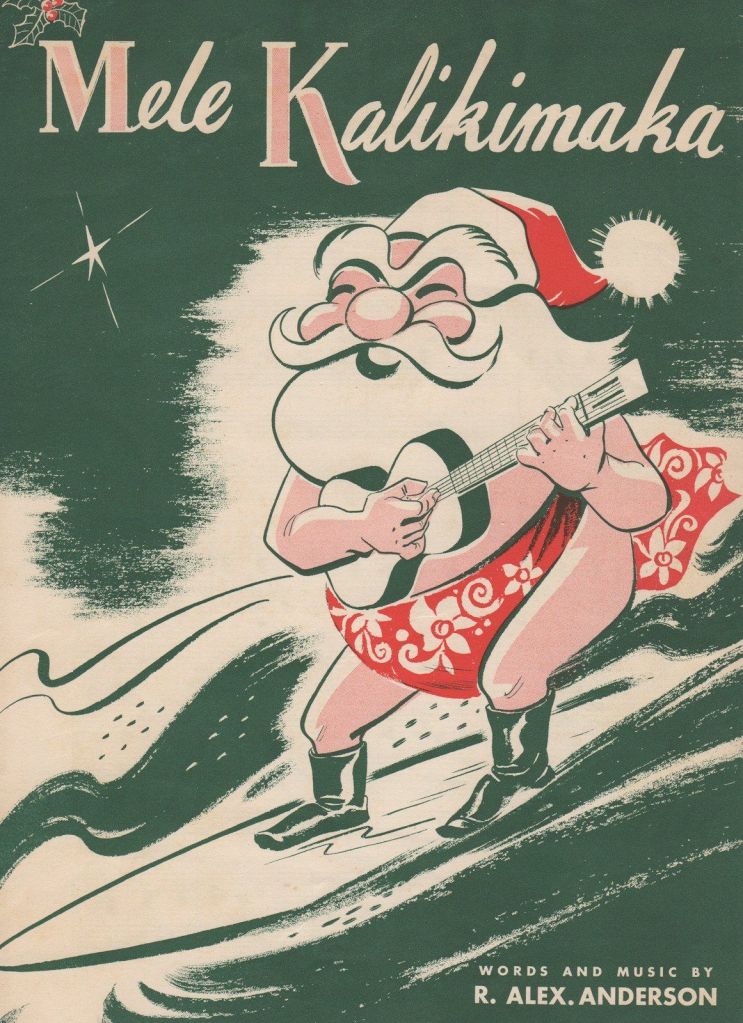
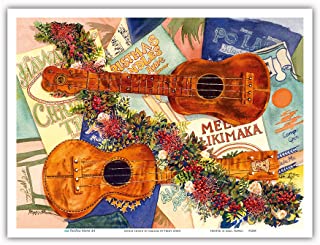
This wouldn’t be a serious ukulele posting this Christmas season without taking a look at that old favorite (chestnut?) Hawaiian holiday song, “Mele Kalikimaka”—the “thing to say on a bright Hawaiian Christmas day!”  This lively song, from our Yellow Book, is, however, a bit more “Hawaiian sort of” rather than “Hawaiian actual.”

Our song was written in 1949 by Robert Alex Anderson (1894-1995) and takes its title from the Hawaiian phrase “Mele Kalikimaka” meaning “Merry Christmas.”  The phrase, despite its island sound, is actually fashioned directly from English and was first coined and published in Hawaii in 1904.  Since the Hawaiian language follows a different phonetic system than English, it’s not possible to render a pronunciation that is really close to “Merry Christmas.” Standard Hawaiian does not have the “r” or “s” of English and it doesn’t use consonants at the end of syllables or in clusters.  So, without those alphabetical tools, the closest approximation to “Merry Christmas” evolved as “Mele Kalikimaka.”  Here’s a fun explanation of how this linguistic filtration works:

A Linguist’s Explanation:   https://www.youtube.com/watch?v=0h-gbeI0AFQ

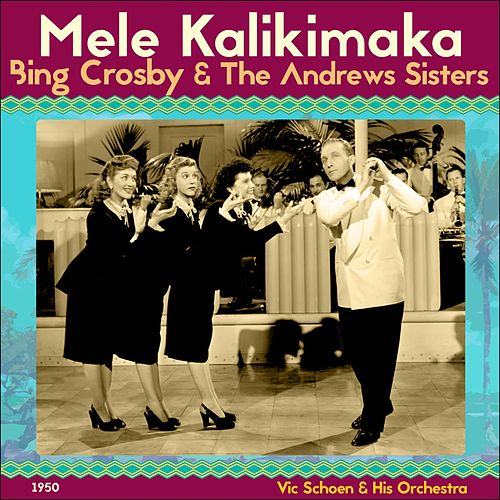
One of the earliest recordings of “Mele Kalikimaka”, 1950, was by Bing Crosby with the Andrews sisters—with more of a “western swing” rather than “hula” beat. 

This is the classic interpretation followed by, needless to say, hundreds of other cover artists over the past seventy years!

Bing Crosby and the Andrews Sisters:  https://www.youtube.com/watch?v=WJhYrC8Rq8w

And, of course, Don Ho: https://www.youtube.com/results?search_query=mele+kalikimaka+don+ho

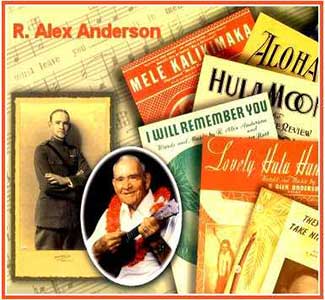
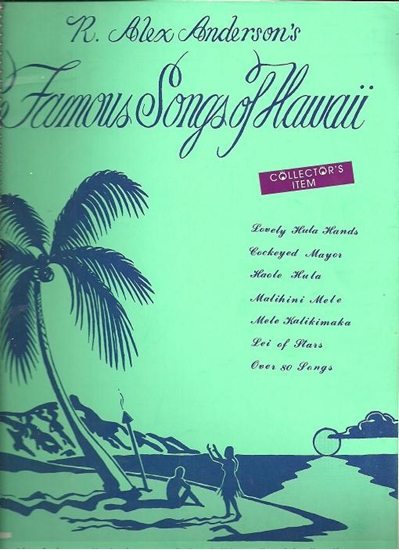
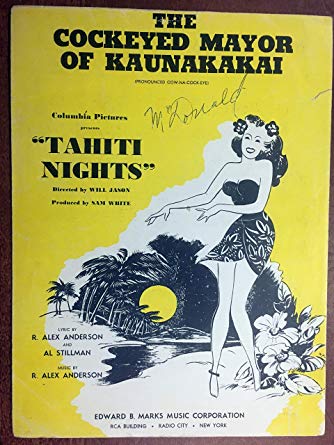
While our song falls squarely in the hape haole musical genre—that is, a song about Hawaii in English rather than from Hawaii in Hawaiian—it does have island cred because Anderson was born in Hawaii and settled there after college at Cornell and service in World War I.  He was an electrical/mechanical engineer and had a successful business career along with being an avid songwriter.  Not surprisingly he specialized in Hawaiian-themed songs and, aside from “Mele Kalikimaka,” his best known of more than two hundred songs is “Lovely Hula Hands.” 

Hula Hands:  https://www.youtube.com/watch?v=5yYSaXdUcrg


A graduate of Hawaii’s Punahoa School and Cornell University, Anderson was considered the “most Hawaiian” of the hapa haole composers and was inducted into the Hawaiian Music Hall of Fame in 1985.

Here is a rare recording of him talking about his work:

R. Alex Anderson himself:  https://www.youtube.com/watch?v=6FvMXys3Ffw

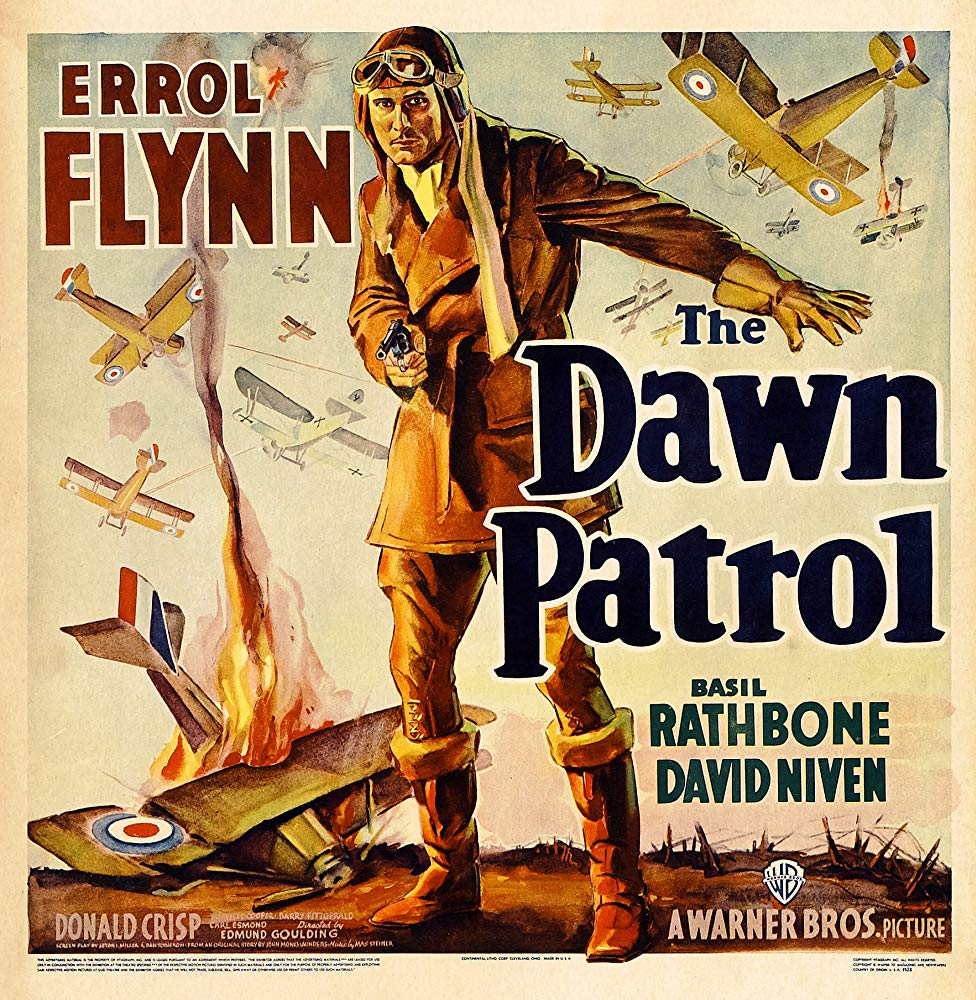
Not just a composer, Anderson was a fighter pilot in World War I, was shot down over enemy territory, and made a daring escape from a German POW camp.  The 1935 Errol Flynn movie, “The Dawn Patrol,” was based on this adventure!

So, let’s have some fun with a few interpretations of this traditional Christmas—or should we say “Kalikimaka”—greeting from Hawaii.  Notice also how the Hawaiian steel guitar sounds a lot like the pedal steel guitar of country and western music. 

Small world!         

Dance:  https://www.youtube.com/watch?v=kZTcqCGiu6A

Puppini Sisters with Ukuleles:  https://www.youtube.com/watch?v=I8iMXqHr774

The Long beard Brothers:  https://www.youtube.com/watch?v=6EWLBJTVpiQ

Bette Midler:  https://www.youtube.com/watch?v=FV_BGqgbxdc

And, of Course, Ukulele:  https://www.youtube.com/watch?v=UMBQu7aO_XI

 So, may you and yours have a Merry Christmas, “Mele Kalikimali, or whatever this year—and Stay Tuned!